
Introduction
Construction waste recycling plays an increasingly important role in reducing landfill disposal and recovering valuable materials. However, construction waste usually contains a mixture of concrete, bricks, asphalt, steel bars, wood, and other materials with different properties. Compared with traditional stone crushing, construction waste processing requires crushers that can handle variable materials, remove contaminants, and produce high-quality recycled aggregates. The right waste crusher directly affects recycling efficiency, final aggregate quality, operating costs, and equipment lifespan.
Therefore, construction waste crusher selection requires more than simply considering crushing capacity. Material hardness, feeding size, required output size, processing method, and site conditions all influence the final equipment configuration. Whether choosing a mobile crusher for on-site demolition waste recycling or a stationary crushing system for large-scale processing plants, selecting the right solution is essential for achieving efficient and stable construction waste recycling.If you would like to learn about the Construction Waste Recycling Line USA Specifications, please click on the article.
What Is a Construction Waste Crusher?
A construction waste crusher is crushing equipment used to process demolition and renovation waste, including concrete, bricks, asphalt, and mixed construction materials. It reduces large waste materials into smaller sizes that can be reused as recycled aggregates for road construction, building materials, and other applications.
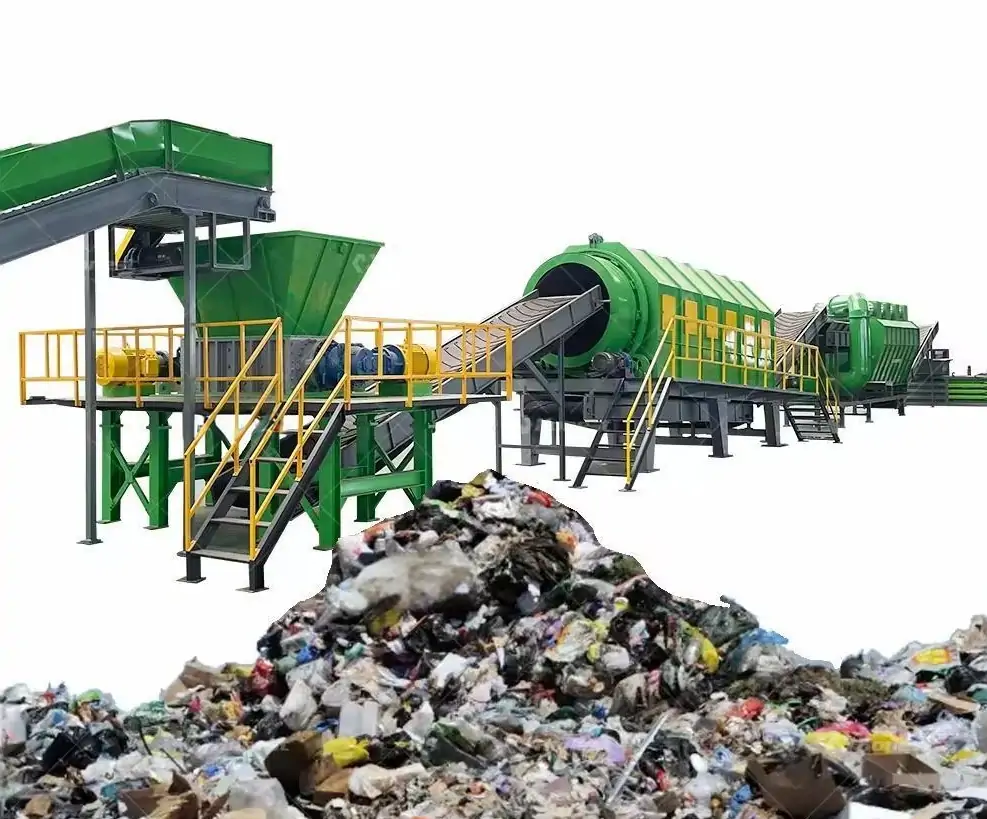
Unlike traditional stone crushers that mainly process relatively uniform rock materials, construction solid waste crushers need to handle variable feed conditions and materials containing impurities such as steel bars, wood, and plastics. In C&D waste recycling plants, crushers are usually integrated with feeders, screening systems, magnetic separators, and conveyors to remove unwanted materials and produce aggregates with controlled particle sizes.
The crushing process normally starts with feeding demolition waste into the crusher through a feeder system. Primary crushing reduces large concrete blocks and other oversized materials into smaller pieces. After crushing, screening equipment separates materials by size, while magnetic separators remove steel and other ferrous metals. For applications requiring higher-quality recycled aggregates, secondary crushing can be added to achieve better size control and particle shape.
Because construction waste differs significantly between projects, choosing the right crusher configuration is an important step in building a reliable recycling system.If you want to learn how to choose waste recycling equipment for different climates, click here.
Why Is Construction Waste Crusher Selection Important?
Choosing the right construction waste crusher directly affects recycling efficiency, recycled aggregate quality, operating costs, and equipment service life. Construction waste is usually a mixture of concrete, bricks, asphalt, steel bars, and other materials with different hardness and characteristics. Unlike standard stone crushing, waste recycling requires equipment that can handle variable materials and remove impurities during processing.
There is no single crusher suitable for all construction waste applications. Selecting unsuitable equipment may lead to frequent blockages, excessive wear, unstable output, and poor aggregate quality. Therefore, crusher selection should consider material type, feeding size, required output, processing capacity, and site conditions to ensure reliable operation and better recycling performance.If you’d like to learn more about the Best Waste Recycling Machine Supplier in Australia, click here.
Factors for Construction Waste Crusher Selection
Construction waste crusher selection should start with the actual material conditions and project requirements. The composition of waste, feeding size, material hardness, required capacity, final aggregate size, and working environment all affect the crusher configuration. Proper equipment selection helps maintain stable production, reduce unnecessary maintenance, and produce recycled aggregates that meet the required application standards.
Analyze Construction Waste Characteristics Before Selection
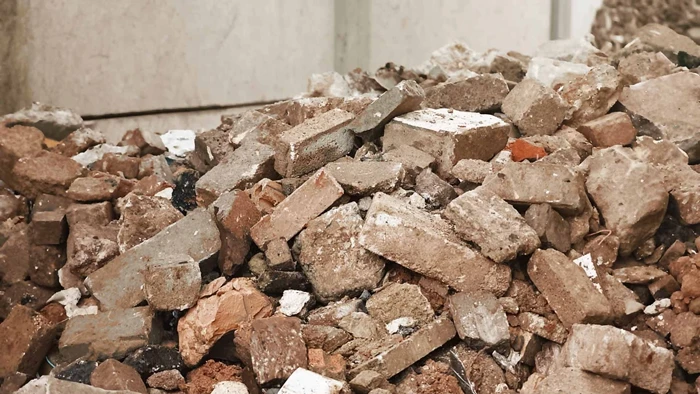
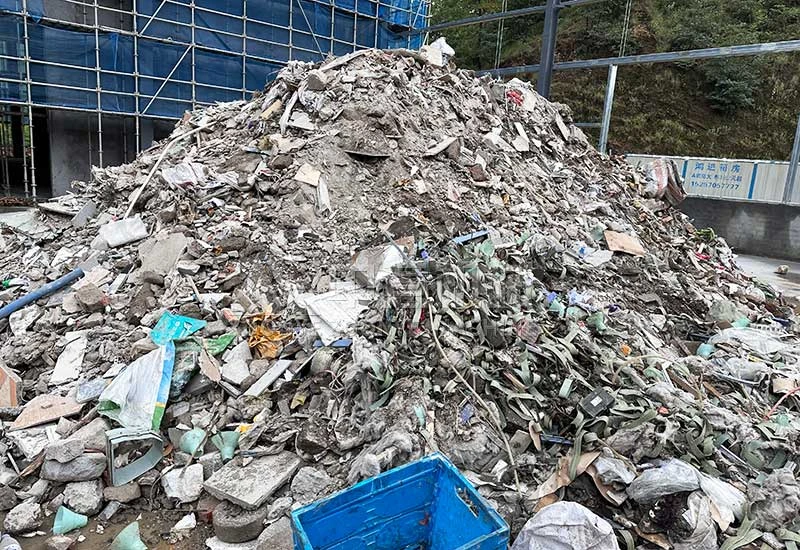
The composition of construction waste is the first factor to consider when selecting a crusher. Demolition materials are rarely uniform and may contain concrete, bricks, asphalt, reinforced concrete, steel bars, wood, and other impurities. These differences influence the required crushing force, feeding structure, wear resistance, and the configuration of downstream equipment.
Before choosing a crusher, it is necessary to evaluate the material condition, including feed size, hardness, moisture content, and the amount of metal or other contaminants. For example, large reinforced concrete blocks require a crusher with sufficient crushing force and a magnetic separation system to remove steel bars after crushing. For mixed construction waste containing soil, wood, plastics, or other lightweight materials, additional screening and sorting processes may be needed to maintain stable operation and improve the quality of recycled aggregates.
Match Crusher Capacity with Project Requirements
Crusher capacity should be determined based on the actual waste volume, operating schedule, and production target of the recycling project. In construction waste processing, output is not determined by the crusher model alone. Feeding conditions, material composition, crushing stages, and the efficiency of screening and conveying systems also influence the actual throughput.
As a general reference, small demolition projects may require equipment in the range of 10–50 t/h for on-site recycling. Medium-sized recycling plants commonly operate with 50–150 t/h systems, while large centralized processing facilities may require 150 t/h or higher capacity solutions.
Selecting the right capacity helps keep the crusher operating within its suitable working range. Equipment with insufficient capacity may cause material accumulation, overload, and unstable production. On the other hand, oversized equipment can increase capital investment, energy consumption, and maintenance costs without providing additional value.
Consider Final Aggregate Requirements
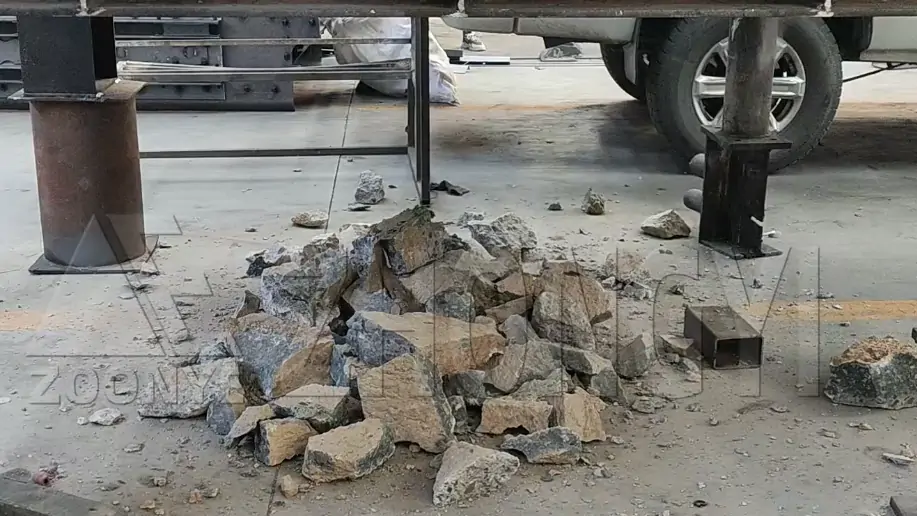
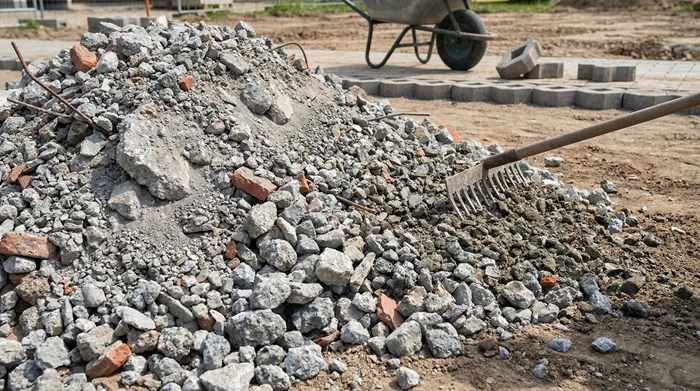
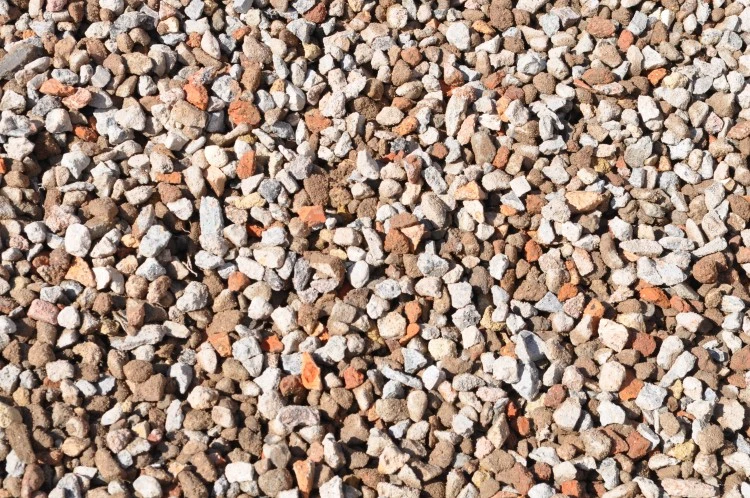
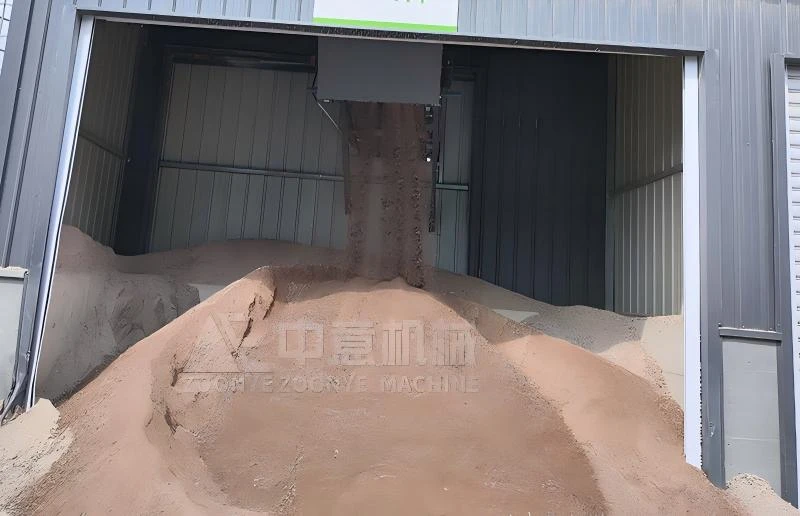
The final application of recycled materials should be considered before selecting a construction waste crusher. Crushed construction waste is commonly used to produce recycled aggregates for road base materials, concrete production, and construction filling. These applications have different requirements for aggregate size, grading, and particle shape, which affect the choice of crusher type and processing flow.
If the project only requires waste reduction, a primary crushing stage may be sufficient. For projects requiring higher-quality recycled aggregates, additional crushing stages and screening equipment are usually needed to control the final product size and improve consistency. The crusher configuration should be matched with the intended use of the recycled material rather than capacity alone.
Mobile VS Stationary Construction Waste Crushers
The selection between mobile and stationary construction waste crushers depends on the project location, waste transportation conditions, processing capacity, and operating plan. For demolition projects where waste is generated at different sites, mobile equipment can reduce material handling and transportation costs. For centralized recycling facilities with continuous operation, stationary crushing plants are usually more suitable.
Mobile construction waste crushers are widely used for demolition sites, temporary projects, and projects requiring frequent relocation. They can be transported directly to the working area and process waste close to the source, reducing the need for repeated loading and long-distance transportation. Many mobile systems combine feeding, crushing, screening, and magnetic separation equipment, making them suitable for on-site recycling operations.
Stationary construction waste crushing plants are designed for long-term recycling facilities and large processing centers. Compared with mobile equipment, they usually provide higher production stability and are easier to integrate with multiple processing stages, such as screening, sorting, and aggregate production. In general, mobile crushers are a practical choice for flexible on-site recycling, while stationary crushing lines are better suited for large-scale projects requiring continuous and centralized processing.
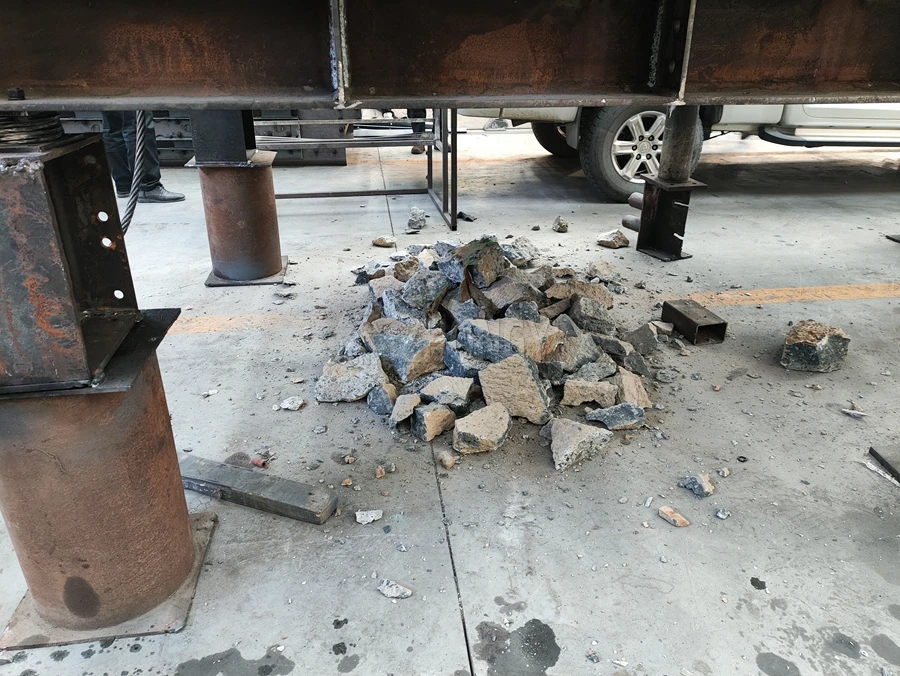
Main Types of Crushers Used for Construction Waste Recycling
Construction waste recycling requires different crushing and size reduction equipment based on material properties, processing stages, and final product requirements. In a typical recycling plant, jaw crushers are used for the primary crushing of large concrete blocks and reinforced concrete, while impact crushers, vertical composite crushers, and shredders are selected for secondary crushing, fine processing, and handling of mixed construction waste.The choice of shredding speed can affect more than output capacity. See [Low Noise Waste Shredder Machine Advantage Analysis] for a practical comparison of low-speed shredding and high-speed size reduction.
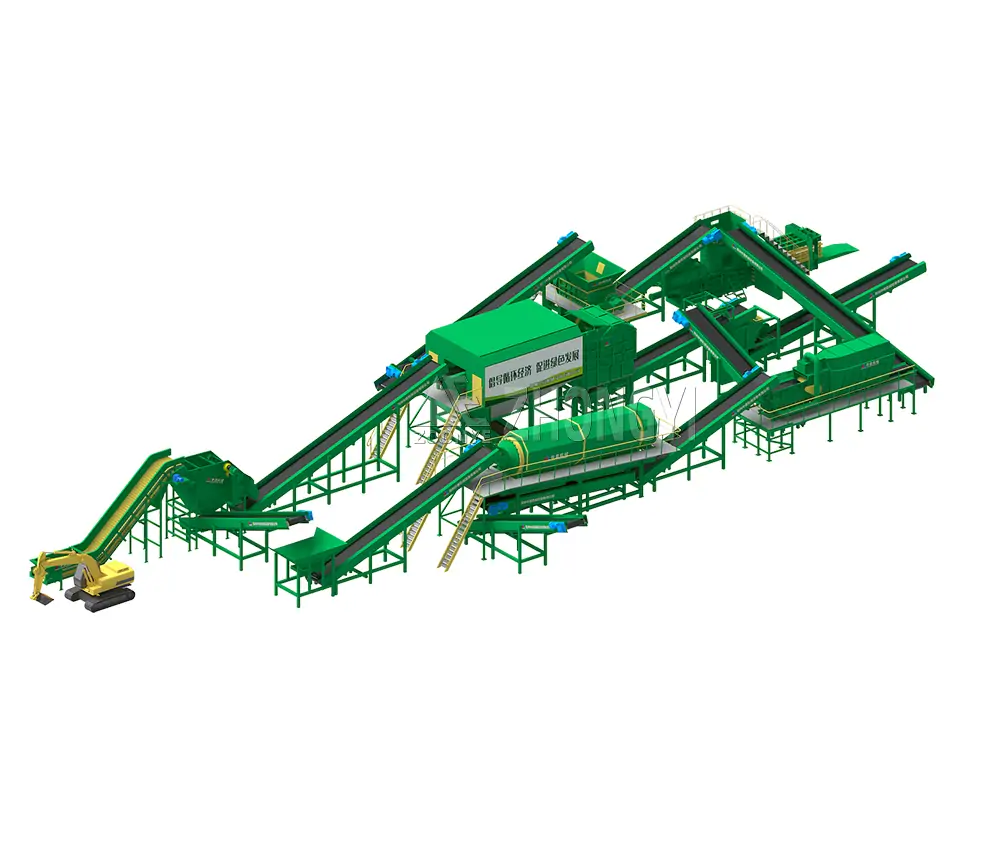
A complete construction waste recycling system usually combines multiple processing stages, including feeding, crushing, screening, and material separation, to process concrete, bricks, demolition waste, and mixed renovation materials. Selecting the right equipment combination helps achieve the required aggregate size, improve recycling efficiency, and produce high-quality recycled materials for construction applications.
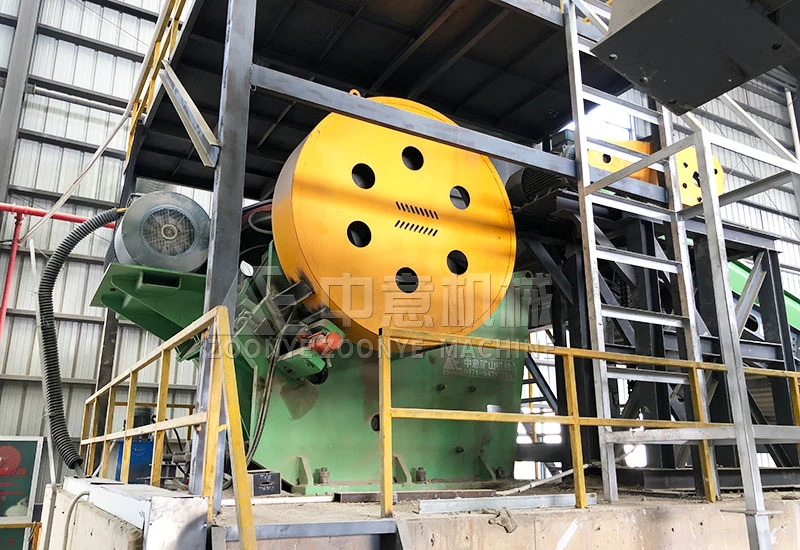
Jaw Crusher for Primary Crushing
Jaw crushers are typically used as the primary crushing equipment in construction waste recycling plants. The PE series jaw crusher is mainly applied for processing large-size and high-strength materials, such as concrete blocks, reinforced concrete, and demolition waste.
During the first crushing stage, the jaw crusher reduces oversized construction waste into smaller pieces, making the material suitable for secondary crushing, screening, and further processing. With its large feed opening and strong crushing capability, it can handle bulky materials efficiently and provide a stable feed size for the next stage of the recycling process.

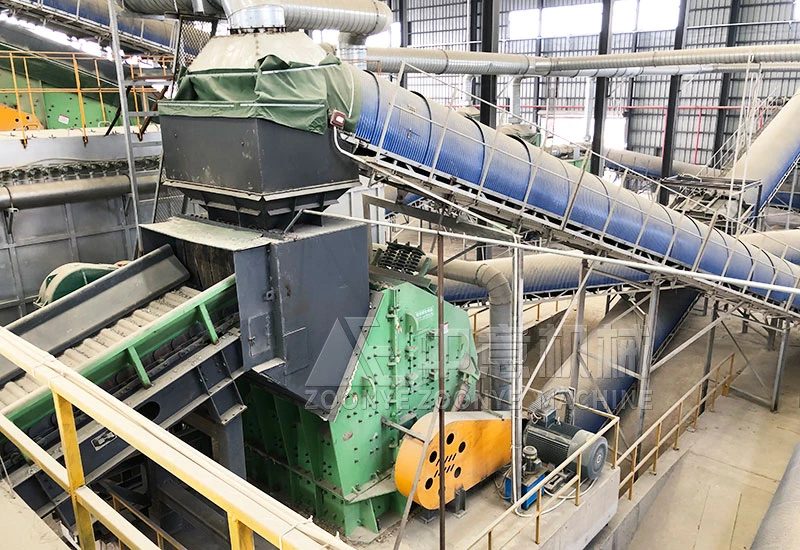
Impact Crusher for Recycled Aggregate Production
Impact crushers are commonly used as secondary crushing equipment after jaw crushers in construction waste recycling plants. The equipment is suitable for processing crushed concrete, bricks, and other brittle materials that require further size reduction and aggregate shaping.
By using high-speed impact force, the impact crusher breaks materials along their natural weaknesses and helps produce more cubic-shaped aggregates with better particle shape. This makes the processed materials more suitable for recycled aggregate production, road base materials, and concrete-related applications.

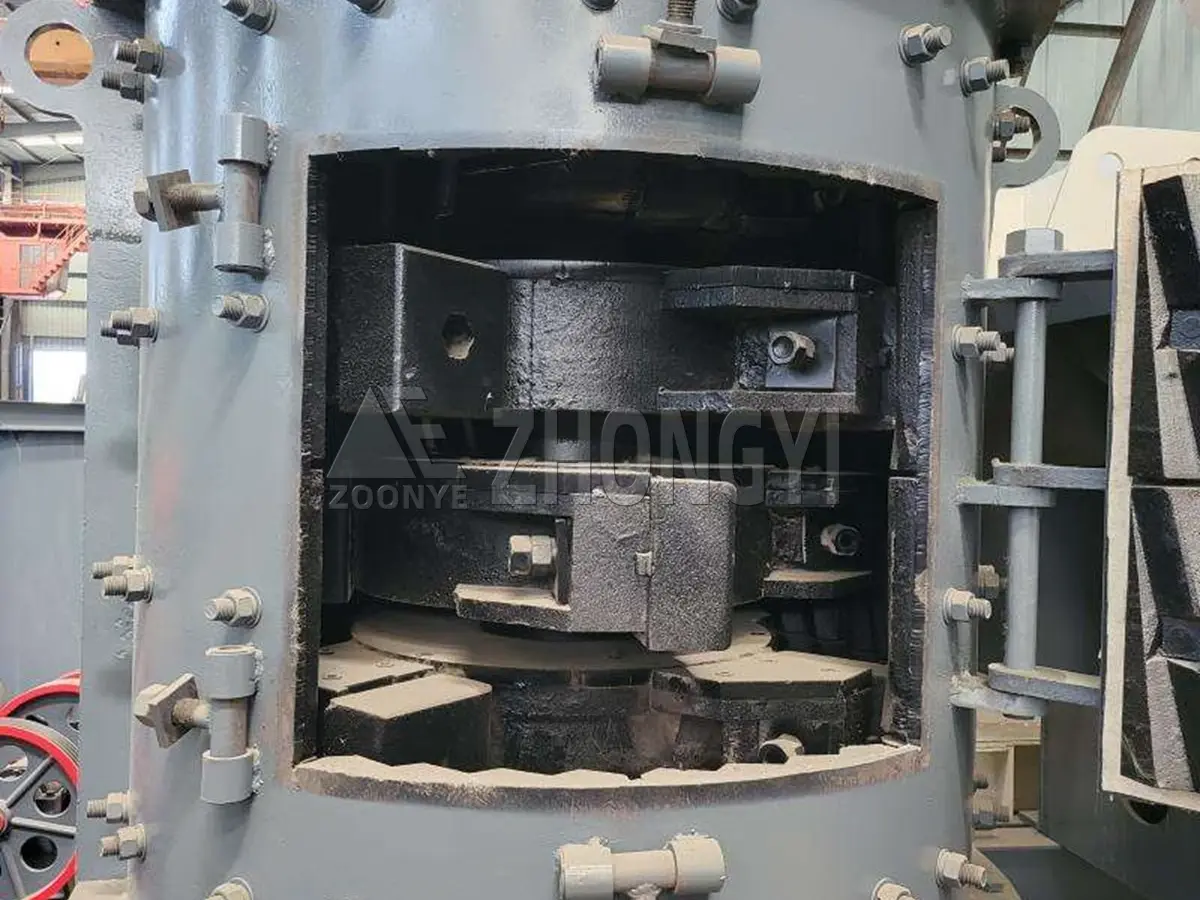
Vertical Composite Crusher for Fine Crushing
The PFL vertical composite crusher is used for medium and fine crushing of construction waste materials that require further size reduction after coarse crushing. It is mainly suitable for processing crushed concrete, bricks, and other brittle materials to produce recycled aggregates with a more controlled particle size.
Compared with conventional crushing equipment used for coarse reduction, the vertical composite crusher focuses on further crushing and refining materials. Its compact structure and integrated crushing design make it suitable for recycling projects where fewer processing stages and stable fine aggregate production are required.

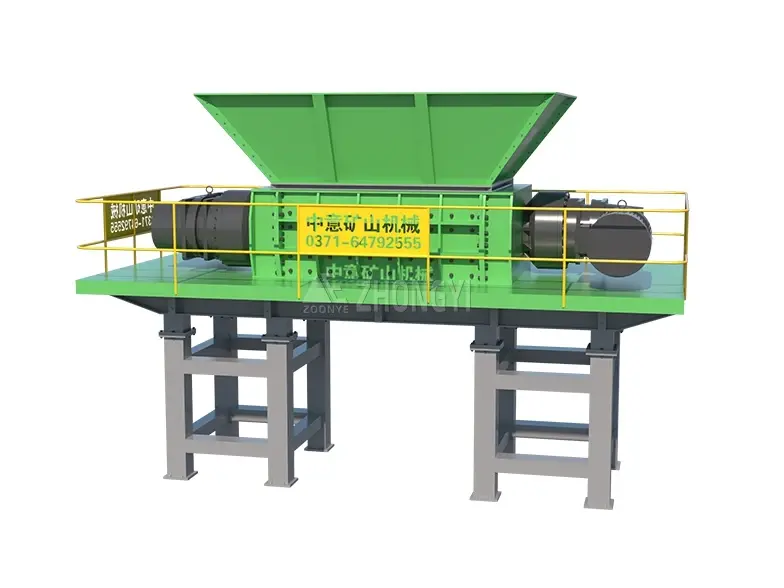
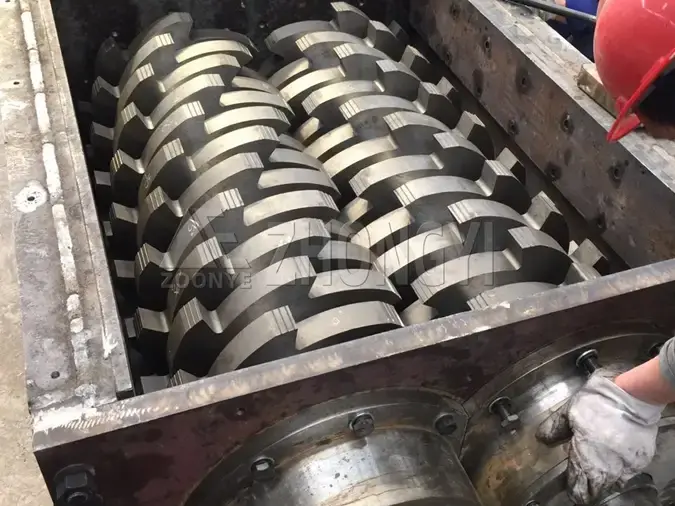
Double Shaft Shredder for Mixed Construction Waste
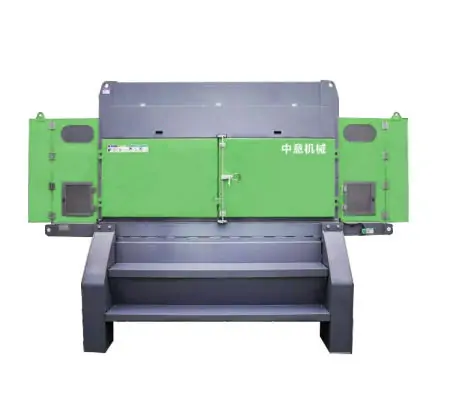
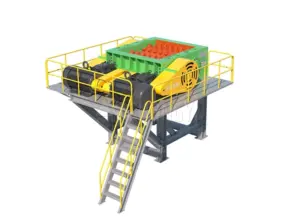
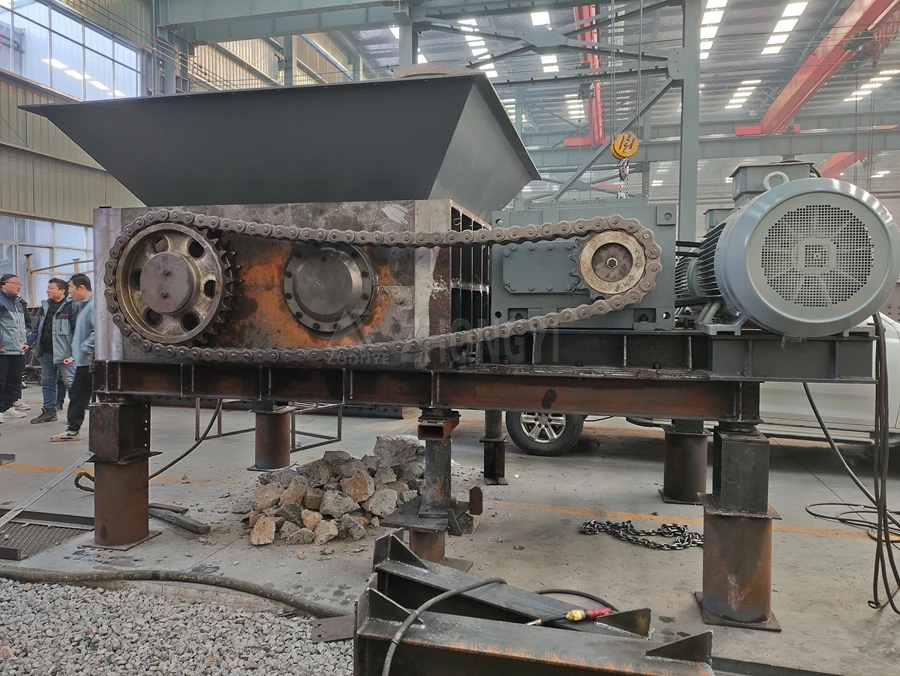
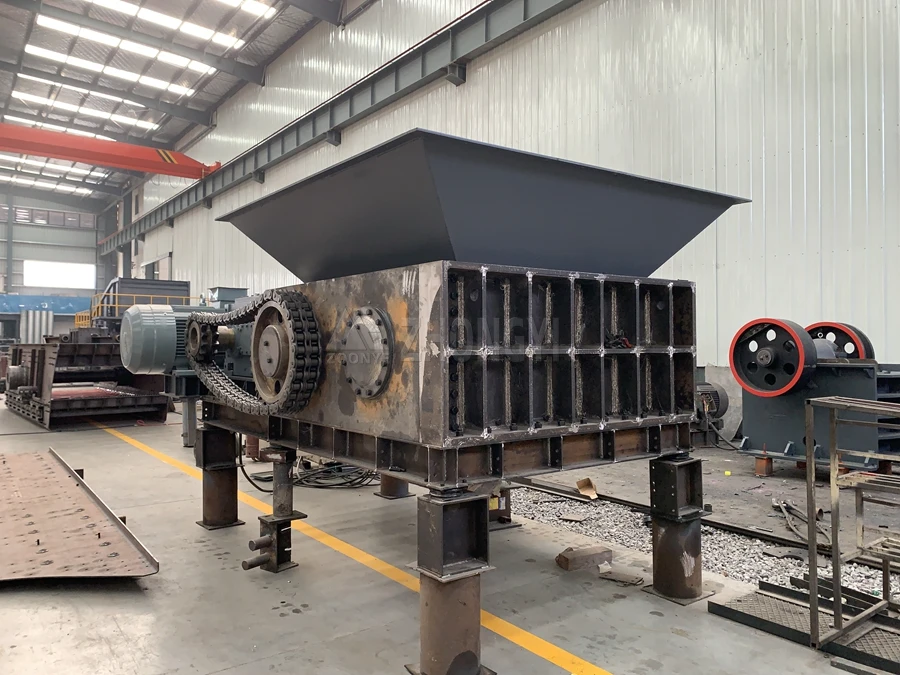
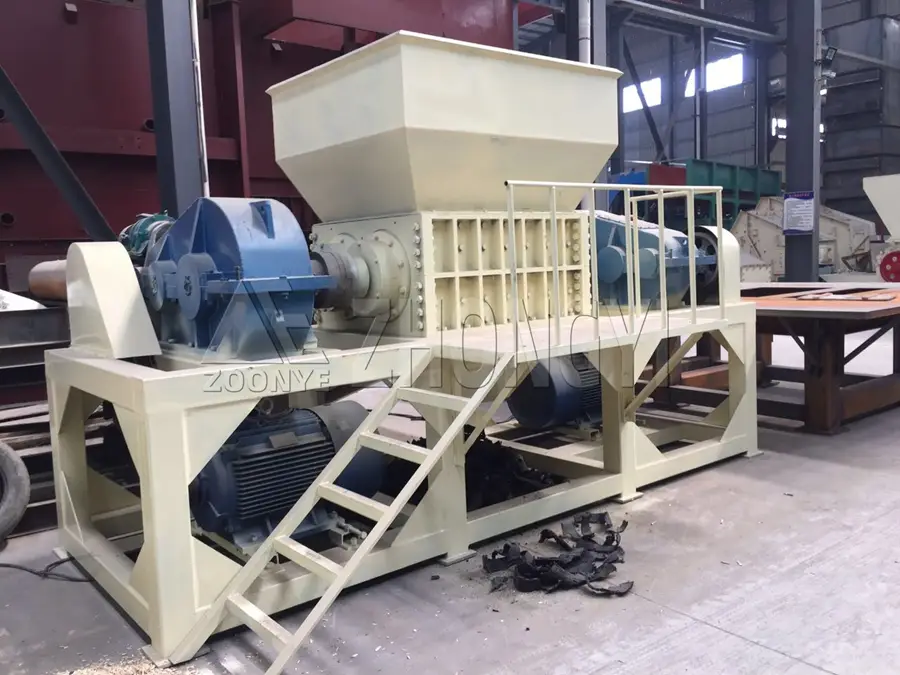
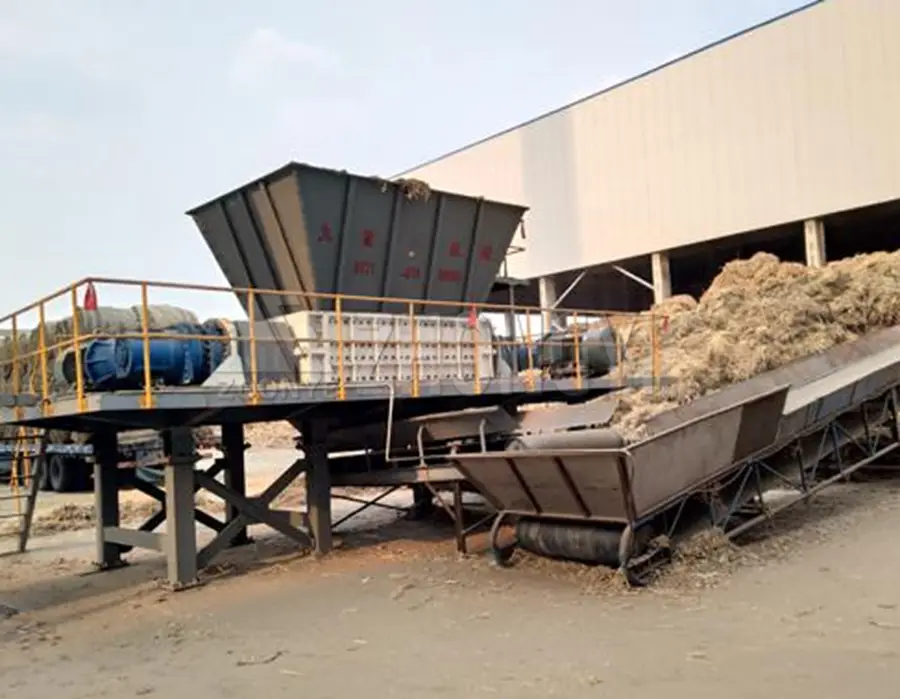
Double shaft shredders are mainly used for the pre-processing of mixed construction waste that contains multiple material types and is difficult to handle with conventional crushers alone. They are suitable for bulky and irregular materials from demolition and renovation projects, including wood, plastic, packaging materials, and other lightweight waste.
Through low-speed shearing and tearing, the double shaft shredder reduces the size of mixed waste and improves material uniformity before sorting, screening, or further crushing. It is commonly used as a pre-treatment step in recycling systems where material composition is complex.
Single Shaft Shredder for Size Reduction Control
Single shaft shredders are used in construction waste recycling applications where a more consistent output size is required. Unlike double shaft shredders, which are mainly used for rough size reduction of mixed materials, single shaft shredders provide controlled shredding through a rotating rotor and screening system.
They are suitable for processing pre-sorted construction and renovation waste, including wood, plastic, and other recyclable materials that require further size reduction before sorting, recovery, or reuse. The controlled particle size helps improve the efficiency of downstream separation and processing equipment.
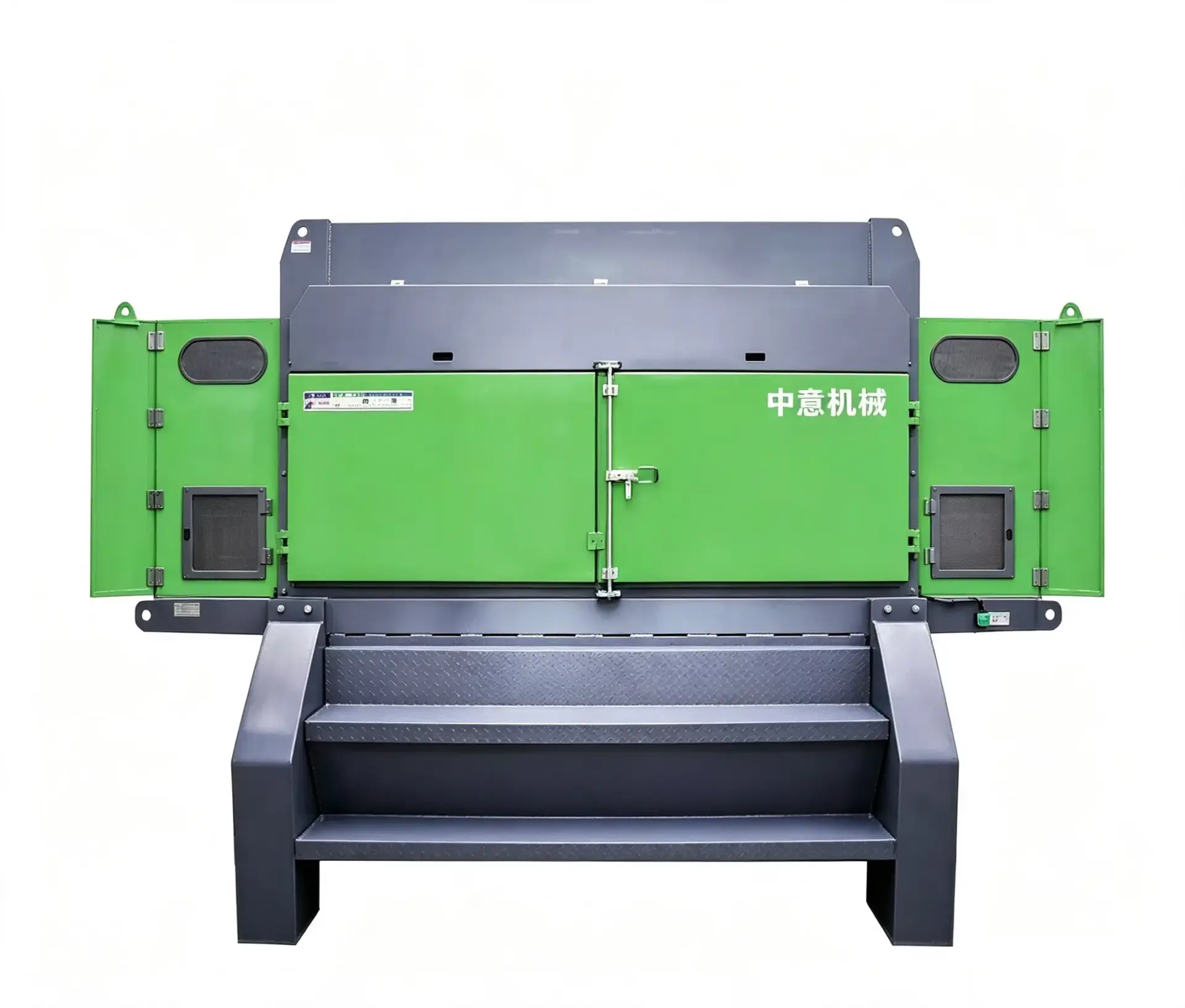
Integrated Construction Waste Crusher for On-site Recycling
Integrated construction waste recycling equipment is designed for projects that require direct processing of demolition waste at the job site. By combining feeding, crushing, screening, and conveying functions into a compact system, it simplifies equipment installation and reduces the need to transport waste to distant recycling facilities.
This type of equipment is widely used in urban demolition, road reconstruction, and temporary recycling projects where space, transportation costs, and rapid deployment are important considerations. It can process concrete blocks, bricks, and other construction waste materials directly on site to produce reusable recycled aggregates.


Complete Construction Waste Recycling Process with Crusher
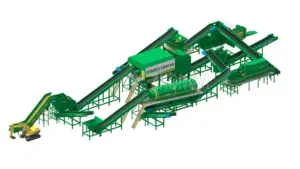
A construction waste crusher is only one part of a complete recycling system. In practical projects, crushing equipment works together with feeding, screening, magnetic separation, and sorting equipment to process mixed construction waste into reusable recycled aggregates. The equipment configuration varies depending on material characteristics, production capacity, and final aggregate requirements.
A well-designed recycling process usually includes several stages, from waste receiving and pre-sorting to crushing, screening, separation, and final aggregate production. Each stage plays a specific role in improving processing efficiency and ensuring the quality of recycled materials.
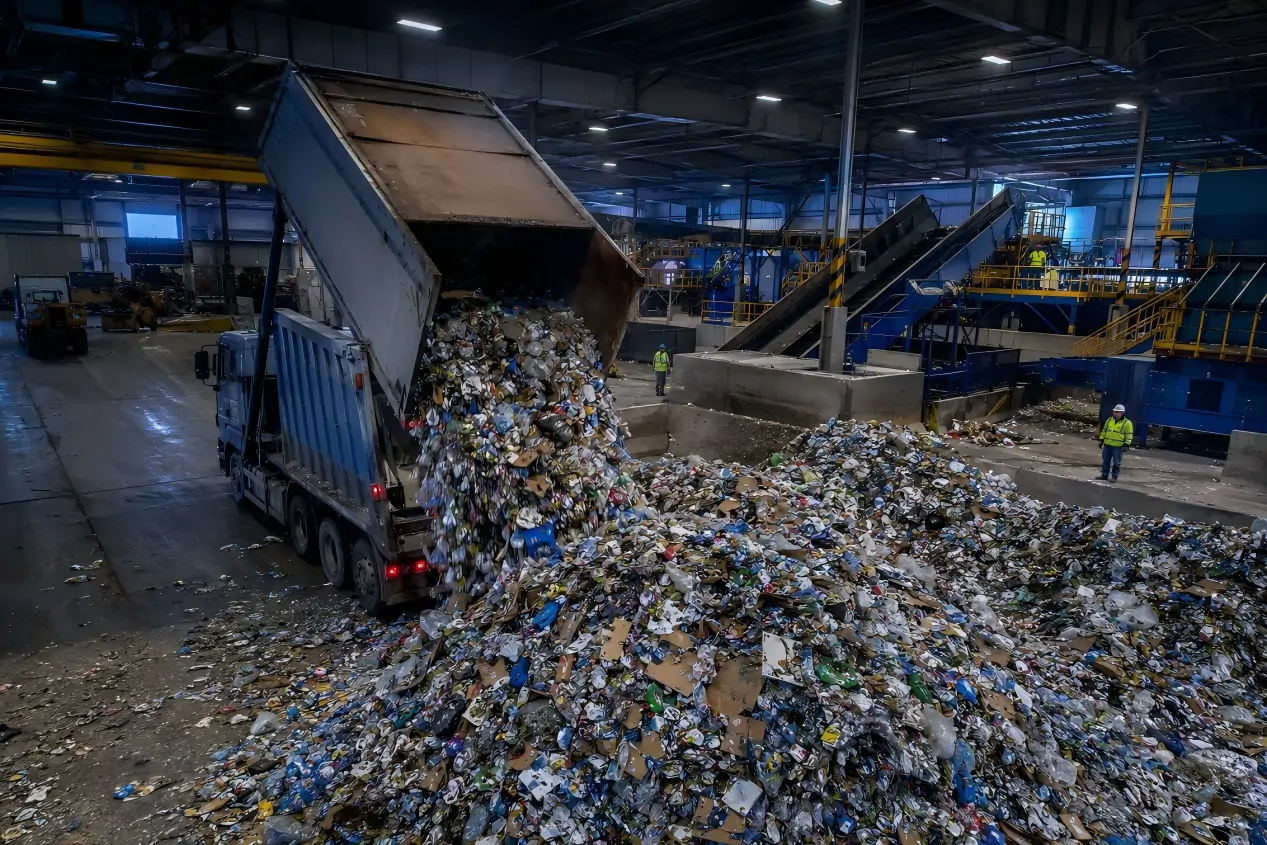
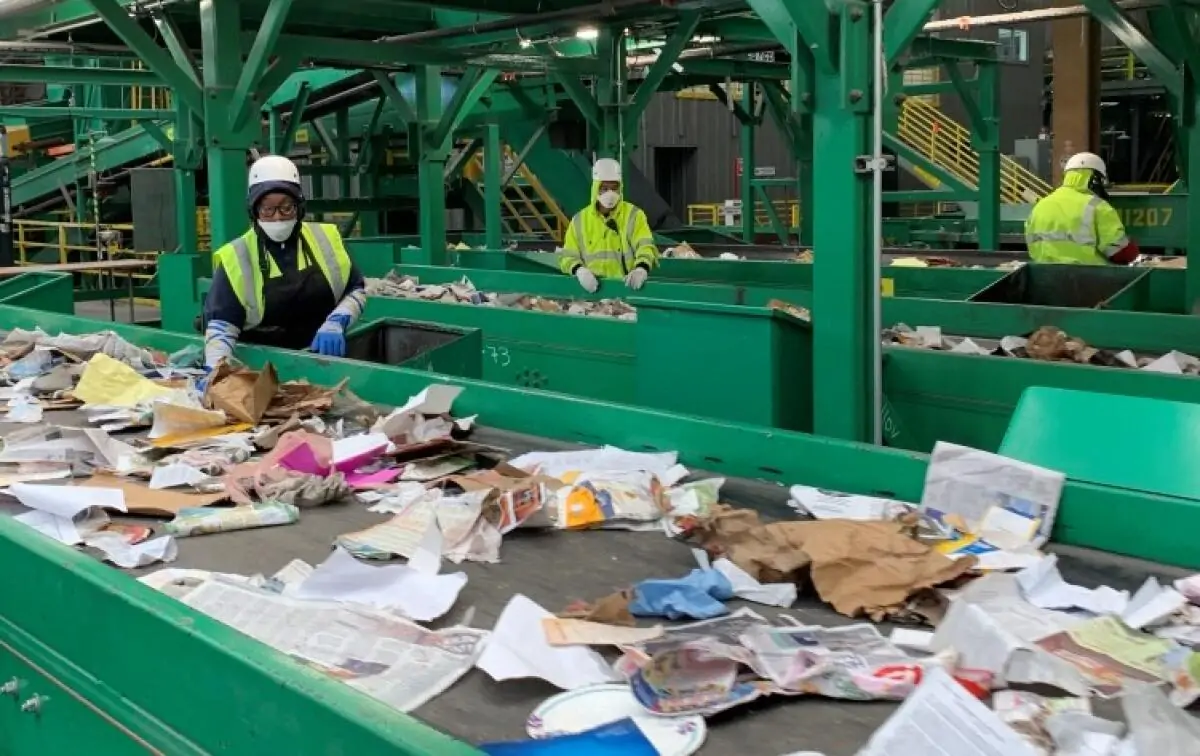
Construction waste usually contains concrete, bricks, steel bars, wood, plastics, and other impurities. Before crushing, large debris and unwanted materials are removed through manual sorting or mechanical separation to reduce equipment wear and ensure stable feeding. Effective pre-sorting helps protect the crushing system and improves the quality of the recycled materials produced in later stages.
The primary crushing stage reduces large concrete blocks, reinforced concrete, and demolition waste into smaller sizes for further processing. Jaw crushers are commonly used at this stage because they can handle large feed sizes and hard materials through compression crushing. During crushing, reinforced concrete is broken apart and steel bars are exposed, allowing downstream magnetic separation equipment to remove ferrous materials and improve the quality of recycled aggregates.
After primary crushing, the material is screened to separate different particle sizes. Oversized materials are returned for further crushing, while qualified aggregates move to the next stage.
When the required aggregate size or quality cannot be achieved after primary crushing, secondary crushing is added to further reduce material size and improve product consistency. The final configuration depends on the target application and recycled aggregate requirements.Impact crushers are commonly used when better aggregate shape is required, while cone crushers are considered for harder and more abrasive materials.
After crushing and screening, separation equipment is used to remove remaining impurities and improve recycled aggregate quality. Magnetic separators remove ferrous metals such as steel bars, while air separation or other sorting equipment can be added to remove lightweight materials such as plastics and wood when higher aggregate purity is required.
The processed materials are classified into different sizes according to final application requirements and can be used for road base materials, construction filling, and other recycled building materials. A properly configured recycling system helps achieve stable production and consistent recycled aggregate quality from mixed construction waste.
Common Mistakes When Selecting a Construction Waste Crusher
Many buyers pay too much attention to the initial equipment price and overlook the cost of long-term operation. Maintenance frequency, wear part replacement, energy consumption, and after-sales support all affect the actual cost of running a crusher. Material conditions also need to be evaluated before selection, including hardness, feed size, moisture content, and impurities. If the crusher configuration does not match the incoming waste, problems such as unstable feeding, faster wear, and poor aggregate quality may occur.
Another common issue is selecting crusher capacity based only on current production demand. The equipment needs to match the expected waste volume, operating hours, and recycling requirements of the project. A crusher with insufficient capacity can limit production efficiency, while excessive capacity may increase investment and operating costs without improving actual output.
Conclusion
Choosing the right construction waste crusher requires a clear understanding of the material characteristics, processing capacity, final aggregate requirements, and overall recycling process. There is no single crusher that fits every project. The right equipment configuration depends on factors such as waste composition, production goals, site conditions, and the required quality of recycled materials.
A reliable construction waste recycling system combines crushing, screening, and separation equipment to achieve stable operation and consistent aggregate output. Xinzhongyi ECO provides customized construction waste crushing and recycling solutions based on different project requirements, from mobile crushing equipment for on-site recycling to complete stationary recycling plants. Contact us to discuss your project requirements and find a suitable crusher configuration for your application.


Andy Yu
Technical Engineer | Zhongyi ECO
16+
Years Exp.
300+
Solutions
50+
Countries
16 years’ experience in environmental and solid waste management, specializing in C&D recycling and waste sorting solutions. At Zhongyi Mining Machinery, focused on improving global clients’ efficiency through technical expertise and tailored configurations.
FAQ
The best crusher depends on the type of construction waste, required output size, and final application of recycled materials. Jaw crushers are commonly used for primary crushing of large concrete blocks and reinforced concrete, while impact crushers are used for secondary crushing and aggregate shaping. For mixed demolition waste, shredders may be required before crushing and sorting.
Yes, construction waste crushers can process reinforced concrete, especially jaw crushers designed for primary crushing of large and hard materials. During recycling, steel bars are usually separated after crushing through equipment such as magnetic separators. A complete recycling system combines crushing and separation processes to improve material recovery and produce cleaner recycled aggregates.
A construction waste crusher is mainly used for breaking hard materials such as concrete, bricks, and stones into smaller aggregate sizes. A shredder is designed for reducing mixed and bulky materials, including wood, plastic, and renovation waste. In many recycling projects, shredders are used as pre-processing equipment, while crushers handle the hard materials after sorting.
Yes, mobile and integrated construction waste recycling equipment can process demolition waste directly at the job site. By combining feeding, crushing, screening, and conveying functions, it reduces the need for transporting waste to external facilities. This solution is suitable for urban demolition projects, road reconstruction, and temporary recycling applications where flexibility and quick installation are required.
The maximum feed size depends on the crusher model, equipment design, and material characteristics. Jaw crushers are generally selected for large concrete blocks and oversized demolition waste, while secondary crushers and shredders are used for further size reduction. Before selecting equipment, the input material size and required final aggregate size should be clearly defined.
Selecting the right construction waste crusher requires considering material composition, processing capacity, feed size, output requirements, and final product application. Concrete recycling projects usually require crushing equipment, while mixed demolition waste may need shredding, screening, and sorting systems. A suitable equipment combination can improve recycling efficiency and reduce unnecessary processing steps.
The processing capacity depends on the equipment model, material characteristics, and production requirements. Small mobile recycling units are suitable for flexible on-site applications, while larger stationary recycling systems can process higher volumes of demolition waste. Capacity selection should be based on daily waste generation, operating hours, and required recycled aggregate output.
A complete construction waste recycling system usually includes feeding equipment, crushers or shredders, screening equipment, conveyors, and material separation units. Depending on the waste composition and recycling goals, additional equipment such as magnetic separators, air separators, and sorting systems can be integrated to improve recovery rates and recycled material quality.