

What Is a Manual Waste Sorting Cabin?
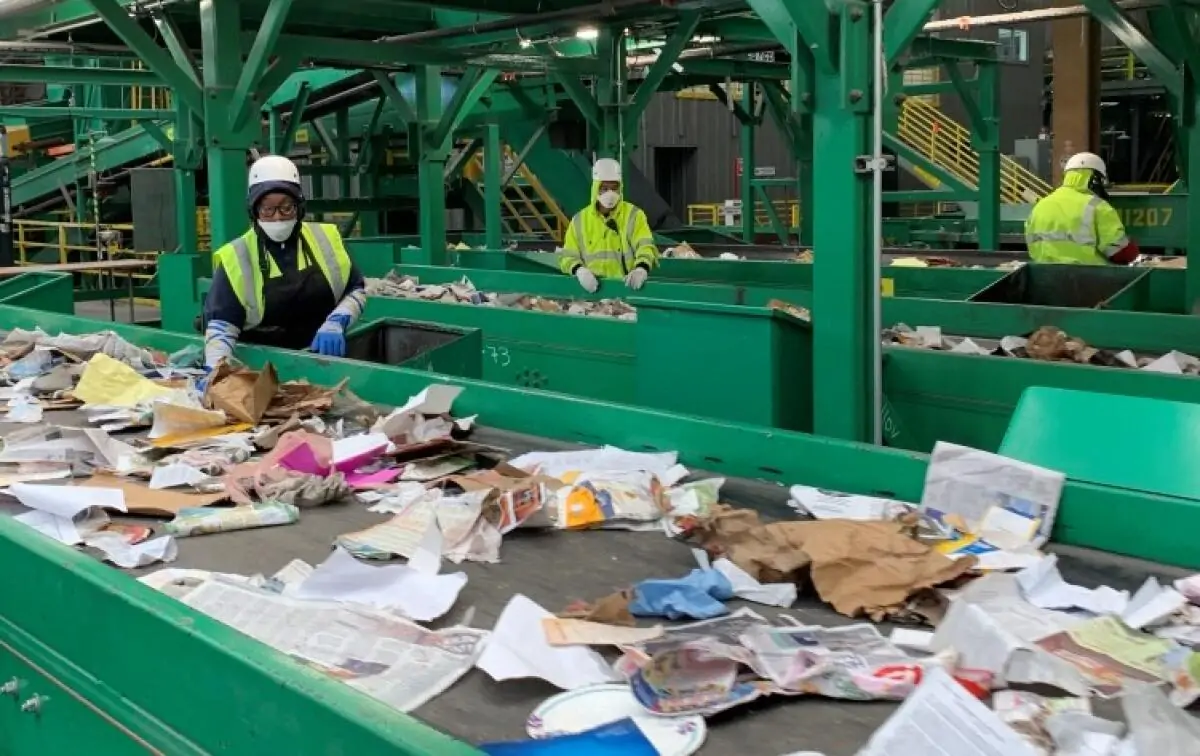
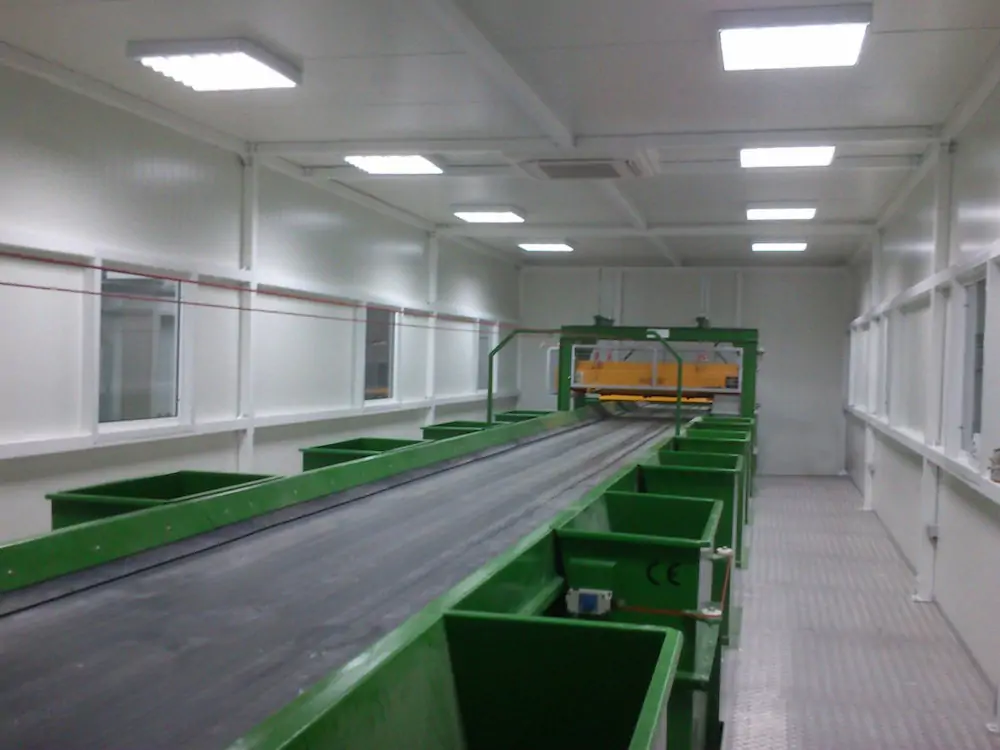
A Manual Waste Sorting Cabin, also known as a Manual Sorting Station, is an enclosed workspace installed along recycling conveyors where operators manually remove contaminants and recover valuable recyclables. It serves as a critical quality control point, improving material purity and protecting downstream equipment.
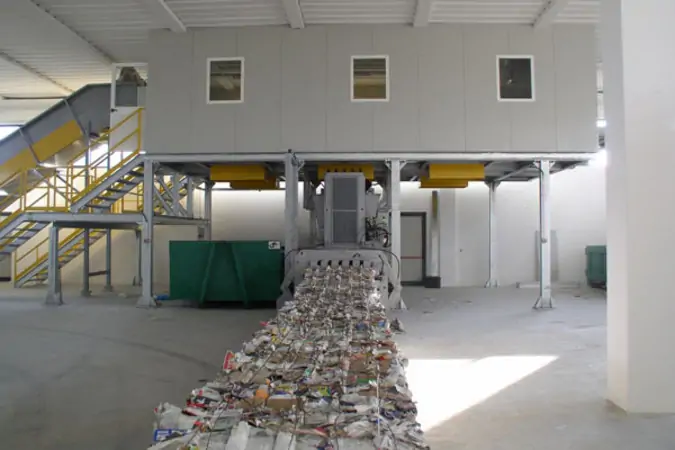
A typical Manual Waste Sorting Cabin includes a sorting conveyor, multiple workstations, collection hoppers, and a steel-structure cabin. After primary screening, workers separate plastics, paper, metals, glass, and other materials. This secondary sorting process can improve recyclable recovery rates by up to 15%.
Designed for recycling plants, modern sorting cabins feature ergonomic layouts, variable-speed conveyors, ventilation systems, and safety protection devices. They help process complex waste streams that automated equipment may miss, making them an essential part of efficient waste recycling operations.
Applicable Materials
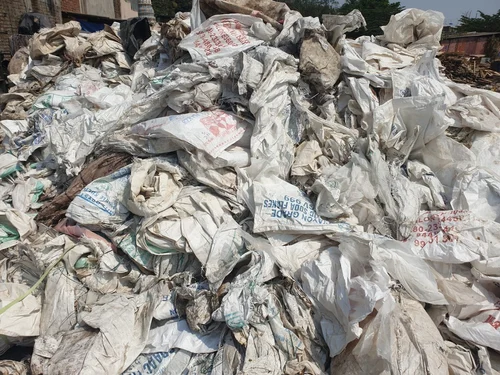
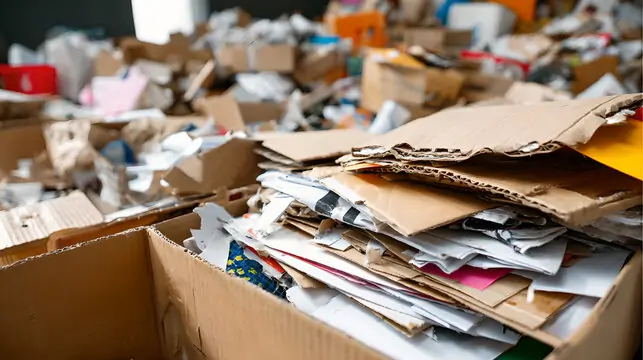
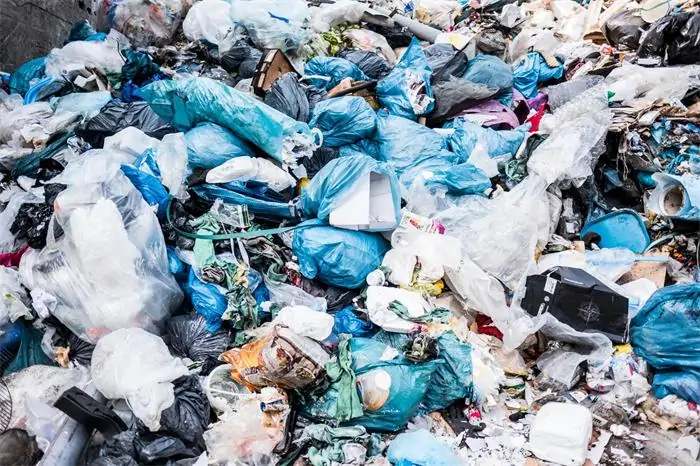
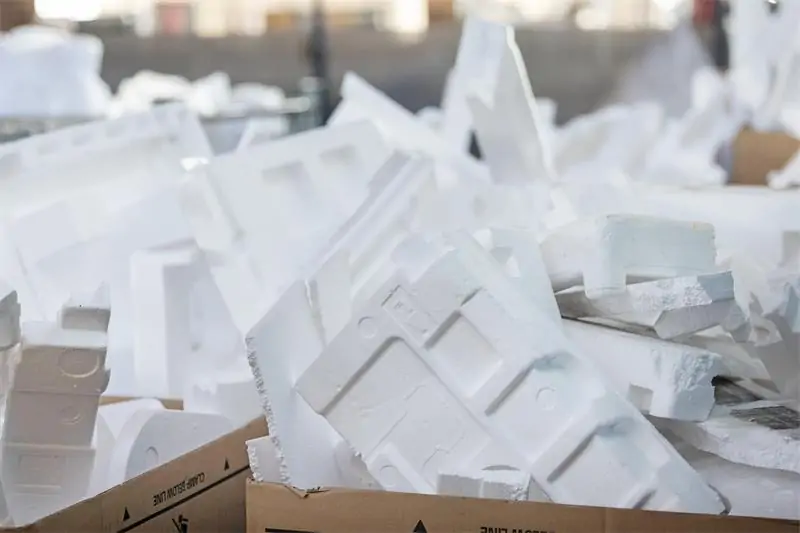
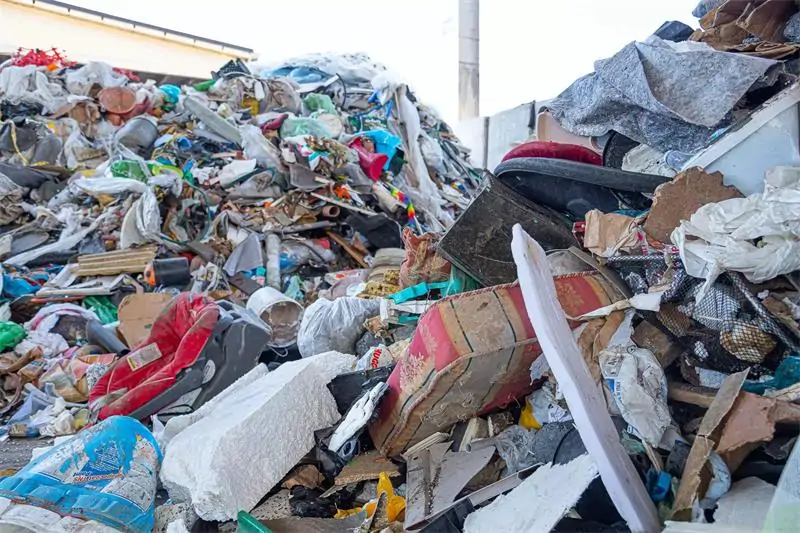
The Manual Sorting Station is suitable for processing mixed waste streams that are difficult for automated systems to identify or separate efficiently. It handles bulky waste, wood, textiles, batteries, glass, metal scraps, irregular materials, contaminated recyclables, composite packaging, mixed plastics, paper, cardboard, and low-value recyclable fractions. Installed before or after mechanical sorting equipment, it helps remove contaminants, recover valuable materials, and improve overall recycling efficiency. For complex waste streams, manual sorting accuracy can exceed 90%, making it an essential solution for modern waste recycling plants.

Components of Manual Sorting Cabin
A manual waste sorting system consists of conveying, sorting, collection, control, and safety components. Each part is designed to improve sorting efficiency, material recovery, workplace safety, and stable operation in waste recycling plants.
Sorting Conveyor:Variable-speed conveyor transports mixed waste through the sorting area. Adjustable belt speed allows efficient handling of different waste streams and processing capacities.
Multi-Operator Sorting Platform:Provides multiple ergonomic sorting stations for operators to inspect, identify, and remove target materials from the waste stream.
Collection Hoppers:Separate collection hoppers receive sorted materials by category, enabling efficient storage, transfer, and downstream recycling.
Steel Structure Cabin:Enclosed steel structure provides a stable working environment, improves operator comfort, and isolates the sorting area from external conditions.
Ventilation & Air Filtration System:Controls dust, odors, and airborne particles to improve air quality and maintain a cleaner working environment.
Lighting & Electrical System:Industrial lighting improves material visibility, while the electrical control system ensures reliable equipment operation.
Safety Protection Devices:Includes emergency stop buttons, safety railings, belt deviation monitoring, and overload protection to safeguard operators and equipment.
How Does a Manual Waste Sorting Cabin Work?
A Manual Waste Sorting Cabin for Recycling Plant is installed after primary mechanical separation to remove contaminants, recover valuable recyclables, and improve final material purity. It serves as a quality control and secondary sorting station, ensuring stable downstream processing and higher resource recovery rates.
Positioned right after the primary MSW bag breaker machine, the manual sorting cabin allows operators to safely remove oversized materials, hazardous wastes, or long textiles from the liberated material stream before they reach the main processing line.
Specifications
The specifications below are for reference. Each Manual Waste Sorting Cabin for Recycling Plant is customized according to waste type, plant capacity, sorting positions, and layout requirements. Xinzhongyi ECO provides complete design, manufacturing, installation, and recycling line integration services for efficient and reliable operation.
| Parameter | Specification |
| Sorting Positions | 6 Stations |
| Conveyor Width | 1400 mm |
| Conveyor Speed | 0.3–0.8 m/s (Variable Frequency Adjustable) |
| Control System | Variable Frequency Control (VFD) |
| Cabin Structure | Steel Structure Cabin |
| Wall Panel Type | Fire-Resistant Sandwich Panels |
| Insulation Thickness | 50 mm |
| Sound Insulation | 50 mm Acoustic Insulation Layer |
| Working Height | Customized |
Manual Waste Sorting System Functions
A manual waste sorting system is used to remove contaminants, recover valuable recyclables, and improve material purity throughout the recycling process. It supports mechanical sorting by handling complex waste streams, protecting downstream equipment, reducing maintenance costs, and increasing overall recovery efficiency and resource value.
Advantages
The Manual Waste Sorting Cabin is a flexible unit in modern recycling plants, designed to improve recovery efficiency, material purity, and operational stability. It adapts to complex waste streams and ensures reliable performance in both automated and semi-automated sorting lines.
Applications
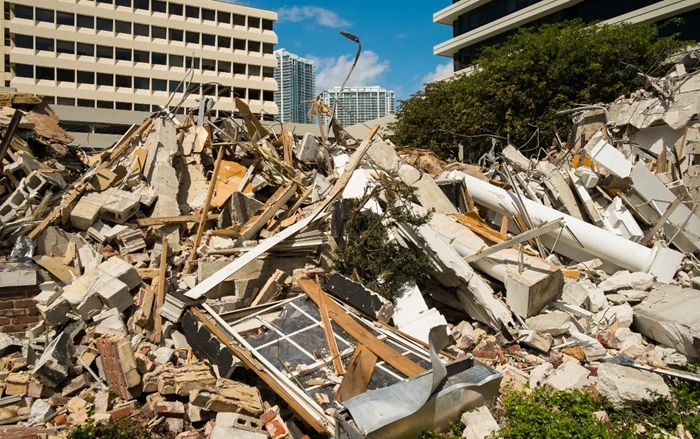
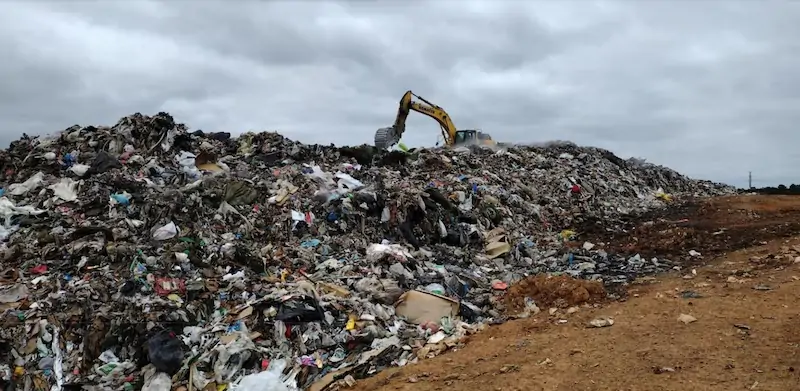
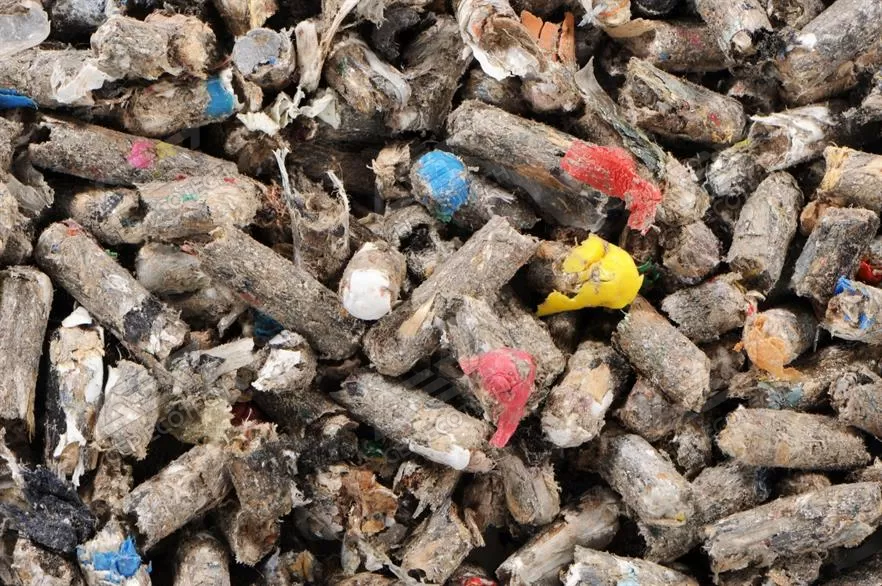
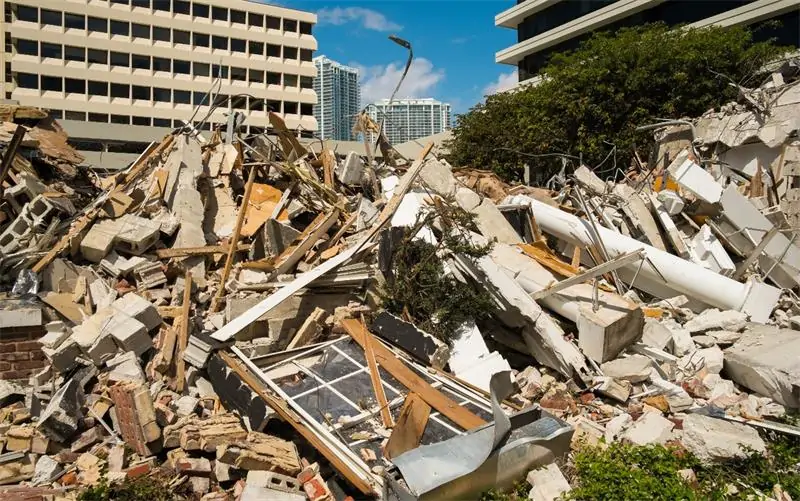
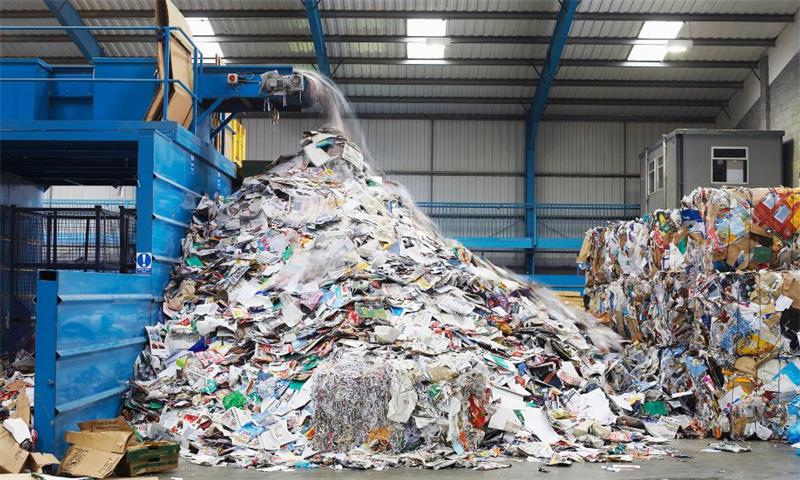
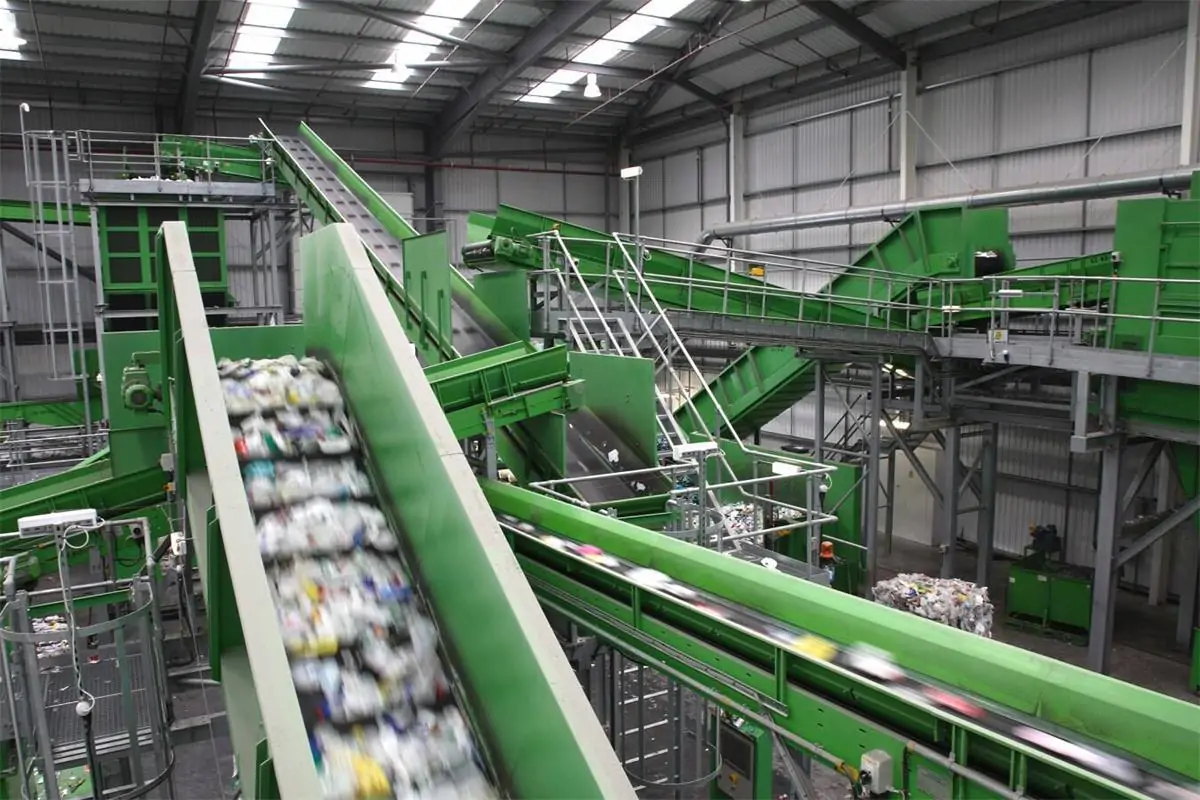
The manual sorting station is widely used in recycling plants as a flexible support unit for MSW, C&D waste, recycling centers, and RDF lines, providing final sorting and quality control after mechanical separation.
Custom Waste Sorting Plant Solutions
Get a customized Waste Sorting Plant Solutions for your project. We design complete recycling lines from a single Manual Waste Sorting Cabin to fully integrated systems, covering MSW, C&D waste, commercial waste, plastics, biomass, RDF/SRF and industrial waste processing needs.
Tell us your waste type, capacity requirements and plant layout. We will provide a tailored Waste Sorting Plant Solutions proposal, including process design, equipment selection, automation level, layout planning and system integration for your recycling facility.
Manual Waste Sorting Cabin Manufacturer & Supplier
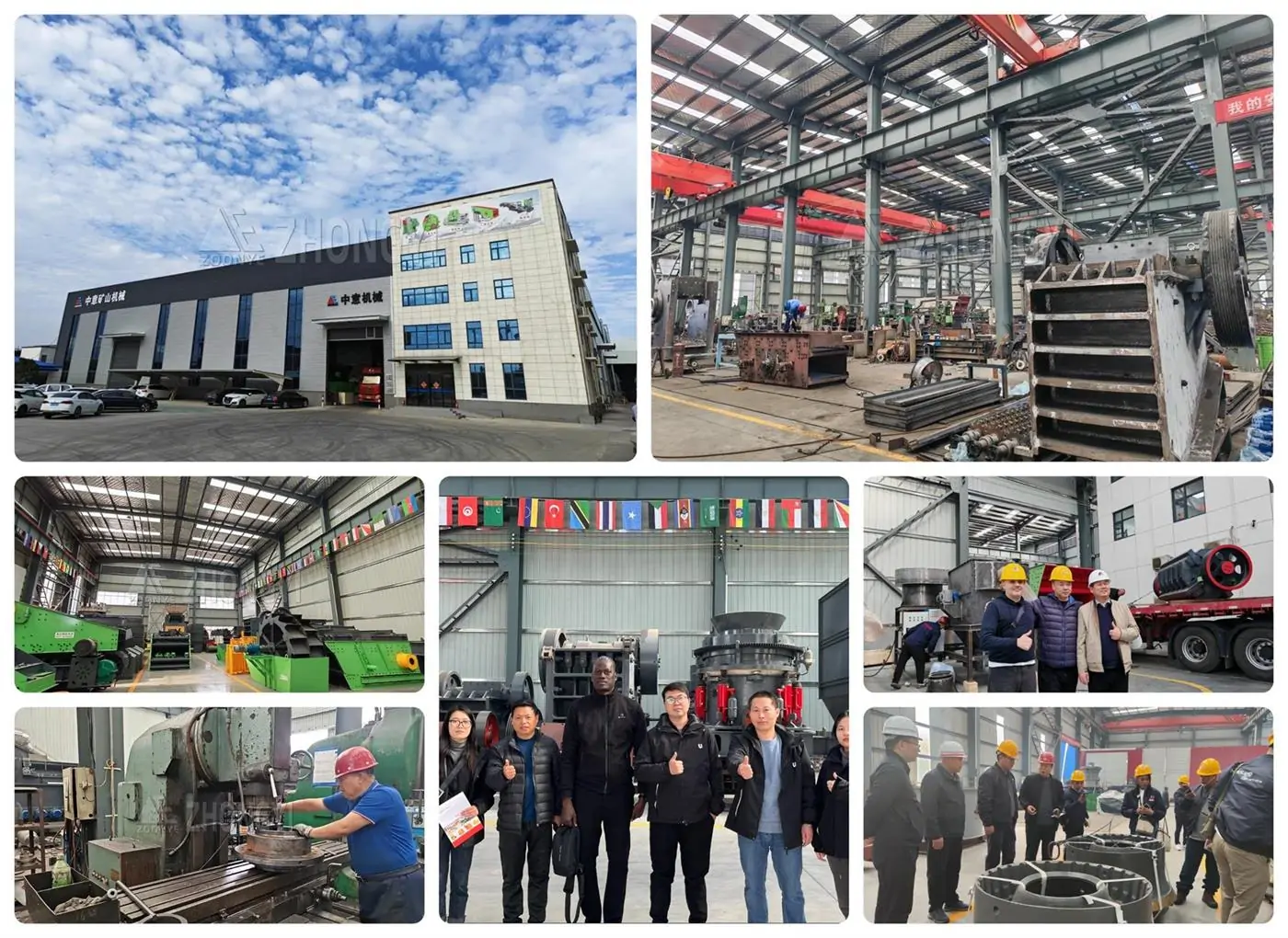
Xinzhongyi ECO is a manufacturer and supplier with over 16 years of experience in Manual Waste Sorting Cabin for Recycling Plant and complete waste recycling systems. We focus on engineering design, manufacturing, installation and commissioning, providing one-stop solutions for MSW, C&D waste and resource recovery projects. Our equipment is built for stable performance, high recovery efficiency and long service life. With full production line integration capability, we support customers from single equipment supply to complete Waste Sorting Plant Solutions, ensuring reliable operation and strong return on investment for global recycling projects.
FAQ
It is used for manual separation of mixed waste after mechanical sorting to remove impurities and recover recyclables, improving final material purity.
Yes. Mechanical and AI systems cannot fully identify complex or contaminated materials, so manual sorting is used for final quality control and recovery.
It handles MSW, C&D waste, commercial waste, plastics, paper, metals, glass, textiles and mixed recyclables.
Depending on design, it typically supports 4–20 sorting positions based on plant capacity and conveyor layout.
Yes. Conveyor width, cabin length, sorting positions, ventilation, lighting and control systems can all be customized.
It removes contaminants and recovers valuable materials that machines miss, increasing recovery rate and material value.