

What Is a C&D Waste Recycling Plant?
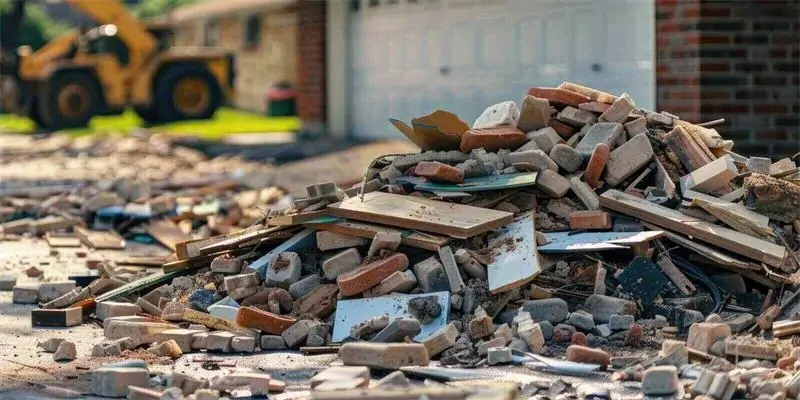
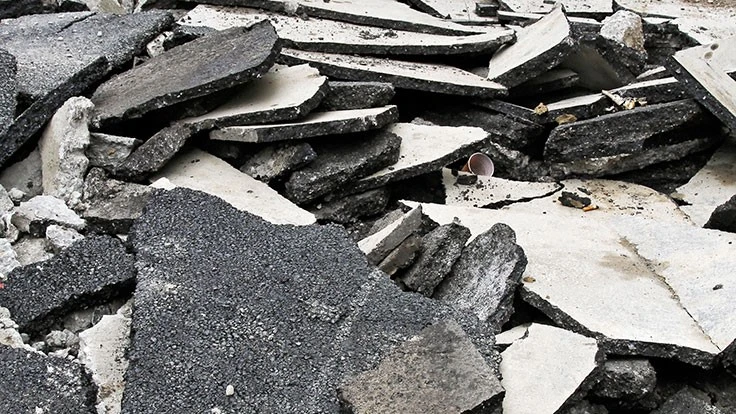
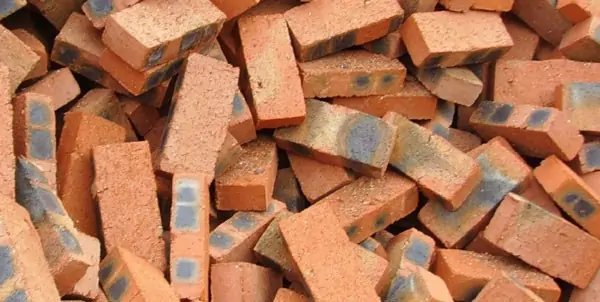
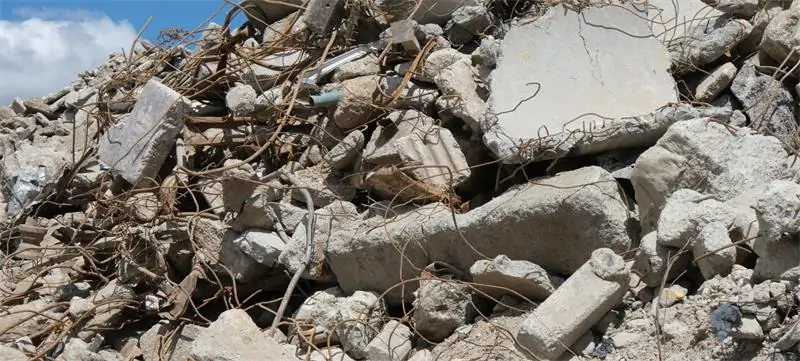
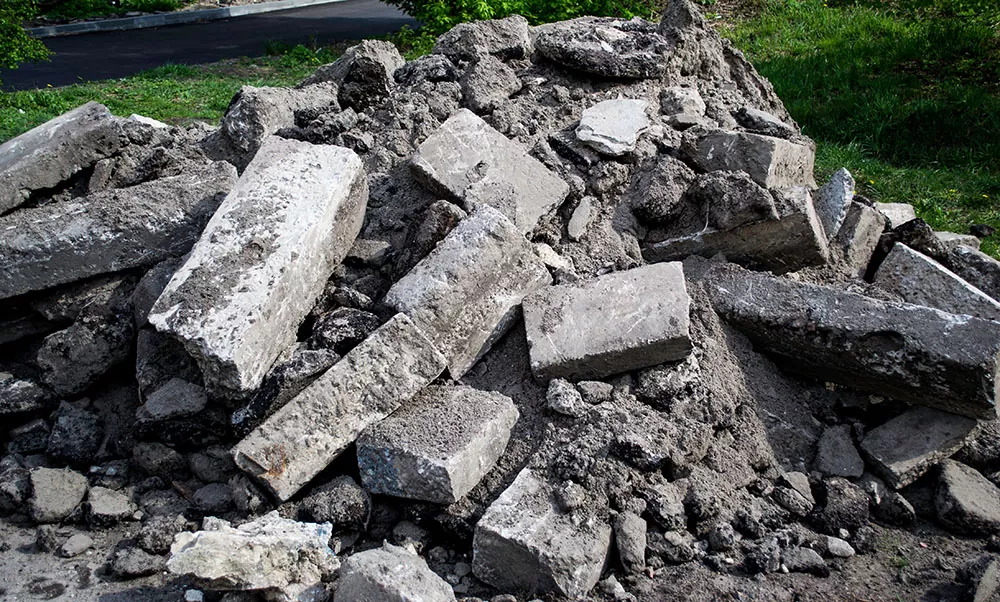
A C&D waste recycling plant is an integrated processing system designed to recycle and recover valuable materials from construction and demolition (C&D) waste, turning mixed debris into reusable resources. Construction waste recycling focuses on the efficient separation, crushing, screening, and sorting of discarded materials generated from building construction, renovation, roadwork, and demolition projects. Typical processing materials include concrete blocks, bricks, asphalt, reinforced concrete, wood, metals, gypsum board, plastics, glass, and mixed inert waste.
Through advanced sorting and processing technologies, a C&D waste recycling plant converts waste into high-value recycled products such as recycled aggregates, reclaimed metals, wood chips, alternative fuel materials, and reusable construction fillers. These recovered resources help reduce landfill pressure, lower raw material consumption, and support circular construction practices. Xinzhongyi ECO provides complete construction waste recycling line solutions, including system design, equipment manufacturing, installation, and customized configuration to help you achieve efficient material recovery and maximize resource utilization.
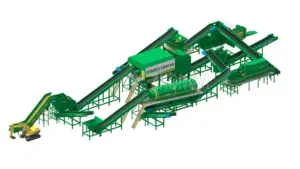
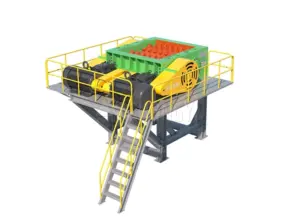
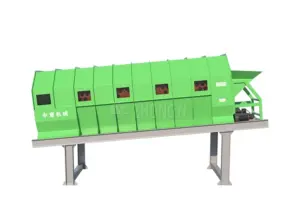
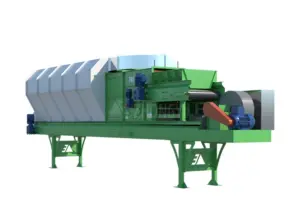
Decoration Waste Sorting Production Line
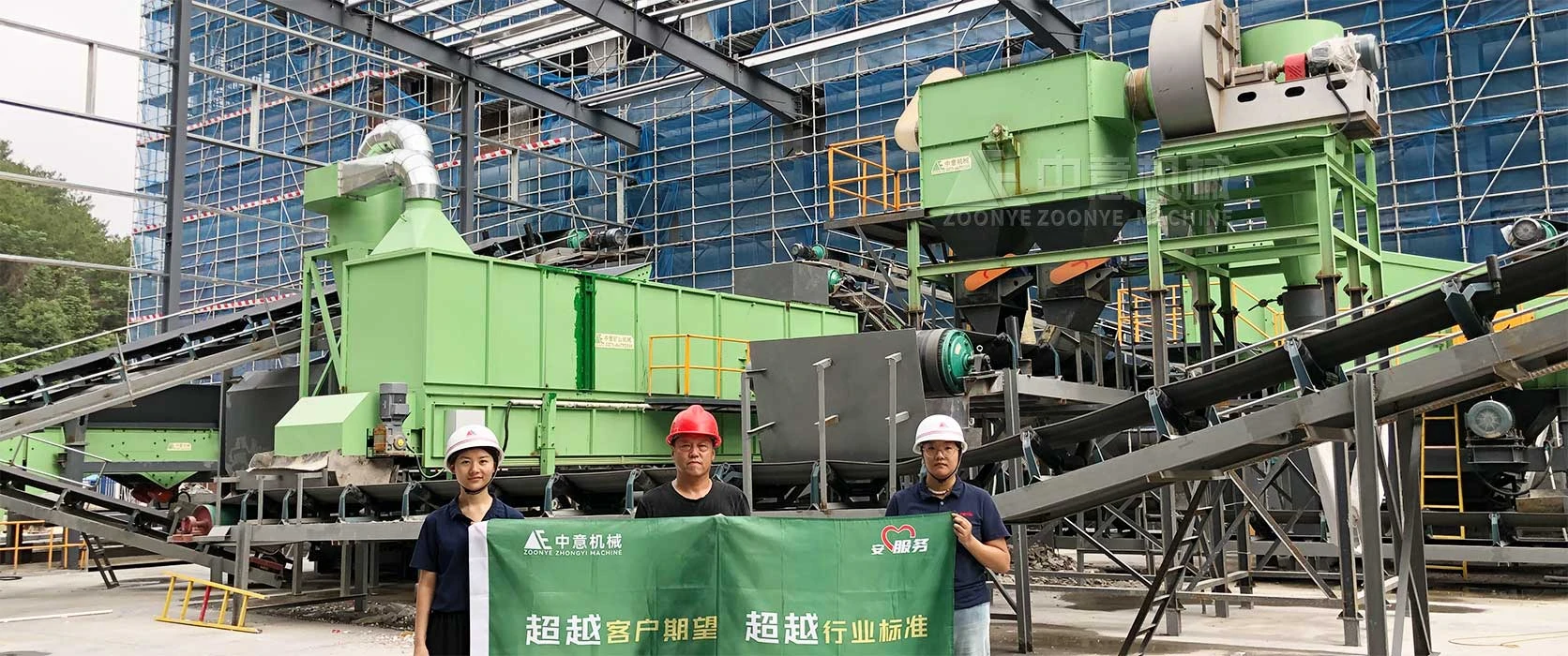
Construction & Decoration Waste Sorting and Crushing Line
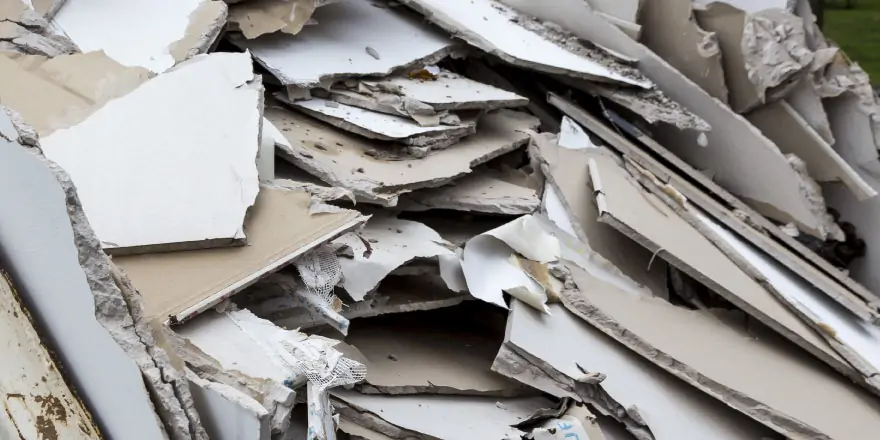
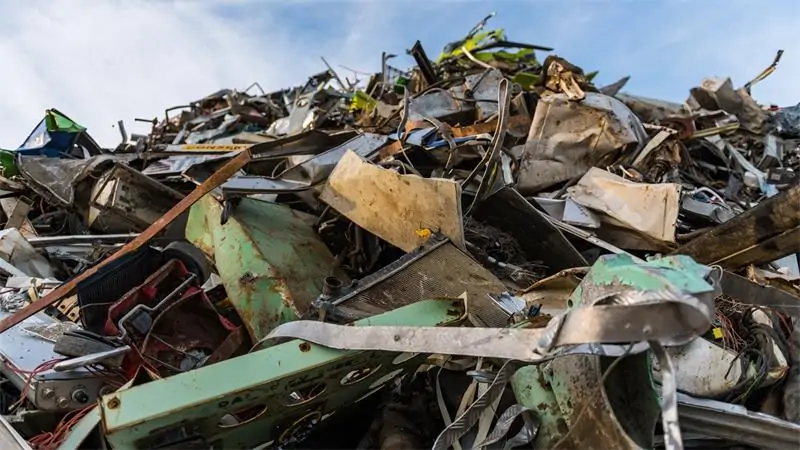
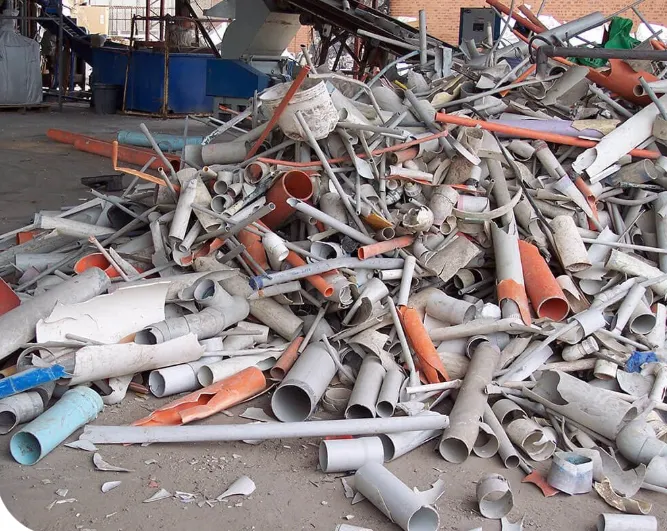
What Materials Can Be Processed?
A C&D waste recycling plant is designed to handle a wide range of construction and demolition waste streams, enabling efficient separation, crushing, screening, and resource recovery. With proper processing configuration, mixed construction debris can be converted into reusable aggregates, recyclable metals, and other secondary raw materials.
Process Flow
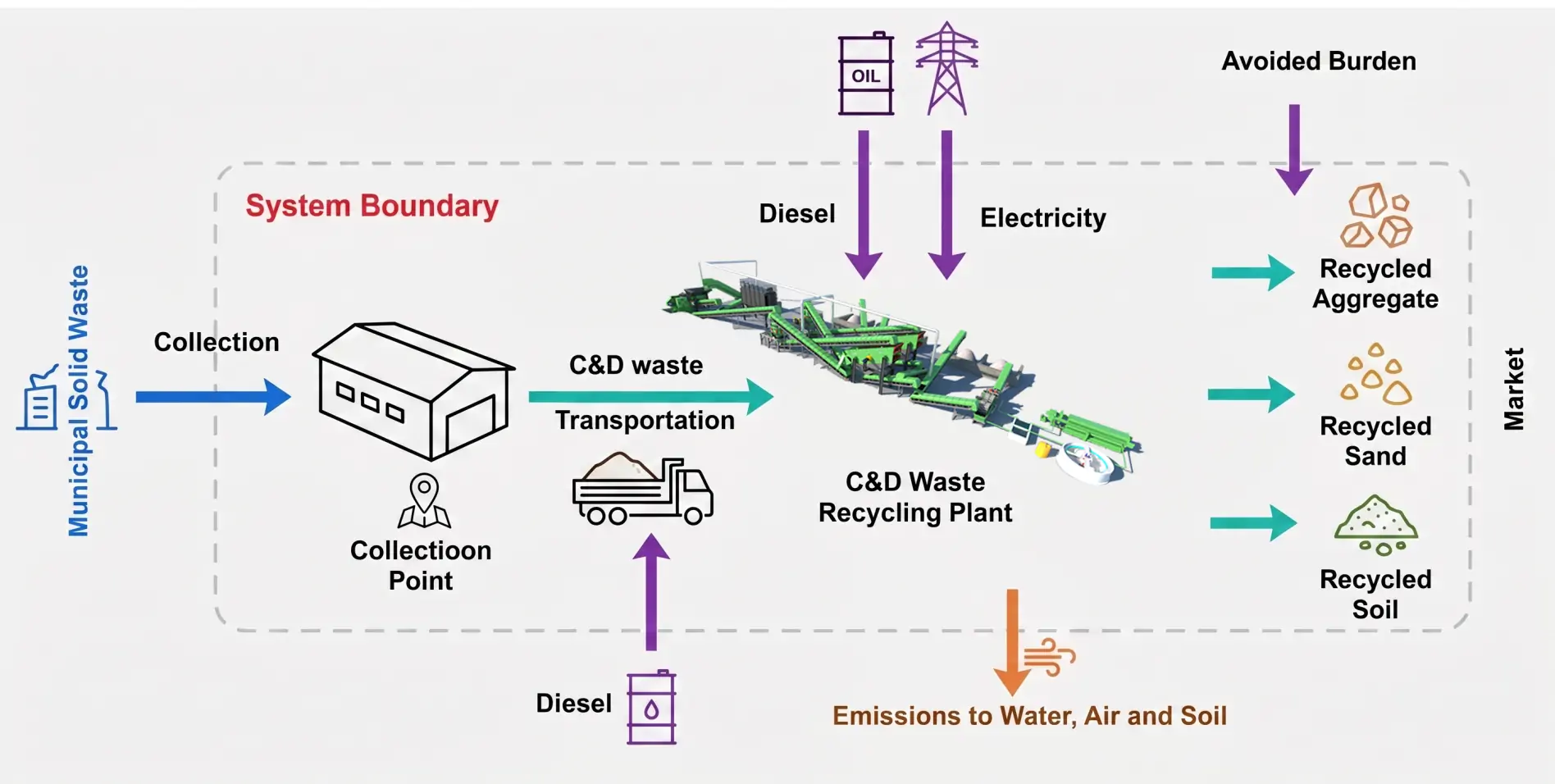
The C&D waste recycling production line is designed to achieve efficient material recovery through a complete process of feeding, crushing, screening, sorting, and secondary refining. Mixed construction and demolition waste is first fed into the system for primary size reduction, then separated through screening, magnetic separation, air classification, and manual or optical sorting to remove metals, light combustibles, and impurities. Recovered heavy materials are further processed by secondary crushing to produce high-quality recycled aggregates, while separated light fractions can be converted into RDF fuel or other reusable resources. This integrated production line ensures stable operation, high sorting efficiency, and maximum resource recovery.
System Equipment
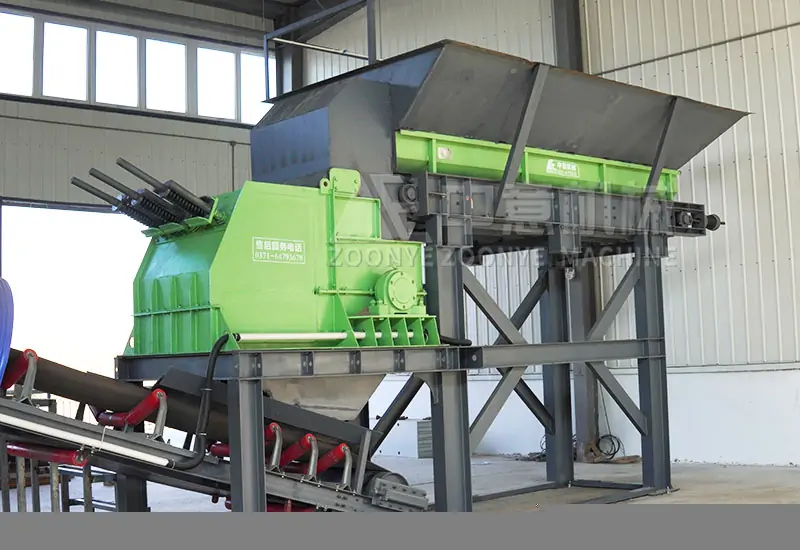
A C&D waste recycling plant is composed of feeding, crushing, screening, separation, sorting, and dust removal systems. These equipment units work together to handle mixed construction waste, crush large concrete blocks, separate metals and light impurities, classify different particle sizes, and improve final product purity. The complete production line solves common issues such as uneven feeding, material blockage, impurity mixing, low sorting efficiency, and dust pollution, ensuring stable operation and higher recycling value.

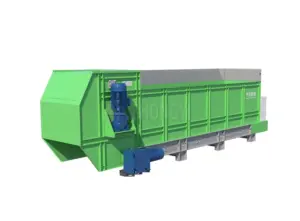
Apron Feeder
Provides stable and continuous feeding, handling bulky materials up to 800–1200 mm while reducing impact load on downstream crushers.
Get a Free Quote

Jaw Crusher
Performs primary crushing of large concrete and masonry waste, delivering high crushing force with output sizes typically reduced to 100–300 mm.
Get a Free Quote

Impact Crusher
Impact Crusher carries out secondary crushing and particle shape optimization, producing well-graded recycled aggregates with improved cubicity.
Get a Free Quote
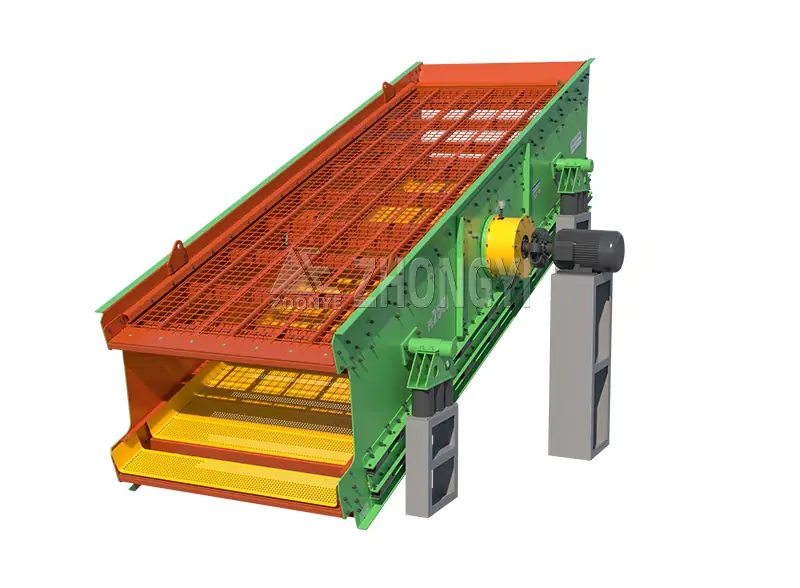
Screening Machine
Screening machine separates materials into multiple size fractions with screening efficiency of up to 90%+ for accurate particle classification.
Get a Free Quote

Magnetic Separator
Recovers ferrous metals such as rebar and steel scrap, with separation efficiency commonly exceeding 95%.
Get a Free Quote

Air Separator
Removes light impurities including plastics, paper, and wood chips through airflow classification, improving aggregate purity.
Get a Free Quote
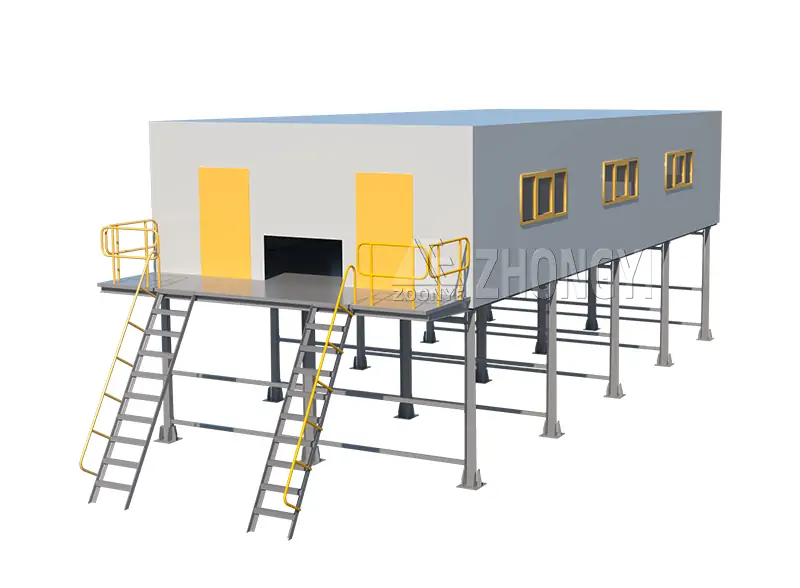
Sorting Conveyor Platform
Provides a manual sorting station for fine impurity removal and material refinement, increasing final recovery quality.
Get a Free Quote
Dust Collection System
The dust collection system controls dust emissions across the line for cleaner, compliant operation.
Get a Free Quote
Customized Plant Configurations
C&D waste recycling plants are configured based on project scale, waste composition, and final product requirements. Xinzhongyi ECO designs flexible solutions to match different production needs, from compact small-scale systems to high-capacity industrial lines, ensuring stable performance, efficient sorting, and optimized resource recovery.
Small-Scale Plant (30–80 TPH)
Suitable for urban renovation projects and limited site conditions.
- Capacity: 30–80 TPH
- Feed size: ≤600 mm
- Final output size: 0–50 mm (adjustable)
- Recovery rate: 80–90%
- Power consumption: Low to medium
- Mobility options: Fixed or modular skid-mounted system
Get a Free Quote
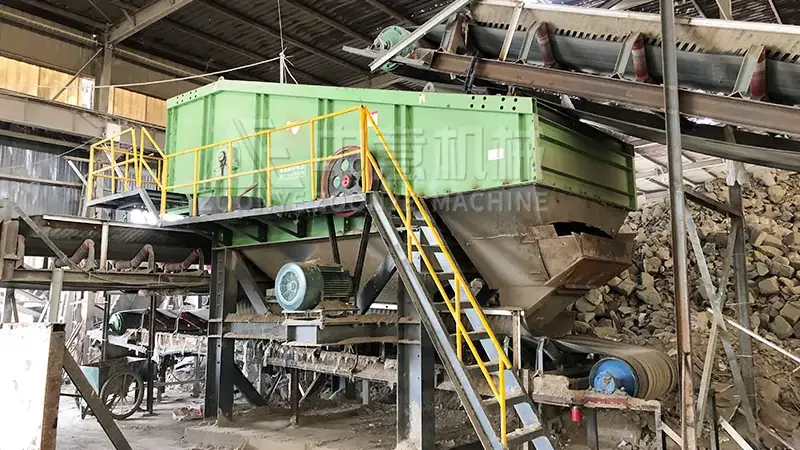
Medium-Scale Plant (80–200 TPH)
Designed for regional recycling centers and continuous operation.
- Capacity: 80–200 TPH
- Feed size: ≤800 mm
- Final output size: 0–40 mm / 0–31.5 mm
- Recovery rate: 85–92%
- Power consumption: Medium
- Mobility options: Fixed plant with optional modular expansion
Get a Free Quote
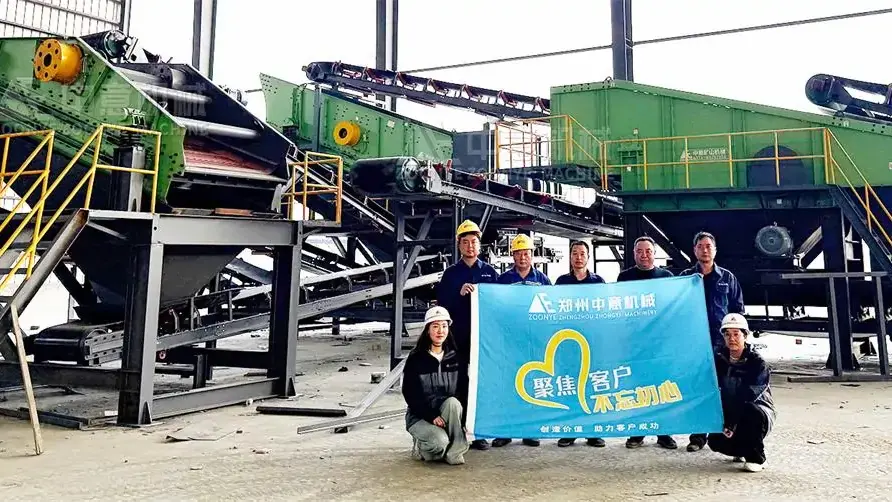
Large-Scale Plant (200–500 TPH)
For large demolition projects and industrial recycling bases.
- Capacity: 200–500 TPH
- Feed size: ≤1000 mm+
- Final output size: 0–31.5 mm / customized grading
- Recovery rate: 90–95%
- Power consumption: High efficiency optimized system
- Mobility options: Fixed large-scale production line
Get a Free Quote
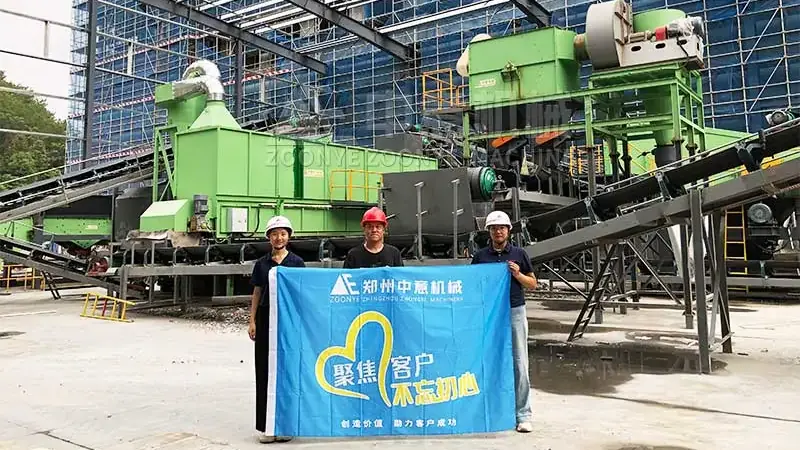
Why Choose Xinzhongyi?
Xinzhongyi ECO delivers complete C&D waste recycling solutions focused on stable performance, high resource recovery, and long-term operating efficiency. From process design to installation and after-sales support, we provide full-cycle service to help you build a reliable and profitable recycling plant.
Output Products & Value Recovery
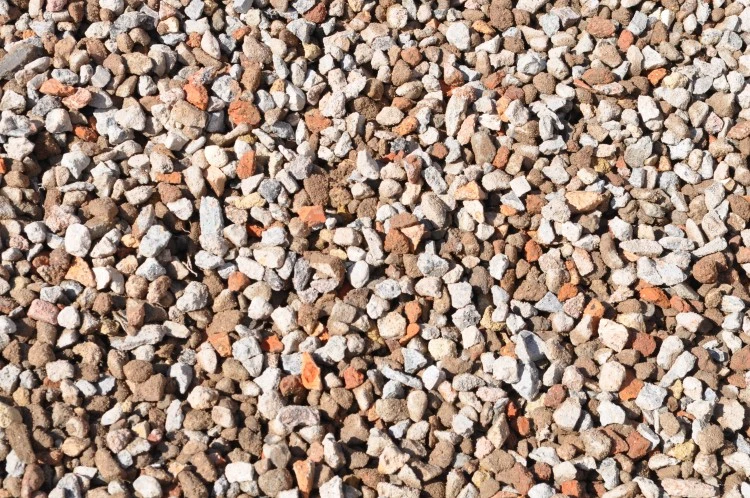
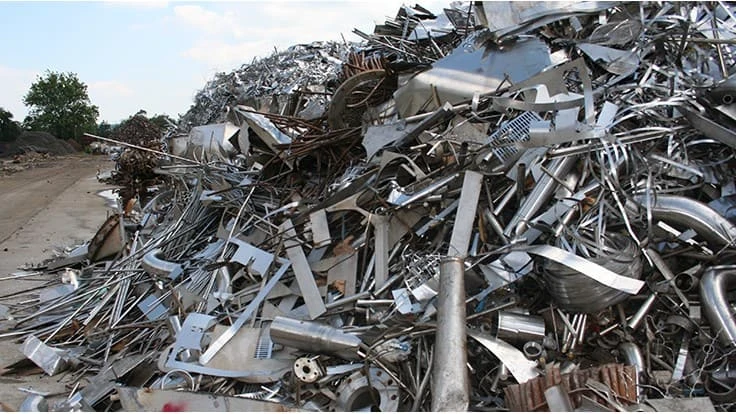
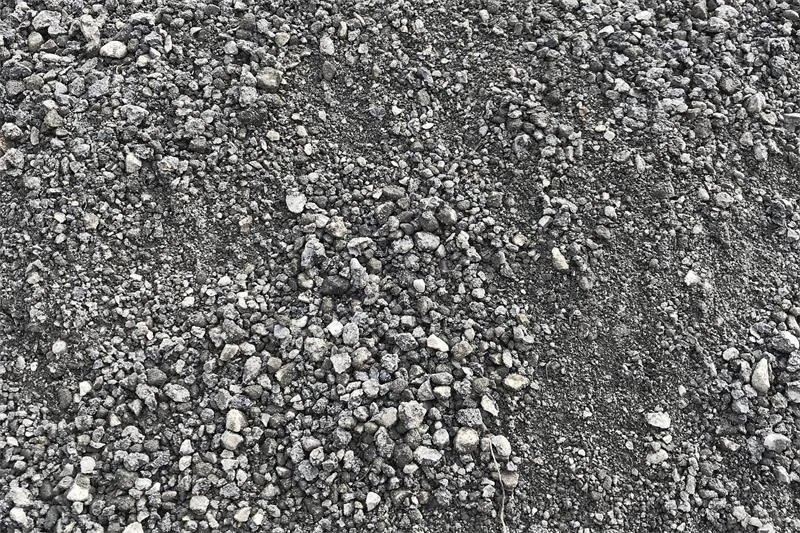
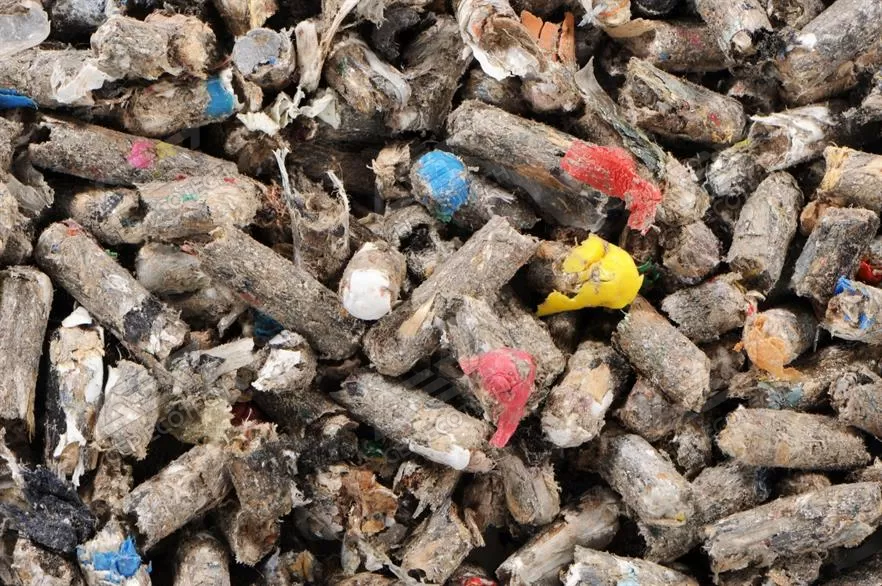
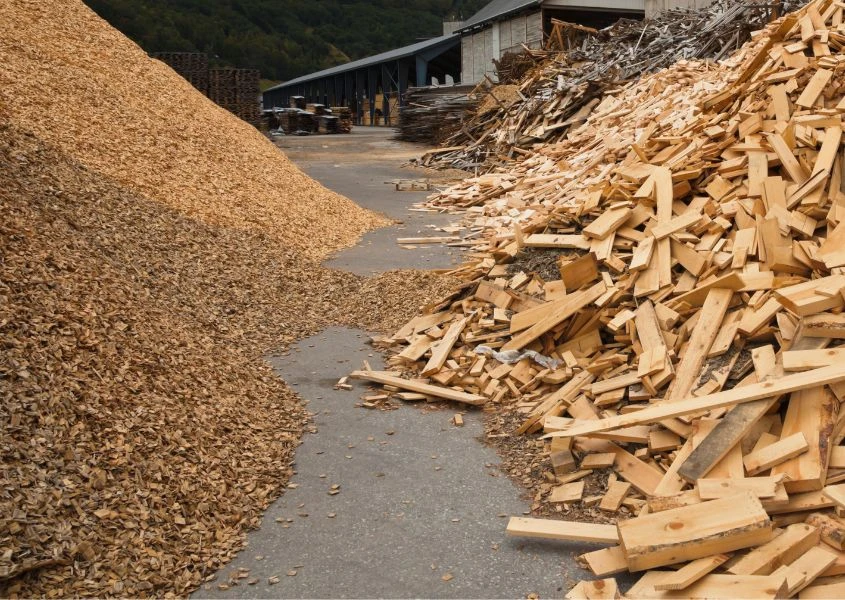
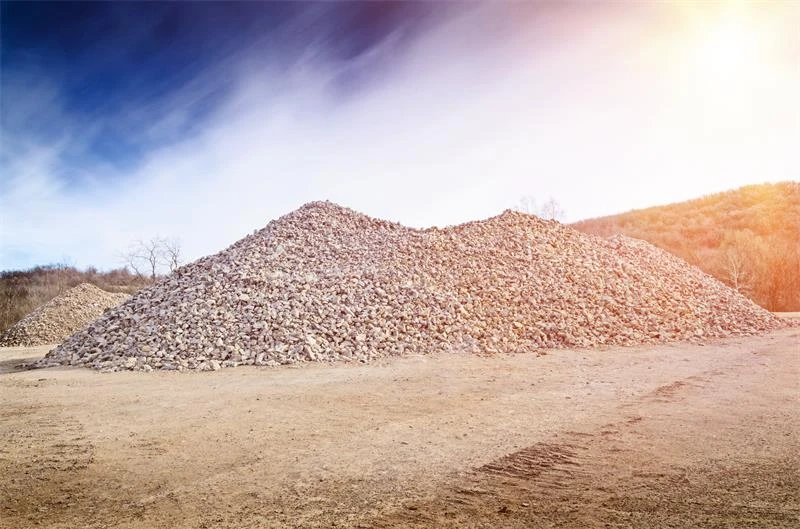
C&D waste recycling plants convert mixed construction debris into multiple reusable resources, creating direct economic value from waste. These outputs are widely used in infrastructure, construction, energy recovery, and manufacturing industries, helping reduce raw material costs and landfill dependency.
Get Your Custom C&D Waste Recycling Solution
To design a suitable C&D waste recycling plant, we need a clear understanding of your project conditions. Xinzhongyi ECO engineers will evaluate your requirements and provide a complete tailored solution, including process flow, equipment selection, and layout design.
Please provide the following information:
- Type of raw materials (concrete, bricks, mixed demolition waste, etc.)
- Processing capacity (tons per hour / tons per day)
- Site conditions (indoor/outdoor, available land area, height limits)
- Final product requirements (aggregates, sand, RDF, metal recovery, etc.)
- Feeding size and waste composition
- Power supply conditions and local standards
Get a Free Quote
FAQ
C&D waste recycling is the process of converting construction and demolition waste into reusable materials through crushing, screening, and separation. It reduces landfill disposal and recovers resources like aggregates, metals, and fuel materials for reuse in construction and industrial applications.
The cost depends on capacity, configuration, and automation level. Small plants may start from basic setups, while large-scale production lines require higher investment for crushers, sorting systems, and conveyors. Customized solutions are usually designed based on project output requirements.
Typical recyclable materials include concrete blocks, bricks, asphalt, soil, wood, metals, glass, plastics, and mixed demolition waste. After processing, these materials are separated into usable fractions such as recycled aggregates, scrap metal, and combustible RDF components.
Recovery rates vary depending on waste composition and system configuration. Well-designed plants can achieve 80–95% resource recovery, especially when equipped with advanced sorting, magnetic separation, and air classification systems.
Fixed plants are suitable for large, stable waste streams with high capacity demand, while mobile plants offer flexibility for short-term or multiple-site projects. The choice depends on project scale, location conditions, and investment strategy.
Land requirement depends on capacity and process layout. A small plant may need around 5,000–10,000 m², while large production lines may require 20,000 m² or more to accommodate storage, processing, and material stockpiling areas.
Main outputs include recycled aggregates for road base and construction, recycled sand, scrap metal, RDF fuel, and reusable soil materials. These products have strong demand in infrastructure, building, and energy recovery industries.
For a typical C&D waste recycling plant, installation usually takes around 2–6 weeks, depending on equipment size and site conditions. Commissioning and test running typically require 3–7 days to adjust the system and reach stable operation. For modular or mobile plants, the whole process can be completed in 1–3 weeks if the foundation and utilities are ready.