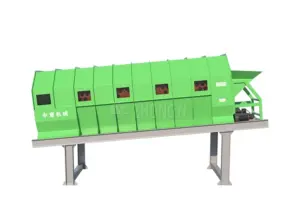
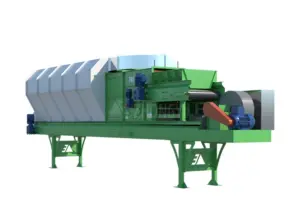


What is Optical Sorting Machine?
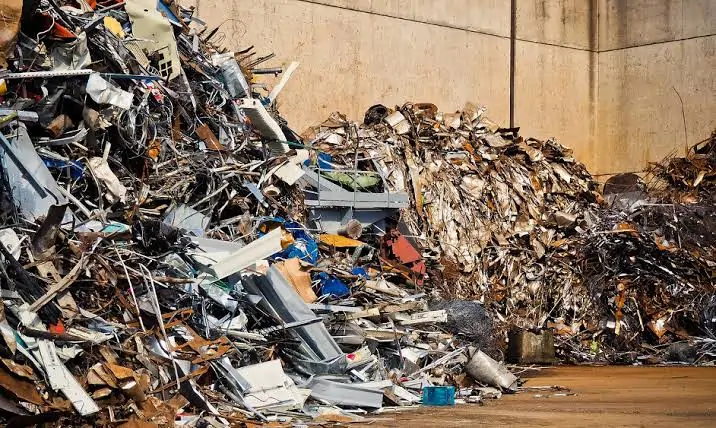
An optical sorting machine is an automated separation system that uses optical sensors to identify and remove unwanted particles by color, brightness, and material differences. In mineral processing and recycling plants, it is commonly installed after crushing and screening to separate off-color, contaminated, and low-grade materials that traditional equipment cannot detect.
Optical sorters process particle sizes from 0.5–50 mm, with capacity depending on material characteristics, feed conditions, and machine configuration. The system combines CCD/NIR sensors, LED lighting, signal processing units, air ejectors, and chute or belt feeding systems to achieve stable sorting performance.
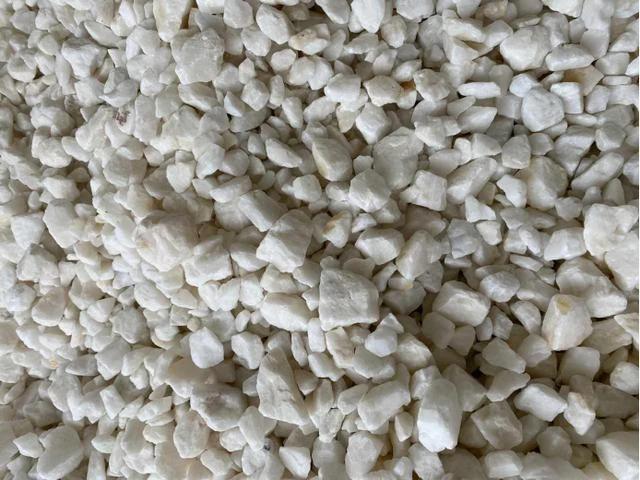
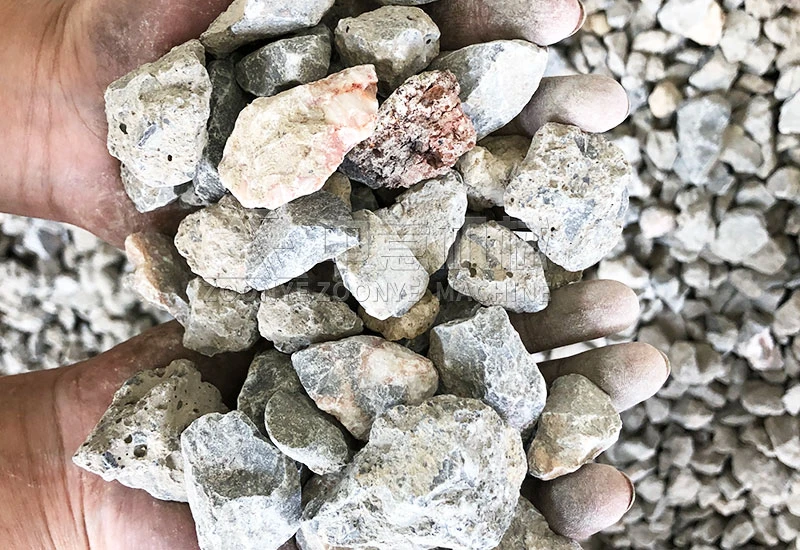
Applicable Materials
Color sorter machines use CCD cameras and spectral sensors to detect color, shape, and material differences, removing unwanted particles that cannot be separated by traditional screening or density methods. The equipment is widely used for mineral upgrading, glass recycling, aggregate sorting, and industrial material purification, including quartz, silica sand, feldspar, fluorite, calcite, recycled glass, and other valuable resources.
Applications & Material Sorting
In mineral processing, optical sorting machine remove iron-stained, dark, and low-grade particles to improve purity, whiteness, and product quality. Quartz and silica sand can reach 99.5–99.9% SiO₂ purity for glass, semiconductor, and photovoltaic applications, while feldspar, fluorite, calcite, and talc benefit from improved color and grade control. In recycling and aggregate applications, the machine separates ceramic, stone, weathered particles, and contaminants from recycled glass, coal, crushed stone, and industrial minerals to increase recovery value and final product quality.

Working principle
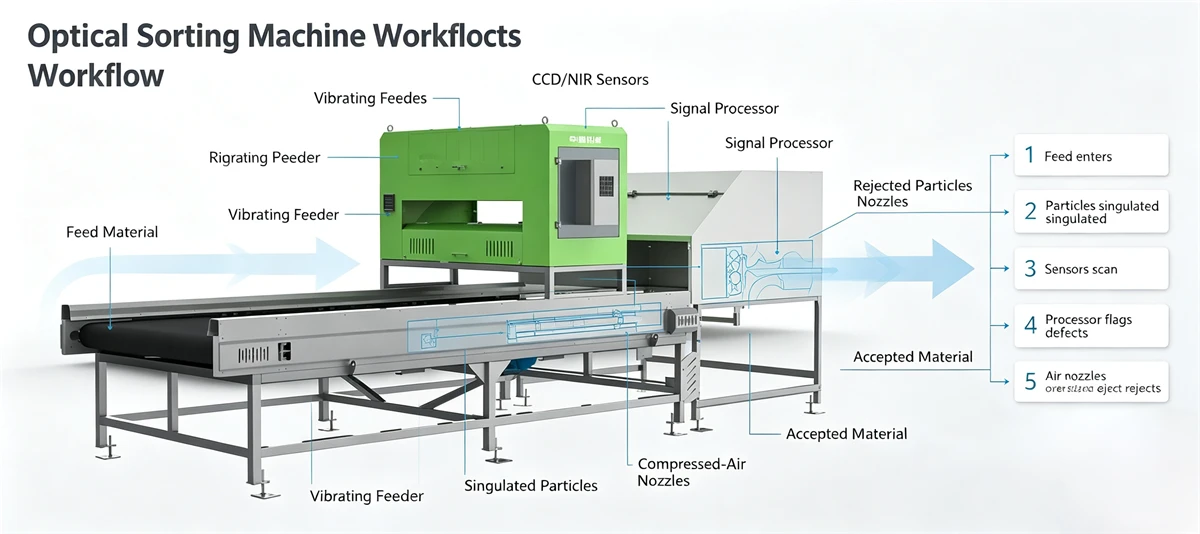
An optical sorting machine identifies and removes off-spec particles by comparing each particle’s optical signature against a pre-set reference standard, then triggering a precisely timed air ejection to divert rejected material. Unlike mechanical separation — which sorts by size or density — color sorting works on surface-level optical characteristics, making it effective for separating particles identical in size but different in composition or quality.
The typical process: feed enters through a vibrating feeder → particles are singulated down a chute or belt → CCD/NIR sensors scan at over 50,000 scans per second → the signal processor flags out-of-spec particles → compressed-air nozzles (0.4–0.6 MPa) fire to eject rejects. Feed consistency directly affects accuracy: irregular particle size causes detection overlap, while surface moisture above 1.5% degrades sensor readings and increases false-rejection rates.
Types of Optical Color Sorting Machines
Optical color sorters are classified by feed transport mechanism and sensor technology. Zhongyi offers both chute-type and belt-type configurations, with CCD-only or CCD+NIR combined sensor options.To learn more, click on “Types of Optical Sorting Machines.”
Chute-Type / CCD
Gravity-fed through a chute, this model uses CCD cameras to detect color and surface differences. It is suitable for quartz, feldspar, calcite, and silica sand, handling 0.5–30 mm particles at 2–30 t/h.
Chute-Type / CCD+NIR
Equipped with CCD and NIR sensors, it identifies both appearance and material composition. Designed for high-purity minerals and mixed-phase ores, it processes 0.5–30 mm materials with a capacity of 2–25 t/h.
Belt-Type / CCD
A flat belt design provides stable feeding for irregular and fragile particles. The machine sorts 5–50 mm aggregates and minerals at 1–8 t/h.
Belt-Type / CCD+NIR
Combining belt feeding with CCD and NIR detection, this model separates minerals by color and composition. It is used for industrial minerals with a feed size of 5–50 mm and capacity of 1–6 t/h.
| Type | Feed Mechanism | Sensor | Feed Size | Throughput | Typical Application |
| Chute-Type / CCD | Gravity chute | CCD | 0.5–30 mm | 2–30 t/h | Quartz, feldspar, calcite, silica sand |
| Chute-Type / CCD+NIR | Gravity chute | CCD + NIR | 0.5–30 mm | 2–25 t/h | High-purity minerals, mixed-phase ores |
| Belt-Type / CCD | Flat belt | CCD | 5–50 mm | 1–8 t/h | Irregular or fragile particles, aggregates |
| Belt-Type / CCD+NIR | Flat belt | CCD + NIR | 5–50 mm | 1–6 t/h | Industrial minerals, compositional sorting |
Notes:Capacities are typical values. Contact Zhongyi ECO for model selection based on your material and purity requirements.
Specifications
Specifications above are reference values. Actual capacity and sorting accuracy vary with material type, particle size distribution, surface moisture, and required purity grade.
| Model | Channels | Feed Size | Sorting Accuracy | Capacity | Air Pressure | Power | Dimensions (L×W×H) |
| XZY-64 | 64 | 0.5–8 mm | ≥ 99.5% | 0.8–2.5 t/h | 0.4–0.6 MPa | 1.5 kW | 1,050×1,000×1,650 mm |
| XZY-128 | 128 | 0.5–15 mm | ≥ 99.5% | 2–6 t/h | 0.4–0.6 MPa | 2.2 kW | 1,560×1,000×1,650 mm |
| XZY-192 | 192 | 1–20 mm | ≥ 99.7% | 4–10 t/h | 0.4–0.6 MPa | 3.0 kW | 2,100×1,200×1,800 mm |
| XZY-256 | 256 | 1–25 mm | ≥ 99.7% | 7–15 t/h | 0.4–0.6 MPa | 4.5 kW | 2,650×1,200×1,800 mm |
| XZY-320 | 320 | 2–30 mm | ≥ 99.8% | 12–22 t/h | 0.5–0.6 MPa | 5.5 kW | 3,200×1,400×2,000 mm |
| XZY-384 | 384 | 2–35 mm | ≥ 99.8% | 18–30 t/h | 0.5–0.6 MPa | 7.5 kW | 3,750×1,400×2,000 mm |
Advantages
Optical sorting machines use CCD cameras, NIR sensors, and air ejection systems to detect and remove unwanted particles by color and material differences. They improve sorting accuracy, reduce manual labor, and provide stable performance for mineral processing, recycling, and aggregate applications.
Applications
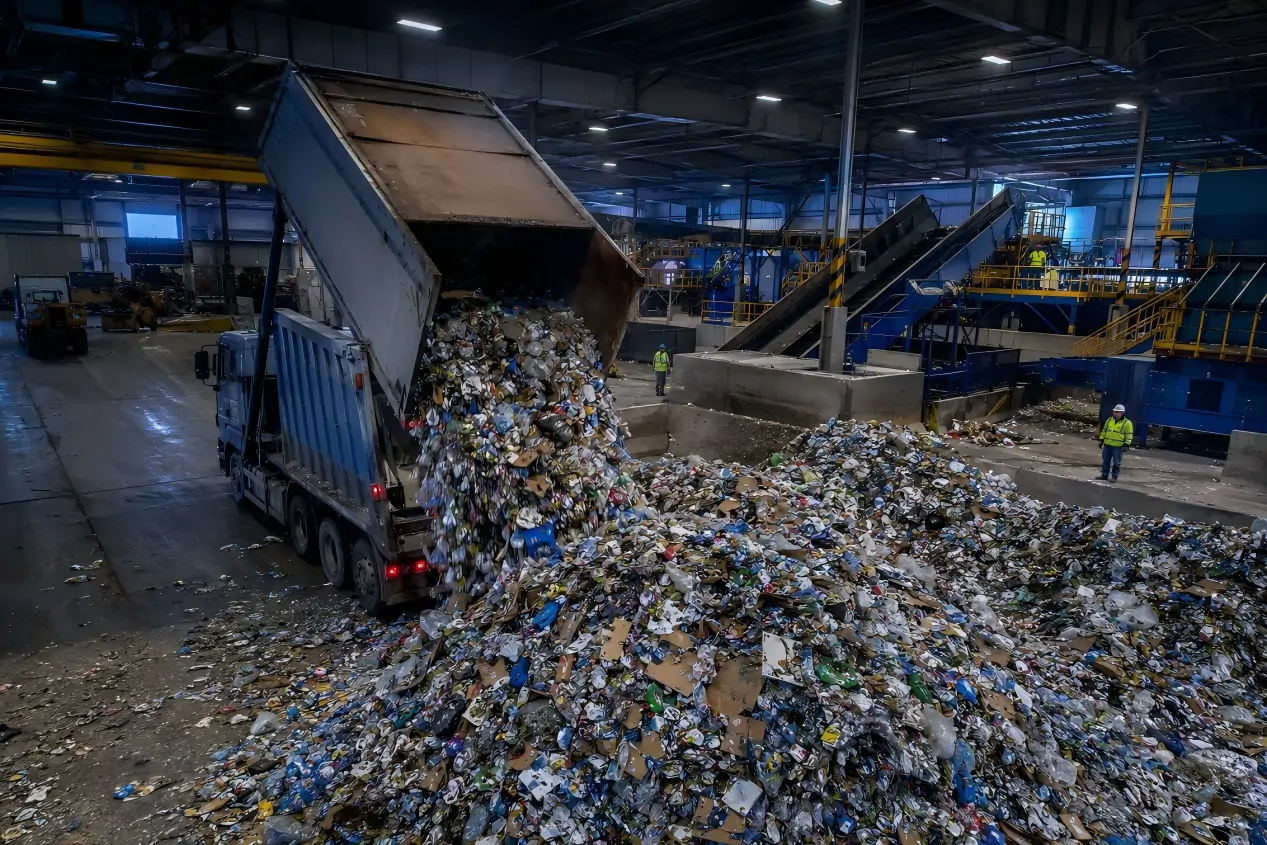
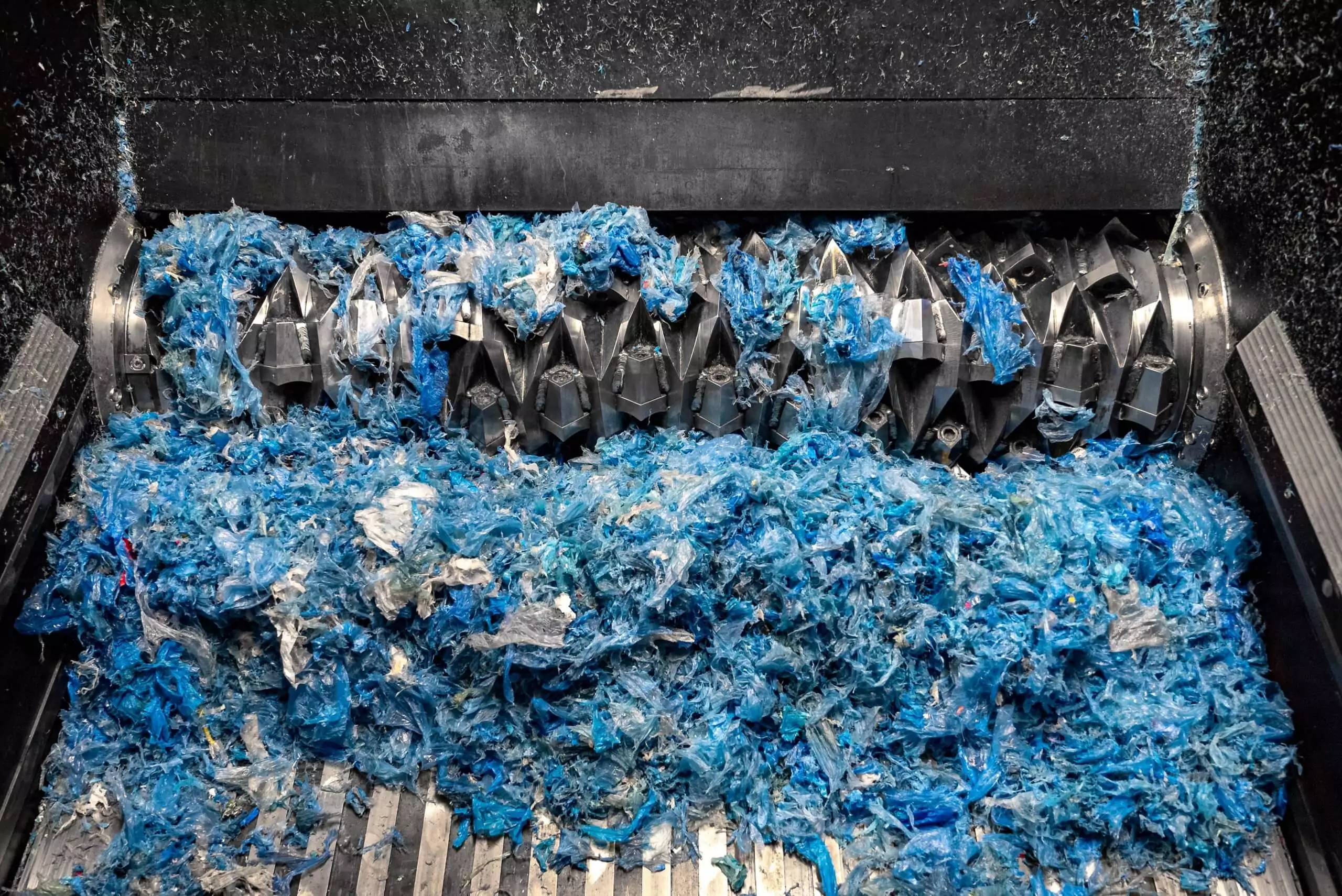
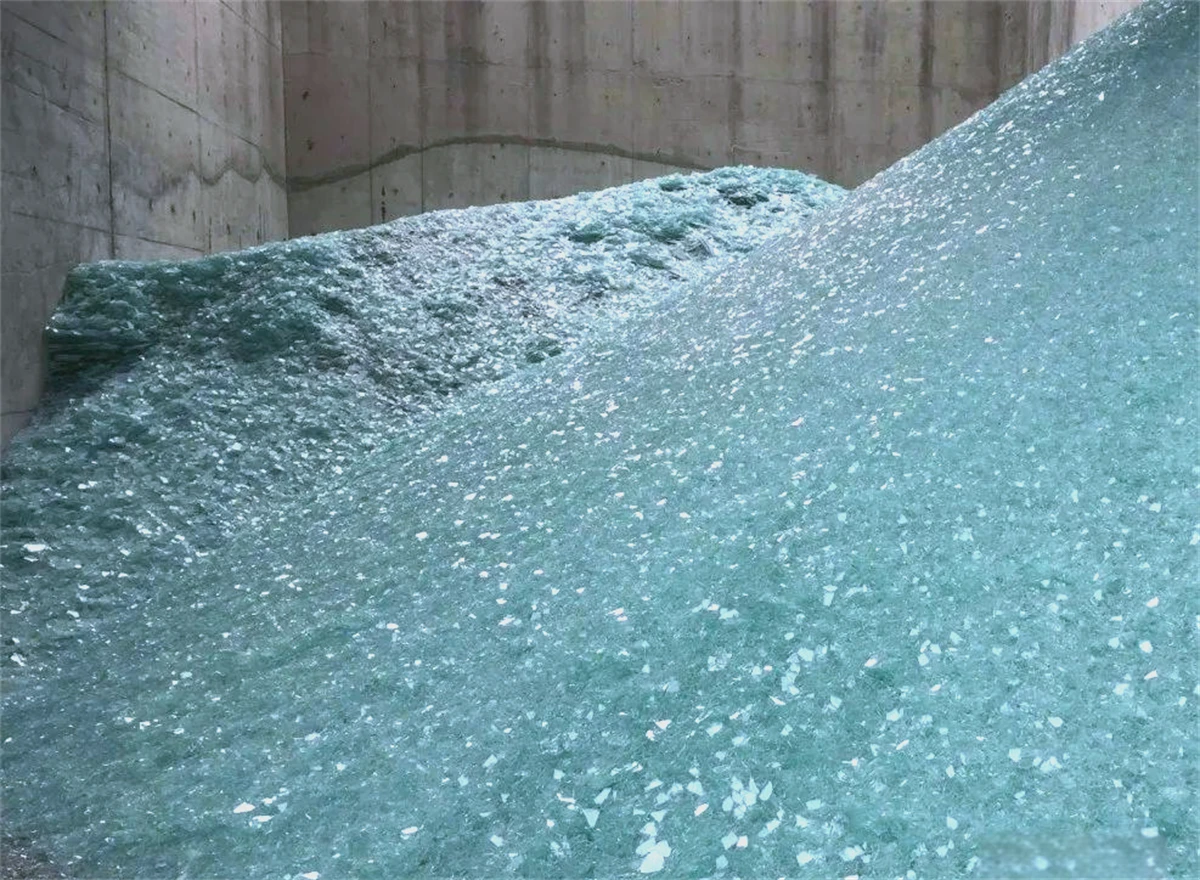
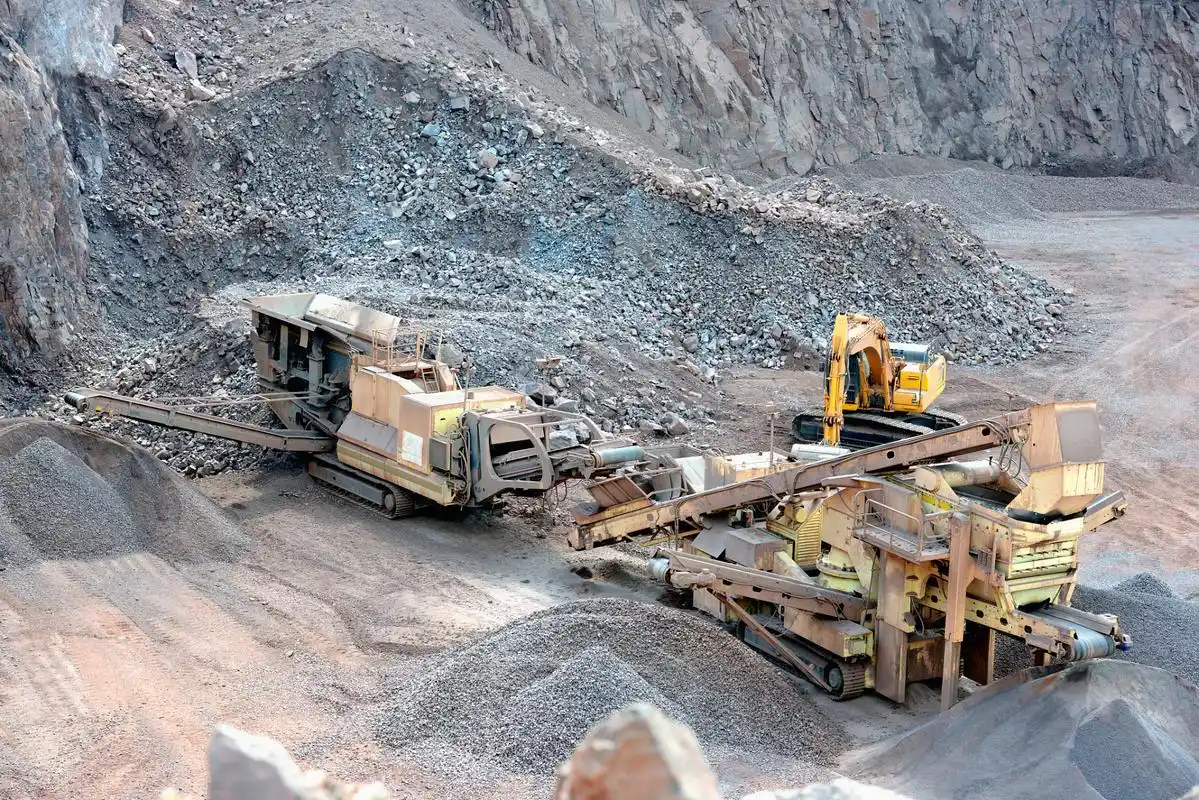
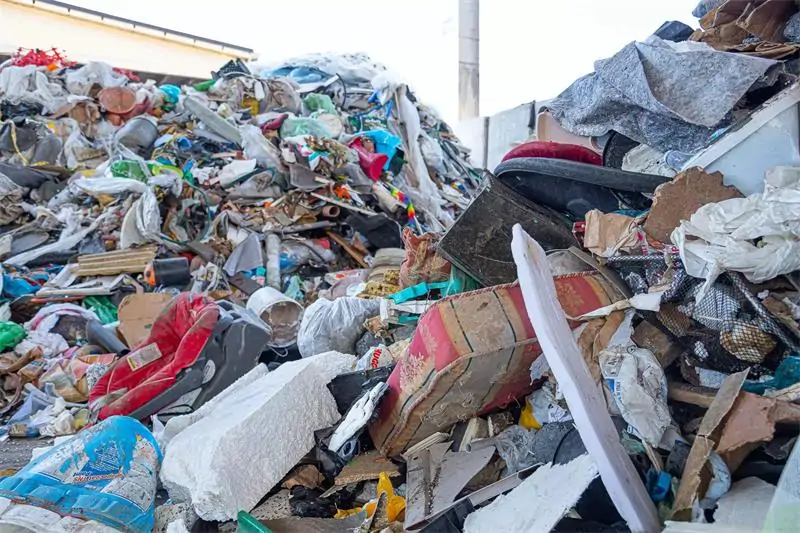
Optical sorting machines improve material purity and recovery value by removing unwanted particles, contaminants, and off-grade materials. They are widely used in recycling and mineral processing applications to reduce manual sorting, improve product quality, and increase production efficiency. The main applications include plastic recycling, waste glass recycling, mineral processing, and municipal solid waste recycling.
Xinzhongyi ECO provides customized sorting solutions based on material characteristics, processing requirements, and complete project needs.
Custom Color Sorter Machine Solutions
Xinzhongyi ECO designs optical sorting solutions based on material characteristics, production targets, and processing requirements. By understanding your raw material, purity requirements, and plant conditions, our engineering team can recommend the right sorting technology, sensor configuration, machine model, and complete processing solution.
Custom Options Include:
- Material Type & Application
- Feed Size & Material Condition
- Purity Requirement & Sorting Target
- Processing Capacity
- Sorting Process Requirement
- Solution Scope
Optical Sorting Machine Manufacturer & Supplier
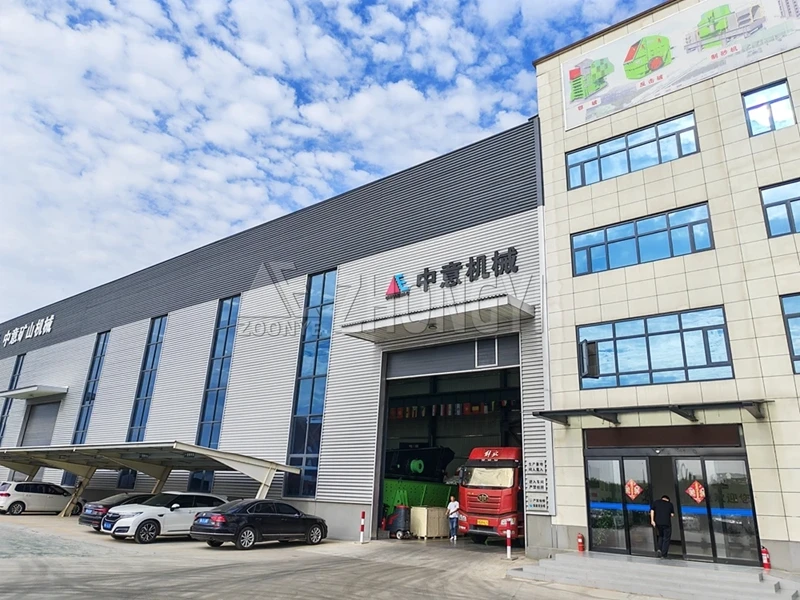
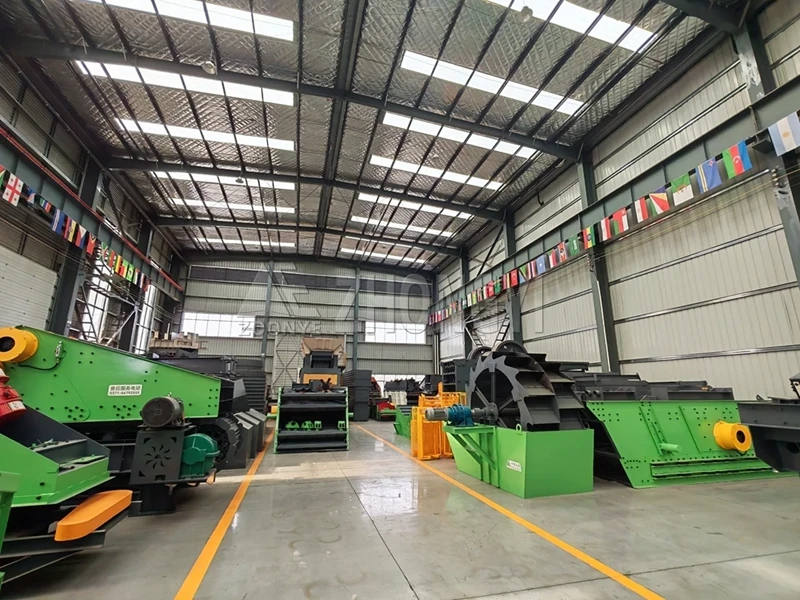
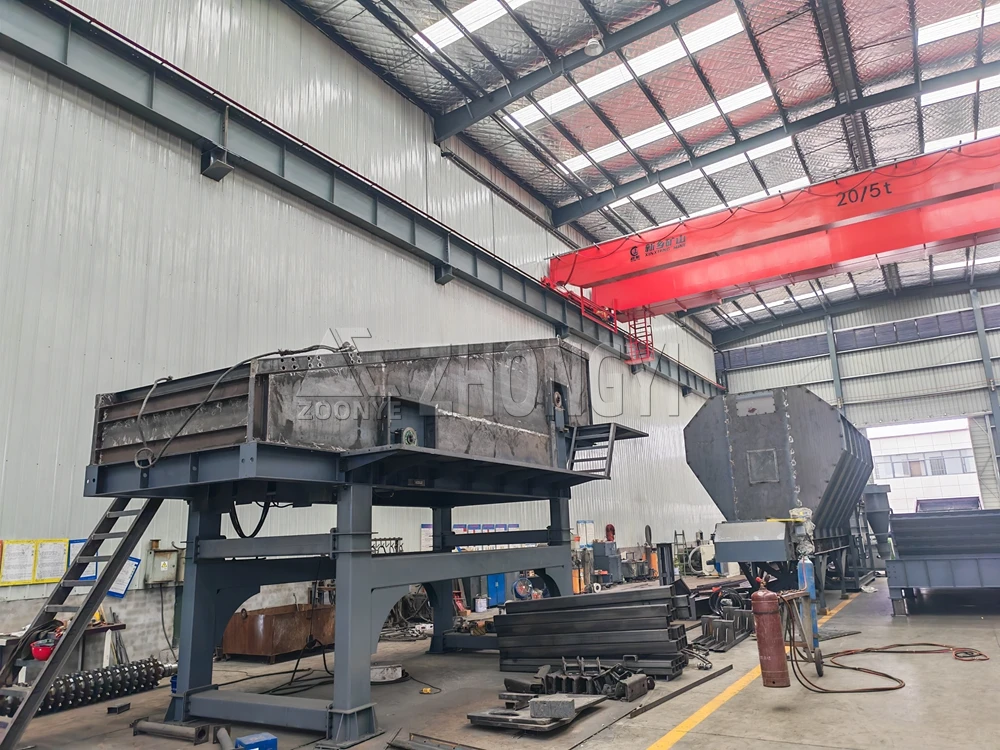
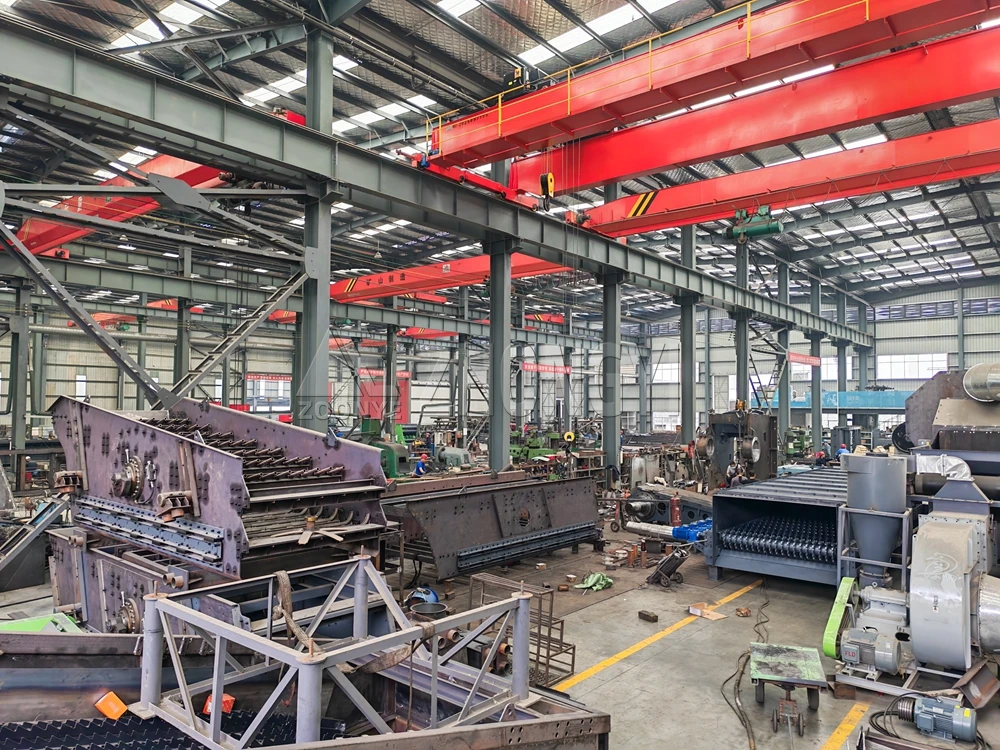
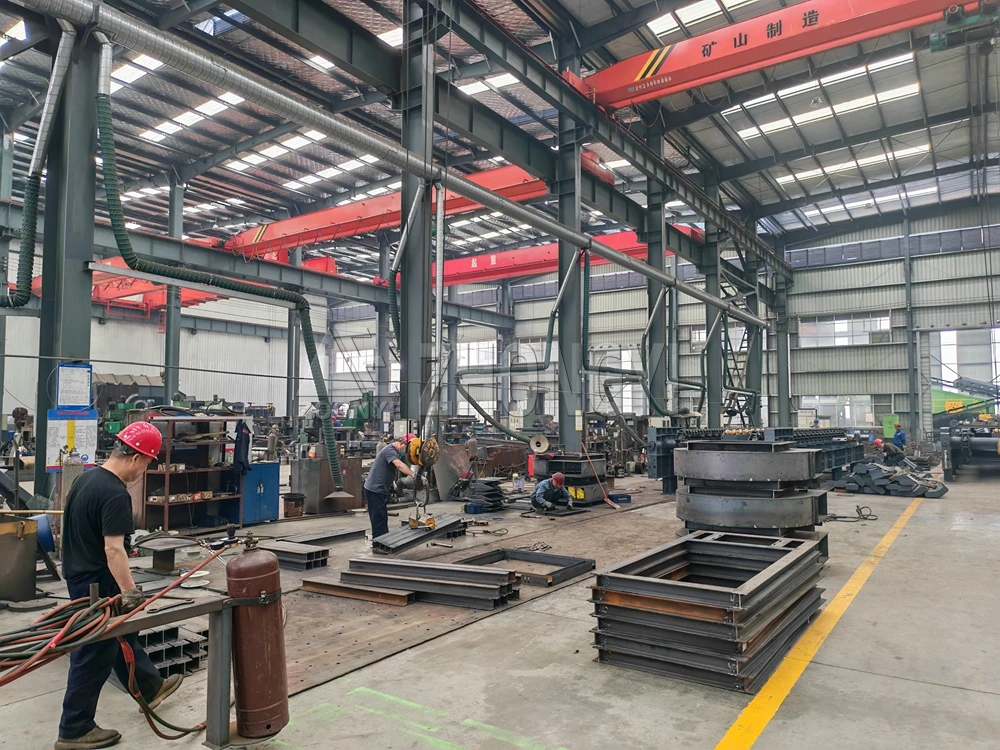
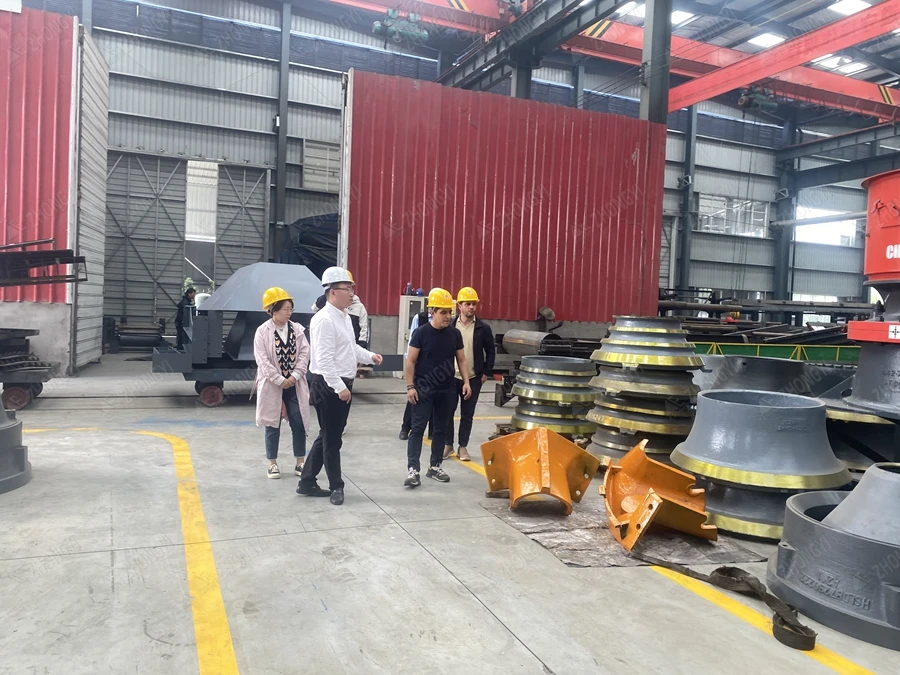
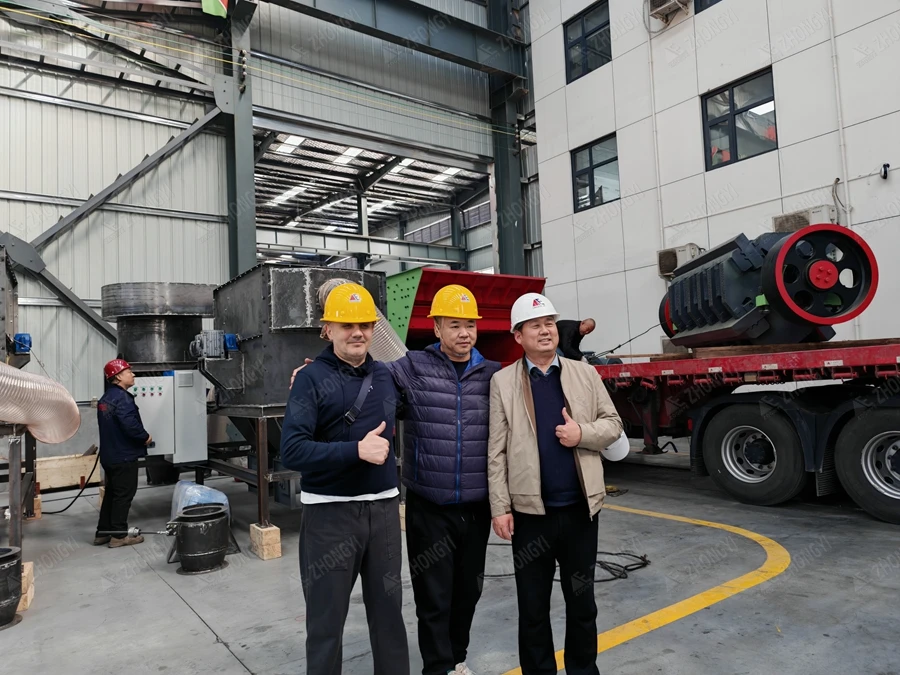
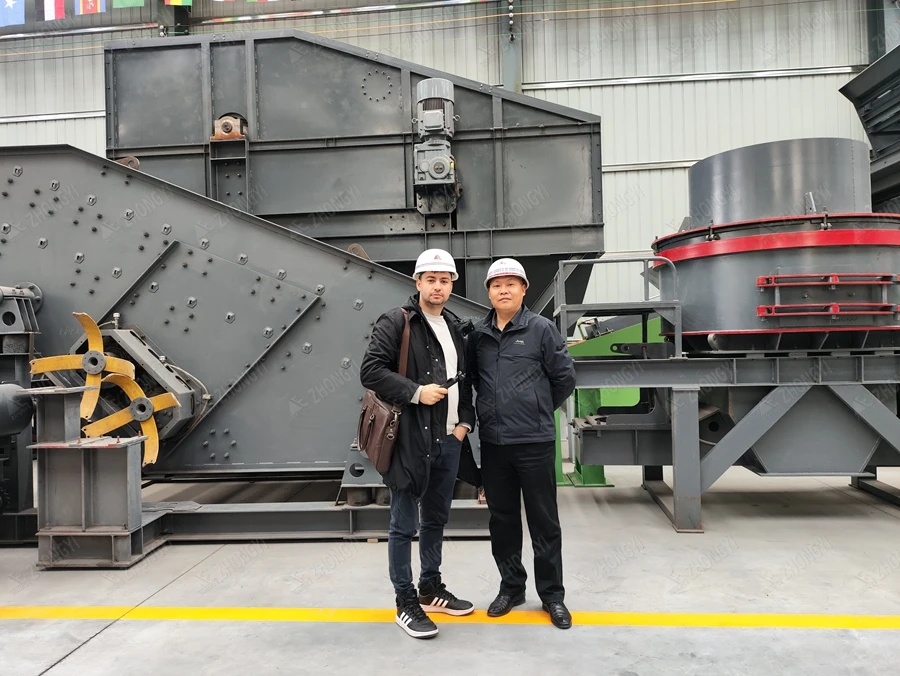
Xinzhongyi ECO manufactures optical sorting machines for mineral processing, aggregate production, and recycling applications. With 16+ years of experience in industrial equipment manufacturing, we provide sorting solutions for materials such as quartz, feldspar, fluorite, recycled glass, and industrial minerals. Our machines use CCD and NIR sensor technology with precision air ejection systems to improve separation efficiency and product quality.
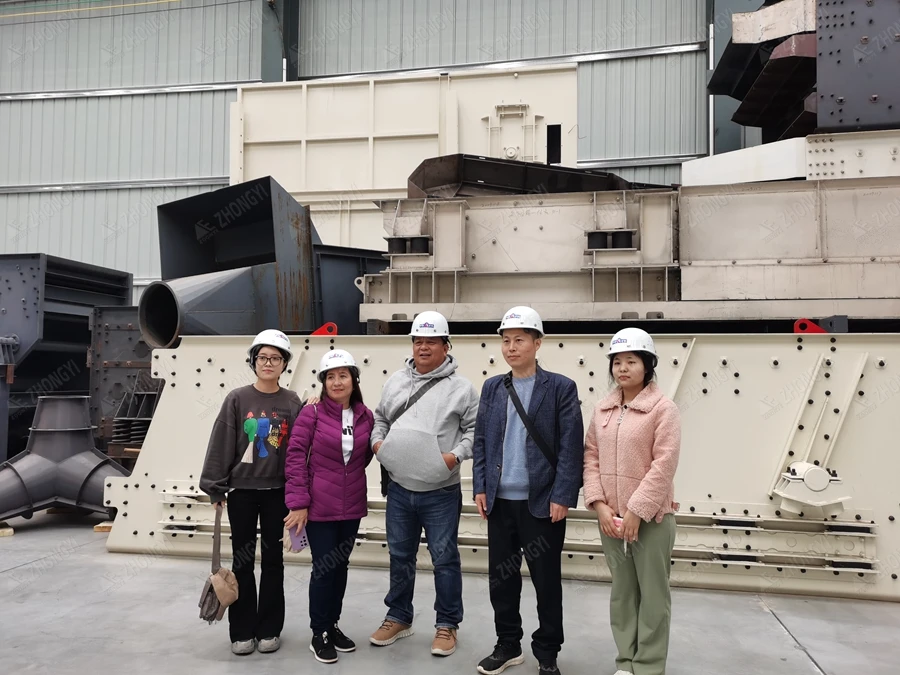
Supported by 3 production bases and ISO 9001 quality management, Xinzhongyi ECO provides complete project support from equipment selection and manufacturing to installation, commissioning, and after-sales service. We work with customers to develop reliable sorting systems based on material conditions, production requirements, and final product standards.
FAQ
An optical color sorter removes off-color, contaminated, and low-grade particles from mineral streams using CCD and NIR detection technology. It is used to improve purity and product quality in quartz, silica sand, feldspar, recycled glass, aggregates, and other industrial materials.
Optical sorting machines are widely used for quartz, silica sand, feldspar, fluorite, calcite, talc, recycled glass, aggregates, and other industrial minerals. The sorting performance depends on material characteristics, color difference, and impurity conditions.
CCD models detect visible differences such as color and brightness, while CCD+NIR models add spectral detection to identify material composition differences. CCD+NIR is suitable for applications requiring higher purity and more precise separation.
Machine selection depends on material type, feed size, processing capacity, target purity, and sorting requirements. Xinzhongyi ECO evaluates project conditions and recommends the suitable sensor configuration, machine model, and sorting process.
Yes. Xinzhongyi ECO can provide complete sorting solutions, including feeding, screening, optical sorting, conveying, and auxiliary equipment, according to different mineral processing and recycling requirements.
To recommend the right solution, please provide material type, feed size range, processing capacity, target purity, moisture condition, power supply, project location, and whether you need a single machine or a complete sorting line.