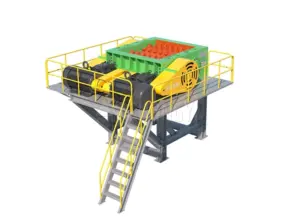
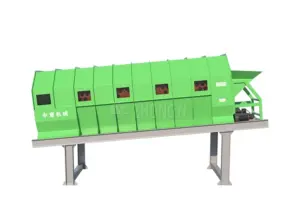
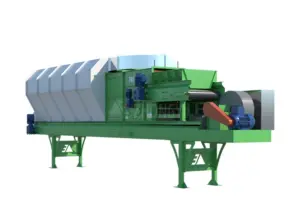


What is a Bulk Material Conveyor?
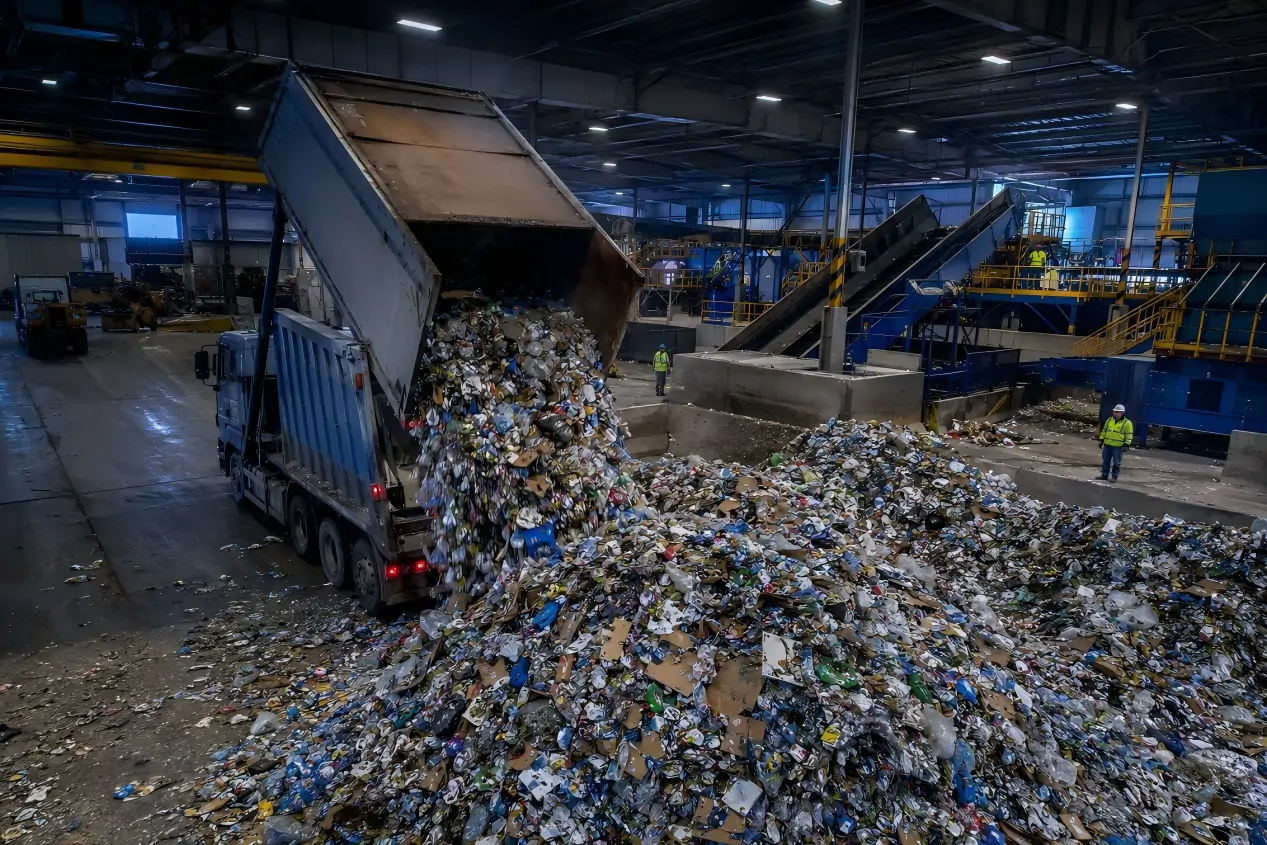
A Bulk Material Conveyor, also known as a bulk handling conveyor, industrial belt conveyor system, or continuous material conveying system, is designed for efficient and uninterrupted transport of large volumes of loose materials. In waste recycling and resource recovery plants, it is widely applied for waste material transport, enabling stable movement of municipal solid waste, RDF, construction debris, biomass, and recyclable fractions across different processing stages.
For continuous transfer of municipal solid waste, RDF, construction debris, biomass, and recyclable materials.
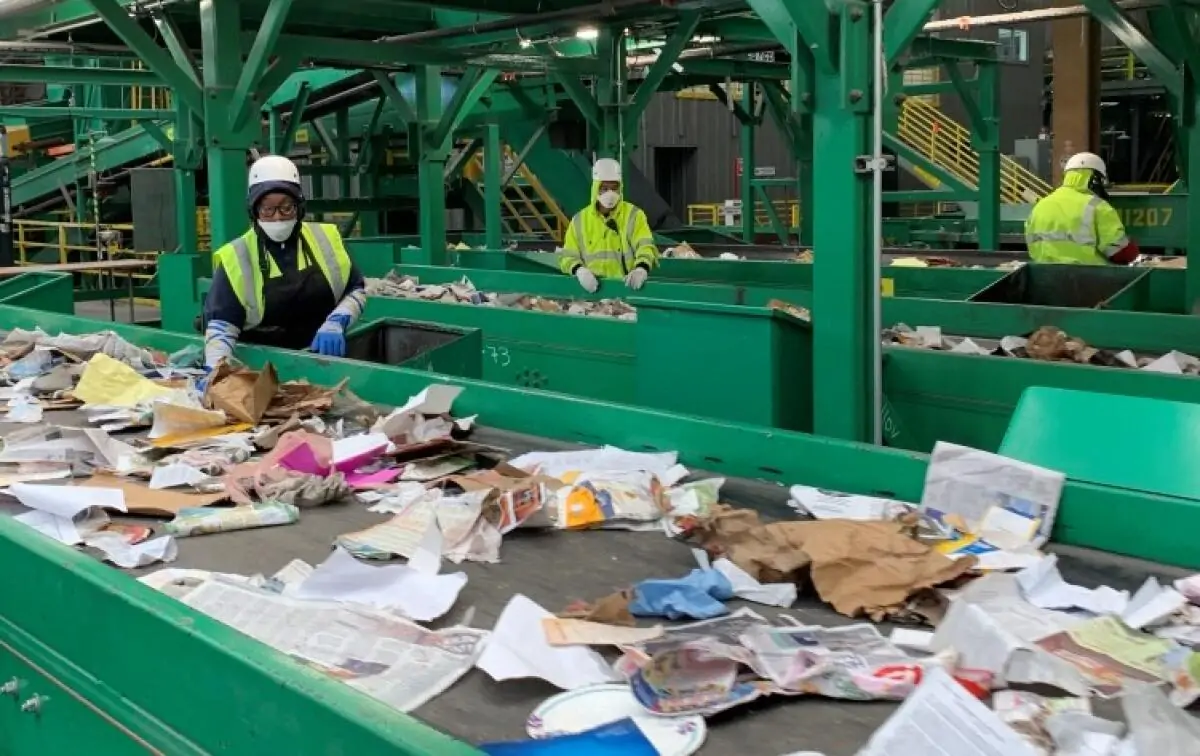
It functions as a key component of a modern recycling conveyor system, ensuring continuous flow between shredding, screening, sorting, and storage units. With typical capacities ranging from 50 to 2000 t/h, it supports high-efficiency operations in large-scale processing facilities while reducing manual handling and downtime.
Designed for heavy-duty bulk waste conveying, the system offers flexible configuration for different plant layouts. Adjustable belt widths, variable speeds, and customizable conveyor lengths allow it to match specific production requirements while maintaining stable and controlled material flow.
Product Disply
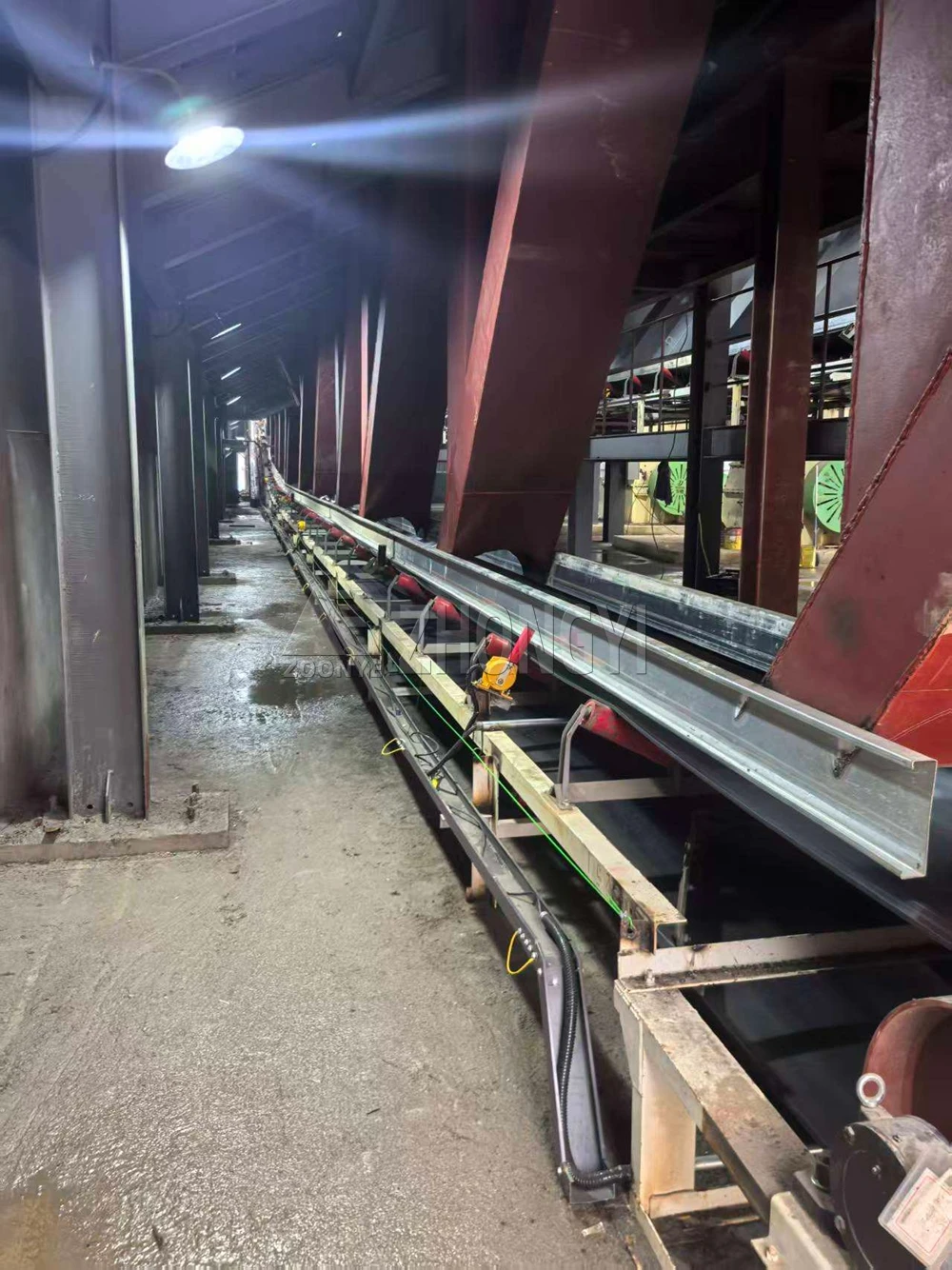
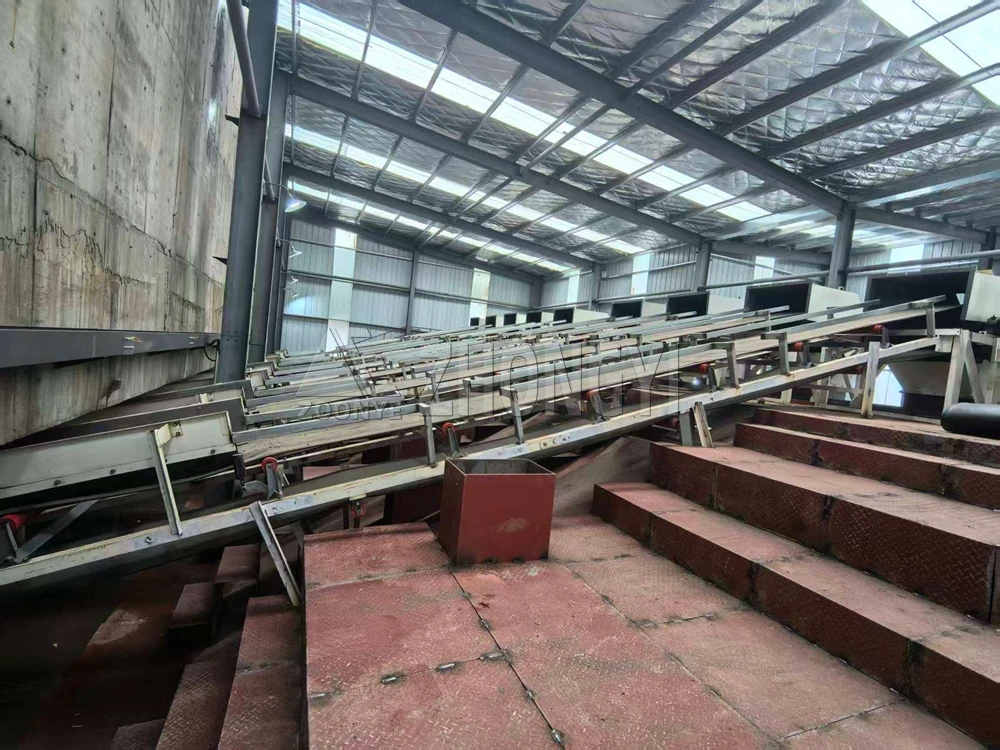
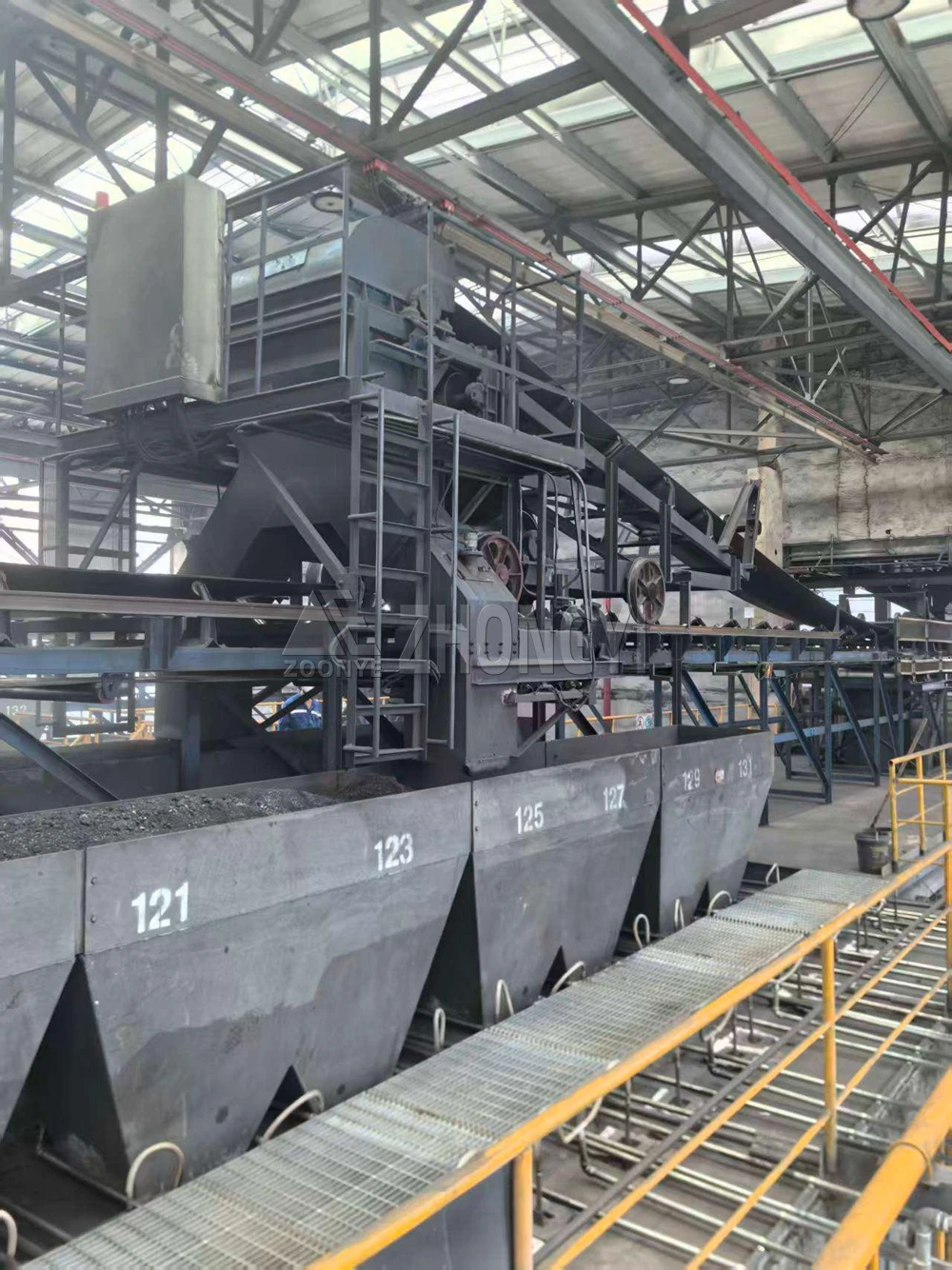
How Does a Bulk Material Conveyor Work?
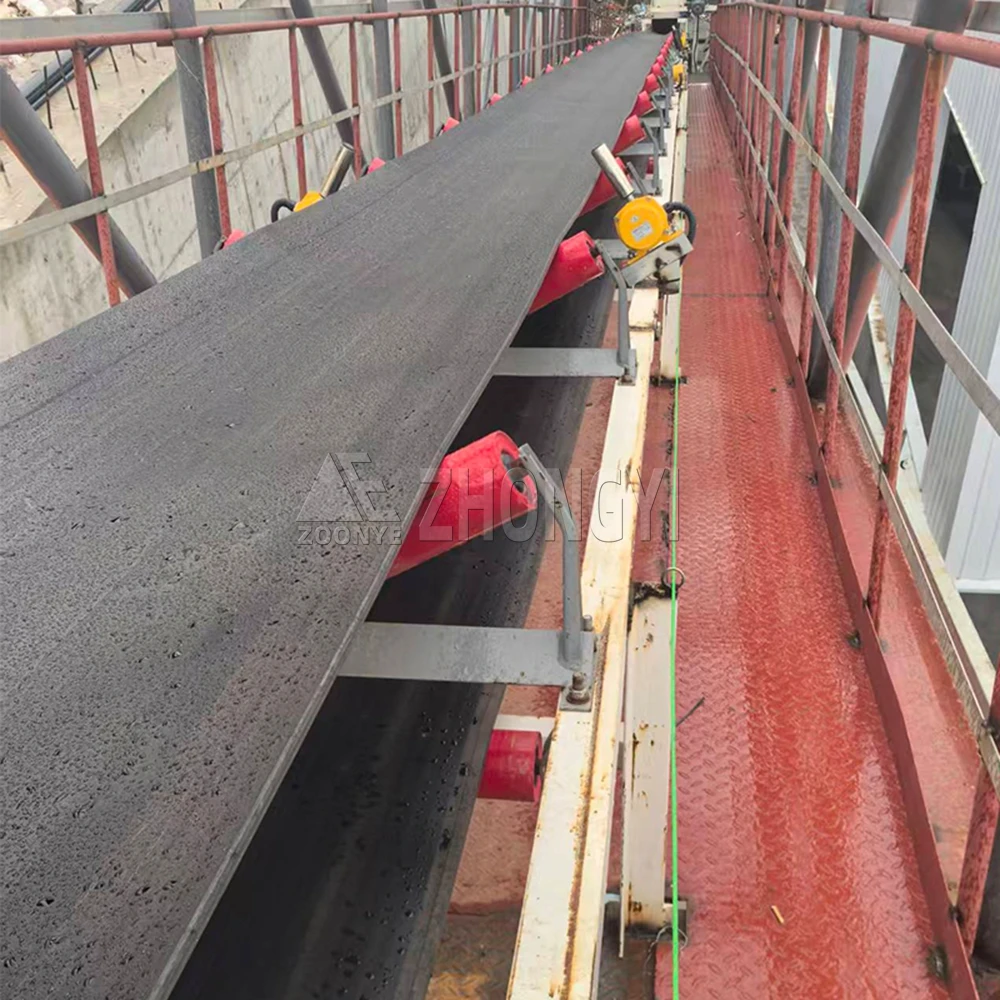
A Bulk Material Conveyor moves waste and bulk materials in a continuous flow across the whole processing line. Material is loaded through a hopper or feeder, where it is evenly spread onto the belt to avoid blockage and uneven loading.
The belt runs at a constant speed to ensure stable waste material transport and continuous bulk waste conveying. It connects different equipment in the line and keeps materials moving without interruption.
In a recycling conveyor system, it links shredders, screens, and sorting stations into one workflow, making the whole process more efficient and organized.
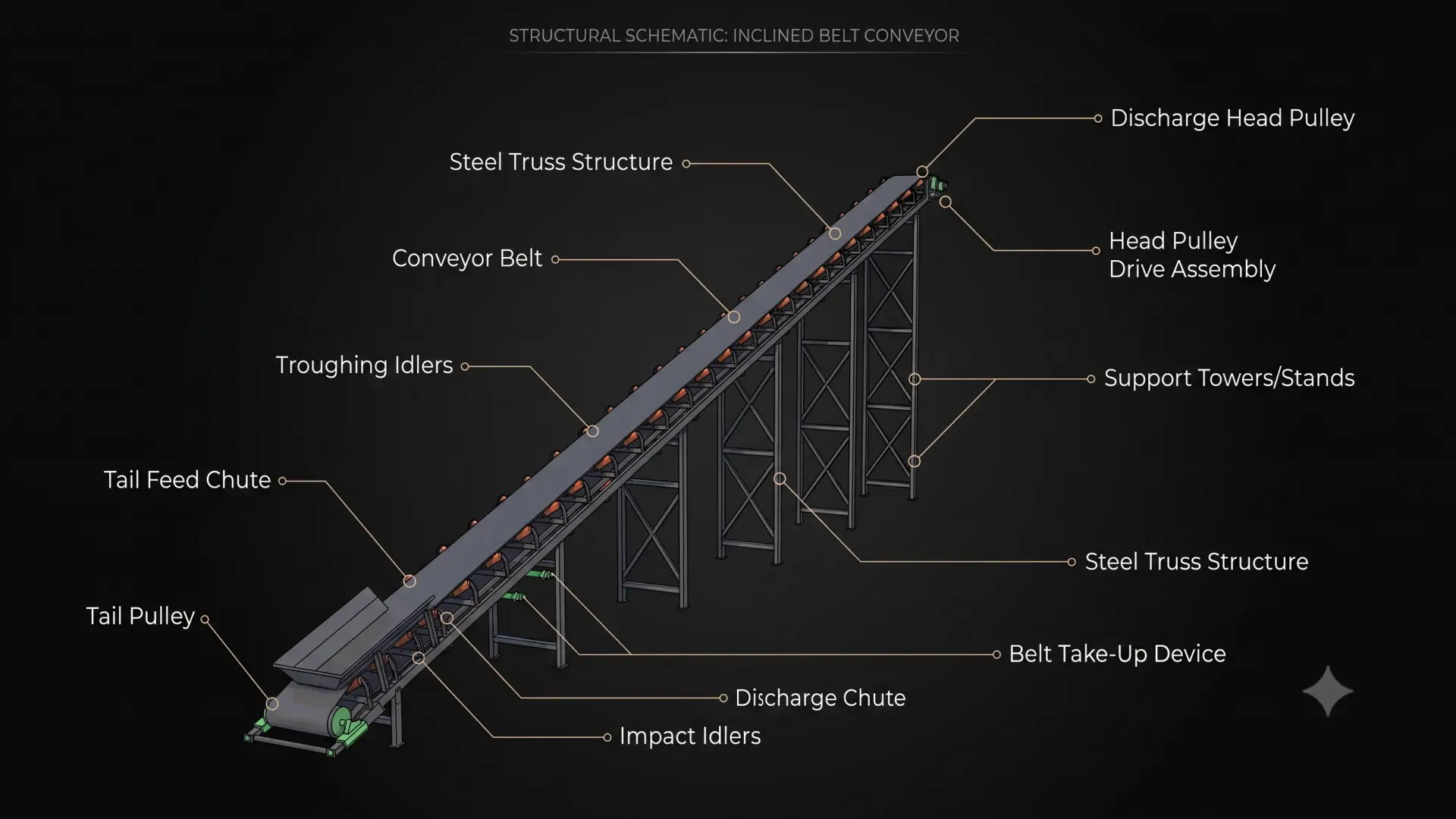
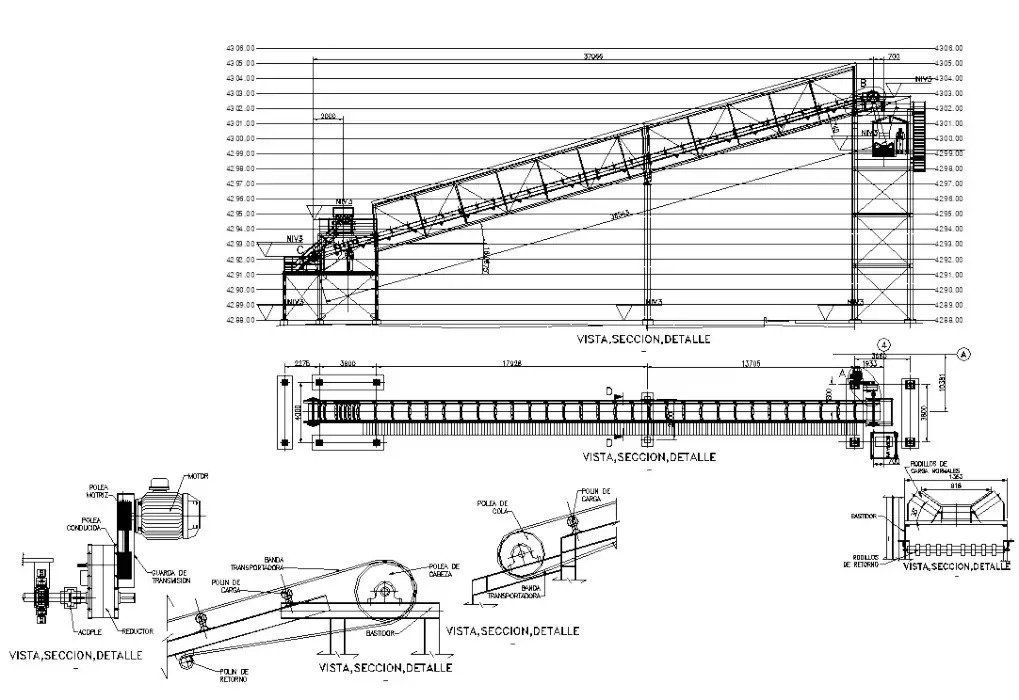
At the end, the discharge section releases materials to the next stage or storage area. A simple structure diagram can help show the full process from feeding to discharge.
Parts
A Bulk Material Conveyor is consists of the belt, drive unit, pulleys, rollers, frame structure, support stable operation under heavy-duty conveying conditions.
- Conveyor Belt: The main conveying surface for continuous waste material transport, designed for wear resistance and long-term use.
- Drive Unit (Motor & Gearbox): Provides steady power to keep the belt running under load.
- Head Pulley & Tail Pulley: Drive and guide the belt through the conveying loop.
- Idler Rollers: Support the belt and reduce friction during operation.
- Steel Frame: Main structure that carries and supports the whole conveyor.
- Tensioning Device: Keeps the belt properly tensioned to ensure stable bulk waste conveying and prevent slippage.
Specifications
The following specifications are for reference only; all bulk material conveyors can be customized based on your plant layout, material type, and capacity requirements.
| Item | Specification Range |
|---|---|
| Conveyor Type | Belt Conveyor / Enclosed Belt Conveyor |
| Capacity | 50 – 2000 t/h |
| Belt Width | 500 – 2000 mm |
| Conveyor Length | 5 – 100 m (customizable) |
| Belt Speed | 0.8 – 3.5 m/s |
| Material Type | MSW, RDF, C&D waste, biomass, recyclables |
| Drive Power | 4 – 75 kW (depending on capacity) |
| Structure Material | Carbon steel / Stainless steel (optional) |
| Operation Mode | Continuous 24/7 operation |
| Installation Angle | 0° – 25° (optional inclined design) |
Features
Our Bulk Material Conveyor is designed for stable and efficient handling of large-volume waste materials in recycling and processing plants. It ensures continuous conveying performance under heavy-duty working conditions, supporting reliable operation in demanding environments such as municipal waste, construction debris, and RDF processing lines.
Applications
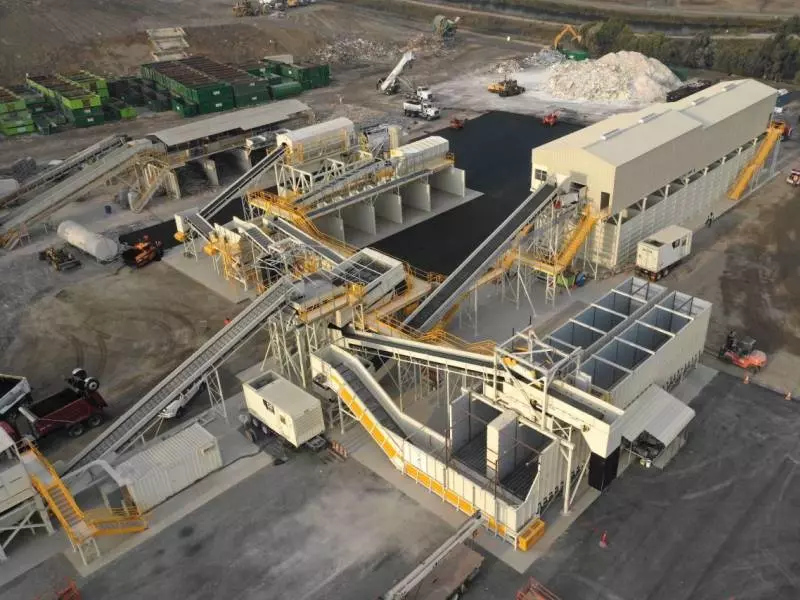
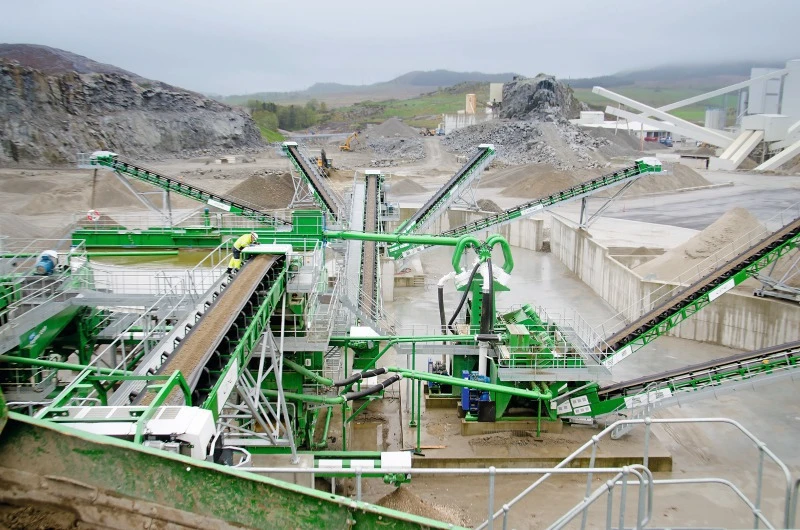
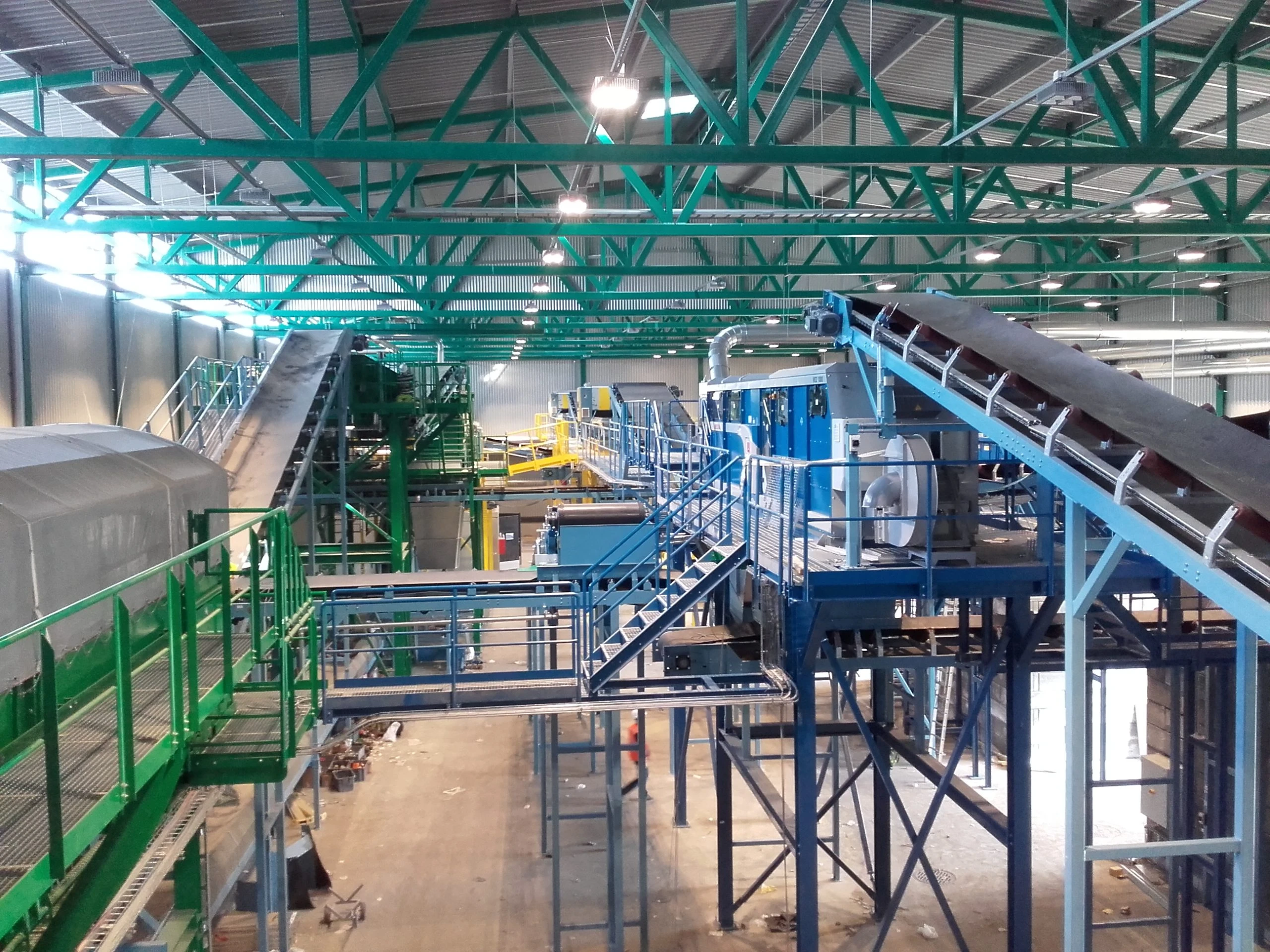
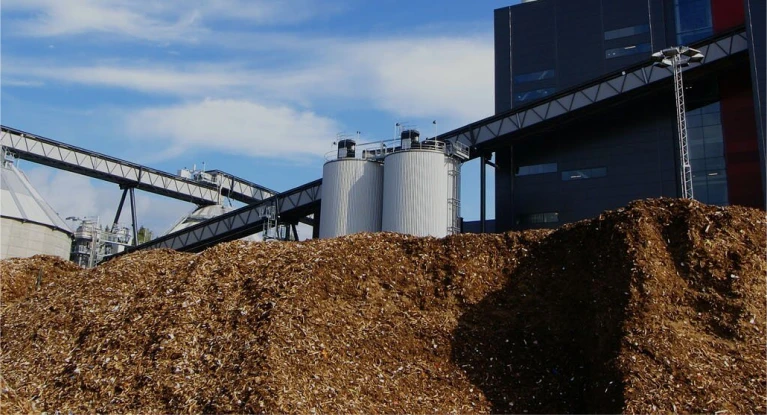
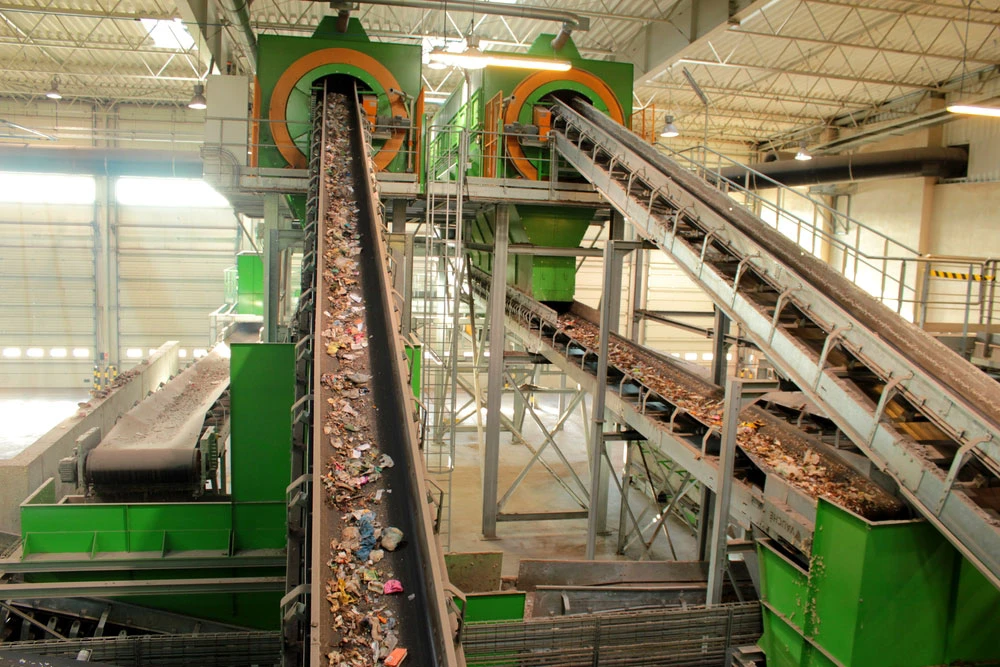
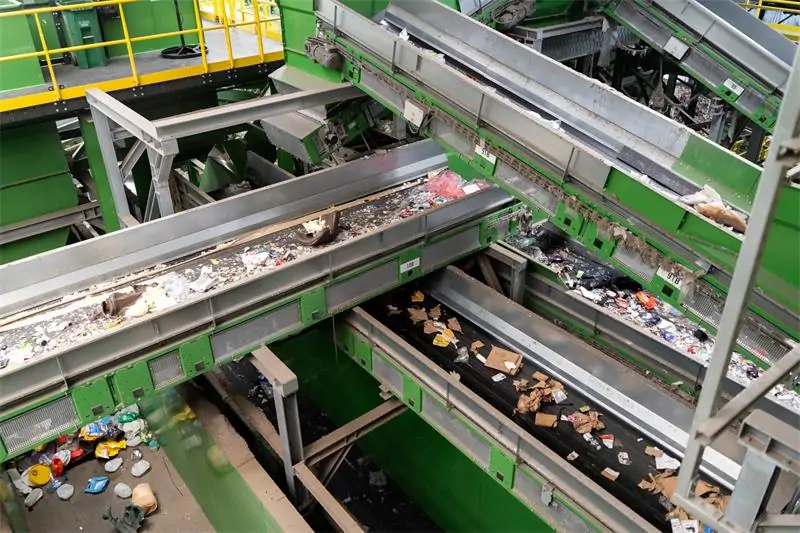
Bulk Material Conveyors are used for continuous material transfer in waste treatment and recycling plants. They move large volumes of mixed and heavy materials between different processing stages, keeping the production line running smoothly.
Suitable Materials
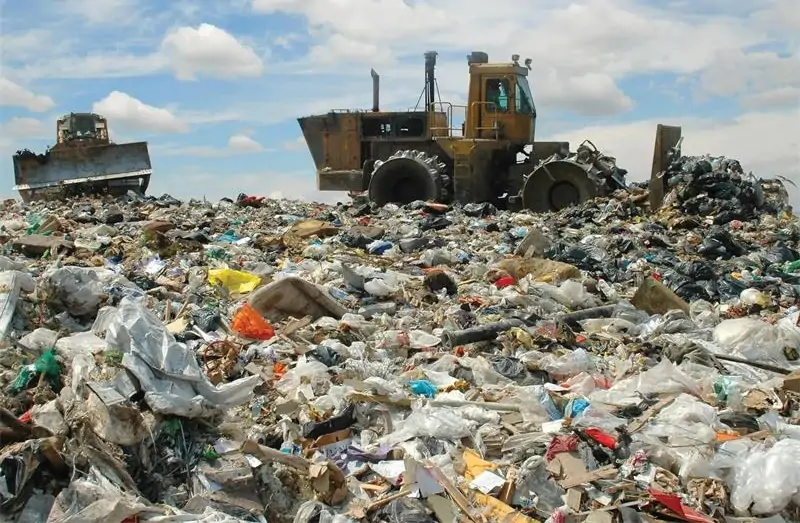
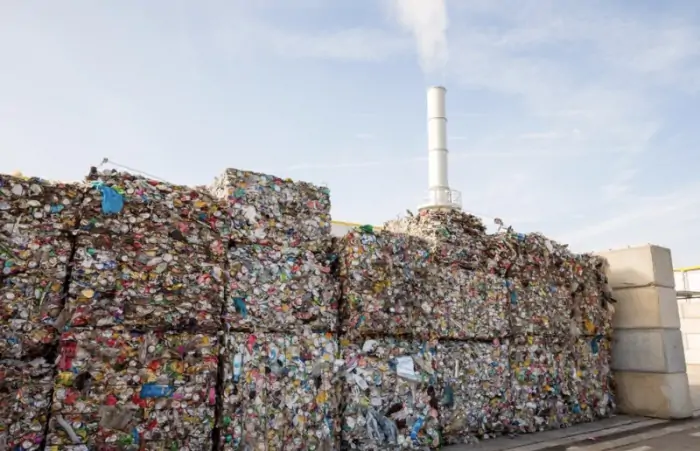
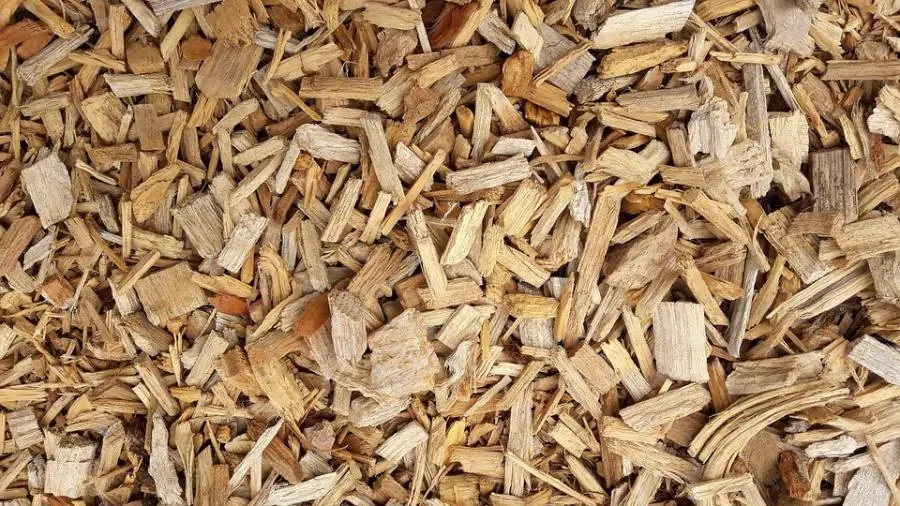
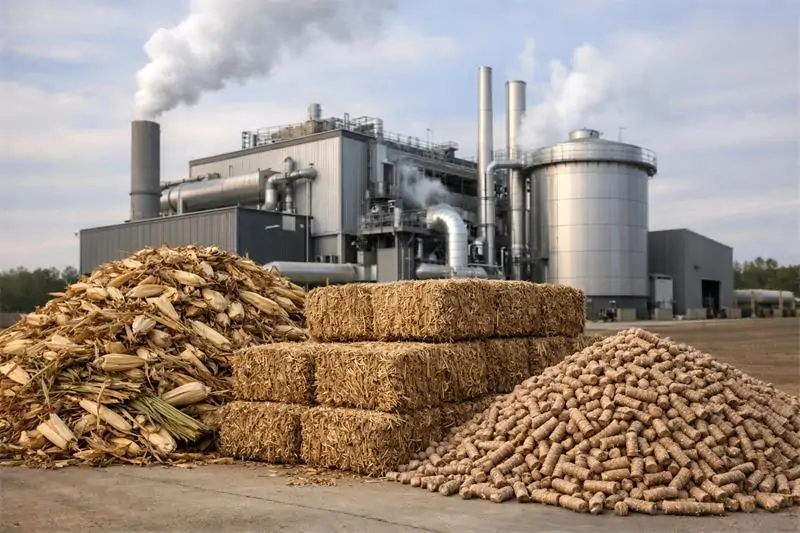
Bulk Material Conveyors are designed to handle a wide range of loose, mixed, and irregular waste materials in recycling and resource recovery lines. They can efficiently transport both light and heavy fractions across different processing stages, ensuring stable feeding and continuous system operation.




Custom Bulk Conveyor Solutions
Bulk conveying systems need to match real site conditions and material properties. We design customized solutions to solve common problems such as unstable feeding, material blockage, limited space, dust leakage, and mismatched capacity between equipment.
Whether you are conveying MSW, C&D waste, RDF, biomass, or other bulk materials, we design the conveyor to match your material characteristics, capacity requirements, and plant layout, ensuring reliable operation throughout the line. If you need a reliable conveyor solution for your project, contact us to get a customized design based on your requirements.
Custom Options Include:
- Conveyor Length
- Belt Material
- Inclination Angle
- Dust Cover / Enclosure Design
- Sidewall Height
- Hopper Feeding System
- Discharge Type
Project Cases
300T/H MSW Sorting Plant – Indonesia
This municipal solid waste sorting plant was built to process mixed household waste and recover recyclable materials. The Bulk Material Conveyor system connects feeding, screening, sorting, and baling sections, ensuring continuous material flow throughout the plant.
| Item | Specification |
|---|---|
| Project Type | MSW Sorting Plant |
| Location | Indonesia |
| Capacity | 300 t/h |
| Material | Municipal Solid Waste (MSW) |
| Belt Width | 1200 mm |
| Belt Speed | 1.8–2.5 m/s |
| Conveyor Length | 18–40 m |
| Equipment Configuration | Apron Feeder, Bulk Material Conveyors, Trommel Screens, Magnetic Separators, Sorting Platforms, Horizontal Baler |
Customer Feedback
“The conveyor system runs smoothly under continuous operation and has significantly improved material transfer efficiency across the plant.”
150T/H C&D Waste Recycling Plant – Malaysia
This project was designed for recycling construction and demolition waste, including concrete, bricks, wood, and mixed debris. Heavy-duty bulk conveyors provide reliable material transfer between crushing, screening, and recovery processes.
| Item | Specification |
|---|---|
| Project Type | C&D Waste Recycling Plant |
| Location | Malaysia |
| Capacity | 150 t/h |
| Material | Construction & Demolition Waste |
| Belt Width | 1000 mm |
| Belt Speed | 1.5–2.2 m/s |
| Conveyor Length | 10–35 m |
| Equipment Configuration | Heavy-Duty Apron Feeder, Bulk Material Conveyors, Jaw Crusher, Impact Crusher, Vibrating Screens, Magnetic Separator |
Customer Feedback
“The conveyors handle heavy materials reliably and have integrated seamlessly with our crushing and screening line.”
80T/H RDF Production Line – UAE
This RDF production line converts combustible waste into alternative fuel. The conveyor system ensures stable material transfer between shredding, screening, metal separation, and baling stages.
Project Details
| Item | Specification |
|---|---|
| Project Type | RDF Production Line |
| Location | UAE |
| Capacity | 80 t/h |
| Material | RDF Feedstock |
| Belt Width | 800 mm |
| Belt Speed | 1.0–1.8 m/s |
| Conveyor Length | 8–30 m |
| Equipment Configuration | Chain Plate Feeder, Bulk Material Conveyors, Primary Shredder, Disc Screen, Magnetic Separators, Air Separator, RDF Baler |
Customer Feedback
“The conveyor system provides stable feeding and continuous material flow, helping us maintain consistent RDF production.”
How to Choose the Right Bulk Material Conveyor?
Selecting the right Bulk Material Conveyor depends on your material, capacity, and plant layout. A properly configured conveyor improves material flow, reduces downtime, and helps the entire recycling line operate more efficiently.
Material Characteristics
Material size, weight, moisture content, and abrasiveness will determine the belt type, conveyor structure, and wear protection requirements.
Required Capacity
Conveyor width, belt speed, and drive power should match your actual throughput. Typical waste recycling applications range from 50–300 t/h, while larger facilities may require higher capacities.
Conveyor Length & Layout
The conveyor should fit your available space and connect smoothly with upstream and downstream equipment to avoid unnecessary transfer points.
Dust Control Requirements
For RDF, biomass, and fine materials, enclosed belt conveyors or dust covers can help reduce dust emissions and material loss.
Equipment Integration
Consider how the conveyor will work with feeders, shredders, screens, separators, and sorting systems to ensure stable material transfer throughout the line.
Maintenance Requirements
Choose a design with easy access to belts, rollers, and drive components to reduce maintenance time and operating costs.
Not sure which model is right for your project? Send us your material type, capacity, and layout requirements, and our engineering team will recommend a suitable conveyor solution.
FAQ
Bulk material conveyors are widely used for transporting municipal solid waste (MSW), construction and demolition waste, RDF, biomass, wood waste, plastics, paper, compost, and other loose or mixed recyclable materials. Conveyor design can be customized according to material size, moisture content, and bulk density.
The required capacity depends on material type, feed rate, and plant throughput. Most waste recycling applications use conveyors ranging from 20 to 800 t/h. Providing your hourly processing capacity and material characteristics helps ensure accurate equipment selection.
Yes. For abrasive materials such as construction debris, glass fragments, or crushed concrete, wear-resistant belts, reinforced rollers, and heavy-duty steel frames can be applied to improve durability and reduce maintenance costs.
Belt width is determined by material size and required throughput. Common widths range from 500 mm to 1800 mm. Wider belts generally provide higher conveying capacity and help maintain stable material flow in large recycling facilities.
Yes. Bulk material conveyors are commonly installed between shredders, trommel screens, ballistic separators, optical sorters, and other recycling equipment to create a continuous and automated material handling system.
Yes. Enclosed or covered conveyor systems are available for dust control, odor reduction, and material protection. They are widely used in RDF production lines, biomass plants, and municipal solid waste processing facilities.
Routine maintenance mainly includes belt inspection, roller lubrication, tension adjustment, and cleaning of accumulated materials. Regular maintenance helps reduce unexpected downtime and extends the service life of key conveyor components.
Yes. Conveyor length, belt width, inclination angle, discharge position, support structure, and safety features can all be customized to fit existing plant layouts, available space, and production requirements.