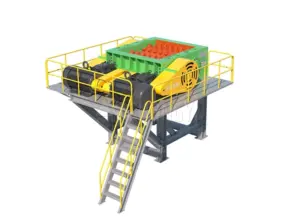
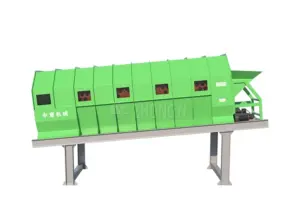
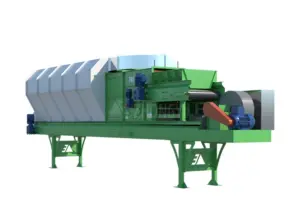


What is a Waste Sorting Disc Screen?
A Waste Sorting Disc Screen (also known as a star screen or disc separator) is a screening machine used in solid waste sorting lines to separate materials by size. It is widely used in the processing of municipal solid waste (MSW), construction waste, and recyclable materials.
The disc screen consists of multiple parallel shafts with rotating star-shaped discs driven by a motor system. Smaller materials fall through the gaps between the discs, while larger materials are transported forward. It is used in municipal solid waste (MSW), kitchen waste, construction debris, soil-stone separation, and recyclables sorting.


Working Principle
The waste sorting disc screen uses rotating star-disc shafts and adjustable screening gaps to separate materials by size. Materials are lifted, dispersed and conveyed continuously, allowing fine particles to pass through gaps while oversized materials move forward for efficient and stable waste classification.
Rotating Disc Shaft System
The waste sorting disc screen is composed of multiple parallel shaft rollers, each fitted with interlaced star-shaped discs. During operation, materials are continuously lifted, rolled, and dispersed across the screening surface, achieving effective mixing and uniform separation.
Size-Based Separation Principle
Unlike traditional trommel screens that rely on perforated mesh, the disc screen separates materials based on fixed gaps between star discs. Fine particles smaller than the gap fall through the openings and become the underflow product, while larger materials remain on the surface and are transported forward to the next processing stage.
Adjustable Screening Gap
The screening precision can be adjusted by changing the spacing between discs, allowing the equipment to adapt to different waste compositions and particle size requirements.
Specification
The technical parameters of the Waste Sorting Disc Screen can be adjusted according to different material types and production requirements. To meet various waste processing needs, we offer multiple equipment models. In addition, customized design solutions can be provided based on your material characteristics, capacity targets, and production line layout.
| Model | Material | Disc Opening (mm) | Disc Size (mm) | Shaft Qty | Power (kW) | Capacity (m³/h) |
| ZYZ3512 | Polyurethane | 5–160 | 150–350 | 8–12 | 18.5 | 80 |
| ZYZ5012 | Polyurethane | 5–160 | 150–350 | 10–14 | 22 | 130 |
| ZYZ7512 | Polyurethane | 5–160 | 150–350 | 12–16 | 27 | 180 |
Suitable Materials
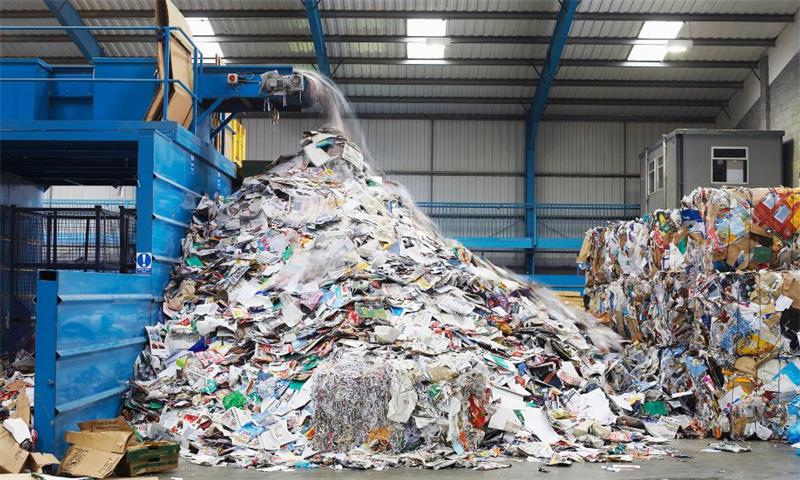
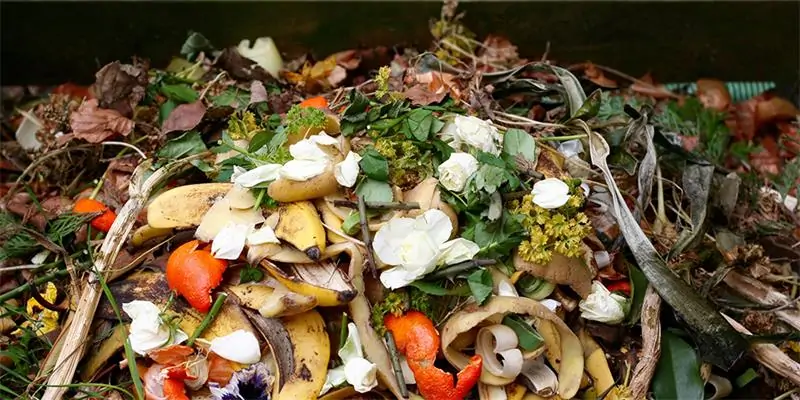
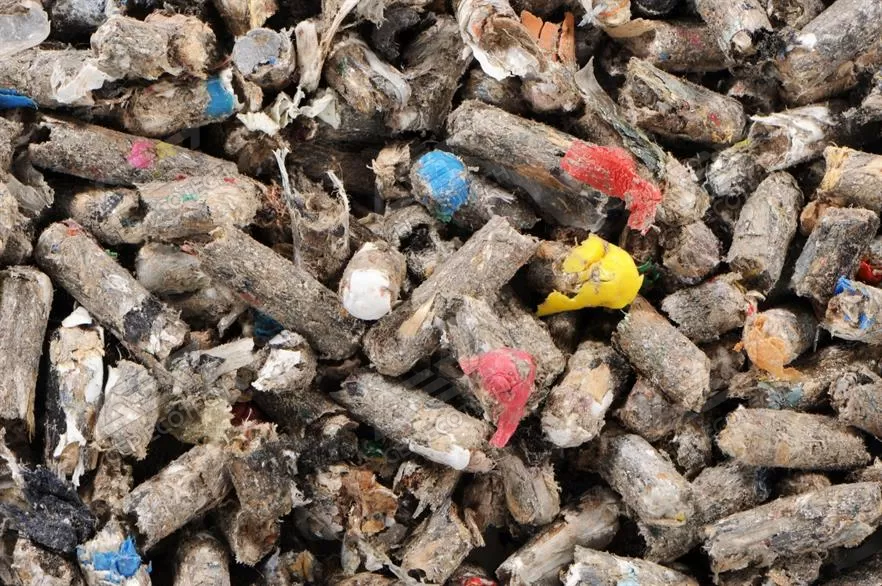
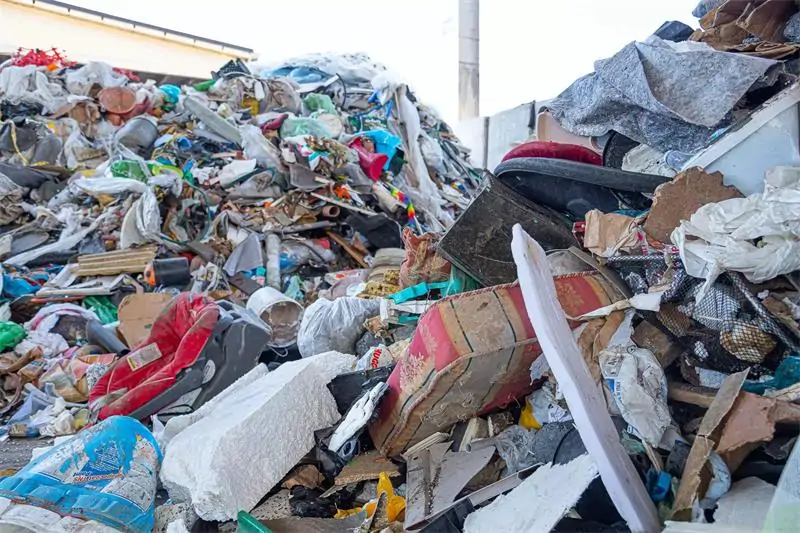
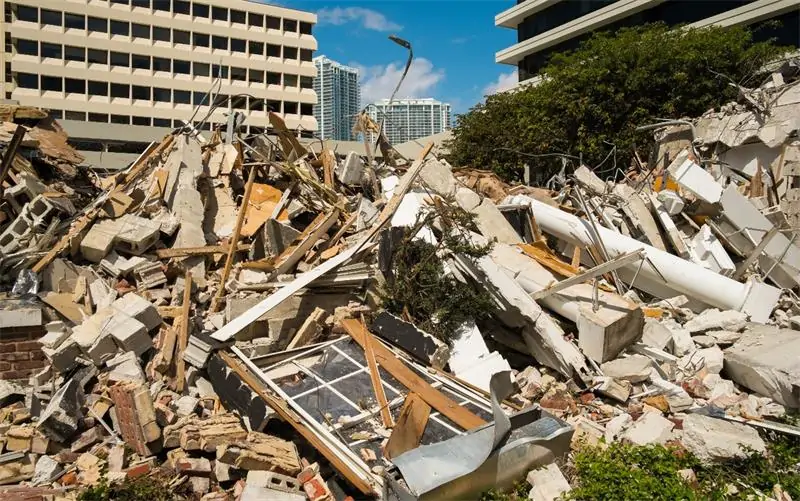
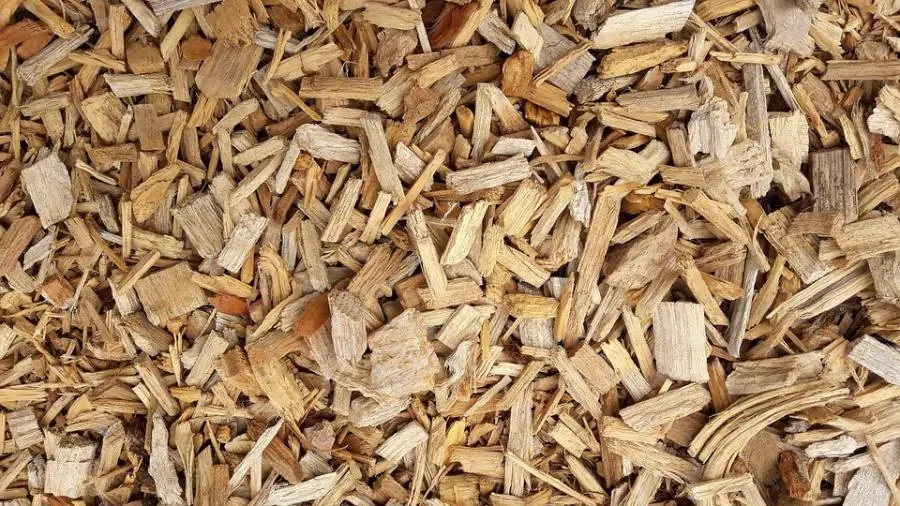
Waste sorting disc screens are used for separating mixed waste by size and are suitable for continuous processing of loose, bulk, and unevenly shaped materials. They are widely applied in municipal waste treatment, recycling plants, and RDF production lines to improve sorting efficiency. Typical applicable materials include:


Advantage
The Waste Sorting Disc Screen uses multi-shaft rotating star discs to separate materials by size. With compact structure and stable operation, it delivers high efficiency, low clogging, and easy maintenance in recycling and sorting plants.
Disc Screen vs Other Screening Equipment
The Waste Sorting Disc Screen is a high-efficiency separation equipment designed for complex solid waste streams. Compared with trommel screens, vibrating screens, and square swing screens, it uses a multi-shaft rotating disc structure that improves anti-clogging ability, continuous feeding stability, and adaptability to mixed waste such as MSW, construction debris, and organic materials.
| Model | Material | Disc Opening (mm) | Disc Size (mm) | Shaft Qty | Power (kW) | Capacity (m³/h) |
| ZYZ3512 | Polyurethane | 5–160 | 150–350 | 8–12 | 18.5 | 80 |
| ZYZ5012 | Polyurethane | 5–160 | 150–350 | 10–14 | 22 | 130 |
| ZYZ7512 | Polyurethane | 5–160 | 150–350 | 12–16 | 27 | 180 |
Price of Waste Sorting Disc Screen – What Affects It?
The price of a waste sorting disc screen is primarily influenced by its processing capacity, materials, level of automation, and degree of customization. Generally, disc screens on the market cost around $2,000, but different configurations can result in significant cost variations, particularly in projects involving municipal solid waste and construction waste, which have varying processing requirements.
Below are the main factors that influence the final quotation:
1. Capacity and Size
Larger capacity means bigger structure, more shafts, and stronger drive systems, which increases cost. Small models are cheaper, while high-capacity lines for MSW plants require higher investment and material usage.
2. Material and Wear Resistance
Carbon steel is economical but wears faster. High manganese or alloy steel improves durability by 2–3 times but increases cost by 20%–30%. Stainless steel is used for harsh conditions, with higher price but longer lifespan.
3. Automation Level
Basic manual systems are cheaper, while PLC control, VFD, and anti-clogging automation increase price. Higher automation improves stability, reduces labor, and supports continuous operation in large waste sorting plants.
4. Customization Requirement
Non-standard designs such as size changes, special disc spacing, or system integration increase engineering cost. Factory manufacturers usually offer better quality and longer service life, but pricing is higher than small workshops.
If you need a detailed quotation based on your waste treatment capacity and project layout, contact our technical team for a tailored solution and cost evaluation.
Project Cases
In a 150–200 t/d construction and renovation waste treatment center, the waste sorting disc screen developed by Henan Xinzhongyi Eco Equipment Co., Ltd. was applied as the key front-end screening unit in a solid waste recycling line. It processed mixed demolition waste, efficiently separating fine soil, lightweight materials, and recyclable fractions before crushing and secondary sorting.
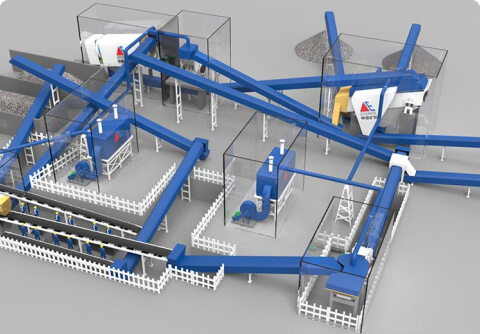
In the same project, the system was integrated with crushing, magnetic separation, and air classification to form a complete recycling line. Combined with intelligent control, dust suppression, and enclosed conveying design, the line achieved stable operation, low emissions, and high processing performance, making it a reliable solution for modern construction waste treatment.
Application
The waste sorting disc screen is widely used in municipal waste, construction waste, compost, RDF and industrial waste recycling systems. With efficient size separation and anti-clogging performance, it improves material recovery, reduces equipment load and supports stable downstream processing across different waste treatment applications.
Waste Sorting Disc Screen Manufacturer & Supplier?
As a professional waste sorting and recycling equipment manufacturer, Henan Xinzhongyi Eco Equipment Co., Ltd. brings extensive experience in solid waste treatment and recycling system manufacturing. With 3 production bases, advanced machining capability, 60+ national patents, and ISO9001 certification, we are committed to providing reliable and comprehensive solid waste recycling solutions worldwide.
FAQ
Disc screen handles MSW, C&D waste, organic waste, biomass, compost and industrial waste, especially effective for wet, sticky and mixed materials that easily clog other screens.
Rotating disc shafts move materials forward while smaller particles fall through gaps. The self-cleaning disc design ensures continuous separation and reduces blockage risk.
Efficiency usually reaches 85%–95% depending on material uniformity, moisture and stable feeding. Proper design and spacing significantly improve performance.
No. It uses anti-wrapping rotating discs and self-cleaning shafts, making it highly effective for wet and mixed waste with much lower clogging risk than traditional screens.
Yes. It integrates with bag opener, trommel screen, magnetic separator, air separator and manual sorting platform for complete waste sorting systems.
Price depends on capacity, material quality, wear resistance level, automation degree, and customization such as heavy-duty design or corrosion protection requirements.