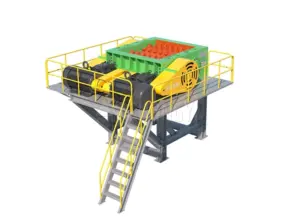
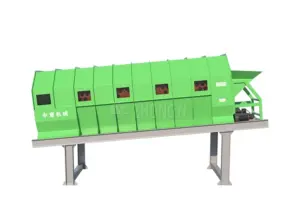
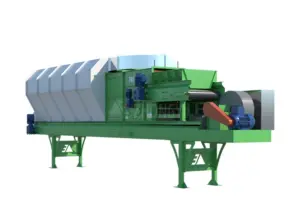


What is a Containerized Windshifter?
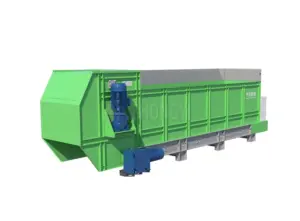
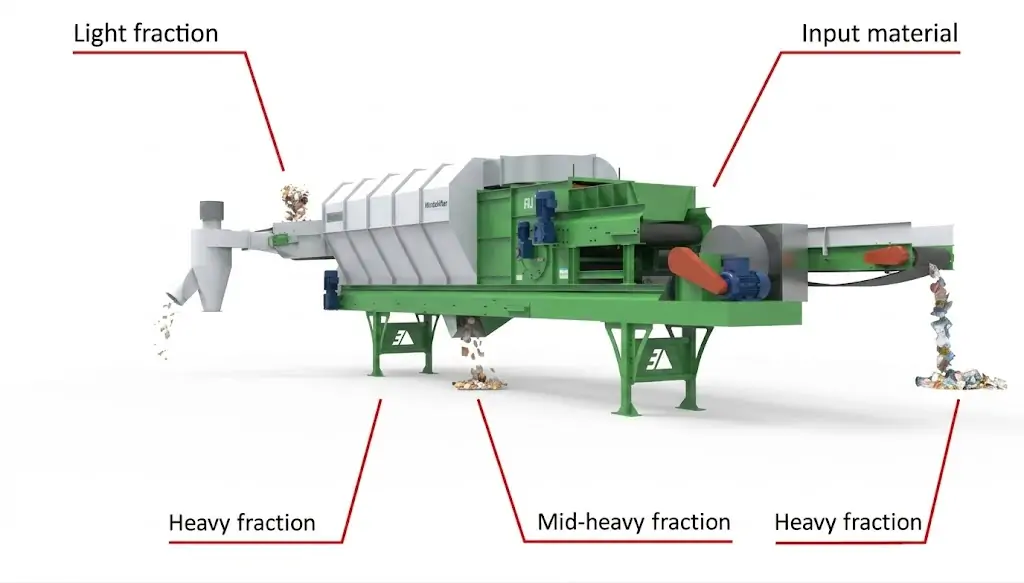
A Containerized Windshifter, also known as a air separator , is an integrated air classification system designed for waste sorting applications. It is built in a containerized structure and combines feeding, air separation, dust control, and discharge conveying into one compact unit. The system separates materials using controlled airflow based on density and aerodynamic properties.
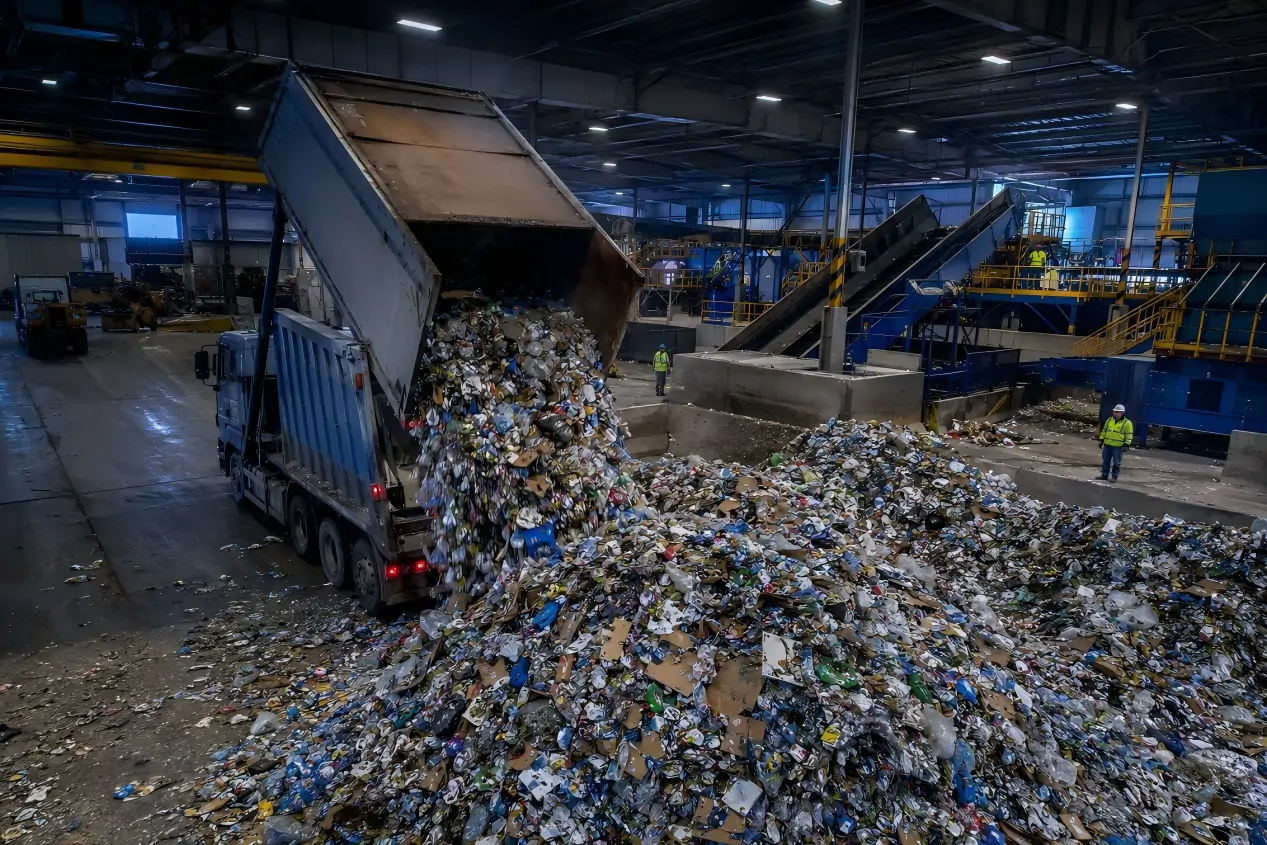
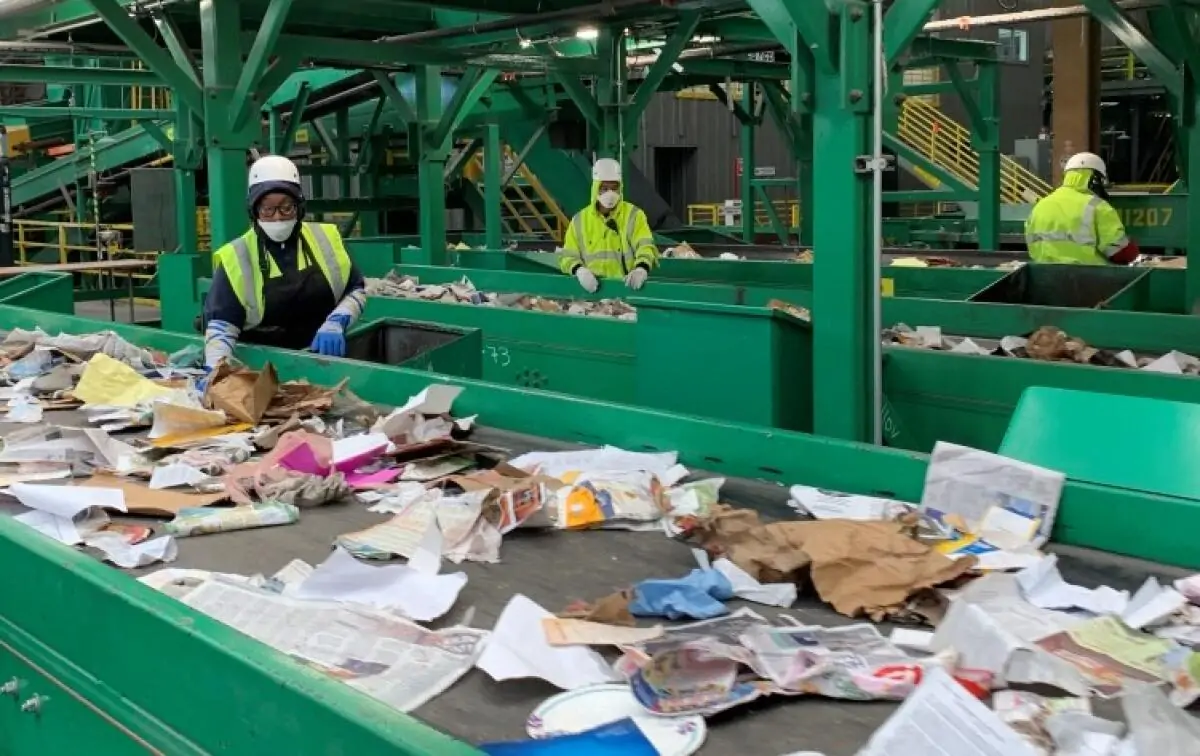
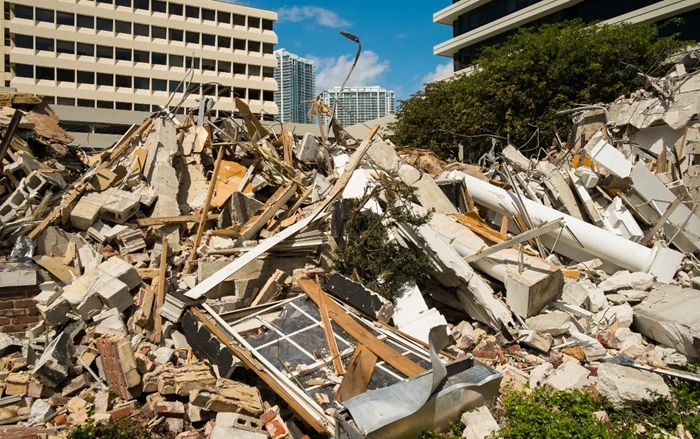
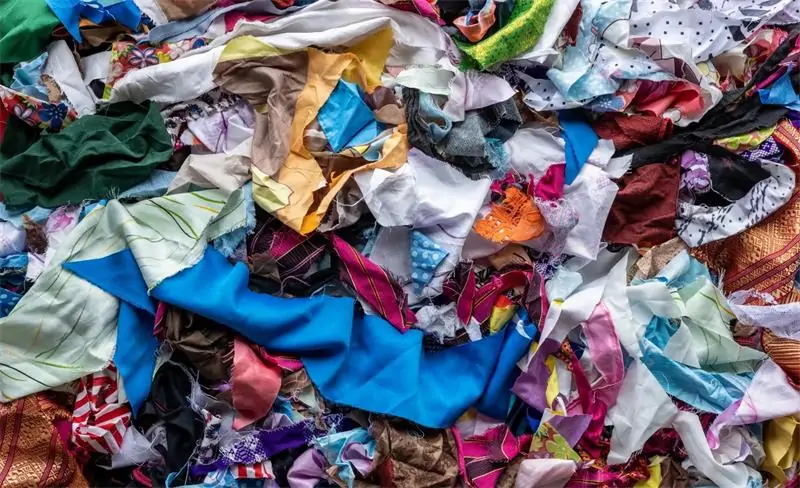
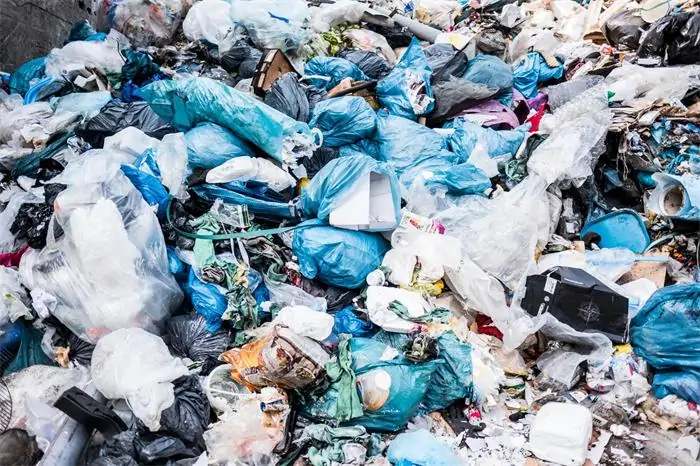
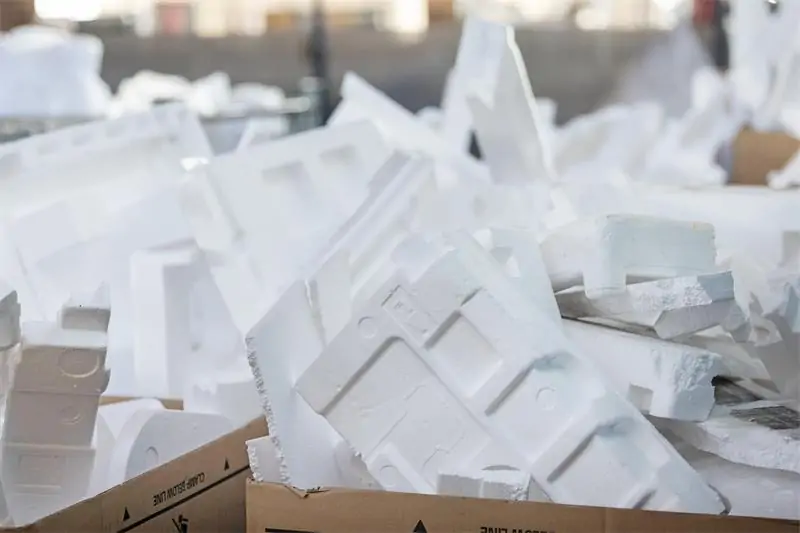
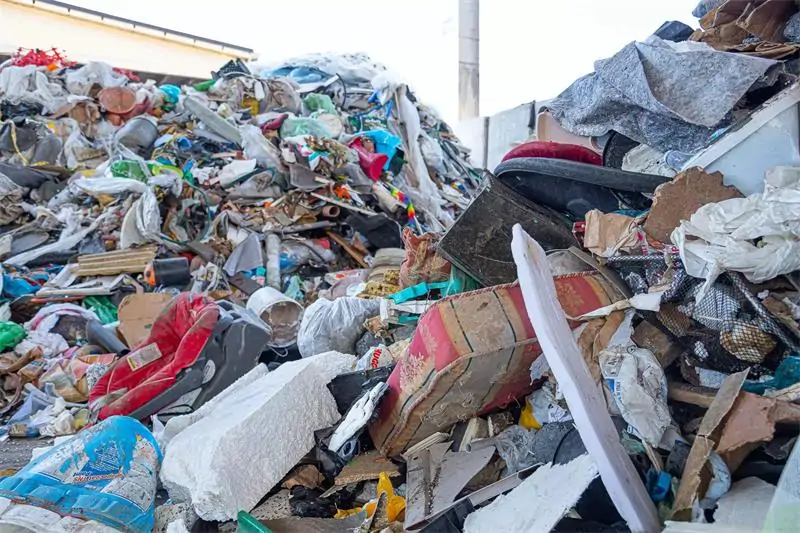
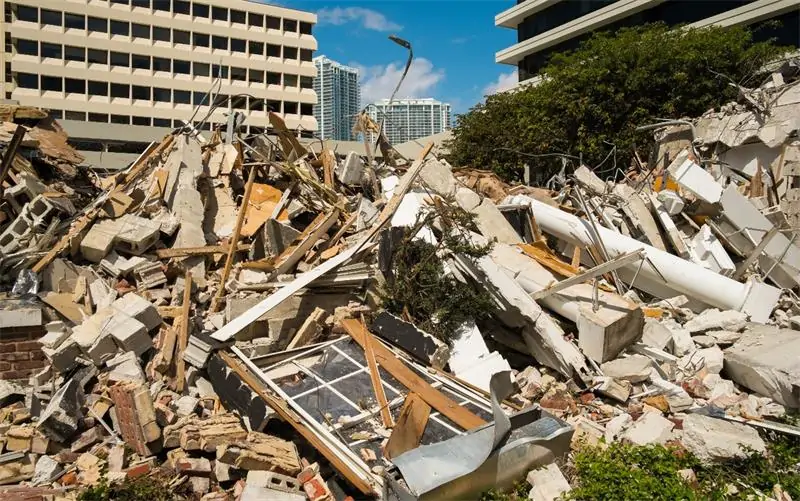
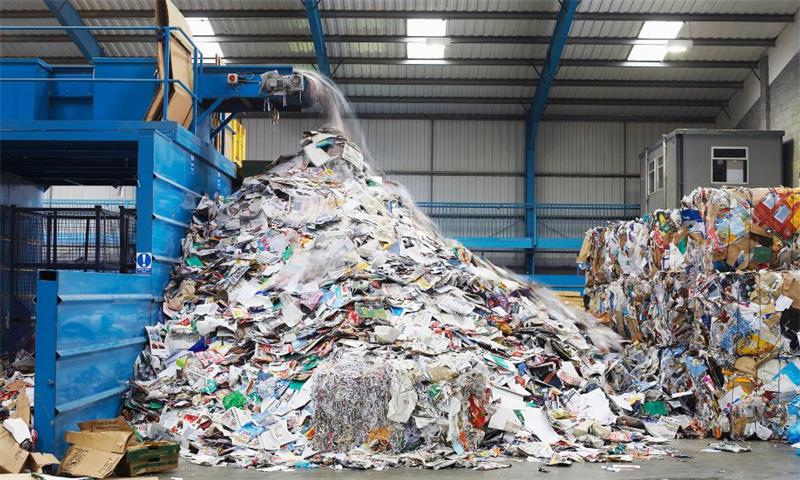
It is widely used in municipal solid waste, construction and demolition waste, and mixed recycling streams to separate light fractions such as plastic film, paper, and textiles from heavy materials like glass, stones, and metals. The containerized design reduces installation work, simplifies transport, and allows fast deployment for both fixed and mobile waste processing projects.
Applicable Materials
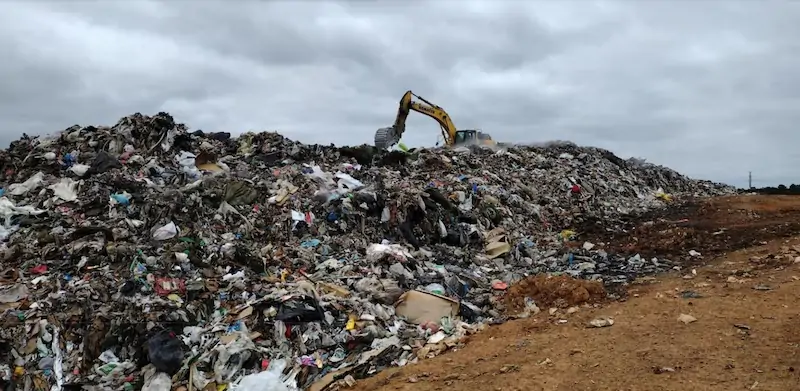
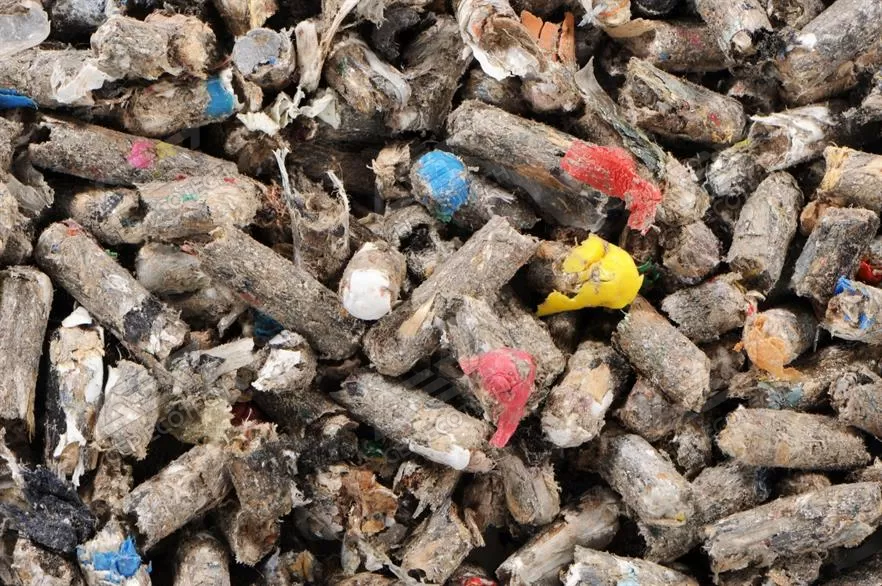
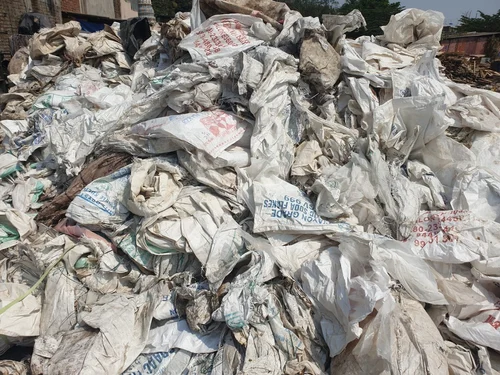
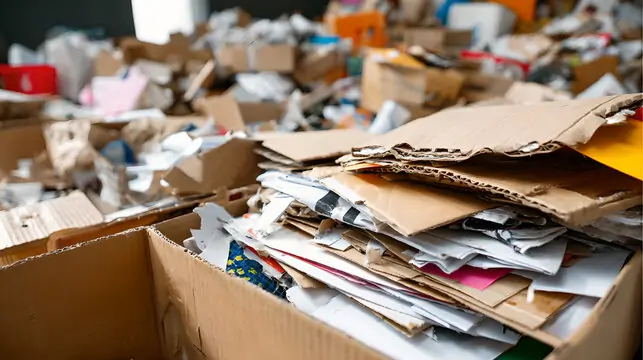
The Containerized Windshifter is suitable for processing mixed materials with significant density differences, especially where efficient separation of light and heavy fractions is required. It is widely used for sorting loose, irregular, and mixed solid waste, helping improve downstream recycling efficiency and material recovery quality across different waste treatment lines.
Working principle
The Containerized Windshifter works on air classification based on material density and aerodynamic behavior. Mixed waste is fed into the separation zone, where a controlled upward airflow is generated. Under the airflow, light materials such as plastic film, paper, and textiles are lifted and carried forward to the light fraction outlet, while heavy materials like stones, glass, metals, and dense plastics cannot be suspended and fall directly due to gravity.
The separation effect is adjusted by airflow volume and system settings, allowing stable control of light and heavy fraction distribution. This process enables continuous and efficient wind-based sorting in municipal waste, construction waste, and mixed recycling streams.
Video Show
Specifications
Below is a standard technical parameter range of the Containerized Air Separator for reference. Specifications can be adjusted according to material characteristics, processing capacity, site layout, and sorting requirements. Customized configurations are available to ensure the equipment fits different waste sorting systems and operating conditions.
| Model | Feed Width (mm) | Inlet Particle Size (mm) | Domestic Waste Treatment Capacity (t/h) | Mixed Waste Treatment Capacity (t/h) | Motor Power (kW) |
|---|---|---|---|---|---|
| FXJ1000 | 800 | 120 | 8-12 | 8-40 | 30-45 |
| FXJ1200 | 1000 | 200 | 12-16 | 12-50 | 45-75 |
| FXJ1400 | 1200 | 300 | 15-25 | 15-60 | 75-110 |
| FXJ1600 | 1400 | 450 | 25-30 | 25-80 | 110-160 |
Advantages
Applications
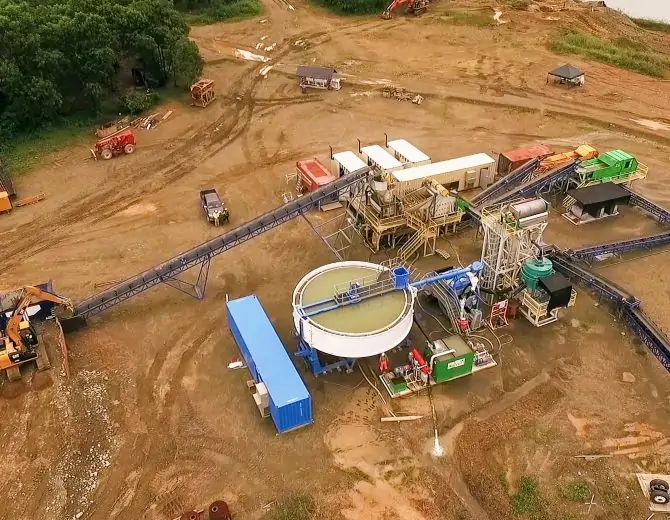
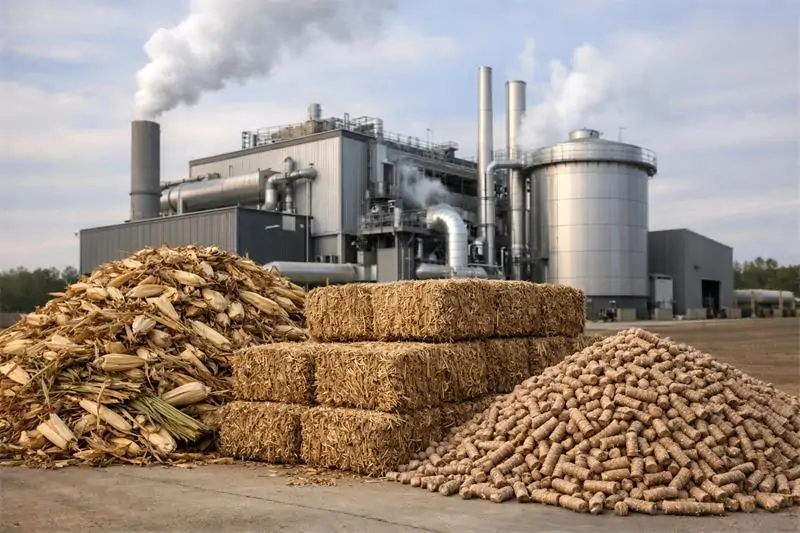
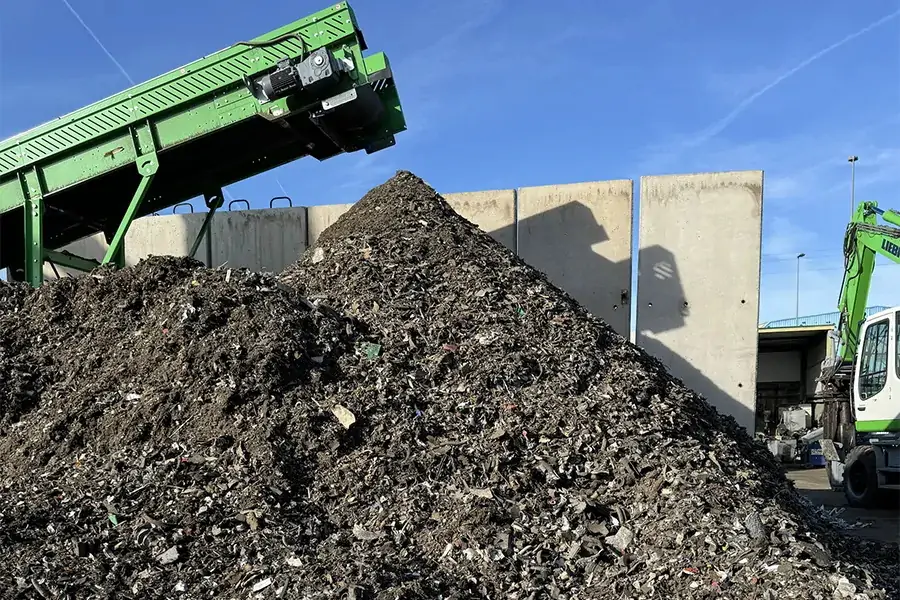
The Containerized Windshifter Machine is used in a wide range of waste sorting and resource recovery systems. It handles mixed material streams and separates light and heavy fractions to improve recycling efficiency, reduce contamination, and increase material value across different industries.
Custom Containerized Windshifter Solutions
We provide customized wind sifter solutions based on material characteristics, processing capacity, and site layout. Each system is configured to match real operating conditions, and can be supplied as a standalone unit or integrated into a complete waste sorting line. Customers can contact us with project details for a tailored technical proposal.
Custom Options Include:
- Processing capacity (20–250 m³/h)
- Airflow system power and configuration
- Separation intensity adjustment
- Feeding and discharge system layout
- Containerized or fixed installation design
- Dust control and sealing system options
Containerized Windshifter Manufacturer & Supplier
Xinzhongyi ECO has more than 16 years of experience in waste sorting and recycling equipment manufacturing, with proven engineering capability in air separation and complete system integration. Each windshifter is developed through combined design and field application experience to ensure stable performance in real operating conditions. We provide material testing and video verification before project confirmation, allowing customers to evaluate separation results based on their own materials.
All equipment is manufactured under strict quality control and complies with ISO and CE standards for global applications. Our solutions have been widely applied in municipal solid waste sorting, construction and demolition waste recycling, RDF/SRF fuel production, industrial waste processing, and biomass pre-treatment systems. We provide full after-sales support, including installation guidance, commissioning, spare parts supply, and remote technical service to ensure long-term stable operation.
FAQ
It handles mixed waste including MSW, C&D waste, RDF, plastics, paper, textiles, wood chips, and light packaging materials. It separates light and heavy fractions in one continuous process.
Capacity ranges from 20 to 250 m³/h depending on material type, moisture content, and system configuration. Adjustable airflow ensures stable performance under different feed conditions.
Separation efficiency for light materials typically reaches 85–95% under stable operation, depending on waste composition and particle size distribution.
It performs best with dry or semi-dry waste. High moisture or sticky materials may reduce separation efficiency and require pre-treatment such as screening or drying.
The containerized design reduces civil work. Most systems only require a flat foundation and connection to power, making it suitable for fast deployment projects.
Yes. It can be installed as a standalone unit or integrated into existing waste sorting or recycling production lines with customized feeding and discharge systems.
Regular inspection of the airflow system, feeding section, and discharge conveyors is sufficient. The structure is designed for easy access, and routine cleaning helps maintain stable separation performance with minimal downtime.
It provides continuous, stable separation with higher efficiency and lower labor cost, significantly improving recycling rate and reducing manual sorting dependence.