
Introduction
Selecting the right high capacity MSW sorting equipment is essential for large-scale municipal waste treatment projects. Unlike a single sorting machine, a complete MSW sorting system combines multiple processing stages, including feeding, screening, separation, and material recovery, to handle continuous waste streams efficiently.
An unsuitable system design can lead to unstable operation, higher maintenance costs, and limited recovery performance. This guide from Xinzhongyi ECO explains how to evaluate MSW sorting equipment, select suitable system configurations, and consider key design factors for different waste treatment requirements.If you want to learn about “MSW Recycling Plant Cost in the U.S. in 2026: A Complete Guide,” please click on the article.
What Is High Capacity MSW Sorting Equipment?
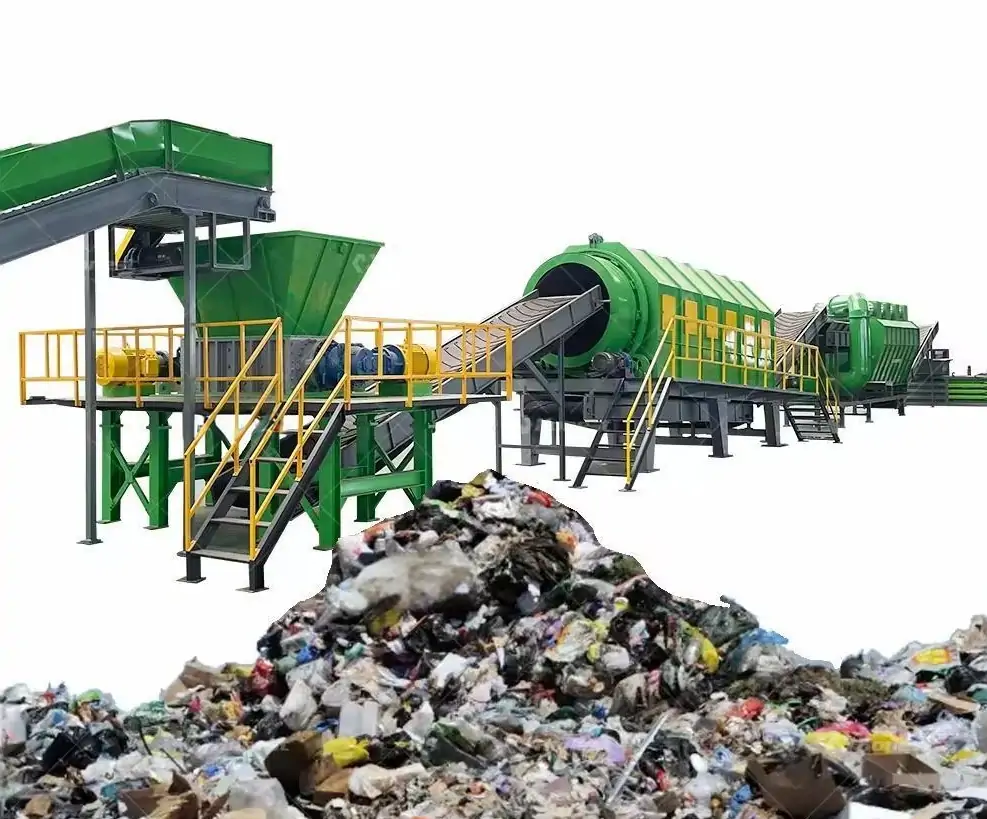
High capacity MSW sorting equipment is a complete waste processing system designed for large-scale municipal solid waste (MSW) treatment plants and resource recovery facilities. Unlike individual sorting machines, it integrates multiple separation technologies to process continuous waste streams, improve material recovery, and maintain stable operation under high-throughput conditions.
The system is configured according to waste composition, processing capacity, and recycling targets rather than a fixed equipment combination. Through mechanical screening, air separation, metal recovery, and automated sorting technologies, high capacity MSW sorting systems can separate valuable materials such as plastics, paper, metals, organic fractions, and RDF materials from mixed waste, reducing landfill volume and improving overall recycling efficiency.
How to Select MSW Sorting Equipment?
Selecting high capacity MSW sorting equipment requires more than comparing machine specifications or rated capacity. The right system needs to match the actual waste characteristics, required throughput, separation targets, and long-term operating conditions. A well-designed MSW sorting line should balance processing efficiency, recovery performance, operating cost, and future expansion needs.
Step 1 — Analyze Waste Composition and Material Characteristics
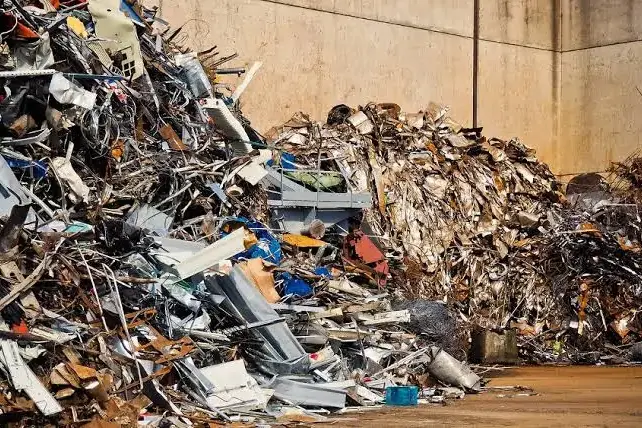
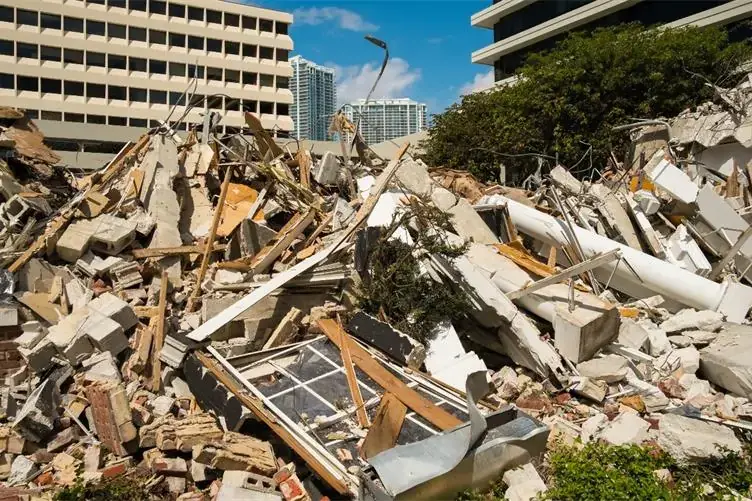
Waste composition is the first factor to consider when selecting MSW sorting equipment. Different waste streams require different separation processes, and factors such as moisture content, organic fraction, plastic content, bagged waste ratio, and contamination level can directly affect equipment performance.
For example, waste with high organic content usually requires effective screening to separate fine materials, while high-moisture waste requires equipment with strong anti-blocking performance and suitable material handling capability. Waste streams containing large amounts of plastic film may require air separation technology, while mixed packaging waste with valuable recyclables may benefit from optical sorting systems. Conducting a waste composition analysis before equipment selection helps determine the most suitable combination of screening, air separation, magnetic separation, and automated sorting technologies.
Step 2 — Match Equipment Capacity with Processing Requirements
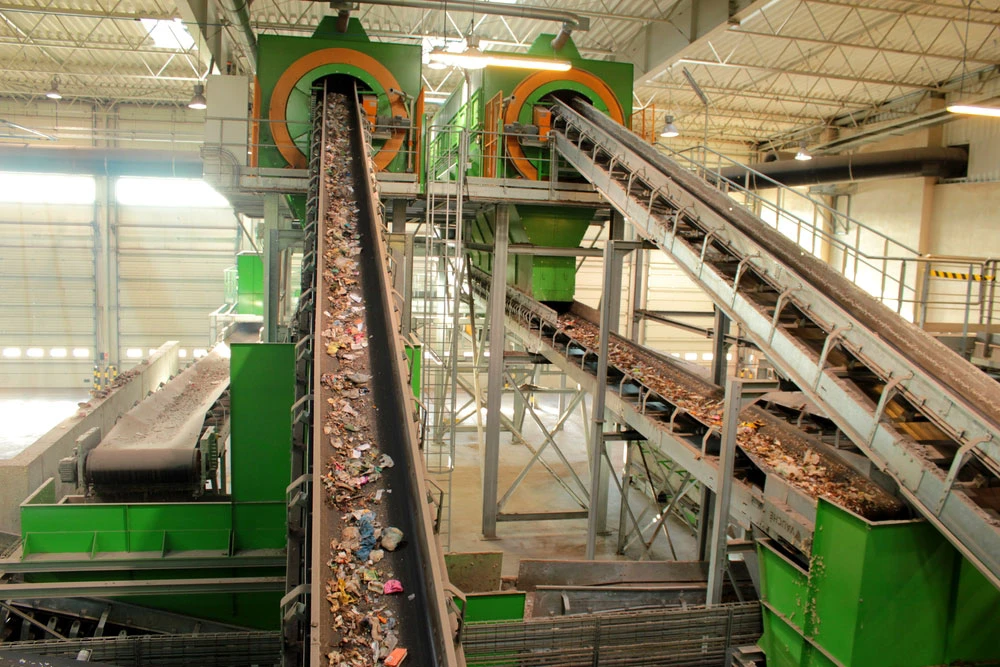
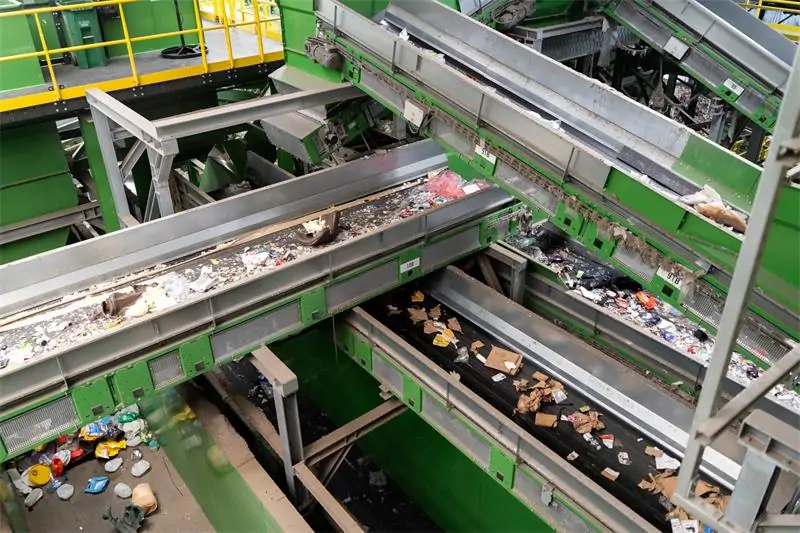
Processing capacity is another key factor in MSW sorting system design. The selected equipment should be based on actual waste input, daily processing requirements, operating hours, peak waste fluctuations, and potential future expansion rather than only the maximum capacity stated in equipment specifications.
A high capacity sorting plant requires proper matching between feeding systems, conveyor width, screening equipment size, separation units, and automation level. For example, a medium-scale MSW sorting line around 50 t/h may focus on primary screening, magnetic separation, and air classification, while larger systems of 100–200 t/h typically require multiple screening stages, advanced separation technologies, optical sorting, and RDF preparation processes to maintain stable operation at higher throughput.
Step 3 — Define Separation Targets and Final Output Requirements
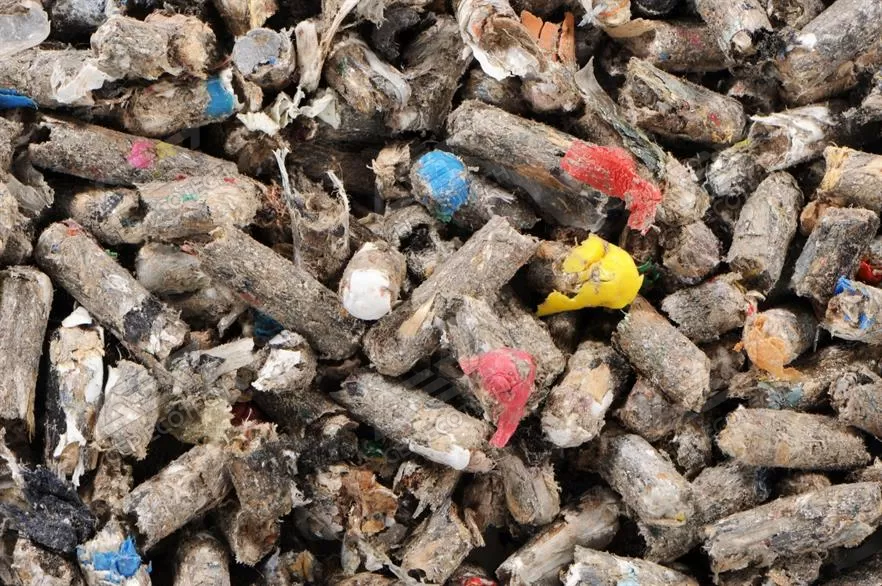
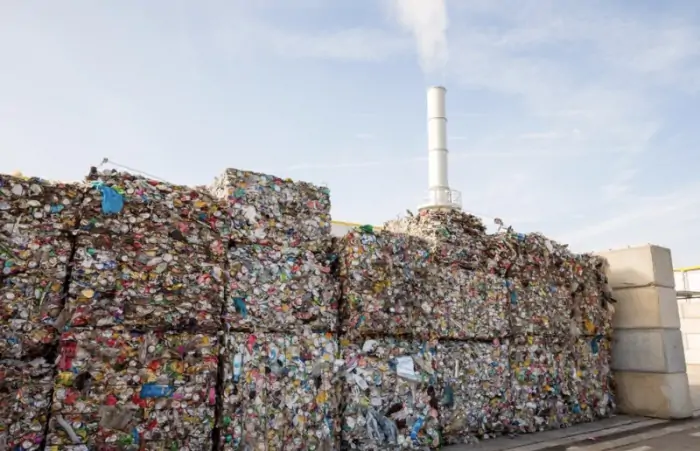
MSW sorting equipment should be selected according to the required final products rather than simply the amount of waste processed. Different recycling goals require different system configurations and separation technologies.
For recycling-focused projects, the priority is recovering high-value materials such as plastics, paper, and metals, which may require optical sorting, magnetic separation, and eddy current separation to improve material purity. For RDF production projects, the system is designed to recover combustible fractions with suitable calorific value, often involving shredding, air separation, and moisture control processes. For projects targeting organic recovery, screening and biological treatment technologies are commonly integrated to separate organic fractions and reduce landfill disposal.
Main Equipment Used in Municipal Solid Waste Sorting System
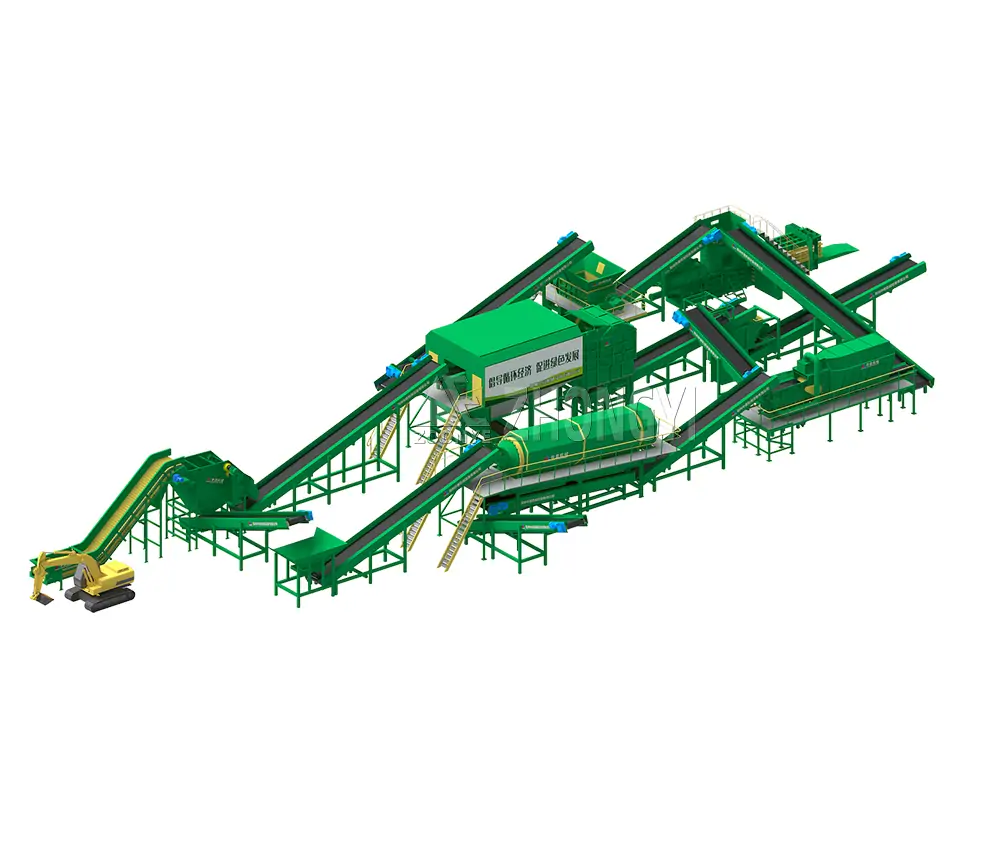
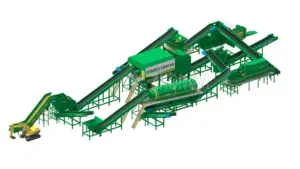
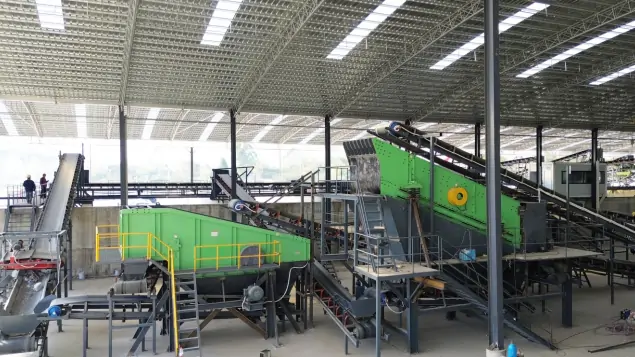
High capacity MSW sorting plants are built as complete processing lines that combine multiple separation stages to handle large volumes of mixed municipal solid waste. Since waste composition varies significantly, the equipment configuration must be matched with the material characteristics, processing requirements, and desired recovery results.
A typical MSW sorting process follows the sequence:
Feeding → Bag Opening → Screening → Metal Separation → Air Separation → Optical Sorting → Final Product Processing
Each stage has a specific role, from preparing incoming waste and improving material separation efficiency to recovering recyclable materials and producing usable final products.
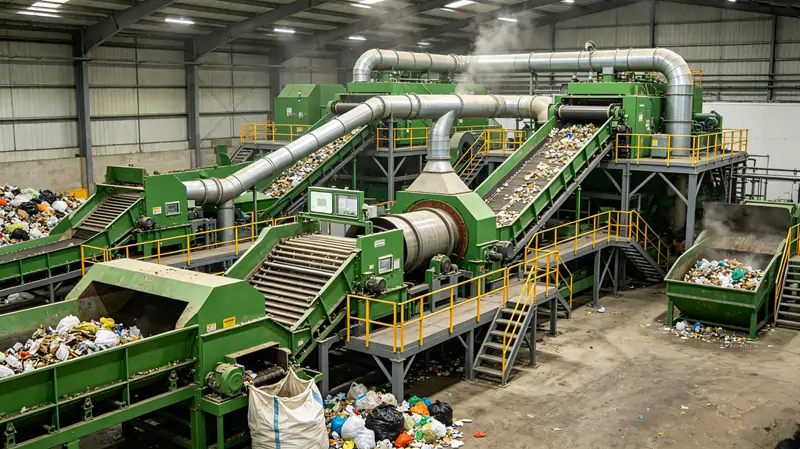
Pre-treatment and Feeding System
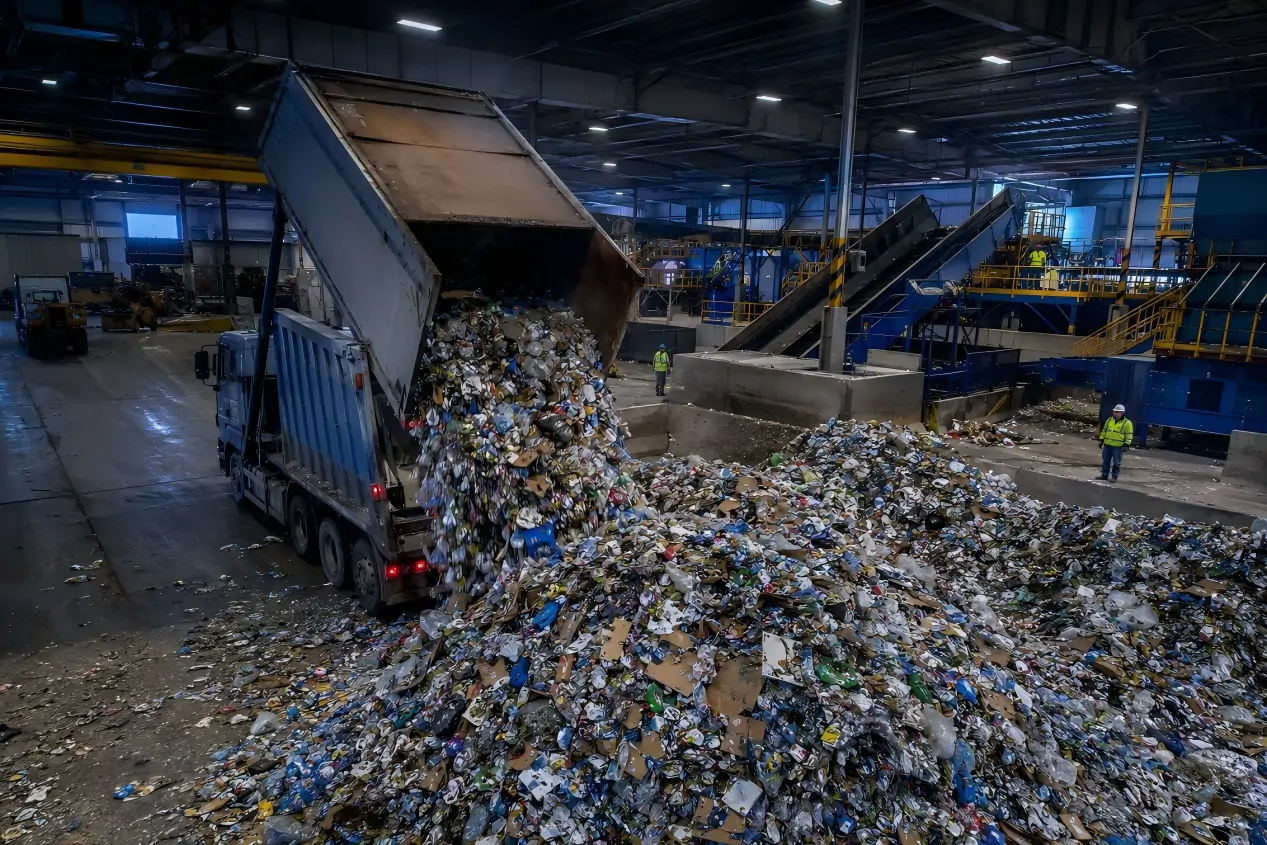
The pre-treatment stage prepares mixed municipal solid waste for further separation. Its main purpose is to provide a stable material flow and release materials trapped inside garbage bags before screening.
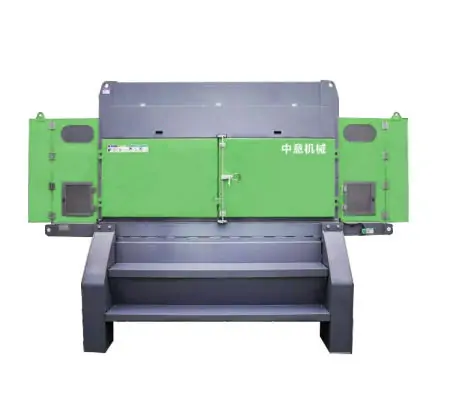
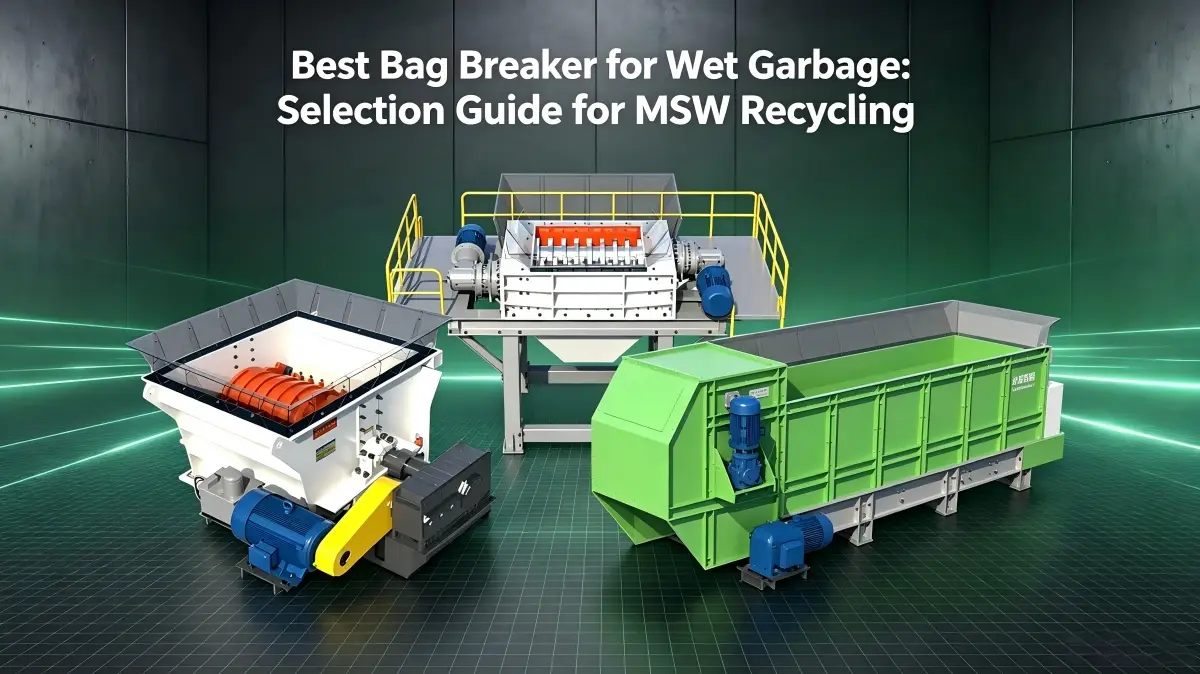
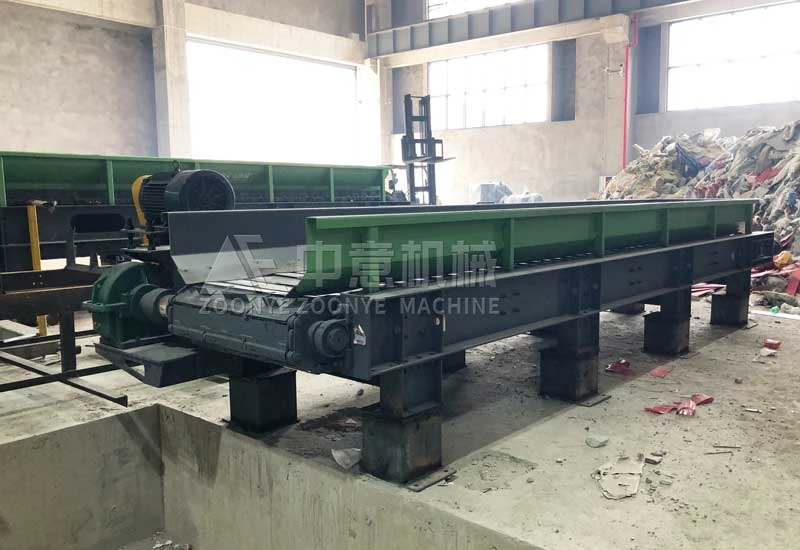
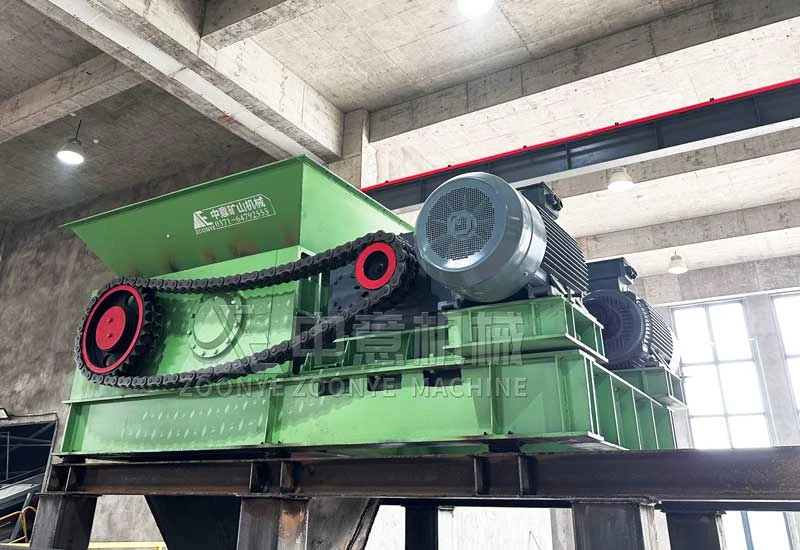
The main equipment includes apron feeders, belt conveyors, bag openers, and bulky material removal units. Feeders and conveyors control the material flow, while bag openers break sealed bags and improve material separation in later stages.
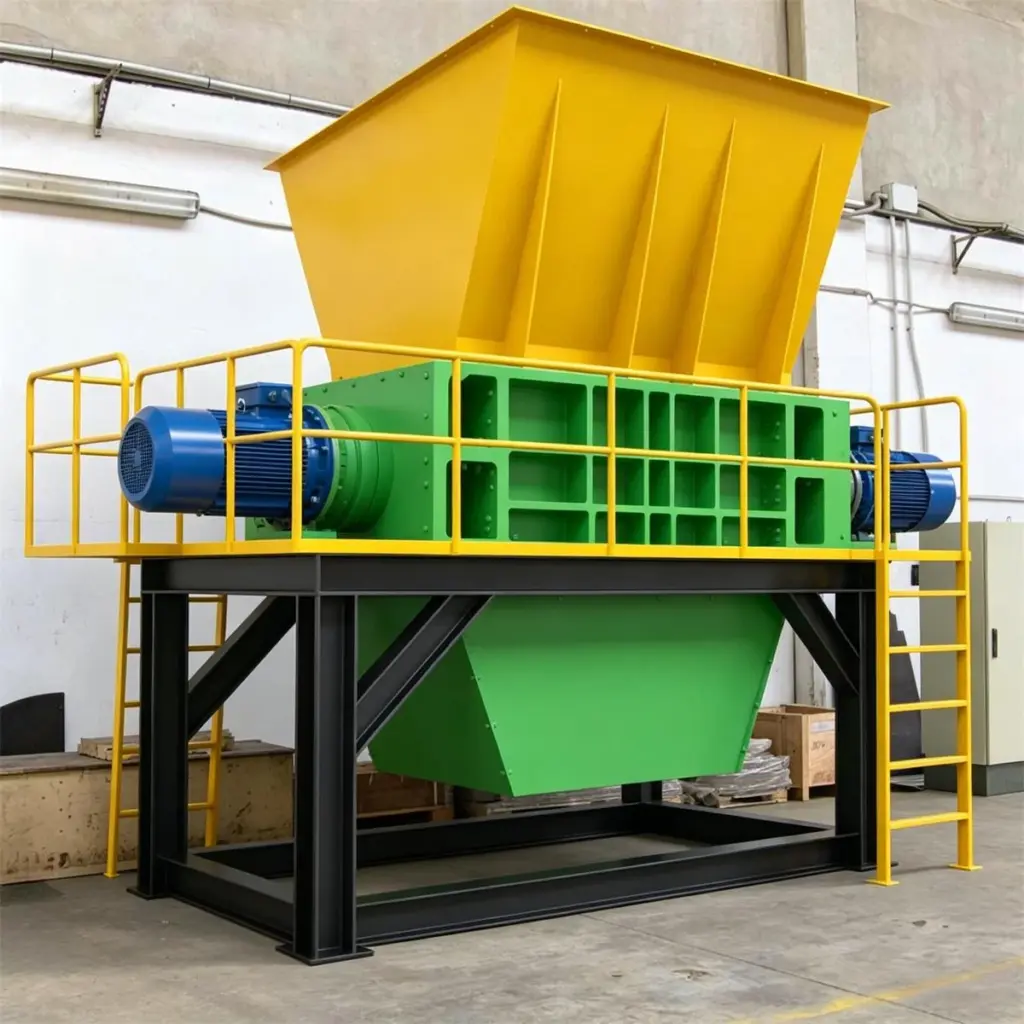
For high-capacity plants, low-speed high-torque bag openers are commonly used because they can handle mixed waste with bulky items, variable moisture, and irregular feeding conditions. Stable feeding is especially important for systems above 100 t/h, as uneven material flow can reduce the efficiency of downstream screening and sorting equipment.

Screening and Material Separation System
The screening stage separates waste into different fractions according to particle size and material characteristics. Proper screening improves the working conditions of downstream separation equipment and helps achieve better recovery results.
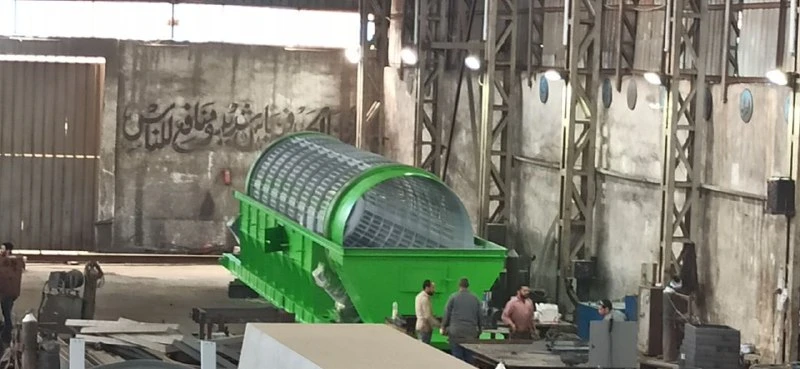
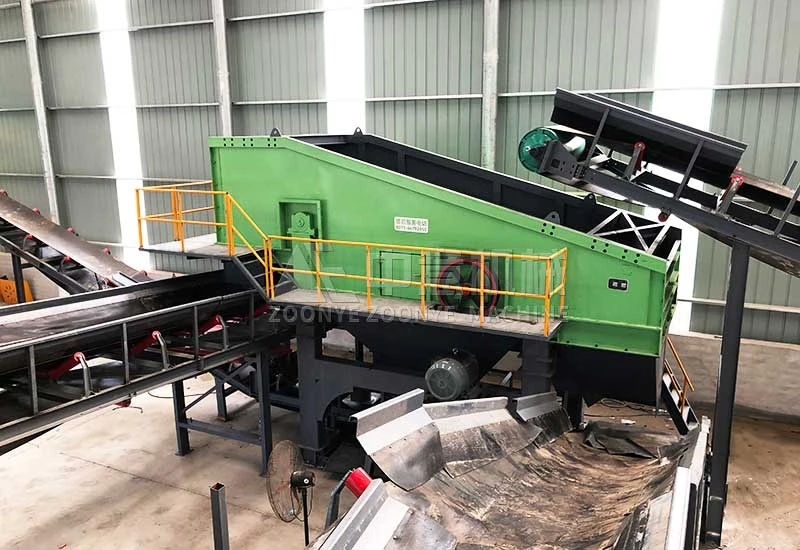
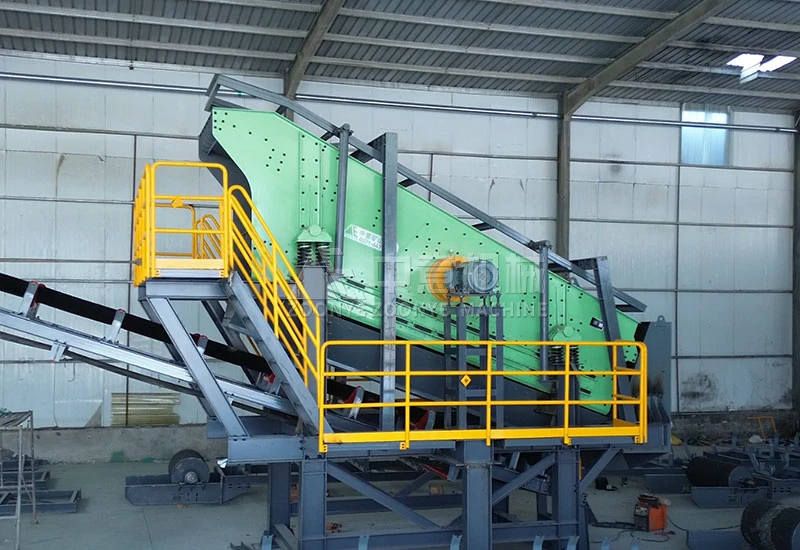
The main equipment includes trommel screens, ballistic screens, flip-flow screens, magnetic separators, and eddy current separators.
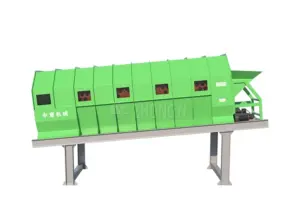
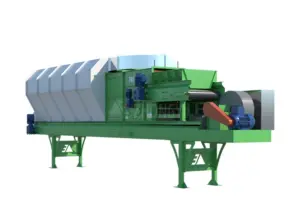
A MSW trommel screen is commonly used for primary screening to separate fine materials, organic-rich fractions, and oversized materials. For wet or sticky waste, ballistic screens or flip-flow screens can be added to reduce blockage and improve screening stability.
After screening, magnetic separators remove ferrous metals such as iron and steel, while eddy current separators recover non-ferrous metals including aluminum and copper. The selection of screening equipment depends on waste moisture, particle size, and material composition.
Air Separation and Optical Sorting System
Air separation and optical sorting are used to recover lightweight materials and improve the purity of recyclable materials that cannot be separated by mechanical methods alone.
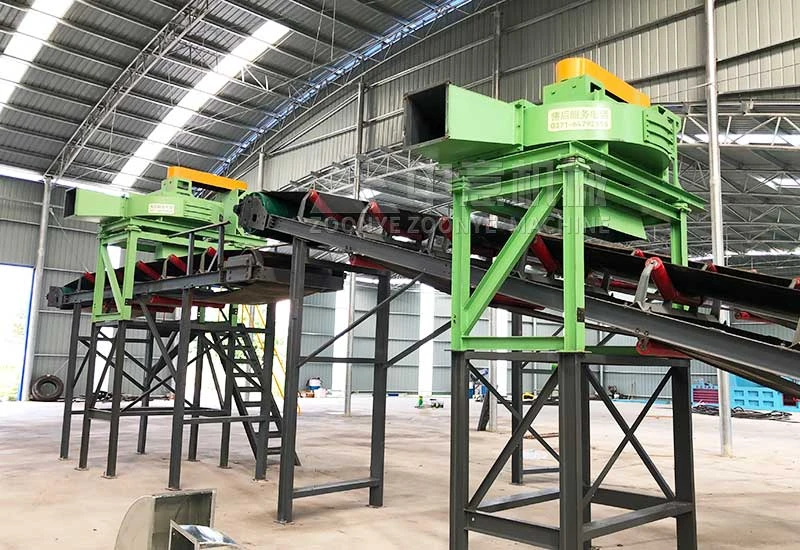
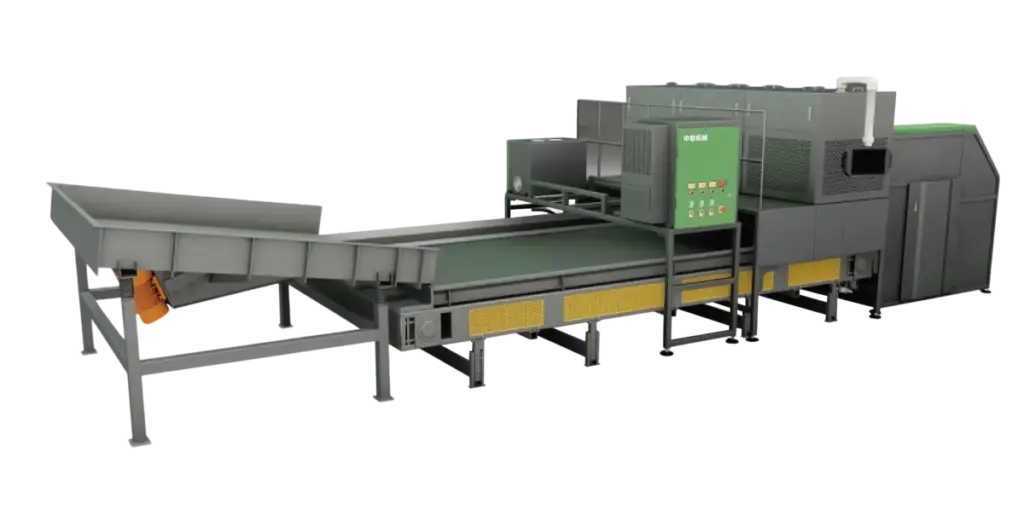
The main equipment includes wind sifters, air separators, optical sorters, and AI-powered optical sorting systems.
Wind sifters use controlled airflow to separate lightweight materials such as plastic film, paper, and textiles from heavier materials such as stones, glass, and concrete. Airflow settings can be adjusted according to waste composition and separation requirements.
Optical sorting systems use optical sensors and NIR technology to identify materials such as PET, PP, PE, and paper. In high-capacity recycling plants, optical sorters are usually installed after screening and air separation to improve material purity and reduce manual sorting work.


Final Product Processing and Auxiliary Systems
The final processing stage prepares recovered materials for storage, transportation, or further recycling.
The main equipment includes belt conveyors, balers, storage systems, shredders, RDF processing units, dust collection systems, odor control systems, and leachate treatment equipment.
Conveyors transfer separated materials between processing units, while balers compress lightweight materials such as plastics and paper for easier handling. Additional equipment, such as shredders or RDF systems, can be added according to final product requirements.
For large MSW sorting plants, dust collection, odor control, and leachate treatment systems are also required to manage emissions and wastewater during operation.

How to Choose Equipment Configuration for Different MSW Capacities
The equipment configuration of an MSW sorting plant depends mainly on processing capacity, waste composition, separation targets, and the required level of automation. As capacity increases, the system usually requires larger feeding equipment, additional screening stages, more separation units, and higher automation to maintain stable operation.
A small or medium-capacity line may focus on basic material separation, while high capacity MSW sorting plants require a combination of mechanical screening, air separation, metal recovery, optical sorting, and material processing systems. The final configuration should be selected based on actual waste conditions, available space, and the expected recovery results rather than capacity alone.
| MSW Processing Capacity | Typical Equipment Configuration | Suitable Applications | Main Separation Targets |
| 20–50 t/h | Feeding system, bag opener, trommel screen, magnetic separator, wind sifter | Small to medium waste treatment plants, regional recycling facilities | Organic fraction, ferrous metals, light materials |
| 50–150 t/h | Heavy-duty feeding system, bag opener, multi-stage screening, magnetic separator, eddy current separator, wind sifter, optical sorter | Large municipal waste sorting plants, RDF production facilities | Plastics, paper, metals, RDF materials, organic fractions |
| 150 t/h and above | Multiple feeding lines, heavy-duty pre-treatment, primary and secondary screening, magnetic separation, eddy current separation, air separation, AI optical sorting, RDF processing system | Large-scale MSW treatment centers, integrated resource recovery plants | High-purity recyclables, fuel materials, metals, organic recovery |
For high capacity projects, equipment selection should also consider waste characteristics, seasonal variations, moisture content, future expansion plans, and operating costs. A properly matched system configuration helps maintain stable throughput, improve separation performance, and avoid unnecessary equipment investment.
MSW Sorting System Design Considerations
The design of a high capacity MSW sorting plant involves more than equipment selection. Plant layout, automation level, and operating conditions all affect material flow, maintenance requirements, and long-term operating costs.
- Plant Layout and Space Requirements —The layout should match the equipment footprint, conveyor arrangement, material flow, and maintenance space. A practical design reduces unnecessary material transfer, improves access for inspection and cleaning, and leaves room for future upgrades.
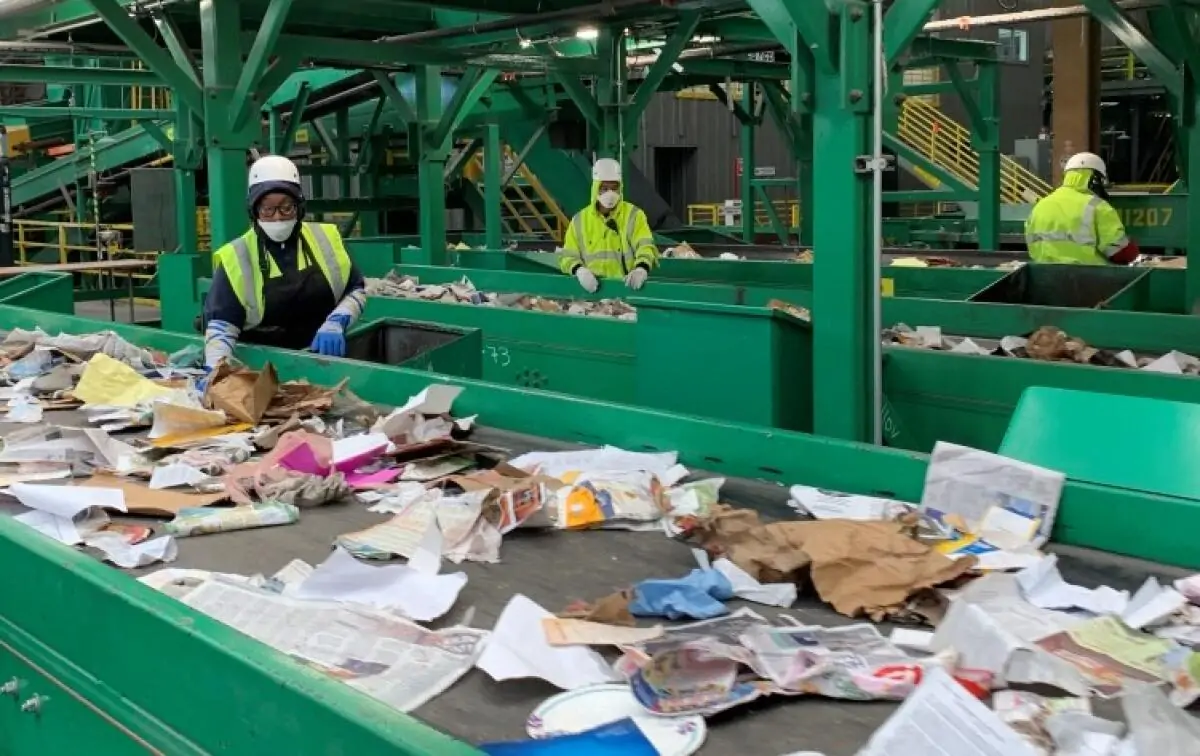
- Automation Level — The automation level depends on processing capacity, labor availability, and output requirements. Manual sorting requires more labor and is mainly used for simple picking tasks. Semi-automatic systems combine mechanical equipment with manual quality control, while fully automatic systems use sensors, optical sorting, and centralized control for large-scale waste processing.
- Maintenance and Operating Cost — Operating costs are affected by wear parts, energy consumption, cleaning requirements, and spare parts availability. Equipment selection should also consider maintenance access and component durability, as these factors directly influence downtime and daily operating expenses.
Xinzhongyi ECO provides customized MSW sorting solutions based on waste characteristics, processing capacity, and project requirements. With experience in waste recycling equipment manufacturing and complete sorting system integration, we support customers with practical equipment selection and reliable project solutions.
Conclusion

Selecting high capacity MSW sorting equipment requires a complete understanding of waste characteristics, processing capacity, separation targets, and long-term operating requirements. A well-designed sorting system combines the right combination of feeding, screening, air separation, metal recovery, optical sorting, and final processing equipment to achieve stable operation and efficient resource recovery.
For large-scale waste treatment projects, equipment configuration should be based on actual project conditions rather than simply choosing higher-capacity machines. Proper system design, reliable equipment, and practical maintenance planning are key factors for achieving consistent sorting performance.
Need help designing the right MSW sorting system for your project? Contact Xinzhongyi ECO for professional equipment selection, customized process solutions, and complete waste sorting plant support.


Andy Yu
Technical Engineer | Zhongyi ECO
16+
Years Exp.
300+
Solutions
50+
Countries
16 years’ experience in environmental and solid waste management, specializing in C&D recycling and waste sorting solutions. At Zhongyi Mining Machinery, focused on improving global clients’ efficiency through technical expertise and tailored configurations.
FAQ
The main factors include waste composition, processing capacity, moisture content, required separation results, available installation space, and operating conditions. Equipment selection should match the actual waste stream rather than only the rated capacity. A proper configuration combines suitable screening, air separation, metal recovery, and optical sorting technologies based on project requirements.
High capacity MSW sorting plants can range from dozens to several hundred tons per hour depending on project scale and waste characteristics. Many large facilities are designed for 100–300 t/h or higher throughput. The actual capacity depends on feeding conditions, equipment configuration, operating hours, and the required level of material recovery.
A complete MSW sorting system usually includes feeding equipment, bag openers, screening machines, magnetic separators, eddy current separators, wind sifters, optical sorting systems, and final processing equipment. The exact configuration varies according to waste composition, recovery targets, and whether the plant focuses on recycling, RDF production, or organic recovery.
Waste composition directly affects the process design and equipment combination. High organic content may require stronger screening and biological treatment, while high plastic film content requires air separation. Wet or sticky waste needs suitable screening solutions, and mixed recyclable materials may require optical sorting to achieve higher purity.
Optical sorting is not required for every project, but it is widely used in high capacity plants that require higher material purity and automated separation. Using NIR technology and AI recognition, optical sorters can identify materials such as PET, PP, PE, and paper that are difficult to separate through traditional mechanical methods.
Operating costs can be reduced through proper equipment matching, efficient plant layout, and reliable components. Important considerations include energy consumption, wear part replacement, cleaning requirements, and spare parts availability. A practical design helps reduce downtime and maintain stable operation during continuous waste processing.
Yes. MSW sorting systems are usually customized according to waste characteristics, processing capacity, separation targets, and site conditions. The equipment configuration, conveyor layout, screening stages, and automation level can be adjusted to meet different project requirements, including municipal waste, landfill mining waste, and recycling facilities.
Before designing a sorting system, suppliers usually need information such as waste type, material composition, moisture content, input capacity, required output materials, available installation area, power supply, and local operating conditions. This information helps determine the suitable equipment combination and process layout for the project.