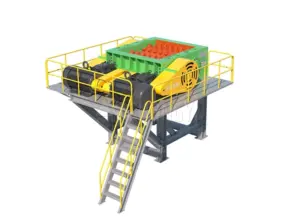
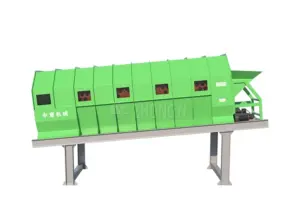
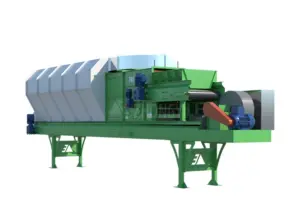


What is a Rod Deck Flip Flop Screen?
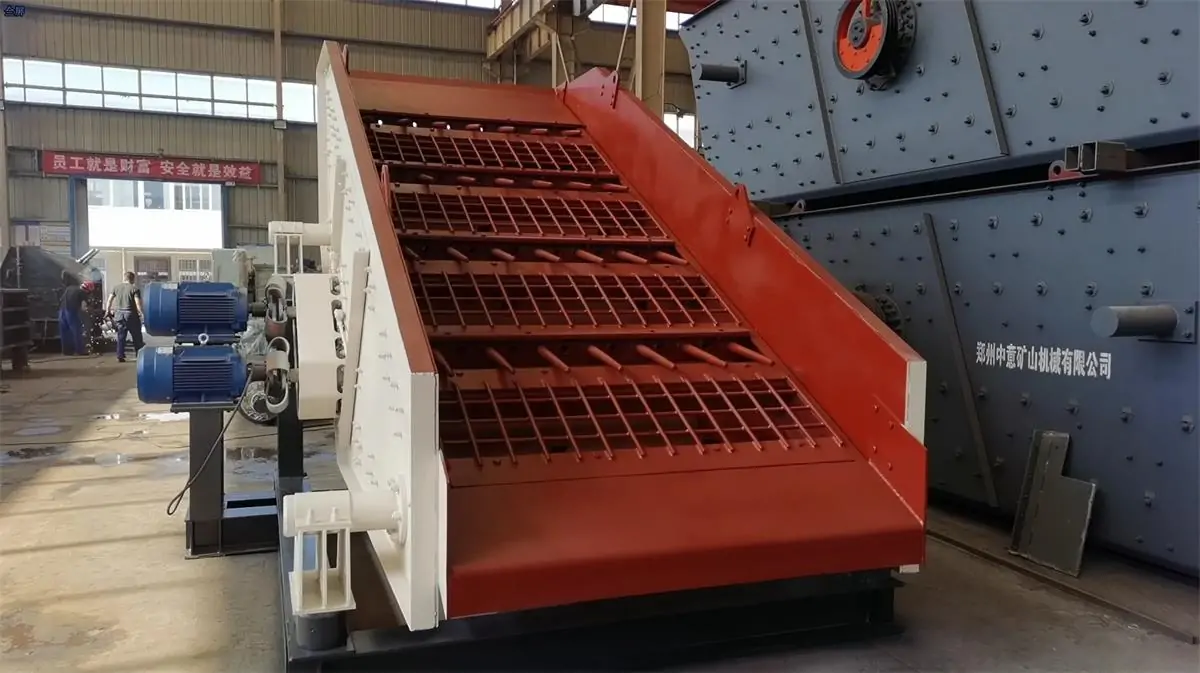
The Rod Deck Flip Flop Screen also called a Flip-Flop Vibrating Screen, is a specialized waste screening machine developed for processing wet, sticky and mixed solid waste streams. By combining a stepped rod deck structure with a dynamic flip flop screening surface, the machine effectively separates materials that are difficult to screen using conventional vibrating equipment. It is widely used in modern waste recycling and resource recovery facilities.
Unlike traditional screens that are prone to clogging and reduced efficiency, the YBF Series Rod Deck Flip Flop Screen continuously loosens, stratifies and transports materials through repeated expansion and contraction of the screen deck. This anti-clogging screen design improves screening performance when handling municipal solid waste, landfill waste, bulky waste, construction waste and RDF feedstock, helping maintain stable plant operation and higher material recovery rates.
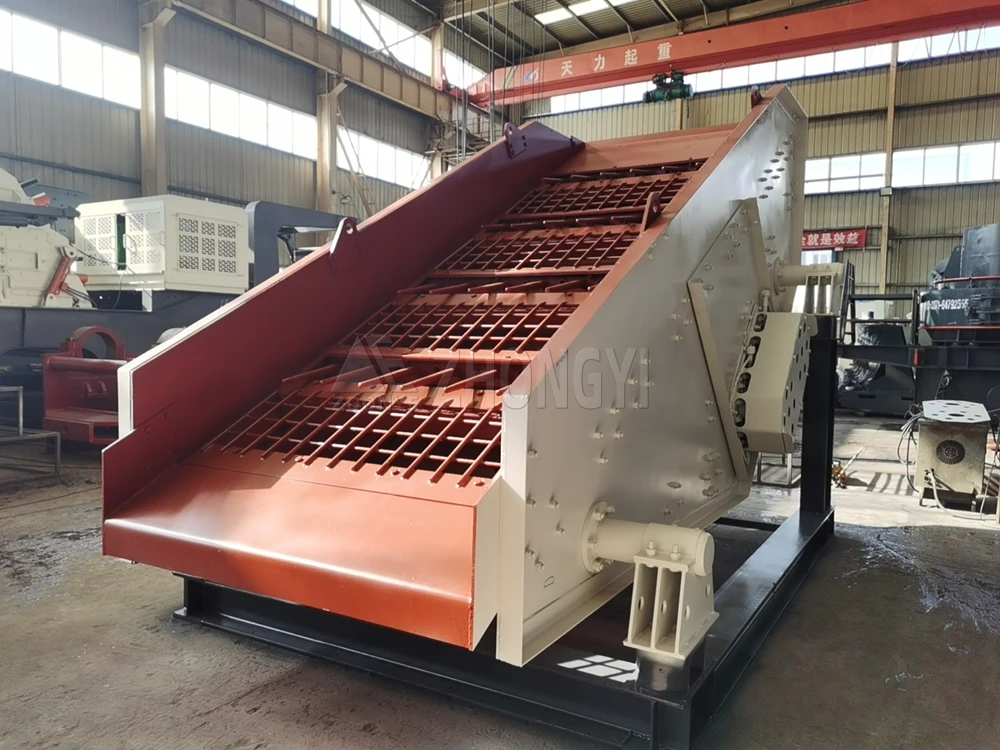
Applicable Materials
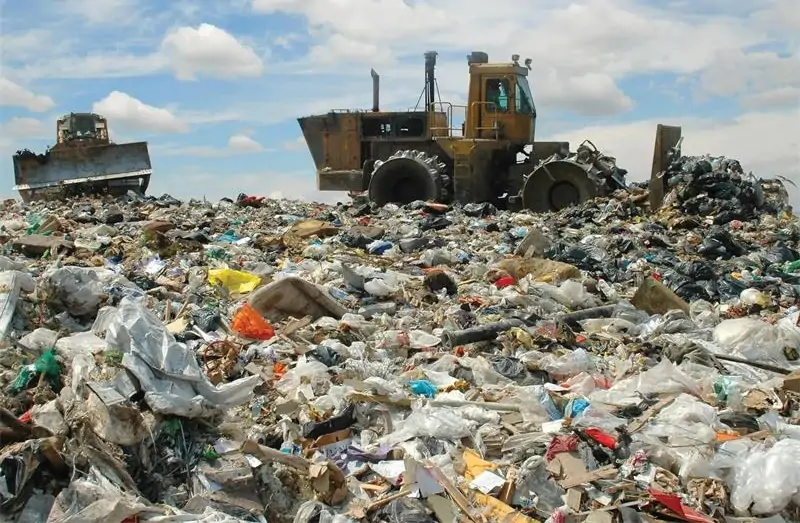
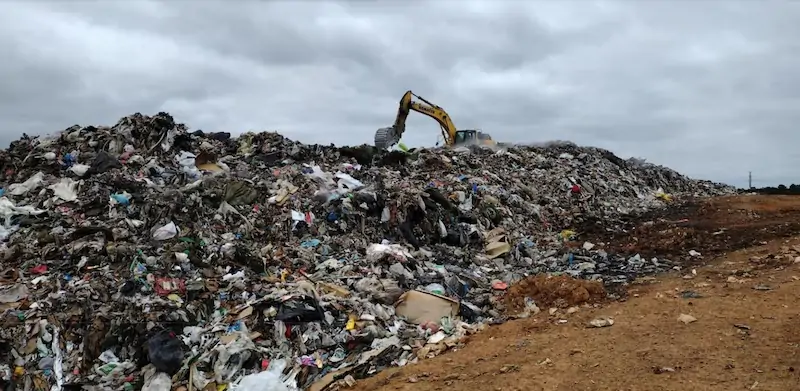
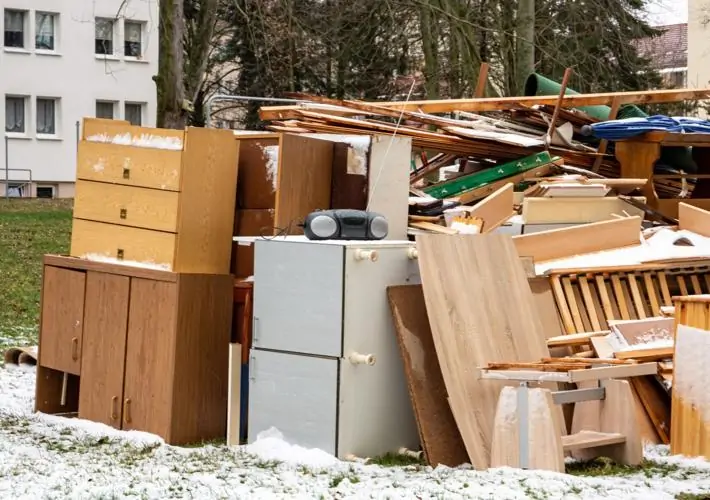
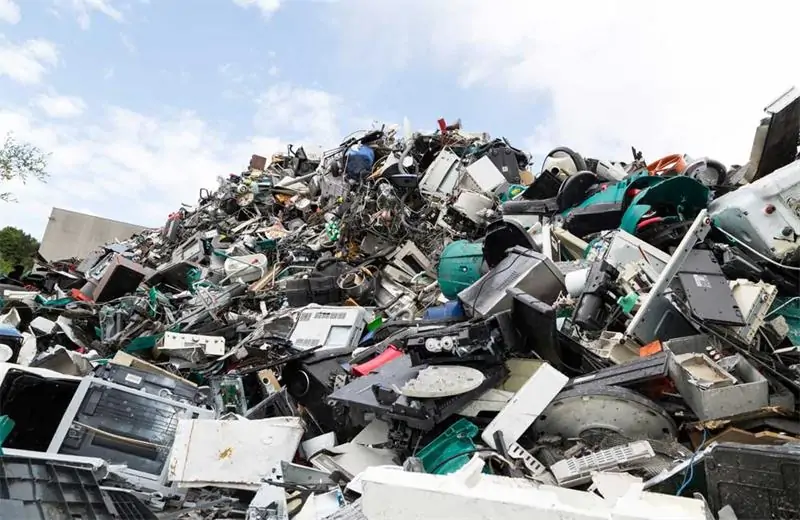
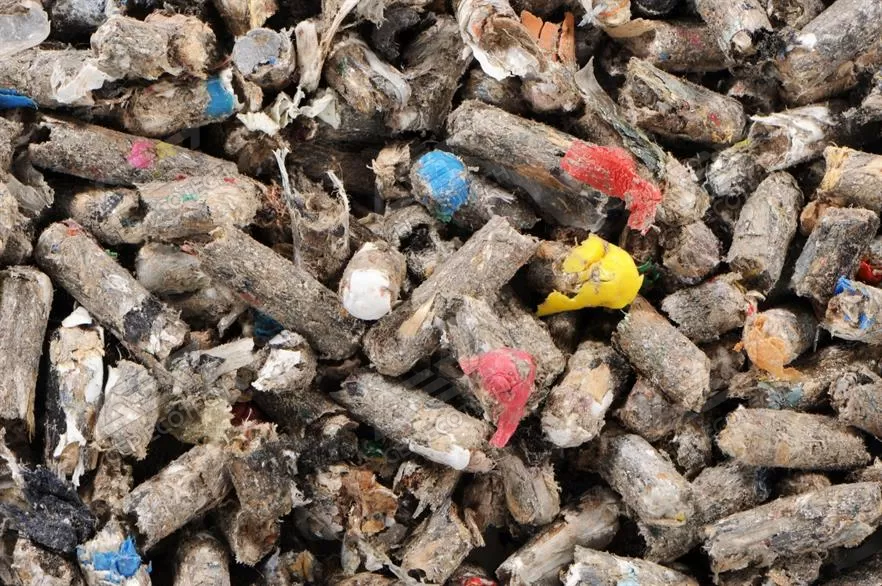
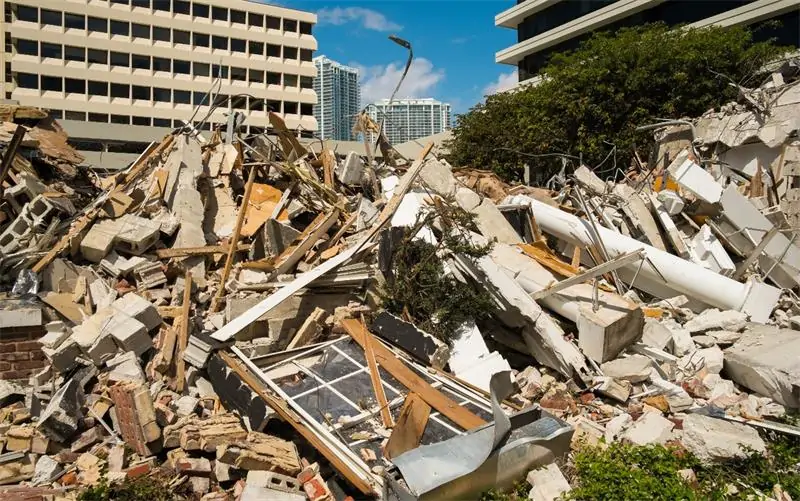
The YBF series rod deck flip flop screen is suitable for screening municipal solid waste (MSW), landfill waste, bulky waste, construction and demolition (C&D) waste, industrial waste, RDF/SRF materials, biomass waste and compost feedstock.
Applications
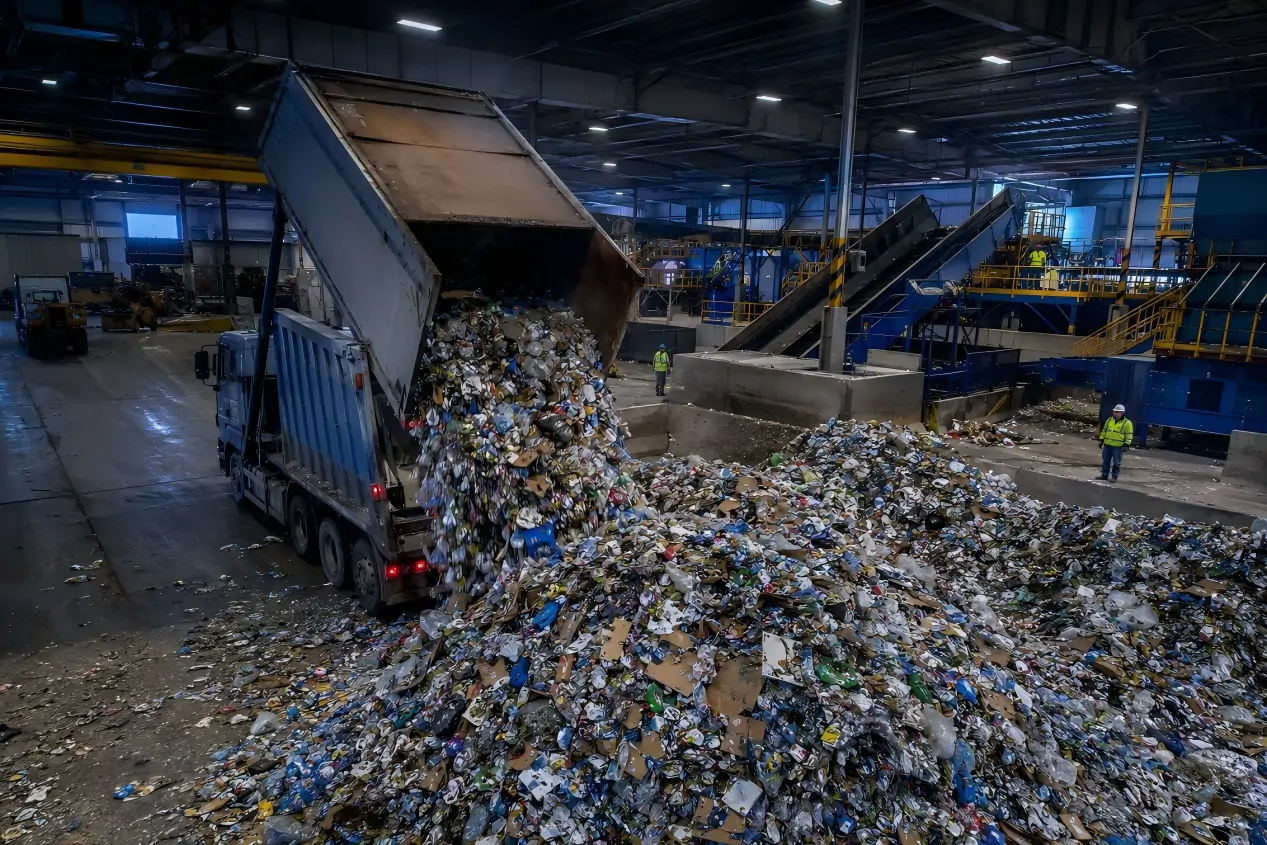
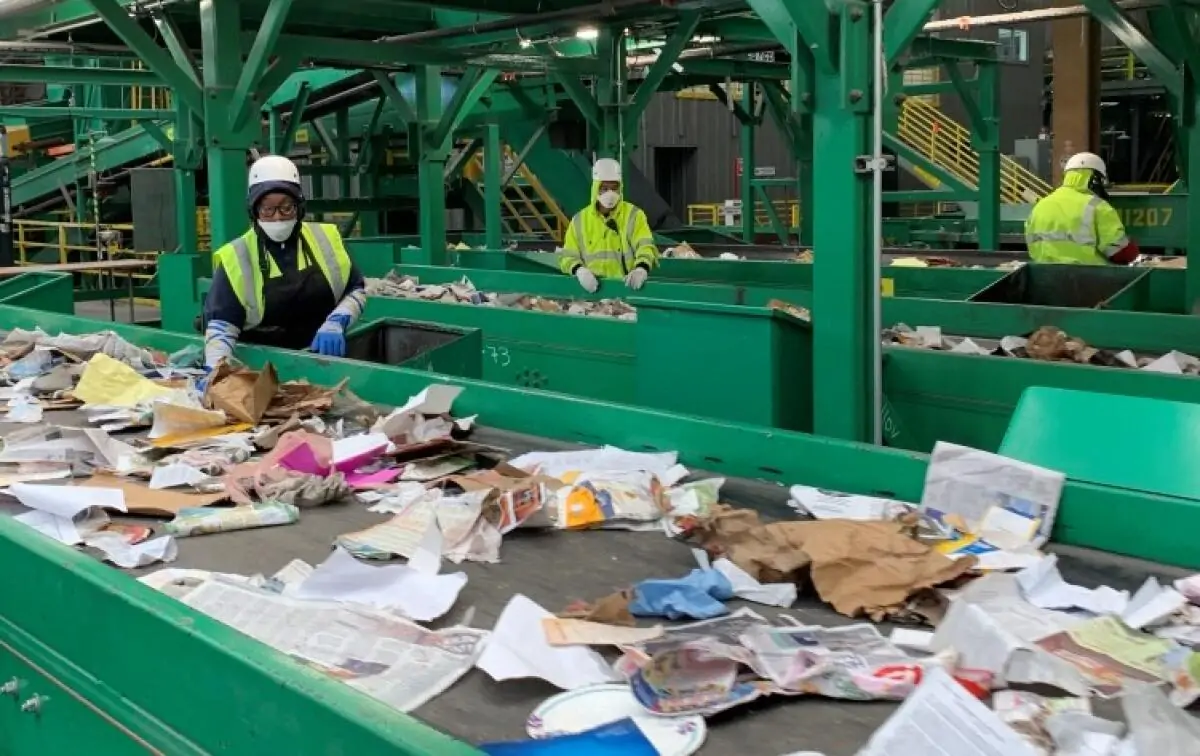
The Flip Flop Screening Machine is commonly installed in waste processing lines where conventional screens experience frequent blockage, reduced throughput or unstable separation performance. Its stepped rod deck and dynamic screening action allow difficult materials to remain in motion, making it particularly suitable for projects handling high-moisture, heterogeneous and contaminated waste streams.
Municipal Solid Waste Recycling Plant:
Used in municipal waste treatment facilities to screen mixed household waste before air separation, magnetic separation and optical sorting processes.
Construction And Demolition Waste Plant:
Used as a primary screening unit in C&D recycling plants to separate soil, aggregates and recyclable materials after crushing.
Landfill Mining Project:
Used in landfill reclamation projects to separate soil-like fines from combustible and recyclable fractions for further recovery.
RDF/SRF Production Line:
Used to control particle size distribution and improve feedstock consistency for RDF and SRF production systems.
Bulky Waste Recycling Plants:
Used to pre-screen furniture waste, mattresses, wood waste and oversized materials before shredding and resource recovery.
Industrial Waste Recycling Plant:
Used to classify mixed industrial waste and prepare materials for subsequent sorting and recycling processes.
Working Principle
The rod deck flip flop screen combines a stepped rod deck and flexible flip flop screening surface to efficiently process wet, sticky and mixed waste materials. Waste is evenly distributed across the screen deck, where continuous material turnover and stratification improve particle separation. Fine materials pass through the screen openings, while oversized fractions are conveyed to the discharge end for further processing.
During operation, the flexible screen deck generates continuous stretching and relaxation movements that effectively prevent screen blinding caused by mud, organics, plastic films and other difficult materials. This anti-clogging design helps maintain stable screening efficiency, reduces downtime for manual cleaning and supports continuous operation in municipal solid waste, landfill waste, construction waste and RDF production plants.

Parts of Rod Deck Flip Flop Screen
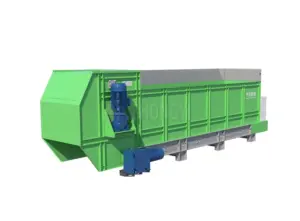
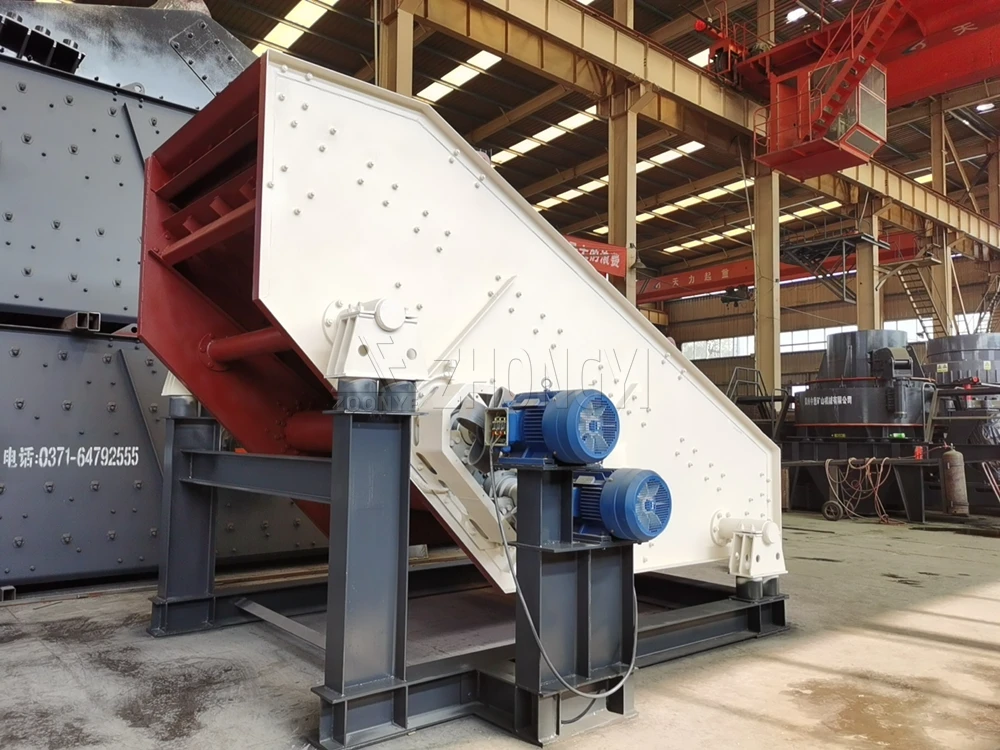
The YBF series rod deck flip flop screen consists of several key components that ensure efficient screening, reliable anti-clogging performance and long service life. Each component is designed for demanding waste processing conditions. Xinzhongyi ECO optimizes component selection and structural design to improve screening efficiency, operational stability and maintenance convenience.
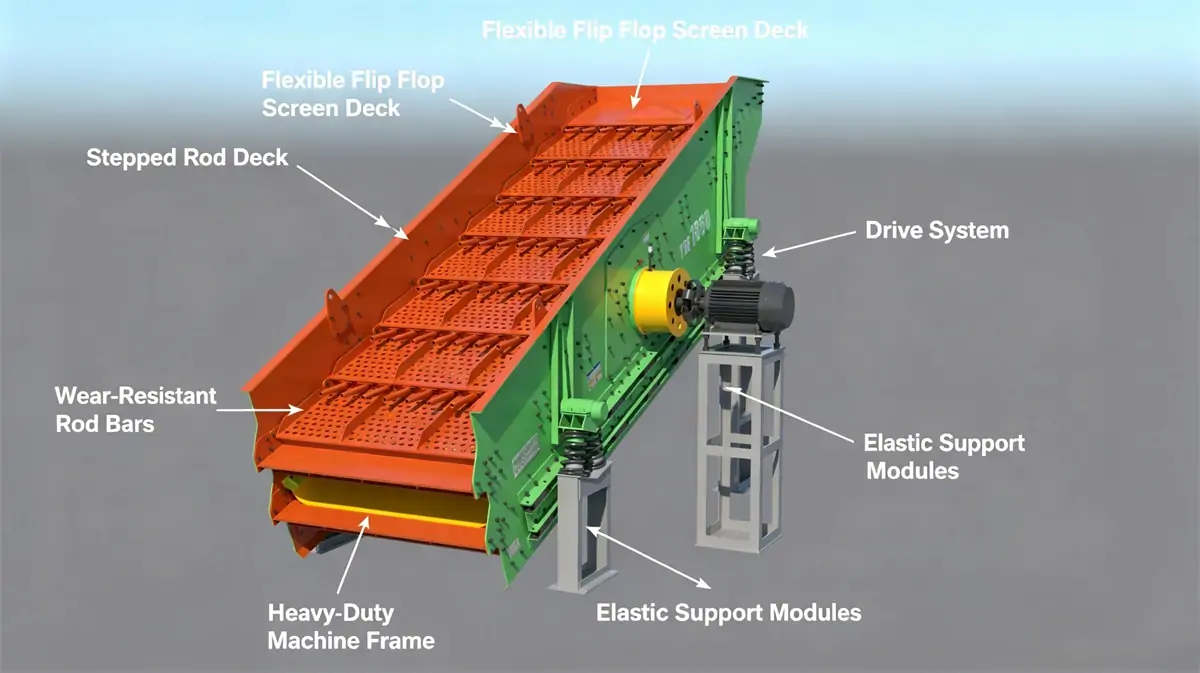
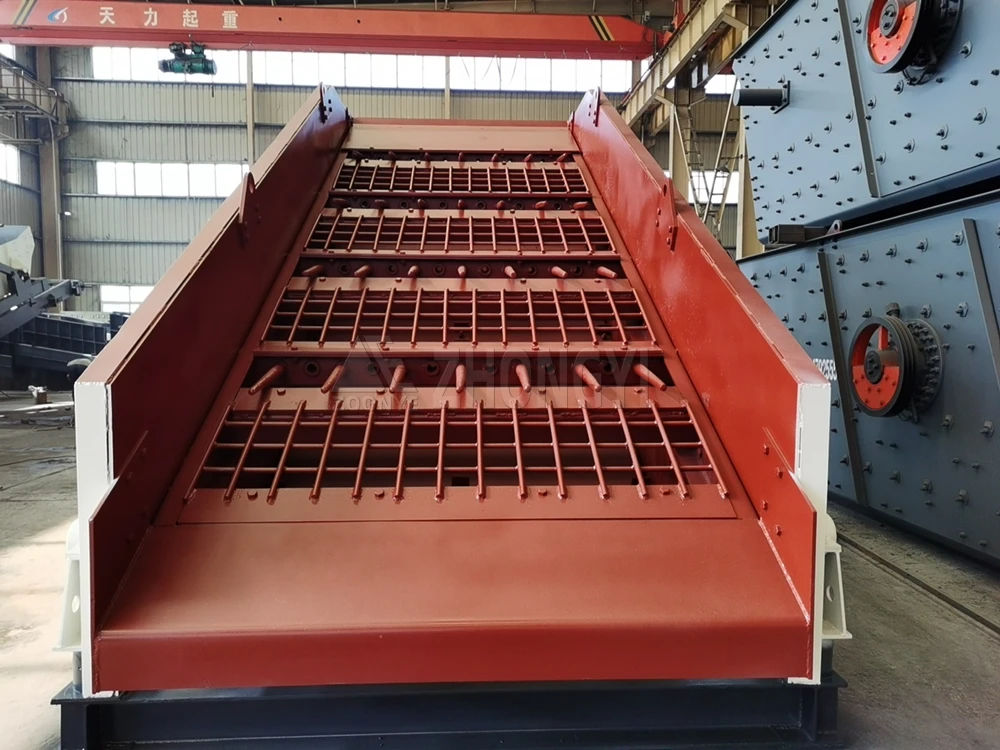
- Stepped Rod Deck
Constructed from wear-resistant rod bars to promote material turnover, stratification and coarse screening. - Flexible Flip Flop Screen Deck
Made of elastic screening panels that continuously stretch and relax to prevent screen blinding. - Drive System
Composed of motors, transmission components and inverter control to provide adjustable screening motion. - Elastic Support Modules
Built with high-strength elastic elements to absorb dynamic loads and maintain stable operation. - Heavy-Duty Machine Frame
Manufactured from reinforced steel structures to support the entire screening system under continuous working conditions. - Wear-Resistant Rod Bars
Produced from high-strength wear-resistant steel to withstand impact, abrasion and long-term material contact.
Specifications
The Rod Deck Flip Flop Screen is available in multiple models to accommodate different waste processing capacities and project requirements. Equipment selection is typically based on material composition, moisture content, particle size distribution and plant throughput. The following technical specifications provide a general reference for model configuration and screening performance.
| Model | Installed Power (kW) | Processing Capacity (m³/h) |
| YBF1548 | 15 | 30–100 |
| YBF1860 | 22 | 35–200 |
| YBF2160 | 30 | 40–250 |
| YBF2460 | 30 | 45–300 |
| YBF3060 | 30 | 50–350 |
Advantages
The YBF Series Rod Deck Flip Flop Screen is designed to address common screening challenges in waste recycling plants, including material buildup, screen blinding and unstable separation efficiency. Its stepped rod deck structure and dynamic screening action help maintain continuous material flow under demanding operating conditions.
Why Is Rod Deck Flip Flop Screen Better Than Traditional Screens?
In real waste recycling plants, screening performance is not only about capacity, but also about how equipment behaves under wet, sticky and mixed waste conditions. The Rod Deck Flip Flop Screen is designed to maintain stable operation where traditional vibrating screens typically experience clogging, reduced efficiency and frequent shutdowns.
| Performance Aspect | YBF Rod Deck Flip Flop Screen | Traditional Vibrating Screen |
| Wet & sticky waste handling | Anti-blocking, continuous flow | Frequent clogging |
| Mixed waste stability | Stable separation | Efficiency fluctuation |
| Fine material separation | High efficiency | Limited in wet fines |
| Downtime | Low | High |
| Maintenance | Low | High |
| Throughput performance | Stable high capacity | Reduced in harsh conditions |
Custom Rod Deck Flip Flop Screen Solutions
To design an efficient waste screening and sorting system, Xinzhongyi ECO provides full engineering support including process planning, equipment selection and layout design for MSW, construction and landfill waste projects. We develop customized, stable and cost-effective recycling solutions based on material data and site conditions, from consultation to final system configuration with process flow and technical proposals.
Please provide the following information:
1. Waste Type
2. Waste Composition
3. Final Output Requirement
4. Processing Capacity
5. Project Location & Site Conditions
6. Automation Level
7. Existing Equipment
8. Budget Range
Rod Deck Flip Flop Screen Manufacturer & Supplier
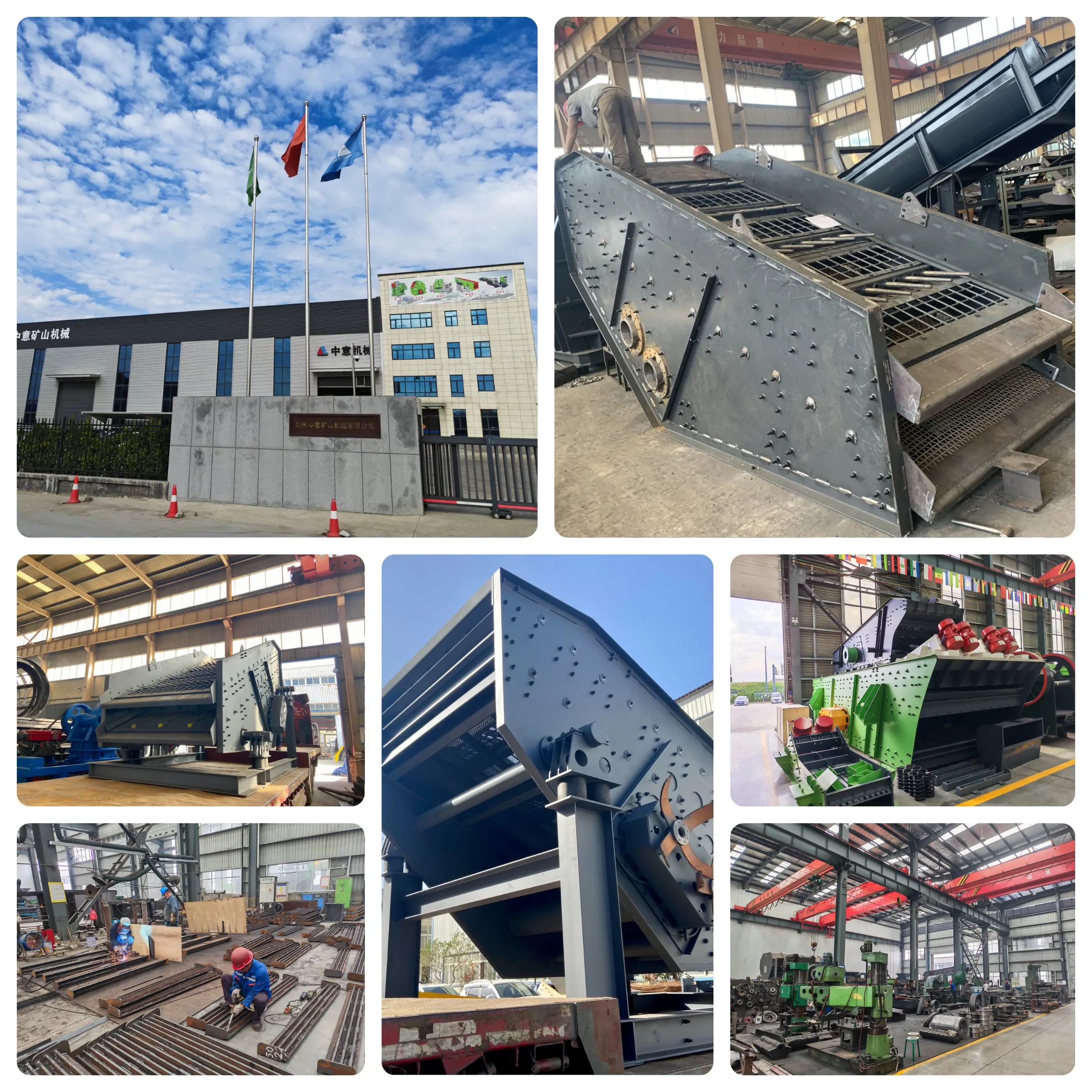
Xinzhongyi ECO is a professional Rod Deck Flip Flop Screen manufacturer and supplier, providing efficient screening solutions for mining, aggregates, construction waste recycling, municipal solid waste (MSW), and biomass processing industries. Our flip flop screens are engineered to handle wet, sticky, and difficult-to-screen materials with high screening efficiency and reliable anti-clogging performance.
Backed by strong manufacturing capabilities, advanced production facilities, and an experienced engineering team, Xinzhongyi ECO offers complete services from equipment selection and customized design to installation guidance and after-sales support. We can tailor screen size, deck configuration, screening area, and processing capacity to meet specific project requirements.
Looking for the right screening solution for your project? Contact our technical team today for expert equipment selection, customized design recommendations, and a competitive quotation based on your material characteristics and capacity requirements.
FAQs
It is suitable for municipal solid waste, construction and demolition waste, landfill waste, bulky waste, industrial waste and RDF/SRF feedstock, especially materials with high moisture and mixed composition.
The flexible flip flop motion continuously stretches and releases the screen surface, preventing material buildup from wet organics, soil and plastic films.
A Flip Flop Screen uses elastic screen movement for self-cleaning, while a vibrating screen relies on rigid vibration, which is less effective for wet and sticky waste.
Yes. It is specifically designed for wet and sticky waste streams where conventional screens often experience clogging and efficiency loss.
Screening size can be adjusted by changing rod spacing and selecting different screen deck configurations based on project requirements.
Routine inspection of screen decks, drive system and elastic components is required. The anti-clogging design significantly reduces cleaning frequency.