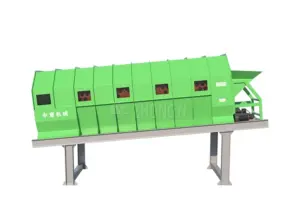
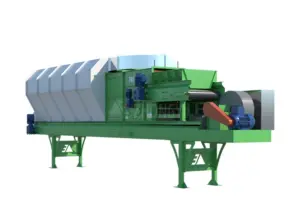


What Is a Jaw Crusher Machine?
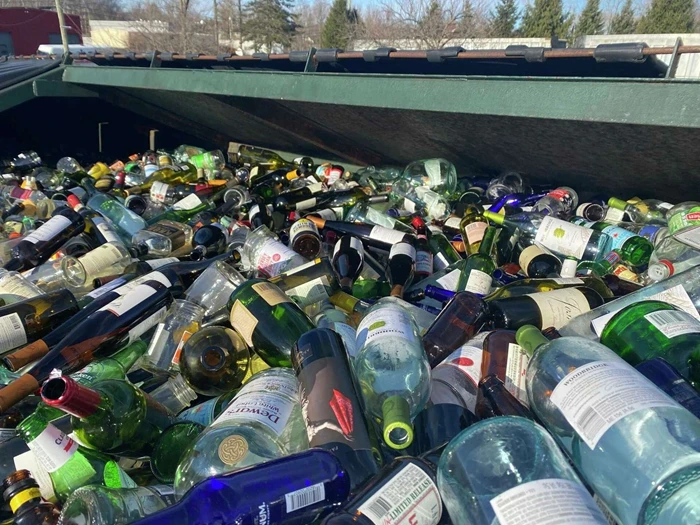
The jaw crusher is a primary crusher widely used for processing construction waste, demolition debris, and mixed solid waste, primarily for rock crushing and material reduction. It works by applying compressive force between a fixed jaw plate and a movable jaw plate to crush large rocks and hard materials into smaller pieces for subsequent processing. Due to its high crushing efficiency, stable performance, and simple structure, the jaw crusher is considered one of the most reliable pieces of equipment for primary crushing applications.
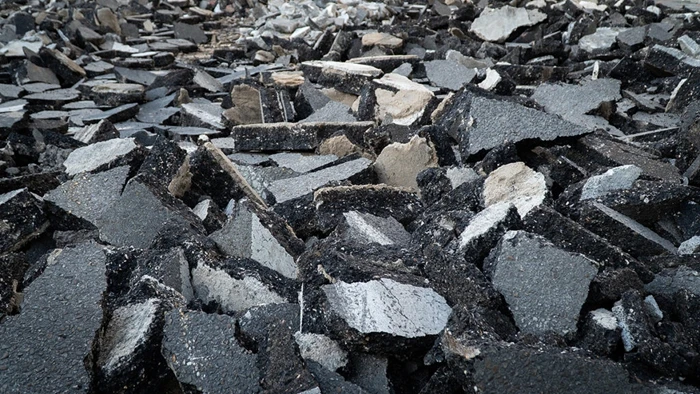
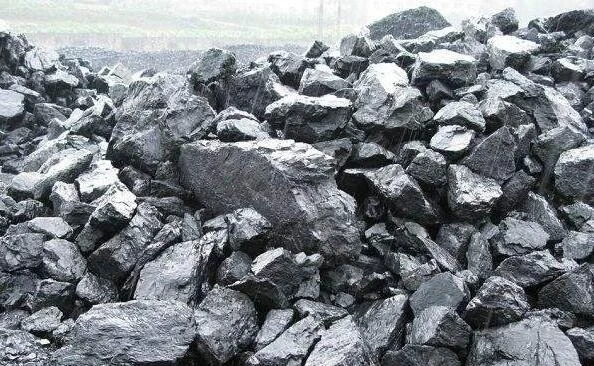
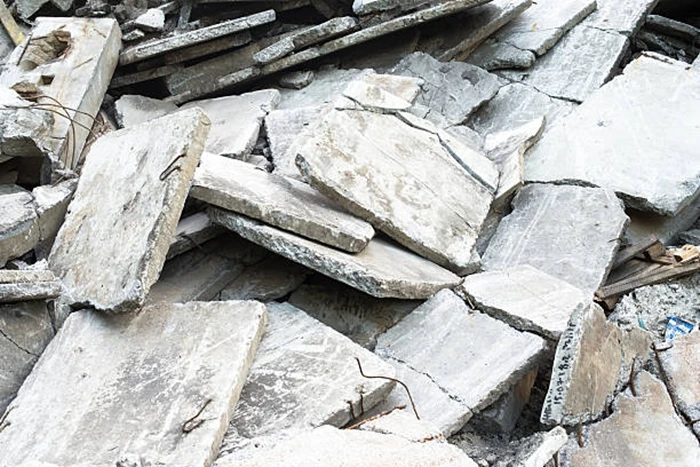
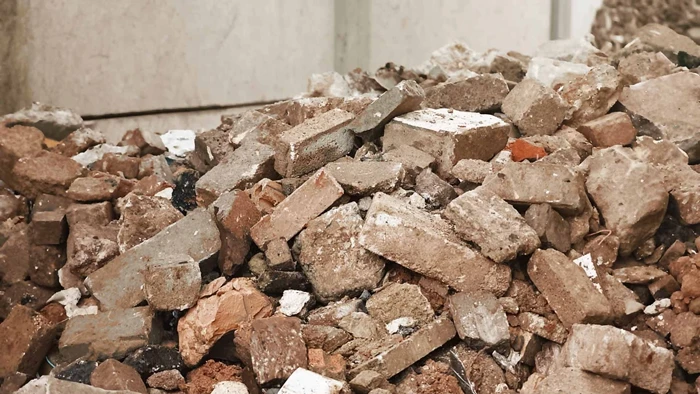
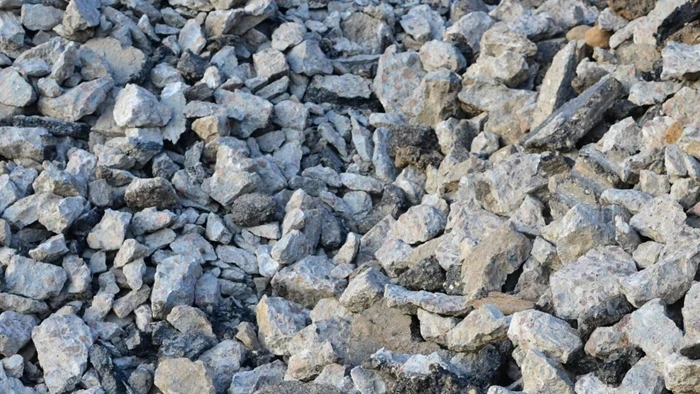
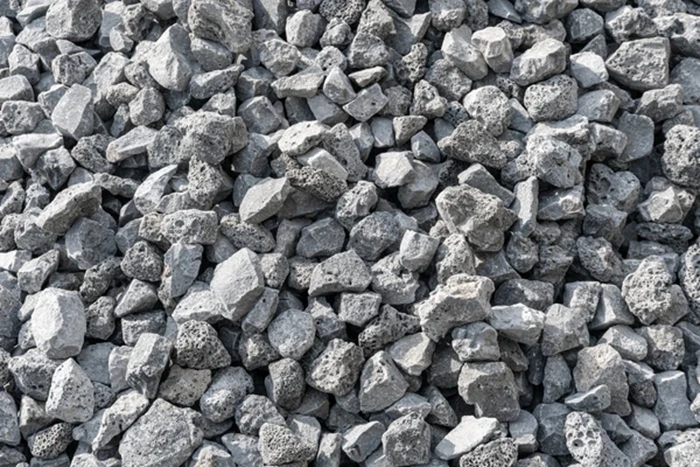
Jaw crushers are commonly used to process hard and abrasive materials such as granite, basalt, limestone, quartz stone, river pebble, iron ore, concrete waste, and construction debris. Compared with other primary rock crushing equipment, jaw crusher machines offer advantages including large feed capacity, low operating costs, easy maintenance, and long service life.
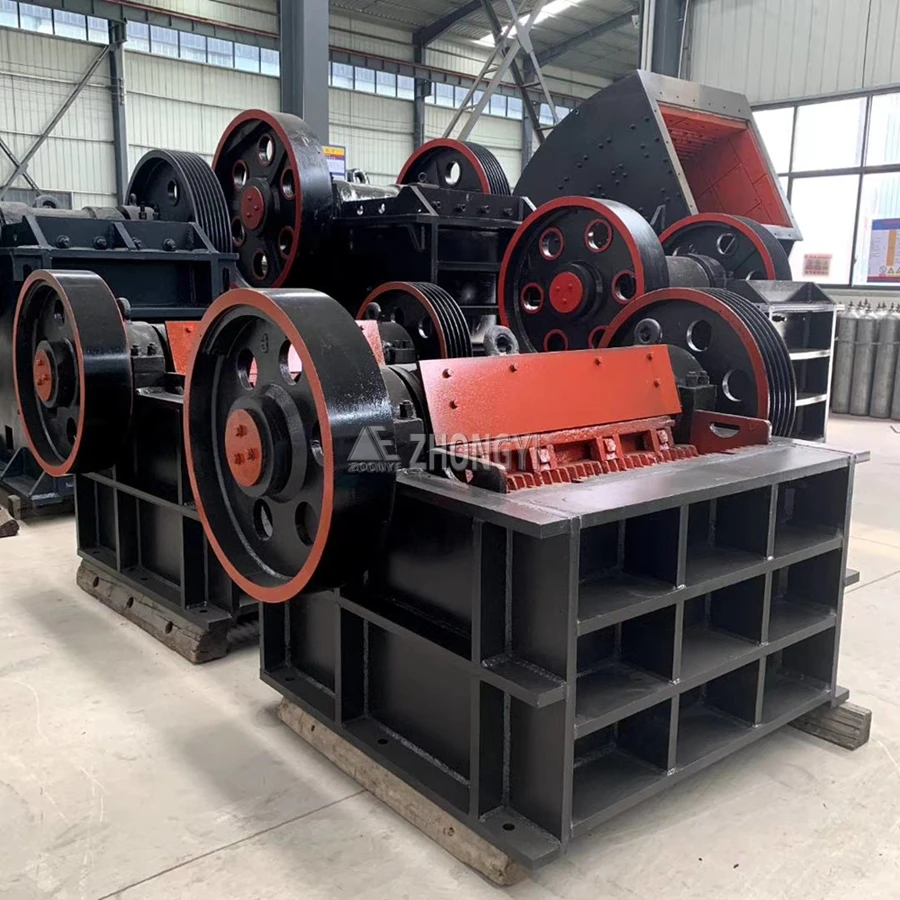
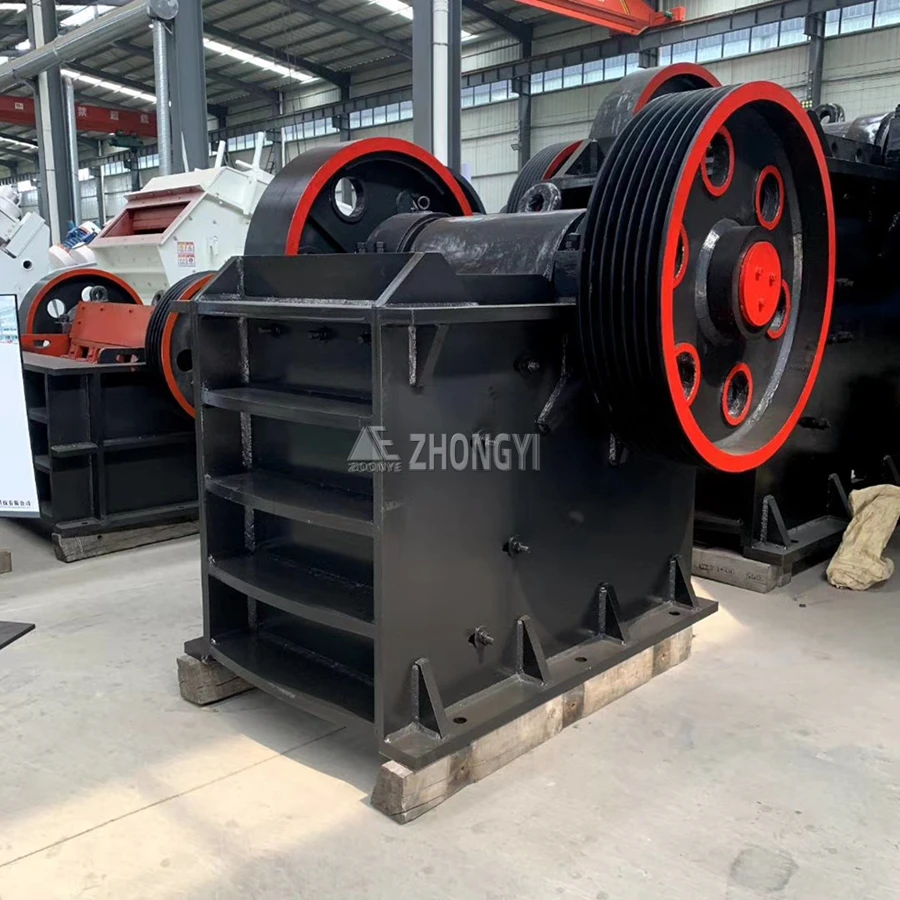
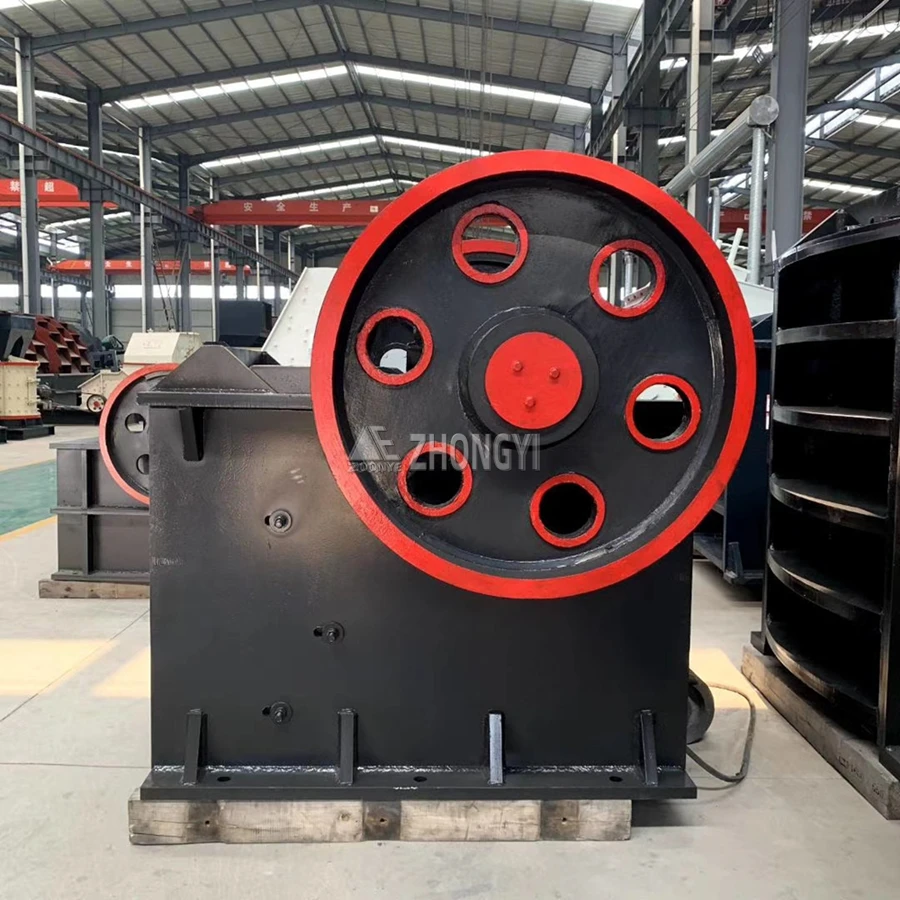
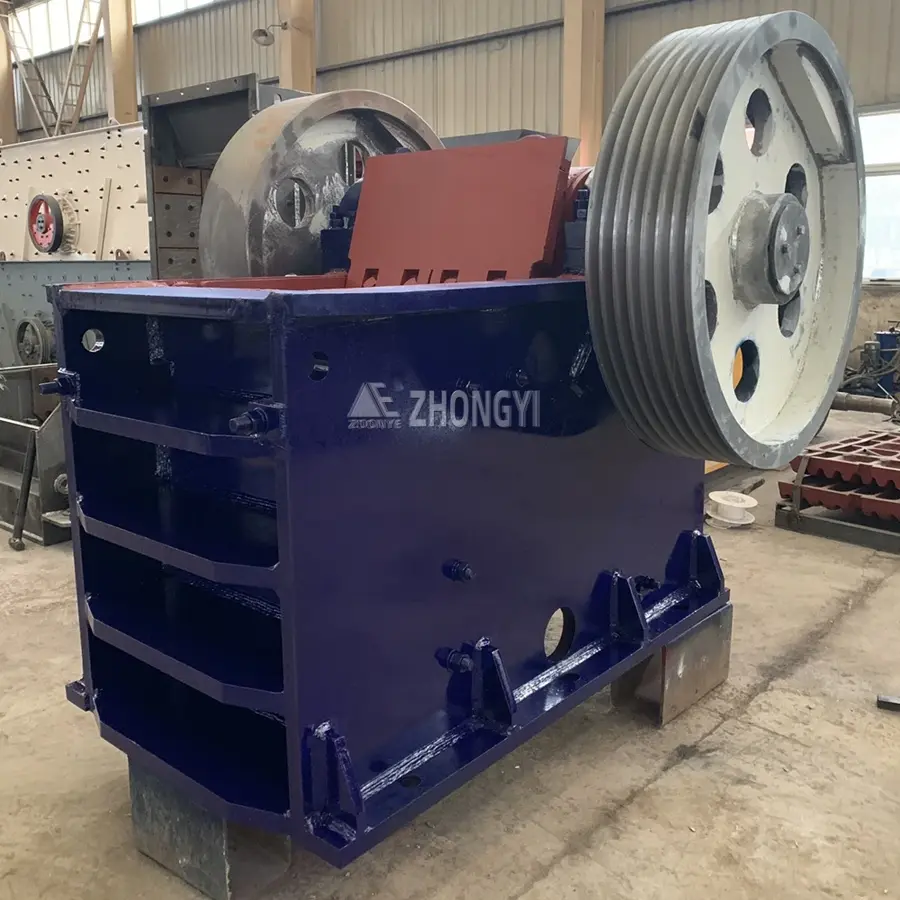
Working Principle of Jaw Crusher
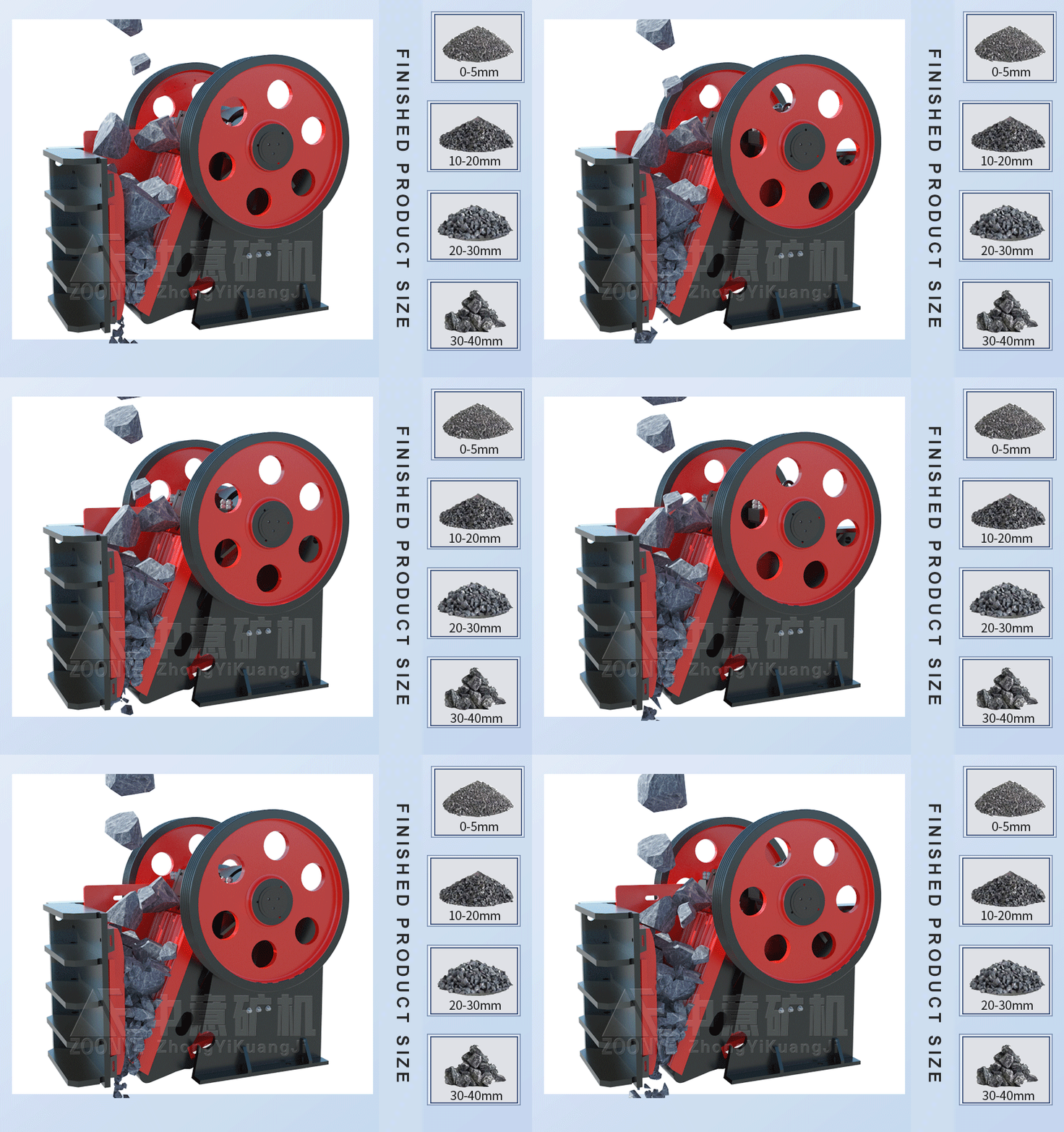
The jaw crusher works through the reciprocating movement of the movable jaw plate against the fixed jaw plate. Material enters the crushing chamber from the top and is compressed, squeezed, and crushed as the movable jaw moves back and forth. The crushed material gradually becomes smaller until it reaches the required size and is discharged through the adjustable outlet at the bottom.
This simple and efficient crushing process ensures high crushing force, uniform output size, and stable operation, making jaw crushers ideal for primary crushing of hard and abrasive materials.
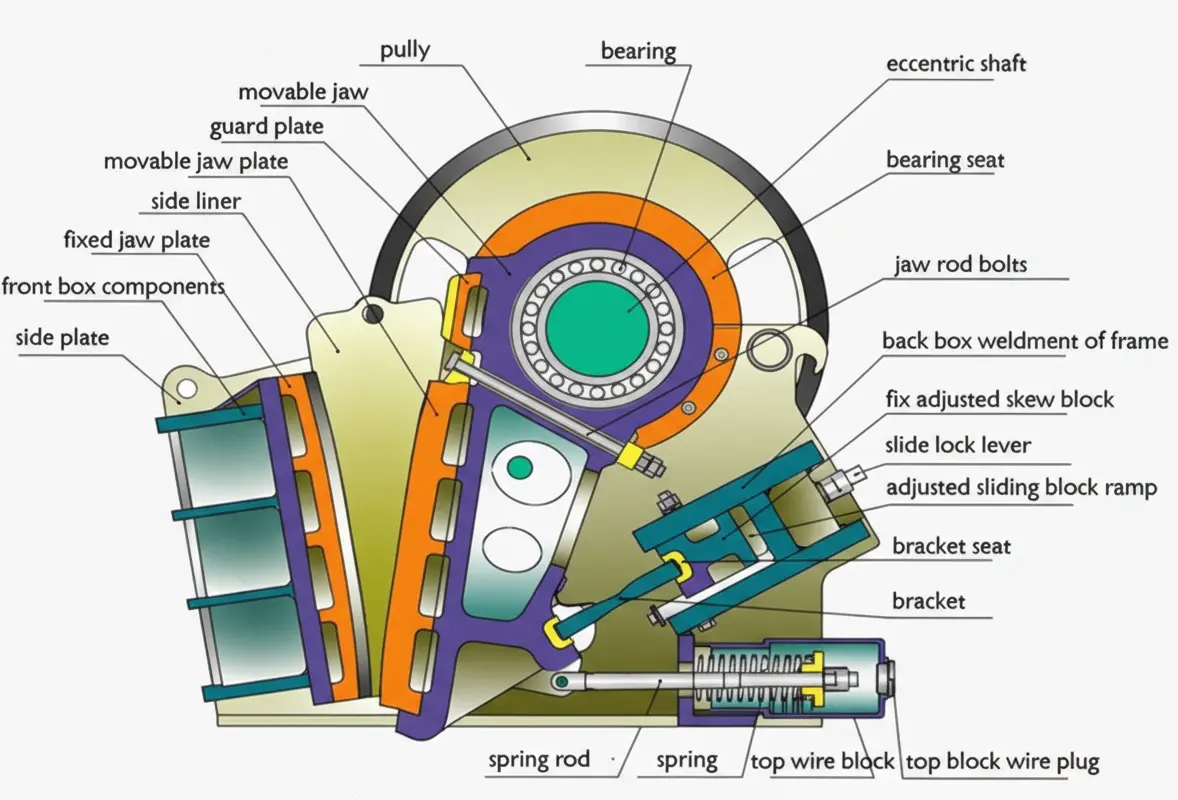
Jaw Crusher Parts
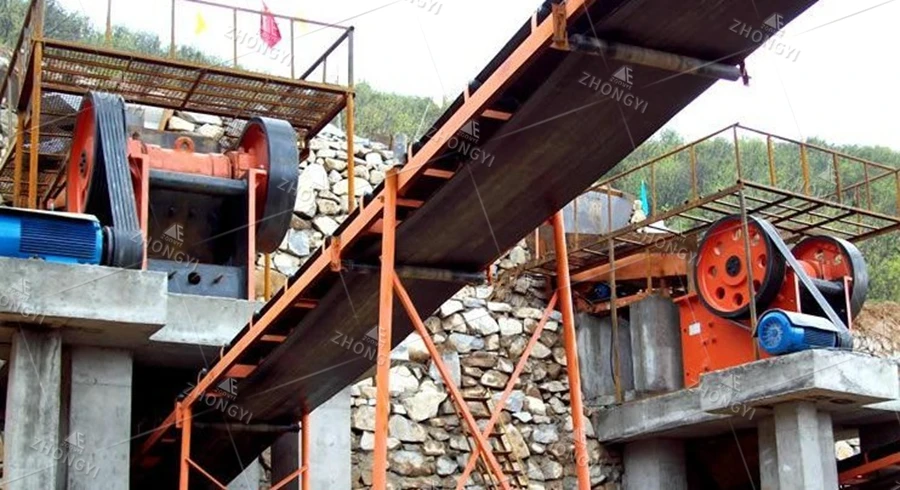
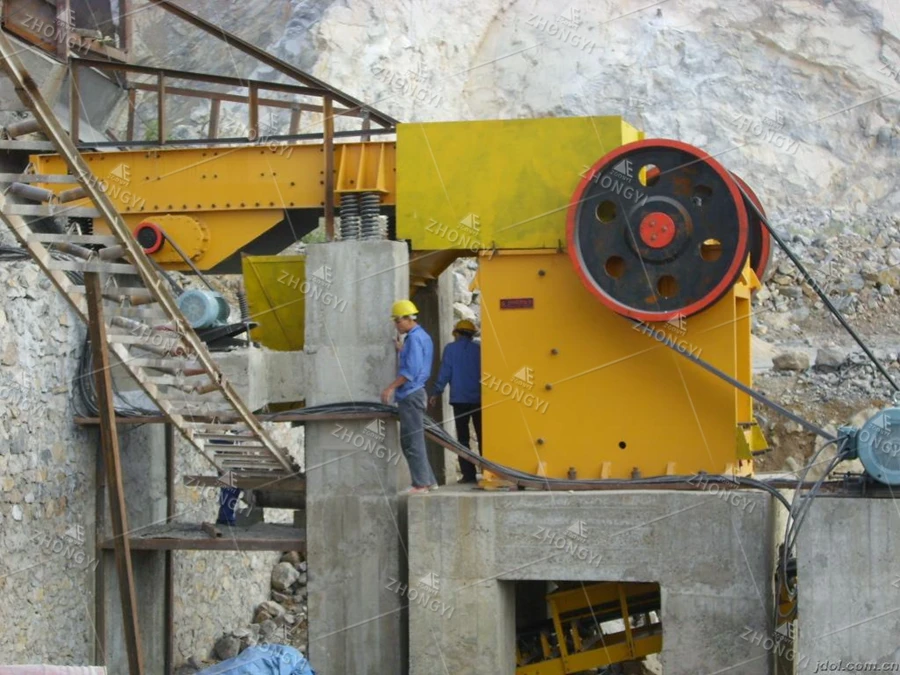
The jaw crusher consists of a heavy-duty frame, movable jaw assembly, fixed jaw plate, eccentric shaft, toggle plate, bearings, flywheels, and drive system. These components work together to generate the compressive force required for primary crushing. Proper design and material selection of critical wear and transmission parts directly affect crushing efficiency, equipment reliability, and maintenance intervals.
Jaw Plate
The jaw plates consist of a fixed jaw plate and a movable jaw plate, which together form the crushing chamber and crush the material through compressive and shear forces.
Flywheel
The flywheel stores and releases energy during operation, helping balance the motor load and ensuring smooth running.
Eccentric Shaft
The eccentric shaft is the main driving component that converts rotary motion into reciprocating movement of the movable jaw.
Toggle Plate
The toggle plate transmits power between the eccentric shaft and movable jaw.
Frame
The frame is the main supporting structure of the crusher, providing strength and stability.
Bearing
Bearings support the eccentric shaft and ensure smooth rotation with low friction.
Specification
The capacity chart below outlines the main technical specifications of our jaw crusher range, including feed opening dimensions, maximum feed size, discharge setting range, processing capacity, and motor power. The equipment is suitable for primary crushing applications in mining, quarrying, aggregate production, and construction waste recycling. Model selection can be configured according to material characteristics, required throughput, and overall plant layout.
| Model | Feed Opening (mm) | Max Feed Size (mm) | Discharge Range (mm) | Capacity (t/h) | Motor Power (kW) |
| PE-250×400 | 250×400 | 210 | 20-60 | 4.5-20 | 15 |
| PE-400×600 | 400×600 | 340 | 40-100 | 15-53 | 30 |
| PE-500×750 | 500×750 | 425 | 50-100 | 38-90 | 55 |
| PE-600×900 | 600×900 | 500 | 65-180 | 45-128 | 55-75 |
| PE-750×1060 | 750×1060 | 630 | 80-180 | 108-225 | 90-110 |
| PE-800×1060 | 800×1060 | 650 | 100-200 | 128-215 | 90-110 |
| PE-870×1060 | 870×1060 | 750 | 170-270 | 218-353 | 90-110 |
| PE-900×1060 | 900×1060 | 780 | 200-290 | 255-375 | 90-110 |
| PE-900×1200 | 900×1200 | 780 | 95-255 | 220-450 | 110-132 |
| PE-1000×1200 | 1000×1200 | 850 | 195-280 | 315-500 | 110-132 |
| PE-1200×1500 | 1200×1500 | 1020 | 150-300 | 400-800 | 160 |
| PE-1500×1800 | 1500×1800 | 1200 | 220-350 | 500-1000 | 180 |
| PEX-150×750 | 150×750 | 120 | 18-48 | 8-25 | 15 |
| PEX-250×750 | 250×750 | 210 | 25-60 | 13-35 | 22 |
| PEX-250×1000 | 250×1000 | 210 | 25-60 | 16-52 | 30-37 |
| PEX-250×1200 | 250×1200 | 210 | 25-60 | 20-61 | 37 |
| PEX-300×1300 | 300×1300 | 250 | 20-90 | 16-105 | 55 |
| PEX-500×1500 | 500×1500 | 350 | 30-110 | 30-110 | 90 |
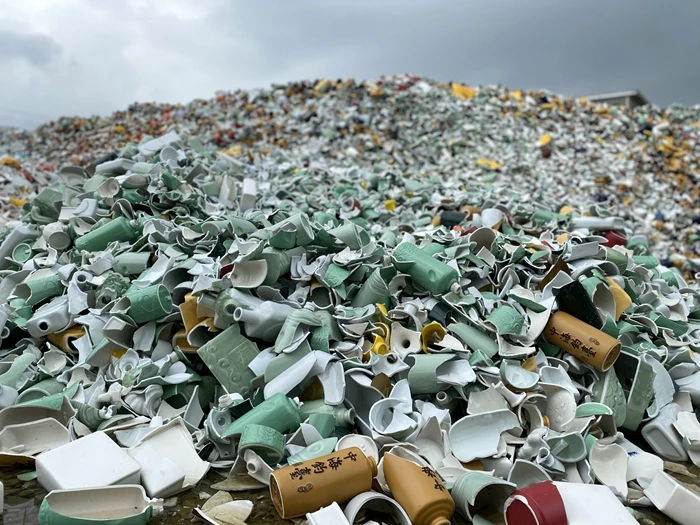
Suitable Materials
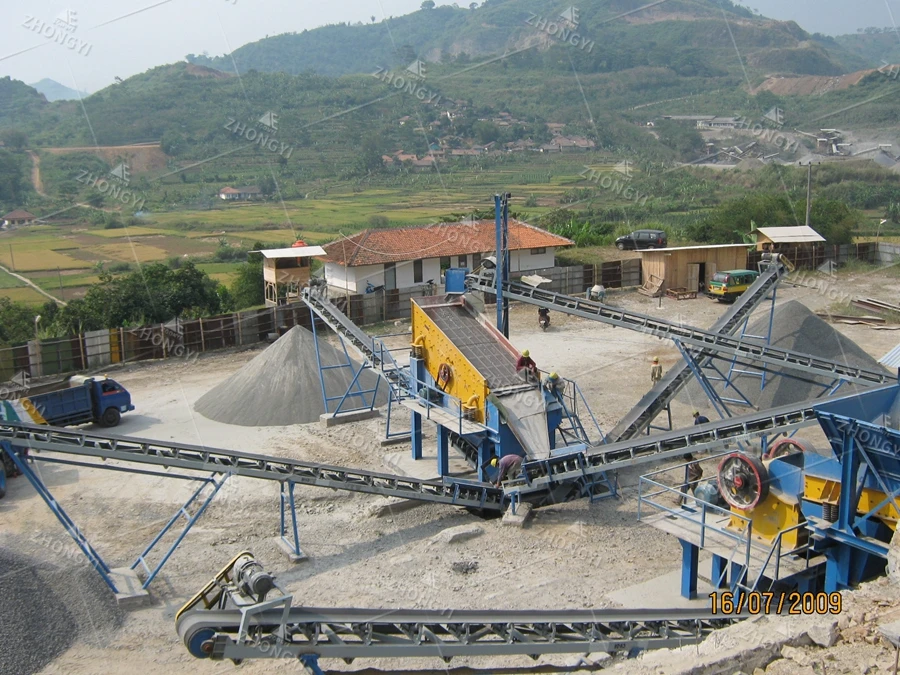
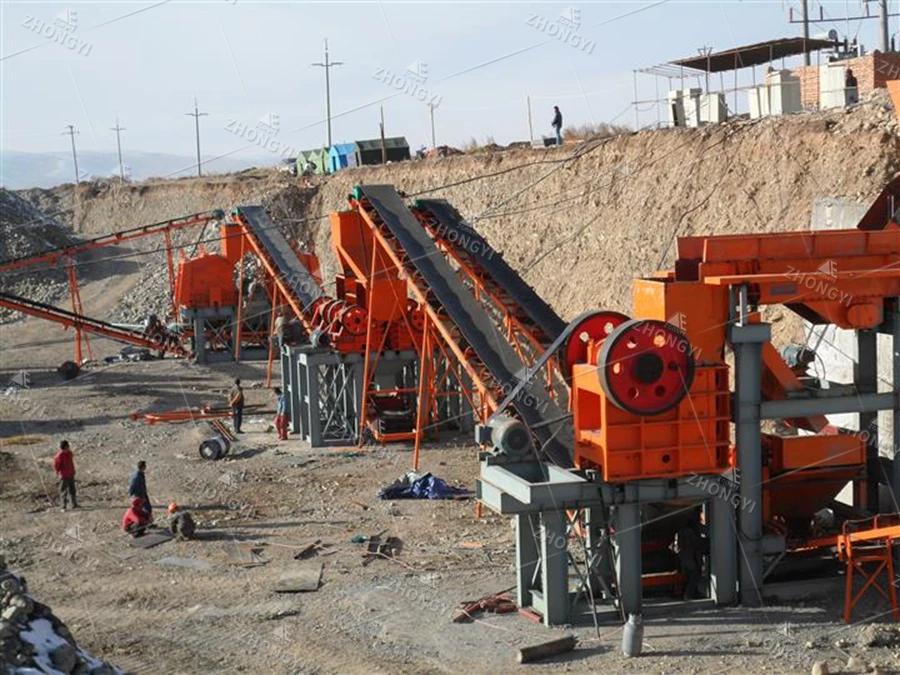
Complete Jaw Crushing Plant Solution
Xinzhongyi ECO provides customized jaw crushing plant solutions for mining, quarry, aggregate, and recycling industries with efficient and stable crushing performance. If your recycled materials contain fine-particle mixtures, wood chips, fibrous impurities, or clay with high moisture content, traditional jaw crushers are prone to bridging, blockages, or poor discharge during feeding. For such applications, the PFL Vertical Compound Crusher for Waste Recycling is an ideal choice. This equipment features a vertical impact and multi-stage crushing design, offering strong adaptability to wet, sticky materials and complex mixed waste streams. It ensures continuous and stable discharge, improves crushing efficiency, and reduces the risk of blockages.
Advantages
Our jaw crusher machines are designed for efficient and eco-friendly crushing operations, helping reduce dust pollution, energy consumption, and environmental impact in mining, quarry, and recycling applications.
Applications
Jaw crusher machines are widely used in mining, quarrying, construction, and recycling industries for crushing hard and medium-hard materials up to 320MPa, playing an important role in primary crushing and material size reduction.
Jaw Crusher MachineManufacturer & Supplier?
As a professional jaw crusher manufacturer, Xinzhongyi has over 16 years of experience in solid waste treatment and crushing equipment manufacturing. We are committed to providing reliable and comprehensive crushing and recycling solutions for construction waste and solid waste management projects worldwide.
FAQ
Jaw crusher machines are widely used for crushing hard and medium-hard materials such as granite, basalt, limestone, concrete, river stone, construction waste, ore, and mining slag. They are commonly applied in mining, quarrying, recycling, and aggregate production industries.
Choosing the right jaw crusher depends on several factors, including material hardness, feed size, required output size, production capacity, and application scenario. For large-scale mining or aggregate production, heavy-duty models are recommended, while compact jaw crushers are suitable for recycling and small crushing plants.
A jaw crusher is mainly used for primary crushing, handling large raw materials with high crushing force. A cone crusher is typically used for secondary or fine crushing after the jaw crusher. Jaw crushers are ideal for coarse crushing, while cone crushers produce finer particle sizes.
The output size of a jaw crusher usually ranges from 10 mm to 250 mm, depending on the machine model and discharge setting. Adjustable discharge openings allow users to control the final particle size according to project requirements.
The replacement cycle of wear parts such as jaw plates, toggle plates, and bearings depends on material hardness, operating hours, and maintenance conditions. Regular inspection and timely replacement help maintain crushing efficiency and reduce downtime.
Yes. We provide customized jaw crusher solutions based on your material type, capacity requirements, output size, and project conditions. Our services include equipment selection, crushing plant design, installation support, and after-sales technical assistance.