
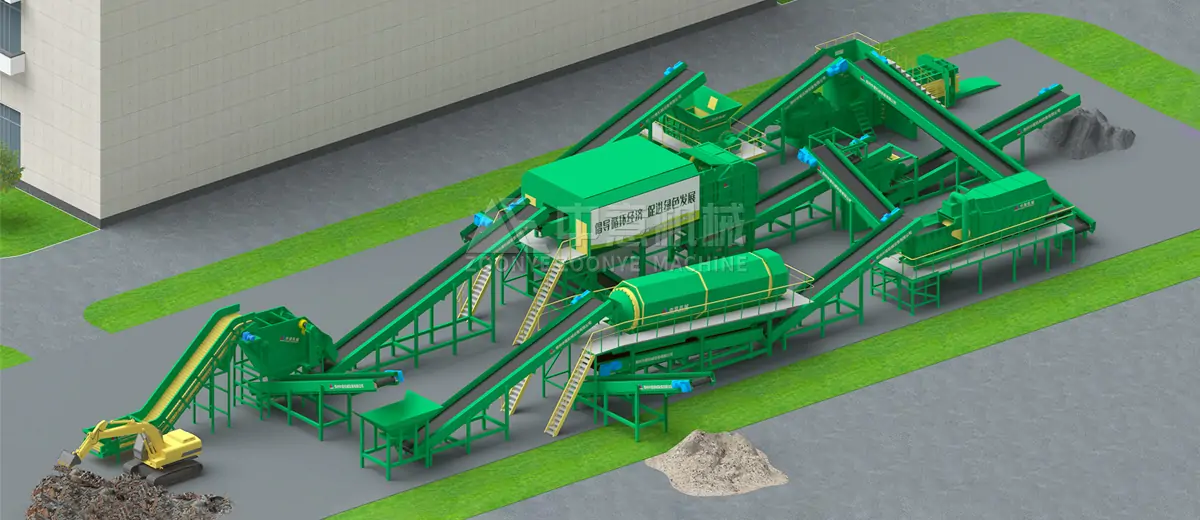
What is an MSW Sorting Plant?
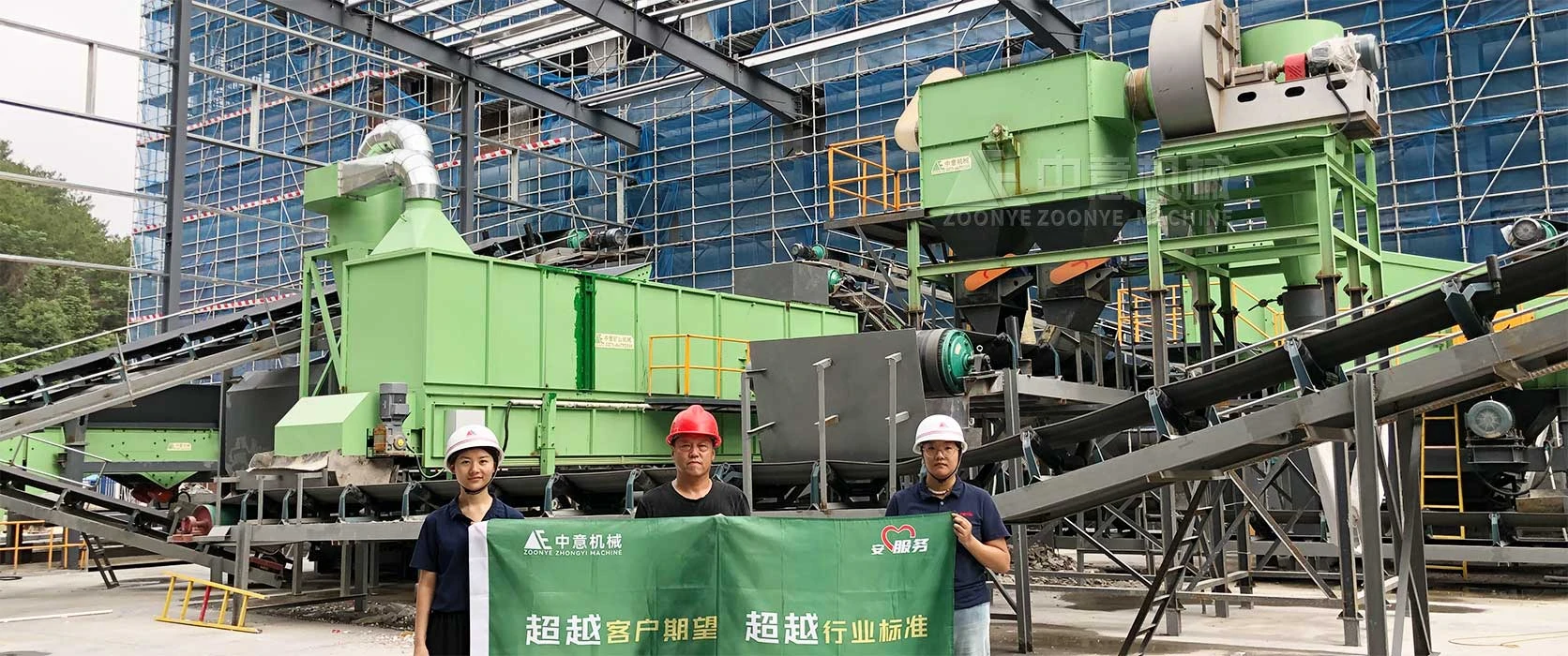
An MSW (Municipal Solid Waste) Sorting Plant is a specialized facility designed to process and separate mixed municipal solid waste into different recyclable and reusable materials. It functions as a centralized system where household, commercial, and industrial waste is received, screened, and sorted into categories such as metals, plastics, paper, organic matter, and inert materials. Through a combination of mechanical and automated sorting technologies, the plant transforms heterogeneous waste streams into valuable resources.
The core purpose of an MSW sorting plant is to reduce landfill disposal, maximize resource recovery, and support circular economy development. Depending on the waste composition, MSW sorting systems can handle mixed waste with high contamination levels or pre-sorted waste streams. By efficiently separating recoverable materials from non-recyclables, the plant improves recycling rates and enables the production of clean secondary raw materials for downstream industries.
Types of MSW Sorting Plants
MSW (Municipal Solid Waste) sorting plants are generally classified based on waste composition and processing objectives:
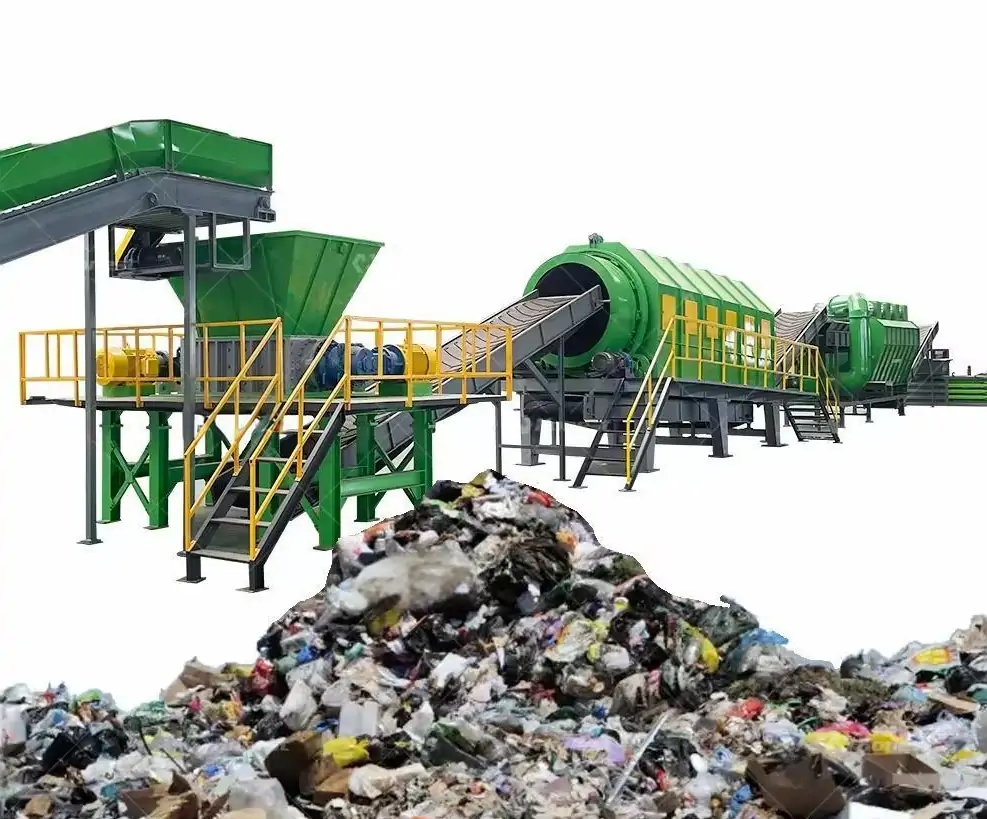
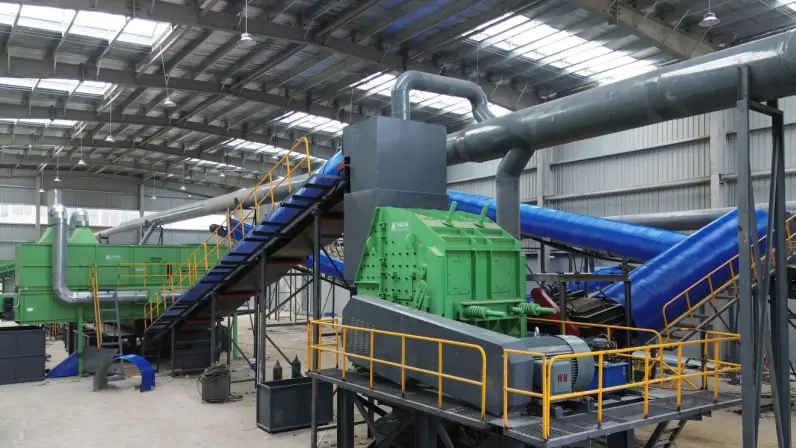
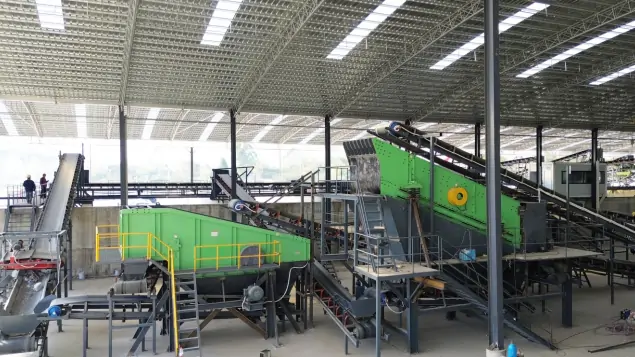
Sorting Process
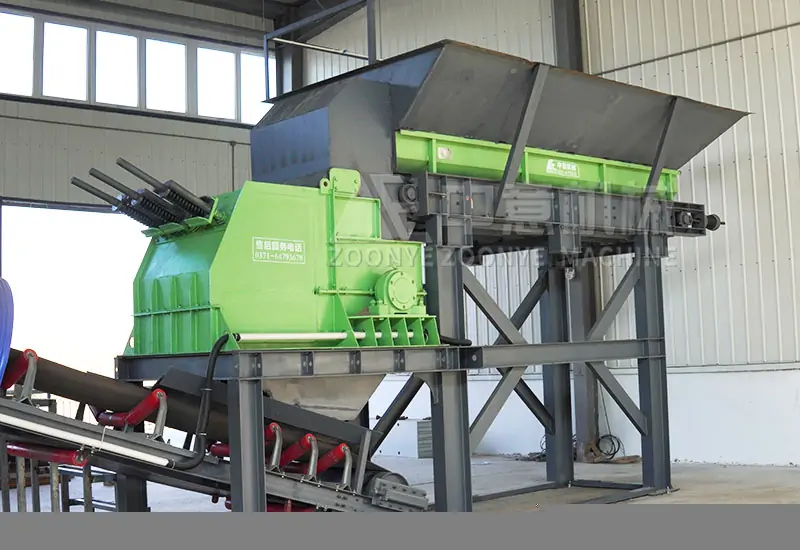
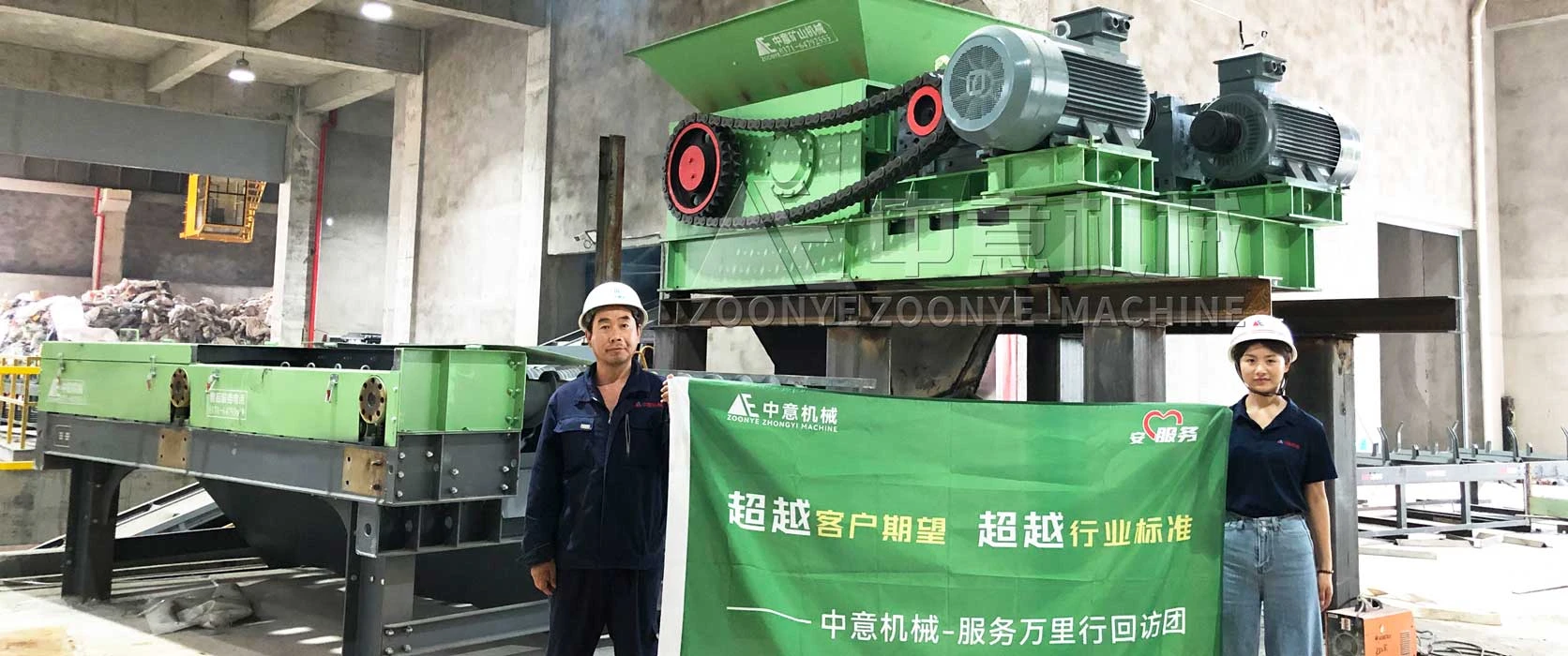
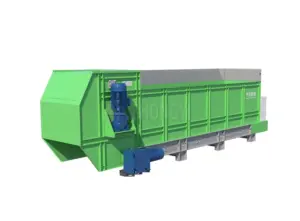
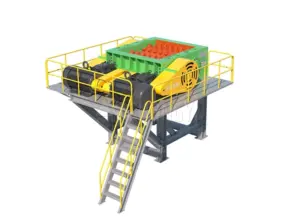
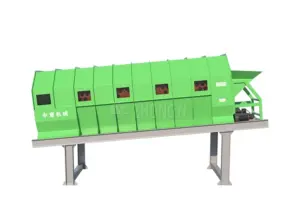
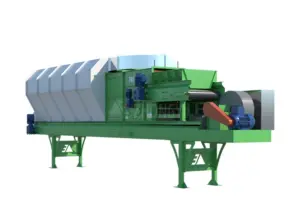
System Equipment
Material & Final Products
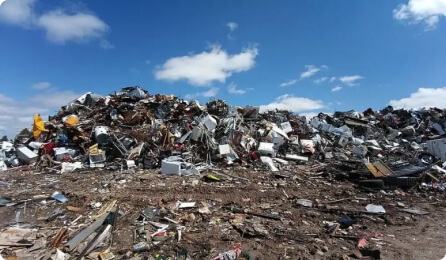
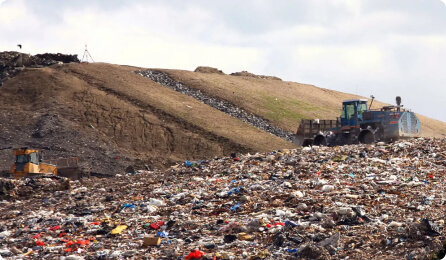
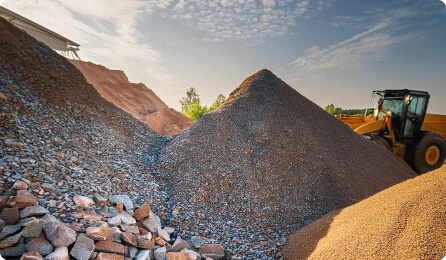
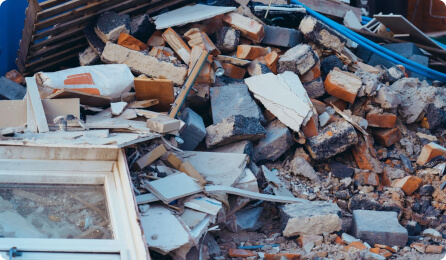
Aged waste, landfill waste, renovation debris (including concrete blocks, broken bricks, tiles, wood, plastics, metals, and textiles)
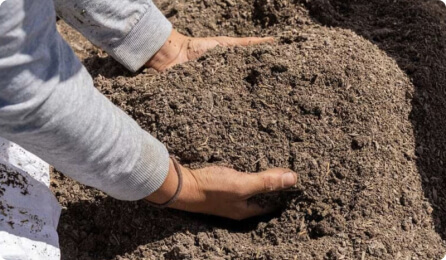
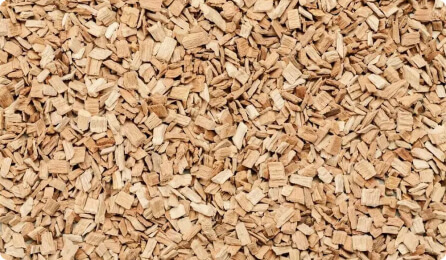
Recycled aggregates, reclaimed soil, ferrous metals, non-ferrous metals (aluminum, copper), recyclable plastics, wood chips, RDF fuel.
Why Choose Zhongyi?
16+
Years Experience
100+
Global Projects
With 16 years of experience in solid waste recycling solutions, Zhongyi has delivered over 100 successful projects worldwide. We provide customized plant designs tailored to different waste compositions, ensuring efficient processing and optimal results. Our solutions feature a high level of automation to reduce labor costs while maintaining stable, long-term performance. From initial design to installation and commissioning, we offer full-service support, backed by a global service team ready to assist your project at every stage.
FAQ
Most projects require environmental impact approval, construction permits, waste treatment operating licenses, and wastewater or air emission permits. Requirements vary by country. Xinzhongyi provides process flow diagrams, equipment layouts, and technical documentation to support local approval applications.
Investment depends on daily processing capacity, automation level, and output targets. Small plants may start from USD 500,000, while large integrated systems can exceed USD 1 million. We provide customized budget estimates based on your material composition and project requirements.
Yes. High-moisture and sticky materials can be processed using anti-clogging screening equipment, pre-shredding systems, and airflow separation. Process design is adjusted according to waste characteristics to maintain stable sorting performance.
The system separates metals, plastics, paper, wood, RDF fractions, and aggregate materials. Recovered products can be sold to recycling plants, steel mills, RDF fuel users, or construction material markets, improving project profitability.
Modern MSW sorting plants use PLC control with magnetic separators, optical sorters, and air classifiers. A 500 TPD line typically requires only 3–5 operators for monitoring, manual quality control, and routine maintenance.
Yes. Existing waste treatment lines can be upgraded by adding screening, air separation, optical sorting, or odor control systems. Retrofit projects improve sorting efficiency, reduce operating costs, and increase recyclable recovery without full plant reconstruction.
Yes. Xinzhongyi provides equipment manufacturing, export packing, installation guidance, commissioning, operator training, and spare parts support. Standard delivery is usually 30–50 days, with longer schedules for large customized MSW sorting projects.