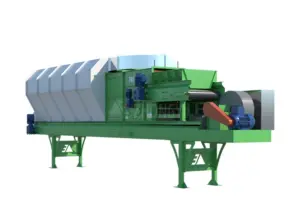

Introduction
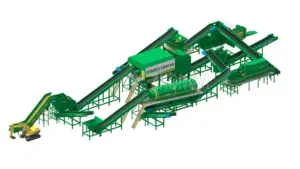
Efficient screening is a critical step in modern MSW sorting plants because it directly affects the performance of downstream equipment such as magnetic separators, air classifiers, optical sorters, and RDF production systems. Among various waste screening technologies, trommel screens and disc screens are two widely adopted solutions for separating materials by size and improving sorting efficiency.
Although both equipment types are designed for waste separation, they work differently and offer different advantages in practical applications. Trommel screens are commonly used for precise size classification and organic fraction separation, while disc screens are known for their high throughput capability and strong resistance to plastic film wrapping.
This article compares Trommel Screen vs Disc Screen for MSW Sorting Plant, covering their working principles, performance differences, suitable applications, and selection factors to help waste management companies choose the most suitable screening solution for their projects.If you want to learn more, click here: How to Choose the Right Waste Screening Machine for an MSW Plant?


Comparison of Trommel Screen and Disc Screen
| Comparison | Trommel Screen | Disc Screen |
| Screening Method | Rotating drum with screen apertures | Parallel rotating discs with adjustable gaps |
| Best for | Fine material and organic fraction separation | Bulky, lightweight, and plastic-rich waste |
| MSW Application Stage | Primary and secondary screening | Pre-screening |
| Organic Waste Separation | Excellent | Moderate |
| Plastic Bag Handling | Moderate | Excellent |
| Moisture Tolerance | Good | Good |
| Resistance to Blockage | Good | Excellent |
| Maintenance Requirement | Medium | Low to medium |
| Particle Size Control | More precise | More flexible |
| Installation Footprint | Larger | More compact |
| Typical Downstream Process | Composting, RDF production, fine sorting | Air separation, magnetic separation, optical sorting |
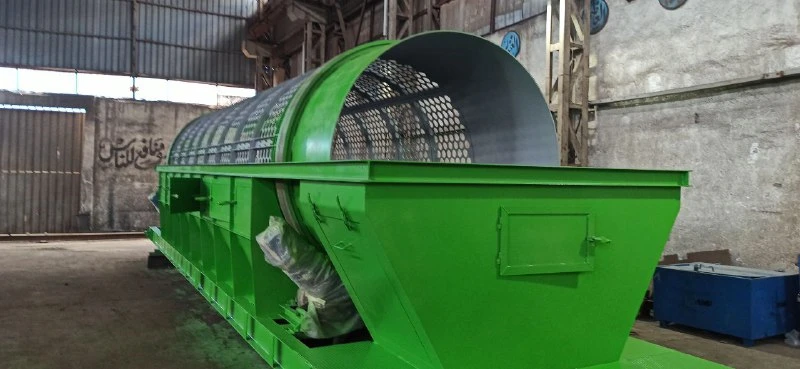
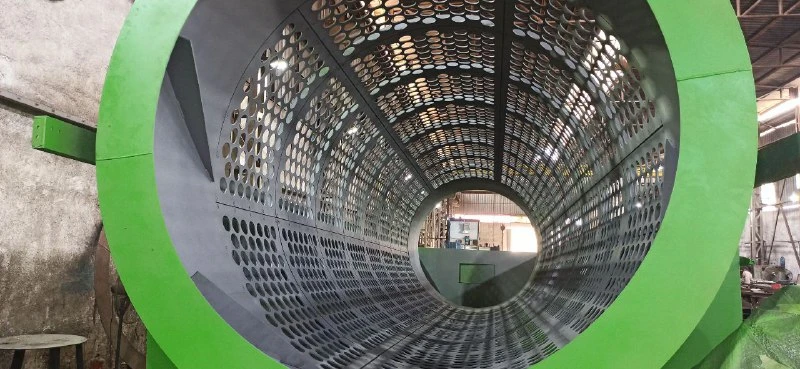

What Is a Trommel Screen for MSW Sorting Plant?
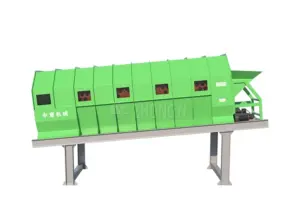
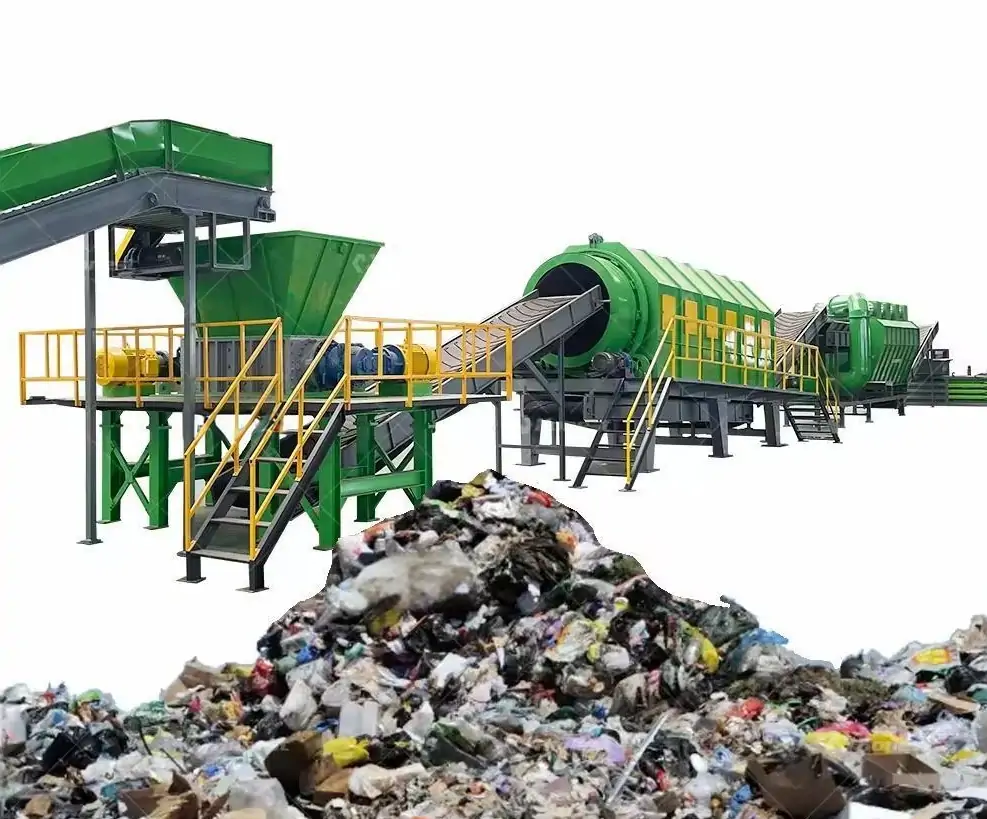
A Trommel Screen is a rotary screening machine used in MSW sorting plants to separate waste materials by particle size. Through the rotation of an inclined drum, it enables continuous screening of mixed waste and improves the efficiency of downstream sorting processes. The following sections introduce its working principle and key advantages in municipal solid waste processing.
Working Principle
A Trommel Screen separates materials by size through the rotation of an inclined cylindrical drum. Driven by a motor and reducer, the drum rotates at a low speed, causing the incoming waste materials to tumble and move forward continuously. Materials smaller than the screen aperture pass through the drum openings and are discharged as fine fractions, while larger materials remain inside the drum and exit from the discharge end.
The screening efficiency mainly depends on the rotary drum structure, screen aperture design, rotation speed, and material residence time. The continuous rolling movement helps loosen materials and reduce screen blockage, making trommel screens suitable for continuous MSW sorting applications where stable particle size separation is required.
Advantages
Trommel screens are widely used in MSW processing due to their stable operation, strong adaptability, and reliable screening performance. They can handle mixed waste streams with complex compositions, including organic waste, soil, and fine materials, while maintaining continuous separation efficiency in large-scale waste sorting plants.
The rotating drum structure allows materials to tumble continuously, helping prevent screen blockage and reducing cleaning requirements, especially when processing wet or sticky waste. Compared with vibrating screens, trommel screens operate with lower vibration and noise, while their simple structure makes maintenance easier and more cost-effective for long-term operation.
Limitations
While trommel screens perform well in continuous MSW screening, they also have some limitations. Their larger drum structure requires more installation space than compact screening equipment, and screening efficiency may decrease when processing highly sticky or heavily wrapped waste. In addition, applications requiring very high screening precision or extremely high throughput may benefit from other screening technologies, depending on the waste characteristics and process requirements.

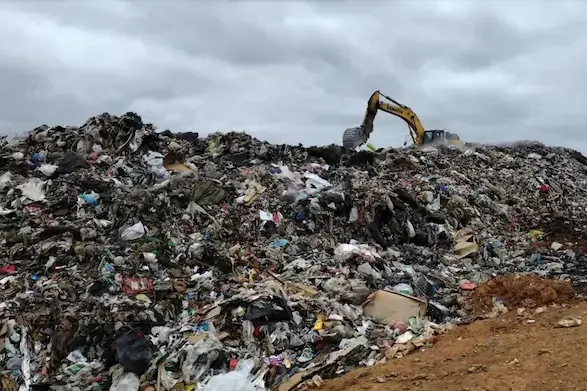
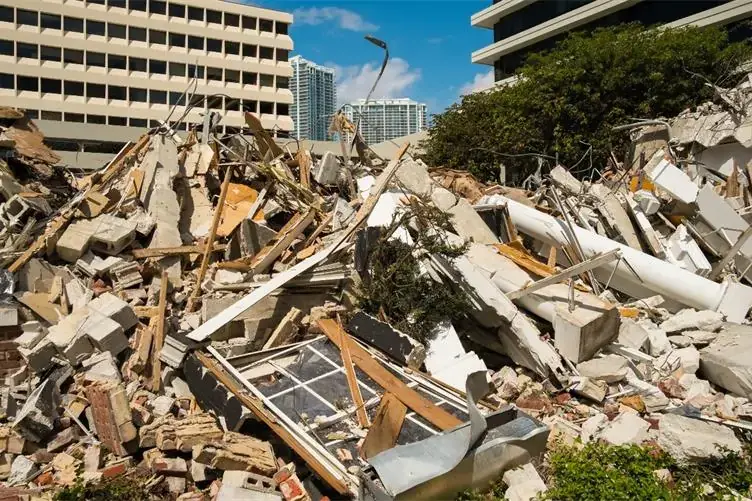
Typical Applications
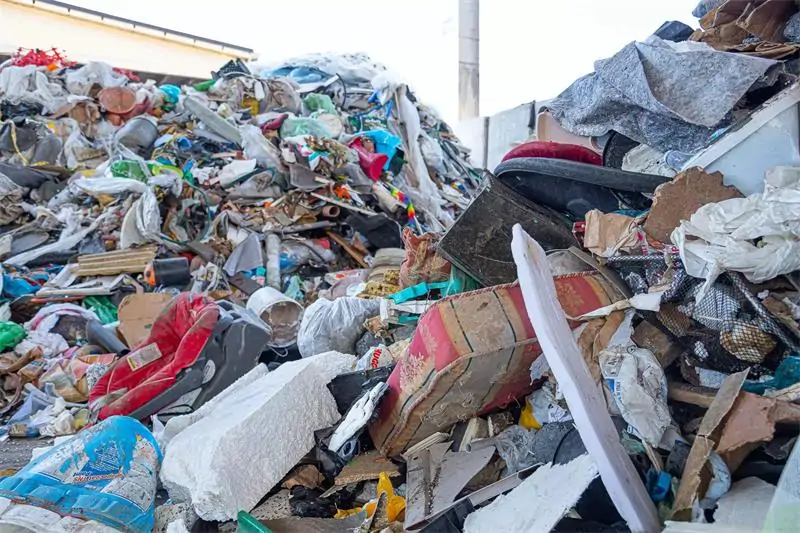
Trommel screens are widely used in environmental and waste treatment industries for separating mixed materials, improving sorting efficiency, and supporting resource recovery processes. Their stable operation and strong adaptability make them suitable for various waste management applications, especially in large-scale treatment systems.
Main applications include:
- Municipal Solid Waste (MSW) Sorting Plants – separating organic fines, recyclables, and oversized materials from mixed household waste.
- Composting Facilities – screening compost materials to remove oversized impurities and improve product quality.
- RDF Production Lines – separating different fractions to optimize refuse-derived fuel preparation.
- Landfill Mining Projects – recovering valuable materials and separating soil from excavated landfill waste.
- Construction and Demolition (C&D) Waste Recycling – classifying recycled aggregates and removing unwanted materials.
What Is a Disc Screen for MSW Sorting Plant?
A Disc Screen is a rotary screening equipment used for particle size separation in municipal solid waste sorting plants. It is mainly applied in the pre-treatment stage to separate mixed waste by size and improve the efficiency of subsequent sorting and recycling processes. The following sections introduce its working principle, key advantages, and typical applications in waste treatment systems.
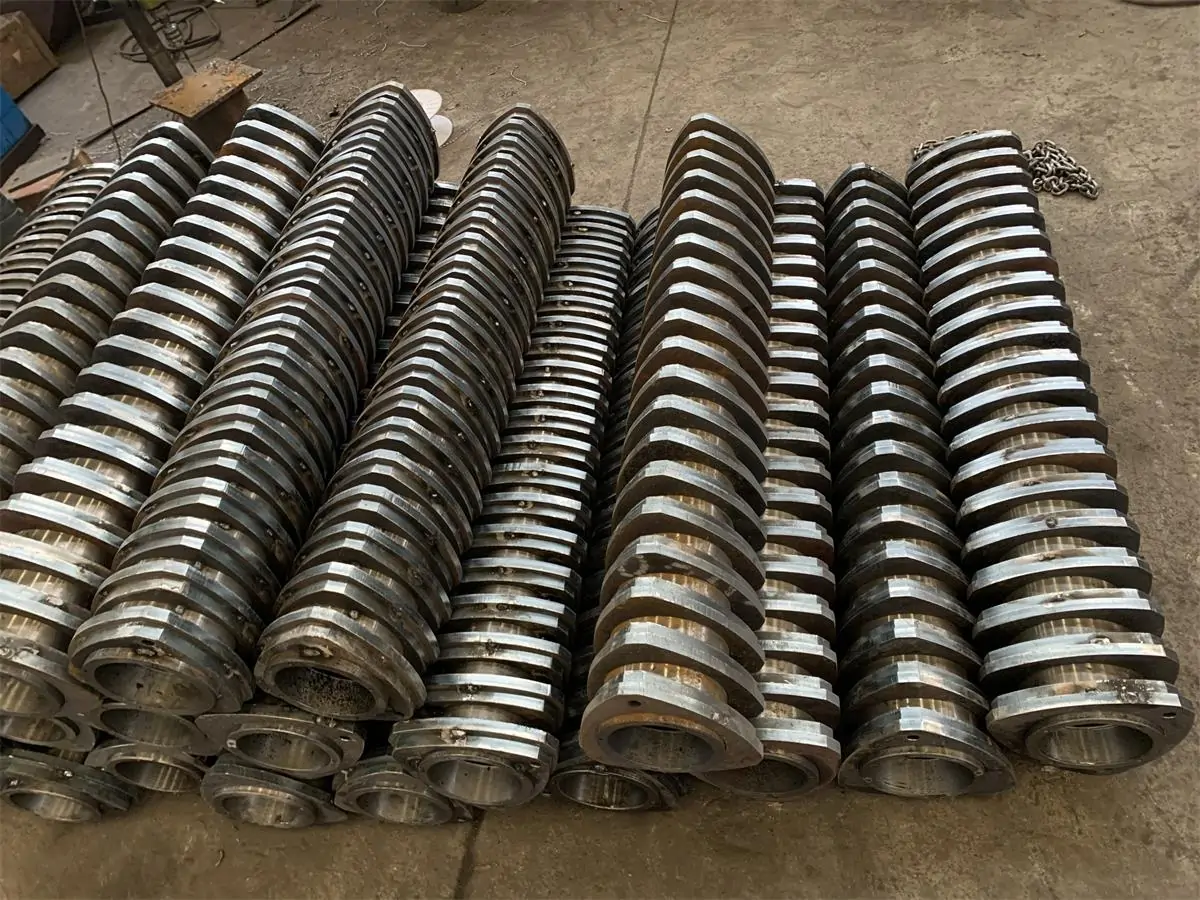
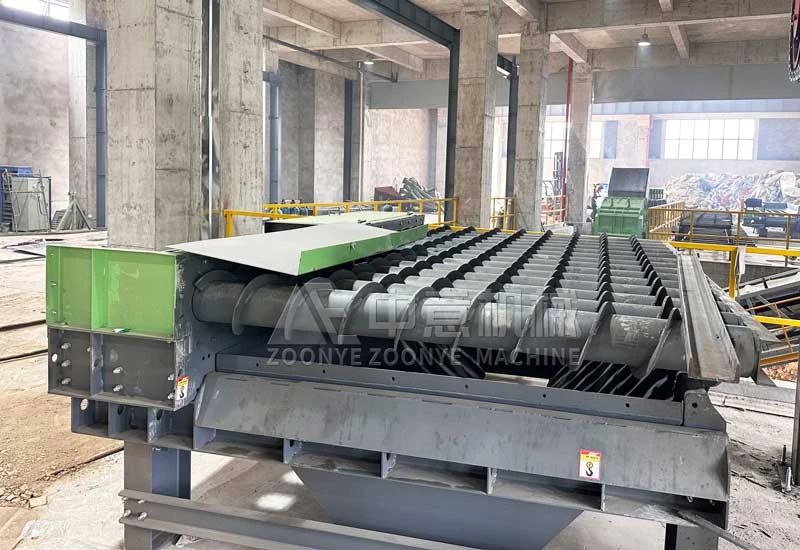

Working Principle
A Disc Screen separates mixed waste materials through multiple parallel rotating discs that form the screening surface. Driven by a motor, the disc rollers rotate continuously, allowing smaller particles to fall through the gaps between discs, while larger and lightweight materials are conveyed toward the discharge end for further processing.
The screening performance depends on the disc arrangement, gap size, rotation speed, and material characteristics. During operation, the continuous movement of the discs helps prevent material wrapping and blockage, making disc screens suitable for the pre-treatment of MSW sorting plants where efficient separation of mixed waste is required.
Advantages
Disc screens offer high throughput and strong adaptability in MSW sorting systems, especially when processing waste with high contents of plastic bags, films, and lightweight materials. The rotating disc structure provides excellent anti-wrapping performance, reducing material blockage and improving the stability of continuous operation.
Compared with traditional screening equipment, disc screens require less maintenance in demanding waste conditions. The self-cleaning action of the rotating discs helps remove attached materials, while adjustable disc spacing and rotation speed allow flexible control of screening accuracy for different waste compositions and recycling requirements. They are particularly suitable for the pre-treatment stage of large-scale waste sorting plants where stable feeding and efficient separation are required.
Limitations
While disc screens are highly effective for MSW pre-screening, they are not designed to replace the entire sorting process. They mainly perform size-based separation and are typically integrated with magnetic separators, air separators, and optical sorters to achieve higher material recovery. In addition, extremely wet or highly entangled waste may still affect screening efficiency, and applications requiring very fine particle classification are generally better suited to other specialized screening equipment.
Typical Applications
Disc screens are mainly used in the pre-screening stage of MSW sorting plants to classify mixed waste by particle size and improve the efficiency of downstream recycling processes. They can separate fine inert materials, such as soil and small debris, from larger recyclable or combustible materials, providing more suitable feed material for further sorting.
Main applications include:
- MSW Pre-Screening – separating mixed municipal waste before sorting, air separation, magnetic separation, or optical sorting.
- Waste Transfer Stations – improving waste handling efficiency through initial size classification.
- Recycling Plants – preparing materials for further recovery and processing.
- Packaging Waste Sorting – handling lightweight materials such as plastics and paper with reduced wrapping issues.
- Commercial Waste Treatment – screening mixed commercial waste streams for resource recovery and fuel preparation.
Trommel Screen vs Disc Screen: Main Differences
Although both trommel screens and disc screens are used for size-based separation in MSW sorting plants, they differ significantly in screening principle, material handling capability, and application stage. Choosing the right equipment depends not only on particle size requirements but also on waste composition, plant capacity, and downstream processing objectives.
Different Screening Principles and Structures
The primary difference between a trommel screen and a disc screen lies in their screening mechanism. A trommel screen separates materials inside a rotating drum using screen apertures, making it suitable for continuous size classification. A disc screen, by contrast, relies on parallel rotating discs with fixed gaps to separate materials, allowing fine particles to pass through while conveying larger and lightweight waste forward. This structure provides better resistance to material wrapping, making disc screens particularly effective for waste streams with high levels of plastic bags and films.
Different Performance in MSW Processing
Trommel screens are designed for accurate size separation of organic fines, soil, and other small particles, making them suitable for applications where consistent particle classification is required. Disc screens focus on high-capacity pre-screening and are particularly effective at handling bulky, lightweight materials such as plastic bags, films, and cardboard, where their rotating disc design helps minimize material wrapping and maintain stable operation.
Different Roles in the Waste Sorting Process
In modern MSW sorting plants, trommel screens and disc screens are often integrated into the same processing line to perform different screening tasks. Disc screens are generally used for pre-screening to remove oversized and lightweight materials, while trommel screens provide accurate size classification for downstream separation processes. Combining both technologies can improve overall sorting efficiency and provide more consistent feed material for magnetic separation, air separation, optical sorting, and RDF production.
Trommel Screen vs Disc Screen: Which Is Better for MSW Sorting Plant?
There is no single screening solution that is suitable for every MSW sorting plant. The choice between a trommel screen and a disc screen should be based on the characteristics of the waste stream, processing capacity, and the requirements of the downstream sorting process. Understanding the strengths of each technology helps determine which equipment is more suitable for a specific application.
Choose a Trommel Screen When You Need
A trommel screen is better suited for applications that require stable particle size classification and efficient separation of organic fines. It performs well when processing mixed municipal waste with a high proportion of organic material and is commonly used where downstream processes require more uniform particle sizes.
Typical applications include:
- High organic content municipal waste
- Accurate particle size classification
- Composting facilities
- RDF production lines
- Continuous separation of mixed waste into multiple size fractions
Choose a Disc Screen When You Need
A disc screen is more suitable for processing mixed waste containing large amounts of plastic bags, films, cardboard, and other lightweight materials. Its rotating disc structure minimizes material wrapping and supports stable operation under high-throughput conditions, making it an effective choice for the pre-screening stage of MSW sorting plants.
Typical applications include:
- Plastic-rich municipal waste
- Waste streams with lightweight packaging materials
- High-capacity pre-screening
- Projects where reducing material wrapping is a priority
- Commercial and packaging waste recycling
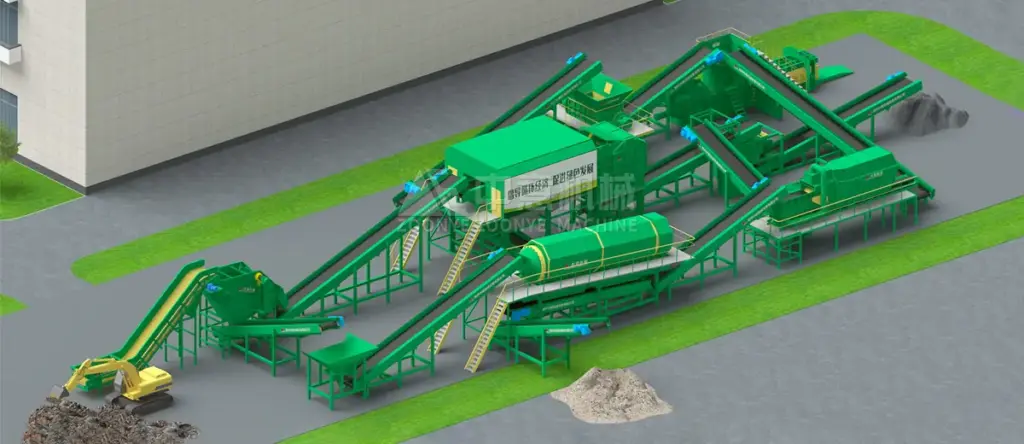
Can Trommel Screen and Disc Screen Be Used Together in One MSW Sorting Plant?
Yes. Based on our engineering experience with MSW sorting projects, large-scale waste treatment plants often integrate both trommel screens and disc screens into the same production line. Rather than replacing one another, the two machines perform different screening functions at different stages, allowing the system to achieve higher sorting efficiency and more stable downstream operation. The optimal equipment configuration depends on the characteristics of the waste stream, plant capacity, and the required recovery targets.
In most process layouts, a disc screen is used for pre-screening to remove oversized and lightweight materials before further processing, while a trommel screen provides primary or secondary size classification for mixed waste. The screened materials then enter downstream systems such as magnetic separation, air separation, eddy current separation, and AI optical sorting, helping improve material recovery while reducing the processing load on subsequent equipment.
Related Waste Sorting Equipment

Bag Opener
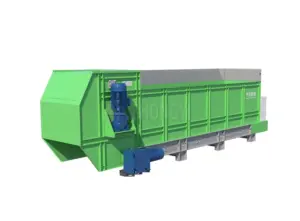
Designed to open waste bags before screening, improving material dispersion and increasing the efficiency of downstream sorting equipment.

Magnetic Separator
Removes ferrous metals from waste streams to improve resource recovery and material purity.

Eddy Current Separator
Separates non-ferrous metals such as aluminum from mixed waste materials for recycling applications.

AI Optical Sorting System
Uses intelligent recognition technology to identify and sort target materials with higher accuracy in advanced recycling plants.
How to Select the Right Screening Equipment for MSW Sorting Plant?
Based on our experience in designing MSW sorting plants, selecting the right screening equipment should begin with the overall process requirements rather than the machine itself. Factors such as waste composition, processing capacity, operating costs, and integration with downstream equipment all influence the final equipment configuration. Considering these requirements early in the design stage helps improve plant efficiency and reduces long-term operating costs.
Conclusion
There is no single answer to whether a trommel screen or a disc screen is better for an MSW sorting plant. The right choice depends on the characteristics of the waste stream, the required processing capacity, the target recovery products, and the overall process design. Trommel screens are generally preferred for accurate size classification and the separation of organic fines, while disc screens are better suited for high-throughput pre-screening and waste streams containing large amounts of plastic bags, films, and other lightweight materials.
Based on our experience, the most effective screening solution is one that matches the specific requirements of the project rather than relying on a single technology. Whether using a trommel screen, a disc screen, or a combination of both, selecting the right equipment can improve material recovery, reduce operating costs, and support more efficient long-term plant operation. If you’re planning a new MSW sorting plant or upgrading an existing facility, contact our engineering team to discuss your waste characteristics and processing requirements—we’ll help you identify the most suitable screening solution for your project.


Andy Yu
Technical Engineer | Zhongyi ECO
16+
Years Exp.
300+
Solutions
50+
Countries
16 years’ experience in environmental and solid waste management, specializing in C&D recycling and waste sorting solutions. At Zhongyi Mining Machinery, focused on improving global clients’ efficiency through technical expertise and tailored configurations.
FAQ
The main difference is the screening mechanism and the type of waste each machine handles most effectively. A trommel screen separates materials using a rotating drum with screen openings, making it suitable for particle size classification and organic fine separation. A disc screen uses rotating discs with fixed gaps to process bulky and lightweight materials efficiently while reducing material wrapping during continuous operation.
There is no universal answer because the best solution depends on the waste composition and processing objectives. Trommel screens are commonly selected for separating organic fines and achieving consistent size classification, while disc screens are better suited for plastic-rich waste streams that require high-capacity pre-screening and reduced material wrapping.
Yes. Many modern MSW sorting plants use both technologies as complementary equipment rather than alternatives. Disc screens are typically installed for pre-screening oversized and lightweight materials, while trommel screens perform primary or secondary size classification before downstream processes such as magnetic separation, air separation, optical sorting, or RDF production.
The screening aperture should be selected according to the waste composition and the target size required for downstream processing. A properly designed aperture improves separation efficiency, reduces unnecessary recirculation, and provides more consistent feed material for magnetic separators, optical sorters, and other recovery equipment throughout the production line.
The required capacity depends on the plant’s design throughput, operating hours, and expected future expansion. Selecting equipment with sufficient capacity helps maintain stable operation during peak waste volumes while avoiding oversized equipment that increases investment, energy consumption, and maintenance costs.
Operating costs are influenced by wear part lifespan, maintenance frequency, energy consumption, equipment downtime, and the characteristics of the processed waste. Evaluating the total cost of ownership instead of only the purchase price helps identify equipment that delivers better long-term value and more reliable plant performance.
Both machines are designed for continuous industrial operation but have different maintenance characteristics. Trommel screens feature a simple mechanical structure with routine screen inspection and replacement, while disc screens require less cleaning when processing plastic-rich waste because their rotating disc design helps minimize wrapping and material buildup.
Yes. Screening equipment is typically installed as part of a complete MSW sorting system together with bag openers, magnetic separators, eddy current separators, air separators, and AI optical sorters. Proper system integration improves material flow, increases resource recovery, and enhances the overall efficiency and stability of the sorting plant.