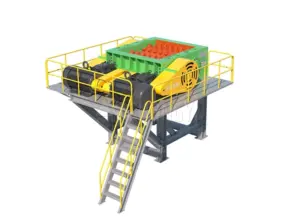
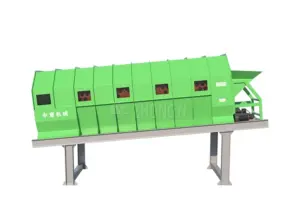
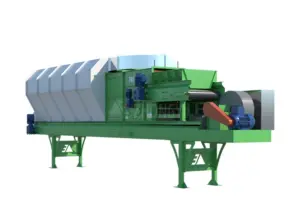


What is a Light Material Sink-Float Separator?
A Light Material Sink Float Separator for waste recycling is a sorting machine used to separate low-density materials such as film, paper, plastics, textiles and foam from mixed waste streams. It is widely used in MSW, C&D waste, bulky waste and RDF processing lines to remove light fractions, improve material separation and prepare waste for downstream recycling and recovery.
Xinzhongyi ECO supplies FS Series Light Material Sink Float Separator equipment for different waste recycling applications, from standalone machines to complete sorting line integration. Based on waste composition, capacity and plant layout, we provide equipment selection, process design, system matching and engineering support for new projects and line upgrades.
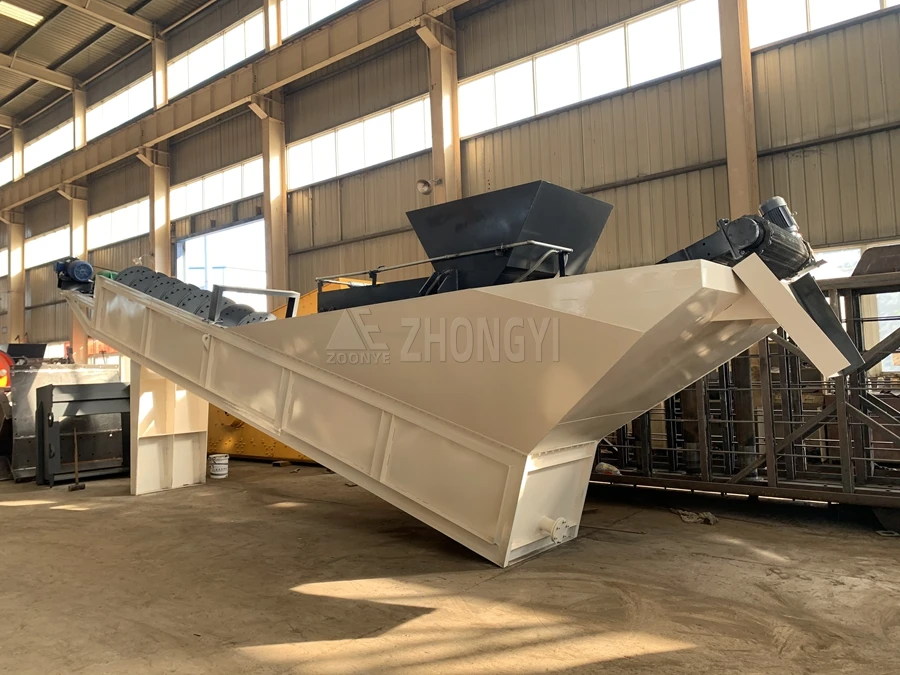
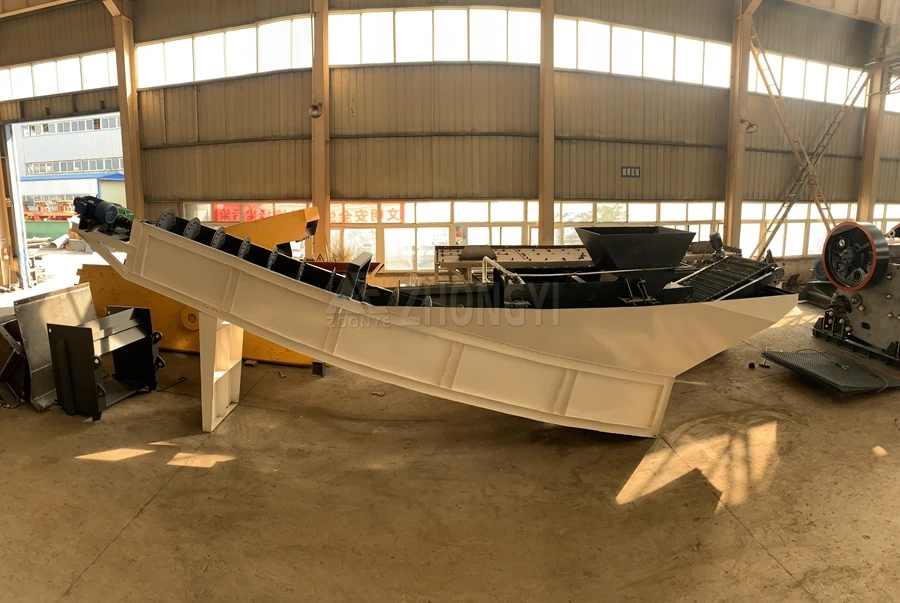
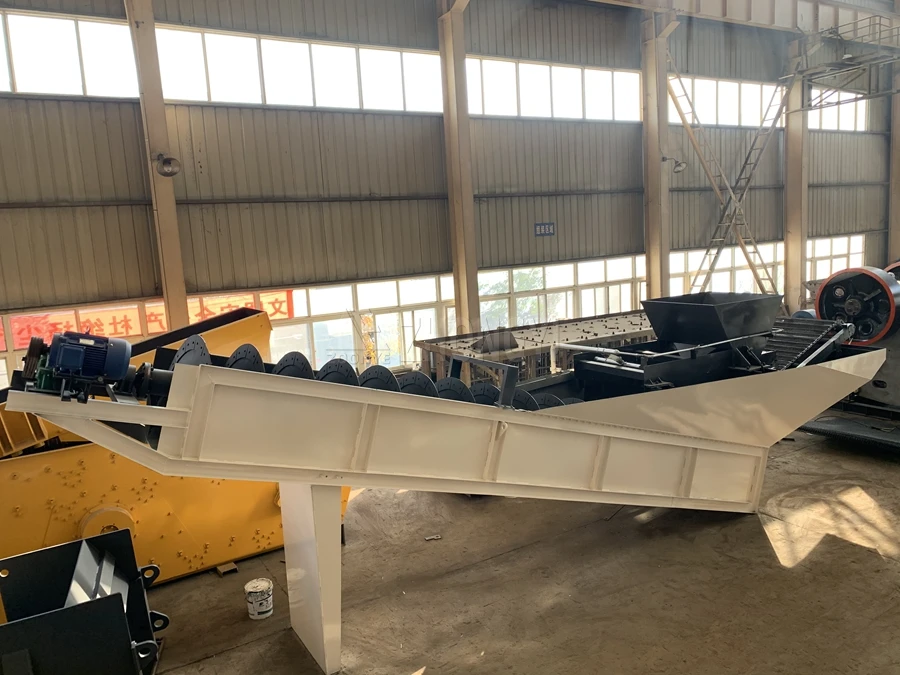
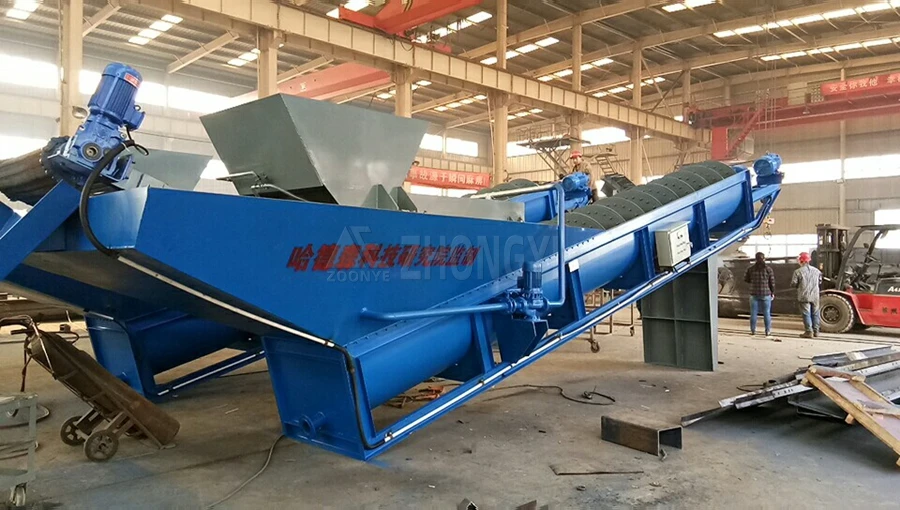
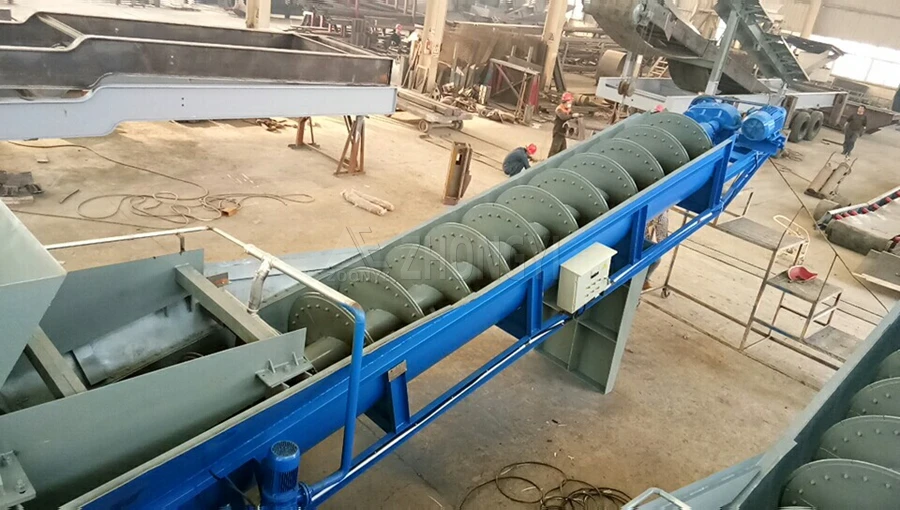
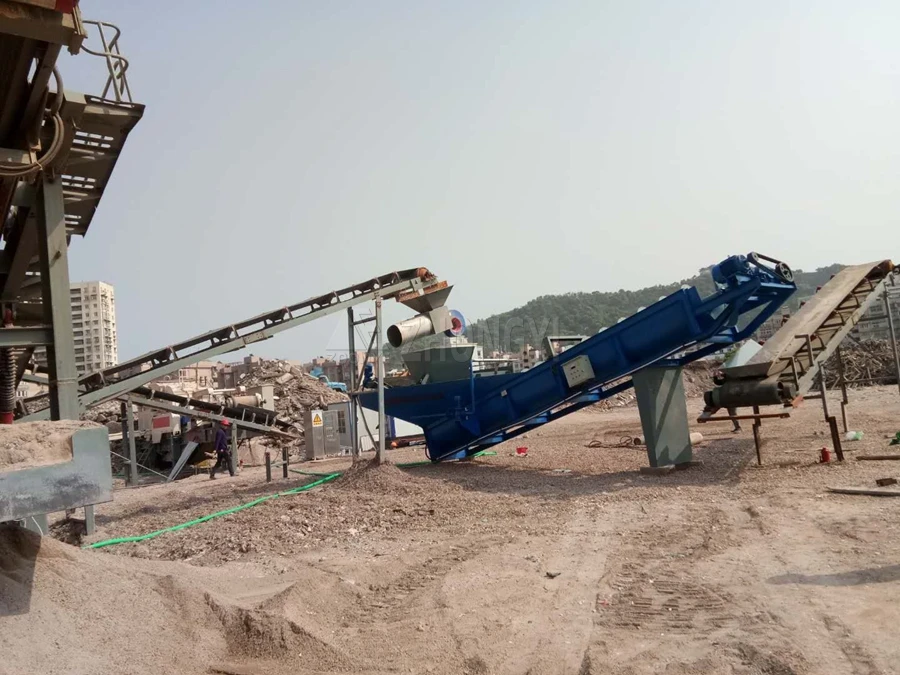
Applicable Materials
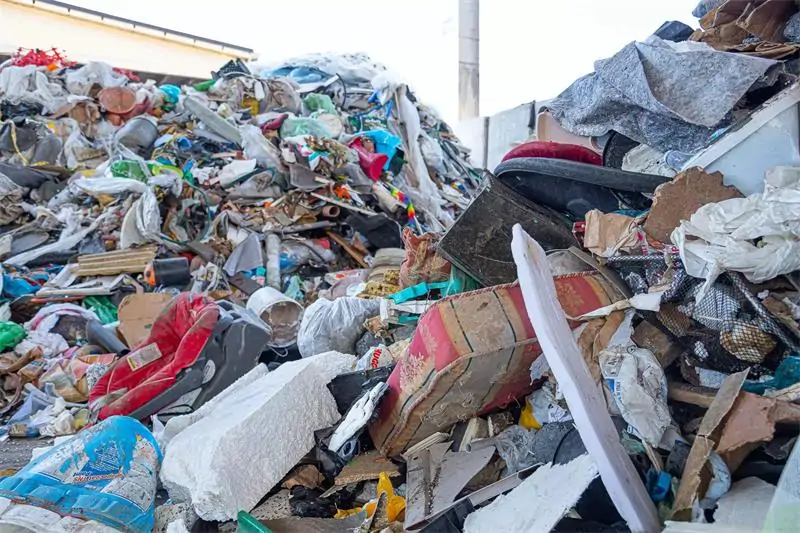
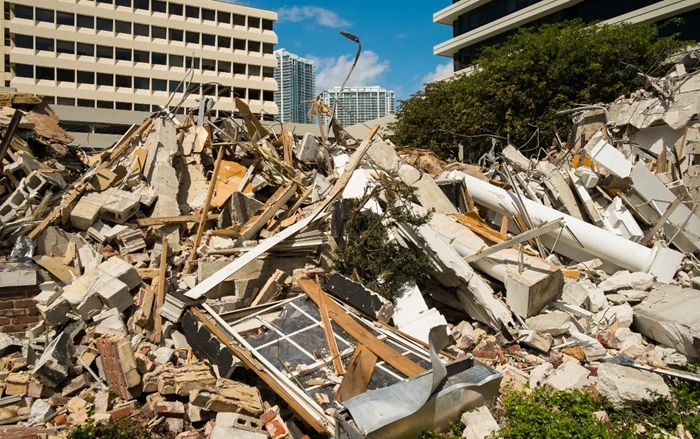
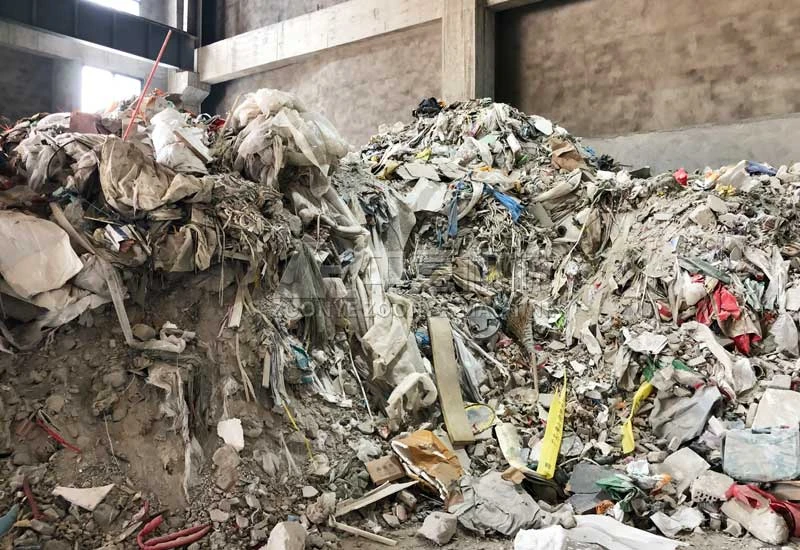
The Light Material Sink Float Separator is suitable for mixed waste containing film, paper, textiles, foam, wood chips and light plastics, as well as heavy fractions such as stones, glass and metals. It is typically used for pre-shredded material in the 30–200 mm size range. After separation, light and heavy fractions are discharged separately for further recycling or treatment.
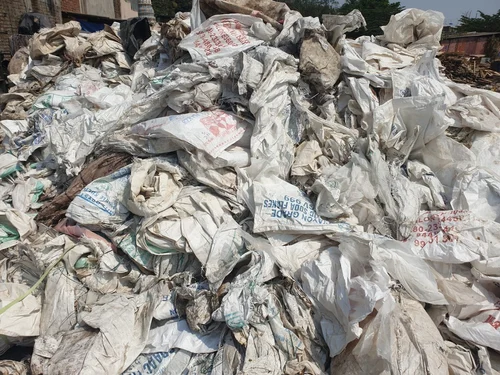

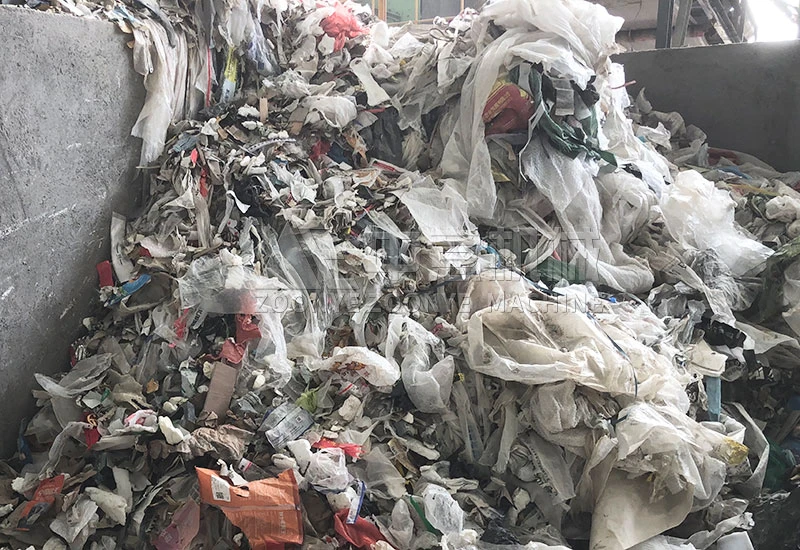
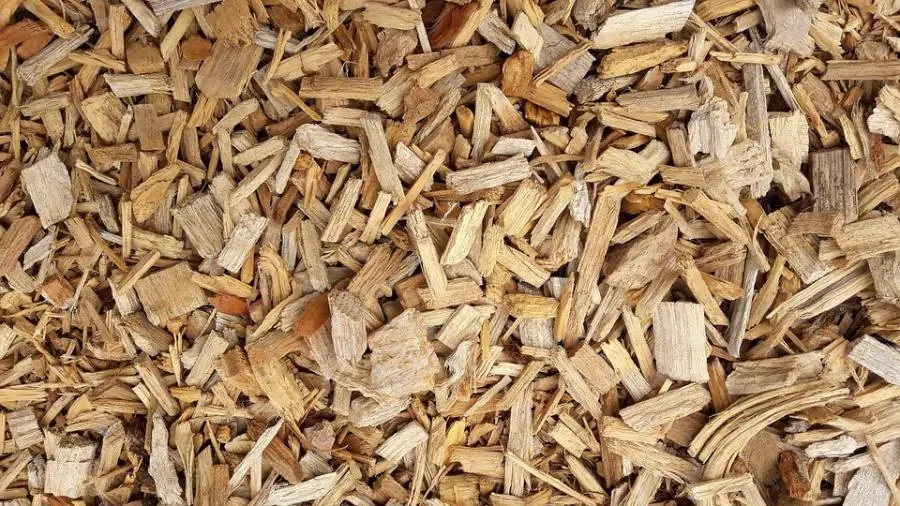

Working Principle
The FS Series Light Material Sink Float Separator separates mixed waste into light and heavy fractions by combining material spreading, controlled airflow and the physical differences of the feed. It is typically used after shredding and screening to improve downstream sorting efficiency.
Separation Principle:
The separator works by using differences in density, weight, shape and airflow response. Film, paper, foam and light plastics are carried to the light fraction outlet, while stones, glass, metals and other heavy materials move to the heavy fraction discharge.
Material Flow Through the Separator:
Mixed waste enters the feeding section and is spread evenly before reaching the separation chamber. Under controlled airflow, light fractions are lifted or carried to one outlet, while heavy fractions continue along a separate path for discharge and further processing.
Parts
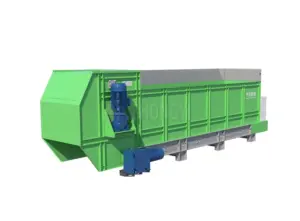
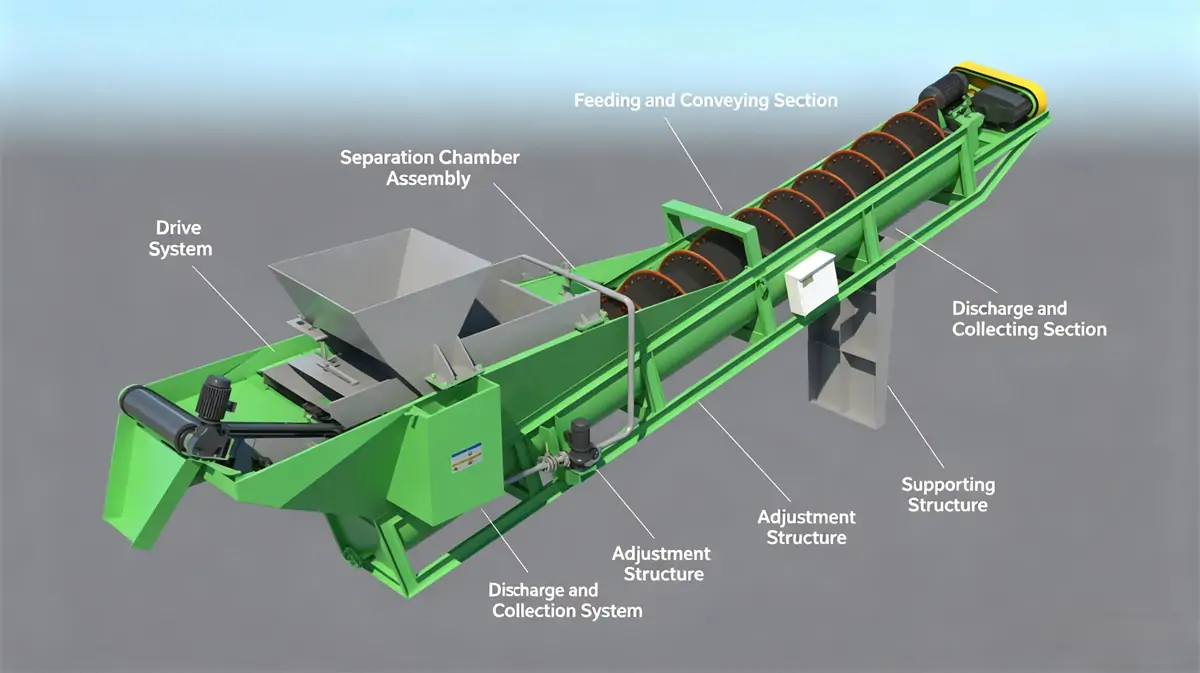
Light material separation equipment mainly consists of a drive system, separation chamber, feeding section, adjustment structure, discharge and dust collection system, and supporting frame. These components work together to feed material evenly, generate stable airflow, control the separation path and discharge light and heavy fractions efficiently in waste recycling applications.
- Drive System
Includes a variable-frequency fan and motor to provide adjustable airflow for stable light-heavy separation in light material separation equipment. - Separation Chamber Assembly
Includes the sorting chamber, settling section and material distribution parts, forming the core working area of the light material separation equipment. - Feeding and Conveying Section
Includes the hopper, spreading structure and conveyor to feed and distribute waste evenly into the light material separation equipment. - Adjustment Structure
Includes adjustable guide plates and sliding components to optimize airflow direction and separation settings for different waste materials. - Discharge and Collection System
Includes the light fraction outlet, heavy fraction outlet and cyclone dust collector for separated material discharge and dust recovery. - Supporting Structure
Includes the frame, bearing seats, main shaft and rotor to support stable and continuous operation of the light material separation equipment.
Specifications
The FS Series Light Material Sink Float Separator is available in FS80 and FS150 models. The main parameters include feed size, water consumption, power and capacity. Detailed specifications are listed below for reference.
| Model | Feed Size (mm) | Water Consumption (m³/h) | Power (kW) | Capacity (m³/h) |
|---|---|---|---|---|
| FS80 | 8–50 | 6–30 | 18.7 | 40–80 |
| FS150 | 8–50 | 11–80 | 23.4 | 80–150 |
Advantages
The Advantages of FS Series Light Material Sink Float Separator lie in stable light and heavy fraction separation in mixed waste streams. Installed after shredding and screening, it improves material consistency, enhances RDF fraction quality, reduces downstream sorting load and adapts to MSW, C&D and RDF recycling lines with flexible process integration.
Applications
The Light Material Sink Float Separator is widely used in waste recycling plants to separate light and heavy fractions in mixed waste streams. It plays a key role in MSW, C&D waste, bulky waste and RDF processing lines by improving material stability, reducing impurities and supporting efficient downstream sorting and resource recovery.
MSW Light Fraction Control:
Used in MSW sorting lines to remove film, paper and plastics from mixed waste, improving material stability and reducing heavy contamination in recyclables.
C&D Waste Impurity Separation:
Separates light impurities such as wood, plastic and packaging from heavy aggregates, improving recycled sand and stone quality in construction waste processing.
Bulky Waste Post-Shredding Sorting:
After shredding bulky waste, it divides light combustible materials from heavy residues, supporting stable downstream RDF and recycling operations.
RDF / SRF Fuel Quality Improvement:
Reduces heavy inert materials like stones and glass in combustible fractions, improving fuel consistency and combustion performance in RDF production.
Industrial & Commercial Waste Conditioning:
Used to separate mixed packaging, textiles and light waste from heavy residues, helping condition industrial waste for further recycling or disposal.
Pre-Sorting for Automated Recycling Lines:
Installed before manual, optical or magnetic sorting systems to stabilize incoming waste streams and improve overall efficiency of recycling plants.
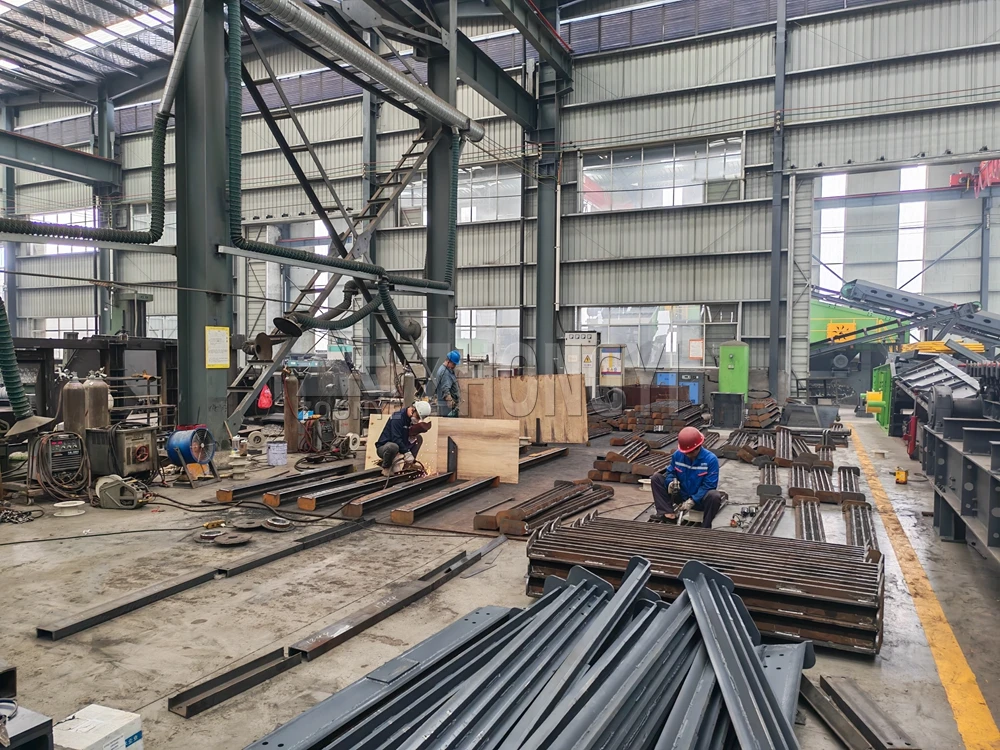
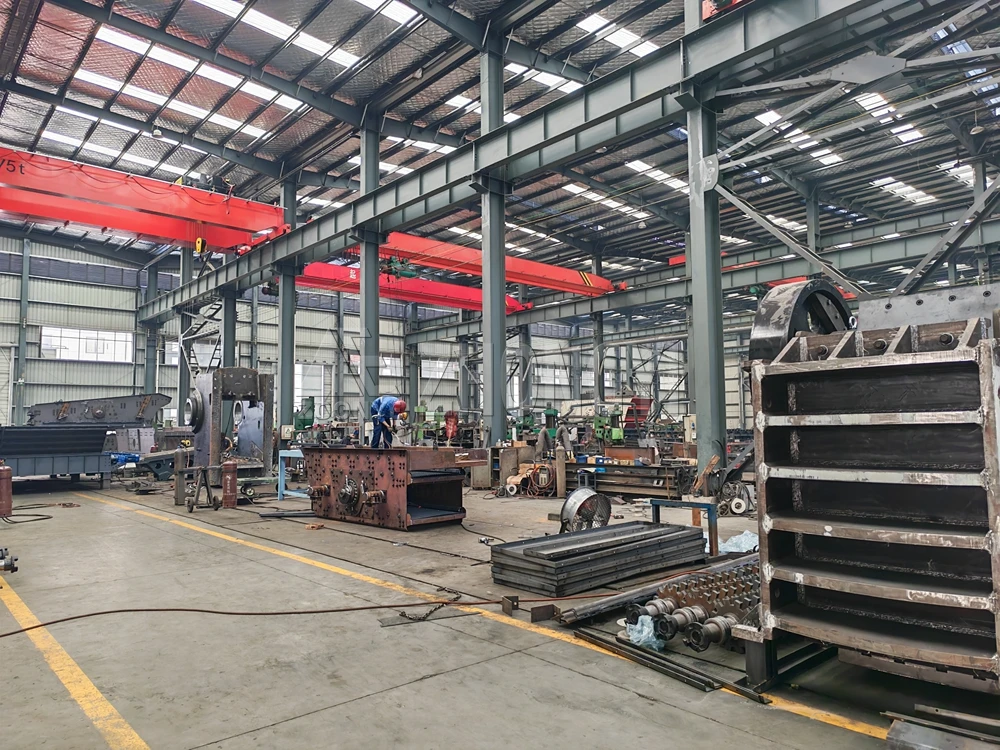
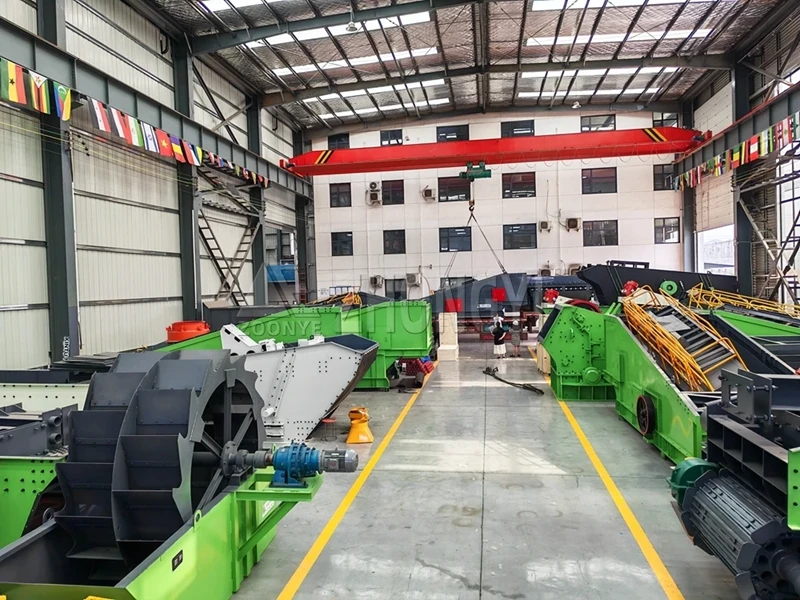
Project Site
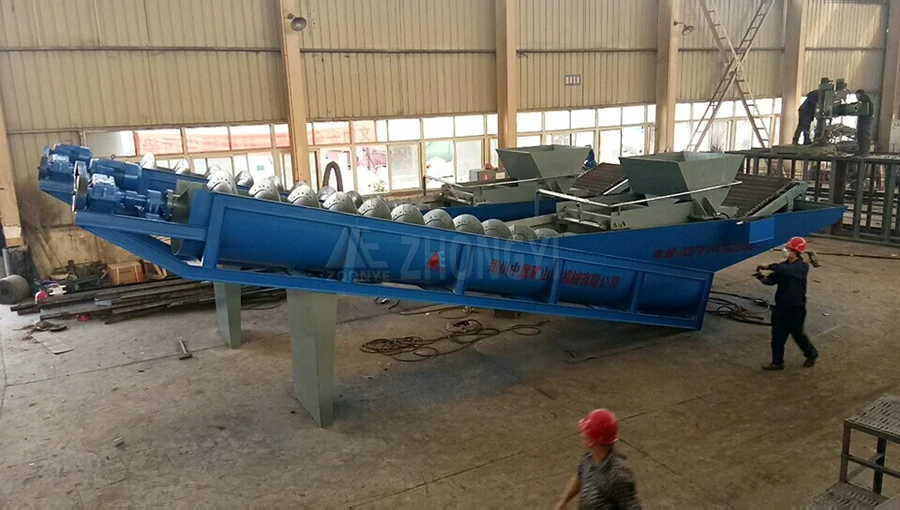
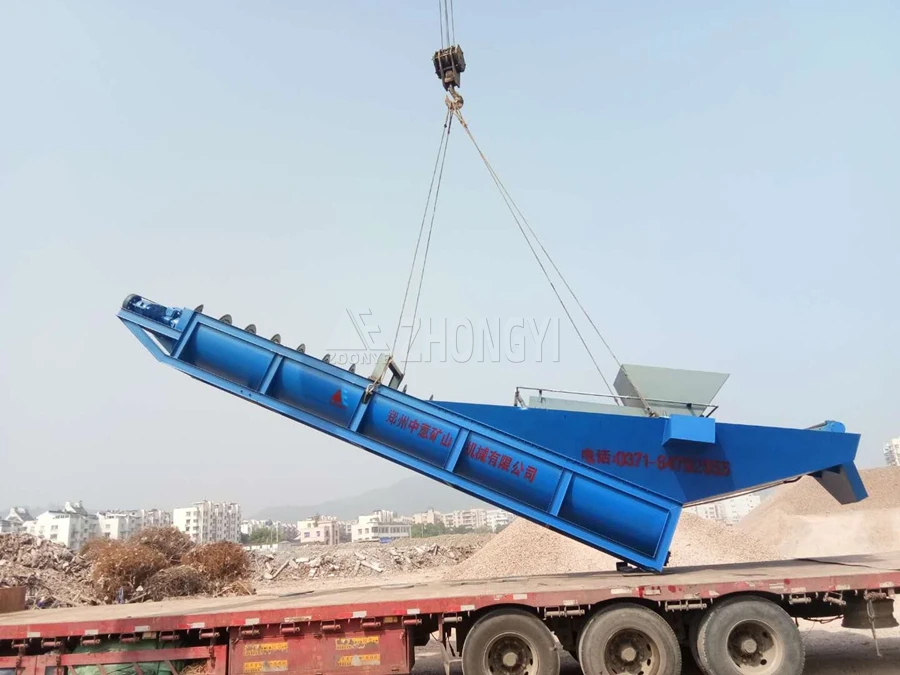
Custom light material separation equipment Solutions
Xinzhongyi ECO provides customized Light Material Sink Float Separator solutions based on different waste composition, processing capacity and plant layout requirements. We design suitable configurations for MSW, C&D waste, bulky waste and RDF production lines to ensure stable separation performance in real project conditions.
For full system integration, you can also explore our waste sorting production line solutions, where the separator is combined with shredding, screening, magnetic separation and RDF preparation systems to form a complete recycling process.
Our engineering team supports process design, equipment selection and layout optimization according to your project needs. If you already have a planned line or existing plant, we can also provide upgrade and retrofit solutions.
Please send us your material conditions, capacity requirements and site layout. Contact Xinzhongyi ECO to get a tailored technical solution and full project proposal.
Information required for customization:
- Material type and composition
- Processing capacity (t/h or m³/h)
- Moisture content and waste characteristics
- Required separation size range
- Site layout and installation space
- Level of automation required
- Integration with existing equipment (if any)
Why Choose us?
We are a manufacturer of waste recycling equipment and complete recycling plants. In addition to Light Material Sink-Float Separators, we supply integrated solutions for MSW, C&D waste, and RDF production lines.
Our engineers evaluate material characteristics, throughput requirements, and site conditions before recommending equipment configurations. From process design and equipment manufacturing to installation support and commissioning, all key stages are coordinated by our team. Customers receive a complete recycling solution rather than a single machine, helping reduce integration costs and project management workload.
Send us your material information and processing requirements. Our engineers will provide equipment recommendations, process flow diagrams, and a customized quotation for your project.
Light Material Sink-Float Separator Manufacturer & Supplier
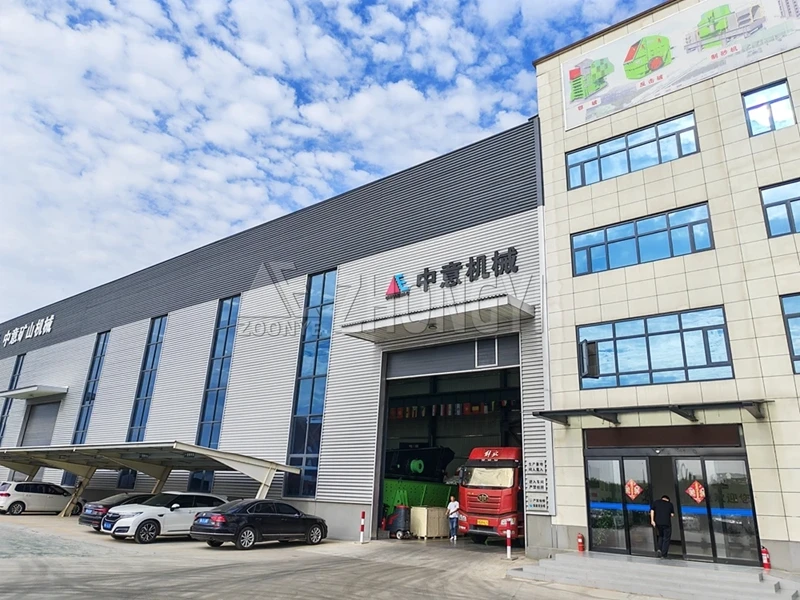
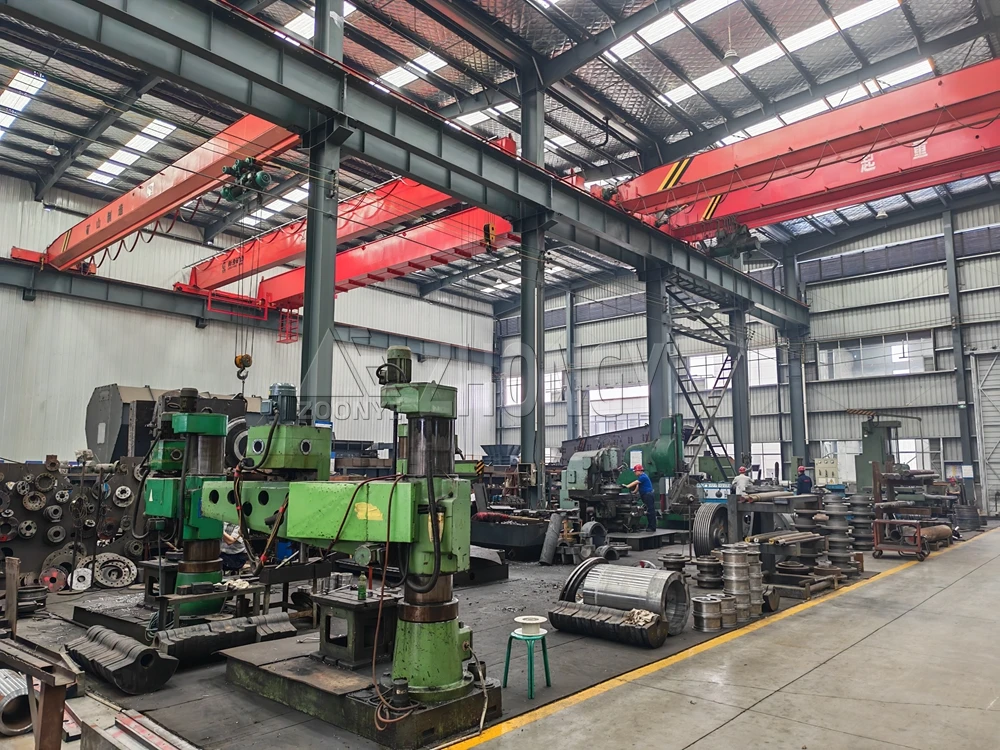
Xinzhongyi is a manufacturer and system supplier focused on waste recycling equipment and complete plant solutions. With over 16 years of project experience, we provide equipment design, manufacturing and integration for MSW, C&D waste and RDF processing systems. Our work is based on real engineering projects, not standard equipment supply.
We support clients with full process solutions, including plant layout, equipment configuration and system matching. From single machine supply to complete production line delivery, we ensure each project is built according to actual material conditions and site requirements, helping operators maintain stable performance and practical operation results.
FAQ
It is used to separate light materials such as film, paper, and plastics from heavy fractions like stones, glass, and metals in mixed waste recycling lines.
It is commonly used in MSW, construction and demolition waste, bulky waste, and RDF/SRF processing lines.
Typical feed size is 8–50 mm, usually after shredding and screening to ensure stable separation performance.
The system uses controlled airflow and material density differences to separate light and heavy fractions in a separation chamber.
Yes, it can be integrated with shredders, screening systems, conveyors and sorting equipment in both new and retrofit projects.
It reduces manual sorting load, improves RDF quality, and stabilizes downstream sorting by removing light and heavy impurities at an early stage.