

Equipment
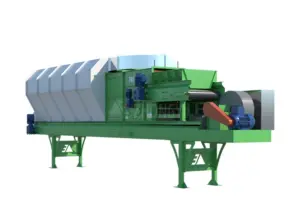
AI Waste Sorting System

- Sorting Purity: ≥ 99.5%
- Production Capacity: 1–30 t/h
- Power Consumption: 1.5–7.5 kW

- Magnetic Roller Width: 600–2000 mm
- Processing Capacity: 1–20 T/H

- Processing Capacity: 10-280m³/h
Feed Particle Size: 500–2000 mm
What Is AI Waste Sorting Equipment?
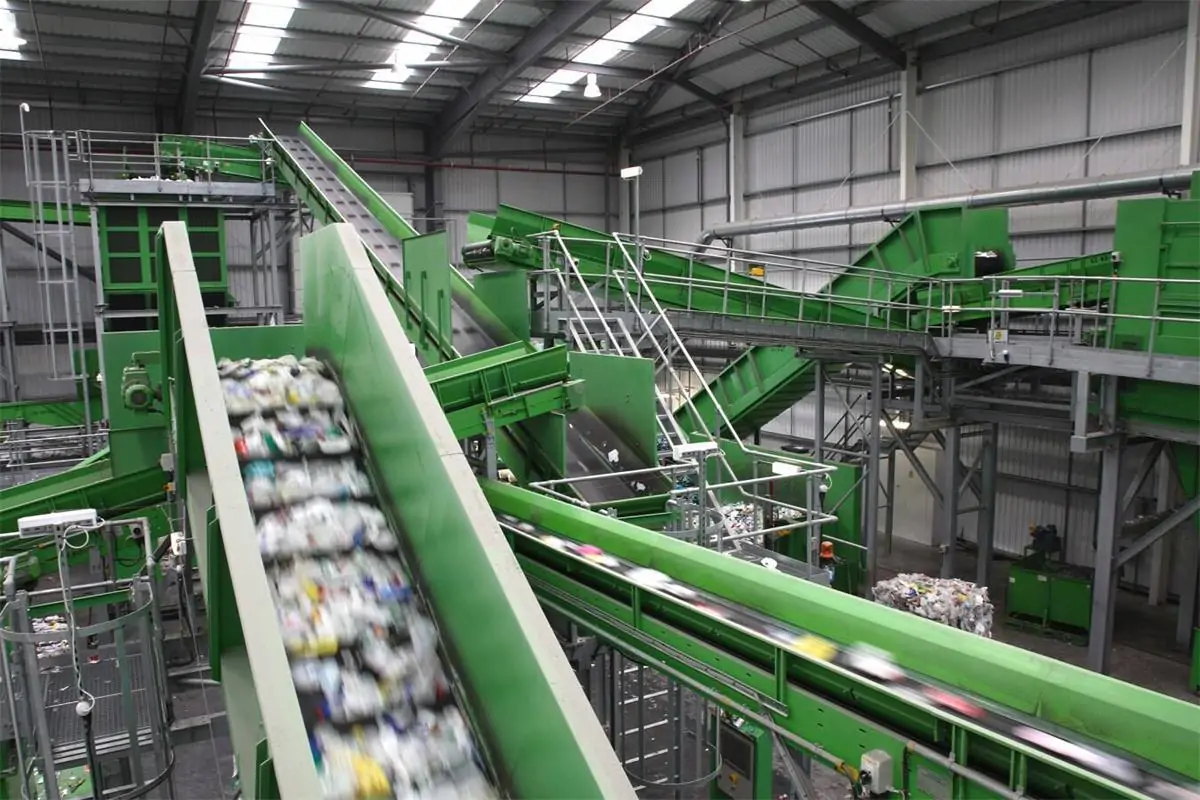
AI Waste Sorting Equipment uses AI recognition, machine vision, sensors, and IoT technologies to automatically identify, classify, and separate different waste materials. It helps replace or support manual sorting processes in municipal solid waste, recyclables, and resource recovery facilities.
Compared with traditional manual sorting, AI systems provide higher accuracy, faster processing speeds, and lower labor requirements. They improve material recovery rates and output purity, making waste treatment operations more efficient, cost-effective, and scalable.If you would like to learn more about the core advantages of the High Precision AI Waste Sorting Machine, please click on the article.
How Does AI Waste Sorting Equipment Work?
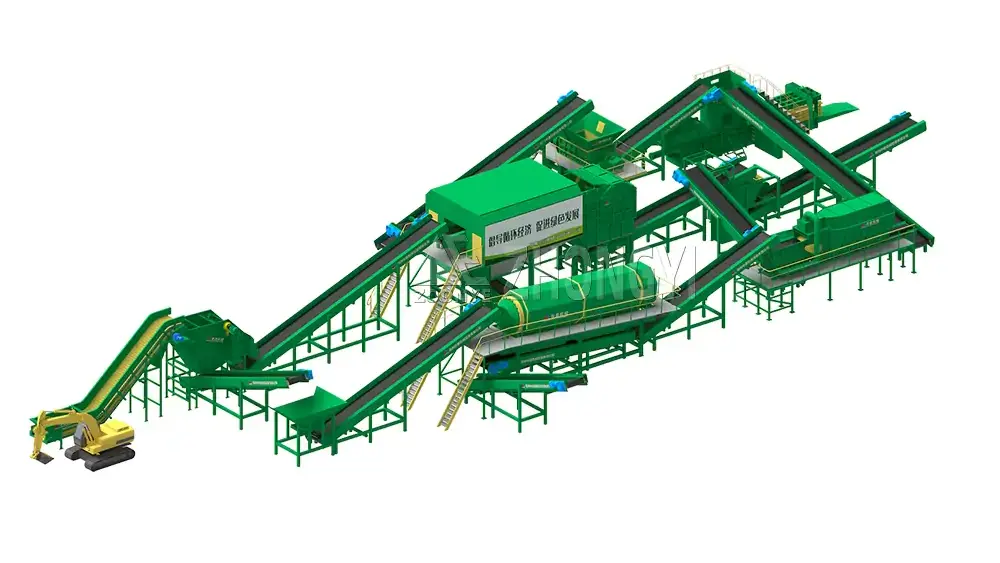
AI Waste Sorting Equipment combines intelligent recognition and automated sorting technologies to identify and separate different waste materials quickly and accurately throughout the recycling process.
Application:
Xinzhongyi ECO provides advanced AI waste sorting developments solutions for municipal solid waste, recyclables, commercial waste, and mixed solid waste. Leveraging our extensive experience in environmental protection and recycling projects, we design and deliver customized sorting systems by integrating artificial intelligence recognition, optical sorting, robotic sorting, and automated control technologies, tailored to the composition of the waste, plant capacity, and operational requirements.
Why Does the Recycling Industry Need AI Waste Sorting Equipment?
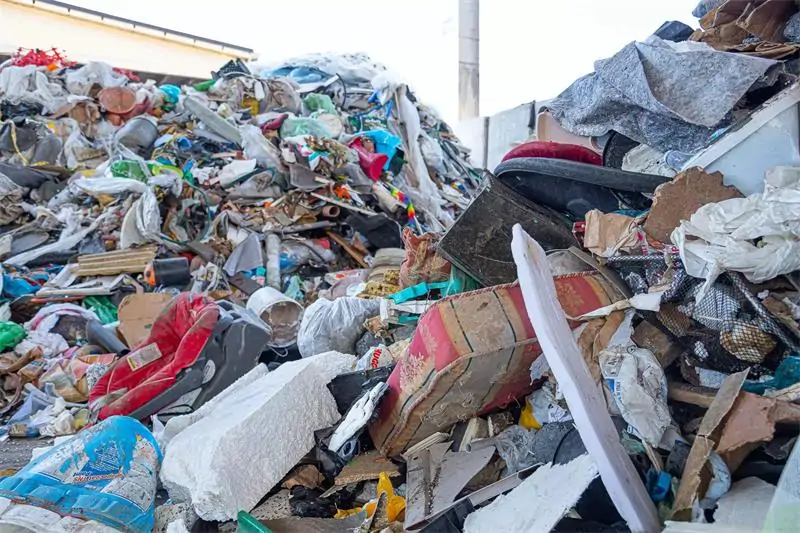
As global waste volumes grow, recycling facilities must improve efficiency, cut costs, and meet environmental standards. AI waste sorting equipment automates recovery, enhances material purity, and maximizes resource value.
Types of AI Waste Sorting Equipment
Different recyclable materials require different separation technologies. Modern AI recycling systems usually combine multiple sorting machines to achieve higher recovery rates, better purity, and stable processing performance. Henan Xinzhongyi Eco Equipment Co., Ltd. provides advanced solutions and customized AI waste sorting systems to meet diverse recycling needs.

Eddy Current Separator Machine
Eddy current separators separate non-ferrous metals like aluminum, copper, and brass using induced currents. They enable fast processing, recover high-value metals, reduce landfill waste, and enhance recycling efficiency in mixed material streams.
Eddy Current Separator Machine Machine
| Model | Magnetic Roller Speed (r/min) | Main Shaft Motor Power (kW) | Belt Motor Power (kW) | Vibration Motor Power (kW) | Capacity (t/h) |
|---|---|---|---|---|---|
| WX500 | 3000–4200 | 5.5 | 0.75 | 0.1 | 3–5 |
| WX650 | 3000–4200 | 5.5 | 0.75 | 0.1 | 5–7 |
| WXBo0 | 3000–4200 | 5.5 | 0.75 | 0.2 | 7–10 |
| WX1000 | 3000–4200 | 5.5 | 0.75 | 0.2 | 8–13 |
| WX1200 | 3000–4200 | 5.5 | 1.5 | 0.2×2 | 10–15 |
| WX1400 | 3000–4200 | 7.5 | 1.5 | 0.2×2 | 12–18 |
| WX1500 | 3000–4200 | 7.5 | 0.75 | 0.25×2 | 13–20 |
| WX1600 | 3000–4200 | 7.5 | 1.5 | 0.2×2 | 15–20 |
| WX1800 | 3000–4200 | 7.5 | 1.5 | 0.37×2 | 15–25 |
| WX2000 | 3000–4200 | 7.5 | 1.5 | 0.37×2 | 18–28 |
Overband Magnetic Separator
A double shaft bag opener uses two shafts to open bagged waste more aggressively. It is usually chosen for higher throughput, more complex waste streams, or tougher materials.
This type is common in larger MSW sorting plants and heavy duty waste treatment lines. Compared with a single shaft model, it handles bulky and difficult waste better and is more suitable for continuous heavy load operation.

Overband Magnetic Separator Machine
| Model | Power (kW) | Processing Capacity (t/h) |
| PDJ1000 | 18.5 | 8-20 |
| PDJ1200 | 18.5 | 10-25 |
| PDJ1400 | 18.5 | 15-30 |
| PDJ1600 | 18.5 | 20-35 |

AI waste sorting machine
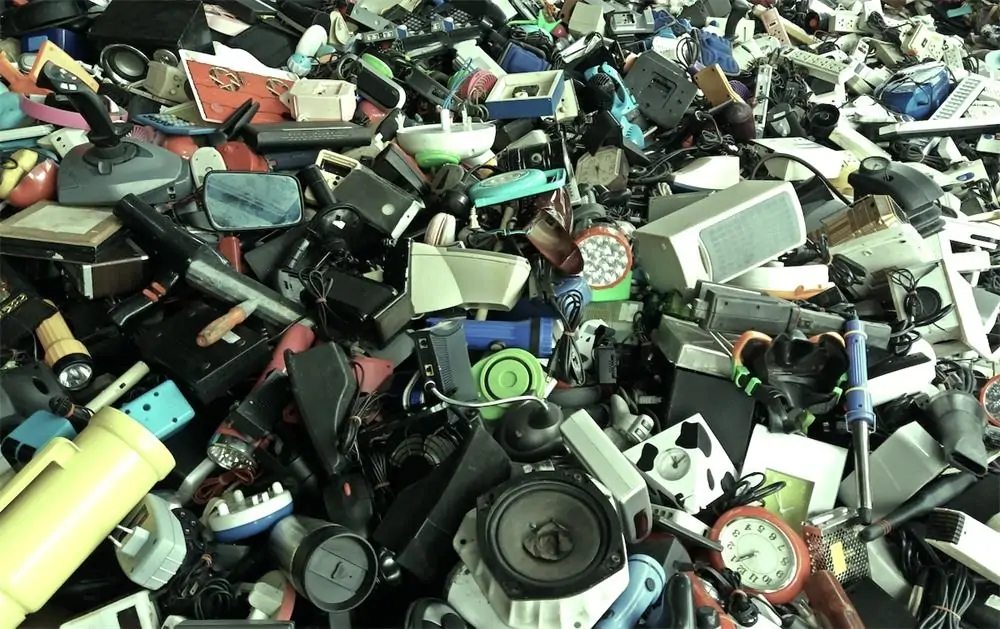
Spectral sorting machines use visible light and hyperspectral imaging to identify subtle differences in plastics, RDF/SRF fuel, and e-waste. They offer real-time classification, adaptive learning, and precise separation for high-quality material recovery.
AI waste sorting machine Machine
| Model | Power (kW) | Processing Capacity (t/h) |
| PDJ1000 | 18.5 | 8-20 |
| PDJ1200 | 18.5 | 10-25 |
| PDJ1400 | 18.5 | 15-30 |
| PDJ1600 | 18.5 | 20-35 |
Optical Sorting Machine for Recycling
Optical sorting machines use cameras, NIR sensors, and AI algorithms to detect materials by color, shape, and spectral features. They quickly sort PET, HDPE, PP, paper, cartons, and mixed recyclables, providing high-speed, accurate, and flexible material separation.
Optical Sorting Machine for Recycling Machine
| Model | Power (kW) | Processing Capacity (t/h) |
| PDJ1000 | 18.5 | 8-20 |
| PDJ1200 | 18.5 | 10-25 |
| PDJ1400 | 18.5 | 15-30 |
| PDJ1600 | 18.5 | 20-35 |
AI Waste Sorting Equipment Buying Guide
Choosing the right AI waste sorting equipment depends on application scenarios such as front-end smart collection or back-end sorting plants. The key is to match waste type, capacity needs, and automation level while balancing performance, cost, and long-term operation efficiency.
First identify whether the system is for municipal waste, plastics, construction waste, or mixed materials. Different waste types require different AI recognition and separation technologies.
Select equipment based on required throughput per hour. High-volume facilities need continuous, high-speed sorting lines, while smaller plants may use compact systems.
Define target material quality for recycling or resale. Higher purity requires more advanced AI recognition and multi-stage separation systems.
Choose between semi-automatic or fully automated systems. Fully automated lines reduce labor dependency and improve long-term operational stability.
Evaluate plant layout, space limitations, and future expansion plans. System design should ensure smooth material flow and easy maintenance access.
If you’re not sure which waste bag opener machine fits your project, contact Zhongyi Machinery. We can recommend a suitable solution based on your waste type, required capacity, and overall processing line.
How AI Helps Build a Sustainable Future for the Recycling Industry ?
Artificial intelligence is transforming waste management, enabling fully digital, low-carbon, and intelligent sorting systems from front-end collection to back-end processing. This shift improves efficiency, reduces environmental impact, and supports a circular economy.
Applications
AI waste sorting technology is widely applied across the entire waste management chain, including source collection, transportation, and final treatment. It helps improve sorting efficiency, increase recycling rates, and support the transformation from manual sorting to intelligent, large-scale waste processing systems.

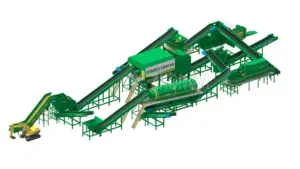
Complete AI Waste Sorting Solutions
We provide customized AI waste sorting solutions for different waste treatment needs. From a single sorting machine to a fully integrated intelligent recycling system, our team can design complete production lines for municipal solid waste, construction and demolition waste, plastic recycling, biomass, RDF/SRF, and industrial waste processing.
Tell us your material type, processing capacity, and project requirements, and we will recommend the most suitable AI sorting solution for your plant. Available customization options include sorting equipment type, processing capacity, automation level, plant layout, mobile system options, discharge size, and intelligent control system.
Why Choose Us as Your Bag Opener Machine Supplier?
15+
Years Experience
Xinzhongyi ECO has 16 years of experience in intelligent waste sorting equipment. As a manufacturer and supplier, we provide complete turnkey recycling line solutions covering design, manufacturing, installation, commissioning, and technical support for municipal, industrial, and commercial waste projects.
60+
National Patents
With over 60 national patents and ISO9001 certification, Xinzhongyi ECO delivers reliable performance and stable operation. We support remote monitoring and data-based maintenance, helping customers improve efficiency, reduce costs, and achieve long-term recycling benefits.
FAQs
AI waste sorting equipment uses machine vision, sensors, and AI algorithms to automatically identify and separate different waste materials for recycling.
It can sort MSW, plastics (PET, PP, HDPE), paper, metals, glass, construction waste, and mixed recyclables.
Modern systems typically achieve 95%+ recognition accuracy, with some lines reaching up to 99% material purity.
Yes. AI sorting is designed to handle mixed and complex waste streams, including contaminated recyclables.
Systems support remote monitoring and predictive maintenance, reducing downtime and simplifying operation management.
Yes. Solutions can be customized based on waste type, capacity, plant layout, automation level, and output requirements.
Contact us
Start Your Customized Project Today!
Share your material specifications and processing goals with us. Our engineers will provide a tailored technical proposal and ROI analysis within 24 hours to help you optimize your resource recovery operations.
If you prefer, call us on
Send a message
Our Specialist Team Awaits Your Inquiry.
98%
Purity
Achieved