
Introduction
Every year, over 2 billion tons of municipal solid waste is generated globally — yet less than 14% actually gets recycled. One of the biggest reasons? Poor sorting at the source. Contamination jams equipment, lowers output quality, and drives up operating costs.
In this guide, we’ll walk you through exactly how to sort rubbish for recycling — from material identification to setting up an efficient workflow. You’ll learn the most common mistakes that ruin a recycling stream, plus how industrial equipment (trommel screens, magnetic separators, optical sorters) can boost recovery rates. Whether you run a MRF or manage a collection program, you’ll come away with practical steps you can apply today.
What Is Rubbish Sorting and Why It Matters
Rubbish sorting is the process of separating waste into categories — paper, plastic, glass, metal, organics, and hazardous — before or during processing. In the recycling chain, it sits right between collection and downstream recovery. Get it wrong at the start, and every piece of equipment downstream works harder and less efficiently.
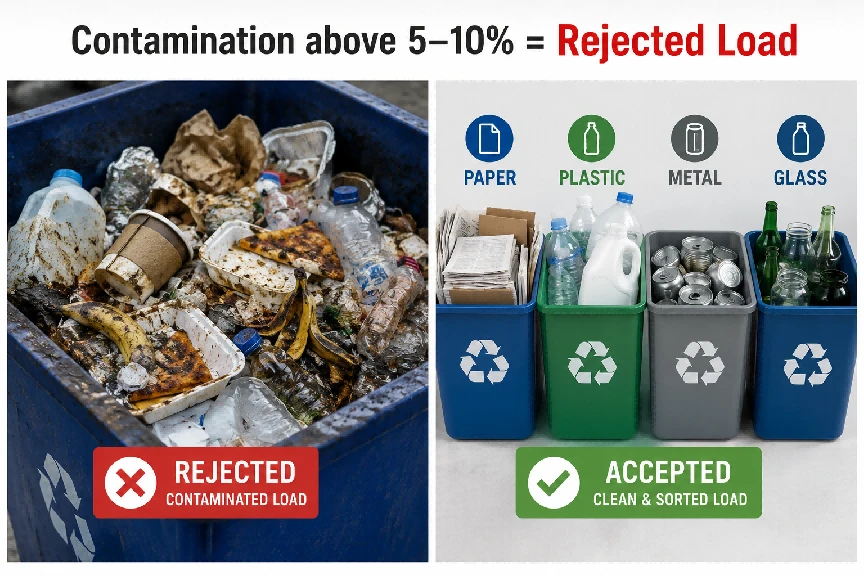
Why does this matter for your plant? Proper sorting directly drives recovery rates and bale purity. When recyclables arrive mixed with food waste, plastic bags, or non-target materials, the entire batch becomes contaminated. Industry data shows that contamination above 5–10% can lead to rejected loads or force manual re-sorting at two to three times normal cost. On the other hand, clean, well-sorted streams allow magnetic separators, eddy currents, and AI optical sorters to run at peak efficiency — often achieving recovery rates above 95% for specific fractions. For you as a plant operator, better sorting means less downtime, lower maintenance, and higher-value bales.
Step-by-Step Guide to Sorting Rubbish for Recycling
The golden rule: keep it clean, keep it dry, and separate by material type. Follow these six steps, and you’ll reduce contamination, protect your equipment, and increase bale value.
Step 1 — Remove Hazardous and Organic Waste First
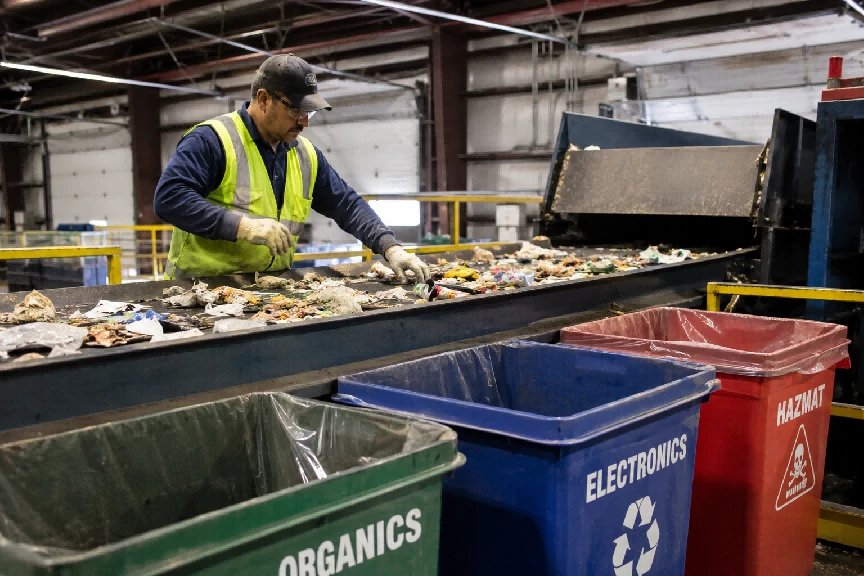
Pull out anything that can damage equipment or ruin other recyclables. Batteries, electronics, medical waste, and food scraps all belong here. Organic waste alone makes up roughly 40–50% of municipal solid waste — if it ends up in your dry stream, it smears onto paper and plastics, making them unrecyclable. Our tip: install a dedicated drop-off point for organics and hazmat at the tipping floor before anything hits the conveyor.
Step 2 — Screen by Size with a Trommel or Disc Screen
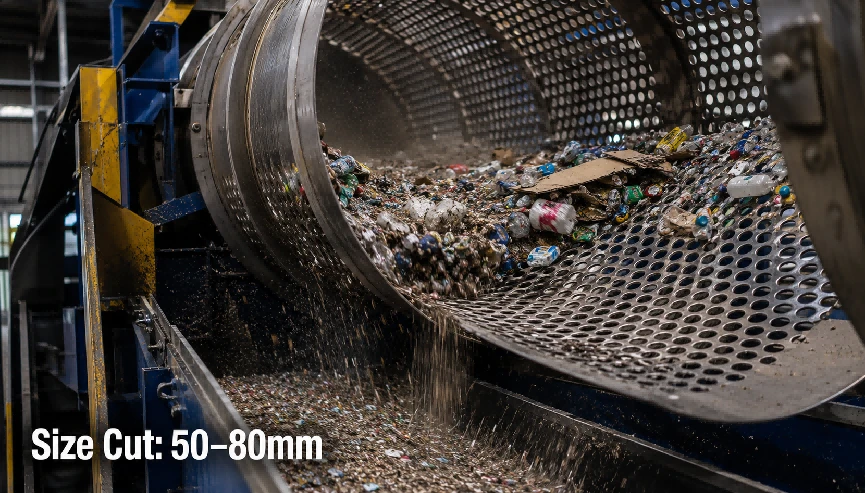
Once hazardous and organic materials are out, run the remaining stream through a trommel or disc screen. This separates fine particles (under 40mm) like broken glass and small debris from larger items — bottles, cardboard, and cans. Why does size matter? Small materials jam optical sorters and accelerate wear on balers. Most plants set a 50–80mm cut to route fines to a separate handling line.
Step 3 — Separate Ferrous Metals with a Magnetic Separator
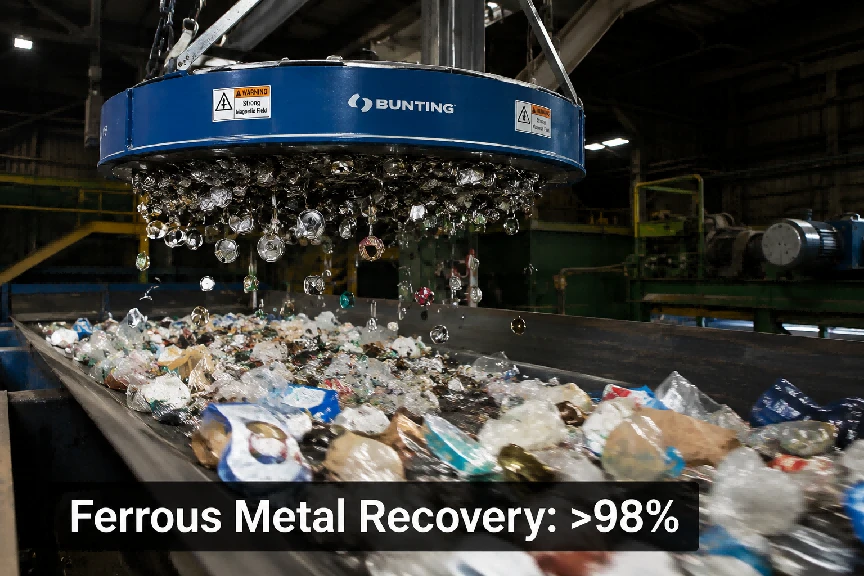
After screening, pass the material under a suspended overhead magnet. This pulls out steel cans, bottle caps, and other iron-based metals. Ferrous metals are high-value and easy to recover — a well-tuned magnetic separator can capture over 98% in a single pass. Position it right after the trommel, before materials spread too wide on the belt.
Step 4 — Extract Non-Ferrous Metals with an Eddy Current Separator
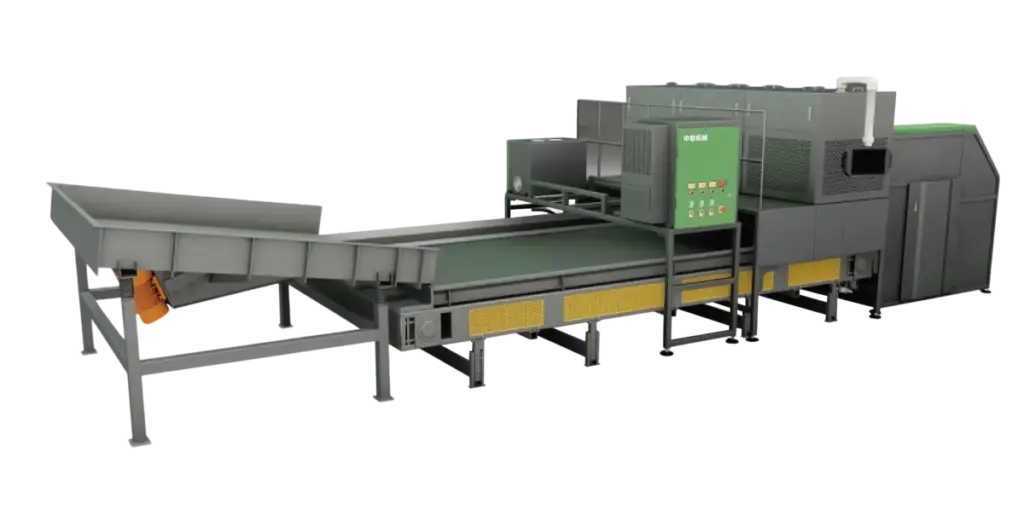
Next, run the stream over an eddy current separator. This machine uses a spinning magnetic rotor to repel non-ferrous metals — mainly aluminium cans and foil — away from the main flow. Aluminium is one of the highest-value recyclables; recover it cleanly, and you’ll see an immediate revenue lift. For best results, keep belt speed between 1.5 and 3 m/s with a thin, single-layer feed, and you can recover over 90% of aluminium.

Step 5 — Sort Plastics and Paper Using Optical Sorters
Now you’re left with plastics, paper, cardboard, and glass. Optical sorters using near-infrared (NIR) technology identify different plastic resins — PET, HDPE, PP, PVC — and separate them at high speed. The same NIR technology distinguishes paper from cardboard and rejects contaminants like shrink wrap. A modern AI-powered optical sorter can process up to 20 tonnes per hour with over 95% purity. We typically position two or three sorters in sequence: first remove plastics, then paper, then any remaining colour-sorted glass.
Step 6 — Bale Each Stream for Storage and Transport
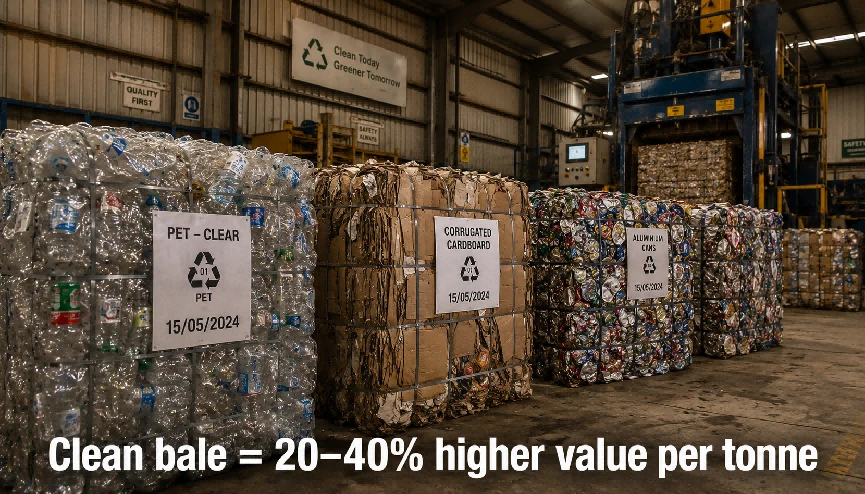
The final step is compaction. Each sorted material — PET bottles, corrugated cardboard, aluminium, etc. — goes into a dedicated baler. Baling reduces volume by up to 90%, cuts shipping costs, and protects material quality. Label each bale clearly (material type, date, estimated purity). Most mills require purity above 95% before accepting a bale — a clean, well-sorted bale can sell for 20–40% more per tonne than a contaminated one.
Common Sorting Mistakes (How to Avoid Them)
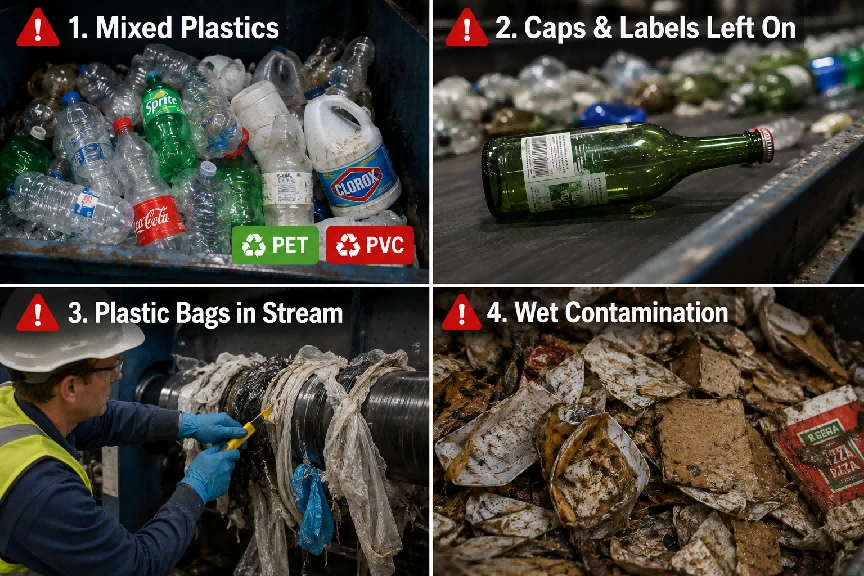
Below are the four most common ways of handling errors, along with the corresponding solutions.
① Mixing PET and HDPE with Other Plastics — Not all plastics recycle the same way. PET (code 1) and HDPE (code 2) command high market value, but PVC or polystyrene can contaminate an entire batch. Optical sorters work best when streams are pre-separated by resin type. Train your staff to spot resin codes, or let AI-powered sorters do the identification.
② Leaving Labels and Caps on Containers — Labels contain adhesives and inks that contaminate glass and plastic melts, while metal caps left on glass bottles can break crushers. The fix: add a pre-wash or air-classifier step to remove loose labels, and install a magnet after glass crushing to catch stray caps.
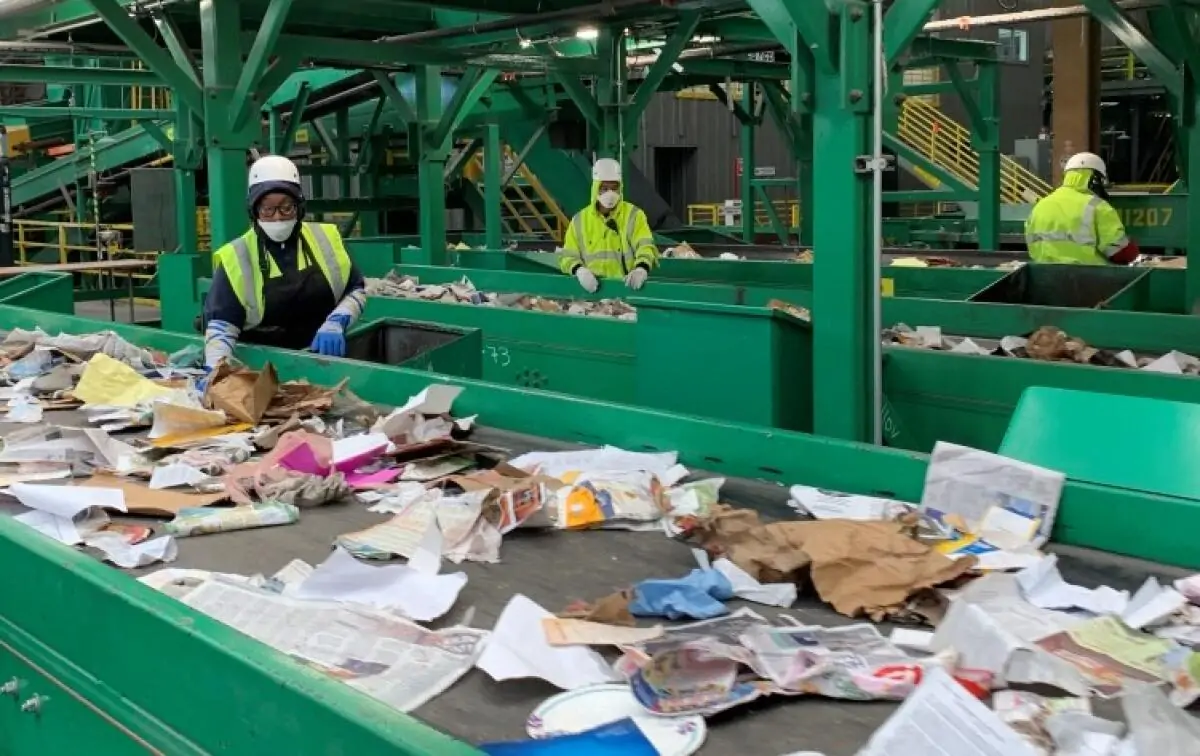
③ Throwing Plastic Bags into the Main Stream — Bags and film wrap around rotating shafts, jam optical chutes, and shut down production lines. You’ll waste hours cutting them free. Install a hand-picking station or wind-sifter early in the line to remove film before it reaches automated equipment.
④ Ignoring Wet or Sticky Contamination — Food residue, wet paper, and sticky labels cause materials to clump together, tricking optical sensors and clogging screens. The simplest fix: a pre-dry area or forced-air blower before the trommel. In wet climates, consider covering your tipping floor to keep incoming material dry.
Equipment That Makes Sorting More Efficient
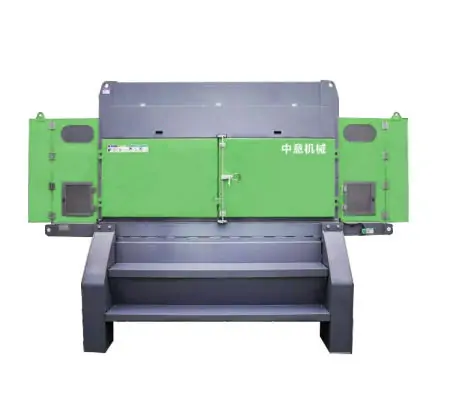
Manual sorting works for small volumes, but at industrial scale — 20, 50, or even 100 tonnes per hour — you need the right machines. Below are the five core pieces of equipment provided by Zhongyi Mining Equipment, which handle the heavy-duty sorting work:
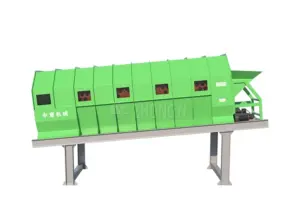
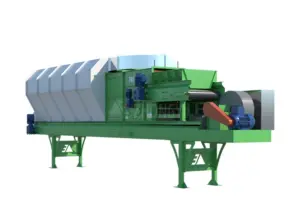
- Trommel screens separate material by size. A rotating drum with punched holes lets fines fall through while larger items move forward. Place one early in your line to protect downstream equipment from wear.
- Magnetic separators pull out ferrous metals like steel cans and caps. Suspended over the belt, they capture nearly all iron-based metals in a single pass.
- Eddy current separators handle non-ferrous metals — mainly aluminium. A fast-spinning magnetic rotor repels aluminium from the material stream. Keep the feed thin and belt speed steady for 90%+ recovery.
- Optical sorters use NIR or AI-powered cameras to identify plastics (PET, HDPE, PP) and paper grades. One unit can replace dozens of manual pickers at up to 20 t/h with 95%+ purity.
- Ballistic separators sort by shape and density — flat items (paper, film) go one way, rolling items (bottles, cans) another. An excellent pre-sort step before optical sorting.
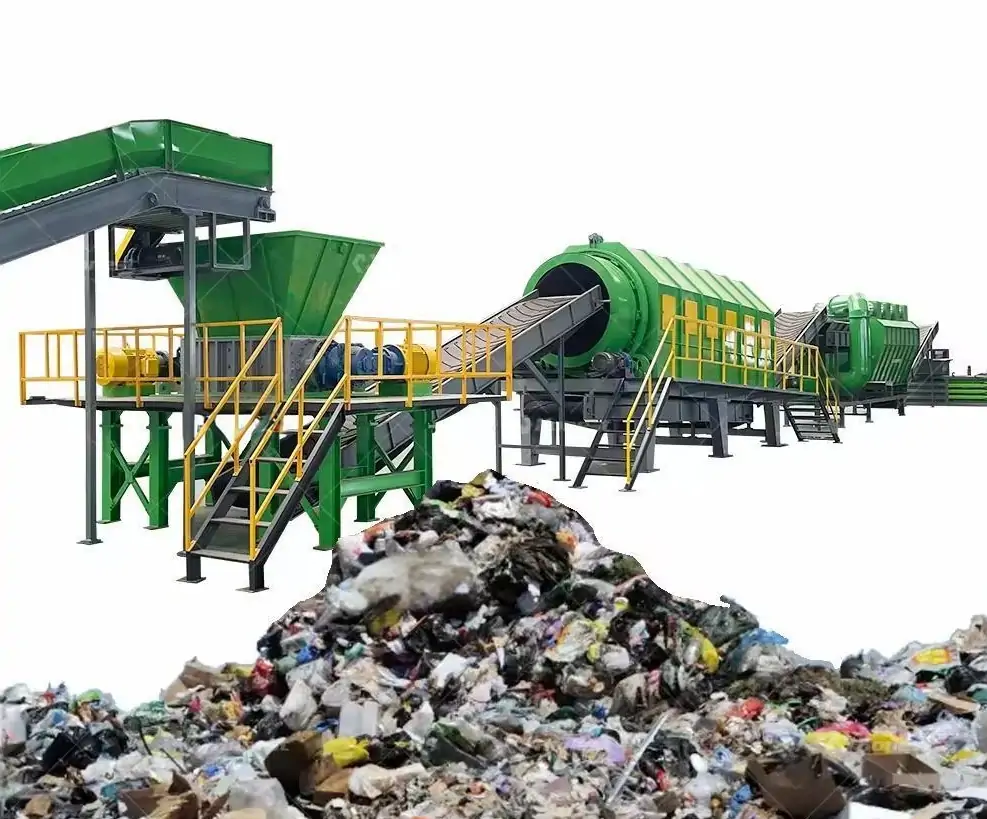
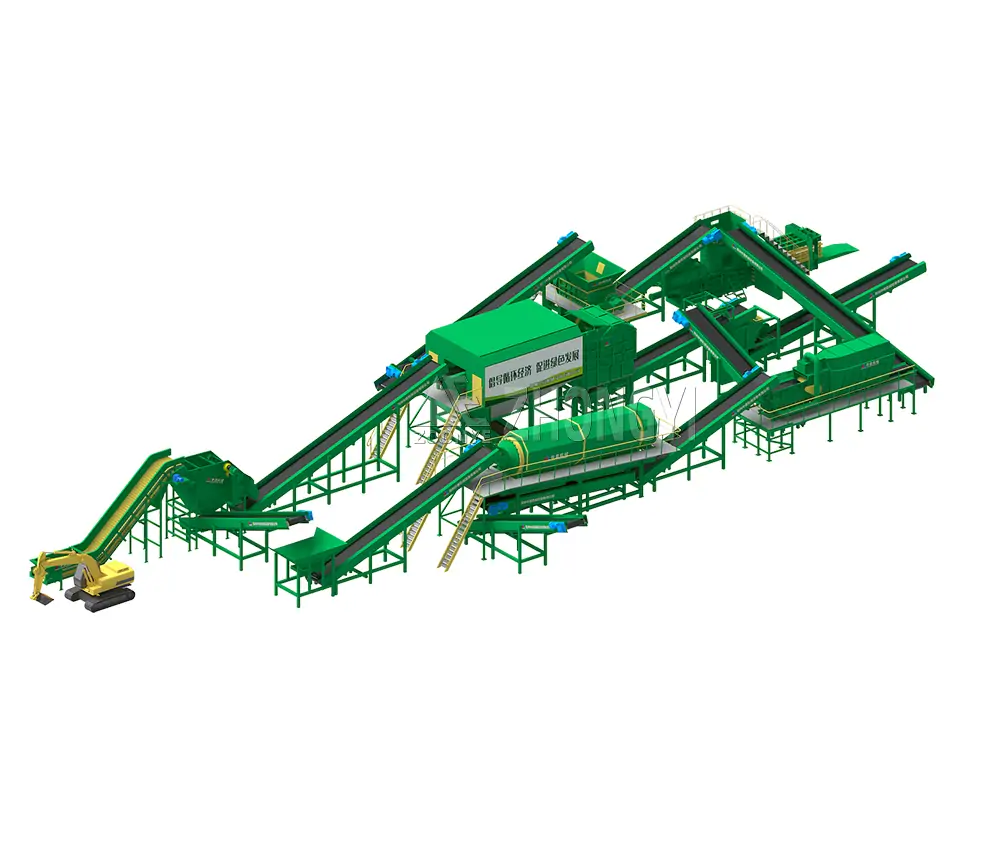
Zhongyi designs and supplies integrated sorting equipment for MRFs and recycling plants, from single machines to complete lines. Regardless of the brand, investing in these tools pays back quickly through higher bale values and lower downtime.
If you are also in need of a production line like this, please contact us today; our team of experts is on hand to provide you with a tailored solution.
How Recycling Plants Handle Sorting at Scale
Household sorting deals with kilograms per day. A single MRF processes 20 to 50 tonnes per hour — the equivalent of what a neighbourhood produces in a month, crushed into a single shift. The jump in scale changes everything.
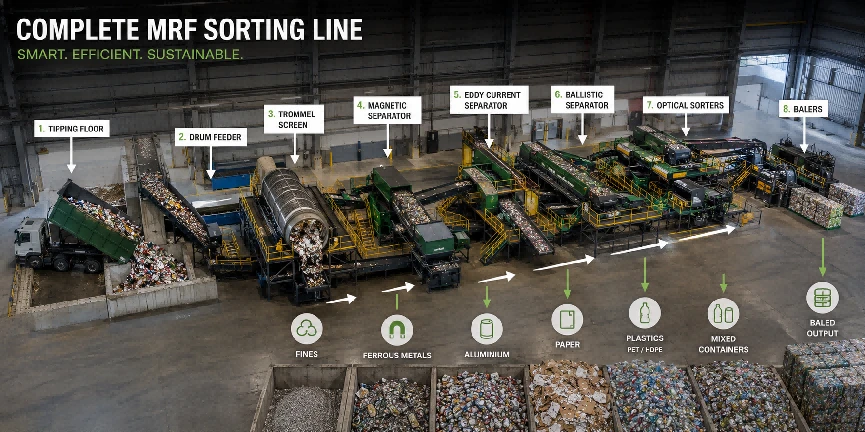
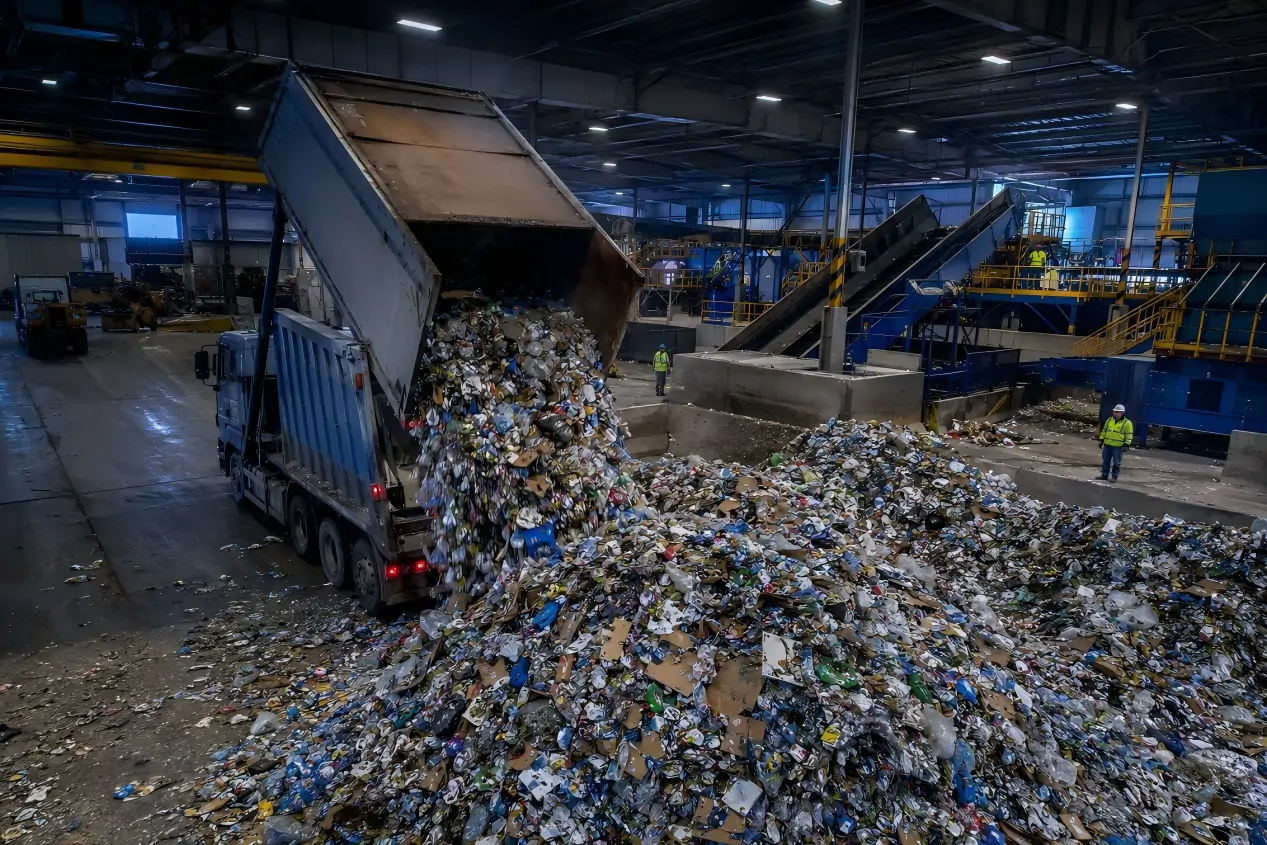
At the industrial level, speed and automation take over. Trucks dump mixed recyclables onto the tipping floor. A front-end loader feeds material into a drum feeder. From there, trommel screens size-separate the stream; magnetic and eddy current separators pull out ferrous and non-ferrous metals; ballistic separators sort flat from rolling items; and optical sorters identify plastic resins and paper grades at high speed. The result: clean, bale-ready fractions ready for mills and smelters.
The principle remains the same whether you run a small collection centre or a large-scale MRF — clean separation at the front end saves money on the back end. For plants looking to upgrade, Zhongyi provides modular sorting systems designed for throughputs from 10 to 100 tonnes per hour.
Contact us now for more case studies
Conclusion
Sorting rubbish correctly isn’t just a checklist item — it directly determines your recovery rates, bale purity, and operating costs. As we’ve covered throughout this guide, clean separation at the front end prevents contamination, protects downstream equipment, and unlocks higher material values.
Whether you run a small collection centre or a large MRF, the same principle applies: keep it clean, keep it dry, and separate by type. Apply the six steps and avoid the common mistakes we’ve outlined, and you’ll see measurable improvements in your line.
If you’re planning to upgrade your sorting line or have technical questions about equipment configuration, the team at Zhongyi is here to help. Reach out to us for a no-obligation discussion about your specific needs.


Andy Yu
Technical Engineer | Zhongyi ECO
16+
Years Exp.
300+
Solutions
50+
Countries
16 years’ experience in environmental and solid waste management, specializing in C&D recycling and waste sorting solutions. At Zhongyi Mining Machinery, focused on improving global clients’ efficiency through technical expertise and tailored configurations.
FAQ
Usually no. Most recycling processes burn off paper labels during melting or pulping. Remove plastic shrink sleeves — they don’t burn cleanly and can contaminate the stream.
No. Plastic bags wrap around optical sorter chutes and rotating shafts, causing costly downtime. Take them to the grocery store drop-off bins or use a dedicated film program.
Food residue and wish-cycling — putting non recyclables in the bin, hoping they’ll be recycled. Even 5% organic residue can downgrade an entire paper bale.
Yes. Metal caps can damage glass crushers and contaminate the cullet. Remove them and recycle separately via your magnetic separator if you process ferrous metals.
Throughput varies: small MRFs handle 10–20 tonnes per hour; medium 30–50 t/h; large automated plants with multiple optical sorters can exceed 100 t/h.
For plants processing over 5 tonnes per hour, yes. Payback is 12–24 months through higher purity, lower labour, and better bale prices. Below that, semi automated lines suffice.
Minimum: trommel or disc screen, magnetic separator, eddy current separator. To sort plastics by resin type, add NIR optical sorters. Zhongyi provides modular lines from 10 to 100 t/h.
Never put them in regular recycling. Lithium batteries spark fires; e-waste contains heavy metals. Set up a separate collection point and use a licensed hazardous waste handler.