
Introduction
Waste recycling equipment climate selection depends on more than ambient temperature. Moisture, humidity, rainfall, freezing conditions, waste composition, corrosion risk and operating environment can all affect equipment performance and maintenance requirements. The same waste recycling system may therefore require different equipment configurations when it is installed in tropical, arid, temperate or cold regions.
When selecting a waste recycling system for a new project, buyers should consider how local climate conditions affect both the equipment and the material being processed. Tropical regions may have high humidity, heavy rainfall and wetter waste, which can increase material sticking, screen blinding and corrosion risks. Arid regions may combine high temperatures, direct sunlight and airborne dust, creating additional requirements for motors, electrical components and dust control. Temperate regions can experience significant seasonal changes, while cold regions may face frozen waste, low-temperature lubrication problems and snow or ice accumulation.
This guide explains how climate conditions can affect conveyors, screening machines, crushers, wind sifters, magnetic separators, optical sorting equipment and other waste recycling machinery. It also shows how buyers can adjust equipment specifications, component protection, material handling design and maintenance requirements according to local climate and waste conditions.
Why Climate Matters When Choosing Waste Recycling Equipment?
Climate affects waste recycling equipment in several ways beyond the ambient temperature rating. Humidity, rainfall, dust, freezing conditions and seasonal temperature changes can influence waste moisture, material flow, corrosion, component performance and maintenance requirements. These factors should be considered when selecting equipment for a specific recycling project.
Climate Affects Equipment and Waste Conditions
Different climates can change both the operating environment and the condition of the incoming waste. Wet conditions may increase material adhesion and corrosion risks, while dry and dusty environments can increase component wear and dust ingress. Cold temperatures may affect lubrication and cause moisture-rich waste to freeze. These conditions can influence the performance of conveyors, screens, crushers, separators and sorting equipment.
Climate Should Be a Design Condition
The climate should be treated as a design condition rather than simply an environmental specification. Equipment selection should consider the local climate together with waste composition, moisture content, throughput, installation conditions and operating hours. This helps buyers select suitable equipment configurations and protection measures instead of applying the same standard design to every project.

What Climate Factors Should Be Evaluated Before Equipment Selection?
Climate conditions affect waste recycling equipment mainly through temperature, moisture, dust and the condition of the waste being processed. Before ordering equipment, it is useful to provide the supplier with the site’s temperature range, rainfall or humidity conditions, indoor or outdoor installation details, and the typical waste composition. These details help determine whether standard equipment is suitable or whether certain components need to be adjusted.
Ambient Temperature Range
Check the highest and lowest temperatures during actual operation, rather than using the annual average. High temperatures increase the operating load of motors, bearings, gearboxes and electrical components, particularly when equipment runs continuously outdoors. In cold areas, lubricants become more viscous, seals and belts may behave differently, and wet waste can freeze in hoppers or conveyors. Large day-to-night temperature changes should also be considered for outdoor equipment.
Humidity and Rainfall
For recycling plants in wet climates, the main concerns are usually corrosion, wet material and water entering electrical or mechanical components. High-moisture waste may stick to conveyor belts and screens, while exposed steel surfaces require better corrosion protection. Outdoor equipment also needs suitable drainage and protection for control cabinets, motors and other electrical components. The required configuration will differ between a covered plant and equipment installed fully outdoors.
Waste Moisture and Material Characteristics
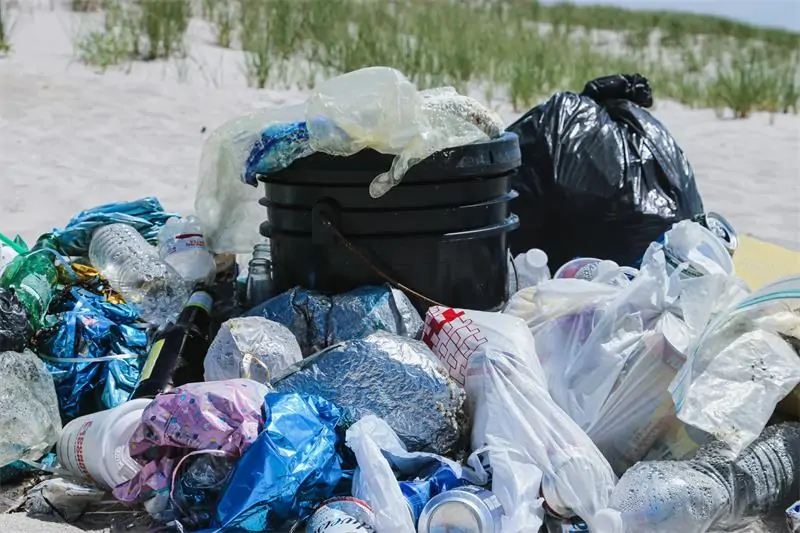
The climate matters because it changes the condition of the feed material. After periods of heavy rain, municipal solid waste may contain more moisture and organic residues, making it heavier and more difficult to screen or convey. Plastic film and other flexible materials may also wrap around shafts or rotating components. For this reason, equipment selection should be based on both local climate and actual waste characteristics, including moisture content, particle size, composition and expected throughput.
Dust, Salt and Corrosive Exposure
Dry regions may have a different problem: fine dust and abrasive particles entering mechanical components. Coastal recycling plants may also face salt exposure, which accelerates corrosion of exposed steel components. These conditions are particularly relevant to bearings, gearboxes, conveyors, screens and electrical enclosures. Depending on the site, the equipment may require improved sealing, corrosion protection, dust protection or more accessible cleaning and maintenance points.
What Information Should Buyers Provide?
Before requesting a final equipment configuration, buyers should provide the supplier with the local temperature range, rainfall or humidity conditions, dust or salt exposure, installation environment, waste type, moisture level and required capacity. A manufacturer can then evaluate the equipment configuration against the actual working conditions instead of supplying a standard machine without considering the site environment.
Waste Recycling Equipment Selection for Tropical Climates
Tropical recycling plants commonly deal with high humidity, frequent rainfall and wet waste. Food residues, organic matter and plastic film can make MSW sticky and harder to convey or screen. Moisture also increases the risk of corrosion on exposed steel and electrical components. In our experience, the first things to check for a tropical project are waste moisture, plastic content and how much of the equipment will be exposed to rain and humid air.
Wet Waste Handling and Material Flow
Wet MSW tends to stick to conveyor belts and screen surfaces. Plastic film can also wrap around shafts and rotating parts. If the feed contains a large amount of food waste and other organic material, screen blinding, carryback, wrapping and blockages become more likely.
For these conditions, the conveyor and screening equipment should match the waste rather than just the required capacity. Belt conveyors, trommel screens, disc screens and ballistic separators can be configured with suitable clearances, cleaning access and anti-wrapping features. Where the waste is particularly wet or sticky, the feed and transfer points also need to be checked to avoid material buildup.
Corrosion and Moisture Protection
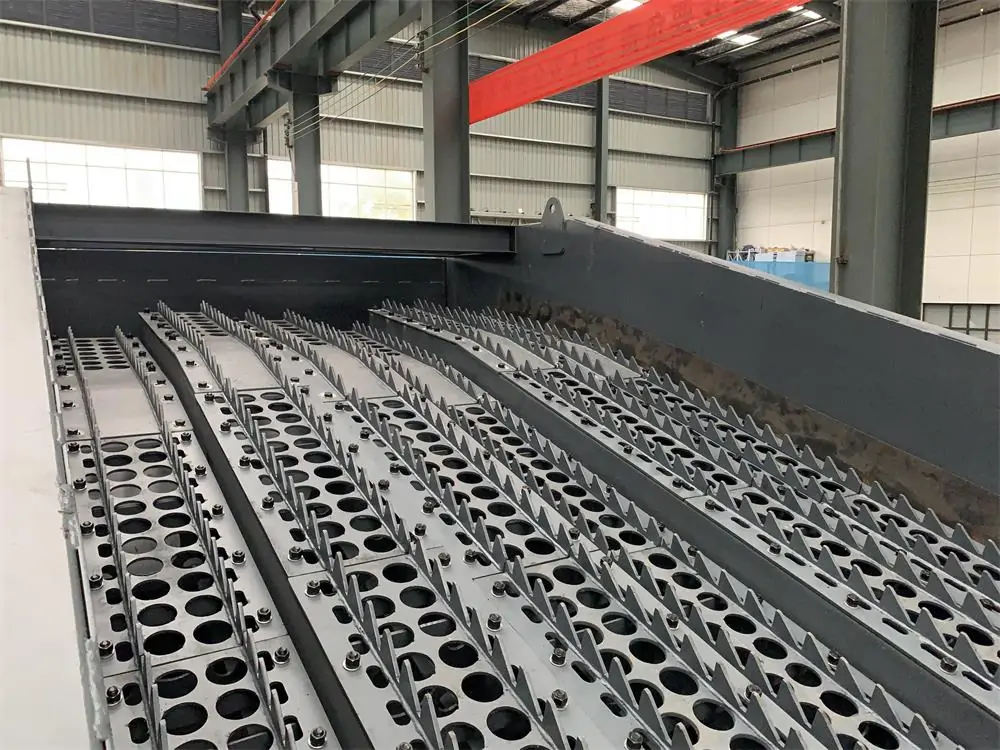
Rain and high humidity accelerate corrosion on exposed steel components. This is more noticeable in outdoor plants and coastal locations. Frames, fasteners, bearings, electrical cabinets and sensors may need additional protection based on their exposure.
Common measures include protective coatings, corrosion-resistant components, suitable sealing and effective drainage. Electrical cabinets should be positioned and protected to reduce direct contact with rain and condensation. For coastal projects, salt exposure should also be included in the equipment specification rather than treated as a general tropical-climate issue.

Waste Recycling Equipment Selection for Hot and Arid Climates
Hot and arid climates create different operating conditions from tropical areas. The main concerns are high ambient temperature, airborne dust, strong sunlight and abrasive materials, rather than high humidity alone. These conditions are particularly relevant to motors, bearings, gearboxes, electrical components and equipment exposed to continuous outdoor operation.
High Temperature and Equipment Performance
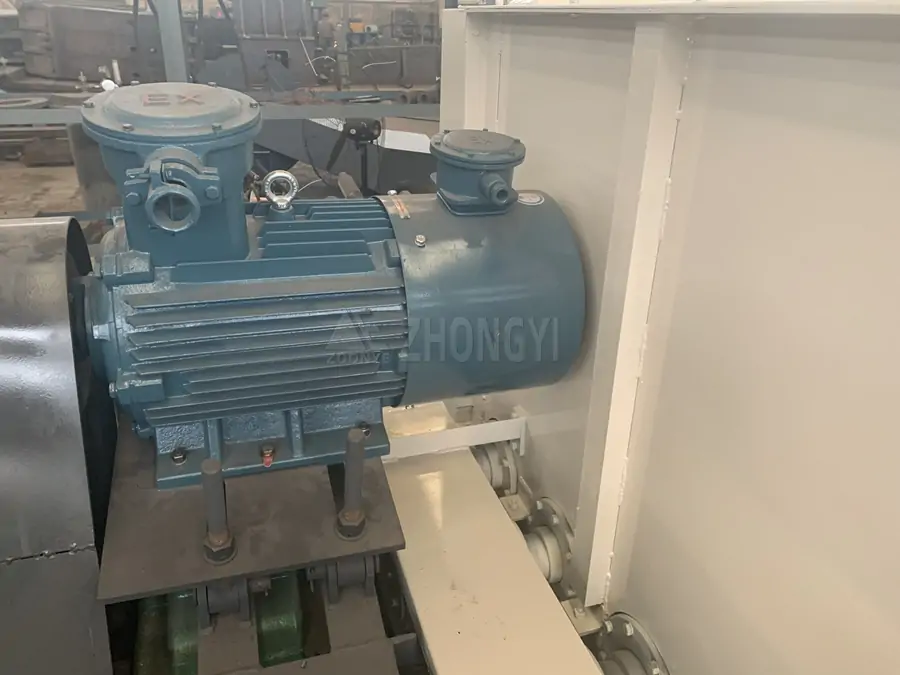
High ambient temperatures add thermal load to motors, bearings, gearboxes, hydraulic systems and electrical components, especially when the recycling plant operates for long hours. Before selecting equipment, check the manufacturer’s operating temperature range and the cooling conditions at the installation site.
Outdoor equipment also receives direct solar radiation, so the actual surface temperature can be higher than the recorded air temperature. Control cabinets, belts, rubber components and sensors should be suitable for the expected exposure. In our experience, equipment installed in hot regions needs to be evaluated for its complete operating environment, not just the motor’s rated temperature.
Dust, Sunlight and Abrasive Materials
Dust is often a bigger concern than humidity in dry regions. Fine particles can accumulate around bearings, drives, electrical cabinets and sensors, while sand and other abrasive materials can accelerate wear on screens, conveyors, crushers and other material-contact components.
For equipment such as wind sifters, air separators and optical sorting machines, dust management is particularly important because airborne particles can affect airflow systems, sensors and optical components. Depending on the site, equipment may require suitable sealing, dust protection, accessible cleaning points and appropriate filtration.
Strong sunlight should also be considered for outdoor belts, cables, sensors and other exposed components. Where the incoming waste contains a significant amount of sand or other abrasive material, wear-resistant components may be more important than simply increasing equipment capacity.
For hot and arid projects, the selection focus should be heat management, dust protection and wear resistance—not simply choosing equipment advertised for “high-temperature environments.”
Waste Recycling Equipment Selection for Temperate Climates
Temperate climates are generally less demanding than extremely hot or cold regions, but seasonal changes still affect plant operation. Summer rainfall can increase waste moisture, while winter brings lower temperatures and, in some areas, freezing conditions. The equipment needs enough flexibility to handle these changes without frequent changes to the processing line.
Seasonal Changes and Variable Waste Conditions
Waste characteristics can vary throughout the year. During wetter periods, municipal solid waste may contain more moisture and organic residues, making it more likely to stick to screens and conveyors. Lower winter temperatures can also affect material flow and equipment components, particularly in outdoor plants.
Buyers should check the expected seasonal temperature range, rainfall, waste moisture and operating schedule rather than relying on average annual conditions. Conveyors and screens need to handle changes in material flow, while cleaning, lubrication and inspection should remain easy to carry out throughout the year.
Flexible and Modular Equipment Configuration
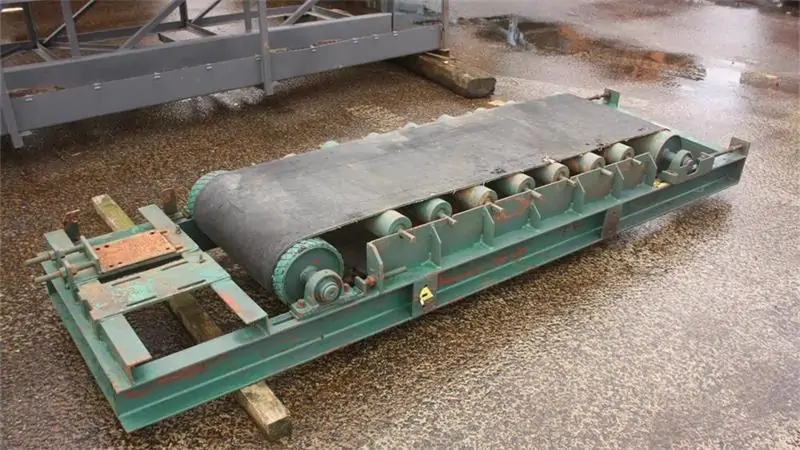
A modular equipment layout is useful when waste composition or throughput changes between seasons. Adjustable screening, flexible conveyor arrangements, optional separation stages and expandable processing capacity can provide room for future changes without replacing the complete line.
A sorting plant, for instance, may use different screen configurations or add a separation stage when the waste stream changes. Easy access to bearings, screens, conveyors and other service points also makes seasonal maintenance more practical.
The key requirement in temperate climates is stable operation through changing temperature, rainfall and waste conditions throughout the year.

Waste Recycling Equipment Selection for Cold Climates
Cold climates require more attention to freezing, low-temperature mechanical performance and outdoor exposure. The risk becomes higher when municipal solid waste contains a lot of moisture. Water in the waste can freeze inside hoppers, conveyors or screens, while low temperatures can affect lubricants, seals and other moving components.
Preventing Waste from Freezing
High-moisture MSW can become difficult to feed when temperatures fall below freezing. Frozen waste may stick to hopper walls, build up around transfer points or reduce the effective capacity of conveyors and screens. Containers and large pieces of waste can also arrive partially frozen, making feeding less consistent.
Equipment selection should take the minimum operating temperature and waste moisture into account. Hopper geometry, conveyor layout, transfer points and screen openings should provide enough clearance for material that may freeze or build up. Easy access for removing frozen material is also useful in areas where manual cleaning may be required during winter.
Low-Temperature Performance and Outdoor Protection
Low temperatures can change the performance of bearings, gearboxes, hydraulic systems, lubricants and seals. Lubricant viscosity and seal performance should be checked against the actual minimum operating temperature rather than using standard specifications designed for mild climates.
Outdoor equipment also needs to deal with snow, ice and accumulated water. Drainage should prevent meltwater from freezing around moving parts, while electrical cabinets, sensors and exposed cables need suitable protection for winter conditions. Maintenance access is equally important because snow and ice can make routine inspection and component replacement more difficult.
For cold-climate projects, the equipment specification should be checked against the lowest expected operating temperature, the moisture content of the waste and the actual outdoor installation conditions.

How Climate Conditions Affect Different Waste Recycling Machines?
The same recycling machine can face different operating issues depending on the climate and waste condition. The table below provides a quick reference for the main equipment used in waste sorting and recycling plants.
| Equipment | Hot & Humid Climate | Hot & Arid Climate | Temperate Climate | Cold Climate |
| Belt Conveyor | Wet material, carryback, corrosion | Dust, heat, belt wear | Seasonal moisture changes | Frozen material, low-temperature belt and lubricant performance |
| Trommel Screen | Sticky waste, screen blinding | Dust and abrasive feed | Changing feed moisture | Frozen or partially frozen material |
| Disc Screen | Wet material, wrapping and buildup | Dust and abrasive particles | Variable material conditions | Material freezing and buildup |
| Wind Sifter | Moisture can affect material separation and airflow | Dust loading and filtration | Seasonal feed changes | Cold air and frozen feed conditions |
| Magnetic Separator | Moisture and corrosion | Dust and abrasive conditions | Limited climate-related impact | Moisture, ice and low-temperature conditions |
| Optical Sorter | Humidity, condensation and dust | Heat, dust and cooling requirements | Seasonal operating changes | Low-temperature operating environment and condensation |
| Crusher | Wet, sticky and corrosive feed | Heat, dust and abrasive materials | Variable feed conditions | Frozen or hardened feed material |
| Conveyor Transfer Point | Wet material buildup and drainage | Dust release and accumulation | Changing material moisture | Ice, snow and frozen material buildup |
How to Use This Table?
The climate column should not be used to select a machine by itself. Start with the waste type, moisture content, particle size and required capacity, then check the climate-related risks for each machine in the process line. A tropical MSW plant, for example, may need more attention to wet material and corrosion, while a cold-region plant handling the same waste may need to address freezing and low-temperature component performance.
This approach helps buyers identify where climate-specific adjustments are actually needed instead of applying the same protection or configuration to every machine in the plant.
How to Match Climate Conditions with Waste Recycling Equipment?
Once the local climate is understood, the next step is to translate it into equipment requirements. A practical selection path is Climate Condition → Waste Moisture → Material Characteristics → Equipment Stress → Required Configuration → Maintenance Strategy. This connects environmental conditions with the actual problems a machine may face during operation.
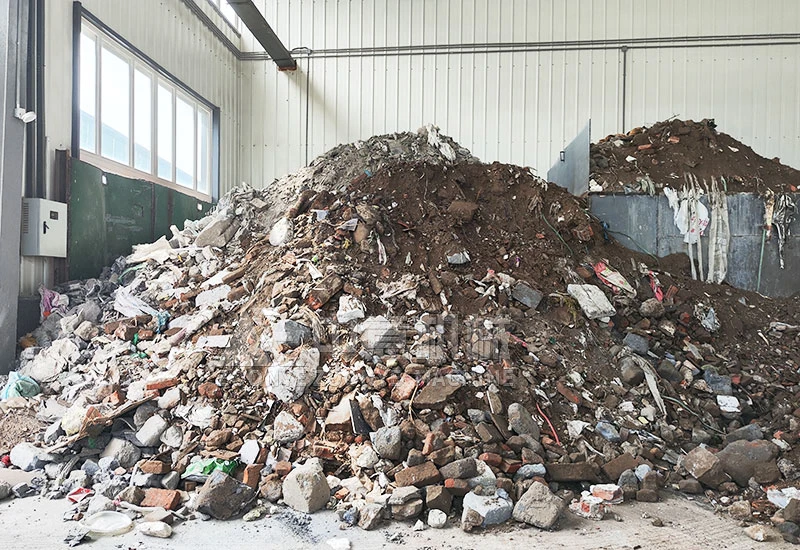
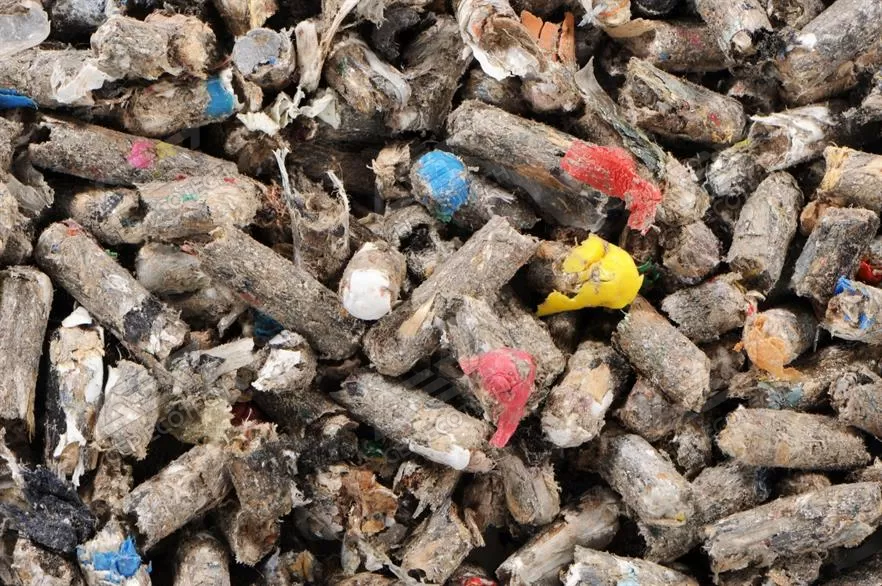
Climate alone does not determine the equipment configuration. The same region may require very different solutions for MSW, C&D waste, plastic waste or RDF. Moisture, particle size, bulk density, plastic content and abrasiveness should be assessed together with temperature, humidity, dust or freezing conditions.
Match the Equipment to the Waste, Not Climate Alone
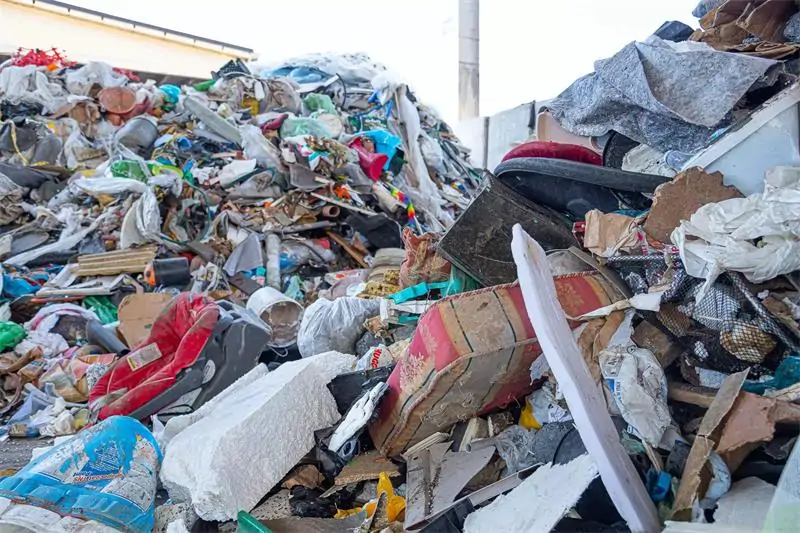
Climate should influence equipment selection, but waste characteristics should remain the primary process consideration. Wet MSW with food residues may cause buildup on conveyors and screens, while C&D waste containing sand and stones creates higher wear. Plastic-rich waste can also increase the risk of wrapping around shafts and rotating components.
The equipment configuration should reflect these material conditions. Depending on the feed, buyers may need to consider different screen openings, conveyor arrangements, wear-resistant components, anti-wrapping features or additional separation stages. A machine suitable for dry C&D waste, for example, should not automatically be applied to wet mixed waste simply because both projects are located in the same climate zone.
Match Equipment Capacity to Seasonal Waste Fluctuation
Equipment capacity should be based on more than average daily throughput. Peak-season waste generation, operating hours, daily fluctuations and future expansion can all affect the required capacity. Tourist areas, agricultural regions and seasonal industries may experience significant changes in waste volume during different periods of the year.
Selecting equipment exactly around the average throughput can leave limited capacity during peak periods, while excessive oversizing increases investment and may reduce operating efficiency at low loads. Adjustable feeding, flexible conveyor layouts and modular screening or separation stages can provide additional capacity when the waste stream changes.
The final configuration should be based on climate, waste characteristics and operating conditions together. This approach gives buyers a clearer basis for comparing equipment specifications and helps avoid choosing a machine simply because it is marketed as suitable for a particular climate.
How to Choose a Waste Recycling Equipment Supplier for Different Climates?
Ask for Previous Projects in Similar Climates
Ask the supplier whether they have supplied waste recycling equipment for similar climate conditions, waste types and processing capacities. Tropical, arid, coastal and cold-region projects can create very different operating problems, so a relevant project is more useful than a general claim that the equipment is suitable for all climates.
When reviewing a project, focus on the waste composition, moisture level, equipment configuration and operating environment. This helps buyers see whether the supplier has dealt with problems such as wet and sticky waste, dust, corrosion or freezing material before.
Request Climate-Specific Equipment Specifications
Before ordering, confirm the equipment’s operating temperature range, material moisture requirements, corrosion protection, electrical enclosure, lubrication, belt specification and maintenance requirements. Outdoor installations should also be reviewed for exposure to rain, direct sunlight, dust, salt air or snow.
These requirements should be included in the technical proposal rather than discussed only after production begins. If the standard configuration does not match the site, ask whether the supplier can adjust components, materials or equipment layout according to the project conditions.
Confirm Customization Before Ordering
Waste recycling plants rarely operate under exactly the same conditions. Confirm whether the manufacturer can adjust capacity, conveyor configuration, screen opening, material handling, corrosion protection, electrical standards and plant layout according to the waste test and site requirements.
A manufacturer with its own engineering and production capability can usually coordinate these changes more directly. Before placing the order, buyers should make sure the agreed configuration, technical specifications and responsibilities are clearly documented.
Waste Recycling Equipment for Different Climate Conditions
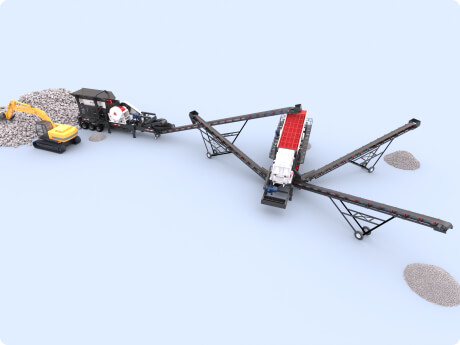
We provides waste recycling equipment configured around the waste type, processing capacity, site conditions and operating environment. Rather than applying the same machine configuration to every project, the equipment selection can be adjusted according to factors such as material moisture, composition, abrasiveness, dust and temperature.
Conveying and Screening Equipment
Our conveying range includes Belt Conveyors, Chain Conveyors and Enclosed Belt Conveyors. The conveyor type can be selected according to material characteristics and site conditions. Enclosed conveyors are particularly useful where the process involves dusty, wet or sticky materials and where material containment is important.
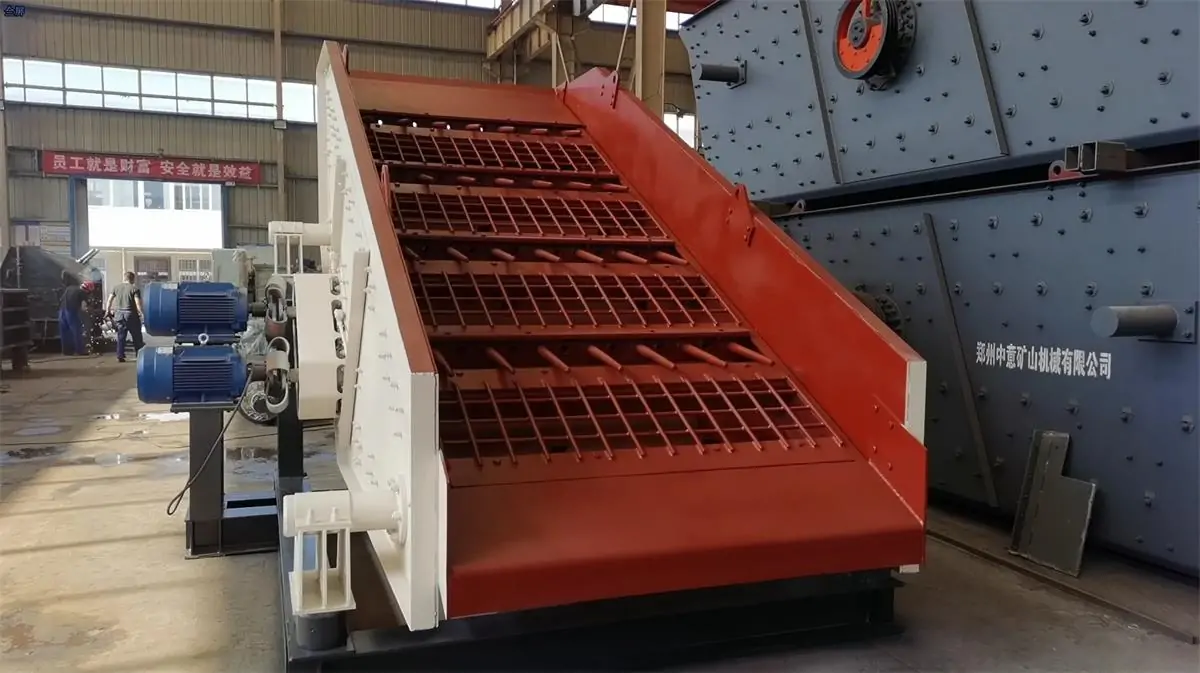
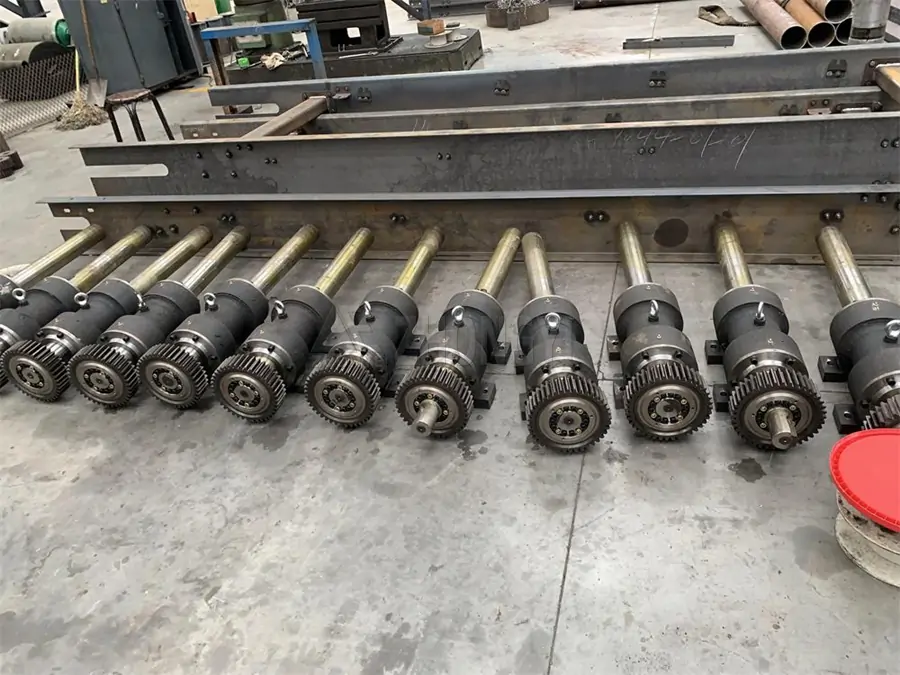
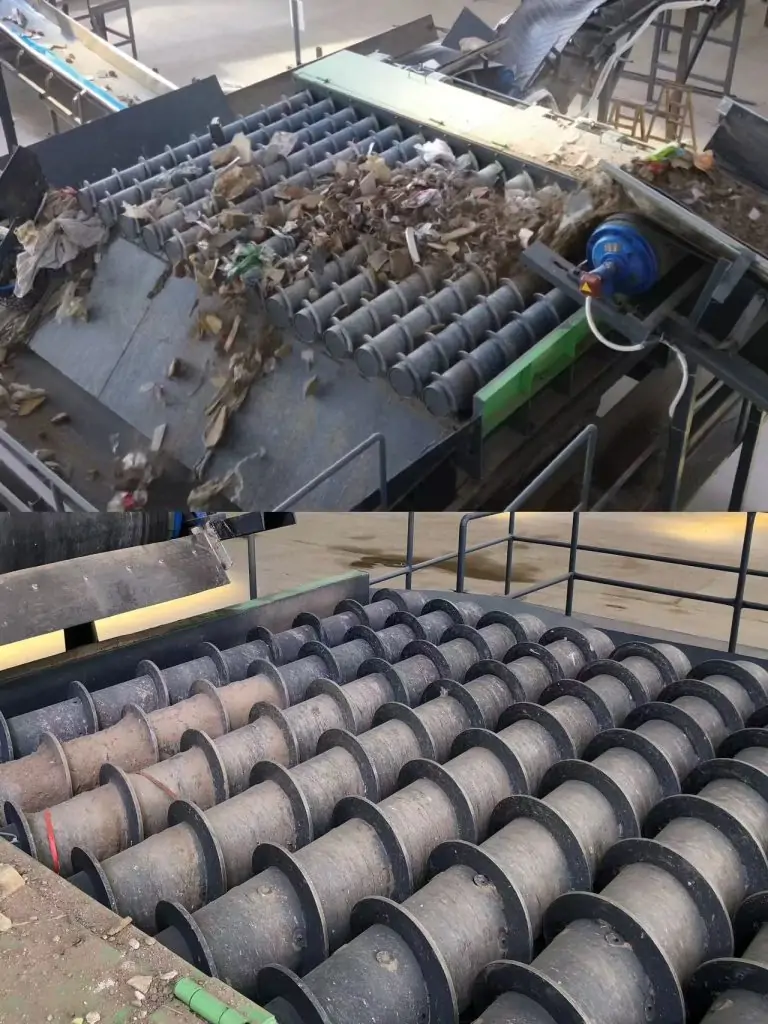
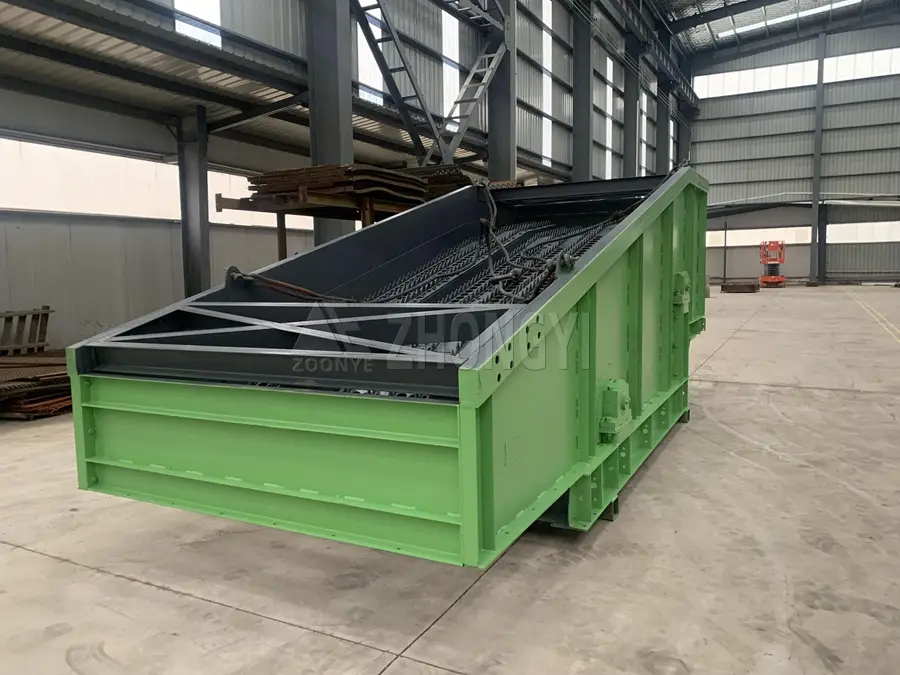
Screening equipment includes Trommel Screens, Disc Screens, Flip-Flop Screens and Spiral Shaft Screens. Different screening designs can be used according to particle size, moisture and material composition. Wet MSW, for example, may require a different screening approach from dry C&D waste containing a high proportion of stones and fines.
Separation and Sorting Equipment
For material recovery, the equipment range includes Magnetic Separators, Eddy Current Separators, Wind Sifters, Ballistic Separators and Optical Sorting Machines. The separation stages are selected according to the target materials, such as ferrous metals, non-ferrous metals, light fractions, plastics or other recoverable materials.
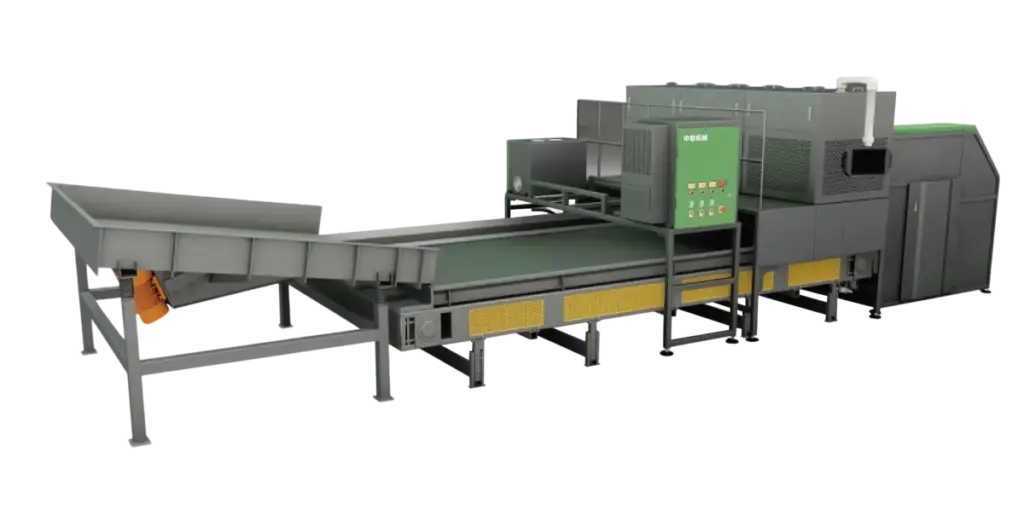
Climate conditions are considered alongside the process requirements. Dust levels, material moisture, outdoor exposure and temperature can affect how separation equipment is configured and maintained. This is particularly relevant to wind separation and optical sorting, where airflow, dust and sensor conditions need to be considered during system design.
Complete Waste Sorting Systems
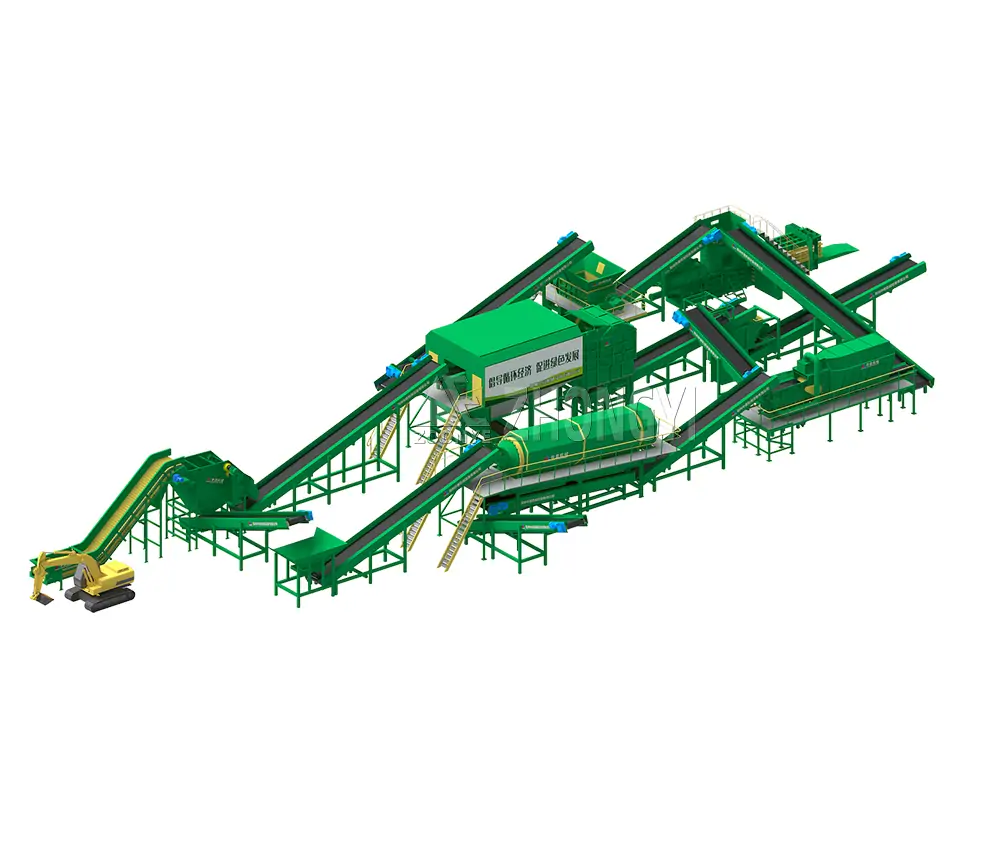
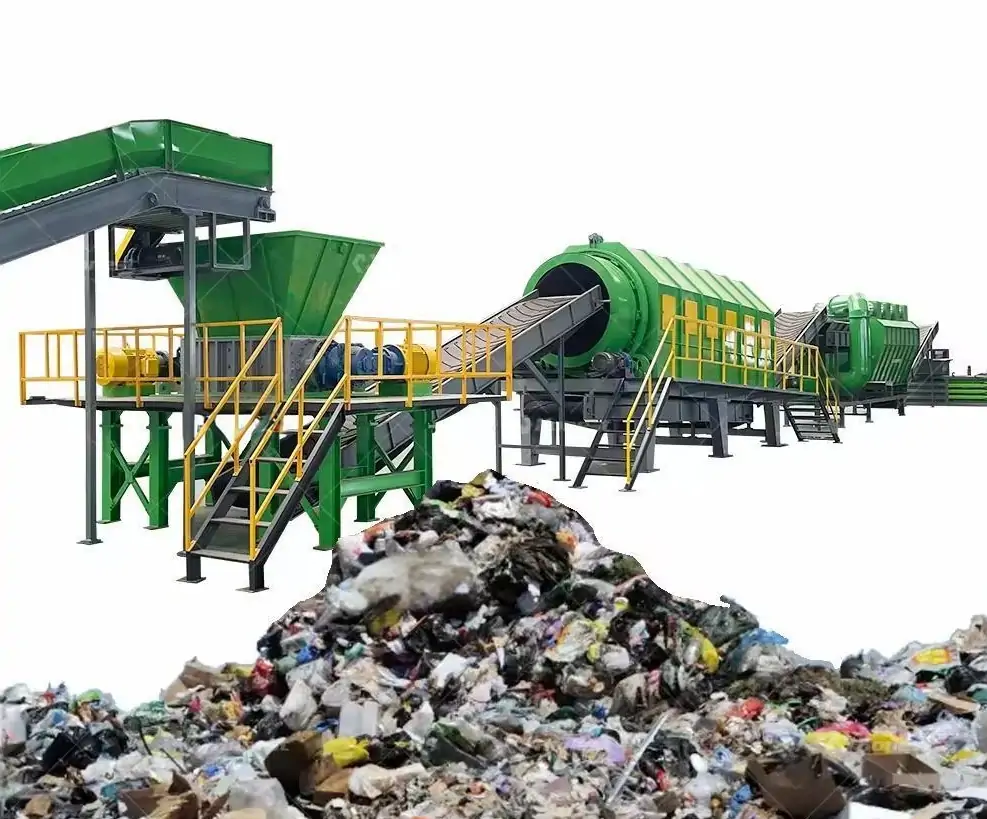
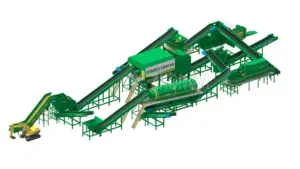
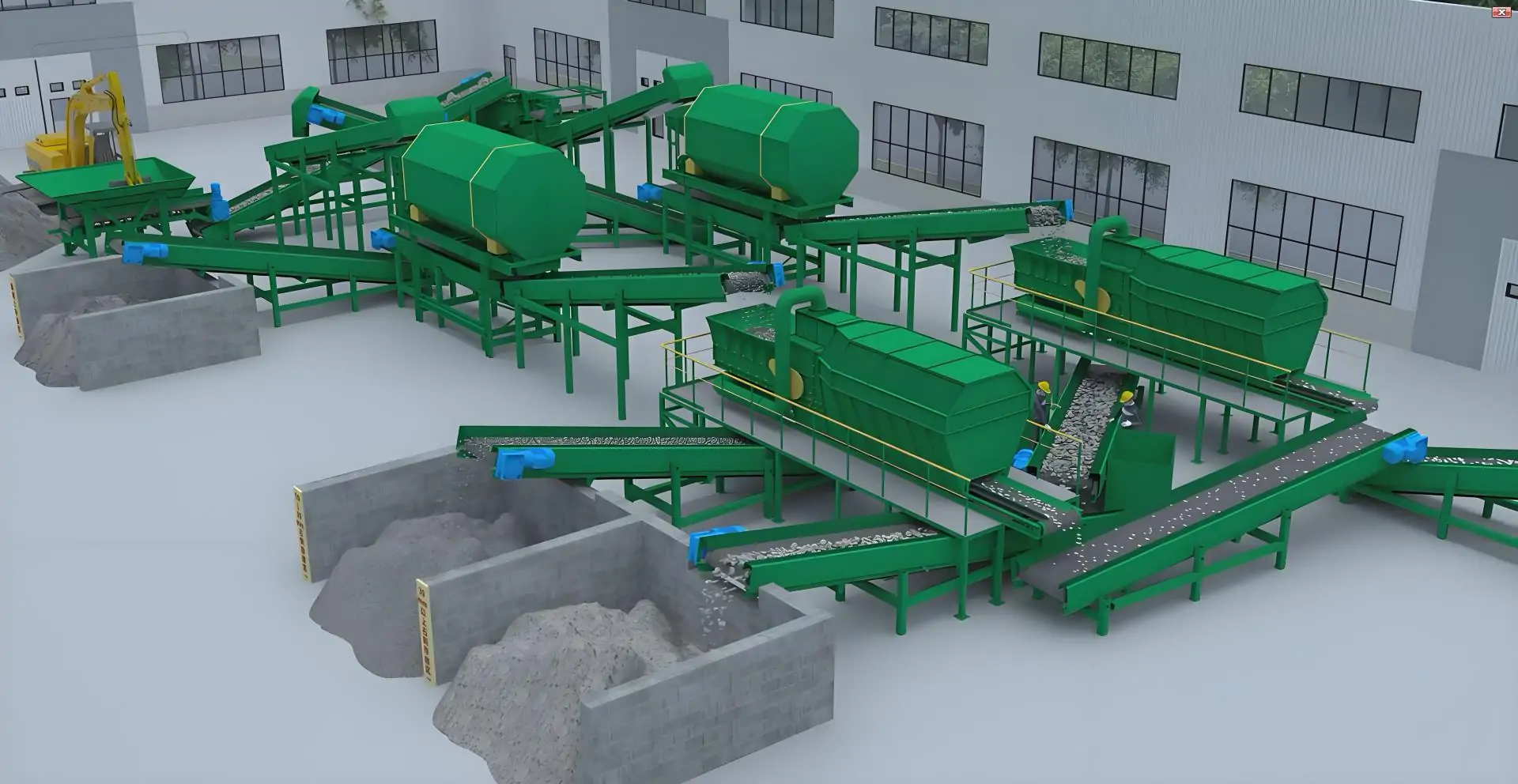
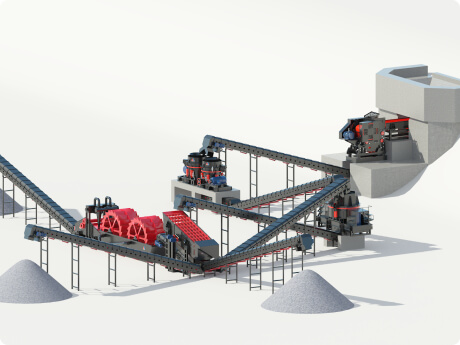
For complete plants, we can combine conveying, screening, crushing and separation equipment according to waste type, capacity, climate, moisture, material composition and final product requirements. The configuration can be developed around the actual process rather than selecting individual machines independently.
This approach is suitable for projects handling MSW, C&D waste, commercial waste, industrial waste and recyclable materials. Before final equipment selection, the material characteristics and required throughput should be confirmed so that the processing line can be sized and configured for the intended operating conditions.




A Practical Climate-Based Waste Recycling Equipment Selection Process
A practical selection process starts with the climate and the waste, not the equipment model. First identify the site’s temperature range, humidity, rainfall, dust, salt exposure and freezing conditions, then assess the waste for moisture, particle size, composition, bulk density and contamination. These factors help identify likely equipment stresses such as corrosion, clogging, wrapping, freezing, overheating and abrasive wear.
The next step is to match these risks with the equipment configuration and capacity. Check the requirements for conveying, screening, crushing and separation, then confirm throughput in t/h, operating hours and seasonal peaks. Before ordering, discuss cleaning, lubrication, inspection and spare-parts requirements with the supplier. For unusual climate and waste combinations, a material test and a review of similar projects can provide a more reliable basis for the final configuration.
Conclusion
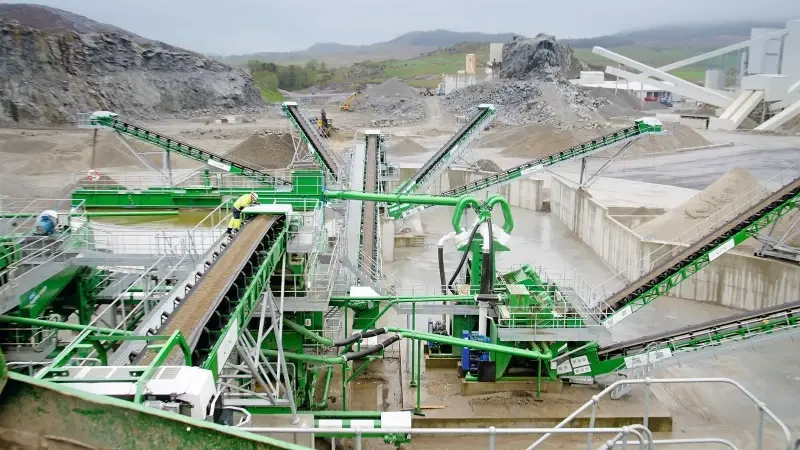
Equipment selection should start with the waste stream and site conditions. Temperature, humidity, rainfall, dust and freezing conditions can affect material flow, equipment components and maintenance, while waste composition and throughput determine the required processing and separation equipment.
Xinzhongyi ECO provides waste recycling equipment and complete sorting systems for different waste streams and operating environments. Our engineering team can review your climate conditions, waste composition, processing capacity and project requirements to develop a suitable equipment configuration for your application.


Andy Yu
Technical Engineer | Zhongyi ECO
16+
Years Exp.
300+
Solutions
50+
Countries
16 years’ experience in environmental and solid waste management, specializing in C&D recycling and waste sorting solutions. At Zhongyi Mining Machinery, focused on improving global clients’ efficiency through technical expertise and tailored configurations.
FAQ
Climate affects how waste behaves and how equipment performs during daily operation. Temperature, humidity, rainfall, dust and freezing conditions can influence material flow, corrosion, component wear and maintenance. However, climate should not be considered separately. Waste composition, moisture, particle size and required capacity are equally important when selecting conveyors, screens, crushers and sorting equipment for a specific recycling project.
The same basic equipment can often be used in different regions, but the configuration may need to change. A trommel screen handling wet MSW in a tropical area may require different considerations from one processing dry waste in an arid region. Materials, sealing, corrosion protection, lubrication, dust control and other details should be reviewed according to the actual operating environment rather than applying one standard configuration.
Wet MSW containing food residues, organic matter and plastic film can create sticking, wrapping and carryback problems. In these conditions, buyers should pay particular attention to conveyor design, screen selection, cleaning access and corrosion protection. Trommel screens, disc screens and suitable conveying systems can be configured according to the material. Testing the actual waste is recommended when moisture content varies significantly.
Dust can enter bearings, motors, electrical cabinets and other components, while sand and fine particles can increase wear on equipment that handles the material directly. For hot and dry projects, buyers should review dust protection, ventilation, filtration and maintenance access. If the waste contains a high proportion of sand or abrasive material, wear-resistant components may also be required for crushers, screens and conveyors.
Cold weather can affect both the waste and the equipment. Wet materials may freeze inside hoppers, conveyors and screens, while low temperatures can change lubricant viscosity and affect seals, bearings and hydraulic components. Outdoor plants should also consider snow and ice accumulation. The supplier should confirm that the selected components and operating procedures are suitable for the project’s actual minimum operating temperature.
Equipment capacity should be based on more than the average daily waste volume. Buyers should consider peak throughput, operating hours, seasonal changes and possible future increases in waste generation. For example, a plant designed around average volumes may struggle during seasonal peaks. Providing the supplier with both normal and peak waste quantities helps determine a practical capacity without unnecessarily oversizing the entire processing line.
Useful information includes waste type, composition, moisture content, particle size, bulk density, contamination, required capacity and final product requirements. The project location and operating environment should also be provided, including temperature, humidity, dust and whether the plant is indoors or outdoors. This information allows the manufacturer to select suitable conveying, screening, crushing and separation equipment instead of recommending machines based only on capacity.
Yes. Xinzhongyi ECO can configure waste recycling equipment according to the waste stream, climate, processing capacity, site conditions and required output. The system may include conveyors, screens, crushers, wind sifters, magnetic separators, eddy current separators and optical sorting equipment. For projects with unusual waste or environmental conditions, discussing material samples and operating requirements with the engineering team before ordering can help confirm the appropriate configuration.
Related Waste Sorting Equipment

Enclosed Belt Conveyor
Xinzhongyi ECO’s Enclosed Belt Conveyor is designed for waste streams where moisture, dust, stickiness or material leakage can affect conveying. Its enclosed structure helps contain dust and material during transfer, making it suitable for MSW, RDF/SRF, sludge, biomass and industrial residues. Belt width, conveying length and capacity can be configured according to the plant layout and material conditions.

GTS Series Rotary Trommel Screen
The GTS Series Rotary Trommel Screen is used to separate mixed waste by particle size in C&D waste, demolition waste, landfill materials and other bulk waste streams. The rotating drum provides continuous screening, while circular and hexagonal drum options can be selected for different materials. The system can be configured around required capacity, feed characteristics and downstream sorting equipment.

FYF Series Horizontal Negative Pressure Wind Sifter Separator
The FYF Series Horizontal Negative Pressure Wind Sifter separates lightweight fractions such as plastic film, paper, textiles and RDF from heavier materials. Its negative-pressure airflow helps control the separation process and can reduce uncontrolled dust movement compared with open positive-air systems. It is suitable for MSW, C&D waste, RDF and industrial waste recycling lines where material composition and operating conditions vary.

Optical Sorting Machine for Recycling
Xinzhongyi ECO’s Optical Sorting Machine uses CCD imaging and precision air ejection to identify and remove off-color, contaminated or unwanted particles. It is suitable for sorting applications involving materials such as quartz, feldspar, fluorite, calcite and silica sand. With feeding sizes of 0.5–50 mm and capacities of 1–30 t/h, the system can be configured according to material properties and plant requirements.