
What is a Waste Baler Machine ?
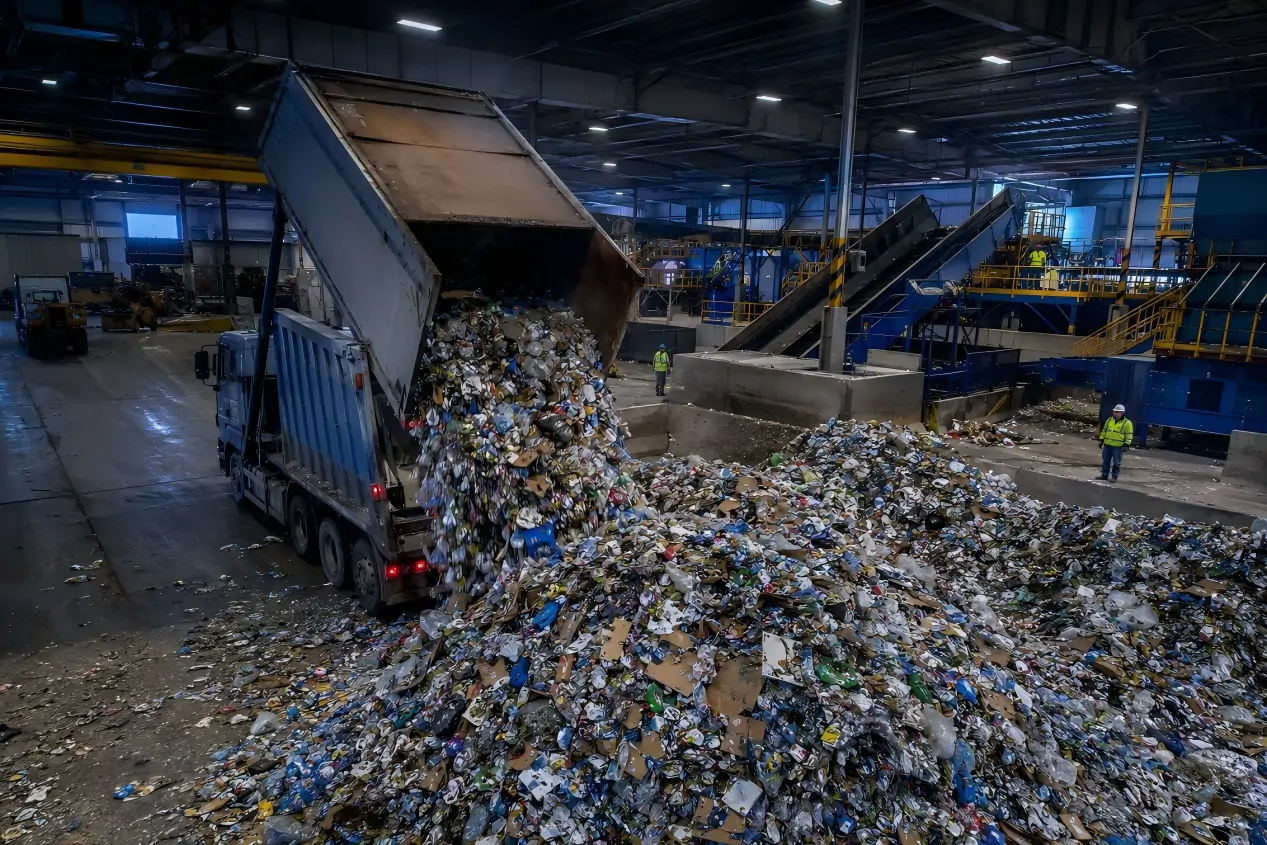
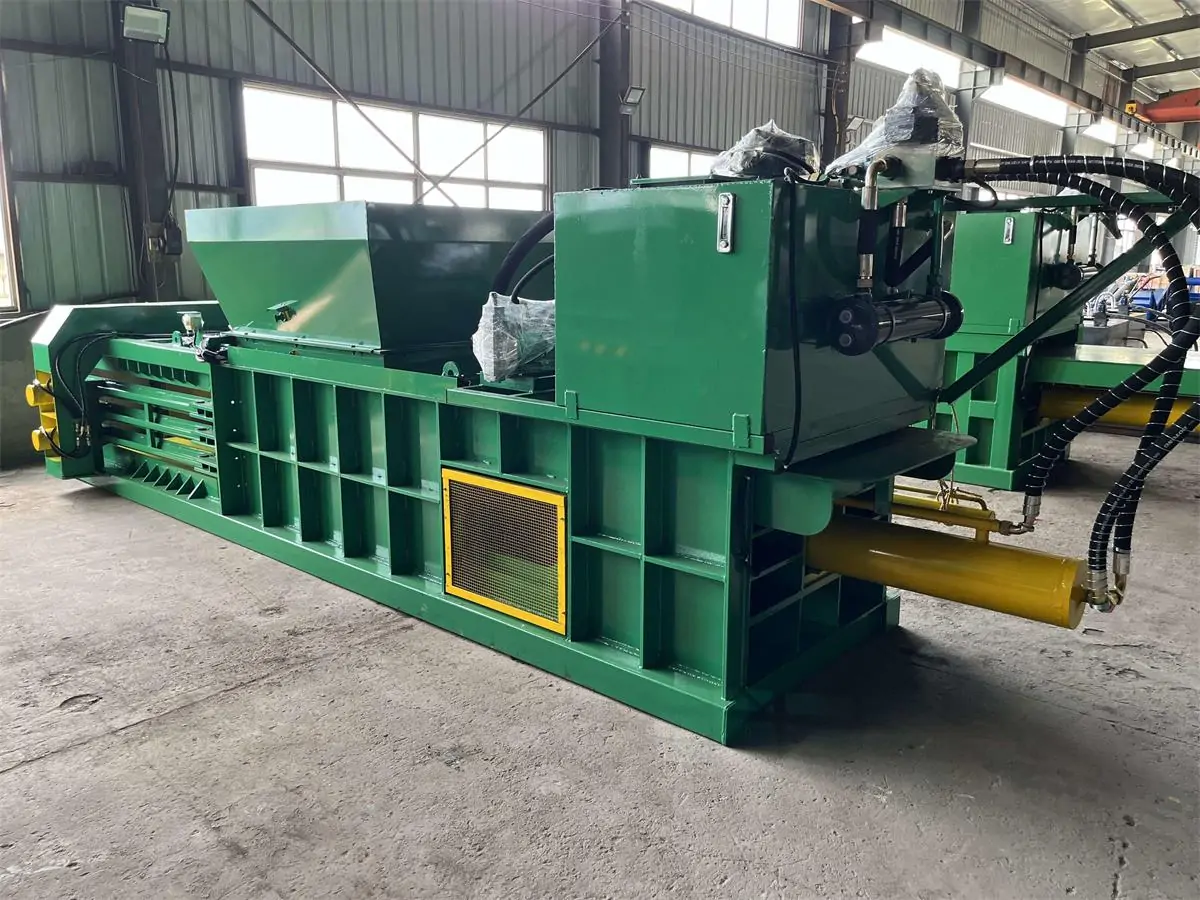
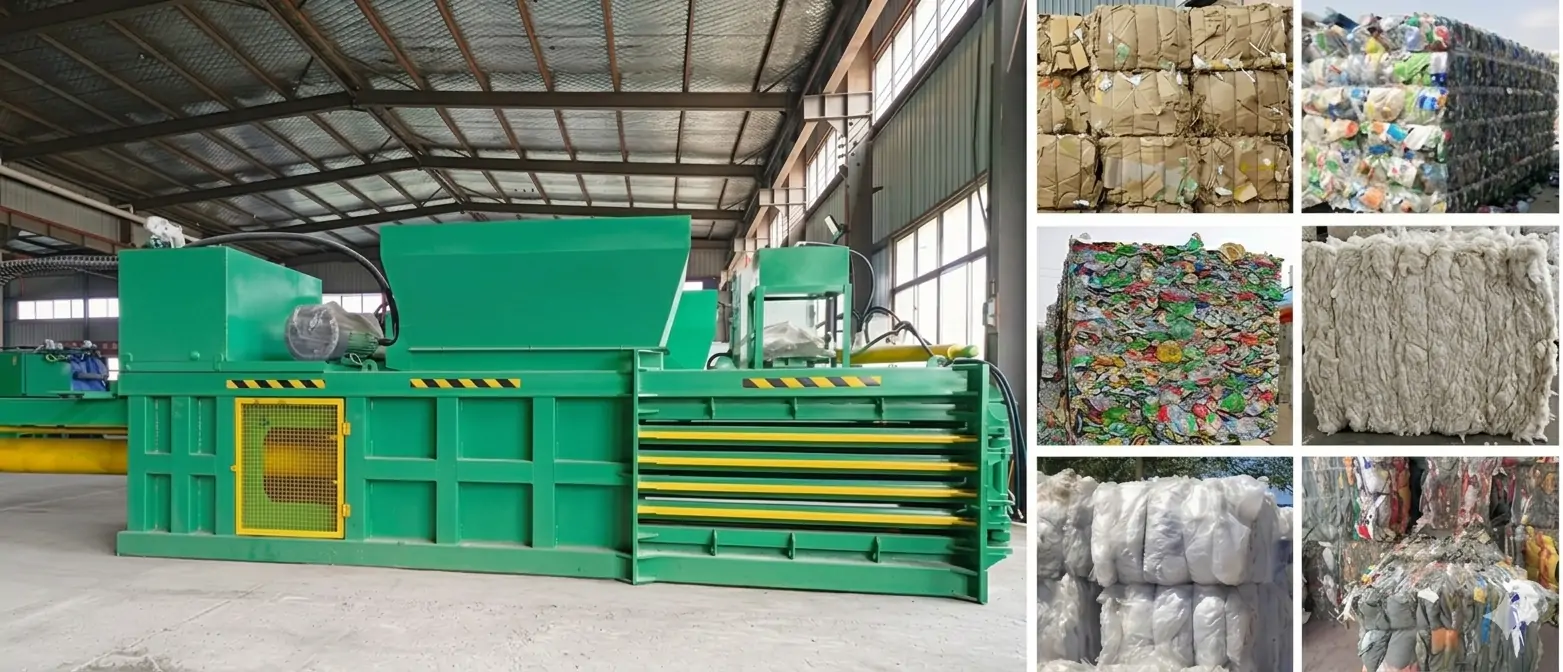
Waste baler machine also called a plastic waste balers, or waste paper baler machine, is a critical equipment in modern recycling plants, converting loose recyclable materials into compact, high-density bales. This process reduces storage requirements, lowers transportation costs and improves the efficiency of waste handling and recycling operations.
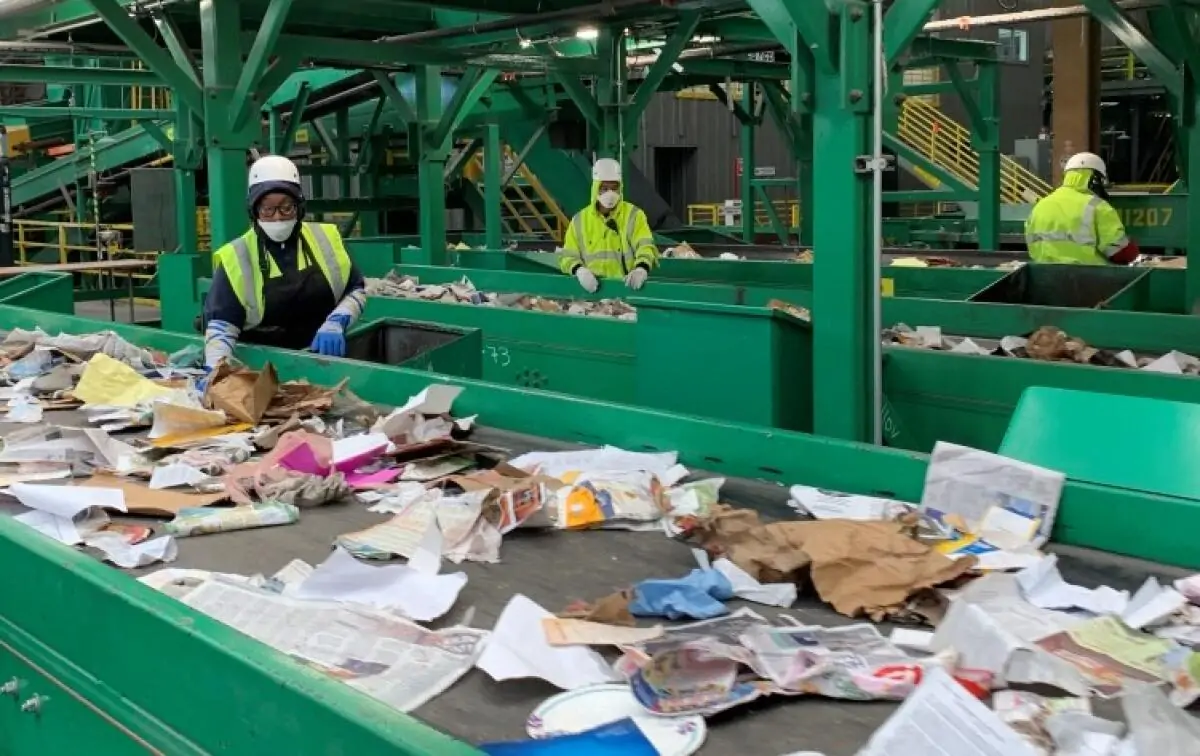
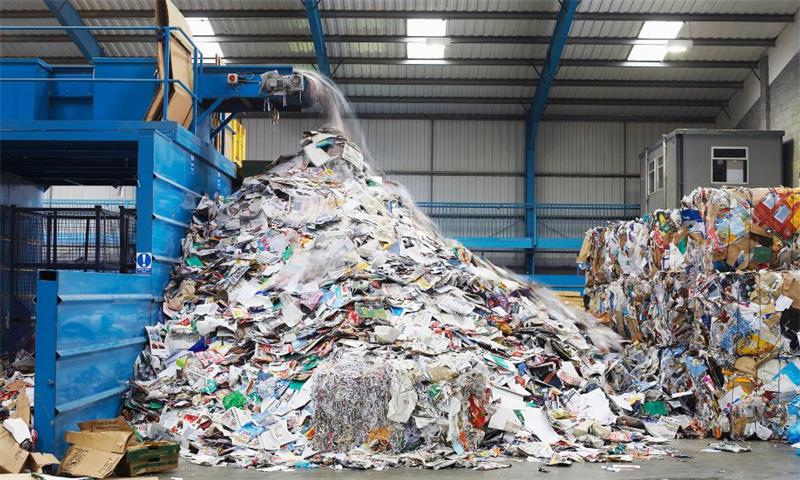
As the final step in efficient solid waste processing, this waste baler can operate independently or integrate seamlessly into a high-efficiency municipal solid waste sorting system. When processing high-calorific-value waste (such as plastics, paper scraps, and textiles), this equipment often works in tandem with an upstream municipal solid waste shredder to shred and sort the material before compressing it into high-density bales. It is an indispensable core piece of end-of-line equipment for building modern RDF/SRF alternative fuel production lines.
We have over 16 years of manufacturing experience, we provide industrial horizontal waste baler machines designed for high-capacity recycling facilities. Our fully automatic hydraulic balers are widely used for cardboard, paper, plastic film, PET bottles, packaging waste and municipal solid waste recycling, delivering consistent bale quality, high production efficiency and long-term operational reliability.
View details: What Is a Waste Baler? Types, Uses & Working Guide


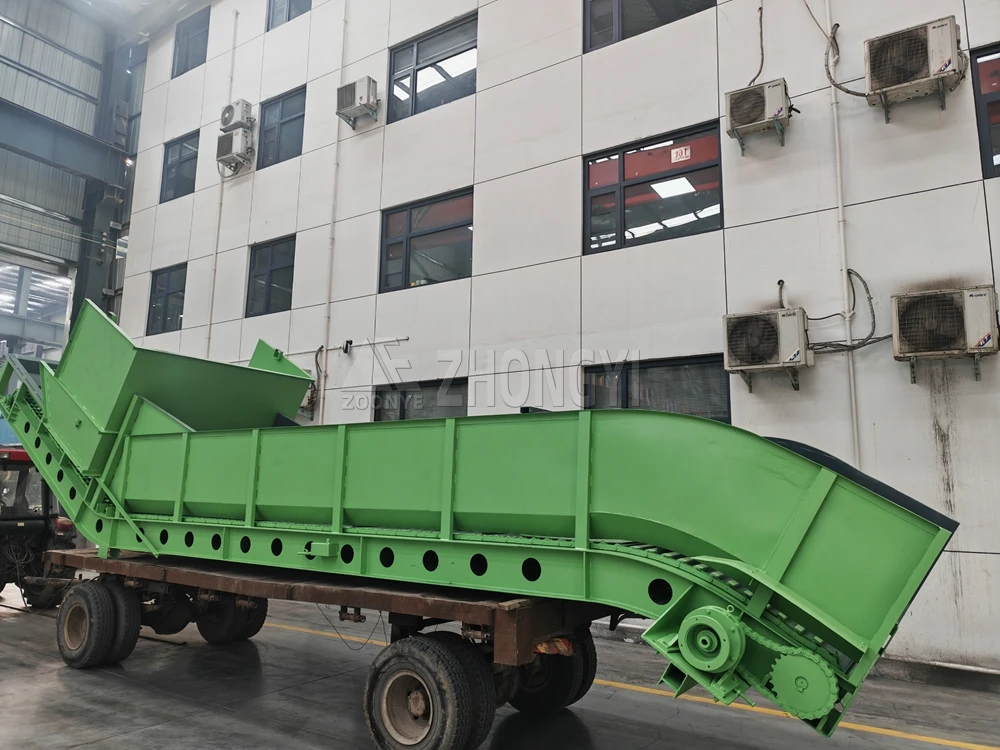
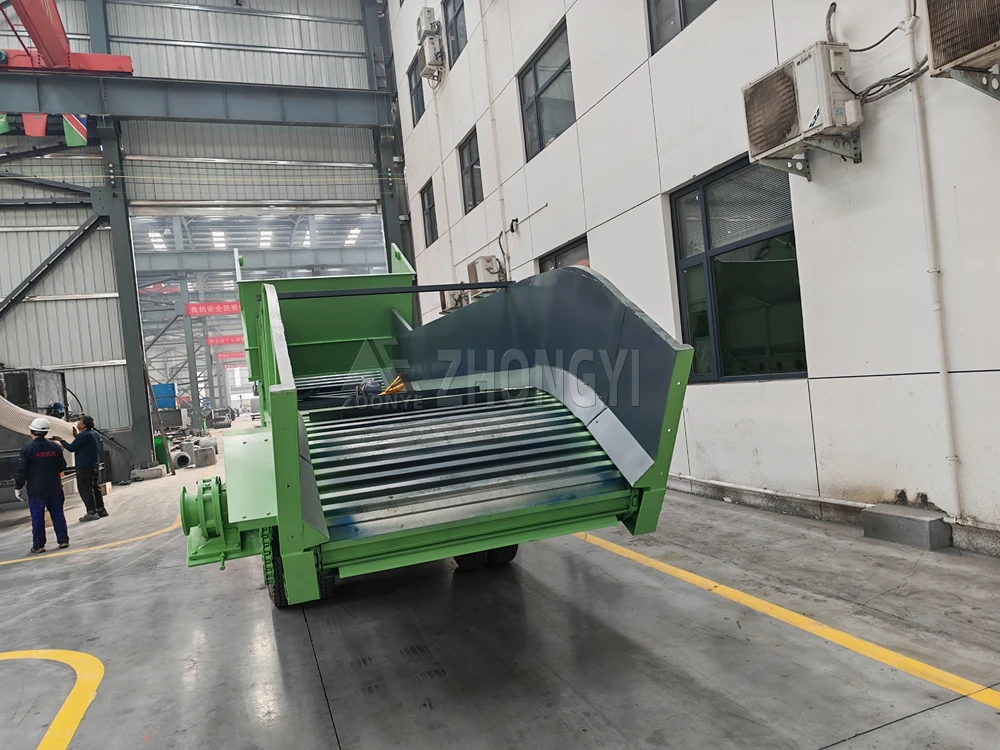
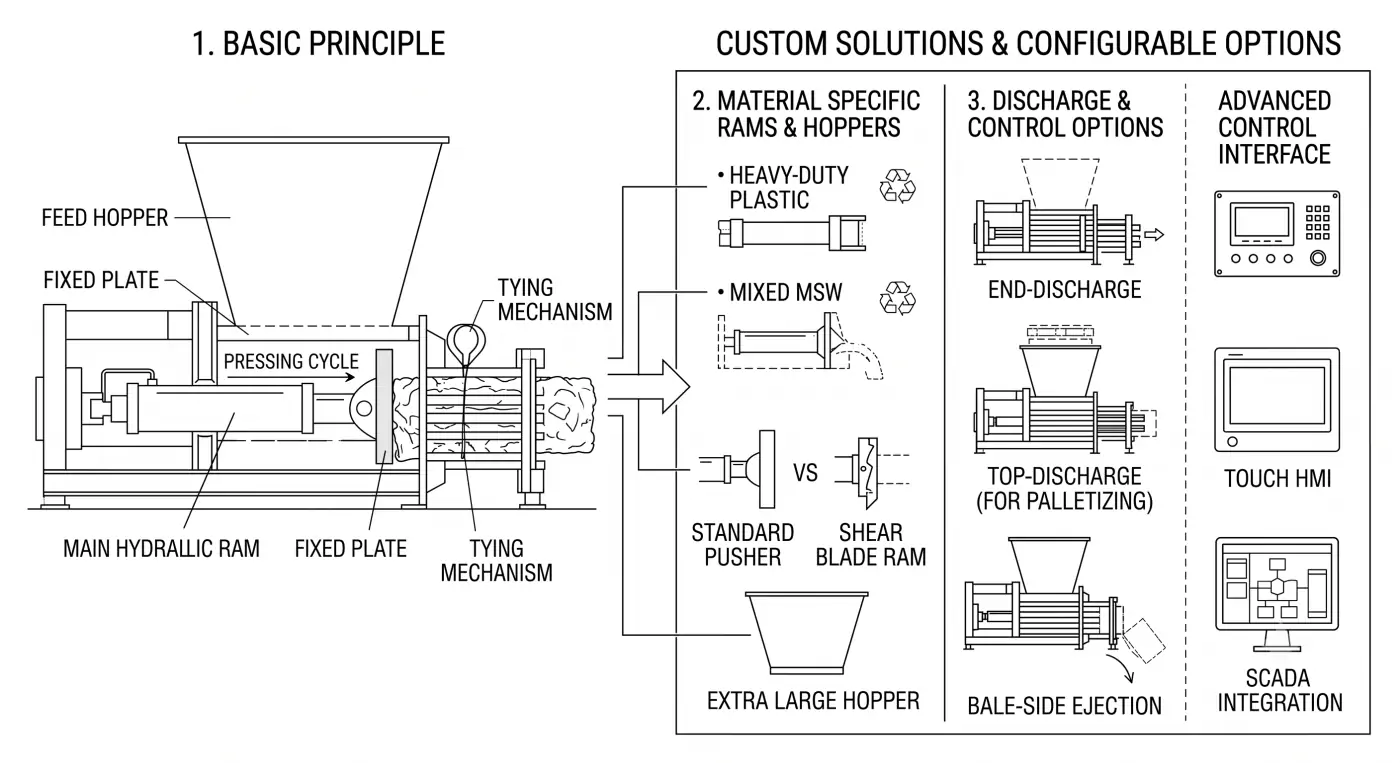
Working Principle
A waste baler machine works in four main steps: feeding, compression, bale tying, and ejection. Different models may adjust steps depending on automation and material type. To achieve fully automated, uninterrupted continuous production, the feed hopper of this automatic waste baler is typically integrated with a custom-designed belt conveyor or chain conveyor. Through the uniform feeding provided by the upstream conveying equipment and intelligent integration with the PLC control system, this setup significantly improves baling efficiency, reduces labor costs, and creates a truly intelligent solid waste baling production line.
Main Components Of Horizontal Waste Baler Machine
The waste recycling hydraulic baler machine is built with a heavy-duty frame, hydraulic system, compression chamber, feeding mechanism, automatic tying, electrical controls, and bale discharge, ensuring reliable, continuous operation in recycling plants. xinzhongyi ECO delivers engineered waste baling solutions focused on durability, energy efficiency, and stable high-capacity performance for modern recycling facilities worldwide.
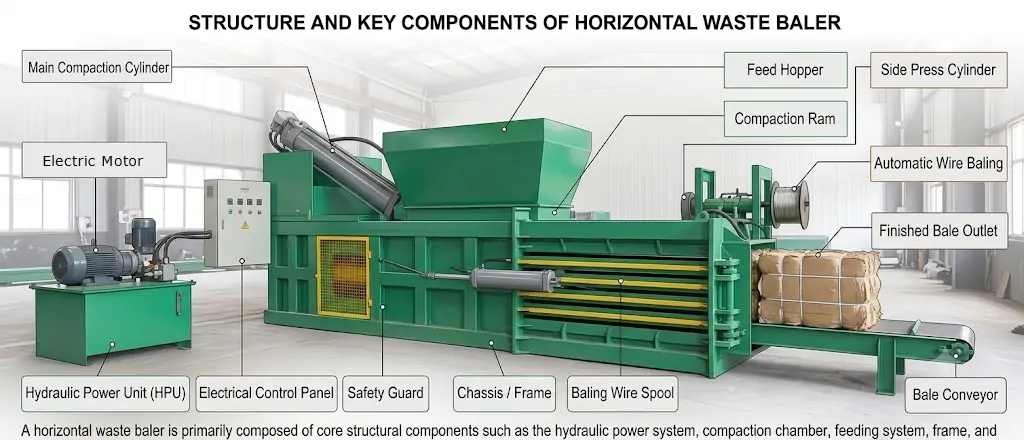
Heavy-Duty Machine Frame: Constructed with reinforced steel, the frame provides structural strength, stability and long service life under continuous industrial operation.
Hydraulic Power Unit: High-efficiency hydraulic pumps, valves and cylinders generate the compression force required to compact recyclable materials into dense bales.
Compression Chamber: The chamber receives waste materials and compresses them into uniform, high-density bales, ensuring optimal storage and transport efficiency.
Feeding System: Equipped with a hopper and conveyor feed system, the baler allows automatic or semi-automatic material input, suitable for high-volume recycling plants.
Automatic Tying System: Secures compressed bales with wire or strapping automatically, ensuring consistent and safe bale formation for handling and shipping.
Electrical Control System: PLC-based intelligent control system enables automated operation, monitoring, fault diagnostics, and adjustable compression parameters.
Bale Discharge System: After compression and tying, the finished bales are automatically ejected for downstream handling or storage, reducing manual labor and improving workflow efficiency.
Applicable Materials
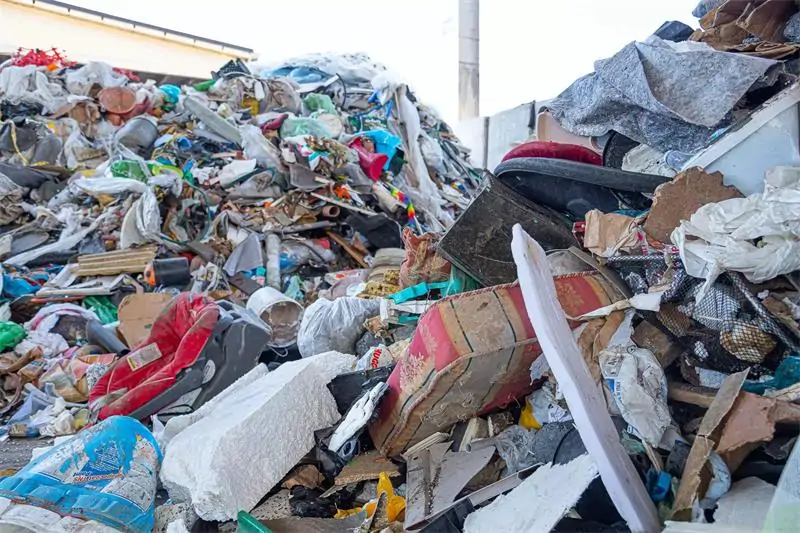
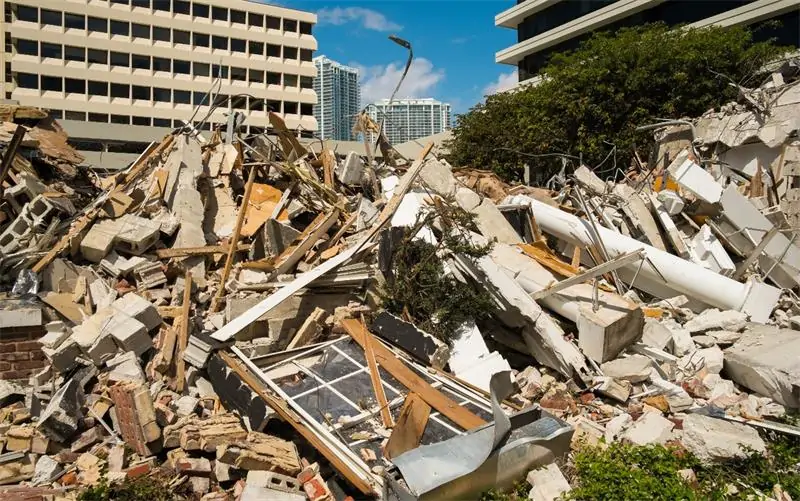
The horizontal waste baler machine is designed to handle a wide range of recyclable materials, including municipal solid waste (household garbage, packaging film), cardboard and paper (corrugated boxes, office paper), plastics (PET bottles, HDPE containers, shrink films), textiles, industrial scraps, and light construction debris. Depending on the material type, compression can increase density by 3–6 times, optimizing storage and transportation efficiency in recycling plants.
Specifications
The waste baler machine is designed for efficient recycling operations, delivering stable hydraulic compression, consistent bale quality, and reliable continuous performance. It is widely used in MSW and recyclable material processing plants to improve handling efficiency and reduce transportation costs. Key technical specifications are listed below for reference.
| Parameter | Typical Range |
| Nominal Pressure (tons / kN) | 188 / 1840 |
| Bale Size (L × W × H, mm) | 1100 × 700 × 600–900 |
| Motor Power (kW) | 30–37 |
| Theoretical Cycle Time (s) | 45–60 |
| System Pressure (MPa) | 25–31.5 |
| Bale Weight (kg) | 300–500 (varies by material) |
| Hydraulic Oil Tank Capacity (L) | 300–400 |
| Feed Opening (mm) | 1200 × 700 |
| Tying Method | Automatic wire / strap |
| Operational Voltage (V, 3-phase) | 380 / 400 / 415 |
Advantages
This equipment serves as the core end-of-line machinery for the resource-based management of solid waste and the recycling of renewable resources. The system employs advanced hydraulic drive and closed-loop control technologies to perform high-density compaction and solidification of loose solid waste requiring significant volume reduction (such as OCC waste paper, PET/HDPE, MSW, and RDF/SRF alternative fuels). Through heavy-duty compression and automatic baling processes, it achieves material volume reduction, standardization, and commercialization, significantly optimizing the efficiency of subsequent warehousing and logistics supply chains.
High Bale Density: Large-capacity hydraulic cylinders combined with a reinforced compression chamber deliver compaction ratios of 5:1–10:1, reducing material volume by up to 90% and significantly increasing storage capacity.
Reduced Transportation Costs: High-density, uniform bales maximize truck and container payloads, improving loading efficiency and reducing transportation costs by 40–60%.
Higher Recycling Value: Standardized bale dimensions and improved material purity meet the requirements of paper mills, plastic recyclers, RDF producers, and other downstream processors, increasing the market value of recyclable materials.
Fully Automated Operation: Can be integrated with bulk material belt conveyors, chain feeders, sensors, and PLC controls to achieve continuous feeding, compaction, tying, and discharge with minimal operator intervention.
Heavy-Duty Construction: Fabricated from high-strength steel with wear-resistant liners in critical areas, designed for continuous industrial operation and long service life under demanding conditions.
Energy-Efficient Hydraulic System: Variable-displacement pumps and proportional hydraulic controls automatically match system output to material load, reducing power consumption by up to 30% compared with conventional hydraulic systems.
Applications
Horizontal waste balers compress loose recyclable and industrial waste into dense, uniform bales. This reduces transport volume, improves storage utilization, and helps lower handling and logistics costs. They are used across recycling plants, industrial facilities, municipal waste systems, and agricultural waste processing.
Applicable production lines: RDF/SRF alternative fuel production lines, municipal solid waste (MSW) sorting lines, and solid waste volume-reduction lines for transfer stations.
Selection Guide
Selecting the right waste baler depends on waste type, daily capacity, bale density, and operating conditions. Real projects handling 150–200 t/day show that proper selection ensures stable compression, uniform bales, lower transport cost, and reduced downtime.
Match the Baler to Waste Type: Different waste streams require different feeding systems and compression chambers. Mixed construction waste, plastics, and metals need stable feeding and anti-blockage design to maintain continuous operation and consistent bale formation.
Capacity Should Reflect Actual Throughput: Equipment should be selected based on real daily output. For 150–200 t/day operations, stable feeding and consistent cycle time are more important than maximum pressure, ensuring smooth and continuous processing without bottlenecks.
Optimize Compression Force and Bale Density: Bale quality depends on stable hydraulic pressure and uniform compression. Typical bale size is 1100×700×600–900 mm with density around 600–800 kg/m³, which is more important than peak force alone for transport efficiency.
Automation Improves Efficiency and Consistency: PLC control, automatic tying, and sensor-based operation reduce labor, human error, and downtime. Compared with manual systems, automation ensures more stable output and better integration with sorting lines.
Prioritize Reliability and Maintenance: Modular hydraulic systems and accessible components reduce maintenance time and failure risk. Simpler, service-friendly designs are more valuable in long-term operation than overly complex configurations.
Custom Solutions and Configurable Options
We provide tailored waste baler solutions based on waste type, daily processing capacity, bale size requirements, and site layout conditions. Each system is designed according to real working environments to ensure stable compression, smooth material flow, and reliable long-term operation. Solutions can be supplied as standalone machines or integrated into complete recycling and waste processing lines. Clients only need to share basic project information to receive a customized technical proposal and layout design.
Custom Options Include:
- Processing capacity: 10–250 t/day, customized per project demand.
- Hydraulic system & pressure: 120–200 tons for stable compression.
- Bale size & density: 1100×700×600–900 mm or custom.
- Feeding system: Manual / hopper / conveyor / combined.
- Automatic tying system: Wire or strap, semi-auto or full-auto.
Waste Baler Machine For Recycling Plant Manufacturer & Supplier
We are a leading manufacturer of waste baler machines with years of experience in designing, producing, and installing equipment for recycling, industrial, and municipal waste projects. Our engineers provide on-site guidance to ensure machines are correctly installed, calibrated, and integrated into existing processes.
With a proven track record handling projects of 150–200 t/day, we help clients reduce labor, optimize bale density, lower transport costs, and improve operational efficiency. Our team offers full technical support, from system design and installation to maintenance and troubleshooting, ensuring long-term reliable performance.
Choosing us means gaining a partner who understands the challenges of waste handling, delivers tailored solutions for different materials and capacities, and supports your operation from planning to daily use. Contact us today!
FAQ
Our balers compress various materials including cardboard, paper, plastics, metals, and municipal solid waste, making recycling more efficient.
Processing capacity varies by model, typically ranging from 500 kg to 5 tons per hour, depending on material type and bale size.
Yes, we provide customized solutions based on material characteristics, site layout, and required throughput.
By compressing loose waste into dense, manageable bales, balers reduce storage space, lower transportation costs, and protect downstream equipment.
Regular checks on hydraulic systems, wear parts, and electrical components ensure safe, reliable operation and extend service life.
Modern balers include safety features such as emergency stops, protective covers, and PLC-controlled operation for safe use.
Most recycling plants see cost savings from reduced waste volume, lower labor requirements, and higher material resale value within 12–24 months.
Yes, we provide full installation guidance, training, and global after-sales service to ensure continuous, trouble-free operation.