
Introduction
Construction and demolition projects in the USA can generate very different waste streams depending on the project type, site conditions and demolition methods. Concrete and reinforced concrete are common feed materials, but brick, masonry, asphalt, steel, wood, plastic and other lightweight materials may also enter the recycling process. These differences make the Construction Waste Recycling Line USA Specification an important part of equipment selection, because the required configuration cannot be determined by processing capacity alone.
A practical recycling line should be designed around several key factors, including feed material, maximum feed size, processing capacity, target product size and impurity content. Depending on these conditions, the system may combine a vibrating feeder, pre-screen, jaw crusher, impact crusher, magnetic separator, vibrating screen, wind sifter and belt conveyors. The objective is not simply to reduce the size of demolition waste, but to produce usable recycled aggregate while removing steel, fines and lightweight contaminants where required.
This guide explains the main specifications, processing stages and equipment used in a construction waste recycling line, with a focus on how different configurations can be applied to USA construction, demolition and infrastructure projects. Zhongyi supplies the complete equipment needed for crushing, screening and material separation and can configure the production line according to the customer’s material characteristics, capacity requirements and final product goals.If you want to learn about “MSW Recycling Plant Cost in the U.S. in 2026: A Complete Guide,” please click on the article.
What Is a Construction Waste Recycling Line?
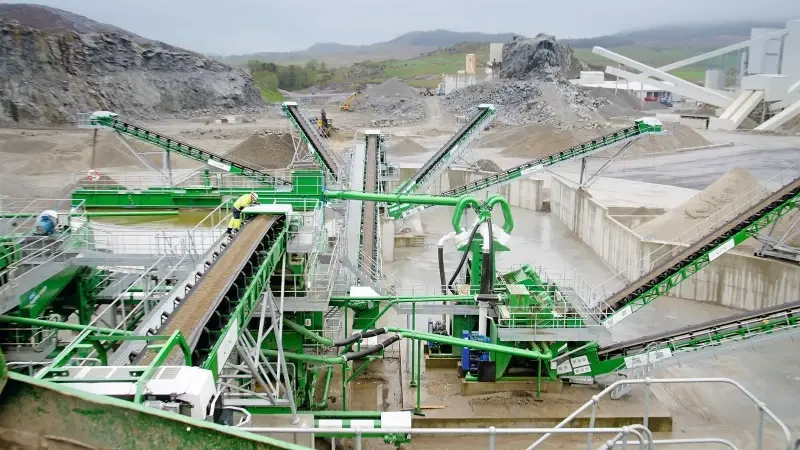
A construction waste recycling line is a complete processing system designed to reduce, screen, crush and separate construction and demolition waste for reuse. Depending on the material characteristics, it can handle common materials such as concrete, reinforced concrete, brick, masonry and waste asphalt, as well as mixed C&D waste containing metal, wood or lightweight materials. The final configuration is selected according to the feed material, capacity and processing requirements.
The basic process typically includes feeding, pre-screening, crushing, screening and material separation, followed by conveying and stockpiling of the processed materials. The line can produce different sizes of recycled aggregate while separating ferrous metals and unwanted lightweight materials when required. The specific equipment combination and final product specifications depend on the project’s material composition, target output and end-use requirements.If you want to know the price of a turnkey waste sorting plant in Canada, please click on the article.
What Construction Waste Can the Recycling Line Process?
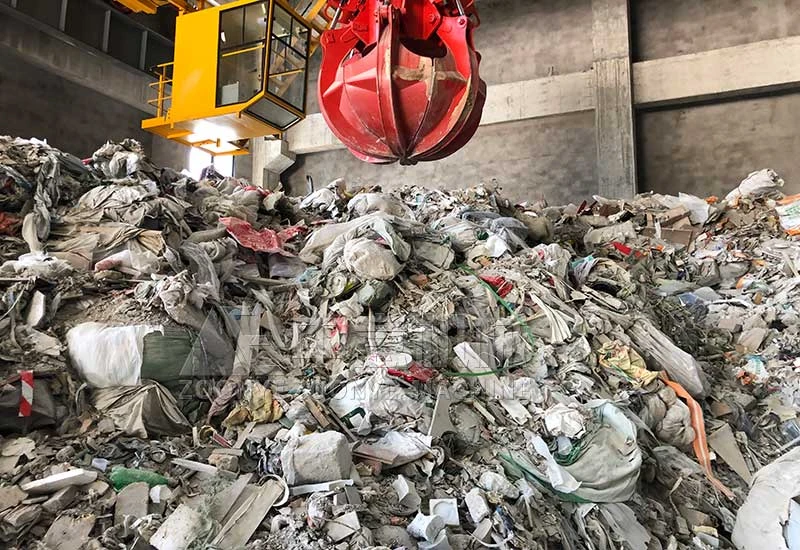
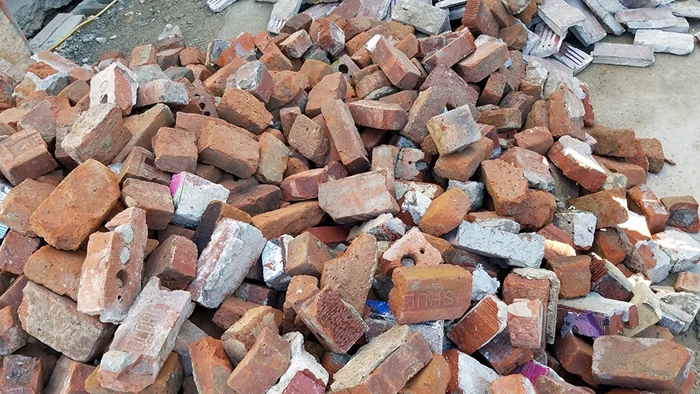
A construction waste recycling line can be configured to handle a wide range of materials generated from demolition, renovation, road construction and infrastructure projects. Common feed materials include concrete, reinforced concrete, brick, concrete blocks, masonry, waste asphalt and mixed construction and demolition waste. Because the composition of C&D waste varies from project to project, the actual feed material is an important factor in determining the overall recycling process.
Concrete and Reinforced Concrete
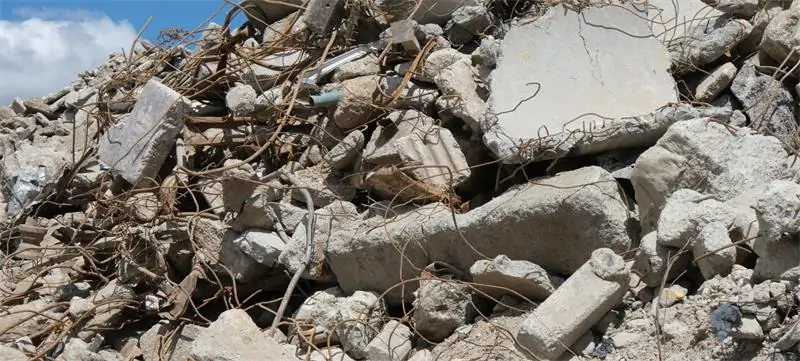
Concrete and reinforced concrete are common materials from building demolition and infrastructure projects. Typical feed materials include demolition concrete, reinforced concrete, concrete blocks, foundations and slabs. These materials are generally dense and durable, while reinforced concrete may contain embedded steel bars or other metal components.
Brick, Block and Masonry
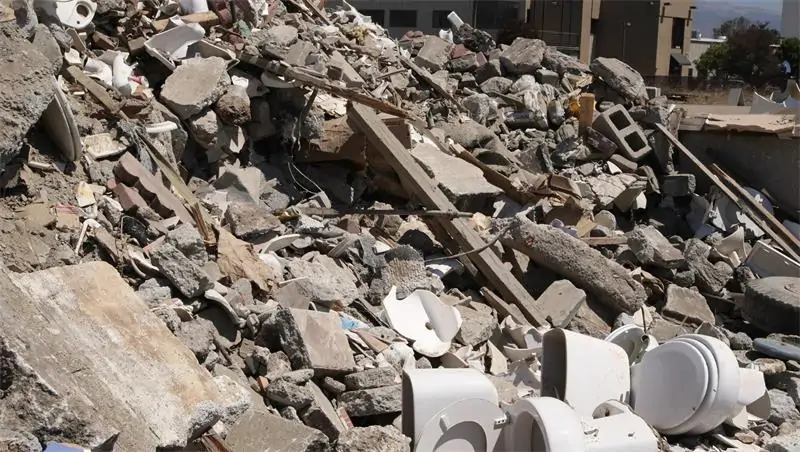
Brick, concrete blocks and masonry are frequently generated during building demolition and renovation. These mineral-based materials can vary in size, strength and composition depending on the original structure. Tiles and other similar mineral materials may also occur in renovation waste and can be included in the same material stream.
Waste Asphalt and Road Construction Materials
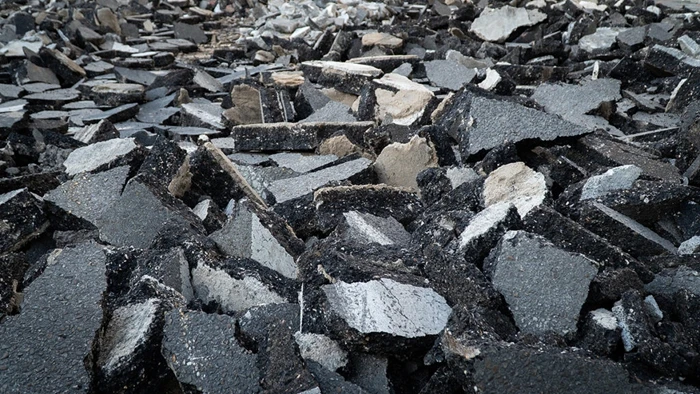
Road construction and rehabilitation projects can generate waste asphalt, removed asphalt pavement and other road construction debris. The material composition can vary depending on whether the waste comes from road resurfacing, pavement removal or infrastructure demolition. These materials may be handled as a dedicated stream or combined with other mineral construction waste depending on the project requirements.
Mixed Construction & Demolition Waste
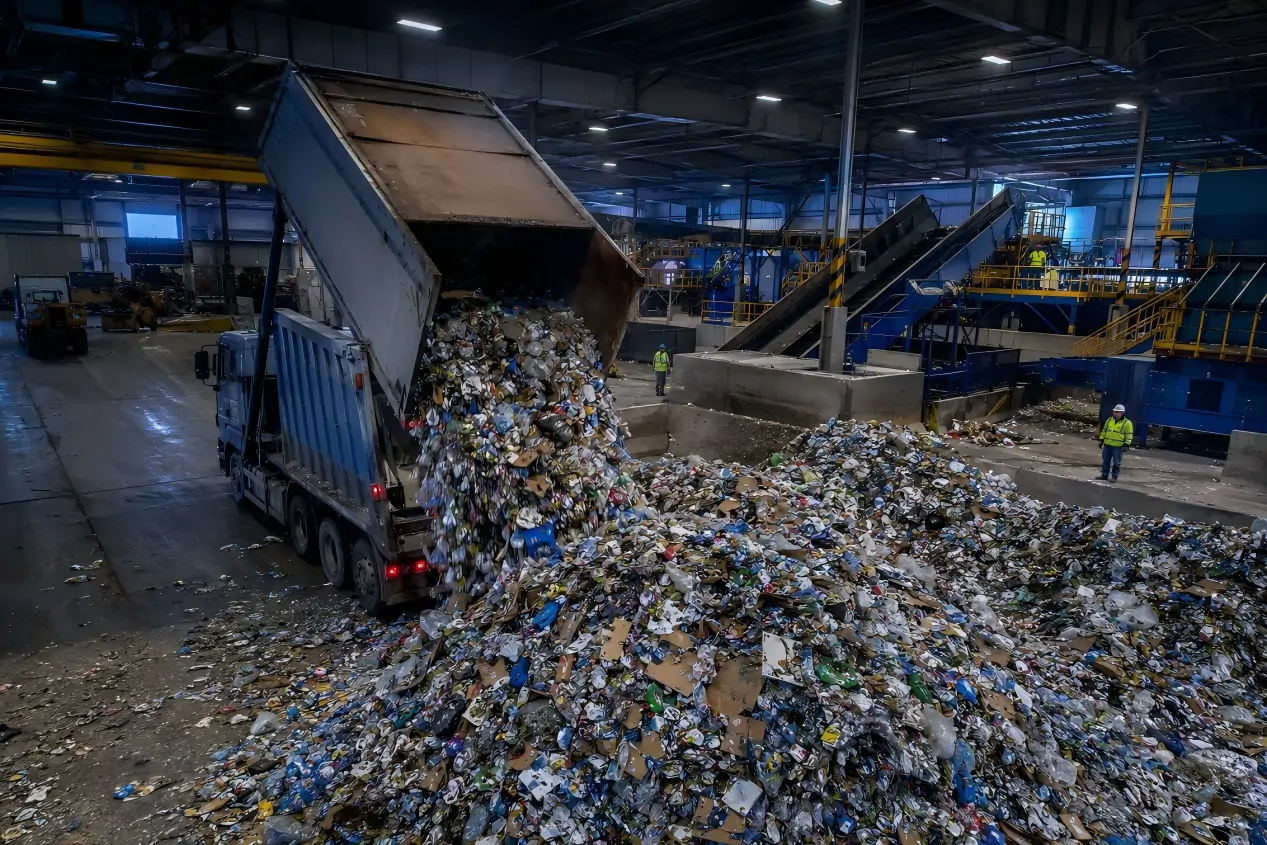
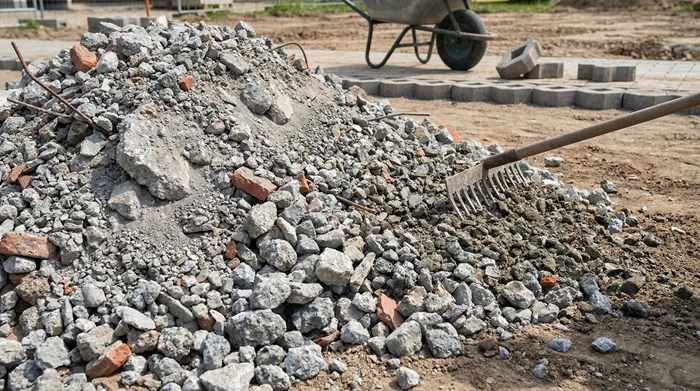
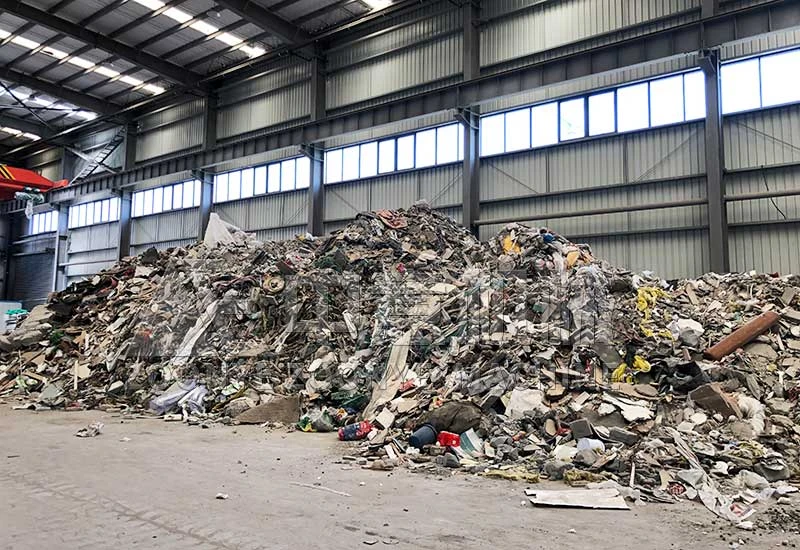
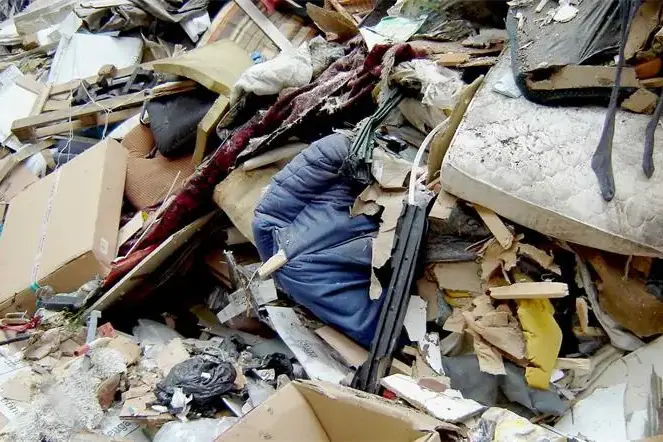
Mixed C&D waste is more complex because it may contain concrete, brick and masonry together with wood, plastic, paper, metals and other lightweight materials. In our experience, the proportion of these materials can vary considerably between demolition and renovation projects, making an accurate understanding of the incoming waste stream important before designing the recycling line.
Construction Waste Recycling Line Process and Key Equipment
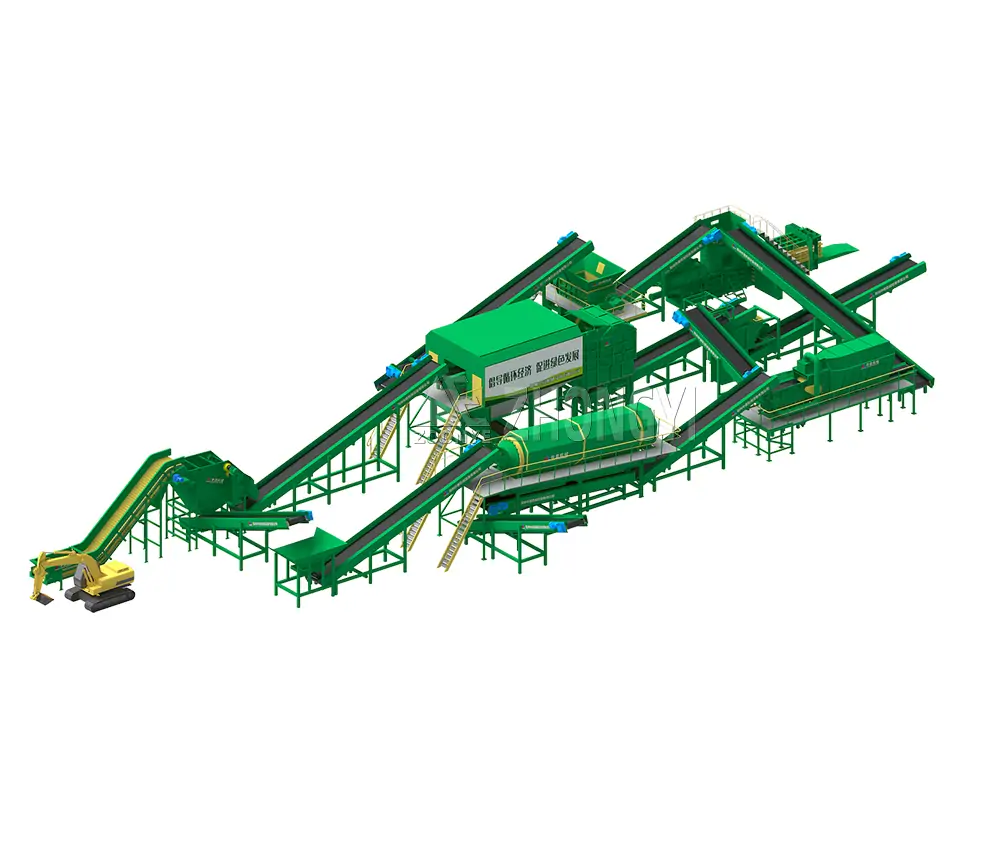
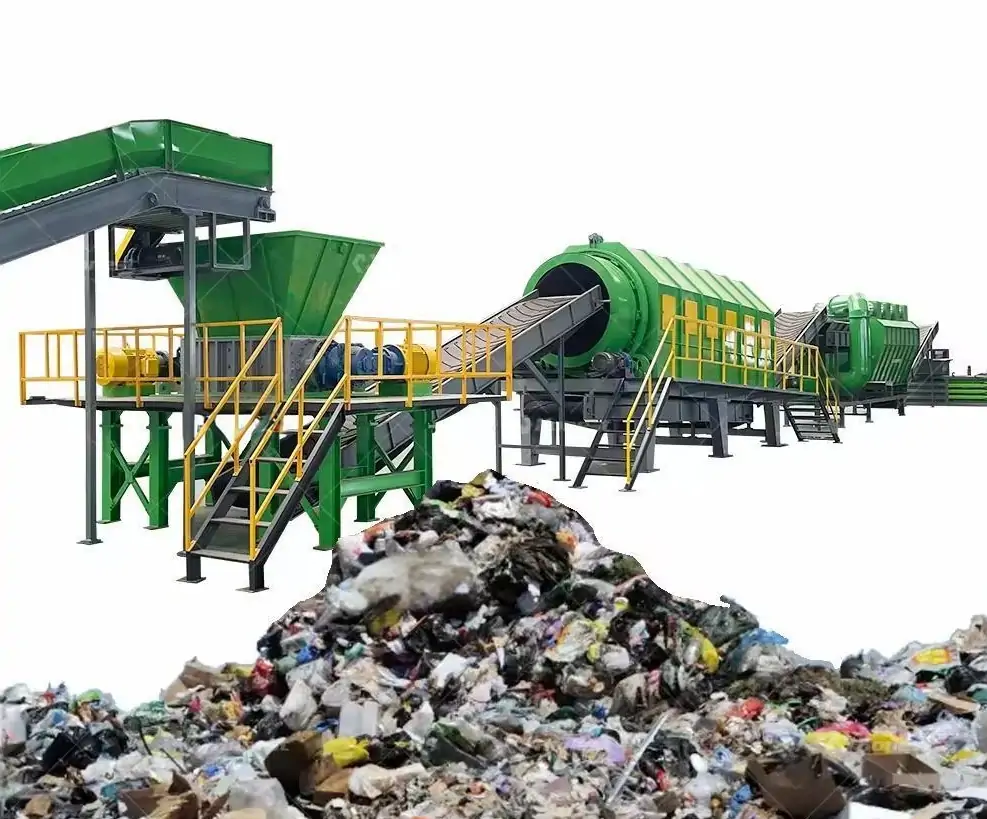
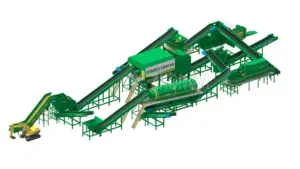
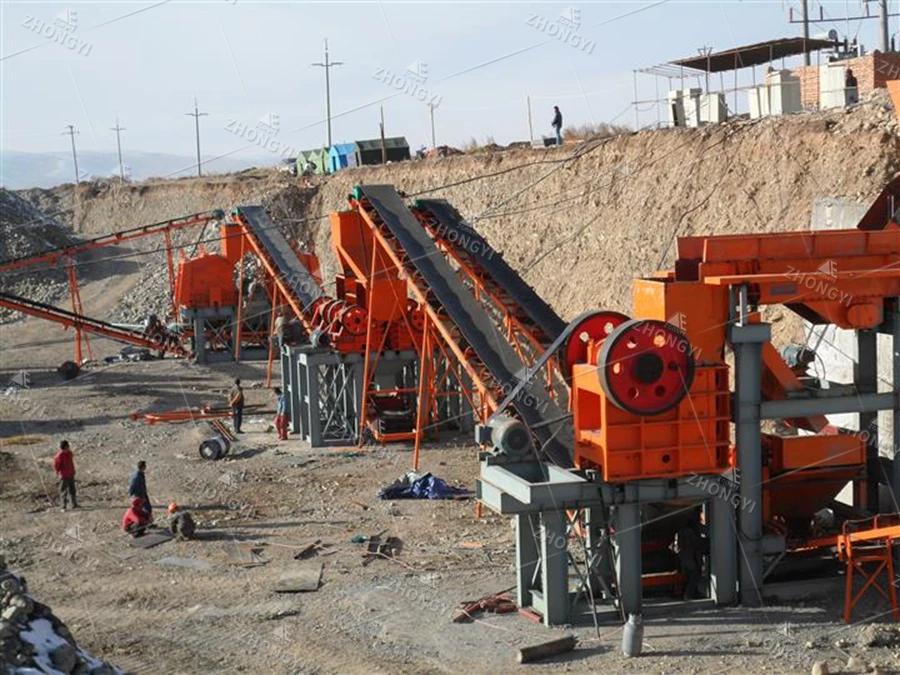
A complete construction waste recycling line connects several processing stages to convert demolition and construction waste into separated and reusable material streams. A typical configuration may follow Feeding → Pre-Screening → Primary Crushing → Secondary Crushing → Magnetic Separation → Screening → Light Material Separation → Conveying, although individual stages can be added, removed or rearranged according to the feed material and final product requirements.
Feeding and Pre-Screening
The first stage is responsible for keeping the material flow steady before crushing. Construction and renovation waste can arrive in irregular sizes and at an inconsistent rate, so controlled feeding is important for stable plant operation. A Light Duty Apron Pan Feeder is suitable for construction waste, decoration waste and bulky recyclables, with a typical capacity of 50–300 m³/h and maximum feed particle size of 350 mm. Pre-screening can be incorporated when excessive fines or undersized material are present.

Primary Crushing
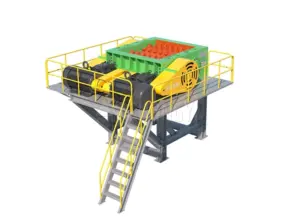
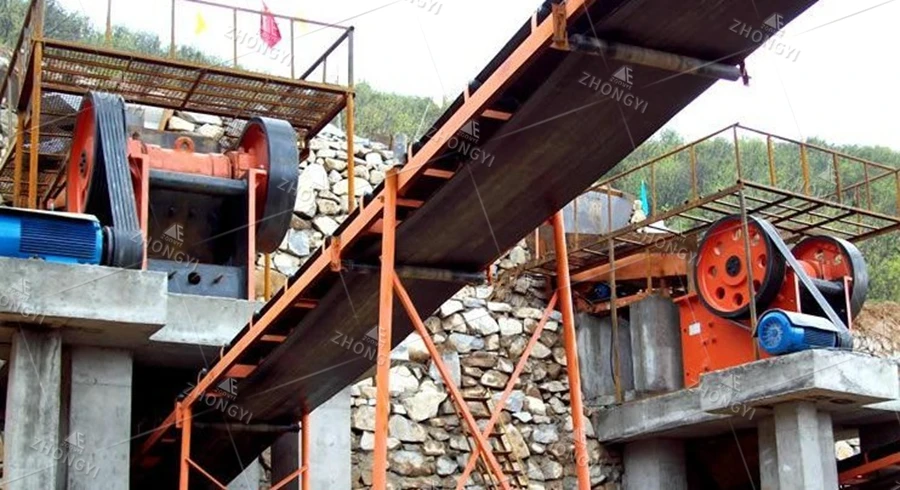
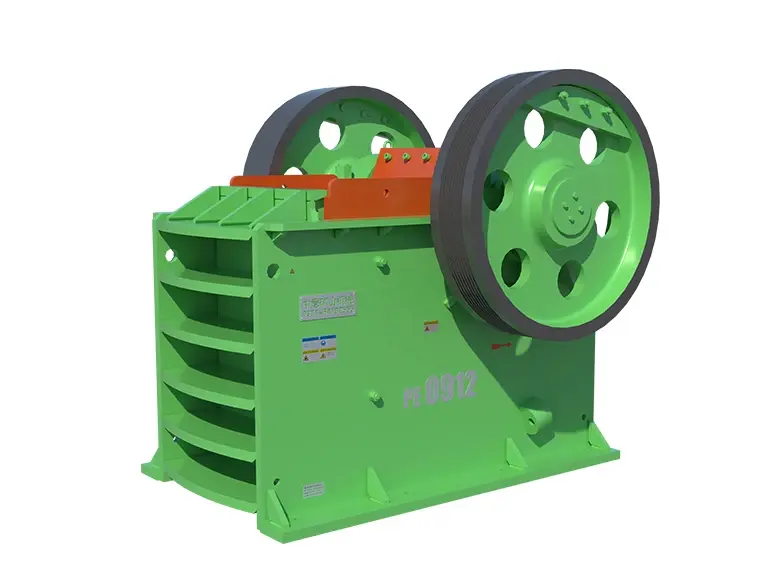
Large demolition debris needs to be reduced before it can enter the downstream classification stages. The PE Series Jaw Crusher Machine is designed for primary crushing of concrete, reinforced concrete, brick, masonry and other hard construction materials. Depending on the model, it can handle feed sizes up to 1,200 mm, with capacities ranging from 1–1,120 t/h. Its role in the recycling line is primarily to establish a suitable particle size for subsequent processing.
Secondary Crushing
A secondary crusher is added when the material needs further size reduction or a more suitable particle shape for the final application. The European Type Impact Crusher can be used after primary crushing, with capacities of 50–500 t/h and maximum feed sizes of 300–800 mm, depending on the model. This stage is optional rather than mandatory, since the required crushing configuration depends on the incoming material and target product size.

Magnetic Separation
Rebar and other ferrous metals are frequently present in reinforced concrete and demolition waste. Magnetic Separators for Recycling continuously extract iron and steel from the material stream, allowing recovered metals to be collected separately while reducing metal contamination in the recycled aggregate. Depending on the process design, the separator can be installed before or after screening or at another suitable point along the conveying system.

Screening and Size Classification
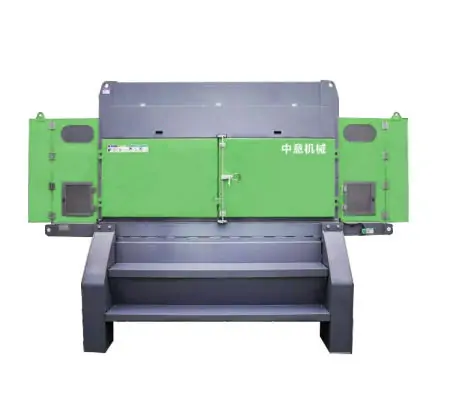
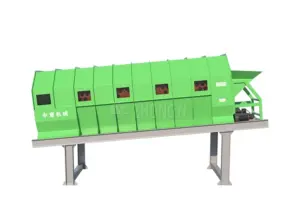
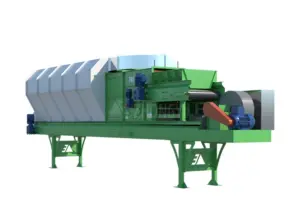
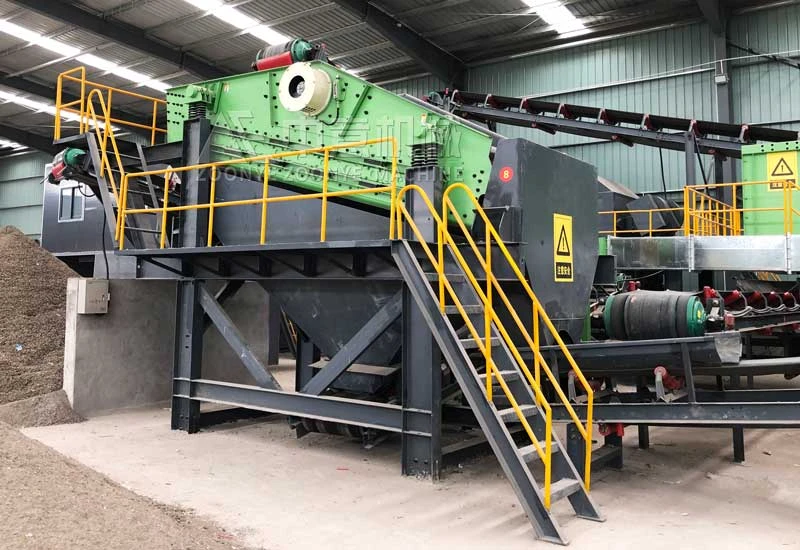
Screening determines how the crushed material is divided into different size fractions for further processing or stockpiling. The equipment can be selected according to the characteristics of the waste and the required product classification. Waste Sorting Disc Screens provide continuous size separation with self-cleaning discs, while GTS Series Rotary Trommel Screens can be incorporated into construction and renovation waste processing lines. Single-, double- or multi-deck configurations can be used according to the required output fractions.


Light Material Separation
Mixed C&D waste may contain lightweight materials such as plastic film, paper, wood fragments and textiles that remain mixed with heavier mineral materials after crushing and screening. A Wind Sifter / Air Separator can be incorporated to separate these fractions through controlled airflow. The FYF Horizontal Negative Pressure Wind Sifter provides a typical capacity of 20–100 m³/h, while the Vertical Negative Pressure Wind Sifter handles approximately 30–150 m³/h, depending on the model and operating conditions.


Manual Sorting and Final Quality Control
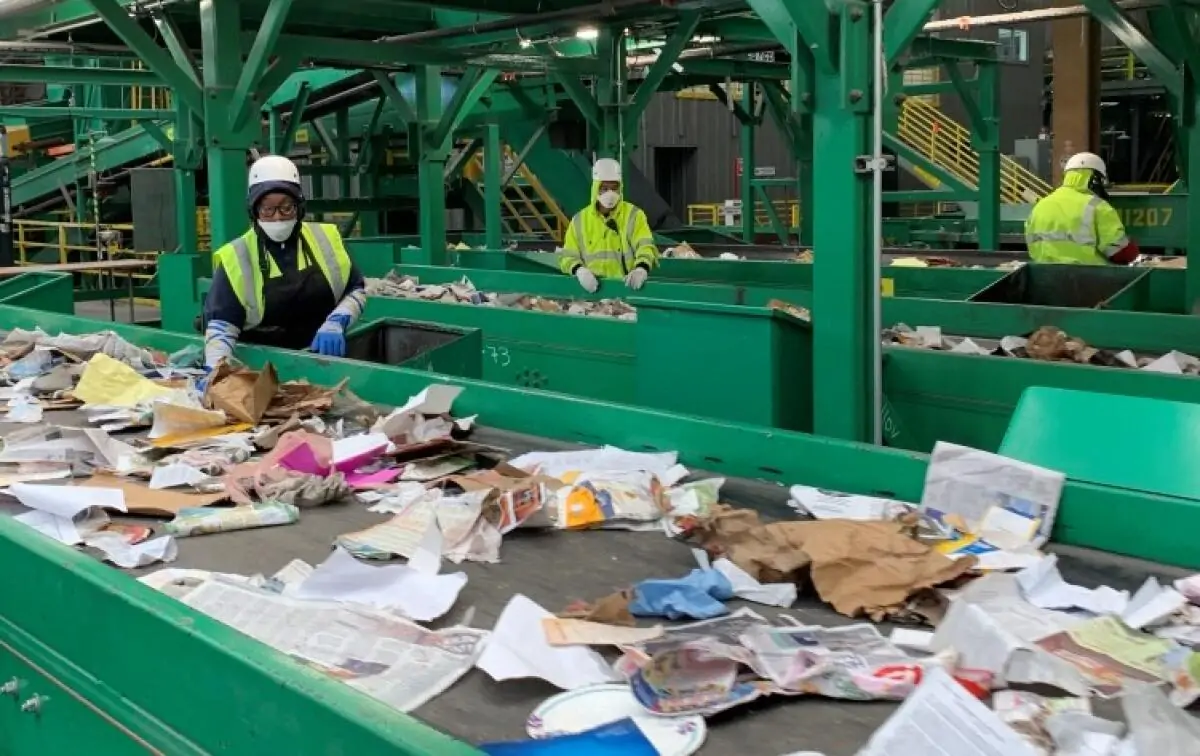
Some mixed construction waste streams still contain materials that require visual identification after mechanical separation. A Manual Waste Sorting Cabin provides an enclosed workstation where operators can remove remaining contaminants or recover recyclable materials that are difficult to separate mechanically. Zhongyi’s sorting cabin can be configured with 6 sorting positions, a 1,400 mm conveyor width and a belt speed range of 0.3–1.0 m/s, providing a manual inspection stage for mixed C&D waste.

Conveying and Stockpiling
The conveying system links the individual processing stages and transfers separated materials to their designated stockpiles. Enclosed Belt Conveyors can be integrated into construction waste recycling plants where controlled material transfer and dust reduction are important. Available configurations include 500–2,000 mm belt widths, 20–2,000 m+ conveying lengths and capacities of 100–2,000 t/h. Conveyor layout is determined by equipment arrangement, transfer distance, discharge height and stockpile location.

Typical Construction Waste Recycling Line Configurations
Construction waste recycling lines are configured according to processing capacity, feed material, final product requirements and site conditions. Smaller systems can focus on basic crushing, screening and ferrous metal removal, while higher-capacity plants may add secondary crushing, air separation and additional screening for more complex C&D waste. Stationary and mobile configurations can also be selected according to whether processing takes place at a permanent facility or directly at the project site.
| Processing Capacity | Typical Configuration | Suitable Projects | Processing Focus |
| 30–50 TPH | Feeder → Jaw Crusher → Magnetic Separator → Screen → Belt Conveyor | Small demolition projects, small recycling yards, local contractors | Basic crushing, metal removal and aggregate sizing |
| 50–100 TPH | Feeder → Pre-Screen → Jaw Crusher → Impact Crusher → Magnetic Separator → Screen → Conveyors | Concrete, brick, asphalt and general demolition waste | Higher throughput and controlled aggregate sizing |
| 100–200 TPH | Feeding → Pre-Screening → Jaw Crusher → Impact Crusher → Magnetic Separator → Screen → Wind Sifter → Conveyors | C&D recycling facilities and mixed construction waste | Multiple product sizes and improved material separation |
| 200+ TPH | Project-specific crushing, screening and separation system | Regional recycling centers, large demolition and infrastructure projects | High-volume processing and customized material recovery |
Capacity alone does not determine the recycling line configuration. A 100 TPH concrete recycling line may require a simpler process than a 100 TPH mixed C&D waste line because the latter can contain rebar, wood, plastic and other lightweight contaminants. The final equipment combination should therefore be determined by feed composition, maximum feed size, target aggregate sizes, contamination level and site conditions.
How to Choose the Right Construction Waste Recycling Line Specification?
Selecting a construction waste recycling line specification starts with the actual feed material and the required recycled products rather than capacity alone. Before preparing a plant design and quotation, the supplier should understand the material type, maximum feed size, required capacity, final product size, contamination level and operating conditions. These inputs determine the required crushing, screening and separation stages.
Define the Feed Material and Its Characteristics
First identify whether the feed consists mainly of clean concrete, reinforced concrete, brick and masonry, asphalt, or mixed C&D waste. The maximum feed size should also be provided because large demolition concrete requires a crusher with an appropriate feed opening, while pre-processed material may allow a more compact crushing stage. For mixed C&D waste, the supplier should also understand the proportion of rebar, wood, plastic, paper and other contaminants.
The more variable the feed material is, the more important accurate material information becomes. A clean concrete stream may require mainly crushing, screening and ferrous metal removal, while mixed material can require additional separation stages.
Match Capacity, Product Size and Separation Requirements
The required throughput should be stated in TPH, together with the expected operating hours and production conditions. Typical planning ranges may include 30–50 TPH, 50–100 TPH, 100–200 TPH and 200+ TPH, but the equipment should not be selected from capacity alone.
The supplier should also know whether the project requires one aggregate size, multiple aggregate sizes or fine material. This determines the screening arrangement and recirculation requirements. If the feed contains significant ferrous or lightweight contaminants, magnetic separation or air separation may be added according to the required product quality.
Select the Plant Type According to Site and Operating Model
The choice between mobile and stationary equipment should be based on how and where the material will be processed. Mobile plants are suitable for on-site recycling, demolition projects and multiple job locations, while stationary systems are more appropriate for permanent recycling yards and continuous material processing.
For plant design, buyers should provide information about available site space, material delivery and stockpiling areas, transportation distance, relocation frequency and expected operating pattern. The final configuration should therefore match the complete material flow from feed to finished products, rather than being determined by capacity alone.
Recycled Products from Construction Waste
A construction waste recycling line can produce recycled aggregate, reclaimed asphalt material and recovered recyclable fractions from demolition and C&D waste. The actual output depends on feed composition, processing configuration and required product specifications.
Recycled Concrete Aggregate (RCA)
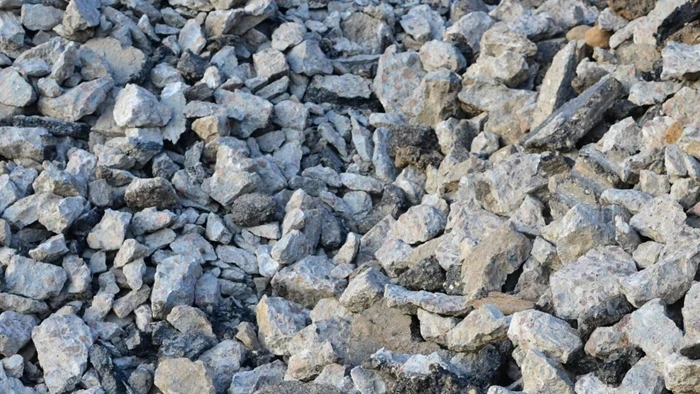
Recycled Concrete Aggregate (RCA) is produced from processed concrete and reinforced concrete and can be used for road base, subbase, backfill, drainage and other approved construction applications. Final use depends on aggregate quality, gradation and applicable project requirements.
Reclaimed Asphalt Material
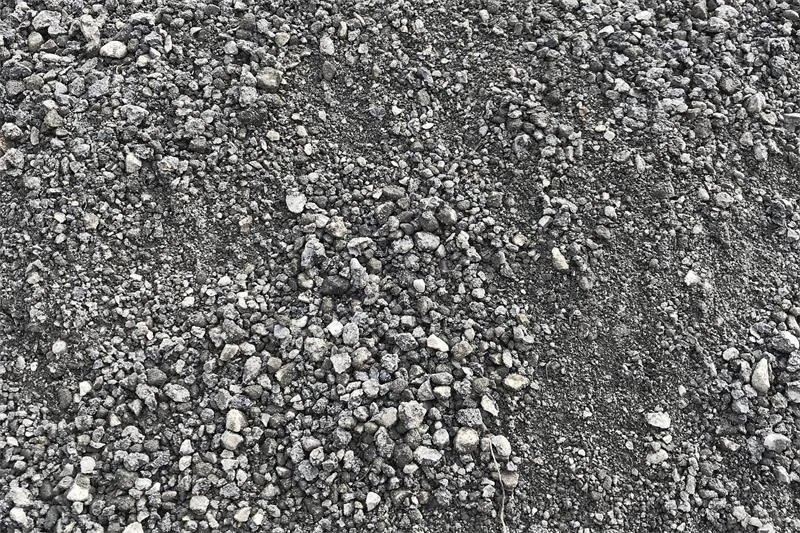
Reclaimed Asphalt Pavement (RAP) is recovered from asphalt pavement and road construction waste and can be processed for asphalt mixtures, base materials and other pavement-related applications. The appropriate processing method depends on the asphalt feedstock and the requirements of the intended application.
Recovered Ferrous Metal
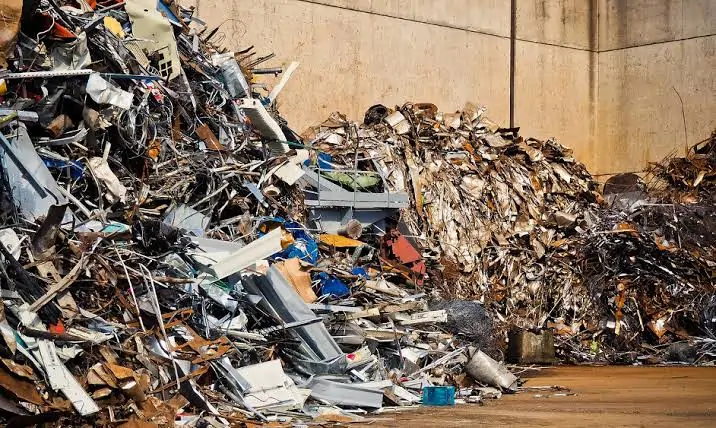
Rebar, steel, wire and other ferrous materials can be recovered from reinforced concrete and mixed C&D waste through magnetic separation. The separated metal can be collected as a recyclable material while reducing ferrous contamination in the recycled aggregate stream.
Separated Lightweight Materials
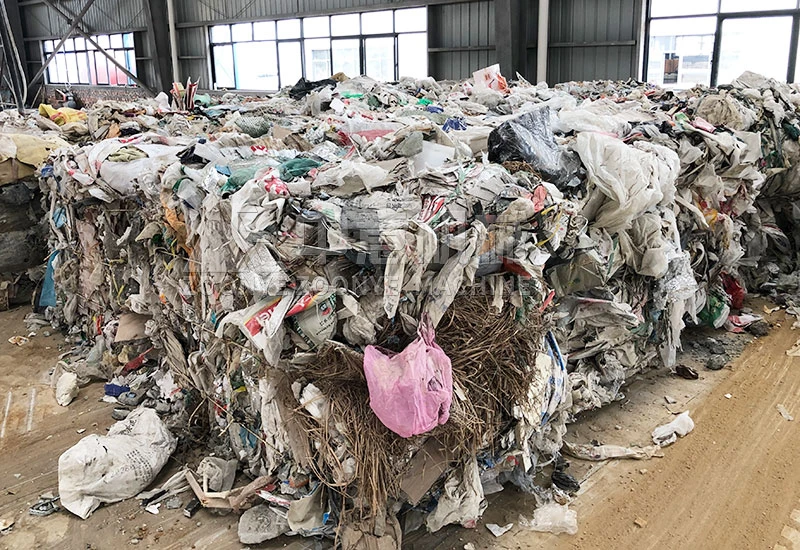
Mixed C&D waste may contain wood, plastic, paper, textiles and other lightweight contaminants. Air separation can remove these materials from the heavier mineral fraction, helping improve the cleanliness and consistency of the recycled aggregate while allowing the separated stream to be further recovered or managed appropriately.
What Specifications Should Buyers Provide for a Recycling Line Quote?
For an accurate construction waste recycling line quotation, buyers should provide more than the required capacity. The supplier needs to understand the incoming material, contamination level, target products and site conditions before determining the crushing, screening and separation configuration. The key information should include:
- Material Type & Composition: Concrete, reinforced concrete, brick, masonry, asphalt or mixed C&D waste, including the approximate material ratio.
- Maximum Feed Size: The largest expected material entering the recycling line.
- Expected Capacity: Required processing rate in TPH and expected operating hours.
- Final Product Size & Requirements: Target aggregate sizes, number of product fractions and intended application.
- Contamination & Moisture: Rebar and steel content, lightweight impurities such as wood and plastic, and the general moisture condition of the feed.
- Site & Plant Requirements: Available site dimensions and whether the system needs to be mobile or stationary.
Providing these parameters allows our engineers to recommend the appropriate crushing, screening and separation configuration instead of offering a generic equipment package.
Construction Waste Recycling Line Project Example
From Waste to Recycled Materials: Zhongyi Machinery Renovation Waste Recycling Project
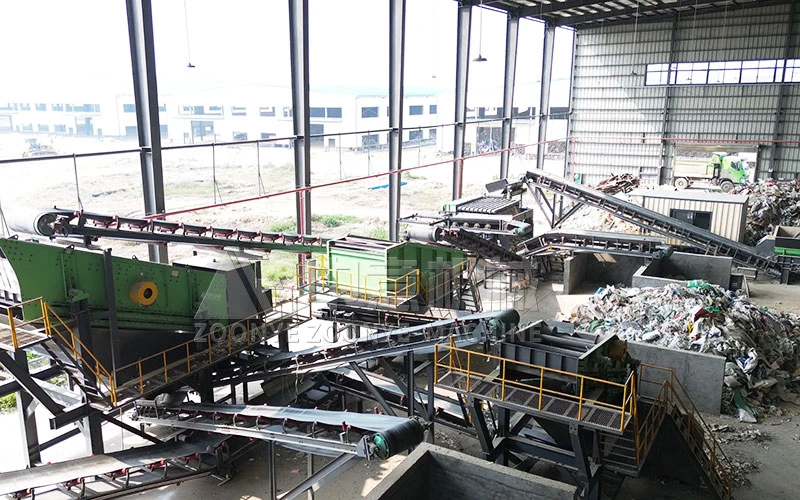
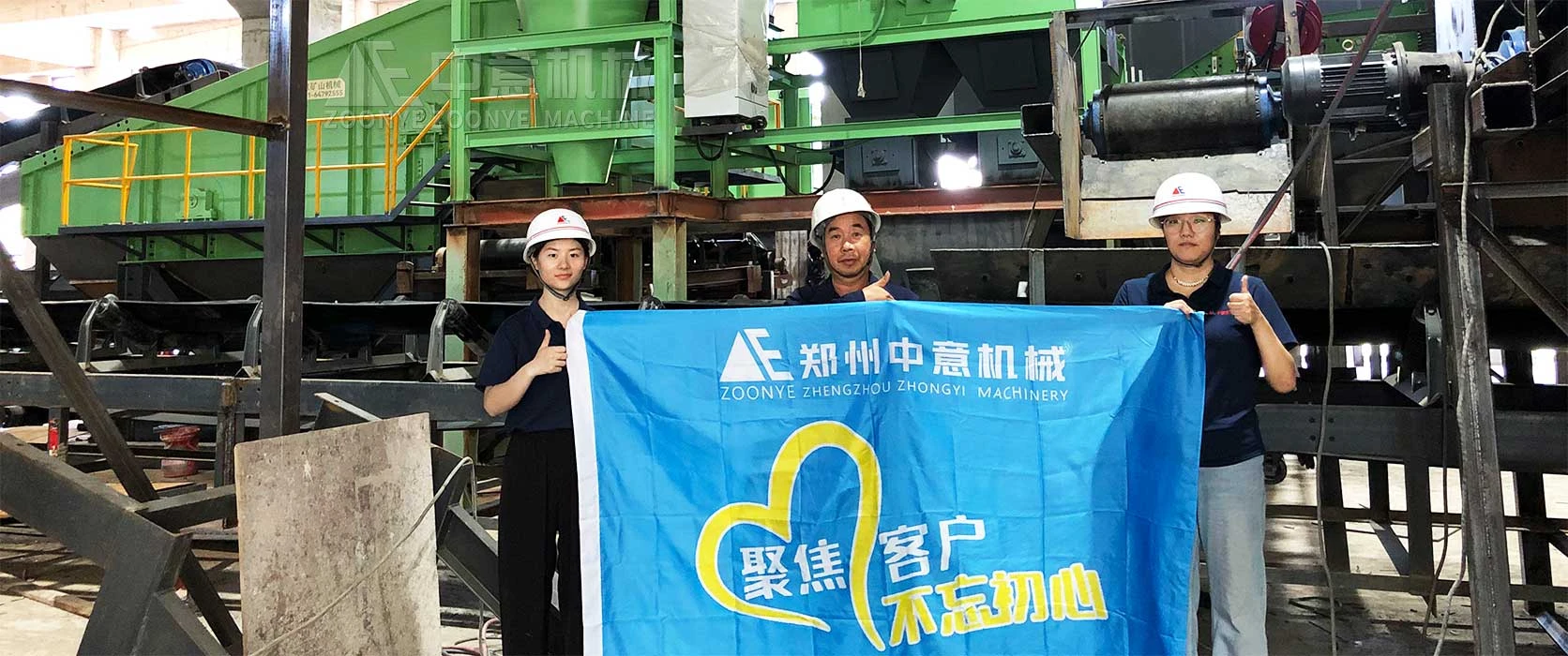
Zhongyi Machinery supplied a 150–200 t/h renovation waste recycling line for mixed construction and renovation waste, including concrete, bricks, soil, wood, plastics, foam and metals. The system combines crushing, screening and material separation to handle variable feed and recover different material streams. Zhongyi provided site assessment, process design, installation and commissioning.
The main challenge was maintaining stable throughput with mixed and irregular materials. The completed line separates recycled aggregate, fine materials, metals and lightweight fractions, while supporting stable conveying and environmental control.
Conclusion
A Construction Waste Recycling Line USA Specification should be determined by the actual project requirements, including material type, capacity, maximum feed size, separation needs, final product size and site conditions. A suitable recycling line should be engineered around these factors rather than based on a fixed equipment package.
Zhongyi provides complete construction waste recycling solutions with crushing, screening, magnetic separation, air separation and conveying equipment. Our engineers can configure the system according to your material, capacity, site and final product requirements. If you are planning a new recycling project or upgrading an existing line, share your material and processing requirements with our engineers for a practical configuration proposal.


Andy Yu
Technical Engineer | Zhongyi ECO
16+
Years Exp.
300+
Solutions
50+
Countries
16 years’ experience in environmental and solid waste management, specializing in C&D recycling and waste sorting solutions. At Zhongyi Mining Machinery, focused on improving global clients’ efficiency through technical expertise and tailored configurations.
FAQ
A construction waste recycling line is an integrated system for processing concrete, reinforced concrete, brick, asphalt and mixed C&D waste into reusable material streams. Depending on the feed characteristics and product requirements, the system may combine crushing, screening, magnetic separation, air separation and conveying. The actual configuration is determined by the material composition, required capacity, product size and contamination level.
Construction waste recycling lines can be designed for different production requirements, from small recycling operations to high-volume commercial facilities. Typical project ranges may include 30–50 TPH, 50–100 TPH, 100–200 TPH and 200+ TPH. The appropriate capacity should be selected according to the incoming waste volume, material characteristics, operating hours and required finished product output.
Yes. A properly designed recycling line can process reinforced concrete and recover embedded steel through crushing and magnetic separation. The equipment configuration depends on the concrete size, rebar content and required aggregate output. Magnetic separators can remove rebar, steel wire and other ferrous materials from the processed stream, reducing metal contamination and allowing recovered ferrous material to be collected separately.
A recycling line can produce different sizes of recycled concrete aggregate (RCA) and reclaimed asphalt material, while also separating ferrous metals and lightweight fractions from mixed C&D waste. The number and size of final products depend on the required gradation and intended application. Whether the recycled material meets a specific project requirement should be evaluated based on its quality and applicable local specifications.
Air separation is not required for every construction waste recycling line. Relatively clean concrete or mineral waste may only require crushing, screening and ferrous metal removal. Mixed C&D waste containing substantial wood, plastic, paper or textiles may require a wind sifter to separate lightweight contaminants from heavier mineral materials and improve the quality of the recycled aggregate stream.
The cost depends on the required capacity, feed material, maximum feed size, number of crushing and screening stages, separation requirements and site conditions. A simple concrete recycling line will generally require a different investment from a complete mixed C&D waste processing plant. For an accurate quotation, suppliers should evaluate the specific material and process requirements rather than provide a standard equipment price.
A mobile recycling line is generally suitable when waste needs to be processed at multiple demolition or construction sites, while a stationary plant is more appropriate for a permanent recycling facility. The decision also depends on site access, available space, stockpile arrangements and how frequently the equipment needs to be relocated. Capacity alone should not determine the choice between mobile and stationary operation.
For an accurate quotation, provide the material type and composition, maximum feed size, required capacity, final product size, rebar and lightweight impurity content, moisture condition, site dimensions and mobile or stationary requirement. Photos or representative material samples can also be useful when the feed is highly mixed. These details allow engineers to develop a process configuration based on the actual project instead of a generic equipment package.
Related Waste Sorting Equipment


PE Series Jaw Crusher
The PE Series Jaw Crusher is designed for the heavy-duty reduction of large demolition materials before further processing. Its robust crushing chamber is suitable for concrete, reinforced concrete, brick and masonry, making it a practical choice for construction waste plants handling variable feed sizes and demanding operating conditions.

European Type Impact Crusher
The European Type Impact Crusher is suitable for projects requiring further reduction and improved particle shape after primary crushing. It can be incorporated into recycling systems processing concrete, brick, asphalt and other mineral waste where controlled sizing and a more uniform aggregate shape are important to the final product.


Waste Sorting Disc Screen
The Waste Sorting Disc Screen provides continuous separation of construction waste by particle size before or after crushing. Its open screening structure helps handle mixed mineral materials and fines while reducing material buildup, making it suitable for recycling lines where stable classification and consistent downstream feeding are required.


Magnetic Separator for Recycling
The Magnetic Separator for Recycling is used to recover ferrous materials from processed construction and demolition waste. It is particularly useful for streams containing rebar, steel wire and other iron-based contaminants, helping protect downstream equipment while producing a cleaner mineral fraction and creating a separate ferrous recovery stream.