
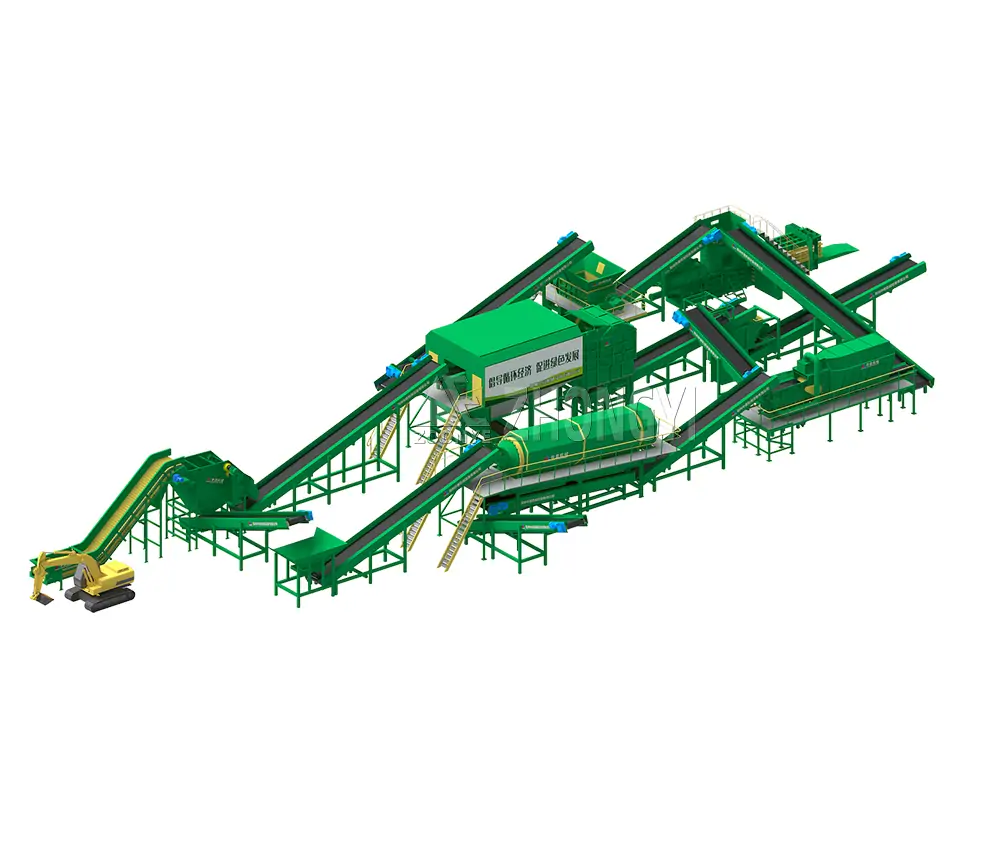
What Is a Landfill Mining Plant?
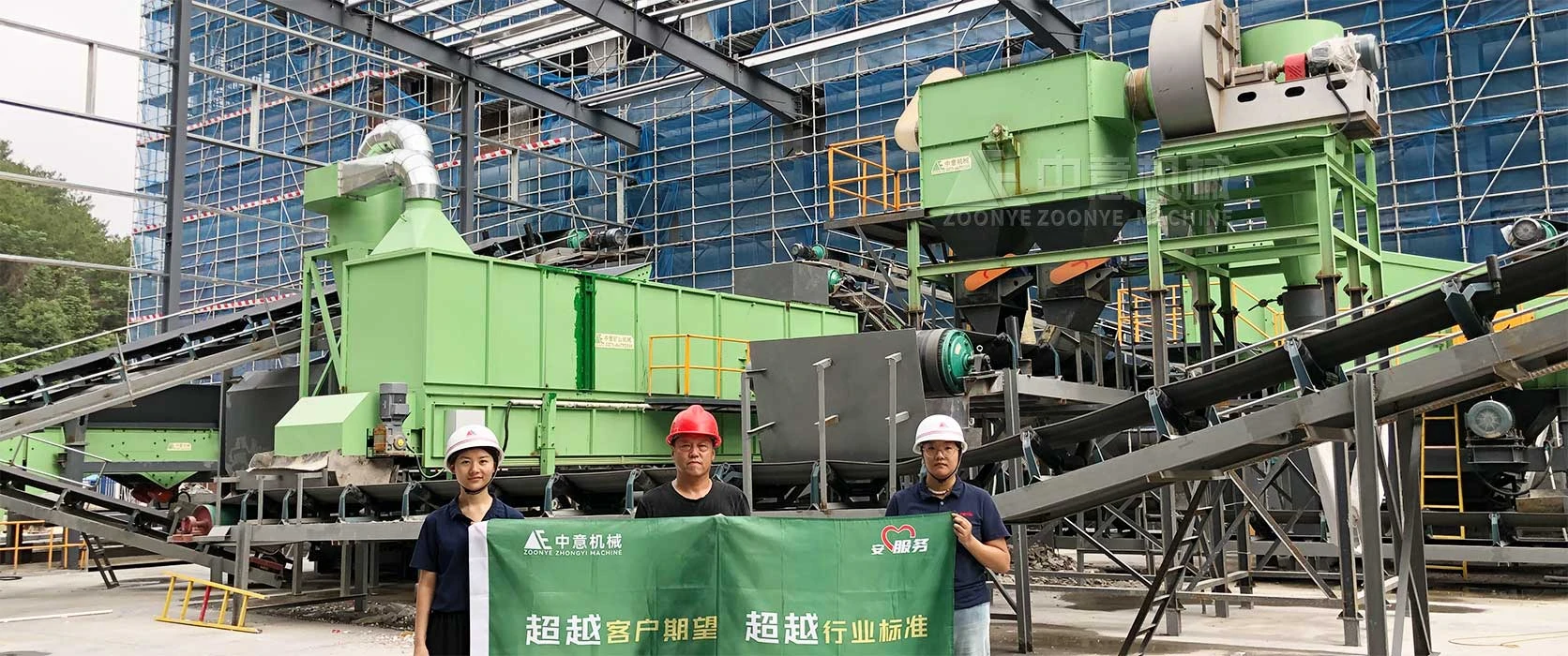
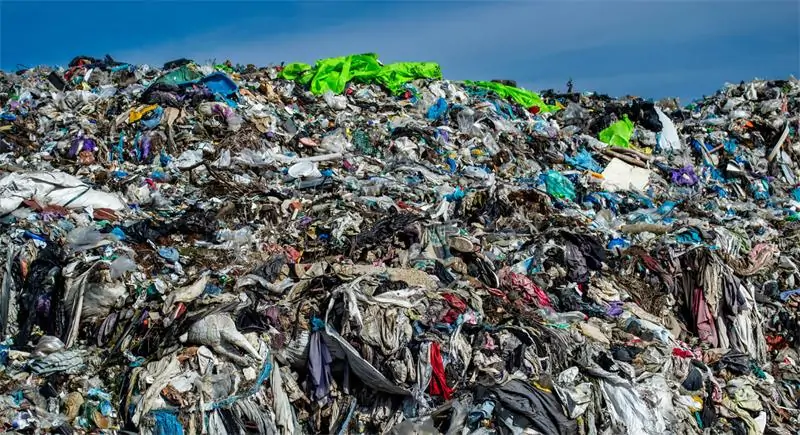
A landfill mining plant is an integrated system designed for landfill mining and legacy waste processing, which excavates, screens, separates, and recovers aged buried waste from old landfill sites. It processes mixed materials such as decomposed municipal solid waste, plastics, metals, soil-like fines, textiles, wood, and inert debris through crushing, screening, magnetic separation, and density sorting to enable efficient old waste recovery.
As a key solution for landfill reclamation, landfill mining helps reclaim valuable landfill space while converting buried waste into reusable resources. Recovered metals can be recycled, combustible fractions can be processed into RDF fuel, and screened soil-like materials can be reused for backfilling or site restoration. This process not only creates economic value from historical waste deposits but also reduces long-term environmental risks such as leachate contamination, methane emissions, and land occupation.
Separation Production Line for Aged Landfill Waste
Aged Waste, Municipal Solid Waste & Landfill Waste Screening and Sorting Production Line
Why Landfill Mining Matters?
Landfill mining is becoming an essential strategy for modern waste management and landfill reclamation. It enables operators to recover valuable materials from buried waste, extend landfill service life, reduce environmental liabilities, and transform old disposal sites into reusable land and resource assets.
Recover Valuable Resources: Recover recyclable metals, RDF fuel, soil-like materials, and recycled aggregates from aged waste to create new economic value.
Reclaim Landfill Space: Excavate and process legacy waste to release valuable landfill capacity for future waste management needs.
Reduce Environmental Risks: Minimize leachate contamination, methane emissions, and long-term soil and groundwater pollution risks.
Support Circular Economy: Convert historical waste deposits into reusable resources, reducing dependence on virgin raw materials.
Lower Remediation Cost: Reduce long-term landfill closure, monitoring, and environmental remediation expenses through active resource recovery.
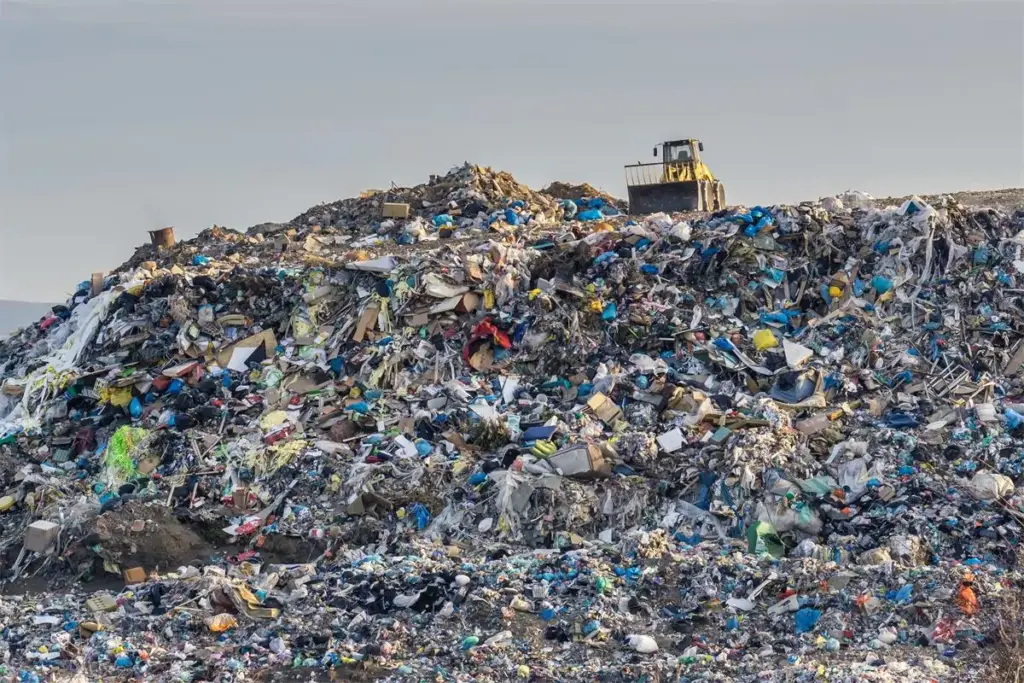
What Materials Can Be Processed?
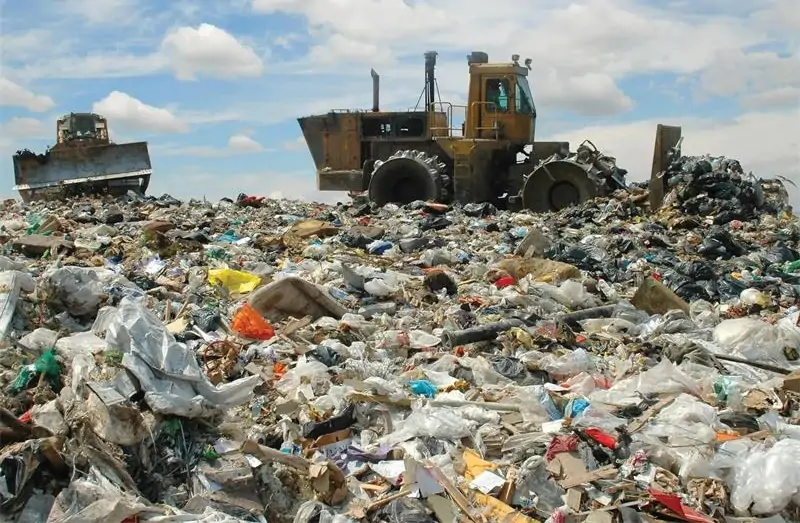
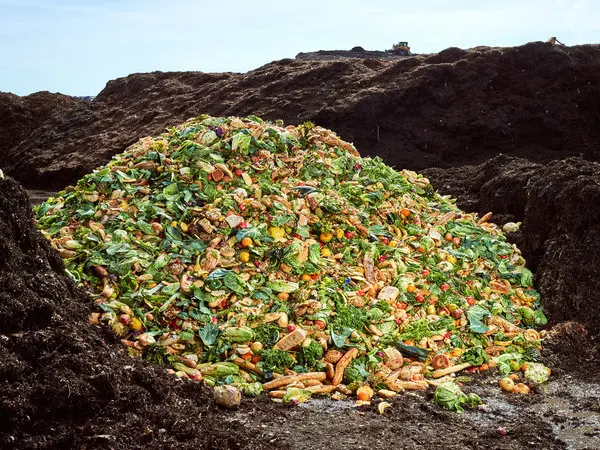
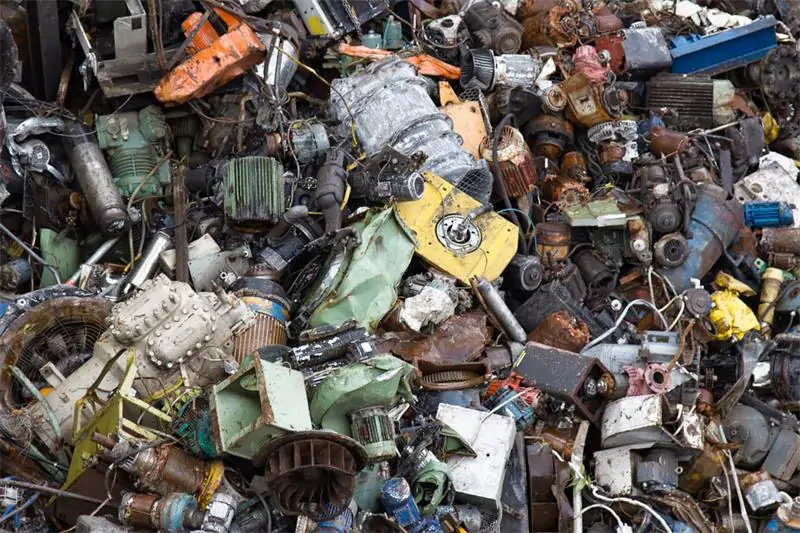
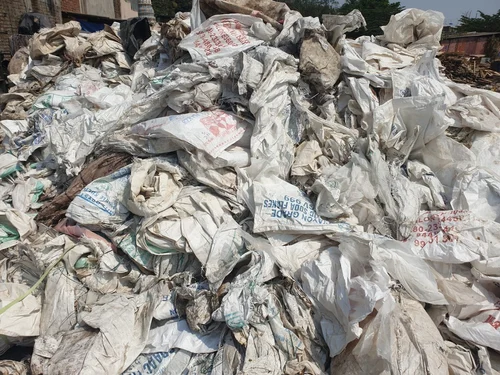
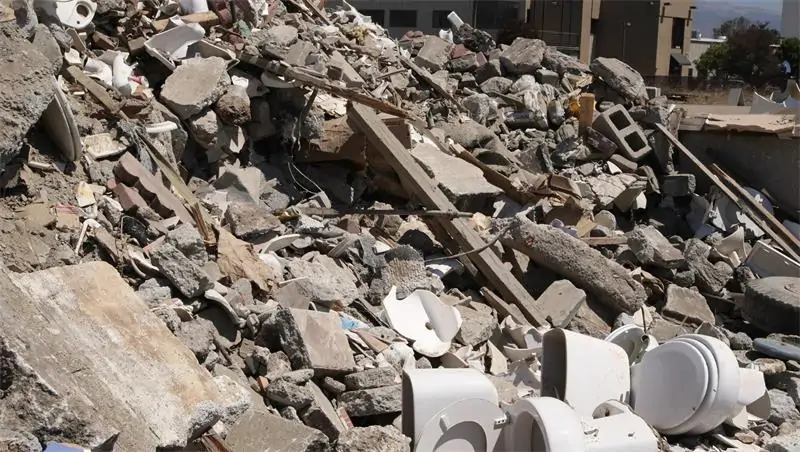
Landfill Mining Plants are engineered to process diverse legacy waste fractions commonly found in old landfill sites, including decomposed municipal waste, soil-like fines, plastics, metals, organic residues, and inert construction debris for efficient resource recovery and landfill reclamation.
Sorting Process
The flow includes waste excavation, feeding and pre-screening, trommel screening for size classification, magnetic separation for metal recovery, air density separation for light materials, manual or optical sorting for fine purification, RDF recovery, soil fraction refinement, and final material utilization or disposal.
With a processing capacity of 30–500 TPH and recovery rates of 70–90%, the system converts mixed legacy waste into reusable metals, RDF fuel, recycled aggregates, and soil-like materials, reducing landfill volume and enabling resource reclamation.
System Equipment
A landfill mining plant is composed of a heavy-duty feeding system, multi-stage screening units, and advanced separation equipment designed to handle highly mixed, wet, and decomposed waste. The production line focuses on stable material handling, efficient size classification, and high-precision resource recovery. With properly configured systems, recovery rates can reach 70–90%, significantly reducing landfill volume while maximizing metals, RDF fuel, and reusable soil fractions.

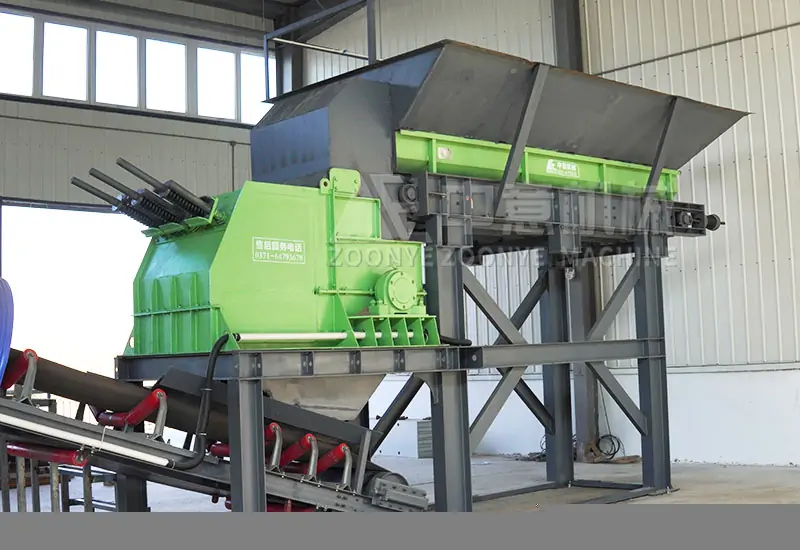
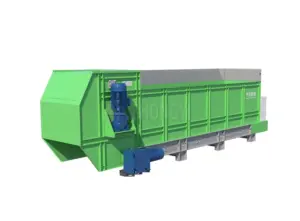
Provides stable and continuous feeding of uneven landfill waste, handling large and heavy materials up to 800–1200 mm.
Get a Free Quote

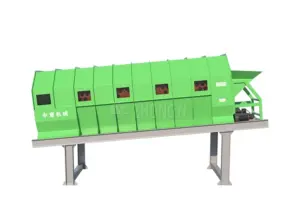
Separates waste into multiple size fractions, improving sorting efficiency for downstream recovery systems.
Get a Free Quote
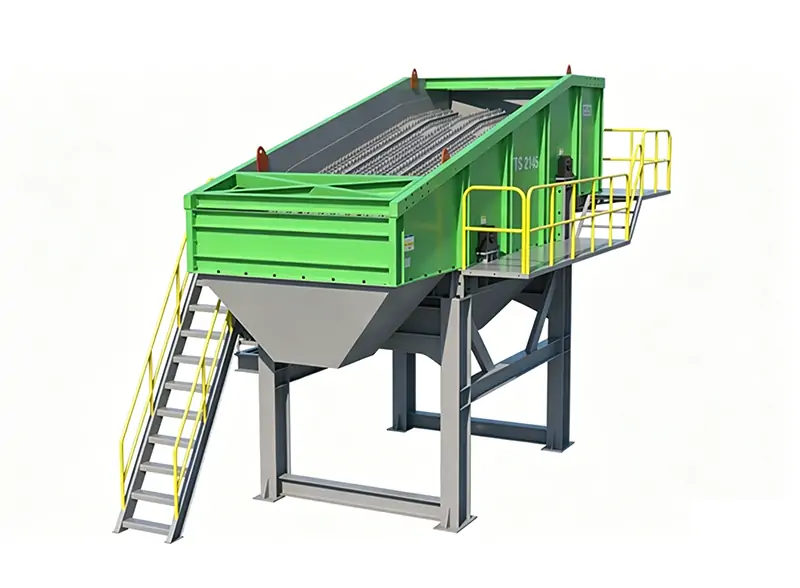
Ballistic Separator
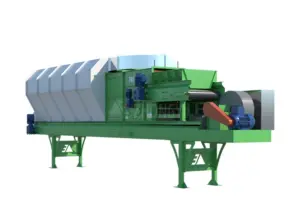
Divides materials into heavy, light, and fine fractions for more precise resource classification.
Get a Free Quote

Removes light materials such as plastics, films, and paper through airflow classification.
Get a Free Quote

Magnetic Separator recovers ferrous metals like iron and steel with separation efficiency above 95%.
Get a Free Quote

Separates non-ferrous metals such as aluminum and copper for high-value metal recovery.
Get a Free Quote

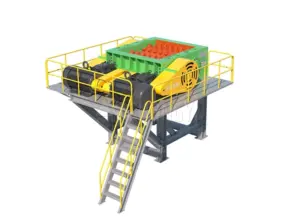
RDF Shredder processes combustible fractions into uniform RDF fuel particles for energy utilization.
Get a Free Quote
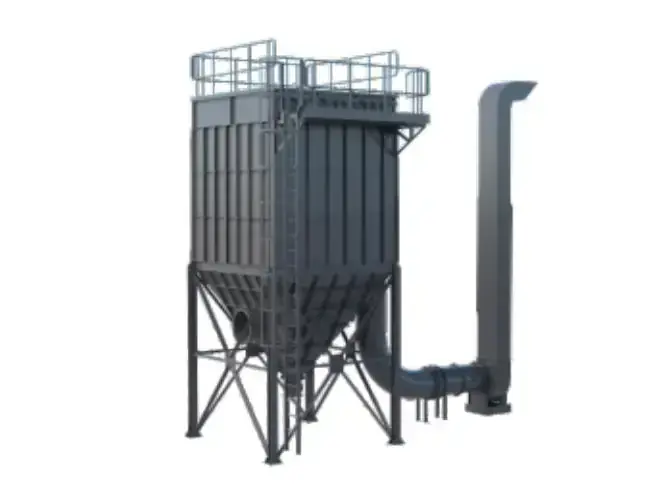
Dust & Odor Control System
Controls dust and odor emissions throughout the plant to ensure compliant and clean operation.
Get a Free Quote
Material & Final Products
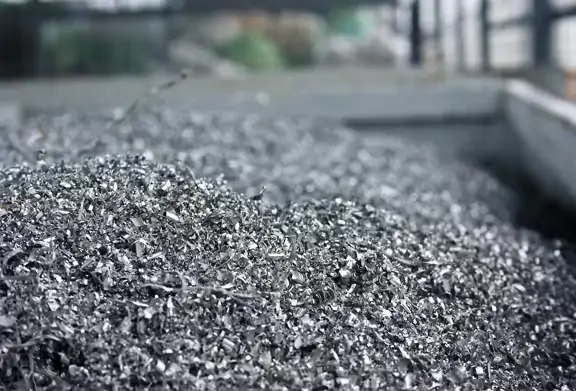
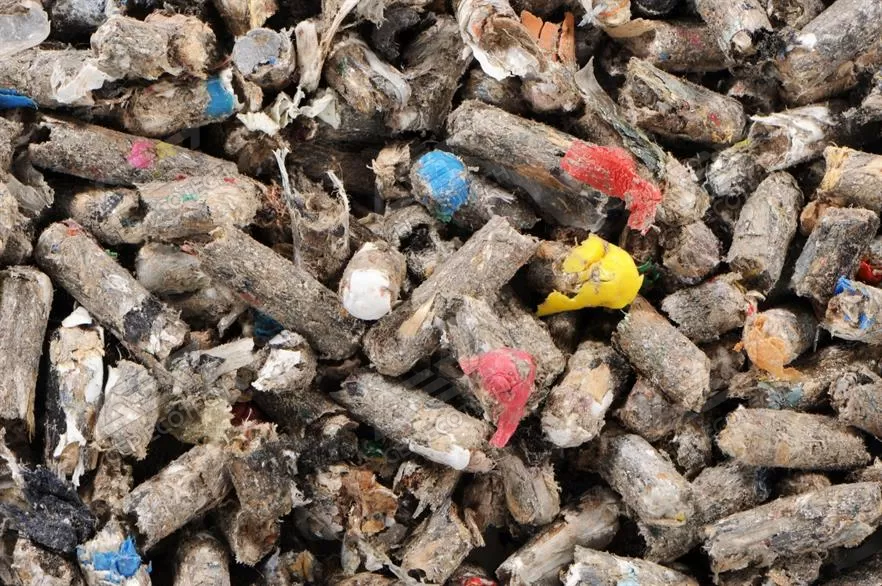
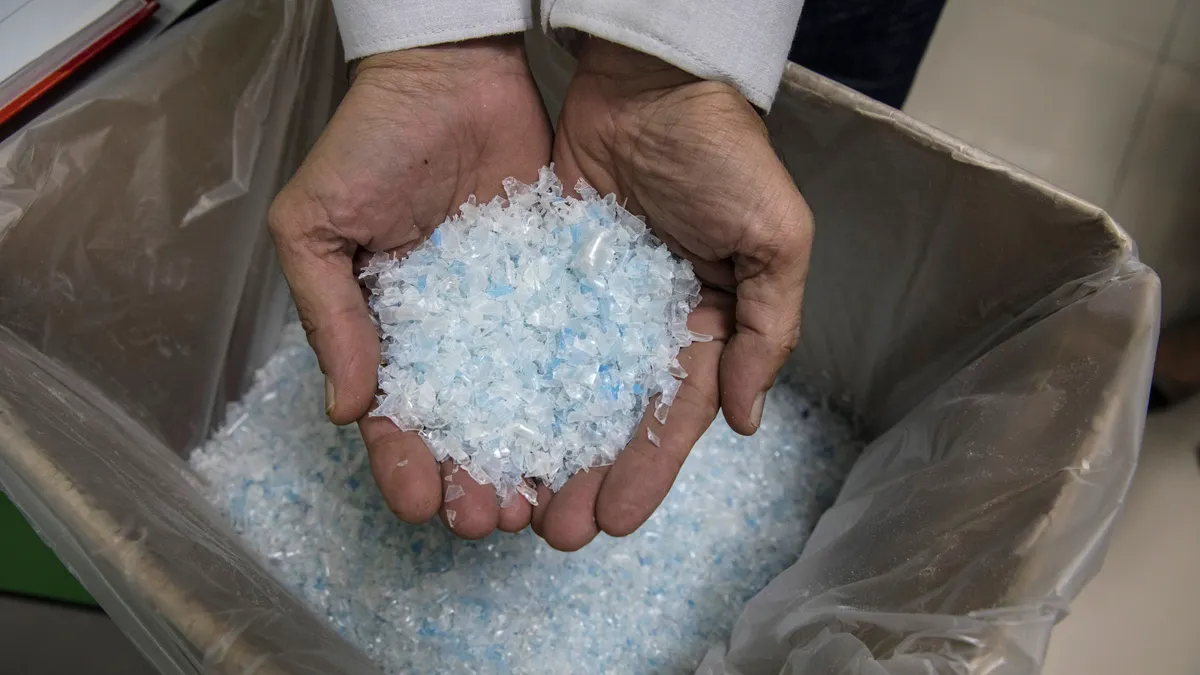
Landfill mining does not simply remove waste—it transforms long-term buried materials into usable resource streams through multi-stage separation and refinement. The output structure is highly dependent on waste age, composition, and processing configuration, but generally includes recyclable metals, energy-grade combustible fractions, soil-like materials, plastics, and inert aggregates. These recovered materials reduce landfill volume and create measurable economic return through secondary utilization.

Challenges in Landfill Mining & Our Solutions
- Aged landfill waste often contains high moisture and sticky fines, leading to screen clogging and reduced throughput.
- → Anti-blocking trommel structure, reinforced screening media, and optimized material flow reduce sticking and improve continuous operation.
- Waste includes soil, plastics, metals, organics, and inert materials mixed in irregular proportions.
- → Multi-stage separation combining screening, ballistic separation, magnetic and density sorting enables stable fraction classification.
- Excavation and handling of decomposed waste generates odor emissions and airborne dust.
- → Fully enclosed conveying with negative pressure extraction and centralized filtration ensures compliant emission control.
- Random material distribution and contamination reduce separation accuracy and resource recovery rates.
- → Fine grading, staged sorting, and optimized process flow increase recoverable fractions and overall efficiency.
- Landfill sites often have uneven terrain, limited working space, and phased operation requirements.
- → Modular, skid-mounted system design allows flexible layout, fast installation, and easy relocation or expansion.
Why Choose Zhongyi?
Xinzhongyi ECO delivers engineered landfill mining systems designed for complex legacy waste conditions, focusing on stable operation, high recovery performance, and compliant environmental control. From process design to equipment supply and project execution, we provide integrated solutions that ensure reliable long-term operation and resource value recovery.
FAQ
The investment depends on capacity, configuration, and automation level. Modular small systems require lower CAPEX, while full-scale EPC plants include complete sorting, separation, and environmental systems. Each project is customized based on waste type and site conditions.
Payback is mainly driven by recovered metals, RDF fuel, and reusable aggregates. In most cases, ROI depends on material value and landfill space recovery, with project economics varying by waste quality and local market prices.
Standard landfill mining plants range from 30 to 500 TPH, with modular expansion options to scale production according to project size and waste volume.
Yes. The system is designed for high-moisture and aged landfill waste using anti-clogging screening, pre-treatment, and multi-stage separation to ensure stable continuous operation.
Recoverable outputs include ferrous and non-ferrous metals, RDF fuel, plastics, soil-like fractions, and inert aggregates such as concrete and stone residues.
For modular systems, installation usually takes 2–6 weeks, followed by commissioning and optimization within 1–2 weeks, depending on site readiness and project scale.
Yes. Each solution is engineered based on waste composition, landfill conditions, available land, and output targets to ensure optimal process performance and recovery efficiency.
We provide installation guidance, commissioning support, operator training, spare parts supply, remote diagnostics, and long-term technical service to ensure stable operation.