

Equipment
Wind Sifter Equipment

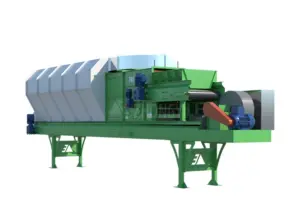
- Processing Capacity: 30–150 m³/h
- Feed Particle Size: ≤300 mm

- Processing Capacity: 20–100 m³/h
- Wind Pressure: 1200–1400 Pa
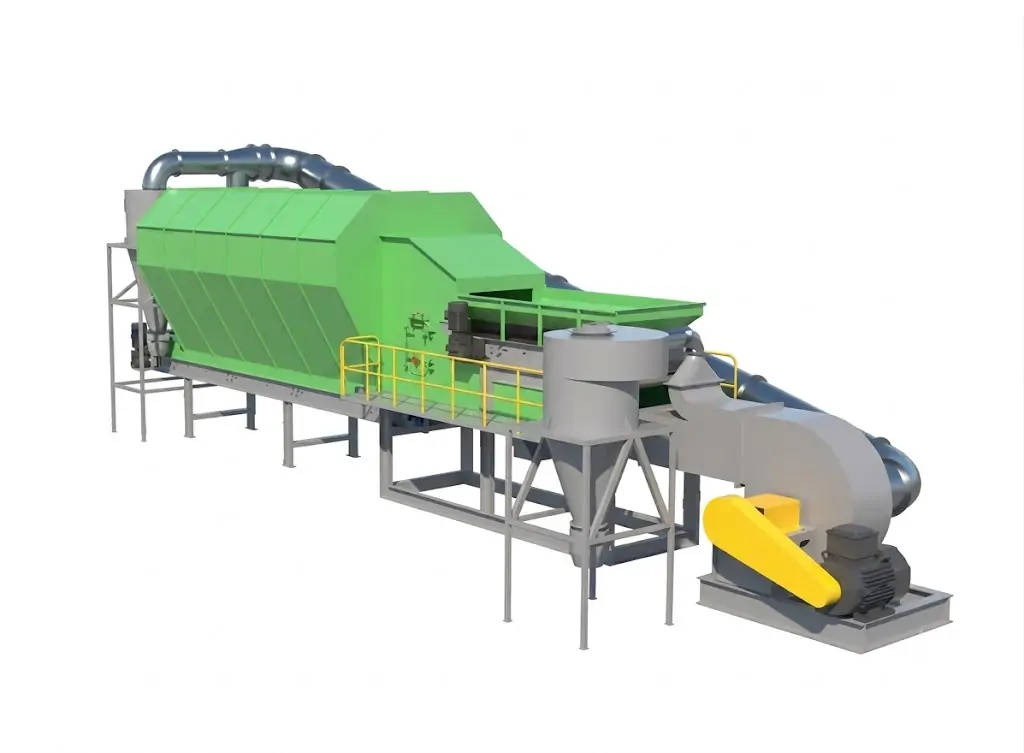
- Airflow Volume: 2,000–60,000 m³/h
- Wind Pressure: 20,00–3,500 Pa

- Processing Capacity: 30–150 m³/h
- Airflow Volume: 8,000–25,000 m³/h
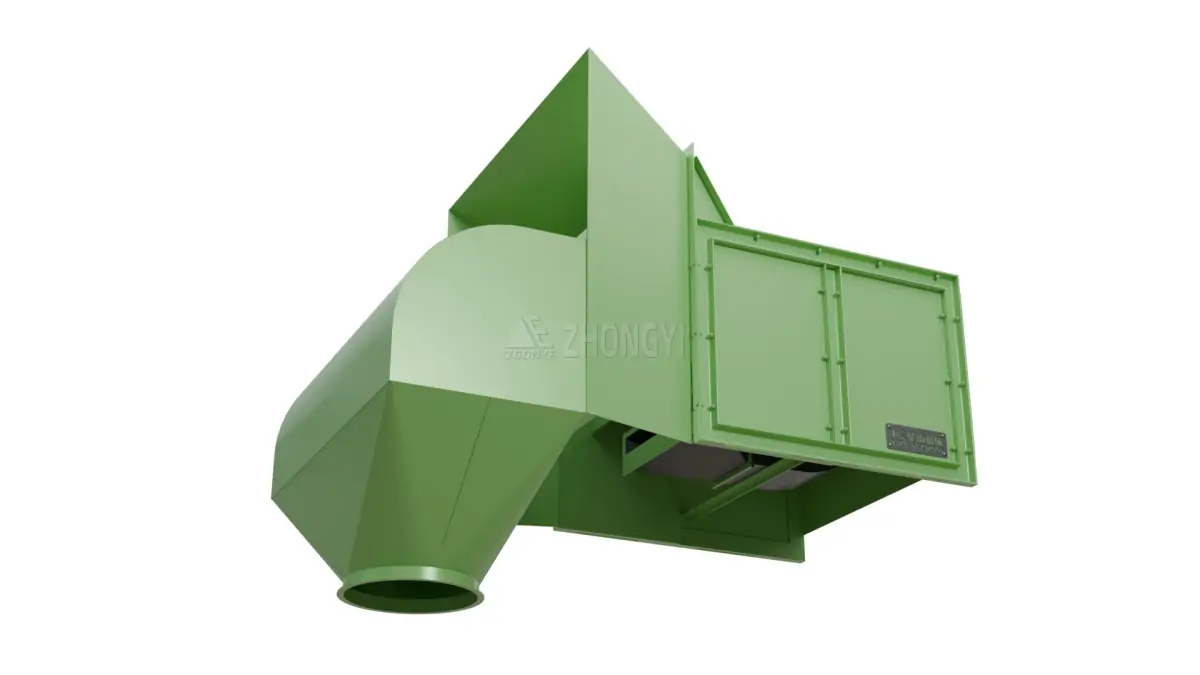
- Processing Capacity: 20–100 m³/h
- Wind Pressure: Up to 790 Pa
- Motor Power: 2.2 kW
- Capacity: 30–150 m³/h
- Airflow Volume: 8,000–25,000 m³/h
- Wind Pressure: 1,500–3,000 Pa

- Feed Width: 800mm – 1,400mm.
- High Capacity: 8 – 80 t/h
What Is a Wind Sifter Machine?
A Wind Sifter Machine, also known as an Air Separator or Windshifter, is a density-based separation system that uses controlled airflow to separate lightweight materials from heavier fractions. It is widely used in waste recycling, compost processing, construction waste recycling, and material recovery facilities to improve product purity and reduce manual sorting.
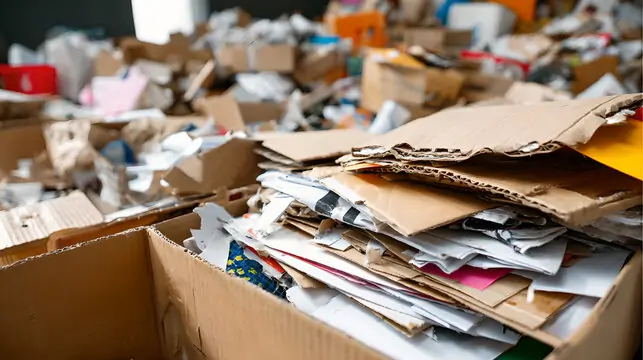
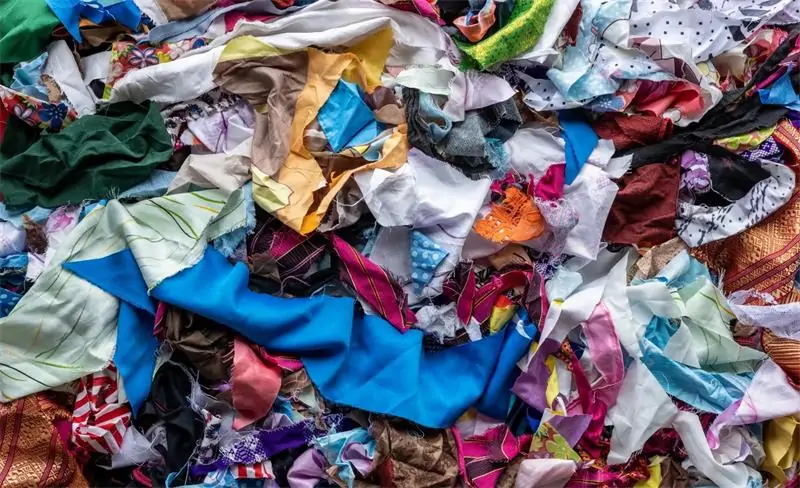
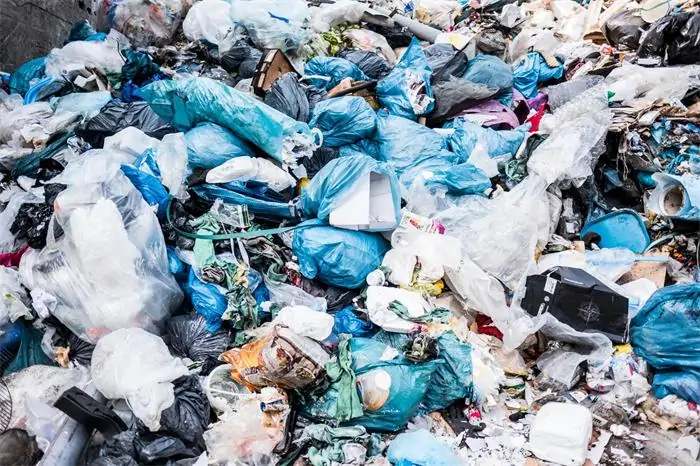
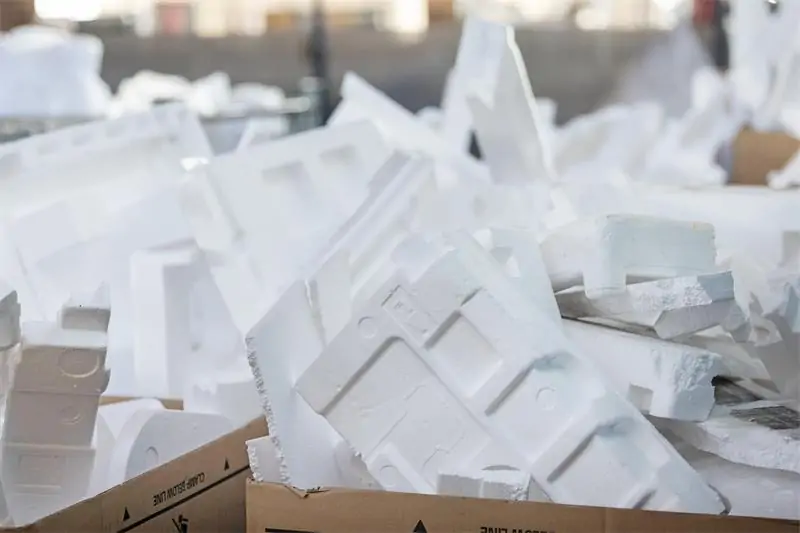
By combining a directional air knife and an adjustable suction fan, the machine efficiently removes light contaminants such as plastic film, paper, foam, and textiles from mixed waste streams. This helps recycling plants increase material recovery rates, improve downstream processing efficiency, and produce cleaner recyclable materials.
Key Benefits
Processes pre-screened but unfinished compost, oversize fractions, and contaminated materials containing plastics
Uses a directional air knife for material separation and an adjustable suction system to extract lightweight fractions
Removes up to 95% of light plastics, films, foils, stones, and ferrous contaminants from screened compost residues and mixed waste streams
What Materials Can Be Separated by a Wind Sifter Machine?
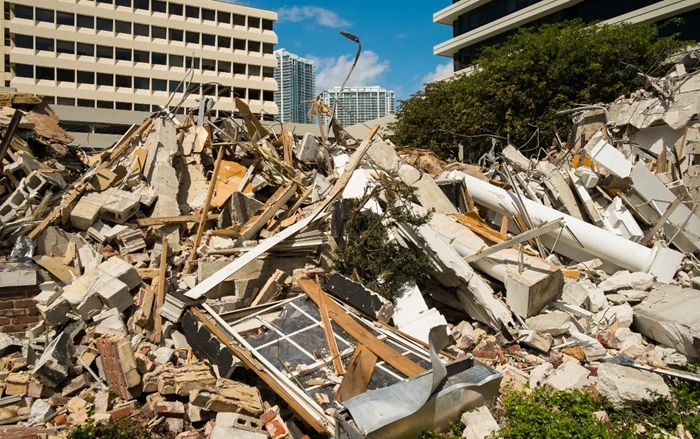
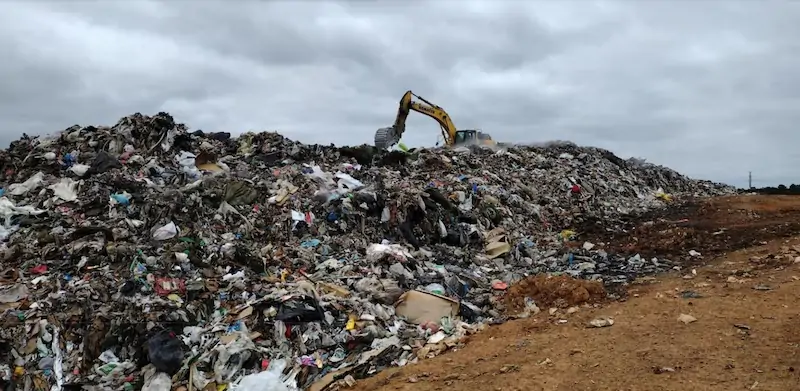
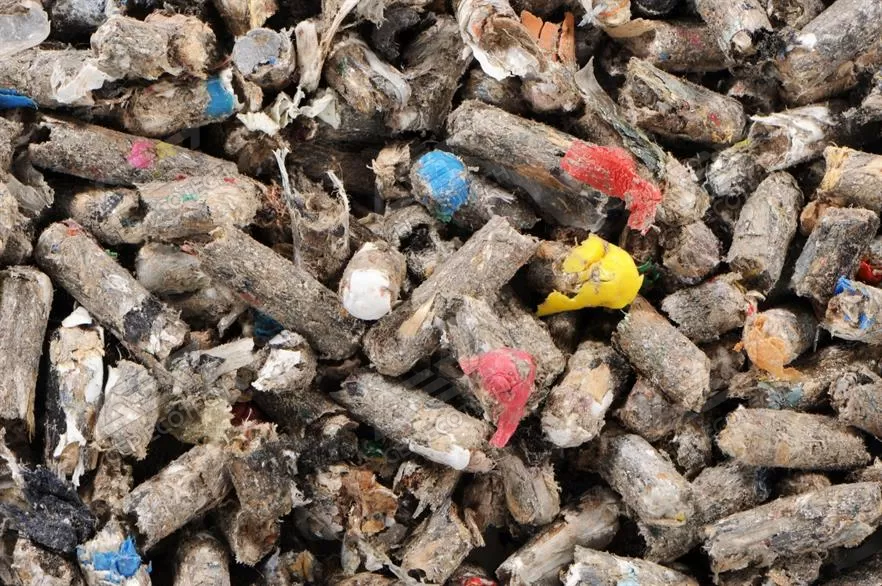
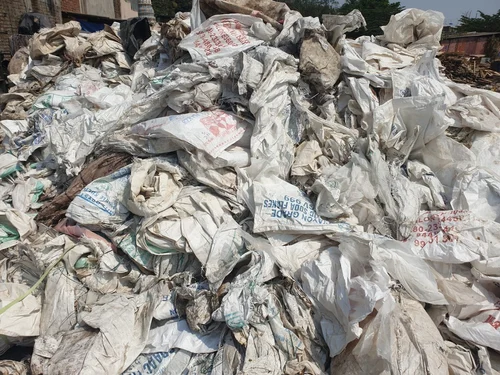
Wind sifters separate mixed waste according to density and aerodynamic characteristics. In recycling plants, they are used to remove lightweight contaminants from heavier materials, improving product purity and recovery efficiency. Typical applications include municipal solid waste, construction and demolition waste, compost refining, biomass processing, and RDF/SRF fuel production.
How Does Wind Sifter Equipment Work?
Wind sifters use aerodynamic principles to separate materials based on density differences. Before entering the machine, mixed waste is pre-processed through shredding and impurity removal, producing a uniform particle size that improves separation accuracy. Material is then evenly fed into the sifter’s sorting area for airflow-based separation.
The core separation relies on a controllable airflow system with fans and adjustable air channels. Light materials like plastic films, paper, and textiles are lifted and carried into the light fraction collection, while heavy items such as bricks, concrete, and metals fall by gravity into the heavy fraction collection. Advanced models may include secondary sorting or automated control to enhance separation efficiency.
Key separation factors include material density, particle size, air velocity, moisture content, and shape characteristics.
Why Is Wind Sifter Equipment Important in Waste Recycling?
Wind Sifter Equipment plays a key role in modern recycling systems by separating lightweight materials that are difficult to remove through screening, magnetic separation, or manual sorting. It improves material recovery, reduces operating costs, and helps create a more efficient recycling process.
Application:
Henan Xinzhongyi Eco Equipment Co., Ltd. has over 15 years of experience in wind sifter equipment and recycling solutions. We provide customized systems for MSW, C&D waste, compost, biomass, and industrial waste processing. Our engineering team designs efficient airflow separation solutions based on material characteristics, capacity, and plant layout, helping customers improve material purity, recovery efficiency, and overall recycling performance.
Types of Wind Sifter Equipment
Different waste streams require different airflow configurations and separation methods. Xinzhongyi ECO offers several wind sifter designs to meet the needs of municipal solid waste, construction waste, compost, biomass, and plastic recycling facilities.
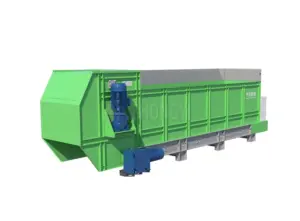
Containerized Windshifter
The Containerized Windshifter is a modular air separation unit built inside a containerized structure. It can be transported, installed, and commissioned quickly with minimal civil work. The compact design makes it suitable for temporary recycling sites, mobile waste treatment plants, and remote projects where flexibility and rapid deployment are required.
Best For: Mobile recycling plants, temporary facilities, remote projects.
Containerized Windshifter Machine Specifications
| Model | Feed Width (mm) | Inlet Particle Size (mm) | Domestic Waste Treatment Capacity (t/h) | Mixed Waste Treatment Capacity (t/h) | Motor Power (kW) |
| FXJ1000 | 800 | 120 | 8-12 | 8-40 | 30-45 |
| FXJ1200 | 1000 | 200 | 12-16 | 12-50 | 45-75 |
| FXJ1400 | 1200 | 300 | 15-25 | 15-60 | 75-110 |
| FXJ1600 | 1400 | 450 | 25-30 | 25-80 | 110-160 |
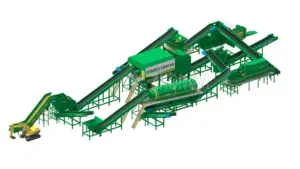
Comprehensive Windshifter Recycling Machine
This integrated wind separation system combines material feeding, airflow separation, and collection functions into a single unit. It is designed for continuous operation and high processing capacity, making it suitable for large-scale waste sorting facilities handling multiple material streams.
Best For: MSW sorting plants, material recovery facilities (MRFs), large recycling centers.
Comprehensive Windshifter Recycling Machine Specifications
| Model | Air Pressure (Pa) | Air Volume (m³/h) | Max. Feed Size (mm) | Power (kW) | Capacity (m³/h) |
| FXZ1000 | 1,800–2,800 | 10,000–20,000 | ≤300 | 15–22 | 50–100 |
| FXZ1200 | 2,000–3,000 | 12,000–25,000 | ≤300 | 15–30 | 60–150 |
| FXZ1400 | 2,000–3,500 | 30,000–40,000 | ≤300 | 15–37 | 70–200 |
| FXZ1600 | 2,000–3,500 | 30,000–40,000 | ≤300 | 15–45 | 80–250 |

FXG Series High Density Wind shifter
The FXG Series is designed for separating heavy mixed waste streams with high precision. Its powerful airflow system enables effective removal of light contaminants from aggregates, construction debris, and industrial waste, producing cleaner heavy fractions for further recycling.
Best For: Construction waste, industrial waste, heavy mixed waste recycling.
FXG Series High Density Wind shifter Specifications
| Model | Air Pressure (Pa) | Air Volume (m³/h) | Max. Feed Size (mm) | Power (kW) |
| FXG1000 | 2,000–3,000 | 20,000–30,000 | ≤300 | 22–30 |
| FXG1200 | 2,500–3,500 | 25,000–35,000 | ≤300 | 22–37 |
| FXG1400 | 2,000–3,500 | 30,000–40,000 | ≤400 | 22–37 |
| FXG1600 | 2,000–3,500 | 30,000–40,000 | ≤400 | 22–45 |
FYF Series Horizontal Negative Pressure Wind Sifter
The FYF Series uses a horizontal negative-pressure airflow design to create a stable separation process. It is particularly effective at removing plastic films, paper, textiles, and other lightweight contaminants from mixed waste streams while maintaining high throughput.
Best For: C&D waste recycling, MSW pretreatment, film and paper separation.

FYF Series Horizontal Negative Pressure Wind Sifter Specifications
| Model | Air Pressure (Pa) | Air Volume (m³/h) | Max. Feed Size (mm) | Power (kW) | Capacity (m³/h) |
| FYF08 | 1,200–1,400 | 26,700–37,000 | ≤150 | 11–18.5 | 20–50 |
| FYF10 | 1,200–1,400 | 26,700–37,000 | ≤150 | 11–18.5 | 20–80 |
| FYF12 | 1,200–1,400 | 26,700–37,000 | ≤150 | 11–18.5 | 20–100 |

FXF Series Vertical Negative Pressure Wind Sifter
The FXF Series features a vertical airflow structure that delivers efficient density separation within a compact footprint. Its space-saving design makes it easy to integrate into existing recycling lines while maintaining reliable separation performance.
Best For: Recycling plants with limited installation space and retrofit projects.
FXF Series Vertical Negative Pressure Wind Sifter Specifications
| Model | Air Pressure (Pa) | Air Volume (m³/h) | Max. Feed Size (mm) | Power (kW) | Capacity (m³/h) |
| FXF08 | 1,200–1,400 | 26,700–37,000 | ≤100 | 18.5 | 20–50 |
| FXF10 | 1,200–1,400 | 26,700–37,000 | ≤100 | 18.5 | 20–80 |
| FXF12 | 1,200–1,400 | 26,700–37,000 | ≤100 | 18.5 | 20–100 |
FXD Series Hanging Wind Sifter
The FXD Hanging Wind Sifter is suspended above the conveyor line, minimizing floor space requirements and simplifying integration into existing systems. It is commonly used in plant upgrades where additional separation capacity is needed without major layout modifications.
Best For: Existing recycling lines, facility upgrades, compact plant layouts.
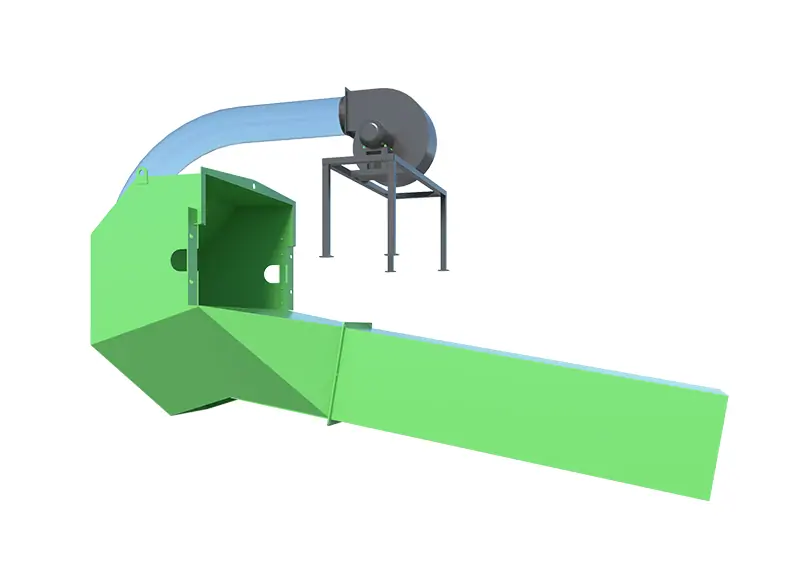
FXD Series Hanging Wind Sifter Specifications
| Model | Air Pressure (Pa) | Air Volume (m³/h) | Power (kW) | Capacity (m³/h) |
| FXD06 | 790–502 | 3,800 | 5.5 | 20–50 |
| FXD08 | 790–502 | 3,800 | 5.5 | 20–80 |
| FXD10 | 790–502 | 3,800 | 5.5 | 20–100 |

FMX Series Styrofoam Windshifter
A single shaft bag opener is suitable for relatively stable waste streams and medium capacity lines. It provides controlled bag opening and steady feeding for the next process.
This type is common in larger MSW sorting plants and heavy duty waste treatment lines. Compared with a single shaft model, it handles bulky and difficult waste better and is more suitable for continuous heavy load operation.
FMX Series Styrofoam Windshifter Specifications
| Model | Air Pressure (Pa) | Air Volume (m³/h) | Power (kW) | Capacity (m³/h) |
| FMXC6 | 790–502 | 3,800 | 22 | 20–50 |
| FMXC8 | 790–502 | 3,800 | 22 | 20–80 |
| FMX10 | 790–502 | 3,800 | 22 | 20–100 |
Comparison of Different Wind Sifter Models
To help select the right equipment for different recycling applications, the following table compares all major Wind Sifter models based on structure, airflow design, capacity, and application scenarios.
| Series / Model | Structure Type | Airflow Type | Max Feed Size | Capacity Range (m³/h) | Power (kW) |
| Containerized FXZ | Modular container | Positive pressure | ≤300 mm | 50–250 | 15–45 |
| FXG Series | High-density separator | Strong airflow system | ≤300–400 mm | High capacity (industrial scale) | 22–45 |
| FYF Series | Horizontal negative pressure | Horizontal airflow | ≤150 mm | 20–100 | 11–18.5 |
| FXF Series | Vertical negative pressure | Vertical air classification | ≤100 mm | 20–100 | 18.5 |
| FXD Series | Hanging type | Suspended airflow separation | ≤150 mm | 20–100 | 5.5 |
| FMX Series | Foam / EPS special design | Light material optimized airflow | ≤100 mm | 20–100 | 22 |
How to Choose the Right Wind Sifter Equipment?
Choosing the right wind sifter depends on your material type, processing capacity, and plant layout. Henan Xinzhongyi Eco Equipment Co., Ltd. offers customized wind sifter solutions for municipal solid waste, construction waste, plastics, biomass, RDF, and industrial waste. Systems can be configured as standalone units or integrated into a complete sorting line.
Customizable options include:
- Processing capacity (20–250 m³/h)
- Airflow system power and configuration
- Separation intensity adjustment
- Feed and discharge layout
- Containerized or fixed installation
- Dust-proof and sealing options
Provide your project details, material type, required throughput, and site conditions—and our engineering team will recommend the most efficient, tailored solution for your recycling plant.
Why Choose Us as Your Wind Sifter Equipment Supplier?
16+
Years Experience
Henan Xinzhongyi Eco Equipment Co., Ltd. has over 15 years of experience designing and manufacturing wind sifter systems for waste recycling and material separation. Our expertise covers complete solutions, including machine production, process planning, system integration, installation support, and long-term maintenance.
60+
National Patents
We hold more than 60 national patents and are ISO9001 certified, ensuring high-quality equipment and reliable operation. Our wind sifter systems also support remote monitoring and data-driven management, allowing efficient performance tracking and predictive maintenance for recycling plants worldwide.
For most recycling facilities, it is essential to have a system tailored to specific waste streams and plant conditions. We offer comprehensive custom solutions, including engineering design, turnkey production line integration, installation, commissioning, and long-term operational support for municipal solid waste, construction waste, plastic, biomass, and industrial recycling projects.
Frequently Asked Questions
A wind sifter is used to separate light materials such as plastic film, paper, foam, and textiles from heavy waste like stones, metals, and glass using controlled airflow.
It removes lightweight contaminants early in the process, reducing manual sorting and improving the performance of downstream equipment.
It separates plastics, paper, textiles, foam, biomass, and light organics from heavy fractions such as concrete, bricks, and metals.
Yes. They are widely used to remove wood, plastic, and insulation materials from construction and demolition waste streams.
Positive pressure systems push air through materials, while negative pressure systems use suction airflow for more stable and precise separation.
Selection depends on waste type, moisture content, capacity requirements, and plant layout. Customized solutions are recommended.
Contact us
Start Your Customized Project Today!
Share your material specifications and processing goals with us. Our engineers will provide a tailored technical proposal and ROI analysis within 24 hours to help you optimize your resource recovery operations.
If you prefer, call us on
Send a message
Our Specialist Team Awaits Your Inquiry.
98%
Purity
Achieved