
Introduction
Choosing a Waste Recycling Machine Supplier Australia requires more than comparing equipment prices or rated capacities. Before selecting a machine, waste operators need to consider the type and composition of the material, feed size, moisture content, required throughput, target output and downstream recovery process. These factors directly affect equipment selection and the actual performance of a recycling line.
For this reason, an experienced equipment supplier normally starts with the waste stream and processing requirements rather than recommending a standard machine. Depending on the application, an Australian recycling project may require a combination of bag openers, shredders, trommel screens, wind sifters, magnetic separators, sorting equipment and conveyors. The equipment layout and process flow also need to work together to maintain stable feeding, effective separation and consistent material recovery.
This guide explains how to evaluate a waste recycling machine supplier in Australia, how different machines fit into a complete recycling process, and which technical parameters should be reviewed before purchasing. It also covers practical considerations such as material characteristics, actual throughput, equipment compatibility, customization, factory testing and long-term maintenance.
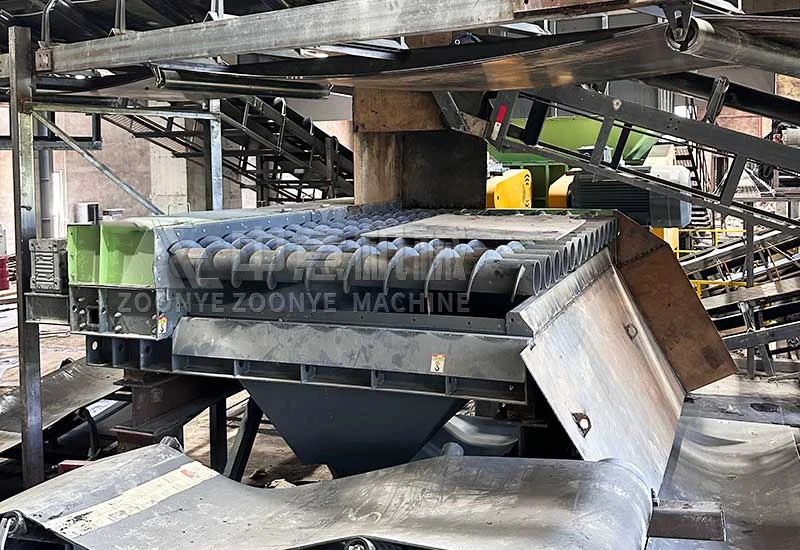
Why Waste Recycling Equipment Matters for Australian Recycling Projects?
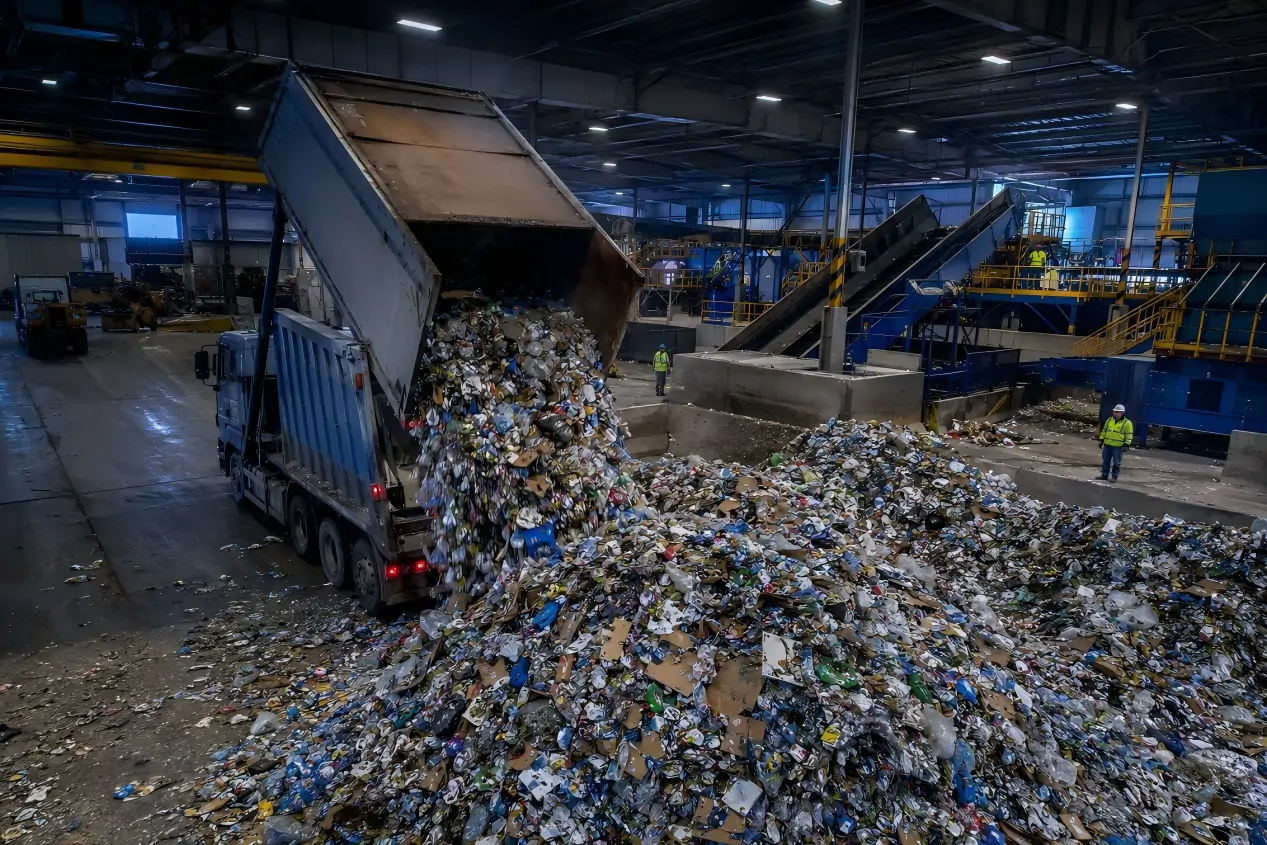
Australia is putting more resources into domestic waste recovery and recycling infrastructure. The national target is to achieve an 80% average resource recovery rate by 2030, which means recycling facilities need to handle more material and recover a higher proportion of usable resources. For equipment buyers, this makes the selection of reliable processing and separation equipment an important part of plant planning.
Australia’s 2030 Resource Recovery Targets
Australia’s 2030 resource recovery targets are driving investment in recycling and processing facilities. Equipment such as shredders, trommel screens, wind sifters and magnetic separators is commonly used to prepare and separate mixed waste before further recovery. The right combination depends on the material being processed and the required output, rather than using the same equipment configuration for every project.
Why Waste Composition Matters More Than Machine Capacity?
A machine rated at 30 t/h, for example, will not necessarily process 30 t/h of every type of waste. Moisture, bulk density, particle size, fines, contamination and bulky materials can all affect actual throughput. When selecting a Waste Recycling Machine Supplier Australia, buyers should provide details about the feed material, required capacity and output so the equipment can be sized and configured for the actual working conditions.
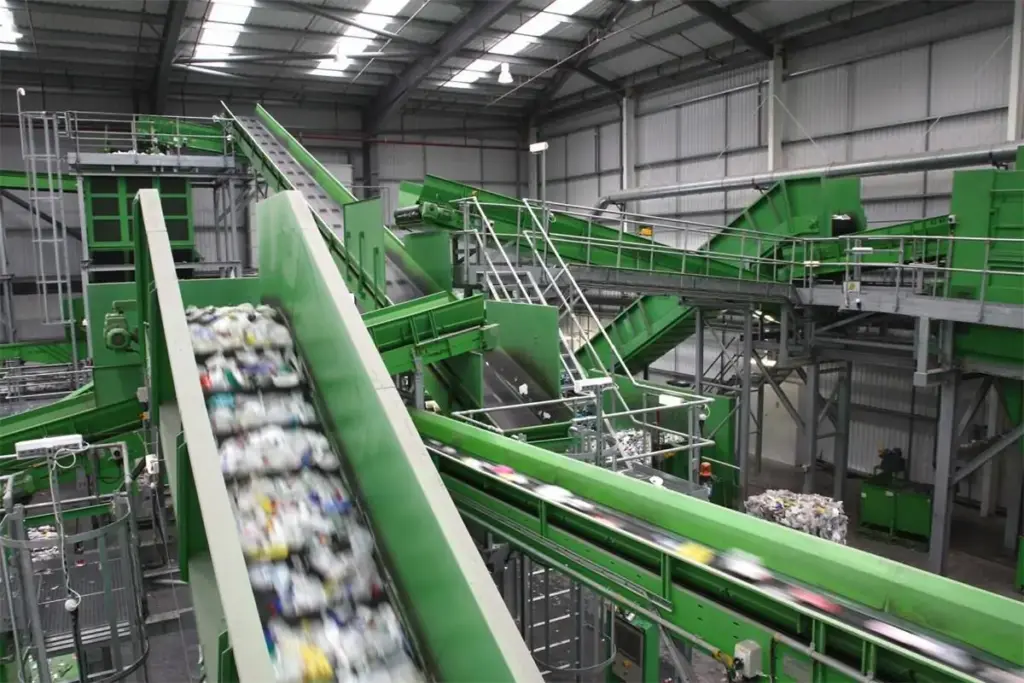
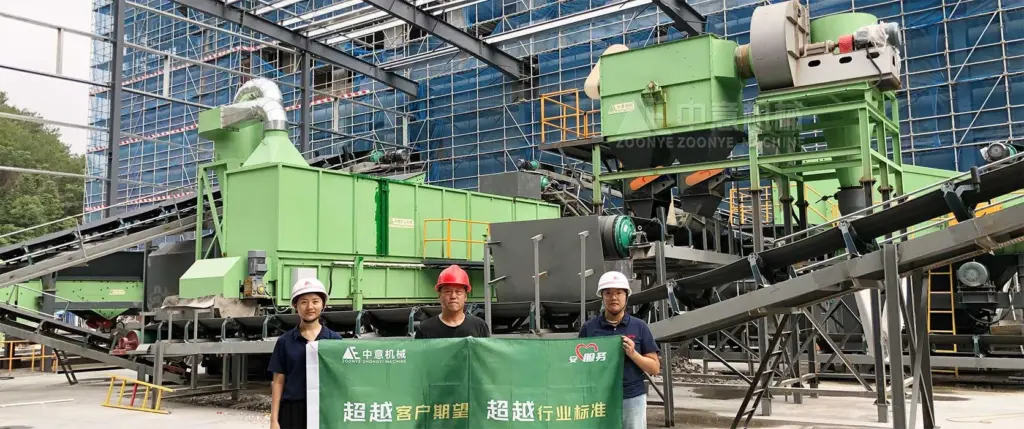
What Waste Recycling Machines Are Needed in an Australian Recycling Plant?
The equipment required for a waste recycling plant depends on the waste stream, feed characteristics, required capacity and the materials to be recovered. A typical MSW or mixed waste line may include bag opening, screening, size reduction, air separation, metal recovery, manual sorting and conveying. Not every project needs the same equipment. The final configuration should follow the material flow and the separation requirements of the plant.
Bag Opener / Bag Breaker
A waste bag opener is normally installed near the front of an MSW or mixed waste sorting line. Its main function is to open bags and release the material inside before it reaches screening and other separation equipment. Unlike a shredder, a bag opener is not primarily used to reduce particle size. Keeping the material relatively intact can make paper, plastics, organics and other fractions easier to identify and separate in later stages.
The machine should be selected according to the type of bags, feed characteristics, required throughput and the equipment installed downstream. In an MSW line, the bag opener may feed directly to a trommel screen or another primary separation machine.
Typical applications: MSW, household waste and commercial waste.
Shredder Machine
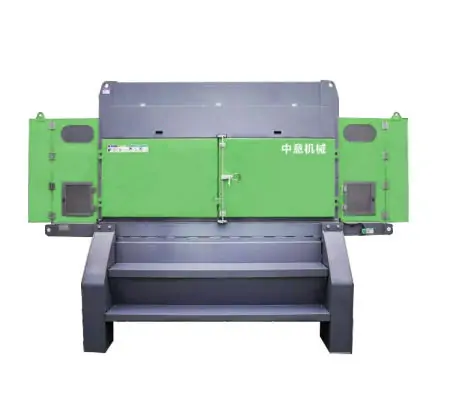
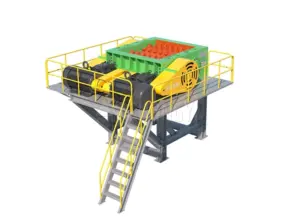
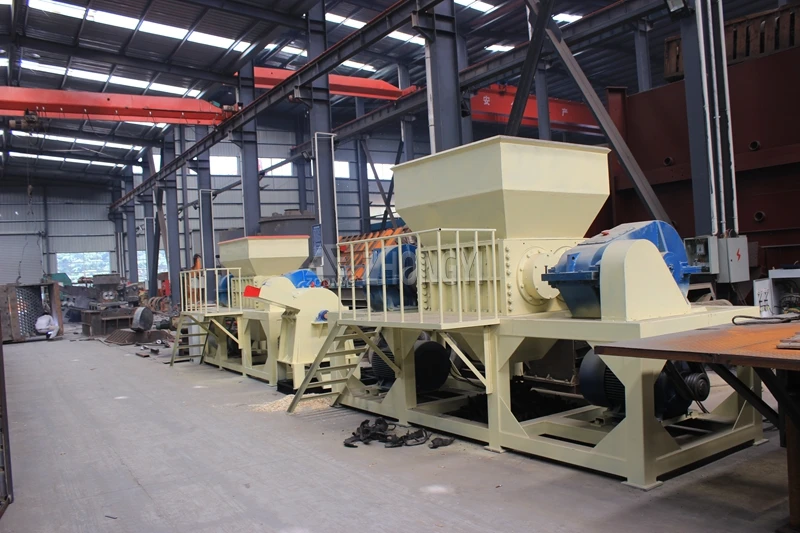
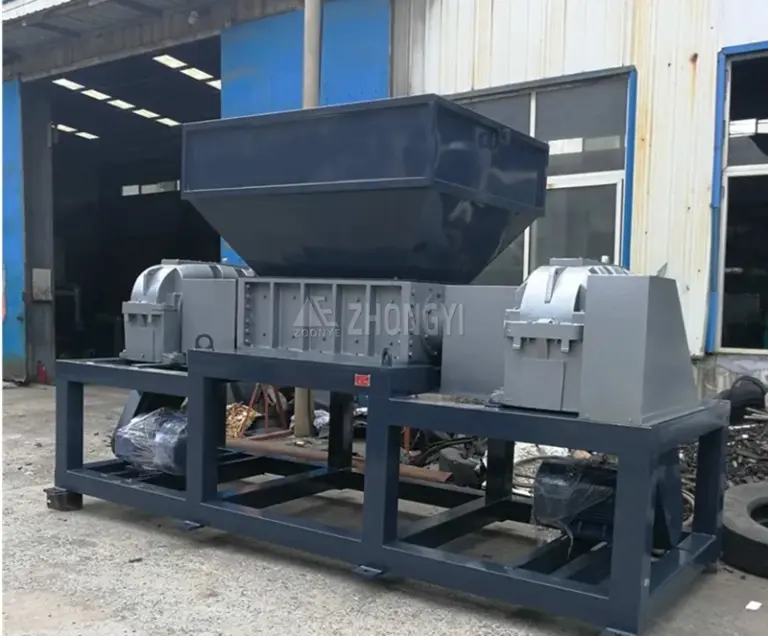
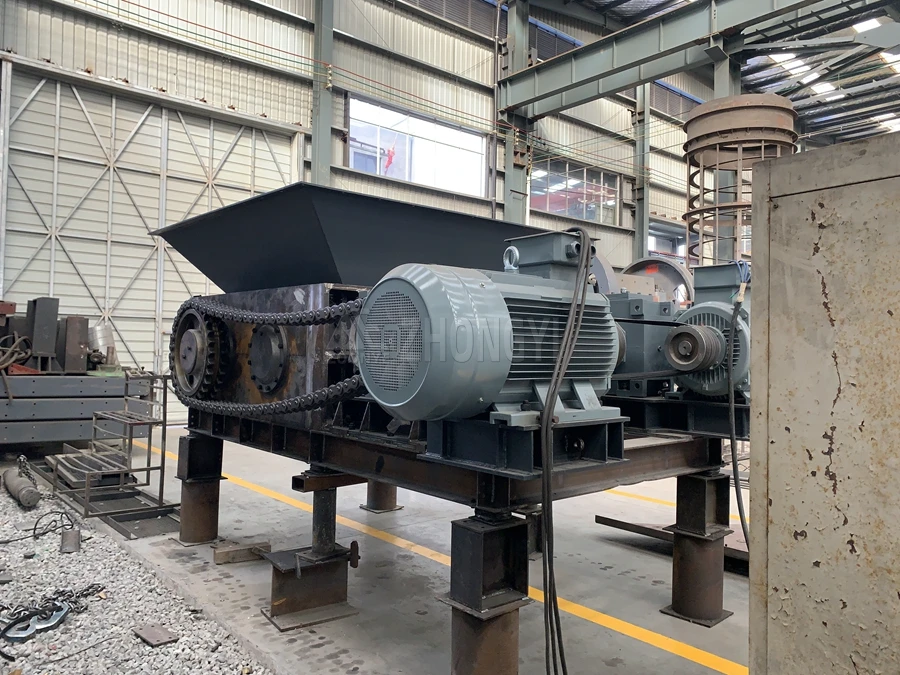
A waste shredder is used when incoming material needs to be reduced in size or prepared for a downstream process. It can be used for bulky waste, C&I waste, plastics, wood and RDF/SRF preparation. The appropriate shredder depends on the feed material, maximum feed size, required output size and the position of the machine in the process.
Motor power should not be the only factor when comparing shredders. Material density, moisture, abrasiveness and composition can affect the load on the machine and its actual throughput. In some MSW applications, bag opening and initial separation are carried out before shredding so that recyclable materials are not unnecessarily damaged.
Typical applications: C&I waste, bulky waste, plastics, wood, MSW and RDF/SRF preparation.
Trommel Screen
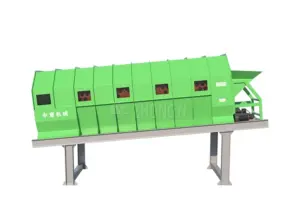
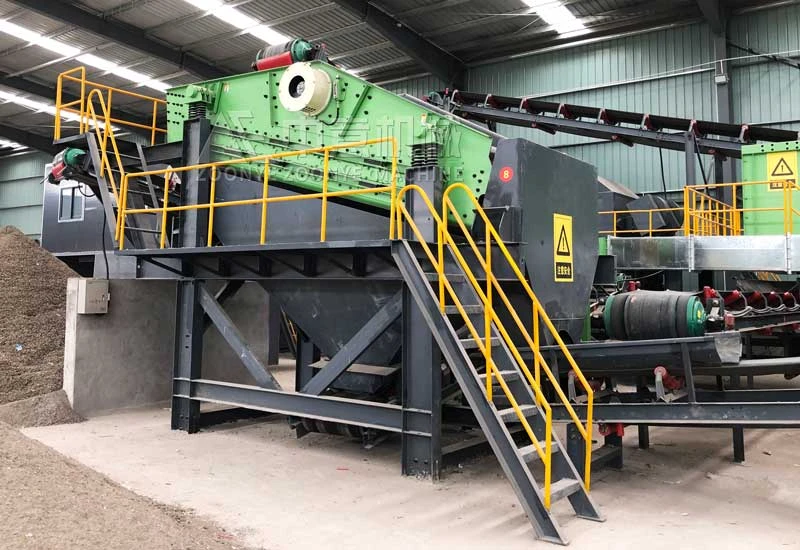
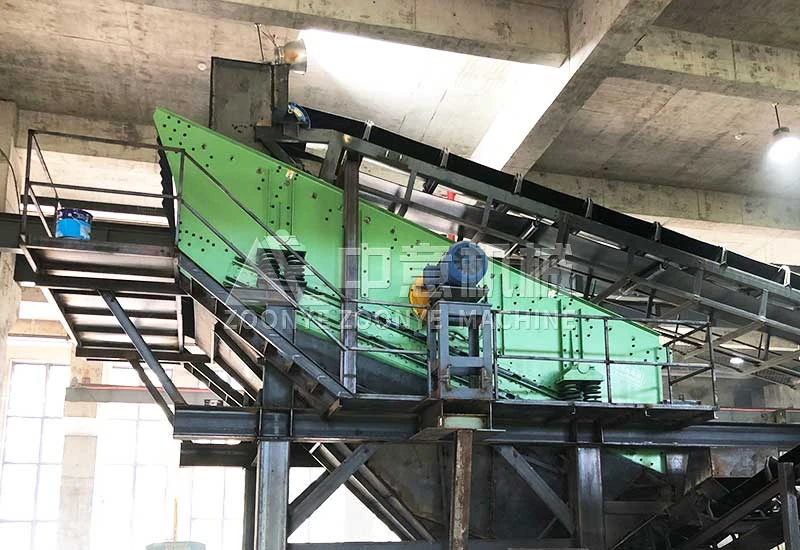
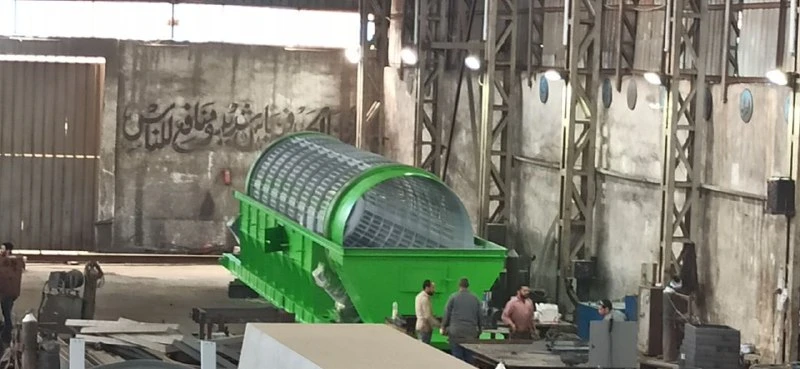
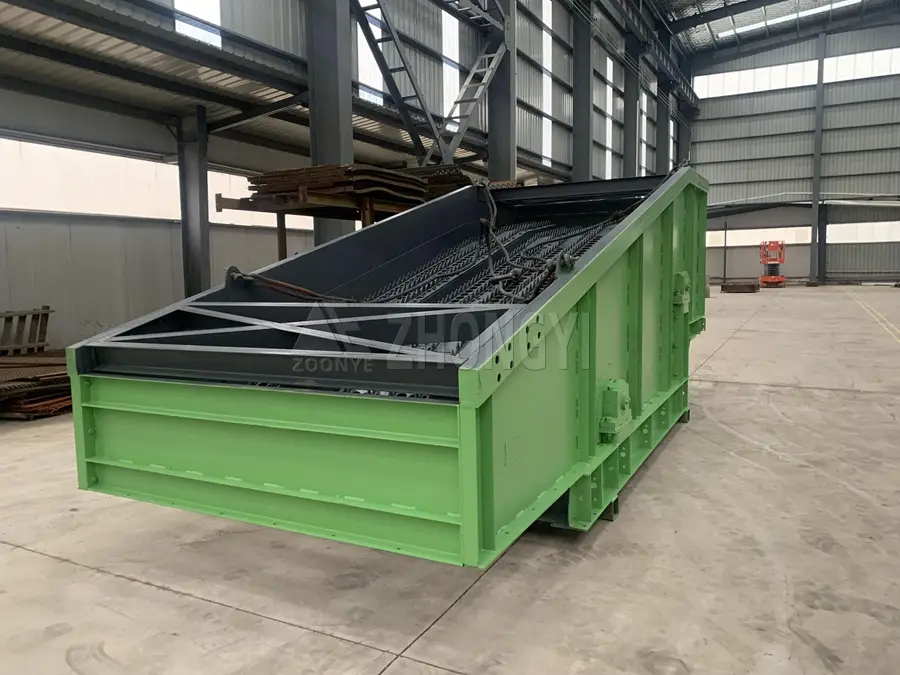
A trommel screen separates waste by particle size as material moves through a rotating cylindrical screen. Smaller fractions pass through the screen openings while larger material continues toward the discharge end. In a recycling plant, a trommel is often used as a primary or intermediate screening stage before air separation, metal recovery or manual sorting.
Screen opening, drum diameter, rotation speed, feed rate and material moisture all influence screening performance. Wet or sticky material can behave differently from dry, free-flowing waste, so the screen configuration should be selected according to the required size fractions and actual feed conditions.
Typical applications: MSW, C&D waste, compost screening and RDF preparation.
Wind Sifter
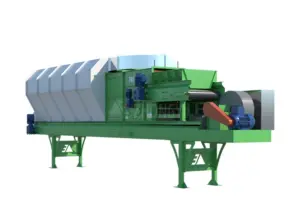
A wind sifter, also known as an air separator or windshifter, separates materials according to differences in density and aerodynamic behaviour. Controlled airflow carries lighter fractions such as plastic film, paper, foam and textiles away from heavier materials. Depending on the material stream, the heavy fraction may contain stones, glass, soil and other dense materials.
The separation result depends on airflow, feed rate, particle size, moisture and the proportion of light and heavy materials in the feed. For this reason, a wind sifter should be configured around the actual waste stream rather than treated as a fixed-capacity machine. It is commonly used after screening or other pre-separation stages in MSW, C&D waste, compost refining and RDF/SRF processing.
Typical applications: MSW, C&D waste, compost refining and RDF/SRF processing.

Magnetic Separator
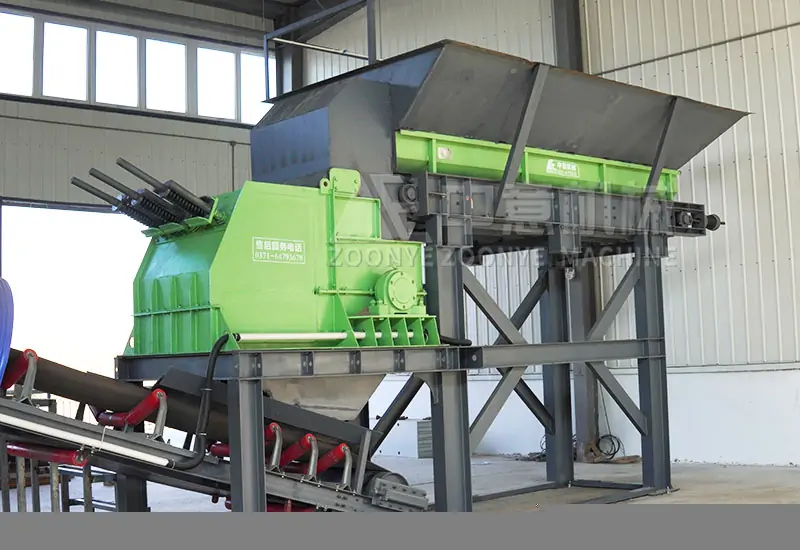
A magnetic separator removes ferrous metals such as iron and steel from a moving waste stream. It can be installed at different points in a recycling line depending on the material flow and the position of shredding and screening equipment. Removing ferrous metals can provide a separate recoverable metal fraction and reduce the amount of iron and steel entering downstream processing equipment.
The separator should be sized according to conveyor width, material depth, belt speed and the expected ferrous content. Different installation arrangements may be used depending on whether the main objective is equipment protection, material recovery or both.
Typical applications: MSW, C&D waste, RDF, biomass and industrial waste processing.
Eddy Current Separator
An eddy current separator is used to recover non-ferrous metals such as aluminium and copper after ferrous metals have been removed. A rapidly rotating magnetic rotor generates an alternating magnetic field that repels conductive non-ferrous metals from the main material flow.
Eddy current separation is generally more effective when the feed has already been screened and prepared. Particle size distribution, material presentation, belt speed and contamination can affect the separation result. For this reason, an ECS is normally considered as part of the complete separation sequence rather than as a standalone machine.
Typical applications: MSW, e-waste, scrap metal, automobile shredder residue and other non-ferrous metal recovery applications.
Ballistic Separator
A ballistic separator classifies mixed waste according to material shape, density and movement behaviour. The machine can separate different fractions such as fine materials, flat 2D materials including paper and cardboard, and rolling or 3D materials such as containers and rigid plastics.
Unlike a trommel, which primarily separates by particle size, a ballistic separator provides additional shape- and movement-based classification. The choice between a ballistic separator and a trommel depends on the material composition, required output fractions and the other separation stages in the plant.
Typical applications: MSW, C&D waste, packaging waste, plastics and MRF sorting systems.
Manual Sorting Cabin and Conveyor System
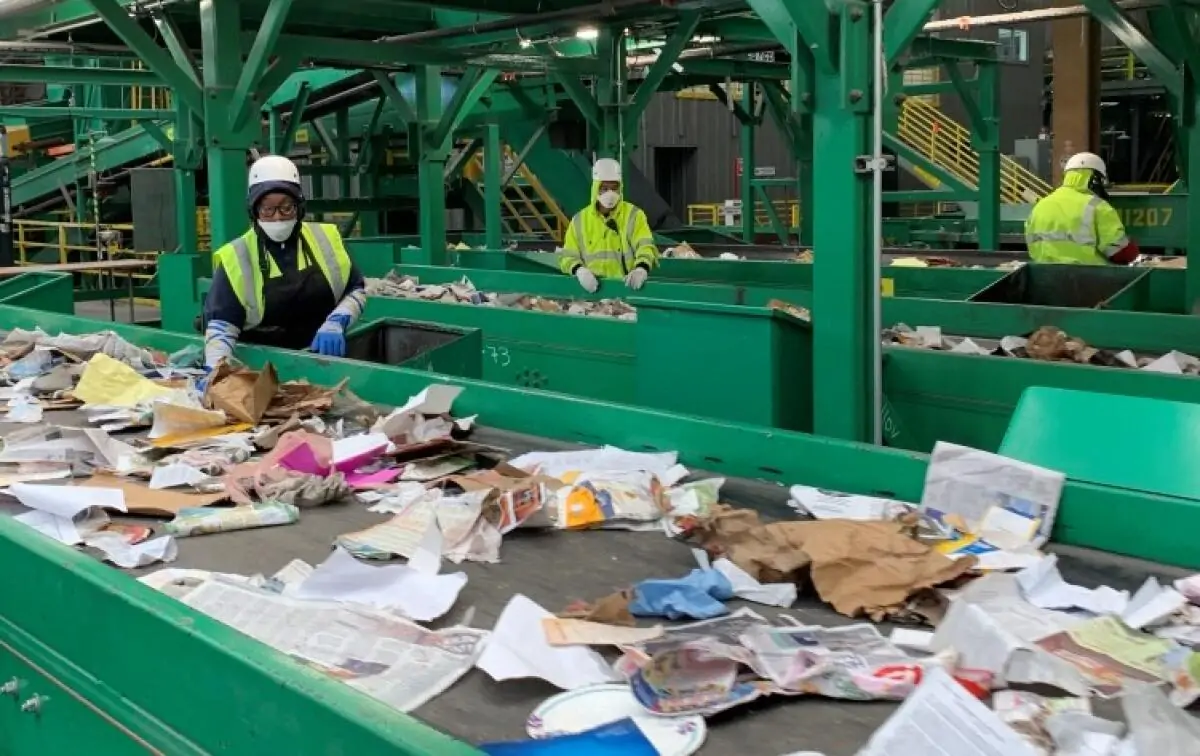
Mechanical separation cannot remove every unwanted item from a mixed waste stream. A manual waste sorting cabin provides controlled picking positions where operators can remove contaminants or recover materials that remain mixed after mechanical separation. It can be used for plastics, paper, metals, glass and bulky materials in MSW and C&D waste processing.
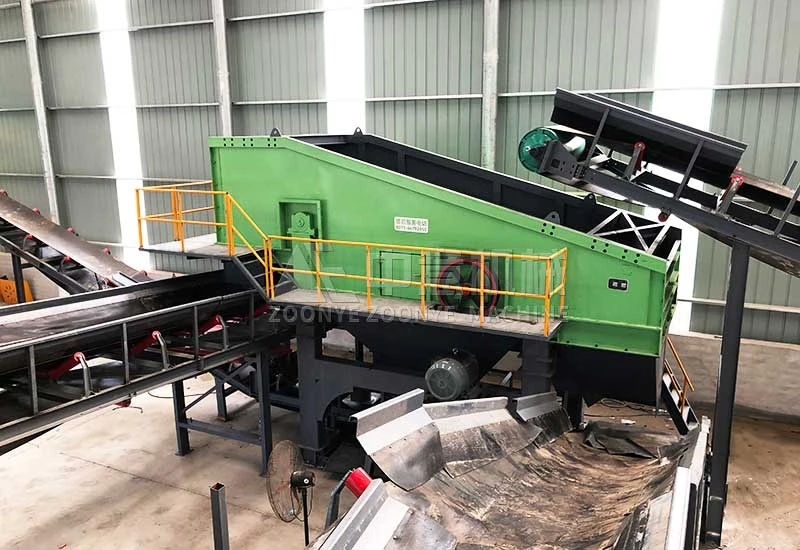
Conveyors connect the individual processing stages and determine how material is fed, transferred and discharged. Conveyor width, belt speed, conveying distance, inclination and material characteristics should therefore be considered together with the capacity of the main processing equipment. Enclosed conveyors can also be used where dust, moisture or other site conditions require more controlled material transfer.
Manual sorting cabin example: 6 sorting positions, 1400 mm conveyor width and 0.3–0.8 m/s belt speed.
Enclosed conveyor range: 500–2000 mm belt width, 20–2000 m+ conveying length and 100–2000 t/h capacity, depending on configuration.



Waste Recycling Machine Solutions by Waste Type
Different waste streams require different combinations of processing and separation equipment. The table below shows typical equipment configurations used for common waste recycling applications. The final equipment list should be confirmed after checking the feed material, particle size, moisture, contamination level, required capacity and target output.
| Waste Stream | Typical Equipment Configuration | Main Processing Purpose |
| MSW | Bag Opener + Trommel Screen + Magnetic Separator + Wind Sifter + Manual Sorting | Bag opening, size separation, ferrous recovery and light/heavy material separation |
| C&I Waste | Shredder + Trommel Screen + Magnetic Separator + Wind Sifter | Size reduction, screening, metal recovery and light fraction removal |
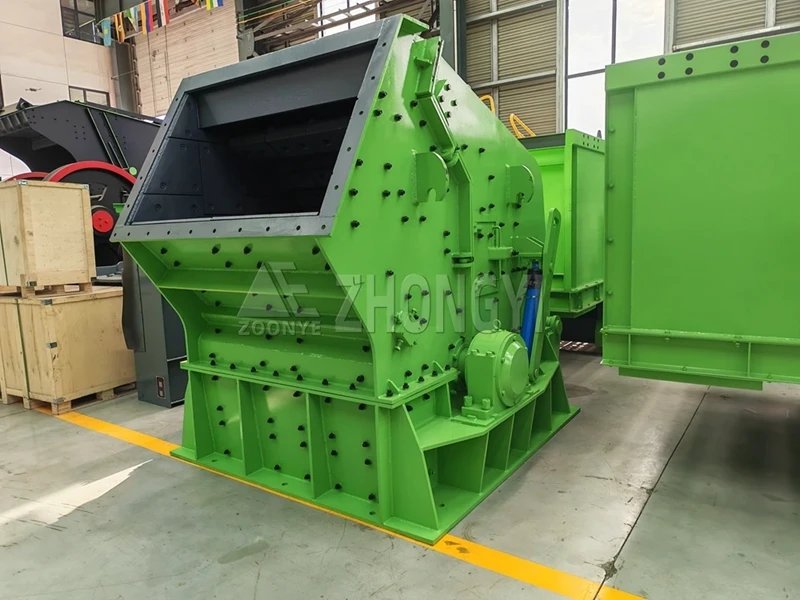
| C&D Waste | Crusher + Trommel Screen + Magnetic Separator + Air Separation | Size reduction, size classification, ferrous metal recovery and light material removal |
| Organic Waste | Bag Opener / Shredder + Trommel Screen + Organic Processing Equipment | Opening, size preparation, removal of oversized and unwanted materials |
| RDF / SRF | Bag Opener + Shredder + Screening + Air Separation + Magnetic Separator | Size reduction, removal of unwanted fractions and preparation of fuel material |
| Plastic Waste | Shredder + Screening + Sorting Equipment | Size reduction, particle classification and material separation |
| Bulky Waste | Primary Shredder + Conveyor + Magnetic Separator + Secondary Processing | Size reduction, material transfer and ferrous metal recovery |
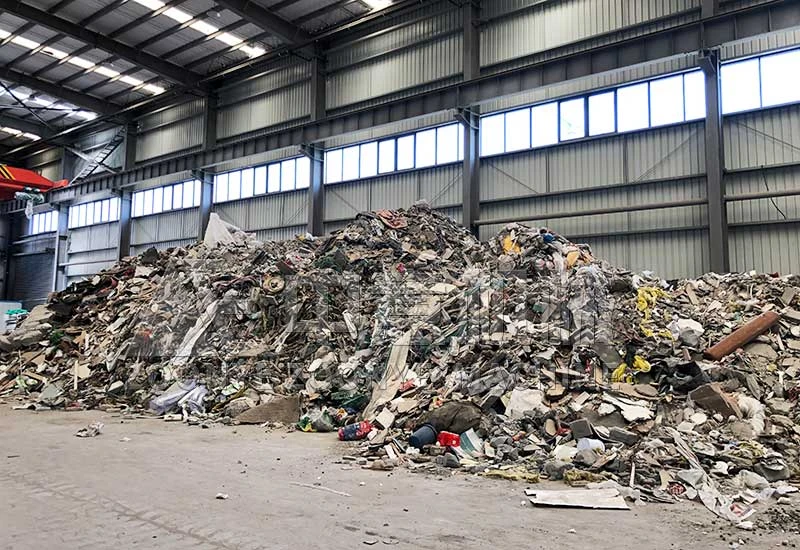
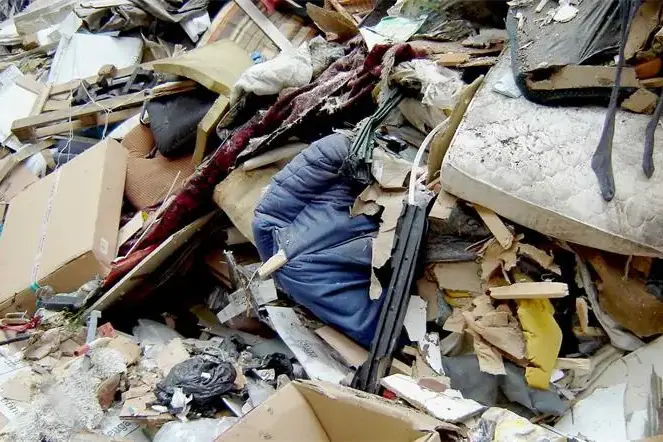
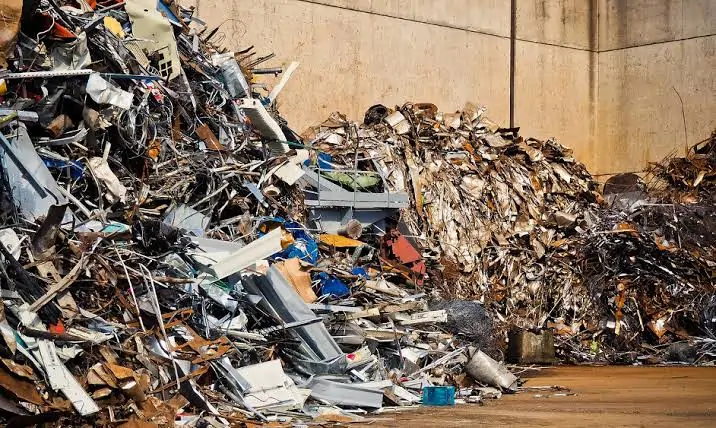
These configurations are starting points rather than standard equipment packages. For example, MSW containing a high proportion of bagged material may require a bag opener before screening, while bulky C&I waste may require primary shredding before size separation. Moisture, particle size, material density and contamination can also change the equipment arrangement. A supplier should therefore confirm the feed characteristics and required output before finalizing the recycling line.
How to Choose a Waste Recycling Machine Supplier in Australia?
Choosing a Waste Recycling Machine Supplier Australia requires more than comparing equipment prices or rated capacity. The supplier should understand the feed material, design the process around the required output, manufacture the equipment to a controlled standard, and provide technical support through installation and commissioning.
1. Waste Stream and Process Analysis
Waste recycling equipment should be selected according to the actual feed material. The supplier should first confirm waste type, moisture, particle size, bulk density, contamination, required throughput and target products.
These factors determine whether the project requires bag opening, shredding, screening, air separation, metal recovery or additional sorting, and how these stages should be arranged.
2. Complete Recycling Plant Design
A complete recycling line needs the equipment and process to work together, not just a collection of individual machines.
A typical MSW process may include:
Feeding → Bag Opening → Screening → Air Separation → Metal Recovery → Manual Sorting → Output
The final configuration should be based on material characteristics, required capacity, recovery targets and site conditions. A supplier capable of designing the complete process can also match equipment capacity, conveying and discharge points across the line.
3. Manufacturing and Quality Control
For recycling equipment, manufacturing quality directly affects service life, maintenance and operating stability. Buyers should check how the supplier handles machining, welding, assembly, inspection and factory testing before shipment.
At Zhongyi, manufacturing and quality control include ISO 9001 management, CNC machining, welding processes, factory inspection, load testing and equipment traceability. ANSYS/FEA can be used during equipment design where structural analysis is required.
4. Equipment Customization and Capacity Matching
Recycling equipment often needs to be adapted to the material and plant layout rather than supplied as a fixed standard machine. Customization may include processing capacity, screen aperture, conveyor dimensions, feeding and discharge configuration, machine layout, motor configuration and plant footprint.
Capacity should also be considered across the complete line. The rated capacity of a single machine does not necessarily represent actual plant throughput, which can be affected by moisture, bulk density, particle size and waste composition.
5. Installation, Commissioning and After-Sales Support
Equipment supply continues beyond factory delivery. Installation guidance, commissioning support, operating documentation, spare parts and troubleshooting are important for overseas recycling projects.
Before placing an order, buyers should confirm warranty terms, spare parts availability, technical support and commissioning arrangements. A supplier with clear after-sales procedures can make equipment integration and long-term maintenance easier.
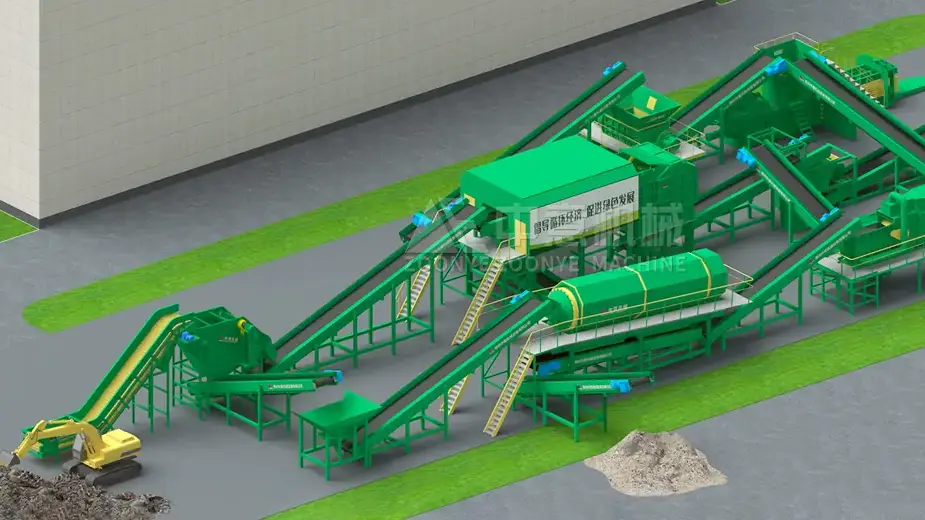
Complete MSW Recycling Plant for Australian Waste Treatment
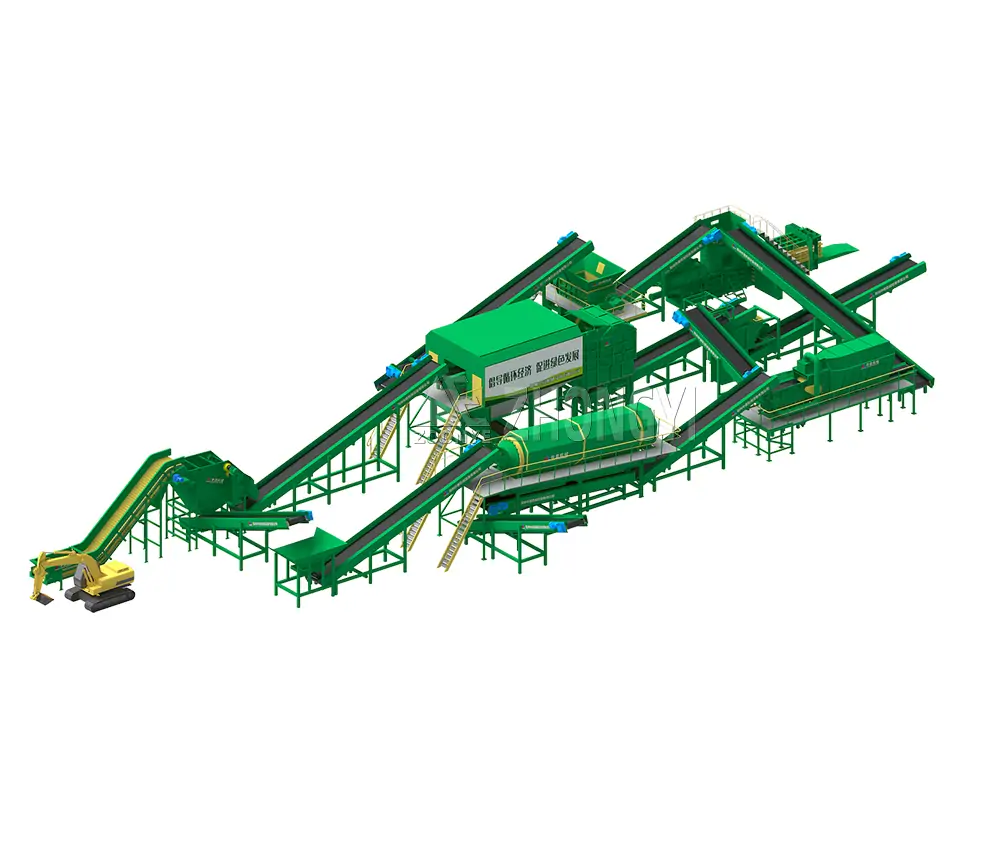
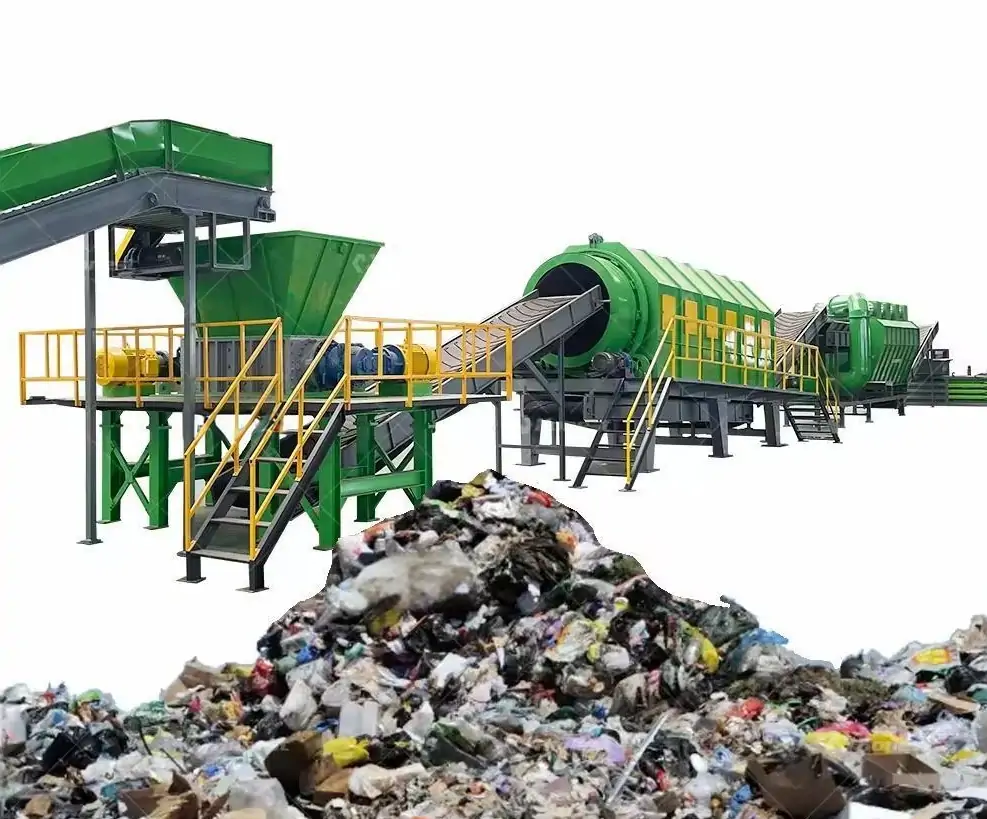
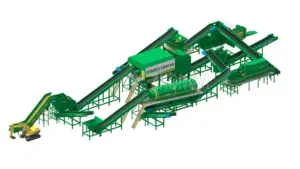
A complete MSW recycling plant combines feeding, separation, sorting and material processing into one coordinated system. The equipment configuration depends on the incoming waste, required throughput, recovery targets and final products. Rather than selecting individual machines separately, the complete process should be designed to maintain stable material flow and consistent separation performance throughout the plant.
Typical process:
MSW Feeding → Primary Separation → Size Classification → Air & Metal Separation → Material Sorting → RDF / Recovered Material Processing → Residual Waste
The actual configuration is adjusted according to the waste stream and project requirements. Mixed household waste may require bag opening and primary screening, while additional air separation, metal recovery, shredding, ballistic separation or automated sorting can be included when specific recovery targets or output requirements need to be met.
Zhongyi provides complete MSW recycling plant configurations based on waste characteristics, required capacity, target materials and available plant layout, rather than applying a fixed equipment package.
Waste Recycling Machine Selection: Main Parameters to Compare
Selecting waste recycling equipment requires more than comparing rated capacity or motor power. Buyers should evaluate the material characteristics, required throughput, output requirements and site conditions together. The following parameters are useful when comparing equipment models or supplier quotations.
| Parameter | Why It Matters |
| Processing Capacity | Matches the required throughput. |
| Feed Size | Determines machine type and inlet size. |
| Material Moisture | Affects screening and separation. |
| Bulk Density | Influences actual throughput. |
| Screen Aperture | Controls particle size separation. |
| Output Size | Matches downstream processing requirements. |
| Separation Performance | Affects recovery quality. |
| Power Requirement | Affects operating cost and site power needs. |
| Maintenance Access | Reduces maintenance downtime. |
| Spare Parts Availability | Supports long-term operation. |
What Buyers Should Check in a Supplier Quotation?
Equipment specifications should be reviewed together rather than individually. A quoted t/h capacity, for example, should be considered alongside feed size, moisture, bulk density and material composition. Buyers should also confirm whether the stated capacity refers to a specific tested material or represents a general rated value.
For a complete recycling plant, the same principle applies to the entire process. Feeding, screening, shredding, separation and conveying capacity should be matched, so that one undersized stage does not limit the throughput of the complete line.
Fixed vs Mobile Waste Recycling Equipment
For a long-term recycling plant with stable material supply, fixed waste recycling equipment is generally more suitable because it can integrate multiple screening, sorting, air separation and metal recovery stages for continuous, high-throughput operation. Mobile equipment is better suited to C&D processing, demolition sites, temporary projects and multiple work locations, where processing waste close to the source can reduce material transportation and provide greater site flexibility. The final choice should consider the waste stream, processing volume, site conditions, required output and project duration.
| Parameter | Fixed Equipment | Mobile Equipment |
| Best For | Permanent, high-throughput plants | C&D and multiple-site projects |
| Site | Dedicated facility | Flexible work locations |
| Capacity | Larger continuous systems | Flexible processing |
| Process | Multiple integrated stages | More compact configuration |
| Mobility | Low | High |
| Material Transport | Waste moves to the plant | Equipment moves closer to the waste |
Why Choose Zhongyi as a Waste Recycling Machine Supplier Australia?
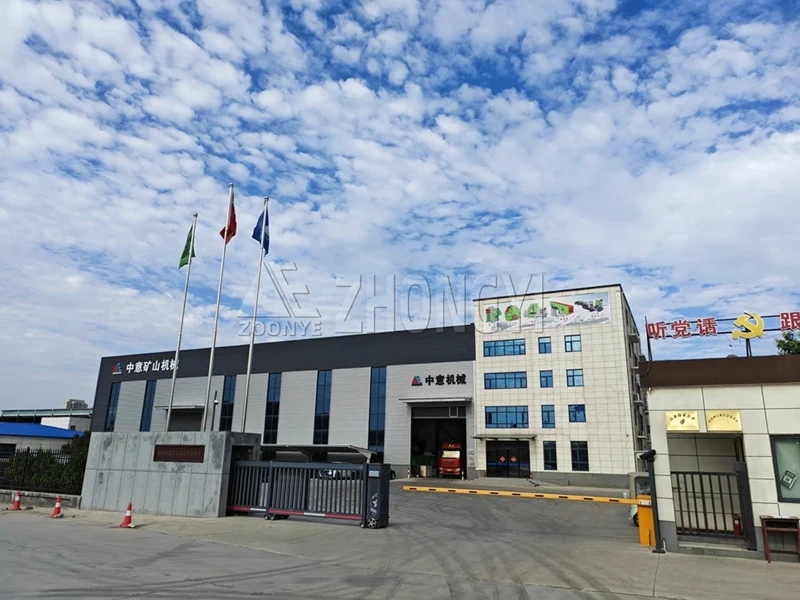
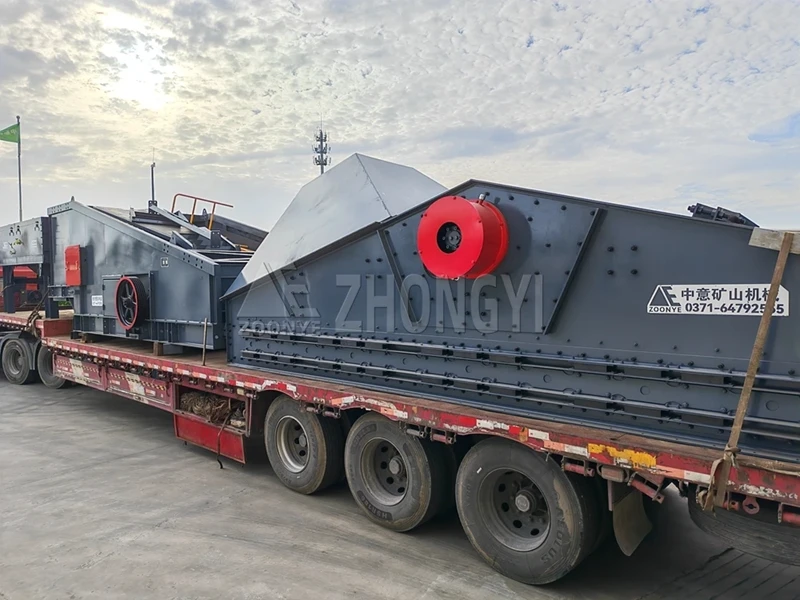
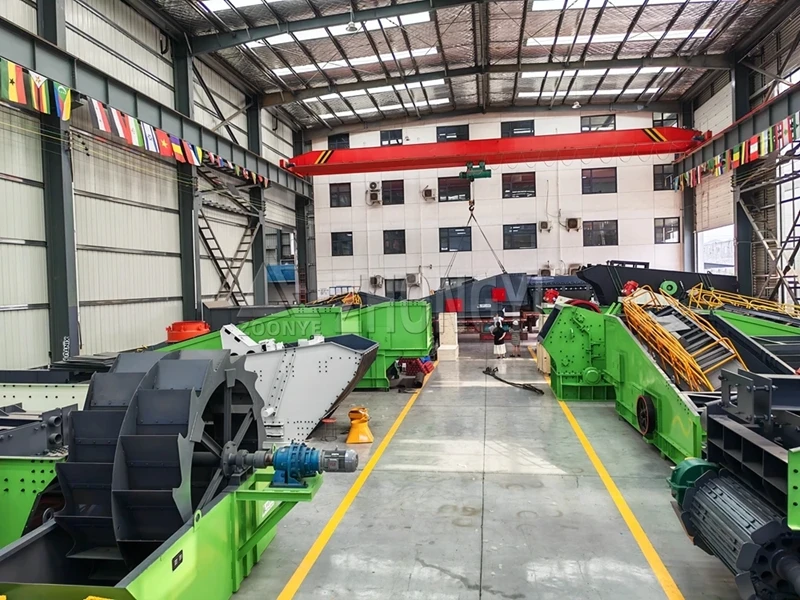
Zhongyi provides waste processing equipment for individual applications and complete recycling plant configurations. Our equipment range covers crushers, bag openers, trommel screens, wind sifters, magnetic separators, eddy current separators, conveyors and sorting equipment, with systems configured according to the required processing process rather than supplied as a fixed equipment package.
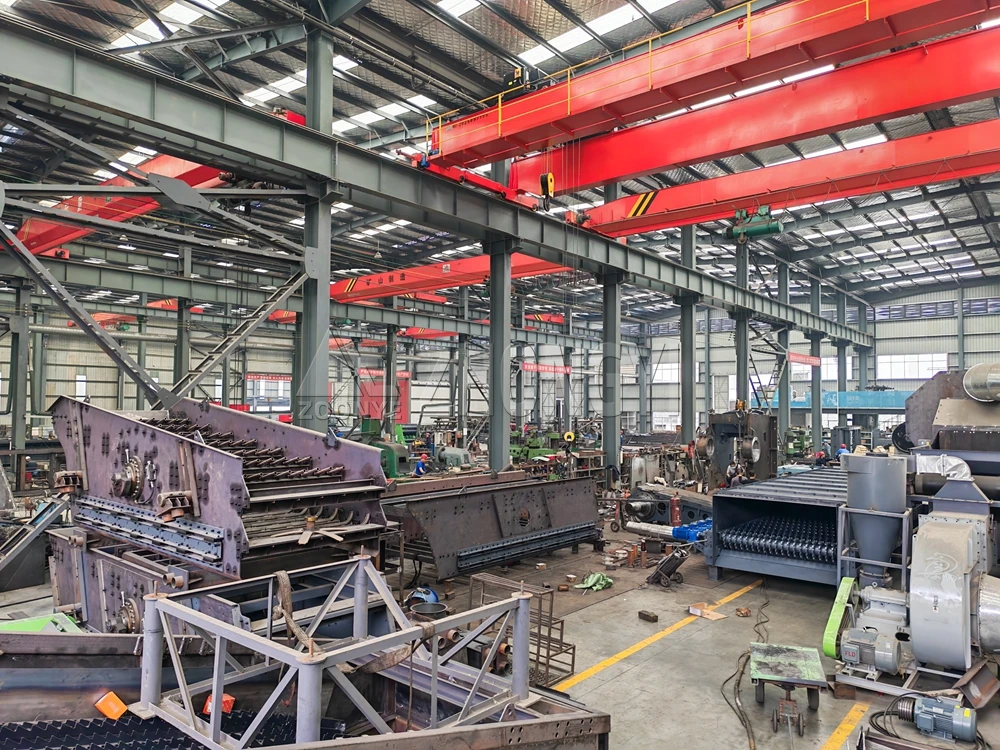
Equipment design and manufacturing are supported by FEA/ANSYS analysis, structural design, material selection and factory testing. Manufacturing processes include CNC machining and robotic welding, while factory inspection, load testing and equipment traceability are used to control equipment quality before shipment.
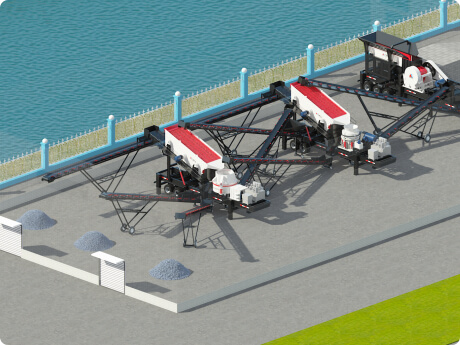
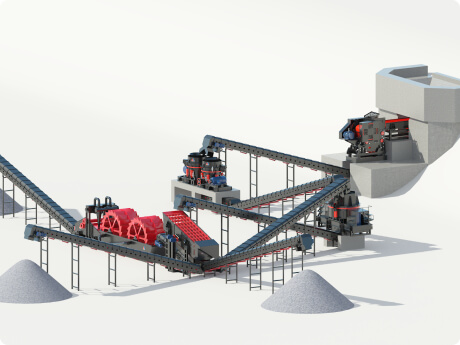
For complete recycling projects, the configuration can be adapted to waste composition, processing capacity, site layout, output requirements and downstream processing needs. This approach allows individual machines and complete processing lines to be matched to the actual operating conditions of the project.
How We Design a Waste Recycling System for Australian Projects?
A recycling line cannot be properly configured from capacity figures alone. Before recommending equipment, we look at the actual waste stream, required throughput, target output and available site conditions. The equipment and process are then adjusted around these project requirements.
Step 1 — Check the Waste and Required Capacity
We first confirm what the plant will process, including waste composition, moisture, feed size, bulk density and contamination. The required throughput is then considered together with operating hours and expected fluctuations in feed material. This helps determine the suitable equipment size and prevents an undersized machine from limiting the complete line.
Step 2 — Build the Equipment Configuration
Once the material and capacity are clear, we determine which processing stages are actually required. Depending on the project, this may include bag opening, shredding, screening, wind separation, magnetic separation, eddy current separation or sorting. We do not recommend every machine for every project; each unit needs to have a clear function in the process.
Step 3 — Match the Equipment to the Plant Layout
Equipment dimensions, conveyor connections, transfer points, discharge locations and maintenance access are checked together when developing the layout. The aim is to keep the material moving smoothly through the line while leaving enough space for inspection, cleaning, wear-part replacement and routine maintenance.
Step 4 — Test Before Shipment and Support Installation
Before delivery, the equipment is inspected and tested at the factory according to the project requirements. Manufacturing checks, load testing and traceability help verify the equipment before shipment. For overseas projects, we can also provide technical drawings, installation guidance, commissioning support and spare-parts assistance.
Conclusion
The right Waste Recycling Machine Supplier Australia should provide more than individual machines. The supplier should understand the waste stream, required capacity, recovery targets, site conditions and downstream processing requirements, then configure the equipment around the complete recycling process. A practical solution should also consider equipment quality, maintenance access, testing and long-term operation.
Zhongyi provides waste recycling equipment and complete processing solutions for MSW, C&I, C&D, RDF and other solid waste applications. If you are planning a new recycling plant or upgrading an existing line, contact our engineering team with your material type, required capacity and target output to discuss a suitable equipment configuration.


Andy Yu
Technical Engineer | Zhongyi ECO
16+
Years Exp.
300+
Solutions
50+
Countries
16 years’ experience in environmental and solid waste management, specializing in C&D recycling and waste sorting solutions. At Zhongyi Mining Machinery, focused on improving global clients’ efficiency through technical expertise and tailored configurations.
FAQ
The main factors are waste type, material composition, moisture, feed size, bulk density, required capacity and target output. Equipment should be selected according to how the material behaves during processing, not simply by machine size or motor power. For a complete recycling plant, the interaction between feeding, screening, separation and conveying equipment should also be considered.
Start with the required plant throughput and operating hours, then check the actual characteristics of the feed material. Moisture, bulk density, particle size and waste composition can affect the achievable capacity. A supplier should evaluate these factors before recommending a machine. For a complete line, each processing stage should also be sized to maintain a balanced material flow.
Different waste streams require different equipment configurations. MSW, C&I waste, C&D waste, RDF and bulky waste can vary significantly in size, moisture, density and composition. Some equipment can handle multiple materials, but the operating configuration may need to change. The supplier should confirm material compatibility and processing conditions before final equipment selection.
Yes. Recycling plants can be configured around the available plant footprint, equipment dimensions, conveyor routes, feeding points, discharge areas and maintenance access. Equipment specifications can also be adjusted for required capacity and output size. For overseas projects, the layout should be reviewed before manufacturing to identify space, installation and material-flow issues in advance.
Do not rely on the rated capacity alone. Ask what material and operating conditions were used to establish the quoted capacity. Feed size, moisture and bulk density can significantly affect actual throughput. Where practical, representative material testing or performance verification can provide a more reliable basis for confirming equipment selection and expected processing capacity.
There is no fixed equipment list for every MSW plant. A typical system may include feeding, bag opening, screening, air separation, metal recovery and sorting stages. Shredding, ballistic separation or additional sorting can be added when required by the material and target products. The final configuration should be based on the waste composition, throughput and recovery requirements.
Buyers should confirm which components are considered wear parts, expected replacement intervals, spare-parts availability and maintenance access. The supplier should also provide operating and maintenance documentation where applicable. For overseas projects, having commonly required spare parts available and clear technical support procedures can help reduce downtime and avoid extended delays during equipment maintenance.
Yes. Zhongyi can supply individual waste recycling machines or configure complete processing lines according to the project requirements. The equipment arrangement can be developed around waste composition, required capacity, recovery targets, plant layout and downstream processing. Applications include MSW, C&I waste, C&D waste, RDF and other solid waste streams. Each project is assessed individually rather than using a fixed equipment package.
Related Waste Sorting Equipment
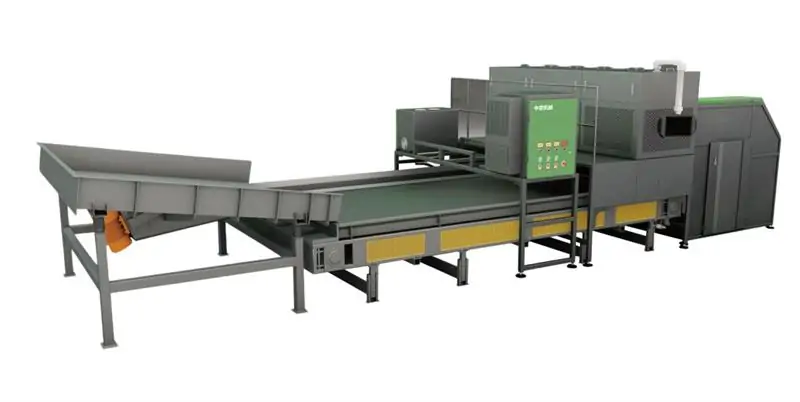
Optical Sorting Machine
Optical Sorting Machine uses CCD imaging and precision air ejection to identify and separate selected materials by color and visual characteristics. It is mainly used for material upgrading and purity improvement in quartz, feldspar, fluorite, silica sand and other mineral applications.

Double Shaft Shredder
Double Shaft Shredder is designed for low-speed, high-torque processing of bulky and high-strength waste. It reduces material size and volume before screening or sorting and is suitable for MSW, C&I waste, plastics, wood, tires and bulky waste.

FYF Horizontal Negative Pressure Wind Sifter
FYF Horizontal Negative Pressure Wind Sifter separates lightweight materials from heavier fractions using controlled negative-pressure airflow. It is suitable for removing plastic film, paper, textiles and other light materials from MSW, C&D waste and RDF processing lines.