
Introduction
Low noise waste shredder advantages go beyond reducing operating noise. Low-speed, high-torque cutting generally produces less impact noise than high-speed shredding and can provide more controlled handling of bulky, mixed and contaminated waste. It can also help limit material scattering and dust generation, while reducing some of the mechanical impact placed on the machine. Actual performance depends on the waste material, feeding conditions, throughput and machine configuration.
At Xinzhongyi ECO, our equipment selection starts with the material and the recycling process. For applications involving MSW, C&D waste, plastic, wood, RDF and bulky waste, we consider feed characteristics, required capacity, target output size and downstream equipment before determining the suitable shredder configuration. This practical approach helps us match the machine to the actual working conditions rather than selecting equipment based on motor power alone.
But what do these design features mean in day-to-day recycling operations? In the sections below, we break down the main low noise waste shredder advantages, including noise and dust control, difficult-material processing, equipment protection, maintenance and integration with downstream equipment. We also look at the limitations of low-speed shredding, so buyers can better understand when this type of shredder fits their recycling process.If you want to learn how to choose the right waste crusher for construction waste, please click
What Makes a Waste Shredder a Low-Noise Machine?
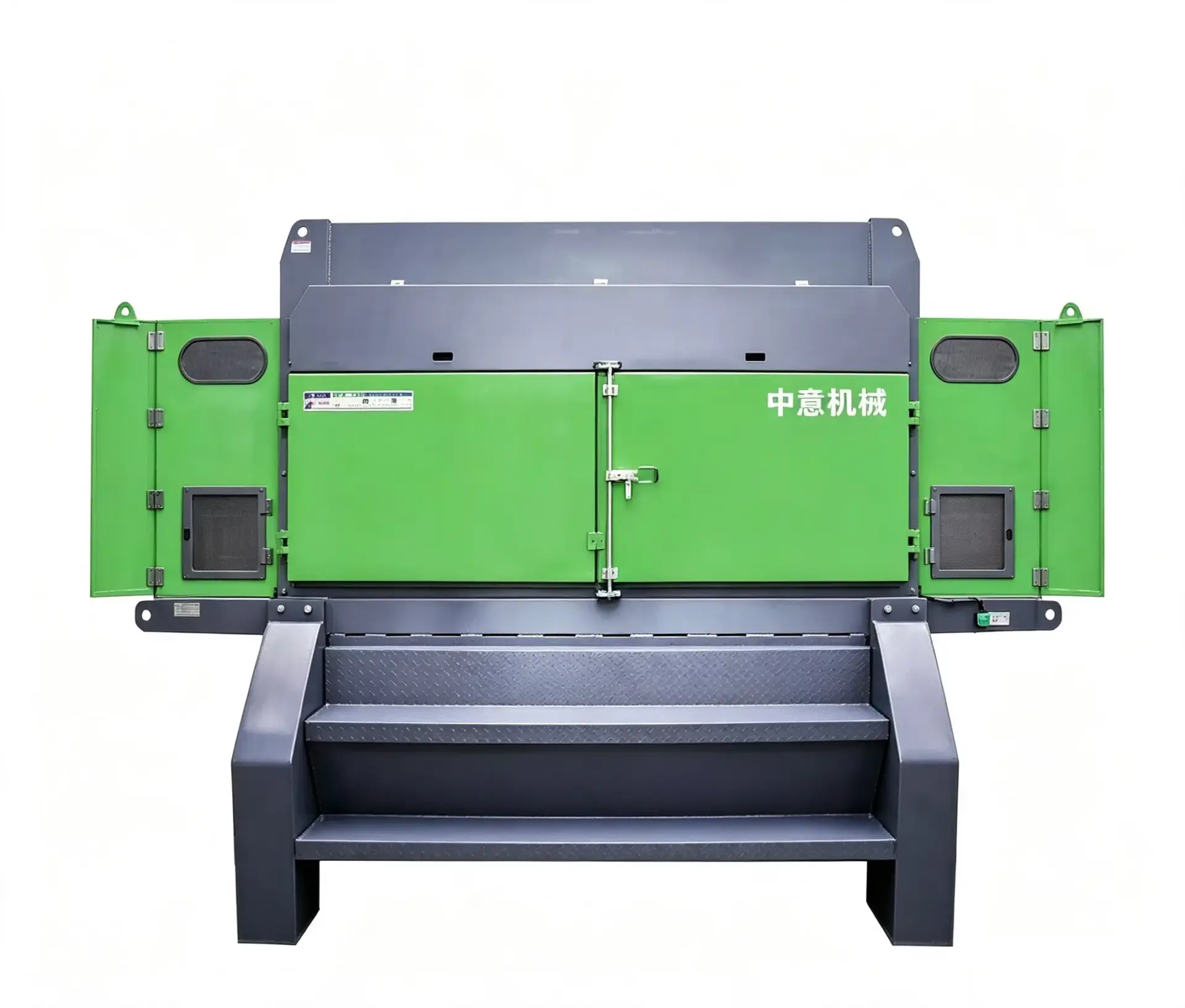
A quieter shredder starts with how the machine handles the material. Rotor speed, cutting force, drive design and the enclosure all play a part. Low-speed shredders do not depend on rapid impacts to break waste down. Instead, the cutters work through the material with controlled rotation and high torque, while the enclosed chamber keeps much of the cutting noise and dust inside the machine.
Low Rotor Speed Reduces Impact Noise
A fast-moving rotor creates more frequent impacts between the cutters, waste and chamber, especially when hard or irregular pieces enter the machine. A low-speed shredder takes a different approach: the cutters catch the material, pull it into the cutting zone and shear it at a controlled speed. There is less rapid movement inside the chamber, which can reduce impact-related noise during normal operation.
High Torque Maintains Cutting Force at Low Speed
Running the rotor slowly only works if the machine has enough torque to deal with the feed. The drive system needs to keep the cutting shaft turning when it meets bulky, dense or tangled material. That is why a low-speed shredder is normally matched with a high-torque drive rather than simply using a lower-speed motor. When comparing machines, look beyond motor power and check the rotor speed, cutter design, feed characteristics and required capacity as well.
Enclosed Structure Helps Contain Noise and Dust
The cutting chamber is another practical part of noise control. Keeping the shredding area enclosed limits the direct path for sound and also helps keep dust and small particles from spreading into the working area. The result will still vary with the waste itself, feeding method, discharge arrangement and ventilation, so the machine should be evaluated as part of the actual processing line rather than by enclosure design alone.
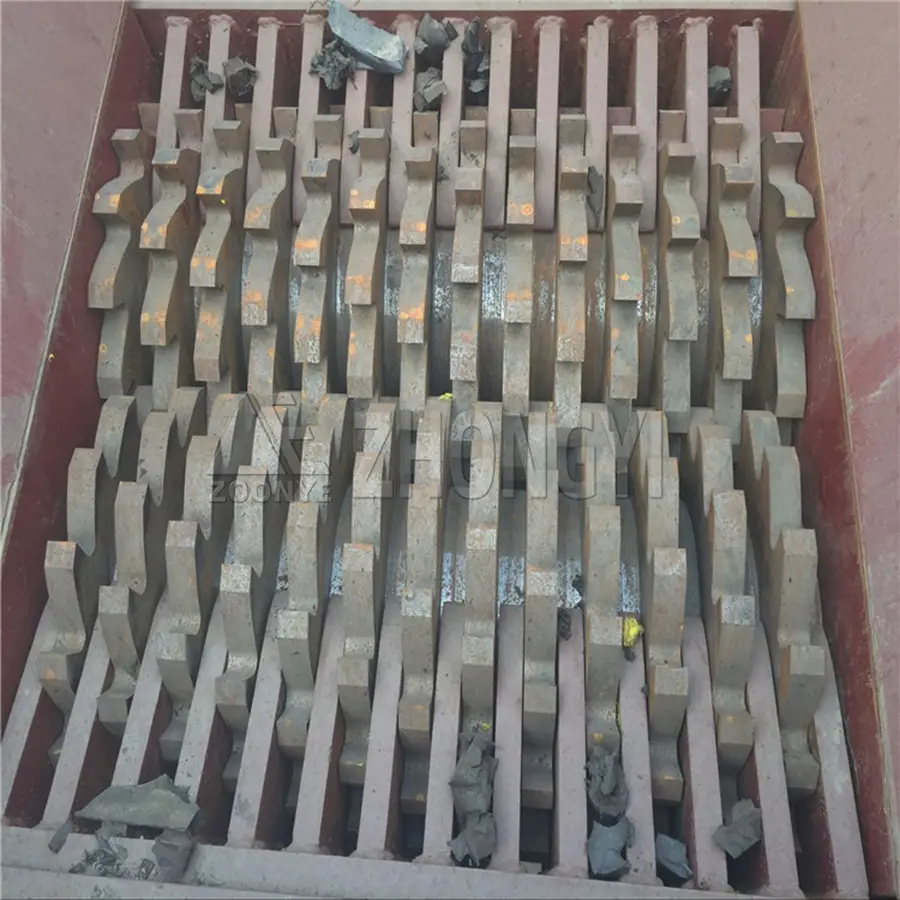
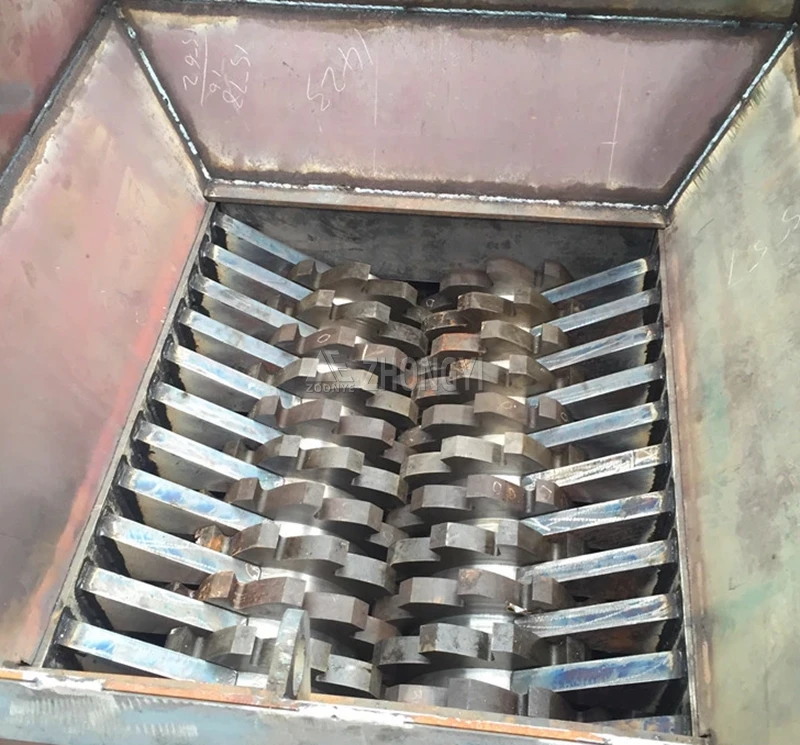
Main Low Noise Waste Shredder Advantages
Noise is only one part of the reason recycling plants choose low-speed shredding equipment. The same design choices that limit harsh impact also change how the machine handles dust, bulky feed and wear. That matters when the shredder has to work inside a plant, process mixed waste or run for long production hours. The practical advantages usually show up in four areas.For a closer look at how double shaft shredders grip, tear, and shear waste, see our guide to the Double Shaft Shredder Crushing Mechanism.
Lower Noise and Better Working Conditions
A low-speed rotor does not throw material around the chamber as aggressively as high-speed equipment, and there are fewer rapid impacts during normal cutting. That can make a noticeable difference in an enclosed workshop or other noise-sensitive working area. It does not mean the machine will meet every site noise limit on its own, since the final level is also affected by the material, feed rate, installation position and building structure.
Less Material Throw and Easier Dust Control
This is where low-speed shredders are particularly useful. Mixed waste does not always arrive in a convenient size or shape; bags, wood, plastic, textiles and oversized pieces can enter the same feed stream. A high-torque drive gives the cutters the force to pull and shear this material without depending on high rotor speed. That makes the design suitable for applications such as MSW, C&D waste, wood, tires, plastics and RDF, especially at the primary shredding stage.
High Torque for Bulky and Difficult Feed
Material behavior changes when the shredding action is slower and more controlled. Waste is pulled into the cutting zone rather than being accelerated rapidly through the chamber, which can reduce material throw and, with some feedstocks, limit the amount of fine material produced. This makes containment and housekeeping easier. Dry plastic, paper, textiles and dusty C&D waste can still generate airborne particles, so a dust collection system may be necessary for some plants.
Less Impact-Related Wear and Practical Maintenance
Running the cutting system at a lower speed means the cutters and chamber are not subjected to the same frequency of high-speed impacts found in some other size-reduction equipment. This can help reduce wear pressure during normal operation, although abrasive materials and hard contaminants will still affect cutter life. Replaceable cutters, accessible wear parts and overload protection are therefore important when comparing machines—not just the headline motor power or capacity.
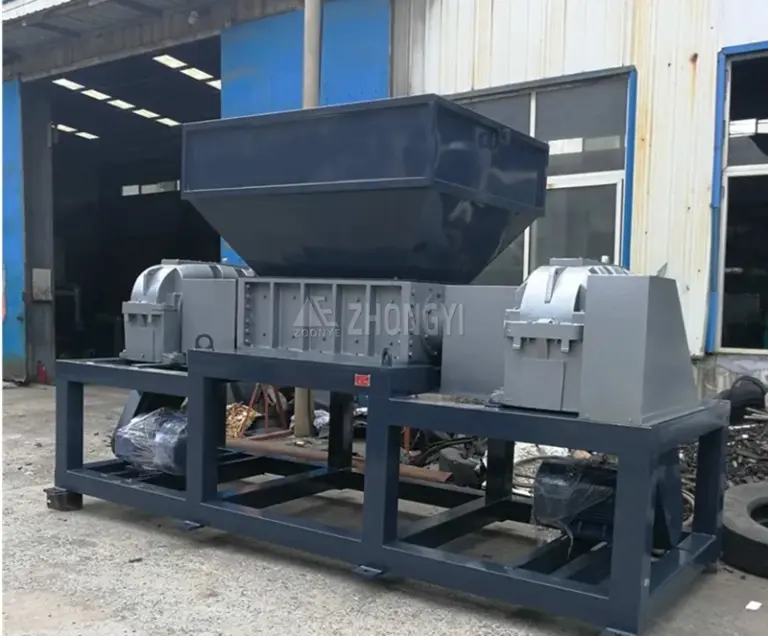
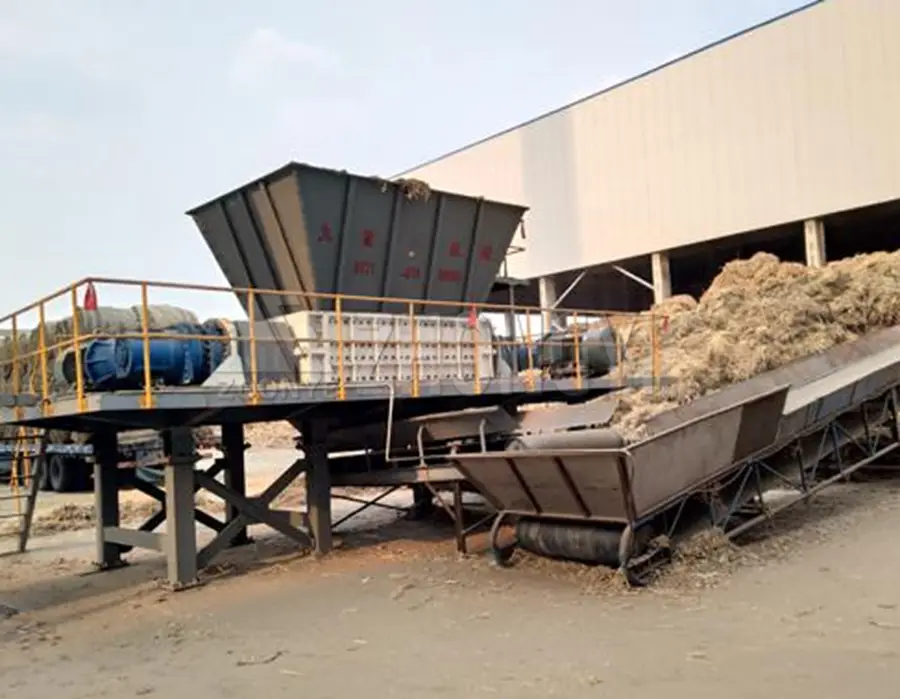
Low Noise Shredder vs. High-Speed Shredder
Choosing between a low-speed shredder and a high-speed grinder is not simply a matter of choosing the quieter or faster machine. The two use different ways to reduce material. A low-speed shredder relies on controlled shearing and high torque, while a high-speed grinder uses rapid cutting and impact. That difference becomes important when the feed is mixed, bulky or contaminated, or when the process requires a finer and more uniform output.
| Factor | Low Noise / Low-Speed Shredder | High-Speed Shredder / Grinder |
| Working principle | Low-speed shearing, tearing and cutting | High-speed cutting and impact |
| Noise & vibration | Lower impact-related noise in many applications | More rapid impact and material movement |
| Torque & feed tolerance | High torque; handles bulky and mixed feed well | Better suited to more controlled feed |
| Dust & material movement | Easier to contain in many applications | Higher material movement may increase fines |
| Output | Coarser; controlled by cutter and screen setup | Finer and more uniform |
| Typical role | Primary size reduction | Secondary or final sizing |
| Typical feed | MSW, C&D, bulky waste, wood, plastics, tires, RDF | Cleaner material requiring finer sizing |
Low Noise Does Not Mean It Replaces a High-Speed Grinder
A low-speed shredder is not a direct replacement for every high-speed grinder. Its job is usually to take difficult incoming material and bring it down to a manageable size before further processing. If the finished product needs to be fine and closely controlled, a grinder or another secondary sizing machine may still be needed.
In practice, the feed often decides the equipment choice. Bags, textiles, wood, oversized pieces and hard contaminants can all change how a shredder performs. In a multi-stage recycling line, a low-speed shredder may handle the first reduction while downstream equipment takes care of finer sizing. The right setup depends on the actual feed, required capacity and target output—not on rotor speed alone.
How Does a Low Noise Waste Shredder Work?
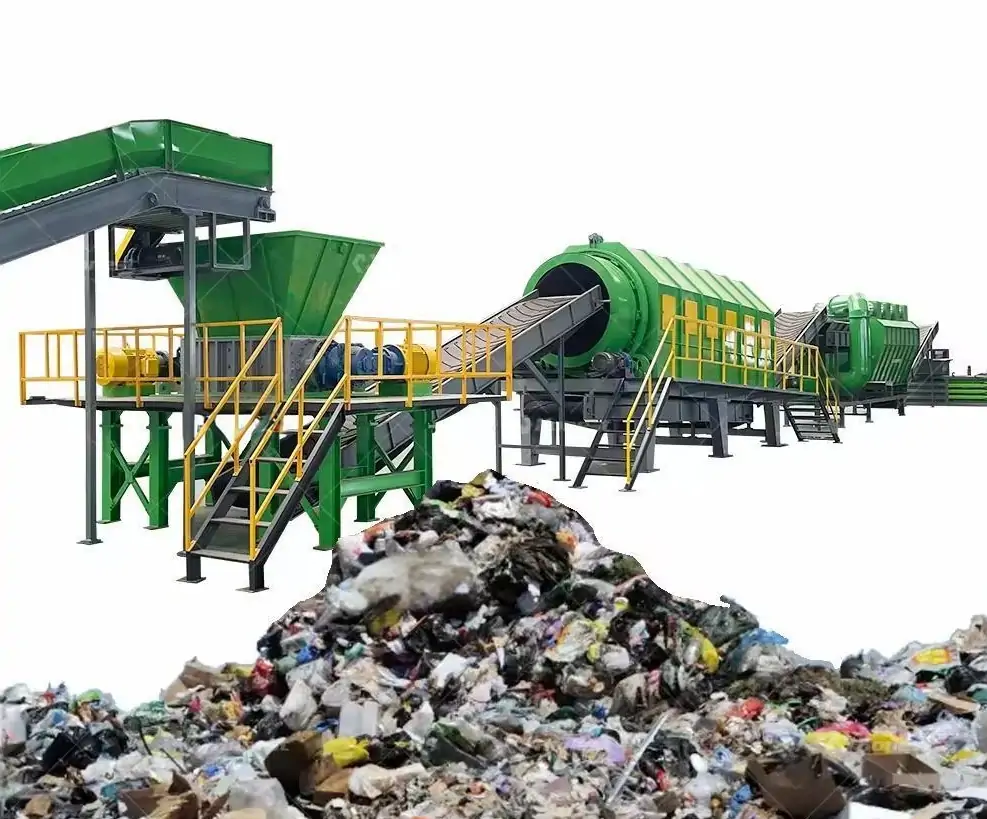
A low noise waste shredder works by feeding waste into a controlled cutting zone, where low-speed rotating knives pull, tear and shear the material. The exact arrangement depends on whether the machine uses one shaft or two, but the purpose is similar: reduce bulky feed without relying mainly on high-speed impact.If you’d like to learn more about the differences between a plastic waste shredder and a general solid waste shredder, please click here
Feeding
A steady feed helps keep the cutting process consistent. On a single-shaft shredder, a hydraulic pusher can move bulky material toward the rotor and keep the cutting area engaged. Conveyor feeding may be used in other system layouts. The feed opening, material size and feeding rate still need to match the machine configuration; pushing material into the chamber too aggressively can create unnecessary load.
Low-Speed Shearing
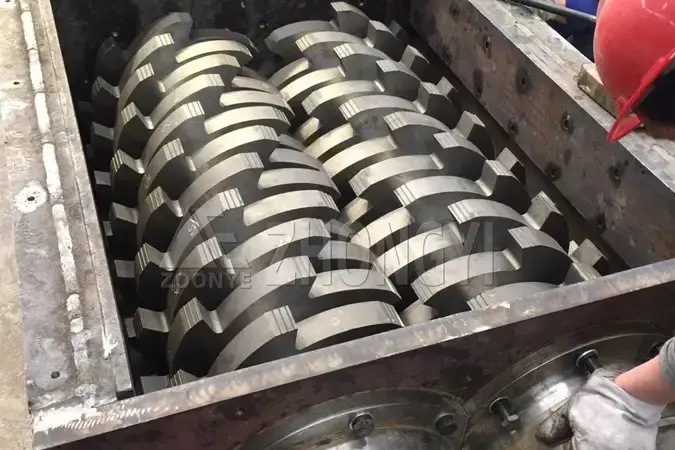
Inside the chamber, the knives catch and pull the waste into the cutting gap. Compression, tearing and shearing work together as the rotor turns, reducing the material without depending on repeated high-speed impacts. The available torque becomes particularly important when the feed contains bulky, tangled or irregular pieces.
Size Control
On a single-shaft shredder, the rotor, fixed knives and screen work together to control the discharged material size. Smaller pieces can pass through the screen, while larger pieces remain in the chamber for further cutting. Screen opening, knife condition, cutter clearance and material properties all influence the actual output, so the screen should not be treated as the only factor determining particle size.
Overload Protection
Mixed waste can occasionally place excessive resistance on the cutting system. Depending on the machine configuration, the control system can monitor operating load and trigger rotor reversal or stop functions when an abnormal condition occurs. This gives the machine a way to respond to temporary overloads and helps protect the drive and cutting components. It is a protection function, however, not a substitute for suitable feed control.
Which Waste Streams Benefit From Low Noise Shredding?
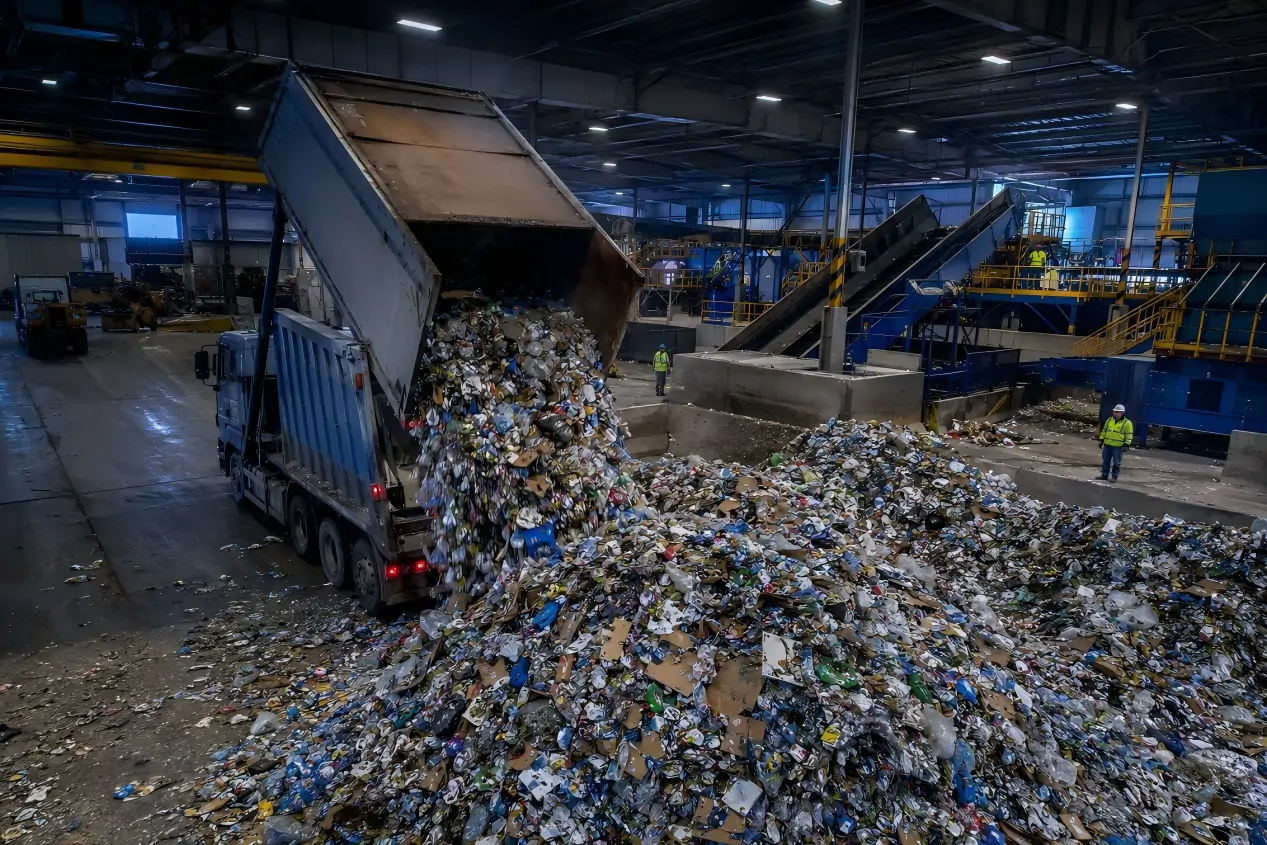
Low noise shredding is commonly considered for waste streams where the feed is bulky, mixed, flexible or difficult to control with high-speed size-reduction equipment. In practice, material selection is based on more than the waste name. Feed size, moisture, contamination, flexibility and the required downstream process all affect how the shredder should be configured. Three application groups cover many of the common cases.
Mixed Municipal and Bulky Waste
Municipal solid waste and bulky waste often have one thing in common: the feed is difficult to predict. Household waste may contain bags, packaging, textiles and larger pieces, while bulky waste can include mattresses, sofas, carpets, furniture and large plastic products. A low-speed, high-torque shredder can pull these irregular materials into the cutting chamber and reduce their overall volume without relying mainly on high-speed impact. In most projects, the purpose is volume reduction and preparation for sorting, screening, RDF production or disposal, rather than fine final sizing.
Construction, Wood and Biomass Waste
Construction and demolition waste can combine wood, plastic, packaging and oversized pieces, while dedicated wood and biomass streams may contain pallets, branches, boards or production offcuts. These materials behave differently depending on their size, moisture and fibrous structure, so the shredder configuration needs to follow the actual feed. For example, long or wet biomass may require different cutter and feeding arrangements from dry pallet waste. Low-speed shredding is generally used for primary size reduction, with screening or secondary grinding added when a smaller or more controlled output is required.
Plastic, Textile and RDF Feedstock
Plastic film, woven bags, pipes, sheets and bulky plastic can be processed alongside textile materials such as carpets, fabrics and other fibrous waste when the process requires controlled tearing and size reduction. These materials can wrap, stretch or bridge if the feeding and cutting system is poorly matched to the feed. RDF is another related application, although the objective is slightly different: the shredder prepares mixed combustible waste for downstream screening, separation and fuel preparation. Target size, material composition and throughput should therefore be established before selecting the cutters, rotor and screen.
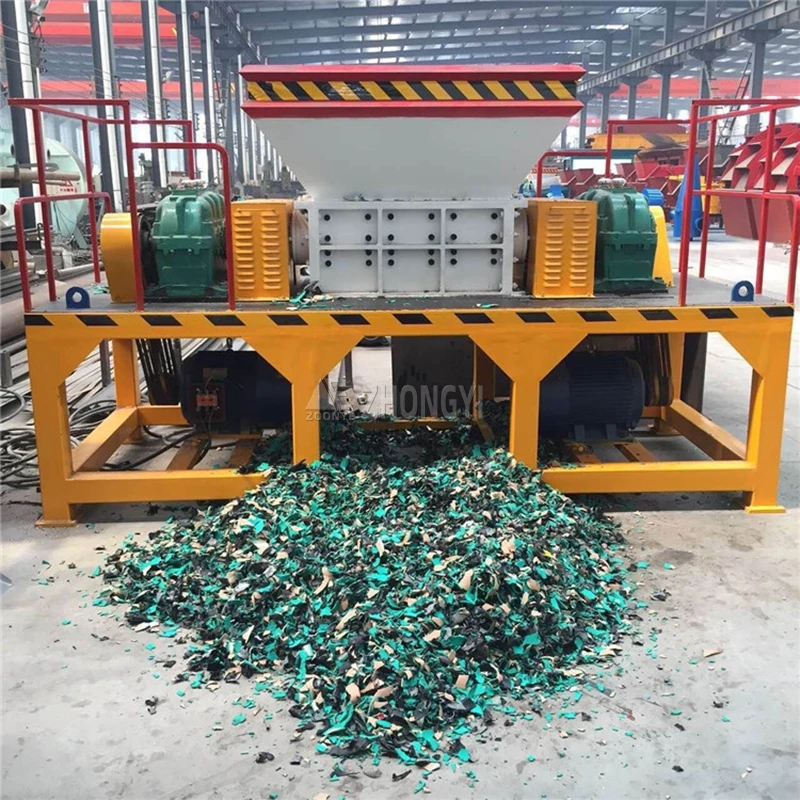
Low Noise Waste Shredder Advantages for Different Recycling Applications
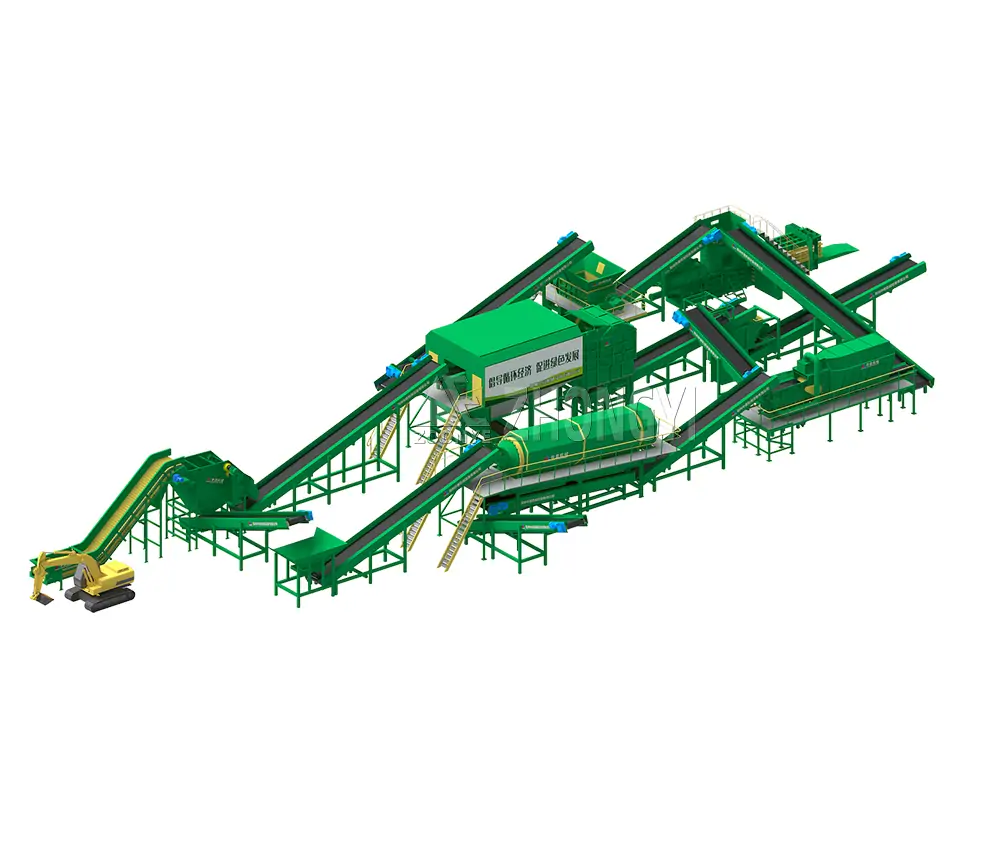
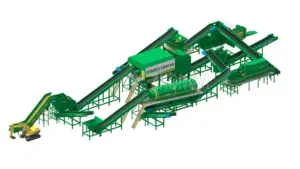
The same shredder does not face the same job in every recycling plant. MSW can change from one truckload to the next, C&D waste may bring in oversized wood and abrasive contaminants, while plastic and RDF lines usually have more specific requirements for the material leaving the shredder. For selection, we normally look at the feed, the way it enters the machine and what happens after shredding—not noise level alone.
| Application | Main Challenge | Relevant Advantage |
| MSW recycling | Mixed feed, hard contaminants | High torque + overload protection |
| C&D recycling | Bulky, abrasive mixed waste | Low-speed shearing + wear-resistant cutters |
| Plastic recycling | Film, wrapping, heat and fines | Controlled cutting + suitable screen |
| RDF production | Bulky feed, size preparation | Stable primary shredding + downstream sizing |
| Bulky waste | Irregular, oversized, entangling feed | High torque + hydraulic feeding |
| Indoor recycling plant | Noise, dust, limited space | Enclosed cutting chamber + controlled material movement |
The practical point is that low noise is usually a result of the whole machine design, not one isolated feature. Rotor speed, torque, cutter geometry, enclosure, feeding method and installation all affect how the shredder behaves in operation. A machine that looks suitable on paper may still need a different rotor, screen, cutter or feeding arrangement once the actual waste and downstream process are known.
How to Select a Low Noise Waste Shredder Machine?.
The first thing we normally look at is what is actually going into the shredder. Waste composition, maximum feed size, moisture, bulk density and contamination all affect the cutting load. A load of plastic film behaves very differently from C&D waste containing wood and hard contaminants. For mixed waste, it is useful to provide the largest feed pieces and possible metal or other foreign material rather than only giving the general material name.
Once the feed is clear, the next question is what needs to come out of the machine and at what rate. Required throughput and target output size determine the rotor, cutter arrangement, screen and feeding system. A shredder used for primary MSW reduction will not necessarily use the same configuration as one preparing plastic or RDF for the next stage. Do not select a shredder based on motor power alone. The drive torque, rotor speed and actual feed conditions are just as important when checking whether the machine can maintain the required capacity.
The last part is often overlooked during quotation: where and how will the shredder operate? Indoor plants, enclosed workshops and sites near occupied areas may need an enclosed cutting chamber, vibration isolation or dust extraction in addition to low-speed operation. If noise is a purchasing requirement, ask how the figure was measured, including the distance, material and operating load. In the end, the practical specification should come from the feed + capacity + output + installation conditions, rather than from a single motor or noise figure.In waste recycling applications, the crusher itself is only part of the decision; the choice between a mobile and fixed setup can also affect material handling and site requirements. If you want to explore the differences in more detail, see our [Mobile vs Fixed Waste Crushing Station Comparison] guide.

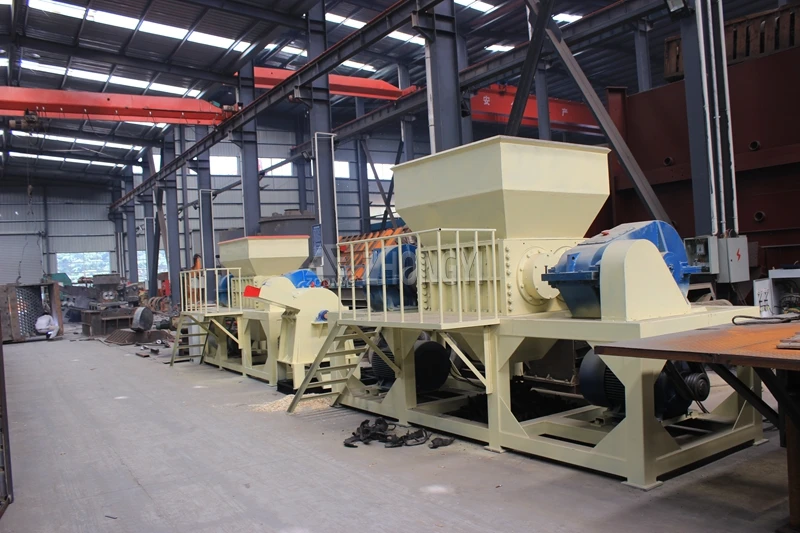
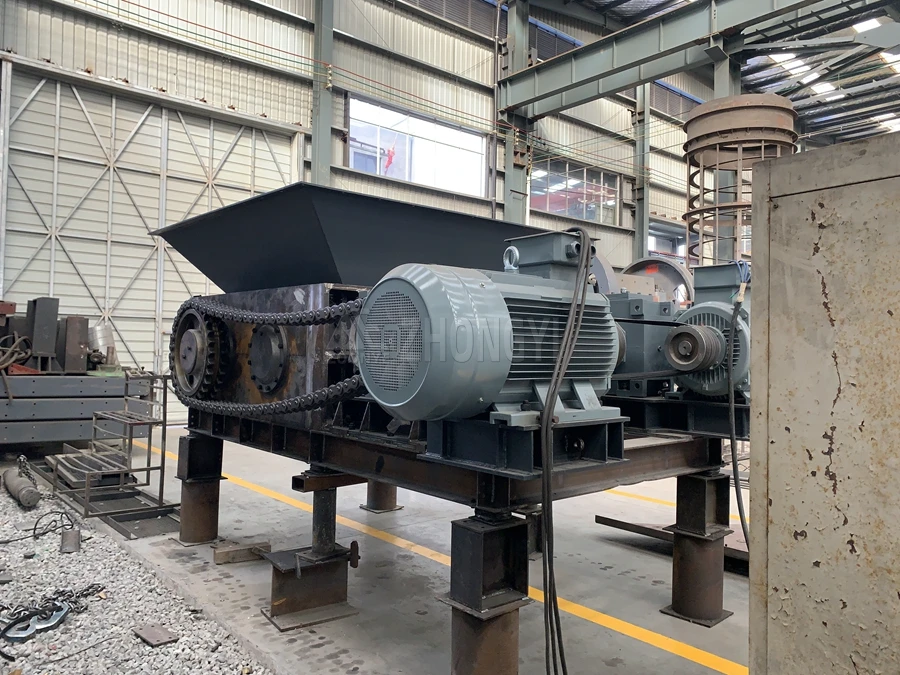
Single Shaft vs. Double Shaft Low Noise Shredder
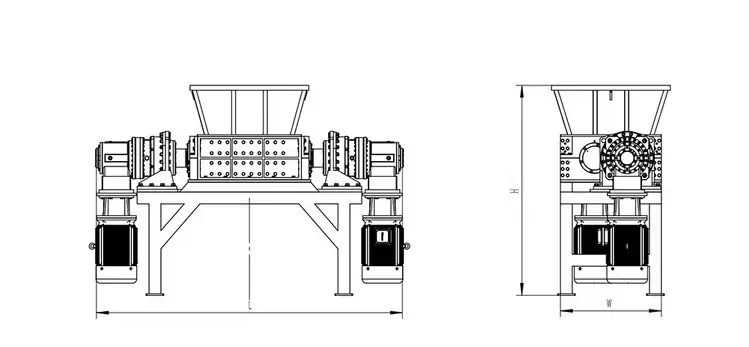
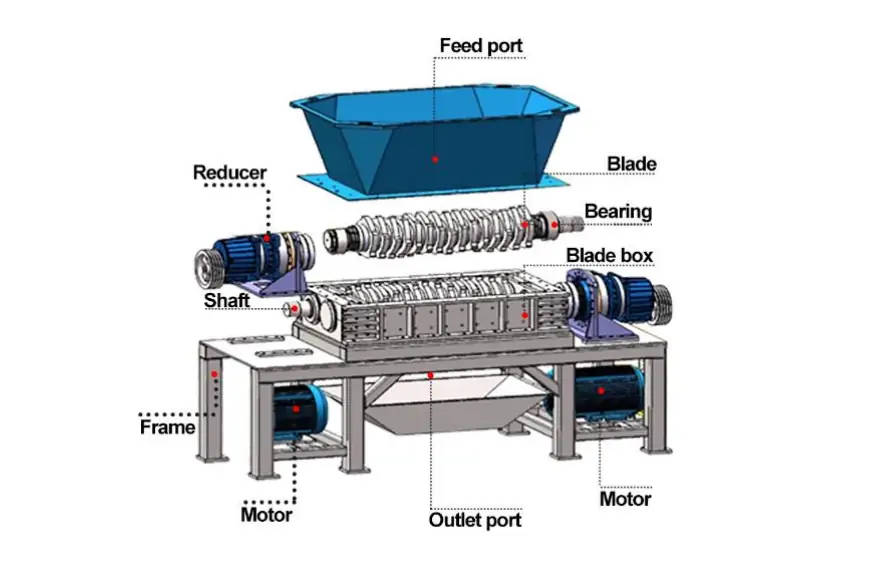
Single shaft and double shaft shredders both use low-speed, high-torque cutting, but their jobs are different. Single shaft models focus more on output size control, while double shaft models are better suited to bulky and mixed waste for primary reduction. The main differences are shown below.
| Feature | Single Shaft Shredder | Double Shaft Shredder |
| Main action | Cutting + shearing | Tearing + shearing |
| Structure | One rotor + fixed knives | Two counter-rotating shafts |
| Output control | Screen-controlled | Mainly coarse reduction |
| Feed characteristics | More controlled feed | Bulky and mixed feed |
| Typical role | Controlled size reduction | Primary shredding |
| Suitable materials | Plastic, wood, textile, RDF | MSW, bulky waste, tires, mixed waste |
| Feeding | Hydraulic pusher + screen | Direct shaft feeding |
Xinzhongyi ECO’s Single Shaft Shredder range includes SY1500, SY2000, SY2200, SY2500 and SY3000, with motor power from 90–500 kW and a listed output size range of Φ30–Φ70 mm. The Double Shaft Shredder range covers different shaft speeds, motor powers and processing capacities for different feed conditions.If you want to learn more about “Double-Shaft vs. Single-Shaft Waste Shredder: Which Is Better?”, please click here
What Low Noise Waste Shredders Cannot Replace?
A low-speed shredder is often the right machine for the first reduction, but we would not use it to do every sizing job. If a customer needs a fine, consistent product for plastic regrinding or granulation, a grinder or granulator is usually still needed downstream. In actual recycling lines, it is common to let the shredder deal with bulky or contaminated feed first, then use screening or secondary size reduction to bring the material to the required size. Industry guidance from Vermeer makes the same distinction: low-speed shredders are more tolerant of difficult feed, while high-speed grinders are better suited to faster and more consistent final sizing.
The same point applies when throughput is the main target. A slow rotor gives the machine high torque and better control over difficult material, but it does not make the machine a high-speed grinder. If the incoming waste is relatively clean and the customer needs a fine, uniform product at high throughput, going straight to a grinder or granulator may make more sense. We normally look at the process as a whole: what comes into the shredder, what size needs to come out, and what machine handles the next step. That is why a low noise shredder should be selected for the job it is actually good at, rather than expected to replace every machine in the line.
Conclusion
Low noise is not an isolated feature. It usually comes from a different shredding approach: low-speed rotation, high torque, controlled feeding, overload protection and enclosed processing. Together, these design choices help the machine handle difficult feed with less impact, maintain controlled material reduction and work smoothly with downstream equipment.
In actual projects, we do not recommend a shredder based on noise level or motor power alone. The feed material, capacity, target output and next processing stage all need to be considered together. Xinzhongyi ECO can evaluate these conditions and help configure a suitable single shaft or double shaft shredder for the application.
If you have a project in mind, contact us with your waste type, maximum feed size, moisture, bulk density, required capacity, target output size and downstream process. Our engineers can review the working conditions and discuss the appropriate shredding configuration with you.


Andy Yu
Technical Engineer | Zhongyi ECO
16+
Years Exp.
300+
Solutions
50+
Countries
16 years’ experience in environmental and solid waste management, specializing in C&D recycling and waste sorting solutions. At Zhongyi Mining Machinery, focused on improving global clients’ efficiency through technical expertise and tailored configurations.
FAQ
Low noise mainly comes from the way the machine processes waste. A low-speed rotor, high-torque drive and controlled feeding reduce rapid impact inside the cutting chamber, while an enclosed structure helps contain sound and dust. The actual noise level still depends on the material, feed rate, machine configuration, installation and measurement distance, so these conditions should be confirmed when comparing equipment.
Yes, particularly when the feed contains bags, plastics, textiles, bulky pieces and other irregular materials. The high-torque cutting system can pull and shear changing feed without depending on high-speed impact. For an MSW project, however, contamination, maximum feed size, moisture and required throughput should be checked first. The shredder configuration should reflect the actual waste composition rather than the general label “municipal waste.”
The choice depends mainly on the feed and required output. A single shaft shredder is better suited when output size needs tighter control, as the screen keeps oversized material in the cutting chamber. A double shaft shredder is commonly used for bulky or mixed waste requiring primary reduction. If both difficult feed handling and controlled sizing are required, a multi-stage process may be more suitable.
It can provide controlled size reduction with the right cutter and screen configuration, but it should not be treated as a replacement for every grinder or granulator. When the final product requires fine and consistent particles, secondary size reduction may still be necessary. In many recycling lines, the shredder handles the first reduction, while screening, grinding or granulation completes the required sizing.
Start with the actual material flow rather than the motor rating. The required capacity depends on feed size, bulk density, moisture, material composition, target output and operating hours. For mixed waste, occasional oversized pieces and hard contaminants can also affect the usable capacity. A manufacturer should size the rotor, drive, cutters and feeding system according to the expected working load, not only the nominal tonnes-per-hour figure.
Not automatically. Noise and energy consumption are influenced by different factors. Low-speed shredders use high torque to process material without relying mainly on high-speed impact, while actual power demand depends on feed resistance, moisture, throughput and required size reduction. When comparing machines, ask for power consumption under comparable operating conditions rather than assuming that a quieter machine will always use less energy.
Routine maintenance normally includes checking cutters, cutter clearance, screens where fitted, bearings, drive components and hydraulic or electrical systems. Cutter wear depends heavily on the material, especially when abrasive contaminants enter the feed. Overload protection can help protect the drive and cutting system, but it does not remove the need for inspection. Easy access to wear parts and a practical replacement procedure are worth checking before purchase.
Provide the waste type, maximum feed size, moisture, bulk density, contamination, required capacity and target output size. Photos or videos of the actual feed can be useful when the material is mixed or irregular. If the shredder feeds a screening, sorting, grinding or RDF system, include the downstream process as well. This information gives the manufacturer a much clearer basis for selecting the machine configuration.
Related Waste Sorting Equipment
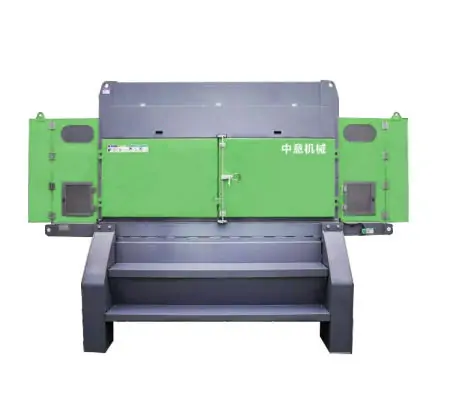
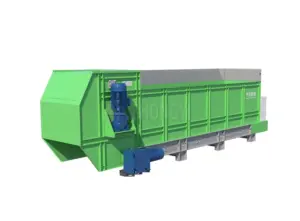
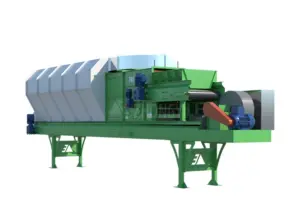
Single Shaft Shredder
Designed for waste streams that require better control over output size, the single shaft shredder uses a rotating rotor, fixed knives, hydraulic feeding and a replaceable screen. It is suitable for plastics, wood, textiles, packaging waste and RDF feedstock. Screen and cutter configurations can be adjusted according to the required particle size and downstream recycling process.

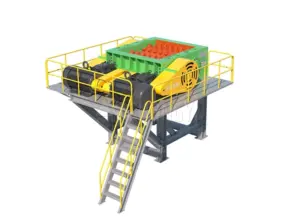
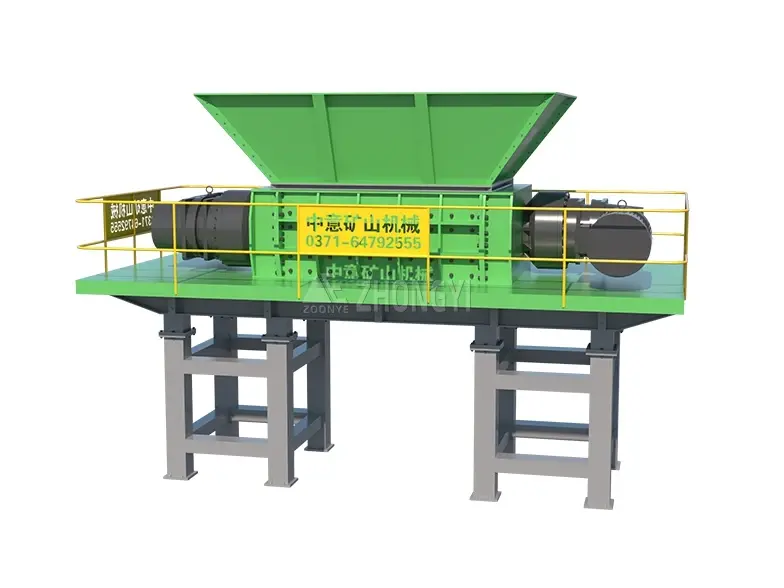
Double Shaft Shredder
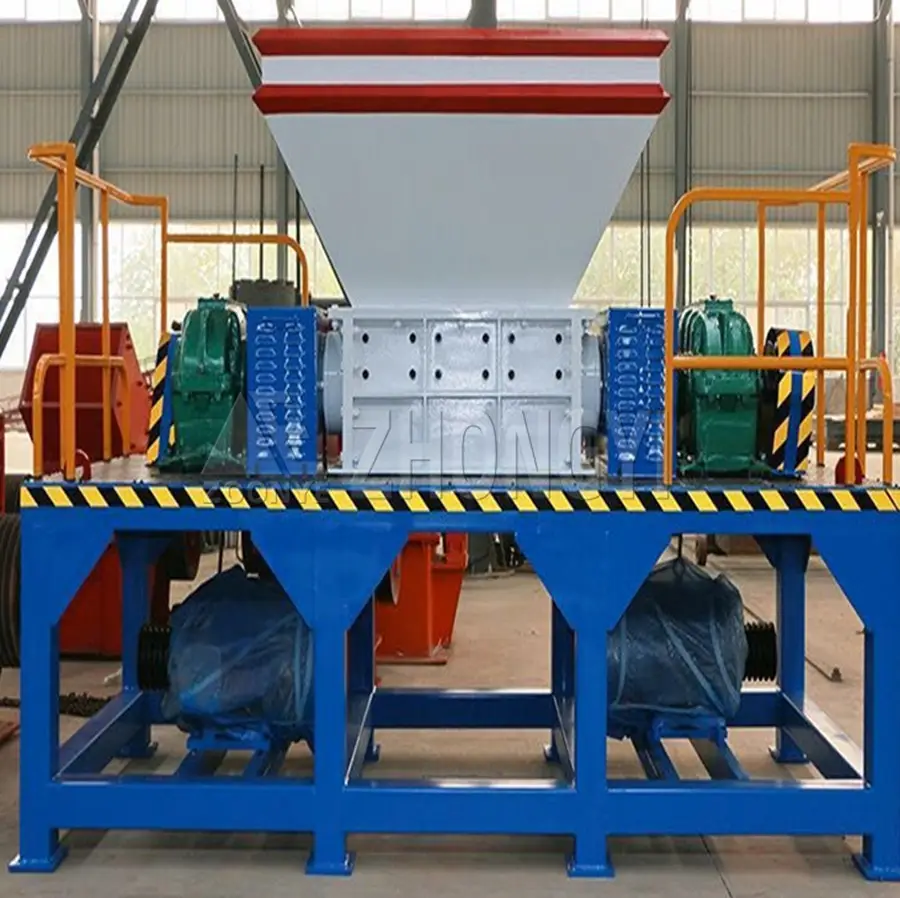
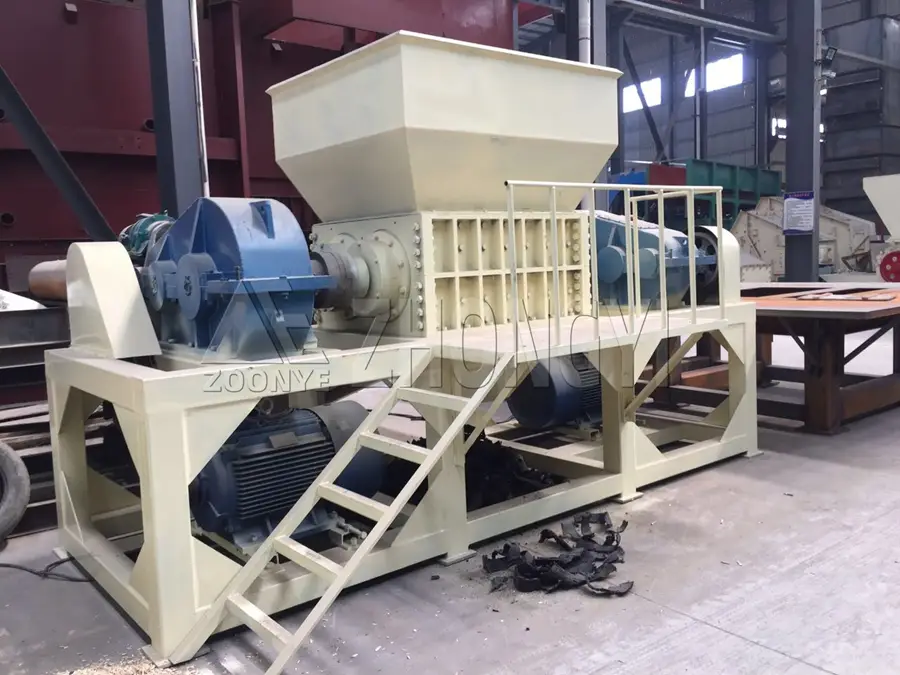
The double shaft shredder uses two counter-rotating shafts to tear and shear bulky or mixed waste at low speed and high torque. It is suitable for MSW, tires, plastics, wood, metal-containing waste and other difficult feed. The open cutting structure and strong bite force make it suitable for primary shredding before screening, sorting or secondary size reduction.
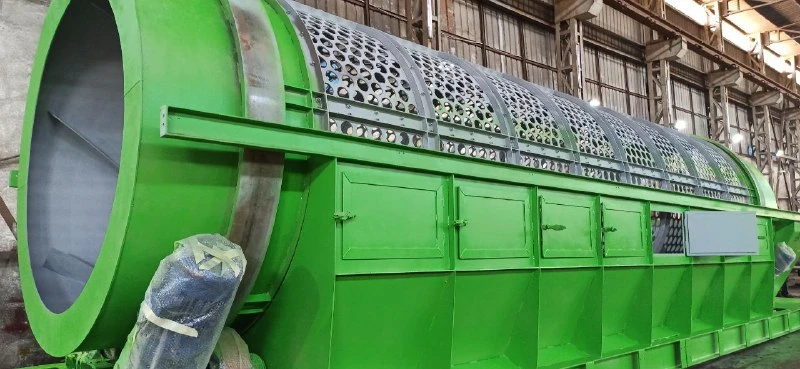

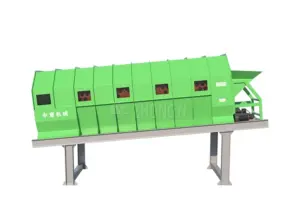
GTS Series Rotary Trommel Screen
The GTS Series Rotary Trommel Screen separates shredded waste by particle size through a rotating screening drum. It is available for waste processing capacities from 20–300 t/h and can be configured with different screen openings for different material streams. In a recycling line, it can follow a shredder to remove fines and separate size fractions before sorting, RDF preparation or further processing.
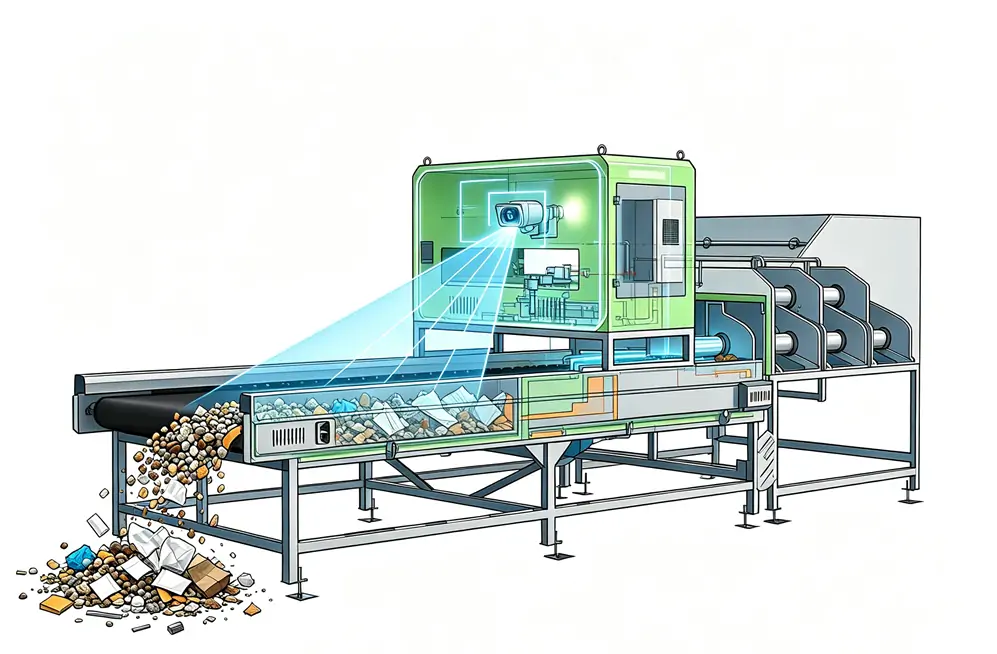

AI Sorting Machine
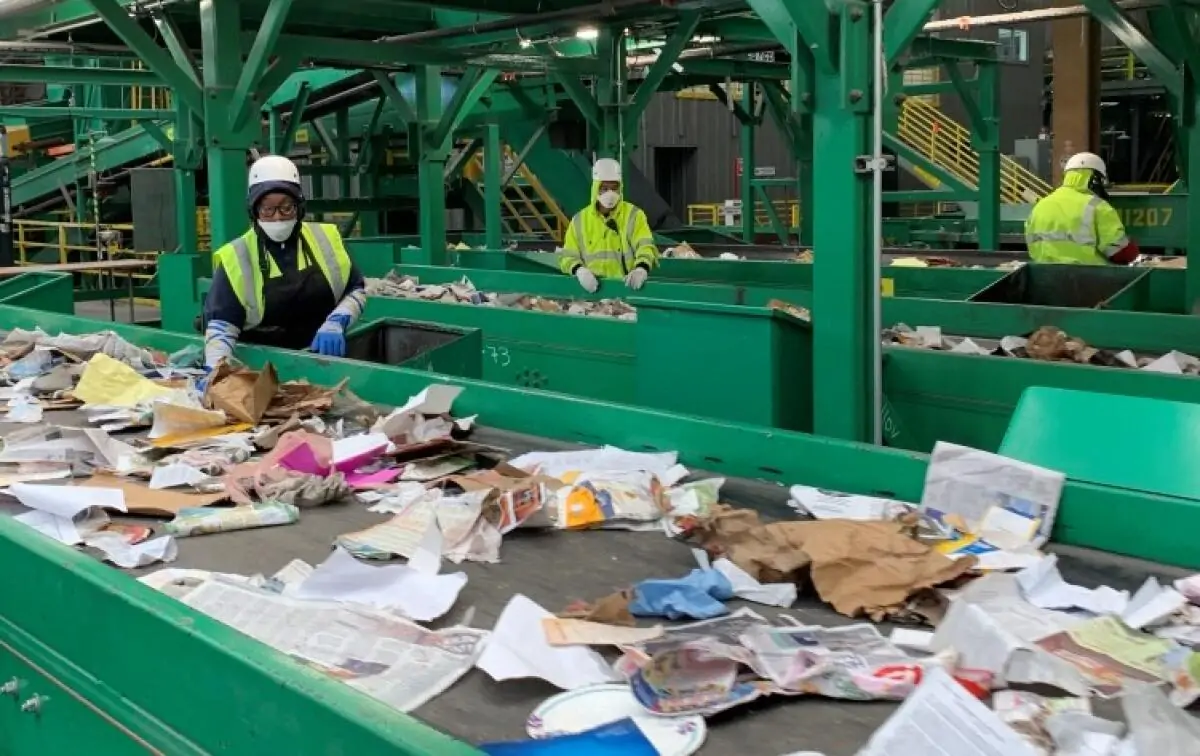
The AI Sorting Machine uses intelligent identification and automated separation to recover target materials from mixed waste after size reduction and screening. It can be used for MSW sorting lines where plastics and other recyclable fractions need to be separated from the processed material. Different configurations are available according to the material composition, feed capacity and sorting targets, allowing it to work as a downstream unit after shredding and screening.