

What is a MSW Roller Screen Separator?
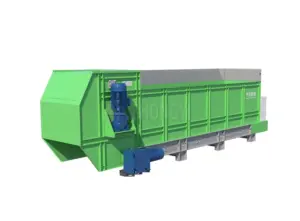
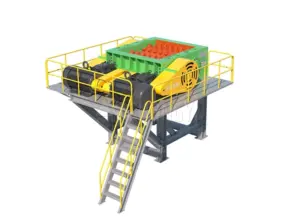
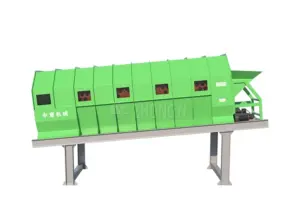
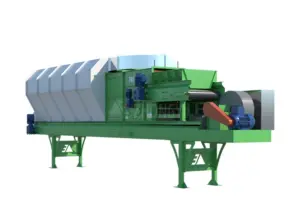
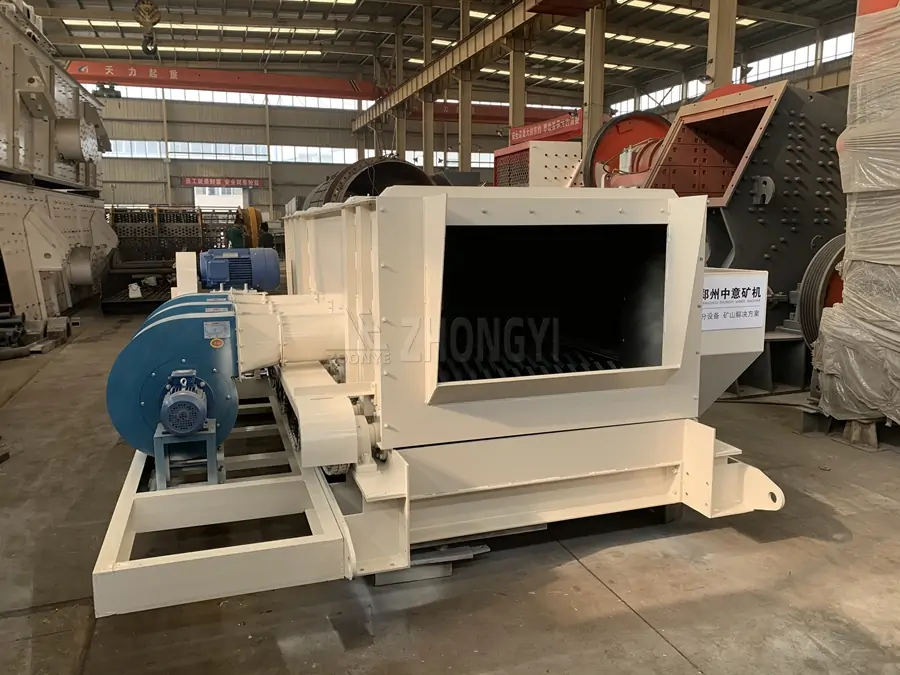
Roller Screen Separator is a mechanical screening equipment used for size-based separation of bulk materials. It is also known as Roller Screen, Roller Grizzly Screen, or Disc/Bar Roller Screen depending on structure design. It works by using parallel rotating rollers to separate fine and coarse fractions, widely applied in waste treatment and material pre-screening systems, with typical capacities ranging from 20–200 t/h.
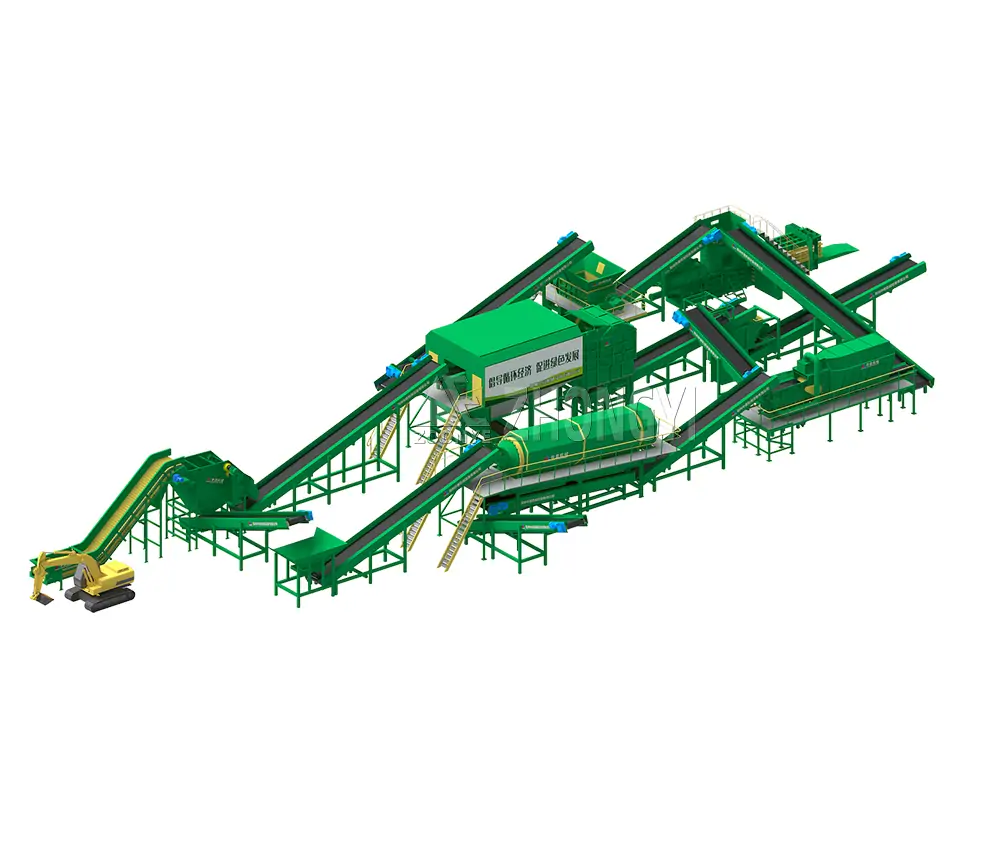
The equipment is usually installed between upstream feeding systems such as bag opener, hopper, or conveyor, and downstream processing units including crusher, magnetic separator, air classifier, and manual sorting platform, forming the front-end screening section of recycling or waste processing lines.
Working Principle
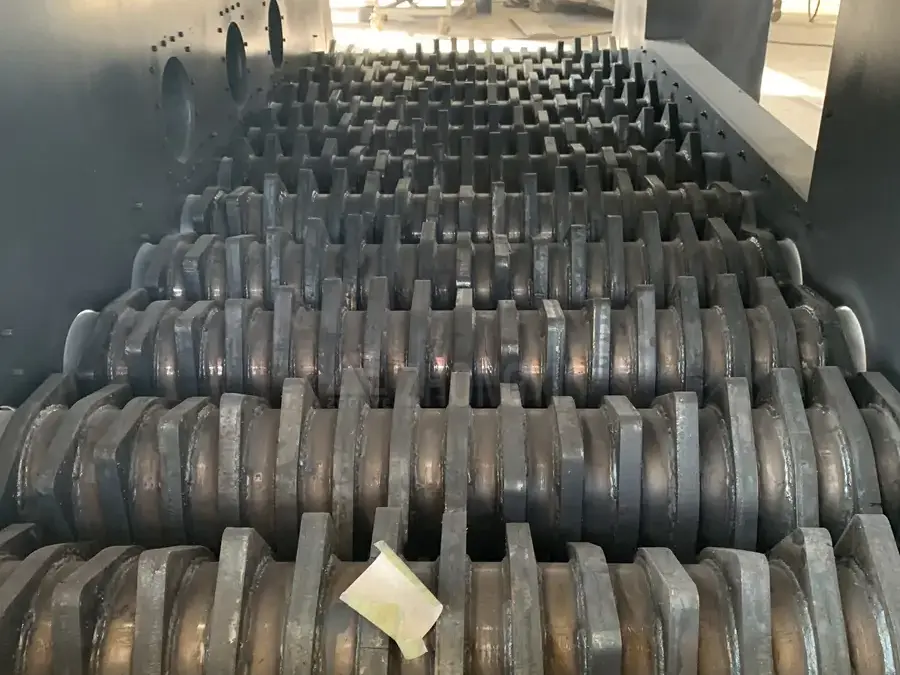
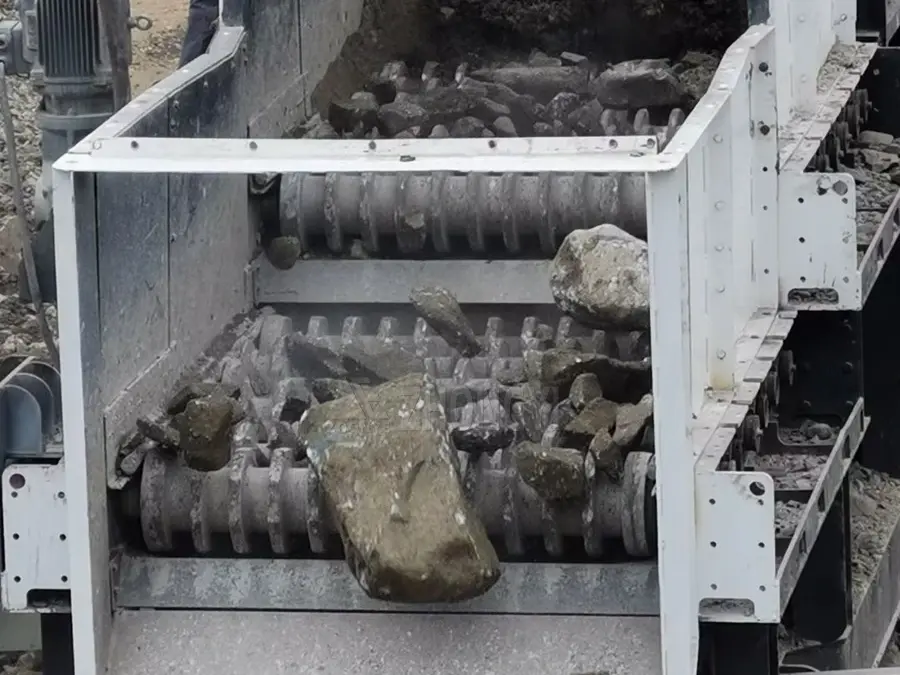
The Roller Screen Separator uses a series of parallel rotating rollers to convey and size-separate materials. Fine particles fall through the gaps between rollers, while oversized materials continue to move forward and are discharged at the end, enabling continuous screening.
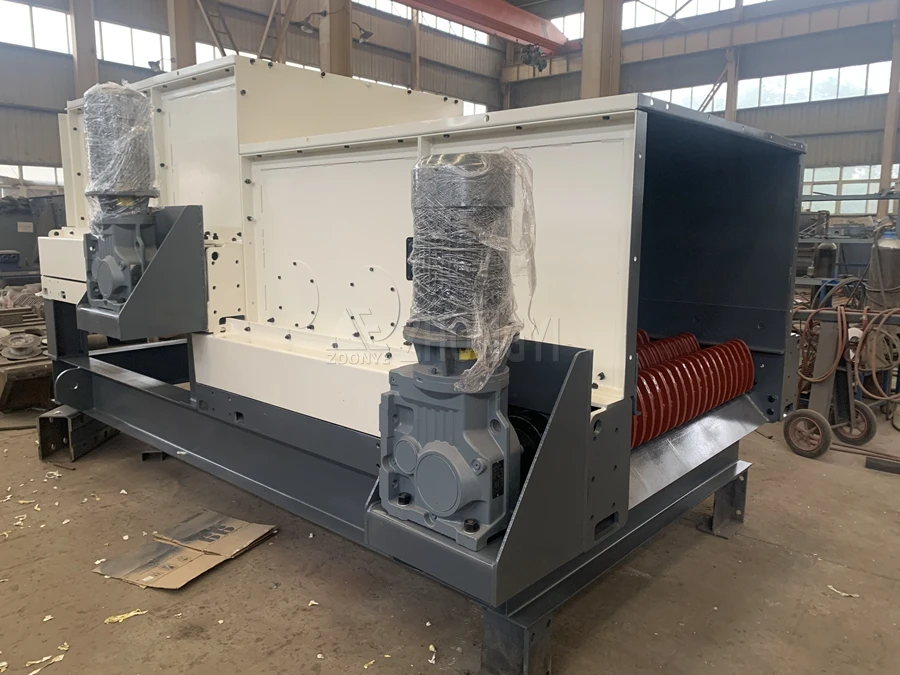
Material is fed evenly into the screening zone through the upstream feeding system and moves forward on multiple sets of parallel rollers. The rollers are driven by independent or synchronized drive systems, rotating continuously to agitate, disperse, and transport the material while enabling size separation.
Particles smaller than the roller gaps fall through under gravity to form the fine fraction, while larger materials are conveyed to the discharge end as oversize material. The roller spacing and rotation speed can be adjusted according to material characteristics to handle different waste compositions and size requirements.
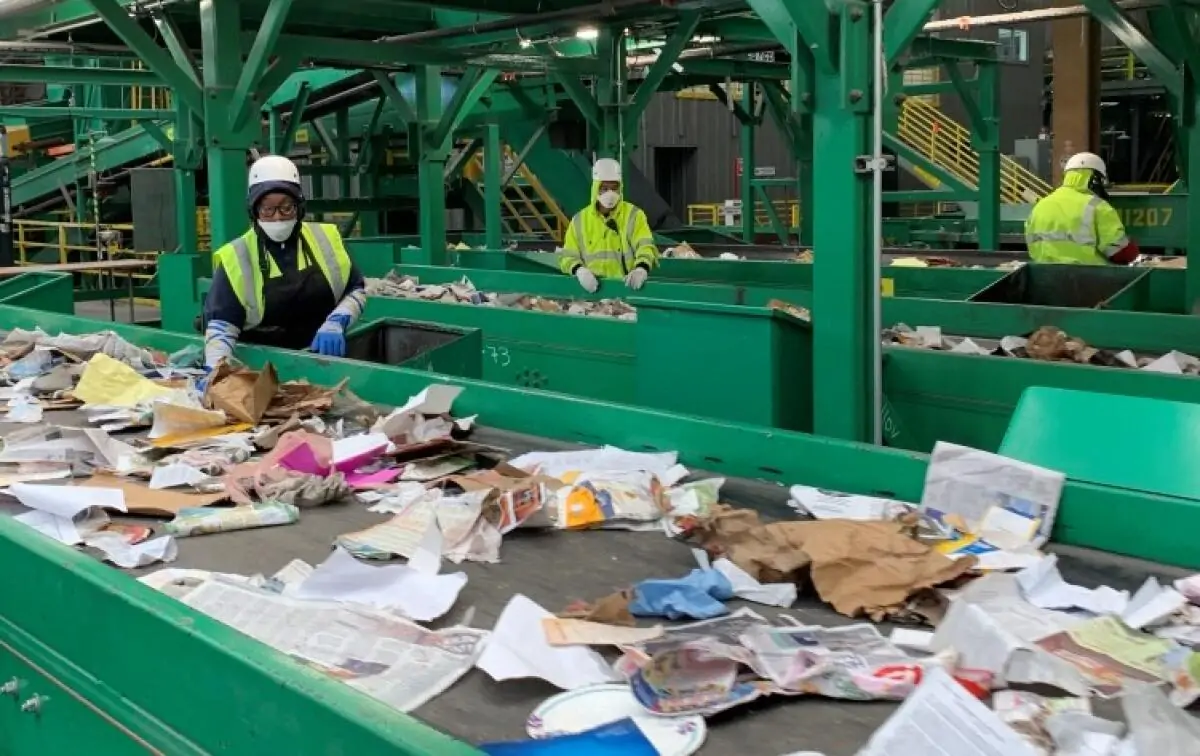
Common system configuration includes: feeding system → roller screen → magnetic separation → air separation → manual sorting → RDF or recycling process, enabling continuous and controlled material flow across the entire line.
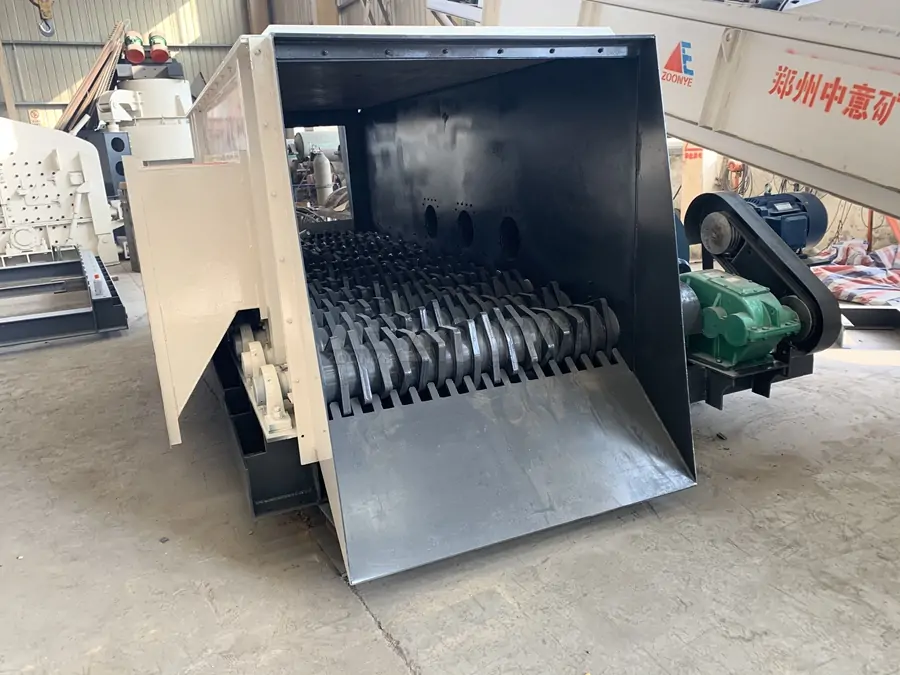
Parts of Roller Screen Machine
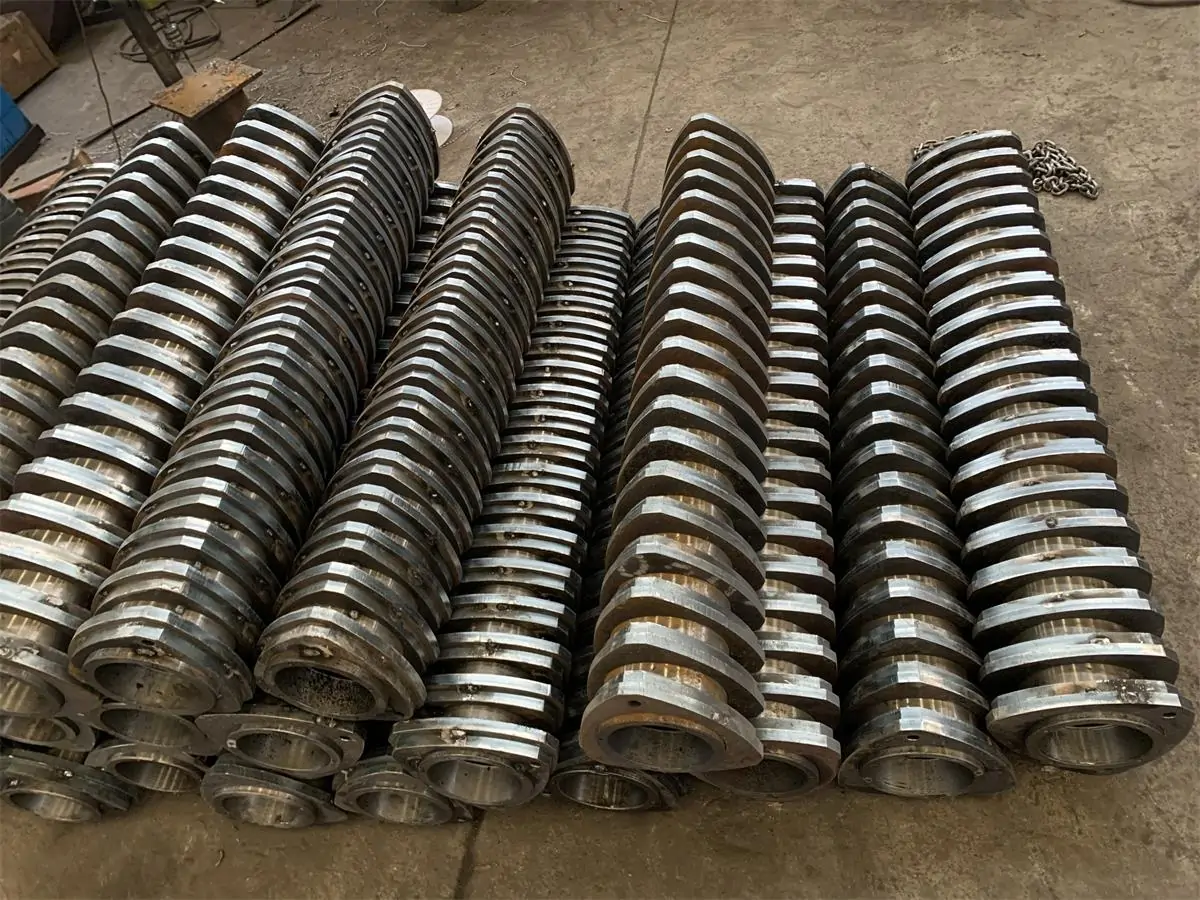
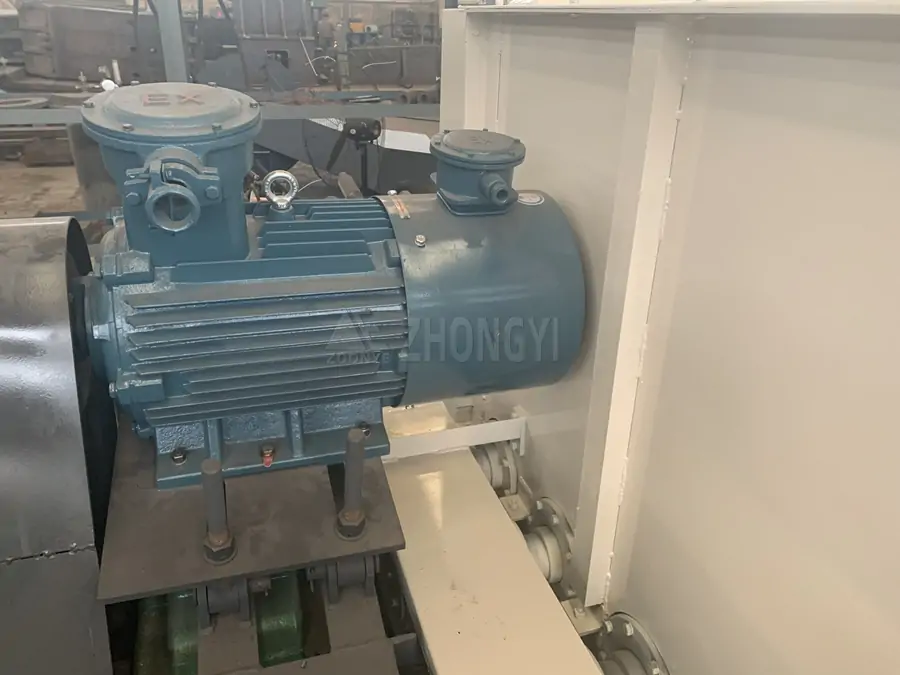
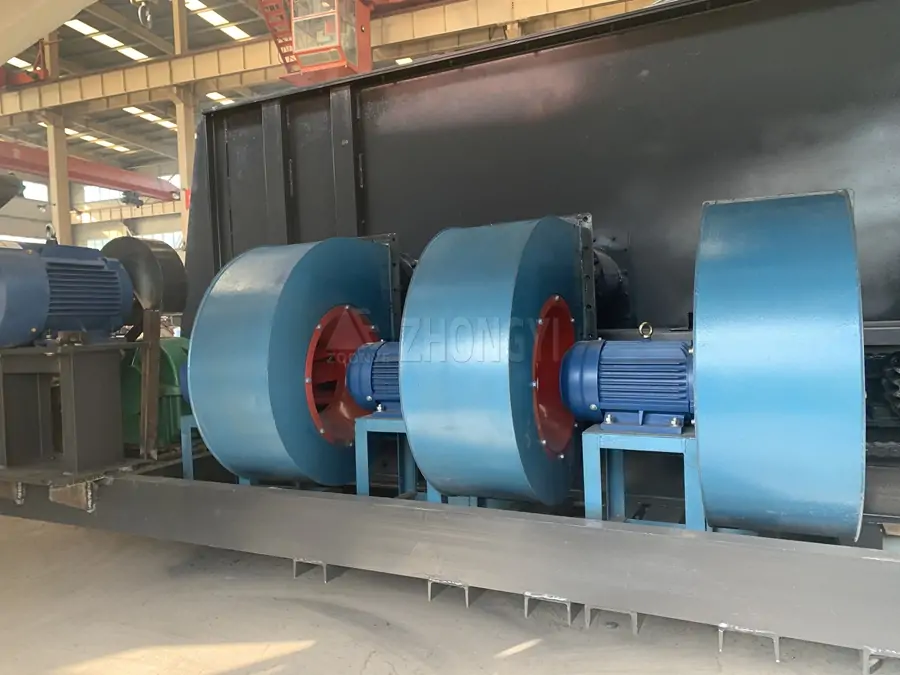
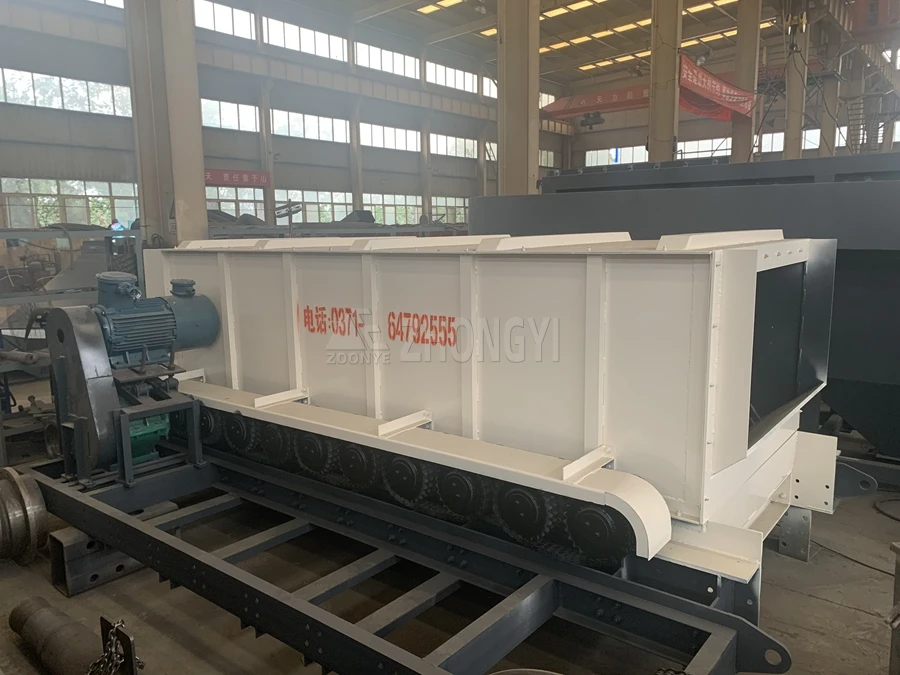
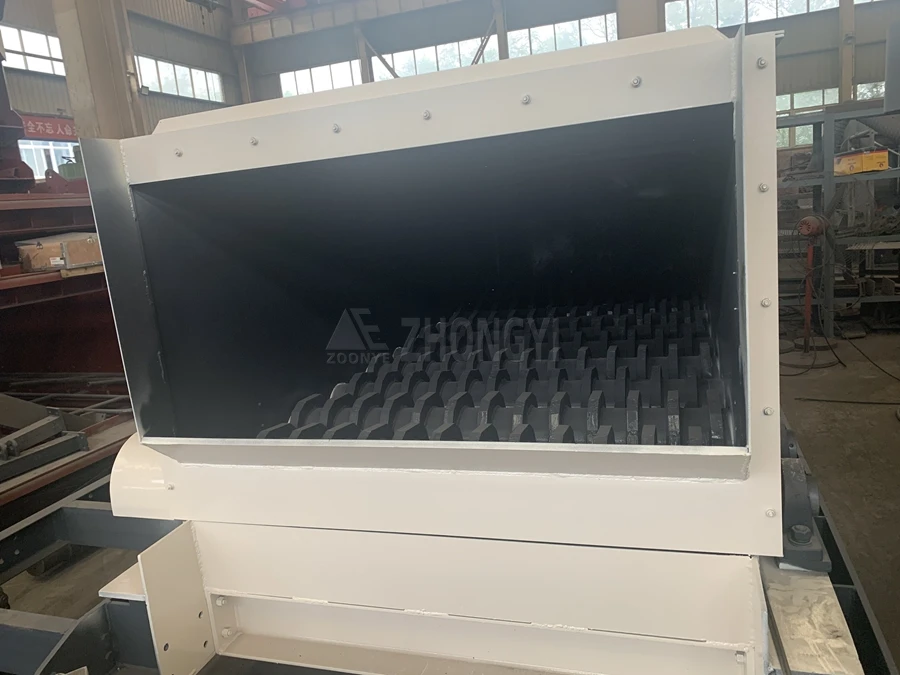
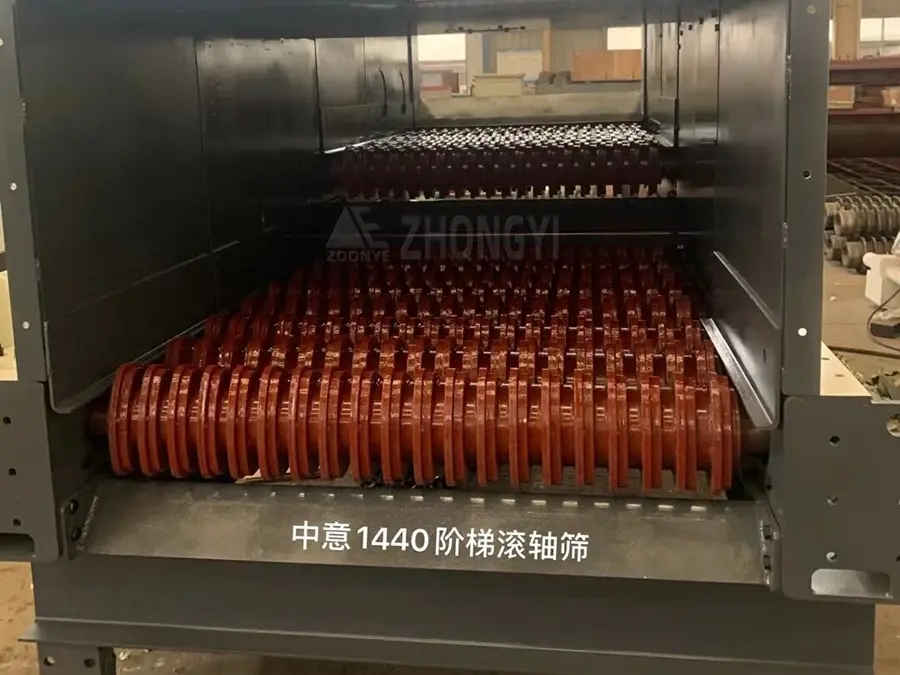
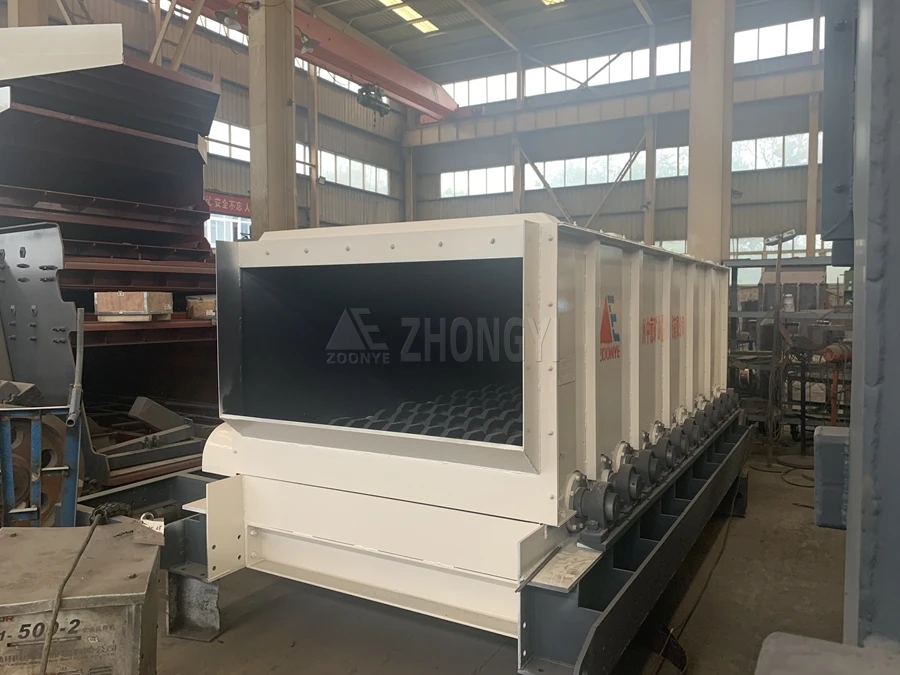
TheMulti-shaft Roller Screen achieves precise screening and efficient conveying of materials through a series of rotating rollers equipped with screening teeth. Its main structural components include a drive motor, a screen housing, rollers with screening teeth, side covers, and inlet/outlet ports.
Specifications
| Model | Screen Width × Length | Max Feed | Gap Range | Capacity | Roller Dia. | Motor Power |
| ZYR-1020 | 1000 × 2000 mm | ≤ 300 mm | 20–80 mm | 50–120 t/h | 133 mm | 4 × 2 kW |
| ZYR-1525 | 1500 × 2500 mm | ≤ 400 mm | 30–120 mm | 100–220 t/h | 159 mm | 4 × 3 kW |
| ZYR-2030 | 2000 × 3000 mm | ≤ 500 mm | 40–150 mm | 180–350 t/h | 194 mm | 6 × 4 kW |
| ZYR-2035 | 2000 × 3500 mm | ≤ 600 mm | 50–200 mm | 250–450 t/h | 219 mm | 6 × 5.5 kW |
| ZYR-2540 | 2500 × 4000 mm | ≤ 700 mm | 60–250 mm | 350–580 t/h | 245 mm | 8 × 5.5 kW |
| ZYR-3045 | 3000 × 4500 mm | ≤ 800 mm | 80–300 mm | 500–720 t/h | 273 mm | 8 × 7.5 kW |
| ZYR-3250 | 3200 × 5000 mm | ≤ 800 mm | 100–300 mm | 600–800 t/h | 299 mm | 10 × 7.5 kW |
Advantages
The Roller Screen Separator features a simple design and stable operation. It is suitable for pre-screening and sorting various types of complex waste and bulk materials, improving sorting efficiency while reducing the system load. It serves as a key front-end piece of equipment in waste treatment and resource recovery production lines.
Applications
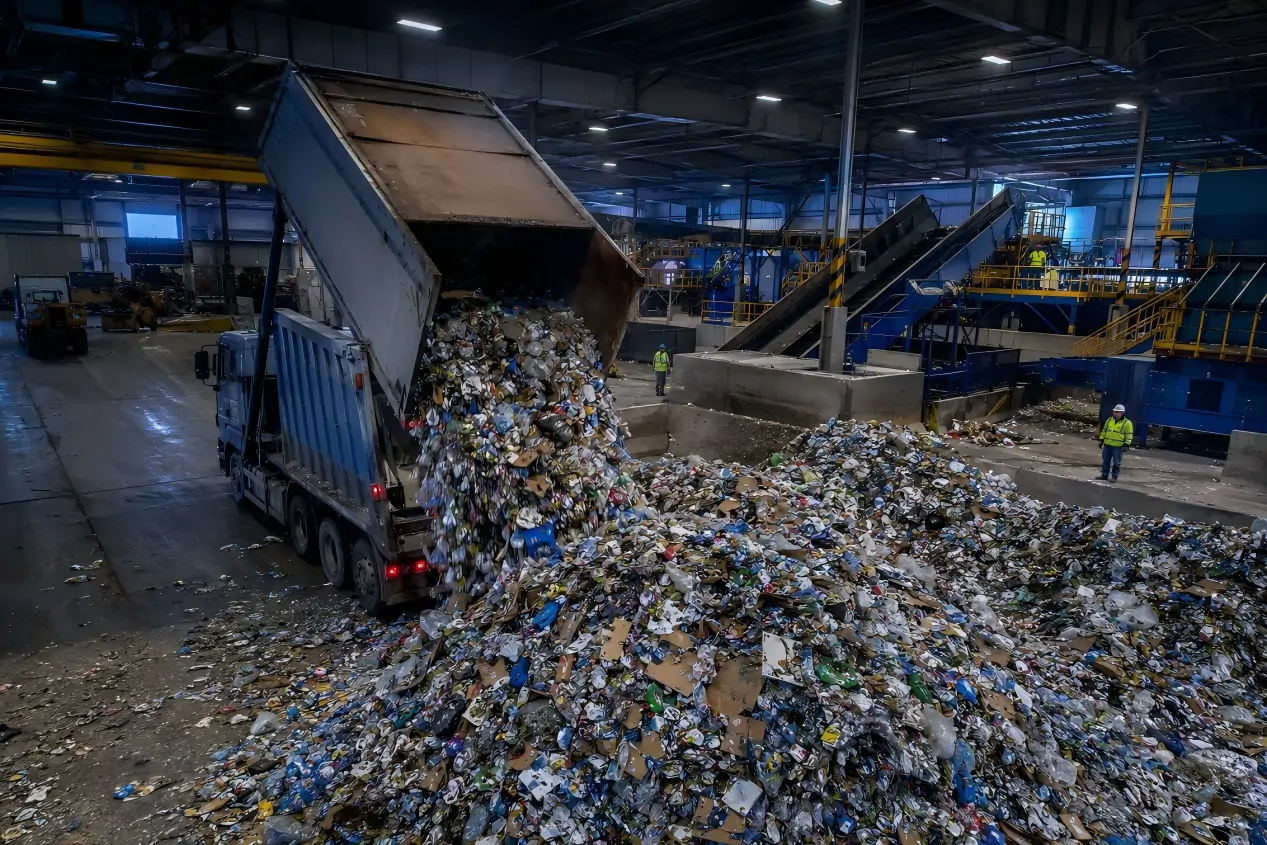
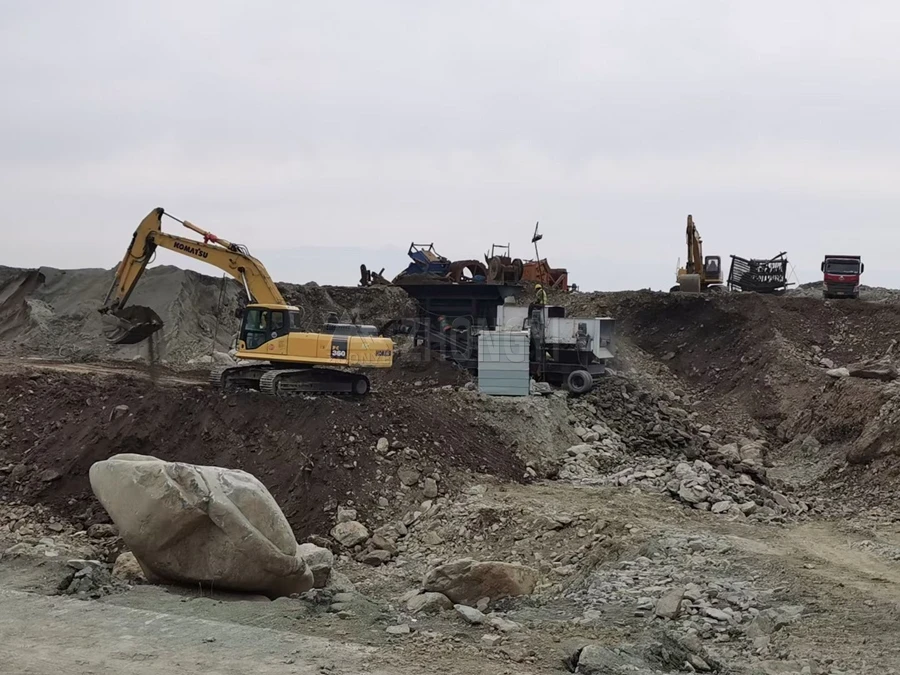
Roller Screen Separator is mainly used in waste treatment systems for size separation and pre-classification of mixed materials. It removes oversize and fine fractions at an early stage, improving the efficiency and stability of downstream crushing and sorting processes.
Municipal Solid Waste (MSW) Treatment
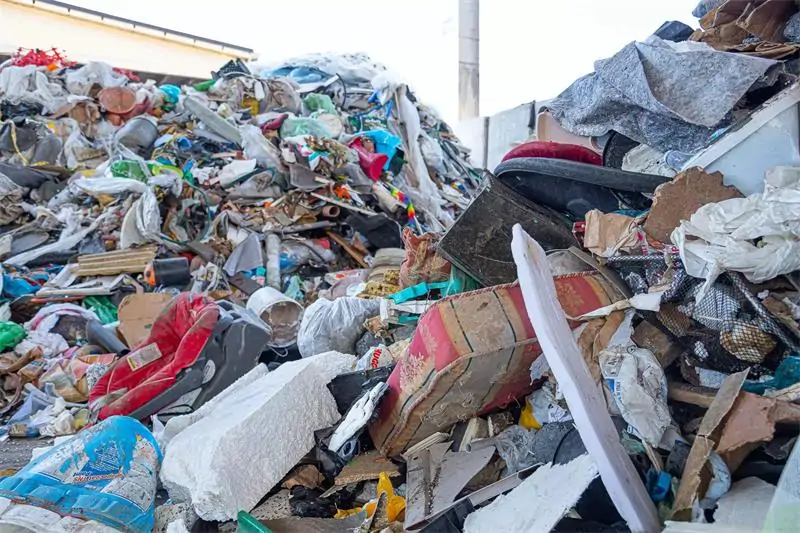
Used for size separation of household waste, separating organics, light materials, and inert fractions for more efficient downstream sorting.
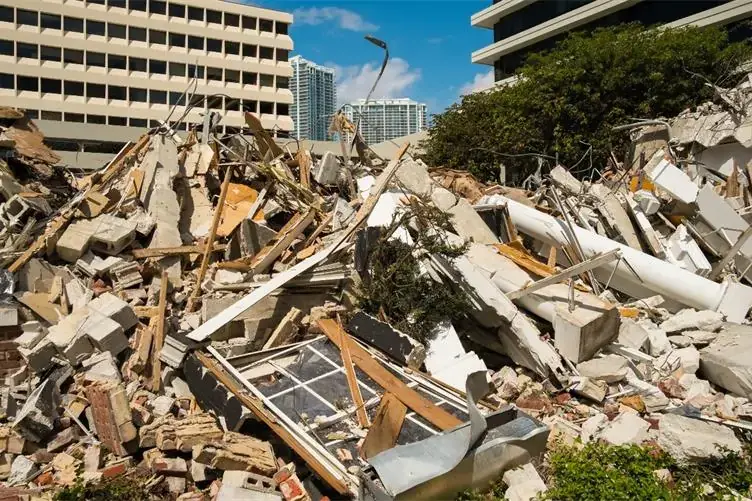
Construction & Demolition Waste (C&D Waste)
Screens mixed construction debris such as concrete blocks, bricks, and rubble to optimize feed material before crushing and recycling.
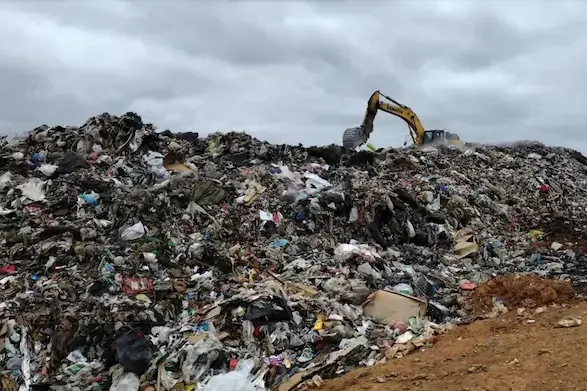
Landfill Mining
Classifies excavated landfill waste by size to support recovery of metals, plastics, and combustible materials.
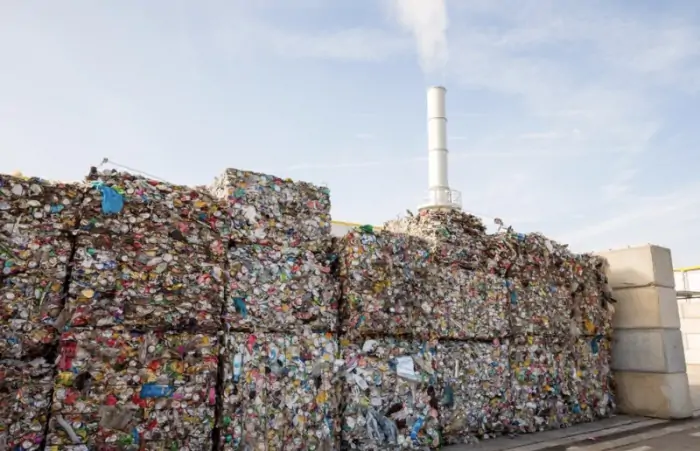
RDF Production Systems
Pre-screens mixed waste to control particle size and ensure stable feeding for RDF processing and fuel preparation.
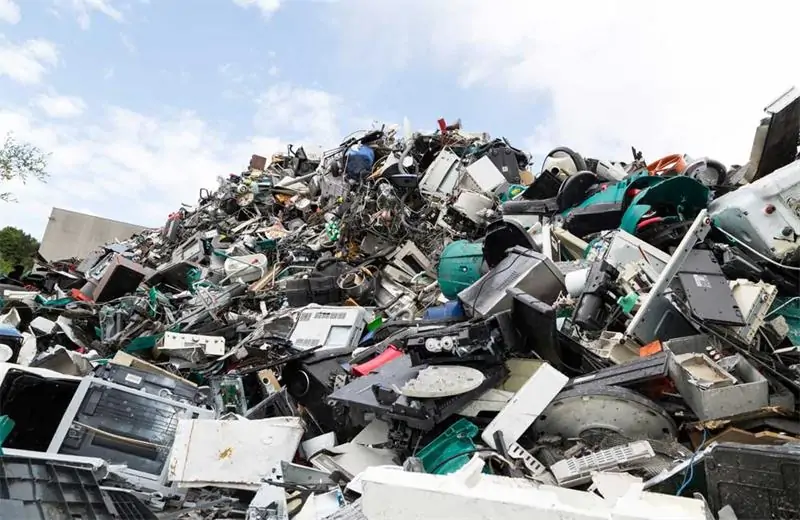
Industrial Solid Waste
Performs preliminary separation of mixed industrial waste to prepare material for shredding, sorting, or resource recovery.
Cases Show
Roller Screen Separator Manufacturer & Supplier
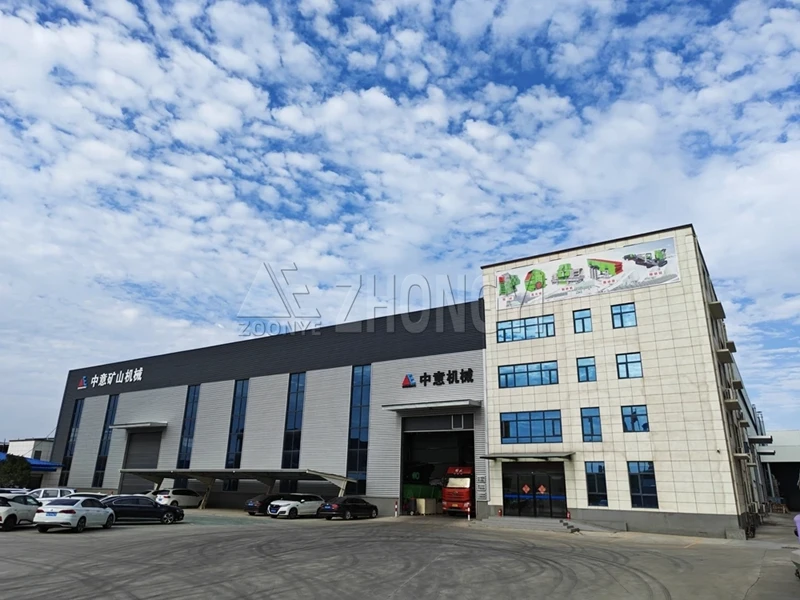
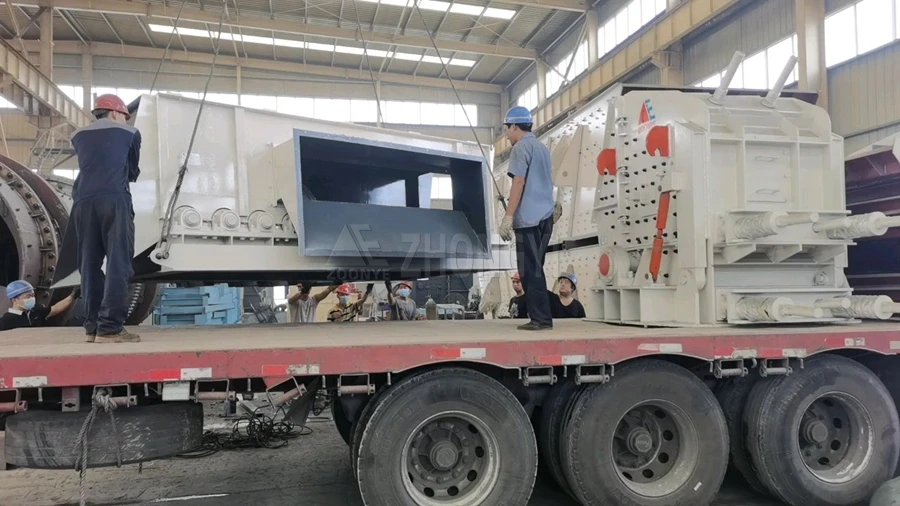
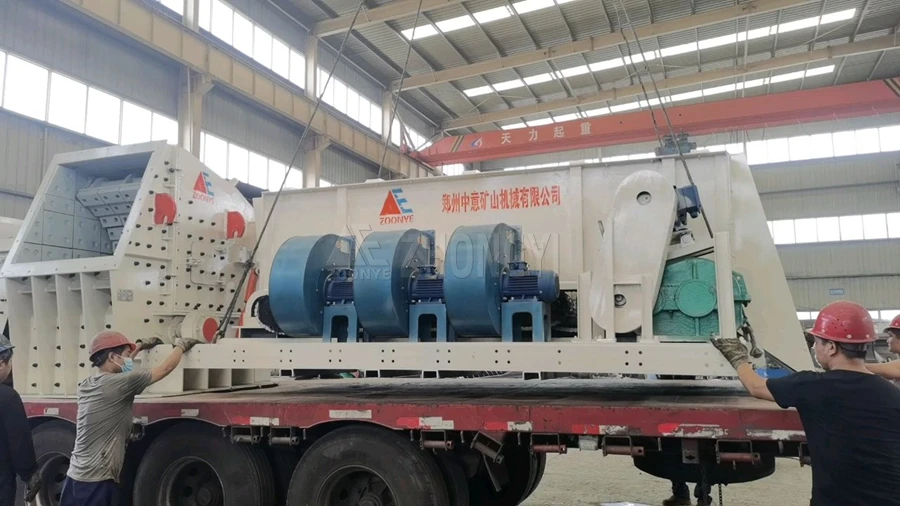
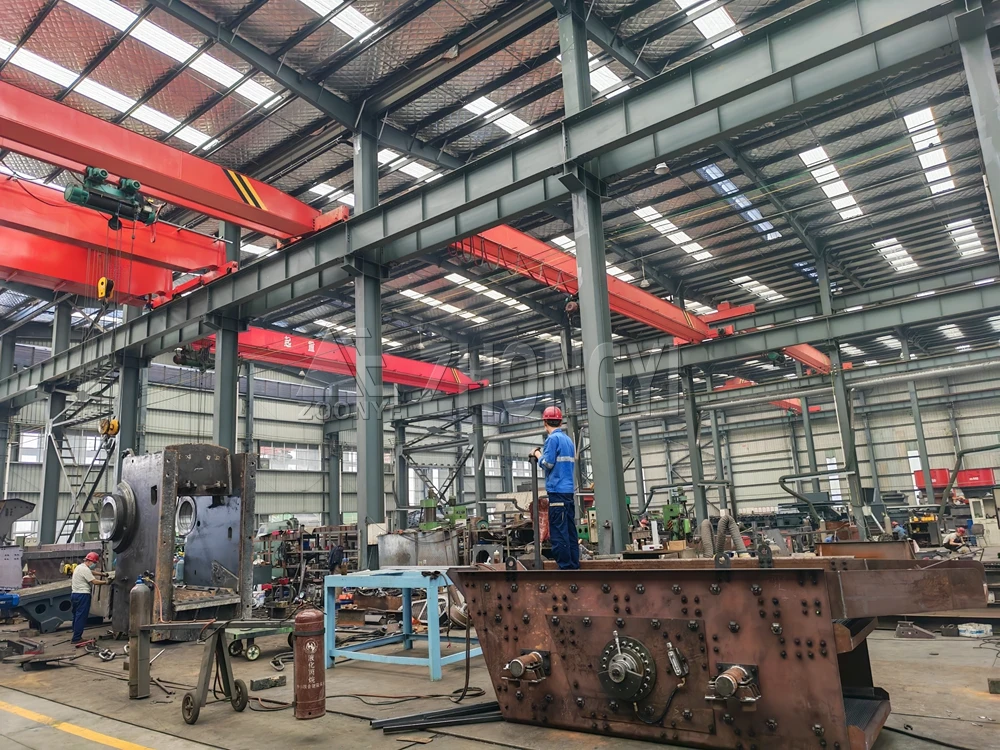
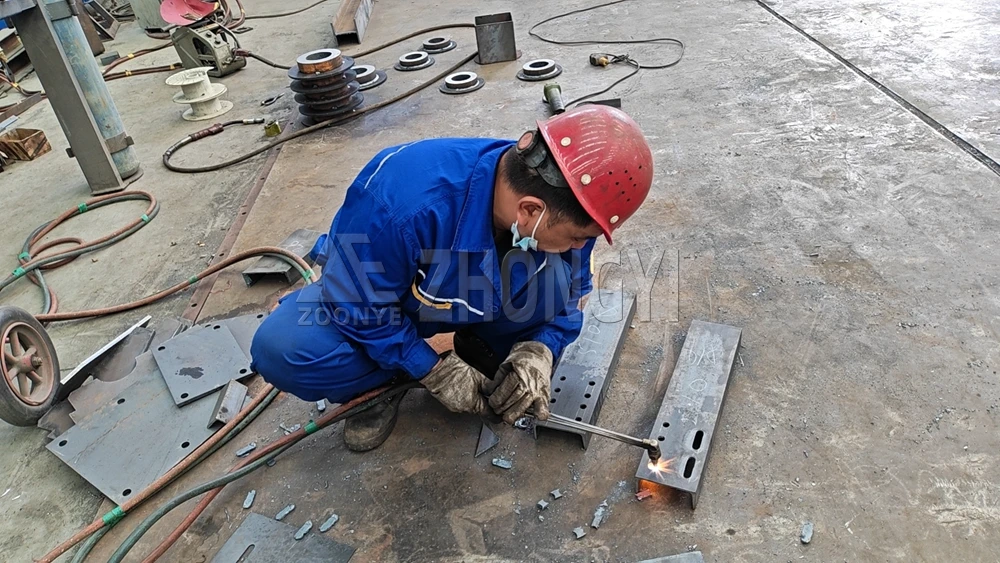
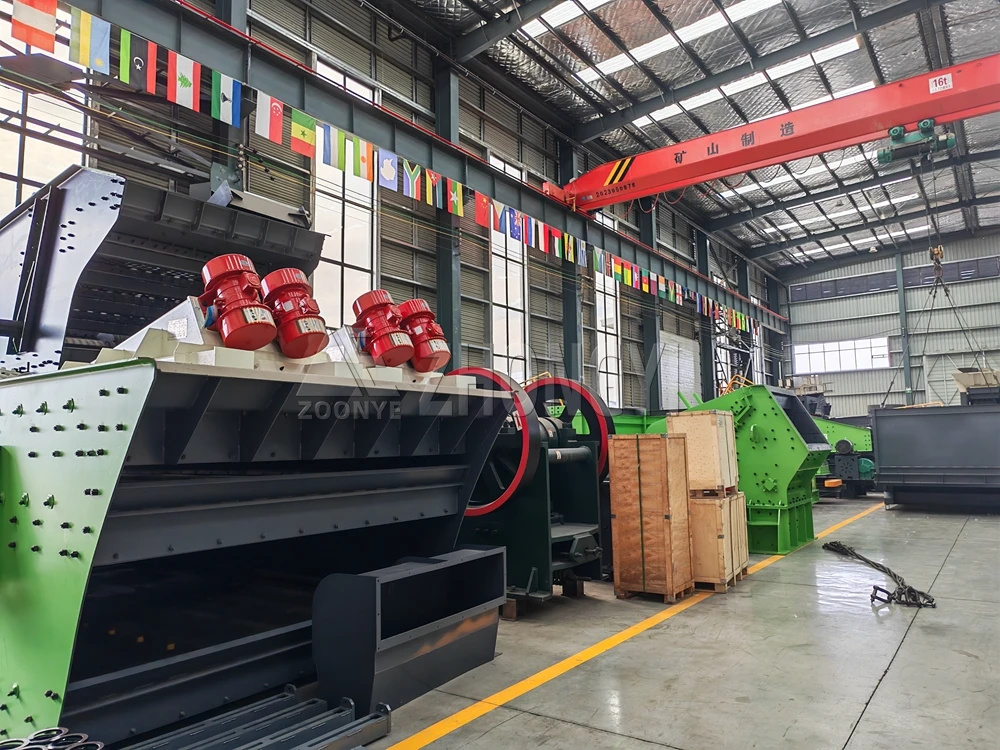
Henan Zhongyi Environmental Protection Equipment Co., Ltd. is a professional manufacturer of heavy-duty Roller Screen Separators for mining, aggregate, coal preparation, and bulk material handling. Before recommending a model, our engineering team evaluates feed gradation, moisture content, required cut point, and plant layout — translating those inputs into a screen width, roller specification, and drive configuration that fits the actual process.
We have over 16 years of project experience across coal preparation, iron ore scalping, aggregate quarries, and construction waste recycling in Southeast Asia, the Middle East, Africa, and South America, Zhongyi operates under ISO 9001 quality standards with CE certification available. We support customers from process consultation and equipment selection through to installation guidance, commissioning, operator training, and long-term spare parts supply.
FAQS
A Roller Screen Separator separates bulk material by size, removing undersize before or between crushing stages. Commonly used for primary scalping and pre-screening in mining, aggregate, and coal preparation.
Standard models accept up to 600 mm; heavy-duty scalping models handle up to 800 mm, with gaps adjustable from 20 to 300 mm.
Yes. Roller Screen Separators operate effectively at 15–20% moisture without blinding, making them the preferred choice over vibrating screens for wet, clay-bound feeds.
Choose a Roller Screen Separator when cut point is above 30 mm, feed is wet/sticky, or feed size exceeds 400 mm. Choose a vibrating screen for dry material and cut points below 20 mm.
Screen width/length, roller diameter and material grade, drive configuration, custom vs. standard build, and structural requirements for high-impact ROM applications.
Rollers, roller bearings, and drive chain/sprockets. Roller service life ranges from 6 months to 3 years depending on feed abrasiveness and material specification.
Standard models: 25–45 days. Custom configurations: 45–70 days depending on fabrication complexity.