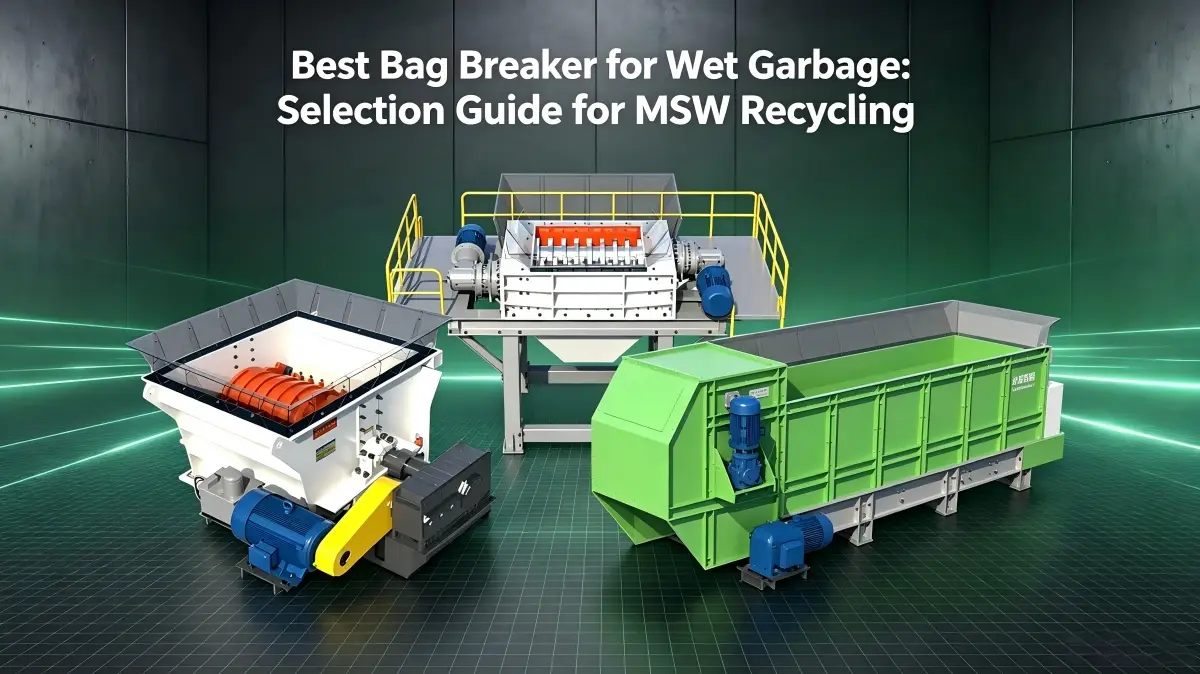

Introduction
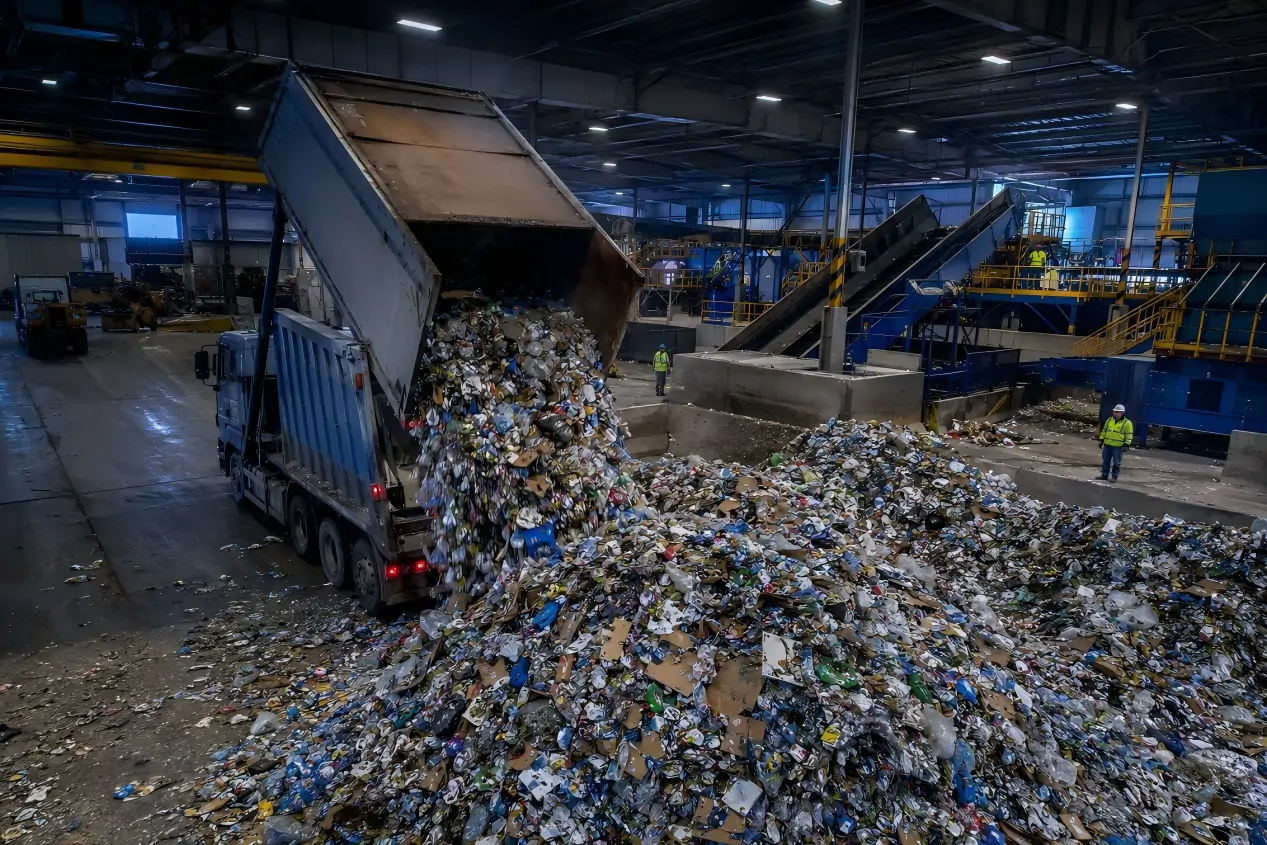
As global waste production continues to rise, efficient waste sorting has become one of the most important parts of environmental protection and sustainable development. According to the World Bank, the world generates more than 2 billion tons of municipal solid waste every year, and this number is expected to increase significantly by 2050.
Traditional waste disposal methods can no longer fully meet the environmental and efficiency requirements of modern cities. Today, governments, recycling companies, and industrial facilities are investing in advanced waste sorting systems to improve recycling efficiency, reduce pollution, and recover valuable resources.
In this guide, we will explain how to sort waste effectively, explore modern waste treatment technologies, and show how advanced recycling equipment is changing the waste management industry.If you want to know the price of a turnkey waste sorting plant in Canada, please click on the article.
Why Waste Sorting Matters in Modern Society
As urbanization, industrial development, and consumer consumption continue to grow, global waste generation is increasing rapidly. Without effective waste sorting and recycling systems, large amounts of waste are sent to landfills or incinerators, leading to soil contamination, groundwater pollution, air pollution, greenhouse gas emissions, and the loss of valuable recyclable resources. To address these environmental challenges, many countries are implementing stricter waste sorting and recycling regulations as part of their sustainability strategies.
Proper waste sorting allows recyclable materials such as plastic, paper, glass, and metal to be recovered and reused, helping reduce landfill waste, lower carbon emissions, conserve natural resources, and improve recycling efficiency. Modern recycling systems also create economic value by converting municipal and industrial waste into reusable materials for manufacturing, construction, packaging, and energy production. For example, recycling aluminum can save up to 95% of the energy required compared with producing new aluminum from raw materials.
What Are the Main Types of Waste?
Modern waste management systems handle many different types of waste generated from households, commercial activities, construction projects, and industrial production. Proper waste classification is essential for improving recycling efficiency, reducing environmental pollution, and maximizing resource recovery. Different waste types require different treatment, sorting, and recycling methods to achieve sustainable waste management.
Organic Waste
Organic waste mainly includes food scraps, kitchen waste, garden waste, and other biodegradable materials. These materials can be processed through composting or biodegradation systems to produce organic fertilizer, compost, and biogas energy, helping reduce landfill waste and support environmentally friendly resource recycling.
Plastic Waste
Plastic waste is one of the most challenging waste categories because many plastics take hundreds of years to decompose naturally. Common recyclable plastics include PET bottles, HDPE containers, packaging films, and plastic bags. Modern optical sorting technologies can accurately identify and separate different plastic materials to improve recycling efficiency and material recovery rates.
Metal and Glass Waste
Metal and glass materials are highly recyclable and can be reused multiple times without significant quality loss. Magnetic separators are widely used to recover ferrous metals, while eddy current separators help separate non-ferrous metals such as aluminum. Proper recycling of metal and glass helps conserve raw materials and reduce energy consumption in manufacturing.
Paper and Cardboard Waste
Paper and cardboard recycling plays an important role in reducing deforestation and lowering energy consumption. After proper sorting, waste paper can be processed into recycled cardboard, packaging materials, tissue products, and printing paper, supporting sustainable packaging and paper production industries.
Hazardous Waste
Hazardous waste includes batteries, chemicals, medical waste, electronic waste, and other materials containing toxic or harmful substances. These wastes require specialized collection, treatment, and disposal systems to prevent risks to human health and environmental contamination.
Construction and Industrial Waste
Construction and industrial waste includes concrete, bricks, steel, wood, ash, chemicals, and manufacturing byproducts. Advanced crushing, screening, sorting, and separation equipment is commonly used to recover reusable materials and reduce landfill disposal in construction and industrial applications.
Traditional Waste Disposal Methods and Their Limitations
Traditional waste disposal methods are still widely used in many regions, but they also face growing environmental, economic, and efficiency challenges. As waste volumes continue to increase, modern recycling and waste sorting technologies are becoming increasingly important.
Landfill Problems
Landfills have long been used because of their relatively low operating costs, but they require large land areas and may produce harmful leachate that contaminates soil and groundwater. In addition, methane emissions generated from landfill decomposition are a major contributor to greenhouse gas emissions and climate change.
Incineration Challenges
Waste incineration can significantly reduce waste volume and generate energy from municipal waste. However, traditional incineration systems may release harmful gases and pollutants if emission control systems are inadequate. Modern waste-to-energy plants now use advanced filtration and air pollution control technologies to improve environmental performance.
Limitations of Composting
Composting is an effective treatment method for organic waste, but it cannot process plastics, metals, glass, or mixed municipal waste efficiently. Large-scale composting systems also require stable temperature, moisture, and processing conditions, while treatment cycles are generally longer compared with other waste management technologies.
How Modern Waste Sorting Systems Work
Modern waste sorting systems combine manual operations with automated technologies to improve recycling efficiency, reduce landfill waste, and maximize resource recovery. With the rapid growth of municipal and industrial waste worldwide, advanced sorting technologies are becoming increasingly important for achieving higher processing capacity, lower labor costs, and better recycling purity rates.
Manual Waste Sorting
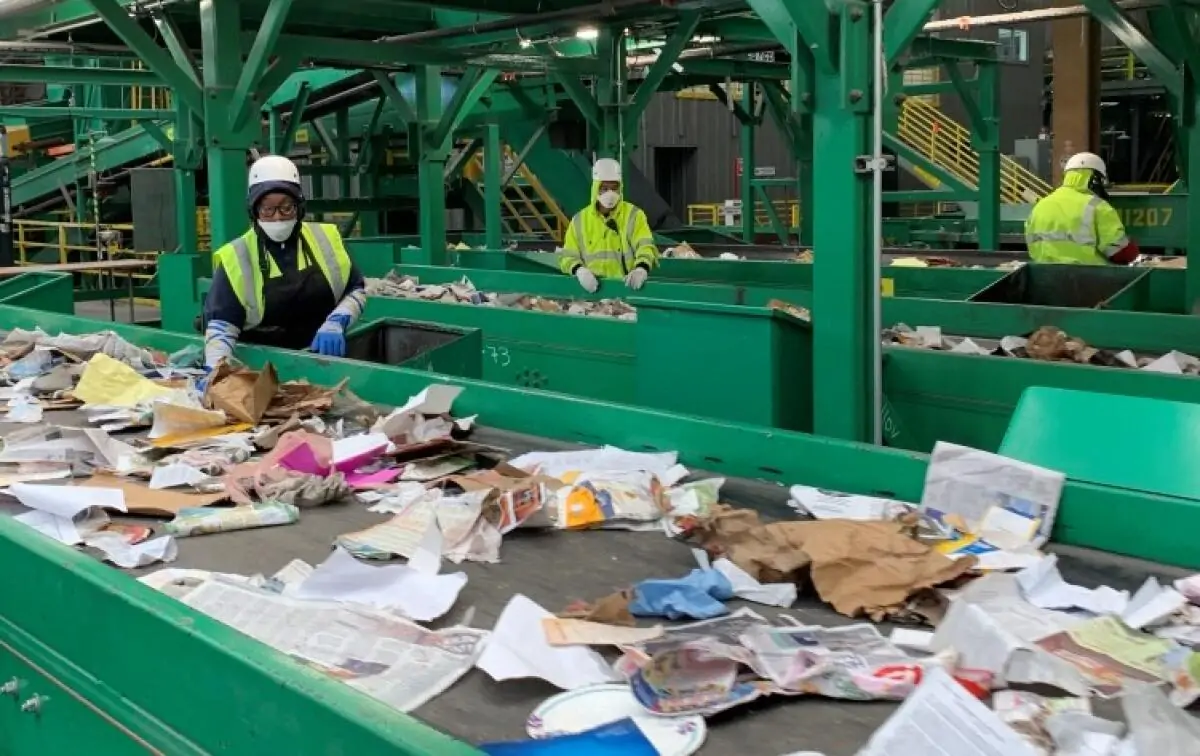
Manual waste sorting is still commonly used in many recycling plants, where workers remove oversized contaminants and separate recyclable materials by hand. This method offers flexibility when handling irregular or mixed waste streams, especially during the pre-sorting stage. However, manual sorting is labor-intensive and less efficient for large-scale operations, as a single worker typically processes only a limited amount of waste per hour compared with automated systems.
Mechanical Waste Sorting Equipment
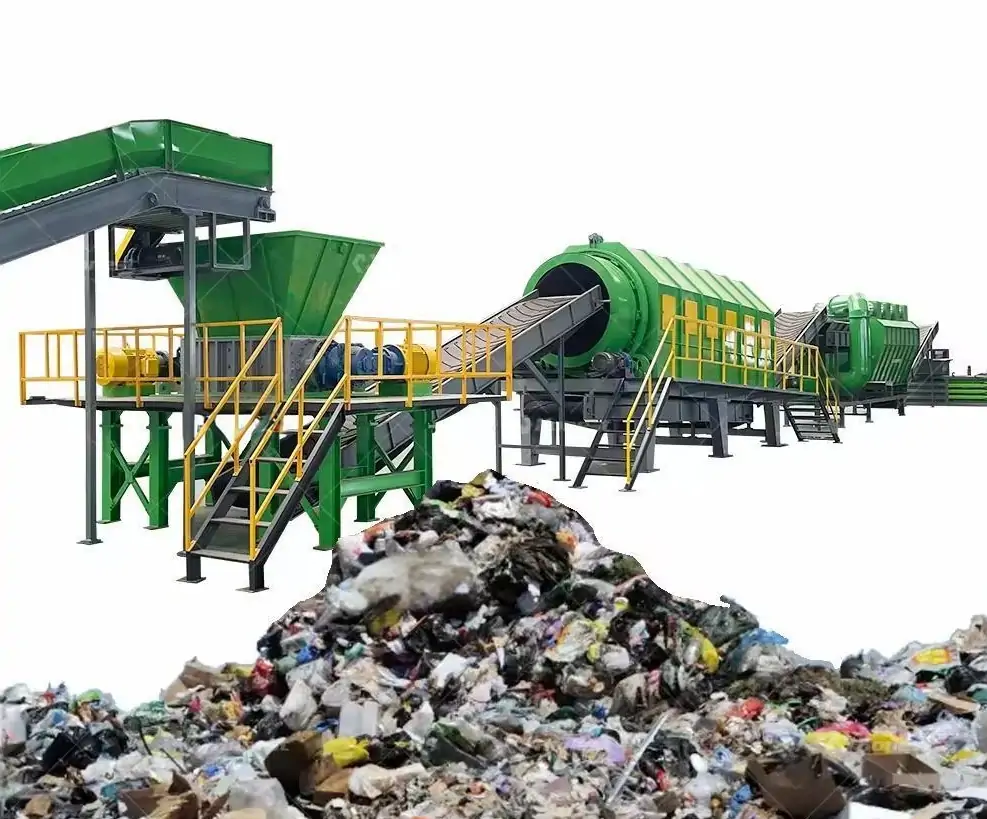
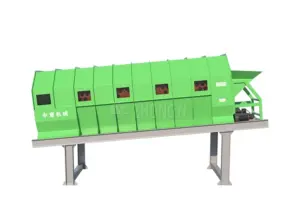
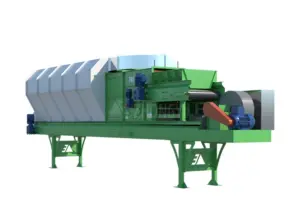
Modern recycling facilities use automated mechanical sorting equipment to process waste continuously and accurately while reducing labor costs. Typical systems include vibrating screens, trommel screens, conveyors, crushers, and air separators for material classification and transportation. Large-scale waste sorting lines can process dozens to hundreds of tons of waste per hour, significantly improving operational efficiency and recycling capacity.
Magnetic Separation Technology
Magnetic separation technology uses powerful magnetic forces to remove ferrous metals from mixed waste streams efficiently. This method is widely applied in municipal solid waste plants, scrap recycling facilities, mining operations, and industrial recycling systems. Magnetic separators help improve metal recovery rates while reducing damage and wear on downstream processing equipment.
Air Separation and Density Sorting
Air classifiers and density sorting systems separate lightweight and heavy materials based on differences in density and aerodynamic behavior. For example, plastic films can be separated from stones, paper can be isolated from metal fragments, and organic materials can be removed from mixed waste streams. This process improves downstream recycling efficiency and helps increase the purity of recovered materials.
Optical Sorting Systems
Advanced optical sorting systems use sensors, infrared technology, cameras, and AI-based recognition systems to identify recyclable materials automatically. These systems can rapidly sort different plastic types, colored glass, paper grades, and metal materials with high precision. Modern optical sorting equipment can achieve recycling purity rates above 90% in some applications, helping recycling plants improve material recovery quality and operational efficiency.
How To Sort Waste?
Now we will explain waste classification and sorting from two aspects:
Waste Classification
We classify waste at the source into municipal waste and industrial waste.
Municipal Waste:
Recyclables (plastics, paper, metals), kitchen waste (food residues), hazardous waste (batteries, chemicals), and other waste (cigarette butts, ceramics), corresponding to different collection containers (such as blue for recyclables, green for kitchen waste).
Industrial Waste:
Industrial waste needs to be subdivided according to industry characteristics. For example, construction waste is divided into concrete blocks, wood, plastics; electronic waste requires separate separation of heavy metal components.
Industrial Sorting
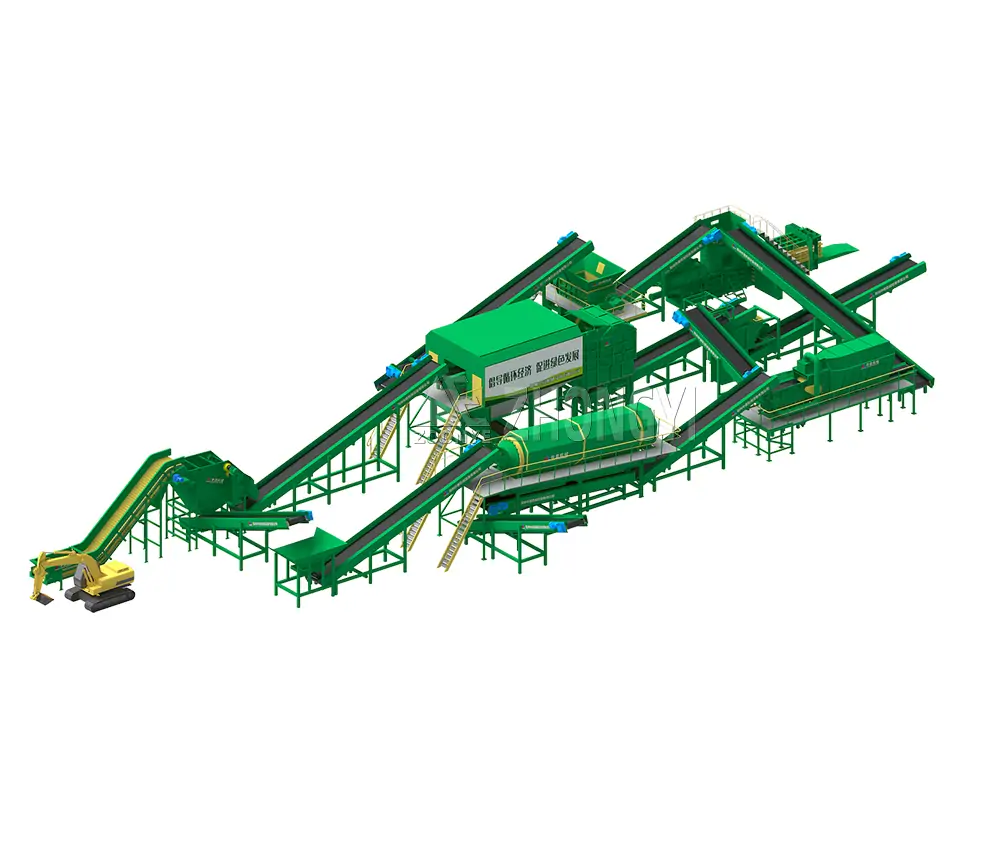
Taking Xinzhongyi’s municipal solid waste processing line as an example, it needs to go through:
Pre-treatment:
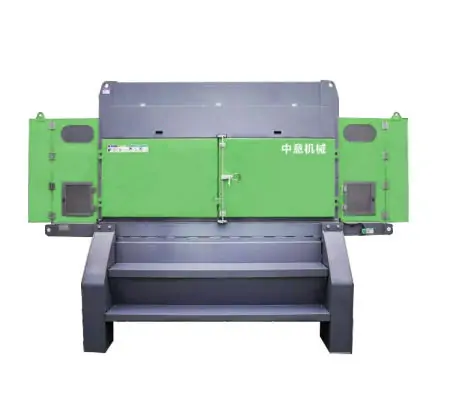
Material is evenly conveyed through a waste feeder to avoid blockage;
The step-type feeding system performs preliminary separation of large items through vibration screening to ensure stable operation of subsequent equipment.
Crushing and Screening:
The double-shaft waste shredder crushes materials to 10–300 mm, combined with a disc screen to deeply break organic matter, preparing for sorting.
Precise Sorting:
Magnetic separator extracts ferrous metals (recovery rate >98%),
Air separator separates plastics/paper (light materials) from glass/stones (heavy materials),
Optical sorter uses AI recognition technology to recover PET, paper, and other single materials,
Ballistic separator accurately distinguishes between 2D (films) and 3D (containers) materials.
Benefits of Waste Sorting
By implementing proper waste sorting, we can accurately extract recyclable materials such as waste appliances, metals, glass, plastics, and paper. This not only realizes “turning waste into treasure,” but also significantly improves the comprehensive utilization rate of resources, which is a key step toward environmental sustainability and waste reduction.
Different types of waste require differentiated treatment methods:
Organic Waste:
Converted into bio-fertilizer through fermentation and composting, returning to farmland or used for urban landscaping.
High-Calorific Combustibles:
Used in waste-to-energy incineration systems for energy conversion.
Non-recyclable Inorganic Waste:
Disposed of through standardized landfill methods.
Through the above treatments, the following benefits can be achieved:
Environmental Benefits:
Every 10,000 tons of sorted waste can reduce 3,000 tons of carbon dioxide emissions and save 12,000 cubic meters of landfill space. For example, recycling 1 ton of waste paper can save 17 trees, and recycling 1 ton of plastic bottles reduces 6 tons of oil consumption.
Economic Benefits:
Xinzhongyi customer cases show that a sorting line with a capacity of 50 tons per hour can recover 2,000 tons of plastics annually (worth about 4 million RMB) and 1,500 tons of metals (worth about 3 million RMB).
Social Benefits:
Reduce landfill land occupation, create employment in the “waste treatment – resource regeneration” industrial chain, and contribute to achieving carbon neutrality goals.
Waste Sorting Equipment Used in Recycling Plants
Modern recycling plants rely on advanced waste sorting equipment to improve material recovery efficiency, reduce landfill waste, and lower operating costs. Common equipment includes vibrating screens, trommel screens, conveyors, shredders, crushers, magnetic separators, and air classifiers, which work together to process municipal solid waste, construction waste, plastic waste, and industrial recyclables. With the increasing global demand for sustainable recycling solutions, automated sorting systems can now process hundreds of tons of waste per day with higher sorting accuracy and lower labor requirements.
Xinzhongyi Eco Equipment provides customized waste sorting and recycling solutions for different industries, offering integrated systems for waste screening, crushing, conveying, magnetic separation, and resource recovery to help customers improve recycling efficiency and operational performance.
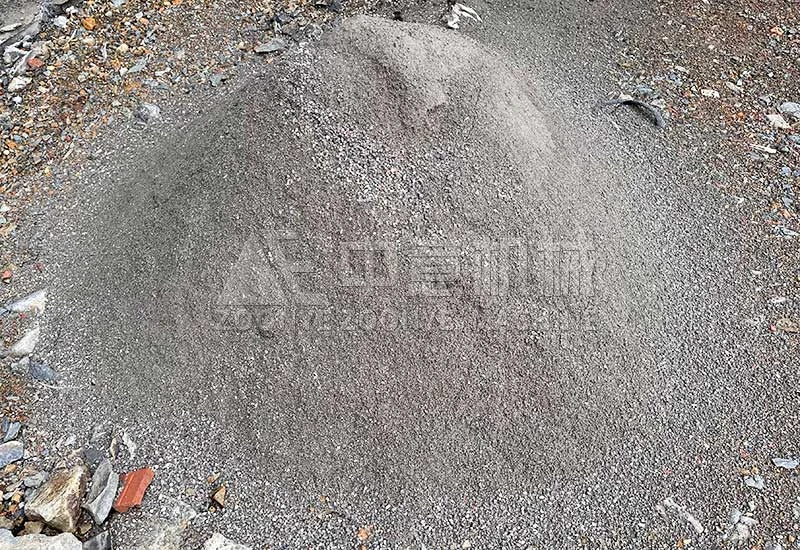
Xinzhongyi Project Case
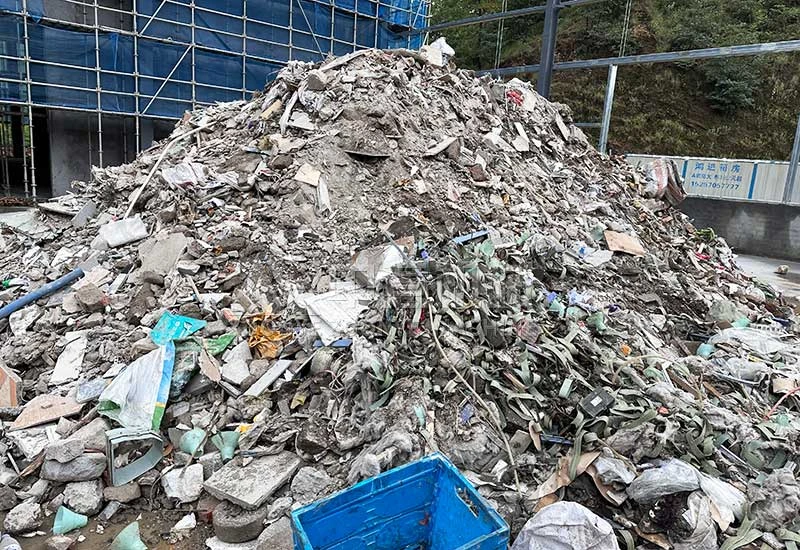
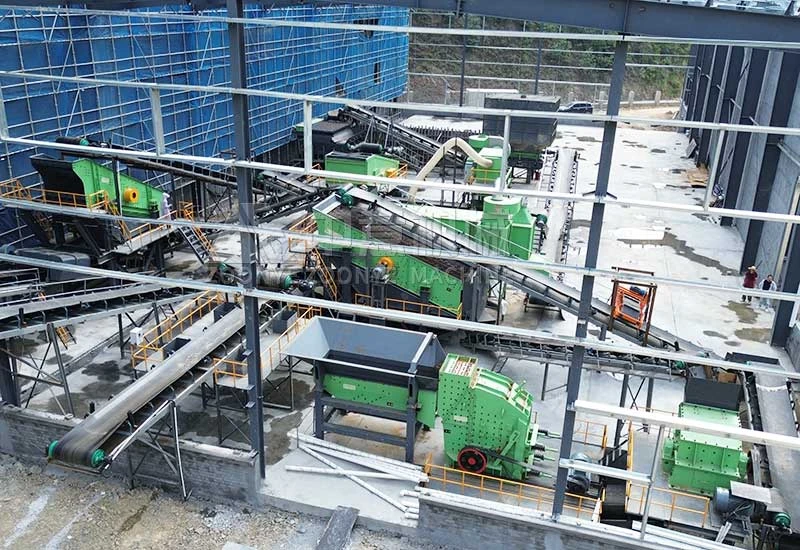
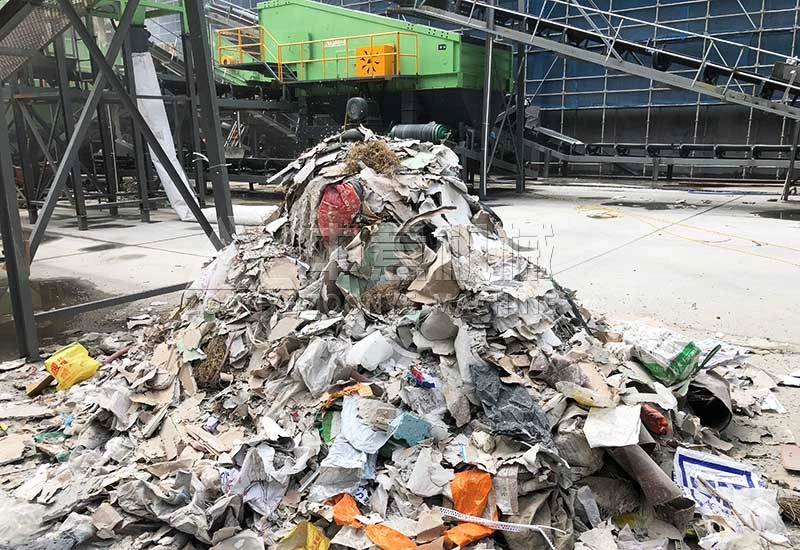
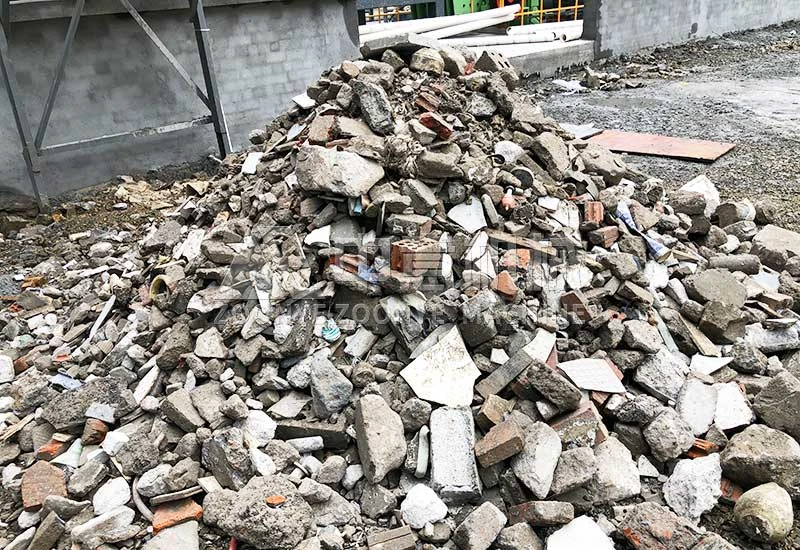
This waste recycling project adopts a complete processing solution supplied by our company, designed for construction and decoration waste disposal. The whole production line achieves integrated crushing, screening, wind separation and resource recovery.
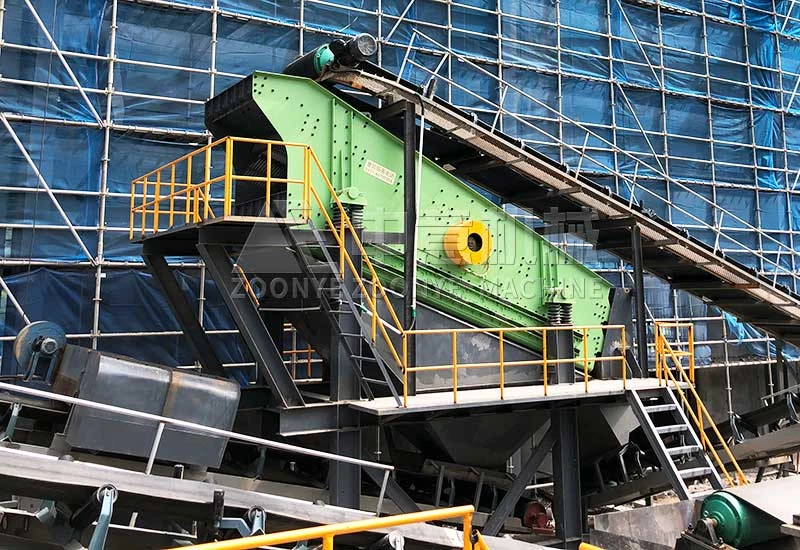
Equipped with heavy-duty apron feeder, primary jaw crusher and secondary impact crusher, the system steadily crushes bulk waste into qualified granular materials. Multi-layer vibrating screens and flip-flop screens effectively avoid blocking and realize precise material classification. Two high-efficiency air separators separate plastic, foam and wood impurities from aggregates. Magnetic iron removal device further purifies finished products.
With strong continuous operation capacity, the line reaches high daily processing volume. After treatment, recycled aggregates can be widely used for road base and recycled brick production. Light waste is compressed into RDF fuel for secondary utilization. The project boosts resource recovery rate above 85%, cuts overall energy consumption by 15% and greatly reduces operation costs.
Conclusion
Waste sorting is not only an environmental responsibility, but also an economic opportunity for resource regeneration. Through intelligent production lines, Xinzhongyi turns “waste into value” from a slogan into a replicable business model.
When every piece of equipment is reducing the burden on the planet while creating economic value, we are one step closer to the goal of a “zero-waste city.”
If you also have such needs, you can contact us now to obtain customized solutions.
FAQs
Q1. What is the most efficient way for how to sort waste in modern cities?
A: The most efficient way for how to sort waste is using intelligent industrial systems instead of manual sorting. Traditional methods handle only about 0.5 tons per hour per worker. Modern lines using crushing, conveying, and automated sorting can process 10–20 tons per hour with over 95% accuracy, significantly improving efficiency and consistency.
Q2. How to sort municipal solid waste and industrial waste correctly?
A: For effective how to sort waste, classification should start at the source. Municipal waste includes recyclables, kitchen waste, hazardous waste, and others, each requiring separate handling. Industrial waste must be subdivided based on industry type, such as construction debris or e-waste, ensuring proper separation of materials like metals, plastics, and hazardous components.
Q3. What equipment is used in an industrial waste sorting system?
A: An industrial waste sorting system includes waste feeders, shredders, conveyors, magnetic separators, air separators, optical sorters, and ballistic separators. These machines work together to process mixed waste, reduce size, and separate materials efficiently. The combination of mechanical and AI-based equipment ensures high recovery rates and stable system performance.
Q4. How does an automated waste sorting line improve recycling efficiency?
A: An automated waste sorting line improves efficiency by replacing manual labor with high-speed machines. Optical sorters scan materials rapidly and identify multiple material types with high accuracy. Magnetic and air separators further refine sorting. This integrated process increases throughput to 10–20 tons per hour and maximizes the recovery of valuable recyclable materials.
Q5. What are the environmental and economic benefits of waste sorting?
A: Waste sorting provides strong environmental and economic benefits. It reduces carbon emissions, saves landfill space, and conserves natural resources. For example, recycling paper saves trees, while recycling plastics reduces oil consumption. Economically, sorting lines can recover valuable materials like plastics and metals, generating significant annual revenue from recycled resources.
Q6. How to choose the right waste sorting equipment for different applications?
A: Choosing waste sorting equipment depends on waste type and processing goals. Mixed or bulky waste requires shredders and feeding systems, while recycling applications rely on magnetic, air, and optical separation. Modular equipment design allows flexible configuration based on capacity, material composition, and plant layout, ensuring efficient and reliable operation.


Andy Yu
Technical Engineer | Zhongyi ECO
16+
Years Exp.
300+
Solutions
50+
Countries
16 years’ experience in environmental and solid waste management, specializing in C&D recycling and waste sorting solutions. At Zhongyi Mining Machinery, focused on improving global clients’ efficiency through technical expertise and tailored configurations.