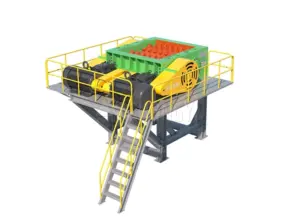
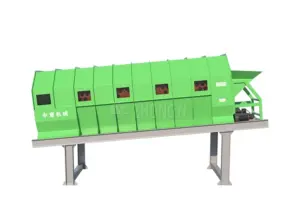
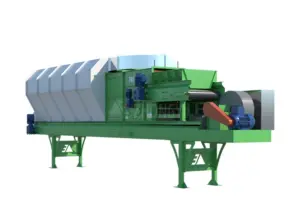


What is a Styrofoam Wind Sifter?
A Styrofoam Wind Sifter, also known as a Foam Air Separator or EPS Separator, is used to separate low-density materials such as EPS foam, Styrofoam, plastic film, and other lightweight impurities from mixed waste. The machine uses adjustable airflow to separate lightweight and heavy materials based on density and airflow resistance differences. The FMX series is mainly used in EPS recycling, C&D waste recycling, and waste sorting plants, and is typically installed after shredders, crushers, or screening equipment.
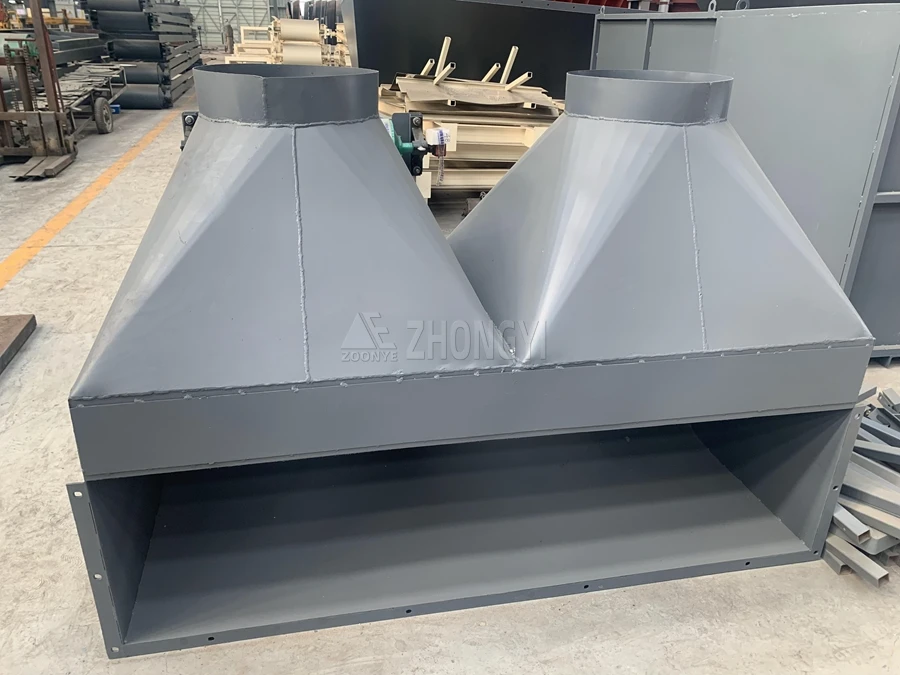
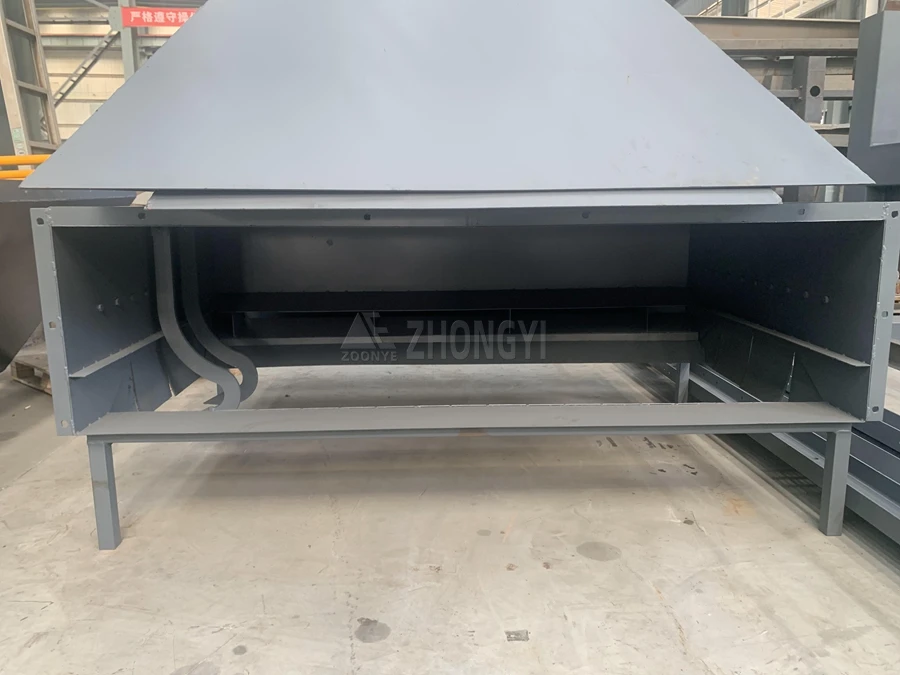
Applicable Materials
FMX Styrofoam Wind Sifter is designed for separating lightweight materials from mixed waste, including EPS foam, Styrofoam, EPP and PU foam, plastic film, PET flakes, PE/PP plastics, paper, wood chips, textile pieces, rubber particles, and other low-density impurities. It is commonly used in EPS recycling, C&D waste recycling, MSW sorting, industrial waste recycling, and waste sorting plants.
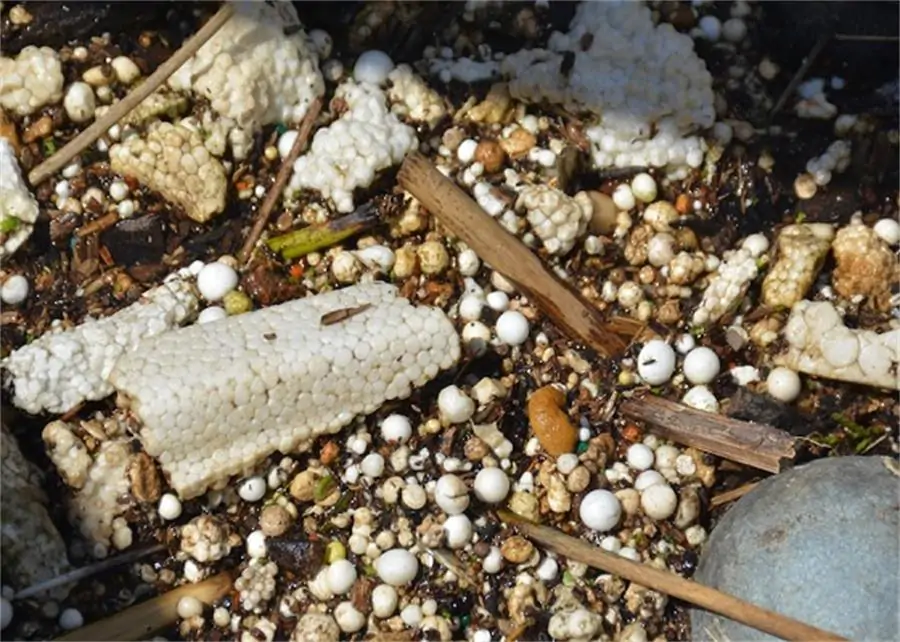
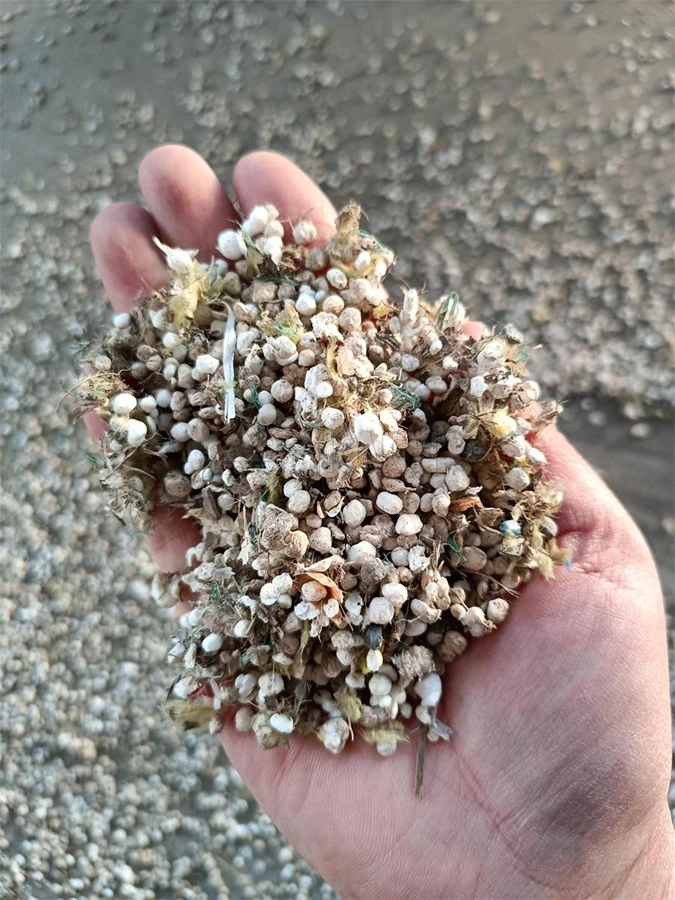
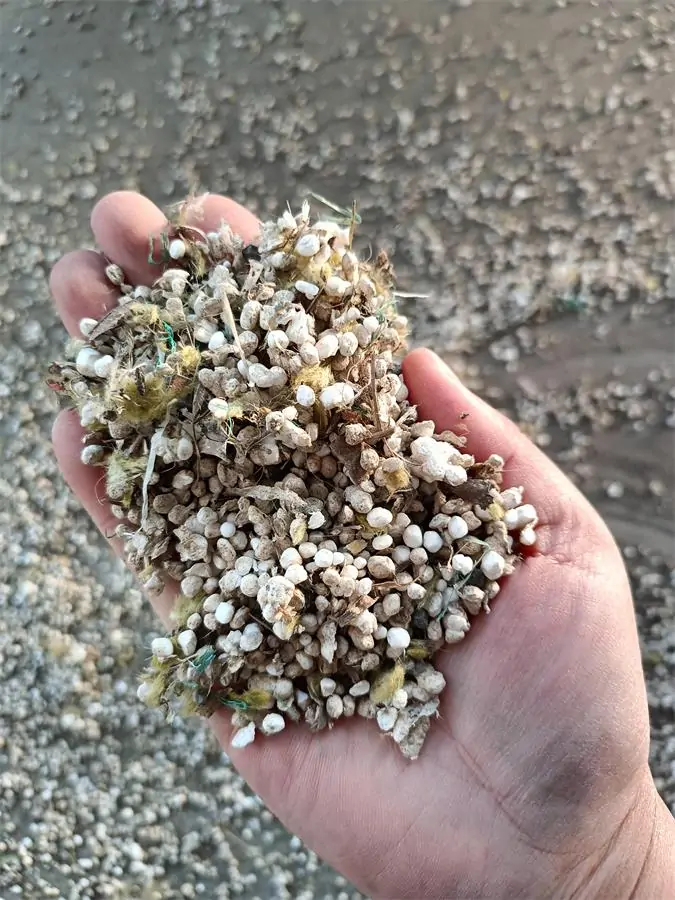
During operation, the adjustable airflow carries lightweight materials such as foam, film, and paper into the light fraction outlet, while heavier materials such as concrete, stones, glass, and metals move to the heavy fraction discharge. Before separation, these materials are mixed together and reduce the quality of recycled products. After separation, lightweight materials and heavy fractions are collected separately for further recycling or processing.
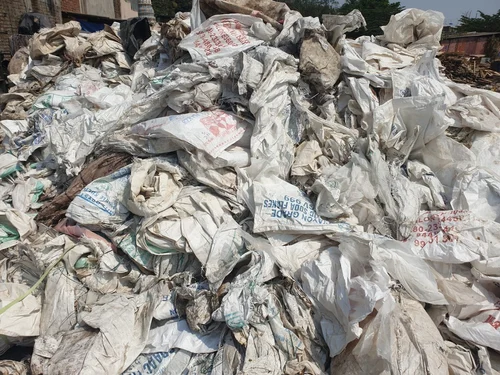
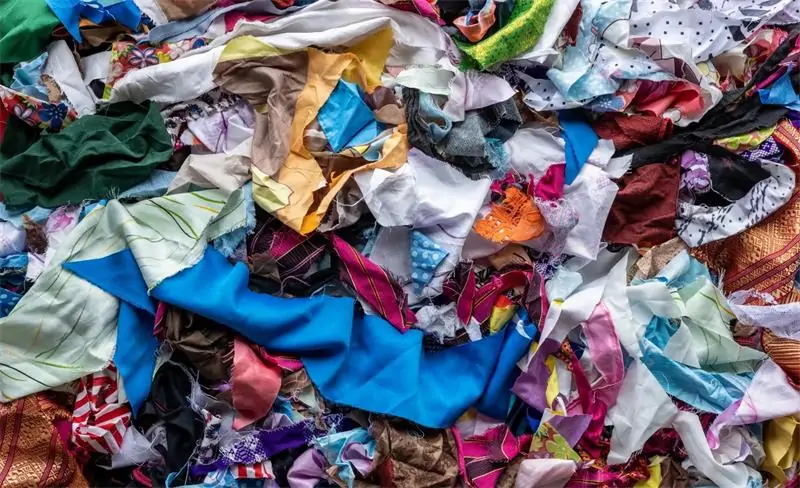
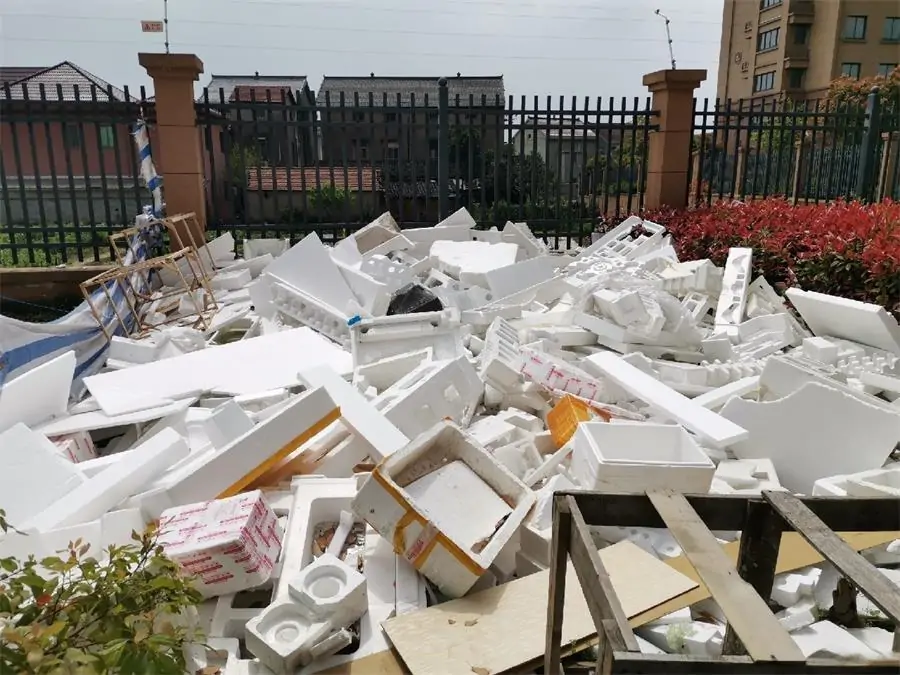
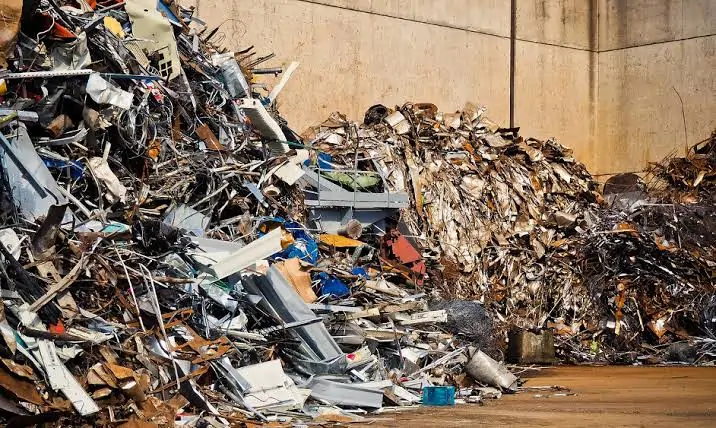
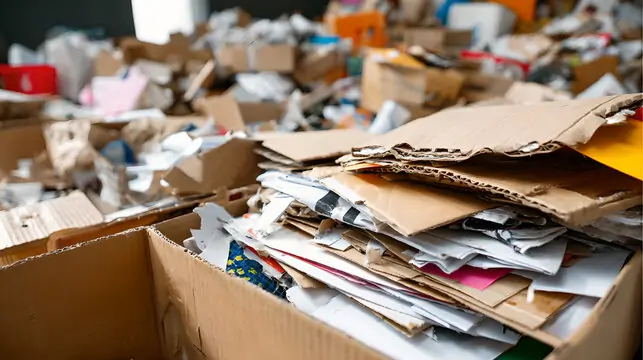
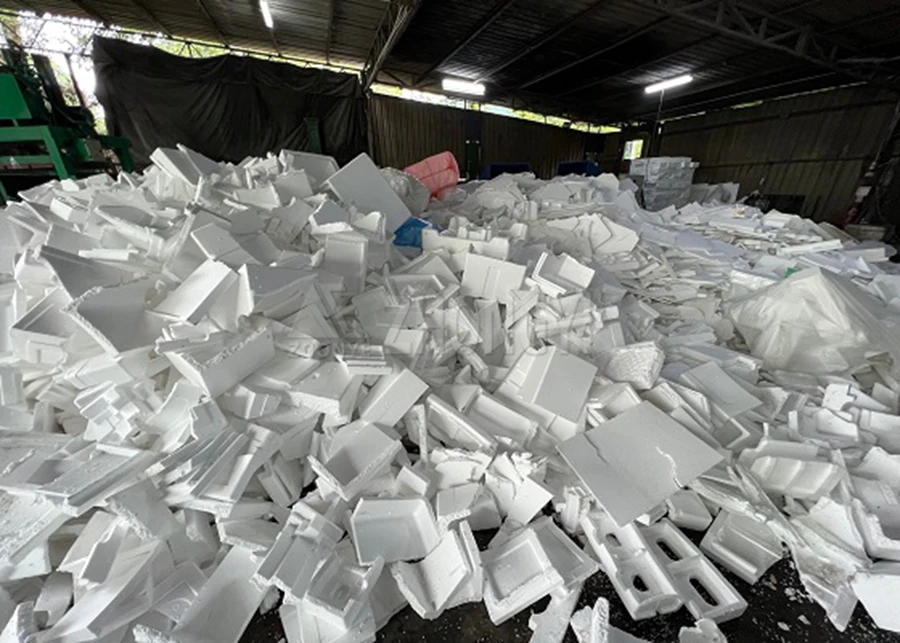
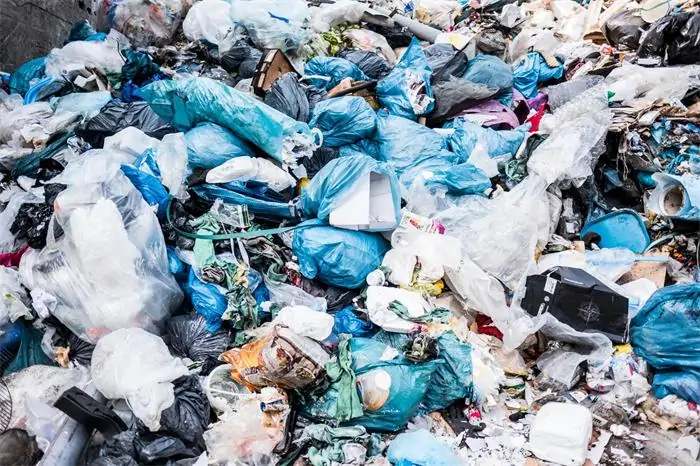
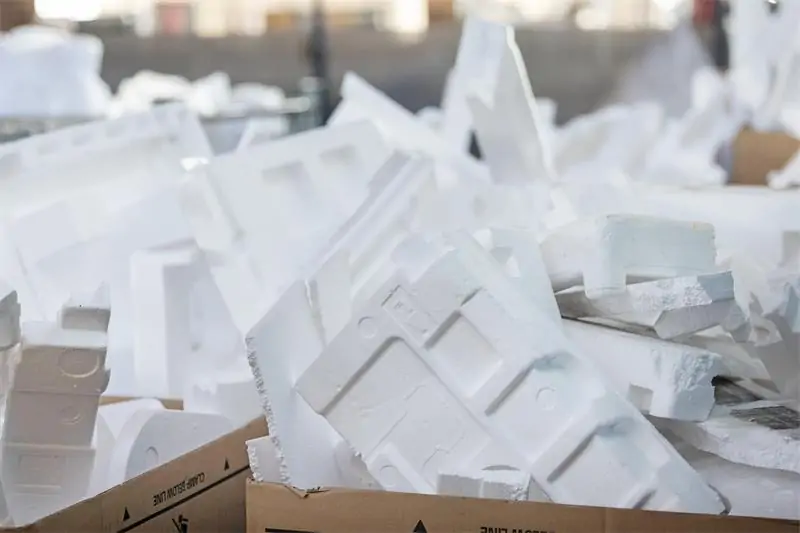
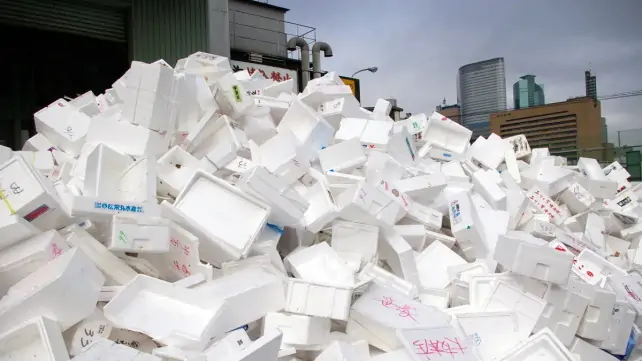
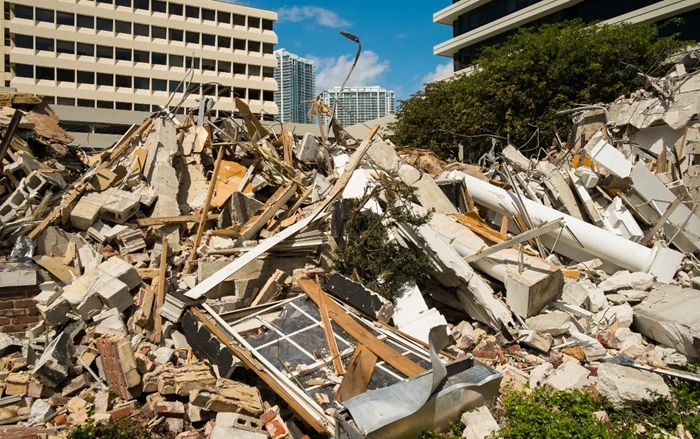
Material Before & After Comparison
EPS foam separator uses aerodynamic separation to remove lightweight materials from mixed waste streams. By controlling airflow, it separates foam, plastics, and other light fractions from heavy materials such as concrete, bricks, and stones, improving the quality of recovered materials.
Working principle
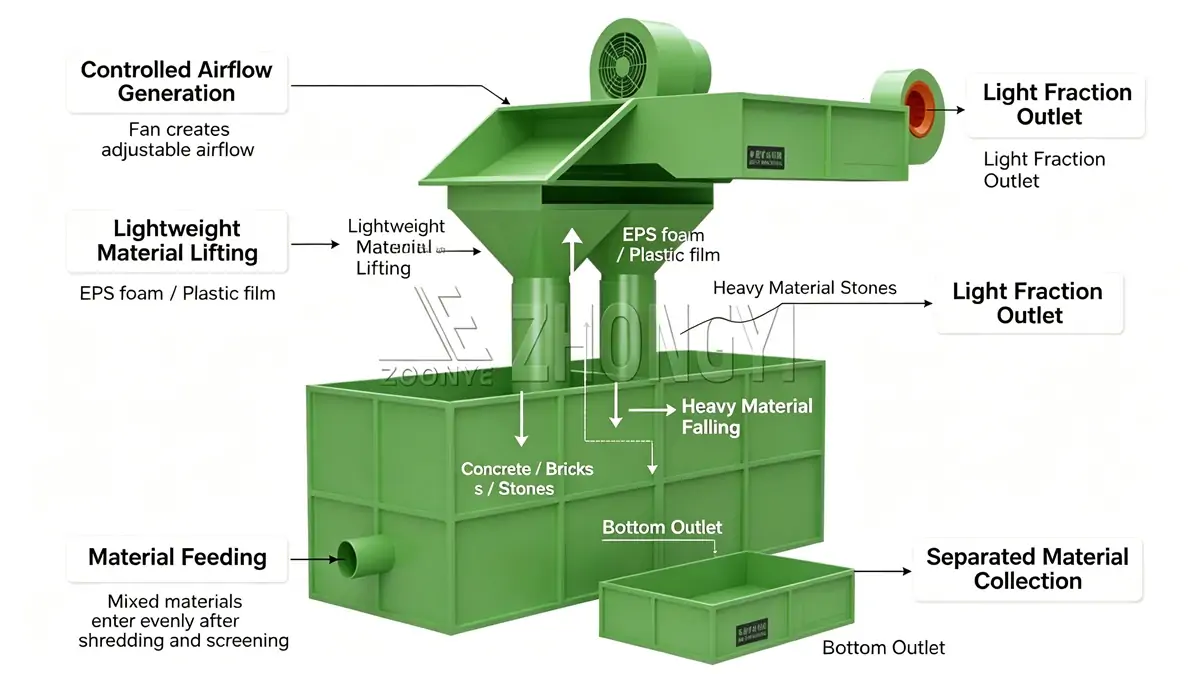
FMX Styrofoam Wind Sifter uses aerodynamic separation to separate lightweight materials from heavy fractions. By controlling airflow, the system separates materials based on density and air resistance differences. The separation process includes material feeding, airflow generation, lightweight material separation, and final material collection.
Material Feeding: Mixed materials enter the separation chamber evenly through conveyors after shredding and screening for efficient airflow separation.
Controlled Airflow Generation: The fan creates adjustable airflow inside the separation chamber, with air volume and speed adjusted according to material characteristics.
Foam Material Separation: Lightweight materials such as EPS foam and plastic film are lifted and carried by airflow, while heavy materials such as concrete, bricks, and stones fall by gravity.
Separated Material Collection: Separated lightweight materials are discharged through the light fraction outlet, while heavy materials are collected from the bottom outlet for further recycling.
Video Show
Specifications
Foam wind sifter is designed for EPS foam recycling and lightweight material separation. The series includes FMX06, FMX08, and FMX10 models, with wind pressure up to 790 Pa and processing capacity of 20–100 m³/h. Model selection depends on foam density, material condition, feeding rate, and required separation results.
| Model | Wind Pressure (Pa) | Air Volume (m³/h) | Power (kW) | Capacity (m³/h) |
| FXD06 | 790–502 | 3800 | 5.5 | 20–50 |
| FXD08 | 20–80 | |||
| FXD10 | 20–100 |
Main Factors Affecting Foam Separation Performance
The separation performance of a Styrofoam Wind Sifter depends on material properties, airflow control, and feeding conditions. Proper adjustment of these factors ensures stable separation between lightweight foam and heavier materials.
Advantages
Styrofoam Wind Sifter is used to separate lightweight fractions from mixed waste in a wide range of recycling processes. It helps recover valuable materials, reduce contamination, improve downstream sorting performance, and increase the quality of recycled products.
Applications
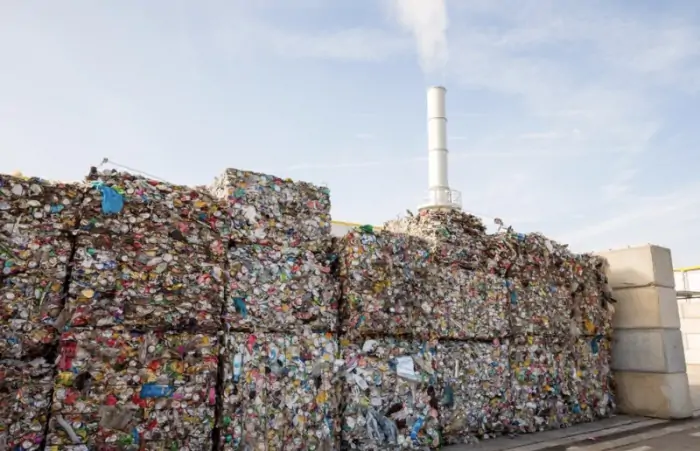
FMX Styrofoam Wind Sifter is designed to separate low-density materials such as EPS foam, plastic film, and rubber from mixed waste streams. It is typically installed after shredding or screening processes in EPS recycling, C&D waste recycling, MSW sorting, and industrial waste lines to remove lightweight contaminants and improve downstream material quality.
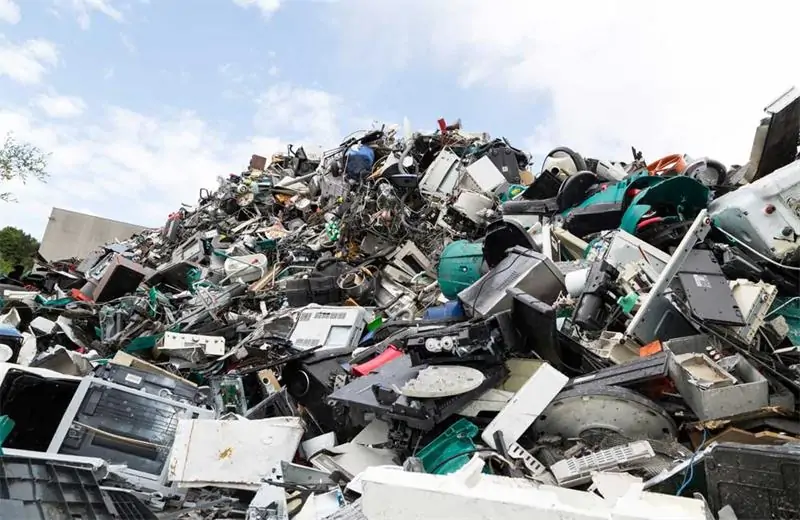
Foam Wind Sifter Solutions
Each recycling project requires different separation performance based on material characteristics, capacity requirements, and plant conditions. Xinzhongyi ECO provides customized Styrofoam Wind Sifter solutions according to material composition, feed size, throughput, separation targets, and system integration requirements.
Our engineering team designs the suitable airflow configuration and equipment layout based on actual project conditions. The wind sifter can also be integrated with shredders, screens, conveyors, and other equipment to build a complete waste recycling plant solution.
Custom Options Include:
- Material type and composition
- Foam type and contamination level
- Feed size and processing capacity
- Required separation results
- Moisture content of materials
- Existing equipment or production line layout
Styrofoam Wind Sifter Manufacturer & Supplier
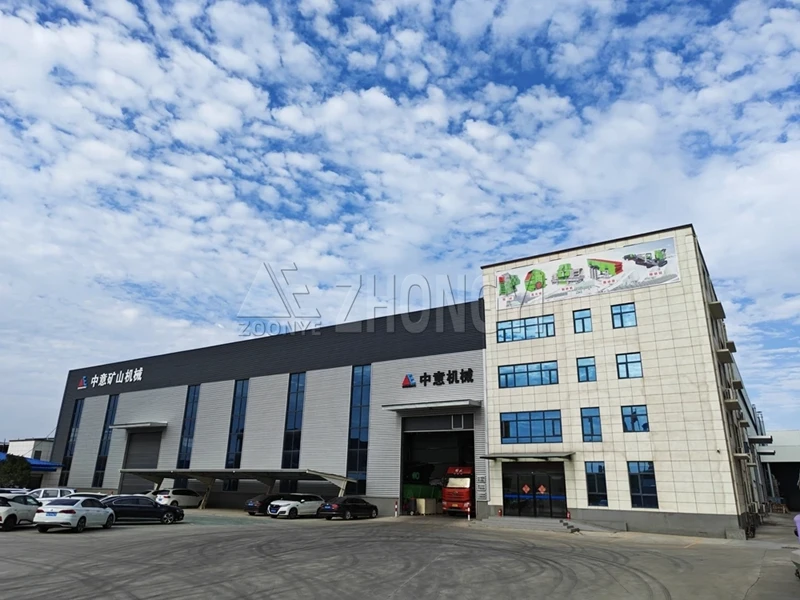
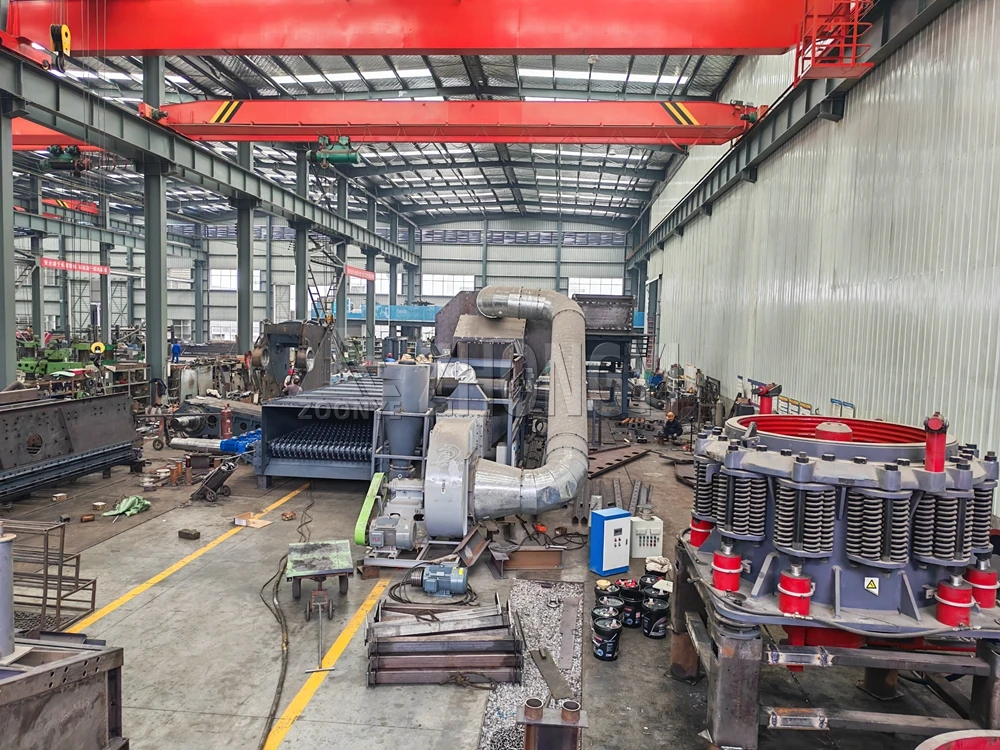
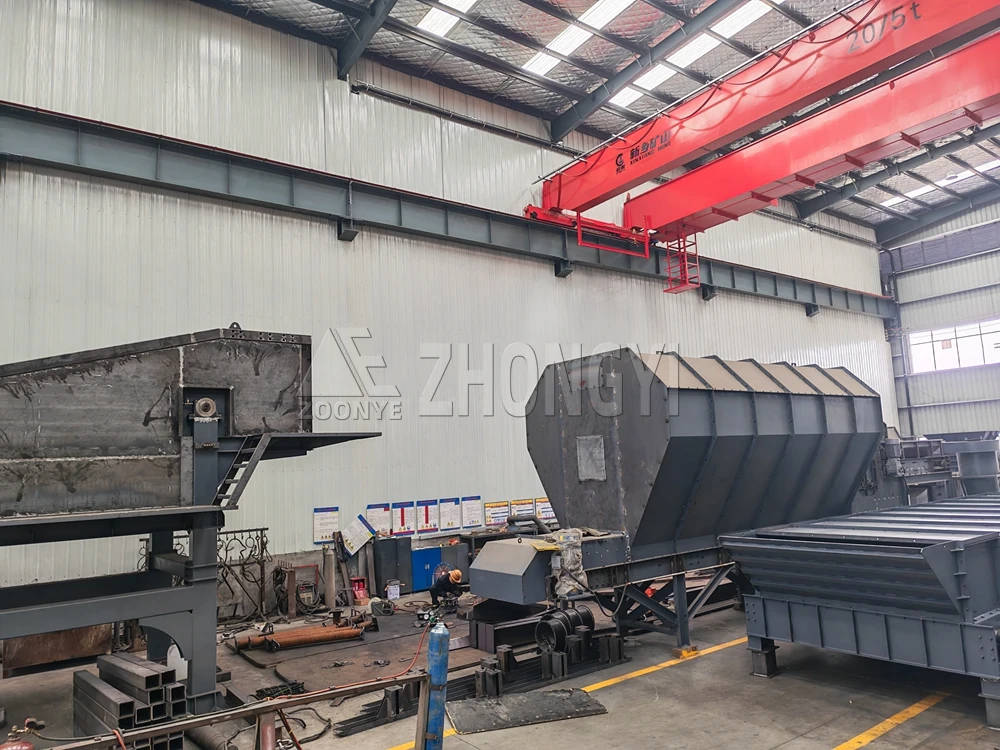
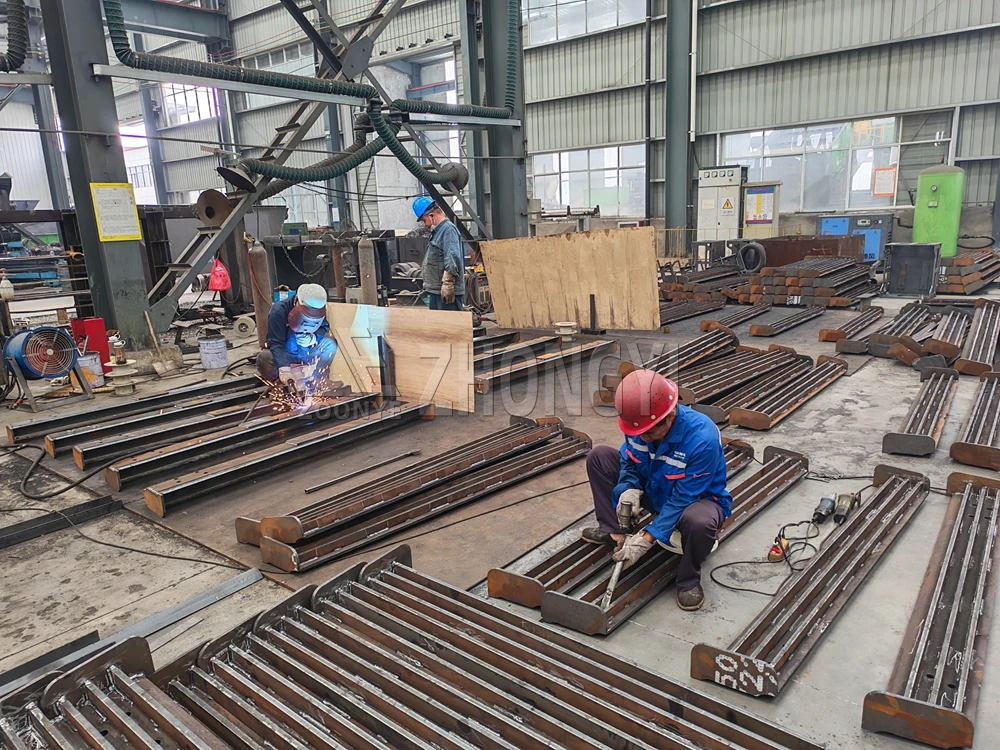
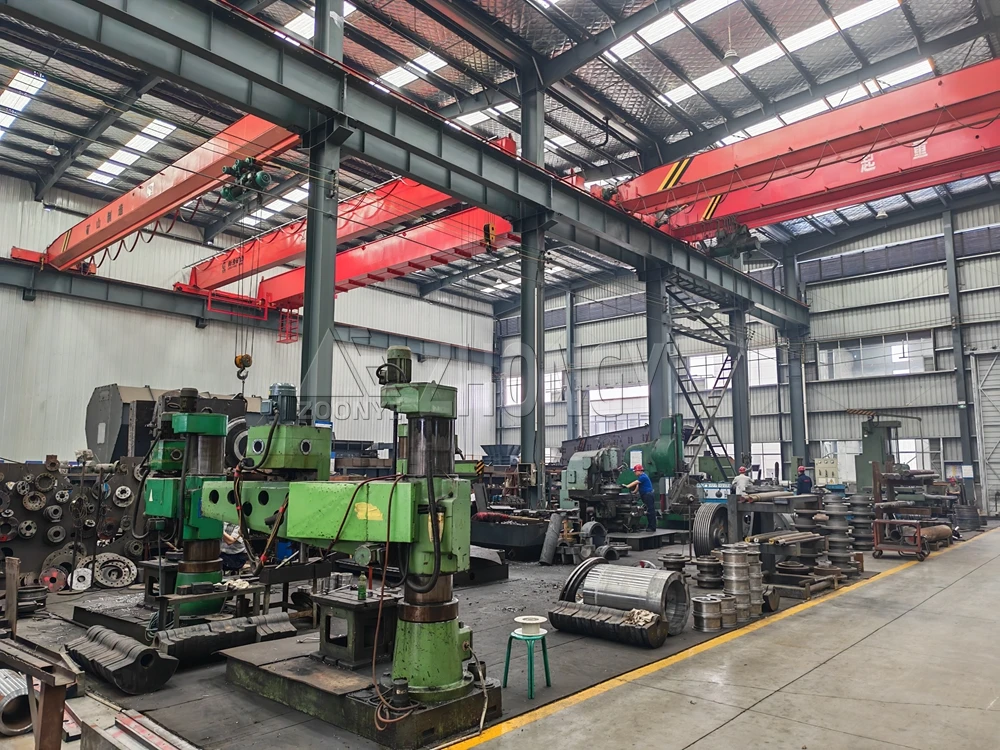
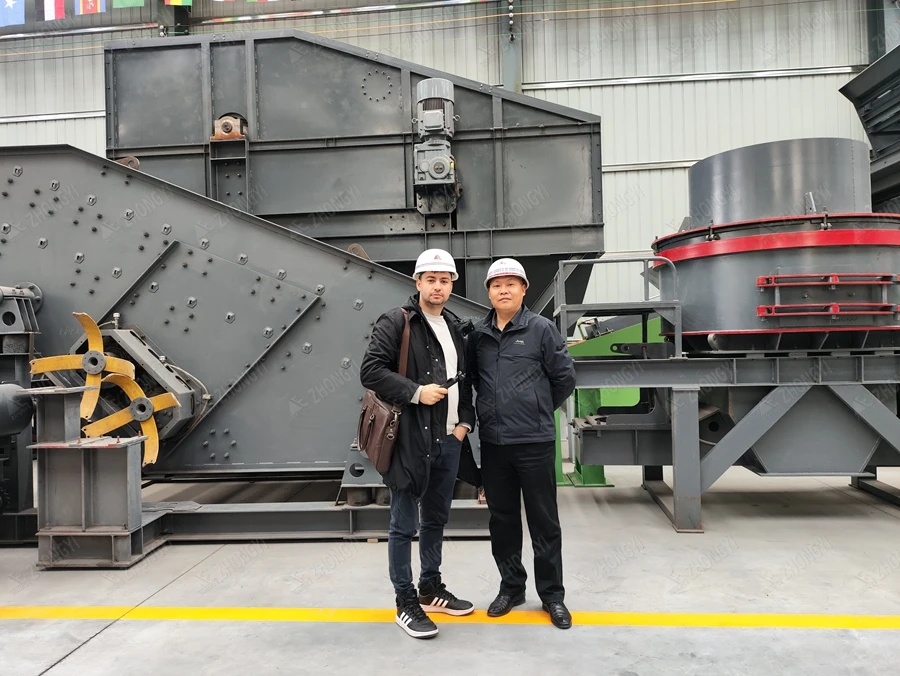
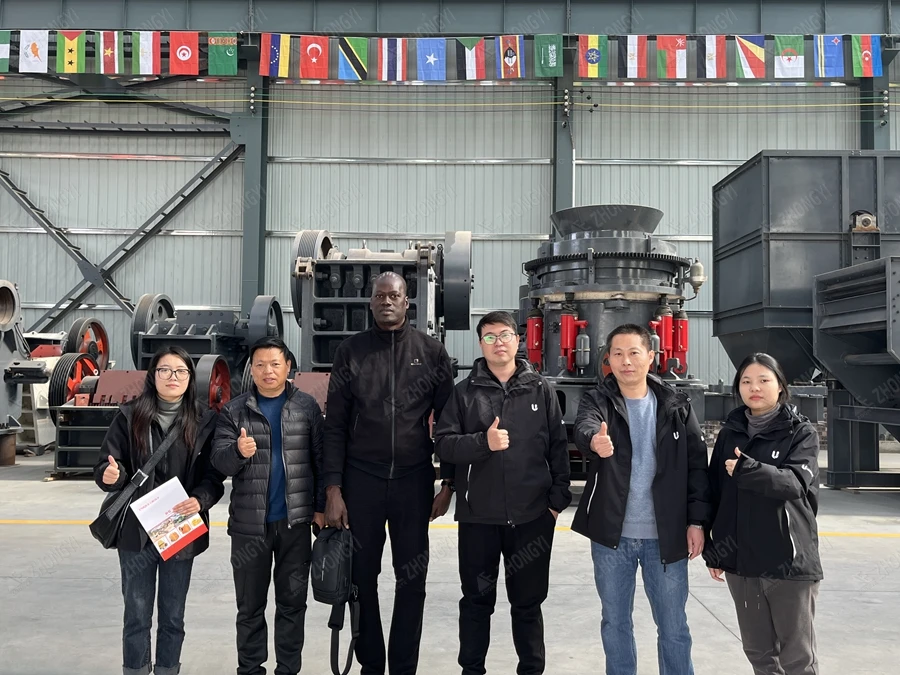
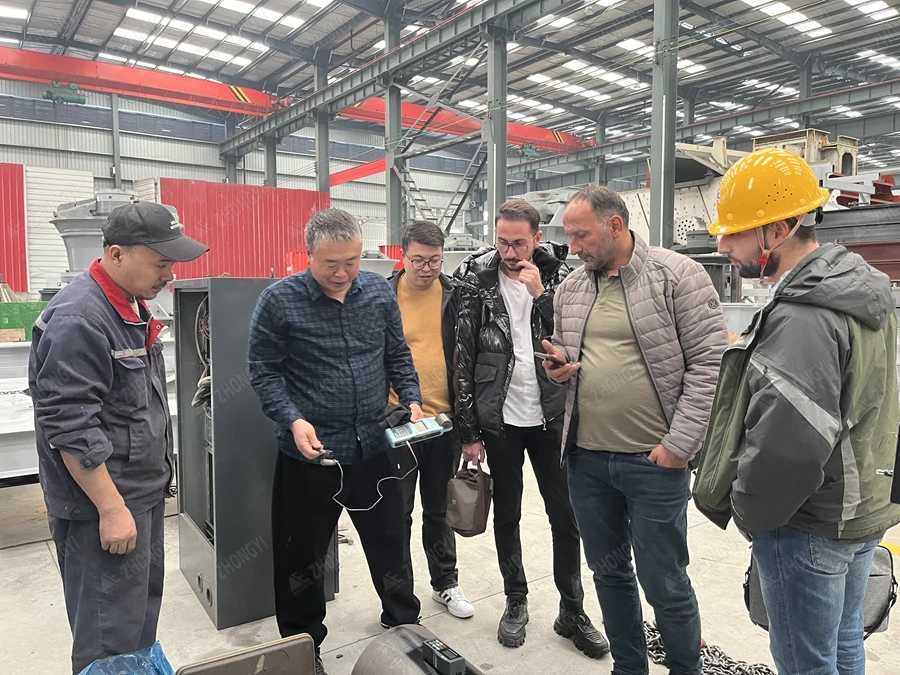
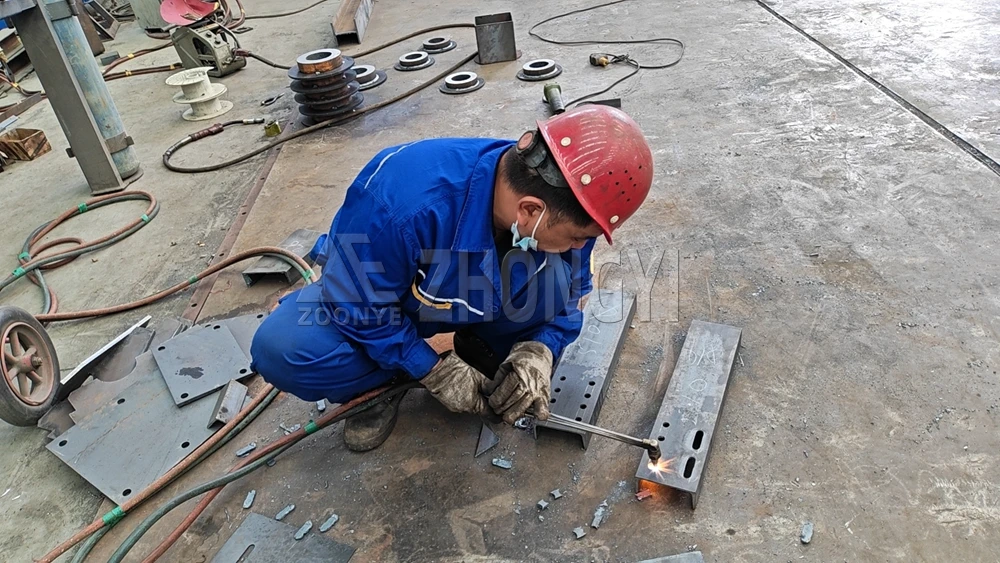
Xinzhongyi ECO is a manufacturer of recycling equipment specializing in Styrofoam Wind Sifters and complete waste sorting systems. Every machine is designed, fabricated, assembled, and factory-tested in-house to ensure reliable performance and consistent quality for continuous recycling operations.
Beyond equipment manufacturing, we provide application-based engineering support for different recycling materials and plant conditions. From equipment selection and airflow configuration to complete waste recycling plant solutions, our team develops practical solutions based on processing capacity, material characteristics, and project requirements. Contact us to discuss your recycling application and receive a customized solution.
FAQ
A Styrofoam Wind Sifter separates low-density materials such as EPS foam, XPS foam, plastic film, paper, rubber, and other lightweight contaminants from mixed waste streams.
The machine uses controlled airflow to separate materials by density. Lightweight materials are carried by the airflow, while heavier materials fall naturally into a separate discharge.
They are widely used in EPS recycling, construction and demolition waste recycling, municipal solid waste sorting, plastic recycling, and industrial waste processing.
The main factors are airflow settings, material density, feed size, and moisture content. Proper material preparation and airflow adjustment help achieve stable separation results.
Yes. It can be installed after shredders or screening equipment and integrated with conveyors, magnetic separators, optical sorters, and other recycling equipment.
Model selection depends on material type, feed size, processing capacity, contamination level, and required separation performance. These parameters determine the suitable airflow configuration.