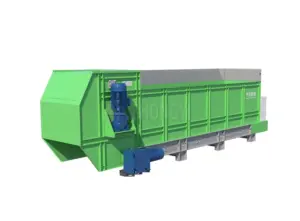
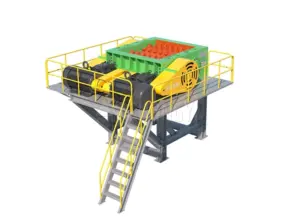
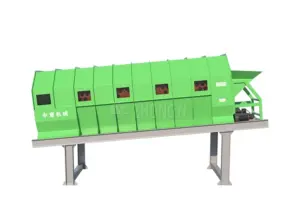
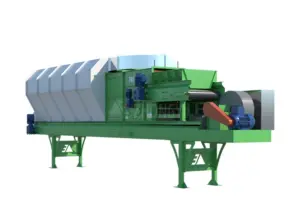


What is Ballistic Separator Screen?
A Ballistic Separator machine, also known as a ballistic screening machine, c&d ballistic separator, or waste ballistic separator, is a mechanical sorting system used to separate mixed waste materials based on their physical properties, such as size, shape, density, and movement behavior. It uses a series of rotating paddles or shafts to create a ballistic motion, separating flexible and lightweight materials (such as plastics, paper, and film) from heavier and rolling materials (such as glass, stones, and rigid containers).
Unlike traditional screening equipment that mainly separates materials by size, a ballistic separator uses material shape and motion behavior to achieve 2D and 3D separation. It is commonly installed in recycling lines together with shredders, bag openers, trommel screens, magnetic separators, optical sorters, and wind sifters.
Applicable Materials
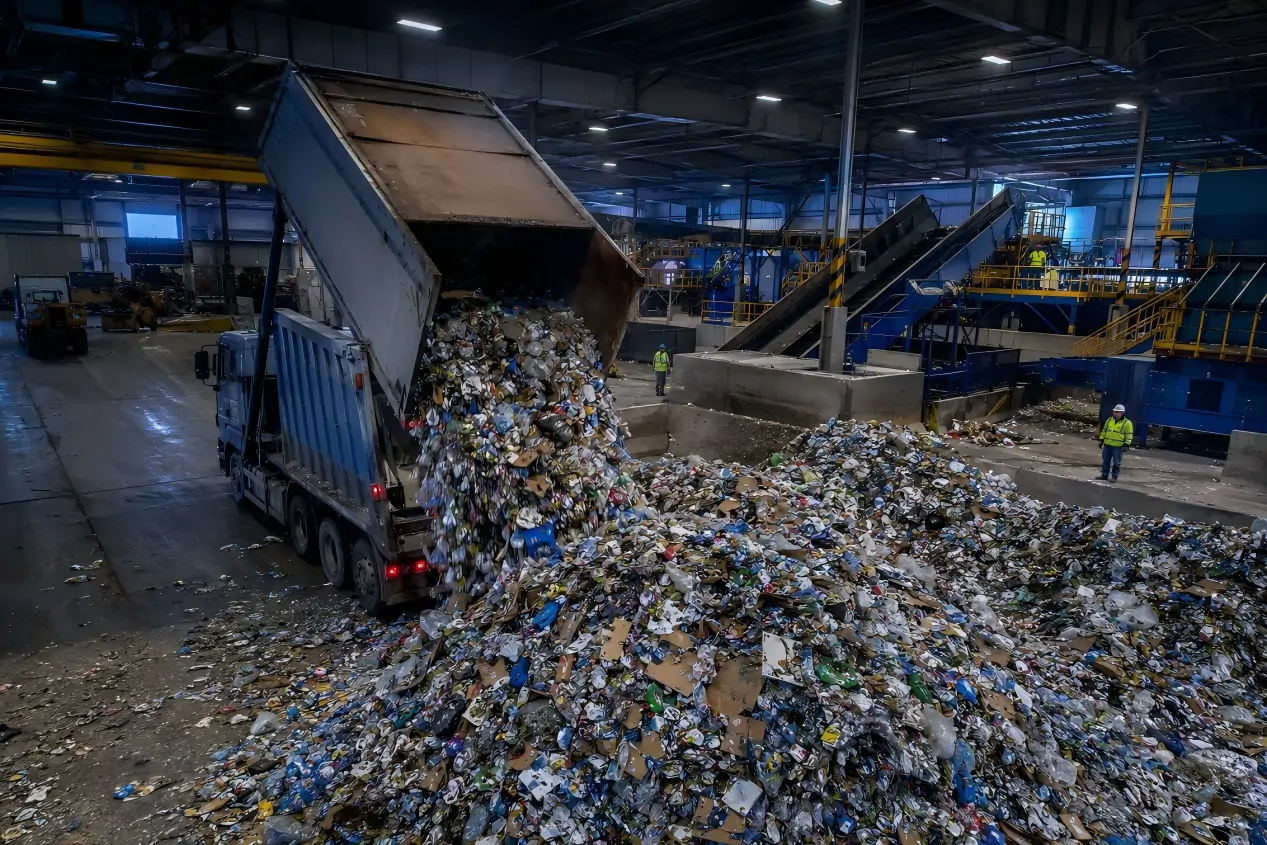
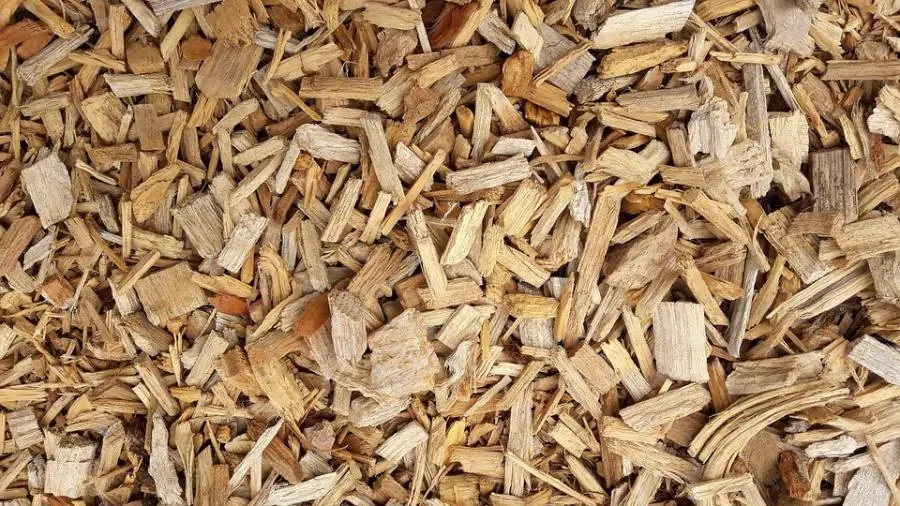
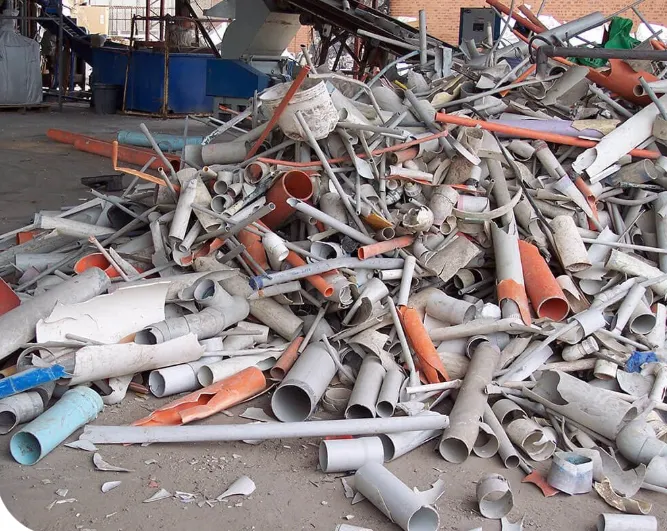
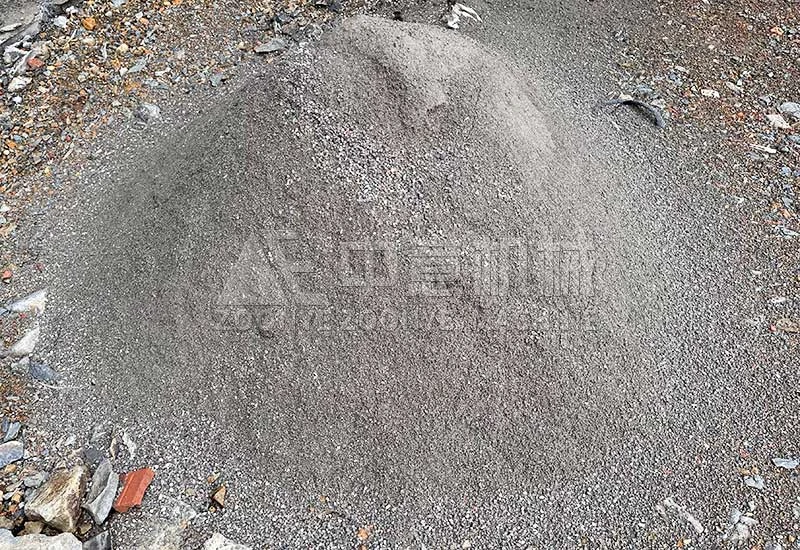
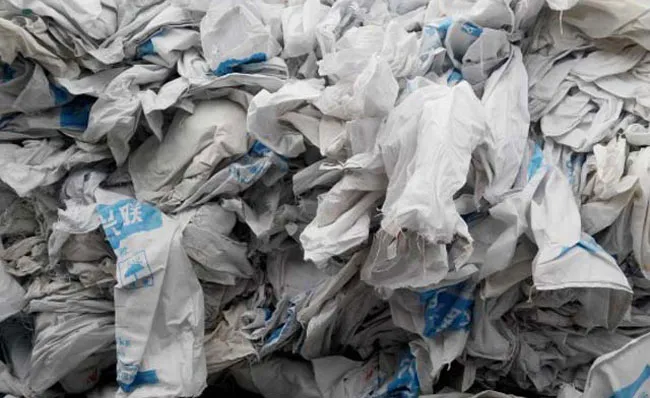
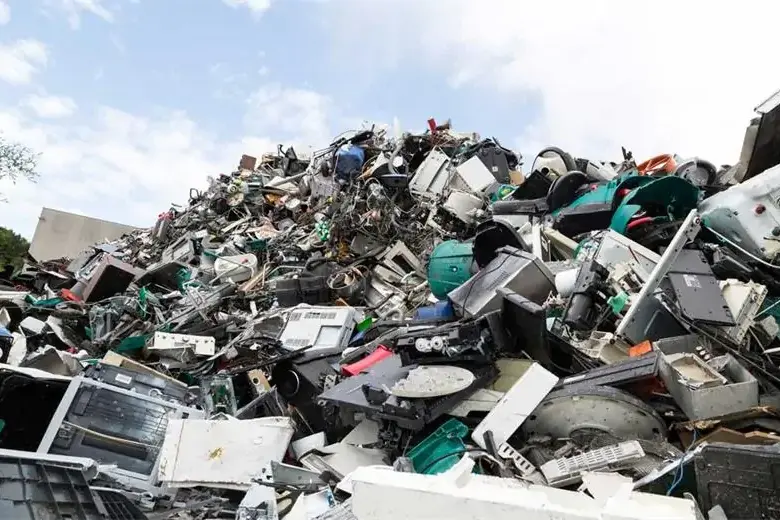
Ballistic Separator is used for sorting mixed solid waste by material shape, density, and size. It is widely applied in MSW, C&D waste, packaging waste, and plastic recycling plants to separate 3D materials such as bottles, containers, stones, wood, and rigid plastics; 2D materials such as film, bags, paper, cardboard, and textiles; and including sand, soil, and organic residues. The equipment is suitable for feed sizes up to 200–300 mm, with screen openings commonly ranging from 40–60 mm according to material requirements.




Ballistic Separator Working Principle
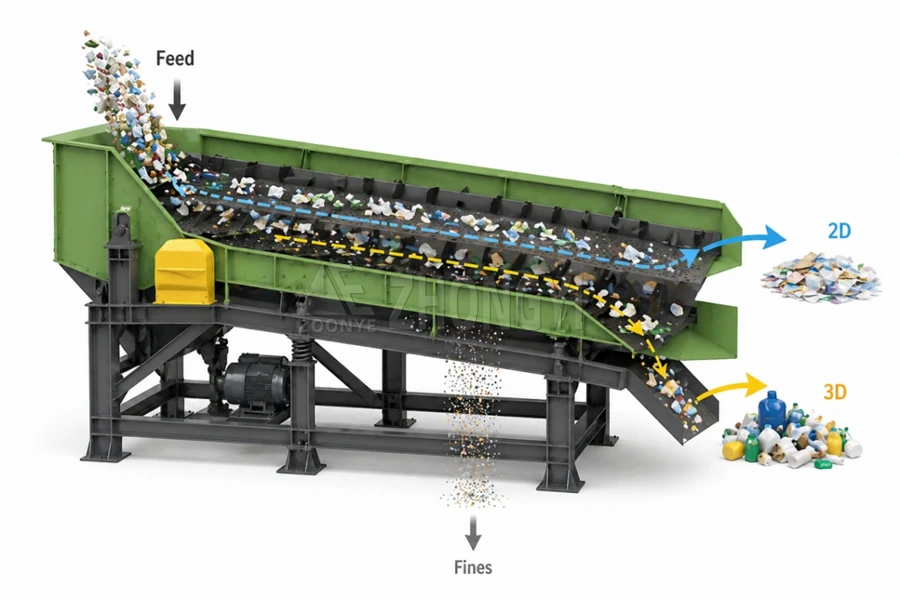
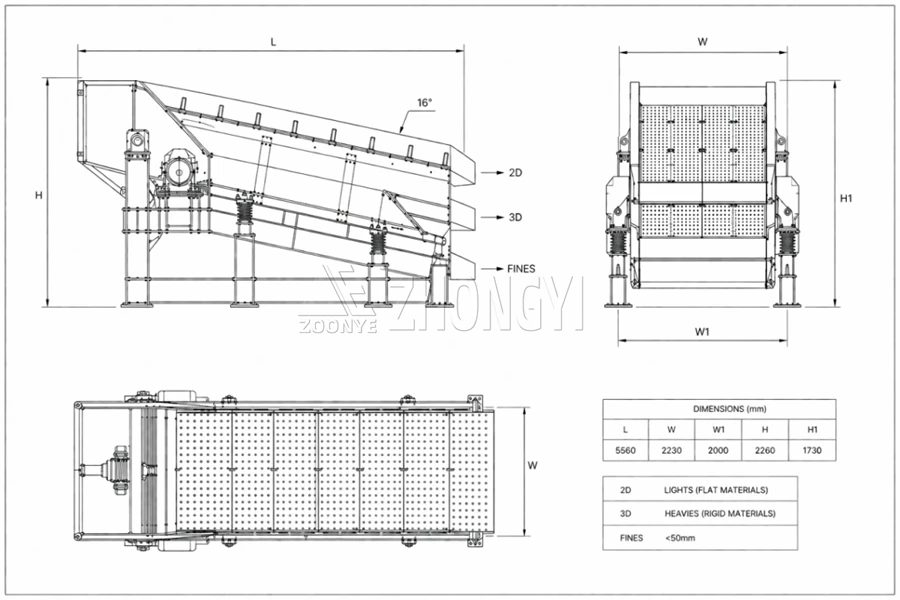
A ballistic separator machine works through an inclined paddle screen with reciprocating motion to separate materials according to their shape, density, and movement behavior. Mixed waste enters the sorting area, where the moving paddles create different trajectories for flat, rigid, and fine materials.
During operation, 2D materials such as plastic film and paper move upward along the screen surface, while 3D materials such as bottles and containers roll downward due to gravity and impact movement. Fine particles pass through the screen openings and are collected separately. The separation performance depends on key factors including screen angle, paddle movement, material size, and moisture content.
Specifications
Ballistic Separator models are available in different configurations to meet various waste sorting requirements. Model selection depends on processing capacity, material characteristics, feed size, and separation targets. The standard TTS series covers processing capacities from 30–400 m³/h, with adjustable screen openings of 25–70 mm and different motor power options from 15–37 kW. These models are suitable for separating 2D materials, 3D materials, and fines in MSW, C&D waste, plastic recycling, and other waste sorting applications. Detailed technical specifications are listed below.
| Model | Screen Opening (mm) | Motor Power (kW) | Processing Capacity (m³/h) |
| TTS1545 | 25–70 | 15 | 30–150 |
| TTS1845 | 25–70 | 18.5 | 40–200 |
| TTS1860 | 25–70 | 18.5 | 40–200 |
| TTS2145 | 25–70 | 22 | 50–250 |
| TTS2160 | 25–70 | 22 | 50–250 |
| TTS2445 | 25–70 | 30 | 80–300 |
| TTS2460 | 25–70 | 30 | 80–300 |
| TTS2845 | 25–70 | 37 | 100–400 |
| TTS2860 | 25–70 | 37 | 100–400 |
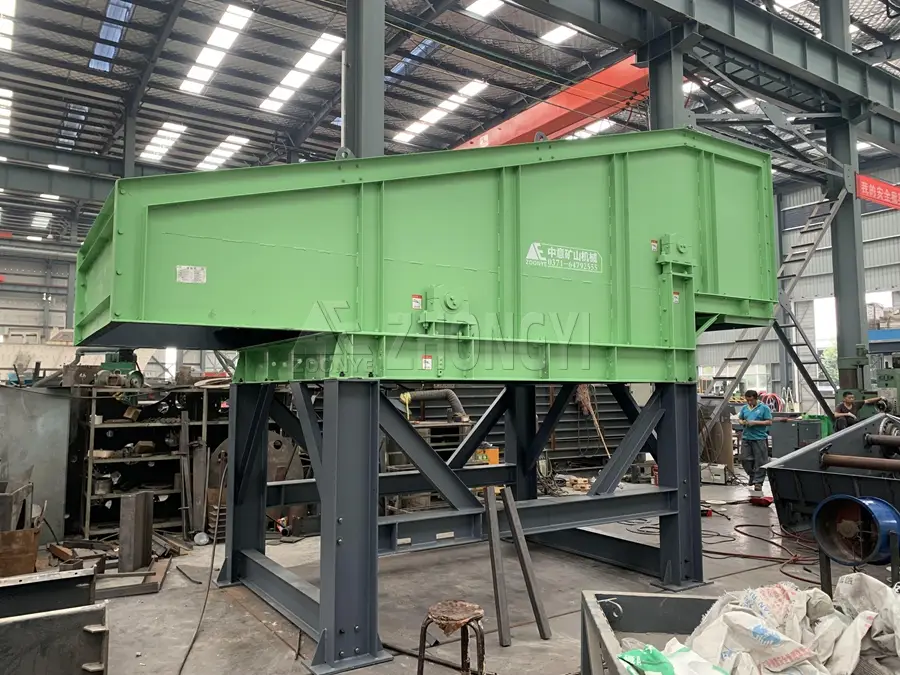
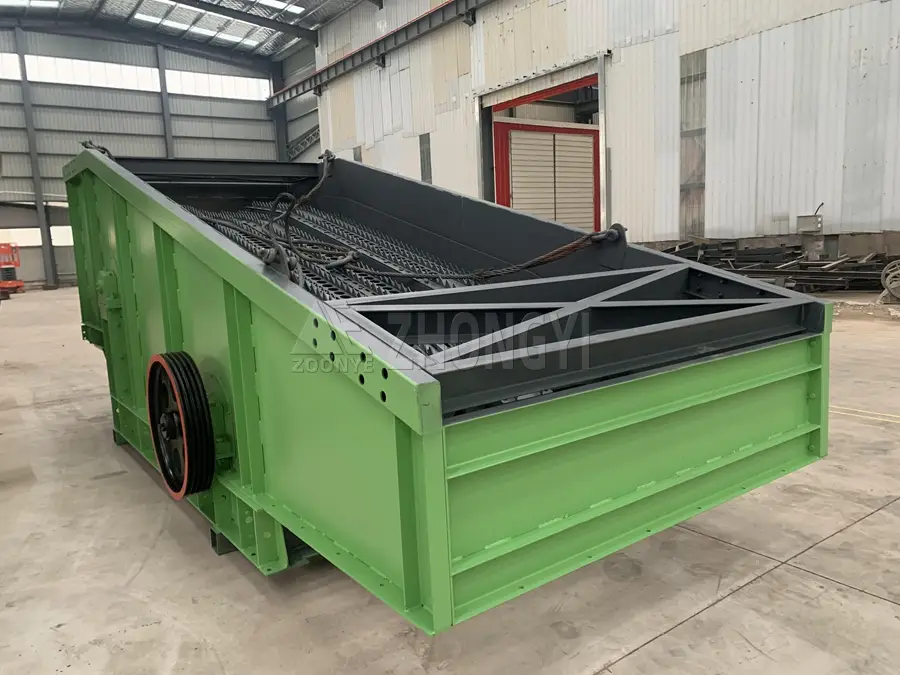
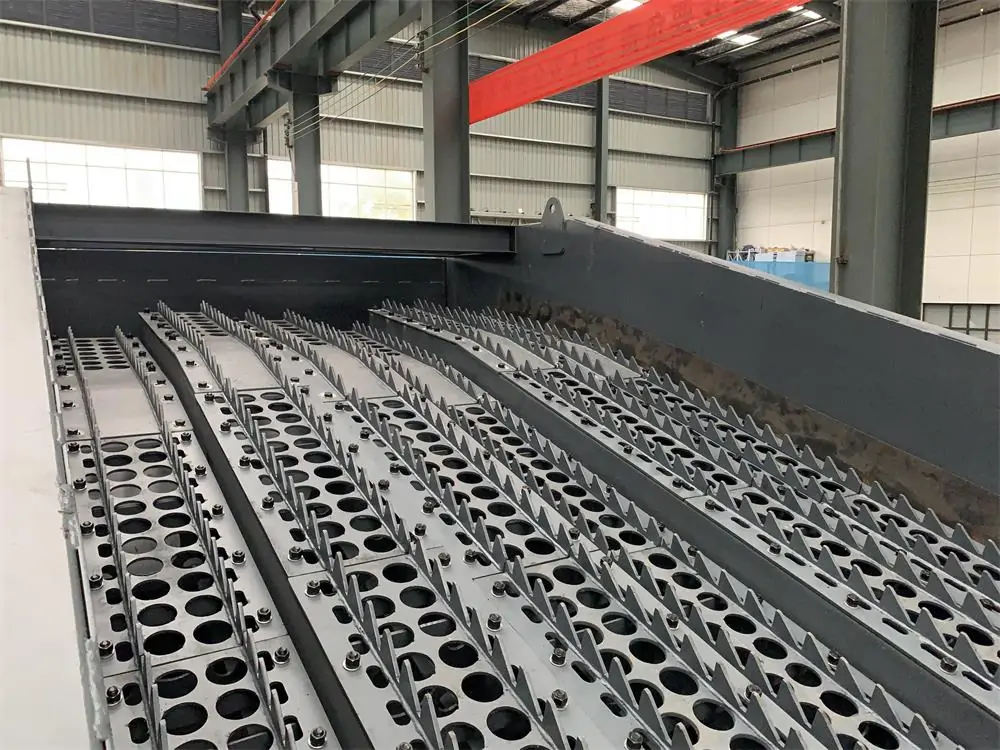
Product Details Show
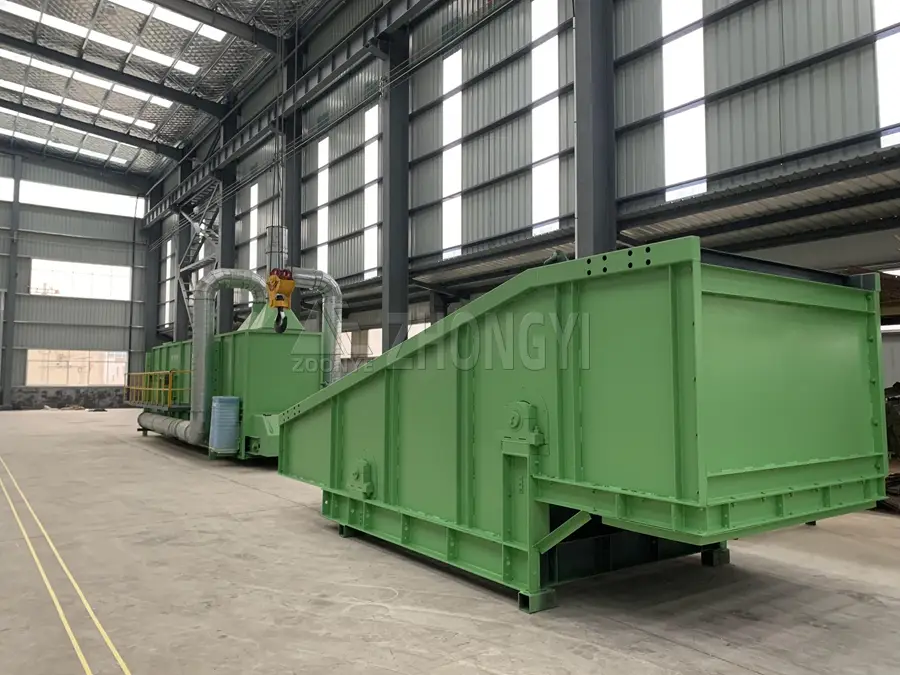
Advantages
Ballistic Separator uses the difference in material shape and movement to separate mixed waste into different fractions. Compared with traditional screening equipment, it provides better separation of flat and rigid materials while reducing wrapping, maintenance, and operating costs. It is widely used in recycling plants for stable and continuous sorting operations.
Applications
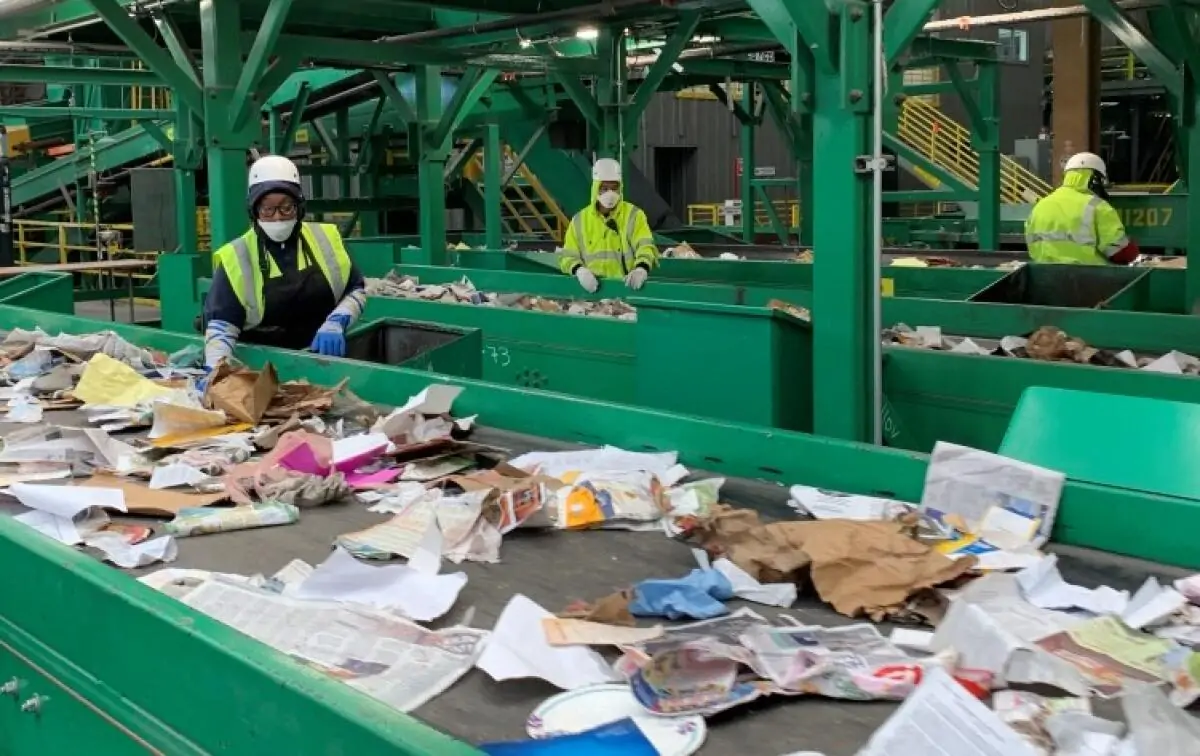
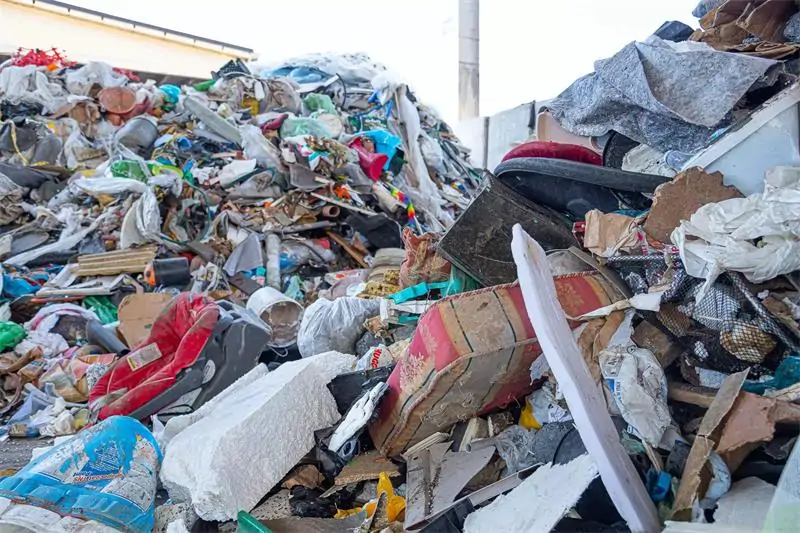
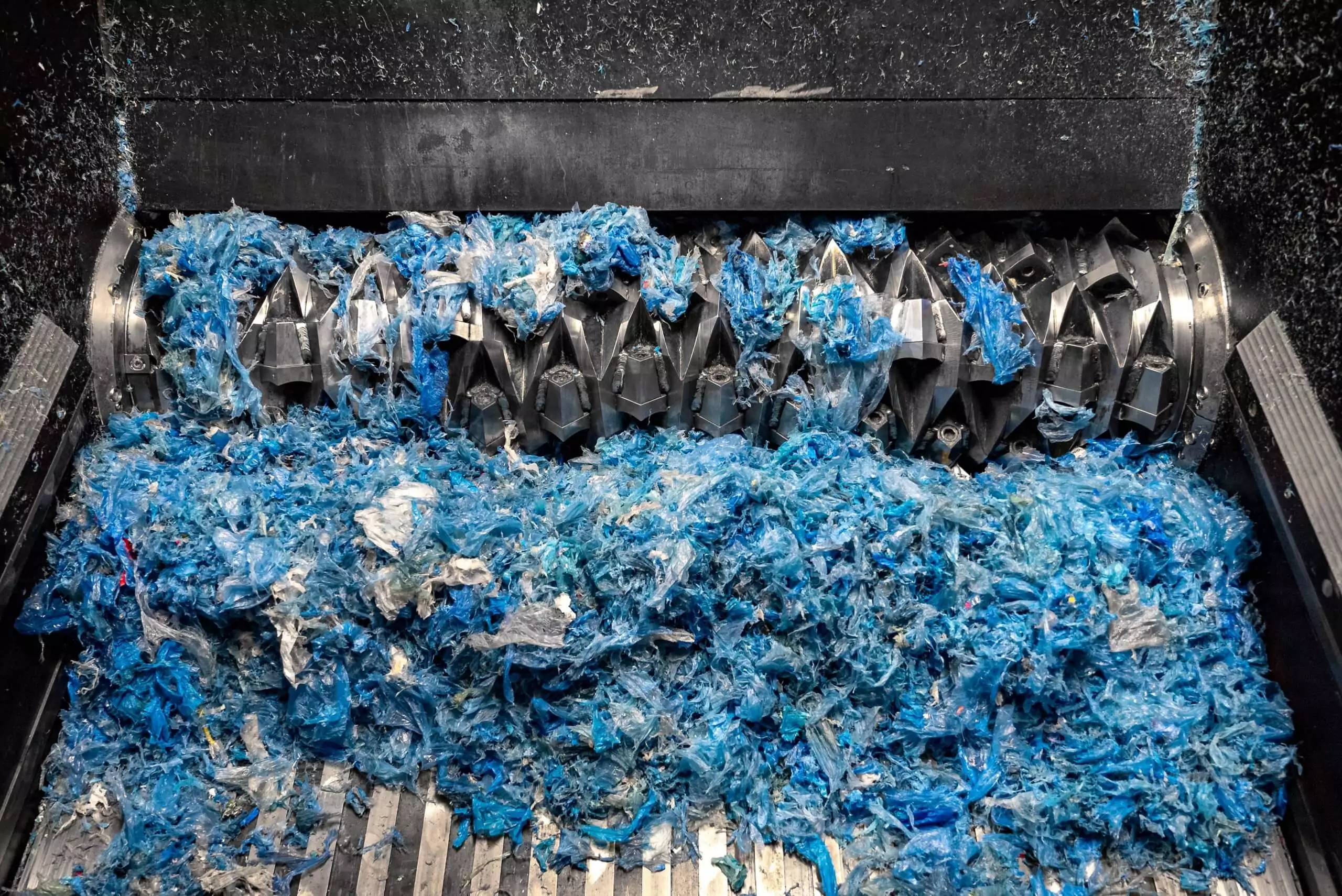
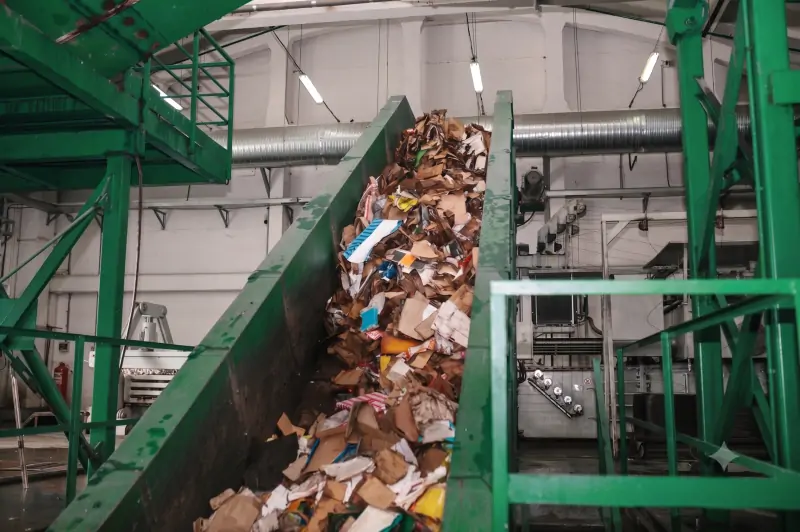
Ballistic Separator is widely used in waste sorting and recycling systems to separate mixed materials based on shape, density, and movement characteristics. It is suitable for MSW, plastic recycling, packaging waste, industrial waste, and paper/film recovery applications. By separating different types of materials, it improves sorting accuracy and prepares materials for further processes such as optical sorting, magnetic separation, washing, and recycling.
Custom Ballistic Separator Solutions
Selecting the right ballistic sorting machine configuration depends on the specific characteristics of your material, your production capacity requirements, and your sorting objectives. Xinzhongyi ECO can provide customized equipment solutions tailored to your project’s specific needs, ranging from standalone sorting machines to fully integrated large-scale recycling production lines.
Depending on your feedstock waste streams, we seamlessly integrate ballistic sorters into specialized processing systems like solutions for construction and demolition waste recycling plants and resource recovery landfill mining facilities. For mixed and heavy-duty waste streams, we design robust configurations for municipal solid waste (MSW) sorting plants, high-torque bulky waste recycling plants, and high-efficiency industrial waste processing plants.
Custom Options Include:
- Material Type
- Feed Size
- Moisture Content
- Required Separation Results
- Processing Capacity (t/h)
- Project Location
- Standalone Machine or Complete Sorting Line
How to Choose the Right Ballistic Separator?
The right ballistic separator should be selected based on material type, capacity requirements, separation targets, and site conditions. Feed size, moisture content, and material composition affect equipment configuration and sorting performance. Proper selection helps ensure stable operation and smooth integration into recycling systems.
Waste Ballistic Separator Manufacturer & Supplier
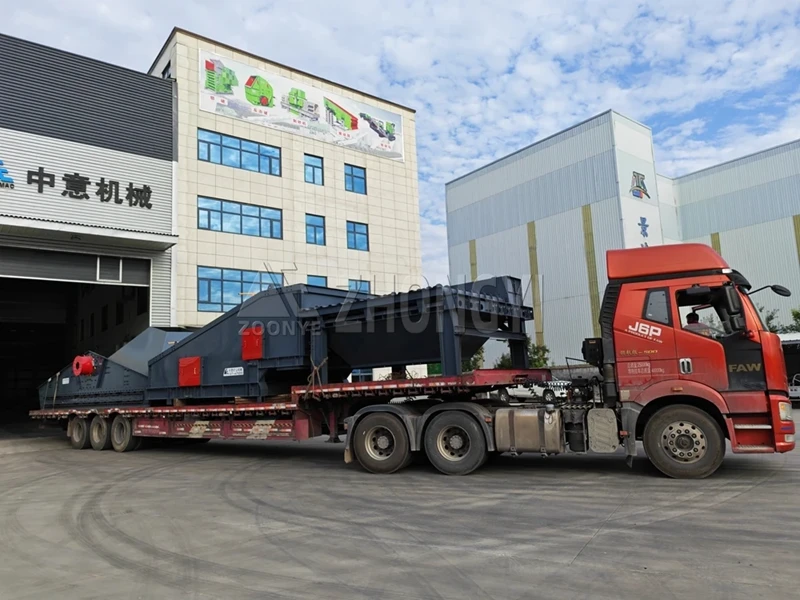
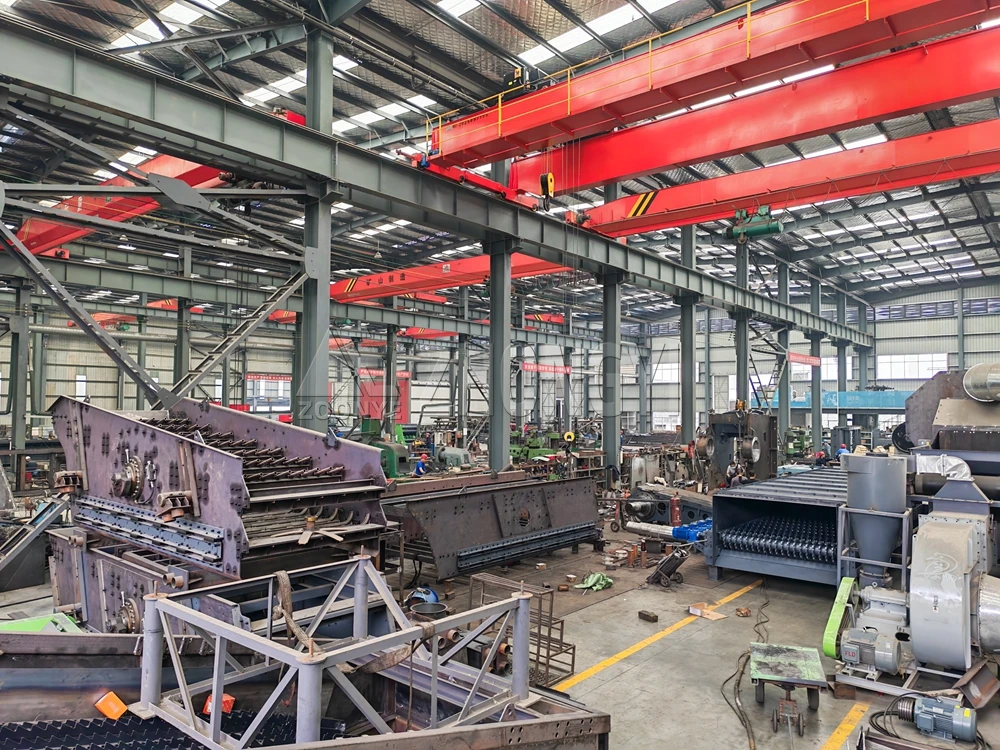
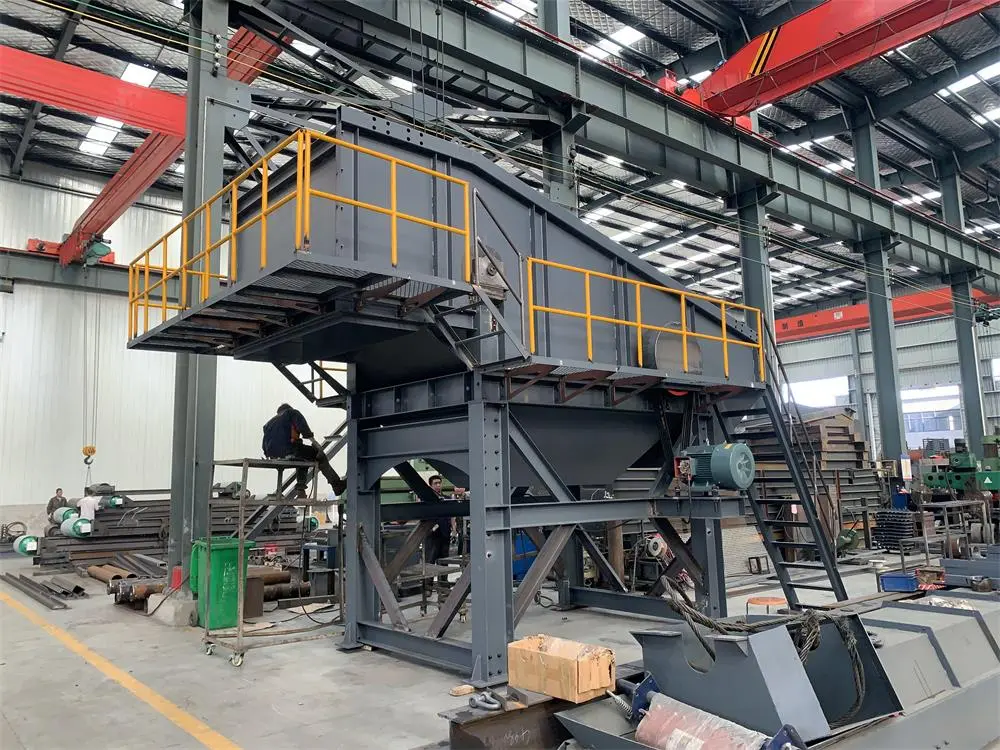
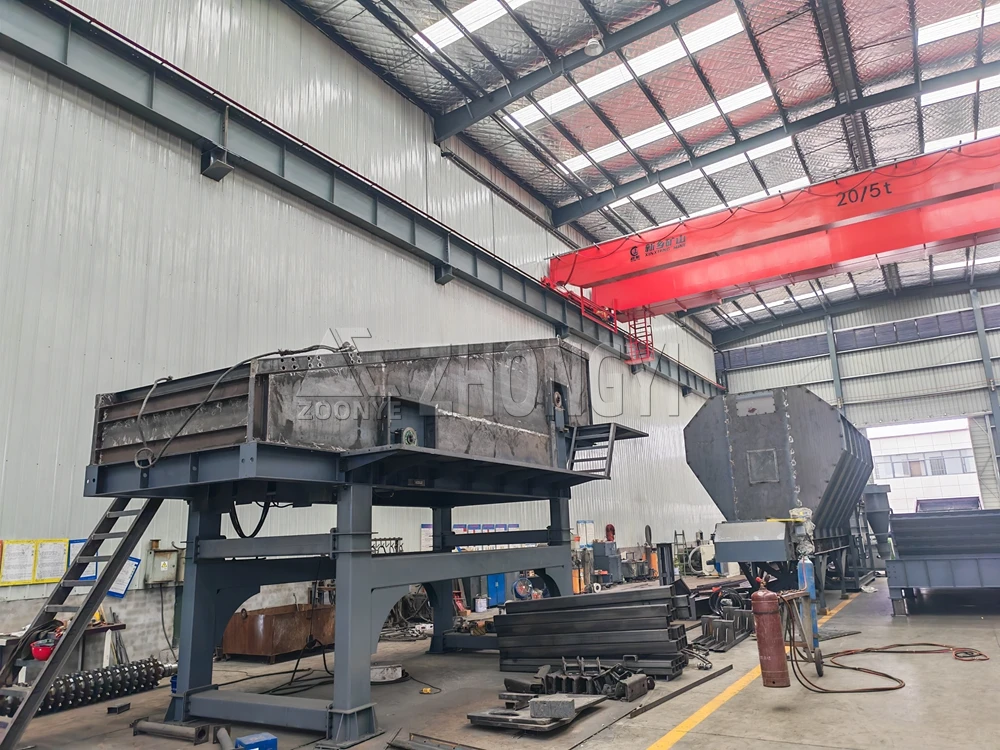
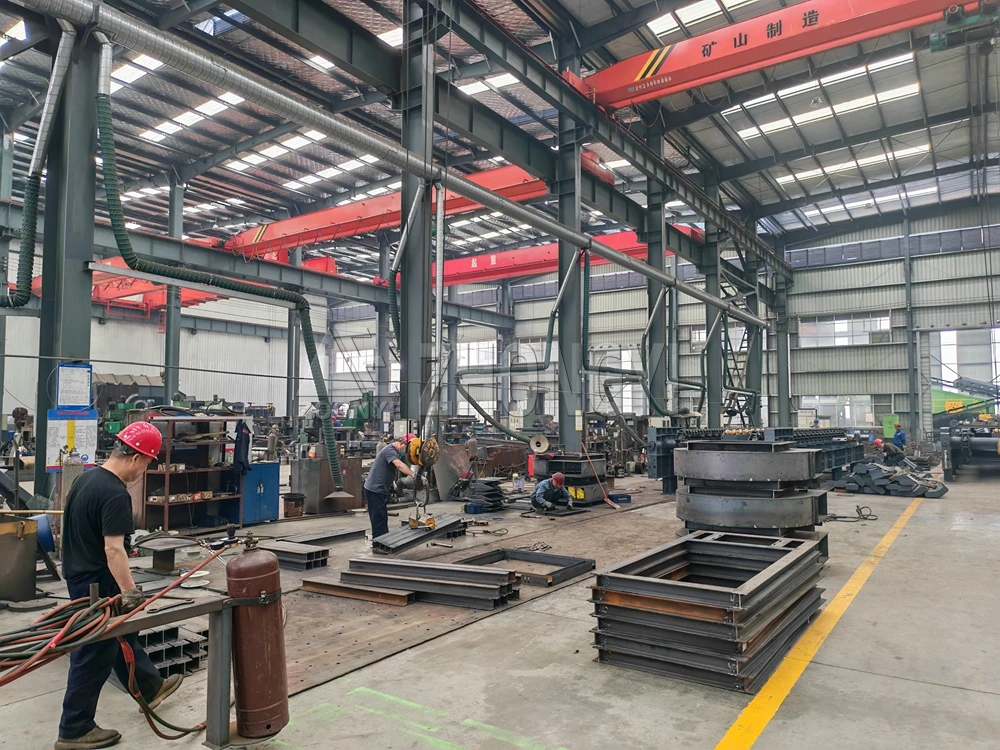
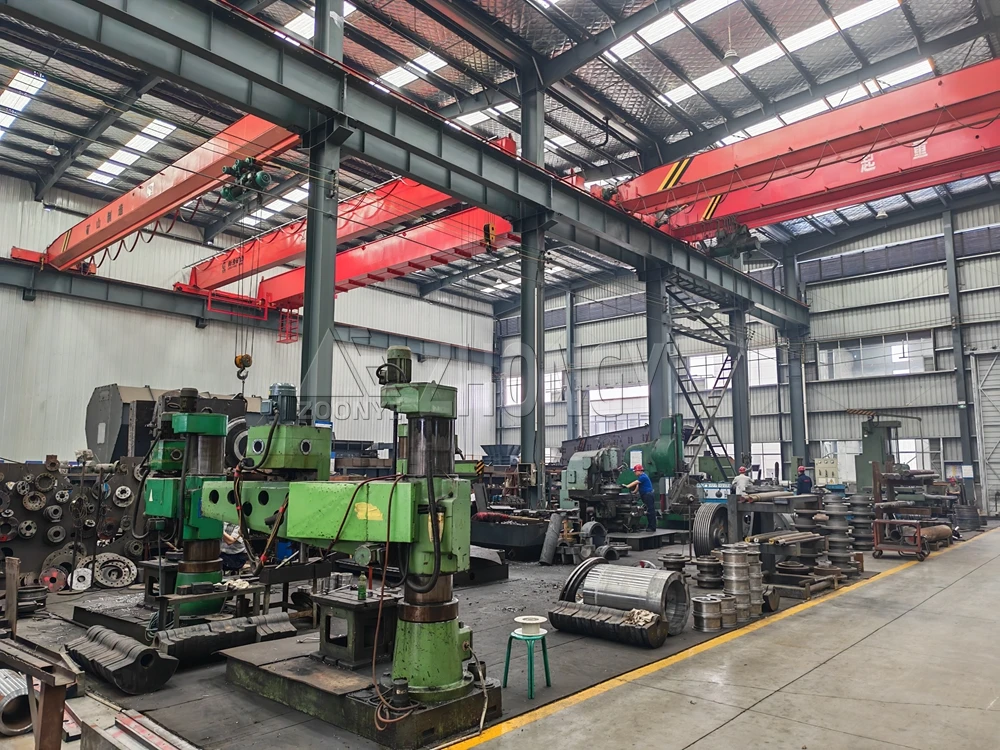
Xinzhongyi ECO designs and manufactures waste sorting and crushing equipment according to material conditions and project requirements. Each solution is selected based on factors such as material type, moisture, particle size, and processing capacity to match different recycling applications.
From equipment selection and layout design to installation guidance and commissioning support, Xinzhongyi works with customers throughout the project process. The equipment is built for stable operation, easy maintenance, and reliable performance in real waste recycling environments.
FAQ
A ballistic separator separates mixed waste based on material shape and movement behavior. It divides materials into different fractions, including flat materials, rigid materials, and fines, improving sorting efficiency in recycling plants.
A ballistic separator is suitable for MSW, C&D waste, plastic recycling, and packaging waste. Common materials include plastic film, paper, cardboard, bottles, containers, and small particles.
The machine uses an inclined paddle screen with reciprocating motion to create different movement paths. Flat lightweight materials move upward, rigid materials roll downward, and fines pass through the screen openings.
Standard models typically handle 5–40 t/h. Actual capacity depends on material composition, feed conditions, moisture content, and equipment configuration.
Model selection depends on material type, feed size, moisture content, required separation results, processing capacity, and plant layout. Proper configuration helps ensure stable operation.
Yes. Ballistic separators can work with shredders, trommel screens, magnetic separators, eddy current separators, optical sorters, and wind sifters to build complete waste sorting systems.