

What is a European Type Impact Crushing Machine?
A European Type Impact Crushing Machine is a heavy-duty crushing equipment designed for efficient size reduction of hard-to-process materials in waste treatment and recycling production lines. It is also commonly referred to as a European impact crusher or hydraulic impact crusher, and is widely used for processing construction waste, demolition debris, and mixed solid waste.
Unlike traditional crushing equipment, it adopts an optimized European structural design with a high-strength rotor and impact chamber, enabling strong crushing force and more uniform output size. The machine is engineered to handle irregular and high-contamination materials, making it an important unit in modern solid waste recycling systems for improving material recovery efficiency and overall processing stability.
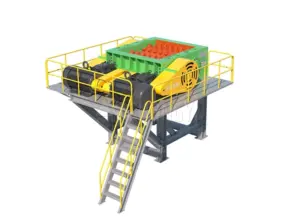
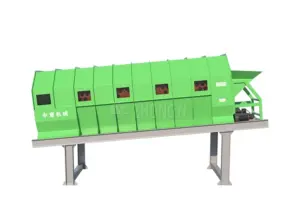
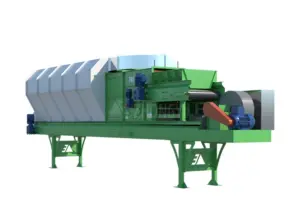
Products Display


Working principle
The motor drives the rotor to rotate at high speed through the V-belt transmission system. After the material enters the crushing chamber from the feed inlet, it is struck by the blow bars mounted on the rotor and thrown toward the impact plates at high speed. The material is then crushed again after colliding with the impact liners and rebounding back into the crushing area.
Inside the three-cavity crushing chamber, the material undergoes repeated impact, collision, and breaking between the rotor, blow bars, and impact plates until it reaches the required particle size and is discharged from the bottom of the machine. The discharge size can be adjusted by changing the gap between the impact plate and the rotor. By controlling rotor speed, feed size, and chamber configuration, the European type impact crusher can achieve stable capacity, better particle shape, and more uniform final output.
At Zhongyi ECO, we can optimize the crushing chamber structure, rotor configuration, and discharge settings according to your material characteristics and production requirements, helping improve crushing efficiency and reduce wear part consumption.
Parts of European Type Impact Crushing Machine
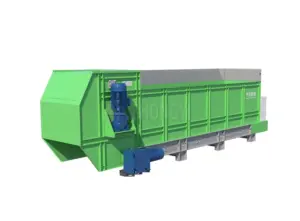
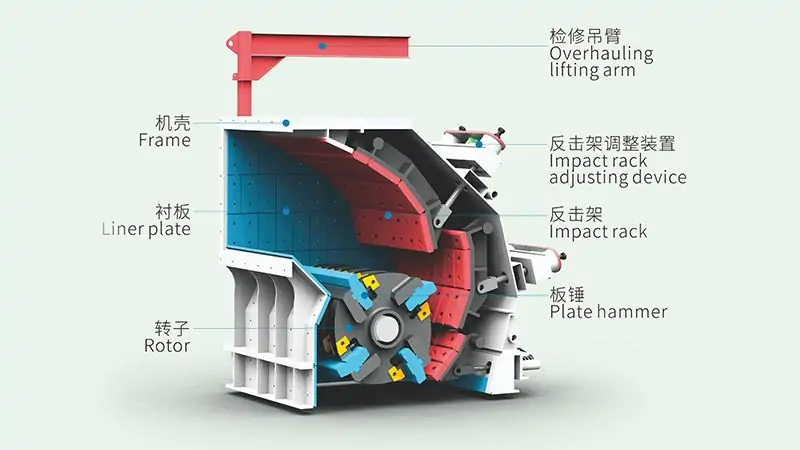
A European Type Impact Crushing Machine mainly includes the rotor, blow bars, impact plates, crushing chamber, drive system, and hydraulic adjustment system. These parts work together to achieve efficient crushing and stable output size.
Rotor
The rotor rotates at high speed and provides the main crushing force.
Blow Bars
Blow bars hit the material directly and are made of wear-resistant alloy materials.
Impact Plates
Impact plates crush the material again after impact and help control the discharge size.
Crushing Chamber
The three-cavity structure improves crushing efficiency and particle shape.
Main Shaft and Bearings
They support stable rotor operation and reduce vibration during crushing.
Hydraulic System
Used for adjusting the impact plate gap and simplifying maintenance.
Drive System
The motor and V-belt provide stable power transmission.
Frame and Housing
The heavy-duty structure protects internal parts and supports long-term operation.
Specification
Parameters such as feeding size, chamber structure, motor configuration, liner materials, and discharge adjustment range can all be optimized according to your project requirements. We can provide customized solutions based on your material type, required capacity, output size, and production line layout.
| Model | Rotor diameter (mm) | Rotor length (mm) | Max. feed size (mm) | Capacity (t/h) | Power (kw) | Weight (t) | Dimension (mm) |
| PFW-1008 | 1000 | 800 | ≤200 | 55-85 | 55-75 | 10.184 | 2858×2508×2470 |
| PFW-1313 | 1280 | 1340 | ≤200 | 130-200 | 132-200 | 19.8 | 3210×2730×2545 |
| PFW-1515 | 1540 | 1500 | ≤300 | 250-350 | 280-315 | 30 | 3200×3082×3036 |
Advantages
Application
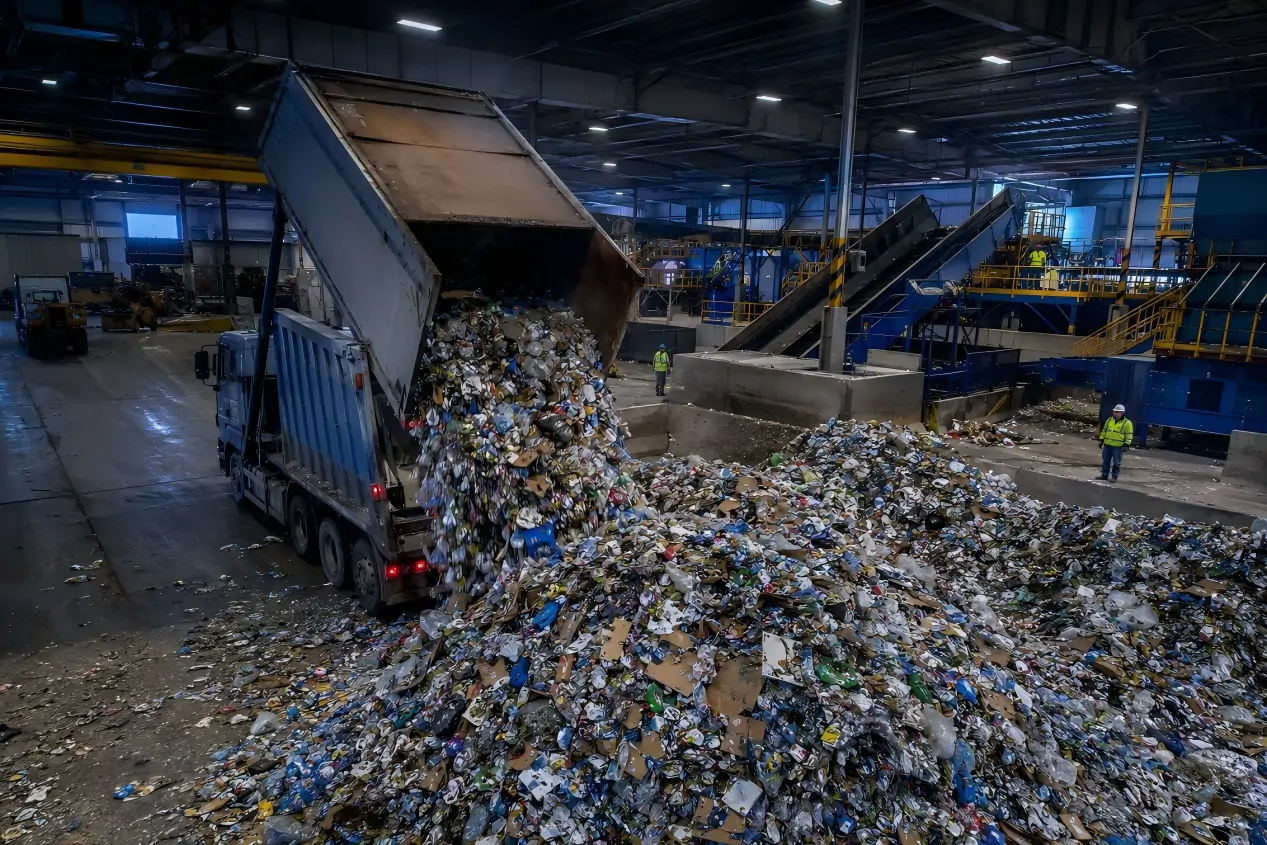
The European Type Impact Crushing Machine is widely used in solid waste recycling systems, especially in the field of construction and demolition waste treatment. It provides efficient size reduction for mixed and irregular materials, helping improve sorting efficiency and resource recovery in modern recycling plants. In waste processing lines, this equipment is mainly used for primary or secondary crushing of bulky and mixed solid waste. It breaks down large and uneven materials into smaller, more manageable sizes, making subsequent separation (such as metal sorting, screening, and recycling) more efficient and stable.
Construction waste recycling plants: crushing concrete blocks, bricks, and mixed debris
Demolition waste processing lines: size reduction of reinforced structural waste after pre-sorting
Municipal solid waste pretreatment systems: handling bulky and mixed waste materials
Industrial waste recycling facilities: processing non-hazardous solid waste for resource recovery
Decoration and renovation waste stations: crushing mixed light construction waste for reuse or landfill reduction
Project Cases / Installed Lines
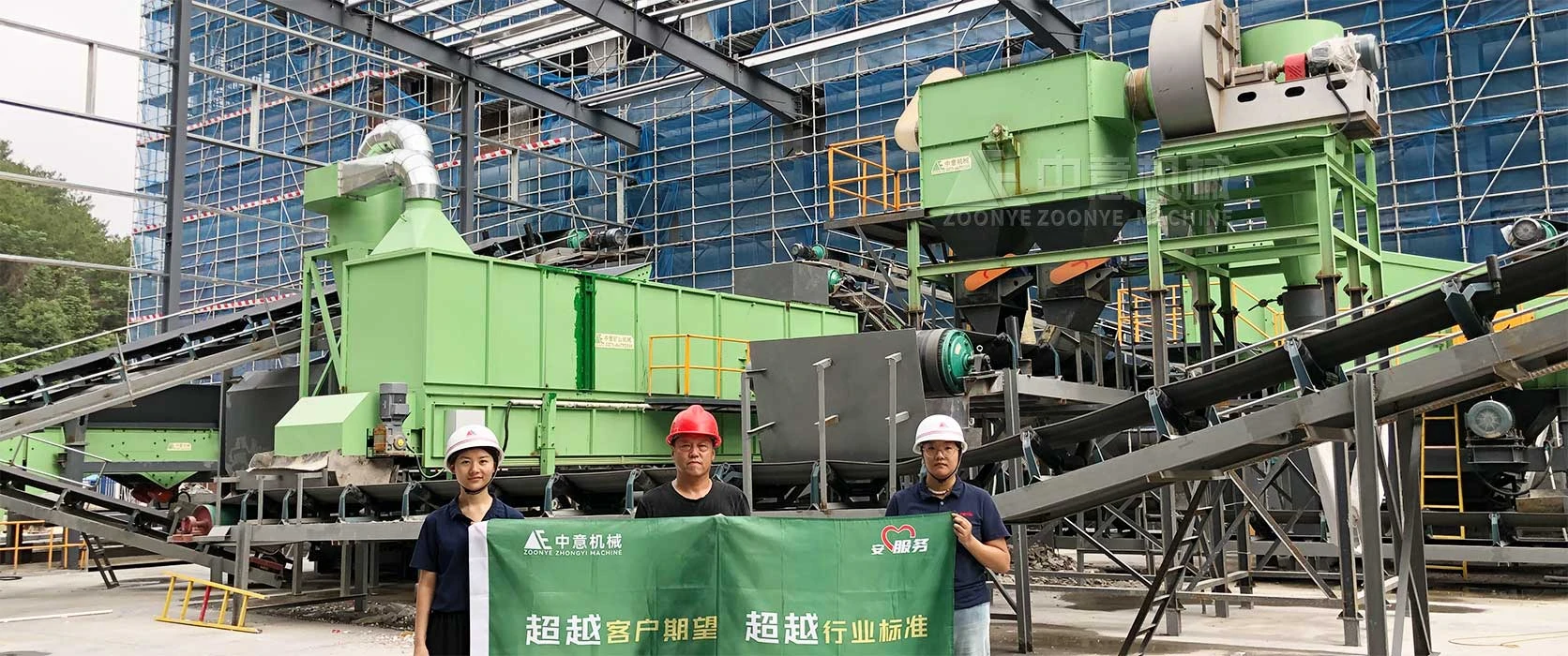
In Zhejiang, a large-scale construction and renovation waste recycling project has successfully transformed mixed demolition waste—including concrete blocks, broken wood, metal components, and plastic packaging—into valuable reusable resources. With a designed capacity of around 300 tons per hour, the processing line handles over 1,000 cubic meters of waste accumulated at the client’s recycling base, achieving a resource recovery purity of over 95%.
Through an integrated system of pre-treatment, intelligent crushing, precision screening, and automated sorting, the production line converts construction waste into recycled aggregates, metal particles, and alternative fuel materials. After crushing and shaping, 0–5mm recycled sand is used for dry mortar production, while 5–31.5mm aggregates are applied in road base construction. Recovered metals and plastics are further processed and sold as industrial raw materials, significantly improving both environmental and economic value.
Price of European Impact Crusher – What Affects It?
The price of a European Type Impact Crusher is not fixed, as it varies significantly depending on configuration, capacity, and application requirements. In general, the market price range is approximately USD 20,000 to USD 150,000+, depending on model size and customization level. Higher capacity and more advanced configurations will naturally lead to higher investment costs.
Below are the main factors that influence the final quotation:
1. Equipment Capacity and Model Size
Larger models designed for higher throughput require stronger frames, larger rotors, and higher-power motors. As capacity increases, production cost and overall crusher price also increase accordingly.
2. Wear-Resistant Materials and Component Quality
The use of high-chromium alloy blow bars, reinforced liners, and upgraded rotor materials improves durability in recycling applications, but also increases manufacturing cost compared to standard configurations.
3. System Configuration and Automation Level
Basic models are more economical, while hydraulic opening systems, overload protection, and intelligent control systems improve safety and efficiency but raise the overall investment cost.
4. Customization and Application Requirements
Special designs for construction waste recycling lines or mixed waste conditions may require reinforced structures or tailored feeding systems, which directly affect final pricing.
If you need a detailed quotation based on your waste treatment capacity and project layout, contact our technical team for a tailored solution and cost evaluation.
European Type Impact Crushing Machine Manufacturer & Supplier
As a professional European Type Impact Crushing Machine manufacturer and supplier, Zhongyi brings over 16 years of experience in solid waste treatment and crushing equipment manufacturing. We focus on delivering reliable, high-performance impact crushers combined with complete recycling solutions for global construction waste and solid waste processing projects.
FAQ
A: It is mainly used for construction waste, demolition debris, concrete blocks, bricks, and mixed solid waste. It can also handle pre-treated bulky waste after sorting, making it suitable for recycling and resource recovery lines.
A: Yes. It is specifically designed for construction and demolition waste treatment. Its strong impact force and anti-blocking structure help process irregular, high-impurity materials efficiently.
A: Depending on the model, the capacity usually ranges from 50 to 500 tons per hour, suitable for small recycling stations to large-scale solid waste processing plants.
A: Wear parts such as blow bars and impact plates typically last 3–6 months under standard operating conditions. Service life depends on material hardness and impurity levels.
A: The European type features a more robust rotor design, hydraulic opening system, and optimized crushing chamber. It offers higher efficiency, better stability, and easier maintenance, especially for waste recycling applications.
A: Yes. Zhongyi provides full support including installation guidance, operator training, spare parts supply, and remote technical assistance to ensure stable long-term operation of the equipment.