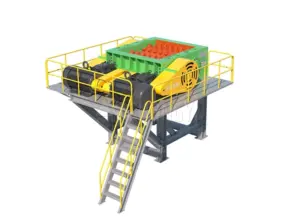
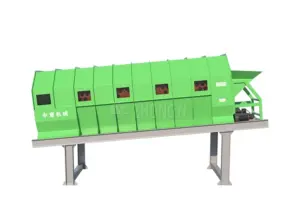
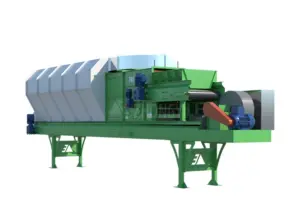


What is a Construction Waste Shredder?
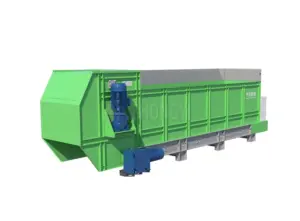
A construction waste shredder is a heavy-duty construction waste shredder machine designed to efficiently break down large-scale demolition and construction debris into smaller, manageable pieces. It is an essential type of waste processing equipment used in modern recycling systems, combining high-torque cutting, shearing, and crushing technology to handle complex and mixed waste materials while ensuring stable and continuous operation.
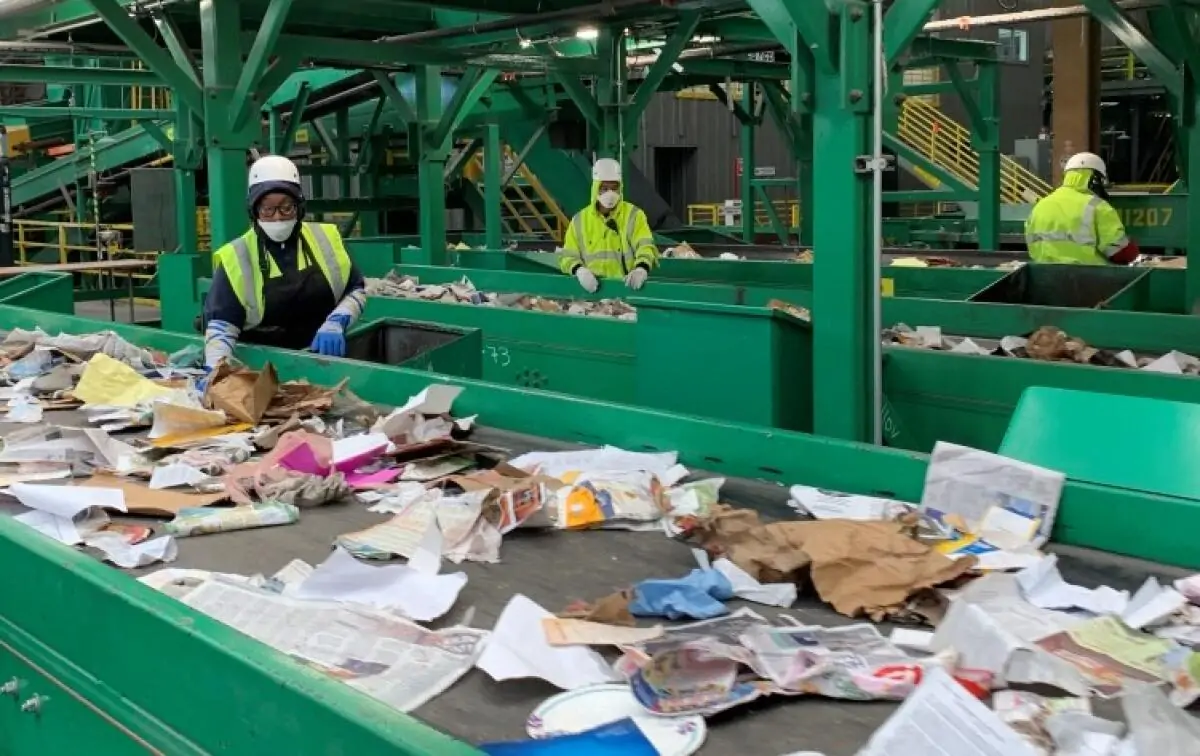
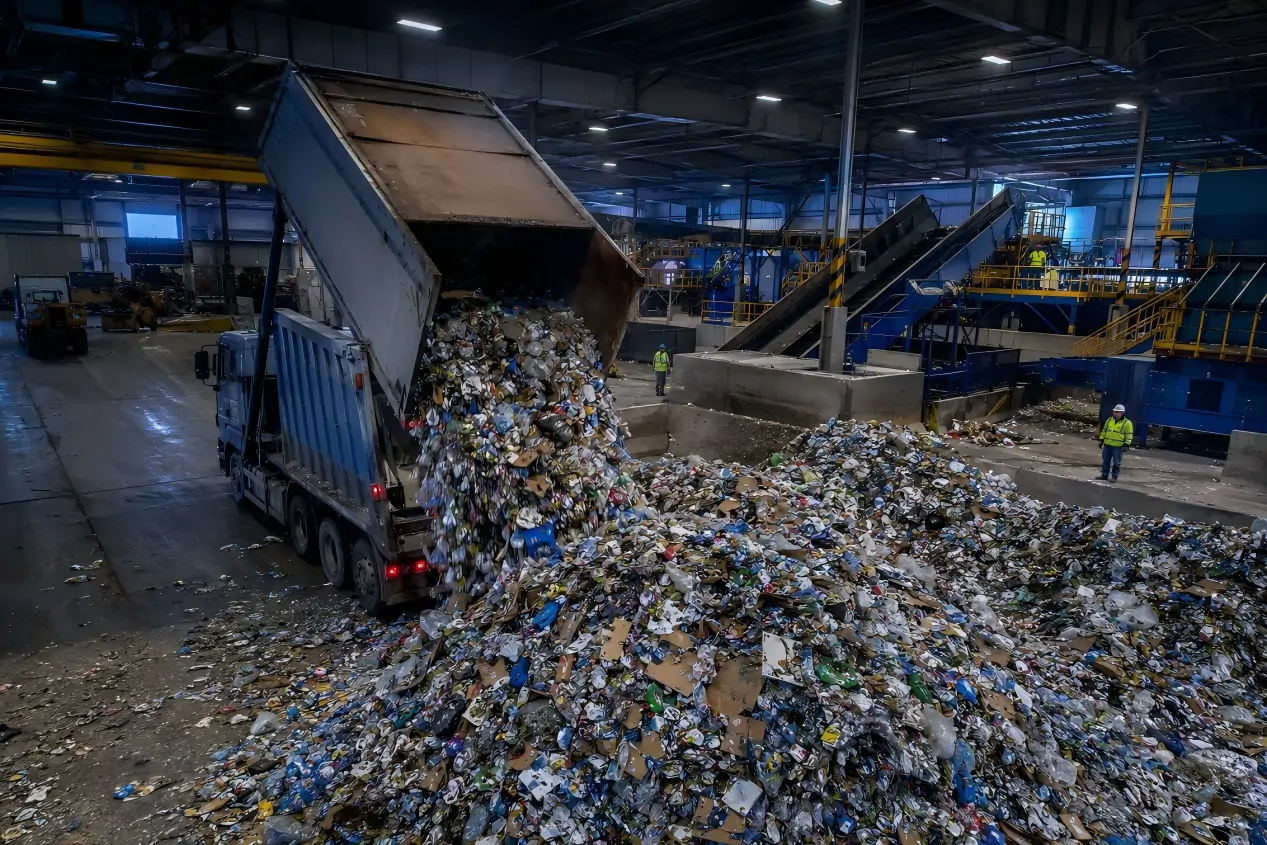
Widely used for processing materials such as concrete blocks, reinforced concrete, red bricks, roof tiles, rebar, wooden beams, pallets, and mixed construction waste. Applications include construction and demolition waste recycling plants, urban renewal and demolition projects, solid waste transfer stations, and resource recovery facilities, where it effectively reduces waste volume, sorts materials, and prepares them for recycling.
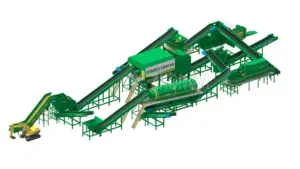
Operating a heavy-duty shredder alongside magnetic separators, screening trommels, and dust suppression systems requires seamless multi-machine synchronization. By integrating all field instruments into a centralized central control room, operators can manage the entire feeding and size-reduction speed safely from an isolated, climate-controlled environment.
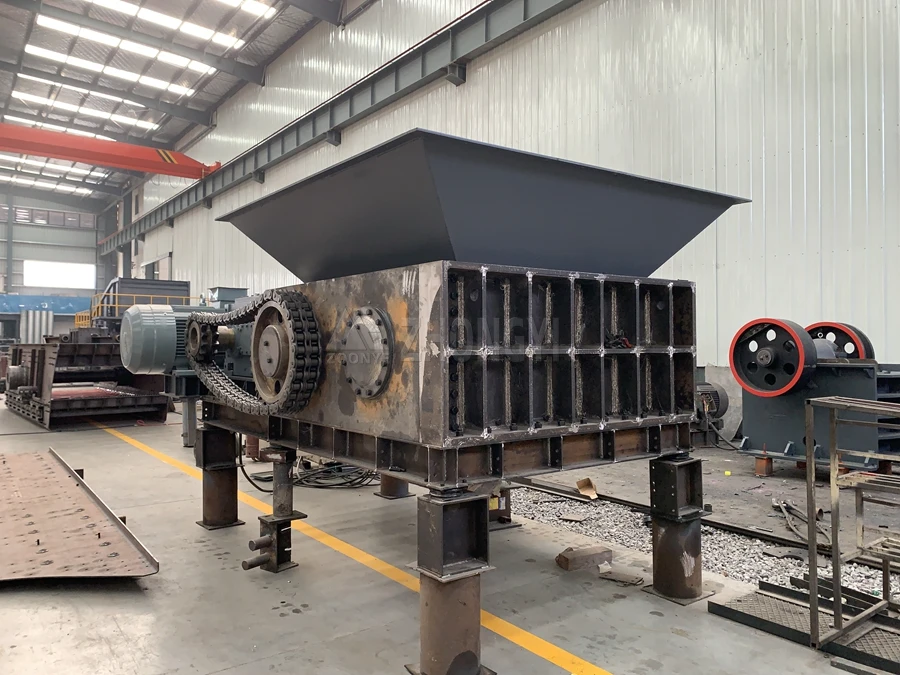
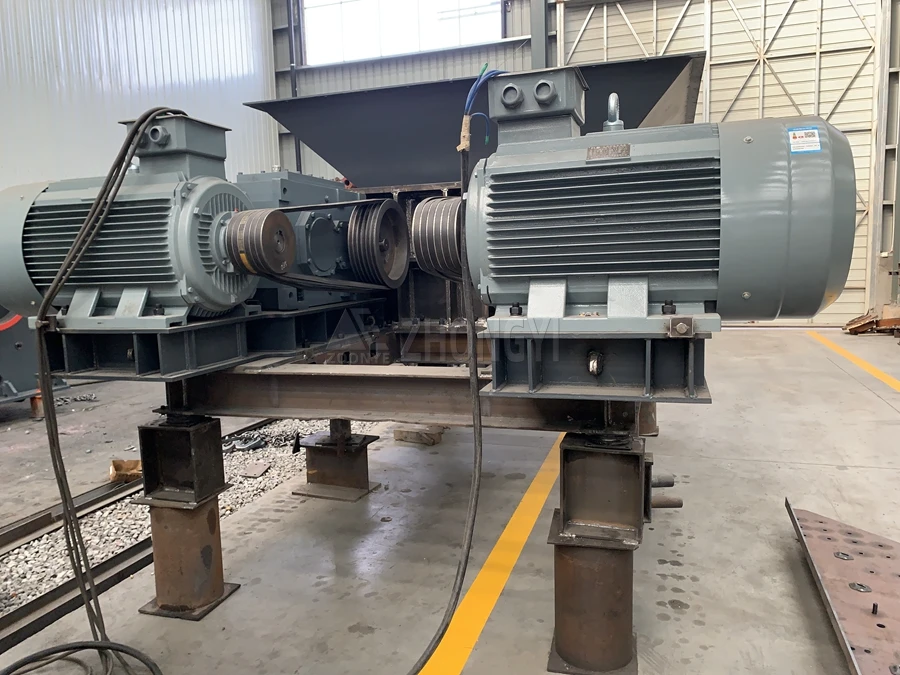
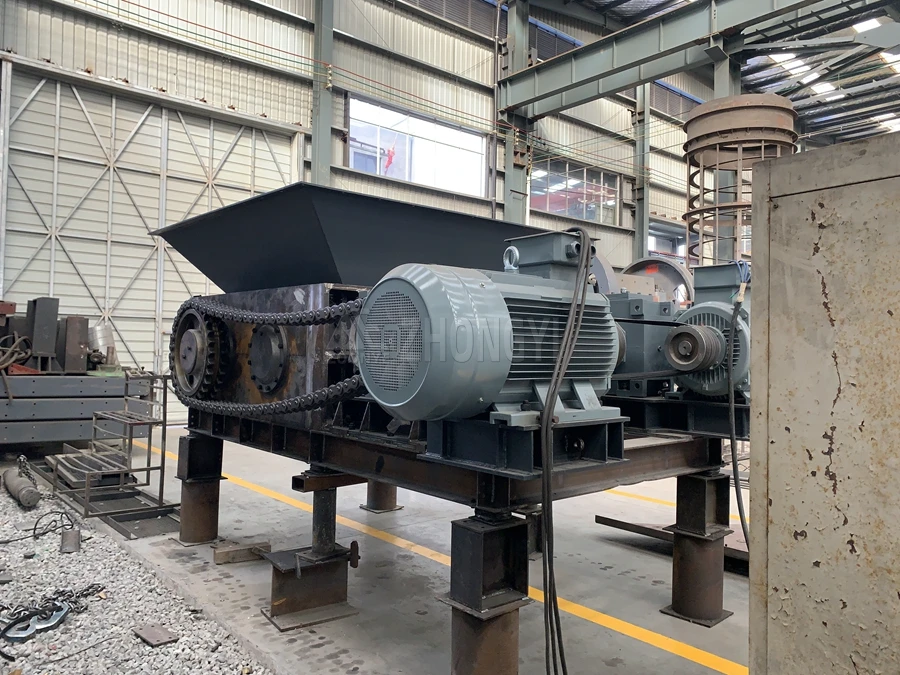
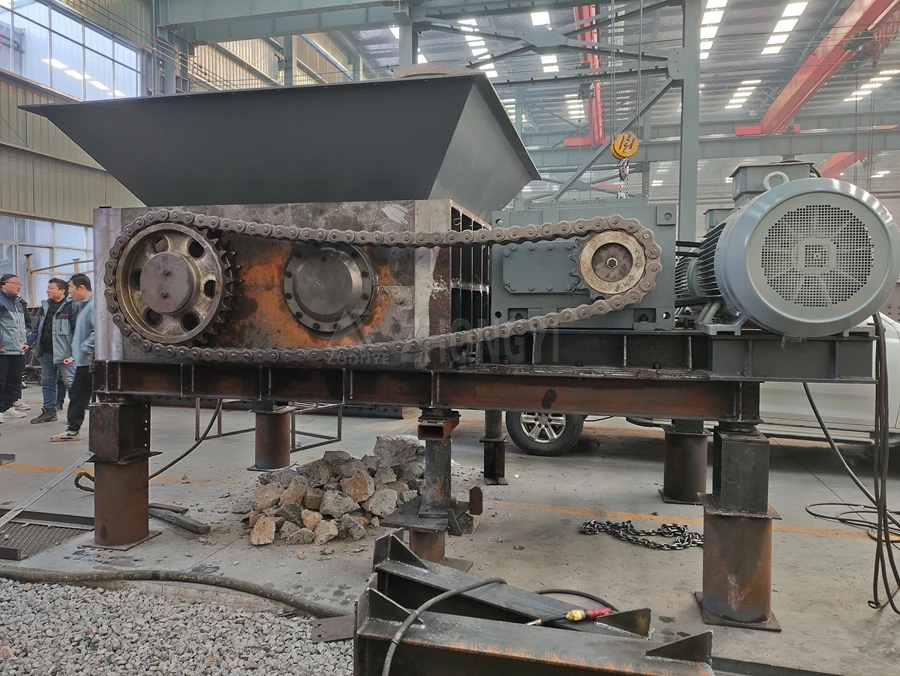
Products Show
As a front-end pretreatment unit in a construction waste recycling system, this construction waste shredder is primarily used for the coarse crushing of mixed materials such as concrete blocks, bricks, and materials containing rebar, wood, and plastic. By reducing the size of the material and achieving preliminary separation, it provides a stable feed for subsequent processes, including screening, magnetic separation, air classification, and aggregate recovery—thereby improving the overall sorting efficiency and resource recovery rate of the entire line.
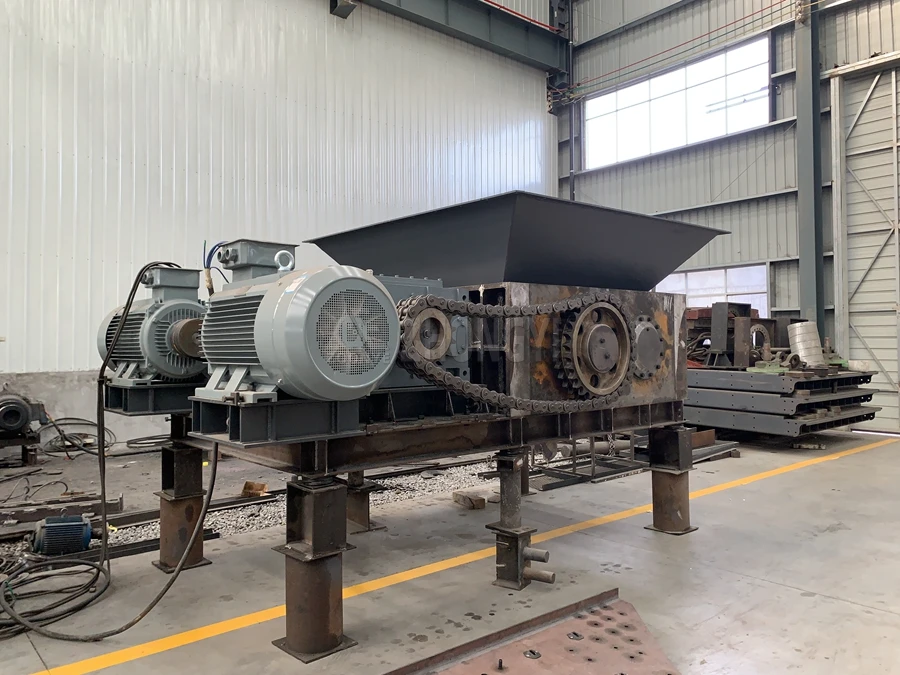
How Does C&D waste recycling system Work?
A construction waste shredder is part of an industrial waste shredding system. It processes mixed demolition waste through feeding, crushing, power drive and discharge to produce reusable aggregates. It works continuously under heavy load as a heavy duty shredder machine.
Feeding system
Excavators or loaders feed 0–600mm waste into hopper. Before crushing, wood, plastic and glass are removed, and metal is separated by magnetic separator. Soil under 5mm is screened out and used for road base. This reduces wear and prevents blockage.
Shredding chamber crushing process
Waste goes through multi-stage crushing. Big blocks are first crushed by jaw crusher to under 250mm. Then impact crusher or vertical cone crusher reduces it to 5–40mm. VSI crusher is used for final shaping and sand making, improving particle shape and quality.
Hydraulic / electric drive system
The system uses electric motors or hydraulic drive, usually 90–500kW. Hydraulic protection stops overload and releases unbreakable material. Control system monitors load and vibration to keep stable running.
Output discharge system
Crushed material is screened into 0–5mm, 5–20mm, 20–40mm sizes. Oversized material goes back to crusher for re-crushing. This closed loop ensures stable size output and high recycling rate.
Specification
The feed opening for this series of machines is standardised at 800 mm, with a standard discharge opening of 150 mm; the power configuration ranges from 2×45 kW to 2×90 kW, catering to processing capacities of 100 to 300 m³/h. Xinzhongyi can provide professional guidance on model selection based on your specific material characteristics, throughput requirements and on-site conditions. We also offer customised design services, including bespoke discharge port dimensions and power configuration solutions.
| Model | Feed Size (mm) | Discharge Size (mm) | Drive Power (kW) | Capacity (m³/h) |
|---|---|---|---|---|
| PG1200 | 800 | 150 | 2×45 | 100–150 |
| PG1300 | 800 | 150 | 2×75 | 100–200 |
| PG1500 | 800 | 150 | 2×90 | 100–300 |
Advantages
Construction Waste Shredder is designed for coarse and medium crushing of demolition waste, mixed construction debris, MSW, and industrial solid waste. It provides stable reduction performance for high-volume recycling lines, improving downstream screening and material separation efficiency.
Application
Construction waste shredders can handle a wide range of materials from construction sites, demolition projects, industrial waste, and recyclable solid waste. Different machine types (such as double shaft shredders, jaw crushers, and mobile crushing plants) are designed for different material conditions, from brittle waste to mixed debris.
Concrete blocks and reinforced concrete
Includes waste concrete blocks, slabs, beams, and reinforced concrete structures. After crushing, these materials are turned into recycled aggregates used for road base, backfill, or low-grade concrete production (such as C20 and below). Some equipment can process concrete with a small amount of steel reinforcement.
Bricks and masonry waste
Includes red bricks, hollow bricks, tiles, and masonry debris. These brittle materials are easy to crush and can be processed into 0–40mm recycled aggregates for road construction, foundation filling, and recycled building materials.
Steel bars and metal scrap
Steel bars, iron wires, and metal fragments inside concrete waste can be separated by magnetic systems. In some cases, double shaft shredders can pre-cut mixed materials before magnetic separation, improving overall metal recovery efficiency.
Wood and pallets
Includes construction timber, formwork, wooden beams, pallets, and demolition wood waste. These materials are usually processed by double shaft or single shaft shredders into 30–100mm fragments for fuel production or recycling use.
Construction Waste Shredder Manufacturer & Solution Provider
Zhongyi ECO is a manufacturer and supplier of construction waste shredders, providing complete crushing solutions for demolition waste, concrete blocks, bricks, and mixed construction debris. The equipment is designed to solve on-site problems such as high disposal cost, low recycling efficiency, and strict environmental requirements. It is widely used in construction waste recycling plants to turn waste into reusable aggregates and recoverable materials with stable output.
Each system is customized according to material condition, capacity, and plant layout to ensure smooth integration and stable operation. Key parts such as shafts, blades, and liners are made of high-strength alloy steel to improve wear resistance and reduce maintenance frequency. All equipment is manufactured under ISO and CE standards. Zhongyi ECO also provides installation guidance, commissioning support, and on-site service for global projects.
FAQ
It can handle concrete blocks, bricks, demolition debris, reinforced concrete, wood, asphalt, and mixed construction waste. The system is designed to adapt to different waste conditions on-site.
If you mainly process hard materials like concrete and bricks, a crusher is more suitable. If your waste is mixed (wood, plastics, packaging, light debris), a shredder is better for stable feeding and anti-blocking performance.
Capacity depends on your daily output. Small projects usually use ≤30 TPH systems, medium projects use 100–300 TPH, and large recycling plants may require 300–800+ TPH for continuous operation.
Yes. After crushing and screening, construction waste can be processed into recycled aggregates of different sizes for road base, concrete production, and building materials.
Yes. Mobile and crawler-type systems are available for projects with multiple demolition sites. They allow on-site processing and reduce transportation costs.
Maintenance depends on working hours and material hardness, but routine inspection is recommended every 8–12 hours of operation. Daily checks include blade wear, shaft condition, and bolt tightening. Lubrication of bearings should be carried out every 2–3 days, and cutting tools should be inspected weekly for wear or damage. Hydraulic and drive systems should be checked regularly for oil level and leakage. Worn blades and liners should be replaced when performance drops to maintain stable crushing efficiency.