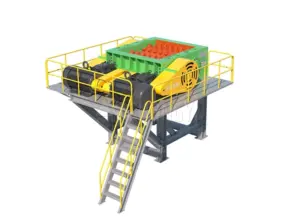
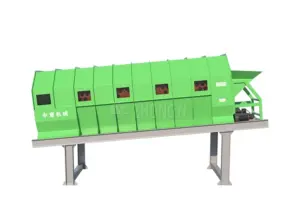
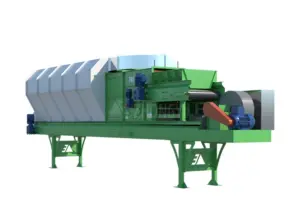

What Is a Single Shaft Shredder?
A single shaft shredder, also known as a single shaft crushing machine, is an industrial size reduction equipment used for processing solid waste and recyclable materials. It uses one rotating shaft equipped with cutting blades to tear, shear, and cut materials into smaller, more uniform pieces for recycling and further treatment.
Its low-speed, high-torque design ensures stable operation, reduced noise, and strong shredding performance, especially for bulky, tough, and irregular materials.
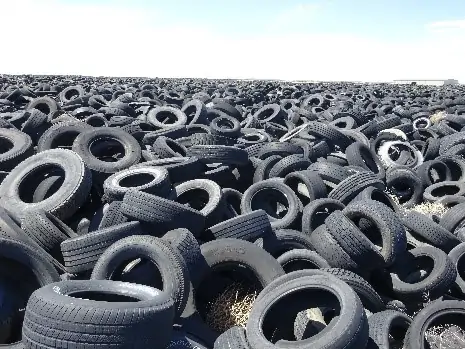
Single shaft shredders are widely used in plastic recycling, wood waste processing, textile recycling, RDF production, electronic waste treatment, and municipal solid waste recycling. They can process materials such as plastics, wood, paper, rubber, fabrics, cables, and mixed industrial waste, making them a practical solution for modern recycling systems.
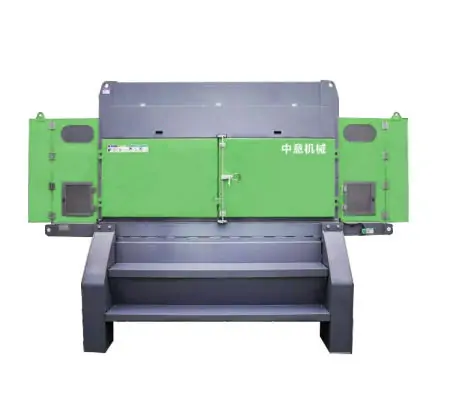
How Does a Single Shaft Shredder Work?
A single shaft shredder (also commonly referred to as a single-shaft crusher or single-shaft shredder) is an industrial shredding machine that uses a single rotating shaft as its core. It shreds materials through the combined action of moving and stationary blades, and controls the output particle size via a screen. While the operational processes of different subtypes vary slightly, the core principle remains the same.
The Zhongyi hydraulic feed-type single-shaft shredder (for solid waste/plastic recycling applications) is currently the most widely used type of single-shaft shredder in industrial settings. Its complete operating process consists of four steps:
Step 1: Feeding and Pushing: After material is fed into the hopper via a conveyor belt or manually, a hydraulic cylinder drives the feed plate to continuously push the material toward the rotating cutter shaft, ensuring stable contact with the cutting blades and preventing material jams.
Step 2: Crushing: The motor drives the knife shaft to rotate at low speed via a reducer. The hook-shaped moving blades mounted on the knife shaft catch the material, forming a shearing gap with the stationary blades fixed to the housing. Through a combination of compression and tearing forces, large chunks of material are broken down into smaller pieces. This process relies on the characteristics of low speed and high torque, enabling the machine to easily process materials with high hardness and high toughness.
Step 3: Screening and Discharge: The bottom of the crushing chamber is equipped with a replaceable screen. Only qualified material smaller than the screen mesh size passes through the screen and is discharged via the conveyor system; unqualified material larger than the screen mesh is re-gripped by the moving blades and subjected to repeated crushing cycles until it meets the size requirements.
Step 4: Intelligent Control: Most modern models are equipped with a PLC control system that monitors the torque of the cutting shaft in real time. In the event of a jam caused by hard material, the system automatically controls the feed mechanism to reverse, providing overload protection without the need for manual intervention.
Parts of a Single Shaft Shredder
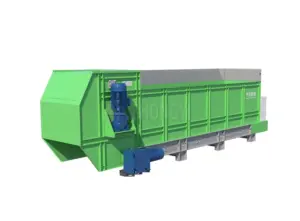
A single shaft shredder mainly consists of a rotor shaft assembly, rotary blades, fixed blades, and a screen system. These core components work together to perform efficient cutting, tearing, and size reduction for plastics, wood, textiles, and industrial solid waste recycling.
Rotor Shaft Assembly
High-strength alloy steel rotor transmits power and withstands heavy torque. Large diameter design improves stability and shredding capacity.
Rotary Blades
Mounted on a rotor to cut and tear materials. Hook-shaped design improves efficiency. Wear-resistant alloy steel supports long service life.
Fixed Blades
Installed in the chamber to work with rotary blades for shearing. Blade gap affects output size and cutting precision.
Screen Mesh System
Controls final output size. Oversized material is reprocessed until qualified. Replaceable screens allow 10–100 mm adjustment.
Specification
The following single shaft shredder specifications are designed for different material types, including plastic, leather, film, and low-density or high-strength industrial waste. Each model provides stable performance, high torque output, and efficient size reduction capability.
| Model | Motor Power | Rotor Diameter | Output Size | Capacity |
| SY1500 | 90 kW | Φ600 mm | Φ30–Φ70 mm | Custom / Medium |
| SY2000 | 132 / 160 kW | Φ700 mm | Φ30–Φ70 mm | Medium–High |
| SY2200 | (132–200)×2 kW | Φ800 mm | Φ30–Φ70 mm | High Capacity |
| SY2500 | 160 kW | Φ600 mm | Φ30–Φ70 mm | Medium–High |
| SY3000 | (200–250)×2 kW | Φ800 mm | Φ30–Φ70 mm | Extra High Capacity |
Suitable Materials
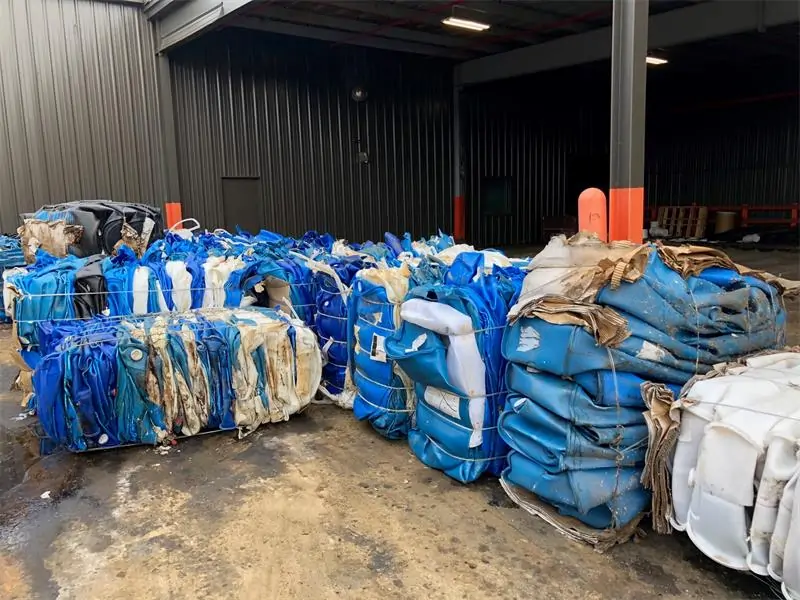
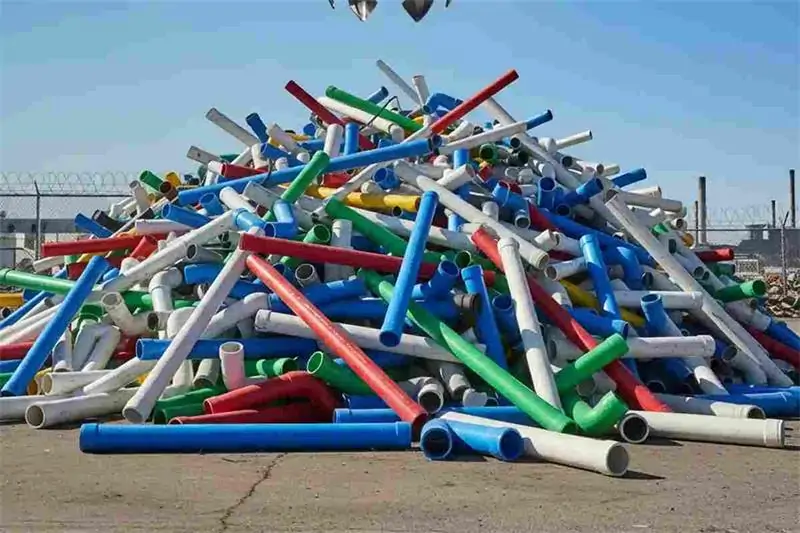
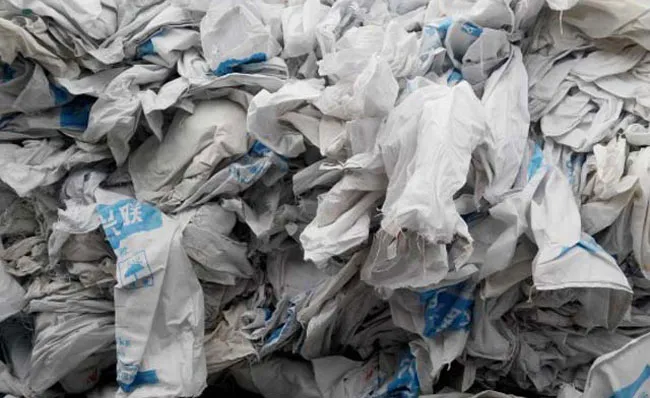
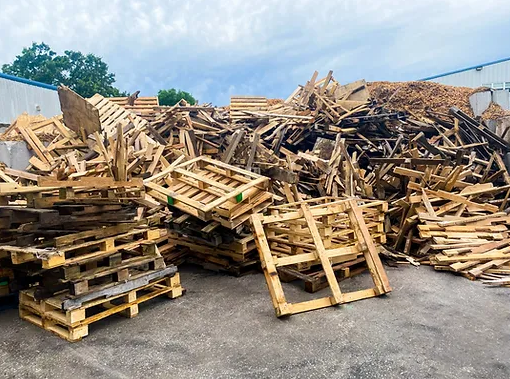
This single-shaft shredder is the core volume-reduction equipment in modern plastic waste recycling and washing lines, as well as resource recovery systems. It is specifically designed to process large, thick-walled sprues, rigid pipes, and waste pallets. The material produced by the high-torque cutting process not only has a uniform particle size but can also be directly conveyed to downstream heavy-duty plastic pelletizers for melt pelletization, making it a critical link in the closed-loop processing of solid waste—from bulky raw materials to high-value recycled pellets.


Advantages
Application
In addition to their widespread use in the field of waste plastic recycling, this series of single-shaft shredders is also frequently integrated into high-standard RDF/SRF alternative fuel production lines as secondary fine-shredding equipment. Following preliminary coarse shredding and sorting, the single-shaft shredders are used to perform secondary fine shredding of high-calorific-value solid waste (such as leather, textiles, and lightweight plastics), ensuring that the resulting particle size perfectly meets the standard specifications for combustion in industrial furnaces.
Plastic Recycling Shredding
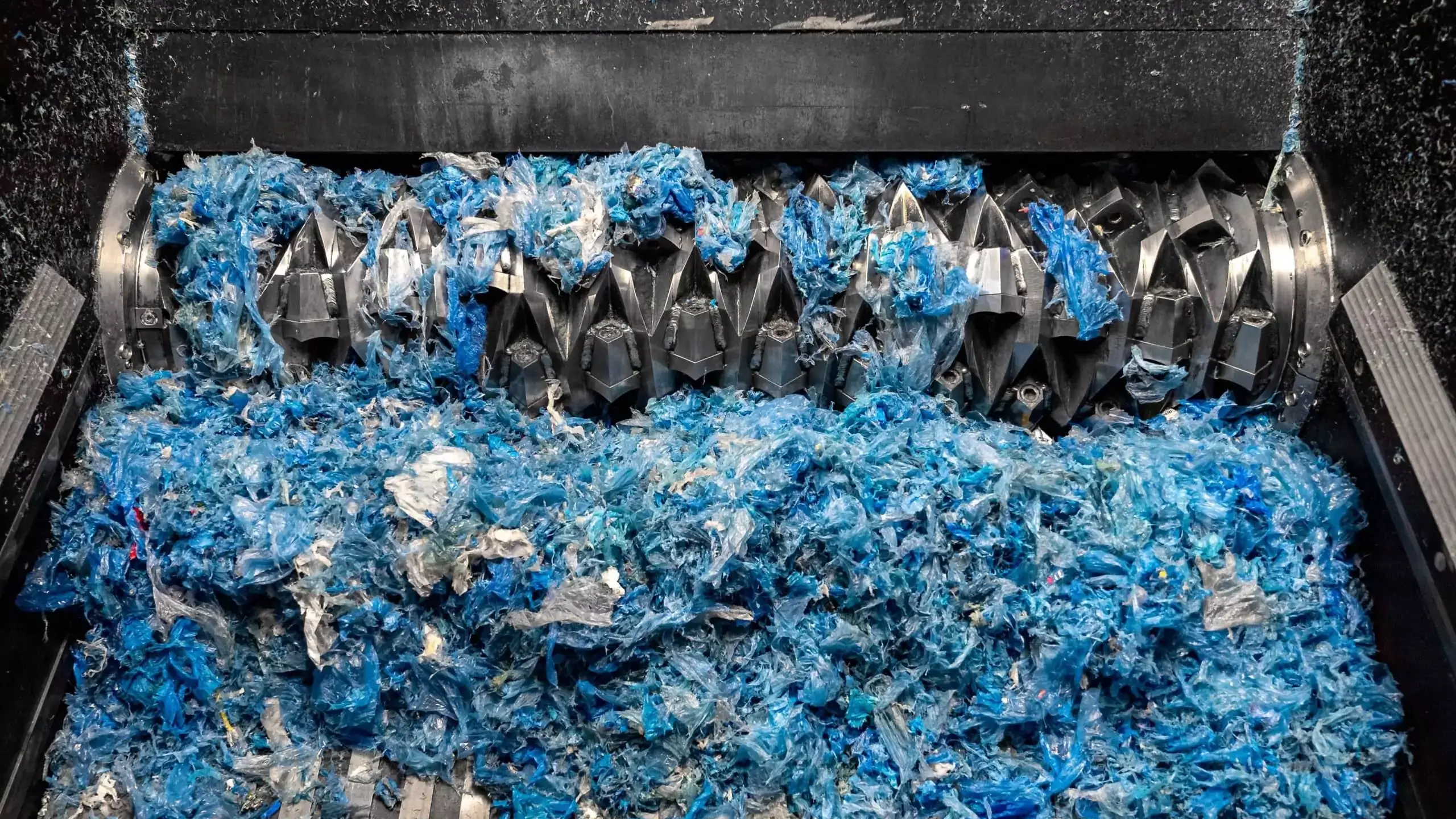
The plastic shredder machine is mainly used for recycling bottles, films, pallets, pipes, and injection molding waste. The output size is uniform (typically 20 – 100 mm), making it suitable for direct pelletizing. It improves recycling efficiency and reduces raw material costs.
Wood Waste Shredding
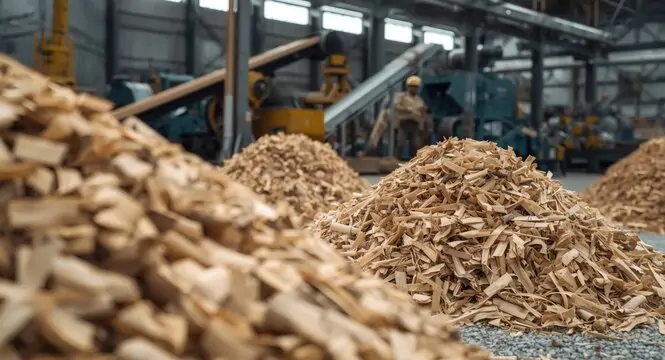
As a heavy-duty wood shredder, it processes logs, branches, pallets, and wood waste. With hydraulic feeding and high torque design, it ensures continuous operation and high output, making wood recycling and biomass fuel production more efficient.
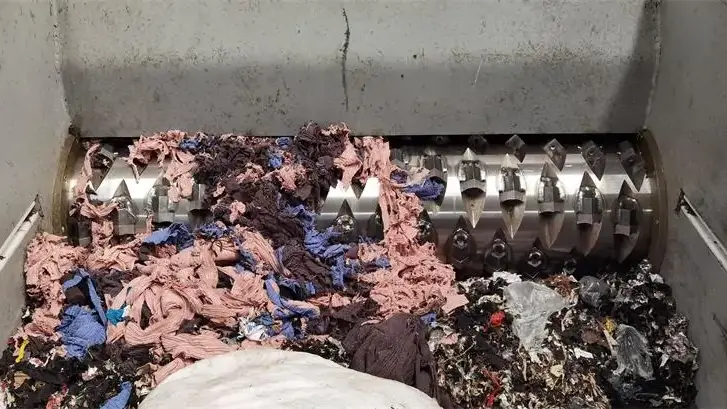
Textile and Fabric Recycling
The machine can shred fabrics, leather, fibers, and clothing waste into small and uniform particles. These materials can be reused for RDF fuel production or secondary recycling, helping reduce landfill waste and environmental impact.
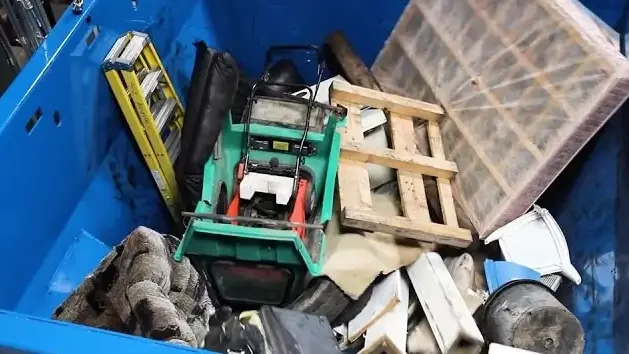
Municipal Solid Waste Shredding
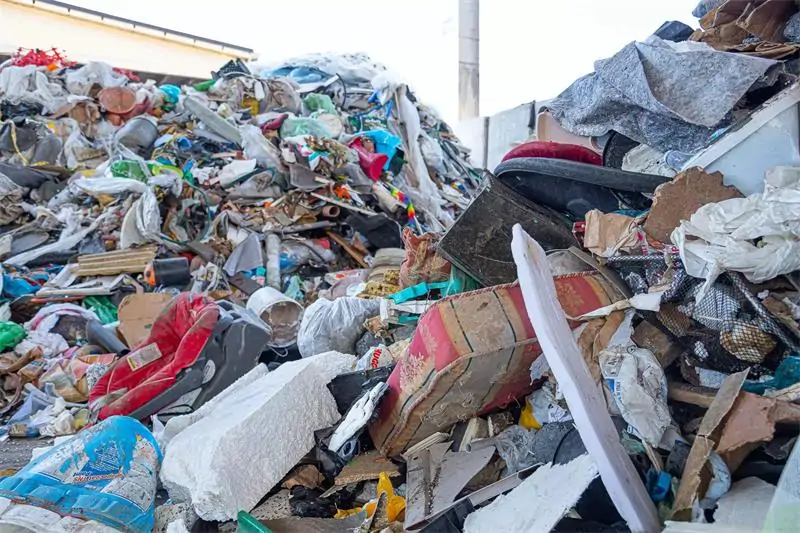
As a solid waste shredder, it processes mixed MSW after sorting, including plastics, paper, foam, and light waste. It is widely used in RDF preparation systems to produce high-calorific alternative fuel for industrial boilers and cement plants.
How to Select the Most Appropriate Crushing Solution for Your Material?
Although single-shaft shredders excel at controlling output particle size and processing hard plastics, if your feedstock consists of heavy-duty metals with extremely complex compositions, large rolls of high-tensile-strength bulk bags, or film, or if you require extremely high processing throughput, then a twin-shaft shredder, which offers greater shearing force and superior anti-tangling performance—or a four-shaft shredder—which features multi-directional shearing and forced screening—would be a more cost-effective and efficient choice. Please contact our technical team to obtain a precise equipment selection and configuration plan.
Technical Selection Guide: Single vs. Double vs. Four Shaft Shredder
| Evaluation Criteria | Single Shaft Shredder | Double Shaft Shredder | Four Shaft Shredder |
| Working Principle | Medium-to-high speed cutting via a single rotor combined with a hydraulic pusher ram for forced material feeding. | Low-speed, high-torque shearing. Two counter-rotating shafts tear and shred materials fed into the chamber. | Combined shearing and multi-dimensional cutting via two main shredding shafts and two auxiliary feed/screen shafts. |
| Best-Suited Materials | Rigid, thick-walled materials: Purging/machine lumps, heavy pipes, plastic pallets, injection molding scrap, and wood blocks. | Heavy-duty, bulky, and high-tangled waste: Large metal scraps, car shells, jumbo film rolls, baled woven bags, MSW, and E-waste. | High-toughness mixed waste with strict output size requirements: Used tires, medical waste, RDF/SRF pre-treatment, and mixed plastics with minor metal fractions. |
| Output Size Control | Excellent. Equipped with a bottom screen mesh. The output particle size is strictly determined by the screen hole diameter. | Coarse. Materials are discharged in long strips or large chunks. The shred width is determined by the blade thickness. | High. Features an integrated sizing screen. Oversized materials are caught and brought back by the auxiliary shafts for re-shredding. |
| Anti-Tangling Performance | Moderate. High-toughness materials like stretched film or continuous woven bags can wrap around the single shaft. | Excellent. Counter-rotating shafts provide a self-cleaning mechanism and powerful bite force, preventing material wrapping. | Excellent. Four-shaft interlocking configuration delivers multi-angle cutting, effectively processing highly elastic and textile materials. |
| Throughput Capacity | Moderate. Output is limited by the cycle speed of the hydraulic ram and the discharge rate through the screen. | Very High. Continuous feeding with an open hopper allows massive throughput for uninterrupted, heavy-duty processing. | Medium to High. Offers a balanced solution combining bulk material ingestion with closed-loop internal screen sorting. |
| Blade Maintenance | Blades feature indexable cutting edges (can be rotated 4 times). Individual teeth replacement is simple and highly cost-effective. | Features monolithic blade discs or bolt-on knife claws. Requires specialized hardfacing welding or full-set replacement. | Complex blade arrangement requires a longer maintenance cycle, but offers superior overall durability in harsh environments. |
Selection Advice:
- If you require precise output particle sizing (e.g., material feeding directly into a granulator or secondary fine pulverizer), your optimal choice is the [Single Shaft Shredder].
- If you need to process high-volume, bulk materials or heavy-duty mixed waste for primary volume reduction, the Double Shaft Shredder is the industry standard for primary coarse shredding.
- If your application demands both high throughput and strict uniform size control when handling high-toughness materials, the Four Shaft Shredder delivers the ultimate system performance.
Choosing the right shredding system depends on multiple factors including material moisture, metal contamination levels, and your hourly target capacity. Contact Zhongyi Eco’s technical engineers today for a free material testing evaluation and get a tailored Solid Waste Shredding System Solution for your project.
Maintenance Tips for Single Shaft Shredder Machines
Proper shredder machine maintenance ensures stable performance, longer service life, and reduced downtime. It includes daily checks, scheduled servicing, key component care, and environmental protection for safe and efficient operation.
Daily Routine Maintenance
Check blockages, bolts, lubrication, and safety before starting. Monitor vibration and temperature during operation, and clean residue after shutdown.
Regular Scheduled Maintenance
Monthly cleaning and lubrication are required. Inspect wear parts every 1–3 months, and perform medium or major maintenance based on usage cycle.
Component Maintenance
Keep blades sharp and tight, adjust gaps when needed. Maintain bearings with proper lubrication and ensure the cooling system works stably.
Operating Environment & Safety Control
Keep a dry, clean environment and avoid dust or corrosion. Always cut power before maintenance and never touch running cutting parts.
Why Choose Our Single Shaft Shredder Manufacturer?
As a professional shredder machine manufacturer and experienced shredder supplier in China, Zhongyi focuses on delivering durable, high-efficiency single shaft shredders with strong engineering capability, stable performance, and customized recycling solutions for global customers.
FAQ
A: It can process plastics, wood, rubber, textiles, cables, cardboard, pallets, and mixed industrial solid waste for recycling or RDF production lines.
A: Output size is typically 10 – 100mm, controlled by an interchangeable screen mesh, allowing flexible adjustment for different recycling and processing needs.
A: A single shaft produces uniform particle size with screen system; double shaft is used for coarse shredding without screen, suitable for bulky waste.
A: Selection depends on material type, density, required capacity, feed size, and output size. We also provide customized solutions for different projects.
A: Capacity usually ranges from 300 kg/h to over 5,000 kg/h depending on model size, motor power, and configuration for industrial applications.
A: Blade lifespan depends on material hardness and usage. High-quality D2/DC53 steel blades can last several months to over one year and are replaceable.