

Equipment
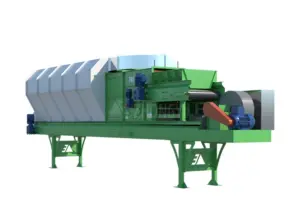
Waste Recycling Plant Equipment

- Processing Capacity: 50–300 m³/h
Max Feed Particle Size: ≤350 mm

- Feeding Capacity:50-1000 m³/h
- Motor Power: 11-45 kW

- Capacity: 20–800 t/h
- Belt Width: 500–1800 mm

- Belt Width: 500 mm – 2000 mm
- Conveying Length: 20 m – 2000 m+
Control System: PLC + HMI / SCADA Centralized Control
Monitoring Capacity: Supports Integration of 20–200+ Equipment Units

Processing Capacity: 3–20 T/h
Baling Force: 80–200 Tons

- Sorting Positions: 6 stations
- Conveyor Width: 1400 mm
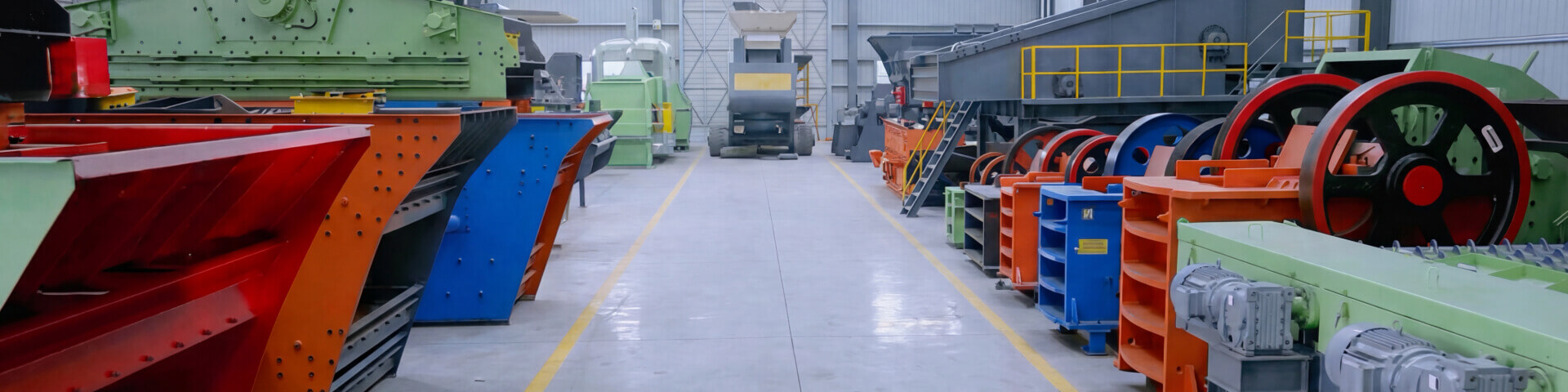
Complete Supporting Equipment for Waste Recycling Plants
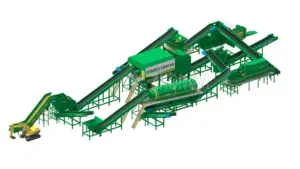
Xinzhongyi provides supporting equipment for waste recycling plants, covering feeding, conveying, sorting, baling, and automation. These systems are engineered to integrate with recycling lines and support stable, continuous operation.
Feeding equipment ensures consistent material intake. Conveying systems transfer materials efficiently between processing stages. Sorting equipment improves material separation and recovery efficiency. Baling machines produce dense, uniform bales for easier storage and transportation. Automation systems enable centralized control, reduce manual intervention, and improve operational reliability.
Whether for new installations or plant upgrades, Xinzhongyi offers equipment solutions tailored to different waste streams, capacity requirements, and plant layouts, helping customers achieve efficient and cost-effective recycling operations.
What Is Waste Recycling Plant Equipment?
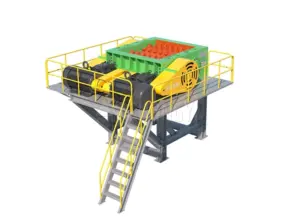
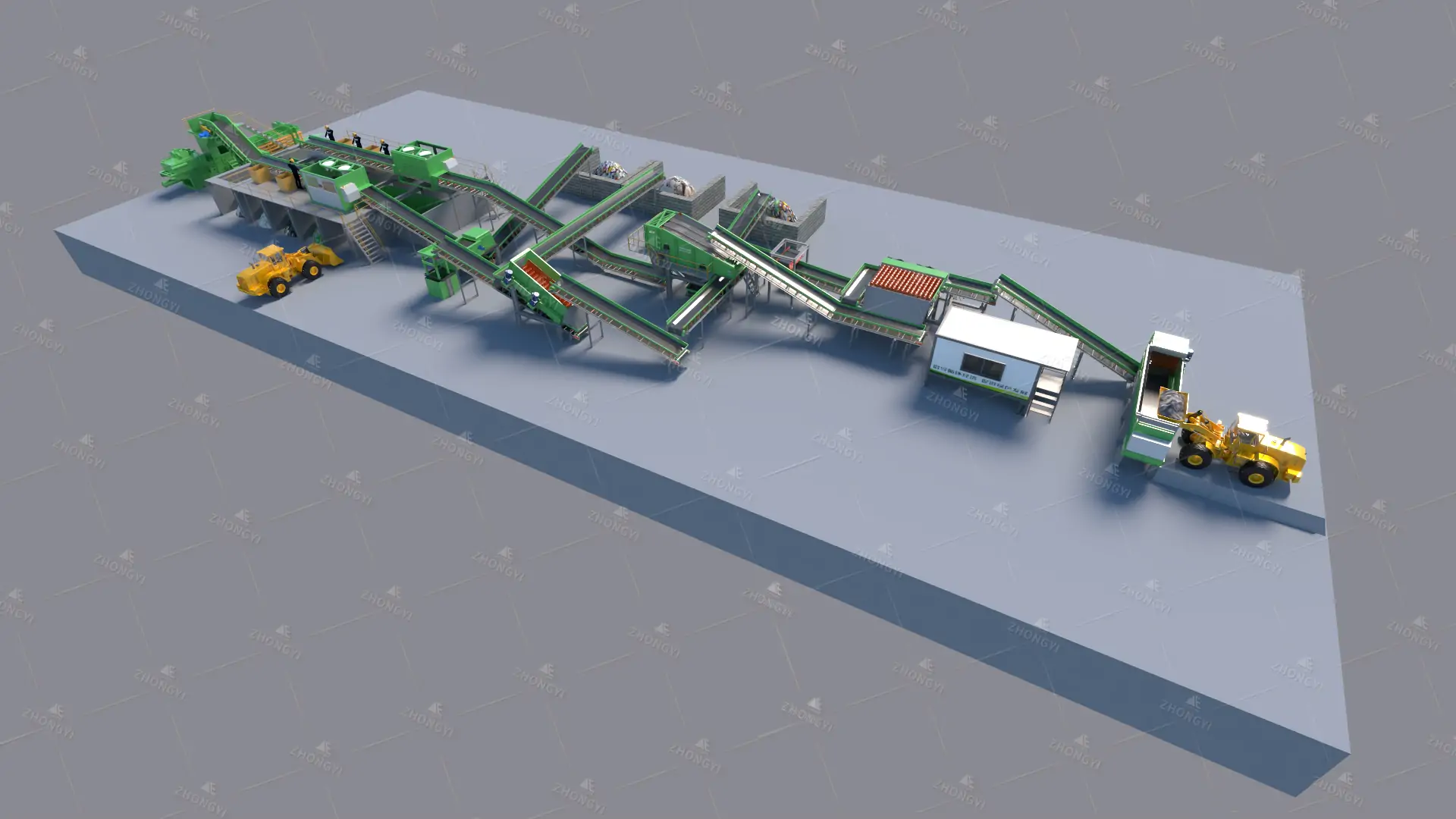
Waste recycling plant equipment is used to handle, transport, sort, separate, and recover recyclable materials in a waste processing facility. The system consists of conveyors, shredders, screens, magnetic separators, air classifiers, balers, and automated control units. These machines work together to improve sorting efficiency, increase material recovery rates, and reduce landfill disposal. Waste recycling equipment is widely used in MSW, C&D waste, commercial waste, and material recovery facility (MRF) projects.
Types of Recycling Plant Equipments
Xinzhongyi provides supporting equipment covering all stages of a recycling plant: feeding, conveying, sorting, baling, and automation. Each system is engineered for stable operation, high efficiency, and long service life. The equipment is designed to integrate seamlessly, ensuring smooth material flow and improving overall plant productivity.
Main product categories include:
Apron Feeders for Waste Recycling Plants
Products: Light Duty Apron Pan Feeder, Heavy Duty Apron Feeder
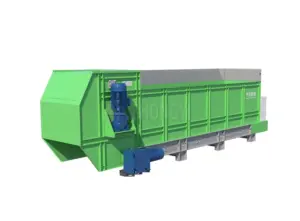
Apron feeders deliver uniform material feeding and handle bulky waste reliably. They are widely used in MSW and C&D waste recycling. The design allows continuous operation under heavy load with minimal maintenance.
Parameters:
- Maximum material size: 500 mm
- Feeding capacity: 10–200 t/h
- Pan width: 500–2000 mm
- Motor power: 2.2–30 kW
Belt Conveyor Systems
Products: Mining Belt Conveyor, Enclosed Belt Conveyor
Belt conveyors transport materials efficiently between processing stages. Enclosed designs control dust and odors. Conveyors are suitable for all types of recyclable materials and can be adapted to different plant layouts.
Parameters:
- Inclination: 0–20°
- Belt width: 400–2000 mm
- Capacity: 20–1000 t/h
- Belt speed: 0.5–3.5 m/s

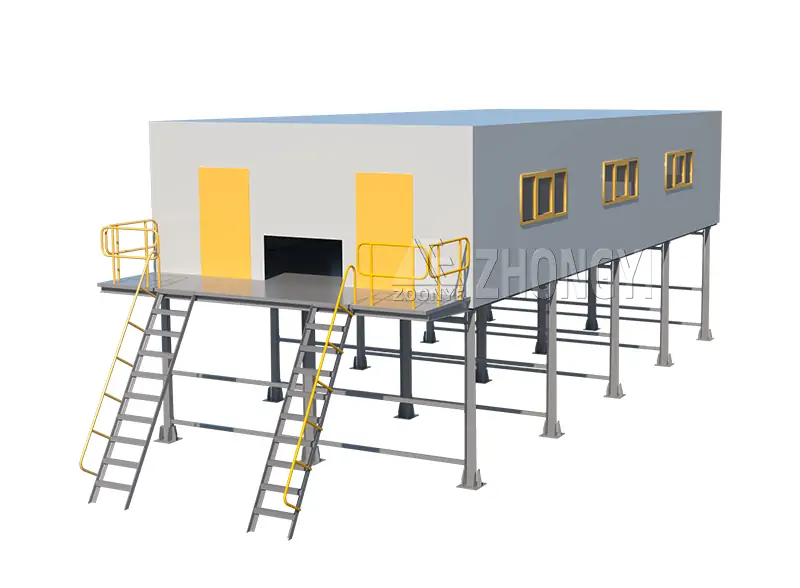
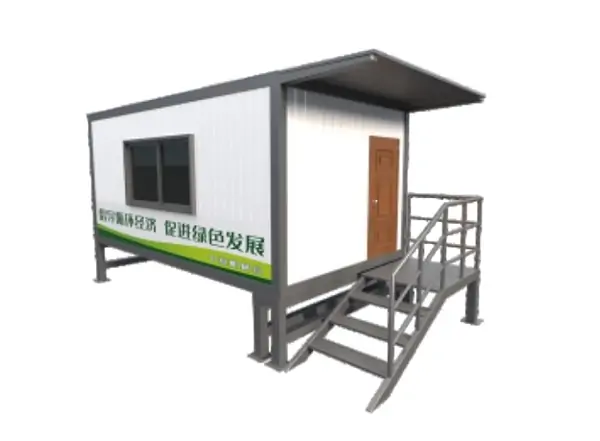
Waste Sorting Cabins
Products: Manual Waste Sorting Cabin
Sorting cabins provide a safe and efficient workspace for material separation. Designed for MRFs, they improve sorting accuracy while ensuring operator safety.
Parameters:
- Construction: Steel frame with safety glass
- Cabin size: 2×3 m – 5×10 m
- Worker capacity: 1–10
- Material flow: 5–50 t/h
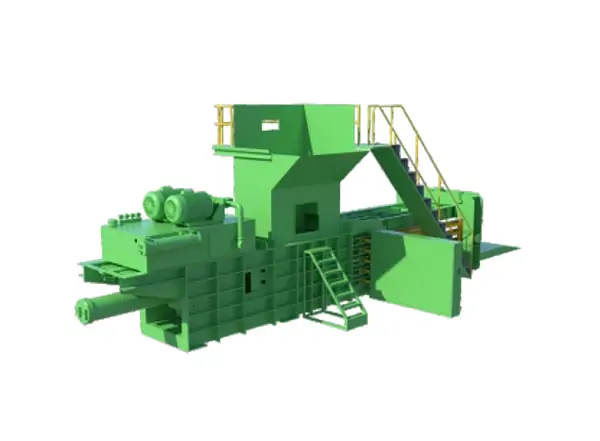
Waste Baler Machines
Baler machines compress recyclable materials into uniform bales, reducing storage space and transportation costs. Suitable for paper, plastics, metals, and mixed recyclables.
Parameters:
- Motor power: 15–75 kW
- Bale size: 500×500×800 mm – 1200×1200×2000 mm
- Pressing force: 50–200 t
- Cycle time: 30–90 s per bale
Central Control Rooms
Central control rooms integrate SCADA systems for plant-wide monitoring and control. They support automation, real-time data collection, and centralized equipment management, improving operational reliability.
Parameters:
- Equipment monitored: 50+ units
- Control: PLC/SCADA integration
- Display: Multi-screen with alerts
- Network: Ethernet/Industrial IoT compatible
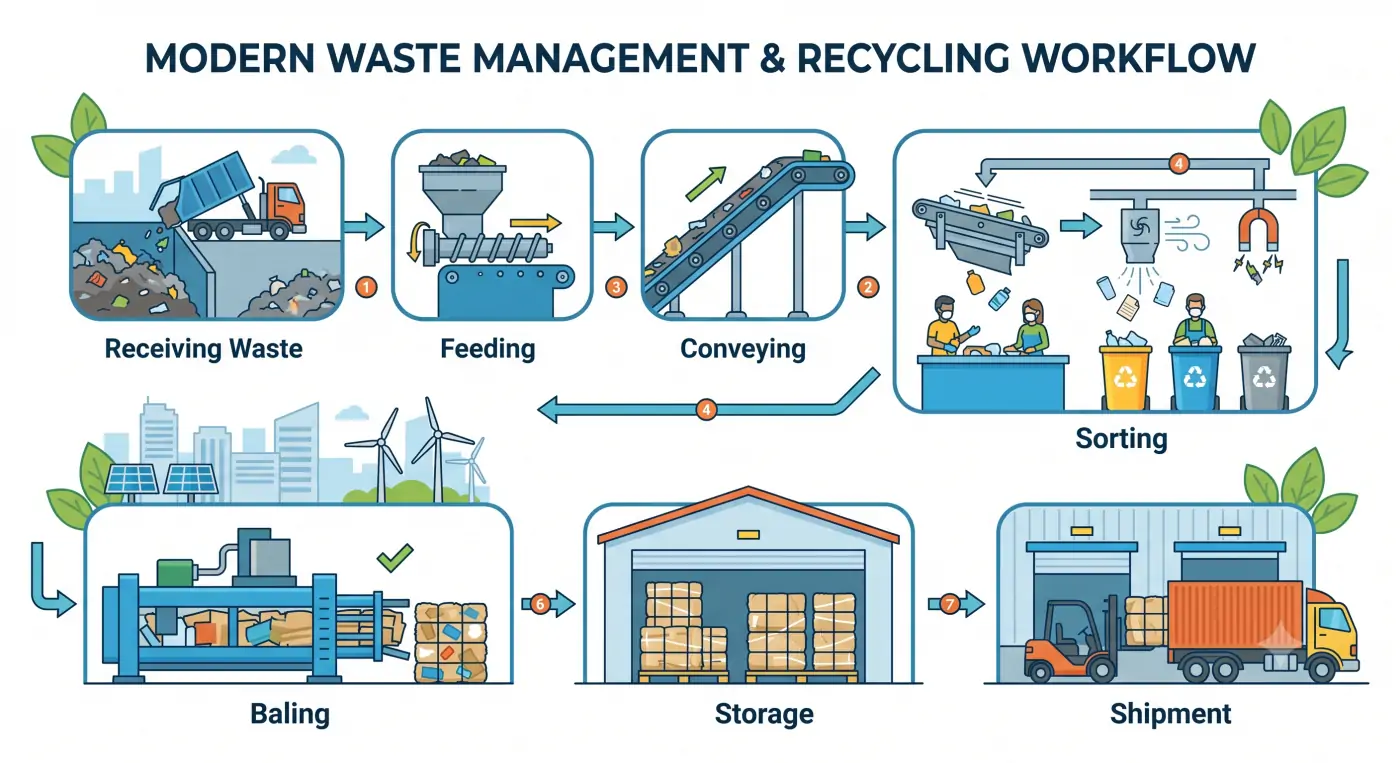
How These Equipment Work Together in a Recycling Plant?
Waste recycling equipment is typically arranged according to the material processing sequence. Waste enters the plant through the receiving area and is transferred by feeding and conveying equipment to different sorting stages. Depending on the waste composition and recovery targets, screening, magnetic separation, air separation, optical sorting, and other technologies are used to separate valuable materials from mixed waste streams. The recovered materials are then compacted, stored, and prepared for transportation. A properly configured process line ensures stable material flow between each stage and enables efficient recovery of recyclable resources from large volumes of waste.
Industries & Applications
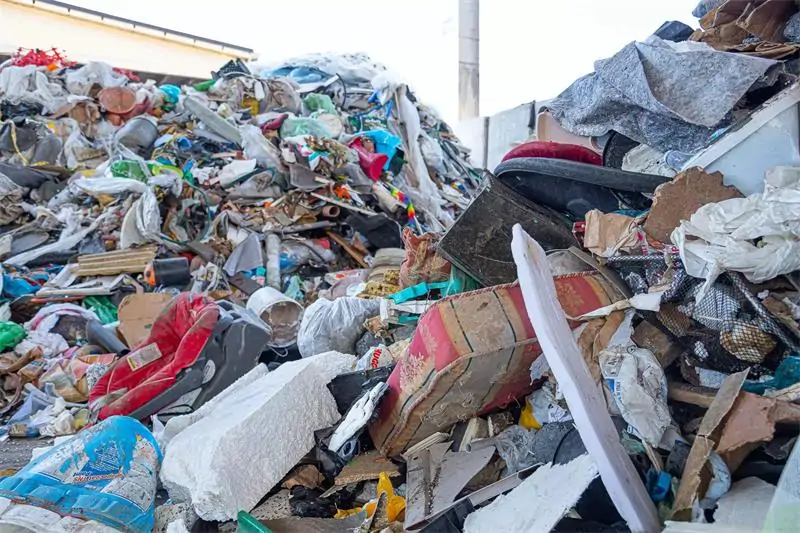
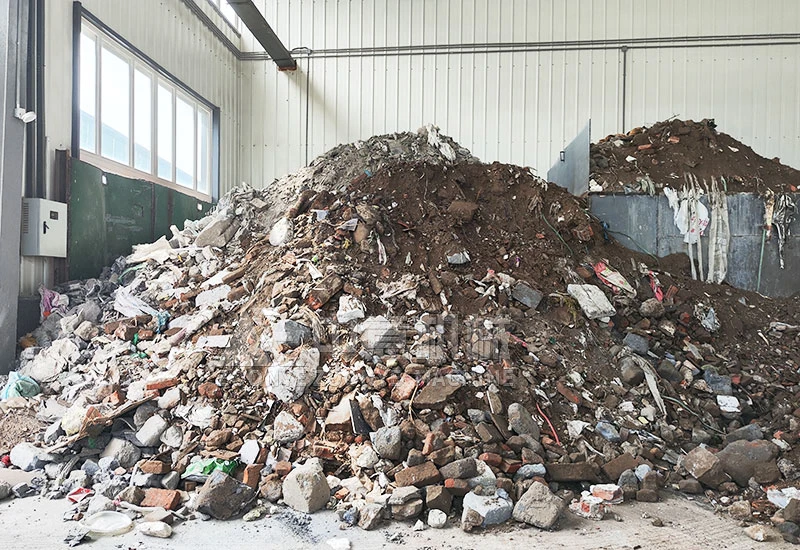
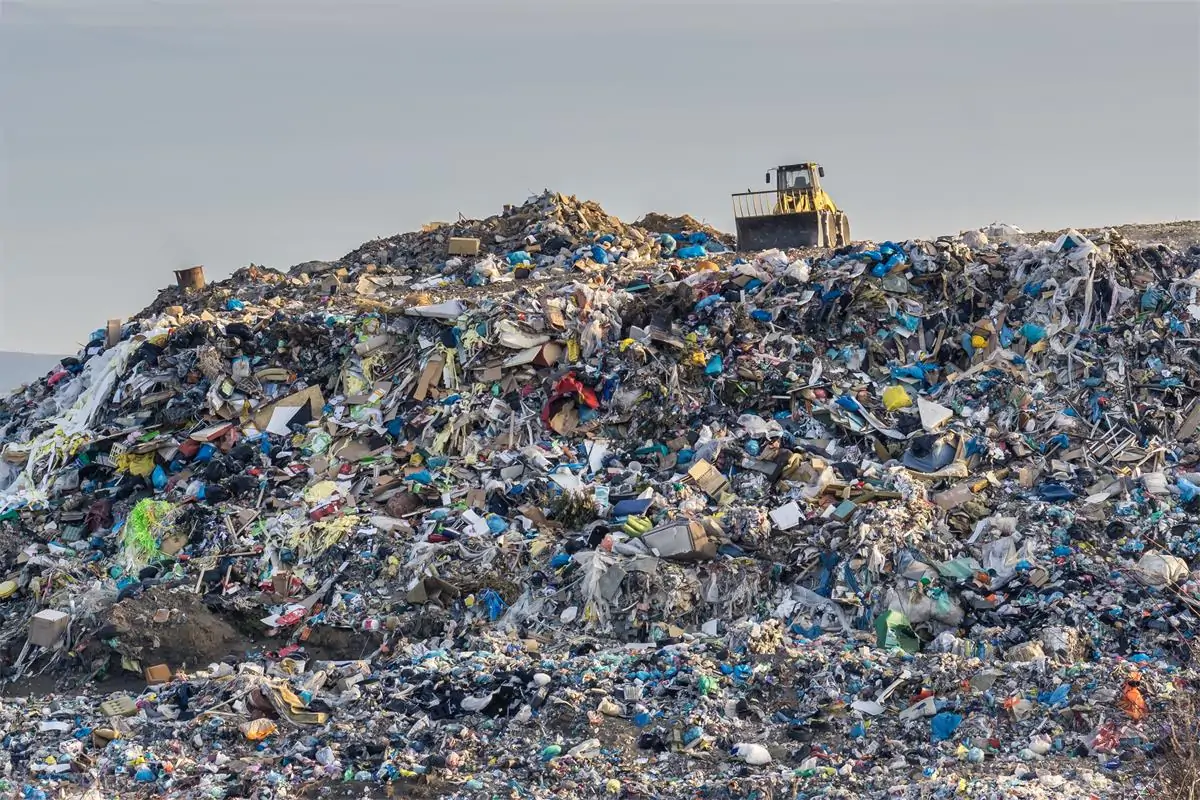
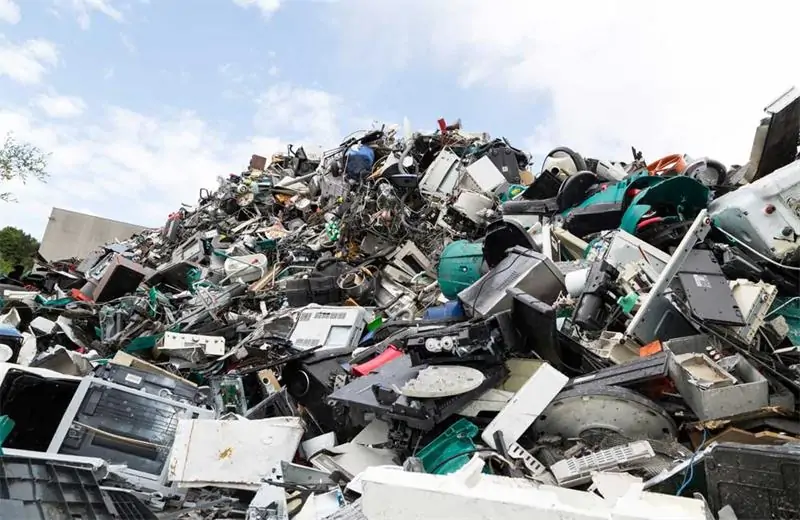
Waste recycling plant equipment is used across a wide range of waste management and resource recovery applications. By combining conveying, screening, sorting, separation, and baling technologies, help recover valuable materials, reduce landfill disposal, and improve overall recycling efficiency. Different industries require different equipment configurations based on material composition, processing capacity, and recovery targets.
Benefits of Modern Recycling Plant Equipment
Benefits of Modern Recycling Plant Equipment
Modern recycling plant equipment is designed to stabilize material flow and improve separation efficiency across different waste streams. By integrating conveying, screening, and sorting systems, plants achieve more consistent recovery performance with lower manual intervention and operating variability.
How to Choose the Right Equipment?
Equipment selection in recycling projects is usually determined by a few practical factors: waste composition, required processing capacity, automation level, and local environmental requirements. In Xinzhongyi’s project experience, most performance issues come not from a single machine, but from mismatches between material conditions and system configuration.
Different waste streams require different separation logic and equipment combinations.
- MSW: mixed household waste with high moisture and high impurity content, requiring screening + air separation + manual or optical sorting
- C&D: construction debris dominated by concrete, bricks, and aggregates, focusing on size reduction and material grading
- Landfill Waste: heterogeneous legacy waste requiring robust screening and multiple separation stages
- Industrial Waste: relatively stable composition, usually higher recovery efficiency and simpler sorting layout
Plant capacity determines conveyor width, screen size, and separation system scale.
- 10 TPH: small-scale sorting stations or pilot lines
- 50 TPH: standard municipal or regional recycling plants
- 100 TPH: continuous industrial-grade MSW/C&D facilities
- 300 TPH+: large centralized material recovery facilities (MRFs)
In Xinzhongyi projects, 50–100 TPH lines are the most common configuration for municipal and mixed waste processing.
Local regulations directly affect plant layout and auxiliary systems.
- Dust control: enclosed conveying + bag filter system
- Odor control: negative pressure system + biological or chemical treatment
- Noise control: equipment enclosure and vibration isolation
In many early-stage projects, dust, odor, and noise control are not fully considered in the initial layout. In actual operation, however, these systems often become a key requirement for approvals and for keeping the plant running within local standards over the long term.
If you are planning a recycling project, please contact us today. Xinzhongyi can help you evaluate the right equipment configuration based on your material, capacity, and site conditions.
Related Recycling Plant Solutions
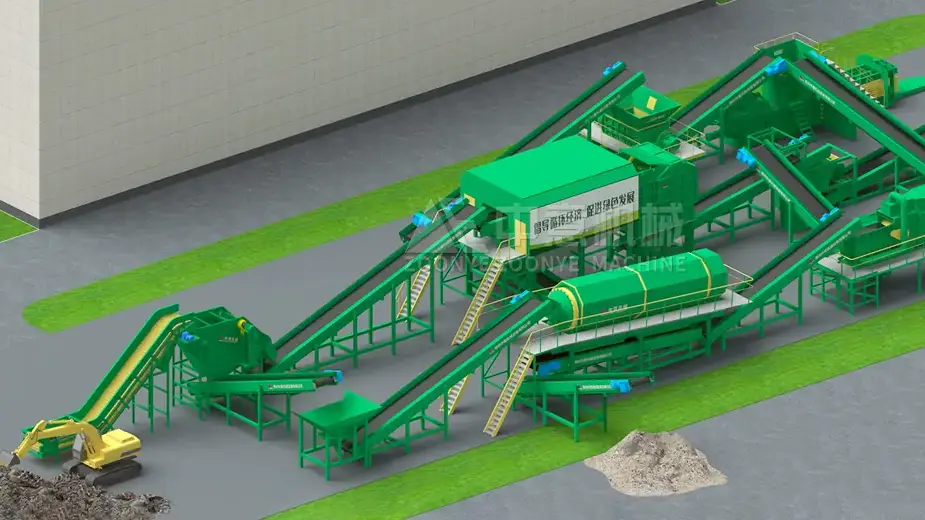
We provide complete recycling plant solutions designed around different waste streams, covering the full process from feeding and sorting to material recovery and final output.
MSW Recycling Plant Solution

C&D Waste Recycling Plant Solution
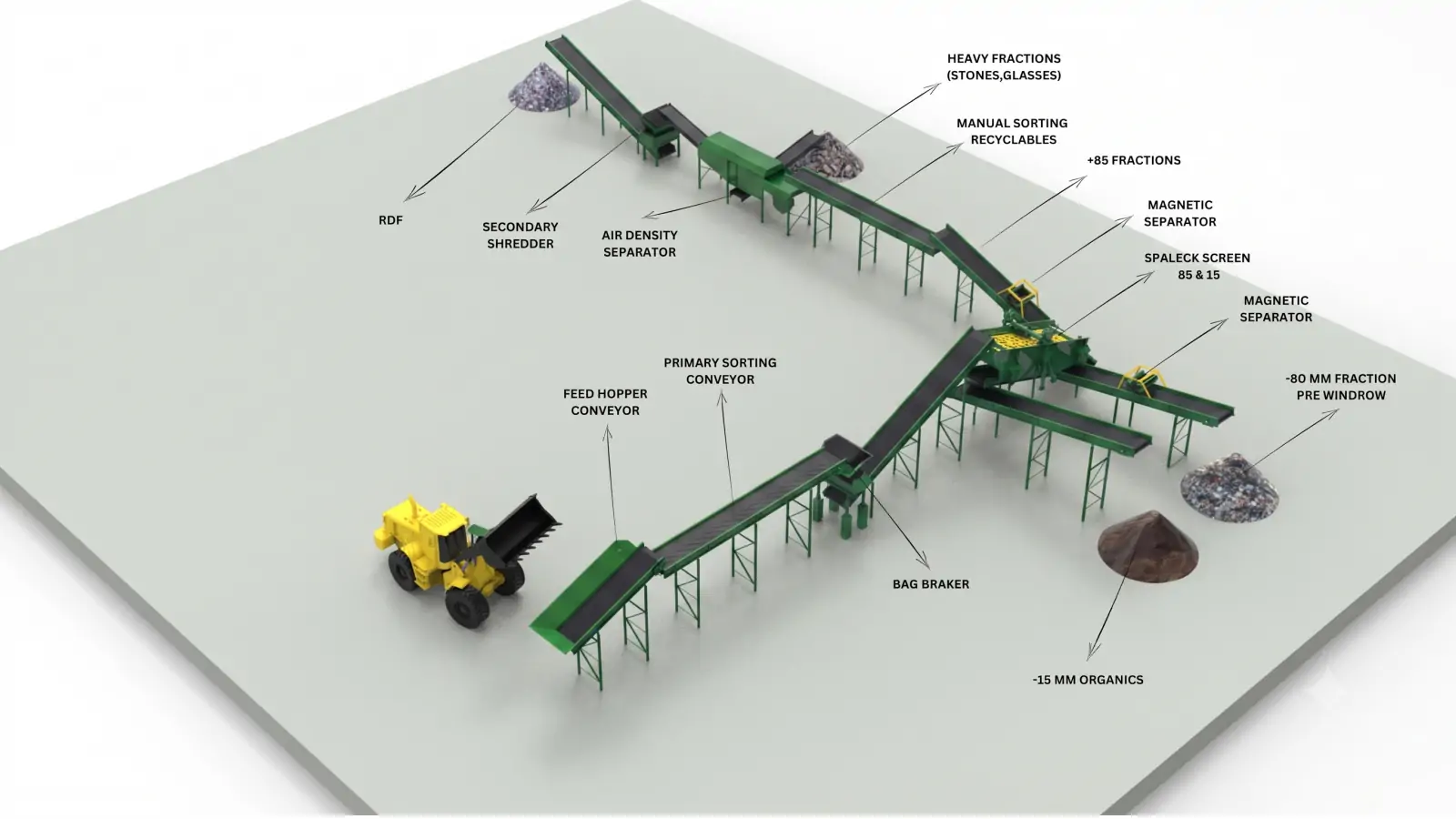
Landfill Mining Plant Solution
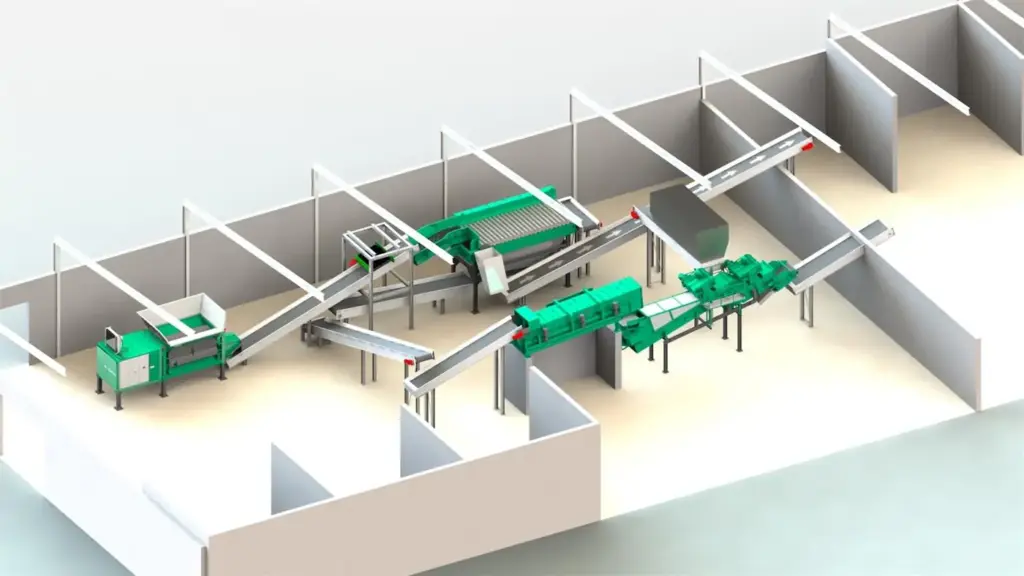
RDF Production Plant Solution
Get Your Custom Waste Recycling Equipment Solution
We provide complete waste recycling plant solutions, including equipment selection, process design, and layout planning based on your project requirements. Contact our team to get a tailored recycling plant proposal and layout design.
To prepare a suitable solution, we need the following information from you:
- Material type
- Required capacity
- Site conditions and available space
- Expected plant layout
- Level of automation
Based on these inputs, we configure key parameters such as conveyor system, sorting stations, baler specification, and PLC control level.
Get a Free Quote
Why Choose Us?
Xinzhongyi ECO provides not only individual machines, but also complete waste recycling solutions tailored to different materials, capacities, and project requirements.
FAQs
Equipment selection depends on waste composition, handling capacity, moisture content, and automation requirements. A complete evaluation of your material characteristics and project goals helps determine whether light-duty or heavy-duty feeding, enclosed conveying, manual sorting, or centralized control is required.
Light-duty apron feeders are suitable for municipal solid waste and lighter mixed materials, while heavy-duty apron feeders are designed for bulky, abrasive, or high-impact waste streams such as construction debris, mining waste, and landfill excavation materials.
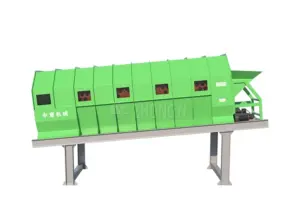
Yes. Most waste recycling equipment can be integrated into existing lines. Modular design allows flexible connection with shredders, trommel screens, conveyors, balers, and control systems to improve plant efficiency without requiring a complete system replacement.
Enclosed belt conveyors minimize dust emission, odor leakage, and material spillage during transport. They improve environmental compliance, reduce housekeeping costs, and provide safer operation, especially in enclosed waste processing facilities.
A central control room enables real-time monitoring of all equipment, centralized operation control, alarm management, and production data analysis. This improves process stability, reduces labor dependence, and helps optimize system performance.
Routine maintenance includes lubrication, wear-part inspection, chain tension adjustment, belt tracking checks, and electrical system inspection. Heavy-duty components are designed for continuous operation, with wear-resistant materials extending service intervals and reducing downtime.
Yes. Manual sorting cabins are often integrated with automated lines to improve sorting accuracy for difficult-to-identify materials. This hybrid solution combines operational flexibility with automation efficiency for better recovery performance.
Yes. Equipment can be customized based on plant layout, waste type, processing capacity, and automation level. Full technical support typically includes process design, equipment integration, installation guidance, operator training, and long-term after-sales service.
Contact us
Start Your Customized Project Today!
Share your material specifications and processing goals with us. Our engineers will provide a tailored technical proposal and ROI analysis within 24 hours to help you optimize your resource recovery operations.
If you prefer, call us on
Send a message
Our Specialist Team Awaits Your Inquiry.
98%
Purity
Achieved