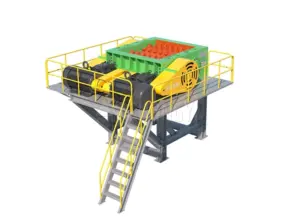
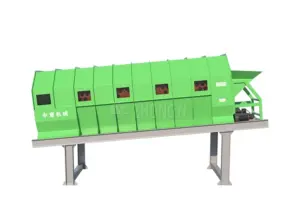
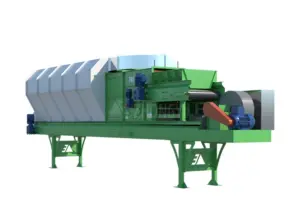


What is a Light Duty Apron Pan Feeder?
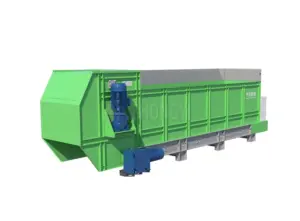
A Light Duty Apron Pan Feeder is a chain-driven feeding equipment used to transport blocky and granular materials at a stable and controlled speed. It is commonly installed at the front end of waste sorting and recycling lines to feed material into crushers, screens, or sorting systems.
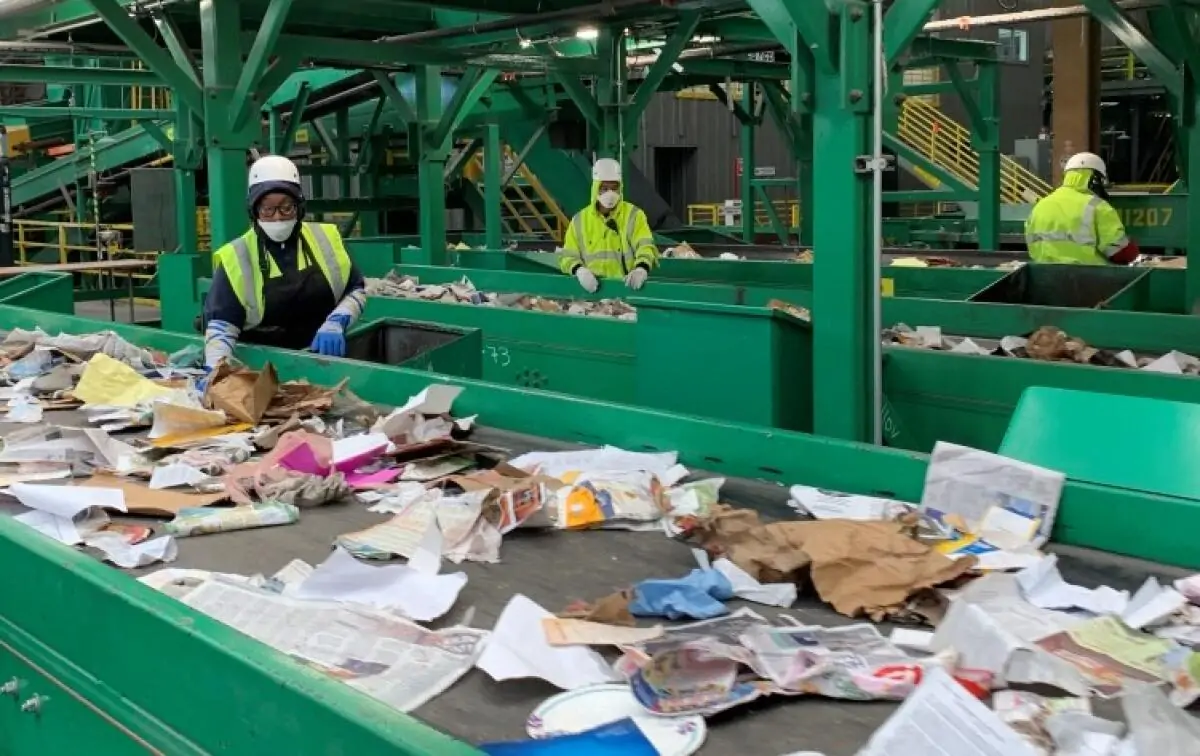
It works well in compact layouts and low-energy production lines. The structure is simple and wear-resistant, with easy installation and low maintenance requirements. It is widely used in municipal waste, construction waste, and mixed recycling systems where stable and continuous feeding is required.
For details, please refer to this article: “What Is an Apron Feeder? Working Principle, Types & Applications.”


Applicable Materials
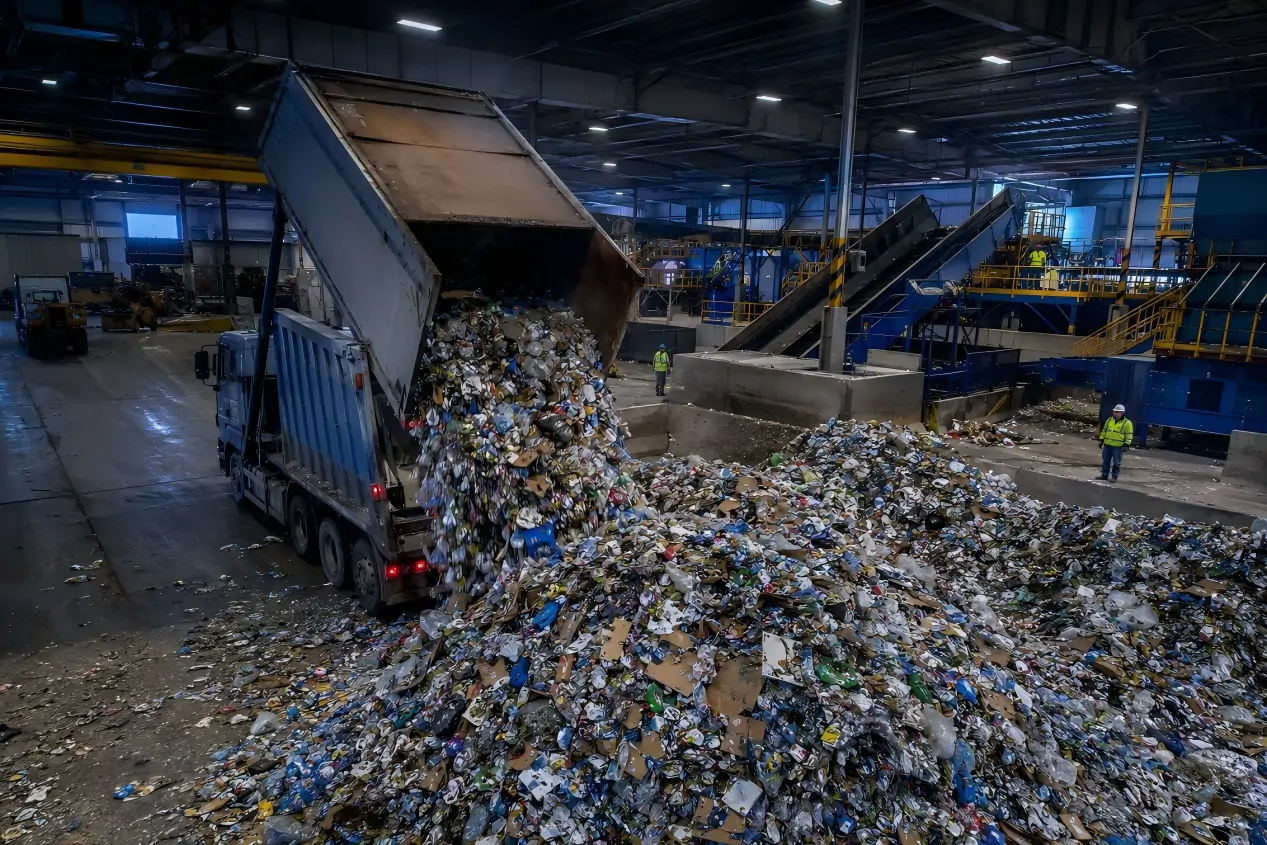
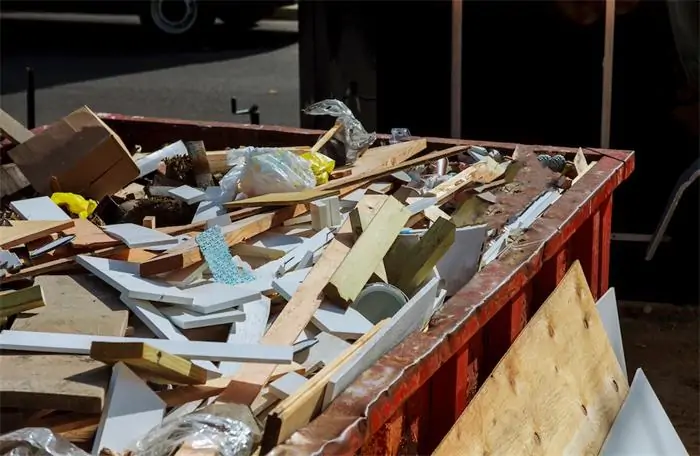
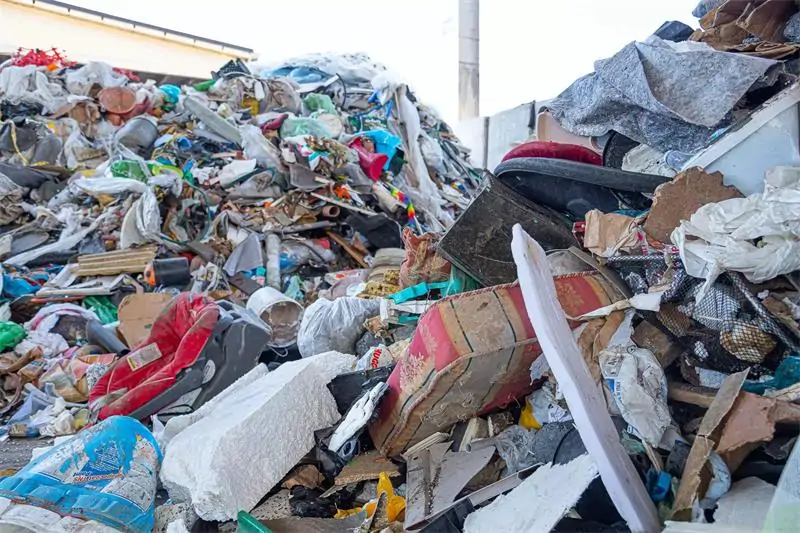
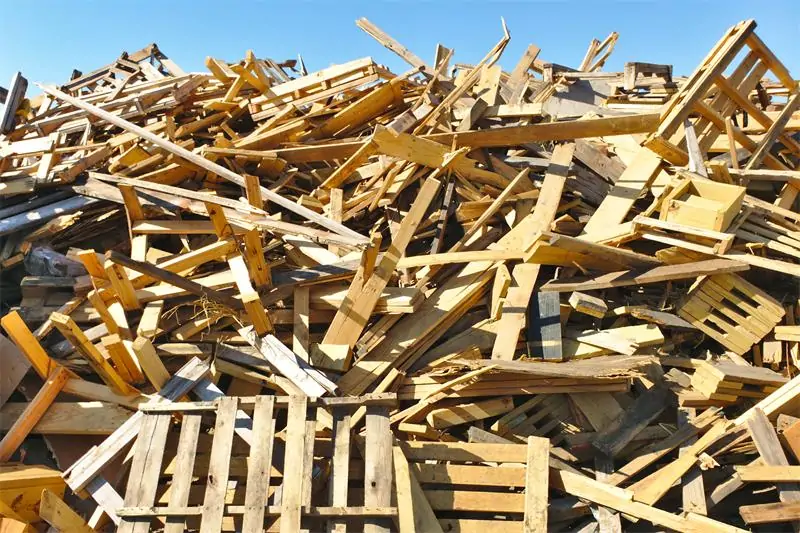
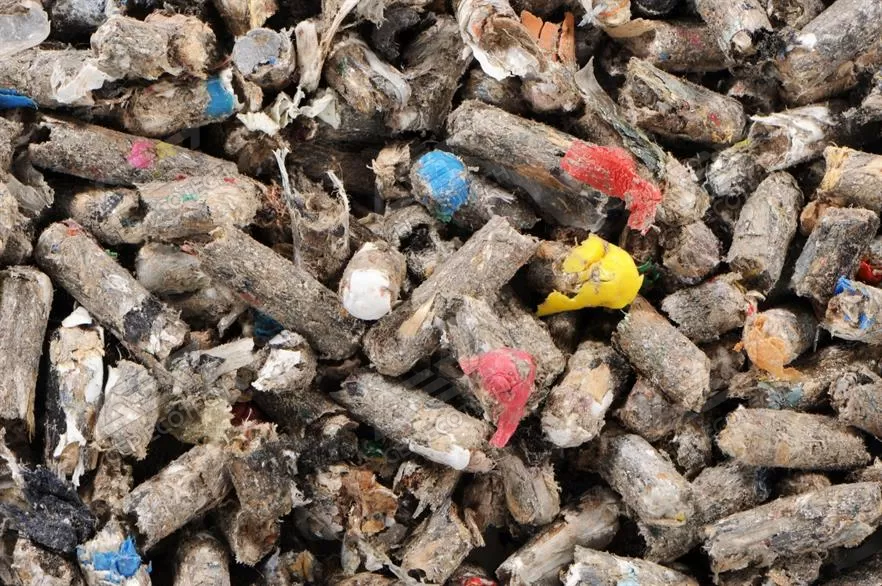
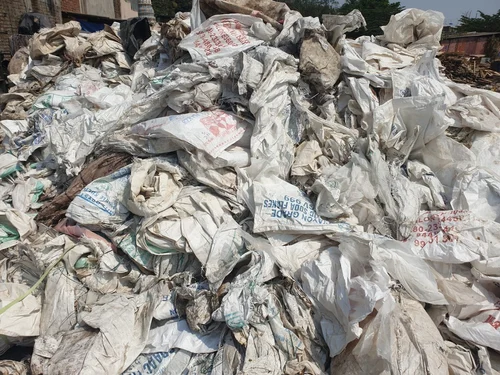
The Light Duty Apron Pan Feeder is designed for continuous and stable conveying of medium-density bulk materials in waste recycling and pretreatment systems. Its chain-driven steel pan structure handles irregular, abrasive, and mixed-size feedstock while maintaining uniform material flow to shredders, screens, or sorting equipment. It is particularly suitable for materials with particle sizes up to 350mm and bulk densities generally ranging from 0.5–1.8 t/m³, ensuring reliable feeding under variable loading conditions.
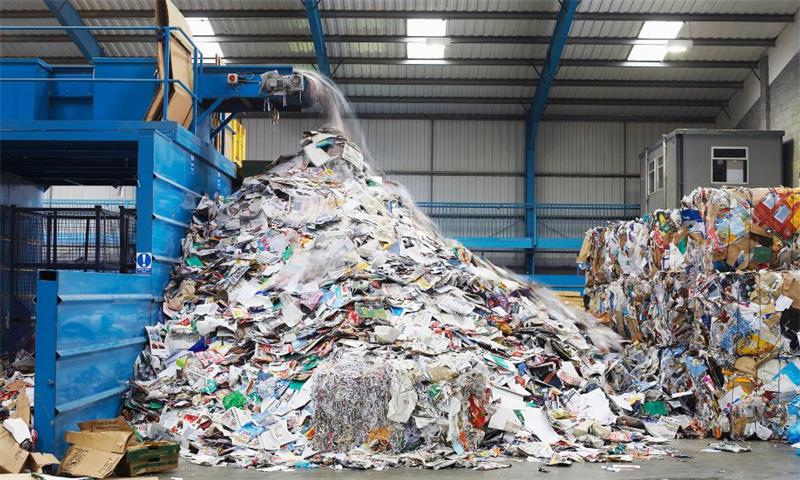
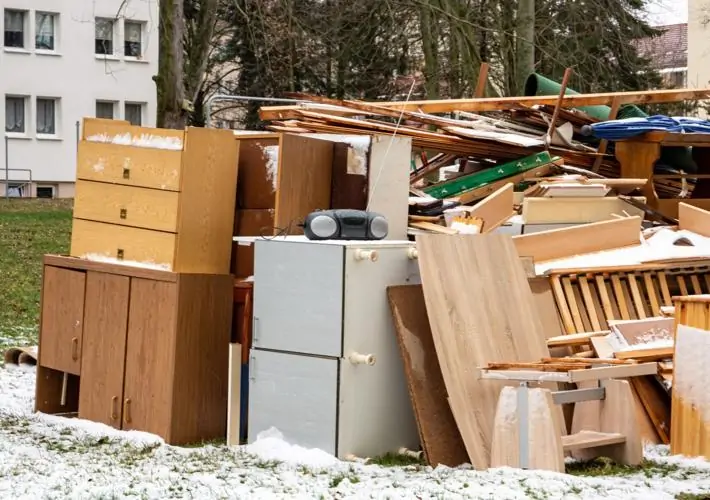
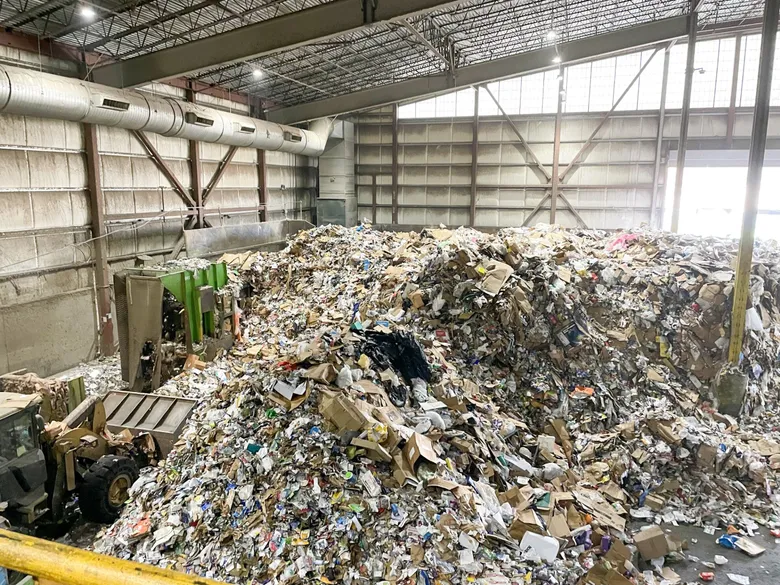
In municipal solid waste, construction waste, and industrial recycling applications, the feeder performs well with loose, blocky, and moderately sticky materials that require controlled transfer. Typical applicable materials include:



Working principle
The Light Duty Apron Pan Feeder works through a chain-driven conveying system equipped with overlapping wear-resistant steel pans. Bulk materials are loaded into the receiving hopper and transferred forward in a continuous, controlled layer. The rigid pan structure ensures stable movement of irregular, blocky, or mixed materials without leakage or interruption, even under uneven loading conditions.
The running speed is controlled by a variable frequency drive, allowing precise adjustment of feeding rate to match downstream equipment demand. The feeder delivers a consistent and uniform material flow to crushers, screens, or sorting systems. Its modular structure supports flexible installation and easy integration into waste recycling lines, ensuring stable operation and improved overall processing efficiency.
Video
Specifications
Below is a standard technical parameter range of the Apron Pan Feeder for reference. Specifications can be adjusted according to material type, capacity requirements, installation space, and production line layout. We provide customized configurations for different waste recycling and bulk material handling applications to ensure stable feeding performance and system compatibility.
| Model | Power (kW) | Feeding Capacity (m³/h) | Pan Width (mm) | Max Feed Particle Size (mm) |
| HBL1060 | 11 – 22 | 50 – 200 | 1,000 | 150 |
| HBL1260 | 11 – 22 | 50 – 250 | 1,200 | 200 |
| QBL10100 | 7.5 – 22 | 50 – 200 | 1,000 | 150 |
| QBL12100 | 7.5 – 22 | 50 – 250 | 1,200 | 200 |
| QBL14100 | 7.5 – 22 | 50 – 450 | 1,400 | 250 |
| QBL16100 | 7.5 – 22 | 50 – 600 | 1,600 | 300 |
| QBL18150 | 7.5 – 22 | 50 – 800 | 1,800 | 350 |
Advantages
Applications
The Light Duty Apron Pan Feeder is widely used in waste recycling and bulk material handling systems as a stable front-end feeding solution. It ensures continuous and uniform material delivery to crushers, screens, and sorting equipment, improving overall production efficiency and reducing blockage risks.

Custom Light Duty Apron Pan Feeder
We provide customized apron feeder solutions for a wide range of waste recovery and material handling projects. Our systems are custom-designed based on specific material characteristics, throughput requirements, and plant layout constraints. In addition to supplying standalone units, we can seamlessly integrate complete feeding systems into comprehensive waste sorting and processing lines.
Our engineering team will assist in configuring the upstream feeding system to ensure perfect compatibility with downstream crusher machines, screening machines, and sorting equipment, thereby guaranteeing stable and smooth material flow throughout the entire production line. Please provide the following detailed project parameters:
- Feeding Capacity (10–120 tons/hour)
- Feeding Width (800–1800 mm)
- Chain Speed Settings and Variable Frequency Control Capabilities
- Apron Plate Material Selection and Wear-Resistant Design
- Receiving Hopper and Inlet Structure Design
- Discharge Height and System Integration Layout
- Open or Enclosed Structure Design Options
Light Duty Apron Pan Feede Manufacturer & Supplier
Xinzhongyi ECO focuses on light duty apron pan feeder manufacturing with over 16 years of industry experience, our production system covers cutting, welding, assembly. We provide complete feeding system solutions based on material type, capacity, and plant layout. Engineering support covers system design, installation guidance, and commissioning, help you integration into existing or new production lines.
We also supports long-term operation with spare parts supply and technical service to keep equipment running stably in continuous working conditions.
FAQ
Yes. The feeder is equipped with a VFD (variable frequency drive). Operators can adjust speed from the control panel to match different processing capacities without stopping the line.
It is suitable for bulk and irregular materials, including blocky waste, mixed recyclables, and construction debris without clogging issues.
No complex foundation is needed. A flat and stable concrete base is enough. Installation is simple and suitable for both indoor and outdoor recycling plants.
Yes. It is designed with standard interfaces and modular structure, allowing direct connection with crusher machines, screening machines, and waste sorting systems in existing production lines.
The chain pan structure ensures stable conveying under continuous load. It supports long-running operation in waste sorting lines with minimal material blockage or interruption.
Noise is kept low due to optimized drive design, typically around ≤75 dB, suitable for industrial recycling environments with noise control requirements.
Routine inspection of chains, pans, and drive system is enough. Wear parts are designed for long service life, reducing maintenance frequency and downtime.
Yes. Key components use wear-resistant and corrosion-resistant materials. It can operate in dusty recycling and waste processing environments with proper routine maintenance.