
Introduction
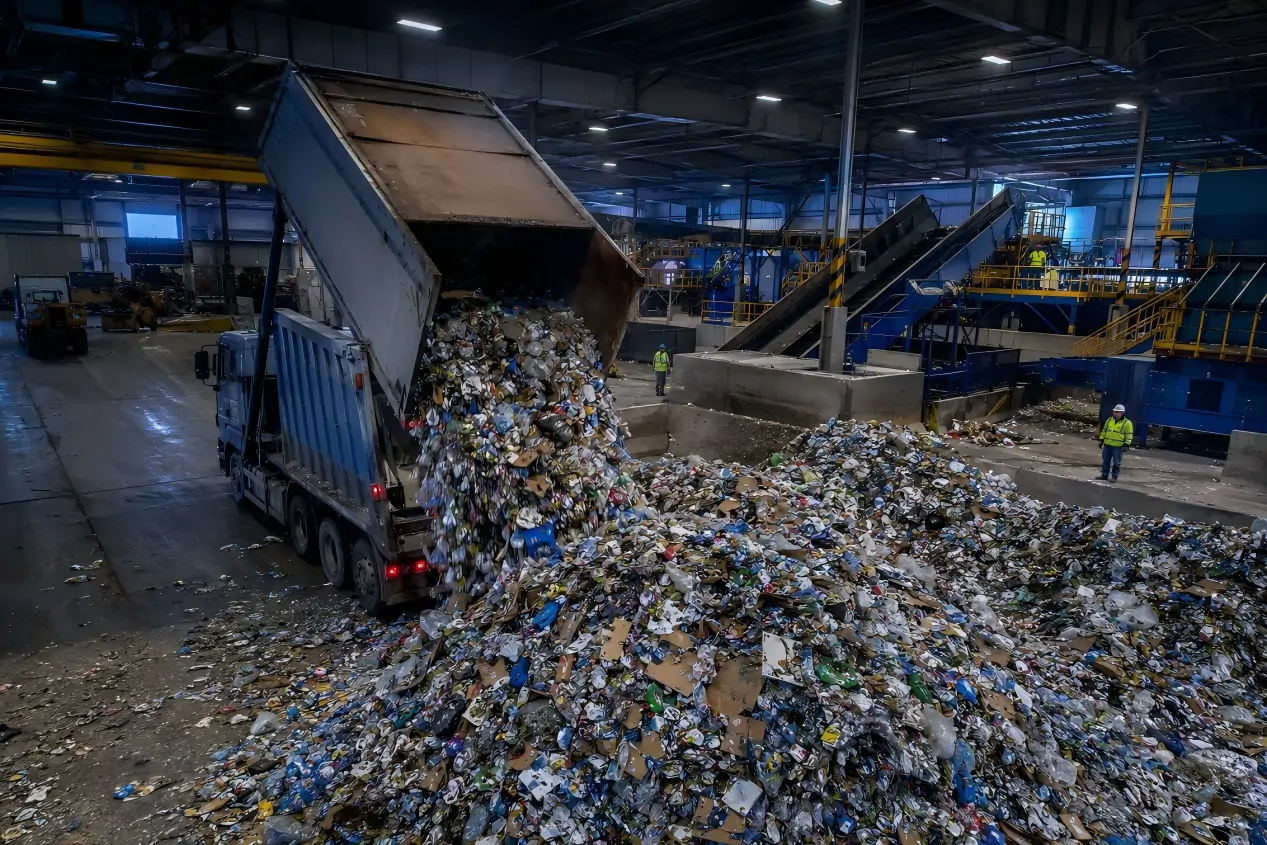
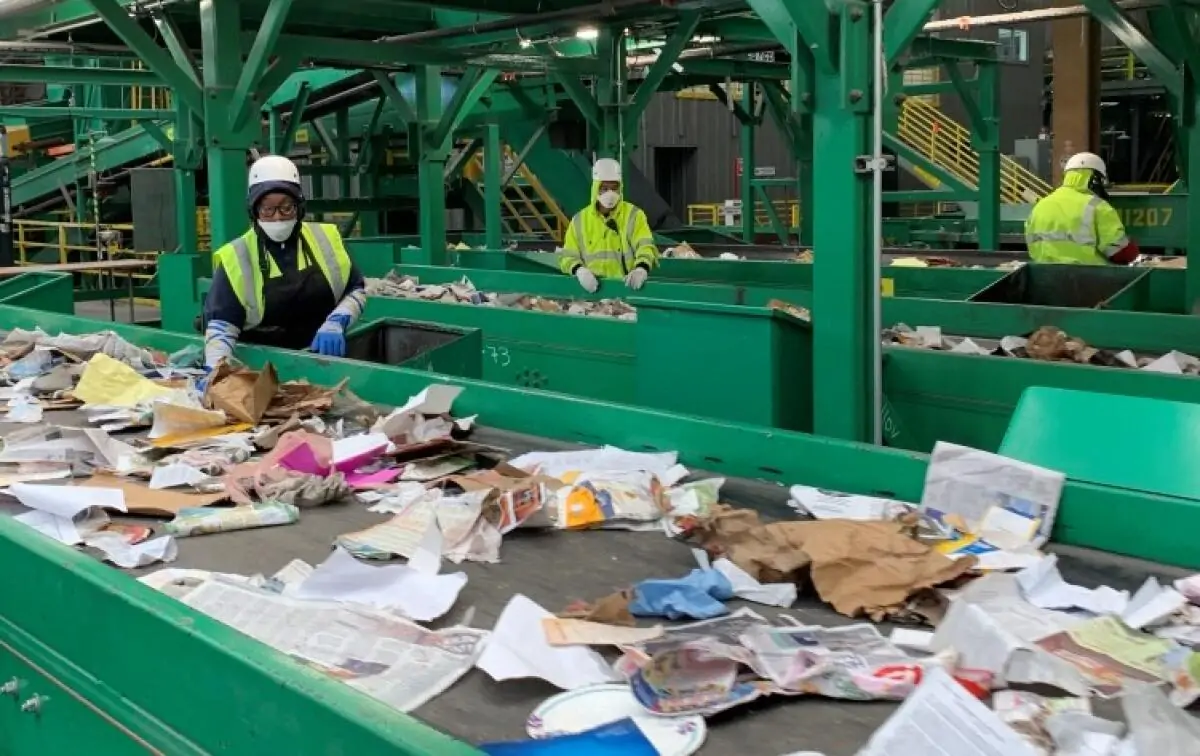
The increasing complexity of waste streams has created new challenges for modern recycling plants. Traditional manual sorting and rule-based sorting equipment often struggle to achieve high purity, efficient processing, and stable long-term operation when dealing with mixed and constantly changing waste compositions.
High Precision AI Sorting Machine Advantages are reflected not only in more accurate material recognition but also in higher recovery rates, improved sorting consistency, and better adaptability to complex waste streams. By combining AI vision sorting technology, deep learning algorithms, and automated separation systems, AI Waste Sorting Machine helps recycling facilities optimize sorting processes, improve recycled material quality, and reduce labor-intensive operations.
To understand why AI sorting technology is becoming increasingly important in modern waste management, it is necessary to first understand how a high precision AI waste sorting machine works, what role it plays in a complete recycling system, and how it improves the overall efficiency of material recovery.If you’d like to learn more about manual sorting versus AI-powered automatic waste sorting systems, please click on the article.
What Is a High Precision AI Waste Sorting Machine?
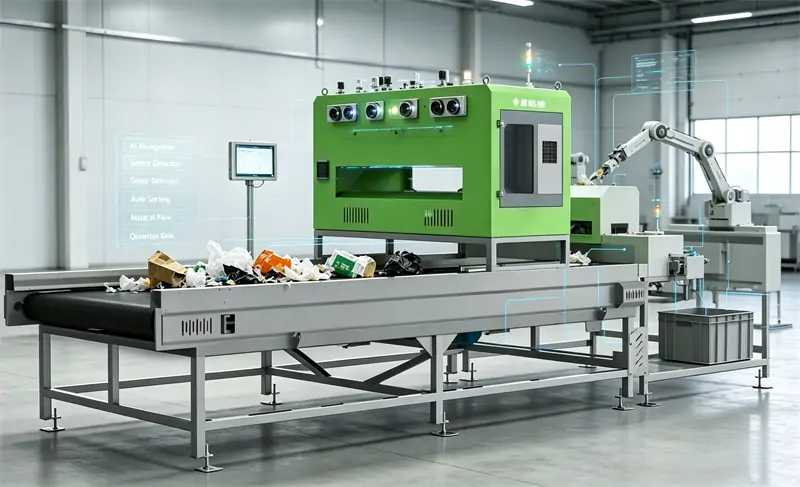
A High Precision AI Waste Sorting Machine is an intelligent sorting system that combines artificial intelligence, computer vision, sensors, and automated separation technology to identify and classify different waste materials. By analyzing characteristics such as color, shape, texture, size, and spectral information, it enables more accurate separation compared with traditional manual sorting and fixed-rule detection methods.
Unlike conventional sorting equipment that relies on limited detection parameters, AI sorting systems can recognize complex material differences and improve separation accuracy for mixed waste streams. Through AI vision technology and deep learning algorithms, the equipment can identify recyclable materials such as plastics, packaging waste, and other valuable resources with greater consistency.
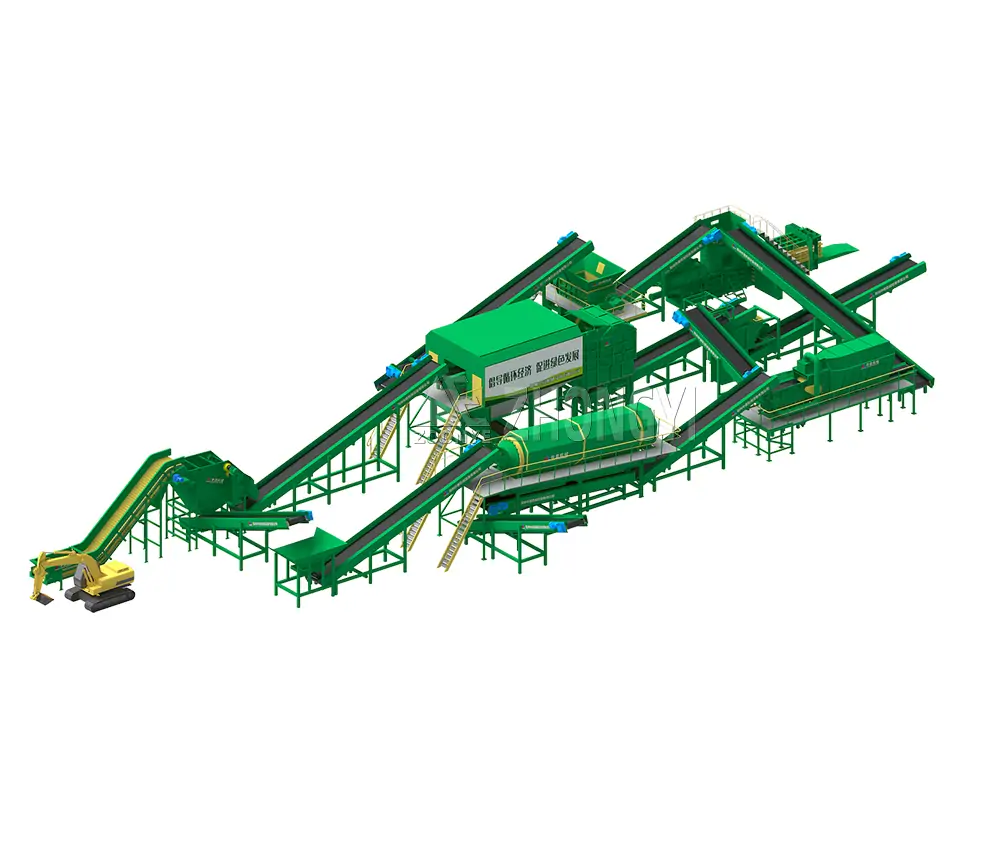
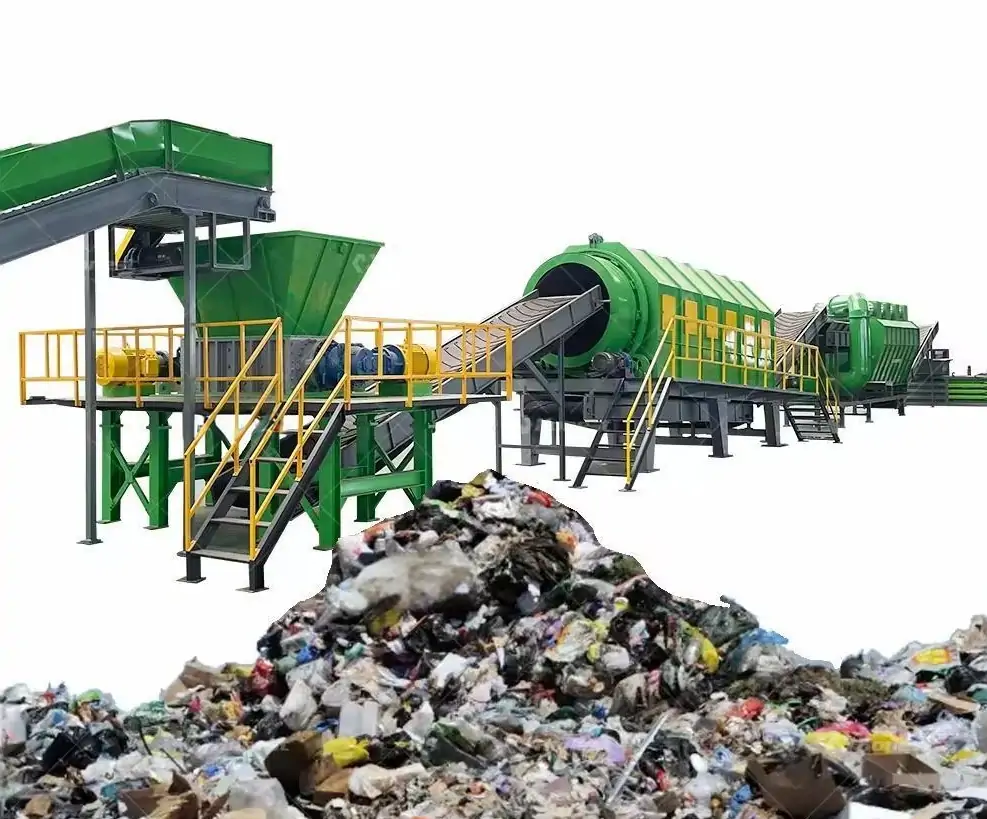
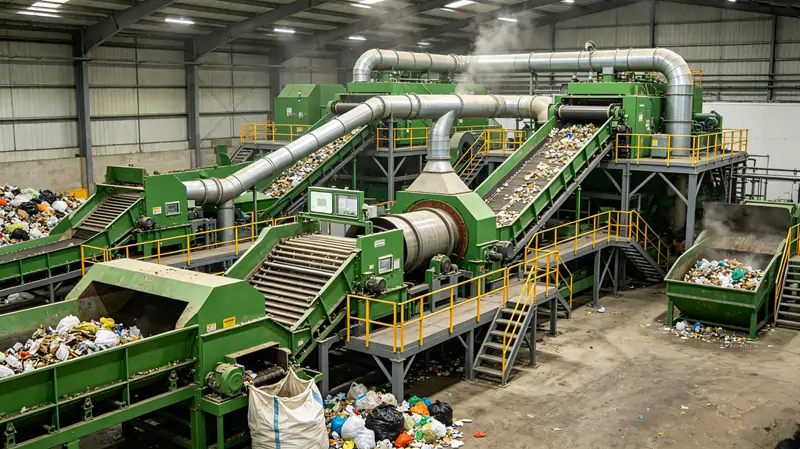
In a complete Waste Recycling Plant, the AI Waste Sorting Machine works as the intelligent recognition and separation stage rather than an independent processing unit. It is typically integrated with screening equipment, magnetic separators, eddy current separators, wind sifters, and conveyors to improve material preparation, sorting efficiency, and overall resource recovery performance.To learn more, click on “Types of Optical Sorting Machines.”


Role of AI Sorting Machine in a Complete Waste Recycling Plant
In a complete Waste Recycling Plant, the High Precision AI Waste Sorting Machine is mainly used for the fine classification stage after material preparation and mechanical separation. Equipment such as screening machines and metal separators can remove oversized materials, ferrous metals, and lightweight fractions, but they have limitations when separating materials with similar physical properties. The AI sorting system addresses this challenge by identifying material differences and separating valuable recyclables into cleaner output streams.
The performance of AI sorting equipment is closely related to the quality of upstream material preparation. A more uniform and properly processed waste stream allows the system to improve recognition efficiency, reduce cross-contamination between recyclable materials, and increase the value of recovered products. By integrating with screening equipment, magnetic separators, eddy current separators, and air separation systems, AI sorting technology provides a more complete solution for applications such as Material Recovery Facilities (MRF), plastic recycling plants, and municipal solid waste sorting, improving both output purity and operational stability.If you want to know whether an AI waste sorting machine is suitable for small recycling plants, click here.
Main Equipment Supporting an AI Waste Sorting System
A complete AI Waste Sorting System requires multiple separation technologies working together. The AI sorting machine focuses on intelligent material recognition and final classification, while supporting equipment prepares the waste stream by improving material distribution, removing impurities, and creating better conditions for accurate sorting. In a complete Waste Recycling Plant, different equipment combinations are selected according to material characteristics, processing capacity, and recycling targets.
Screening Equipment — Preparing Materials Before AI Recognition
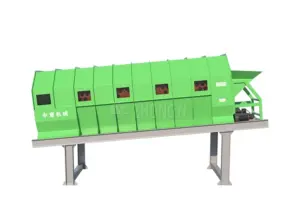
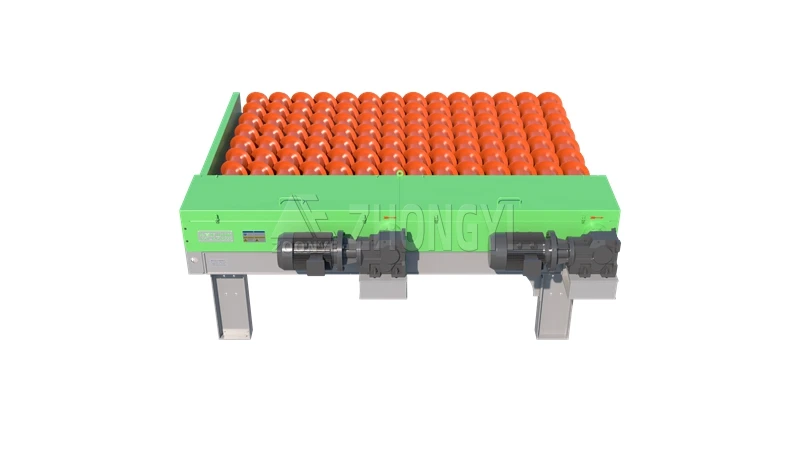
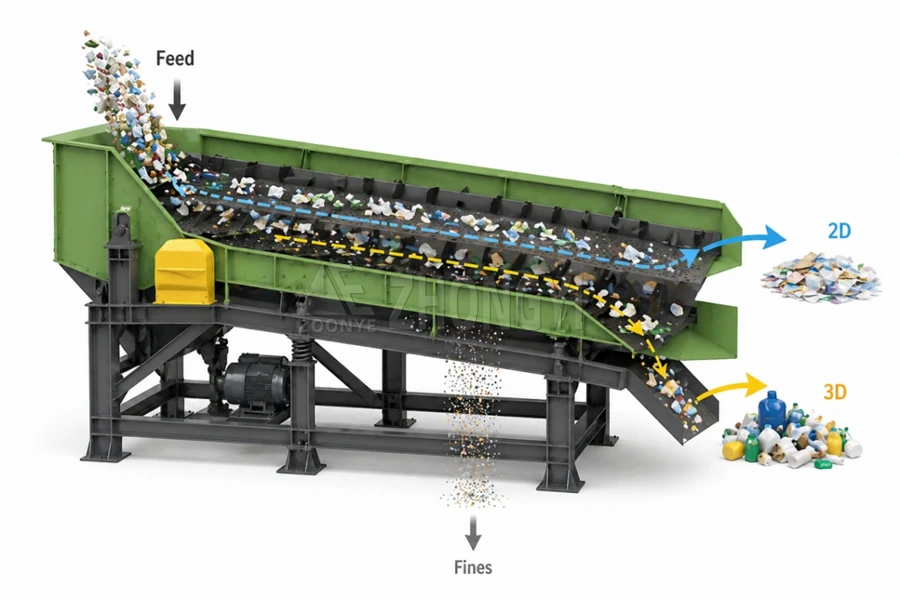
Screening equipment plays an important role before AI recognition by separating waste materials according to size and improving material distribution. Equipment such as Trommel Screen, Disc Screen, and Ballistic Separator helps reduce material overlap, remove unsuitable fractions, and create a more stable feed stream for downstream sorting. Proper screening improves recognition conditions and supports higher sorting efficiency in MSW recycling, RDF production, and other waste processing applications.

Magnetic Separator — Removing Ferrous Metals Before Intelligent Sorting
A Magnetic Separator is used to remove ferrous metals such as iron and steel from mixed waste streams before advanced sorting stages. By extracting magnetic materials early in the process, it reduces interference with downstream equipment, protects sorting systems, and improves the quality of recovered materials. Magnetic separation is widely applied in municipal waste recycling, C&D waste processing, scrap recovery, and industrial waste treatment.If you’d like to learn more about eddy current separators versus magnetic separators, please click on this article.


Eddy Current Separator — Recovering Non-Ferrous Metals
The Eddy Current Separator Machine is designed to recover non-ferrous metals such as aluminum, copper, and zinc from waste streams. Unlike magnetic separators, it uses electromagnetic separation technology to remove non-magnetic metals, improving overall resource recovery rates. It is commonly used in e-waste recycling, scrap metal processing, automobile shredder residue (ASR), and MSW recycling plants to increase the value of recovered materials.


Wind Sifter Equipment — Improving Material Flow Conditions
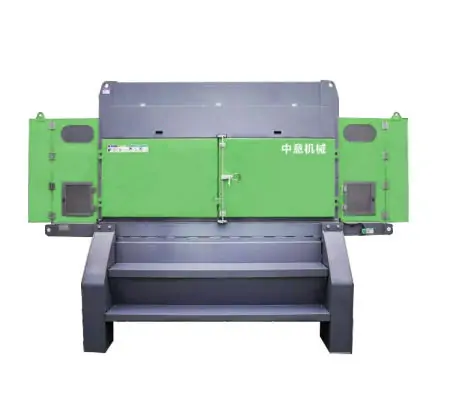
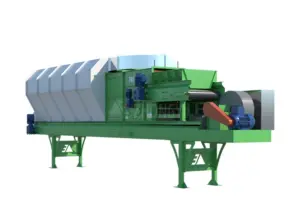
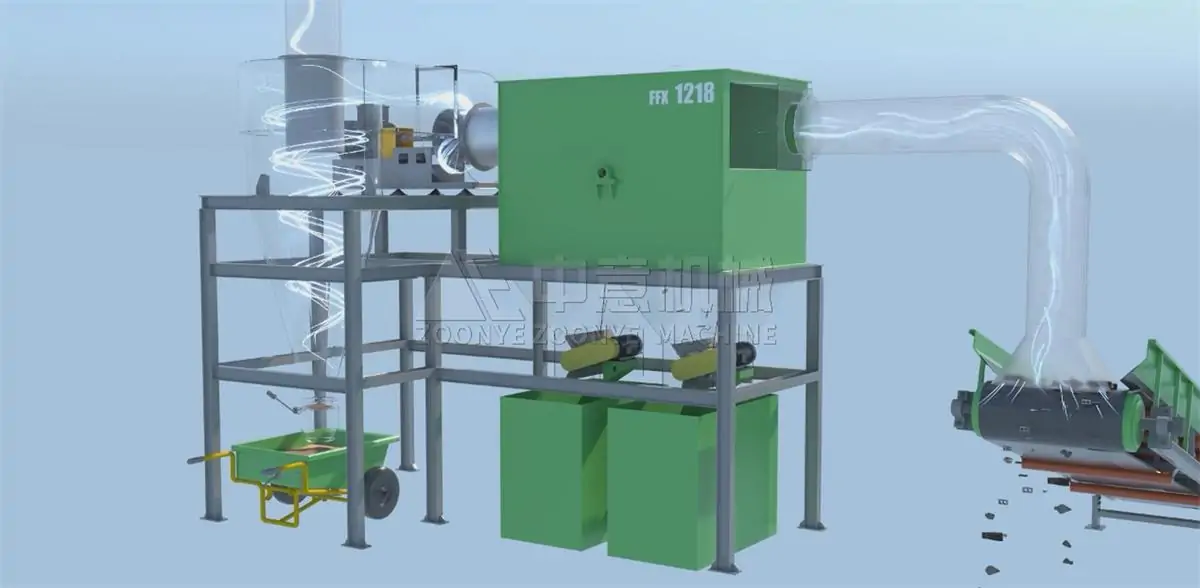
Wind Sifter Equipment separates lightweight materials such as plastic film, paper, foam, and textiles from heavier fractions through controlled airflow. By removing lightweight contaminants and improving material flow conditions, wind sifters help create a cleaner and more consistent feed stream for AI sorting equipment. They are widely used in waste recycling plants, compost processing, RDF production, and material recovery facilities.


AI Optical Sorting Machine — The Intelligent Recognition Core
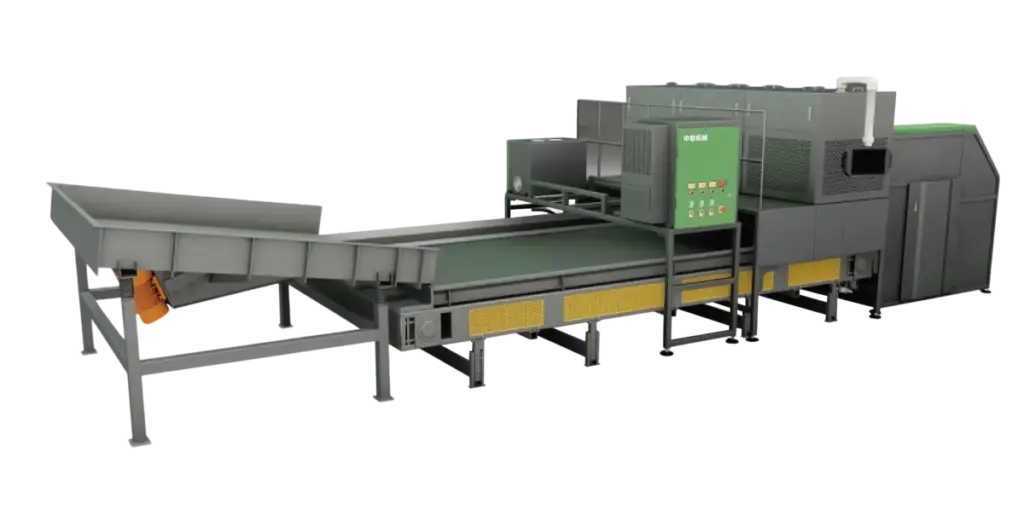
The AI Optical Sorting Machine is the core recognition unit in an AI waste sorting system. It uses industrial cameras, AI vision algorithms, deep learning models, and automatic ejecting systems to identify and separate recyclable materials such as different plastic types, packaging waste, and paper products. As an Optical Sorting Machine for Recycling, it provides high-precision material classification and works together with mechanical separation equipment to improve recycled material purity and recovery efficiency.

How AI Vision Sorting Technology Enables High Precision Sorting?
AI Vision Sorting Technology improves waste sorting accuracy by allowing sorting systems to identify material differences that are difficult to detect through traditional methods. Instead of depending on a single sorting parameter, AI-based systems analyze multiple material characteristics to improve classification results, especially when processing mixed and contaminated waste streams. This makes AI Optical Sorting Machine more suitable for modern recycling plants that require higher purity and more stable sorting performance.If you want to know the price of a turnkey waste sorting plant in Canada, please click on the article.
Multi-Feature Recognition Beyond Traditional Optical Detection
Traditional optical sorting equipment mainly relies on fixed recognition rules, which may have limitations when materials have similar colors, shapes, or surface conditions. AI sorting systems can evaluate different characteristics such as color, shape, texture, and material appearance to better distinguish recyclable materials. This helps improve separation results for applications including mixed plastics, packaging waste, and municipal solid waste sorting.
Deep Learning Improves Recognition of Complex Materials
Deep learning technology allows AI sorting systems to continuously improve recognition accuracy based on different waste conditions. This is especially useful for recycling plants where material composition changes frequently. By improving the identification of difficult materials such as contaminated packaging and mixed plastics, AI sorting helps reduce sorting errors and improve the quality of recovered materials.
Real-Time Processing Enables Continuous High-Speed Sorting
In industrial recycling lines, sorting equipment needs to handle a continuous flow of materials at high speed. AI systems can quickly identify target materials and control automatic separation devices during operation, maintaining stable sorting performance without interrupting the production process. This real-time capability helps recycling plants increase throughput, reduce manual sorting pressure, and achieve more consistent output quality.
Core Advantages of High Precision AI Sorting Machine
For recycling plants, the value of a High Precision AI Waste Sorting Machine is not only reflected in recognition capability, but also in the improvement of material quality, operating efficiency, and production stability. By combining AI recognition with existing mechanical separation equipment, AI sorting systems help recycling operators handle complex waste streams and recover more valuable materials.
Higher Sorting Accuracy for Complex Waste Streams
Mixed waste often contains materials with similar appearance but different recycling values, making manual sorting and traditional detection methods difficult to maintain consistent results. An AI Waste Sorting Machine can identify differences between materials and separate target recyclables more accurately, helping reduce incorrect sorting and material loss. This advantage is particularly important in applications such as municipal solid waste sorting, plastic recycling, packaging waste recovery, and e-waste processing.
Higher Recovery Rate and Improved Material Purity
The quality of recovered materials directly affects their market value and downstream processing efficiency. By improving separation accuracy, AI sorting equipment reduces contamination between different material streams and increases the purity of recyclable outputs. For example, in plastic recycling plants, better identification of different plastic types helps reduce mixed materials and provides cleaner feedstock for washing, pelletizing, and further recycling processes.
Reduced Labor Dependence and More Stable Operation
Manual sorting requires continuous labor input and can be affected by fatigue, experience differences, and working conditions. AI sorting systems handle repetitive identification tasks automatically, reducing the amount of manual sorting work required in recycling plants. This helps maintain more consistent operation, especially for facilities that need long working hours or process large volumes of waste materials.
Flexible Adaptation for Different Recycling Applications
Different recycling projects have different material characteristics and sorting targets. AI sorting solutions can be integrated into various applications, including MRF facilities, plastic recycling plants, municipal solid waste sorting lines, and industrial waste recycling systems. Combined with screening equipment, magnetic separators, eddy current separators, and wind sifters, AI sorting equipment can be configured according to specific process requirements.
Data-Based Optimization for Better Plant Management
Modern AI sorting systems can record sorting results and equipment operating information, providing useful data for production monitoring and process adjustment. This helps operators understand material composition, evaluate sorting performance, and make better decisions when upgrading capacity or improving recycling processes.
AI Sorting Machine vs Traditional Sorting Methods
In waste recycling plants, sorting performance directly affects recovery rate, material purity, and overall operating cost. Manual sorting and traditional optical sorting equipment can still be effective for certain applications, but their performance may decrease when handling mixed materials, changing waste compositions, or contaminated recyclables. Compared with conventional methods, High Precision AI Waste Sorting Machine provides more adaptive recognition and more consistent sorting results by combining AI-based identification with automated separation technology.
| Comparison | Manual Sorting | Traditional Optical Sorting | AI Sorting Machine |
|---|---|---|---|
| Recognition Method | Based on worker experience and visual judgment | Uses predefined detection rules and fixed parameters | Analyzes material features through AI vision technology |
| Material Adaptability | Limited when waste composition changes | Suitable for specific materials with stable characteristics | Better suited for mixed and complex waste streams |
| Sorting Consistency | Affected by fatigue, experience, and working conditions | Stable but depends on preset settings | Maintains more consistent sorting performance during operation |
| Material Purity | Depends on operator accuracy | Good for targeted applications | Helps reduce cross-contamination and improve output quality |
| Labor Involvement | Requires continuous manual sorting | Requires operators for monitoring and adjustment | Reduces repetitive sorting tasks and improves automation level |
How AI Sorting Machine Integrates into a Waste Recycling Plant?
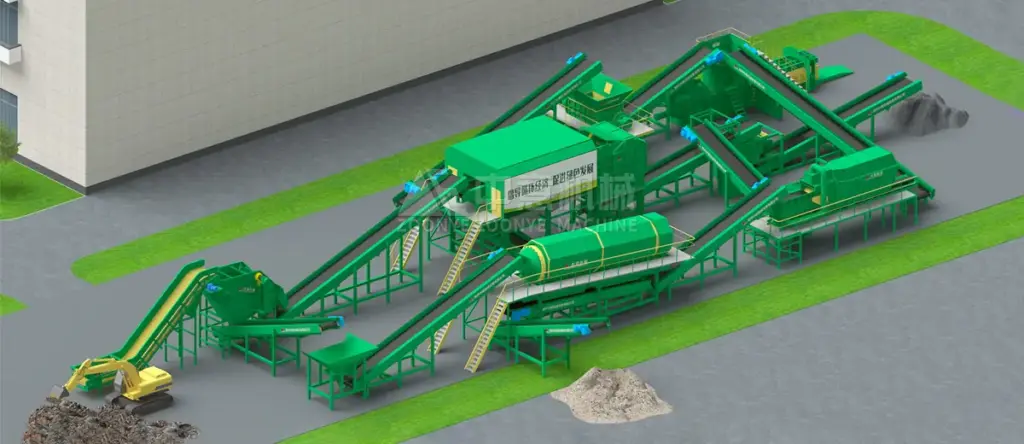
A complete Waste Recycling Plant usually combines multiple separation technologies, and the AI Waste Sorting Machine works as the intelligent classification stage after mechanical preparation. Before materials enter the AI sorting process, screening equipment helps separate materials by size, while magnetic separators, eddy current separators, and wind sifters remove specific fractions and improve material distribution. This preparation creates more stable conditions for AI recognition and improves overall sorting performance.
The integration of AI sorting technology enables recycling plants to recover valuable materials that are difficult to separate through conventional methods. By analyzing material characteristics and automatically directing different recyclable streams, the AI Optical Sorting Machine improves output purity, reduces contamination, and supports applications such as plastic recycling, MRF processing, and municipal solid waste sorting. Rather than replacing the entire sorting line, AI technology enhances the final classification stage and helps build a more efficient automated recycling solution.
Applications
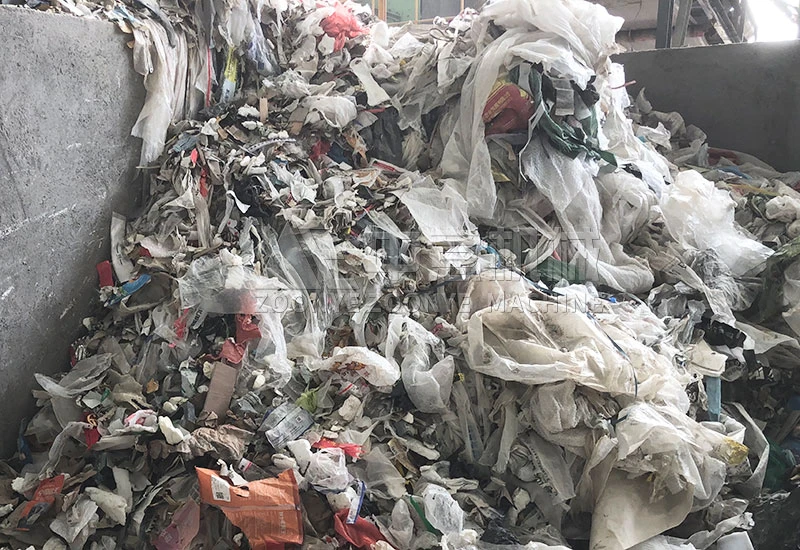
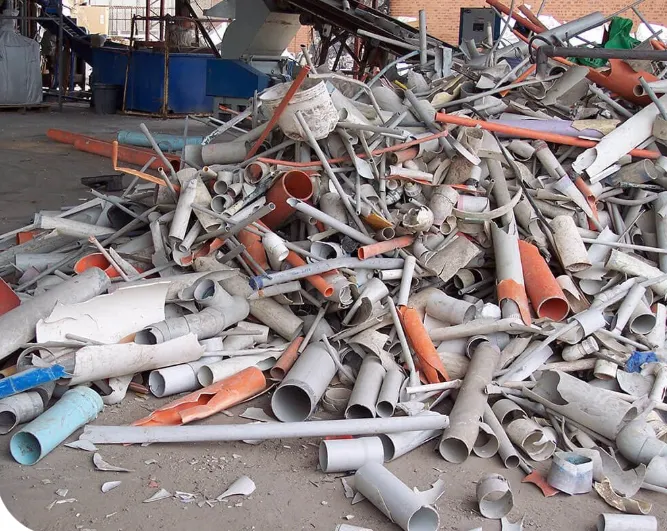
High Precision AI Waste Sorting Machine is mainly applied in recycling facilities where waste streams contain complex material combinations and require higher sorting accuracy. By combining AI vision recognition with automated separation technology, these systems help improve material recovery efficiency, reduce contamination, and produce cleaner recyclable outputs in modern waste recycling operations.
Material Recovery Facilities (MRF)
In Material Recovery Facilities (MRF), AI sorting machines are integrated into automated recycling lines to improve the classification of mixed recyclable materials. After screening and mechanical separation processes, AI Optical Sorting Machine technology helps identify and separate plastics, paper, packaging materials, and other valuable recyclables, improving output purity and overall recovery efficiency.
Plastic Recycling Plants
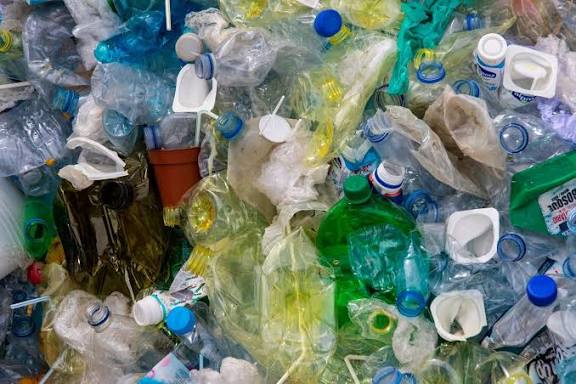
Plastic recycling plants use AI sorting technology to separate different plastic types according to material characteristics and visual features. Applications include the classification of PET, HDPE, PP, and other recyclable plastics, helping reduce cross-contamination and improve the quality and market value of recycled plastic materials.
Factors to Consider When Choosing an AI Waste Sorting Solution
Selecting the right AI Waste Sorting Solution requires evaluating the actual operating conditions of the recycling plant, including waste composition, processing capacity, target material purity, and existing equipment configuration. Different waste streams require different recognition and separation strategies, so the solution should be designed according to the materials being recovered rather than selecting equipment based only on automation level or technical specifications.
From practical recycling projects, we have found that the most important factor is not simply the recognition capability of the AI system, but how well it integrates with the entire sorting process. The incoming material condition, upstream screening performance, conveyor stability, and required output quality all directly affect the final sorting result. Therefore, AI sorting equipment should be properly matched with screening systems, magnetic separators, eddy current separators, wind sifters, and other supporting equipment to achieve stable long-term operation.
Future upgrade capability should also be considered during selection. Waste streams and recycling requirements can change over time, so a suitable AI sorting solution should support recognition improvement, software optimization, and system expansion. This flexibility helps recycling plants maintain efficient operation while adapting to new materials, higher recovery targets, and future capacity expansion.
Future Development of AI Waste Sorting Technology
The future development of AI Waste Sorting Technology will focus on improving recognition accuracy, expanding material identification capability, and achieving more automated recycling operations. As waste streams become more complex, AI sorting systems will continue to improve their ability to identify mixed plastics, packaging materials, and low-value recyclables that are difficult to separate through traditional methods. The combination of AI vision, sensor technology, and mechanical separation equipment will help recycling plants achieve higher material purity and more stable recovery performance.
From our experience working with recycling projects, we have found that the practical value of AI sorting does not only depend on recognition technology itself, but also on how well it fits into the complete sorting process. Future AI sorting solutions will be increasingly integrated with screening equipment, magnetic separators, eddy current separators, and wind sifters, while collecting operational data to optimize material flow and production management. This development will help reduce dependence on manual sorting and support more efficient, flexible, and sustainable waste recycling plants.
Conclusion
The AI Waste Sorting Machine represents the transition from traditional separation methods toward more intelligent and automated recycling systems. By combining AI vision recognition, deep learning algorithms, real-time material analysis, and integration with complete sorting equipment, it helps recycling plants improve material purity, recovery efficiency, and operational stability.
As recycling requirements continue to increase, selecting the right AI sorting solution requires considering material characteristics, processing capacity, and the overall plant configuration. If you are planning to upgrade an existing recycling line or build a new waste sorting plant, contact Zhongyi for professional equipment recommendations and customized AI sorting solutions based on your project requirements.


Andy Yu
Technical Engineer | Zhongyi ECO
16+
Years Exp.
300+
Solutions
50+
Countries
16 years’ experience in environmental and solid waste management, specializing in C&D recycling and waste sorting solutions. At Zhongyi Mining Machinery, focused on improving global clients’ efficiency through technical expertise and tailored configurations.
FAQ
An AI Waste Sorting Machine can identify and separate different recyclable materials, including plastics, packaging waste, paper products, and other valuable fractions. The actual sorting capability depends on the sensor configuration, AI model training, and material characteristics. For complex waste streams, the system is usually combined with mechanical separation equipment to achieve better sorting results.
An AI sorting machine does not replace all recycling equipment but works as an intelligent recognition stage within the complete sorting process. Screening equipment, magnetic separators, eddy current separators, and wind sifters are normally used for material preparation, while AI technology improves the separation of materials that are difficult to classify through traditional methods.
The processing capacity of an AI Waste Sorting Machine depends on the material type, conveyor width, sorting targets, and required output quality. Different recycling plants require different configurations. A professional solution should evaluate the incoming waste characteristics and production requirements before selecting the suitable AI sorting equipment and system layout.
The sorting accuracy of AI technology depends on several factors, including material cleanliness, conveyor speed, lighting conditions, and AI model training. Under suitable operating conditions, AI sorting systems can provide stable recognition performance for complex waste materials and improve sorting consistency compared with manual separation methods.
Before materials enter the AI sorting stage, recycling plants usually require equipment for preparation and separation. Screening equipment helps control material size, magnetic separators remove ferrous metals, eddy current separators recover non-ferrous metals, and wind sifters separate lightweight fractions. These processes create better conditions for accurate AI recognition.
Yes, AI sorting machines can be integrated into existing recycling plants when the layout and material flow are properly evaluated. The installation usually considers conveyor conditions, available space, processing capacity, and target materials. For upgrading projects, AI sorting can improve recovery efficiency without replacing the entire existing sorting system.
An AI Waste Sorting Machine helps recycling plants improve material classification, reduce labor-intensive sorting tasks, and maintain more stable operation. It is especially useful for waste streams with complex compositions, where manual sorting may face limitations in efficiency, consistency, and working conditions. The final benefit is cleaner recyclable output and improved recovery value.
Choosing the right AI Waste Sorting Solution requires evaluating waste composition, processing capacity, target materials, and the existing recycling process. A suitable system should not only include AI recognition equipment but also match upstream and downstream separation equipment. Professional engineering analysis helps ensure reliable operation and better long-term investment value.
Related Waste Sorting Equipment

Horizontal Negative Pressure Wind Sifter Separator
Horizontal Negative Pressure Wind Sifter Separator is designed for separating lightweight contaminants from heavy materials through controlled airflow and negative pressure technology. Its horizontal structure provides stable material conveying and high processing capacity. It is widely used in MSW recycling, construction waste treatment, RDF production and aggregate purification to remove plastic films, paper, wood chips and other lightweight impurities.
Vertical Negative Pressure Wind Sifter Machine
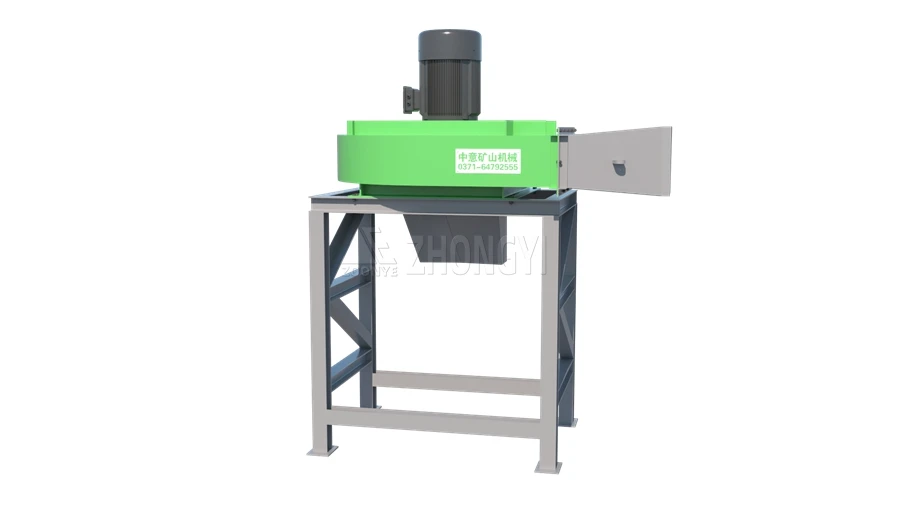
Vertical Negative Pressure Wind Sifter Machine uses vertical airflow separation to classify materials according to density and aerodynamic characteristics. With a compact structure and flexible installation design, it is suitable for projects with limited space. It can effectively remove lightweight contaminants from mixed waste streams and is commonly applied in plastic recycling, industrial waste sorting and small-to-medium recycling plants.

Styrofoam Wind Sifter
Styrofoam Wind Sifter is specially developed for separating EPS foam and other ultra-lightweight materials from mixed waste. Through optimized airflow control and separation chamber design, it improves foam recovery efficiency while reducing impurities in the recovered material. It is mainly used in EPS recycling, packaging waste processing and plastic waste recovery applications.

Containerized Windshifter
Containerized Windshifter integrates the wind separation system into a mobile containerized unit, providing a flexible solution for temporary or decentralized waste processing projects. It offers fast installation, easy transportation and reduced site requirements. This design is suitable for construction waste recycling, demolition waste treatment and locations requiring movable sorting equipment.