
Introduction
Eddy Current vs Magnetic Separator is a common topic when designing metal recovery systems for waste recycling plants. In MSW recycling, C&D waste processing, and WEEE recycling, efficient metal separation directly affects material quality and recovery value. Although both equipment types are used for metal separation, they target different materials and work based on different physical properties.
A Magnetic Separator is mainly used to remove ferrous metals such as iron and steel from mixed waste streams, while an Eddy Current Separator is designed to recover non-ferrous metals including aluminum, copper, and zinc. In practical recycling plants, these two machines are usually installed together, with magnetic separation handling the first-stage iron removal and eddy current separation recovering valuable non-ferrous metals from the remaining materials.If you’d like to learn more about manual sorting versus AI-powered automatic waste sorting systems, please click on the article.


Eddy Current Separator vs Magnetic Separator: Quick Comparison
In waste recycling systems, Magnetic Separator and Eddy Current Separator are usually applied at different stages because they target different metal types. The following comparison shows how these two technologies differ in separation purpose, working method, and role in recycling plants.
| Comparison | Magnetic Separator | Eddy Current Separator |
| Main Separation Target | Ferrous metals such as iron, steel, cobalt, and nickel | Non-ferrous metals such as aluminum, copper, zinc, and brass |
| Working Principle | Uses magnetic force to attract ferromagnetic materials from mixed waste streams | Uses electromagnetic induction to generate repulsive force and eject conductive metals |
| Material Property | Based on magnetic susceptibility of materials | Based on electrical conductivity of non-ferrous metals |
| Main Function | Remove iron contamination and improve material purity | Recover valuable non-ferrous metals from processed waste |
| Typical Position in Recycling Line | Usually installed as the first metal separation stage before further sorting | Normally installed after magnetic separation for secondary metal recovery |
| Main Applications | MSW recycling, C&D waste recycling, scrap metal processing, industrial iron removal | WEEE recycling, ASR recycling, MSW recycling, incinerator slag recovery |
| Economic Value | Reduces contamination, protects downstream equipment, and improves product quality | Increases recovery of valuable metals and improves recycling revenue |
What Is a Magnetic Separator?
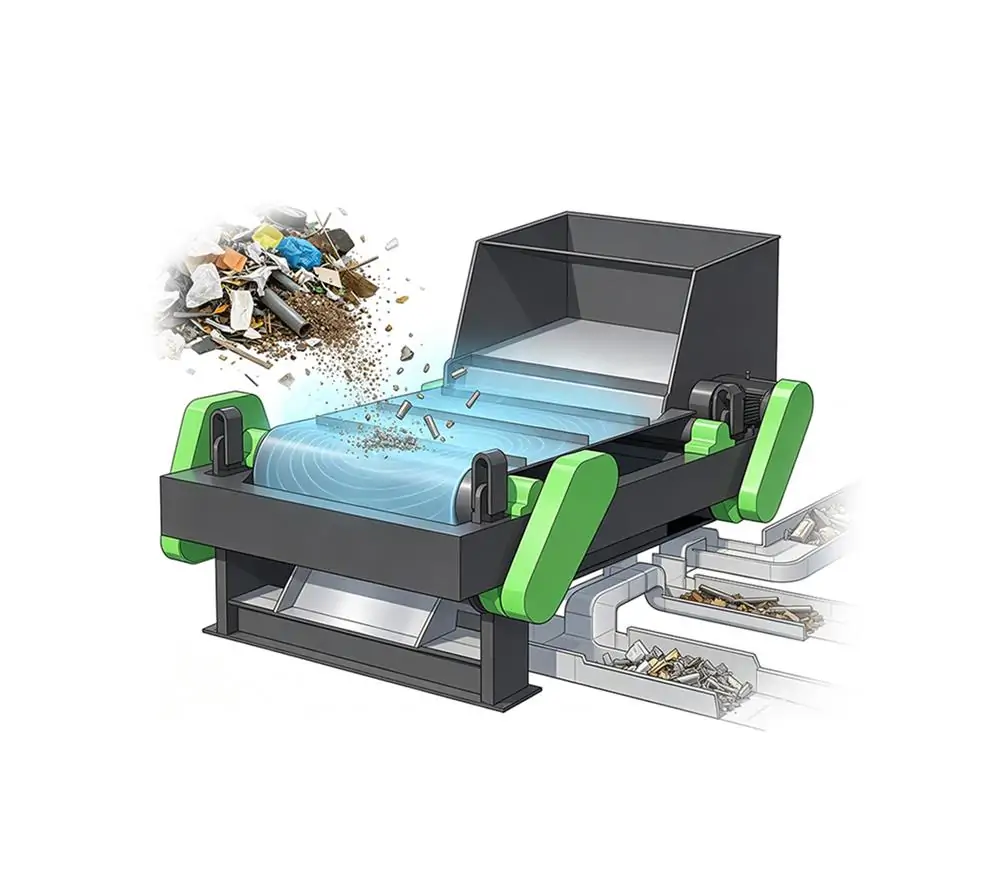
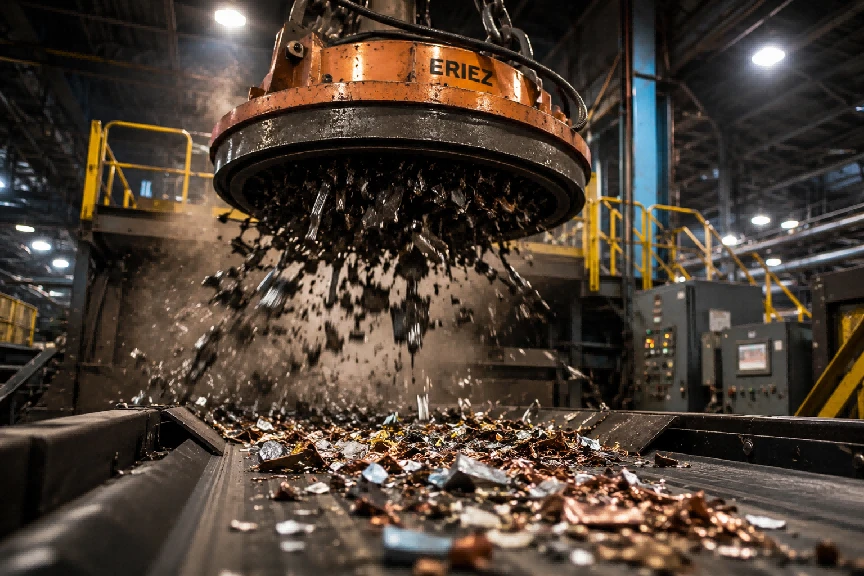
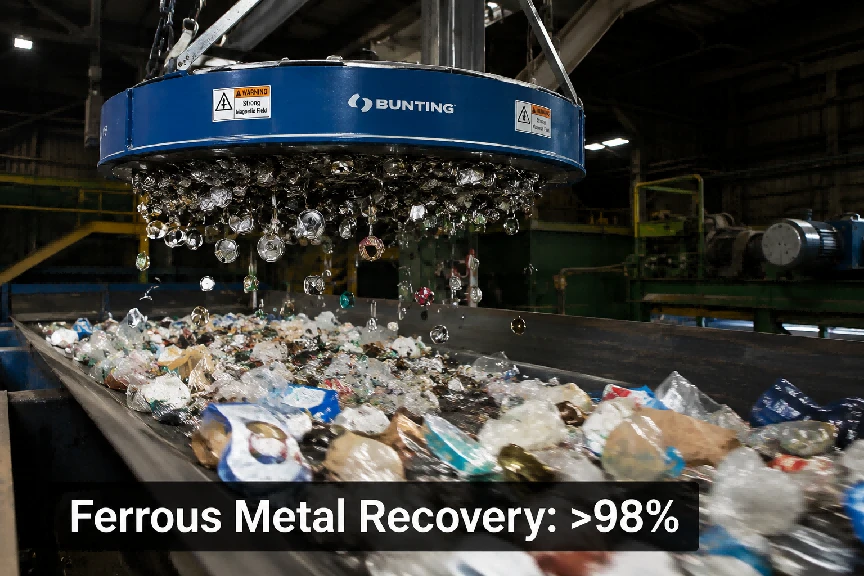
Magnetic Separator is a metal separation equipment that uses magnetic force to separate ferrous metals from mixed materials. In waste recycling applications, it is mainly used to recover iron and steel while removing magnetic contaminants from waste streams. Compared with manual sorting methods, magnetic separation provides stable operation and is widely applied in MSW recycling, construction waste processing, scrap recycling, and industrial waste treatment.
Working Principle
Magnetic Separator separates materials based on differences in magnetic properties. When mixed waste passes through the magnetic field area, ferrous materials such as iron, steel, and other magnetic metals are attracted by the magnetic force and separated from non-magnetic materials. This process allows recycling plants to efficiently remove iron contamination and prepare cleaner materials for further processing.If you want to learn more, click on “How Does a Magnetic Separator Work?”
Applications
In waste recycling plants, Magnetic Separator is commonly used as the first-stage metal separation equipment. In municipal solid waste recycling, it removes steel cans and recovers ferrous metals; in construction waste recycling, it separates reinforcement steel and metal debris; in scrap processing, it helps recover iron and steel from shredded materials. It is also used in industrial applications to remove iron impurities and protect downstream equipment.
What Is an Eddy Current Separator?
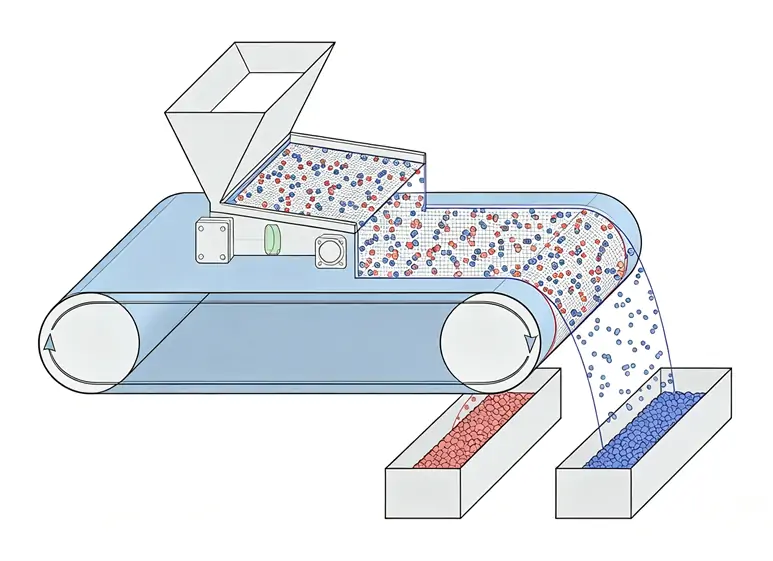
Eddy Current Separator is a metal separation equipment designed to recover non-ferrous metals from processed waste streams. Unlike Magnetic Separator, which removes ferrous metals through magnetic attraction, an Eddy Current Separator is mainly used for recovering conductive metals such as aluminum, copper, and zinc. In complete recycling systems, it is usually installed after magnetic separation to improve metal recovery and increase the value of recycled materials.
Working Principle
Unlike magnetic separators, Eddy Current Separators do not attract metals directly. Instead, they use a high-speed magnetic rotor to generate a changing magnetic field. When conductive metals enter this field, eddy currents are generated inside the particles, creating a repulsion force that pushes them away from the material flow. This principle enables the separation of non-ferrous metals from mixed waste materials.
Applications
Eddy Current Separator is widely used in recycling industries where valuable non-ferrous metals need to be recovered after ferrous metal removal. In WEEE recycling, it separates metals such as copper and aluminum from electronic waste components. In automobile recycling and ASR processing, it helps recover materials including aluminum wheels and zinc alloy parts after shredding. For municipal solid waste and incinerator bottom ash recycling, it is used to extract aluminum cans and other remaining non-ferrous metals from processed materials.
Differences Between Eddy Current Separator and Magnetic Separator
In waste recycling applications, Eddy Current Separator and Magnetic Separator are used for different metal separation tasks. Their selection mainly depends on material composition, separation requirements, and the role of each machine in the recycling process.
Difference in Separation Target
The primary difference between the two technologies is the type of metal being recovered. Magnetic Separator is designed for ferrous metals such as iron and steel, which respond to magnetic fields and can be removed from mixed materials through magnetic attraction. Eddy Current Separator is used for non-ferrous metal recovery, separating conductive metals such as aluminum, copper, and zinc that cannot be captured by conventional magnetic separation.
Difference in Position Within Recycling Process
In a typical recycling plant, Magnetic Separator is installed before Eddy Current Separator. Ferrous metals are usually removed first because they are commonly present in mixed waste streams and may interfere with downstream separation. After iron removal, Eddy Current Separator processes the remaining materials to recover valuable non-ferrous metals and improve the overall metal recovery performance of the system.
Difference in Recovery Purpose and Application Value
Magnetic Separator mainly improves material purity by removing iron contamination and protecting downstream equipment from damage caused by ferrous materials. Eddy Current Separator focuses on recovering valuable non-ferrous metals from processed waste streams, allowing recycling plants to extract additional resources from materials that would otherwise be discarded.
Why Magnetic Separator and Eddy Current Separator Are Used Together?
In recycling plants, Magnetic Separator and Eddy Current Separator are commonly combined because mixed waste streams usually contain both ferrous and non-ferrous metals. A single separation method cannot effectively recover both types of materials, so the two technologies are arranged together to improve metal recovery and material quality.
Ferrous Metal Removal Before Non-Ferrous Recovery
Magnetic Separator is normally installed at the beginning of the metal separation process to remove ferrous metals such as iron and steel. This stage helps recover ferrous materials while reducing magnetic metal interference in later processes. Removing iron particles in advance also helps protect downstream equipment and creates better conditions for non-ferrous metal separation.
Recovering Valuable Non-Ferrous Metals After Iron Separation
After ferrous metals are removed, the remaining material can be processed by an Eddy Current Separator to recover conductive metals such as aluminum, copper, and zinc. Since these metals cannot be separated by magnetic attraction, eddy current technology provides an effective way to extract additional recyclable materials and improve the value of recovered products.
A Complete Metal Recovery Process for Recycling Plants
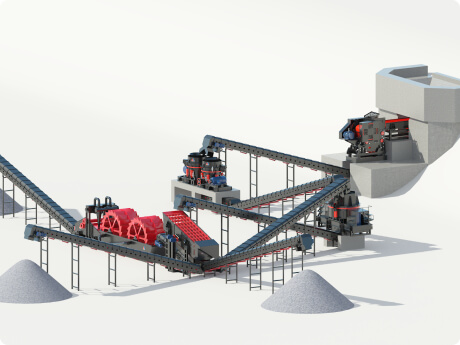
The combination of Magnetic Separator and Eddy Current Separator forms a practical metal recovery process for many recycling applications. Magnetic separation handles the first stage of iron removal, while eddy current separation completes the recovery of non-ferrous metals. Depending on material composition, capacity requirements, and recovery targets, this combination is widely used in MSW recycling, C&D waste processing, WEEE recycling, and scrap metal recovery systems.
How to Choose Between Eddy Current Separator and Magnetic Separator?
Choosing between an Eddy Current Separator and a Magnetic Separator depends on the material composition, recovery target, and processing requirements of the recycling project. These two machines are not competing technologies. The correct choice is based on whether the project mainly needs ferrous metal removal, non-ferrous metal recovery, or complete metal separation from mixed waste streams.
Choose Magnetic Separator for Ferrous Metal Removal
A Magnetic Separator is suitable for projects where iron and steel are the main recovery targets. It is commonly used to remove ferrous metals from construction waste, scrap materials, MSW, and industrial waste streams. Besides recovering iron materials, it also helps reduce metal contamination and protect downstream equipment from damage caused by unwanted ferrous objects.
Choose Eddy Current Separator for Non-Ferrous Metal Recovery
An Eddy Current Separator is the better choice when the waste stream contains valuable conductive metals such as aluminum, copper, and zinc. It is mainly applied after ferrous metal removal to recover remaining non-ferrous materials from WEEE, automobile shredder residue, incinerator bottom ash, and municipal solid waste. For recycling projects focused on increasing material recovery value, ECS provides an additional separation stage beyond traditional magnetic separation.
Choose Both for Mixed Waste Recycling Projects
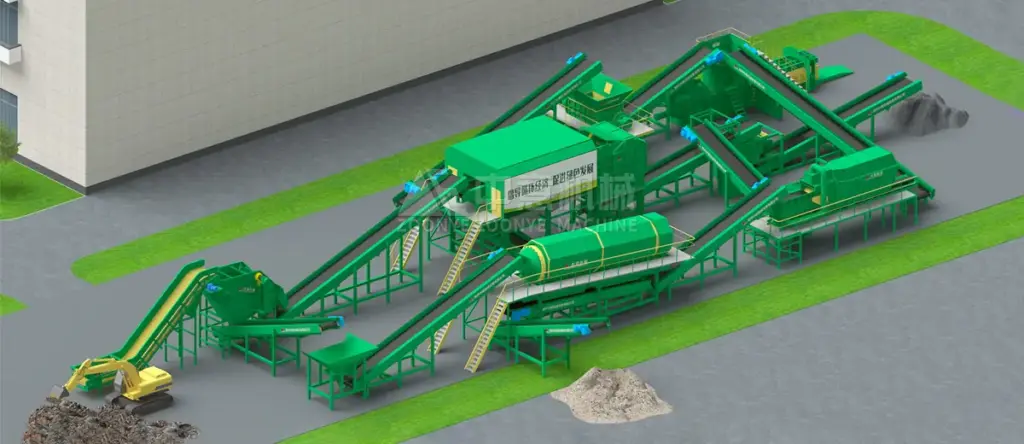
For complex waste streams containing different types of metals, combining Magnetic Separator and Eddy Current Separator is usually the most effective solution. Magnetic Separator performs the first-stage removal of ferrous metals, while Eddy Current Separator completes the recovery of non-ferrous metals. This configuration is widely used in MSW sorting plants, C&D waste recycling systems, and scrap processing lines where both material purity and recovery efficiency are important.
Conclusion
Magnetic Separator and Eddy Current Separator are designed for different metal separation tasks but play complementary roles in waste recycling systems. Magnetic Separator removes ferrous metals such as iron and steel, while Eddy Current Separator recovers valuable non-ferrous metals including aluminum and copper.
For modern recycling plants, combining both technologies provides a more complete metal recovery solution. By removing ferrous metals first and recovering non-ferrous metals afterward, recycling systems can improve material purity, increase resource recovery, and maximize the value of processed waste.
If you are planning a waste recycling project and need help selecting the right metal separation equipment, our engineering team can provide a customized solution based on your material composition, processing capacity, and recovery targets. Contact us to discuss your recycling requirements and find the most suitable separation system.


Andy Yu
Technical Engineer | Zhongyi ECO
16+
Years Exp.
300+
Solutions
50+
Countries
16 years’ experience in environmental and solid waste management, specializing in C&D recycling and waste sorting solutions. At Zhongyi Mining Machinery, focused on improving global clients’ efficiency through technical expertise and tailored configurations.
FAQ
No. An Eddy Current Separator cannot replace a Magnetic Separator because they are designed for different metal separation purposes. Magnetic Separator is mainly used to remove ferrous metals such as iron and steel, while Eddy Current Separator is designed to recover conductive non-ferrous metals such as aluminum and copper. In complete recycling systems, both equipment types are usually combined to achieve better metal recovery.
The main difference is the type of metals they separate and the separation method they use. Magnetic Separator removes ferrous metals through magnetic attraction, while Eddy Current Separator uses electromagnetic induction to separate conductive non-ferrous metals. In recycling applications, Magnetic Separator is generally used for iron removal, while Eddy Current Separator focuses on recovering valuable metals such as aluminum, copper, and zinc.
It depends on the material composition and recovery targets of the project. If the waste stream mainly contains ferrous metals, a Magnetic Separator may be enough. However, for mixed waste containing iron, aluminum, copper, and other metals, using both systems provides more complete separation. The Magnetic Separator removes iron first, followed by Eddy Current Separator for non-ferrous metal recovery.
An Eddy Current Separator is usually installed after the Magnetic Separator in a recycling process. The magnetic separation stage removes ferrous metals first, reducing interference from iron materials and improving downstream separation conditions. After this stage, the Eddy Current Separator can efficiently recover remaining conductive metals such as aluminum and copper from the processed material stream.
An Eddy Current Separator is mainly used to recover conductive non-ferrous metals, including aluminum, copper, brass, and zinc. It is commonly applied in WEEE recycling, automobile shredder residue processing, municipal solid waste recycling, and incinerator bottom ash recovery. These metals cannot be separated by conventional magnetic methods, making eddy current technology an important part of modern recycling systems.
These separation systems are widely used for mixed waste streams containing recyclable metals. Common applications include municipal solid waste, construction and demolition waste, scrap metal processing, electronic waste, and automobile recycling. Magnetic Separator is mainly used for ferrous metal removal, while Eddy Current Separator is added when valuable non-ferrous metals need to be recovered.
The selection depends on the type of metals in the waste stream and the desired recovery result. A Magnetic Separator is suitable when the main goal is removing iron and steel, while an Eddy Current Separator is needed when recovering aluminum, copper, or other conductive metals. For complex recycling projects, combining both technologies usually provides better overall recovery performance.
When selecting metal separation equipment, factors such as material composition, particle size, moisture content, processing capacity, and recovery targets should be considered. Different waste streams require different separation solutions. A proper evaluation of the incoming material helps determine whether a Magnetic Separator, Eddy Current Separator, or a combined system is the most suitable choice.
Related Waste Sorting Equipment

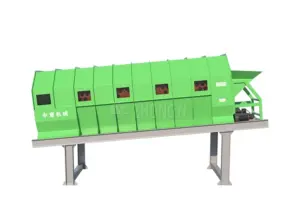
GTS Series Rotary Trommel Screen
GTS Series Rotary Trommel Screen is commonly used before metal separation in waste recycling plants. It separates materials by size, removes oversized and undersized fractions, and creates a more stable feed stream for downstream equipment such as Magnetic Separator and Eddy Current Separator. It is widely applied in MSW, C&D waste, and industrial waste sorting systems.

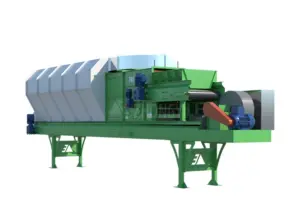
TTS Series Ballistic Separator Machine
TTS Series Ballistic Separator Machine is designed for MSW and mixed waste sorting applications. It separates materials according to shape, size, and density, dividing two-dimensional light materials from three-dimensional heavy materials. By improving material classification before metal recovery, it helps optimize the performance of downstream Magnetic Separator and Eddy Current Separator systems.

Horizontal Negative Pressure Wind Sifter Separator
Horizontal Negative Pressure Wind Sifter Separator is used to separate lightweight materials from heavier fractions through controlled airflow. In waste recycling plants, it is often combined with metal separation equipment to remove plastics, films, and other light materials after screening. This improves material purity and supports more efficient recovery of recyclable metals.

Optical Sorting Machine for Recycling
Optical Sorting Machine for Recycling uses sensor-based identification technology to separate materials according to color, shape, or composition. It is commonly installed after mechanical and metal separation processes for further purification of recycled materials. The equipment is suitable for plastic recycling, WEEE recycling, and mixed waste sorting applications requiring higher material quality.