
Introduction
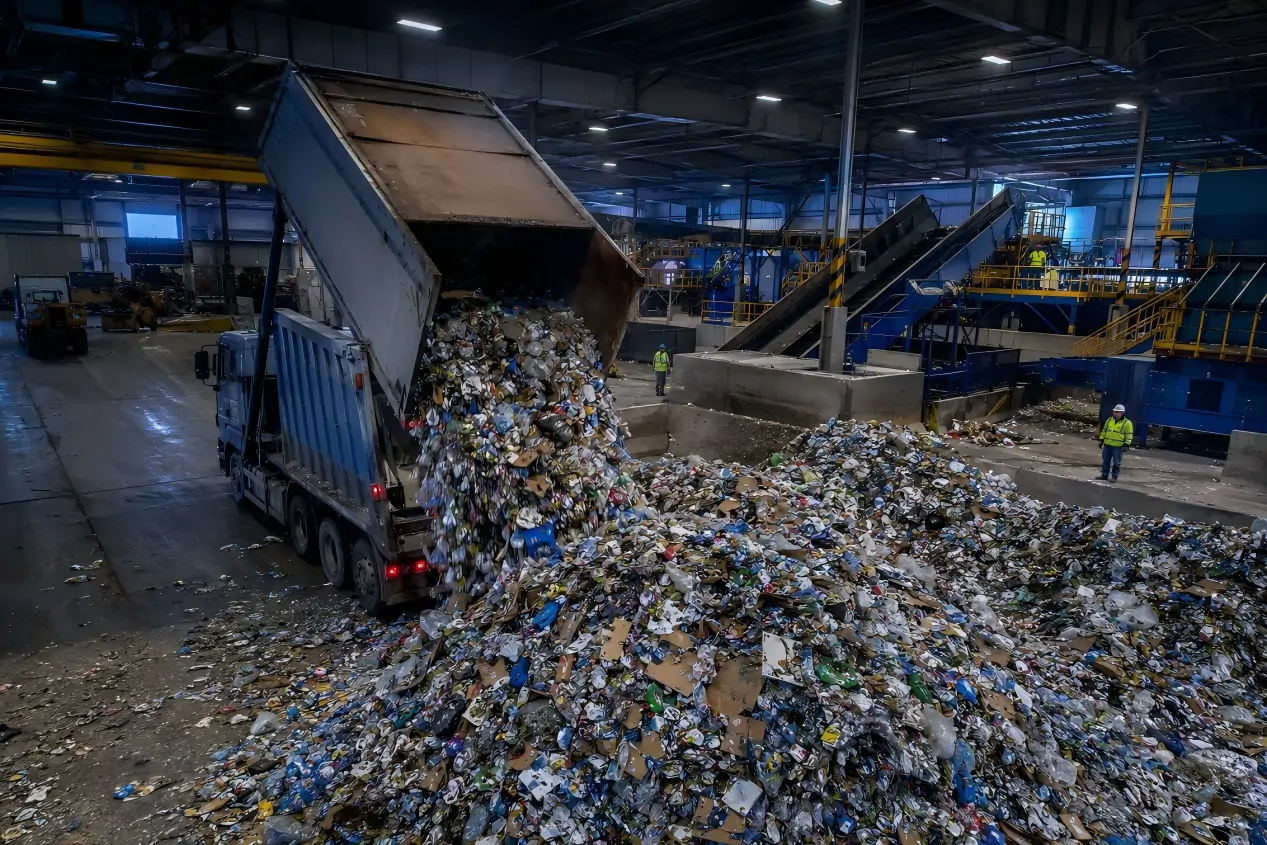
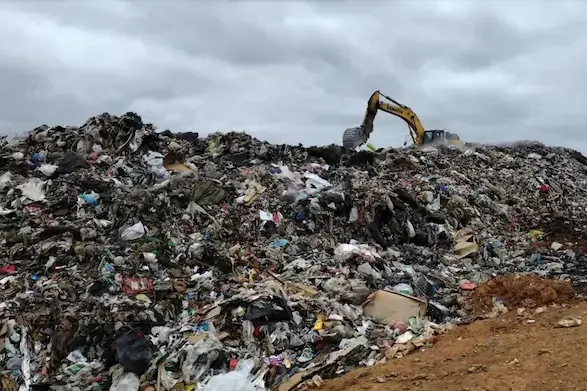
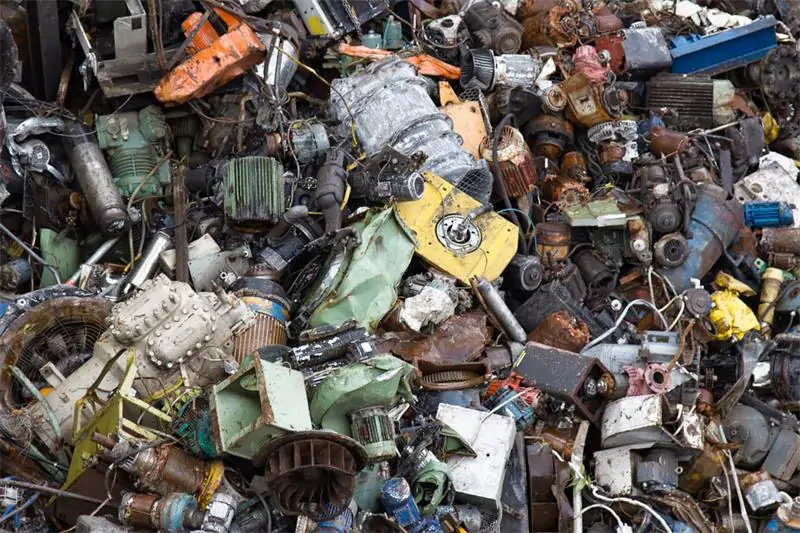
In waste recycling and material recovery plants, unwanted ferrous metals are often mixed with other materials during collection, transportation, and processing. Items such as steel fragments, iron wires, cans, and metal pieces can enter shredders, crushers, and sorting equipment, causing equipment wear, reducing recovered material quality, and affecting the stability of downstream operations.
To solve these challenges, magnetic separation technology is widely used to remove ferrous contaminants from mixed material streams. Understanding how does a magnetic separator work helps recycling operators understand how magnetic forces identify and separate iron-containing materials from other waste components during continuous processing.
A magnetic separator works by creating a magnetic field that attracts ferrous materials while non-magnetic materials continue through the production process. In recycling applications, magnetic separators for recycling are usually installed at suitable points in conveyor systems to achieve automatic iron removal, reduce metal contamination, and support more reliable material recovery operations.
This guide explains the working principle of magnetic separators, including how magnetic fields interact with ferrous materials, the factors affecting separation performance, and why magnetic separation plays an important role in modern recycling systems.

What Is a Magnetic Separator for Recycling?
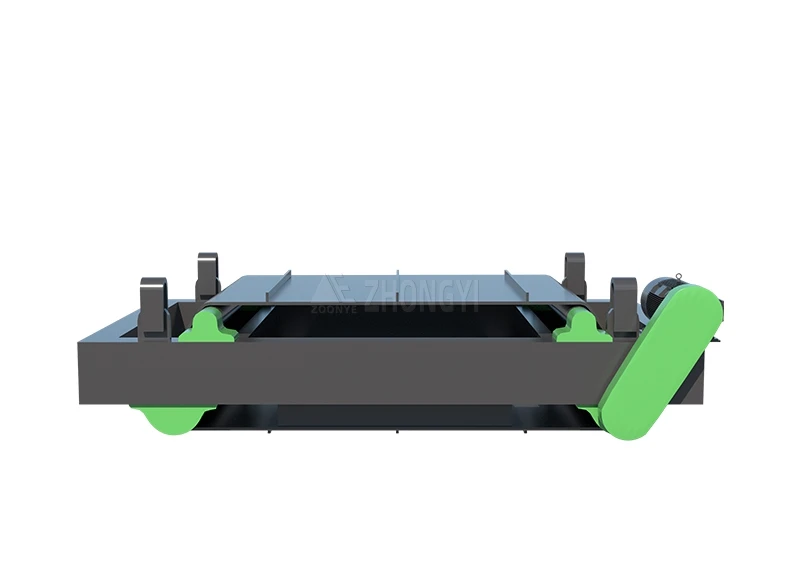
A magnetic separator for recycling, also known as an overband magnetic separator, suspended magnetic separator, or iron remover, is an industrial separation device designed to automatically remove ferrous metals from mixed material streams. It uses magnetic force to separate iron and steel contaminants from recyclable materials, helping improve material purity and reduce the risk of metal damage to downstream equipment. Magnetic separators are widely used in recycling systems to recover ferrous metals from MSW, C&D waste, industrial waste, and RDF production lines.
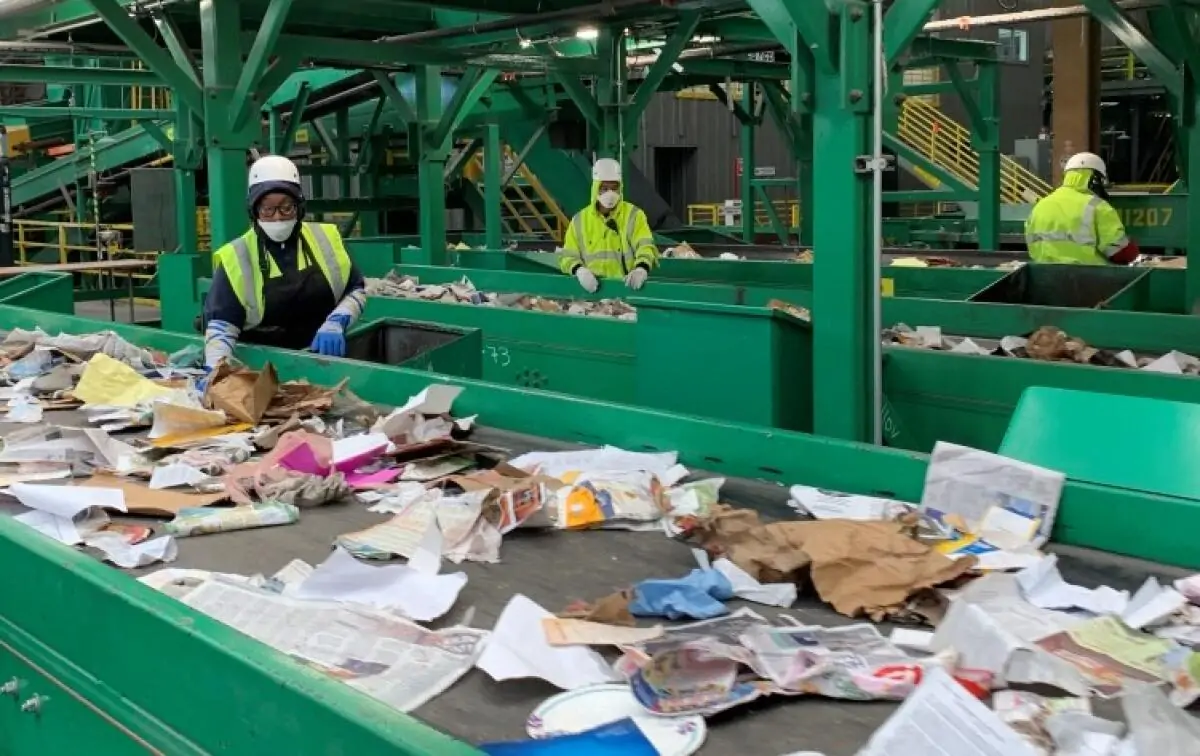
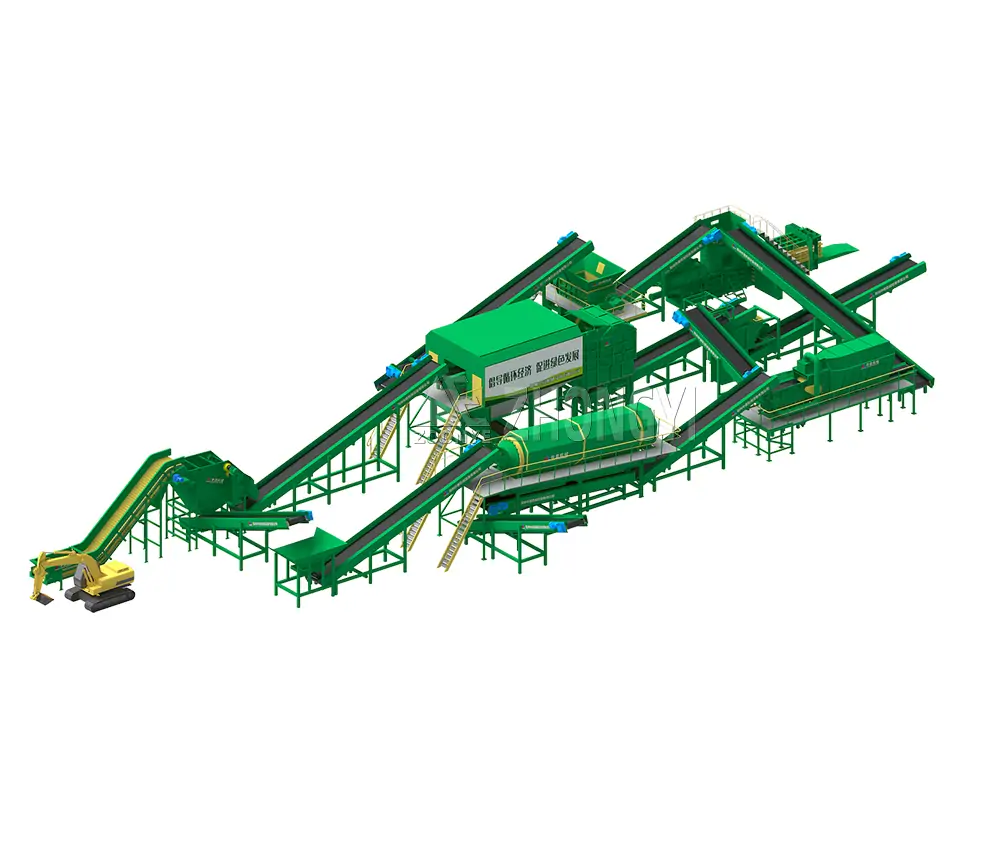
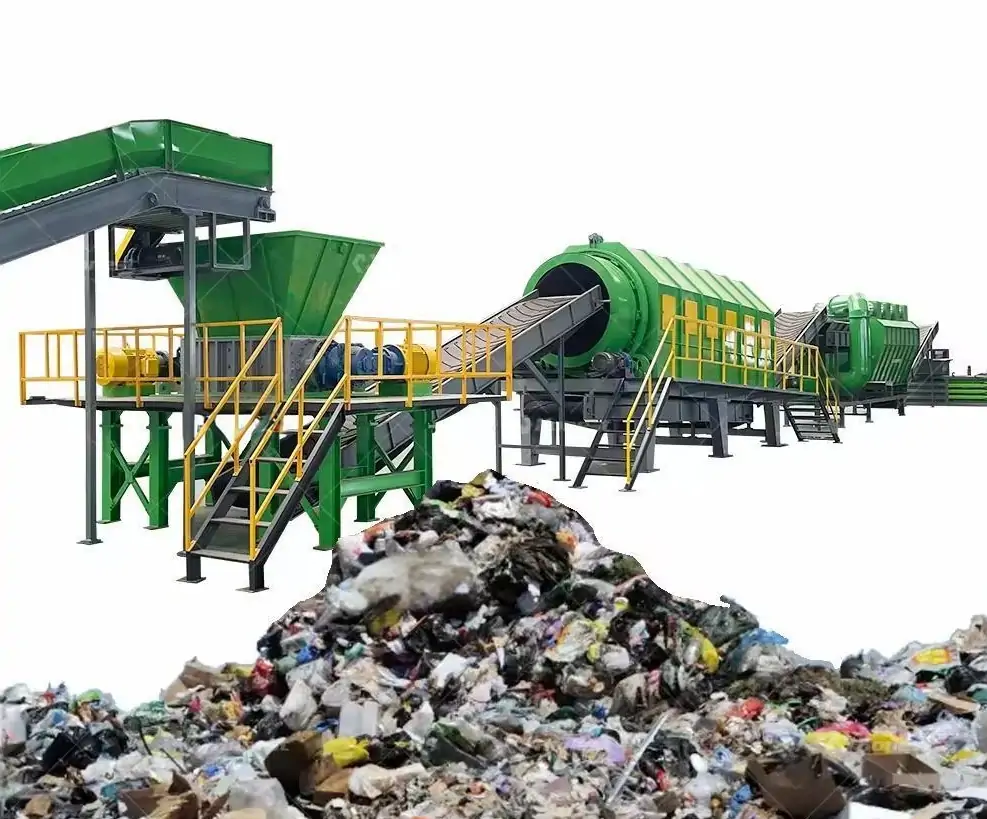
In a typical recycling plant, the magnetic separator is installed along the conveyor line and works together with upstream equipment such as shredders, crushers, bag openers, and screening systems, while supporting downstream processes including air separation, optical sorting, and material recovery. Depending on the process design, it can be installed before size reduction to remove large iron objects and protect equipment, or after crushing and screening to improve the quality of recovered materials.
How Does a Magnetic Separator Work?
A magnetic separator works by using magnetic force to separate ferrous metals from non-magnetic materials during material handling. When mixed waste passes through the magnetic field generated by the separator, iron-containing materials are attracted and removed from the main material flow, while other recyclable materials continue to the next processing stage.
The separation process depends on the magnetic properties of the material, magnetic field strength, particle size, material layer thickness, and the distance between the material and the magnetic source. In recycling applications, the purpose of magnetic separation is not only to recover ferrous metals but also to reduce metal contamination and protect downstream equipment.
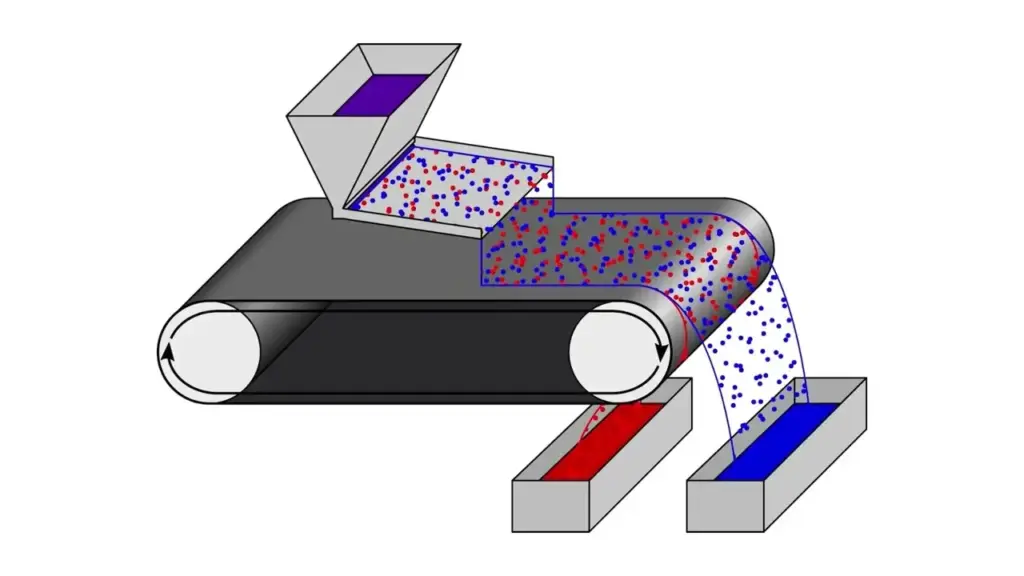
Creating a Magnetic Field to Capture Ferrous Metals
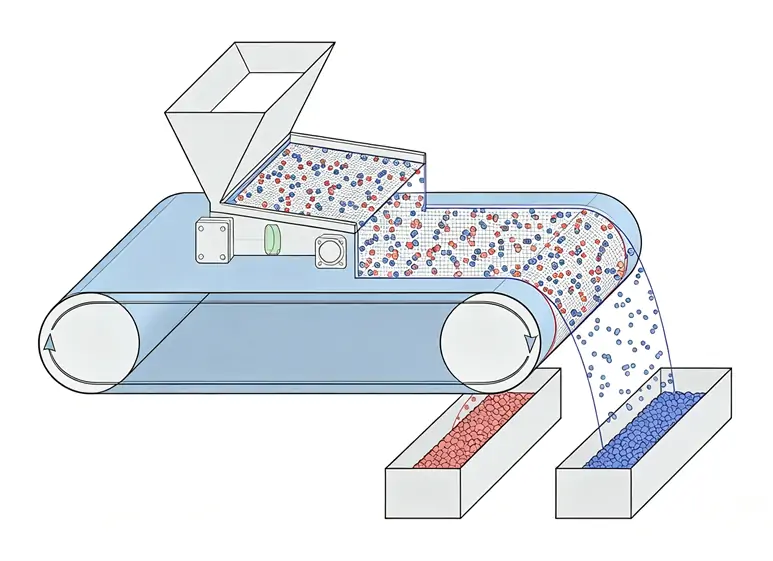
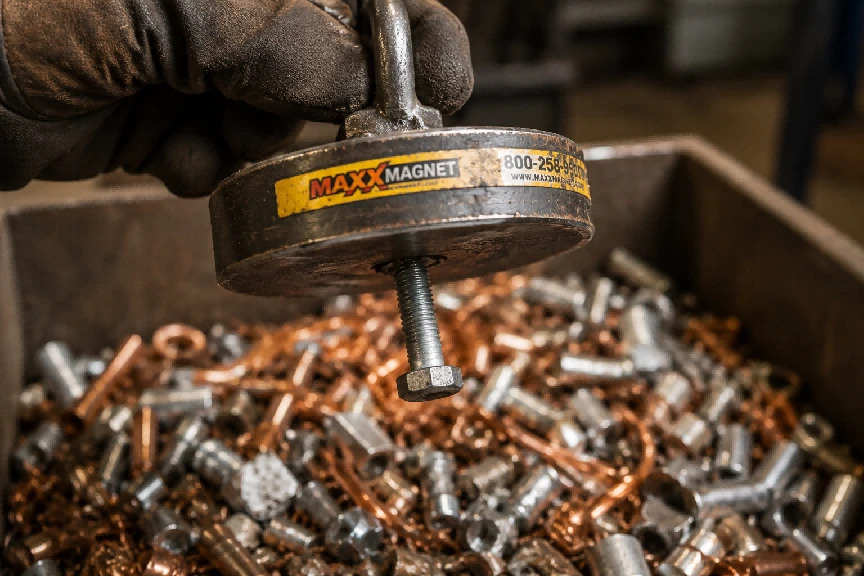
The magnetic system is the core component of a magnetic separator. It creates a magnetic field that generates attraction force toward ferrous materials passing through the separation area.
In recycling plants, permanent magnetic systems are commonly used because they provide stable magnetic performance with low maintenance requirements. When waste materials move through the magnetic field, materials with magnetic properties are attracted toward the separator, while non-magnetic materials remain unaffected.
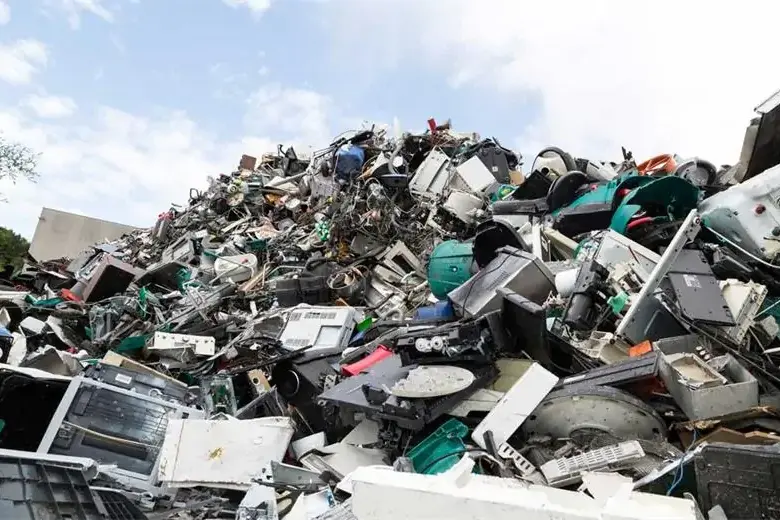
A magnetic separator mainly removes ferrous metals, including:
- Iron blocks – larger iron pieces that may enter the waste stream from construction materials, industrial waste, or scrap.
- Steel fragments – broken steel parts, metal packaging, and steel pieces generated during crushing and processing.
- Ferrous contaminants – unwanted iron-containing materials that can reduce the quality of recovered materials or damage downstream equipment.
Non-magnetic metals such as aluminum, copper, and stainless steel cannot be removed by standard magnetic separation and require other separation technologies.
Separating Iron Materials from Waste Streams on Conveyor Lines
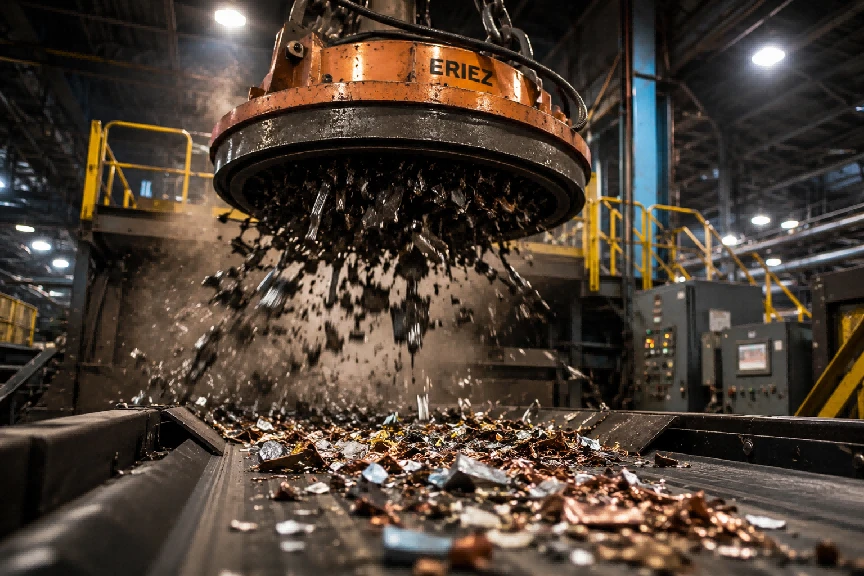
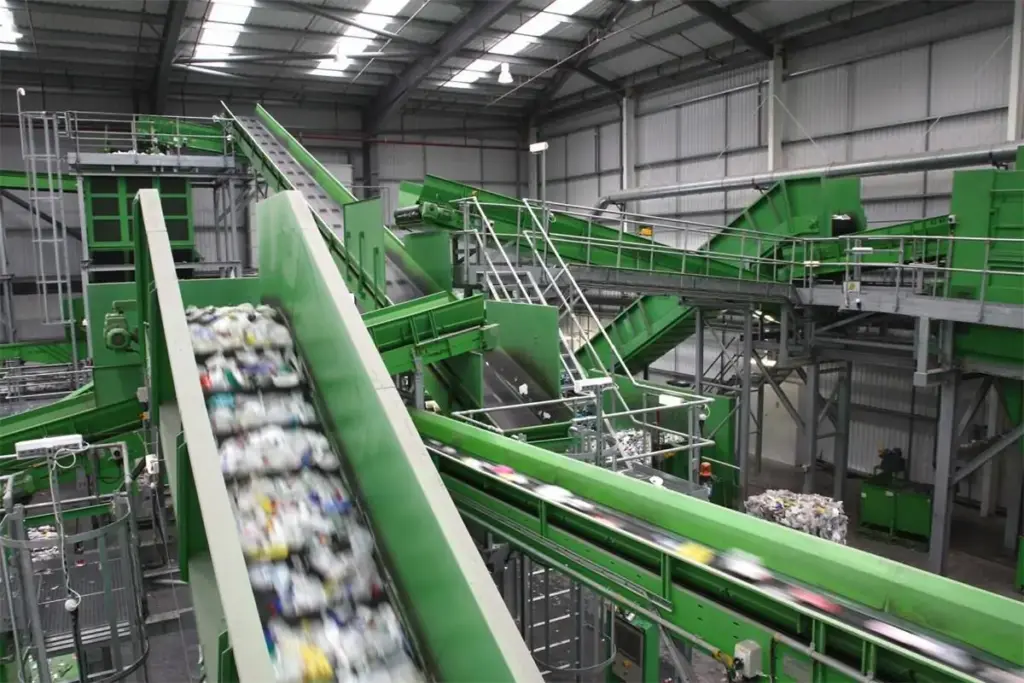
In automated recycling facilities, magnetic separators are usually installed above conveyor belts where mixed materials are continuously transported. As waste moves through the magnetic field area, ferrous metals are attracted upward and separated from the remaining material stream.
The basic separation process can be described as:Mixed waste enters the conveyor→ Materials pass through the magnetic field area→ Ferrous metals are attracted and removed from the material flow→ Separated iron materials are discharged for recycling
This continuous separation method is widely applied in:
- Municipal solid waste (MSW) sorting plants
- Construction and demolition waste recycling facilities
- RDF production lines
- Industrial waste processing systems
The installation position affects the separation purpose. When placed before shredding or crushing, the magnetic separator helps remove large metal objects and reduce equipment damage. When installed after screening, it helps improve the purity of recovered materials.
Automatic Self-Cleaning Discharge for Continuous Operation
After ferrous metals are captured by the magnetic field, they must be removed from the separation zone to maintain stable operation. A self-cleaning magnetic separator uses a moving discharge belt to carry collected iron materials away from the magnetic area and release them into a separate recovery location.
Compared with manual metal removal, automatic discharge reduces downtime and avoids frequent cleaning during operation. This design allows recycling plants to process large volumes of waste continuously while maintaining stable ferrous metal recovery performance.
Main Components of a Recycling Magnetic Separator
A recycling magnetic separator is mainly composed of a magnetic system, self-cleaning discharge mechanism, drive unit, and supporting frame. These components work together to generate magnetic force, remove ferrous metals, and maintain continuous operation in recycling production lines.
High Strength Permanent Magnetic System
The permanent magnetic system is the core component of a recycling magnetic separator. It generates a stable magnetic field to attract ferrous metals such as iron blocks, steel fragments, and other iron-containing contaminants from mixed material streams.
A permanent magnetic separator provides consistent magnetic performance without continuous power consumption for magnet generation, making it suitable for long-term operation in waste recycling applications.
Self Cleaning Discharge Belt System
The self-cleaning discharge belt continuously removes captured ferrous metals from the magnetic separation area. After iron materials are attracted by the magnetic field, they are carried away by the moving belt and discharged into a separate collection area.
This automatic discharge design reduces manual cleaning requirements and allows the recycling line to operate continuously with less interruption.
Heavy Duty Frame and Drive System
The frame and drive system provide structural support and ensure stable operation under demanding recycling conditions. The equipment must withstand dust, vibration, and irregular material flow during continuous processing.
The drive unit controls the movement of the discharge belt, ensuring smooth transportation of separated iron materials and reliable performance during long working periods.
How Does a Magnetic Separator Improve Recycling Processes?
A magnetic separator improves recycling processes by removing unwanted ferrous metals from mixed material streams, helping produce cleaner recovered materials. In MSW sorting plants, it can separate steel cans, iron scraps, and other iron-containing contaminants before further processing, improving the quality and value of recyclable outputs.
Another important function is protecting downstream equipment from metal damage. Ferrous objects entering shredders, crushers, and conveyors may cause wear, blockage, or unexpected downtime. By removing these materials in advance, magnetic separators help reduce equipment risks and maintain more stable operation of the recycling line.
In addition to contamination control and equipment protection, magnetic separators enable the recovery of valuable ferrous metals from waste streams. The separated iron fraction can be collected and sent for metal recycling, creating additional resource value while supporting more efficient waste recovery.
Applications of Magnetic Separator for Recycling
Magnetic separators are widely used in recycling and resource recovery facilities to remove ferrous metals from mixed material streams. In municipal solid waste (MSW) sorting plants, they are integrated with equipment such as bag openers, screens, air separators, and optical sorting systems to improve material quality. In construction waste recycling, magnetic separators help recover steel components such as rebar and iron fragments while reducing metal contamination in recycled materials. They are also applied in RDF and industrial waste processing to remove ferrous impurities before further treatment, supporting cleaner output and more stable downstream operation.
Factors Affecting Magnetic Separation Efficiency
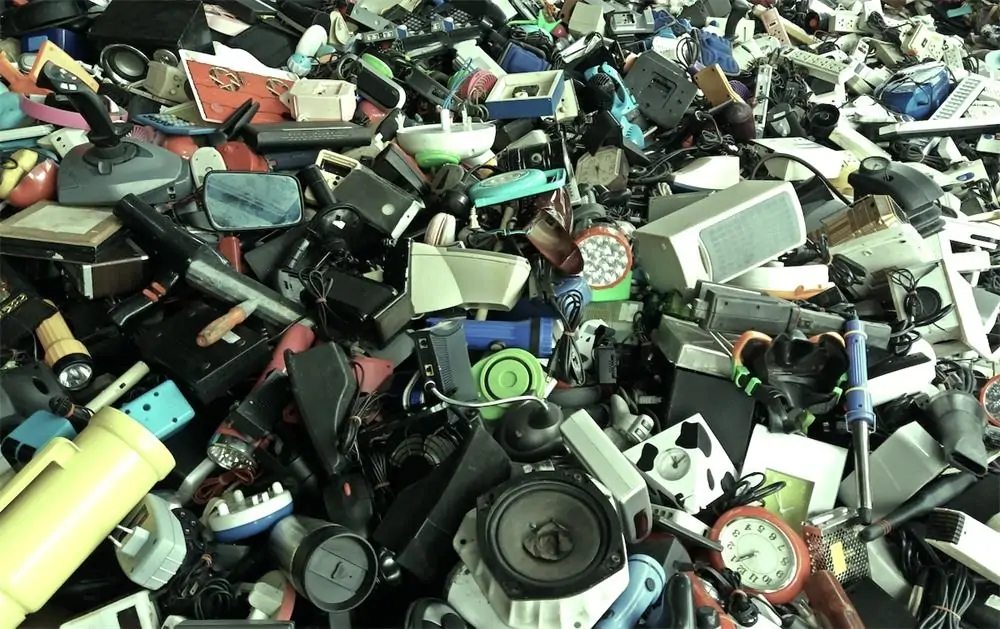
The performance of a recycling magnetic separator is influenced by several practical factors, including waste characteristics, feeding conditions, and equipment arrangement. Proper evaluation of these factors helps maintain stable iron removal performance in different recycling applications.
Material Characteristics
The type and condition of incoming waste have a direct impact on separation results. Large iron objects are generally easier to recover, while small metal fragments or iron pieces mixed with other materials may require suitable magnetic force and feeding conditions.
Material composition, particle size distribution, and contamination level should be considered when selecting a magnetic separator for different recycling streams.
Feeding Conditions
The way materials enter the separation area affects recovery performance. Uneven feeding, excessive material thickness, or unstable flow rates can reduce the exposure of ferrous metals to the magnetic field.
A well-designed feeding system helps maintain a consistent material layer and allows the separator to work more effectively under continuous operation.
Equipment Layout and Process Design
The position of the magnetic separator within a recycling line should match the processing objective. Installation before size reduction equipment focuses on removing large metal objects for equipment protection, while placement after screening or crushing can improve ferrous metal recovery from processed materials.
Conclusion
Understanding how does a magnetic separator work helps recycling plant operators select the right equipment for efficient ferrous metal removal. By using magnetic force to capture iron and steel materials from mixed waste streams, magnetic separators enable continuous and automatic metal separation during recycling operations.
For solid waste processing facilities, a magnetic separator not only improves the purity of recovered materials but also protects shredders, crushers, and other downstream equipment from metal damage. At the same time, the recovered ferrous metals can be collected for recycling, creating additional resource value. If you need a magnetic separation solution based on your material type and processing requirements, request a customized magnetic separation solution from our engineering team.


Andy Yu
Technical Engineer | Zhongyi ECO
16+
Years Exp.
300+
Solutions
50+
Countries
16 years’ experience in environmental and solid waste management, specializing in C&D recycling and waste sorting solutions. At Zhongyi Mining Machinery, focused on improving global clients’ efficiency through technical expertise and tailored configurations.
FAQ
A magnetic separator works by generating a magnetic field that attracts ferrous metals from mixed waste streams. When materials pass through the separation area, iron and steel components are captured and removed from the main flow, while non-magnetic materials continue to the next processing stage. This allows recycling plants to recover valuable metals and improve material quality.
A recycling magnetic separator is designed to remove ferrous metals, including iron blocks, steel fragments, scrap metal, and iron-containing contaminants. It is commonly used in municipal solid waste, construction waste, RDF, and industrial waste processing lines. The actual recovery performance depends on material composition, metal content, particle size, and the operating conditions of the recycling system.
No. Conventional magnetic separators are mainly designed for ferrous metals because these materials respond to magnetic force. Non-magnetic metals such as aluminum, copper, and most stainless steel cannot be separated by standard magnetic equipment and usually require additional technologies, such as eddy current separators, optical sorting, or other material separation methods.
The installation position depends on the purpose of metal removal. Before shredders or crushers, magnetic separators are used to remove large iron objects and reduce equipment damage risks. After screening or size reduction, they help recover smaller ferrous materials and improve the quality of recyclable output before further sorting processes.
Metal objects mixed into waste streams can cause wear, blockage, or damage to shredders, crushers, and conveyors. Installing a magnetic separator before these machines helps remove ferrous contaminants in advance, reducing unexpected downtime and maintenance costs while improving the overall stability of the recycling production line.
The efficiency of a magnetic separator is affected by several factors, including waste composition, ferrous metal content, feeding conditions, material thickness, conveyor speed, and installation position. A suitable separator must match the characteristics of the waste stream and the processing requirements to achieve stable metal recovery performance.
Most recycling magnetic separators are designed for continuous operation with limited maintenance requirements. Equipment with a self-cleaning discharge belt can automatically remove collected iron materials without frequent manual cleaning. Regular inspections of the belt, drive components, and installation condition help maintain stable performance in long-term recycling applications.
Choosing the right magnetic separator depends on several project factors, including waste type, processing capacity, conveyor width, material characteristics, and installation location. Recycling plants should evaluate both current operating conditions and future expansion needs to select equipment that provides reliable ferrous metal recovery and integrates well with the complete sorting system.
Related Waste Sorting Equipment

Eddy Current Separator Machine
Eddy Current Separator Machine is designed to recover non-ferrous metals that cannot be removed by magnetic separators, including aluminum, copper, and zinc. Installed after ferrous metal separation, it uses high-speed magnetic fields to separate valuable non-ferrous metals from MSW, e-waste, scrap metal, and industrial waste streams, improving overall recycling efficiency.

Optical Sorting Machine for Recycling
Optical Sorting Machine for Recycling uses advanced CCD imaging technology and precision air ejection systems to identify and separate different materials based on color, shape, and surface characteristics. It is commonly integrated after screening and metal separation processes to remove contaminated or low-quality materials and improve the purity and value of recycled products.

Horizontal Negative Pressure Wind Sifter Separator
Horizontal Negative Pressure Wind Sifter Separator is designed for separating lightweight contaminants from heavy materials through controlled airflow and negative pressure technology. Its horizontal structure provides stable material conveying and high processing capacity. It is widely used in MSW recycling, construction waste treatment, RDF production and aggregate purification to remove plastic films, paper, wood chips and other lightweight impurities.
Vertical Negative Pressure Wind Sifter Machine
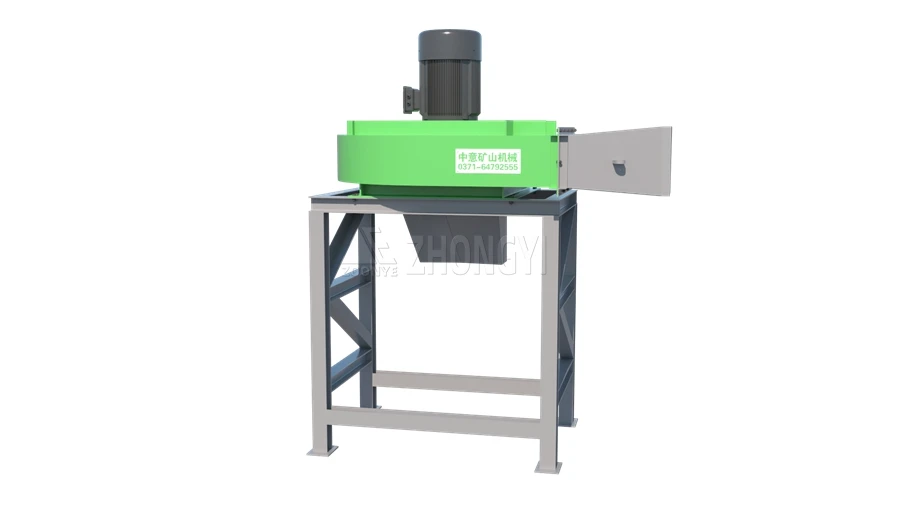
Vertical Negative Pressure Wind Sifter Machine uses vertical airflow separation to classify materials according to density and aerodynamic characteristics. With a compact structure and flexible installation design, it is suitable for projects with limited space. It can effectively remove lightweight contaminants from mixed waste streams and is commonly applied in plastic recycling, industrial waste sorting and small-to-medium recycling plants.