
Introduction
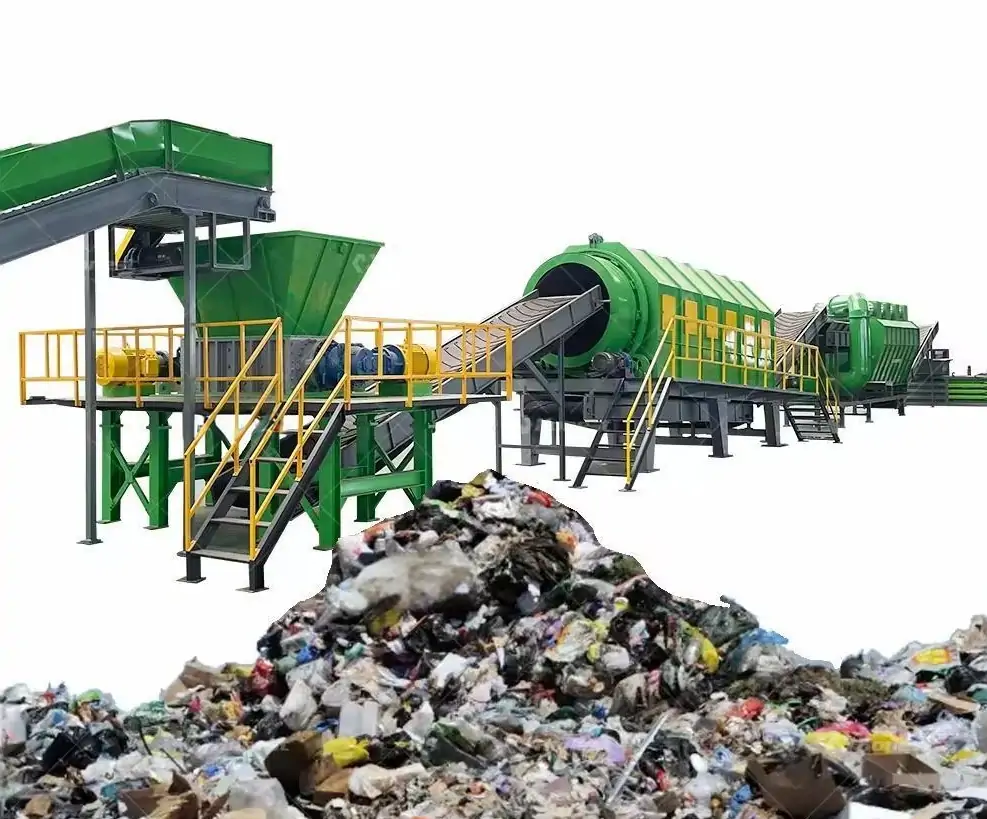
Selecting the right Waste Screening Machine For MSW Plant is a key step when designing or upgrading a municipal solid waste sorting system. In an MSW plant, screening equipment is used to separate waste materials into different size fractions and prepare them for downstream processes, including air separation, magnetic separation, optical sorting, and RDF production. The screening performance directly affects the efficiency of the entire sorting line.
However, many MSW projects face challenges during equipment selection because municipal waste is highly variable. The same plant may receive waste with different levels of moisture, organic content, plastic films, and bulky materials. If the screening equipment is not matched with the actual waste characteristics, problems such as material wrapping, screen blockage, unstable feeding, and reduced separation accuracy may occur.
There is no universal screening machine for all MSW plants. The right choice depends on multiple factors, including waste composition, processing capacity, screening requirements, and the following treatment processes. In this guide, we will explain the key factors to consider when selecting a waste screening machine, compare different screening technologies such as trommel screens, disc screens, flip flop screens, spiral shaft screens, and ballistic separators, and help you identify the most suitable solution for your MSW sorting plant.If you want to learn about “MSW Recycling Plant Cost in the U.S. in 2026: A Complete Guide,” please click on the article.


What Is A Waste Screening Machine For MSW Plant?
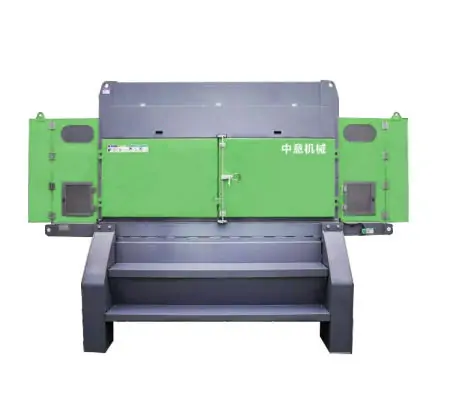
A Waste Screening Machine For MSW Plant is mechanical equipment used to separate mixed municipal solid waste into different fractions according to particle size and physical characteristics. It is commonly installed in the early stage of an MSW sorting line to separate materials into different size ranges before further processing.
Unlike sorting equipment that identifies specific materials, screening machines mainly classify waste through mechanical separation. The purpose of screening is to separate oversized materials, fine fractions, and intermediate-size materials, creating suitable material streams for the following treatment processes.
The Position Of Screening Equipment In MSW Sorting Process
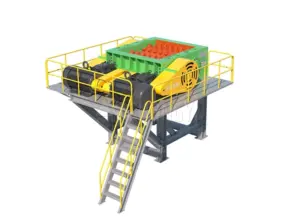
In a complete MSW processing plant, the screening machine is usually installed after the feeding and pre-treatment stages. The process starts with the Feeding System, which delivers mixed waste into the production line. After that, the Bag Opener / Pre-treatment Equipment opens waste bags and releases the mixed materials before they enter the screening stage.
After screening, different material fractions continue to downstream processes according to the plant design. Air separation is used for lightweight material separation, magnetic separation removes ferrous metals, and optical sorting further separates recyclable materials. Combustible fractions can be processed into RDF (Refuse Derived Fuel), while other materials are sent for recycling or final disposal.
How Waste Screening Machines Work
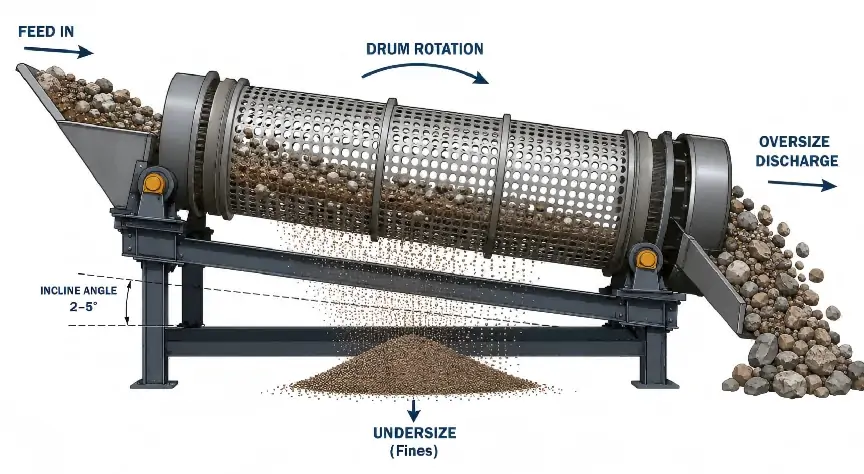
Waste screening machines separate materials through the movement of waste across a screening surface with different openings or structures. Smaller particles pass through the screen openings, while larger materials remain on the screening surface and move toward the next processing stage.
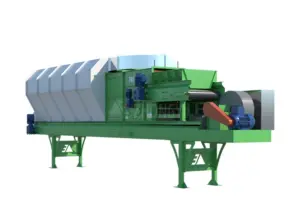
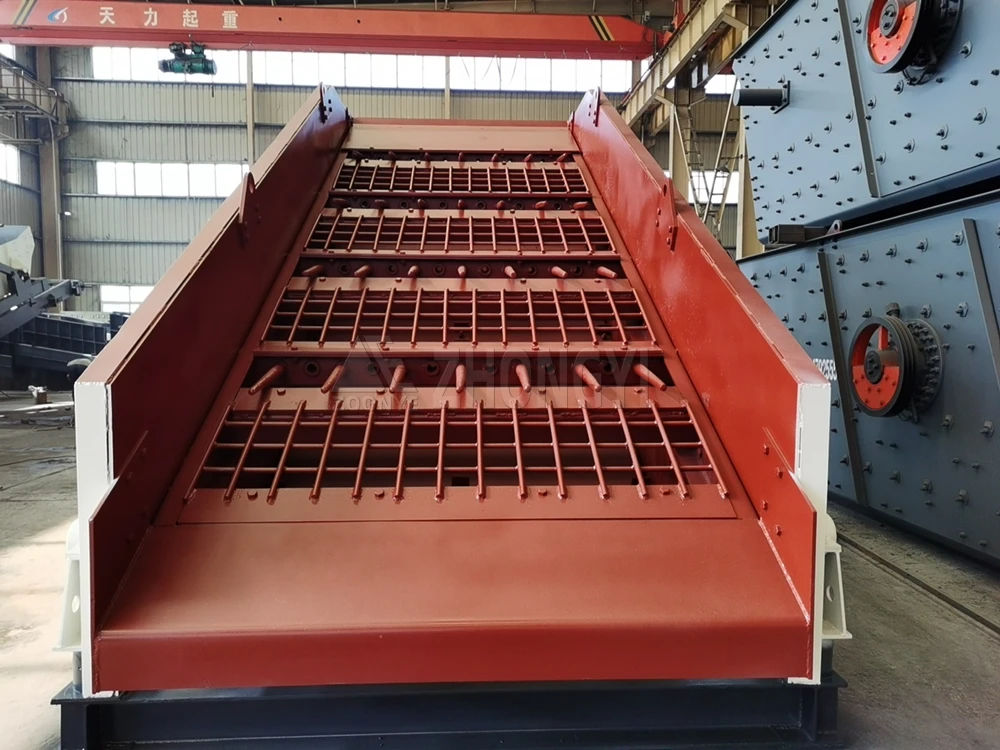
Different screening machines use different mechanical structures to handle waste materials. Rotary screens, disc screens, spiral shaft screens, and ballistic separators separate materials through different movement methods and screening principles.

Why Waste Screening Equipment Selection Is Critical For MSW Plants?
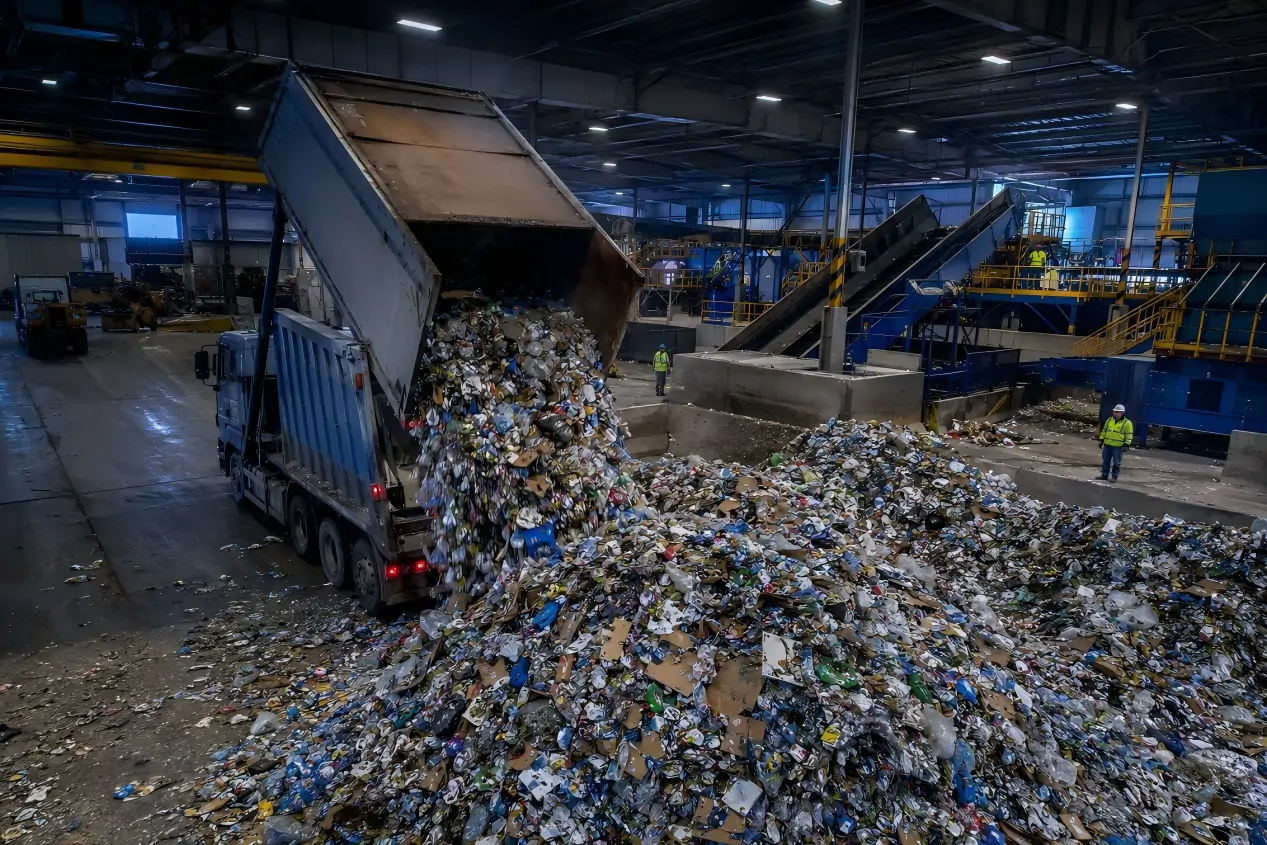
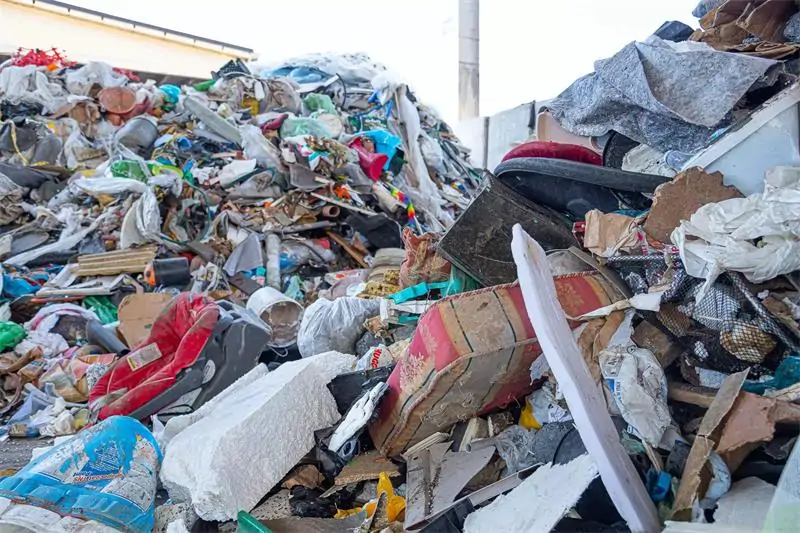
The selection of waste screening equipment directly affects the long-term stability and processing performance of an MSW plant. Municipal solid waste composition can vary significantly depending on collection methods, regions, and seasons, which makes screening performance highly dependent on actual operating conditions.
If the screening machine is not suitable for the incoming waste characteristics, problems such as unstable throughput, material accumulation, frequent shutdowns, and reduced separation efficiency may occur during operation. Therefore, proper equipment selection is essential to ensure the screening system can meet the plant’s processing requirements and support continuous waste treatment operations.
Reduces Overall Sorting Performance
The screening process plays an important role in controlling the quality and condition of materials entering the next treatment steps. When the selected equipment cannot handle the incoming waste properly, oversized materials may remain in the flow, fine materials may mix with recyclable fractions, and the separation quality of the entire plant can be affected.
For example, in MSW plants with a high proportion of organic waste, unsuitable screening equipment may cause sticky materials to accumulate on the screening surface. In plants with large amounts of flexible plastics, material wrapping can interrupt continuous operation. These issues not only affect daily production but may also increase manual cleaning and maintenance requirements.
Increases Project Operating Risks
Choosing screening equipment only based on rated capacity is a common mistake in MSW projects. Two plants with the same processing capacity may require completely different screening technologies because their waste composition, climate conditions, and final output targets are different.
A suitable screening configuration should match the actual project conditions, including waste characteristics, operating hours, and the requirements of the final products. Proper selection at the design stage helps avoid frequent equipment adjustments after installation and provides a more practical foundation for stable plant operation.
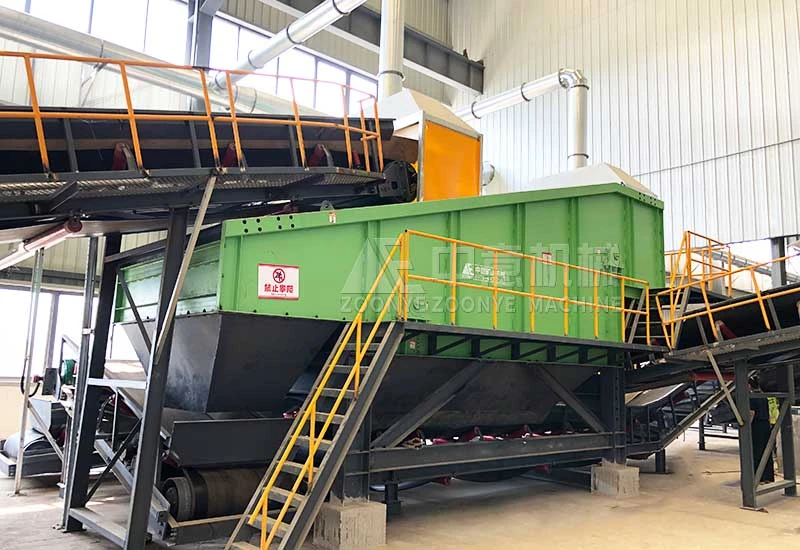
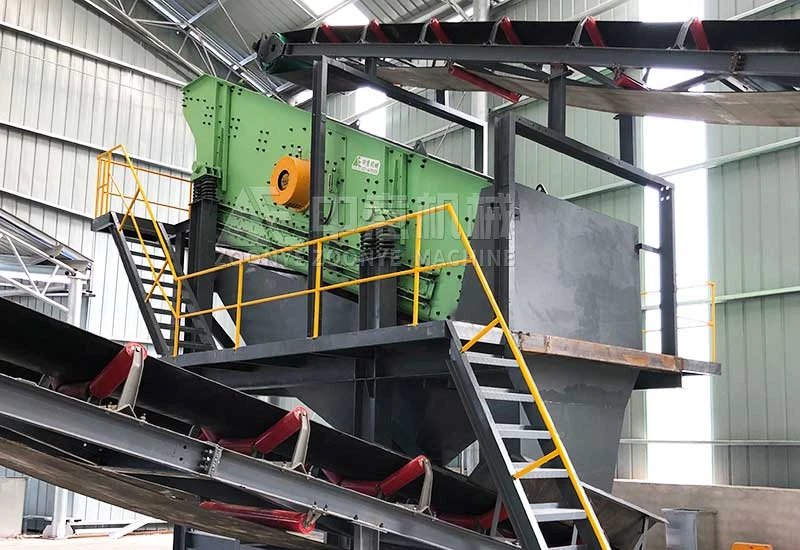
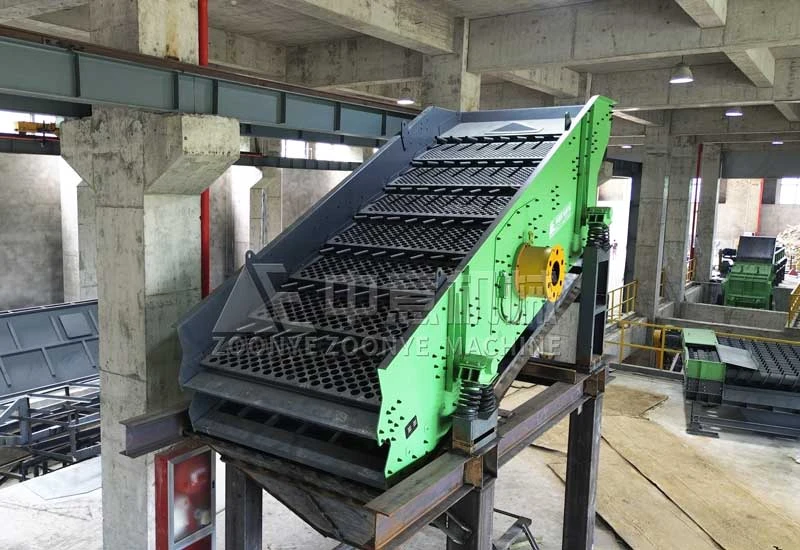
Factors To Consider When Choosing Waste Screening Machine
Choosing a suitable waste screening machine requires evaluating multiple project factors rather than selecting equipment only based on processing capacity. The screening system should match the characteristics of incoming waste, the required treatment capacity, and the overall MSW sorting process design.
Main factors include waste composition, moisture content, particle size distribution, final product requirements, and compatibility with downstream separation equipment. A properly selected screening system can provide suitable material classification for further sorting processes and help achieve stable operation throughout the waste treatment line.
Analyze Waste Characteristics Before Selecting Screening Equipment
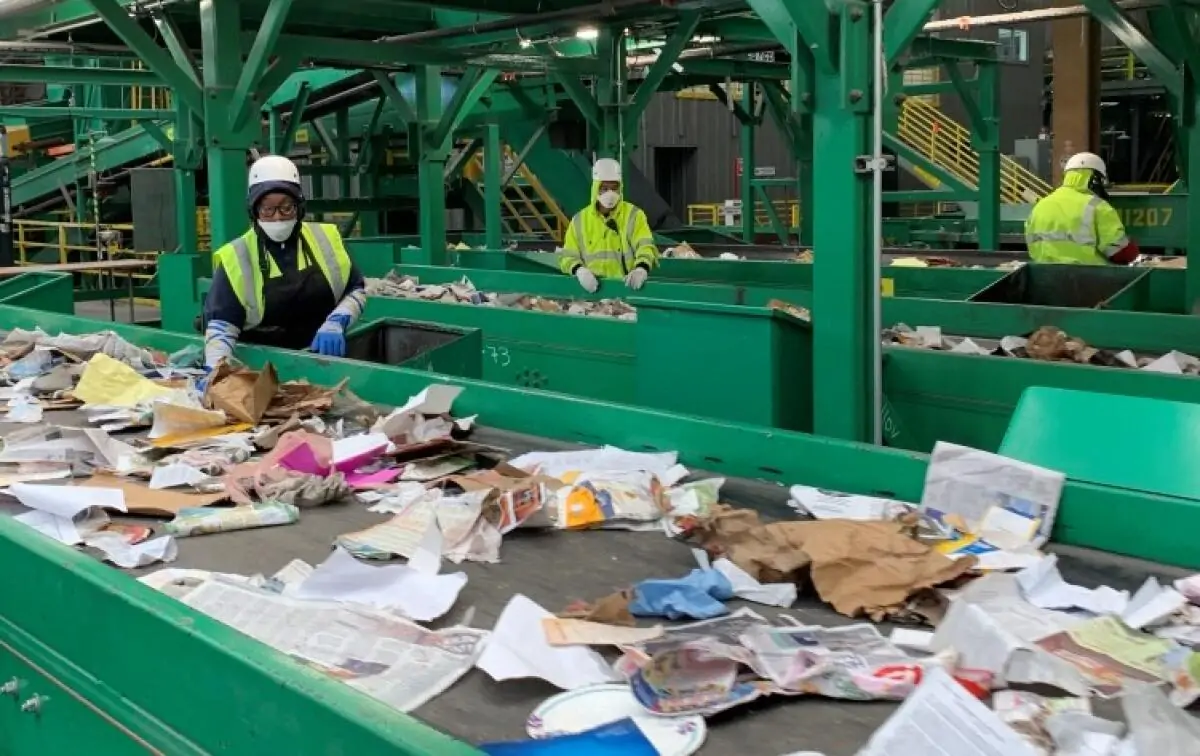
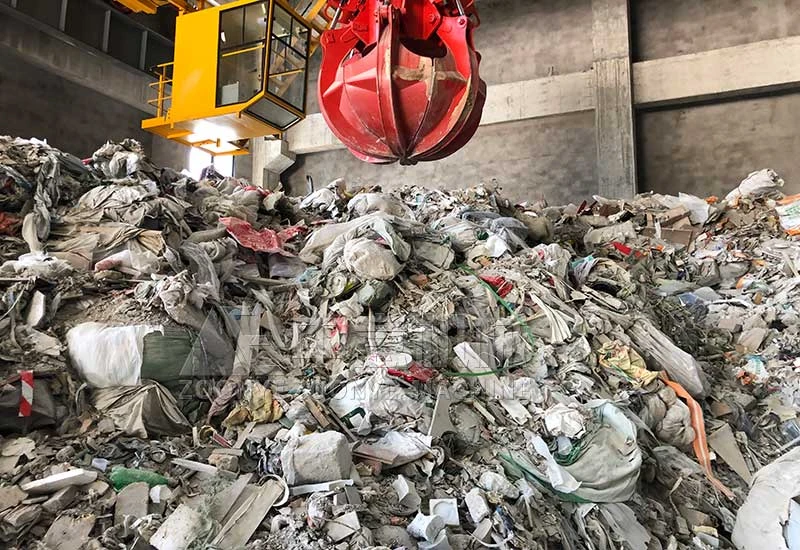
The composition of incoming waste is the first factor to evaluate before selecting screening equipment. Different MSW streams may contain varying amounts of organic waste, plastics, paper, textiles, and inert materials, which directly affect how the screening process should be designed.
Key factors include moisture content, organic fraction, plastic film percentage, particle size distribution, and contamination level. For example, wet MSW with high organic content often requires screening equipment designed to handle sticky materials and reduce blockage risks, while waste with a high proportion of flexible plastics requires a structure that can minimize material wrapping during operation.
Match Screening Machine With MSW Plant Capacity And Processing Requirements
The screening machine should be selected according to the actual throughput requirements of the MSW plant. A machine’s rated capacity is only one reference point; factors such as daily operating hours, peak feeding conditions, future expansion plans, and the connection with other equipment should also be considered.
Different plant scales may require different screening configurations. Small and medium-sized facilities may use a simpler screening process, while large-scale MSW plants often require multiple screening stages combined with other separation technologies to maintain a balanced material flow.
| Plant Capacity | Typical Screening Configuration |
| 20-50 TPH | Trommel Screen + Magnetic Separation |
| 50-150 TPH | Trommel Screen + Ballistic Separator + Air Separation |
| 150+ TPH | Multi-stage Screening + Optical Sorting |
Choosing equipment based only on maximum capacity may result in unsuitable operation conditions. The selected system should match the real processing demand and the complete plant design.
Consider Equipment Design, System Compatibility And Engineering Support
Waste screening equipment is an important part of the complete MSW sorting system and should be evaluated together with the entire production process. The selected machine needs to match the requirements of feeding systems, downstream separation equipment, material handling conditions, and final product targets.
In addition to screening performance, equipment structure, wear resistance, maintenance accessibility, and adaptability to different working conditions should also be considered. For complex waste treatment projects, experienced manufacturers can adjust equipment configuration based on waste characteristics, plant layout, and processing requirements to ensure the screening system fits the actual application.
Comparison Of Different Waste Screening Machines For MSW Plants
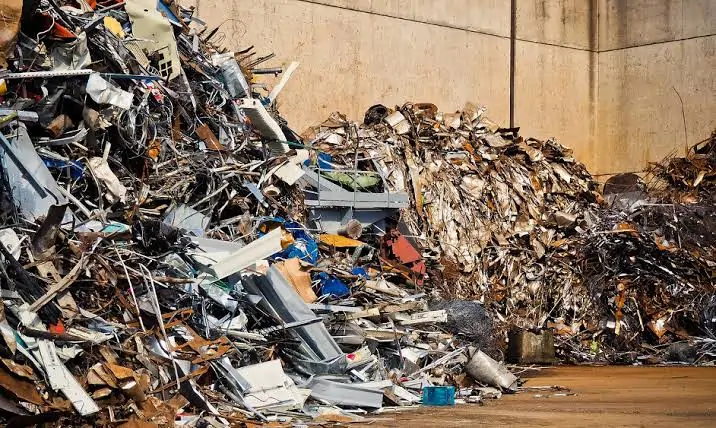
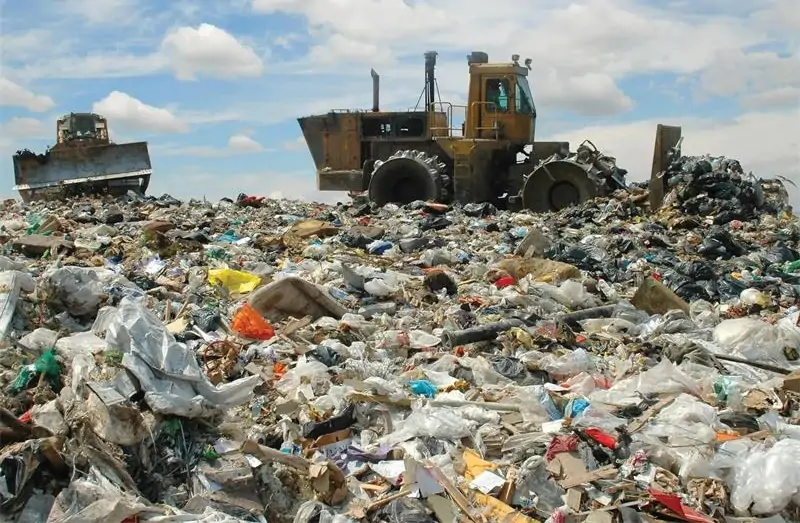
Different waste screening machines are designed for different waste characteristics and processing requirements. In MSW plants, the right screening technology depends on factors such as waste composition, moisture content, required separation size, processing capacity, and the role of the equipment within the complete sorting line.
There is no single screening machine suitable for all municipal solid waste applications. Some equipment focuses on stable size classification, while others are designed for high-throughput processing or handling difficult waste conditions. The following comparison highlights the differences between common screening technologies used in MSW sorting plants.
| Equipment | Best Application | Advantages | Suitable Waste |
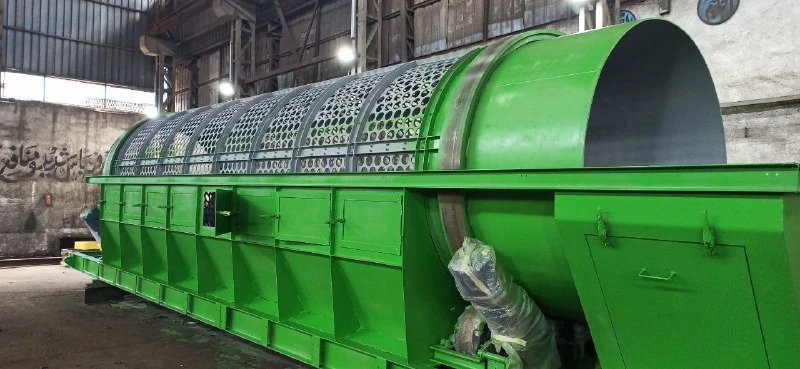
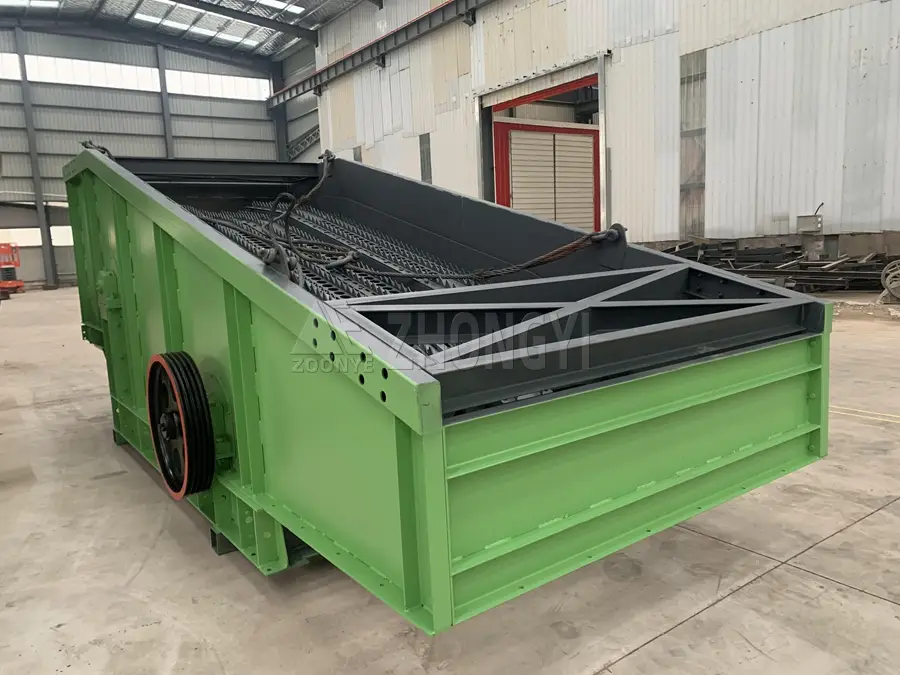
| Rotary Trommel Screen | Primary screening of mixed MSW | Stable operation, continuous processing | Mixed municipal waste, organic-rich MSW |
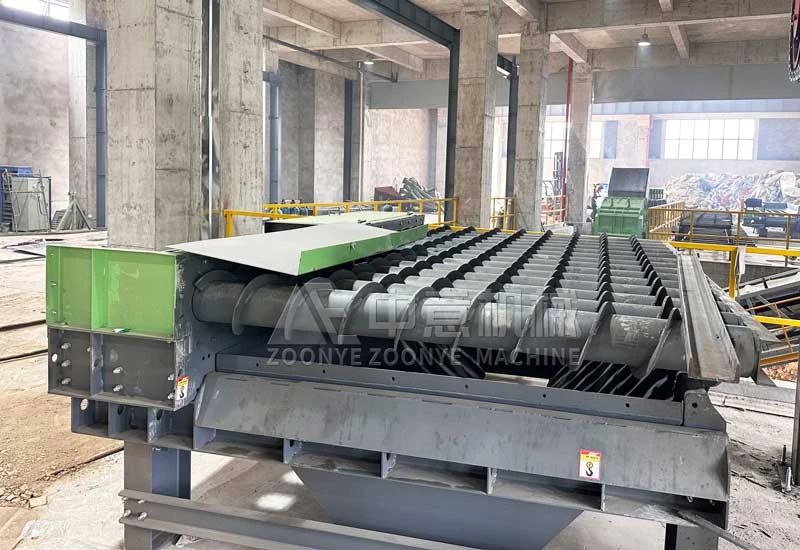
| Disc Screen | High-throughput screening and RDF production | High capacity, reduces material wrapping | Packaging waste, mixed recyclables |
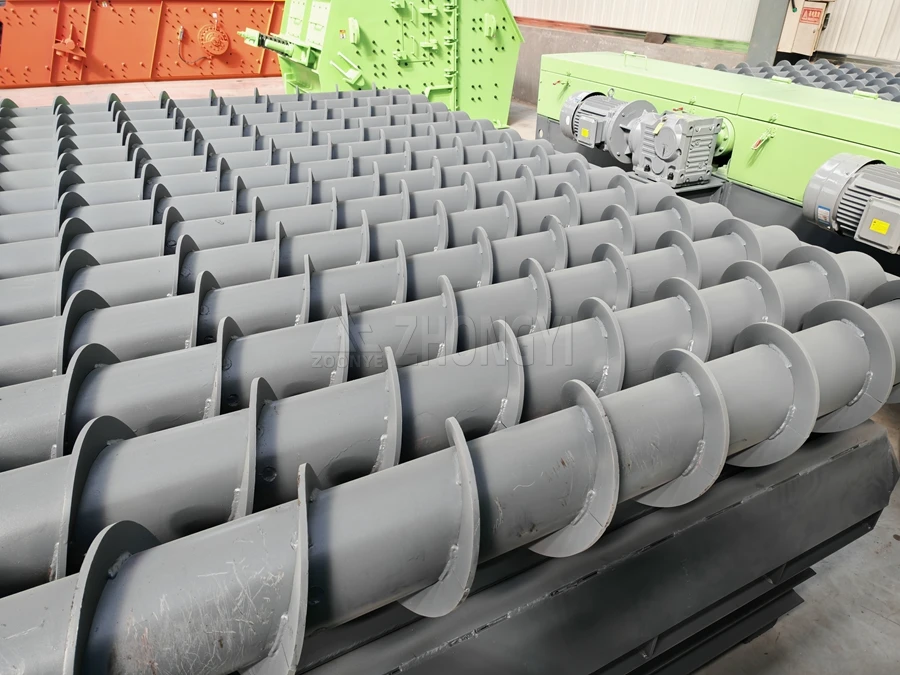
| Spiral Shaft Screen | Wet and organic-rich waste screening | Anti-clogging, handles sticky materials | Wet MSW, organic waste |
| Ballistic Separator | 2D/3D material separation | Improves material classification | Plastic film, paper, bottles |
How To Choose The Right Screening Equipment Based On MSW Plant Requirements?
Choosing the right screening equipment for an MSW plant requires understanding the actual waste conditions and processing objectives before selecting a machine type. In practical projects, factors such as waste composition, moisture content, particle characteristics, processing capacity, and final output requirements all influence equipment selection.
A suitable screening solution should not only handle the incoming waste stream but also maintain stable operation throughout the complete sorting process. The following factors explain how different MSW plant requirements affect screening equipment selection.
Match Screening Equipment With Waste Characteristics
The composition of municipal solid waste is the first factor to evaluate during equipment selection. Different waste streams may contain various amounts of organic materials, moisture, plastic films, paper, and inert materials, which directly affect screening performance.
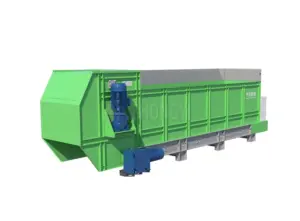
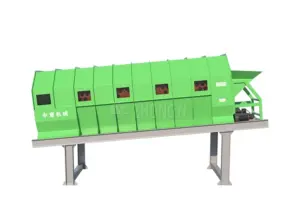
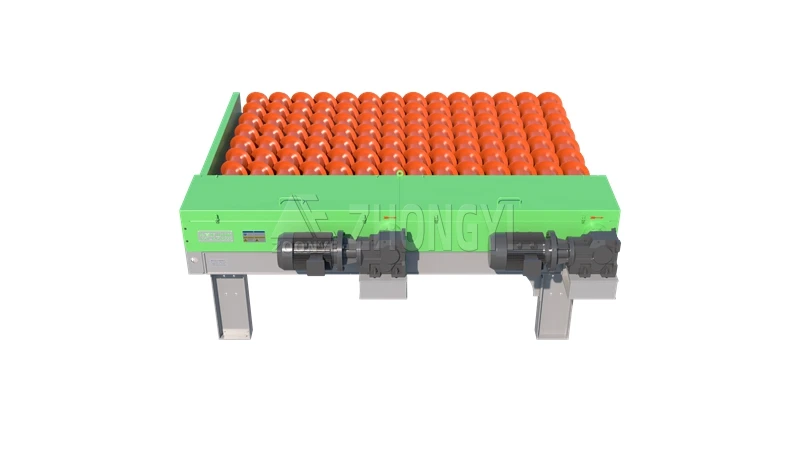
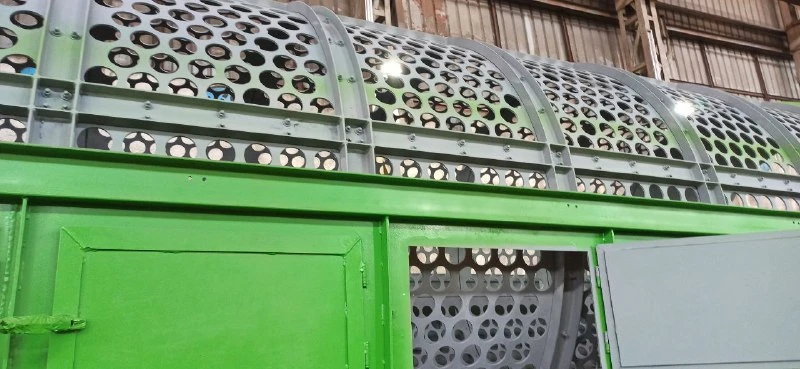
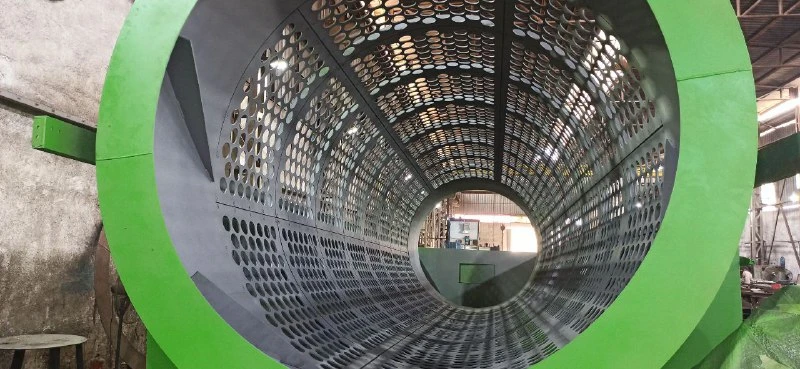
For high-moisture MSW with a large proportion of organic materials, the main challenge is preventing material buildup, wrapping, and blockage during operation. Equipment designed for difficult waste conditions, such as LX Series Spiral Shaft Screen, can be considered for wet and organic-rich materials, while GTS Series Rotary Trommel Screen is widely used for mixed MSW where stable size classification is required.
For waste streams containing more flexible materials such as plastic films and packaging waste, screening equipment should provide sufficient material separation ability while reducing wrapping problems.
Consider Plant Capacity And Final Processing Requirements
Processing capacity is another key factor when selecting screening equipment. The equipment should match not only the designed throughput but also actual operating conditions, including feeding fluctuations, daily working hours, and future expansion requirements.
For large-capacity MSW sorting plants, a combination of screening technologies may be required instead of relying on a single machine. For example, GTS Series Rotary Trommel Screen can perform primary size separation, while Waste Sorting Disc Screen and TTS Series Ballistic Separator Machine can support further material classification in high-throughput sorting lines.
For RDF production applications, screening equipment should focus on controlling material size and separating suitable combustible fractions. Waste Sorting Disc Screen is commonly used in RDF preparation systems because of its continuous operation capability and high processing capacity.
Evaluate Equipment Structure And Long-Term Operating Requirements
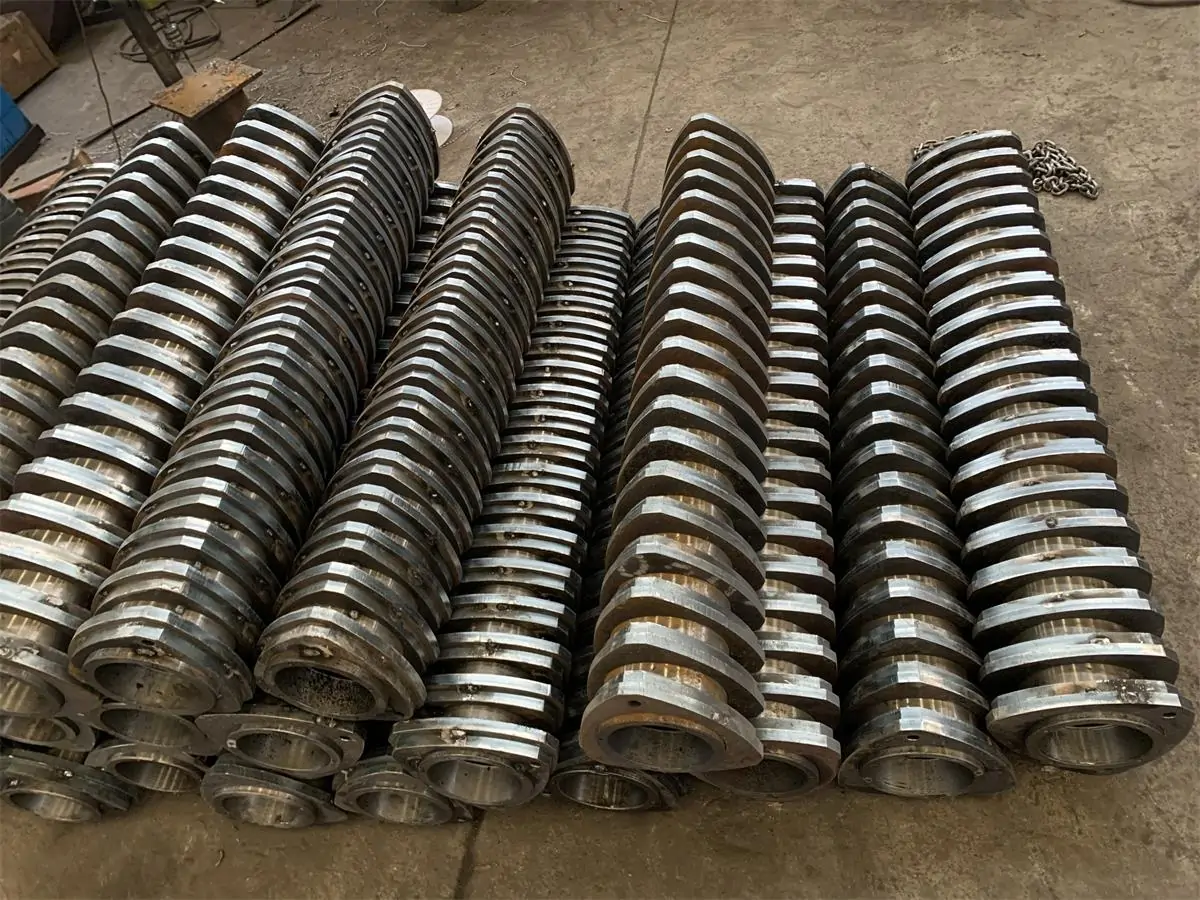
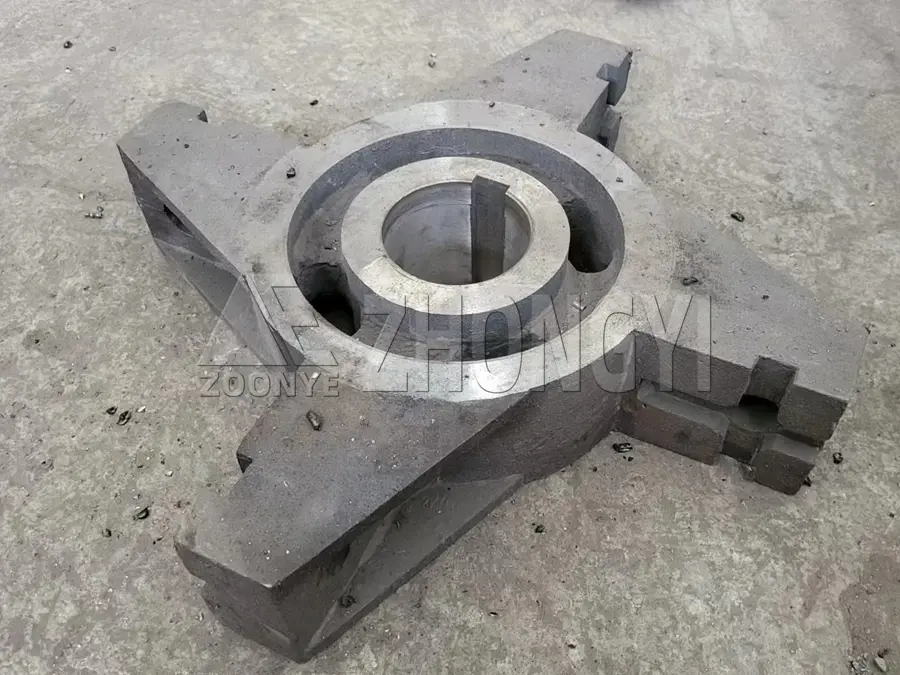
After confirming the suitable equipment type, project owners should also evaluate the structural design and long-term operating performance of the screening system. Important factors include anti-clogging design, wear resistance, maintenance accessibility, and adaptability to different working conditions.
In MSW applications, equipment that requires frequent cleaning or complicated maintenance may increase downtime and operating costs. Therefore, manufacturers with engineering experience should be able to adjust equipment configuration according to waste characteristics, plant layout, and processing requirements.
In addition, the total operating cost should be considered instead of only the initial equipment price. Energy consumption, wear part replacement, maintenance frequency, and equipment availability all influence the long-term investment value of the screening system.

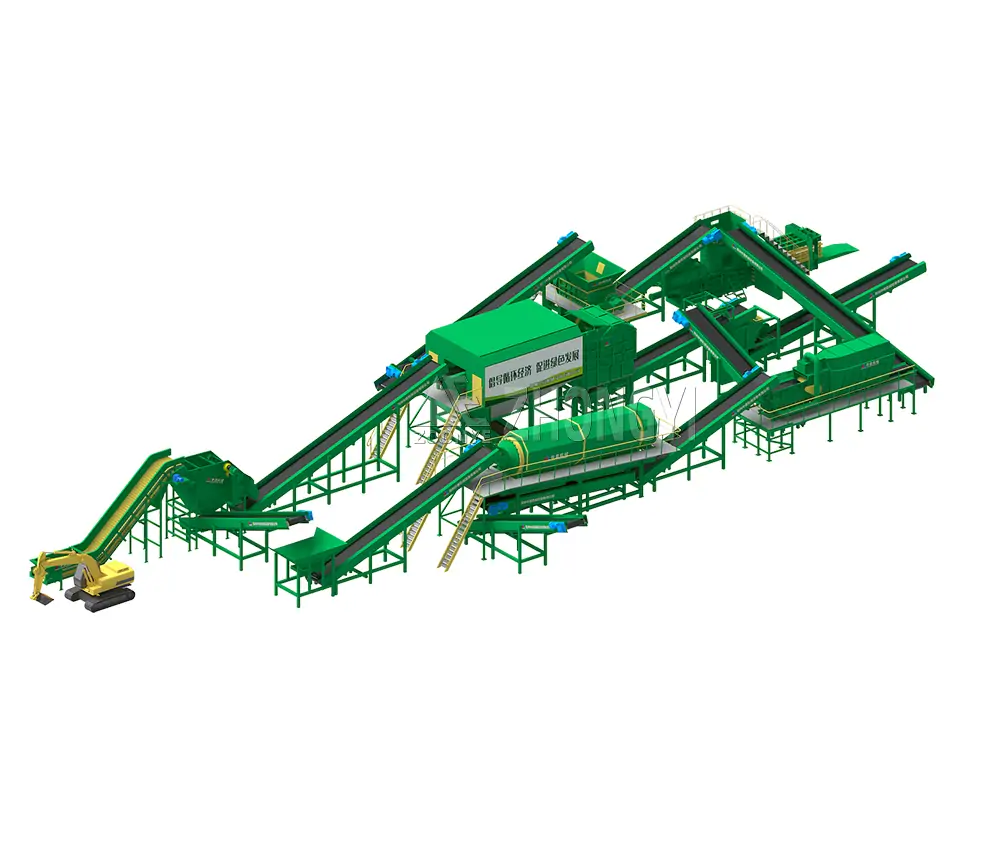
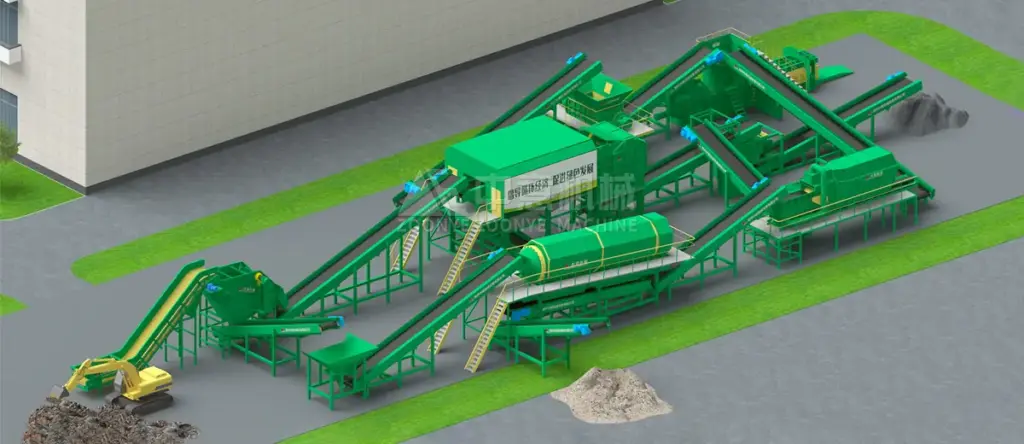
How Screening Equipment Integrates Into Complete MSW Sorting Plant?
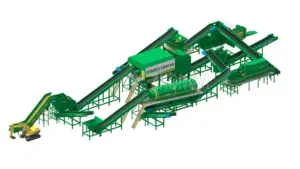
In an MSW sorting plant, screening equipment is integrated between waste preparation and material recovery stages to separate mixed waste into different size fractions. After bag opening, screened materials are classified before entering air separation, metal recovery, optical sorting, or RDF production processes, allowing each unit to handle more suitable material categories.
The screening configuration depends on waste composition, moisture level, particle size distribution, and final output requirements. Different screening technologies are arranged at different stages to remove oversized materials, recover fine fractions, and prepare consistent feed materials for subsequent sorting operations.
Pre-Treatment Stage: Preparing Waste Materials Before Screening
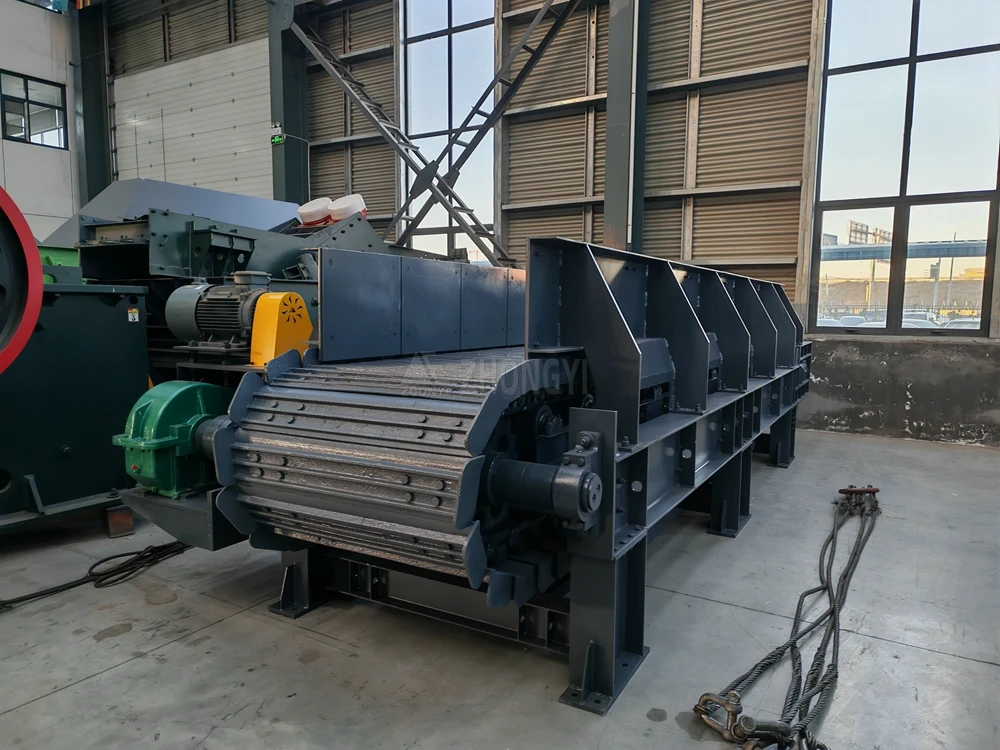
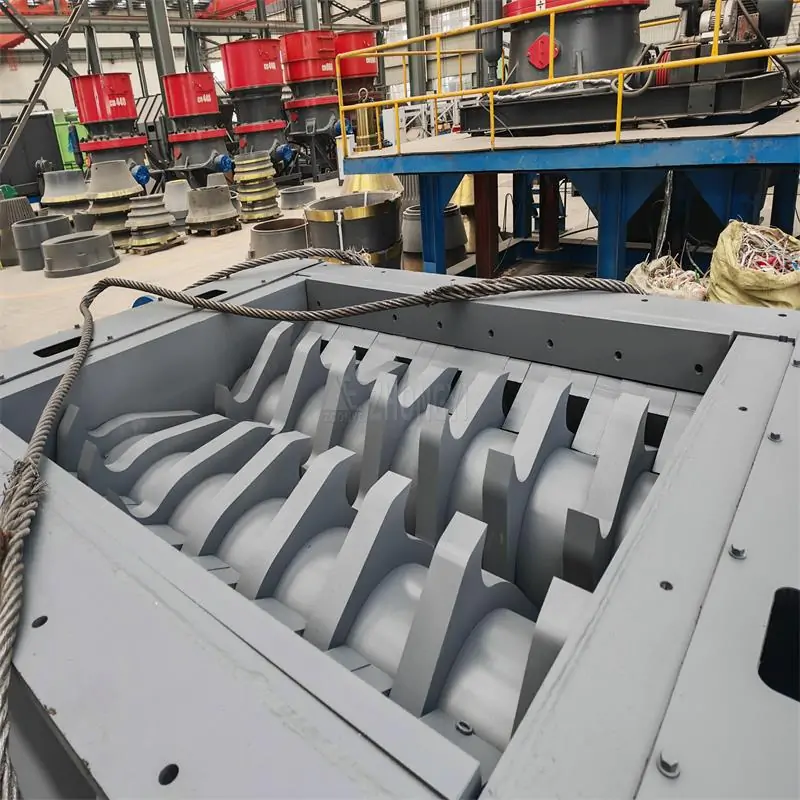
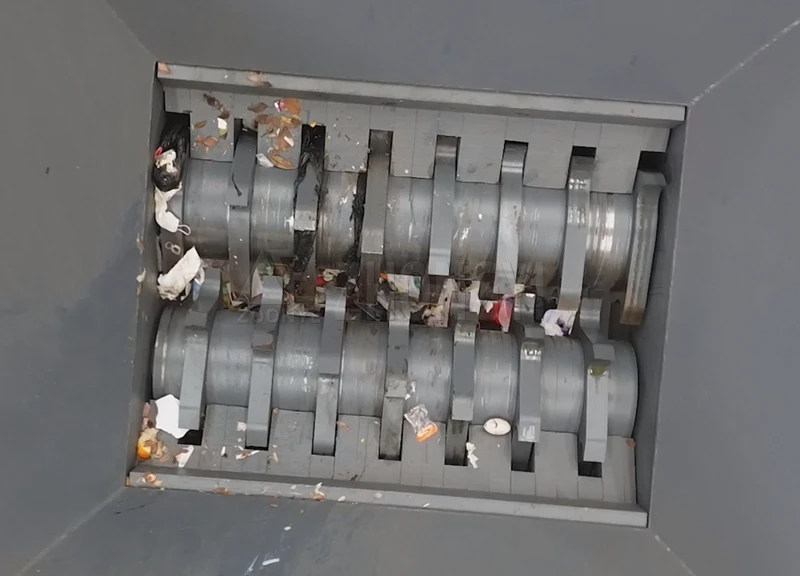
Before screening, feeding and bag opening systems prepare municipal solid waste for separation. The feeding system controls the material flow, while bag opening equipment releases waste components that are compressed or enclosed inside plastic bags.
This stage reduces material blockage risks and improves screening stability by creating a more accessible waste stream. For plants handling bulky waste or complex MSW composition, preliminary separation may also be applied to remove oversized materials before the main screening process.
Core Screening Process: Multi-Stage Separation for Different Waste Fractions
The main screening stage separates waste according to particle size and material characteristics. Trommel screens are commonly used for primary size classification, dividing mixed waste into fine and coarse fractions that follow different processing routes.
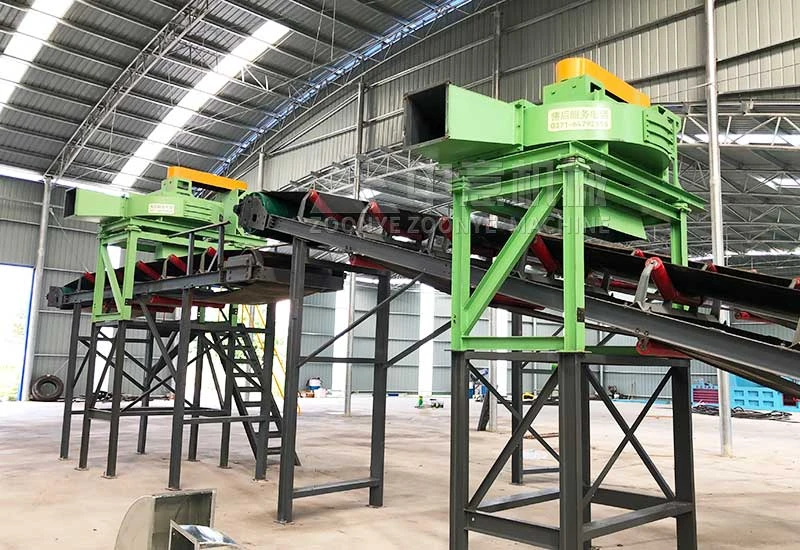
For applications requiring additional separation accuracy, flip flop screens, ballistic separators, or disc screens can be integrated into the sorting line. These systems further classify difficult waste fractions and prepare materials for composting, RDF production, recycling, or further automated sorting.
Downstream Integration: Screening Supports Air Separation and Resource Recovery
After screening, separated fractions are transferred to downstream equipment based on their physical properties. Air separators remove lightweight materials such as plastics and films, while magnetic and eddy current separators recover ferrous and non-ferrous metals from suitable streams.
By controlling particle size before these processes, screening equipment helps optical sorting systems receive more consistent material inputs and supports higher-quality recycling outputs. In a complete MSW sorting plant, screening acts as the classification stage that connects waste preparation with final resource recovery.
Common Mistakes When Selecting Waste Screening Machine
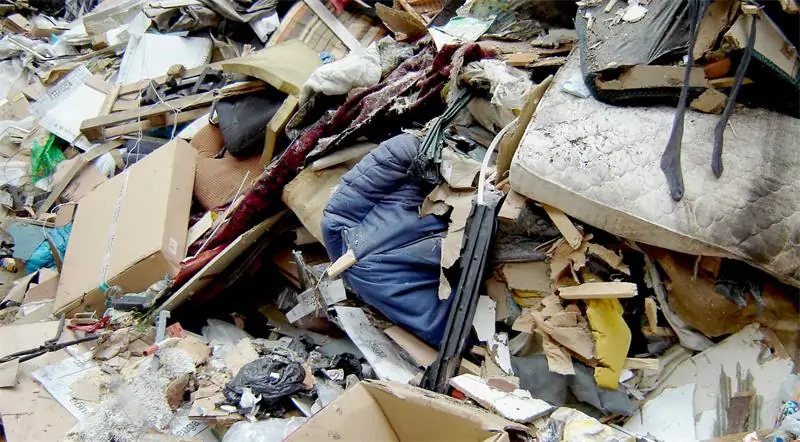
Selecting a waste screening machine based only on processing capacity is one of the common mistakes in MSW sorting projects. The required screening performance depends not only on throughput but also on material characteristics, including waste composition, moisture content, particle size distribution, and the expected final output. In our experience working with different waste treatment projects, we find that a machine matching the capacity requirement may still fail to achieve stable separation if it is not suitable for the actual waste conditions.
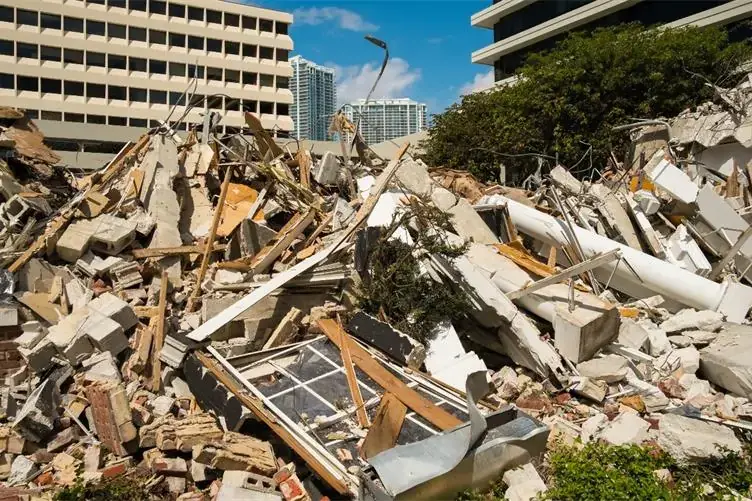
Another common mistake is applying the same screening technology to different waste streams. Municipal solid waste, construction waste, organic waste, and industrial waste have different separation requirements, so screening equipment should be selected according to material behavior and plant objectives. Factors such as clogging risk, separation accuracy, downstream processes, and final product requirements should be evaluated together to ensure the screening system fits the complete recycling or waste treatment process.
Conclusion
Choosing the right Waste Screening Machine For MSW Plant requires a clear understanding of waste characteristics, processing capacity, and final recovery targets. There is no universal screening equipment that can meet every waste treatment requirement. The most effective approach is to select suitable screening technologies and integrate them with separation and sorting systems according to the actual plant conditions.
A well-designed MSW sorting system depends on the coordination of Screening + Separation + Sorting to achieve stable operation and consistent resource recovery performance. Zhongyi provides customized waste screening and MSW sorting solutions based on different project requirements, including waste composition analysis, process design, and equipment selection. Contact our team to discuss your project needs and develop a suitable screening solution for your plant.


Andy Yu
Technical Engineer | Zhongyi ECO
16+
Years Exp.
300+
Solutions
50+
Countries
16 years’ experience in environmental and solid waste management, specializing in C&D recycling and waste sorting solutions. At Zhongyi Mining Machinery, focused on improving global clients’ efficiency through technical expertise and tailored configurations.
FAQ
Choosing the right waste screening machine requires evaluating waste composition, moisture level, particle size distribution, processing capacity, and final recovery targets. The selected equipment should match both the incoming waste characteristics and the downstream sorting process. A suitable screening system helps maintain stable operation and ensures that separated materials meet the requirements of recycling, RDF production, or disposal processes.
A single screening machine is usually not suitable for all waste streams because different materials have different separation challenges. For example, wet MSW may require anti-clogging designs, while dry mixed waste may focus more on precise size classification. Equipment selection should consider waste properties, plant objectives, and the expected output materials.
A waste screening machine separates mixed waste according to particle size and material characteristics before further sorting. After waste preparation, screening equipment creates different material fractions that can be processed by air separators, magnetic separators, optical sorting systems, or RDF production lines. This separation step reduces material complexity and improves the overall sorting process.
The suitable screening equipment depends on waste conditions and project requirements. Trommel screens are commonly used for primary size separation, while flip flop screens, disc screens, and ballistic separators are selected for specific applications such as wet materials, flexible waste, or complex mixed streams. Engineers usually evaluate the complete process before recommending the right screening combination.
High moisture content can cause waste materials to stick together, block screen openings, and reduce separation accuracy. For wet MSW applications, screening equipment should be selected based on material behavior and operating conditions. Proper screen design and suitable process configuration help maintain continuous operation and reduce cleaning frequency in high-moisture waste treatment environments.
Screening equipment should be arranged according to the complete sorting process, including feeding, bag opening, separation, and final recovery stages. The screening system needs to provide suitable material fractions for downstream equipment such as air separators, metal recovery units, and optical sorters. Proper integration ensures smoother operation and better resource recovery performance.
Regular maintenance usually includes checking screen surfaces, removing material buildup, inspecting wear parts, and monitoring drive components. The maintenance schedule depends on waste characteristics, operating hours, and environmental conditions. For MSW plants, preventive inspection is important because continuous operation with mixed waste can increase wear and affect screening stability over time.
Yes. Waste screening machines can be customized according to processing capacity, waste composition, installation layout, and final product requirements. For complete MSW sorting projects, equipment selection is usually based on the entire plant design rather than a single machine. Engineering teams can develop suitable screening configurations for different recycling, RDF, and waste treatment applications.
Related Waste Sorting Equipment

Bag Opener
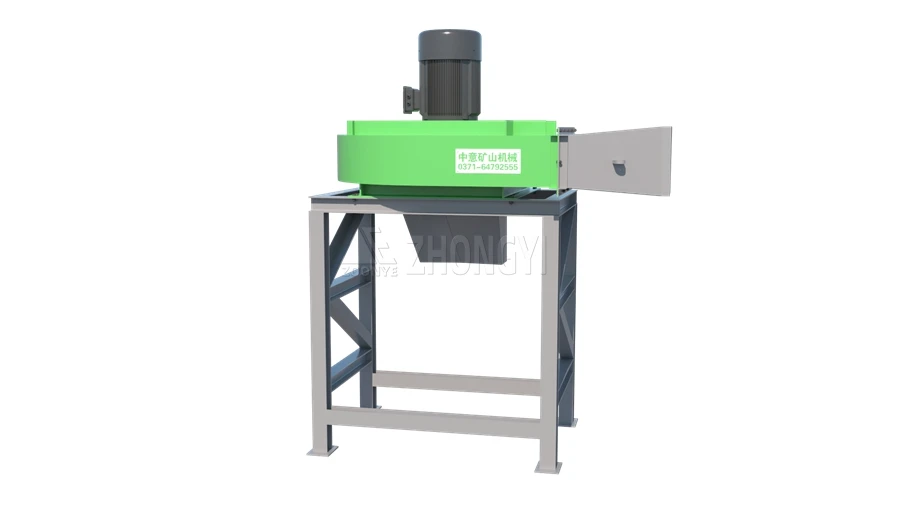
Bag Opener is designed for the pre-treatment stage of MSW sorting plants. It opens sealed waste bags and releases mixed materials before screening and separation processes. By creating a more uniform material flow, it helps reduce blockages, improve sorting conditions, and prepare municipal waste for efficient downstream processing.
Wind Sifter
Wind Sifter is used to separate lightweight materials from heavier waste fractions based on density differences. It is commonly integrated after screening equipment to remove plastics, films, textiles, and other light materials. The system supports RDF production, recycling processes, and improves the quality of separated waste streams.
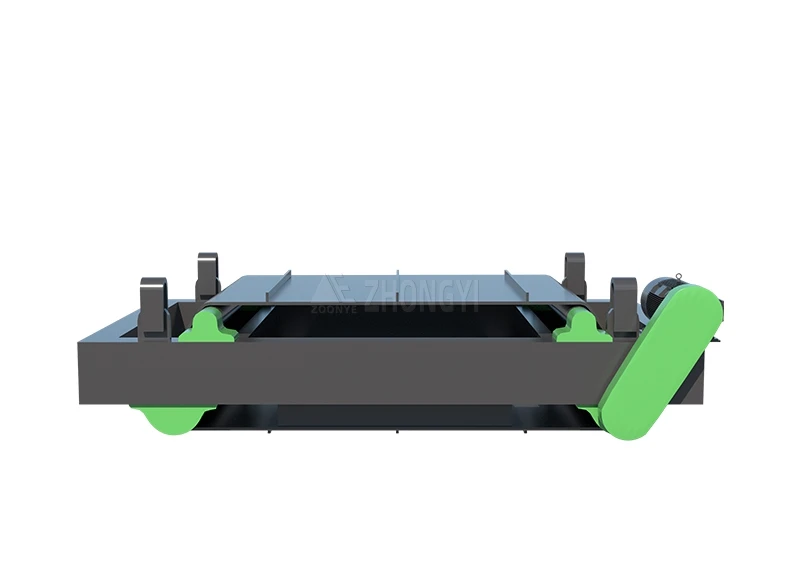
Magnetic Separator
Magnetic Separator is designed to recover ferrous metals from mixed waste materials during the sorting process. Installed after screening or crushing stages, it efficiently separates iron-containing materials from other waste fractions. It helps increase metal recovery value and reduces recyclable materials being lost during MSW treatment.

Optical Sorting Machine
Optical Sorting Machine uses advanced identification technology to automatically detect and separate target materials from processed waste streams. It is suitable for applications requiring higher sorting accuracy and material purity. Integrated into automated MSW sorting plants, it supports the recovery of valuable recyclables and improves overall plant automation.