
Introduction
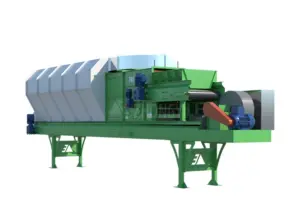
As industries move toward more automated and efficient material separation, optical sorting machines have become an important solution for improving sorting accuracy and reducing dependence on manual operations. However, when choosing the right equipment, many operators find it difficult to understand why optical sorters are available in different types and how each technology fits specific sorting requirements.
Types of optical sorting machines mainly differ in the way they detect and classify materials. Some systems rely on visible characteristics such as color and shape, while advanced solutions use AI vision, near-infrared (NIR), or other optical technologies to identify material composition and complex features that cannot be recognized by traditional sorting methods.
Understanding these differences helps recycling plants, manufacturers, and processing facilities select a suitable optical sorting solution based on their material characteristics, required sorting accuracy, processing capacity, and production goals. The following sections explain the major optical sorting technologies, machine structures, application areas, and key factors to consider before choosing an optical sorter.
What Is An Optical Sorting Machine?
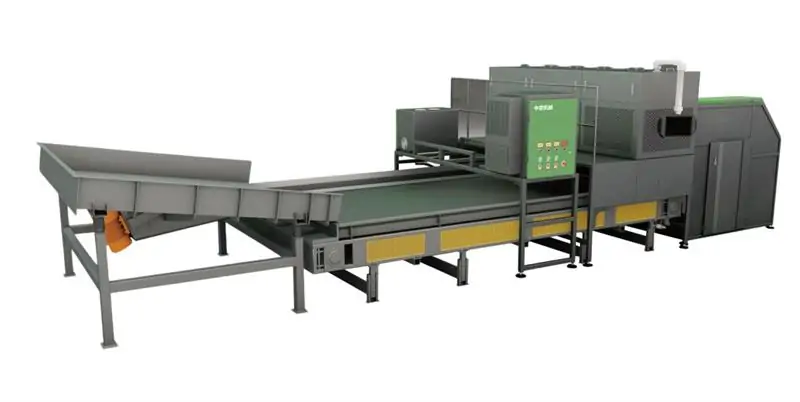
An optical sorting machine, also known as an optical sorter, optical sorting system, or sensor-based sorting machine, is an automated separation device that uses optical sensors, cameras, and image processing technology to identify and classify materials according to their visual and spectral characteristics. Unlike traditional sorting equipment that mainly relies on physical properties such as size, density, or magnetic response, optical sorting machines can detect differences in color, shape, surface features, and material composition.
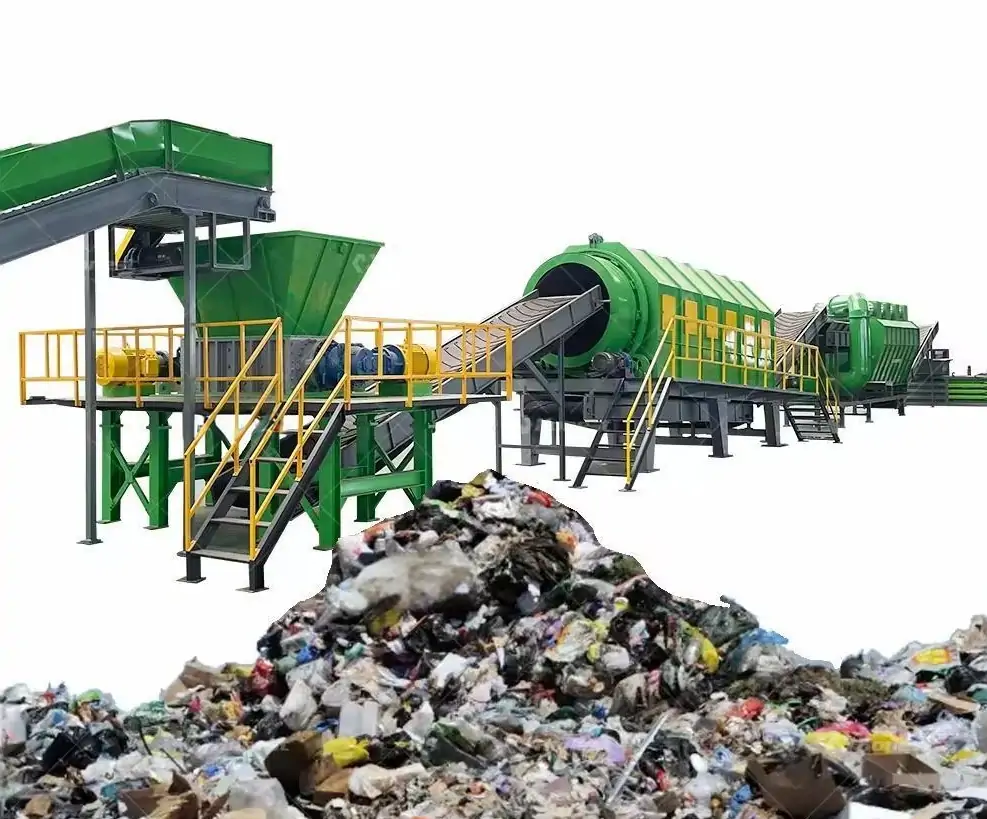
In a recycling or material processing line, an optical sorting machine usually works as a downstream sorting unit after equipment such as bag openers, shredders, trommel screens, or air separators, which prepare and classify the incoming materials before optical identification. After sorting, the separated materials are often transferred to equipment such as conveyors, balers, or further processing systems. Depending on the material type and sorting target, modern optical sorters can achieve high-speed online inspection, with some systems processing more than 10 tons of material per hour while maintaining consistent sorting accuracy.
How Does An Optical Sorting System Work?
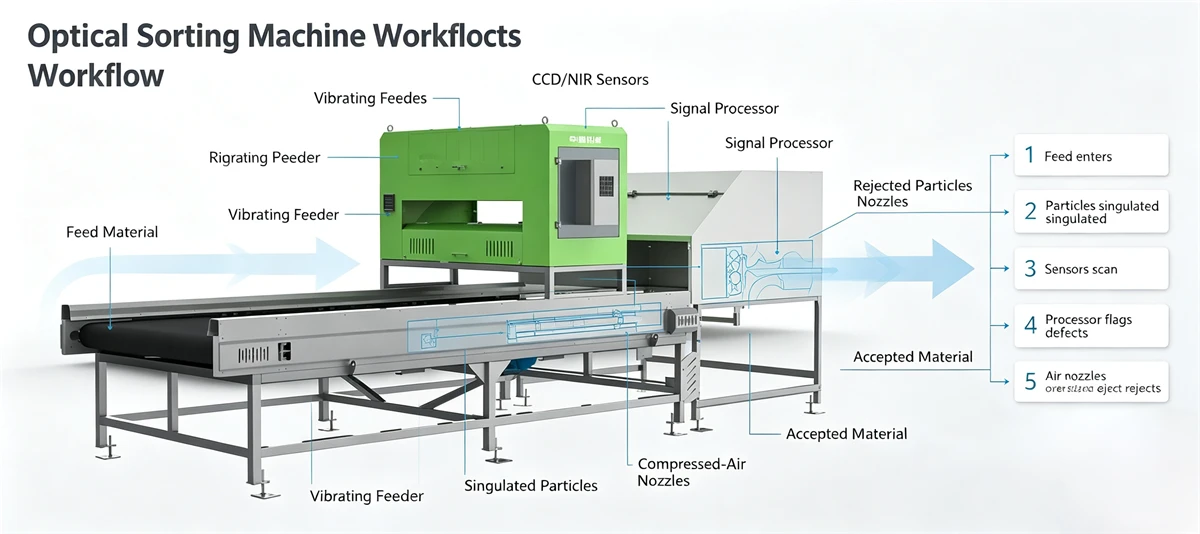
An optical sorting system works through four main steps: feeding, optical detection, image processing, and separation. First, the feeding system evenly distributes materials and delivers them into the detection area in a stable, single-layer flow. Cameras, sensors, and controlled light sources then capture information from each object, including visible features such as color, shape, and surface characteristics, while advanced sensors can also collect spectral information for material identification.
After collecting the data, the image processing system analyzes and classifies materials based on preset sorting parameters or intelligent recognition algorithms. The system then sends signals to the separation unit, which typically uses compressed air jets or mechanical devices to remove targeted materials with precision. Through this automated process, optical sorting machines achieve continuous and accurate separation while maintaining the quality of recovered materials.
Types Of Optical Sorting Machines Based On Detection Technology
Optical sorting machines can be classified according to the detection technology they use. Different optical technologies focus on different material characteristics, from visible appearance differences to complex material composition recognition. Selecting the right sorting technology depends on the type of material, sorting requirements, and expected separation accuracy.
Color Optical Sorting Machines For Visual Difference Separation
Color optical sorting machines are one of the most widely used types of optical sorters. These machines use cameras and controlled lighting systems to capture visible differences between materials, including color variation, brightness, and surface defects. The image processing system analyzes the captured information and separates target materials according to predefined sorting standards.
The main advantage of color optical sorting machines is their simple structure, stable performance, and effective recognition of visible differences. They are suitable for applications where materials have clear appearance variations, such as food processing, agricultural products, glass recycling, and basic material sorting. However, they have limitations when separating materials with similar colors but different compositions.
AI Vision Optical Sorting Machines For Intelligent Recognition
AI vision optical sorting machines combine advanced image recognition technology with machine learning algorithms to identify more complex material features beyond traditional color detection. By analyzing characteristics such as shape, texture, surface patterns, and object categories, these systems can recognize materials with greater flexibility in changing sorting environments.
Compared with conventional optical sorters, AI vision systems provide stronger adaptability for complex material streams with inconsistent shapes, colors, or appearances. They are particularly suitable for applications such as municipal solid waste sorting, plastic recycling, and packaging waste recovery, where material composition changes frequently and higher recognition capability is required.
NIR And Hyperspectral Optical Sorting Machines For Material Identification
NIR (Near Infrared) and hyperspectral optical sorting machines identify materials based on their unique spectral responses rather than only their surface appearance. These systems analyze how different materials absorb and reflect light at specific wavelengths, allowing them to distinguish materials with similar colors but different chemical compositions.
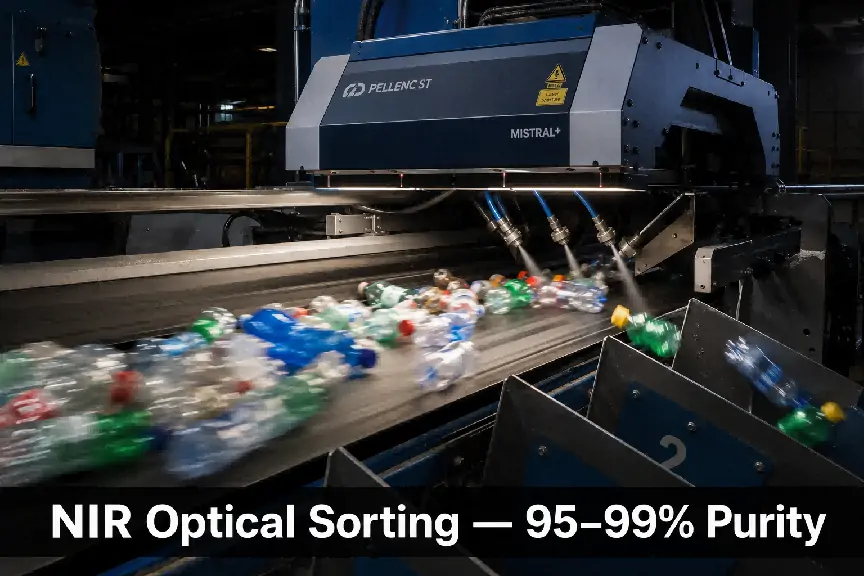
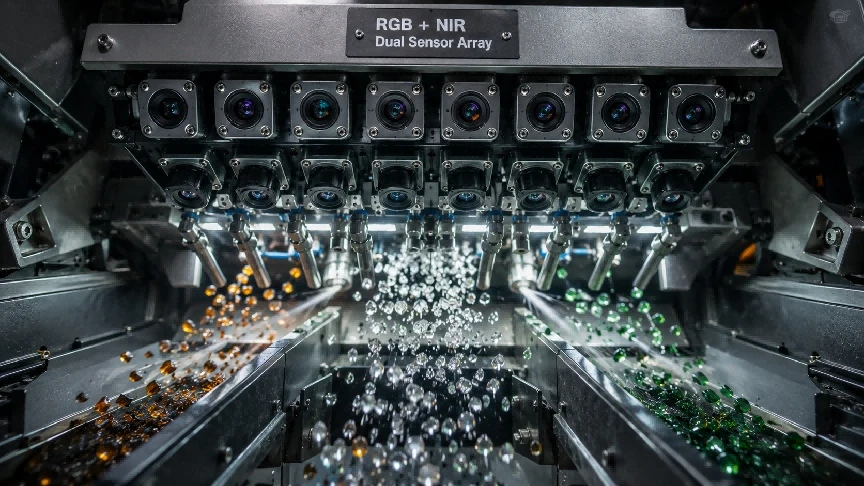
The key advantage of NIR and hyperspectral sorting technology is its ability to identify material types such as PET, PP, PE, and PVC during recycling processes. Some advanced systems combine NIR sensors with RGB cameras to achieve both material composition recognition and visual classification, providing higher sorting accuracy for polymer separation and advanced waste recovery applications.
Quick Comparison Of Different Optical Sorting Technologies
Different optical sorting technologies focus on different material characteristics and sorting requirements. Color optical sorting machines mainly identify visible differences, AI vision optical sorting machines provide more flexible recognition based on multiple visual features, while NIR and hyperspectral systems focus on material composition identification. The right technology depends on whether the sorting target is based on appearance, object recognition, or material properties.
| Sorting Technology | Detection Focus | Suitable Applications | Key Advantage |
| Color Optical Sorting Machine | Color, brightness, surface defects | Food, agriculture, glass, basic material sorting | Stable performance for visible differences |
| AI Vision Optical Sorting Machine | Shape, texture, object features | MSW sorting, plastic recycling, complex waste streams | Better recognition flexibility for changing materials |
| NIR & Hyperspectral Optical Sorting Machine | Spectral characteristics, material composition | Plastic sorting, polymer separation, advanced recycling | Identifies materials with similar appearance but different compositions |
Types Of Optical Sorting Machines Based On Transportation Structure
In addition to detection technology, optical sorting machines can also be classified according to how materials are fed and transported through the inspection area. The feeding and transportation structure affects material positioning, processing capacity, and sorting stability. Different designs are selected based on material characteristics, production requirements, and available installation space.
Belt-Type Optical Sorting Machines
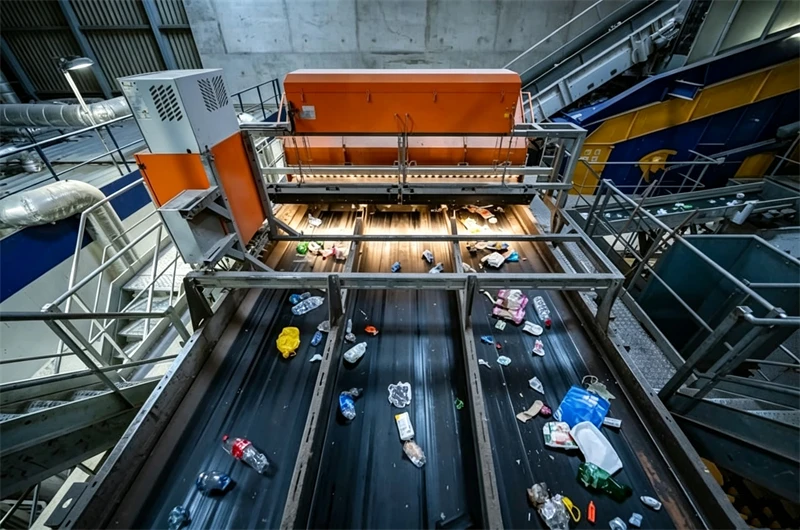
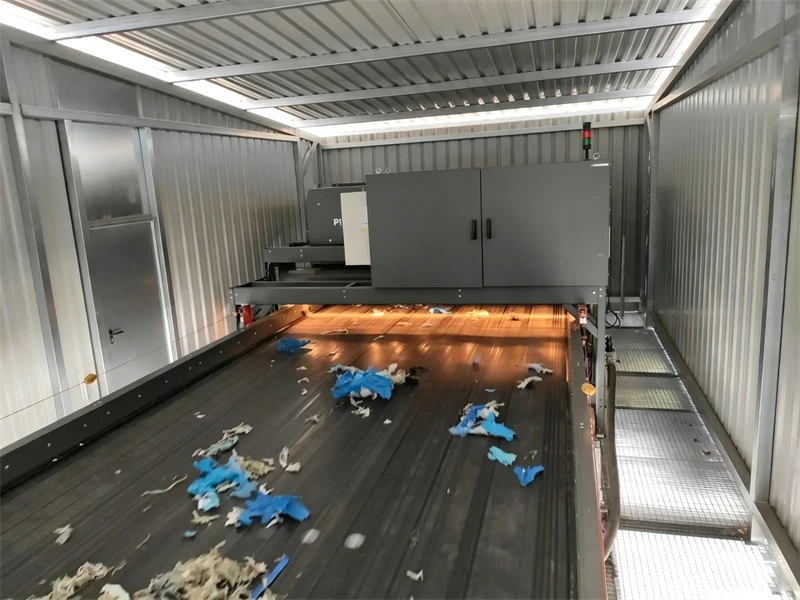
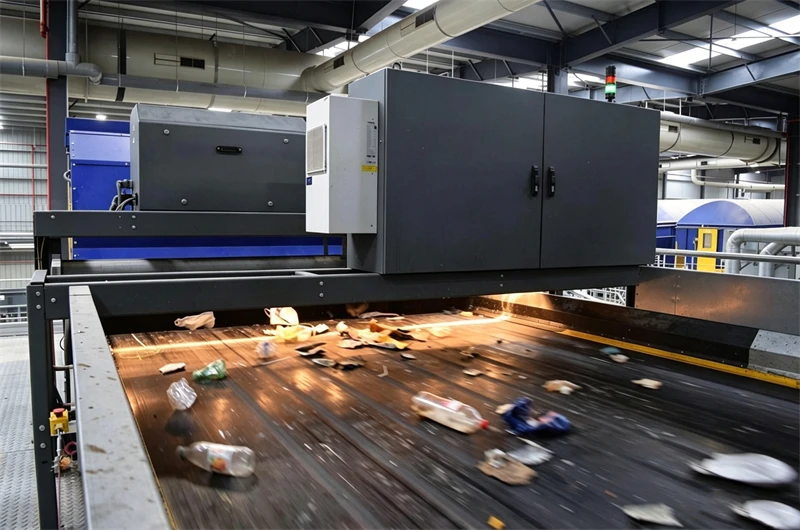
Belt-type optical sorting machines use a conveyor belt to transport materials through the detection area at a controlled speed. The belt system helps spread materials evenly and maintain stable positioning, allowing cameras and sensors to capture clear information from each object before the separation process.
With advantages such as stable material presentation, high processing capacity, and the ability to handle irregular or mixed materials, belt-type optical sorters are commonly used in recycling plants, waste sorting systems, and large-scale material recovery operations. Their continuous feeding design makes them suitable for applications requiring reliable performance and high throughput.
Chute-Type Optical Sorting Machines
Chute-type optical sorting machines use gravity feeding to guide materials through a chute into the detection area. As materials move along the chute, optical sensors capture their characteristics and the separation system removes targeted objects according to the sorting criteria.
Compared with belt-type systems, chute-type optical sorters feature a more compact structure and require less installation space. They are suitable for free-flowing materials with relatively uniform sizes, such as small particles, granular materials, food products, and certain recycling applications where high-speed inspection and compact equipment design are preferred.
Quick Comparison
Belt-type and chute-type optical sorting machines use the same basic optical detection principles, but their material transportation methods create differences in application range, processing capacity, and installation requirements. The right choice depends on material characteristics, production volume, and sorting objectives.
| Feature | Belt-Type Optical Sorting Machine | Chute-Type Optical Sorting Machine |
| Feeding Method | Conveyor belt transportation | Gravity-based chute feeding |
| Material Positioning | More stable positioning during inspection | Depends on material flow characteristics |
| Suitable Materials | Irregular, mixed, and larger materials | Free-flowing small or granular materials |
| Processing Capacity | Suitable for high-volume applications | Suitable for compact and high-speed sorting |
| Main Applications | Recycling plants, waste sorting systems, material recovery facilities | Food processing, agricultural products, small material sorting |
Optical Sorting Machine Applications In Recycling And Waste Management
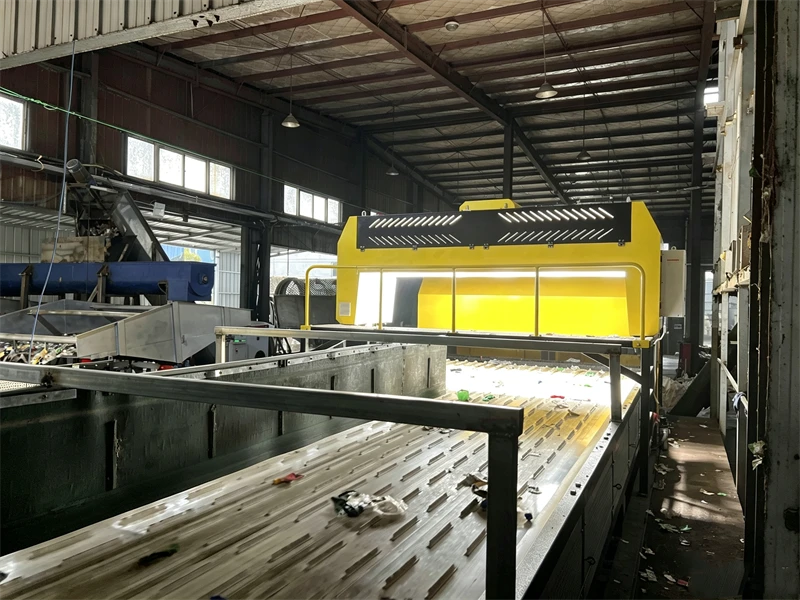
Optical sorting machines are widely used in modern recycling and waste management systems to improve material recovery efficiency and recycled product quality. By using optical detection technologies such as color recognition, AI vision, and NIR material identification, these systems can automatically separate valuable materials from complex waste streams and support more efficient resource recovery processes.
In plastic recycling applications, optical sorting machines are mainly used for polymer identification and material separation. By combining NIR sensors with optical cameras, the equipment can distinguish different plastic types such as PET, PP, and PE, while AI-based recognition can further improve the sorting of mixed and irregular plastic waste. This helps recycling plants increase material purity and improve the reuse value of recovered plastics.
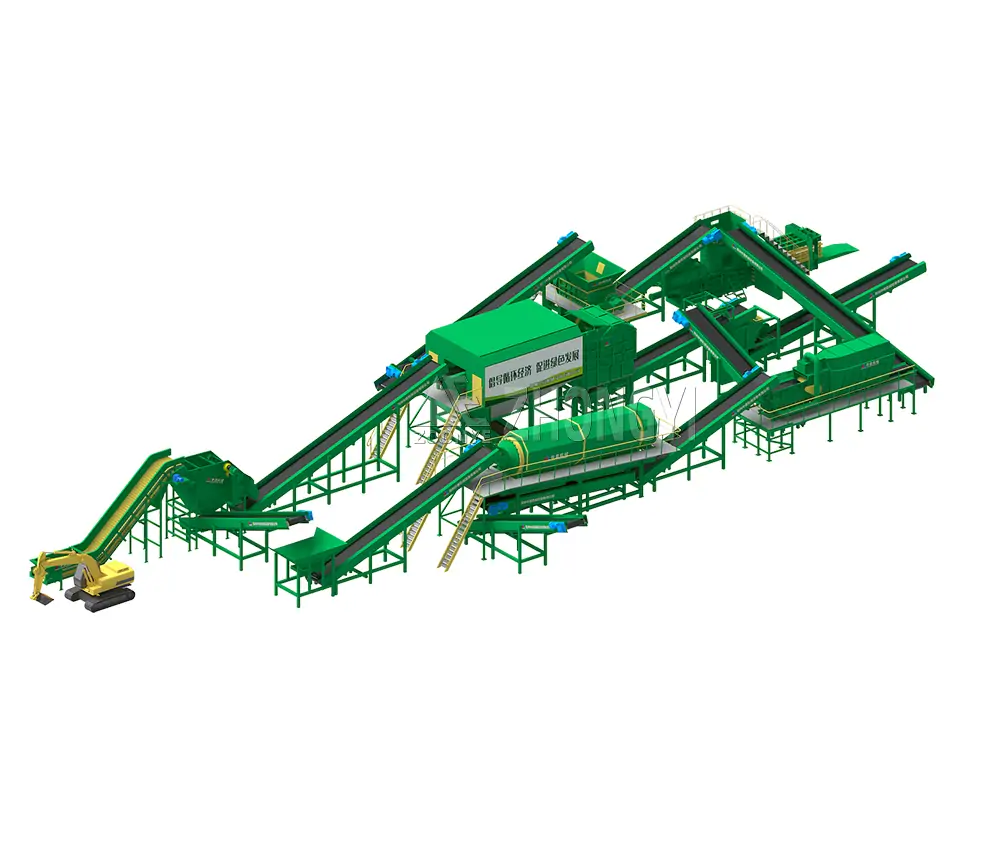
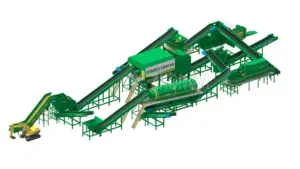
In municipal solid waste and industrial waste recycling plants, optical sorting machines are usually integrated into complete sorting lines after equipment such as bag openers, trommel screens, air separators, magnetic separators, and eddy current separators. As a fine-sorting unit, optical sorters help identify and separate remaining valuable materials from complex waste streams, improving recovery rates and supporting automated recycling operations.

How To Choose The Right Optical Sorting Machine?
Selecting an optical sorting machine requires a clear understanding of the incoming material and the expected separation results. In recycling applications, the most suitable equipment is not always the one with the highest specifications, but the one that matches the material characteristics, sorting objectives, and the operating conditions of the processing line.
Consider Material Characteristics
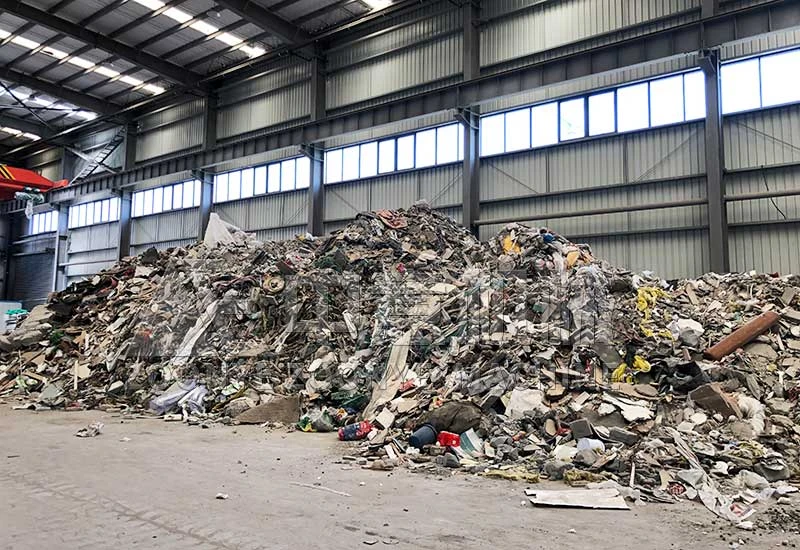
The composition and condition of the incoming material directly affect optical sorting performance. Before selecting equipment, it is important to evaluate factors such as material type, size distribution, shape, color variation, moisture content, surface condition, and contamination level.
For example, materials with obvious color differences can often be separated through visible light detection, while mixed plastics or waste streams containing similar-looking materials may require advanced recognition methods to distinguish differences in composition or surface features.
Match Sorting Technology With Separation Goals
Different optical detection technologies are developed for different separation requirements. The selection should be based on what characteristics need to be identified during the sorting process.
Typical selections include:.
- Color-based separation: Suitable for applications where visible differences, such as color and surface appearance, are the main separation criteria.
- AI vision sorting: Suitable for complex waste streams where shape, texture, and object features need to be analyzed for classification.
- NIR sorting: Suitable for identifying differences in material composition, such as separating PET, PP, and PE plastics with similar appearances.
For some recycling projects, combining multiple detection technologies can provide more accurate classification when dealing with mixed or changing material streams.
Consider Processing Capacity And System Integration
Optical sorting equipment should be evaluated as part of the entire recycling system rather than as an independent machine. The actual performance is influenced by factors such as feeding stability, conveyor design, material distribution, and coordination with upstream and downstream equipment.
In a typical recycling line, optical sorters are often installed after processes such as size screening, air separation, and metal separation to perform further material classification. Therefore, the machine configuration should match the existing production layout, required throughput, and future expansion plans.
AI Optical Sorting Solution For Industrial Recycling
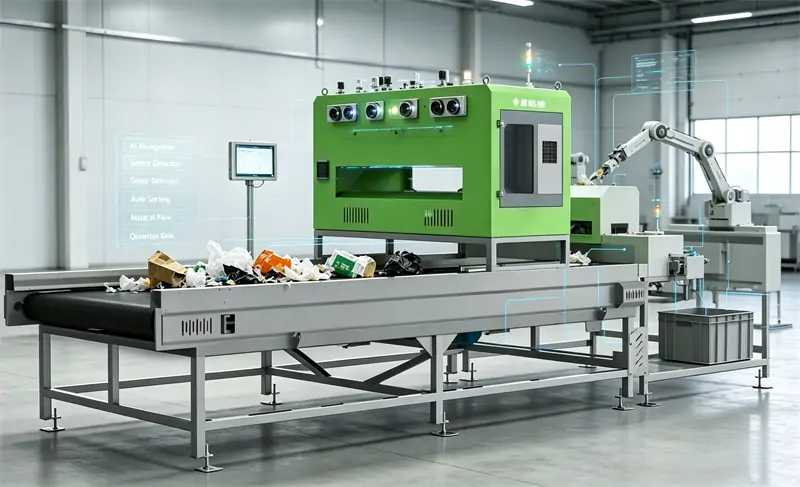
AI Vision Optical Sorting Machine is an advanced sorting solution designed for complex recycling applications where traditional separation methods cannot provide sufficient accuracy. By combining high-resolution imaging, intelligent recognition algorithms, and automated separation systems, it can identify differences in material appearance, shape, texture, and other visual features to support precise sorting in demanding industrial environments.
Compared with conventional sorting methods, AI optical sorting technology provides greater flexibility when processing mixed and changing material streams. It can be integrated into recycling lines together with equipment such as screens, air separators, magnetic separators, and conveyors to improve automated material classification. Typical applications include plastic recycling, municipal solid waste (MSW) sorting, and material recovery facilities (MRFs), where higher sorting accuracy and consistent operation are required.
Future Trends Of Optical Sorting Technology
As recycling systems become more complex and the demand for higher-quality recovered materials continues to increase, optical sorting technology is evolving beyond simple visual separation. Future optical sorting solutions will focus on improving recognition capability, adapting to more variable material streams, and working more closely with automated recycling processes. AI-based recognition, multi-sensor integration, and advanced spectral analysis are expected to become important directions for improving sorting accuracy and expanding the range of materials that can be effectively recovered.
At the same time, optical sorting machines are gradually becoming a key part of smart recycling plant development. By integrating sorting equipment with digital monitoring, production data analysis, and automated control systems, recycling facilities can achieve more stable operation and better process management. With the continued growth of resource recovery requirements, optical sorting technology will continue to support the transition from traditional waste sorting toward more efficient, intelligent, and sustainable recycling systems.
Conclusion
Optical sorting machines are available in different types depending on detection technology and equipment structure. Color optical sorting machines are suitable for applications based on visible differences, AI optical sorting machines provide more flexible recognition for complex material streams, while NIR and hyperspectral systems enable advanced material identification and polymer separation.
Choosing the right optical sorting machine requires a clear understanding of material characteristics, sorting targets, processing capacity, and overall production line requirements. By selecting the appropriate sorting technology and system configuration, recycling plants can improve material recovery quality and build more efficient automated sorting processes.
If you are looking for an optical sorting solution for plastic recycling, MSW sorting, or other recycling applications, contact our team for professional equipment recommendations and customized sorting solutions based on your material characteristics and project requirements.


Andy Yu
Technical Engineer | Zhongyi ECO
16+
Years Exp.
300+
Solutions
50+
Countries
16 years’ experience in environmental and solid waste management, specializing in C&D recycling and waste sorting solutions. At Zhongyi Mining Machinery, focused on improving global clients’ efficiency through technical expertise and tailored configurations.
FAQ
Optical sorting machines can be used for separating various recyclable materials, including plastics, glass, paper, and mixed waste streams. In recycling plants, they are mainly used to identify differences in color, shape, surface characteristics, or material composition. The actual sorting range depends on the selected detection technology, such as RGB cameras, AI vision systems, or NIR sensors.
A magnetic separator separates materials according to magnetic properties and is mainly used for recovering ferrous metals such as iron and steel. An optical sorting machine identifies materials through optical characteristics, including color, shape, and spectral response. In modern recycling plants, these two types of equipment are often installed together, with magnetic separation usually performed before optical sorting.
Yes. Optical sorting machines equipped with NIR technology can identify different polymer materials based on their spectral characteristics, including PET, PP, PE, and PVC. For mixed plastic waste, AI vision systems can further analyze appearance features such as shape and surface condition. Combining different detection technologies helps improve plastic recovery quality and sorting accuracy.
The processing capacity of an optical sorting machine depends on several factors, including material type, particle size, feeding method, conveyor width, and required sorting purity. In recycling applications, the actual throughput should be evaluated based on the complete production line rather than the machine alone. A proper configuration ensures stable operation under real working conditions.
Yes. Optical sorting machines are commonly integrated into existing recycling systems as a fine-sorting stage after equipment such as bag openers, trommel screens, air separators, magnetic separators, or eddy current separators. Before installation, engineers usually evaluate material flow, conveyor arrangement, available space, and connection requirements to ensure smooth operation.
Traditional color sorting mainly focuses on visible differences, such as color variation and surface defects. AI optical sorting systems can analyze additional visual information, including shape, texture, and object features, making them more suitable for complex waste streams. However, the suitable technology depends on the actual sorting target and material characteristics.
The selection of an optical sorting machine should be based on the incoming material, sorting objectives, required capacity, and existing production line conditions. Factors such as material composition, moisture content, contamination level, and required output purity should be considered. Testing representative materials before selection is also an important step for achieving reliable sorting results.
Regular maintenance of optical sorting machines mainly includes cleaning cameras and sensors, checking lighting systems, inspecting pneumatic ejectors, and maintaining stable compressed air supply. In recycling environments, dust and material residue may affect detection performance, so routine inspection and cleaning are important for maintaining consistent sorting accuracy and equipment reliability.Optical Sorting Machine for Recycling
Related Waste Sorting Equipment

Optical Sorting Machine
Optical Sorting Machine uses advanced optical detection, image recognition, and intelligent sorting technology to identify and separate recyclable materials based on color, shape, surface features, and material characteristics. It is widely applied in plastic recycling, MSW sorting, and material recovery facilities to improve sorting accuracy and material purity.

Eddy Current Separator Machine
Eddy Current Separator Machine is designed to recover non-ferrous metals such as aluminum, copper, and zinc from mixed waste streams. By using high-speed magnetic fields, it efficiently separates valuable metals from e-waste, scrap metal, ASR, and MSW recycling lines, improving metal recovery rates and reducing material contamination.

Magnetic Separator For Recycling
Magnetic Separator For Recycling is used to continuously remove ferrous metals such as iron and steel from mixed waste materials. Installed in automated recycling lines, it helps protect downstream equipment, reduce metal contamination, and recover valuable ferrous materials from MSW, C&D waste, RDF, biomass, and industrial waste streams.

GTS Series Rotary Trommel Screen
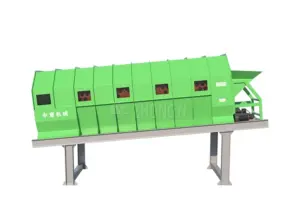
GTS Series Rotary Trommel Screen is designed for efficient size separation of mixed solid waste, construction waste, and landfill materials. With a durable rotating drum structure and self-cleaning design, it provides stable screening performance for recycling plants, aggregate processing, and large-scale waste treatment applications.