
Introduction
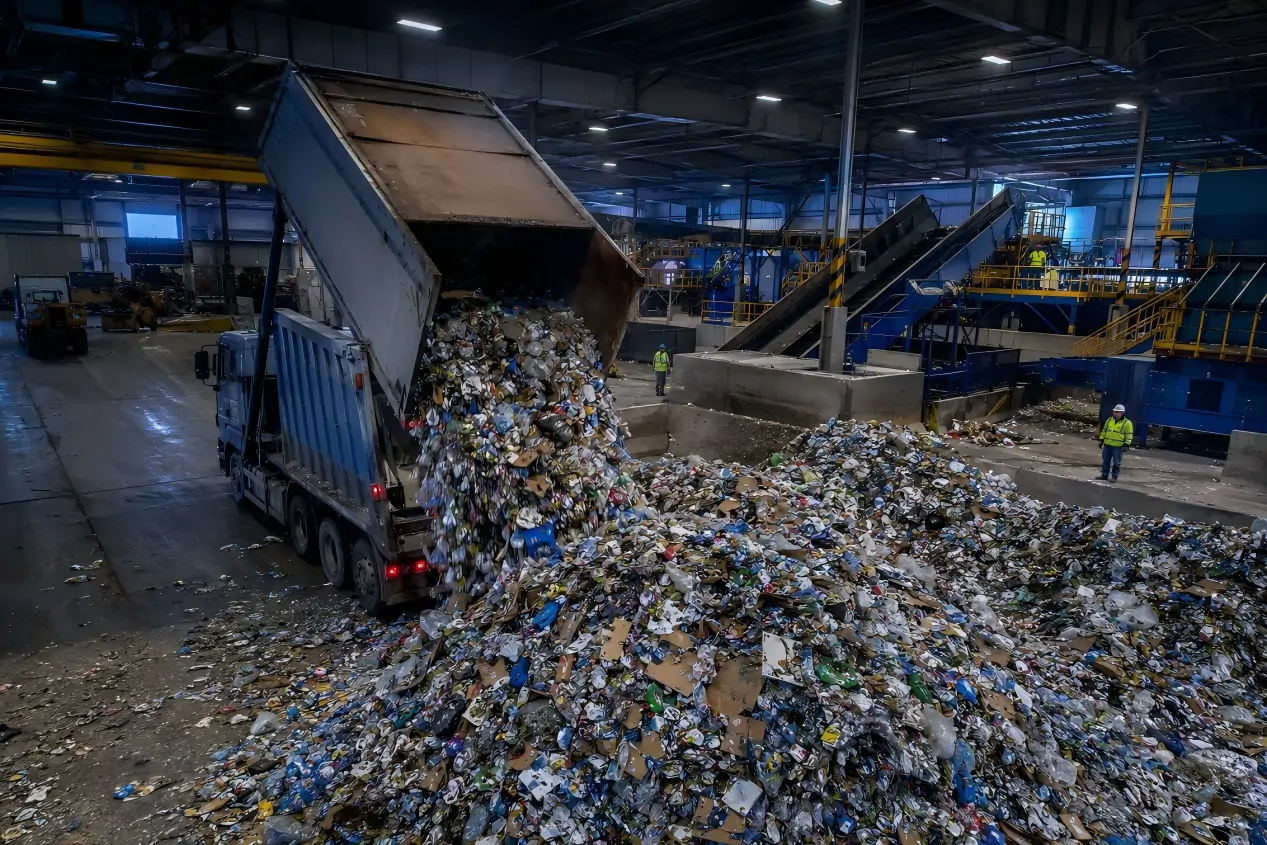
With the rapid growth of municipal solid waste (MSW) generation, recycling facilities are facing increasing challenges in improving sorting efficiency, reducing labor dependence, and maintaining consistent material recovery quality. Manual vs AI Waste Sorting has become an important consideration for modern waste management projects when selecting the right sorting approach.
Traditional manual waste sorting is still widely used in small-scale recycling facilities and applications requiring human inspection of complex waste streams. In contrast, an AI automatic waste sorting system combines machine vision, intelligent recognition, and automated separation technologies to improve sorting consistency, recovery efficiency, and operational stability in large-scale MSW sorting plants.
Choosing between manual and AI sorting is not simply about replacing workers with machines. The most suitable solution depends on waste composition, processing capacity, recycling targets, and investment requirements. The following sections will compare the working principles, advantages, limitations, costs, and applications of both sorting methods to help recycling plant operators select the right solution for their projects.If you would like to learn more about the core advantages of the High Precision AI Waste Sorting Machine, please click on the article.

What Is Manual Waste Sorting?
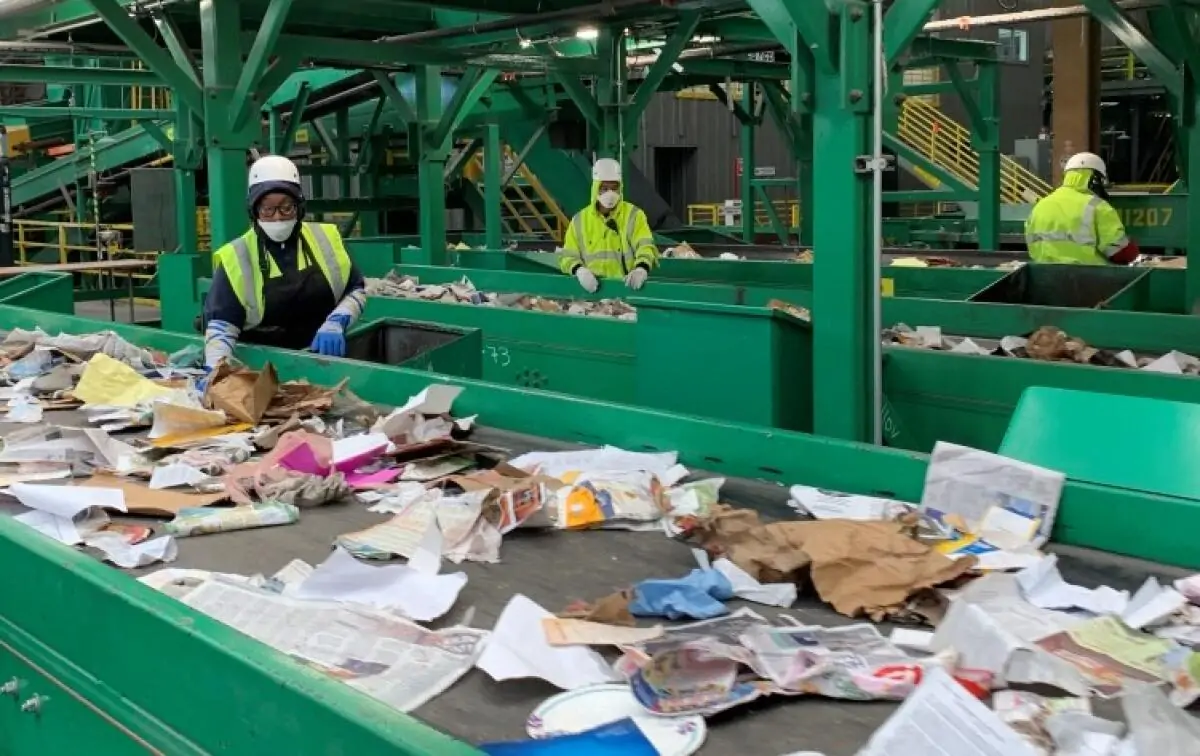
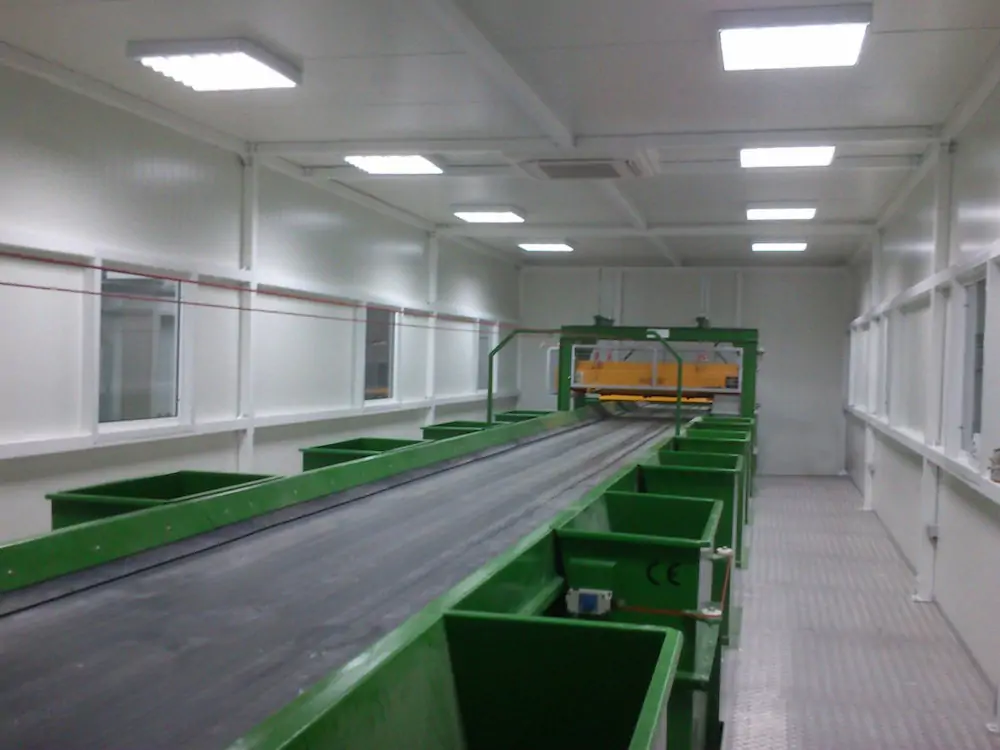
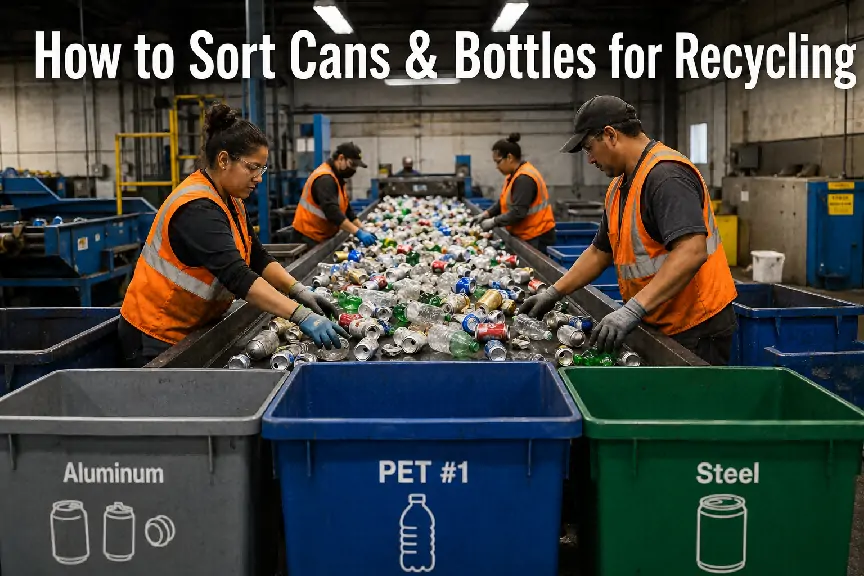
Manual waste sorting is a traditional method where workers identify and separate recyclable materials from mixed waste through visual inspection and practical experience. In recycling facilities, operators usually work along conveyor belts to remove materials such as plastics, paper, metals, glass, and other valuable recyclables from the waste stream.
This sorting method is still used in small recycling facilities, low-capacity waste plants, and applications that require human judgment for complex materials. However, as MSW volumes increase, manual sorting becomes more difficult to scale due to labor requirements, operating costs, and inconsistent sorting performance.
Advantages
One of the main advantages of manual sorting is the lower initial investment compared with automated sorting systems. Since it does not require advanced sensors, recognition systems, or complex separation equipment, it can be a practical option for small-scale recycling projects or facilities with limited budgets.
Manual sorting also provides flexibility when handling unusual or changing waste streams. Experienced workers can make quick decisions when materials are difficult to classify, which is why manual inspection is still commonly used as a supplementary step in many recycling plants.
Limitations
The biggest challenge of manual sorting is its dependence on workers. When the processing capacity of a waste sorting plant increases, more operators are required to maintain sorting efficiency, resulting in higher labor costs and more complex workforce management.
Sorting quality can also vary depending on worker experience, fatigue, and working conditions. In addition, direct contact with mixed waste may expose workers to dust, sharp objects, and contaminated materials, making safety a major concern in large-scale MSW processing facilities.
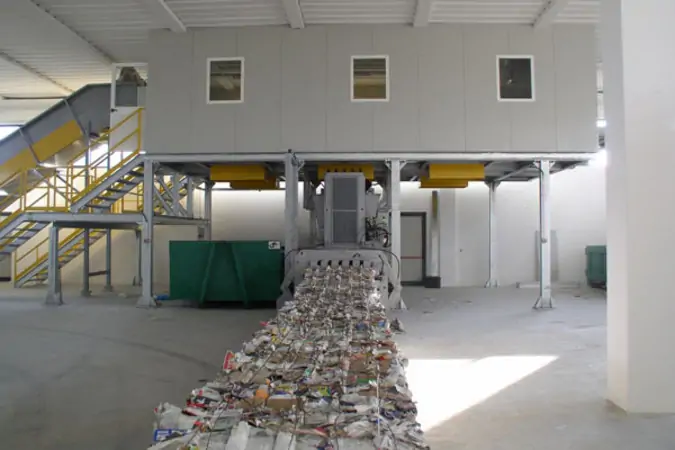
What Is an AI Automatic Waste Sorting System?
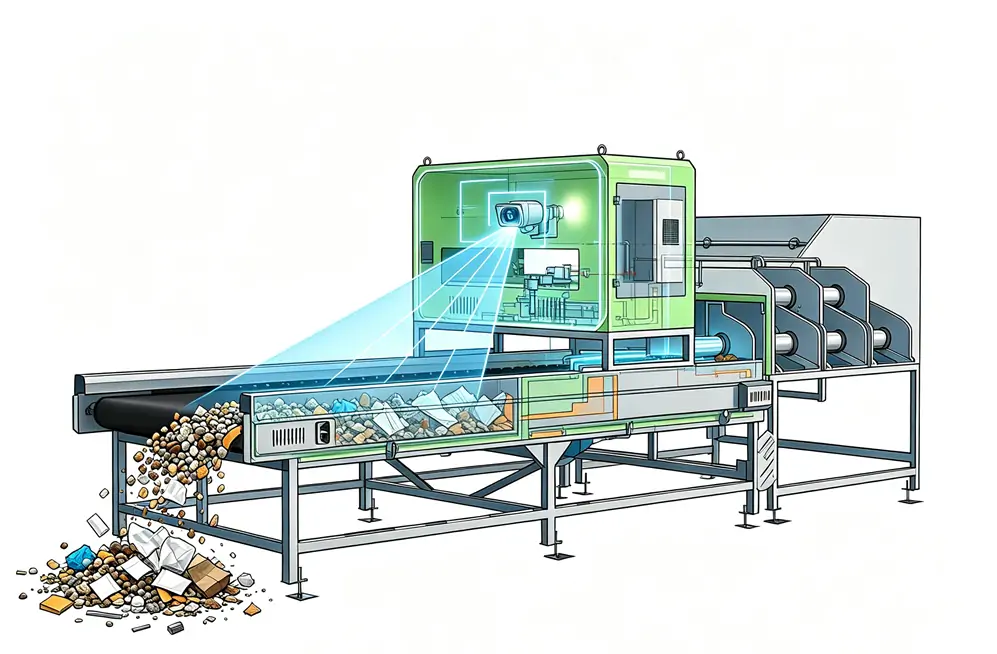
An AI automatic waste sorting system is an intelligent sorting solution that combines computer vision, sensors, automated sorting equipment, and conveyor systems to identify and separate different types of waste materials. By analyzing material characteristics such as type, color, shape, and surface features, the system can automatically classify recyclable materials and improve sorting consistency.
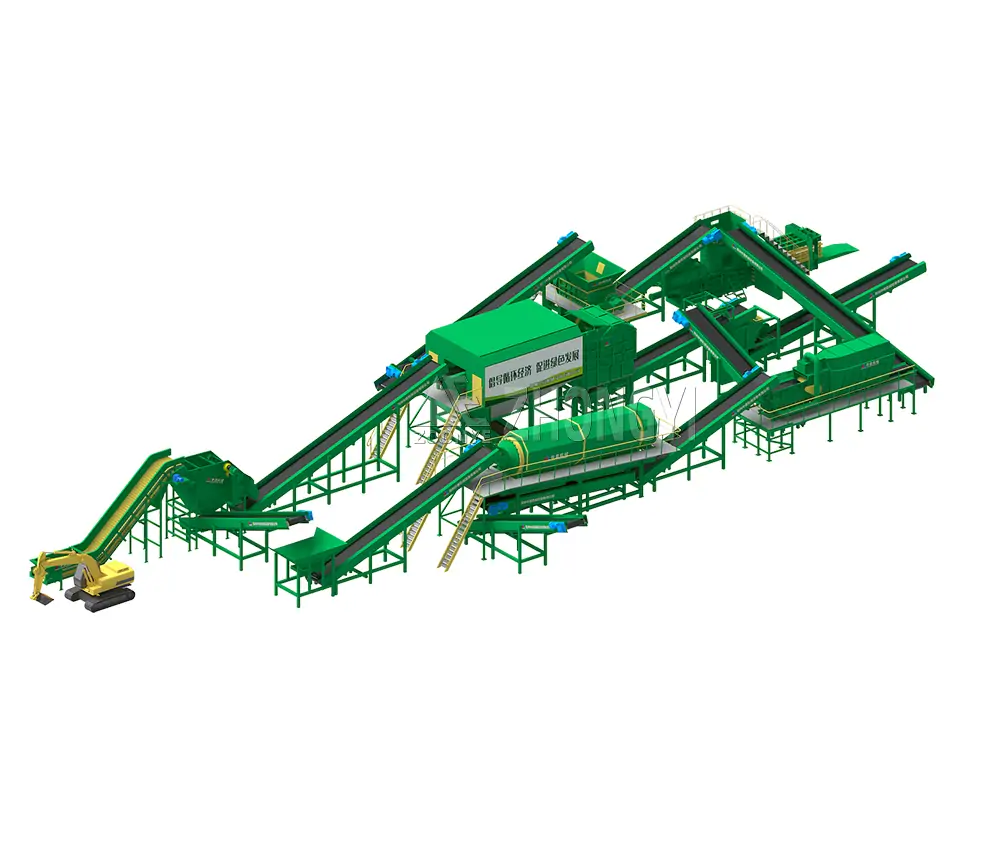
Compared with traditional manual sorting, modern AI waste sorting systems are usually integrated with multiple waste processing and separation units to create a complete automated sorting line. These systems often work together with screening equipment, air separators, magnetic separators, and optical sorting machines to improve material recovery efficiency in large-scale MSW sorting plants.If you want to know whether an AI waste sorting machine is suitable for small recycling plants, click here.
How Does AI Waste Sorting Technology Work?
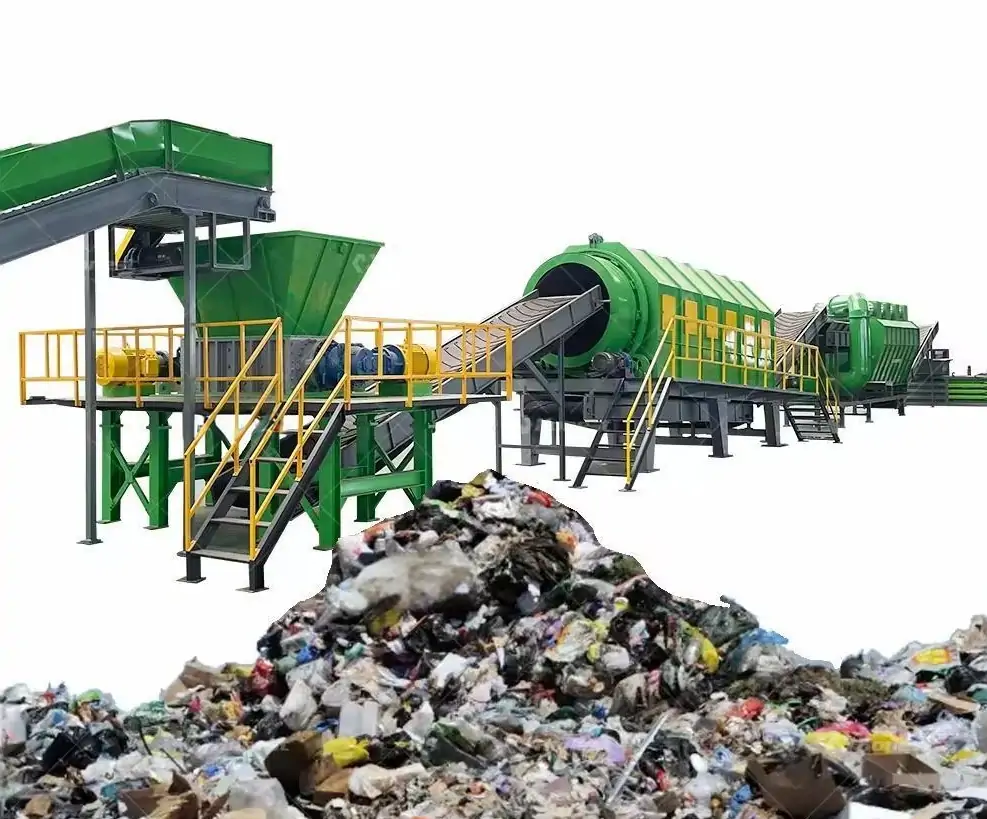
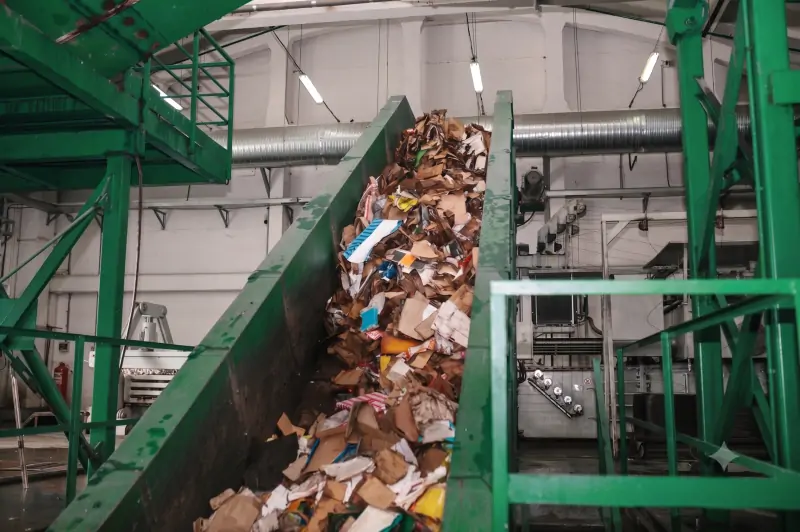
In a typical MSW sorting plant, AI waste sorting technology starts with waste preparation and material separation. Mixed waste is first processed by conveyors, bag openers, crushers, and screening equipment to create a more uniform material flow for further sorting.
After pre-processing, AI vision systems use industrial cameras and sensors to analyze material characteristics such as color, shape, texture, and composition. The system identifies different recyclable materials, including plastics, paper, and packaging waste, before sending sorting instructions to automatic separation units.
By combining AI recognition with optical sorting equipment, air separation, and other waste sorting equipment, an automated waste sorting system can improve sorting consistency, reduce labor dependence, and support more stable recycling operations.


Components of an AI Automatic Waste Sorting System
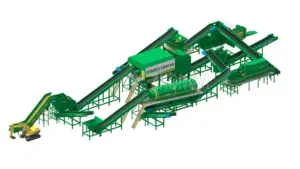
A complete AI automatic waste sorting system is not only an AI recognition unit. In practical recycling projects, AI sorting technology needs to work together with feeding, crushing, screening, separation, and conveying equipment to create a stable automated sorting process.
For an MSW sorting plant, the performance of the final sorting stage depends greatly on the quality of material preparation. By combining different waste sorting equipment, recycling facilities can achieve better material separation, higher recovery efficiency, and more stable operation.
Waste Bag Opener Machine
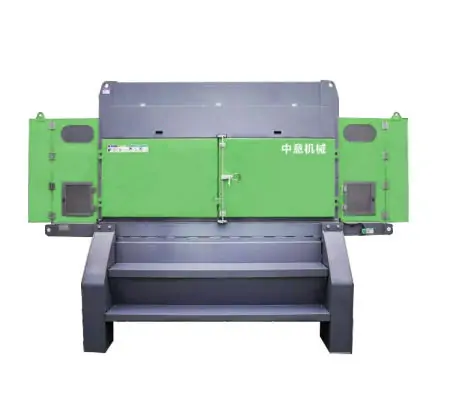
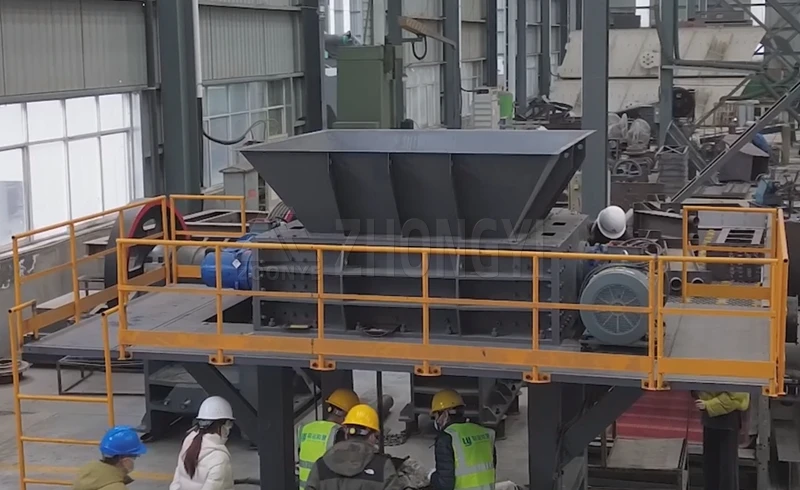
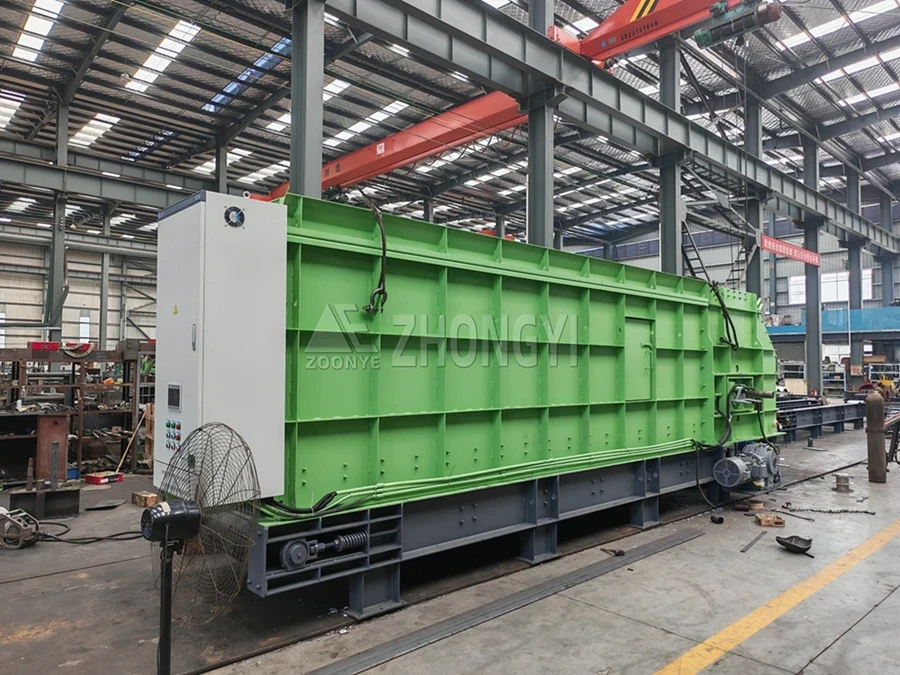
The waste bag opener machine is usually installed at the beginning of an automated waste sorting system. It opens bagged municipal solid waste and releases the materials inside, allowing recyclable materials to enter the following screening and sorting processes more evenly.
Unlike traditional manual bag opening, automatic bag breakers reduce labor requirements and improve feeding efficiency. Zhongyi provides different bag opening solutions for MSW, PET bottles, waste paper, and plastic recycling applications.
Waste Crusher and Shredding Equipment
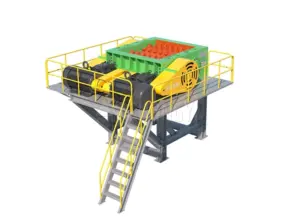
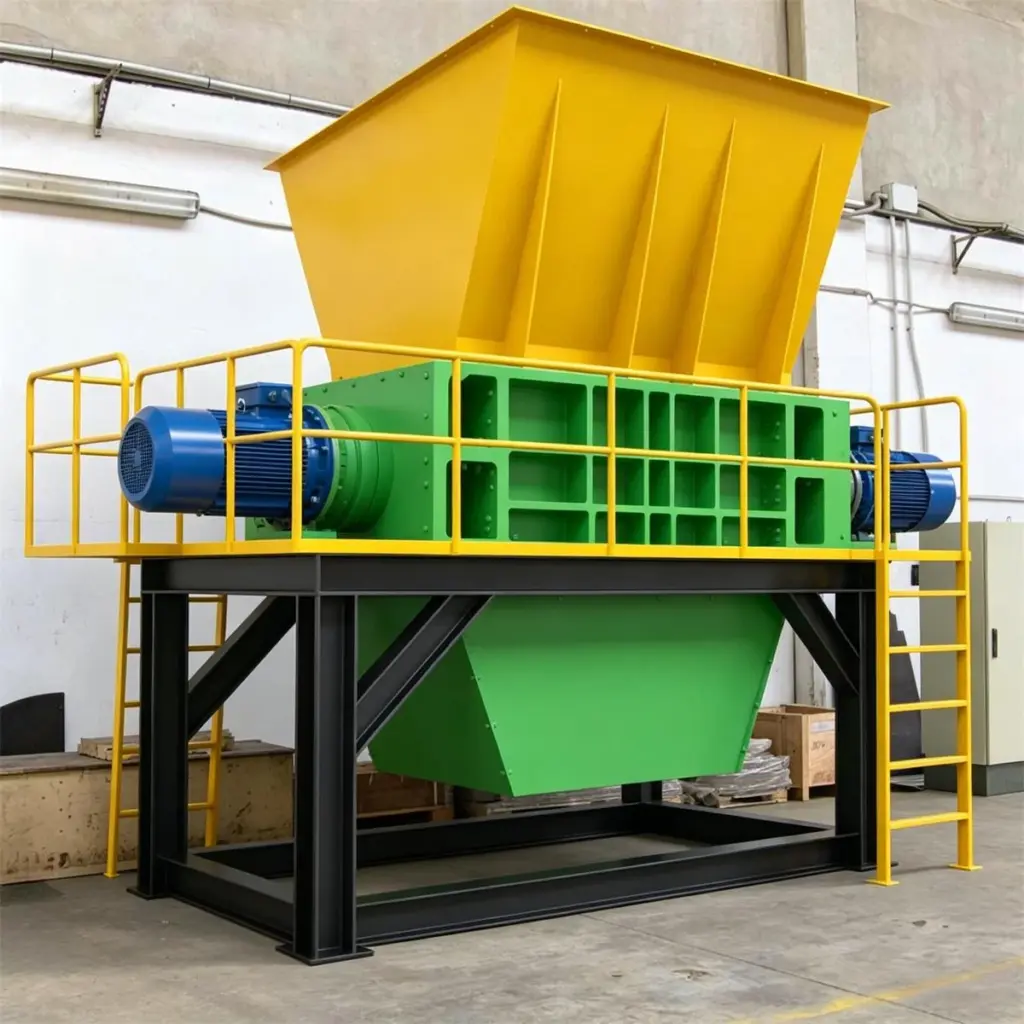
Waste crusher and shredding equipment are used to reduce the size of bulky materials and improve material flow before further separation. Through crushing, shredding, and size reduction, waste materials become more suitable for screening and AI-based identification.
Different crushing solutions can be selected according to waste characteristics, including MSW, construction waste, plastics, bulky waste, and RDF/SRF materials. Proper size control helps improve the efficiency of downstream sorting equipment.
Screening Equipment
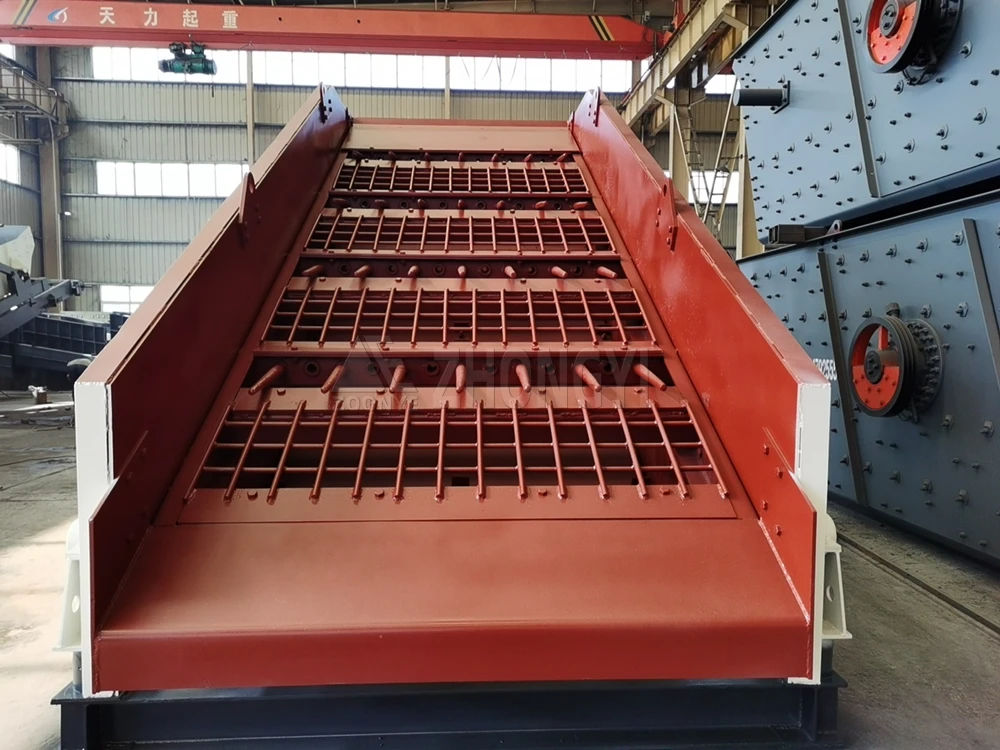
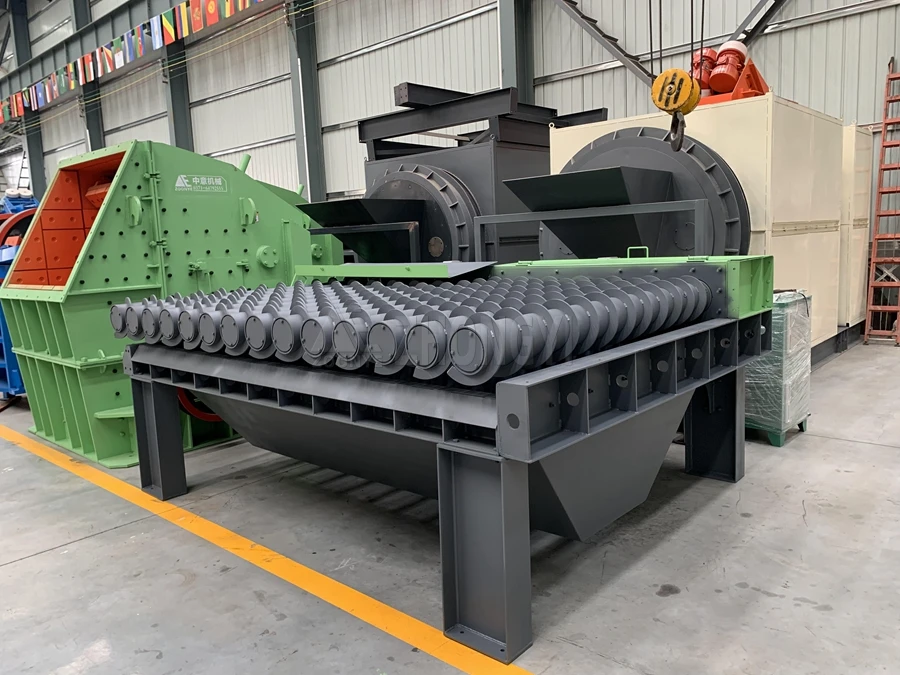
Screening equipment plays an important role in preparing waste materials before AI recognition. By separating materials according to particle size, shape, and physical characteristics, screening systems help create a more uniform material stream for automatic sorting.
In modern recycling plants, equipment such as trommel screens, disc screens, ballistic separators, flip flop screens, and spiral shaft screens are commonly used to remove fines, separate different fractions, and improve the performance of subsequent sorting processes.


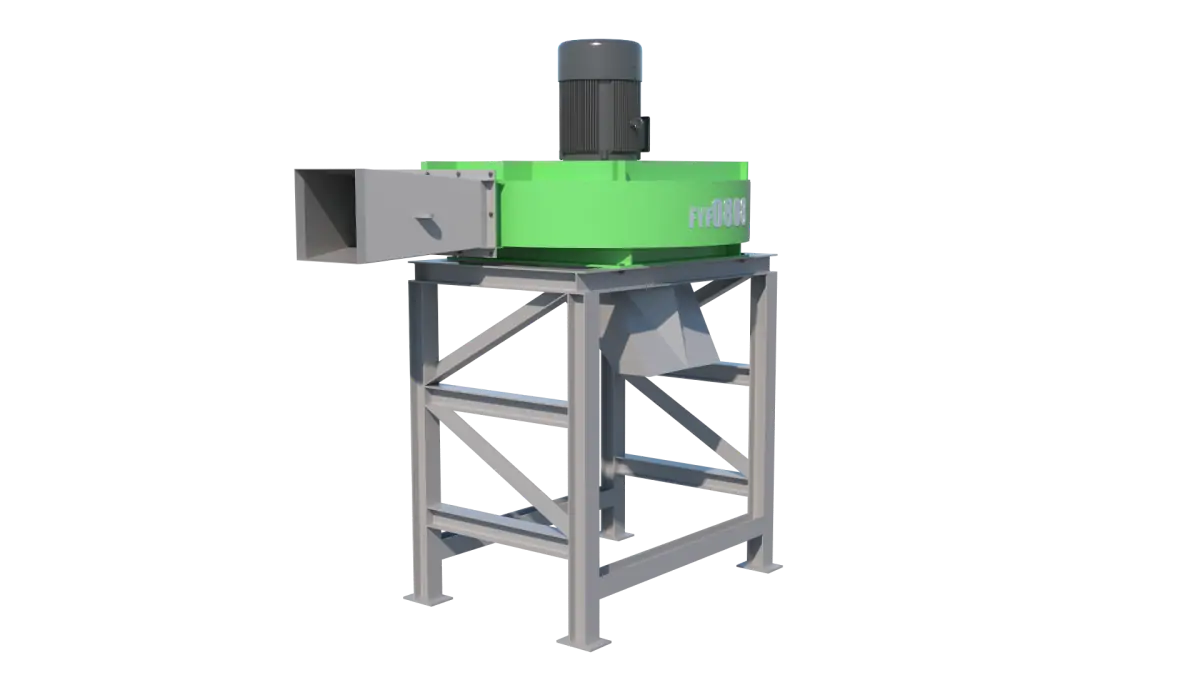
Wind Sifter Equipment
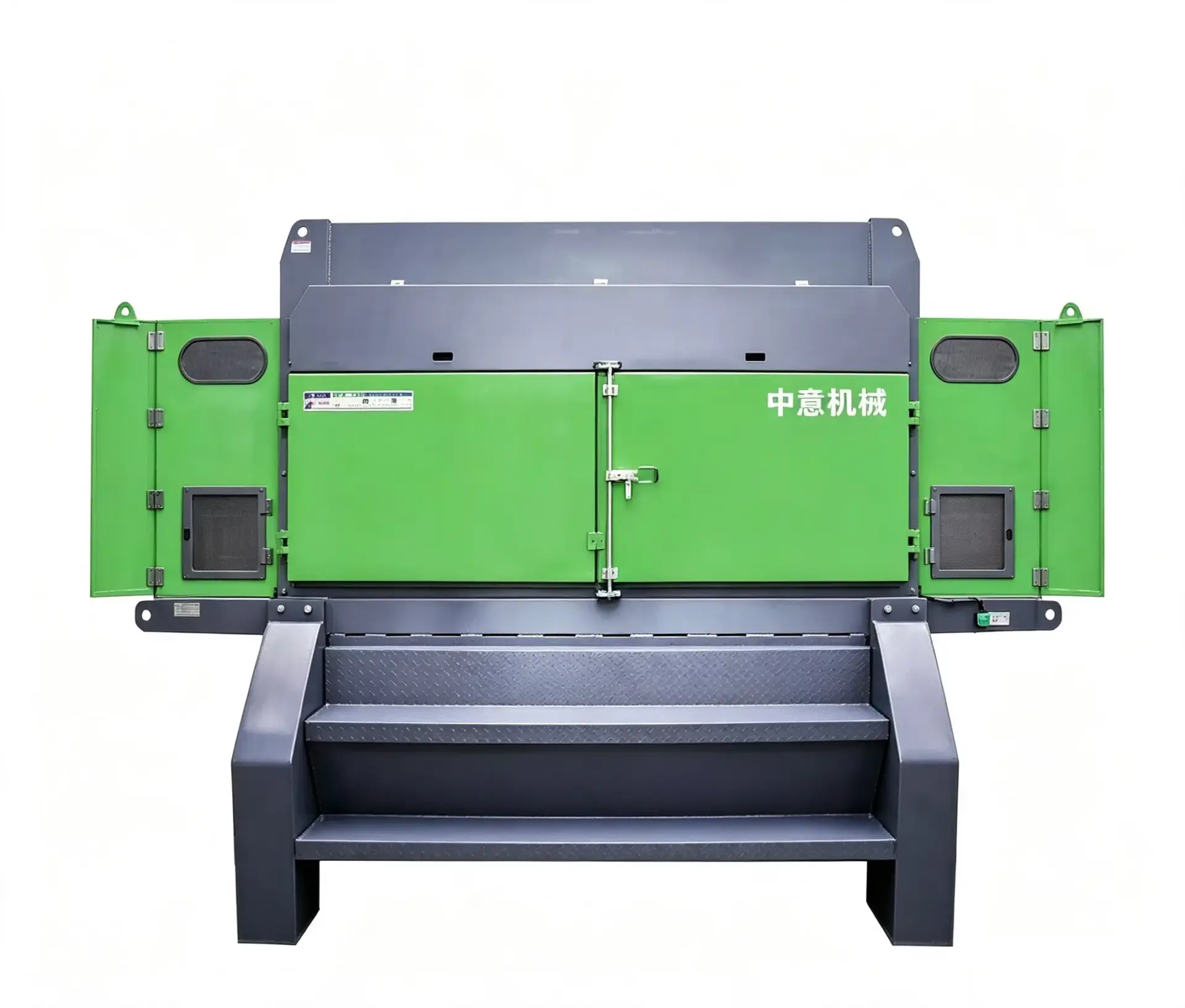
Wind sifter equipment separates lightweight materials from heavier fractions through controlled airflow. It is widely used in waste recycling systems to remove materials such as plastic films, paper, foam, and packaging waste from heavier components.
Negative pressure wind sifters can improve material purity while reducing dust problems during operation. When combined with AI sorting technology and other separation equipment, they help recycling plants achieve more efficient material recovery.
Magnetic Separator and Eddy Current Separator
Metal separation is an important part of many automated sorting systems. Magnetic separators are mainly used to recover ferrous metals, while eddy current separators are designed for separating non-ferrous metals such as aluminum, copper, and zinc.
By integrating metal recovery equipment into waste sorting lines, recycling facilities can improve resource recovery and increase the value of separated materials from MSW, e-waste, and industrial waste streams.If you’d like to learn more about eddy current separators versus magnetic separators, please click on this article.
Optical Sorting Machine for Recycling
Optical sorting machines are one of the core components of modern AI waste sorting technology. Using industrial cameras, sensors, and intelligent recognition algorithms, optical sorting equipment can identify different material characteristics and separate valuable recyclables from mixed waste.
In applications such as plastic recycling, packaging waste sorting, and material recovery, AI optical sorting helps improve sorting consistency, reduce manual dependence, and achieve higher-quality recycled materials.
Conveyor and Control System
The conveyor and control system connects all equipment in an automated sorting line and ensures continuous material transportation between different processing stages. Reliable conveyors are essential for maintaining stable feeding and preventing interruptions during operation.
A centralized control system allows operators to monitor equipment performance, adjust production parameters, and coordinate the entire sorting process. Together, conveyors and control systems provide the foundation for efficient and reliable recycling operations.


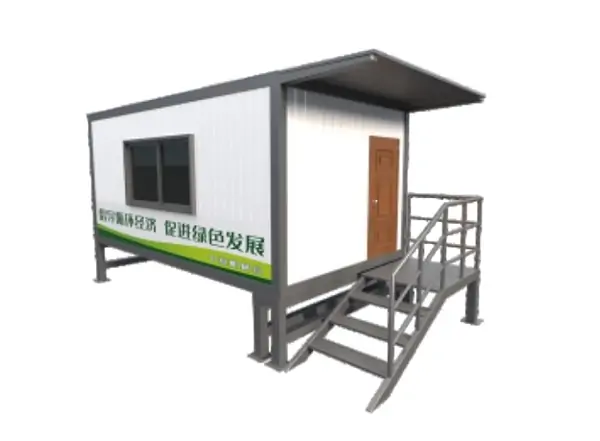
Manual Sorting vs AI Automatic Waste Sorting System Comparison
The difference between manual sorting and an AI automatic waste sorting system is mainly reflected in sorting efficiency, consistency, labor requirements, and long-term operating costs. Manual sorting still plays a role in small-scale recycling operations or pre-sorting processes, while AI-based sorting systems are increasingly used in large MSW sorting plants where stable throughput and higher recovery rates are required.
| Comparison | Manual Sorting | AI Automatic Waste Sorting System |
| Sorting Method | Human inspection and manual separation | AI vision, sensors, and automatic sorting equipment |
| Labor Requirement | Requires a large number of workers | Reduces dependence on manual labor |
| Sorting Speed | Limited by worker efficiency and working conditions | Supports continuous high-speed operation |
| Sorting Accuracy | Depends on operator experience and concentration | Provides more consistent material recognition |
| Operating Cost | Continuous labor expenses | Higher initial investment but lower labor cost |
| Scalability | Suitable for small or low-capacity operations | Designed for large recycling plants and automated lines |
| Safety | Workers are exposed to dust and contaminated waste | Reduces direct human contact with waste |

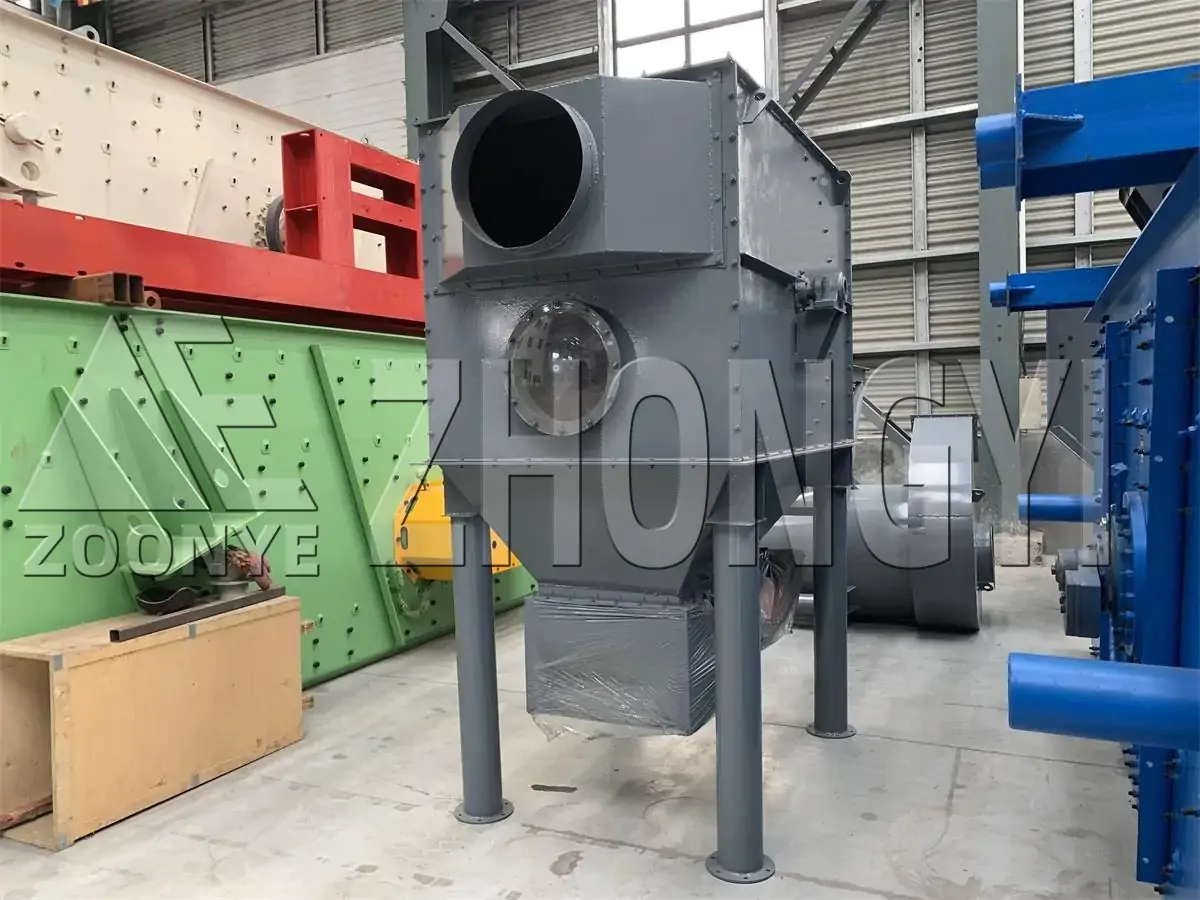
Differences Between Manual and AI Automatic Waste Sorting System
The choice between manual sorting and an AI automatic waste sorting system depends on waste characteristics, processing capacity, and automation requirements. Manual sorting is still suitable for small-scale operations, while AI sorting solutions are increasingly used in modern MSW sorting plants that require stable performance, higher efficiency, and reduced labor dependence.To learn more, click on “Types of Optical Sorting Machines.”
Sorting Accuracy and Material Recovery Rate
Manual sorting depends on worker experience and attention, which can affect consistency when handling mixed or contaminated waste. AI automatic waste sorting systems use machine vision, sensors, and recognition technologies to improve sorting stability, while actual recovery performance still depends on waste composition, upstream separation processes, and overall plant configuration.
Processing Capacity and Scalability
Manual sorting can meet the needs of smaller recycling operations, but expanding capacity requires more workers and higher labor management costs. AI automatic waste sorting systems support continuous operation and can work together with trommel screens, magnetic separators, and other sorting equipment to improve automation and processing capacity.
Investment Cost and Long-Term Operating Cost
Manual sorting requires lower initial investment but involves continuous labor costs as the plant grows. AI automatic waste sorting systems require higher upfront investment, but they can reduce labor dependence and improve long-term operating efficiency for large-scale recycling facilities.
When Should You Choose Manual Sorting?
Manual sorting is still a practical choice for small recycling facilities, projects with limited investment budgets, and waste streams that are difficult to standardize. In applications such as construction waste inspection, oversized material removal, and final quality control, workers can quickly adapt to changing material conditions and handle items that may be difficult for automated systems to recognize. This flexibility makes manual sorting valuable as a pre-sorting or quality inspection step in many recycling operations.
However, manual sorting is not always suitable for large-scale plants with high and stable waste input. Labor requirements, operating costs, and working conditions can become challenges as capacity increases. In real engineering projects, many recycling facilities use a combination of mechanical separation, AI sorting, and manual inspection to balance processing efficiency, recovery quality, and investment requirements. The best choice depends on waste characteristics, production targets, and the expected level of automation.
When Should You Choose an AI Automatic Waste Sorting System?
An AI automatic waste sorting system is more suitable for recycling projects that require higher processing capacity, stable sorting performance, and reduced dependence on manual labor. For large MSW sorting plants, material recovery facilities, and applications such as plastic recycling or RDF production, AI sorting can help maintain consistent operation while improving material recovery efficiency. It is especially valuable in regions where labor costs are high or skilled sorting workers are difficult to maintain.
For projects with stable waste input and clear recycling targets, AI sorting systems provide better long-term scalability than manual sorting. By integrating with equipment such as trommel screens, ballistic separators, magnetic separators, and eddy current separators, AI technology can improve the automation level of the entire sorting line. However, the final solution should still be selected based on waste characteristics, plant capacity, and investment expectations, as many successful facilities combine AI sorting with manual quality control to achieve the best results.
How to Choose the Right Waste Sorting Solution for Your Plant?
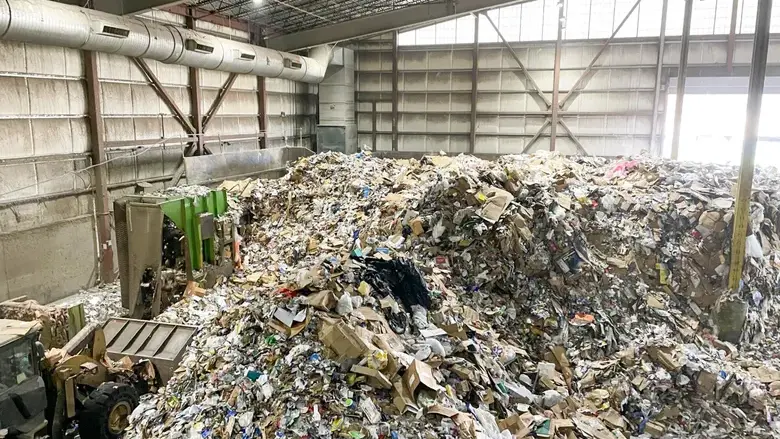
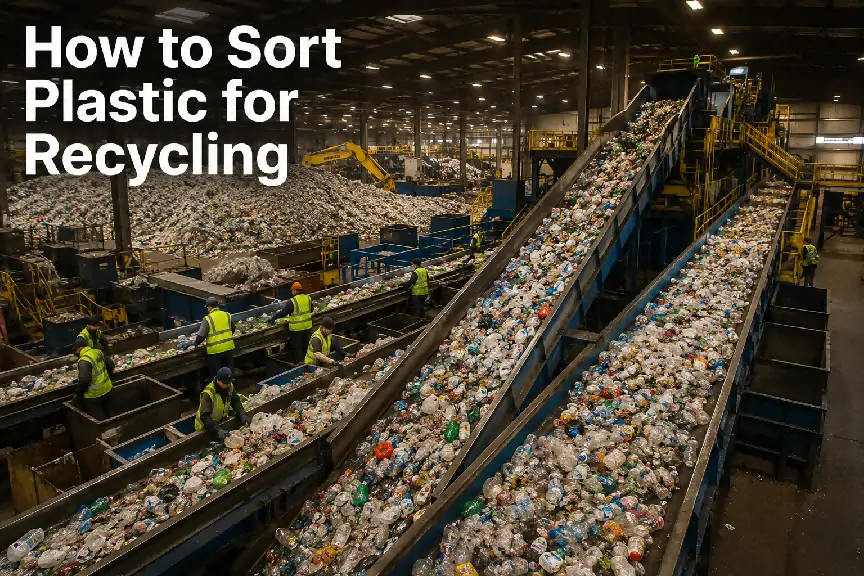
Selecting the right waste sorting solution depends on the actual requirements of the plant, including waste characteristics, processing capacity, recovery targets, and automation needs. A suitable system should match the material flow and production goals to achieve stable operation, efficient recovery, and reasonable investment.
Waste Type
The waste composition determines the required sorting process and equipment combination. MSW usually requires multiple separation stages, while plastic waste focuses more on material identification and purity improvement. C&D waste and commercial waste may require different solutions based on particle size, contamination level, and recycling targets.
Processing Capacity
The required throughput directly affects the system configuration and automation level. Small facilities may use manual or semi-automatic sorting solutions, while medium and large plants usually require integrated sorting lines with mechanical separation and AI sorting equipment to maintain stable operation and processing efficiency.
Recovery Target
The expected output quality should be defined before selecting a sorting system. Higher recycling rates, cleaner recovered materials, and RDF production requirements may require additional separation technologies and more precise sorting processes to meet downstream application standards.
Automation Level
The suitable automation level depends on labor availability, operating costs, and future expansion plans. Manual sorting provides flexibility for simple applications, semi-automatic systems balance investment and efficiency, while fully automated AI sorting systems are better suited for large-scale plants requiring continuous operation and consistent sorting performance.
Can Manual Sorting and AI Sorting Work Together?
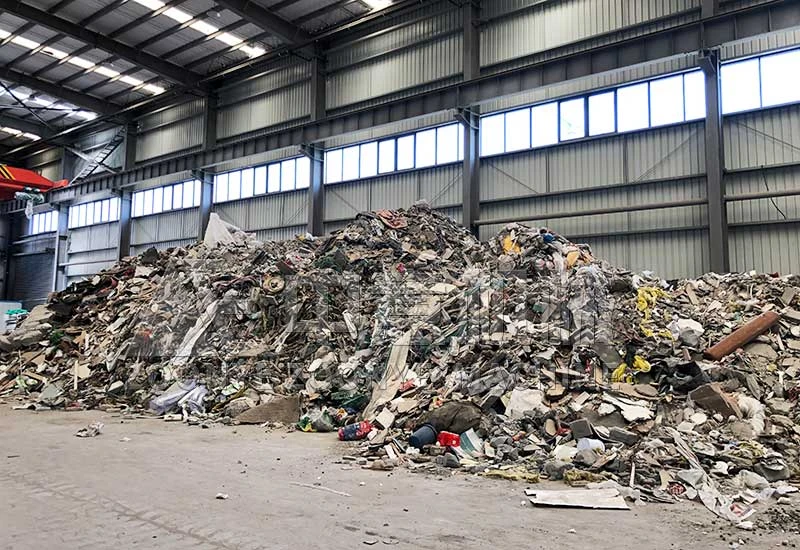
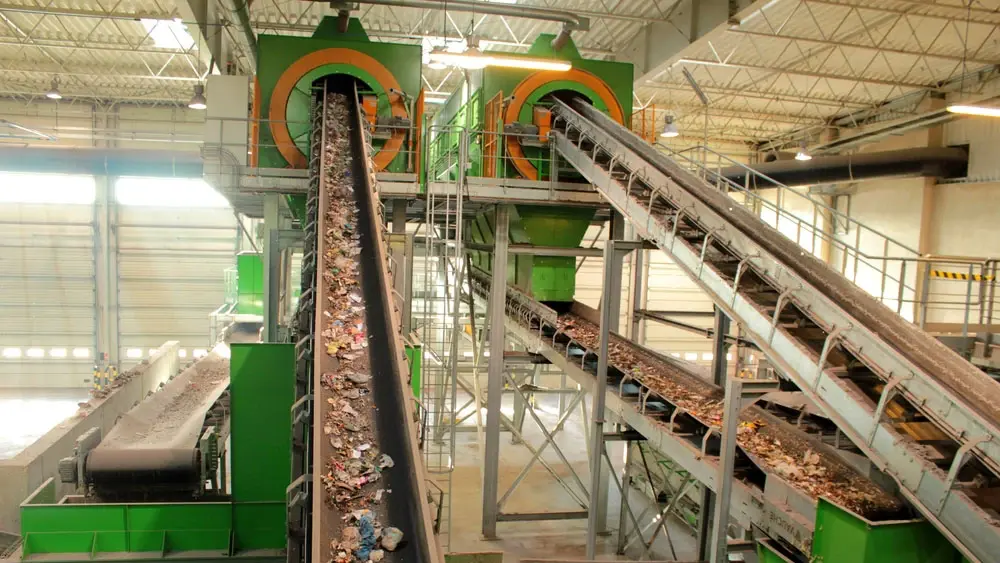
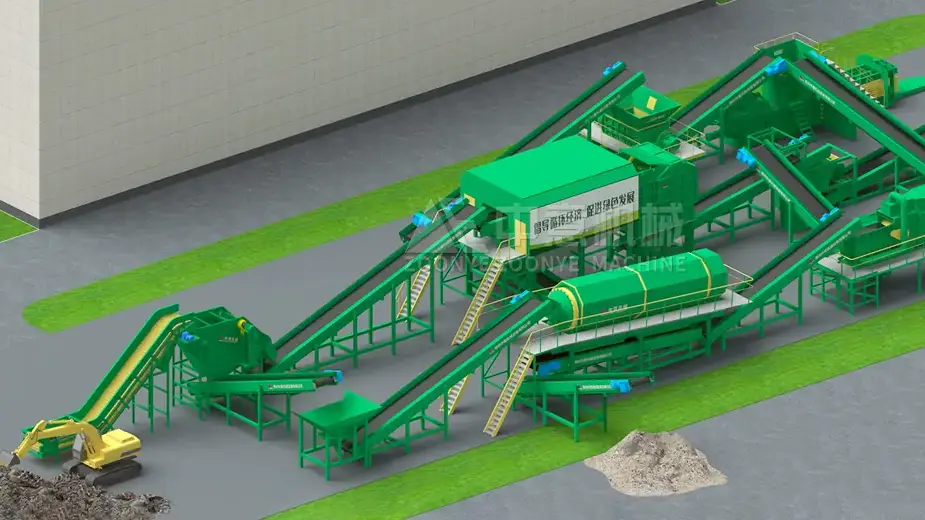
Manual sorting and AI sorting are not competing solutions but complementary approaches in modern recycling facilities. A hybrid sorting solution allows automated equipment to handle high-volume, repetitive separation tasks while workers focus on quality inspection, irregular materials, and process adjustments. This combination helps recycling plants improve material purity, reduce labor requirements, and achieve a better balance between investment and operating efficiency.
A typical hybrid sorting line may include bag openers, trommel screens, magnetic separators, wind sifters, AI optical sorting systems, and manual quality inspection stations. In this process, mechanical and AI technologies improve processing speed and sorting consistency, while manual inspection provides additional control for complex materials and final product quality. For many MSW sorting plants, this combined approach is a practical solution to achieve reliable long-term operation.
Conclusion
Choosing between manual sorting and an AI automatic waste sorting system depends on your waste type, processing capacity, recovery targets, and automation requirements. Manual sorting remains a practical option for small-scale projects, special material inspection, and quality control, while AI sorting solutions provide higher consistency and scalability for modern MSW recycling plants.
For most large recycling projects, the best solution is not simply replacing workers with machines, but combining mechanical separation, AI sorting, and professional quality inspection to achieve better recovery performance and operating efficiency. If you are planning a new waste sorting plant or upgrading an existing system, our engineering team can analyze your material characteristics and recommend a suitable sorting solution. [Contact Us] to discuss your project requirements and receive professional guidance.


Andy Yu
Technical Engineer | Zhongyi ECO
16+
Years Exp.
300+
Solutions
50+
Countries
16 years’ experience in environmental and solid waste management, specializing in C&D recycling and waste sorting solutions. At Zhongyi Mining Machinery, focused on improving global clients’ efficiency through technical expertise and tailored configurations.
FAQ
Manual sorting depends on workers to identify and separate materials, offering flexibility but limited by labor availability and processing speed. AI automatic waste sorting systems use machine vision, sensors, and automated separation technologies to improve sorting consistency and efficiency. The right choice depends on waste characteristics, plant capacity, recovery targets, and the required level of automation.
Yes, AI waste sorting systems can be applied in mixed municipal solid waste sorting plants when combined with proper pre-treatment processes. Screening, size separation, and impurity removal are usually required before AI recognition. The final sorting performance depends on waste composition, contamination level, material conditions, and the overall design of the recycling line.
AI sorting can significantly reduce manual labor but does not completely eliminate the need for human involvement in many recycling plants. Manual inspection is still valuable for quality control, irregular materials, and complex waste conditions. A hybrid sorting solution combining mechanical separation, AI technology, and manual inspection is often the most practical approach.
The selection depends on four key factors: waste type, processing capacity, recovery targets, and automation requirements. Small facilities may use manual or semi-automatic systems, while large MSW sorting plants usually require integrated solutions with screening, separation equipment, and AI sorting technology to achieve stable operation and higher recovery efficiency.
A complete AI waste sorting line usually combines multiple separation stages, including bag openers, trommel screens, magnetic separators, wind sifters, AI optical sorting systems, and manual quality inspection stations. Each unit performs a specific function to remove impurities, separate materials, and improve the purity of recovered resources.
AI sorting is widely used in plastic recycling and material recovery facilities because it can identify different material types and improve sorting consistency. It is especially useful for applications requiring higher purity, such as plastic separation and RDF preparation. However, equipment configuration should be customized according to the incoming material and production goals.
Yes, many existing sorting plants can be upgraded by adding AI sorting equipment to improve automation and recovery performance. The upgrade method depends on the current process layout, available space, material flow, and existing separation equipment. A technical evaluation is usually required before selecting the most suitable integration solution.
The return on investment depends on factors such as waste volume, labor costs, recovery improvement, material value, and operating conditions. AI sorting systems usually provide greater economic benefits in large-scale facilities with stable input materials. A detailed project analysis is needed to evaluate the expected performance and long-term operating advantages.
Related Waste Sorting Equipment

GTS Series Rotary Trommel Screen
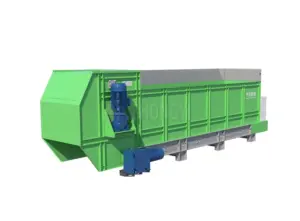
GTS Series Rotary Trommel Screen separates mixed waste materials by particle size and improves the efficiency of downstream sorting equipment. It is widely used in MSW sorting plants, C&D waste recycling, landfill screening, and material recovery applications.

TTS Series Ballistic Separator Machine
TTS Series Ballistic Separator Machine separates mixed waste into different fractions based on shape, density, and movement behavior. It improves material classification efficiency and is widely used in MSW recycling, MRF systems, plastic recycling, and C&D waste treatment plants.