
Introduction
The Turnkey Waste Sorting Plant Price in Canada depends on the plant’s capacity, waste composition, recovery requirements, automation level, and equipment configuration. There is no fixed price for every project, because a small mechanical sorting line requires a very different setup from a high-capacity MSW recycling plant with multiple separation and sorting stages.
A turnkey waste sorting plant also involves more than the main processing machines. From waste receiving and bag opening to screening, magnetic separation, non-ferrous metal recovery, air separation, sorting, and final material handling, each stage affects the overall plant configuration and investment. This guide explains the main factors that influence the price and the equipment commonly included in a complete MSW recycling plant for different processing requirements.
What Determines the Price of an MSW Recycling Plant?
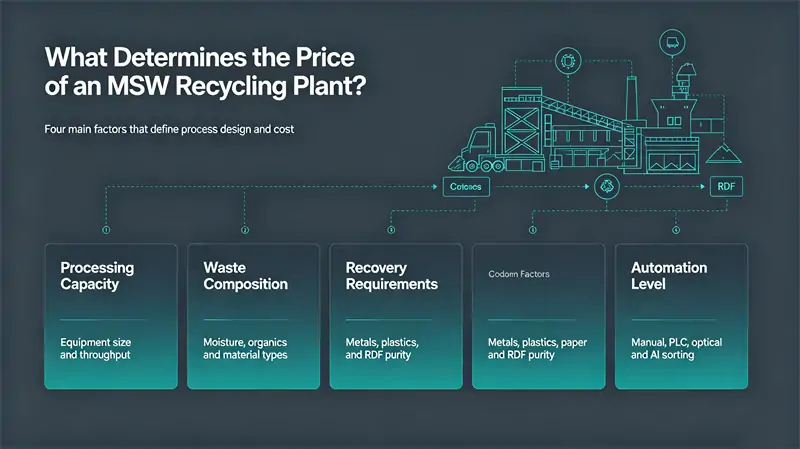
The price of an MSW recycling plant depends on several project-specific factors, with processing capacity, waste composition, recovery requirements, and automation level being the main considerations. These factors determine the process design and equipment configuration required for the complete sorting line.If you want to learn about “MSW Recycling Plant Cost in the U.S. in 2026: A Complete Guide,” please click on the article.
Processing Capacity
Processing capacity directly affects the size and quantity of equipment required. A 100 TPD plant and a 500 TPD plant need different capacities for feeding, screening, conveying, and separation. Higher throughput may require larger equipment, additional processing stages, or parallel equipment to maintain a stable material flow and meet the required operating capacity.
Waste Composition
The characteristics of incoming MSW have a direct impact on process design. Wet, organic-rich MSW may require a different screening and separation arrangement from relatively dry mixed municipal waste. Particle size, moisture content, organic fraction, and the proportion of plastics, paper, metals, and other materials all need to be considered when selecting the appropriate sorting process and equipment.
Recovery Requirements
The required output materials also affect the complexity of the sorting line. A plant designed primarily for basic material recovery will have a simpler configuration than a system required to produce separate streams of ferrous metals, non-ferrous metals, plastics, paper, and RDF.
The required recovery quality is also important. Higher purity requirements may require additional separation or sorting stages, which can increase the overall equipment scope and project investment.
Automation Level
Automation level can range from manual and semi-automatic operation to highly automated sorting systems. Depending on the project requirements, automation may involve automated conveyors, PLC-based control systems, optical sorting, AI sorting, and centralized monitoring.
The appropriate automation level depends on the plant capacity, available labor, recovery targets, and operating requirements. A higher level of automation generally means a more extensive equipment and control system, so it should be selected according to the actual needs of the project.
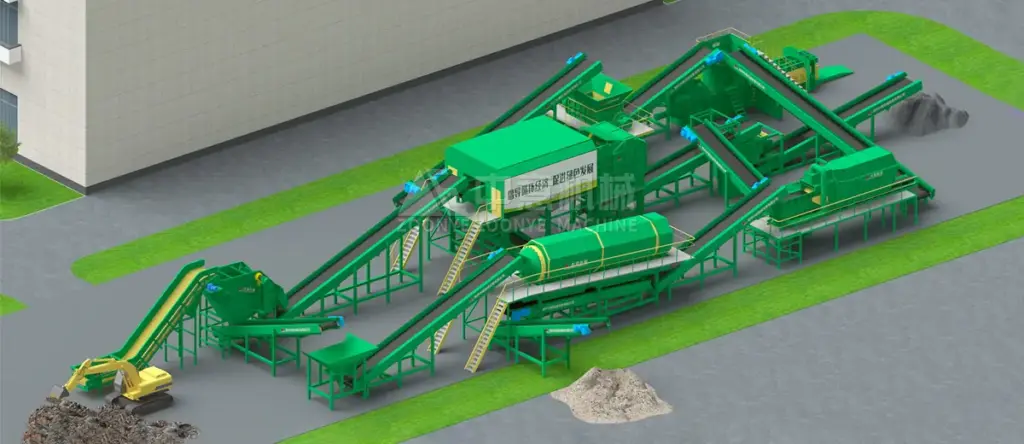
What Equipment Is Included in a Turnkey MSW Recycling Plant?
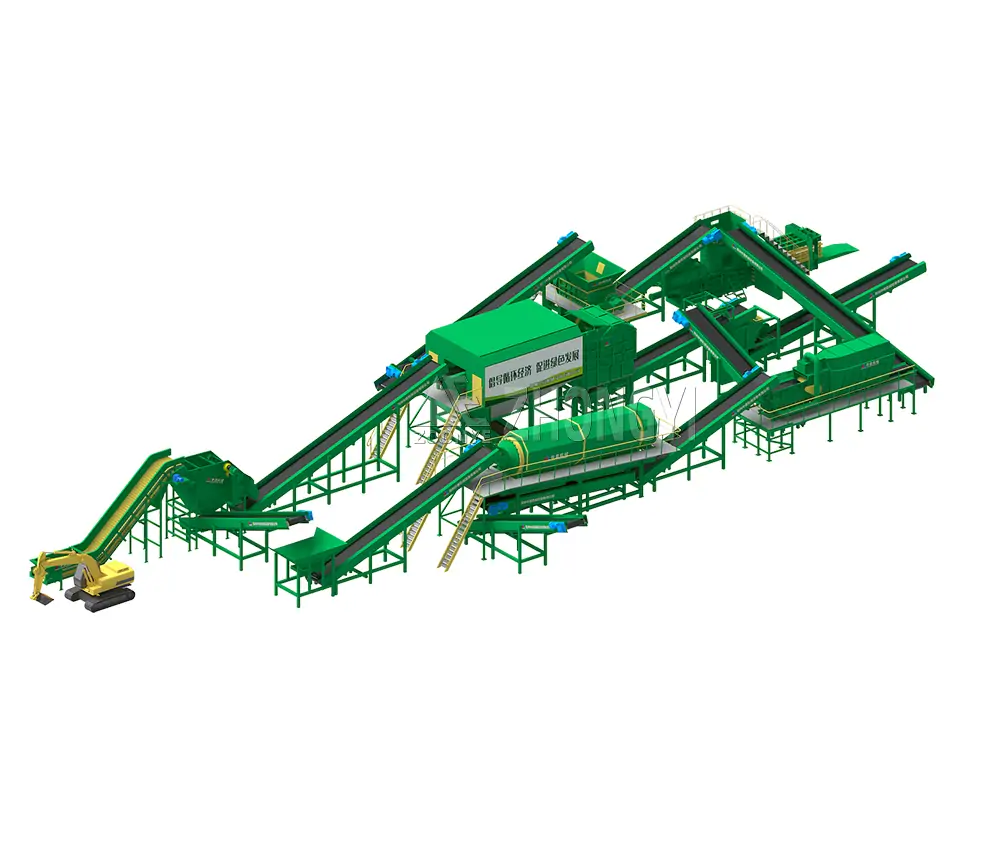
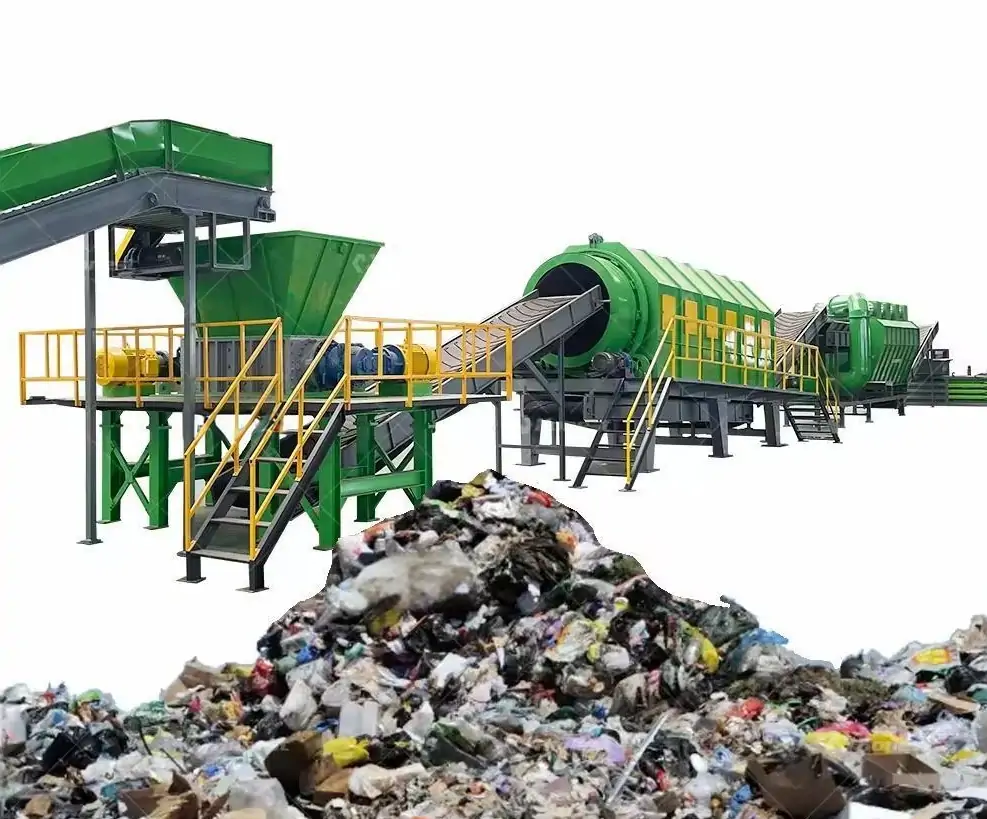
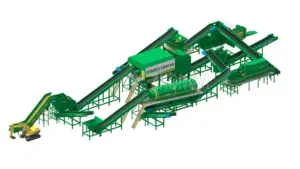
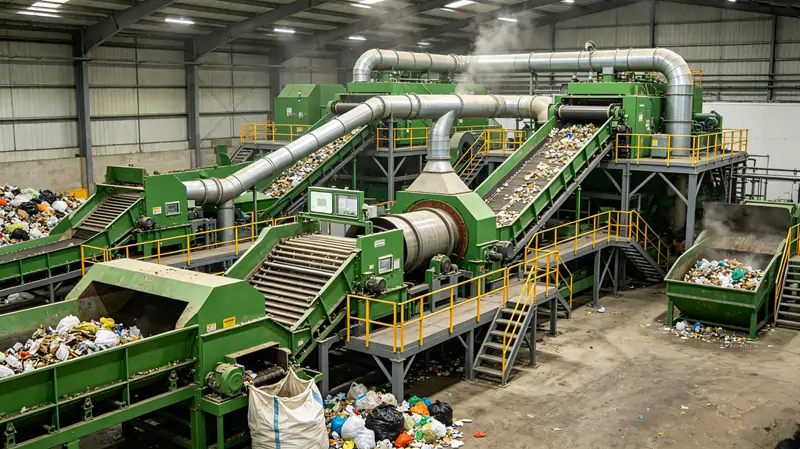
A turnkey MSW recycling plant combines multiple processing stages into one continuous system rather than relying on a single sorting machine. The equipment is selected to receive municipal waste, open waste bags, separate materials by size and physical properties, recover valuable recyclables, and prepare selected fractions for further processing. The final equipment combination depends on the waste composition, processing capacity, recovery targets, and required output quality.
Feeding and Bag Opening
The front end of an MSW recycling plant must provide a stable and controlled material flow before mechanical sorting begins. Feeding equipment transfers incoming waste into the line, while a bag opener releases the contents of tied or sealed waste bags. This preparation stage helps distribute the material more evenly and allows downstream screening and separation equipment to work under more consistent conditions.
Light Duty Apron Pan Feeder
The Light Duty Apron Pan Feeder provides controlled feeding of mixed municipal waste into the sorting line. It is suitable for applications where continuous feeding and stable material distribution are required.
Bulk Material Conveyor
The Bulk Material Conveyor transfers waste between different processing stages, including feeding, screening, separation, and sorting. Conveyor arrangements can be adapted to the plant layout and the required material flow.
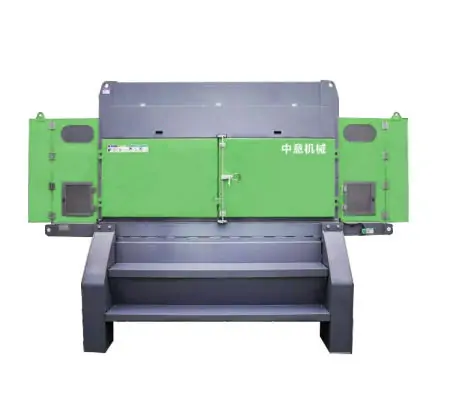
Single Shaft Bag Opener
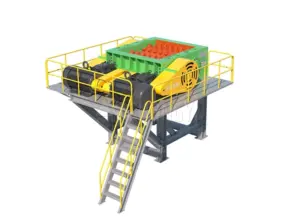
The Single Shaft Bag Opener is installed near the beginning of the sorting line to open waste bags and release their contents before screening. Its controlled opening action helps prepare bagged MSW for subsequent separation while limiting unnecessary damage to recyclable materials.


Screening and Size Separation
After bag opening, screening separates the waste into different size fractions. This is an important step because fine materials and oversized materials often require different downstream treatment. Proper size separation can improve material distribution, reduce unnecessary loading on downstream equipment, and create more suitable conditions for subsequent recovery processes.
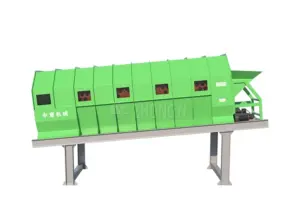
GTS Series Rotary Trommel Screen
The GTS Series Rotary Trommel Screen is used for continuous size separation of mixed municipal waste. Its rotating screening drum allows different material fractions to be directed to appropriate downstream processing stages according to the process design.
Ferrous and Non-Ferrous Metal Recovery
Metal recovery is normally integrated into the sorting process when the plant is designed to recover recyclable metals from mixed MSW. Magnetic separation targets ferrous metals such as iron and steel, while eddy current separation can recover suitable non-ferrous metals after the ferrous fraction has been removed.
Magnetic Separator
The Magnetic Separator continuously removes ferrous metals from the waste stream. It can be positioned at a suitable point along the conveyor system to recover iron and steel and reduce metal contamination in downstream material fractions.
Eddy Current Separator
The Eddy Current Separator is used for non-ferrous metal recovery, including materials such as aluminum and other suitable non-magnetic metals. It is typically considered when the plant requires a broader material recovery range beyond ferrous metals.


Air Separation and Lightweight Material Recovery
Some MSW streams contain a mixture of lightweight and heavy materials that cannot be efficiently separated by screening alone. Air separation uses controlled airflow to divide materials according to their aerodynamic properties. Lightweight fractions such as plastic film, paper, and textiles can be separated from heavier materials such as glass, stones, and dense inert matter.
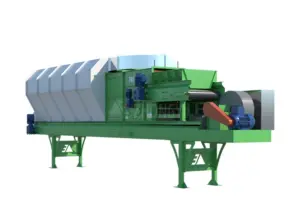
FXJ Series Containerized Windshifter for Waste Sorting
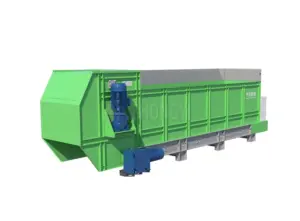
The FXJ Series Containerized Windshifter provides air-based separation of lightweight and heavy fractions in mixed waste. It can be integrated into an MSW recycling plant when the process requires additional separation based on material density and aerodynamic behavior.
Manual and Automated Sorting
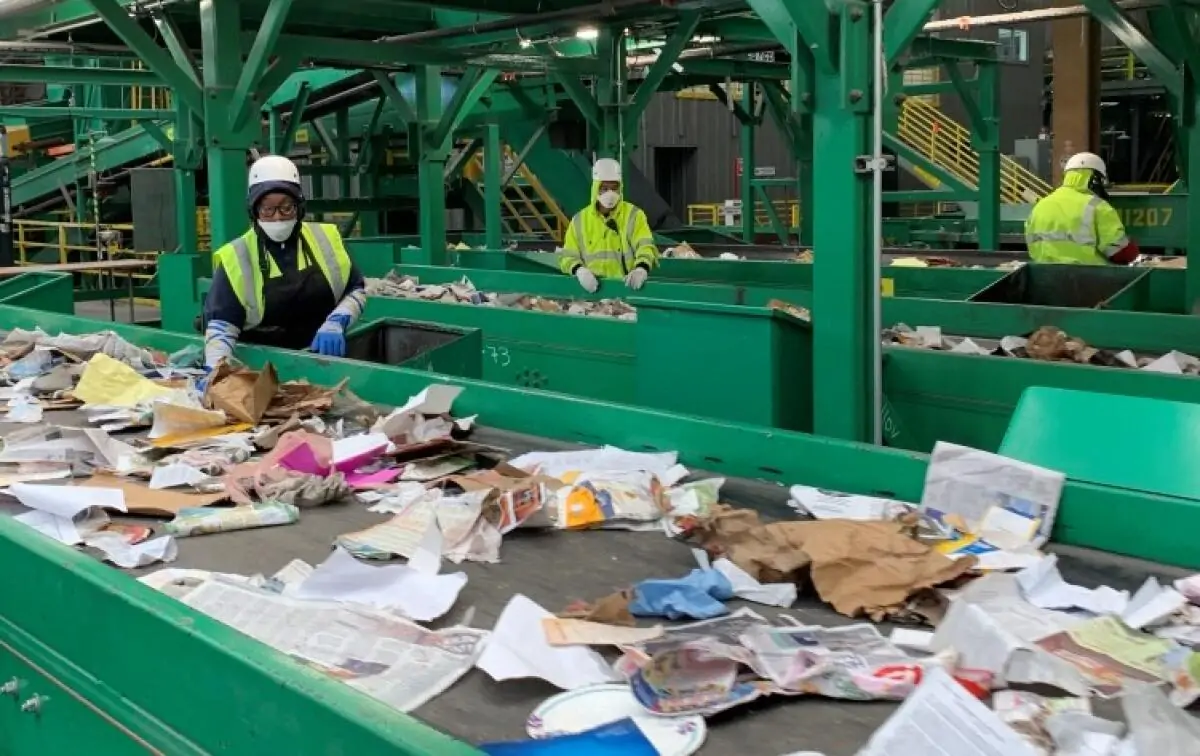
Mechanical separation cannot always identify every recyclable material or remove every contaminant. Manual sorting can therefore be used for quality control and targeted material recovery. For projects with higher automation requirements, optical or AI-based sorting equipment can be added to selected stages where automated material identification provides a practical advantage.
Manual Waste Sorting Cabin
The Manual Waste Sorting Cabin provides an enclosed working environment for operators to remove selected recyclables, bulky materials, or contaminants from the conveyor stream. It can be positioned before or after mechanical separation depending on the process requirements.
Optical and AI Sorting Equipment
Optical and AI sorting equipment can be integrated when a project requires automated identification and separation of specific material categories. Its application should be determined by the target material, incoming material characteristics, recovery requirements, and desired level of automation rather than treated as a standard component of every MSW recycling plant.


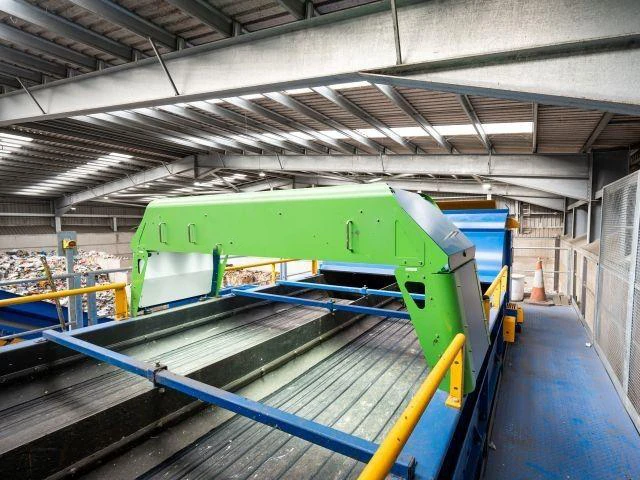
Typical MSW Recycling Plant Process
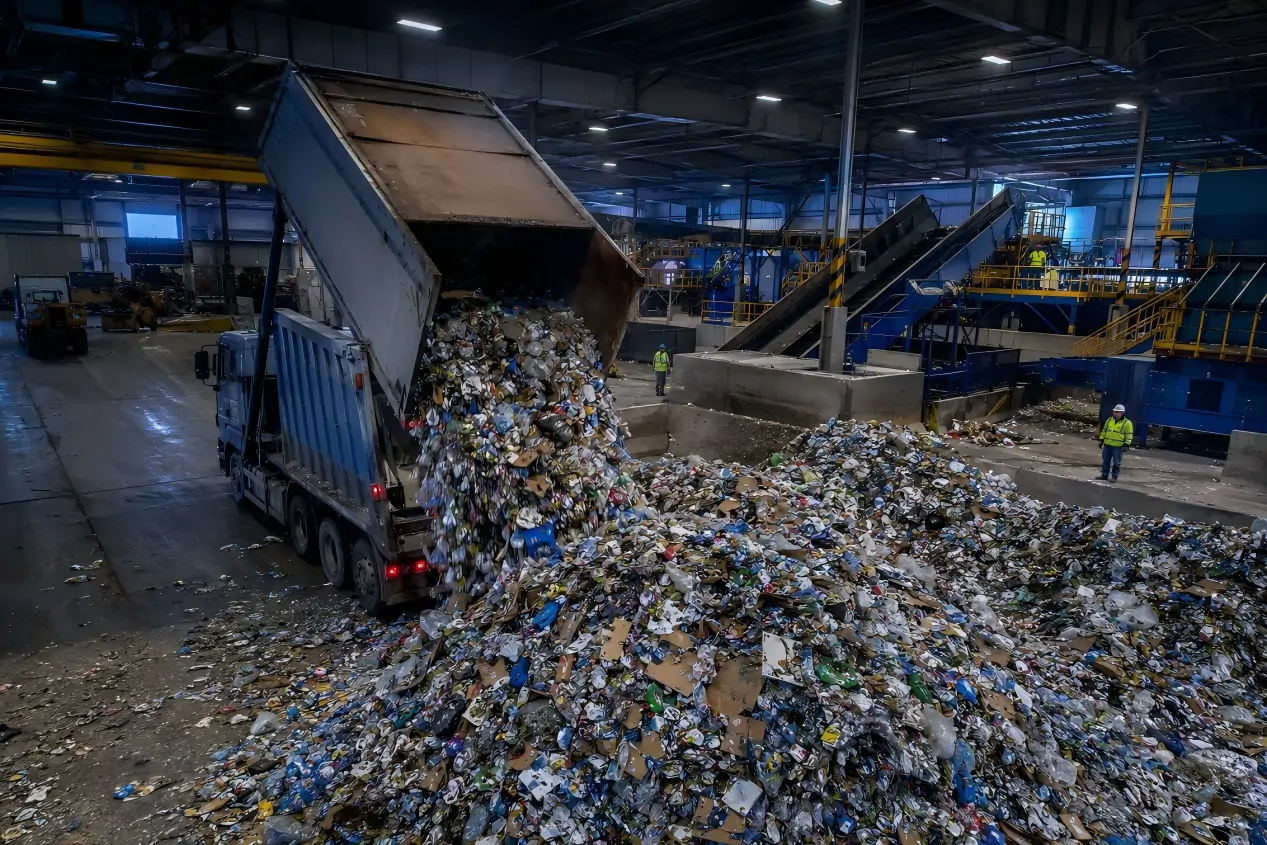
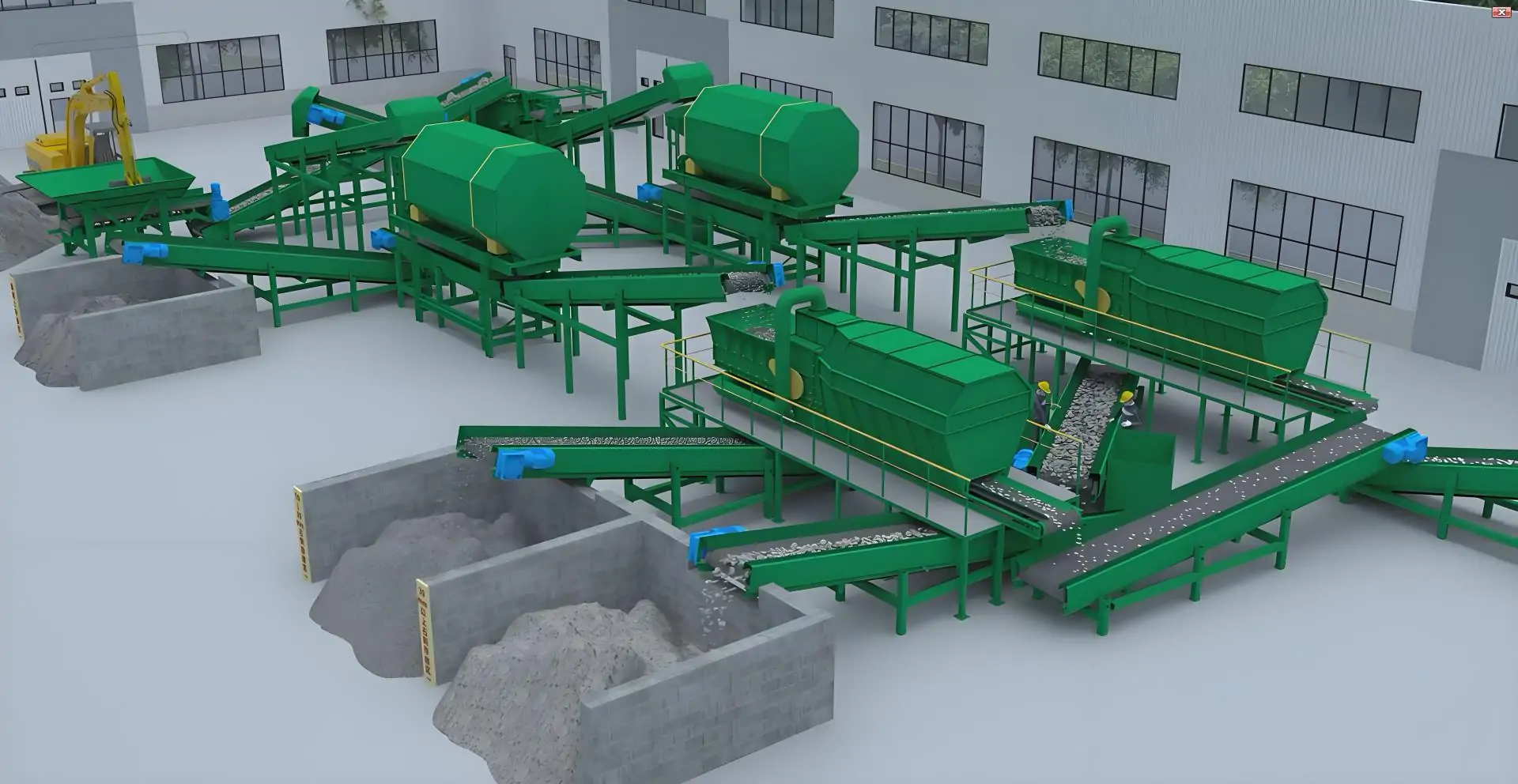
Once municipal waste arrives at the plant, it is fed into the sorting line and passes through the Single Shaft Bag Opener before entering the Trommel Screen. The material is separated by size and then moves through the metal and air separation stages. Ferrous metals are removed first, followed by further separation of lightweight materials and non-ferrous metals. The remaining streams can be sent to manual, optical, or AI sorting when additional recovery or material quality control is required.
The materials separated during the process are collected and handled according to their intended use. Recyclable metals and other recovered materials can be sent for further recycling, while the combustible fraction can be prepared for RDF production and baled for easier storage and transportation. A typical line follows Waste Receiving → Feeding → Bag Opening → Screening → Metal Separation → Air Separation → Sorting → RDF Preparation → Baling, although the actual layout is adjusted to suit the waste entering the plant and the materials the project aims to recover.If you would like to learn about the Construction Waste Recycling Line USA Specifications, please click on the article.
MSW Recycling Plant Configurations for Different Projects
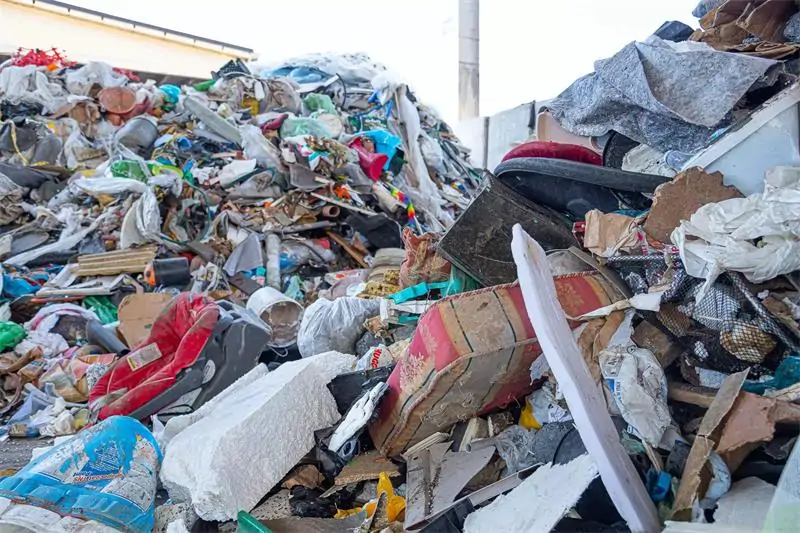
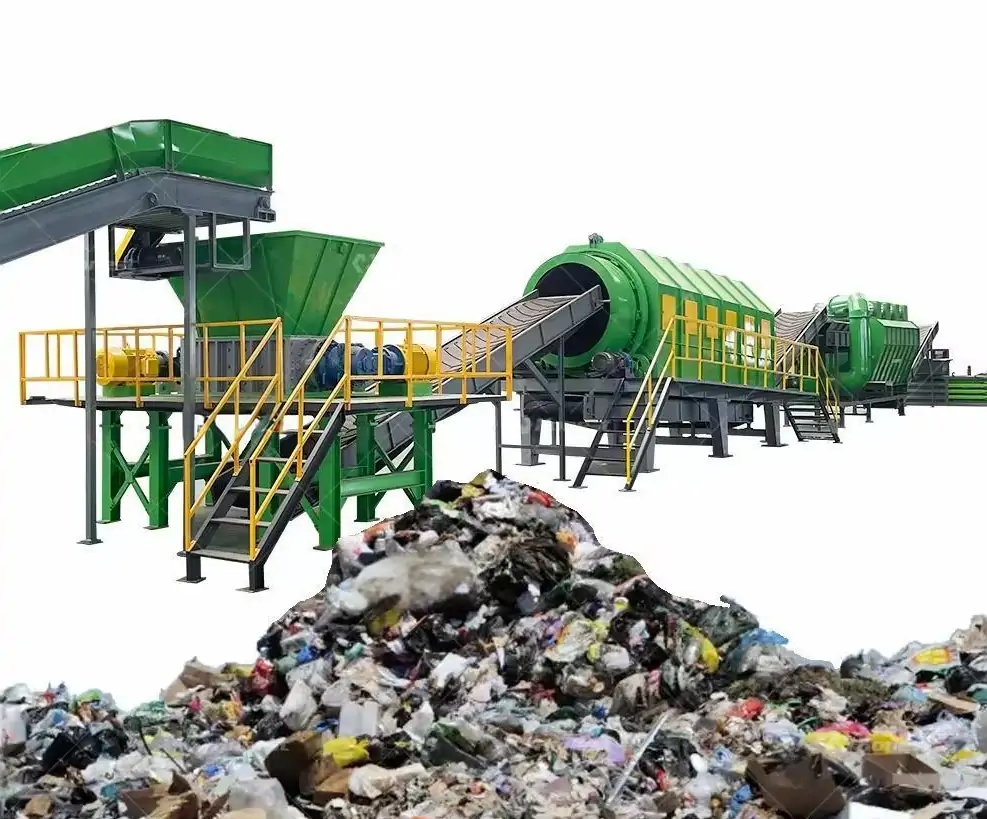
There is no single standard configuration for an MSW recycling plant. A smaller project may only need the basic equipment required to open, screen, and recover common recyclable materials, while a larger facility may need additional separation stages to handle a wider range of materials. In practice, the starting point is usually the waste itself—what comes into the plant, how much needs to be processed, and what materials the operator wants to recover.
As the recovery requirements become more demanding, the line can be extended with equipment such as a Wind Sifter, Eddy Current Separator, Optical / AI Sorting System, RDF Preparation System, or Baler. So, rather than choosing a fixed package, the equipment is normally matched to the actual project. This is also why the Turnkey Waste Sorting Plant Price in Canada can differ from one project to another.
| Plant Configuration | Typical Project Requirements | Typical Equipment |
| Basic MSW Sorting Plant | Smaller capacity and basic recovery of common recyclable materials | Feeder + Single Shaft Bag Opener + Trommel Screen + Magnetic Separator + Manual Sorting Cabin |
| Medium-Capacity MSW Recycling Plant | More material recovery and additional separation of lightweight and non-ferrous materials | Feeder + Single Shaft Bag Opener + Trommel Screen + Magnetic Separator + Wind Sifter + Eddy Current Separator + Manual Sorting Cabin + Baler |
| Automated MSW Recycling Plant | Higher throughput, more automated sorting, and broader recovery targets | Feeder + Single Shaft Bag Opener + Trommel Screen + Magnetic Separator + Wind Sifter + Eddy Current Separator + Optical / AI Sorting + RDF Preparation + Baling + PLC Control |
What Is Included in Our Turnkey Waste Sorting Plant?
A turnkey project is built around the customer’s actual waste and operating conditions. Before equipment is selected, the process needs to be worked out first, including what enters the plant, how much needs to be processed, and which materials need to be recovered. From there, the equipment and plant arrangement can be determined.
Process Design & Equipment Manufacturing
Zhongyi’s engineering team develops the process according to the waste composition, required capacity, recovery targets, and available site conditions. The equipment is then selected to fit that process. As a waste sorting equipment manufacturer, Zhongyi can manufacture the main equipment directly and coordinate it with the rest of the sorting line.
Complete Equipment Supply
The equipment required for the designed process can be supplied as one complete system, including the main sorting equipment and the necessary conveying and material-handling equipment. If a project needs additional separation, RDF preparation, or other downstream processing, these can be incorporated into the overall plant rather than handled as separate equipment purchases.
Installation, Commissioning & Ongoing Support
Once the equipment is delivered, technical support covers installation and commissioning to help bring the line into operation. Operator training and equipment adjustment can be provided during commissioning, while spare parts and technical assistance remain available for subsequent maintenance and operation.
Why Choose a Turnkey MSW Recycling Plant Instead of Individual Machines?
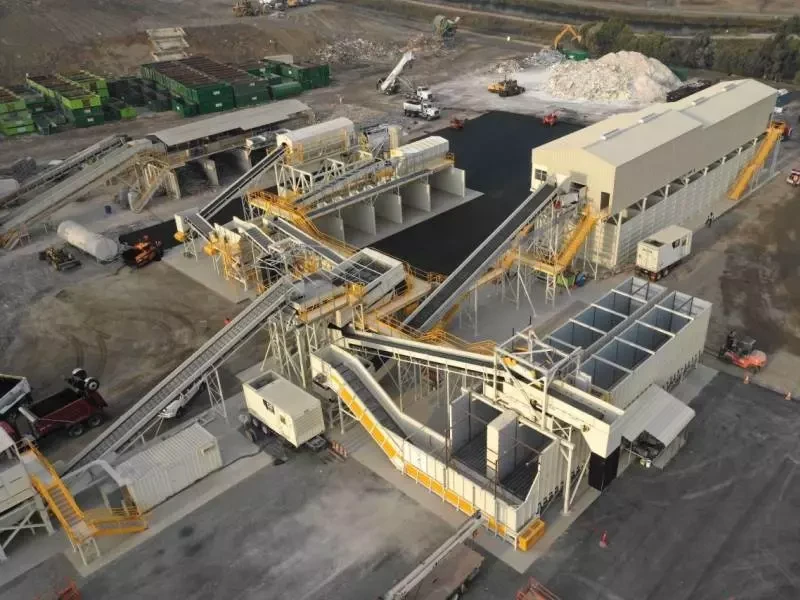
For an MSW project, buying individual machines can leave the customer responsible for putting the whole sorting line together after purchase. The equipment still needs to be matched, connected, and arranged around the required material flow and site layout. A turnkey MSW recycling plant starts with the overall process instead. The equipment, layout, manufacturing, system integration, and commissioning are planned as part of the same project, so the customer receives a complete sorting line rather than having to coordinate separate machines and suppliers.
| Individual Machine Purchase | Turnkey MSW Recycling Plant |
| Machine Selection | Process Design |
| Separate Equipment Purchase | Equipment Matching |
| Customer Integration | Plant Layout & Integration |
| On-site Coordination | Commissioning |
For municipal solid waste projects, equipment compatibility and material flow are as important as individual machine performance. This is the main reason a turnkey approach is often more practical for a complete MSW recycling plant: the individual machines are selected as parts of one working process, rather than purchased first and integrated later.
Conclusion
The Turnkey Waste Sorting Plant Price in Canada depends on the plant capacity, waste composition, recovery targets, and equipment configuration rather than a fixed equipment price. A properly designed MSW recycling plant brings feeding, bag opening, screening, metal recovery, air separation, and downstream sorting together as one continuous system.
Zhongyi provides complete waste sorting equipment and customized MSW recycling plant solutions, with the process and equipment selected according to the actual project requirements. Contact us to discuss your waste sorting project and find a suitable plant configuration.


Andy Yu
Technical Engineer | Zhongyi ECO
16+
Years Exp.
300+
Solutions
50+
Countries
16 years’ experience in environmental and solid waste management, specializing in C&D recycling and waste sorting solutions. At Zhongyi Mining Machinery, focused on improving global clients’ efficiency through technical expertise and tailored configurations.
FAQ
There is no fixed price for a turnkey waste sorting plant in Canada. The total investment depends on processing capacity, waste composition, recovery targets, automation level, and equipment configuration. Site conditions and plant layout can also affect the project scope. For this reason, a project-specific quotation based on actual waste and processing requirements is more reliable than a standard equipment price.
A typical turnkey MSW recycling plant may include a feeder, Single Shaft Bag Opener, Trommel Screen, Magnetic Separator, Eddy Current Separator, Wind Sifter, manual sorting cabin, and downstream sorting or RDF preparation equipment. The final equipment combination is not fixed. It is selected according to the incoming waste, required recovery materials, processing capacity, and desired output quality.
Yes, but the process needs to account for the moisture and organic content of the incoming waste. Wet MSW can affect screening efficiency, material flow, and downstream separation, so equipment selection and process arrangement should be based on actual waste characteristics. In some projects, screening and separation stages need to be configured differently from those used for relatively dry mixed municipal waste.
Depending on the process configuration, an MSW recycling plant can recover ferrous metals, non-ferrous metals, plastics, paper, and other suitable recyclable materials. The combustible fraction can also be separated for RDF preparation. The actual recovery results depend on the composition of the incoming waste, the separation stages used, and the quality requirements for each recovered material.
The required capacity should be based on the actual waste volume, operating hours, and expected future demand. Daily processing requirements are normally expressed in TPD, while equipment selection also considers the instantaneous material flow in TPH. Waste composition and the required recovery process should be evaluated at the same time to ensure that the complete sorting line can operate at the required throughput.
A turnkey plant is designed as one complete process rather than a collection of separately purchased machines. Equipment selection, material flow, plant layout, system connections, manufacturing, and commissioning are considered together. With individual machines, the customer may need to coordinate equipment from different suppliers and resolve integration issues on site. For a complete MSW project, a turnkey approach simplifies this coordination.
Yes. Municipal solid waste can vary significantly in moisture, organic content, particle size, and recyclable material content. The sorting process can therefore be adjusted according to the actual waste stream and recovery objectives. Equipment such as screening, air separation, metal recovery, manual sorting, or automated sorting can be added or arranged differently when the project requires a specific material recovery process.
The main information required includes the waste type, daily processing capacity, waste composition, target recovered materials, required automation level, and available site conditions. Project location can also help with planning delivery and installation. Providing representative information about the incoming waste allows engineers to evaluate the process, select suitable equipment, and prepare a more accurate project-specific MSW recycling plant quotation.
Related Waste Sorting Equipment

Single Shaft Automatic Bag Opener Machine
The Single Shaft Automatic Bag Opener Machine is used at the front end of an MSW recycling plant to open tied or sealed waste bags before screening and separation. Its low-speed opening action releases the contents while limiting excessive shredding, helping maintain a steady material flow for downstream equipment.

GTS Series Rotary Trommel Screen
The GTS Series Rotary Trommel Screen is used to separate mixed municipal solid waste by particle size. As the drum rotates, smaller materials pass through the screen while oversized materials continue forward for further processing. It provides continuous screening and helps distribute different waste fractions to the appropriate downstream separation stages.

Magnetic Separator for Recycling
The Magnetic Separator continuously removes ferrous metals such as iron and steel from mixed waste streams. Installed along the conveyor system, it can be used after screening or at other suitable points in an MSW recycling plant. Removing ferrous metals improves material recovery and helps reduce metal contamination in downstream sorting and processing stages.
FXJ Series Containerized Windshifter for Waste Sorting
The FXJ Series Containerized Windshifter separates lightweight and heavy fractions in mixed waste using controlled airflow. Lightweight materials such as plastic film, paper, and textiles are lifted from the main stream, while heavier materials are discharged separately. Its integrated design makes it suitable for MSW recycling plants where air separation is required.