
Introduction
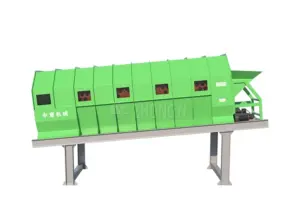
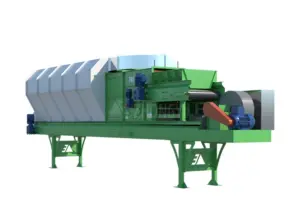
When selecting waste sorting equipment, many operators first need to know whether a wind sifter machine is suitable for their specific waste stream. A wind sifter machine can separate lightweight materials such as plastic films, paper, foam, textiles and packaging waste from heavier materials including concrete, bricks, glass and metals by using differences in material density and airflow response. It is widely used in MSW recycling, construction waste processing, plastic recycling, RDF production and industrial waste treatment.
Different waste streams have different material compositions, moisture levels and particle sizes, which directly affect wind separation performance. In complete recycling plants, wind sifters are often installed after shredding or screening processes to improve material purity and prepare recyclables for further sorting. This article will explain what waste can be sorted by a wind sifter machine and how this equipment is applied in different recycling industries.If you would like to learn more about the advantages of negative-pressure wind sifters for MSW recycling, please click here.



What Waste Can Be Sorted by Wind Sifter Machine?
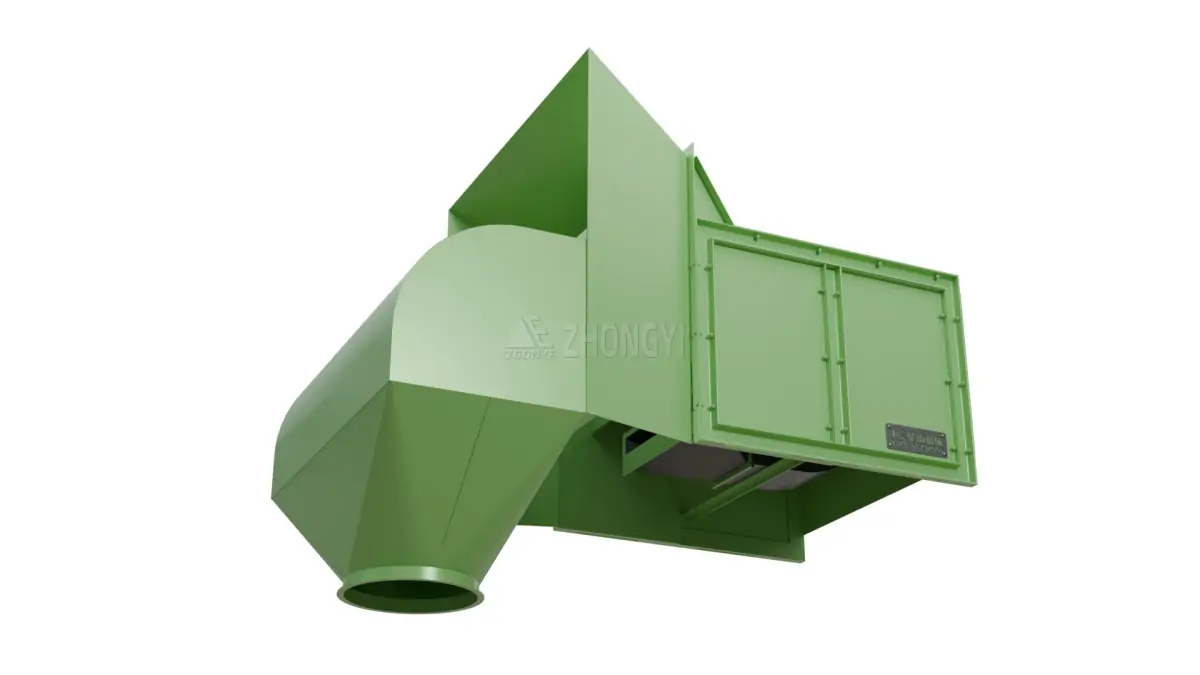
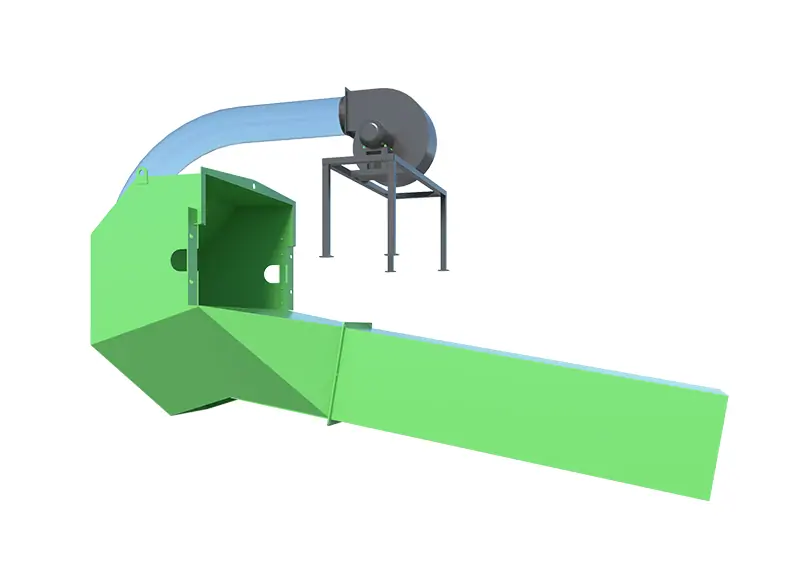
A wind sifter machine is designed to separate lightweight materials from heavier fractions according to their density, size and response to airflow. It is commonly applied to waste streams containing mixed materials, such as municipal solid waste (MSW), construction and demolition waste, plastic recycling waste, RDF/SRF materials and industrial residues. Typical lightweight materials removed include plastic films, paper, foam, textiles and packaging waste, while heavier fractions such as concrete, bricks and stones remain for further processing.
The actual sorting performance depends on waste composition, moisture content, particle size and upstream preparation processes. In recycling plants, wind sifters are usually installed after shredding or screening equipment to remove lightweight impurities before downstream sorting, helping produce cleaner recyclable materials.If you would like to learn more about the working process and mechanism of the Negative Pressure Wind Sifter,please click here.
| Waste Type | Lightweight Materials Removed | Heavy Fractions Retained | Application Purpose |
| Municipal Solid Waste (MSW) | Plastic films, bags, paper, textiles | Glass, stones, organic fractions | Improve waste separation quality |
| Construction Waste | Plastic film, EPS foam, wood pieces | Concrete, bricks, aggregates | Produce cleaner recycled aggregates |
| Plastic Recycling Waste | Films, labels, fibers | Dense plastic fractions | Improve plastic sorting performance |
| RDF/SRF Materials | Plastic film, paper, textiles | Stones, glass, inert materials | Improve fuel quality |
| Industrial Waste | Packaging materials, lightweight residues | Metal parts, mineral materials | Recover valuable materials |
| Bulky Waste | Wood, fabrics, plastic parts | Metal frames, heavy components | Support material recovery |
Wind Sifter Application in Municipal Solid Waste (MSW) Recycling
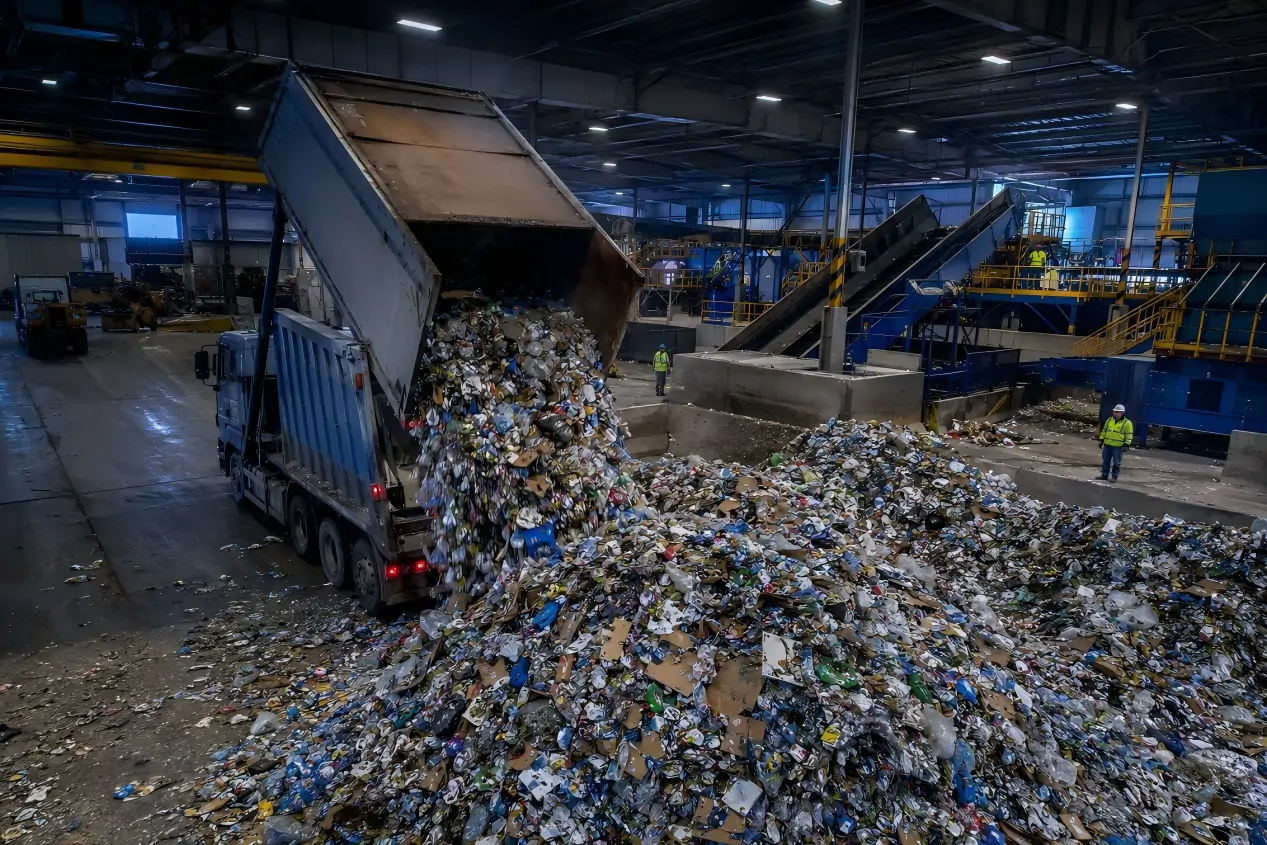
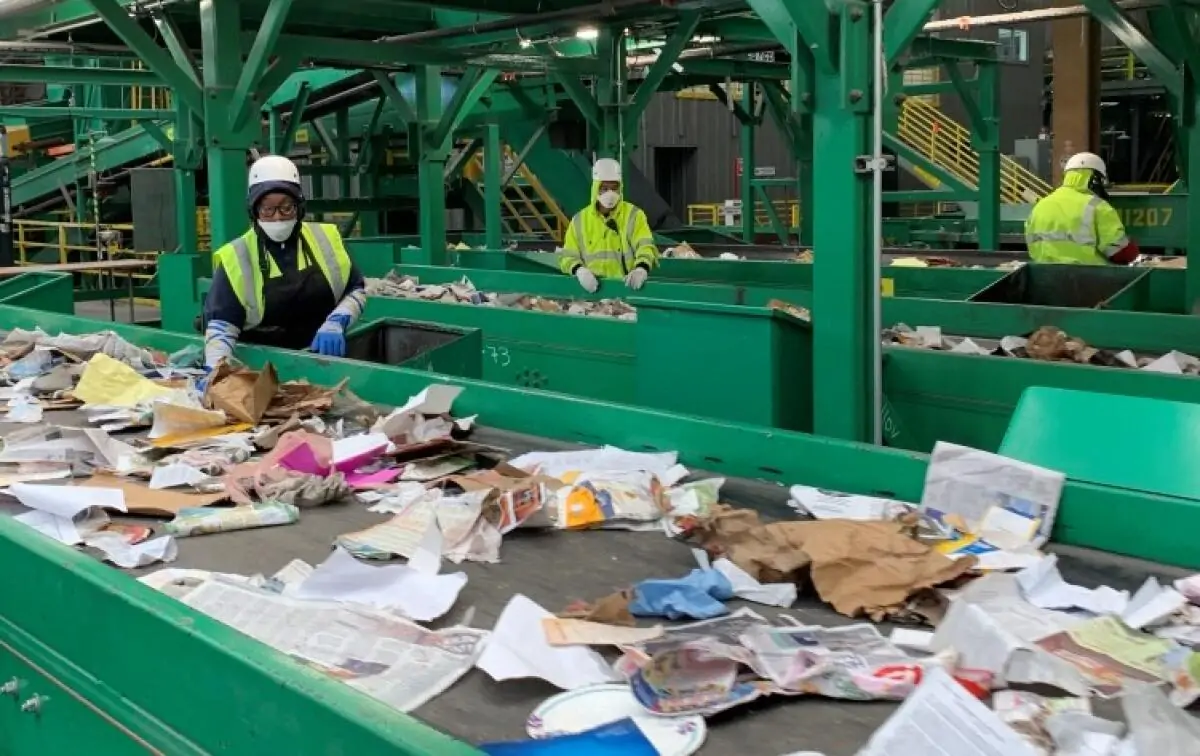
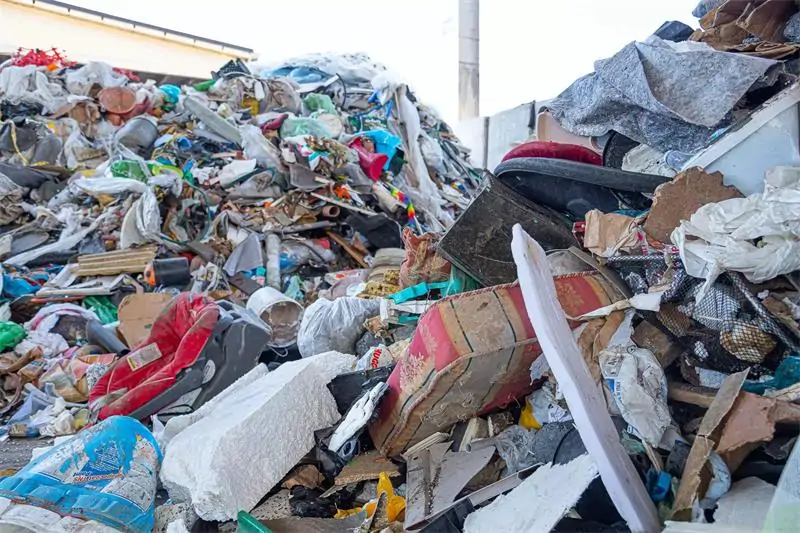
Municipal solid waste (MSW) is one of the most challenging waste streams to handle because it contains a wide range of materials mixed together, including plastic bags, packaging films, paper, textiles, organic waste and inert materials. When lightweight materials remain mixed with heavier fractions, they can increase contamination levels and make subsequent sorting more difficult.
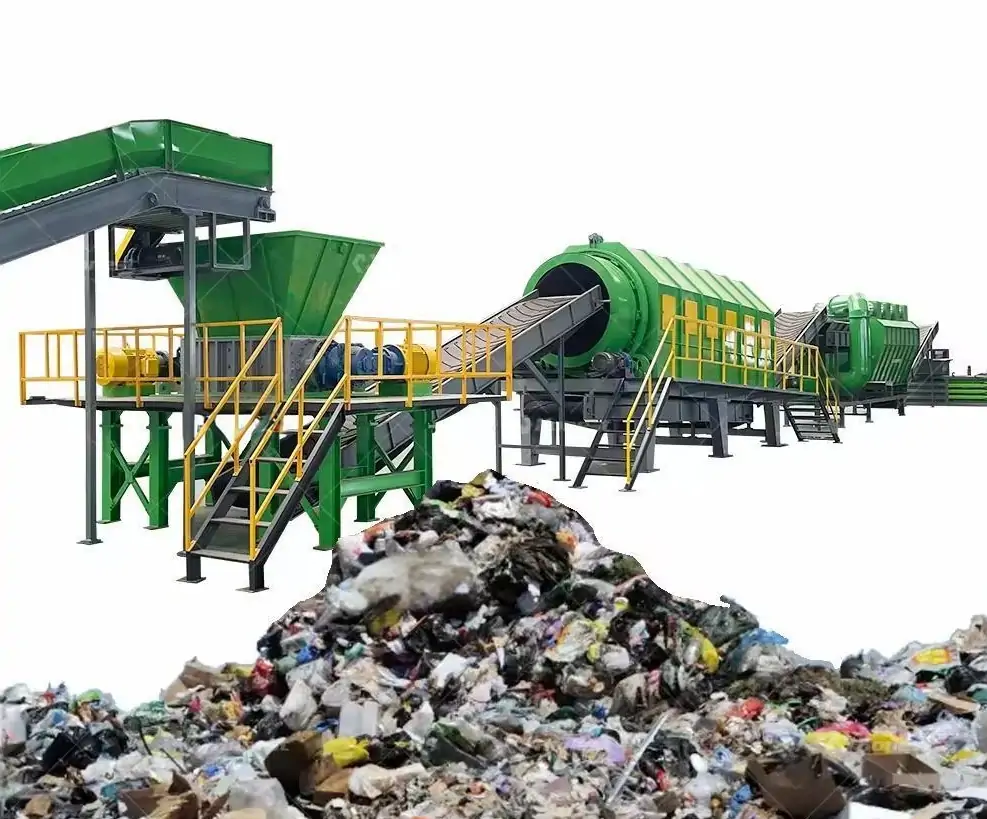
In a typical MSW recycling plant, a wind sifter is usually placed after shredding or screening equipment. At this stage, the waste has already been opened and sized, allowing the wind sifter to remove lightweight materials before the remaining fractions move to further sorting steps.
Typical MSW sorting process:
Feeding → Trommel Screen → Wind Sifter → Magnetic Separator → Optical Sorting
Lightweight Materials Removed by Wind Sifter
In MSW recycling applications, the wind sifter is mainly used to remove lightweight materials that are easily carried by airflow, such as plastic bags, packaging films, paper, cardboard pieces, textiles, foam and other lightweight plastic residues. These materials are collected separately and can be sent for further treatment, including RDF production, recycling or other recovery options based on the final plant design.
Removing these lightweight contaminants early in the sorting process helps reduce material contamination and prevents flexible materials such as plastic films and textiles from wrapping around conveyors or affecting the operation of downstream equipment.
Heavy Materials Retained for Further Processing
After lightweight materials are removed, the heavier fraction continues through the recycling line. This stream typically contains materials such as organic components, glass fragments, stones, mineral materials and other dense waste particles.
These heavier materials can then enter the next stages of treatment, such as screening, magnetic separation or other recovery processes. By creating a cleaner separation between lightweight and heavyweight fractions, the wind sifter helps recycling plants achieve more stable material quality and better prepare waste streams for further recovery.
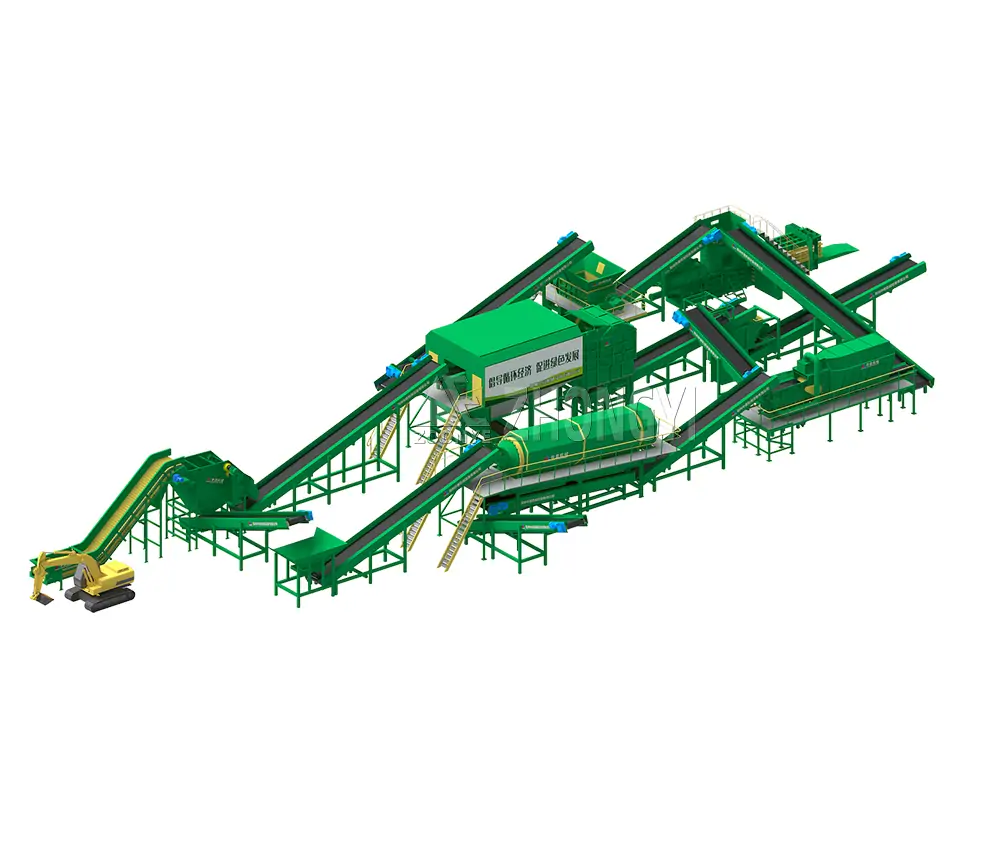
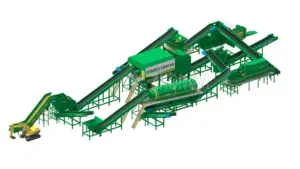
In complete MSW sorting plants, wind sifters are often combined with equipment such as trommel screens, magnetic separators, eddy current separators and optical sorting machines. The final equipment configuration depends on the waste composition, required recovery targets and the quality of the final recycled products.
Wind Sifter Application in Construction & Demolition Waste Recycling
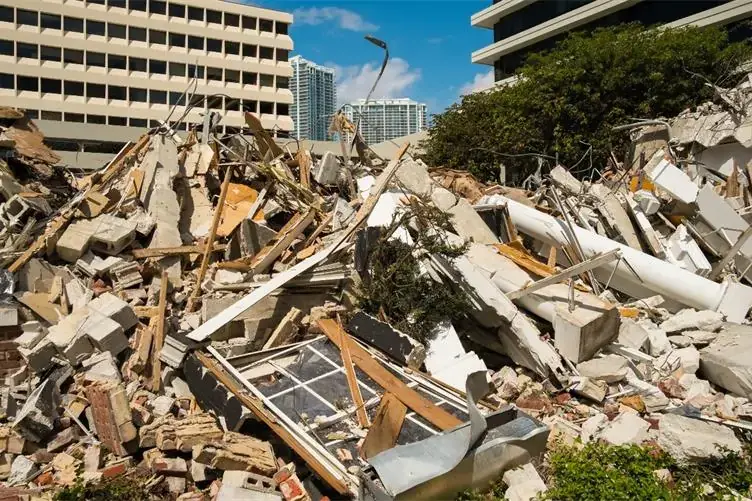
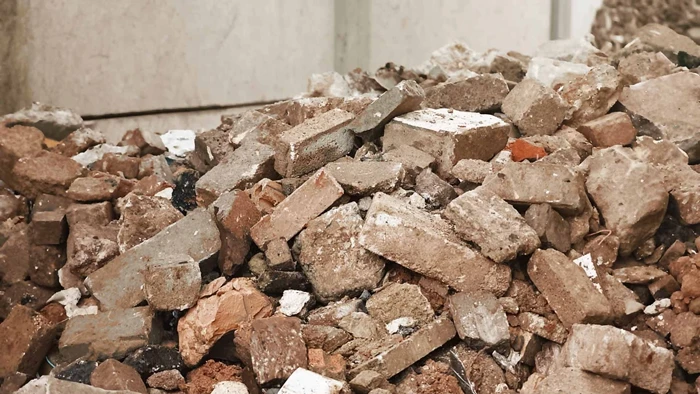
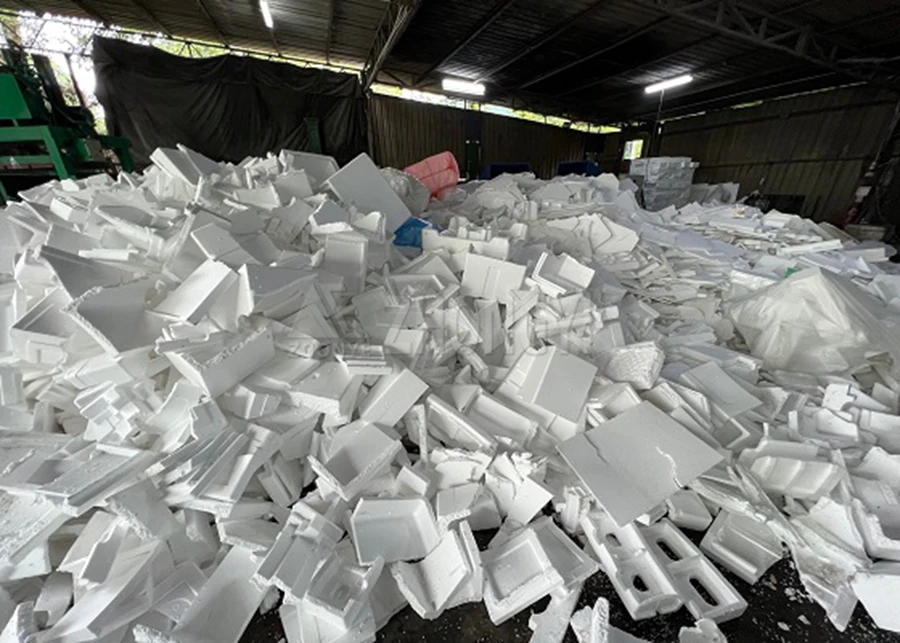
Construction and demolition (C&D) waste contains a large amount of reusable materials, but the presence of lightweight contaminants often affects the quality of recycled products. A typical C&D waste stream may include concrete blocks, bricks, stones, wood pieces, plastic films, insulation materials and EPS foam. After crushing and screening, these materials still need further separation to remove unwanted lightweight impurities before recycled aggregates can be used.
In a C&D waste recycling plant, a wind sifter is mainly used as a purification step after crushing and screening. Its purpose is not to separate all materials in the waste stream, but to remove lightweight contaminants from heavier fractions and improve the quality of recycled aggregates.
Typical C&D waste sorting process:
Feeding → Crusher → Screening → Wind Sifter → Magnetic Separation → Recycled Aggregate Processing
Lightweight Materials Removed by Wind Sifter
In construction waste recycling, wind sifters are mainly used to remove lightweight impurities that affect recycled aggregate quality. Common materials removed include plastic packaging, plastic films, EPS foam, wood pieces, paper and textile residues.
After separation, these lightweight materials are collected as a separate fraction for further treatment, such as RDF/SRF production or other recovery options. Removing these unwanted materials helps prevent impurities from entering the recycled aggregate stream.
Heavy Materials Retained for Recycled Aggregate Production
The heavy fraction mainly consists of concrete, bricks, stones and other mineral-based materials. After lightweight contaminants are removed, these materials can continue through crushing, screening and grading processes to produce recycled aggregates for road base, landscaping and other construction applications.
For C&D waste recycling, the purpose of a wind sifter is not to separate every material in the waste stream, but to improve the quality of heavy recycled materials by removing lightweight impurities before final use.
Role of Wind Sifter in C&D Waste Recycling Plants
Screening equipment separates materials mainly by size, but lightweight materials such as plastic films, foam and textiles can often remain mixed with aggregates due to their similar particle size. Wind sifters provide an additional separation step by using the difference in material weight and airflow response.
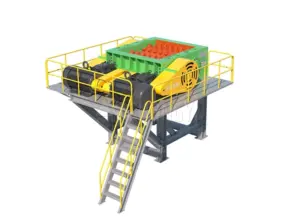
In a typical C&D waste recycling line, the wind sifter works together with crushers, vibrating screens and magnetic separators. The final equipment combination is selected according to the waste composition and the required quality of recycled aggregates.
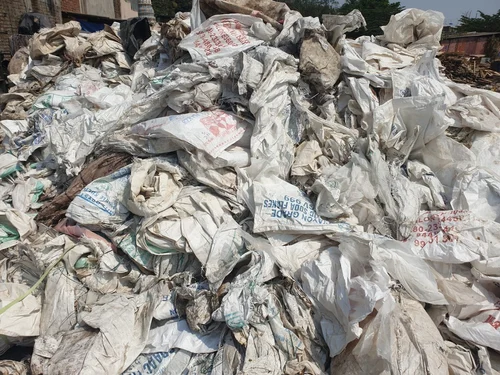
Wind Sifter Application in Plastic Waste Recycling
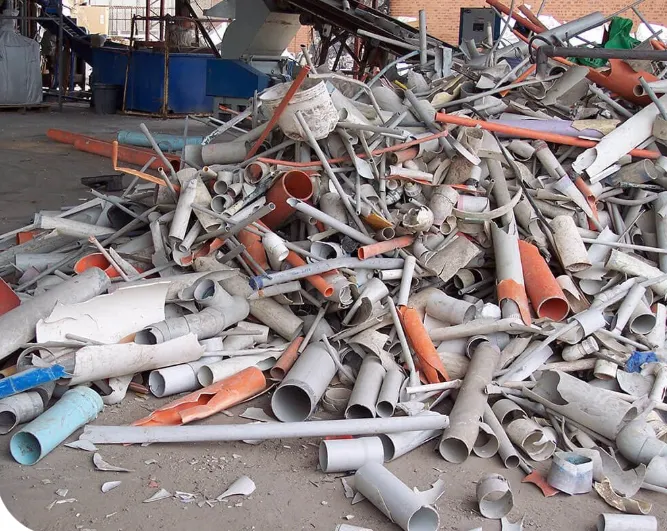
Mixed plastic waste often contains more than recyclable plastics. Plastic films, flexible packaging, labels, paper residues and other lightweight materials are commonly mixed together, making further sorting and recycling more difficult. Before plastics enter advanced sorting or processing stages, removing these unwanted materials is an important step.
A wind sifter is mainly used for lightweight material separation. Unlike optical or NIR sorting equipment, it does not identify plastics by color or polymer type. Instead, it uses differences in material density and airflow behavior to remove lightweight fractions from mixed plastic waste.
Typical plastic recycling process:
Mixed Plastic Waste → Wind Sifter → Cleaner Plastic Fraction → Optical/NIR Sorting → Recycling Processing
Lightweight Materials Removed by Wind Sifter
In plastic recycling plants, wind sifters are mainly used to remove lightweight materials such as plastic films, labels, paper residues and flexible packaging pieces. These materials are easily carried by airflow and may affect later sorting, washing or pelletizing processes when mixed with recyclable plastics. After separation, the lightweight fraction is collected separately, while the remaining plastic materials continue through the recycling line with fewer unwanted impurities.
Applications of Wind Sifter in Plastic Recycling Plants
Wind sifters are commonly used in film recycling, flexible packaging recovery and mixed plastic processing. They are especially suitable for waste streams where lightweight materials, such as films and labels, are mixed with heavier recyclable plastics. In these applications, wind separation helps remove unwanted lightweight residues and prepares the material before further sorting or recycling operations.
In a typical plastic recycling line, wind sifters are combined with equipment such as shredders, screens, optical sorters and washing systems to handle different stages of material recovery. The final equipment configuration depends on the type of plastic waste, contamination level and the quality requirements of the recycled product.
Wind Sifter Applications in RDF and SRF Production
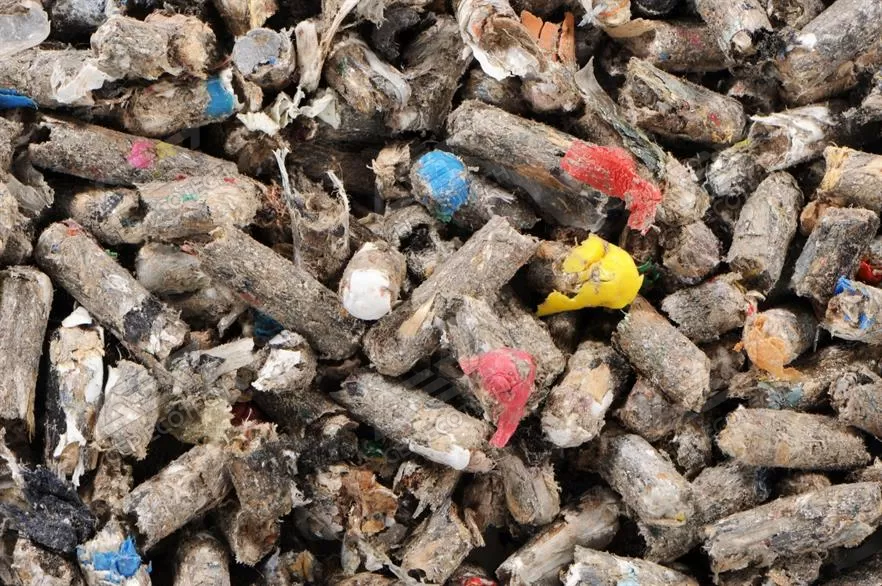
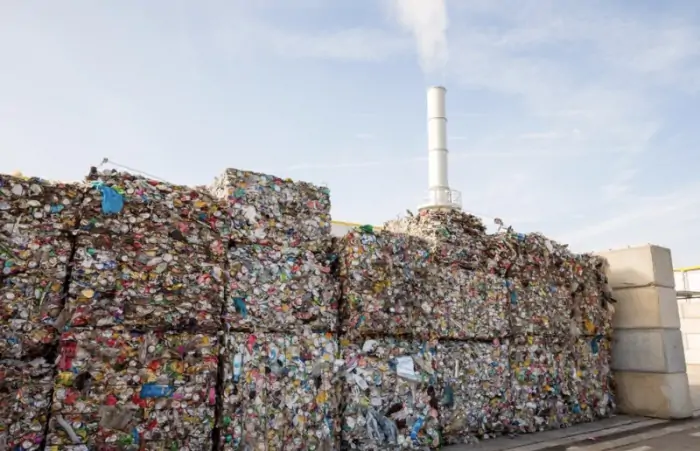
RDF (Refuse Derived Fuel) and SRF (Solid Recovered Fuel) are produced from waste materials with the goal of recovering combustible fractions for energy use. To achieve stable fuel performance, the input material needs to contain a high proportion of combustible components while limiting inert materials such as stones, glass and mineral particles.
In RDF/SRF production lines, the wind sifter is mainly used for separating lightweight combustible materials from heavy non-combustible impurities. It removes materials with little fuel value while retaining plastics, paper and textile fractions that contribute to the final fuel composition.
Lightweight Combustible Materials Recovered by Wind Sifter
The lightweight fraction collected by a wind sifter usually contains materials such as plastic films, paper, cardboard and textile residues. These components generally have higher combustible value and can be further processed into RDF or SRF after size reduction and preparation.
By removing heavier impurities from the waste stream, the wind sifter allows more combustible materials to enter the fuel preparation stage and reduces the amount of non-combustible content mixed with the final fuel.
Heavy Impurities Removed from RDF/SRF Materials
Waste materials used for RDF/SRF production often contain stones, glass fragments, bricks and other mineral-based materials. These components increase ash content and provide little energy value, making their removal an important step before fuel preparation.
The wind sifter separates these heavy fractions from combustible materials, creating a cleaner fuel stream for applications such as cement kiln co-processing, industrial boilers and waste-to-energy systems.
Wind Sifter Position in RDF/SRF Production Lines
The installation position of a wind sifter depends on the incoming waste characteristics and the required RDF/SRF specification. In many plants, it is placed after shredding, screening or magnetic separation, where the material has already been opened and classified.
A typical RDF/SRF preparation flow is:
Shredding → Screening → Magnetic Separation → Wind Sifter → Fine Processing → RDF/SRF Output
In this configuration, the wind sifter acts as a separation step between material preparation and final fuel production, removing heavy impurities before the combustible fraction enters the final conditioning stage.
When Should You Use a Wind Sifter Machine?
A wind sifter is suitable for waste streams where lightweight materials and heavy materials are mixed together, and where removing one fraction is necessary to improve the quality of the recovered material.If you’d like to learn more about the Best Waste Recycling Machine Supplier in Australia, click here.
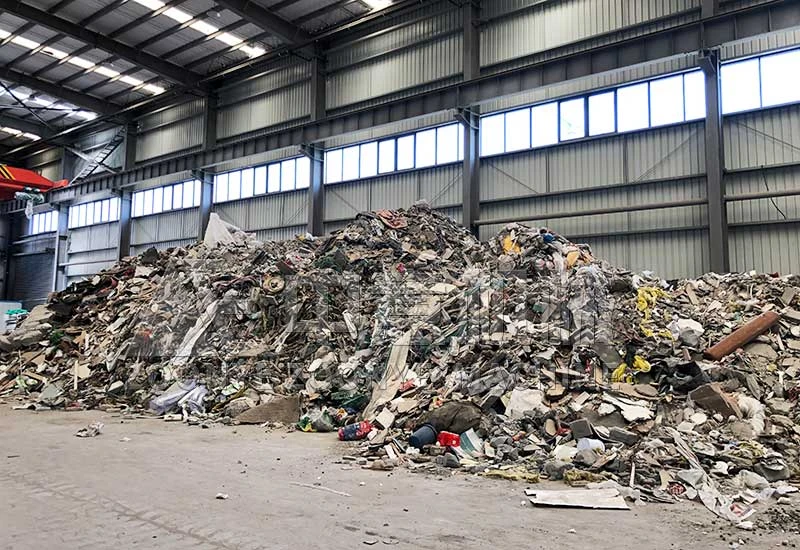
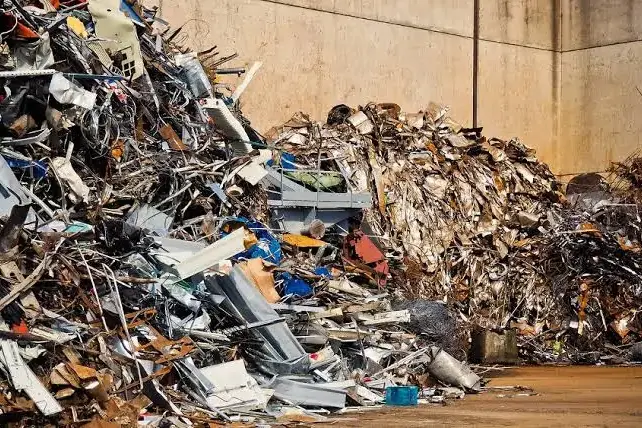
When Waste Contains Lightweight and Heavy Materials
Wind sifters are commonly used when materials with different densities are difficult to separate by screening alone.
For example, construction waste often contains concrete and bricks mixed with plastic films, wood pieces and insulation materials. MSW may contain paper, plastics, textiles and mineral materials in the same stream. In these cases, the wind sifter separates lightweight contaminants from heavier materials before they enter the next processing stage.
When Lightweight Contaminants Affect Product Quality
A wind sifter is needed when unwanted lightweight materials reduce the value or usability of recovered products.
In recycled aggregate production, plastic films, foam and textile residues can affect aggregate purity. In RDF/SRF production, stones and glass increase inert content and reduce the combustible fraction. Removing these materials helps produce a more consistent output.
When Cleaner Feed Material Is Required for Downstream Sorting
Wind sifters are often installed before equipment that requires better material separation conditions.
For example, optical sorting systems work more effectively when excessive films, paper and other lightweight materials have been removed. In plastic recycling lines, wind separation is commonly used before optical or NIR sorting.
When Large-Scale Automated Processing Is Required
For recycling plants handling high volumes of waste, wind sifters provide a continuous mechanical separation method that reduces dependence on manual sorting.
They are commonly integrated with crushers, screens, magnetic separators and optical sorters to form complete waste sorting systems.
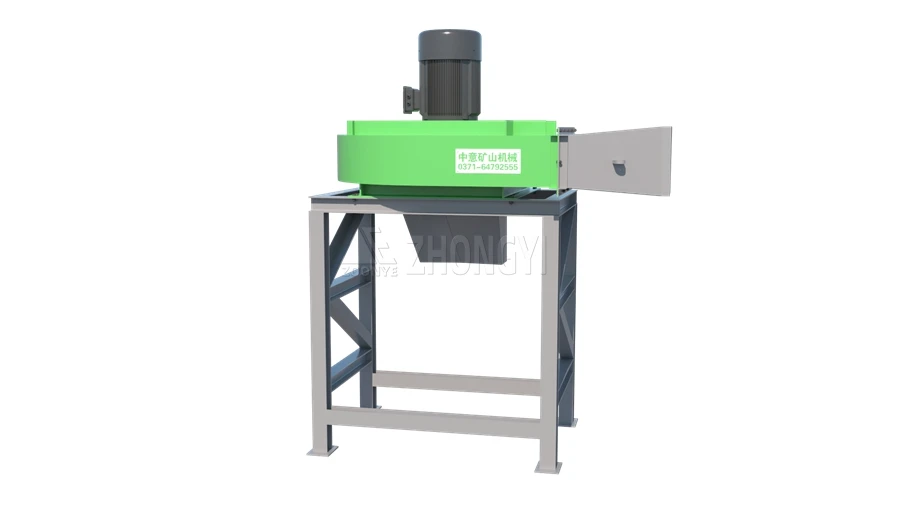
Factors Affecting Wind Sifter Sorting Performance
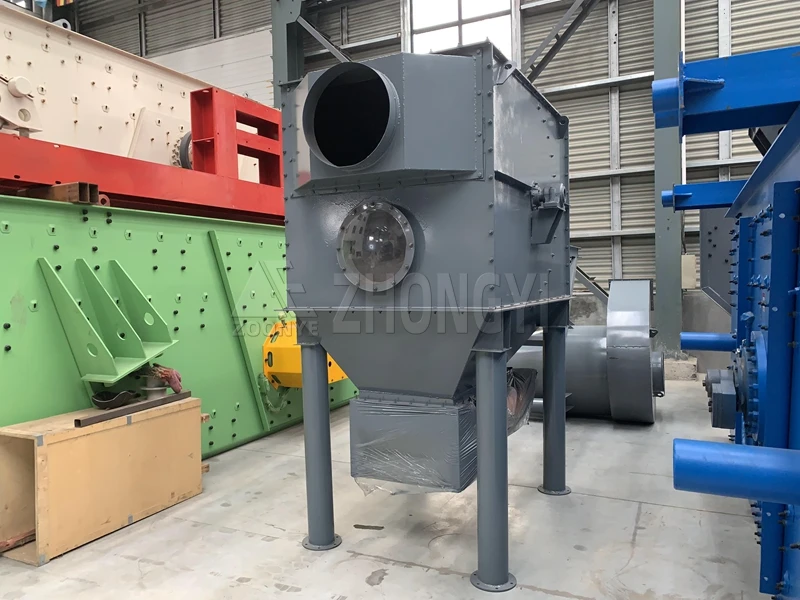
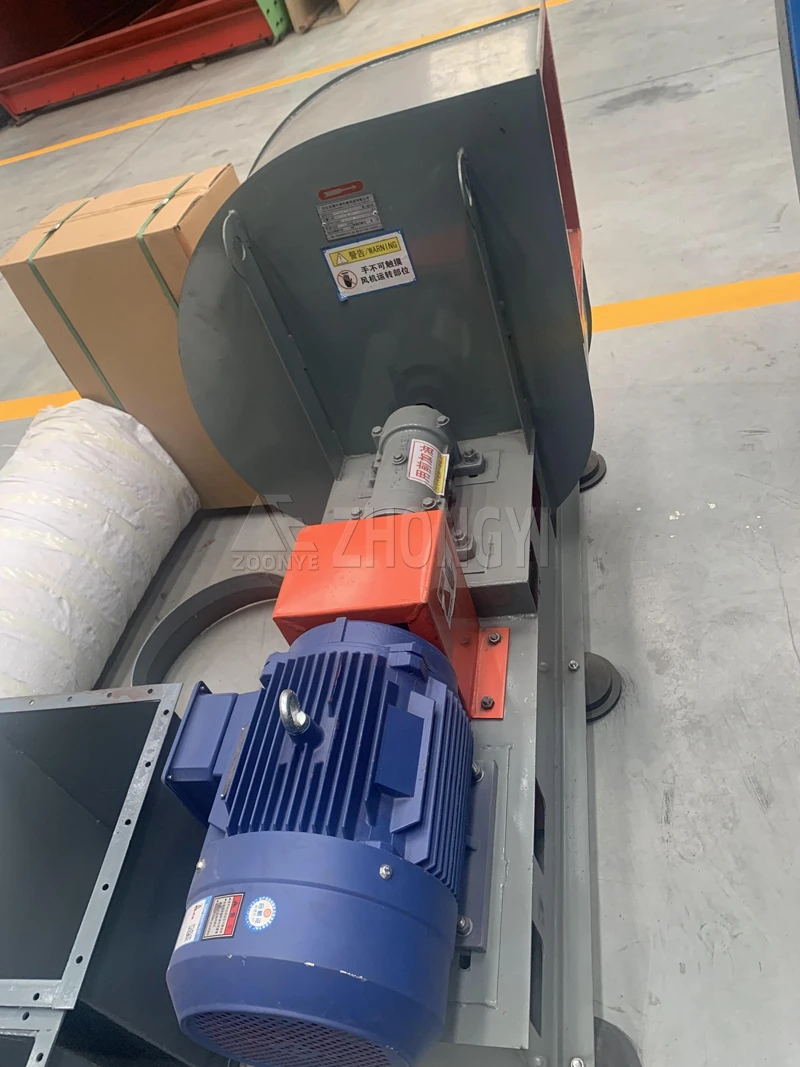
The performance of a wind sifter is influenced by more than the machine itself. In practical recycling projects, separation results depend on the relationship between material properties, equipment settings and the overall process design. Based on our experience in waste sorting system design, the same wind sifter configuration may achieve different results when handling materials with different moisture levels, particle sizes or compositions.
For example, in wet MSW recycling applications, plastic films and lightweight materials may stick together with organic waste, reducing their response to airflow and affecting separation efficiency. In construction waste recycling, properly screened material with a more uniform particle size usually achieves better removal of lightweight contaminants such as plastic films and wood fragments before producing recycled aggregates.
| Factor | Impact on Sorting Performance |
| Material Density | Larger density differences improve separation between lightweight and heavy fractions. |
| Particle Size | Consistent particle size helps maintain stable separation. |
| Moisture Content | Excess moisture can reduce material movement and separation efficiency. |
| Material Shape | Flexible materials such as films and paper behave differently from compact particles. |
| Airflow Velocity | Proper airflow adjustment helps remove target lightweight materials while reducing losses. |
| Feeding Uniformity | Stable feeding improves separation consistency. |
| Separation Chamber Design | Influences airflow distribution and overall separation results. |
| Plant Layout | Upstream screening and downstream sorting requirements affect system configuration. |
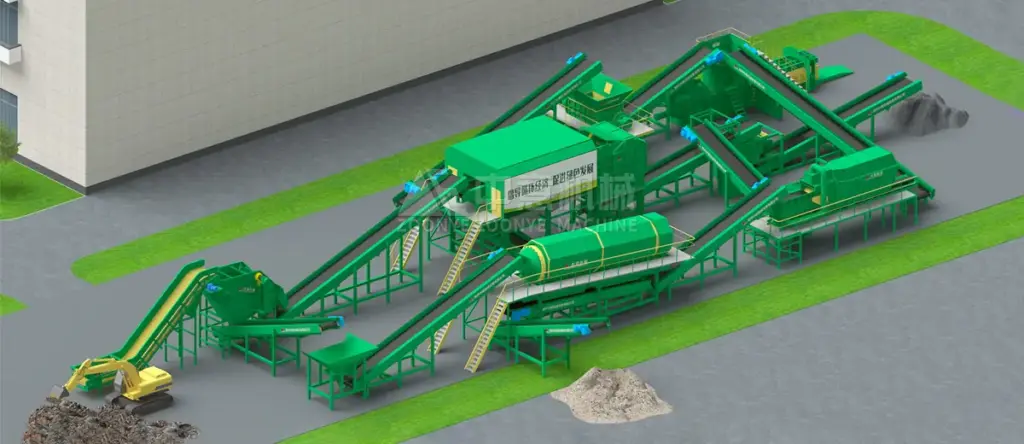
How to Select the Right Wind Sifter for Different Waste Applications?
Selecting a wind sifter requires considering waste composition, processing capacity and the requirements of the complete recycling line. Based on our experience in waste sorting system design, the correct configuration depends not only on throughput but also on material size, moisture content, separation target and downstream equipment requirements.If you’re interested in “Horizontal vs. Vertical Wind Sifter Machine: What’s the Difference?”, please click here
| Selection Factor | What to Consider | Example |
| Waste Type | Different waste streams require different wind sifter configurations | MSW: remove films and lightweight contaminants; C&D waste: improve recycled aggregate purity; Plastic recycling: remove films and labels |
| Processing Capacity | Match equipment size with required throughput | Small recycling stations may require compact models, while large sorting plants need higher-capacity systems |
| Material Size | Particle size after crushing and screening affects separation performance | Large plastic films and wood pieces may require different airflow settings compared with fine particles |
| Moisture Content | Wet materials usually require better airflow adjustment and feeding control | High-moisture MSW may need different settings compared with dry construction waste |
| Separation Target | Define what needs to be removed and what needs to be recovered | Remove lightweight impurities from aggregates or reduce inert materials in RDF/SRF |
| Plant Layout | Consider upstream and downstream equipment integration | Trommel Screen → Wind Sifter → Magnetic Separator → Optical Sorter |
Related Waste Sorting Equipment

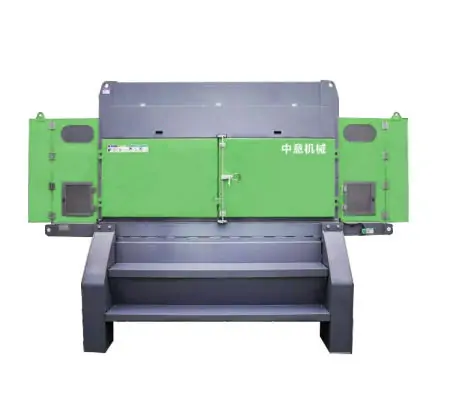
Horizontal Negative Pressure Wind Sifter Separator
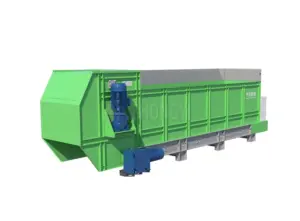
Horizontal Negative Pressure Wind Sifter Separator is designed for separating lightweight contaminants from heavy materials through controlled airflow and negative pressure technology. Its horizontal structure provides stable material conveying and high processing capacity. It is widely used in MSW recycling, construction waste treatment, RDF production and aggregate purification to remove plastic films, paper, wood chips and other lightweight impurities.

Vertical Negative Pressure Wind Sifter Machine
Vertical Negative Pressure Wind Sifter Machine uses vertical airflow separation to classify materials according to density and aerodynamic characteristics. With a compact structure and flexible installation design, it is suitable for projects with limited space. It can effectively remove lightweight contaminants from mixed waste streams and is commonly applied in plastic recycling, industrial waste sorting and small-to-medium recycling plants.
Styrofoam Wind Sifter
Styrofoam Wind Sifter is specially developed for separating EPS foam and other ultra-lightweight materials from mixed waste. Through optimized airflow control and separation chamber design, it improves foam recovery efficiency while reducing impurities in the recovered material. It is mainly used in EPS recycling, packaging waste processing and plastic waste recovery applications.
Containerized Windshifter
Containerized Windshifter integrates the wind separation system into a mobile containerized unit, providing a flexible solution for temporary or decentralized waste processing projects. It offers fast installation, easy transportation and reduced site requirements. This design is suitable for construction waste recycling, demolition waste treatment and locations requiring movable sorting equipment.
Conclusion
Wind sifter machines provide an effective way to separate lightweight contaminants from heavier materials in recycling applications such as MSW, construction waste, plastic recycling and RDF/SRF production. However, the best separation results depend on matching the equipment with the actual waste characteristics, including material composition, density differences, moisture content and final product requirements.
Every recycling project has different challenges, from high film content in MSW to lightweight impurities in recycled aggregates or unstable composition in RDF production. Contact Zhongyi’s engineering team to discuss your waste characteristics, processing capacity and sorting goals. We can help evaluate the separation process and develop a suitable wind sifter configuration that fits your recycling line and operational requirements.


Andy Yu
Technical Engineer | Zhongyi ECO
16+
Years Exp.
300+
Solutions
50+
Countries
16 years’ experience in environmental and solid waste management, specializing in C&D recycling and waste sorting solutions. At Zhongyi Mining Machinery, focused on improving global clients’ efficiency through technical expertise and tailored configurations.
FAQ
A wind sifter machine can sort various waste streams including municipal solid waste, construction and demolition waste, plastic recycling waste, RDF/SRF materials and industrial waste. It mainly separates lightweight materials such as plastic films, paper, textiles and foam from heavier fractions including aggregates, glass, metals and mineral materials to improve downstream recycling efficiency.
Yes. Wind sifters are commonly used in construction waste recycling to remove lightweight contaminants such as plastic films, packaging materials, wood fragments and foam from crushed aggregates. By reducing these impurities before final processing, the equipment helps improve recycled aggregate quality and provides more stable material for applications such as road base and construction products.
A wind sifter can be applied to wet MSW recycling projects, but material conditions must be considered during equipment selection. High moisture content may cause lightweight materials to stick together and reduce separation performance. Proper upstream screening, feeding control and adjustable airflow design help maintain stable separation results in wet waste environments.
A wind sifter and an optical sorter perform different separation tasks in recycling plants. A wind sifter separates materials according to density and aerodynamic characteristics, mainly removing lightweight contaminants. An optical sorter uses cameras and sensors to identify specific materials by color, shape or composition for more precise classification after pre-treatment.
The installation position depends on the waste type and the complete process design. In many recycling systems, wind sifters are placed after shredding or screening equipment to remove lightweight impurities before further sorting. For example, MSW lines often use wind sifters before magnetic or optical sorting to provide cleaner material for downstream recovery.
Selecting a suitable wind sifter requires evaluating waste composition, processing capacity, material size, moisture content and separation targets. Different applications require different configurations. For example, construction waste projects focus on improving aggregate purity, while RDF production requires reducing inert materials to achieve more stable fuel quality.
Yes. In RDF and SRF production, a wind sifter removes heavy inert materials such as stones, glass and mineral particles while retaining lightweight combustible materials including plastic, paper and textiles. This reduces ash content, improves fuel consistency and helps prepare more suitable alternative fuel for industrial applications such as cement kiln co-processing.
To recommend the right wind sifter configuration, suppliers usually need details about the waste type, processing capacity, material size after crushing or screening, moisture level, target separation materials and plant layout. These factors determine equipment design, airflow requirements and integration with other recycling equipment to achieve stable sorting performance.