
Introduction
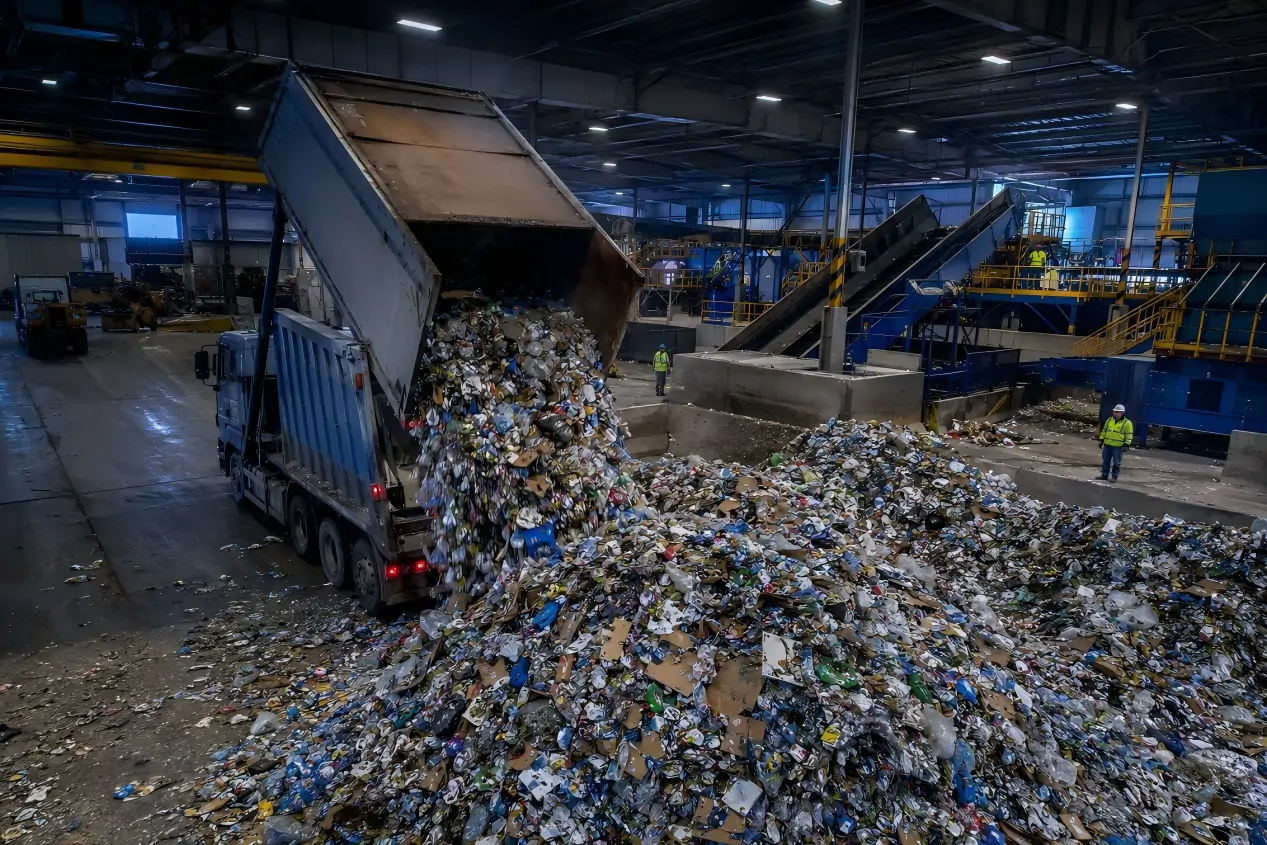
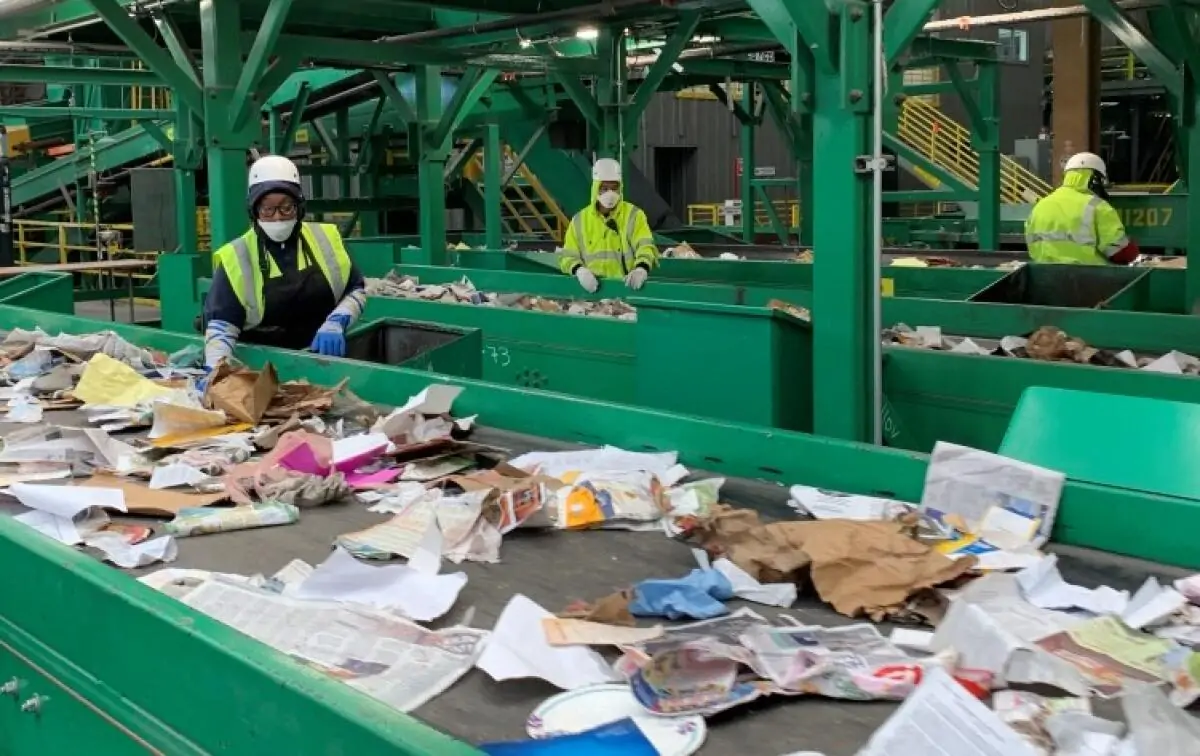
Municipal solid waste (MSW) recycling requires the separation of mixed materials with different densities, sizes, and aerodynamic characteristics, such as plastic film, paper, textiles, wood, stones, and glass. While screening equipment can classify materials by particle size, it cannot effectively separate materials with similar sizes but different responses to airflow, which creates the need for air-based separation technology.
A negative pressure wind sifter is an air separation system used in MSW recycling lines that separates lightweight and heavy fractions through controlled airflow and pressure difference. This article explains the negative pressure wind sifter working principle, including how airflow is generated, how materials respond to aerodynamic forces, and how the wind sifter working process achieves continuous separation through its internal structure and airflow control mechanism.If you would like to learn more about “What Waste Can Be Sorted by a Wind Sifter Machine?”, please click here.


What Is a Negative Pressure Wind Sifter?
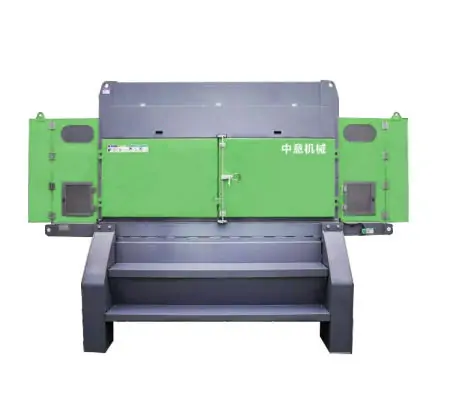
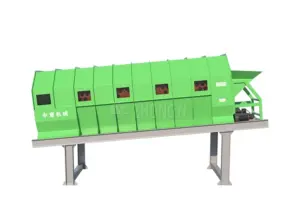
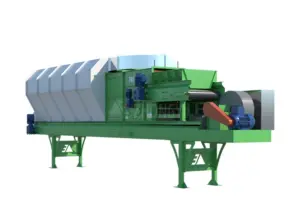
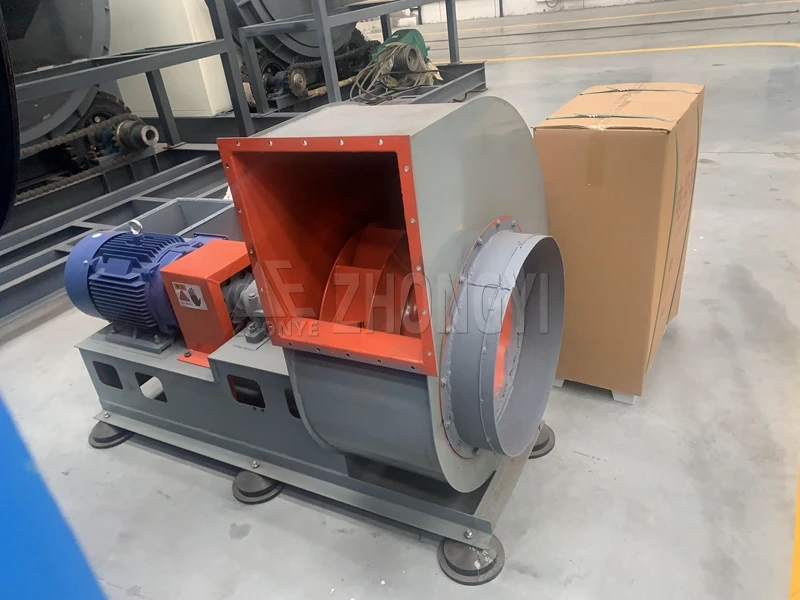
A negative pressure wind sifter is an air separation equipment used in MSW recycling plants to separate lightweight and heavy fractions based on their density and aerodynamic characteristics. Unlike traditional screening equipment that classifies materials mainly by particle size, Wind-Sifting Separation materials according to how they respond to controlled airflow inside the separation chamber.
The equipment creates a negative pressure environment through an induced airflow system. Under this controlled airflow field, materials with different densities experience different forces and follow different movement paths. Lightweight materials such as plastic film, paper, textiles, and foam are carried by airflow, while heavier materials including stones, glass, sand, and metal particles move downward due to stronger gravitational force.
A negative pressure wind sifter is therefore not a size-based sorting machine, but an air separation system that uses pressure difference and aerodynamic behavior to classify mixed waste materials in MSW recycling applications.If you would like to learn more about the advantages of negative-pressure wind sifters for MSW recycling, please click here.
How Does a Negative Pressure Wind Sifter Work?
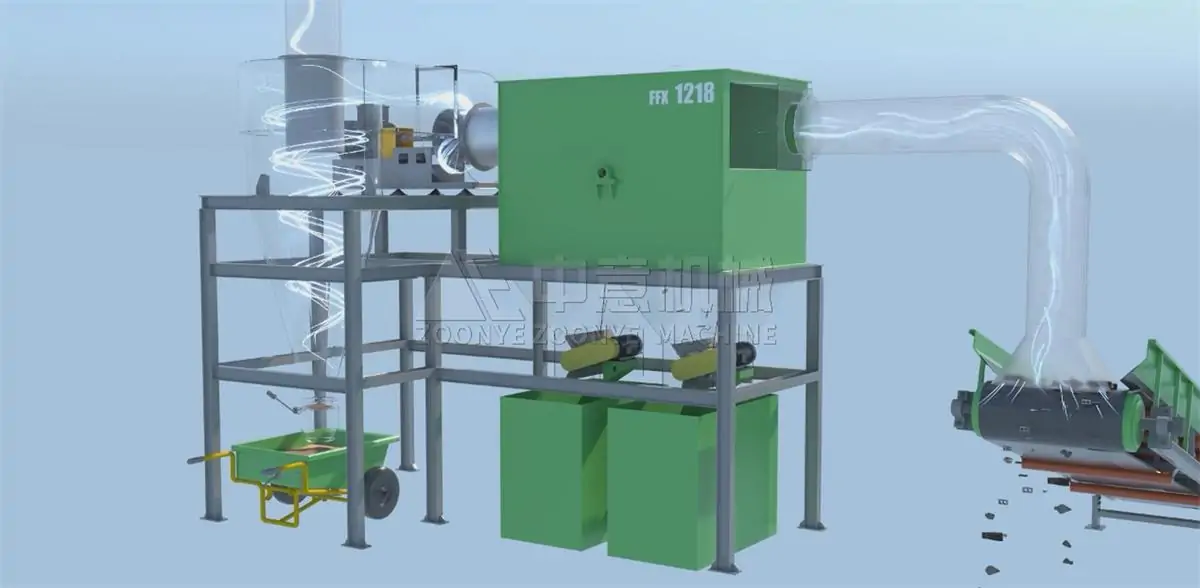
A negative pressure wind sifter works by creating a controlled airflow field inside a separation chamber, where pressure difference and aerodynamic forces separate lightweight and heavy materials according to their physical characteristics. Unlike traditional screening equipment that mainly relies on particle size classification, the negative pressure wind separator mechanism uses the interaction between airflow force, gravity, and material properties to achieve continuous separation in MSW recycling systems.
The complete wind sifter working process includes material feeding, negative airflow generation, aerodynamic separation, and separate discharge of different material fractions.
Material Feeding Process
The core mechanism of a negative pressure wind sifter is the creation of a controlled low-pressure environment inside the separation chamber. An induced draft fan continuously removes air from the chamber, creating a pressure difference between the inside and outside of the equipment. This pressure difference drives external air into the system and forms a stable directional airflow.
The airflow path normally follows:
Air inlet → Separation chamber → Air duct → Fan system → Air circulation
By adjusting fan speed and airflow resistance, operators can control airflow velocity and distribution within the separation area. The stability of this airflow field directly determines how different materials respond during the separation process.
Lightweight Material Separation Process
Lightweight materials are separated because their aerodynamic characteristics allow airflow to overcome their gravitational force. Materials such as plastic film, paper, textiles, and foam generally have lower density and larger surface area compared with heavy fractions.
When these materials enter the airflow zone, the drag force generated by the moving air becomes greater than their weight, causing them to be lifted, suspended, and transported toward the lightweight discharge outlet. Their movement depends on factors such as material density, shape, surface area, and airflow velocity.
Heavy Material Separation Process
Heavy materials follow a different trajectory because their higher density creates a stronger gravitational effect.
Typical heavy fractions include stones,glass,sand and inert materials.
When the gravitational force of these materials exceeds the lifting force generated by airflow, they cannot be carried by the air stream. Instead, they continue moving downward inside the separation chamber and are discharged separately through the heavy material outlet.
The separation mechanism is therefore based on the balance between airflow drag force and gravity force, rather than simple size classification.
Airflow Adjustment and Separation Control
In practical MSW recycling applications, material characteristics can vary depending on waste composition, moisture content, and preprocessing conditions. A negative pressure wind sifter therefore requires adjustable airflow parameters to maintain stable separation conditions.
The operating parameters are adjusted according to the aerodynamic behavior of the target materials. For example, lightweight plastic films require sufficient airflow force to achieve suspension, while heavier mixed fractions require controlled airflow to prevent unnecessary movement. By maintaining the correct balance between airflow force and material weight, the equipment achieves predictable separation trajectories inside the chamber.


Components of Negative Pressure Wind Sifter
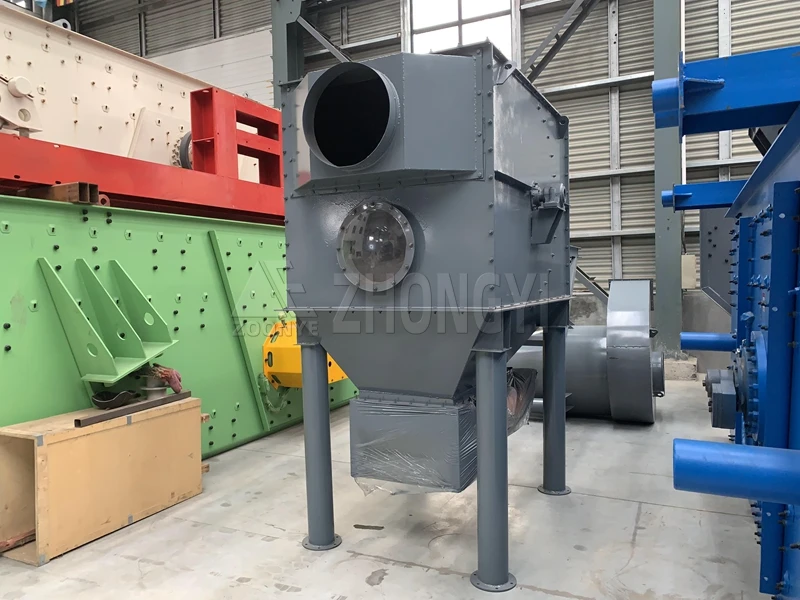
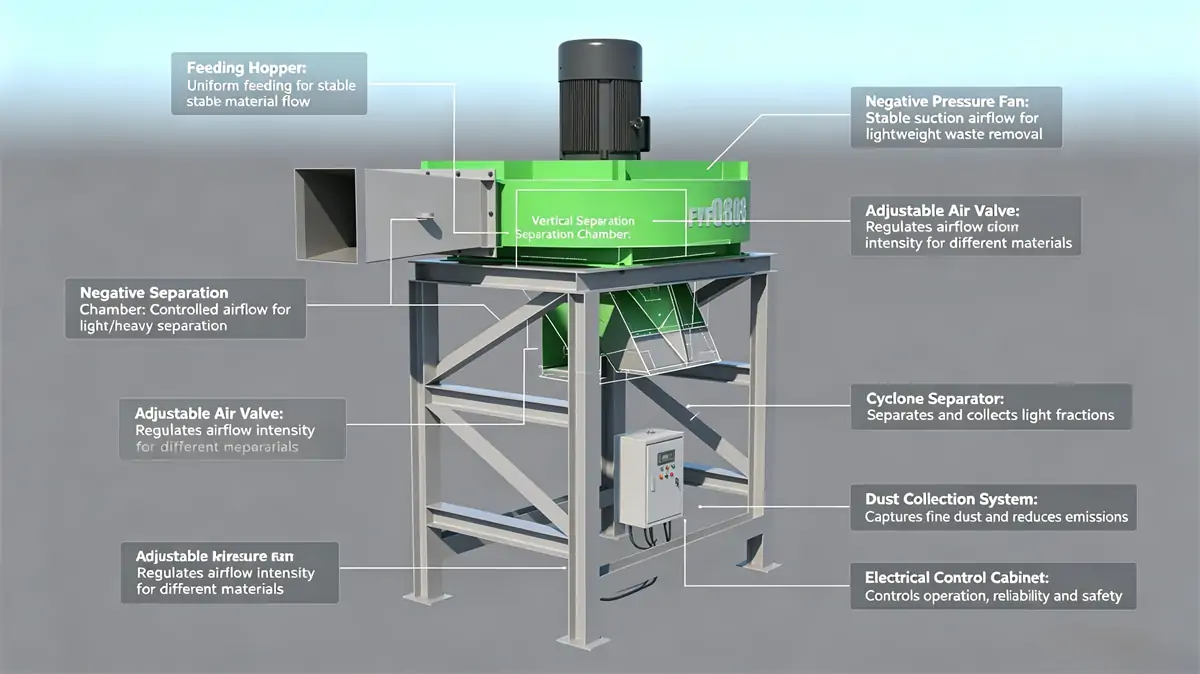
A negative pressure wind sifter is mainly composed of a feeding system, separation chamber, airflow system, air duct, and discharge units. These components work together to create the pressure difference and airflow conditions required for separating lightweight and heavy materials in MSW recycling lines.
Each component has a defined function in the separation process, from feeding and material dispersion to airflow control and separated material discharge.
Feeding System
The feeding system delivers mixed waste materials into the separation chamber at a controlled rate. It is designed to maintain a stable material flow and distribute materials evenly before they enter the airflow zone.
A consistent feeding condition is important because excessive material accumulation can reduce airflow contact with individual particles and affect the separation trajectory.
Separation Chamber
The separation chamber is the main area where material separation takes place. Inside the chamber, the airflow interacts with mixed materials, and different fractions move according to their density and aerodynamic characteristics.
Lightweight materials are carried by the airflow, while heavier materials continue downward under gravity. The chamber structure influences airflow distribution and the movement distance of different materials during separation.
Fan and Airflow System
The fan system generates the negative pressure required for air separation. By extracting air from the separation chamber, the fan creates a pressure difference that drives airflow through the equipment.
Airflow velocity and pressure can be adjusted according to material characteristics. Proper airflow control is necessary to maintain the balance between lifting force and material weight during separation.
Air Duct and Circulation System
The air duct system directs airflow between the fan and separation chamber. Its design determines airflow direction, pressure distribution, and air movement inside the equipment.
A properly arranged airflow path keeps the separation zone stable and allows continuous circulation of air during operation.
Dust Collection and Discharge System
The discharge system separates the classified materials after they leave the separation zone. Lightweight fractions are collected through the light material outlet, while heavier fractions fall to the bottom discharge section.
The system also manages the airflow leaving the separation chamber, keeping the material discharge process connected with the internal air circulation.
Airflow Control Mechanism in Negative Pressure Separation
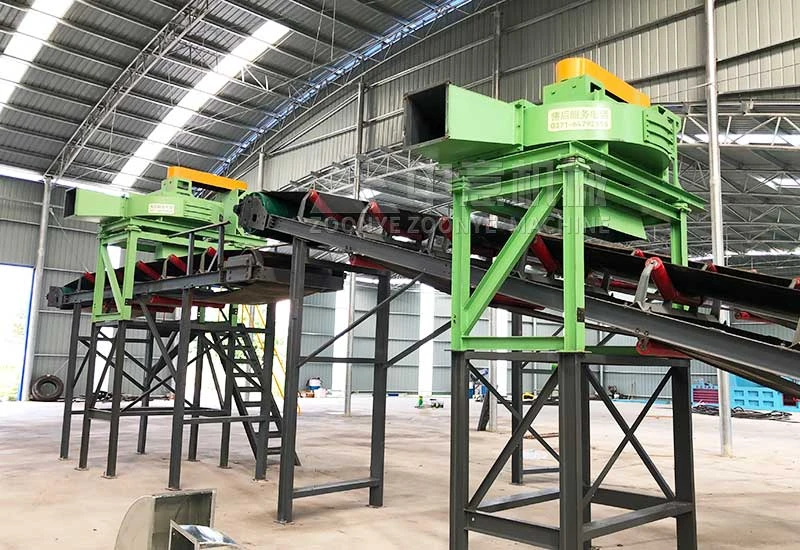
In a negative pressure wind sifter, airflow control determines whether the separation process remains stable under different waste conditions. The equipment does not operate with a fixed airflow setting; instead, fan output, pressure level, and air distribution are adjusted according to the characteristics of the incoming material stream.
For MSW recycling applications, changes in waste composition, moisture content, and particle distribution can affect separation behavior. Proper airflow control is therefore an important part of equipment design and commissioning.
Airflow Velocity
Airflow velocity determines the strength of the lifting force inside the separation area. If the airflow is insufficient, lightweight fractions may not move effectively through the separation zone. If the airflow is excessive, unwanted materials may be affected by the air stream and reduce separation accuracy.
During equipment adjustment, engineers usually consider material composition, moisture level, and processing capacity together to select an appropriate airflow range. The goal is to create enough airflow force for separation while avoiding unnecessary material movement.
Pressure Difference
The negative pressure system works by maintaining a pressure difference between the inside of the equipment and the surrounding environment. This pressure difference controls the direction and stability of airflow throughout the separation system.
Stable pressure conditions depend on several factors, including fan capacity, sealing structure, and airflow channel design. If pressure fluctuates during operation, airflow distribution inside the chamber may change and affect the consistency of material movement.
Material Aerodynamic Characteristics
Although particle size is an important factor in waste processing, air separation mainly depends on how materials respond to airflow. Characteristics such as density, shape, and surface area influence the aerodynamic behavior of each material.
This is why materials with similar sizes can still be separated by a negative pressure wind sifter. A thin, lightweight material and a compact, dense particle experience different forces when exposed to the same airflow field.
Airflow Adjustment in MSW Recycling Applications
In industrial MSW recycling lines, airflow parameters are normally adjusted according to actual operating conditions rather than theoretical values alone. Factors such as upstream screening results, waste source, material moisture, and target separation requirements all influence the final settings.
Based on project experience, engineers typically evaluate the complete processing system, including feeding conditions, fan selection, and separation chamber design, to achieve a suitable airflow configuration for long-term operation.
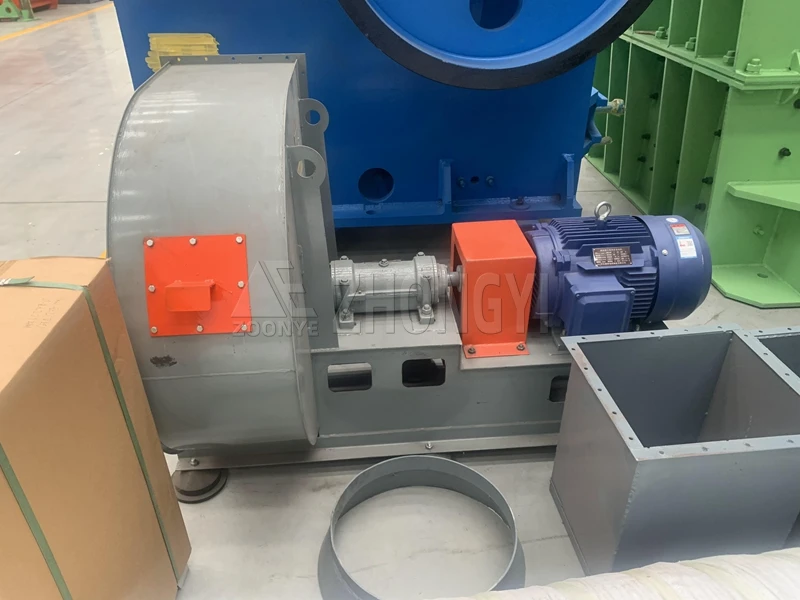
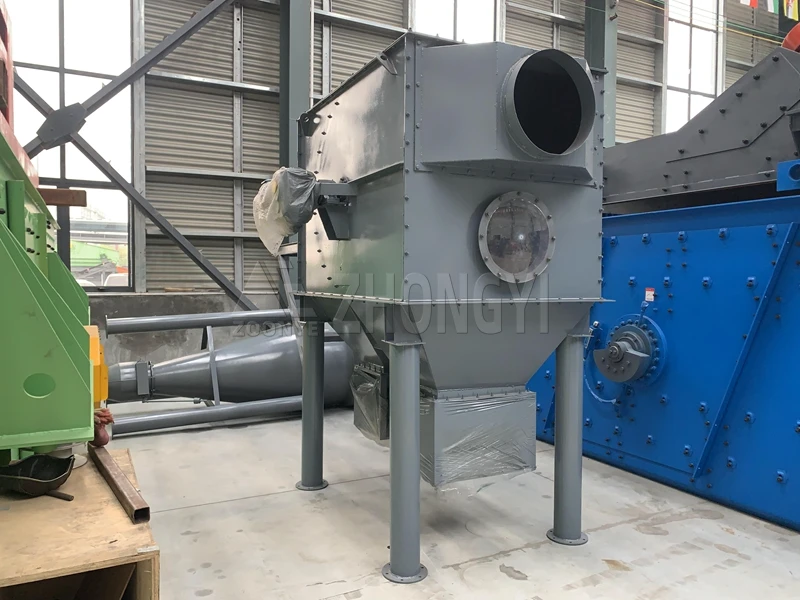


Vertical vs Horizontal Negative Pressure Wind Sifter Working Principle
Vertical and horizontal negative pressure wind sifters follow the same basic separation principle, using airflow force, gravity, and material aerodynamic characteristics to classify mixed waste fractions. The main difference between the two structures is the airflow direction inside the separation chamber and how this airflow affects particle movement.
In MSW recycling systems, the airflow arrangement determines how materials travel through the separation zone. Horizontal designs mainly control the transport distance of particles, while vertical designs focus on the balance between airflow lifting force and particle settling behavior.If you’re interested in “Horizontal vs. Vertical Wind Sifter Machine: What’s the Difference?”, please click here
Horizontal Negative Pressure Wind Sifter Working Principle
A horizontal negative pressure wind sifter creates a mainly horizontal airflow field inside the separation chamber. When mixed materials enter the airflow zone, particles are affected by both horizontal air force and gravity. Materials with different aerodynamic characteristics move at different distances before reaching the discharge area.
Heavier fractions lose airflow influence faster and move downward or discharge closer to the feeding side, while lighter fractions with stronger aerodynamic response can be transported further by the airflow. The separation process depends on the relationship between airflow velocity, particle weight, and horizontal movement distance.
Vertical Negative Pressure Wind Sifter Working Principle
A vertical negative pressure wind sifter uses an upward airflow pattern inside a vertical separation chamber. Materials entering this airflow zone experience a balance between upward lifting force and downward gravitational force.
When the particle weight is greater than the airflow lifting force, the material settles downward. When the airflow force is sufficient to overcome gravity, lightweight fractions remain suspended or move upward for collection. The vertical structure separates materials by controlling their settling behavior under different airflow conditions.
Working Principle Comparison
| Comparison Factor | Horizontal Negative Pressure Wind Sifter | Vertical Negative Pressure Wind Sifter |
| Airflow direction | Airflow moves mainly horizontally through the separation chamber. | Airflow moves upward through a vertical separation zone. |
| Particle movement | Materials separate according to differences in horizontal transport distance under airflow and gravity. | Materials separate according to suspension and settling behavior under upward airflow. |
| Separation mechanism | Based on the combined effect of horizontal airflow force and gravitational settling. | Based on the balance between upward airflow force and particle settling force. |
| Material movement path | Particles follow different horizontal trajectories before discharge. | Particles follow different vertical trajectories according to aerodynamic behavior. |
Working Process of Negative Pressure Wind Sifter in MSW Recycling Line
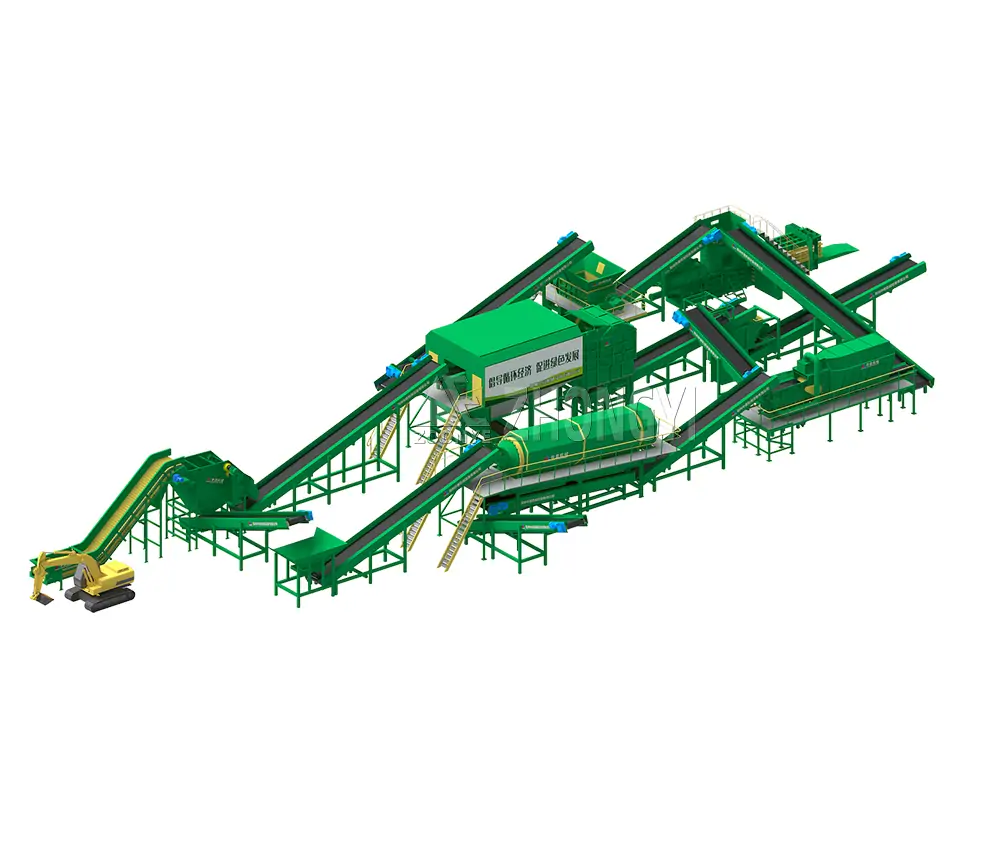
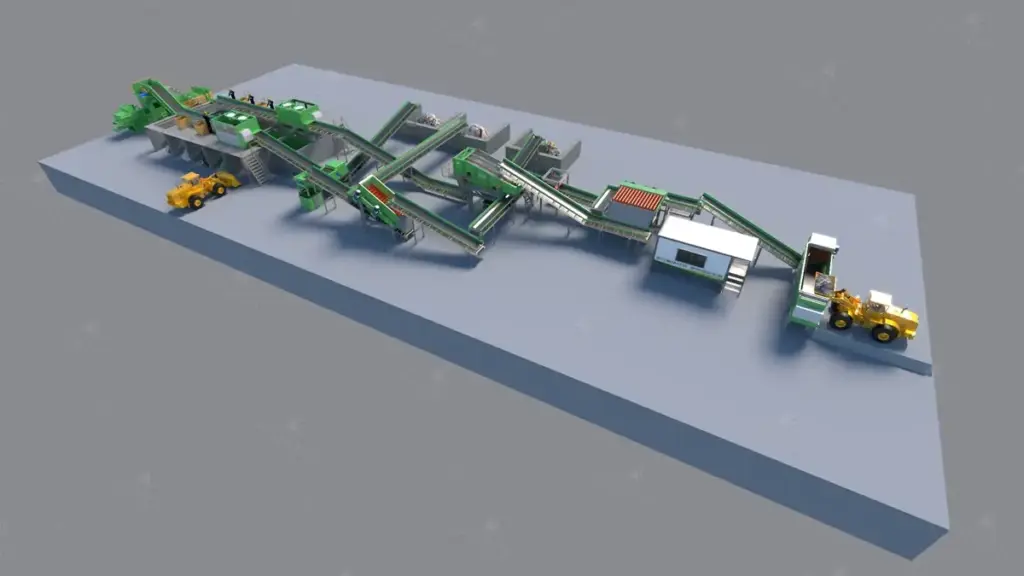
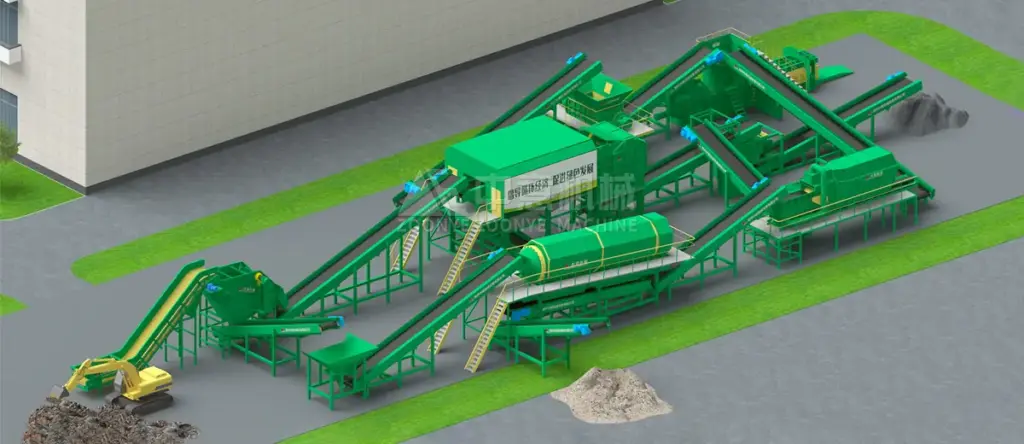
In a complete MSW recycling line, the negative pressure wind sifter is usually installed after initial screening equipment and before further sorting units. After size classification, the remaining mixed materials enter the wind sifter for air separation based on their aerodynamic characteristics. This allows the airflow separation stage to work together with other sorting equipment as part of a complete waste processing system.
A typical MSW recycling process can be described as:
Mixed MSW → Trommel Screen (Size Screening) → Negative Pressure Wind Sifter (Air Separation) → Magnetic Separator / Optical Sorter (Further Classification) → Recovered Material Streams
The trommel screen performs the initial size-based classification, while the negative pressure wind sifter handles the separation of materials with different aerodynamic behaviors. After this stage, downstream equipment such as magnetic separators and optical sorters can further process the separated material streams according to the requirements of the recycling line.
How to Select a Negative Pressure Wind Sifter?
Choosing the right negative pressure wind sifter starts with understanding the material to be processed. From our engineering experience, factors such as material density, moisture content, particle size, and material composition should be checked before selecting the equipment. Different waste streams have different airflow requirements, and the wind sifter needs to be configured according to the actual working conditions rather than only the required capacity.
The selection should also consider the required throughput, feeding stability, and separation target. For example, some projects only require basic lightweight material removal, while others need further purification before downstream sorting. We usually recommend evaluating the material flow and process layout first, then selecting a suitable vertical or horizontal configuration based on the specific application. For complex MSW recycling projects, an engineering assessment helps ensure the wind sifter matches the complete sorting line.
Related Waste Sorting Equipment

Containerized Windshifter
Containerized Windshifter is an integrated air separation unit designed for flexible waste sorting applications. The system combines feeding, airflow separation, dust control, and material discharge in one containerized structure, allowing easier transportation and installation. It is widely used in MSW recycling, construction waste processing, and temporary waste treatment projects requiring quick deployment and stable operation.
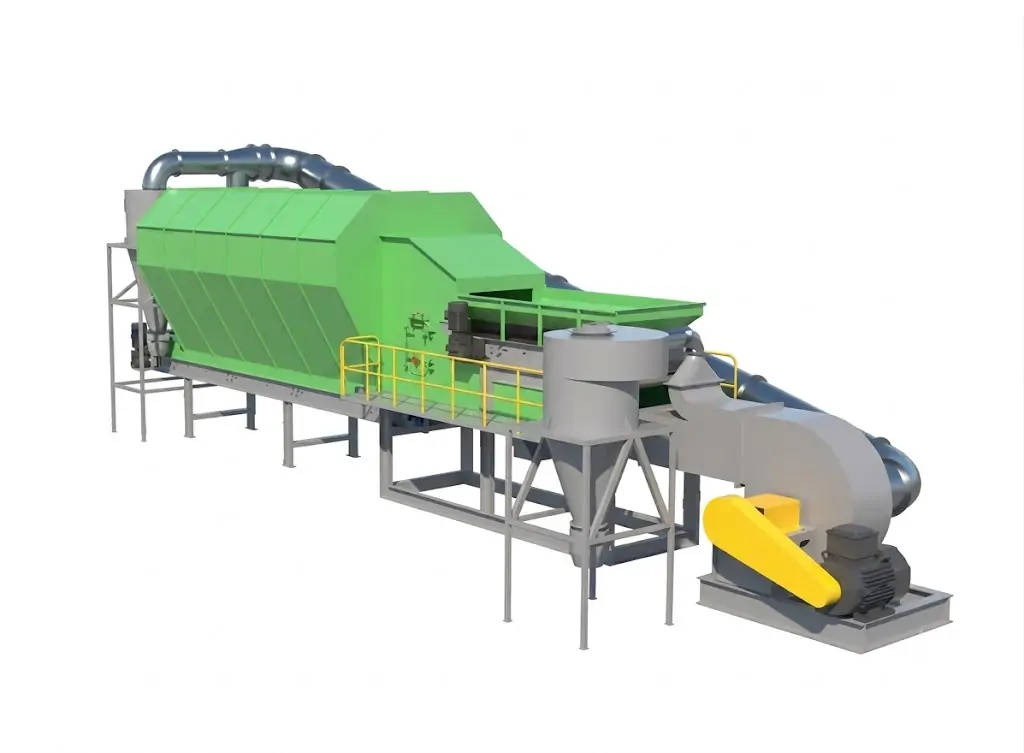
High Density Windshifter
FXG Series High Density Windshifter is designed for separating lightweight materials from heavy fractions in complex waste streams. With adjustable airflow control, it removes materials such as plastic film, paper, wood, and other light contaminants while improving the quality of recovered materials. It is suitable for MSW recycling plants, industrial waste sorting, and resource recovery systems with different material conditions.

Comprehensive Windshifter Recycling Machine
Comprehensive Windshifter Recycling Machine is designed for integrated waste separation in MSW, C&D waste, and RDF/SRF production lines. It separates lightweight materials such as film and paper from heavier inert materials through controlled airflow, helping improve sorting efficiency and reduce contamination. The equipment is suitable for recycling plants requiring continuous material processing and stable output quality.

Styrofoam Wind Sifter
FMX Styrofoam Wind Sifter is a dry separation system developed for recovering lightweight materials such as EPS foam, plastic film, and rubber from mixed waste streams. Using controlled airflow without water or chemicals, it separates low-density materials from heavier fractions efficiently. It is commonly applied in EPS recycling, plastic recycling, construction waste treatment, and MSW sorting lines.
Conclusion
Negative pressure wind sifters separate mixed waste materials through controlled airflow, pressure differences, and the aerodynamic characteristics of different materials. By understanding how airflow is generated, how particles move inside the separation chamber, and how different configurations influence the separation process, recycling operators can better evaluate whether the equipment matches their material conditions and processing requirements.
In MSW recycling applications, the performance of a wind sifter depends not only on the machine itself but also on factors such as material composition, moisture content, particle size distribution, and the overall process layout. A proper equipment configuration should be selected based on the actual operating conditions of each project.
For customized negative pressure wind sifter solutions based on your material characteristics, capacity requirements, and recycling line design, contact Zhongyi engineering team for professional technical support and project consultation.


Andy Yu
Technical Engineer | Zhongyi ECO
16+
Years Exp.
300+
Solutions
50+
Countries
16 years’ experience in environmental and solid waste management, specializing in C&D recycling and waste sorting solutions. At Zhongyi Mining Machinery, focused on improving global clients’ efficiency through technical expertise and tailored configurations.
FAQ
A negative pressure wind sifter uses a fan system to create a controlled airflow inside the separation chamber. Mixed materials are exposed to airflow, and different materials move differently according to their density, size, and aerodynamic characteristics. Lightweight materials are carried by airflow, while heavier materials settle and discharge separately under gravity.
A negative pressure wind sifter is designed to separate lightweight and heavy fractions in mixed waste streams. Typical lightweight materials include plastic film, paper, textiles, and foam, while heavier materials include stones, glass, sand, and inert materials. The actual separation capability depends on material composition, moisture content, and particle size distribution.
The main difference is the airflow generation method. A negative pressure wind sifter uses suction airflow created by a pressure difference inside the system, while a positive air separator uses forced airflow to push materials through the separation area. The selection depends on material characteristics, process design, and separation requirements.
A negative pressure wind sifter can process MSW with certain moisture levels, but material conditions should be evaluated before selection. High moisture content may cause materials to stick together or change their aerodynamic behavior, affecting separation results. Proper screening, feeding control, and airflow adjustment are important for wet waste applications.
The separation performance of a wind sifter is affected by several factors, including material density difference, particle size, moisture content, feeding uniformity, airflow velocity, and pressure settings. A stable material feed and properly adjusted airflow conditions help maintain consistent separation during continuous recycling operations.
The selection should be based on material characteristics, processing capacity, and separation targets. Important information includes waste composition, feed size, moisture content, required throughput, and equipment layout. For complex recycling projects, an engineering evaluation can help determine the suitable wind sifter configuration and integration method.
A negative pressure wind sifter is commonly installed after screening equipment and before further sorting units in an MSW recycling line. After materials are classified by size, the wind sifter separates fractions based on aerodynamic behavior. The separated materials can then move to equipment such as magnetic separators or optical sorters for additional processing.
To customize a negative pressure wind sifter, suppliers usually need information about the material type, processing capacity, feed size, moisture level, separation requirements, and existing production line layout. These details help determine the equipment structure, airflow parameters, and overall configuration required for the specific application.