
Introduction
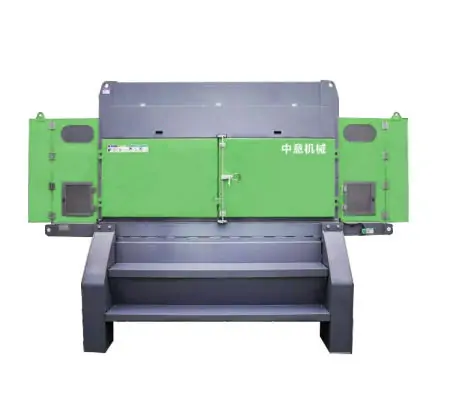
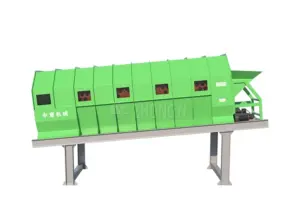
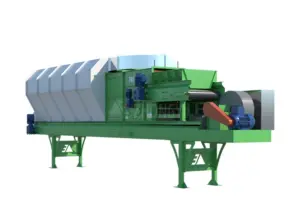
In recycling and waste processing plants, a Wind Sifter Machine is widely used as an important Waste Separation Equipment to separate lightweight materials such as plastic films, paper, and wood from heavier fractions. The main difference between Horizontal vs Vertical Wind Sifter Machine lies in the airflow direction and material movement path. Horizontal models use cross-flow air separation, while vertical models use upward airflow combined with gravity to classify materials.
The choice between a Horizontal vs Vertical Wind Sifter depends on material characteristics, processing capacity, and separation requirements. Different airflow designs affect separation efficiency, throughput, installation space, and application scenarios. Horizontal wind sifters are commonly used for high-capacity Wind Sifter for MSW applications, while vertical designs are suitable for projects requiring compact layouts and more precise lightweight material separation within Waste Sorting Equipment systems.If you would like to learn more about the advantages of negative-pressure wind sifters for MSW recycling, please click here.

Horizontal vs Vertical Wind Sifter: Main Differences
Horizontal and vertical wind sifters differ mainly in airflow direction, installation requirements, material suitability, and separation performance. The table below provides a quick overview of their key differences.
| Comparison | Horizontal Wind Sifter | Vertical Wind Sifter |
| Airflow Direction | Horizontal airflow | Upward airflow |
| Separation Method | Cross-flow separation | Updraft separation |
| Footprint | Larger floor space | Smaller footprint |
| Material Suitability | Medium and coarse materials | Fine and lightweight materials |
| Throughput | High capacity | Medium capacity |
| Separation Accuracy | Suitable for bulk separation | Better for fine classification |
| Installation | Easy integration with sorting lines | Requires more installation height |
| Maintenance | Easier access | More complex chamber design |
| Typical Applications | MSW, C&D waste, RDF production | Plastic separation, fine waste sorting |
What Is a Wind Sifter Machine?
A Wind Sifter Machine is an air-based separation equipment used in Waste Separation Equipment and recycling systems to separate lightweight and heavy materials according to their aerodynamic characteristics. By using controlled airflow as the separation medium, it can classify mixed waste based on differences in particle density, size, shape, surface area, and aerodynamic resistance. It is widely applied in MSW recycling, RDF production, C&D waste processing, and other waste sorting equipment systems.
Working Principle of Wind Sifter
The working principle of a wind sifter is based on the difference between material weight and airflow resistance. A blower generates controlled airflow inside the separation chamber, where incoming materials are exposed to the air stream. Lightweight materials with lower settling velocity and higher aerodynamic resistance, such as plastic films and paper, are carried by the airflow, while heavier materials with greater gravity force, such as stones and glass, fall downward for separate discharge. By adjusting airflow velocity and separation parameters, the equipment achieves efficient classification of mixed materials for different recycling applications.


What Is a Horizontal Wind Sifter?
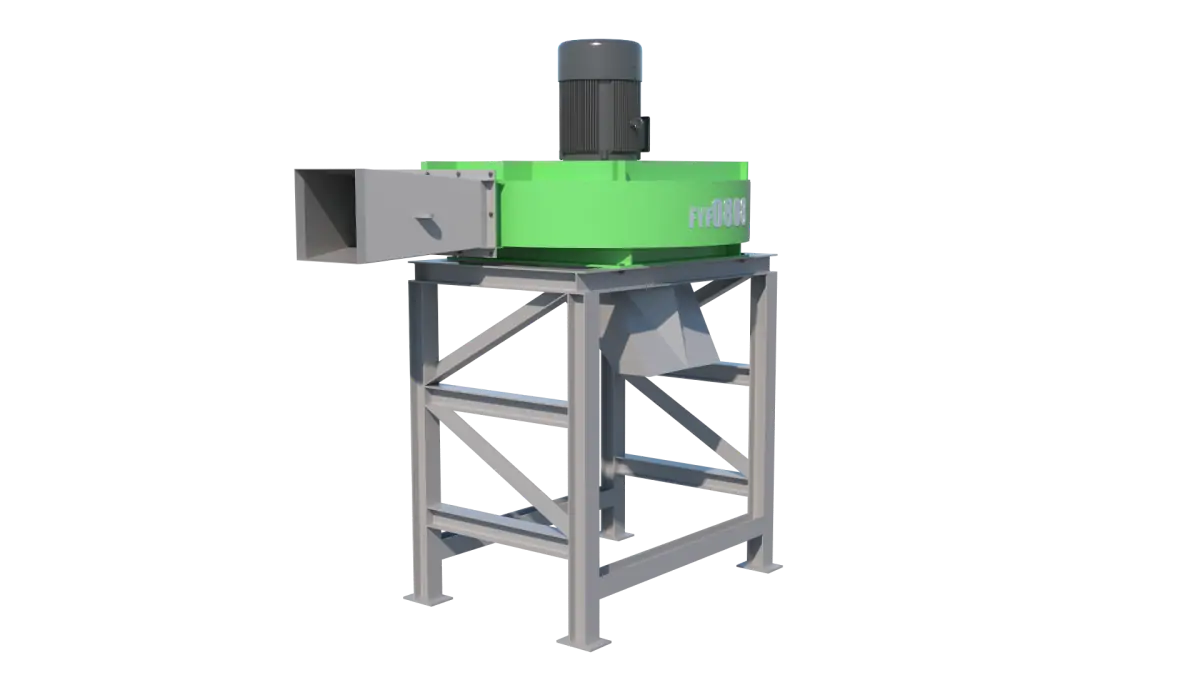
A Horizontal Wind Sifter Machine is a type of Air Separator that uses horizontal airflow to classify lightweight and heavy materials according to differences in density, particle size, and aerodynamic behavior. As an important part of Waste Separation Equipment, it is widely applied in MSW recycling, C&D waste processing, and RDF production lines where high throughput and stable material separation are required.
Working Principle of Horizontal Wind Sifter
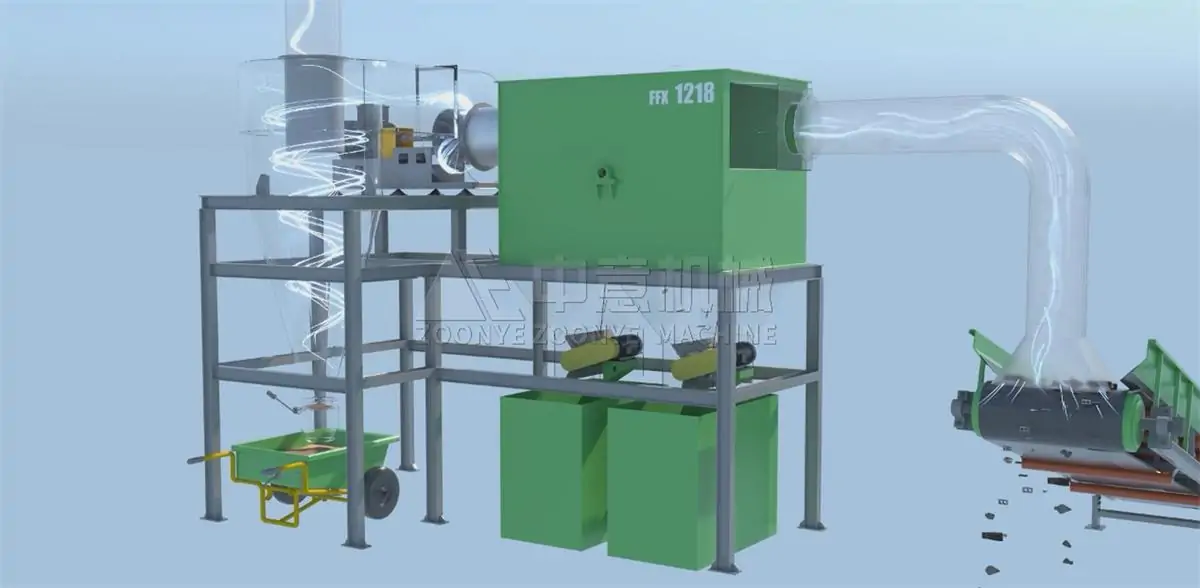
The horizontal wind sifter working principle is based on cross-flow air separation. Mixed materials enter the separation chamber and interact with controlled horizontal airflow generated by a blower. Lightweight fractions with higher aerodynamic resistance, such as plastic films, paper, and wood, are transported by the airflow, while heavier materials with higher density and greater settling velocity drop vertically for separate discharge. The separation efficiency depends on airflow control, material characteristics, and chamber design.
Advantages
Horizontal airflow technology provides reliable performance for large-volume waste processing applications. Compared with vertical airflow systems, this design offers a longer separation distance, making it effective for removing coarse lightweight materials from mixed waste streams. Its lower height requirement and simple connection with conveyors, screens, and other Waste Sorting Equipment also make it easier to integrate into existing recycling facilities.
Typical Applications
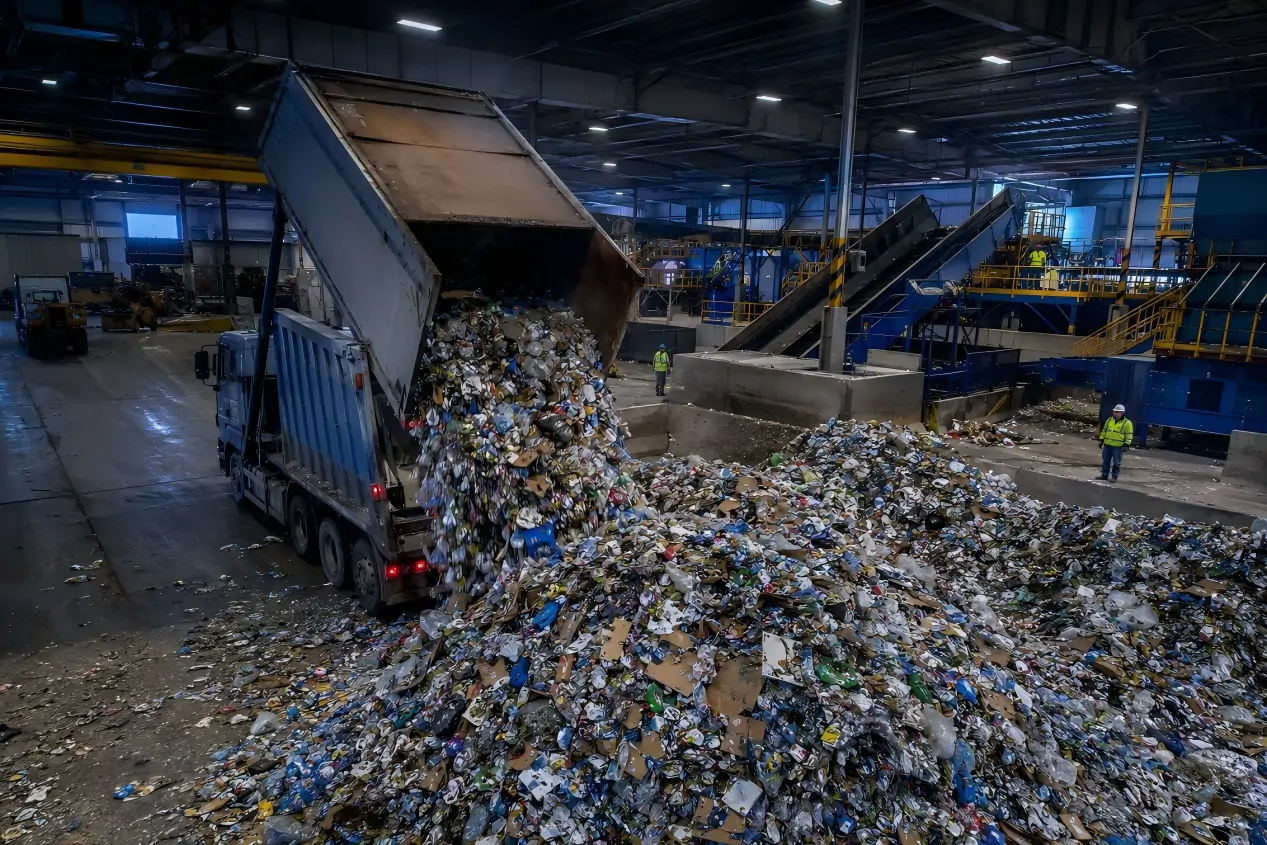
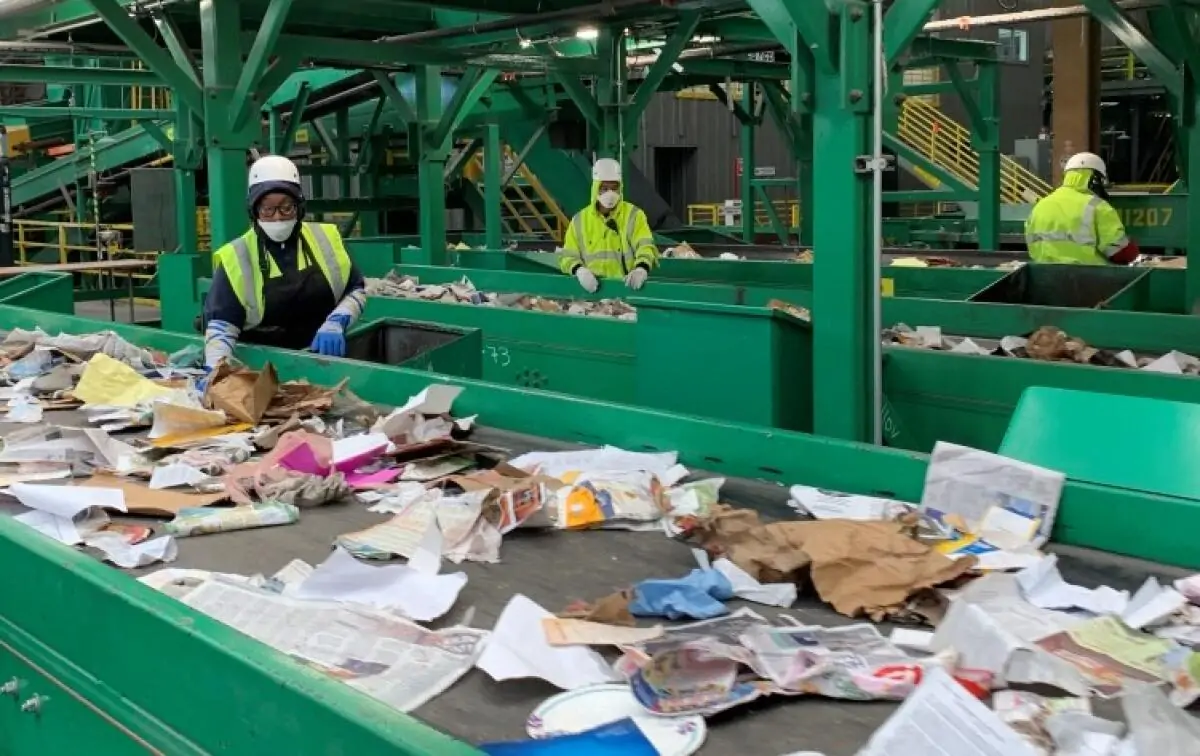
A Wind Sifter for MSW is commonly used in large-scale recycling plants to separate lightweight contaminants from valuable material streams. Typical applications include removing plastic films and paper from municipal solid waste, separating wood and light impurities from construction waste, and improving RDF quality by reducing unwanted heavy fractions before further processing.


What Is a Vertical Wind Sifter?
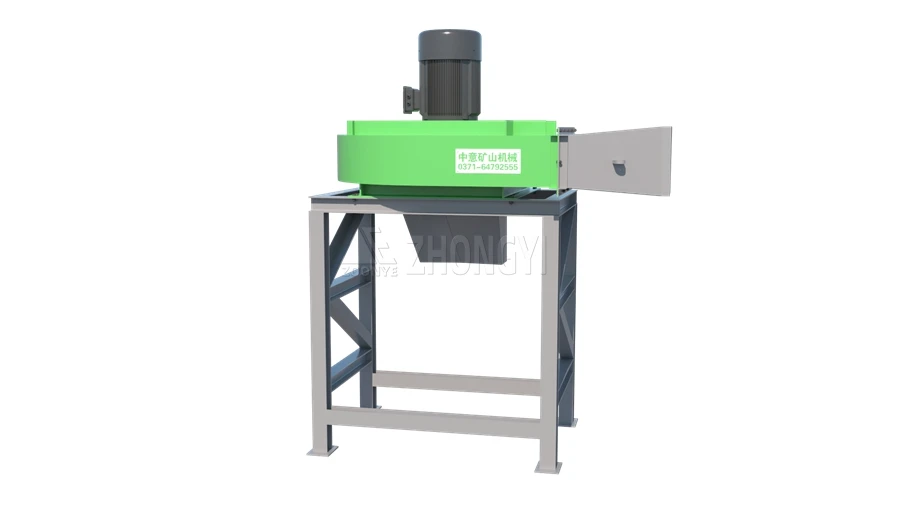
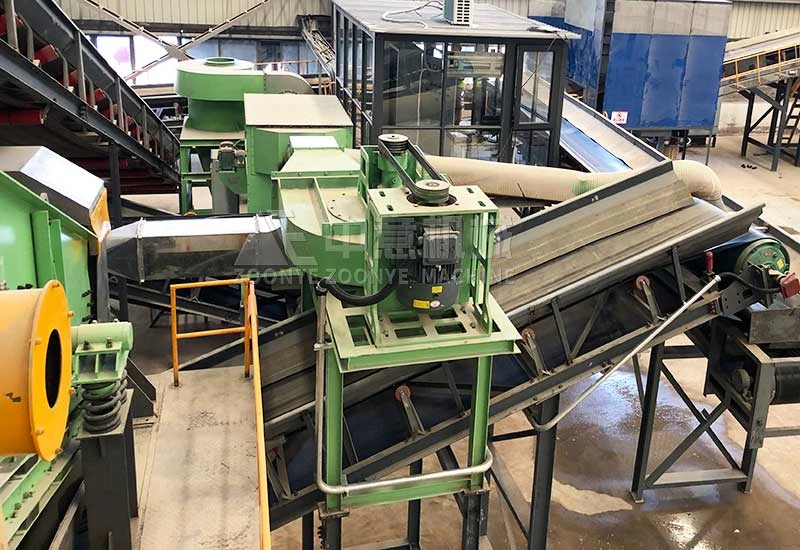
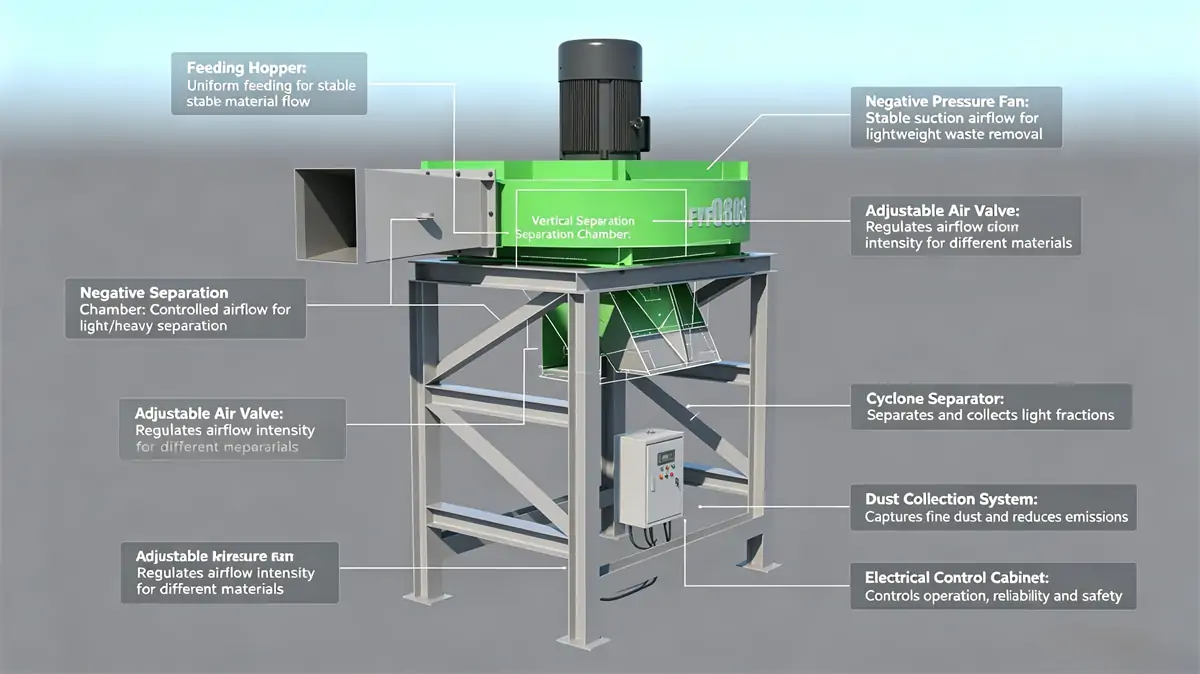
A Vertical Wind Sifter Machine separates lightweight and heavy materials through upward airflow and gravity interaction. Compared with horizontal designs, its vertical separation chamber provides a longer airflow path and more controlled material movement, making it suitable for fine classification of lightweight fractions. It is commonly used in Waste Separation Equipment systems for removing films, paper, fibers, and other low-density impurities from mixed material streams.
Working Principle
The vertical wind sifter working principle is based on differences in material settling velocity under upward airflow. After materials enter the separation chamber, the rising air stream lifts lightweight fractions with higher aerodynamic resistance, while heavier materials move downward due to gravity. Some vertical wind sifters use zigzag or multi-stage separation channels to increase airflow contact and material residence time, improving separation accuracy for materials with similar sizes but different densities.
Advantages
The main advantages of a vertical wind sifter are compact installation and improved control of fine lightweight material separation. The vertical structure requires less floor space than horizontal systems, making it suitable for facilities with limited installation areas. Longer residence time inside the separation chamber helps separate fine fractions such as plastic films, fibers, and shredded waste, while adjustable airflow allows the machine to adapt to different material compositions and operating conditions.
Limitations
While disc screens are highly effective for MSW pre-screening, they are not designed to replace the entire sorting process. They mainly perform size-based separation and are typically integrated with magnetic separators, air separators, and optical sorters to achieve higher material recovery. In addition, extremely wet or highly entangled waste may still affect screening efficiency, and applications requiring very fine particle classification are generally better suited to other specialized screening equipment.
Typical Applications
A Vertical Wind Sifter is mainly used in recycling processes that require accurate separation of lightweight impurities and fine material classification. Typical applications include:
- Fine MSW fractions: Removing films, paper, fibers, and other lightweight contaminants from mixed waste streams.
- Plastic recycling: Separating lightweight impurities such as films, labels, and non-target materials from recycled plastic streams.
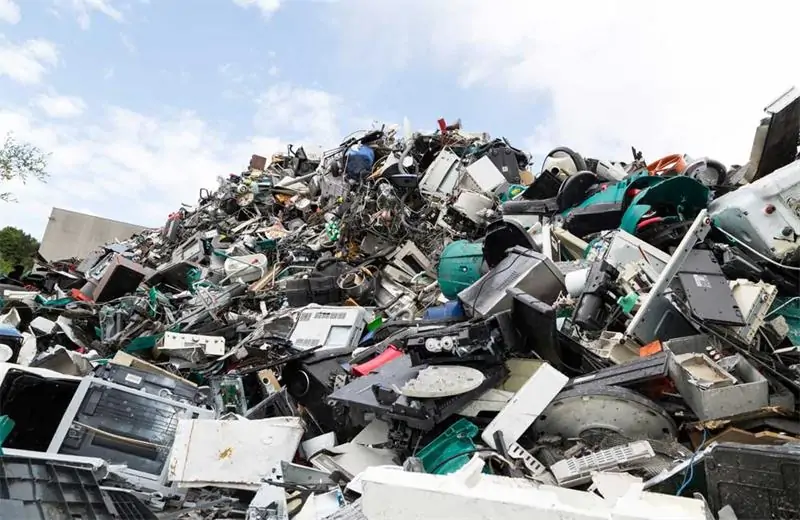
- Electronic waste recycling: Removing lightweight non-metal components before further sorting and recovery.
- Agricultural waste processing: Separating husks, leaves, and other lightweight contaminants from biomass materials.


Horizontal vs Vertical Wind Sifter: Main Differences
Although horizontal and vertical wind sifters use the same principle of air-based separation, their different airflow designs create differences in material movement, separation control, installation requirements, and application suitability. The right choice depends on material characteristics, processing capacity, available space, and the required separation quality.
Working Principle and Airflow Direction Difference
The main difference between horizontal and vertical wind sifters is the airflow path inside the separation chamber. Horizontal wind sifters use cross-flow airflow to move lightweight materials horizontally, separating materials according to differences in aerodynamic resistance and transport distance. Vertical wind sifters use upward airflow to lift lightweight fractions while heavier materials settle downward under gravity. Some vertical models use zigzag or multi-stage separation channels to increase material residence time and improve separation of lightweight fractions with similar particle sizes but different densities.
Material Application Difference
The application choice depends mainly on waste composition, particle size distribution, and the final separation target. Horizontal wind sifters are commonly used in MSW sorting plants, C&D waste recycling, and RDF production lines where large quantities of mixed materials require stable removal of lightweight components such as plastic films, paper, and wood. Vertical wind sifters are more suitable for fine material classification, including plastic recycling, fine MSW fractions, and applications where removing small lightweight impurities is important.
Installation and Layout Difference
Installation conditions often determine which wind sifter design is more practical for a recycling plant. Horizontal wind sifters require more floor space because materials move through a longer horizontal separation path, but their layout allows convenient connection with conveyors, screens, and other Waste Sorting Equipment. Vertical wind sifters have a smaller footprint and are suitable for plants with limited ground space, although sufficient installation height and proper airflow chamber arrangement are required.
Separation Performance and Capacity Difference
Horizontal and vertical wind sifters have different advantages in processing performance. Horizontal systems are typically selected for high-throughput applications where stable material handling and large processing capacity are priorities. Vertical systems provide stronger control over fine lightweight material separation due to longer airflow interaction time. In actual operation, separation efficiency is affected by airflow velocity, material density, moisture content, particle size, and feeding consistency rather than machine structure alone.
How to Choose Between Horizontal and Vertical Wind Sifter?
The choice between horizontal and vertical wind sifters depends on material characteristics, processing capacity, installation conditions, and separation requirements. Instead of choosing one design as universally better, recycling operators should select the suitable configuration based on the specific application.If you would like to learn more about “What Waste Can Be Sorted by a Wind Sifter Machine?”, please click here.
Choose Horizontal Wind Sifter If:
A horizontal wind sifter is a suitable choice when the priority is high throughput and stable separation of mixed waste streams. It is commonly selected for large recycling plants, MSW processing lines, C&D waste recycling, and RDF production where removing bulk lightweight materials is more important than fine classification.
Typical applications include:
- Large capacity recycling plants
- Mixed municipal solid waste processing
- Coarse lightweight material separation
- Easy integration with existing sorting lines
Choose Vertical Wind Sifter If:
A vertical wind sifter is better suited for applications requiring finer separation control and compact installation. Its vertical airflow design provides longer material-air interaction time, making it suitable for removing fine lightweight fractions and improving material purity in recycling processes.
Typical applications include:
- Higher purity requirements
- Fine lightweight material separation
- Limited floor space
- Multi-stage material classification
Can Horizontal and Vertical Wind Sifters Be Used Together?
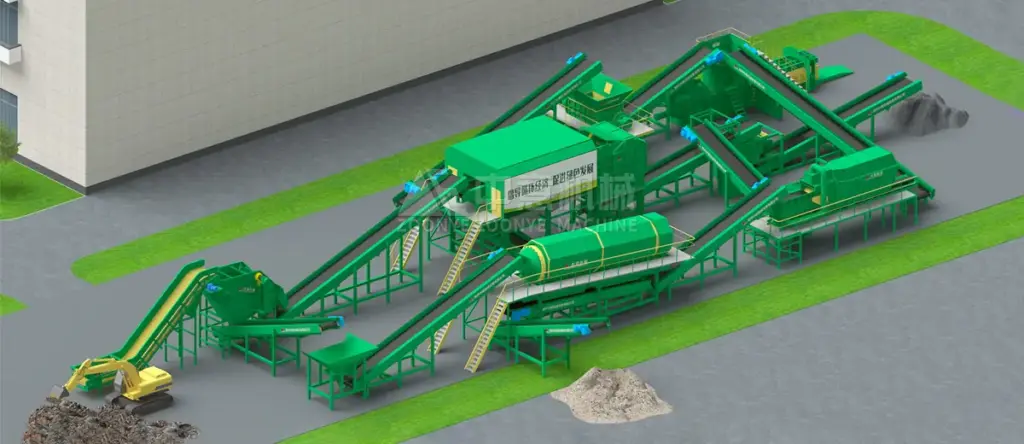
Yes, horizontal and vertical wind sifters can be used together in a complete Waste Sorting Equipment system. In large-scale recycling plants, different wind separation stages are combined according to material characteristics and output requirements. The horizontal wind sifter is generally used for the first-stage separation of bulk lightweight materials, while the vertical wind sifter is used for further purification of fine lightweight fractions, creating a more complete air separation process.
How Horizontal and Vertical Wind Sifters Work Together?
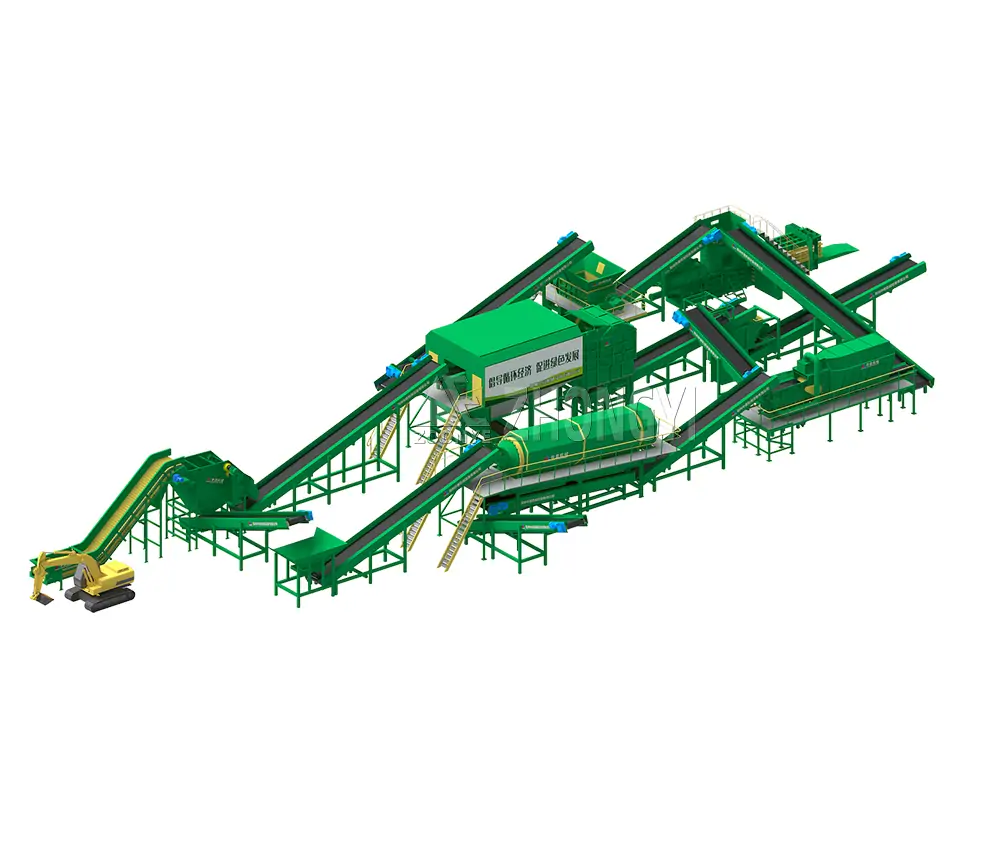
In a typical MSW recycling plant, material is usually screened and classified before entering the air separation stage. After a trommel screen removes oversized and undersized fractions, the remaining mixed material enters a horizontal wind sifter for primary separation. The horizontal airflow removes larger lightweight materials such as plastic films, paper, and wood, while heavier fractions continue to the next processing stage. For projects requiring higher material purity, a vertical wind sifter can be added after the first separation step to further remove fine lightweight contaminants through controlled upward airflow. This multi-stage separation approach is often combined with optical sorting systems to improve recovery efficiency and final product quality.
Benefits of Combined Wind Separation
Using horizontal and vertical wind sifters together allows recycling plants to balance processing capacity and separation accuracy. The horizontal unit handles high-volume material streams efficiently, while the vertical unit improves the classification of smaller lightweight fractions that are more difficult to separate in a single stage. This combination can increase recovered material purity, improve RDF quality, reduce manual sorting requirements, and provide more stable output performance for complex waste streams.
Related Waste Sorting Equipment

Trommel Screen
Trommel Screen is a rotary screening machine used for material classification before air separation. Through continuous rotation, the drum separates waste by particle size, allowing fine fractions and oversized materials to enter different processing stages. Its high throughput, stable operation, and strong adaptability make it widely used in MSW sorting plants, C&D waste recycling, and RDF production lines as a key pre-treatment unit before wind separation.

Bag Opener
Bag Opener is designed to open sealed waste bags and evenly release mixed materials before further sorting. The rotating shafts break and disperse bagged waste, improving material exposure and reducing feeding problems in downstream equipment. By increasing material liberation, it helps improve the efficiency of screening, air separation, and automated sorting systems, making it suitable for municipal solid waste recycling plants.

Eddy Current Separator
Eddy Current Separator is used to recover non-ferrous metals from processed waste streams after screening and air separation. The high-speed magnetic rotor generates eddy currents that separate conductive materials such as aluminum and copper from non-metal fractions. It improves resource recovery rates and is commonly integrated into MSW recycling, industrial waste treatment, and metal recovery systems.

AI Optical Sorting System
AI Optical Sorting System combines high-resolution cameras, intelligent recognition algorithms, and precise separation mechanisms to identify and sort target materials. Unlike wind sifters that separate materials based on aerodynamic properties, optical sorting detects differences in color, shape, and material characteristics. It is widely used for plastic recycling, RDF upgrading, and high-purity material recovery after mechanical separation.
Factors to Consider When Choosing a Wind Sifter Machine
Selecting a suitable Wind Sifter Machine depends on the material characteristics, processing requirements, separation target, and plant conditions. These factors determine the airflow design, equipment configuration, and overall separation performance.
Conclusion
Horizontal and vertical wind sifters are both based on aerodynamic separation principles, but they serve different roles in waste recycling systems. Horizontal wind sifters are commonly selected for high-volume material processing and stable removal of bulk lightweight fractions, while vertical wind sifters are suitable for applications requiring finer separation control and compact installation layouts.
The right choice depends on your material characteristics, processing capacity, separation targets, and plant conditions. For complex waste streams, a customized separation solution may combine different screening and air separation technologies to achieve better recovery performance and product quality.
Zhongyi provides customized Wind Sifter Machine solutions for MSW sorting, C&D waste recycling, RDF production, and other recycling applications. Contact our engineering team to discuss your material composition, production requirements, and the most suitable air separation configuration for your project.


Andy Yu
Technical Engineer | Zhongyi ECO
16+
Years Exp.
300+
Solutions
50+
Countries
16 years’ experience in environmental and solid waste management, specializing in C&D recycling and waste sorting solutions. At Zhongyi Mining Machinery, focused on improving global clients’ efficiency through technical expertise and tailored configurations.
FAQ
The main difference is the airflow direction and separation path. Horizontal wind sifters use cross-flow airflow to transport lightweight materials over a longer distance, making them suitable for high-throughput separation. Vertical wind sifters use upward airflow and a vertical separation chamber to increase material residence time, which is better for fine lightweight material classification.
The suitable wind sifter depends on the waste composition and processing target. Horizontal wind sifters are commonly used for large-volume MSW and C&D waste processing where stable removal of lightweight materials is required. Vertical wind sifters are more suitable for secondary separation, fine impurity removal, and applications requiring higher material purity.
Yes. Horizontal and vertical wind sifters can be combined in multi-stage recycling systems. The horizontal unit usually performs primary separation of larger lightweight fractions, while the vertical unit further removes fine contaminants. This combination improves separation efficiency, increases recovered material quality, and is suitable for complex waste streams.
A wind sifter machine separates materials based on differences in density, particle size, and aerodynamic behavior. It is commonly used to remove plastic films, paper, wood, fibers, and other lightweight fractions from heavier materials. Typical applications include municipal solid waste, construction waste, industrial waste, and RDF production lines.
Choosing the right wind sifter requires evaluating material type, moisture content, particle size, processing capacity, and separation targets. The installation space and connection with existing equipment should also be considered. Providing detailed material information and production requirements helps suppliers recommend the suitable airflow design and machine configuration.
The processing capacity of a wind sifter depends on equipment size, airflow volume, material characteristics, and feeding conditions. Materials with different densities, moisture levels, and particle distributions require different separation parameters. Industrial wind sifters can be customized according to the required throughput and the operating conditions of the recycling plant.
Wind sifter maintenance mainly involves checking the blower system, airflow components, wear parts, and dust collection system. A well-designed machine with adjustable airflow control and accessible inspection points can reduce downtime. Regular maintenance helps maintain stable separation performance and extends equipment service life in continuous recycling operations.
Yes. Wind sifters can be integrated with shredders, trommel screens, conveyors, magnetic separators, and optical sorting systems. Before installation, factors such as material flow direction, available space, and required separation stages should be evaluated. Proper integration improves overall sorting efficiency and helps optimize the performance of the complete recycling system.