
Introduction
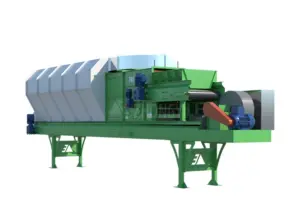
Municipal solid waste (MSW) recycling plants deal with increasingly complex waste streams containing lightweight materials such as plastic films, paper, and textiles, as well as heavier fractions including glass, stones, and metals. Achieving efficient separation is essential for improving material recovery rates, reducing contamination, and increasing the value of recovered resources.
However, traditional air separation methods may face challenges such as unstable sorting performance, excessive dust emissions, high energy consumption, and inconsistent output quality. A negative pressure wind sifter provides a cleaner and more reliable separation solution by Wind-Sifting Separation,improving airflow control and operational stability. This article explores the key advantages of negative pressure wind sifters for MSW recycling, including separation efficiency, environmental performance, energy savings, and flexible application options.If you want to learn about the working process and mechanism of a negative-pressure wind sifter, click here


Why Are Negative Pressure Wind Sifters Important for MSW Recycling?
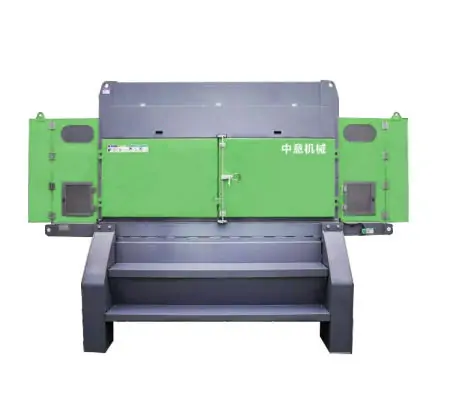
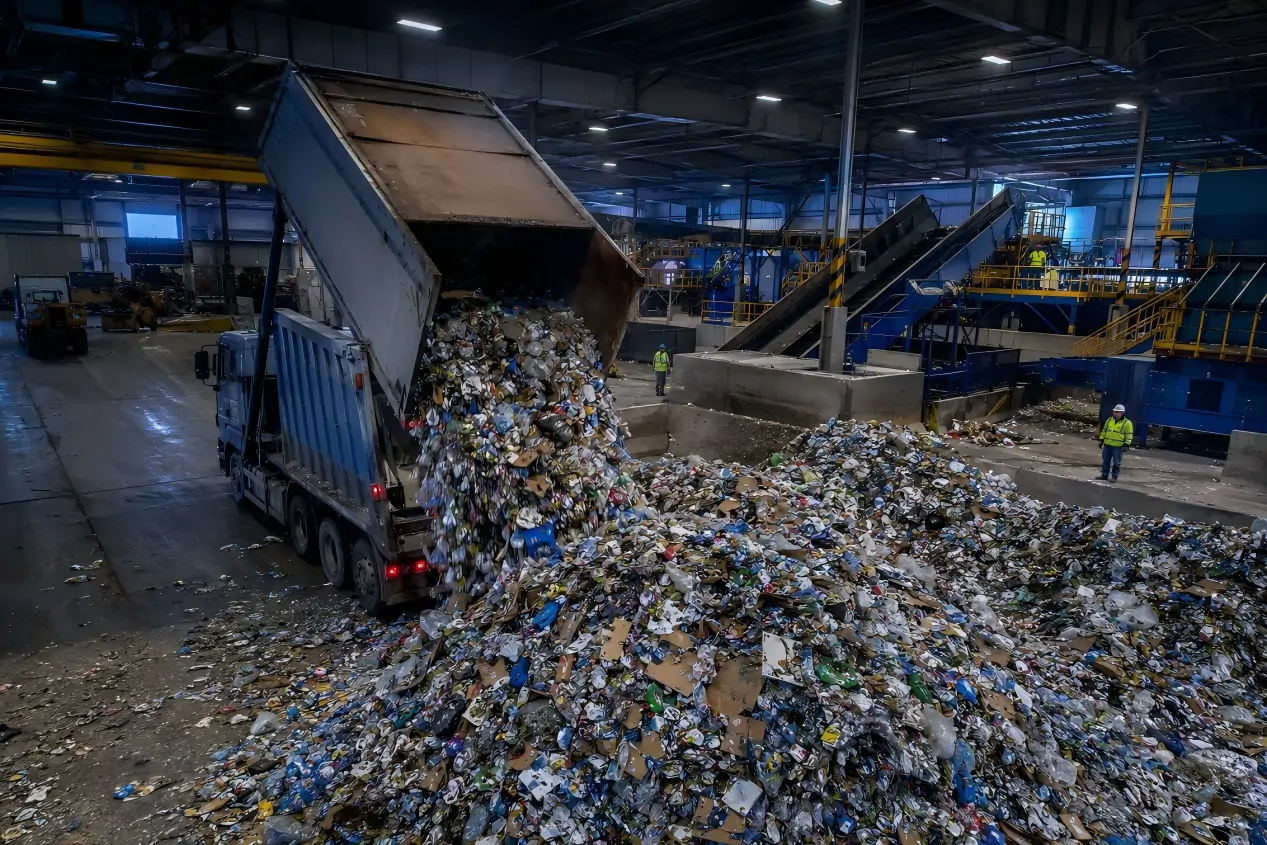
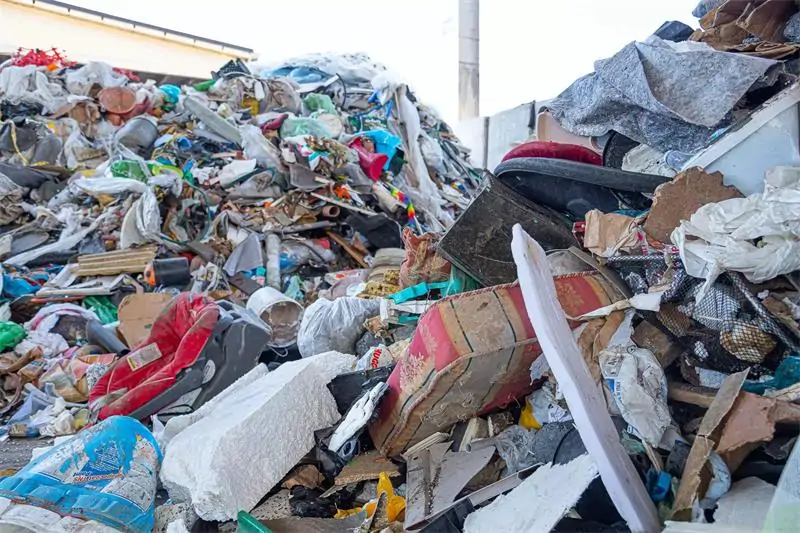
Negative pressure wind sifters are key separation equipment in modern MSW recycling plants, designed to separate lightweight contaminants from heavier materials and improve the overall efficiency of waste resource recovery. Municipal solid waste contains highly mixed components, including plastic films, paper, textiles, and other lightweight materials, as well as heavier fractions such as glass, stones, and inert materials.
Traditional size-based screening equipment mainly separates materials according to particle size, but it has limitations when processing mixed waste with similar-sized materials but different densities. Negative pressure wind sifters provide an effective solution by improving separation accuracy, reducing contamination, and increasing the quality and value of recovered materials for further processing.
In addition to separation performance, negative pressure wind sifters help solve major challenges in modern recycling facilities, including dust emissions, energy consumption, and unstable operation. With enclosed designs, adjustable airflow control, and vertical or horizontal configurations, they can be integrated into different MSW recycling systems to achieve cleaner operation, lower costs, and more reliable long-term performance.If you want to learn about “MSW Recycling Plant Cost in the U.S. in 2026: A Complete Guide,” please click on the article.
Top Advantages of Negative Pressure Wind Sifter for MSW Recycling
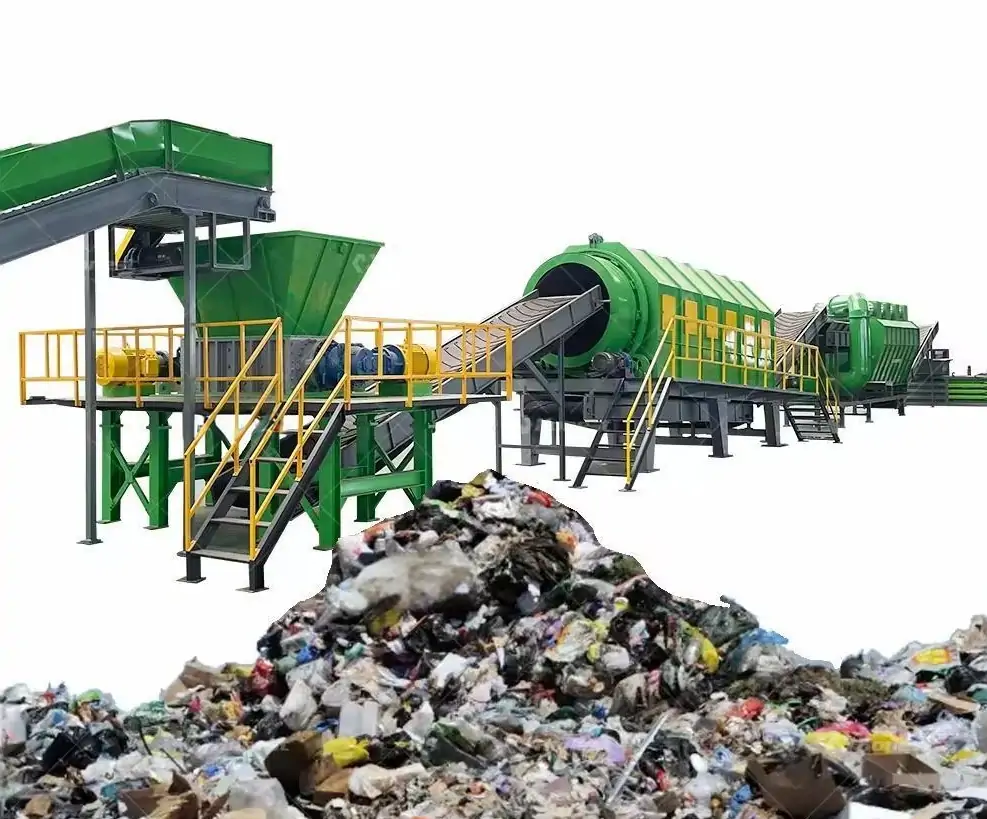
Negative pressure wind sifters play an important role in modern MSW recycling plants where mixed waste streams require efficient separation before further processing. By improving material quality, controlling dust, and reducing operating challenges, they allow recycling facilities to achieve more stable and valuable resource recovery.
Higher Separation Efficiency for Lightweight and Heavy Materials
One of the main challenges in MSW recycling is separating materials with different densities but similar particle sizes. Lightweight materials such as plastic films, paper, and textiles are often mixed with heavier fractions including glass, stones, and inert materials, which makes high-quality recovery difficult.
Negative pressure wind sifters help recycling plants achieve cleaner separation results and reduce unwanted materials entering downstream processes.
Main advantages include:
- Higher recovery rate of recyclable materials
- Improved purity of recovered fractions
- Lower contamination in recycled products
- More stable performance of downstream recycling equipment
Better Dust Control and Cleaner Working Environment
Dust management is a major concern in waste recycling facilities, especially when processing large amounts of lightweight materials. Plastic films, paper, and other light materials can easily generate airborne particles during handling, affecting workplace conditions and increasing cleaning requirements.
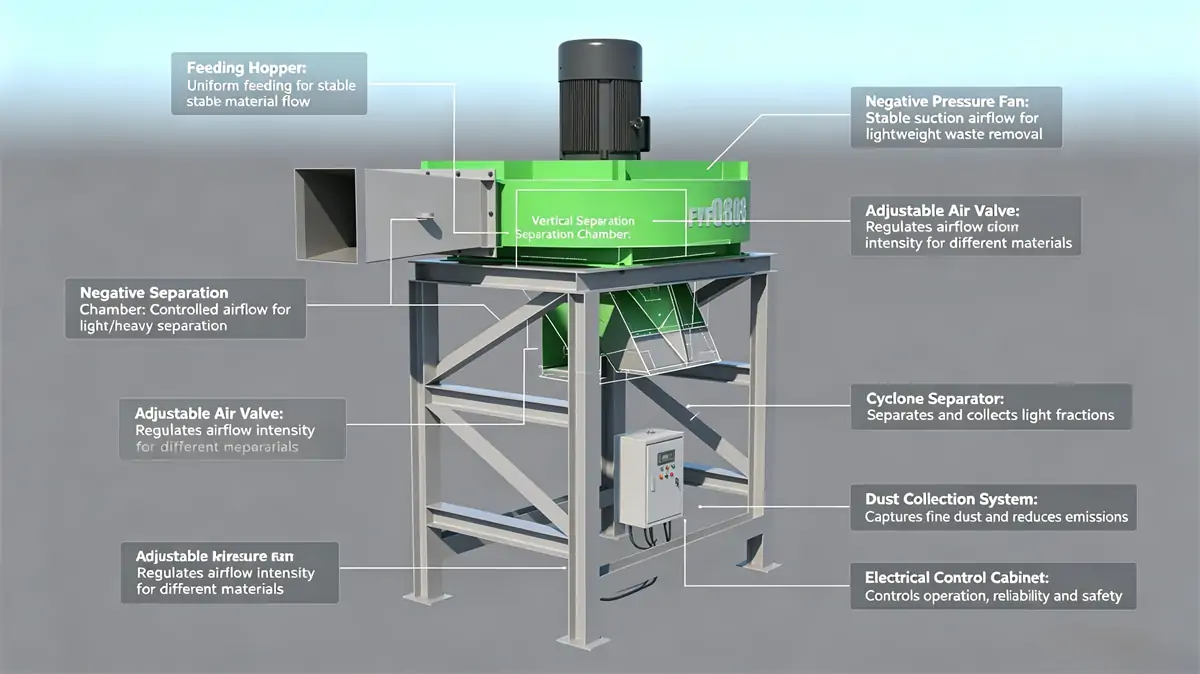
Negative pressure wind sifters use an enclosed separation design that keeps dust better controlled during operation. This creates a cleaner production environment and supports stricter environmental management requirements for modern recycling plants.
Lower Energy Consumption and Operating Costs
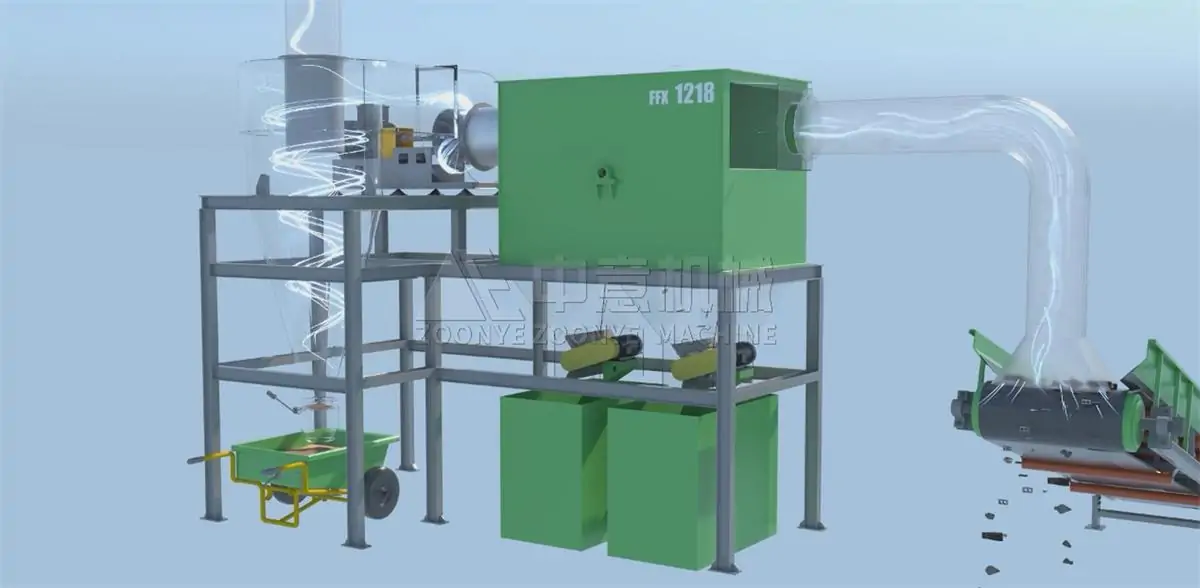
For recycling plant owners, equipment performance is only one part of the investment decision. Long-term energy consumption, labor requirements, and maintenance costs also directly affect project profitability.Negative pressure wind sifters are designed for continuous operation with efficient airflow management, reducing unnecessary energy loss and supporting stable plant performance.
| Consideration | Why It Matters in MSW Recycling |
| Energy consumption | Efficient airflow management helps control power costs during daily operation |
| Labor requirements | Automated separation reduces dependence on manual sorting |
| Maintenance | Stable equipment structure helps reduce unexpected downtime |
| Production efficiency | Consistent separation supports continuous recycling performance |
Higher Resource Recovery Value from Separated Materials
The value of an MSW recycling system depends not only on how much material is recovered, but also on the quality of the final output. Materials with high contamination levels may require additional processing and have limited reuse value.Negative pressure wind sifters help produce cleaner material streams by removing unwanted lightweight impurities before further utilization.
Typical results include:
- Cleaner RDF/SRF fuel with better quality consistency
- Higher-value plastic recovery streams
- Improved recycled material utilization
- Reduced volume of waste requiring landfill disposal
Flexible Integration into Different MSW Recycling Systems
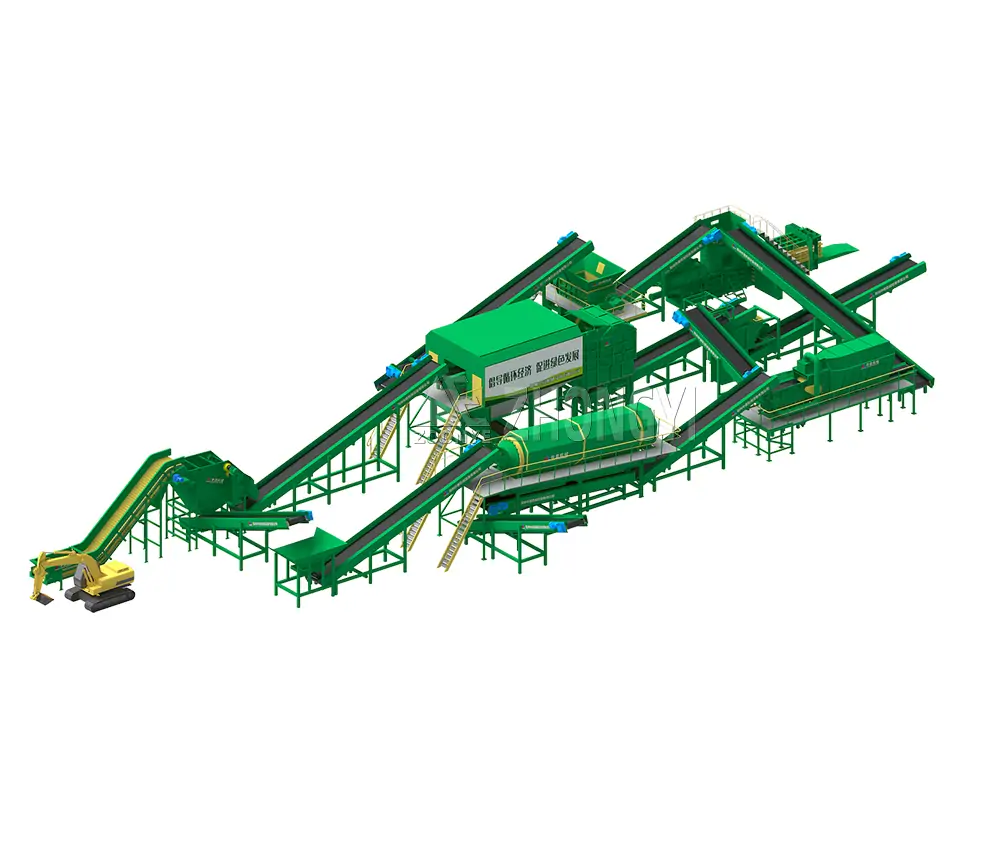
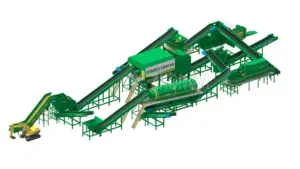
Every recycling project has different requirements based on waste composition, processing capacity, and available installation space. Negative pressure wind sifters can be integrated with equipment such as trommel screens, magnetic separators, eddy current separators, and optical sorting systems to create complete MSW recycling solutions.
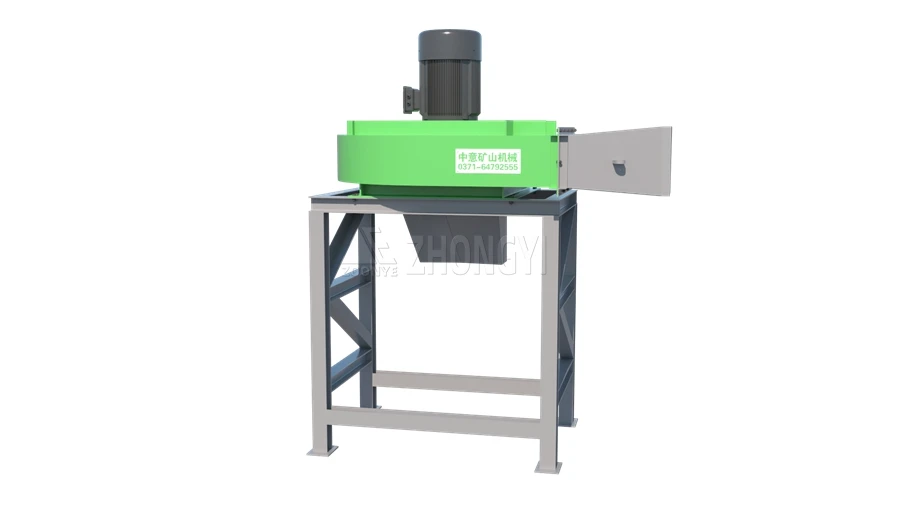
For plants with limited installation space, vertical wind sifters offer a compact configuration suitable for modular sorting systems. Horizontal wind sifters are commonly selected for larger recycling facilities that require higher throughput and continuous operation. This flexibility allows operators to choose a suitable design based on their specific plant conditions and processing goals.

Vertical vs Horizontal Negative Pressure Wind Sifter: Which One Fits Your Plant?
Selecting the right negative pressure wind sifter is an important decision for MSW recycling projects. The choice is mainly influenced by waste composition, processing capacity, available installation space, and the quality requirements of recovered materials.
Vertical and horizontal wind sifters are both used in waste sorting plants, but they serve different production needs. Vertical models are often considered for compact layouts and higher material purity requirements, while horizontal models are commonly selected for large-scale recycling lines where continuous operation and higher throughput are required.If you’re interested in “Horizontal vs. Vertical Wind Sifter Machine: What’s the Difference?”, please click here
Vertical Negative Pressure Wind Sifter
Vertical negative pressure wind sifters are designed for recycling projects where space efficiency and cleaner material output are important. Their compact footprint makes them easier to integrate into existing sorting lines, especially in facilities with limited installation areas or modular plant layouts.
They are often installed after initial screening or primary sorting stages to further improve the quality of recovered materials. For projects that require additional purification without expanding the plant footprint, vertical wind sifters offer a flexible equipment option.


Horizontal Negative Pressure Wind Sifter
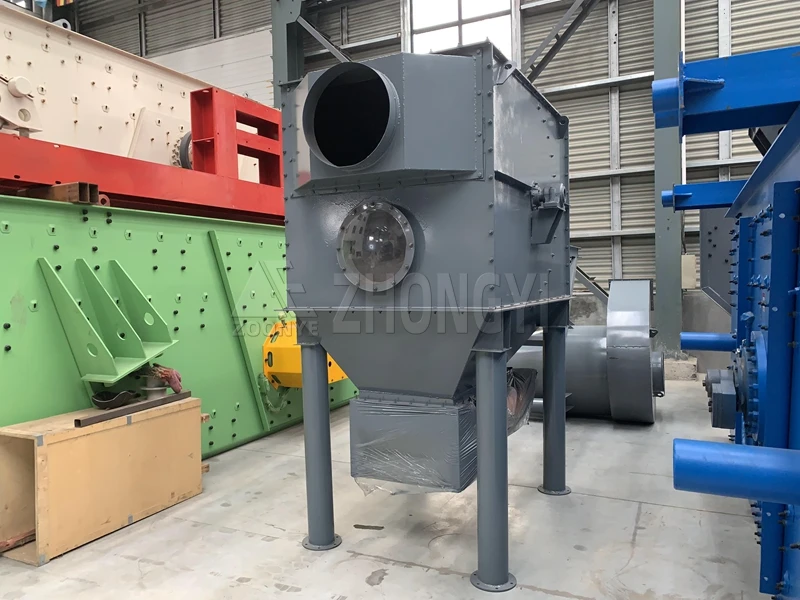
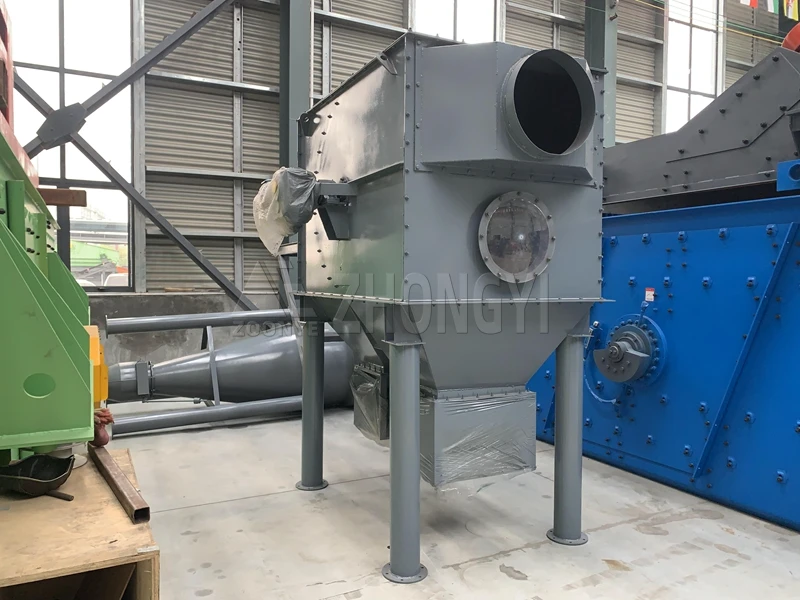
Horizontal negative pressure wind sifters are commonly selected for large MSW recycling plants and waste processing facilities that handle continuous material flows. Their configuration is well matched to high-volume operations where stable processing capacity and reliable long-term performance are critical.
Compared with compact configurations, horizontal wind sifters offer greater adaptability for large production layouts and bulk material handling. They are widely used in recycling lines that focus on removing lightweight contaminants from large quantities of mixed waste.

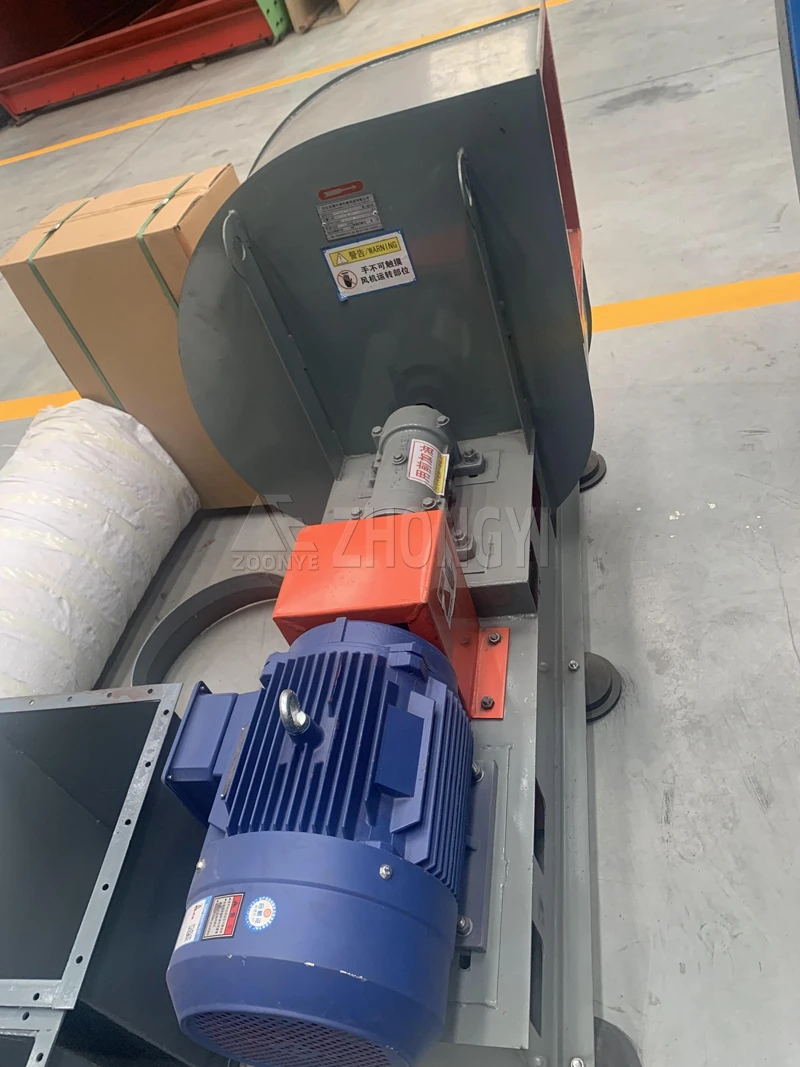
Comparison Between Vertical and Horizontal Wind Sifters
| Factor | Vertical Wind Sifter | Horizontal Wind Sifter |
| Primary consideration | Space efficiency and higher material purity | Processing capacity and continuous operation |
| Typical plant type | Compact or modular recycling systems | Medium to large-scale MSW recycling plants |
| Installation footprint | Smaller footprint, suitable for space-limited projects | Requires more layout space for larger production lines |
| Application focus | Further purification and material quality improvement | Large-volume lightweight material separation |
| Best fit | Projects with limited space or higher purity requirements | Projects requiring stable high-throughput operation |
How to Choose Between Vertical and Horizontal Wind Sifters?
Choosing between vertical and horizontal wind sifters should start with the actual requirements of the recycling project rather than equipment size alone. Waste characteristics, production targets, plant layout, and expected output quality all influence the final selection.
A vertical negative pressure wind sifter is generally a better match for facilities with limited space or projects that require additional material purification after initial sorting. For large MSW recycling plants handling continuous waste streams, a horizontal negative pressure wind sifter is often the preferred choice because it matches higher throughput requirements and large-scale production conditions.
Negative Pressure Wind Sifter vs Traditional Air Separator
Traditional air separators can complete basic lightweight and heavy material separation, but they often face challenges in large-scale MSW recycling applications, including unstable separation performance, dust control issues, and higher operating requirements.
Negative pressure wind sifters are designed for modern recycling plants that require more consistent separation quality, cleaner operation, and better adaptability to changing waste conditions.
| Feature | Negative Pressure Wind Sifter | Traditional Air Separator |
| Airflow control | More stable airflow management for consistent separation | Airflow performance can be affected by operating conditions |
| Separation quality | Provides more consistent material separation results | Separation quality may vary with material conditions |
| Dust control | Enclosed negative pressure design reduces dust leakage | Higher risk of dust escaping during operation |
| Energy efficiency | Better airflow utilization helps reduce unnecessary energy loss | More air loss may lead to higher energy consumption |
| Plant environment | Cleaner operation with better environmental control | Requires additional dust management in some applications |
How Does a Negative Pressure Wind Sifter Improve an MSW Recycling Plant?
A negative pressure wind sifter plays an important role in MSW recycling plants by improving the separation of lightweight contaminants and reducing operational problems caused by mixed waste streams. Before installation, many recycling facilities struggle with contaminated recovered materials and unstable sorting conditions. After being integrated into the sorting line, the equipment helps produce cleaner material outputs and maintain smoother plant operation.If you would like to learn more about “What Waste Can Be Sorted by a Wind Sifter Machine?”, please click here.
Before Installing a Negative Pressure Wind Sifter
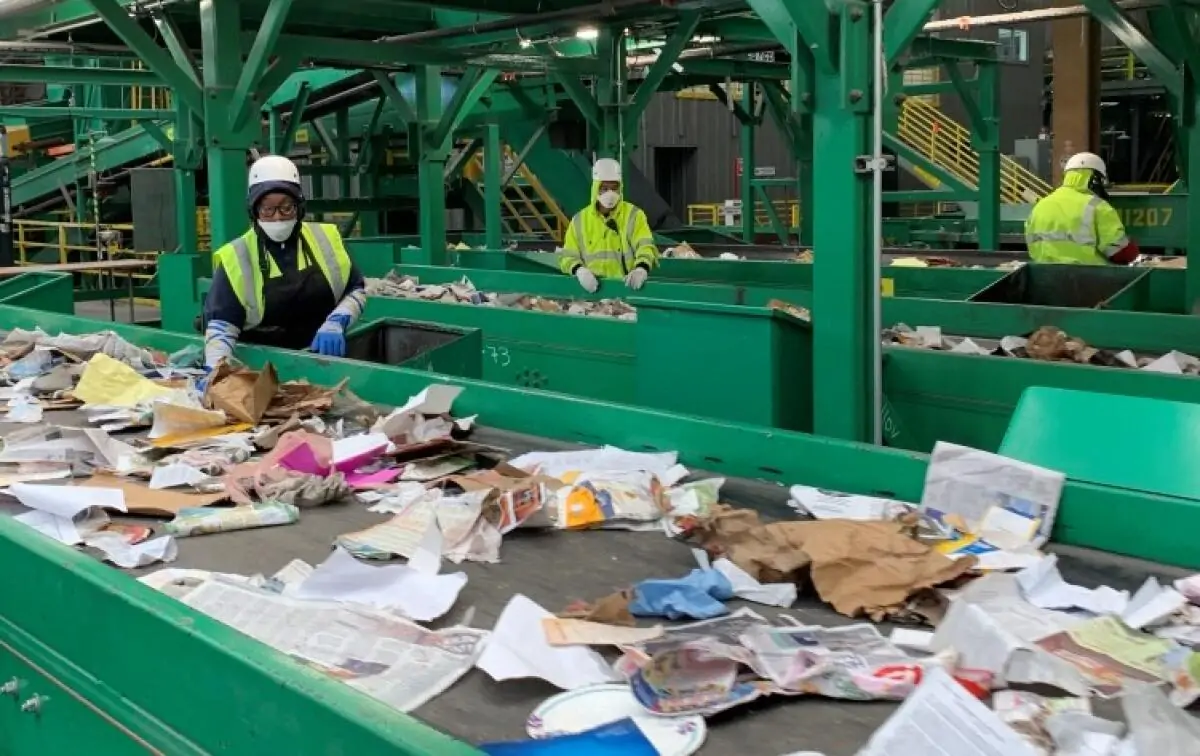
MSW streams usually contain a wide range of materials, including plastic films, paper, textiles, and other lightweight contaminants mixed with heavier fractions. Without an effective separation step, these materials can remain mixed together, affecting the quality of recovered products and reducing their value for further processing. For recycling plants, this often results in higher reject rates, additional manual sorting work, and more difficulty achieving consistent material quality.
These problems can also affect the operation of the entire recycling line. Lightweight materials left in the waste stream may place extra load on downstream equipment and increase the need for manual handling. Dust accumulation, irregular material flow, and frequent cleaning can interrupt daily production and make plant management more challenging.
After Integrating a Negative Pressure Wind Sifter
After adding a negative pressure wind sifter, lightweight materials such as plastic film, paper, and textiles can be separated more effectively from heavier fractions. Cleaner material streams help downstream equipment operate with fewer contamination issues and allow recovered materials to enter further processing stages with improved quality.
From an operational perspective, the equipment helps reduce manual sorting requirements and maintain a more consistent material flow through the recycling line. The enclosed negative pressure design also limits dust escape during operation, creating a cleaner working environment. For recycling plant operators, this results in easier daily management, fewer production interruptions, and more reliable long-term operation.
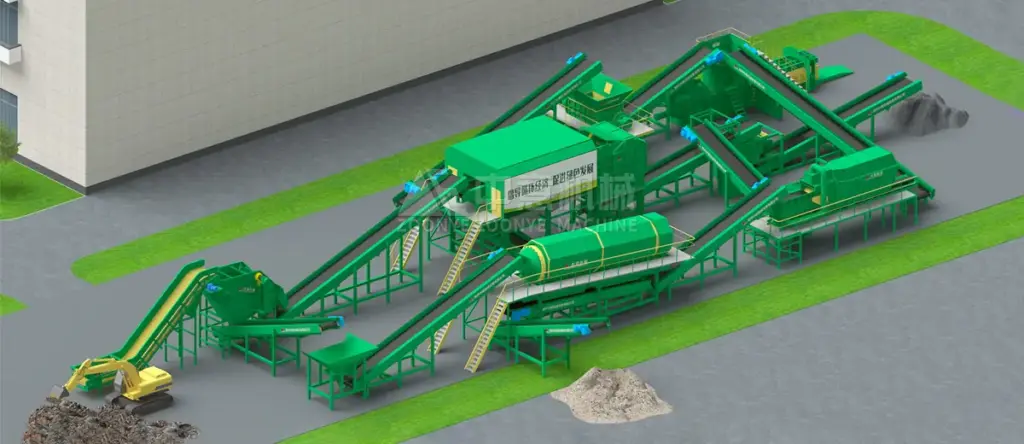
How to Select the Right Negative Pressure Wind Sifter for Your Recycling Project?
Selecting the right negative pressure wind sifter requires more than simply matching the equipment capacity with the plant output. From our experience working with MSW recycling projects, the most reliable selection decisions are usually based on four factors: material characteristics, processing capacity, separation targets, and available installation space.
The first step is to evaluate the waste stream itself. Material composition, moisture content, and particle size directly influence separation performance and equipment configuration. In practical projects, we often find that plants with similar capacities may require different wind sifter designs because their waste composition and recovery targets are not the same. After confirming the material conditions, the equipment selection should then consider required throughput and the expected quality of recovered materials.
Plant layout is another important factor that is often overlooked during the early planning stage. For projects with limited space or a need for further purification after pre-sorting, vertical negative pressure wind sifters are usually easier to integrate. For large-scale MSW recycling plants that focus on continuous operation and higher processing capacity, horizontal models are generally a better fit. Our recommendation is to evaluate the complete sorting process rather than selecting the wind sifter as a standalone machine, ensuring it works efficiently with upstream and downstream equipment.
Related Waste Sorting Equipment

Containerized Windshifter
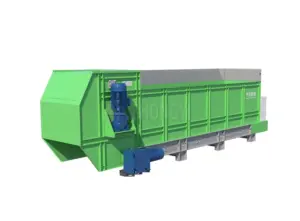
Containerized Windshifter is an integrated air separation unit designed for flexible waste sorting applications. The system combines feeding, airflow separation, dust control, and material discharge in one containerized structure, allowing easier transportation and installation. It is widely used in MSW recycling, construction waste processing, and temporary waste treatment projects requiring quick deployment and stable operation.
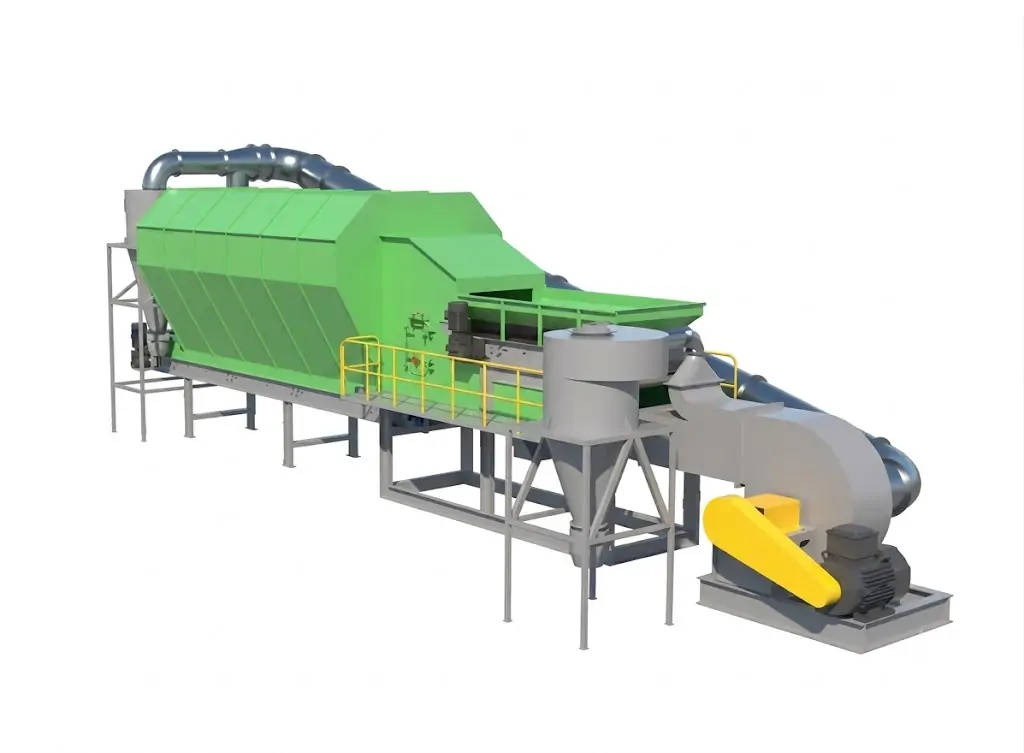
High Density Windshifter
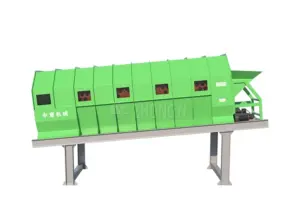
FXG Series High Density Windshifter is designed for separating lightweight materials from heavy fractions in complex waste streams. With adjustable airflow control, it removes materials such as plastic film, paper, wood, and other light contaminants while improving the quality of recovered materials. It is suitable for MSW recycling plants, industrial waste sorting, and resource recovery systems with different material conditions.

Comprehensive Windshifter Recycling Machine
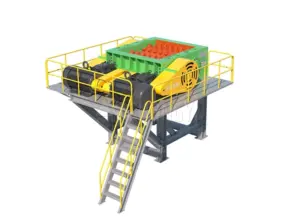
Comprehensive Windshifter Recycling Machine is designed for integrated waste separation in MSW, C&D waste, and RDF/SRF production lines. It separates lightweight materials such as film and paper from heavier inert materials through controlled airflow, helping improve sorting efficiency and reduce contamination. The equipment is suitable for recycling plants requiring continuous material processing and stable output quality.

Styrofoam Wind Sifter
FMX Styrofoam Wind Sifter is a dry separation system developed for recovering lightweight materials such as EPS foam, plastic film, and rubber from mixed waste streams. Using controlled airflow without water or chemicals, it separates low-density materials from heavier fractions efficiently. It is commonly applied in EPS recycling, plastic recycling, construction waste treatment, and MSW sorting lines.
Conclusion
Negative pressure wind sifters have become an important part of modern MSW recycling systems by improving the separation of lightweight contaminants, maintaining cleaner material streams, and supporting more stable plant operation. Compared with traditional air separation methods, they offer better adaptability for complex waste streams and help recycling operators improve the overall value of recovered materials.
With both vertical and horizontal configurations available, the right wind sifter should be selected based on waste characteristics, processing capacity, separation requirements, and plant layout. A properly matched system can work more effectively with the entire sorting line and deliver better long-term operating performance.If you are planning a new MSW recycling project or upgrading an existing sorting line, contact our engineering team for a customized negative pressure wind sifter solution based on your material conditions and production requirements.


Andy Yu
Technical Engineer | Zhongyi ECO
16+
Years Exp.
300+
Solutions
50+
Countries
16 years’ experience in environmental and solid waste management, specializing in C&D recycling and waste sorting solutions. At Zhongyi Mining Machinery, focused on improving global clients’ efficiency through technical expertise and tailored configurations.
FAQ
A negative pressure wind sifter improves MSW sorting efficiency by separating lightweight contaminants from heavier materials with stable airflow control. It helps reduce impurities in recovered materials, improve downstream processing performance, and maintain a cleaner working environment. For recycling operators, this means better material quality, more consistent operation, and higher resource recovery value.
Recycling plants use negative pressure wind sifters because they provide better airflow control and dust management during operation. The enclosed separation system reduces material loss and prevents excessive dust from escaping into the working area. Compared with traditional air separators, they offer more stable separation results when processing complex MSW streams with changing material compositions.
Negative pressure wind sifters are commonly used to remove lightweight materials such as plastic film, paper, textiles, wood pieces, and foam from mixed waste streams. They are widely applied in MSW sorting plants, construction waste recycling, and RDF/SRF production lines where lightweight contaminants need to be separated from heavier fractions.
A negative pressure wind sifter improves recovered material quality by removing lightweight impurities from mixed waste streams. Cleaner output materials are easier to process and have higher recycling value. In applications such as RDF production and plastic recovery, effective separation helps reduce contamination, improve fuel quality, and enhance the performance of downstream recycling equipment.
The selection depends on processing capacity, installation space, and separation requirements. Horizontal wind sifters are generally suitable for large-scale recycling plants that require high throughput and continuous operation. Vertical wind sifters are better suited for compact layouts or secondary purification processes where space efficiency and higher material purity are important factors.
Yes. Negative pressure wind sifters can be integrated with screening equipment, conveyors, magnetic separators, and other sorting machines. In existing recycling plants, they are often added to improve lightweight contaminant removal and optimize material quality. The final configuration depends on waste characteristics, processing capacity, and the required output materials.
Before purchasing a negative pressure wind sifter, operators should evaluate waste composition, moisture content, particle size, processing capacity, and separation targets. Installation space and compatibility with existing sorting equipment should also be considered. A properly selected model can provide more stable operation and better long-term performance for different recycling applications.
Yes. Negative pressure wind sifters are widely used in medium and large MSW recycling projects because they can handle continuous material flow and complex waste compositions. When properly configured, they help improve sorting stability, reduce manual sorting requirements, and increase the recovery potential of valuable recyclable materials.