
Introduction
How much does an MSW recycling plant cost in the USA in 2026? The answer depends on the size of the plant, the type of municipal solid waste being processed, and the level of sorting required. A 200 TPD plant, a 500 TPD facility, and a 1,000 TPD system can have very different equipment configurations and investment levels.
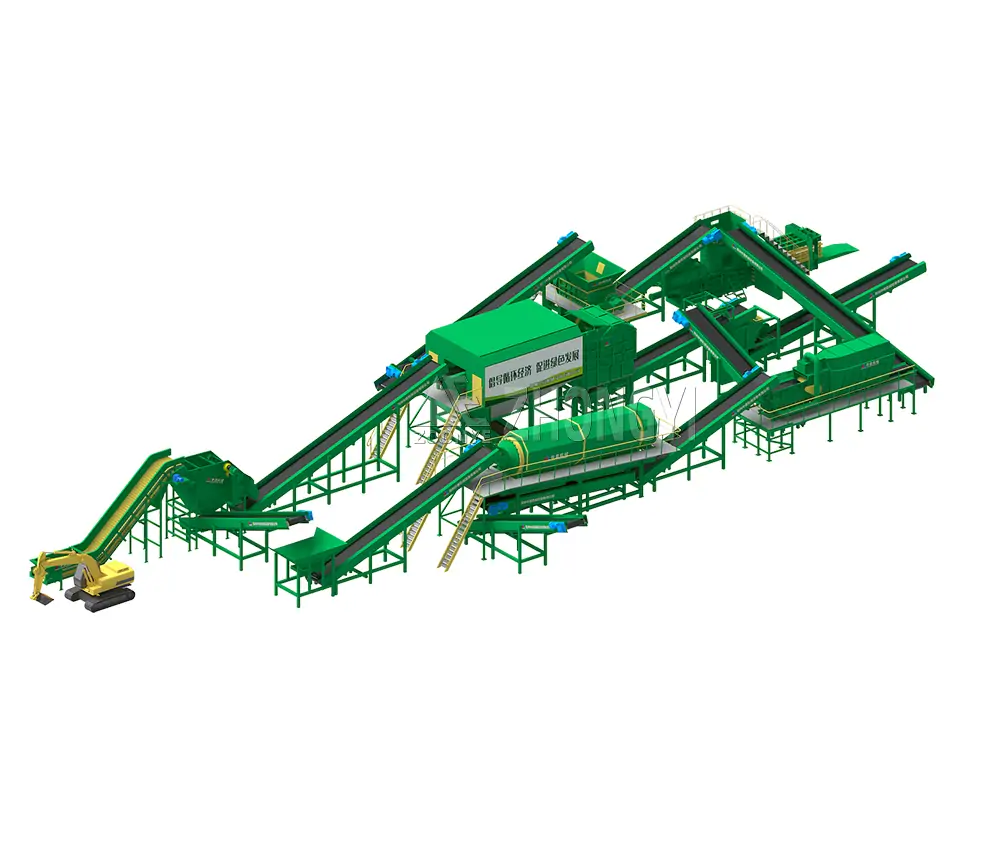
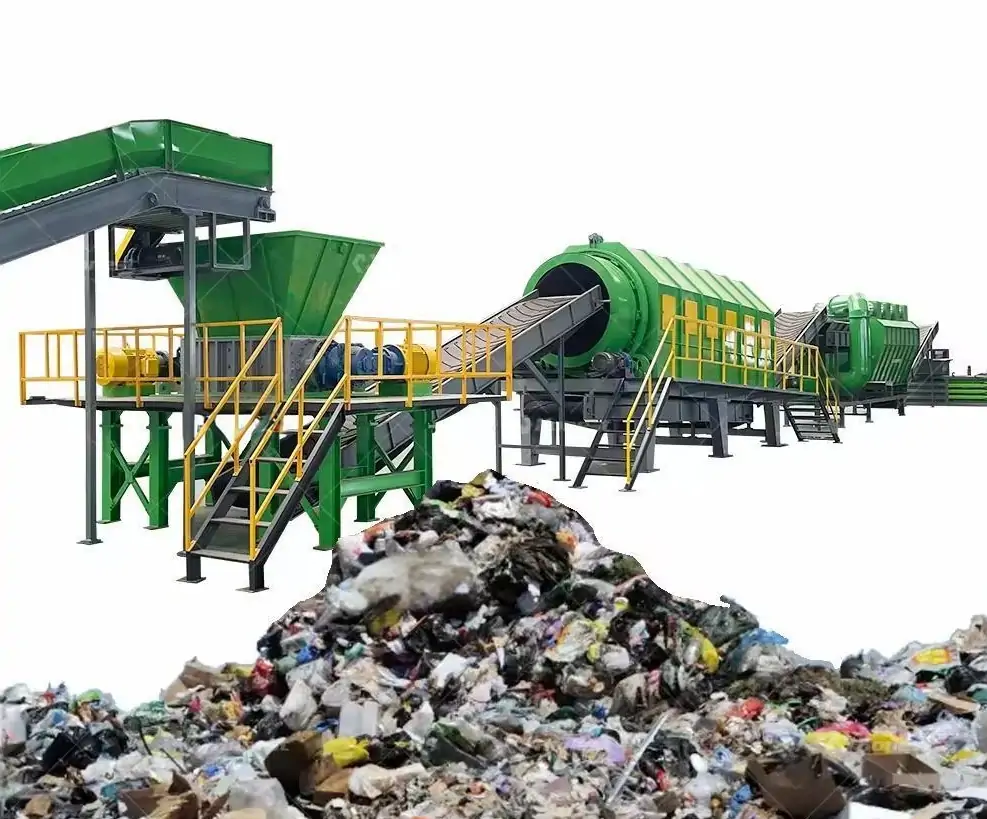
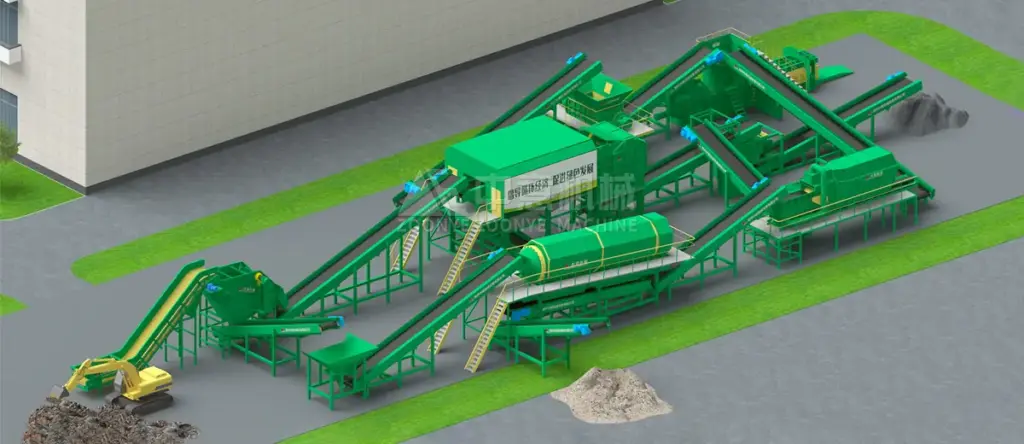
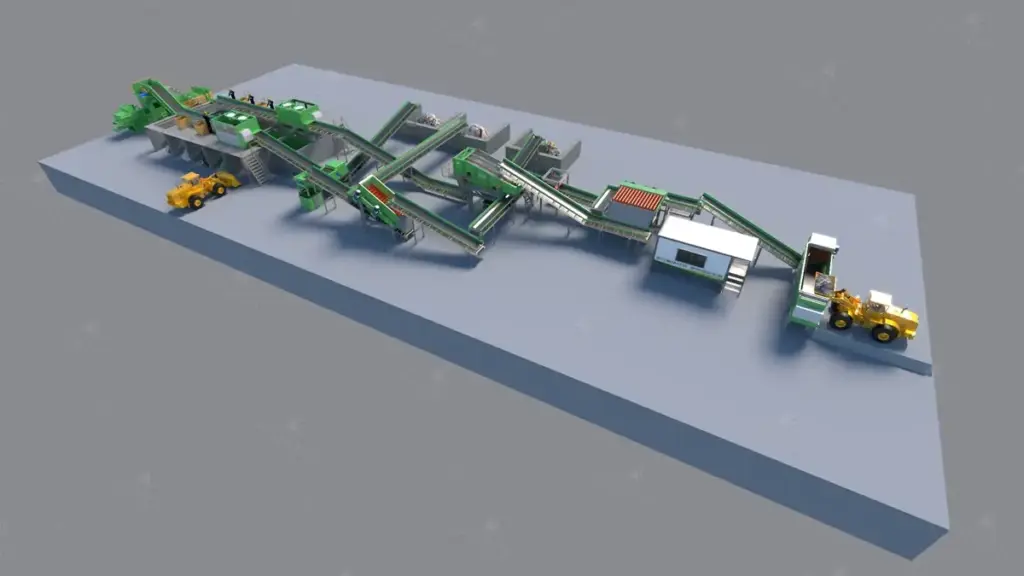
An MSW recycling plant is not a single machine. A complete system may include feeding equipment, bag openers, trommel screens, magnetic separators, eddy current separators, wind sifters, manual or automated sorting systems, conveyors, and RDF processing equipment. The right combination depends on what materials you want to recover and the required processing capacity.
So, what equipment does an MSW recycling plant actually need, and how much should you budget for a project in the USA? In the following sections, we will look at the main factors affecting MSW Recycling Plant Cost in USA 2026, typical configurations for different capacities, and how a complete MSW recycling line can be designed according to your waste and project requirements.If you would like to learn about the Construction Waste Recycling Line USA Specifications, please click on the article.
How Much Does an MSW Recycling Plant Cost in the USA in 2026?
The cost of an MSW recycling plant in the USA varies according to processing capacity, plant configuration, and project requirements. As a general reference, larger facilities require a higher overall investment because they need greater processing capacity and supporting infrastructure.
| Plant Capacity | Typical Project Scale | Investment Level |
| 200 TPD | Small/local facility | Lower |
| 500 TPD | Regional facility | Medium |
| 1,000 TPD | Large municipal facility | Higher |
These are preliminary budget references, not fixed equipment prices. The actual cost depends on the selected process, equipment capacity, automation level, site conditions, and required recovery targets.
For buyers, the most important point is that plant capacity alone does not determine the final price. The equipment and process configuration must be matched to the incoming MSW and the materials to be recovered. The following sections explain the main cost factors and equipment options in more detail.
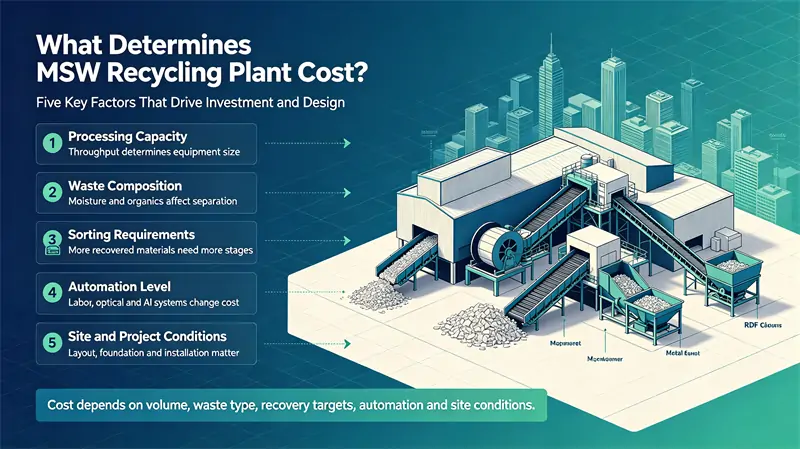
What Determines MSW Recycling Plant Cost?
The price of an MSW recycling plant can vary considerably even when two projects have similar processing capacities. The main difference usually comes from the waste itself, the materials the customer wants to recover, the level of automation, and the conditions at the installation site.
Processing Capacity
A 200 TPD plant and a 1,000 TPD plant naturally require different equipment capacities. Feeders, trommel screens, conveyors, separators, and other machines must be sized for the required throughput. Operating hours also matter. For example, a plant processing 500 tons per day over 10 effective hours needs to handle about 50 tons per hour, not simply 500 tons as a daily figure.
Waste Composition
Not all MSW is the same. One project may receive relatively dry waste with a high proportion of packaging materials, while another may contain more organic matter, fines, moisture, or bulky waste. These differences influence screening performance and separation efficiency. A waste composition analysis helps determine whether the line needs stronger screening, additional separation, or different material-handling equipment.
Sorting Requirements
The required end products are another major consideration. If the goal is mainly to remove fines and recover ferrous metals, a relatively simple line may be sufficient. If the customer wants separated plastics, aluminum, paper, RDF, and other materials, more separation stages may be added. The more specific the recovery targets, the more carefully the process line needs to be designed.
Automation Level
Labor costs and available operators can influence the choice of sorting method. Manual sorting remains practical for some material streams, while optical sorting or AI-assisted systems can be introduced where higher throughput or more consistent material identification is required. Many projects use a combination of mechanical separation, automated sorting, and manual quality control rather than relying on one method throughout the plant.
Site and Project Conditions
The equipment is only one part of the installation. The available building area, conveyor layout, equipment elevation, electrical supply, foundation requirements, installation access, and maintenance space all need to be considered during plant design. A compact layout may require less supporting infrastructure, while a more complex process can increase conveyor length, structural steel, and installation work.
In practice, there is no standard equipment list or fixed price for every MSW recycling project. The right configuration starts with the waste volume and composition, followed by the required recovery materials and site conditions.
What Equipment Does an MSW Recycling Plant Need?
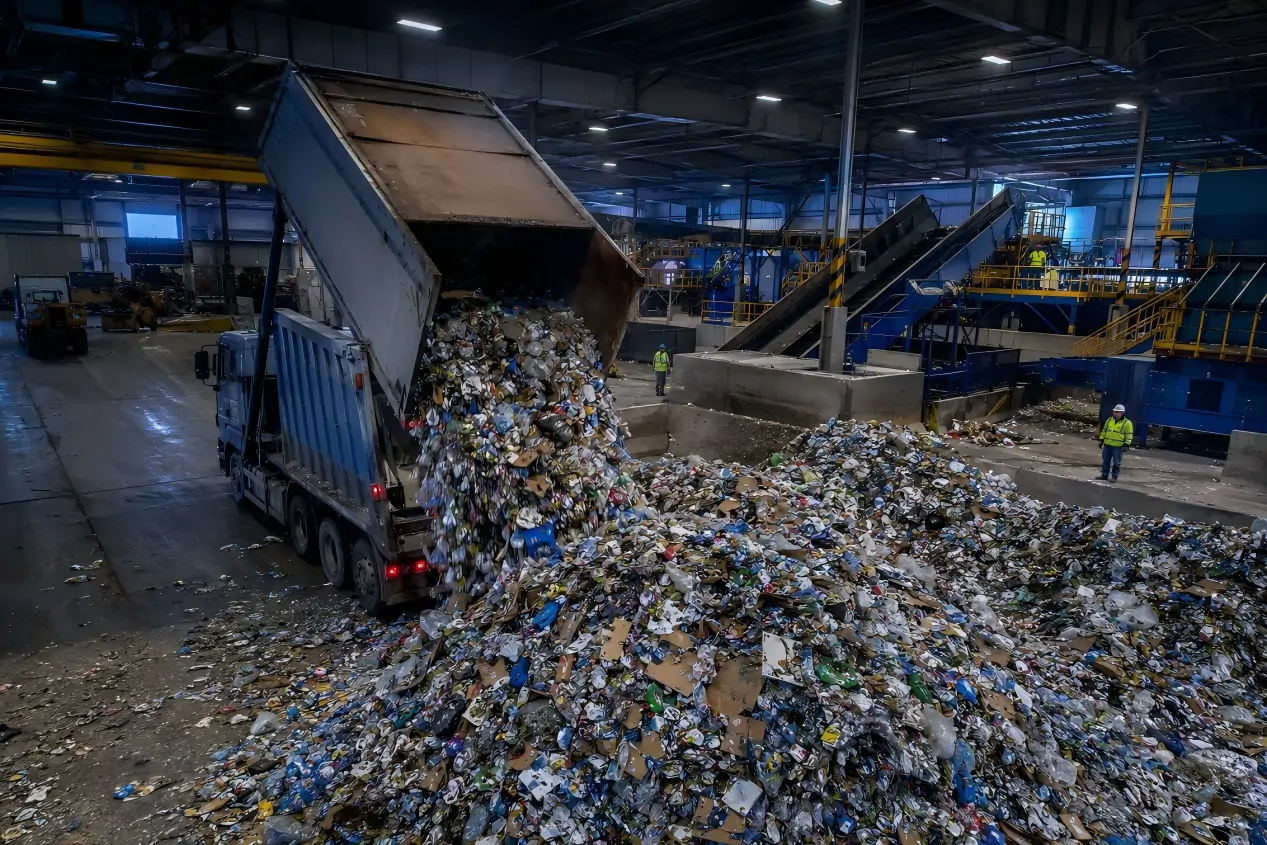
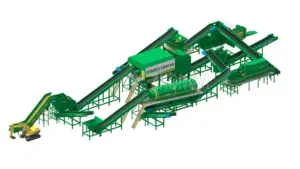
A complete MSW recycling plant combines multiple processing stages rather than relying on a single machine. The equipment configuration is determined by the incoming waste composition, required throughput, target recovered materials, and desired level of automation. Depending on the project, a line may include feeding, bag opening, screening, metal recovery, air separation, manual or automated sorting, and RDF processing.
Waste Receiving and Feeding Equipment
The receiving and feeding system provides a controlled flow of mixed MSW into the plant. A hopper, apron feeder, and belt conveyor can be combined to regulate material flow and transfer waste continuously to downstream equipment. The feeder and conveyor capacity should be matched to the plant’s actual throughput to avoid unstable feeding or unnecessary oversizing.
Typical equipment:
- Light Duty Apron Pan Feeder — 50–300 m³/h, max. feed size ≤350 mm
- Bulk Material Conveyor — 20–800 t/h, belt width 500–1,800 mm, customized length
For larger plants, conveyor length, transfer points, and equipment elevation can become important parts of the overall plant layout and investment.
Bag Opening and Screening Equipment
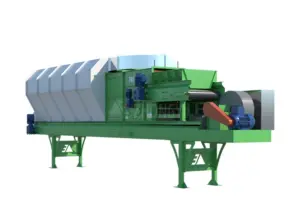
Bagged MSW normally needs to be opened before effective separation can begin. A waste bag opener releases the material without intentionally reducing its size, allowing screens and downstream separators to work with a more evenly distributed waste stream.
Screening then separates material into different size fractions. The appropriate screen depends on the waste characteristics rather than plant capacity alone.
Typical equipment:
- Waste Bag Opener — opens and loosens bagged MSW before separation
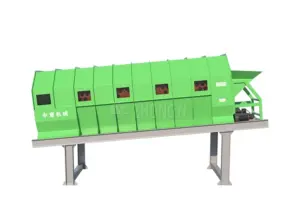
- GTS Series Rotary Trommel Screen — 20–300 t/h
- Waste Sorting Disc Screen — 10–150 m³/h, feed size ≤300 mm
- YBF Series Rod Deck Flip Flop Screen — 30–350 m³/h
A disc screen can be considered where continuous screening and reduced material blockage are important. A flip-flop screen is more suitable for difficult, wet, or sticky materials. Rotary trommel screens may also be used for suitable waste streams, with the final selection based on feed size, moisture, bulk density, and required separation.
Magnetic and Non-Ferrous Metal Separation
Metal separation allows valuable metals to be recovered while reducing contamination in downstream material streams. A magnetic separator is commonly used to remove ferrous metals such as iron and steel. Where non-ferrous recovery is required, an eddy current separator can be added to separate materials such as aluminum, copper, and zinc.
Typical equipment:
- Magnetic Separator — 10–280 m³/h, feed particle size 500–2,000 mm
- Eddy Current Separator — magnetic roller width 600–2,000 mm, capacity 1–20 t/h
The position of metal separators within the line depends on the preceding screening and sorting stages. Proper placement can improve material recovery and reduce the amount of metal entering equipment that is not designed to handle it.


Air Separation Equipment
An air separation stage can be added when the process needs to divide light and heavy fractions. Controlled airflow separates lightweight materials such as plastic film, paper, textiles, and wood from heavier materials including stones, glass, and other dense fractions.
Typical equipment:
- FXJ Series Containerized Windshifter — 8–80 t/h, feed width 800–1,400 mm
- Vertical Negative Pressure Wind Sifter — 30–150 m³/h, airflow 8,000–25,000 m³/h, feed size ≤300 mm
The FXJ containerized windshifter integrates feeding, air separation, dust control, and discharge into a compact system. A negative-pressure wind sifter provides a more enclosed separation process and can be selected when controlled airflow and dust management are important.
Manual and Automated Sorting Equipment
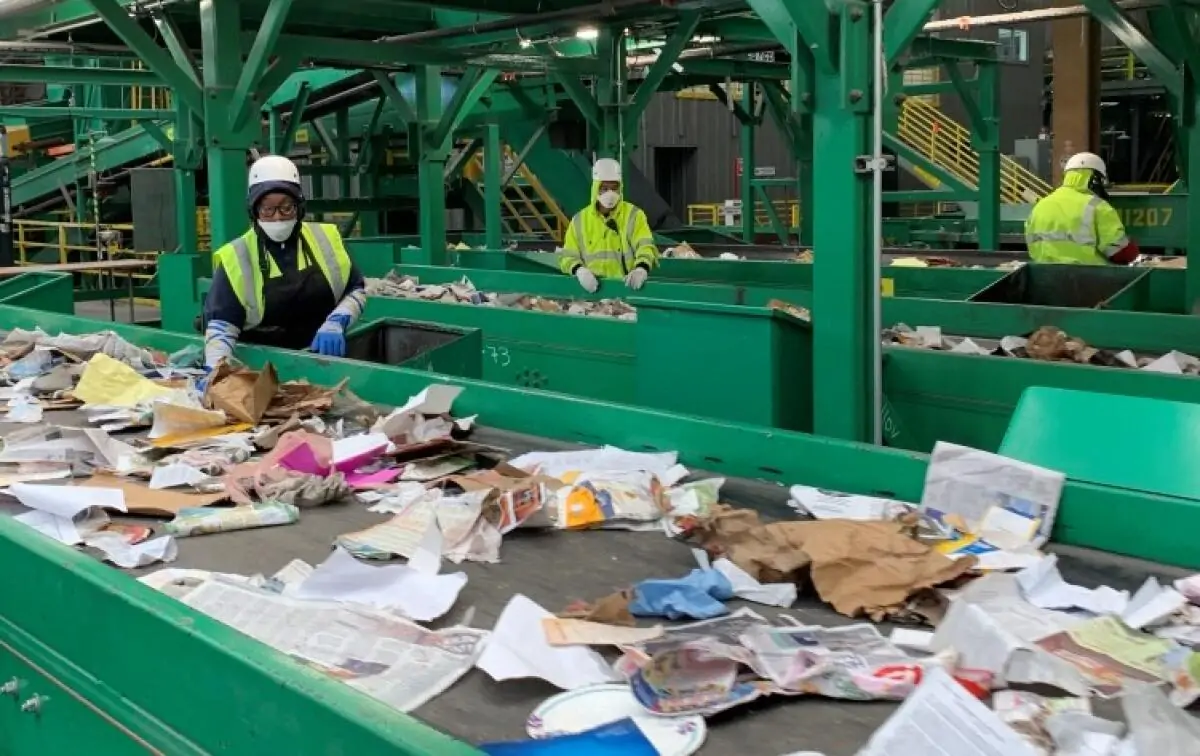
Mechanical separation does not always remove all target materials or contaminants. A manual sorting cabin can provide a final quality-control stage, while optical or AI-assisted sorting can be considered when a project requires more consistent automated identification.
Typical equipment:
- Manual Waste Sorting Cabin — 6 sorting positions, 1,400 mm conveyor width, belt speed 0.3–0.8 m/s
- Optical Sorting Machine — feed particle size 0.5–50 mm, capacity 1–30 t/h
- AI Sorting Equipment — configured according to target materials and project requirements
The choice between manual and automated sorting should be based on the target material, labor availability, required throughput, and acceptable product quality. Automated sorting is not automatically the most economical option; in some plants, mechanical separation combined with manual quality control provides a more practical configuration.
RDF Processing Equipment
When an MSW recycling project includes RDF production, the combustible fraction separated from the main waste stream can be further processed to meet the required fuel specifications. Depending on the material and final use, the RDF section may include shredding, conveying, storage, and related material handling equipment.
Typical equipment:
- RDF Shredder — reduces combustible materials to the required particle size
- Bulk Material Conveyor — transfers processed RDF between shredding, storage, and discharge stages
- RDF Storage and Handling System — provides temporary storage and controlled material transfer
RDF processing is an optional part of an MSW recycling plant, not a standard requirement for every project. The equipment configuration is determined by the combustible fraction, moisture content, target particle size, storage requirements, and final RDF specifications. Adding an RDF section will also increase the overall equipment scope and project investment, so it should be included only when RDF production is part of the project objective.


How Does an MSW Recycling Plant Work?
An MSW recycling plant processes mixed municipal solid waste through a connected series of feeding, screening, separation, and sorting stages. Waste is first received and continuously fed into the plant, then opened and separated by size and material characteristics. Recyclable materials, metals, lightweight fractions, combustible materials, and residual waste are directed to different downstream processes for recovery, further processing, or disposal.
Typical Process Flow:
Receiving → Feeding → Bag Opening → Screening → Magnetic Separation → Air Separation → Manual/Optical Sorting → RDF Preparation → Residue Handling
The actual process flow is not fixed for every project. Some plants may use a simpler mechanical sorting system, while others may add non-ferrous separation, optical or AI sorting, and RDF preparation to meet specific recovery targets. The final configuration is determined by the incoming waste composition, processing capacity, required recovered materials, and site conditions.
MSW Recycling Plant CAPEX and Operating Cost
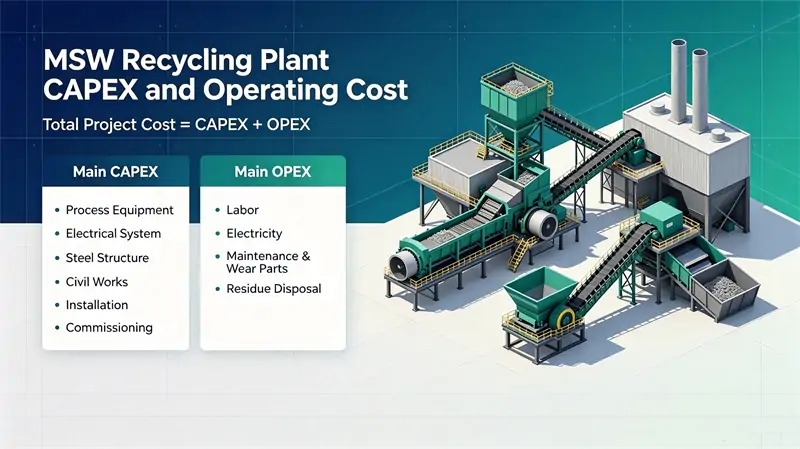
The total MSW recycling plant cost includes both capital expenditure (CAPEX) required to build and commission the facility and operating expenditure (OPEX) required to keep it running. For a recycling project in the USA, both should be evaluated together because the lowest equipment price does not necessarily result in the lowest long-term cost per ton.
Main CAPEX
The initial investment in an MSW recycling plant normally covers more than the processing equipment itself. Depending on the project scope, the main CAPEX items include:
- Equipment — feeders, conveyors, bag openers, screens, magnetic separators, eddy current separators, wind sifters, sorting systems, shredders, and other process equipment
- Electrical System — motors, control panels, cabling, sensors, PLC systems, and plant-level controls
- Steel Structure — equipment supports, platforms, walkways, stairs, and access structures
- Civil Works — equipment foundations, receiving areas, drainage, buildings, and site preparation
- Installation — mechanical and electrical installation, equipment assembly, and system integration
- Commissioning — equipment testing, process adjustment, performance verification, and operator training
The final CAPEX depends heavily on the selected process and project scope. A facility designed mainly for mechanical sorting and ferrous metal recovery will require a different investment from a plant designed to recover plastics, non-ferrous metals, paper, RDF, or multiple high-value material streams.
Main OPEX
Daily operating costs mainly come from labor, electricity, maintenance, wear parts, and residue disposal. The actual OPEX varies with plant capacity, operating hours, waste characteristics, local labor and energy prices, and residue disposal requirements.
Why Equipment Price Is Not the Total Project Cost?
A lower equipment price does not necessarily mean a lower MSW recycling plant cost. Labor, energy consumption, maintenance, downtime, and residue disposal also affect the long-term cost per ton.
For procurement, buyers should evaluate CAPEX, OPEX, throughput, recovery value, and cost per ton rather than comparing equipment prices alone.
How to Reduce MSW Recycling Plant Cost?
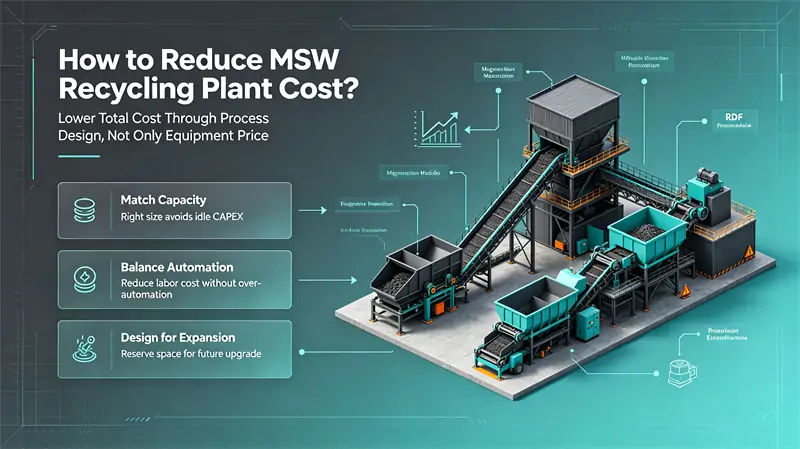
Reducing MSW recycling plant cost is not simply about choosing the lowest-priced equipment. The more practical approach is to build a process that matches the actual waste volume, waste composition, recovery targets, labor conditions, and future requirements. This avoids unnecessary investment while maintaining the required processing performance.
Match Capacity and Sorting Configuration to Actual Needs
Plant capacity should match the actual daily MSW volume and planned operating hours. Over-sized feeders, screens, conveyors, or separators can increase CAPEX without providing additional value when equipment is consistently underused. The same applies to sorting stages. AI sorting, optical sorting, non-ferrous separation, and RDF processing should only be included when they support specific recovery or product-quality requirements.
Balance Automation with Labor and Operating Costs
Automation can reduce labor requirements and improve sorting consistency, but higher automation also increases equipment investment and system complexity. The appropriate level depends on local labor costs, processing capacity, waste characteristics, and required output quality. For some projects, mechanical separation combined with manual quality control can be more economical than a fully automated system. The goal is to reduce long-term operating costs without adding unnecessary automation.
Design for Future Expansion and Cost per Ton
The plant can be designed to meet current requirements while reserving space, layout capacity, and connection points for future equipment. This avoids paying for unused capacity at the beginning while allowing the system to expand later. For procurement, buyers should ultimately compare CAPEX, OPEX, throughput, recovery value, and cost per ton to evaluate the long-term economics of different plant configurations.
Conclusion
MSW Recycling Plant Cost in USA 2026 is determined by the complete plant configuration, not by a single machine price. Processing capacity, waste composition, sorting requirements, automation level, site conditions, CAPEX, and OPEX all affect the final project investment and long-term cost per ton.
The right solution should balance current processing needs, recovery targets, operating costs, and future expansion potential. Because every project has different waste and site conditions, the final MSW recycling plant cost should be evaluated based on the actual process and equipment configuration. Xinzhongyi ECO can assess your project requirements and provide a suitable solution and cost estimate. Contact Xinzhongyi ECO to discuss your MSW recycling plant project.


Andy Yu
Technical Engineer | Zhongyi ECO
16+
Years Exp.
300+
Solutions
50+
Countries
16 years’ experience in environmental and solid waste management, specializing in C&D recycling and waste sorting solutions. At Zhongyi Mining Machinery, focused on improving global clients’ efficiency through technical expertise and tailored configurations.
FAQ
The cost varies according to processing capacity, waste composition, sorting requirements, automation level, and site conditions. A 200 TPD plant generally requires less investment than a 500 or 1,000 TPD facility. Equipment is only one part of the total project cost, which may also include electrical systems, steel structures, civil works, installation, and commissioning.
A 500 TPD MSW recycling plant does not have a fixed price because the required process can vary significantly between projects. A basic mechanical sorting line requires fewer separation stages than a system designed to recover plastics, metals, RDF, and other materials. An accurate estimate requires waste composition, operating hours, recovery targets, automation requirements, and site conditions.
The total MSW recycling plant cost may include process equipment, electrical systems, steel structures, civil works, installation, and commissioning. Operating expenses should be evaluated separately, including labor, electricity, maintenance, wear parts, downtime, and residue disposal. The final scope depends on whether the buyer requires equipment supply only, installation support, or a complete turnkey recycling plant.
Profitability depends on several factors, including tipping fees, recovered material prices, RDF revenue where applicable, labor and energy costs, residue disposal fees, and plant utilization. A simple assessment can compare annual revenue with annual OPEX and then evaluate the initial investment against the expected annual net operating benefit. A project-specific financial model is recommended before making a final investment decision.
Not necessarily. Higher automation can reduce labor requirements and improve sorting consistency, but it also increases initial CAPEX and system complexity. The economical solution depends on local labor costs, processing volume, waste characteristics, and required product quality. Some projects may achieve better overall economics by combining mechanical separation, automated sorting, and manual quality control rather than using full automation.
Land requirements depend on plant capacity, equipment arrangement, building height, storage requirements, traffic flow, and future expansion plans. A 200 TPD facility generally requires less space than a 500 or 1,000 TPD plant. The site should also provide adequate areas for waste receiving, recovered-material storage, residue handling, equipment maintenance, vehicle movement, and safe operation.
Yes. An MSW recycling plant can be configured to produce RDF when the incoming waste contains a suitable combustible fraction and there is a defined downstream application. The system may include screening, air separation, shredding, and RDF handling equipment. RDF should be included when its quality requirements, moisture content, market demand, and end-use economics justify the additional equipment and operating costs.
Provide the supplier with the expected daily waste volume, waste composition, operating hours, target recovered materials, required product quality, automation level, and available site information. Representative waste samples or material analysis can further improve the estimate. Xinzhongyi ECO can use these project conditions to develop a suitable process flow, equipment configuration, and customized MSW recycling plant cost estimate.
Related Waste Sorting Equipment
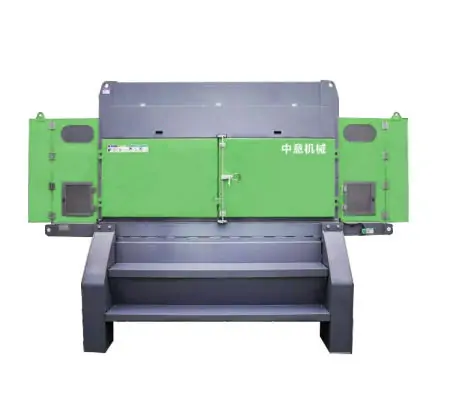
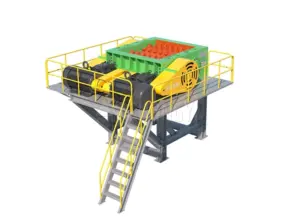
Single Shaft Automatic Bag Opener Machine
The Single Shaft Bag Opener Machine is designed for controlled opening of bagged waste at the front end of MSW sorting lines. Its low-speed shaft gradually ruptures plastic bags, paper bags, and woven sacks, releasing the contents for downstream screening and separation without excessive shredding. It provides stable feeding for recycling facilities, waste transfer stations, and municipal solid waste processing systems.

GTS Series Rotary Trommel Screen
The GTS Series Rotary Trommel Screen provides continuous size-based screening for mixed municipal solid waste. It separates fine and oversized fractions before downstream recovery processes and can be integrated with bag openers, magnetic separators, wind sifters, and other sorting equipment. Typical processing capacity ranges from 20–300 TPH depending on the model and material conditions.
Magnetic Separators for Recycling
The Magnetic Separator continuously removes ferrous metals such as iron and steel from mixed MSW and other waste streams. With capacities of 10–280 m³/h and adaptable belt widths, it can be installed before or after screening to improve material purity, recover valuable metals, and protect downstream equipment from metal contamination.

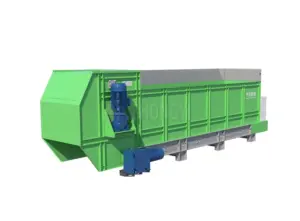
FXJ Series Containerized Windshifter
The FXJ Series Containerized Windshifter separates lightweight materials such as plastic film, paper, and textiles from heavier fractions through controlled airflow. The FXZ800 model provides 30–80 m³/h capacity with 8,000–18,000 m³/h airflow, while the system can be integrated with screening, magnetic separation, and downstream sorting equipment.