
Introduction
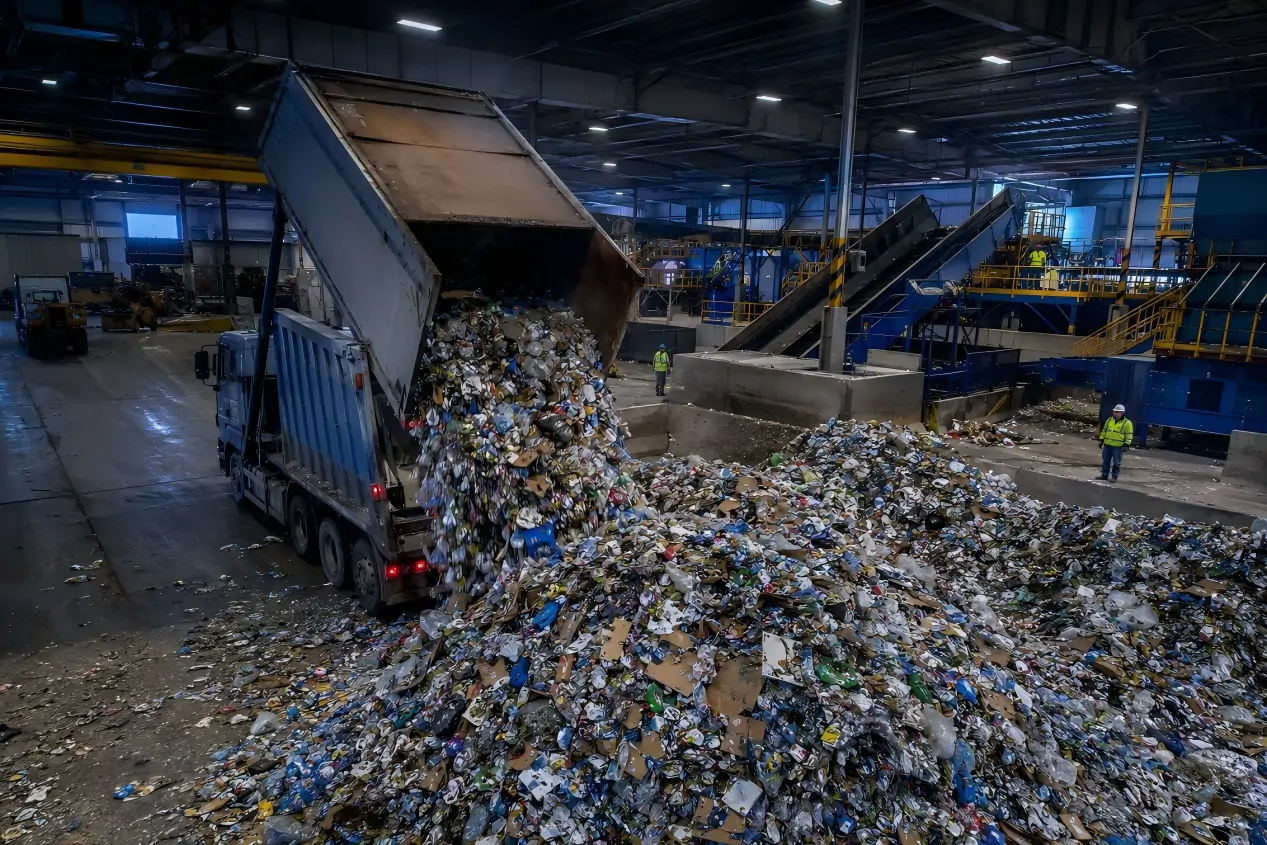
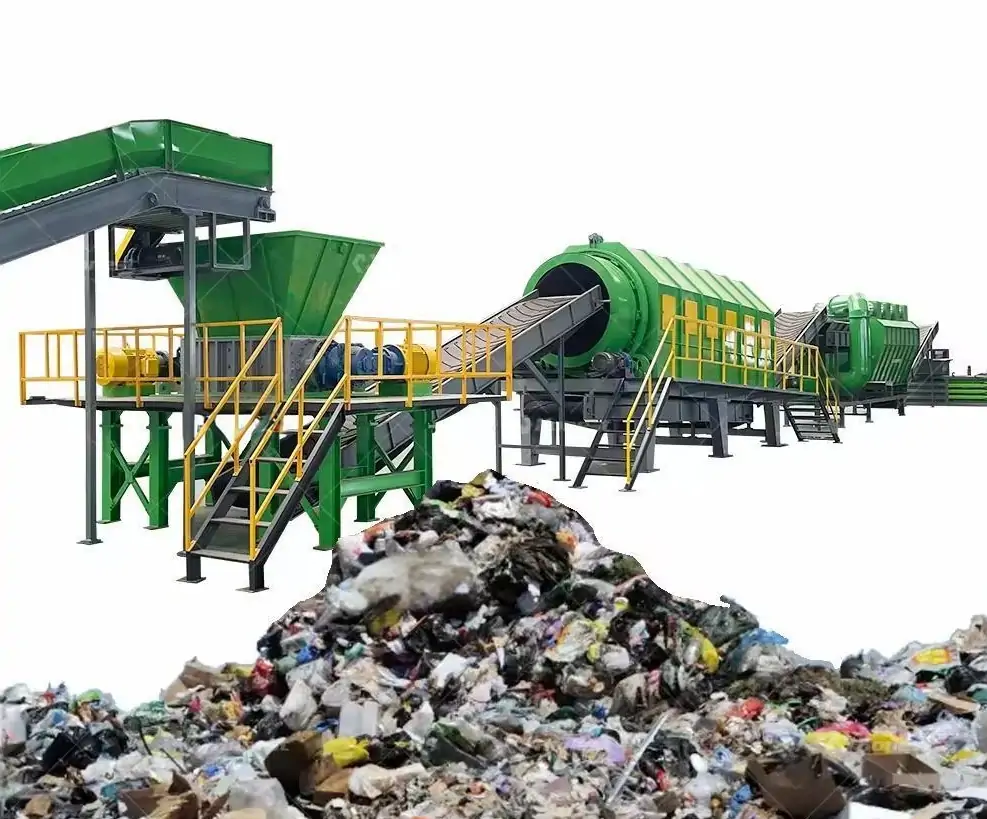
A garbage sorting line may have well-designed screening and separation equipment, but its performance can still be affected by what happens at the very beginning of the process. In many MSW plants, incoming waste arrives in closed plastic bags containing a mixture of paper, plastic bottles, metal cans, food waste and other materials. The problem is that downstream sorting equipment is designed to process accessible waste materials, while an unopened bag keeps those materials together as one enclosed package.
For the operator, this can create a less favorable feed condition before sorting even begins. Recyclable materials may remain hidden inside bags, and the mixed contents cannot fully spread out or move independently through the following process. Screening, magnetic separation, air classification and optical sorting all work with the physical characteristics of individual materials, so the condition of the feed entering these stages matters.
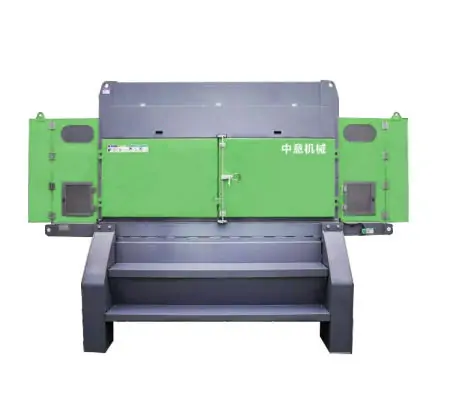
This is the real reason behind the Waste Bag Opener Necessity Explained topic. A waste bag opener is not simply used to tear plastic bags, nor is it a substitute for a shredder. Its role is to open the bags and release their contents so the waste becomes looser and more accessible before the main sorting stages. The purpose of bag opening is therefore not simply to tear bags. It is to expose and loosen the materials before screening, separation and recovery.
Whether this equipment is necessary depends on the incoming waste, the proportion of bagged material and the process that follows. Before looking at equipment types or specifications, it is more useful to start with the basic process question: what happens when closed waste bags enter a sorting line without being properly opened?If your bag opener is experiencing blockage, incomplete bag opening, shaft wrapping, vibration, or motor overload, see our guide to Common Faults and Solutions of Waste Bag Breaking Machine for practical troubleshooting steps and possible causes.


Why Can’t a Garbage Sorting Line Sort Closed Waste Bags?
A garbage sorting line can only separate materials after they are released from the bags. If incoming MSW is still packed in closed plastic bags, bottles, cans, paper, film and organic waste remain mixed together. The sorting equipment sees the bag as one piece of material instead of being able to work with the contents separately.
This can cause problems at several points in the line. A trommel screen cannot properly screen materials that are still inside a bag. A magnetic separator may miss ferrous metal hidden inside the waste bag, and an air separator cannot effectively separate light and heavy materials while they remain enclosed.
One Waste Bag May Contain Several Recyclable Materials
A typical MSW bag can contain PET bottles, paper, steel cans, plastic film, textiles and food waste. These materials need to be separated at different stages of the sorting line, but they first need to come out of the bag.
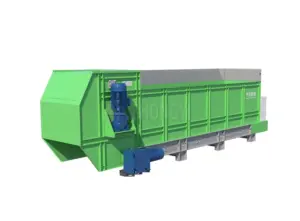
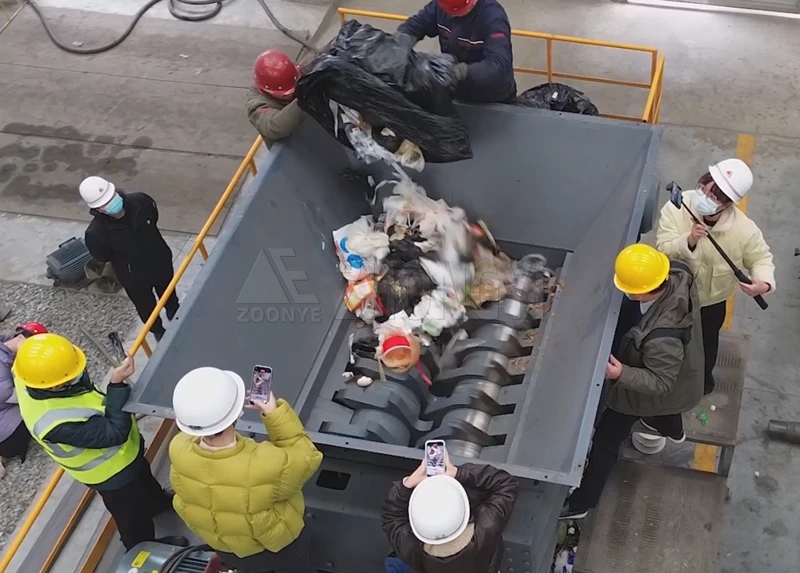
This is where the waste bag opener machine comes in. The machine tears open the bags and releases the contents onto the conveyor, allowing the waste to spread before it enters the trommel screen, magnetic separator, air classifier or manual sorting station.
What Happens Without Bag Opening?
If the bags remain intact, some recyclable materials may continue through the line without being properly exposed. Whole plastic bags can also move differently from loose waste and may contribute to wrapping or material buildup around screens and other rotating equipment.
For a plant processing a high percentage of bagged MSW, installing a bag opener at the front of the line gives the downstream equipment a more suitable feed. The purpose is straightforward: open the bags before sorting so the following machines can work with the actual waste materials.
What Does a Waste Bag Opener Actually Do in the Sorting Process?
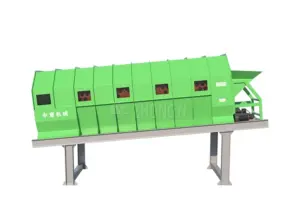
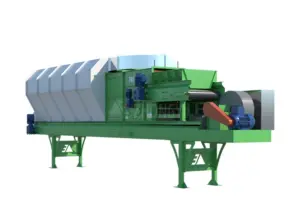
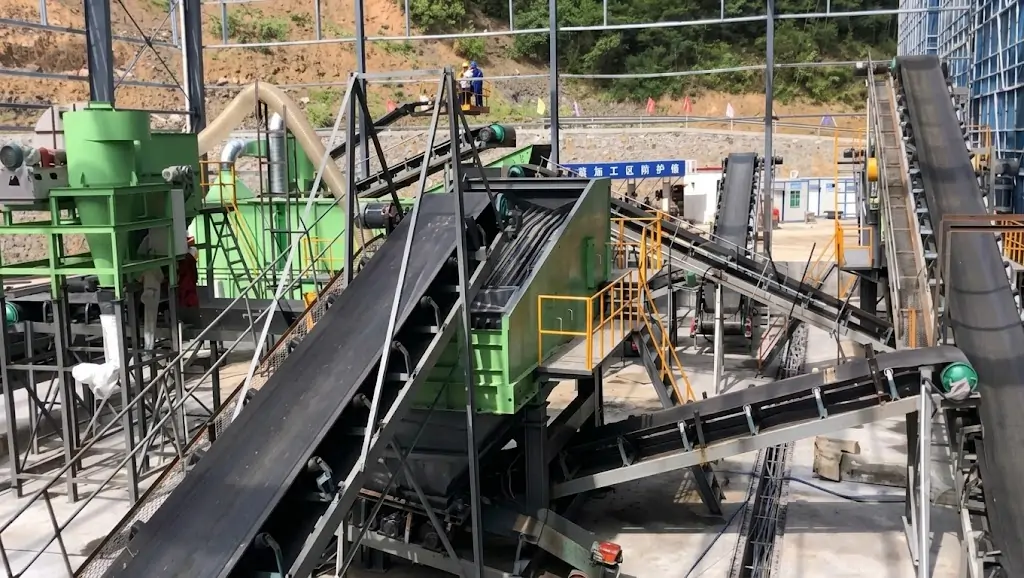
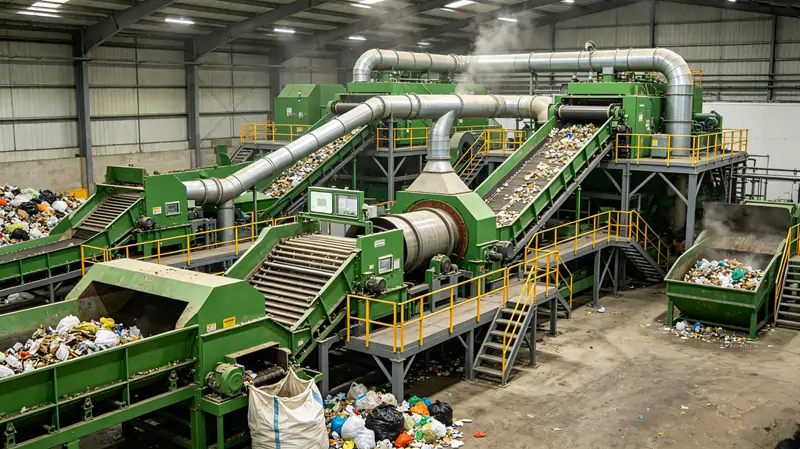
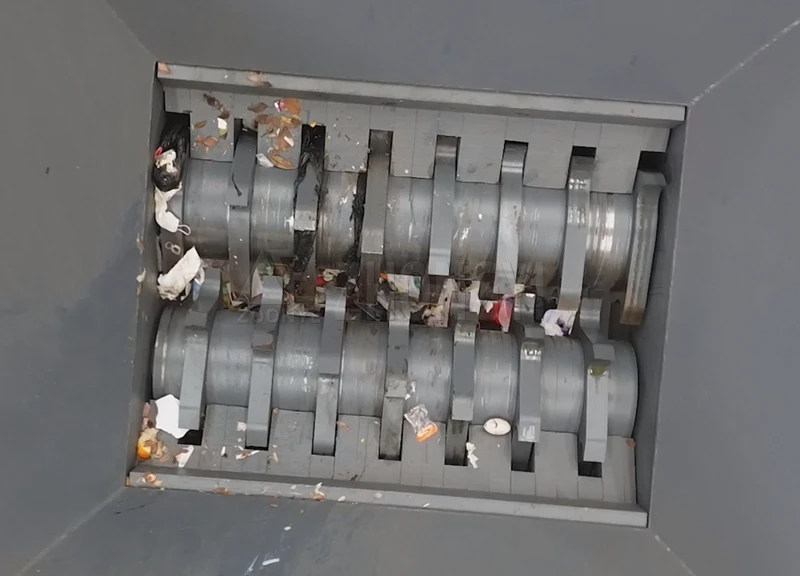
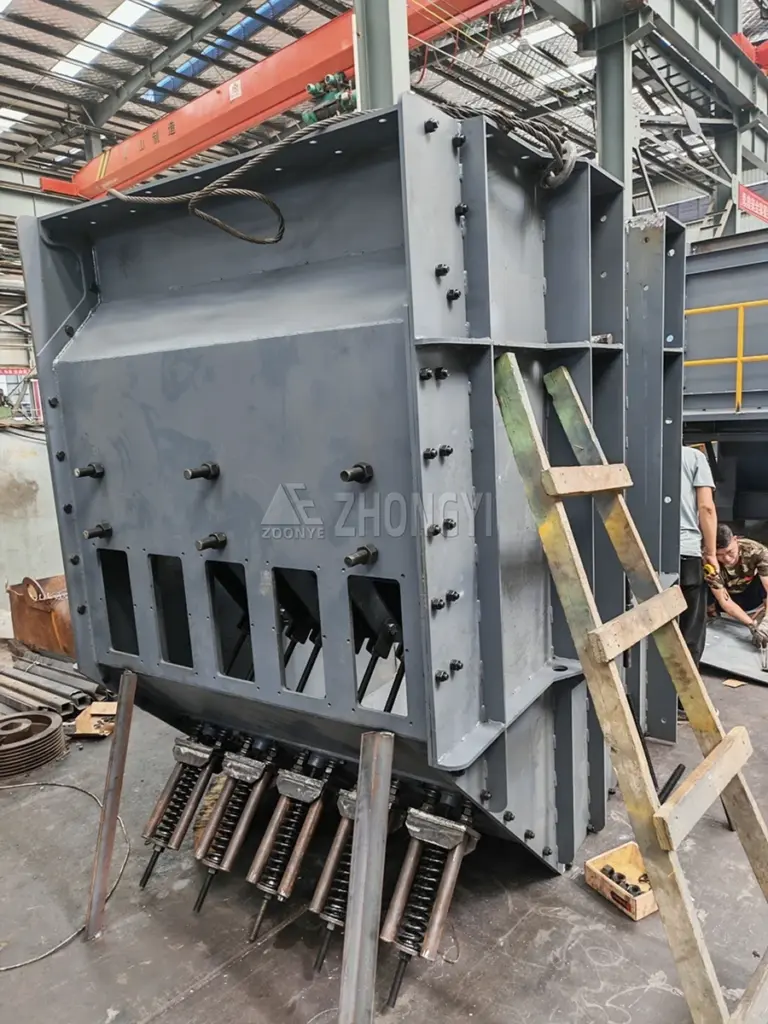
A waste bag opener is a front-end material liberation machine installed near the beginning of a garbage sorting line. It opens bags and releases the mixed waste inside before the material reaches the main sorting equipment. It does not replace the trommel, magnetic separator or air separator; its job is to make the waste accessible to those machines.
Releases Materials From Their Packaging
A waste bag can contain plastic bottles, paper, metal cans, film, textiles and organic waste. When the bag stays closed, these materials move through the line as one package. The bag opener tears or cuts the outer bag and releases its contents onto the conveyor, allowing the individual materials to enter the following sorting stages. Unlike a shredder, it is designed to open the packaging rather than deliberately reduce the size of the waste.
Loosens and Distributes the Waste Stream
Bagged waste often arrives at the line in compact bundles. After the bags are opened, the contents can fall apart and spread across the conveyor, creating a more accessible feed for the next equipment. This is important because trommel screens, magnetic separators and air classifiers need direct contact with the waste materials. The better the materials are released and distributed, the easier it is for these machines to handle the incoming stream.
Prepares Waste for Mechanical Separation
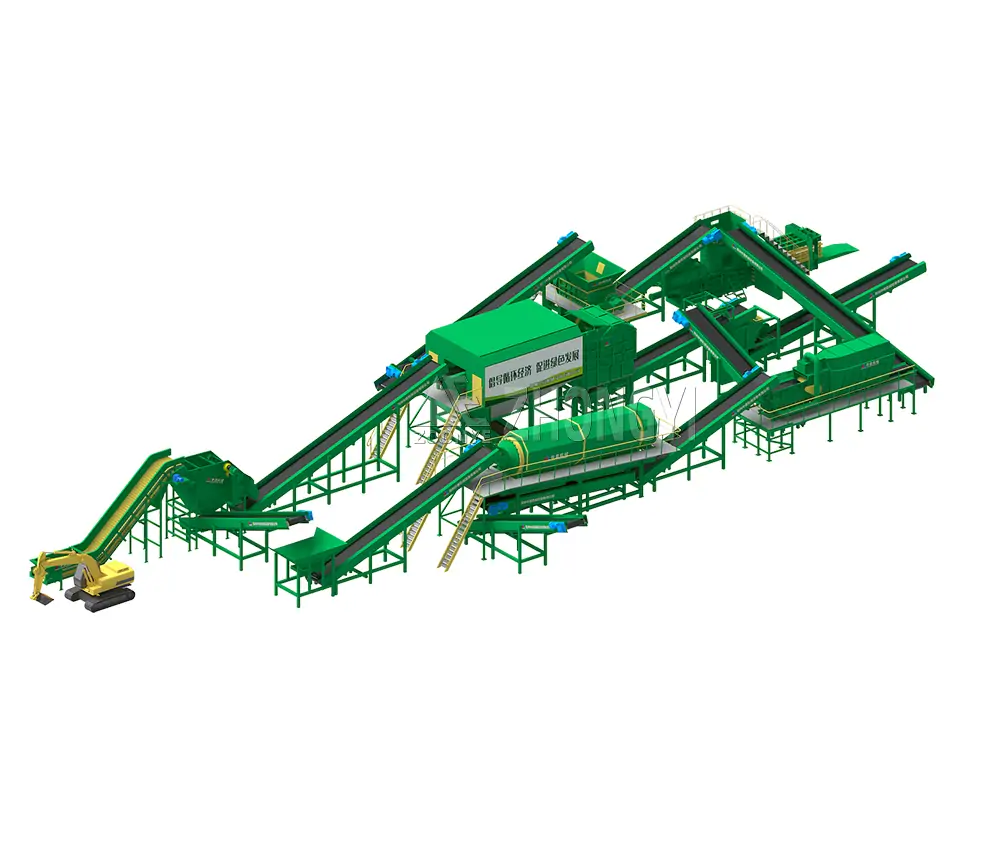
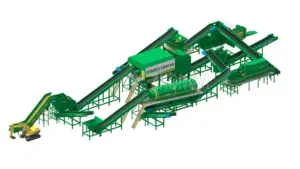
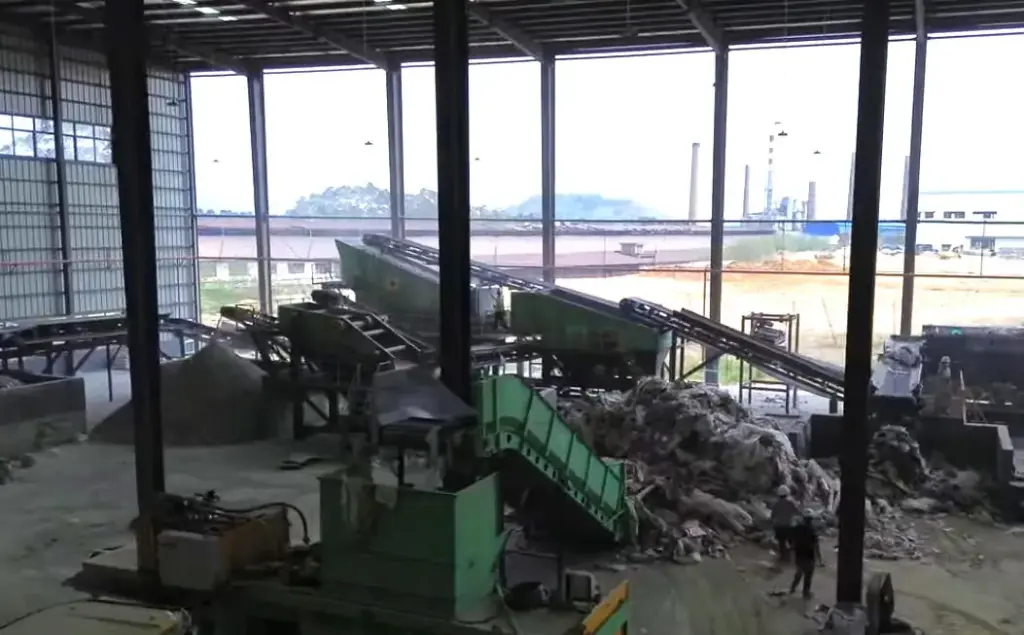
The bag opener does not separate the waste into final products. Instead, it prepares the material for the equipment that follows, such as trommel screens, magnetic separators, air separators and optical or manual sorting stations. A typical arrangement is Bag Opener → Trommel → Magnetic Separator → Air Separator → Optical/Manual Sorting, although the actual layout depends on the waste composition and required output. This front-end step gives downstream equipment access to the materials that were previously trapped inside the bags.
Why Bag Opening Should Come Before Screening and Separation?
A typical MSW sorting line places the waste bag opener before the trommel screen and other separation equipment: Bagged MSW → Bag Opening → Screening → Separation → Recovery. The reason is straightforward. The screen and separation units are designed to process loose waste, while the bag opener deals with the bags themselves. If bags reach the screening stage still intact, the screen is forced to handle the packaging together with the waste inside.
The same principle applies to the rest of the line. Once the bags have been opened, the material can move into screening and separation without the outer packaging remaining as a barrier. The bag opener therefore belongs at the front of the process, where it prepares the incoming waste for the equipment that follows.
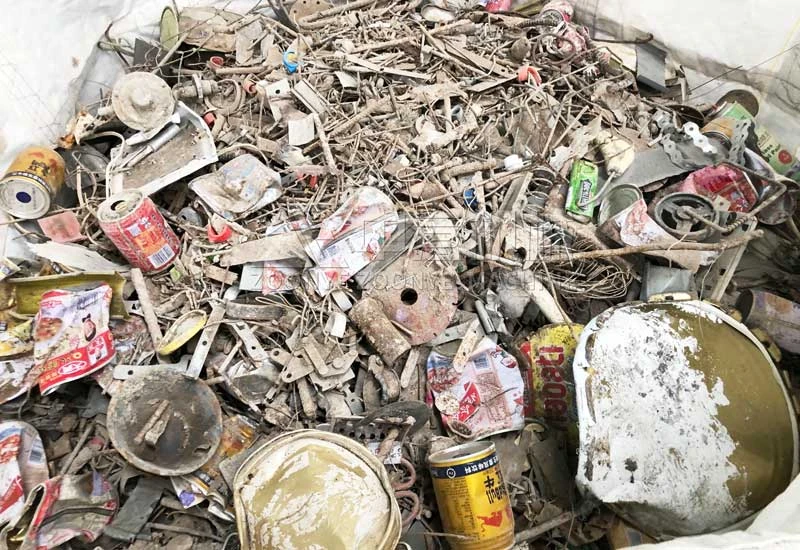
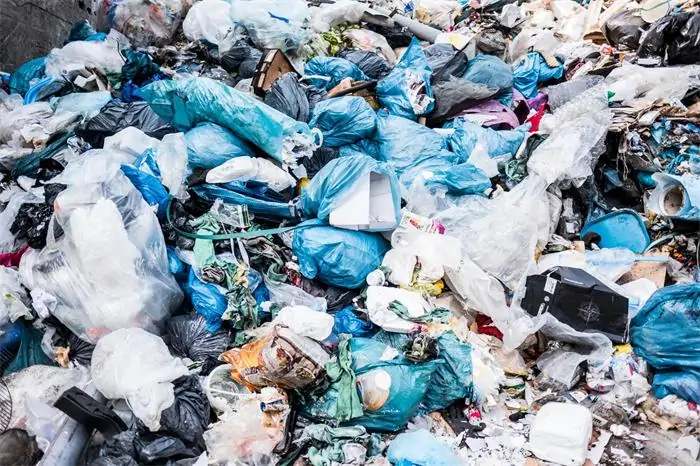
Waste Bag Opener and Shredder: Different Jobs in Waste Processing
Waste Bag Opener vs. Waste Shredder
| Waste Bag Opener | Waste Shredder | |
| Main purpose | Open waste bags | Reduce waste size |
| Main target | Bag or packaging | Waste itself |
| Material treatment | Tear and release | Cut, shear or tear |
| Material condition | Generally keeps materials intact | Changes material size and shape |
| Typical role | Front-end bag opening | Size reduction or further processing |
| Main consideration | Is the waste trapped inside bags? | Does the waste need to be smaller? |
A waste bag opener is mainly used when the problem is sealed bags. It opens the outer packaging and releases the contents without making size reduction the main objective. This is useful when bottles, cans, paper, film and other materials need to remain relatively intact for the following sorting stages.
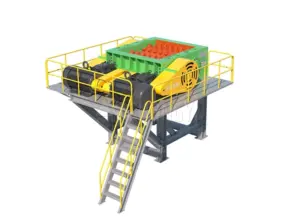
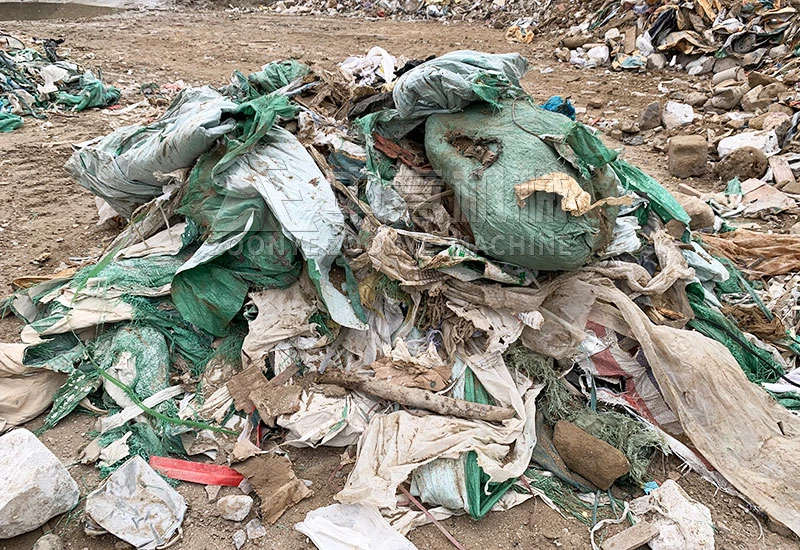
A waste shredder goes further. It is designed to process the waste itself and reduce its size through cutting, shearing or tearing. Depending on the machine and waste type, it may also open bags during the process, but size reduction remains an important part of its function. This makes shredding more suitable when the process requires smaller or more uniform material rather than simply releasing the contents of bags.
The choice should therefore start with the actual problem in the feed. If the waste is mainly trapped inside closed bags, a bag opener may be the appropriate front-end machine. If the waste also needs size reduction, a shredder may be required instead or at a later stage. In some plants, both can be used because they perform different jobs in the process.
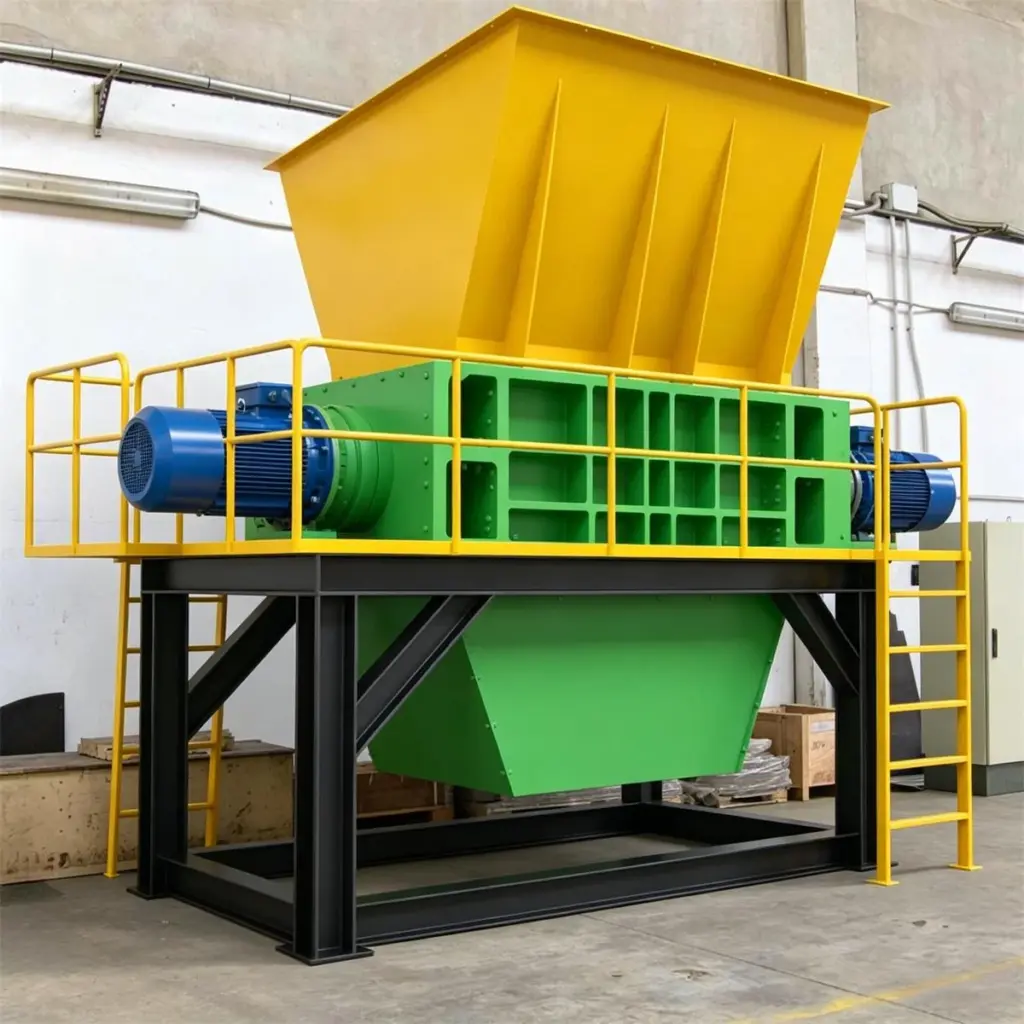
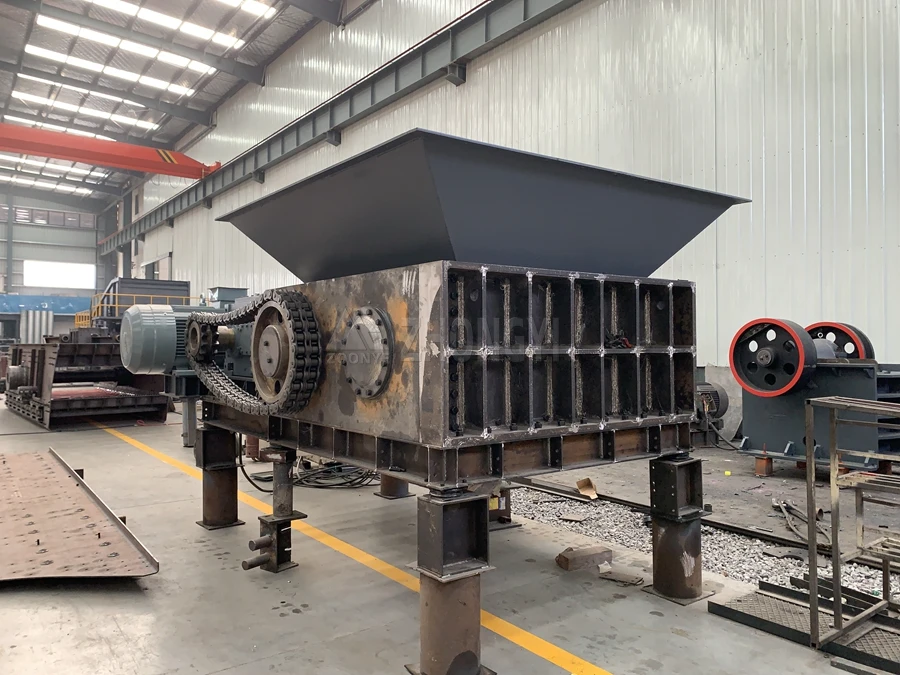
How Bag Opening Supports Downstream Sorting Equipment?
Bag opening is closely connected to how the rest of a garbage sorting line operates. Trommel screens, magnetic separators, air separators and optical or AI sorting systems are designed to handle waste materials according to their size, magnetic properties, weight, shape or visual characteristics. If those materials remain inside closed bags, the equipment cannot fully work with the individual items. Opening the bags first creates a more suitable feed for the separation stages that follow.
Trommel Screen
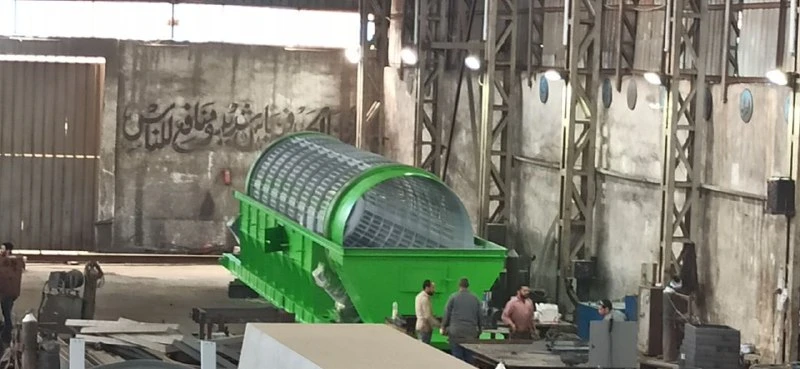
A trommel screen separates waste mainly according to particle size as the material moves through a rotating drum. Closed bags can enter the drum as larger bundled pieces, preventing their contents from contacting the screen surface and openings individually. Once the bags are opened, bottles, paper, food waste, film and other materials can separate from the packaging and move through the drum more freely.
Magnetic Separator
A magnetic separator needs ferrous metals to be exposed within the waste stream so the magnetic field can act on them. A steel can or other ferrous item hidden inside a closed bag may pass through with the bag instead of reaching the separation zone as an individual piece. Proper bag opening releases these items before magnetic separation. The same principle applies to an eddy current separator handling non-ferrous metals.
Air Separator
Air separators use differences in weight, shape and aerodynamic behavior to divide lighter and heavier materials. Loose plastic film, paper and similar materials can respond differently to the airflow, while a closed waste bag behaves as one larger object. Opening the bags allows the individual fractions to enter the air separation stage separately, giving the equipment a feed that better matches its working principle.
Optical and AI Sorting
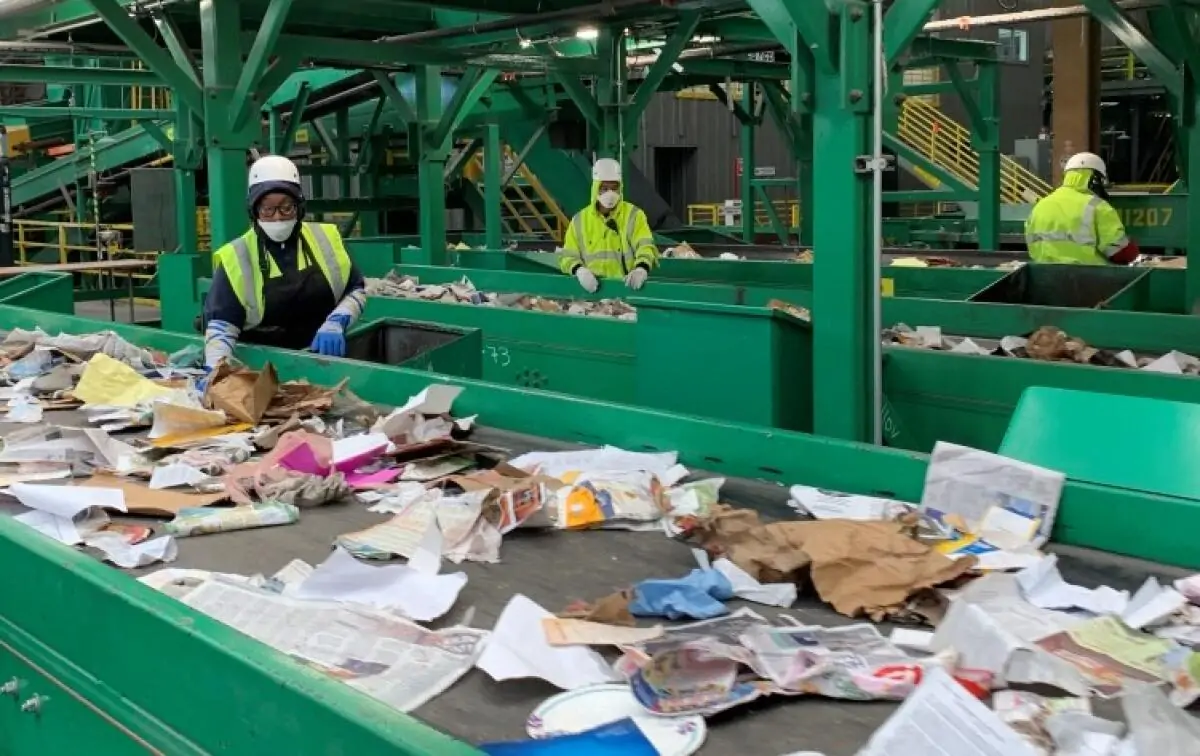
Optical and AI sorting systems depend on cameras, sensors and software to identify visible materials on the conveyor. A closed bag can hide bottles, containers, paper and other recyclable items from the detection system. After the bags are opened, individual materials become visible and available for identification and sorting. AI sorting cannot identify what remains hidden inside a closed waste bag.


Is a Waste Bag Opener Necessary for Every Waste Sorting Line?
No. A waste bag opener is mainly needed when incoming waste arrives in bags and the downstream process needs the contents to be released before sorting. Bagged household MSW and mixed commercial waste are typical applications, while loose or already opened material may not require a separate bag opening stage. The decision should be based on the actual feed condition and the process that follows.
Bagged MSW and Mixed Commercial Waste
Bagged household MSW and mixed commercial waste are the most typical applications for a waste bag opener. Paper, plastic, metal, food waste and other materials can remain enclosed in the same bag before entering the line. Opening the bags first allows the material to move into screening and separation as individual pieces rather than sealed packages.
Bulky Waste and Bagged RDF
Bulky waste without significant bagged material needs a different assessment because its main processing requirement may be size reduction rather than bag opening. Bagged RDF also depends on the production process. If the RDF feed is still enclosed in bags before screening or further processing, bag opening may be required; if the material is already loose, a separate opener may not be necessary.
| Incoming Material | Need for Bag Opener |
| Bagged household MSW | High |
| Bagged mixed commercial waste | High |
| Loose pre-sorted recyclables | Low |
| Already opened waste | Low |
| Bulky waste without bags | Case-dependent |
| Bagged RDF feed | Process-dependent |
The Practical Decision
For a new sorting line, start with four questions: Does the waste arrive in bags? Have the bags already been opened upstream? What materials are inside them? What equipment will process the waste next? If a significant amount of the feed remains bagged and the line relies on screening, magnetic separation, air separation or optical sorting, a waste bag opener should be considered as part of the front-end process.
How to Know Whether Your Sorting Line Needs a Waste Bag Opener?
The decision should start with the incoming waste and the process that follows it, rather than machine capacity alone. Check whether the waste arrives in closed bags, whether different materials are mixed inside them, and whether the next stages depend on direct access to individual materials. These questions provide a practical starting point for deciding whether a bag opener belongs at the front of the line.
- Closed-bag MSW or mixed commercial waste enters the sorting line.
- Recyclable materials such as bottles, paper, metal and plastic film remain mixed inside the bags.
- The sorting process relies on trommel screening, magnetic separation, air separation or other mechanical separation equipment.
- Optical or AI sorting is used downstream and requires recyclable materials to be visible on the conveyor.
- The line requires continuous automated feeding of incoming waste.
If most of these answers are Yes, a waste bag opener should be included when evaluating the front-end process. If the incoming material is already loose, pre-sorted or opened upstream, a separate bag opener may not be necessary.
Conclusion
Waste Bag Opener Necessity Explained comes down to one practical issue: material accessibility. A sorting line can only screen, separate, identify and recover materials when they are sufficiently exposed and distributed. For mixed waste arriving in closed bags, opening the bags is therefore an important front-end step that prepares the material for downstream sorting.
The right configuration depends on your waste type, bagged waste proportion, required capacity and downstream process. Xinzhongyi ECO can evaluate these conditions and help determine whether bag opening should be included in your sorting line.
Planning a garbage sorting line? Contact us with your waste type, bagged waste proportion, required capacity and downstream process for an equipment recommendation.


Andy Yu
Technical Engineer | Zhongyi ECO
16+
Years Exp.
300+
Solutions
50+
Countries
16 years’ experience in environmental and solid waste management, specializing in C&D recycling and waste sorting solutions. At Zhongyi Mining Machinery, focused on improving global clients’ efficiency through technical expertise and tailored configurations.
FAQ
No. The need depends on the incoming waste and the process design. Bagged MSW and mixed commercial waste commonly require a bag opening stage because materials remain enclosed before sorting. Loose, pre-sorted or already opened materials may not need a separate machine. The proportion of closed bags, downstream equipment and required processing capacity should all be considered when evaluating the front-end process.
A waste bag opener is normally installed near the front of the sorting line, after the feeding system and before the main screening or separation equipment. This arrangement allows bags to be opened before the material reaches trommel screens, magnetic separators, air classifiers or optical sorting systems. The exact position depends on the feeding method, waste characteristics, plant layout and equipment configuration.
A waste bag opener primarily opens bags and releases their contents, while a shredder is designed to reduce the size of the waste itself. A bag opener is suitable when closed bags are the main issue at the front of the line. A shredder is used when the process also requires size reduction, shearing or more uniform material size. The two machines can also serve different stages of the same process.
Yes, when closed bags are limiting access to the materials inside. Opening the bags allows individual items to move more freely into screening, magnetic separation, air separation or optical sorting. This gives downstream equipment better access to the material it is designed to process. The bag opener itself does not perform the final separation; its role is to prepare the incoming waste for the sorting stages that follow.
Waste bag openers are commonly used for bagged municipal solid waste, mixed commercial waste and other mixed waste streams delivered in bags. Suitability depends on the bag material and strength as well as waste composition, moisture, particle size and required capacity. For unusual or highly variable feed materials, these conditions should be reviewed before selecting the machine and integrating it into the sorting line.
The primary function of a bag opener is to open the outer bags and release their contents rather than deliberately reduce the material size. However, the actual treatment depends on machine design, rotor configuration, operating conditions and waste characteristics. If the sorting line handles valuable recyclables, these factors should be considered during equipment selection to ensure the bag opening process matches the requirements of the downstream recovery stages.
Optical and AI sorting systems need target materials to be visible on the conveyor. Closed bags can hide bottles, containers, paper, plastics and other recyclable items from cameras and identification systems. Opening the bags first releases these materials and allows them to spread across the conveyor. This gives the downstream detection and sorting equipment a better opportunity to identify individual items.
The main information includes waste type, required capacity, proportion of bagged material, bag characteristics, moisture level and downstream sorting process. The expected material size and plant layout are also useful when determining the appropriate machine configuration. Providing these details allows the equipment supplier to assess whether a separate bag opener is required and how it should connect with the feeder and following sorting equipment.
Related Waste Sorting Equipment
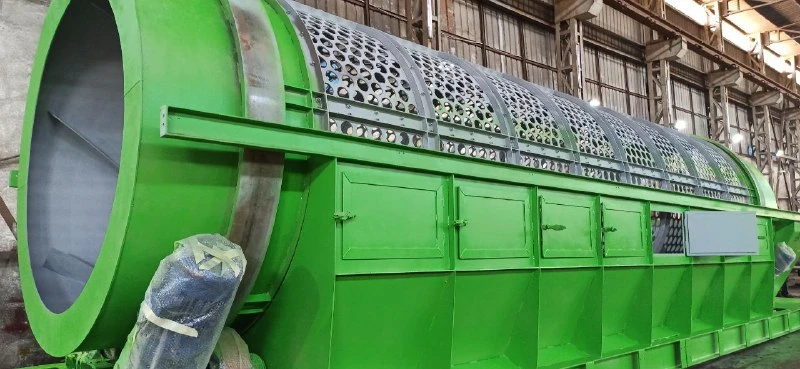

GTS Series Rotary Trommel Screen
The GTS Series Rotary Trommel Screen separates opened waste by particle size through a rotating drum. In a sorting line, it can follow the waste bag opener to classify fine and coarse fractions, preparing each stream for magnetic, air or manual sorting. Its 20–300 t/h capacity supports medium- to large-scale recycling plants.


Magnetic Separators for Recycling
Magnetic Separators continuously remove ferrous metals such as iron and steel from opened waste streams. Positioned after bag opening and screening, they help recover valuable metals while reducing metal contamination in downstream materials. Available configurations can be matched to waste composition, feed size, conveyor layout and required processing capacity.
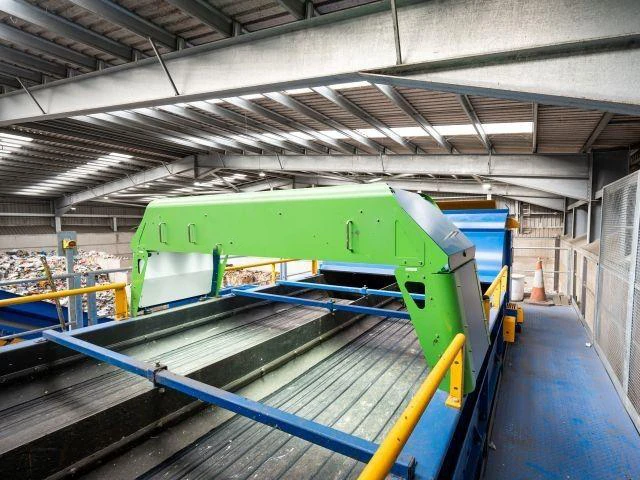

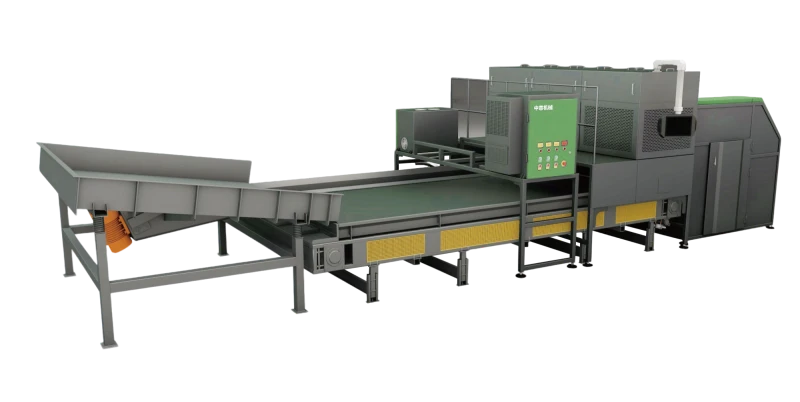
Optical Sorting Machine for Recycling
The Optical Sorting Machine uses CCD imaging and air ejection to identify and remove selected particles by color and visual characteristics. In recycling applications, it can be installed after bag opening, screening and primary separation to refine specific material fractions. Feed size, capacity and sorting requirements determine the suitable configuration.

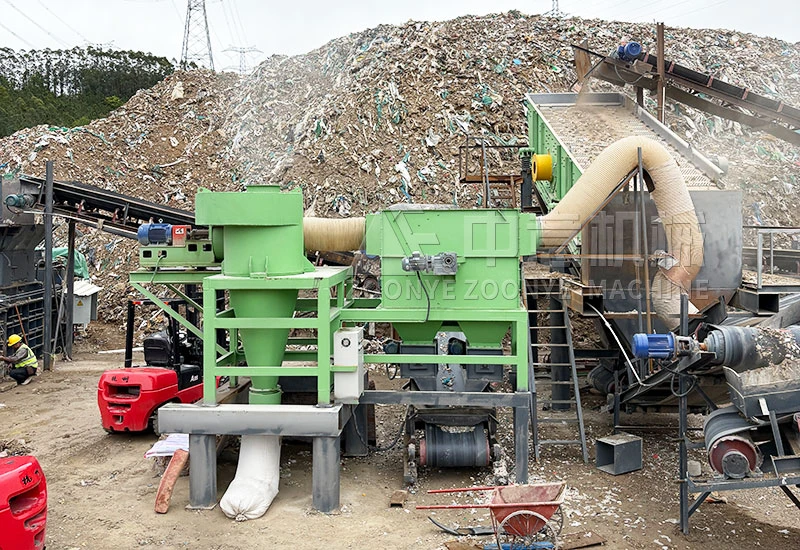
Comprehensive Windshifter Recycling Machine
The Comprehensive Windshifter separates lightweight materials such as plastic film and paper from heavier fractions through controlled airflow. After bag opening and screening, it can further classify the released waste according to density and aerodynamic behavior. With a capacity of 30–150 m³/h, it suits MSW, C&D waste and RDF processing lines.