
Introduction
Choosing the right shredder is an important decision for improving recycling efficiency and reducing operating costs. Although a plastic waste shredder and a general solid waste shredder both reduce waste size through cutting and shearing, they are designed for different materials, processing requirements, and recycling applications.
In this Plastic vs General Waste Shredder comparison, we will explore the key differences between these two types of industrial shredders, including their design features, suitable waste types, output requirements, and typical applications. Understanding these differences helps recycling operators select the right waste recycling equipment for their specific projects.The choice of shredding speed can affect more than output capacity. See [Low Noise Waste Shredder Machine Advantage Analysis] for a practical comparison of low-speed shredding and high-speed size reduction.
What Is a Plastic Waste Shredder?
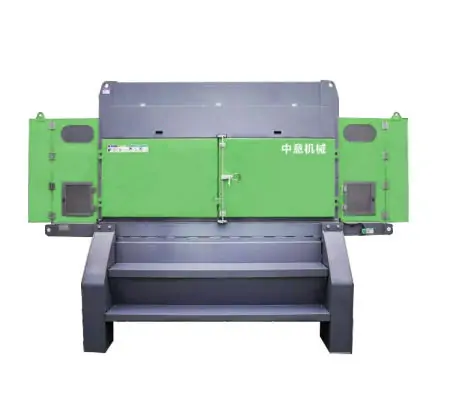
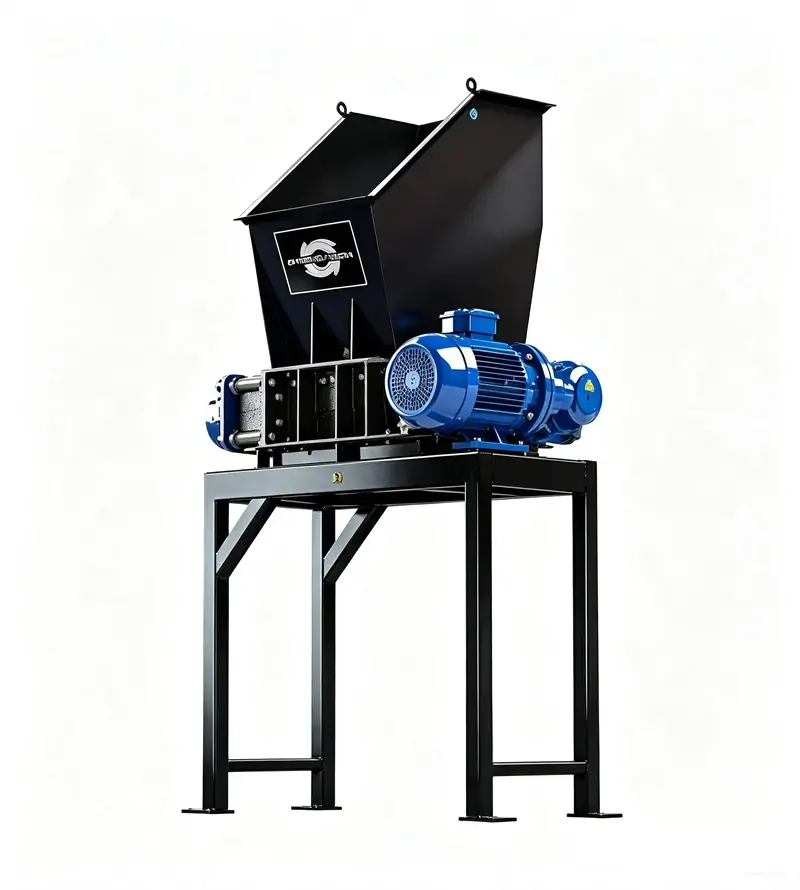
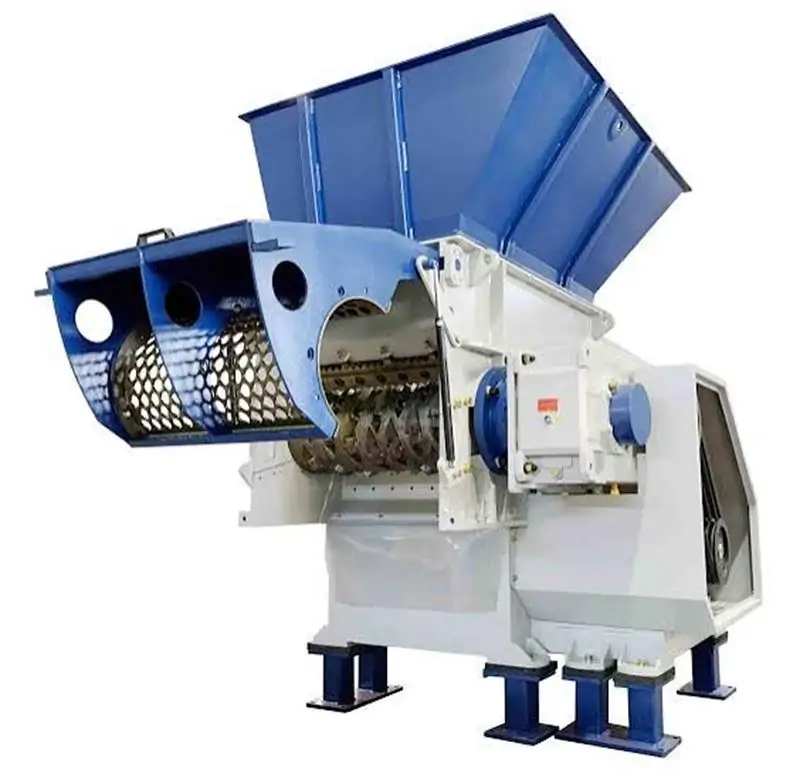
A plastic waste shredder is a specialized recycling machine designed to reduce waste plastic materials into smaller pieces for further processing and reuse. Unlike general-purpose shredders, it is mainly developed for handling plastic materials with high toughness and flexibility, helping improve material recovery efficiency in plastic recycling systems.
Plastic waste shredders are widely used for processing various types of plastic waste, including plastic bottles, plastic pipes, plastic films, plastic containers, and PP, PE, HDPE, and PVC waste. The shredded plastic can be further processed through washing, sorting, and pelletizing systems, or directly reused in certain manufacturing applications.For a closer look at how double shaft shredders grip, tear, and shear waste, see our guide to the Double Shaft Shredder Crushing Mechanism.
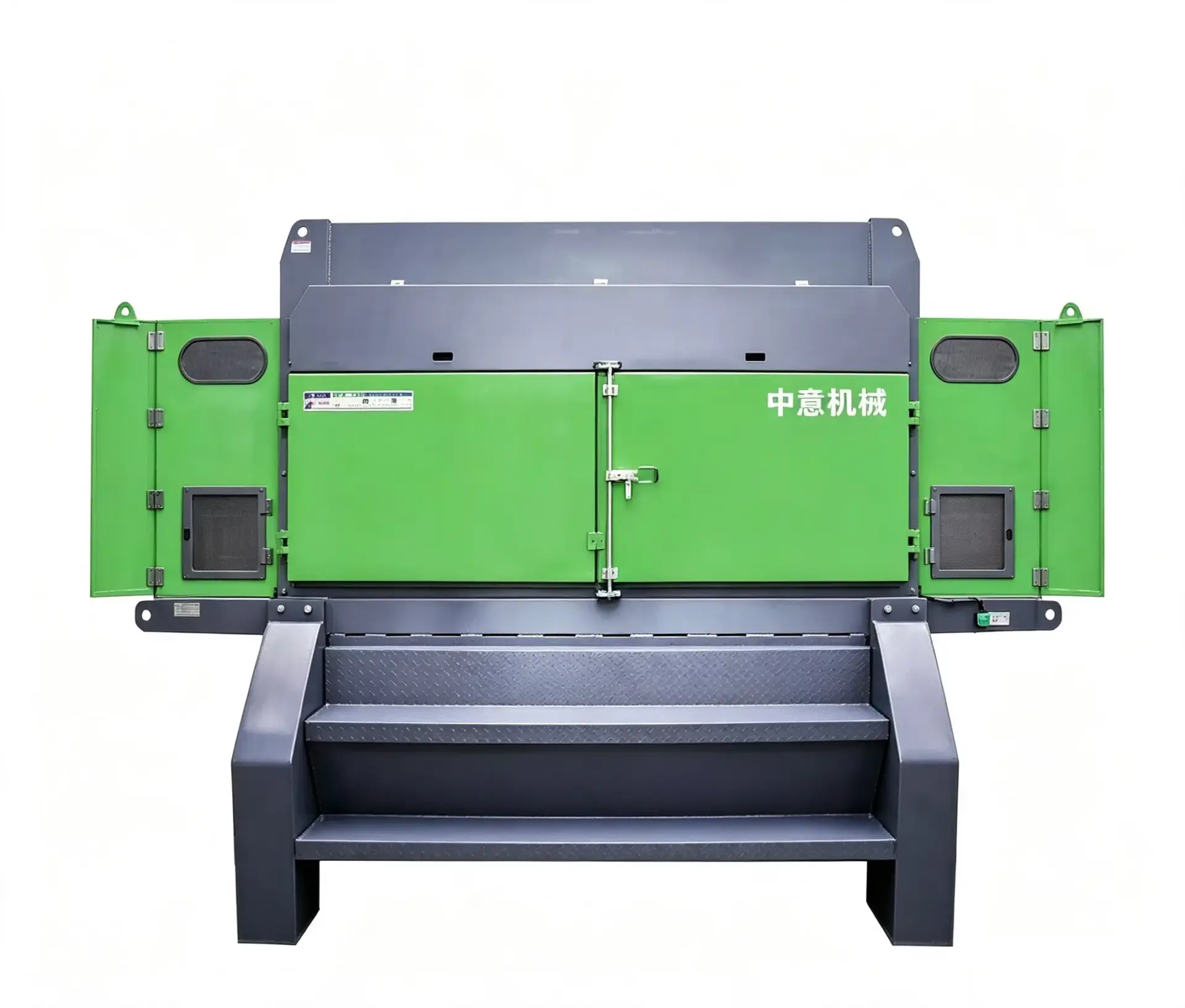
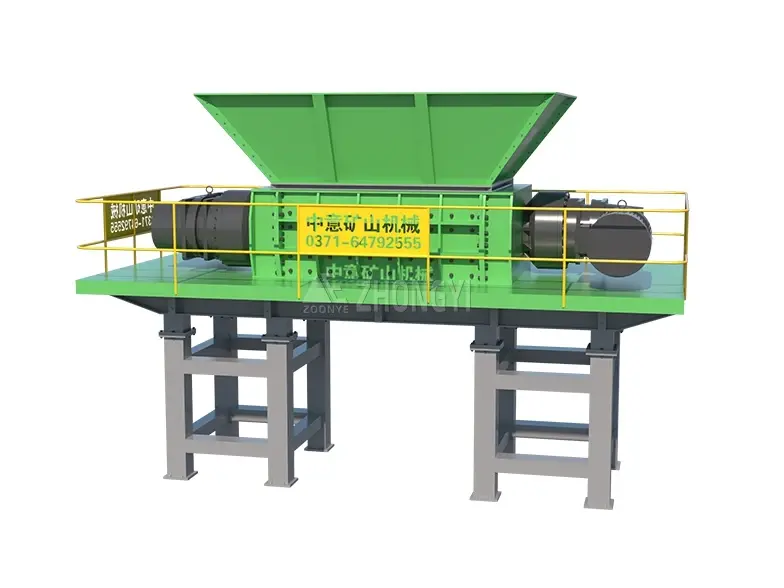

How Does a Plastic Waste Shredder Work?
A plastic waste shredder uses a single-shaft or double-shaft cutting system to process plastic materials through low-speed, high-torque shearing. The rotating blades work with fixed blades to cut and tear plastic waste into smaller pieces, while the blade design and screen size can be adjusted to achieve the required output size for different recycling applications.
Compared with general waste shredders, plastic shredders are designed to handle tough and flexible materials that may cause wrapping or unstable feeding issues. Their optimized cutting structure provides more consistent particle size, stable operation, and efficient preparation for downstream processes such as washing, sorting, and pelletizing.
What Is a General Solid Waste Shredder?
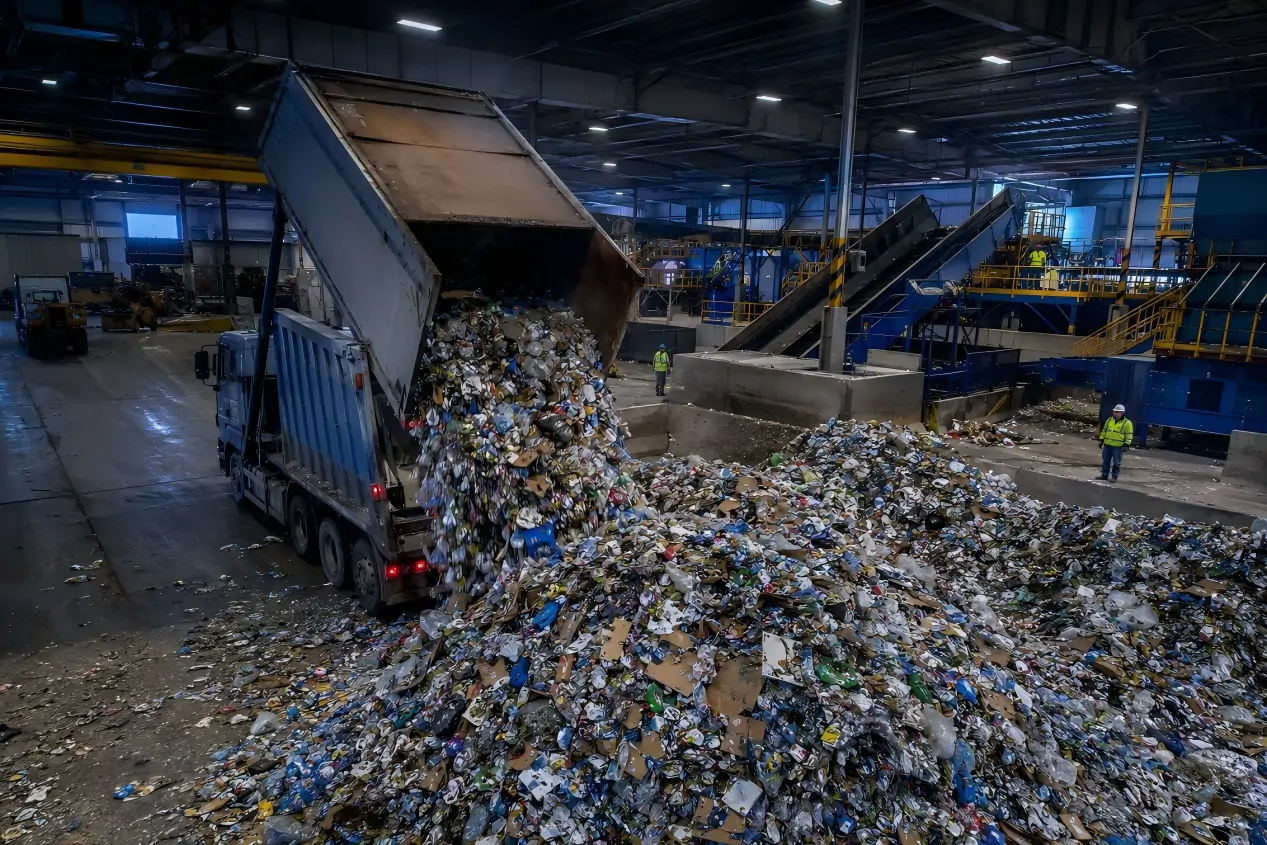
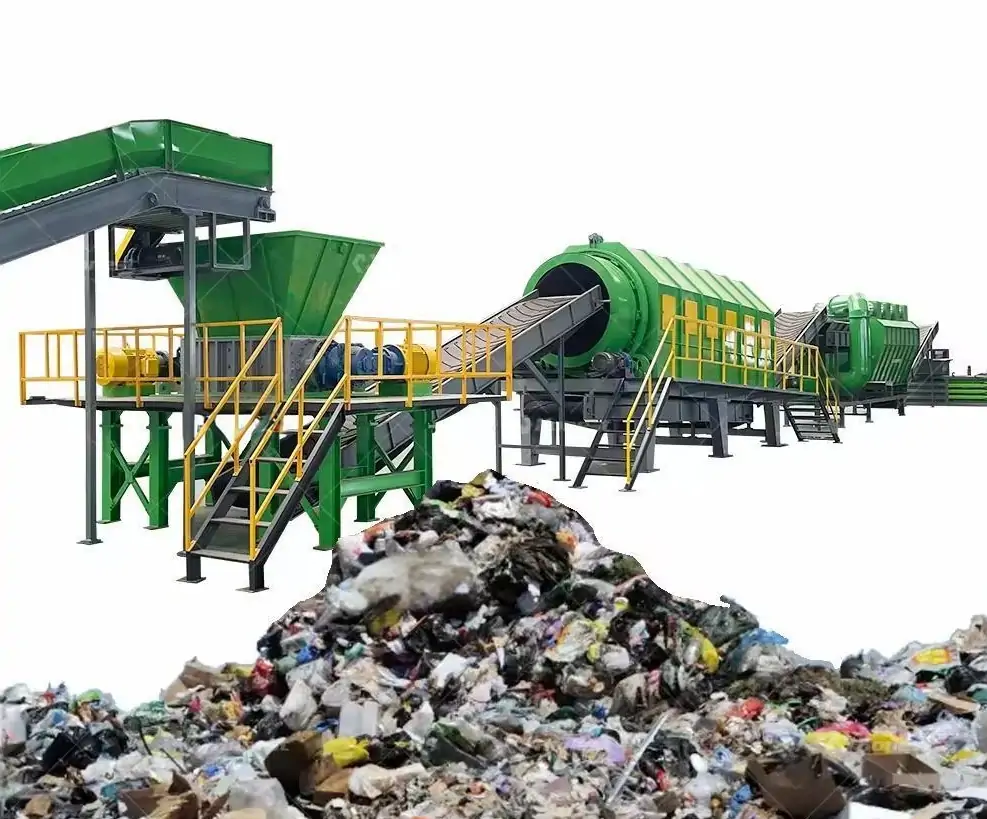
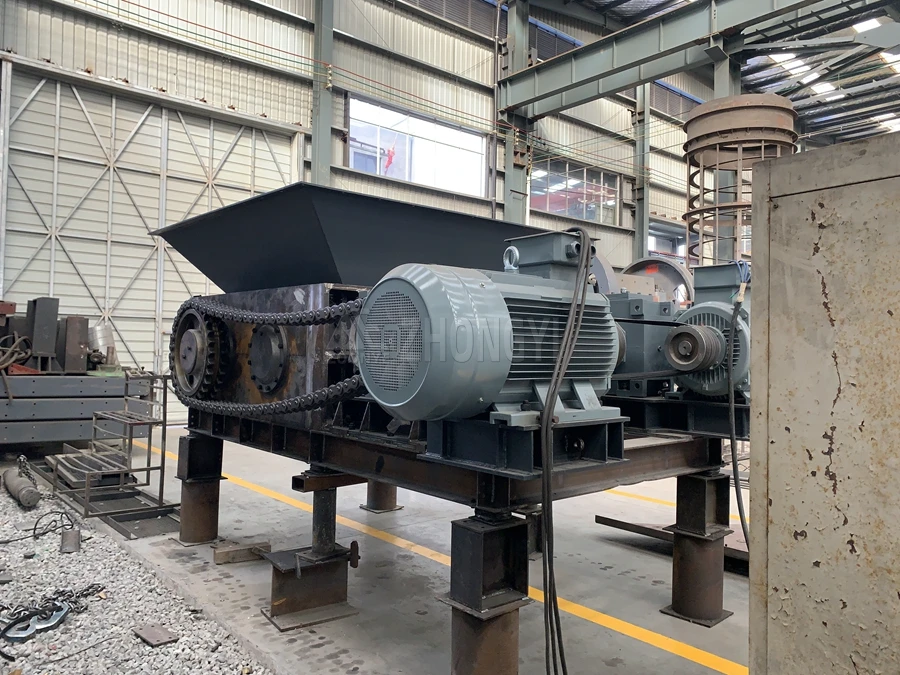
A general solid waste shredder, also commonly used as an industrial waste shredder in recycling applications, is a heavy-duty machine designed to reduce the size and volume of various mixed waste materials. Unlike a dedicated plastic waste shredder, it is developed for complex waste streams with different material characteristics, including municipal solid waste (MSW), bulky waste, furniture waste, packaging waste, and industrial waste.
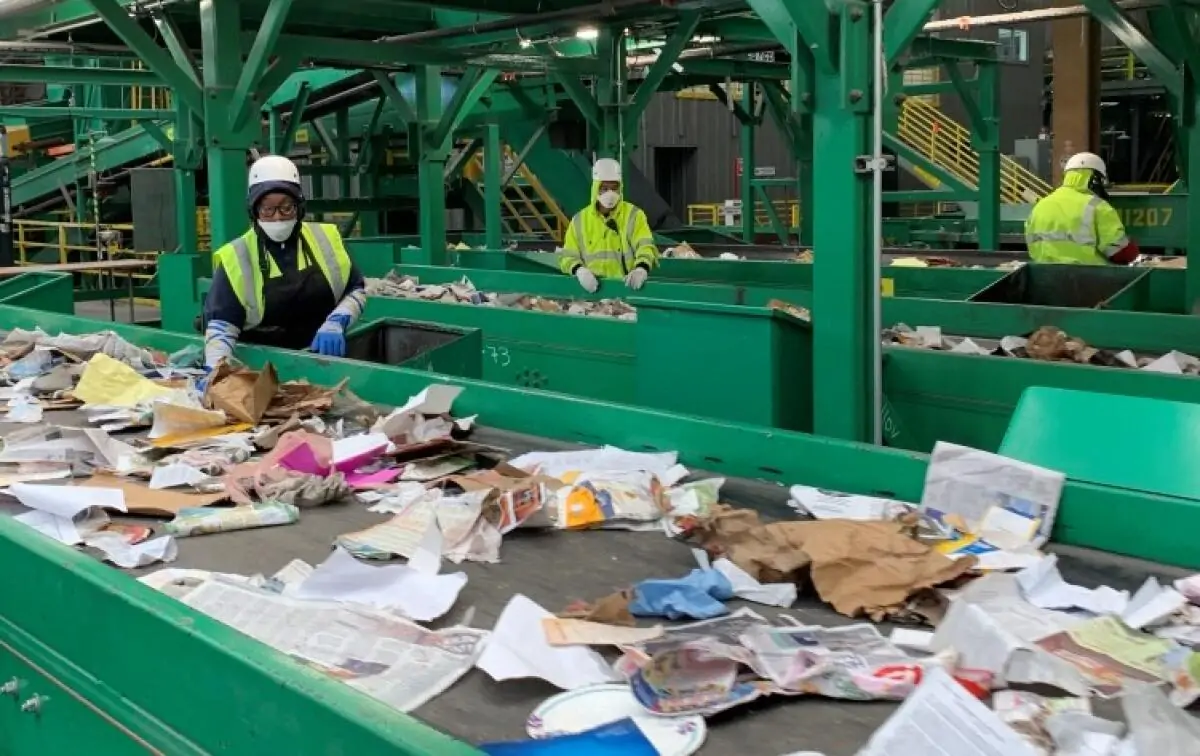
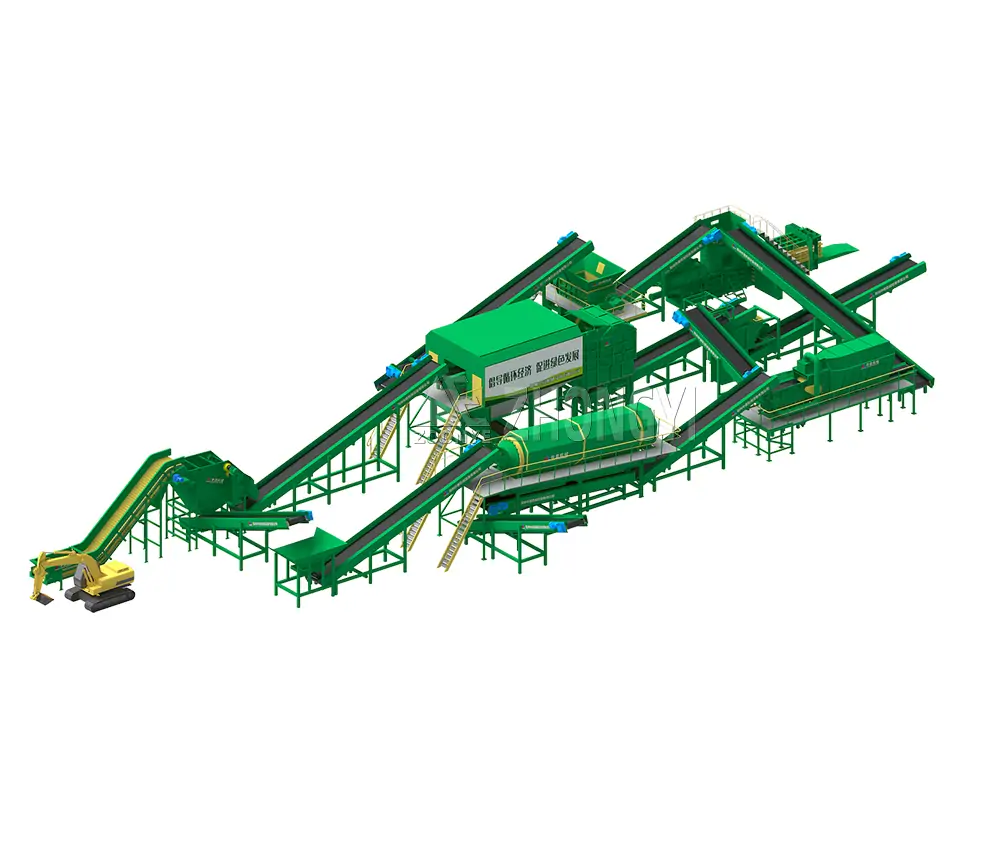
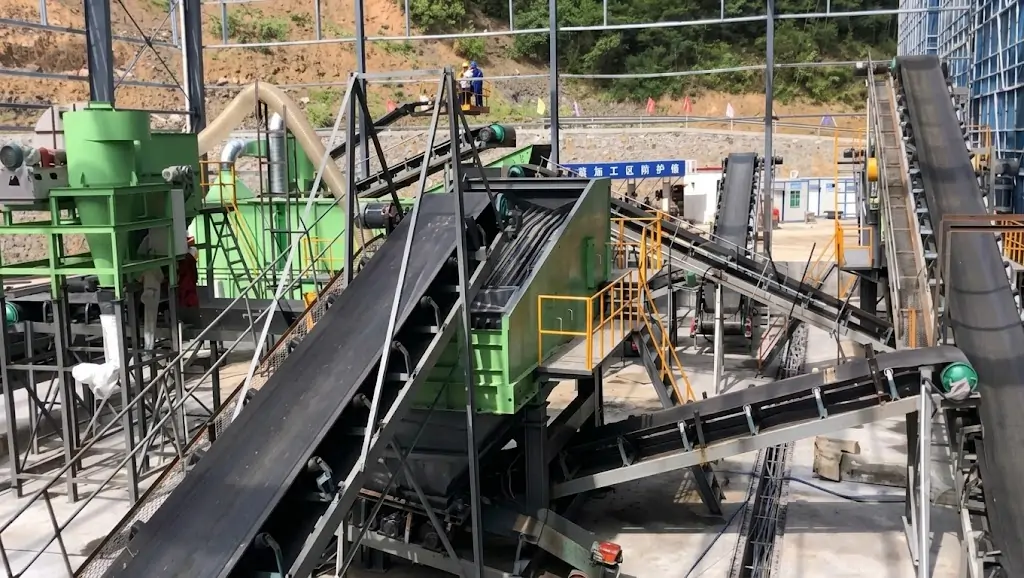
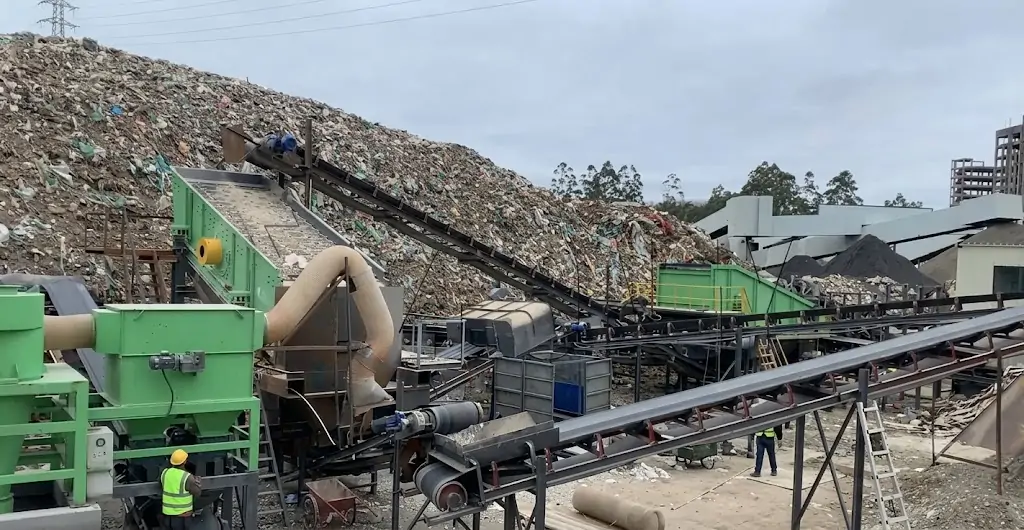
These shredders are widely used as primary size reduction equipment in solid waste recycling equipment systems. By breaking down large and mixed waste materials into smaller pieces, they improve transportation efficiency and prepare waste for further processes such as sorting, recycling, RDF production, or disposal.
How Does a General Solid Waste Shredder Work?
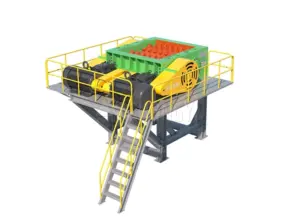
A general solid waste shredder typically uses a low-speed, high-torque cutting system to process difficult and mixed materials. Many models adopt double-shaft configurations, where rotating blades apply strong shearing and tearing forces to reduce bulky waste while maintaining high overload resistance and stable operation.
Compared with plastic shredders, general solid waste shredders focus more on material adaptability, impact resistance, and continuous processing capability. Their robust design allows them to handle unpredictable waste compositions, including bulky, irregular, and mixed materials, making them suitable for demanding industrial waste treatment applications.
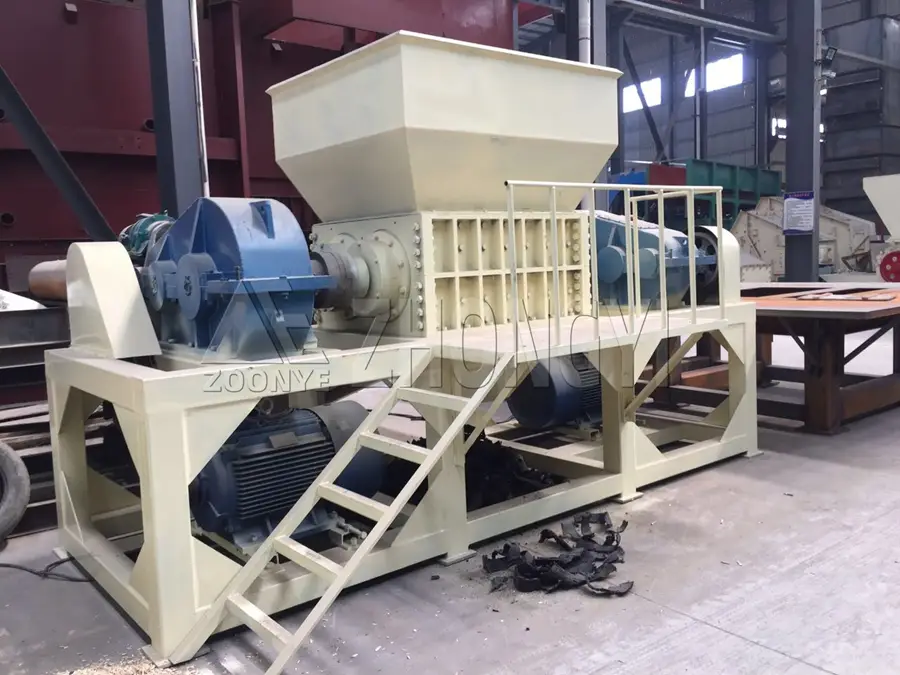
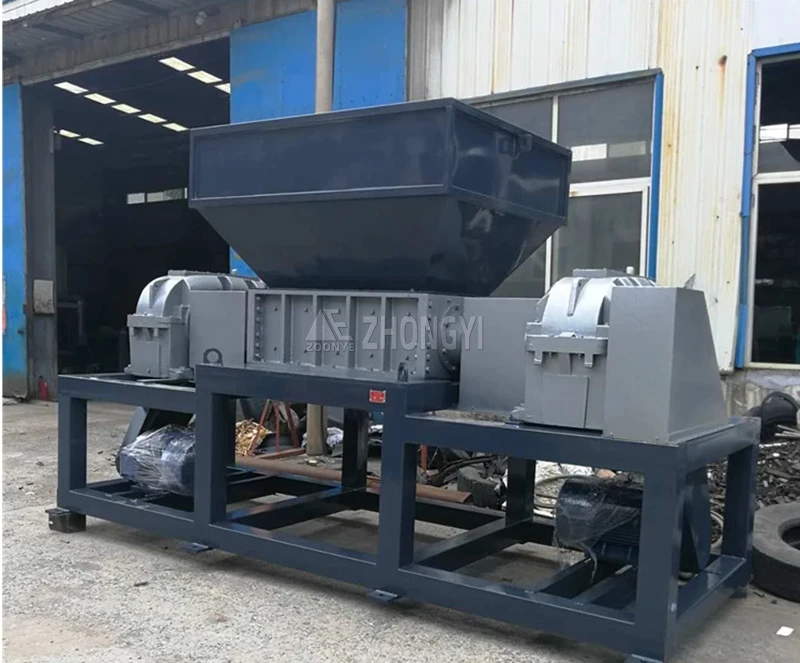
Plastic Waste Shredder vs General Solid Waste Shredder: Key Differences
Although both plastic waste shredders and general solid waste shredders are used for waste size reduction, they are designed for different processing goals. A plastic waste shredder focuses on preparing plastic materials for recycling and reuse, while a general solid waste shredder is designed for reducing the volume of mixed and bulky waste before further treatment.
| Comparison | Plastic Waste Shredder | General Solid Waste Shredder |
| Main Purpose | Plastic size reduction and recycling preparation | Mixed waste volume reduction and pre-treatment |
| Material Type | PE, PP, PET, PVC, plastic films, plastic containers | MSW, bulky waste, industrial waste, furniture waste, mixed materials |
| Design Focus | Precise cutting, stable output size, and efficient plastic recovery | High durability, strong torque, and adaptability to various waste types |
| Blade Design | Optimized cutting blades for plastic materials with controlled clearance | Heavy-duty blades designed for mixed waste and impact resistance |
| Processing Ability | High efficiency for dedicated plastic recycling streams | Handles complex waste mixtures with unpredictable materials |
| Typical Applications | Plastic recycling plants, injection molding waste recovery, pelletizing preparation | Waste treatment facilities, MSW recycling plants, industrial waste processing |
Detailed Differences in Design, Performance and Applications
The key differences between plastic waste shredders and general solid waste shredders are reflected in their cutting design, material handling capability, and application purpose. Plastic shredders provide controlled size reduction for recycling, while solid waste shredders are built for processing mixed waste and reducing overall volume.
Blade Design and Cutting Performance
Blade configuration is one of the key differences between Plastic Waste Shredder and General Solid Waste Shredder because the materials they process have different physical characteristics and recycling requirements.
Drive System and Torque Requirements
The drive system and torque output are designed according to the material characteristics and operating conditions of each shredder type.
Typical Applications
The applications of Plastic Waste Shredder and General Solid Waste Shredder are different because they handle different types of materials and serve different recycling purposes.

Can a Plastic Waste Shredder Process General Solid Waste?
A Plastic Waste Shredder is not usually recommended for processing general solid waste because mixed waste may contain metals, stones, wood, and other hard materials that can damage blades and reduce equipment performance.
It is mainly suitable for clean and sorted plastic materials, such as plastic scraps, bottles, films, and containers. For mixed municipal waste or complex solid waste streams, a General Solid Waste Shredder is a better choice due to its stronger durability and higher processing adaptability.
Can a General Solid Waste Shredder Process Plastic Waste?
A General Solid Waste Shredder can process plastic-containing waste, especially when plastics are mixed with other materials in industrial or municipal waste streams. However, the selection should consider the plastic content, required output size, and the following recycling process.
Compared with a dedicated Plastic Waste Shredder, a general solid waste shredder may provide less control over particle size and recycling efficiency when processing clean plastic materials. For plastic recycling applications that require consistent output and higher material recovery value, a dedicated plastic shredder is usually more suitable.
How to Choose Between Plastic Waste Shredder and General Solid Waste Shredder?
Choosing the right shredder depends on the type of material being processed, the required output size, and the final application. A Plastic Waste Shredder is designed for dedicated plastic recycling processes where consistent particle size and material recovery are important, while a General Solid Waste Shredder is better suited for mixed waste streams that require strong adaptability and volume reduction.
Neither machine is suitable for every application. The right choice should be based on waste composition, processing capacity, material characteristics, and downstream requirements such as sorting, recycling, washing, or pelletizing.In waste recycling applications, the crusher itself is only part of the decision; the choice between a mobile and fixed setup can also affect material handling and site requirements. If you want to explore the differences in more detail, see our [Mobile vs Fixed Waste Crushing Station Comparison] guide.
Choose a Plastic Waste Shredder If:
A Plastic Waste Shredder is a suitable choice when the feed material is mainly clean and sorted plastic waste. In practical recycling projects, it is commonly selected when plastic materials account for around 80% or more of the input stream and the production process requires more consistent particle size for further treatment.
This type of shredder is widely used for processing plastic scraps, injection molding waste, bottles, films, pipes, and other recyclable plastics. It is especially suitable when the shredded material will be sent to downstream processes such as washing or pelletizing, where stable output size and low material loss can directly affect recycling efficiency.
Choose a General Solid Waste Shredder If:
A General Solid Waste Shredder is more suitable for mixed and complex waste streams where the material composition is not consistent. It is commonly used for primary size reduction before sorting, recycling, or further treatment, especially when the incoming waste contains bulky materials, impurities, or different material types.
This type of shredder is widely applied in municipal solid waste, industrial waste, bulky waste, and other mixed waste processing projects. It is the right choice when the main purpose is to reduce waste volume, improve handling efficiency, and prepare materials for downstream processes such as sorting, recycling, or RDF production.
Conclusion
Choosing between a Plastic Waste Shredder and a General Solid Waste Shredder depends on the type of material being processed and the purpose of the recycling system. A plastic waste shredder is more suitable for clean and sorted plastic materials that require controlled output size and efficient recycling, while a general solid waste shredder is designed for mixed waste streams that require strong adaptability and volume reduction.
There is no single shredder that is suitable for every application. Evaluating factors such as waste composition, processing capacity, output requirements, and downstream treatment processes is essential to selecting the right equipment and improving overall recycling performance.If you are planning a plastic recycling or solid waste treatment project, contact our engineers for a customized shredding solution based on your material characteristics and processing requirements.


Andy Yu
Technical Engineer | Zhongyi ECO
16+
Years Exp.
300+
Solutions
50+
Countries
16 years’ experience in environmental and solid waste management, specializing in C&D recycling and waste sorting solutions. At Zhongyi Mining Machinery, focused on improving global clients’ efficiency through technical expertise and tailored configurations.
FAQ
A plastic waste shredder is designed for processing clean plastic materials with controlled output size for recycling applications. A general solid waste shredder is built for mixed waste streams that require stronger durability and volume reduction. The main differences are in blade design, torque requirements, material adaptability, and the final processing purpose.
A plastic waste shredder is not usually suitable for mixed solid waste because general waste may contain metals, stones, wood, and other hard materials that increase blade wear. It performs best with clean plastic streams such as production scraps, bottles, films, and containers. For municipal or industrial mixed waste, a heavy-duty solid waste shredder is normally recommended.
Yes, a general solid waste shredder can process plastic-containing waste, especially when plastics are mixed with other materials. However, it may not provide the same cutting precision and output consistency as a dedicated plastic shredder. For clean plastic recycling projects that require washing or pelletizing, a plastic waste shredder is usually more suitable.
Plastic recycling commonly uses a dedicated plastic waste shredder because it provides stable cutting performance and better control of particle size. It is suitable for processing materials such as PP, PE, PET, PVC, films, bottles, and production scraps. The shredded plastic can then be prepared for further processes including washing, sorting, and pelletizing.
A general solid waste shredder is designed for a wide range of mixed materials, including municipal solid waste, industrial waste, bulky waste, packaging waste, furniture waste, and other complex waste streams. Its main purpose is to reduce waste size and volume before sorting, recycling, RDF production, or other downstream treatment processes.
The right shredder should be selected according to material composition, moisture level, feed size, required output size, processing capacity, and final application. Clean plastic waste usually requires a plastic shredder, while mixed waste with different materials needs a more durable solid waste shredder with higher adaptability and overload resistance.
Waste shredder performance depends on several factors, including blade design, motor power, torque output, material characteristics, and operating conditions. Choosing equipment only based on capacity may result in higher wear, unstable operation, or poor output quality. Matching the shredder design with the actual waste stream is important for long-term performance.
A single shredder can process different materials in some cases, but it is rarely optimized for both plastic recycling and mixed waste treatment. Plastic recycling requires controlled cutting and consistent output, while general waste processing requires stronger structure and higher impact resistance. The best choice depends on the main material stream and project requirements.