
Introduction
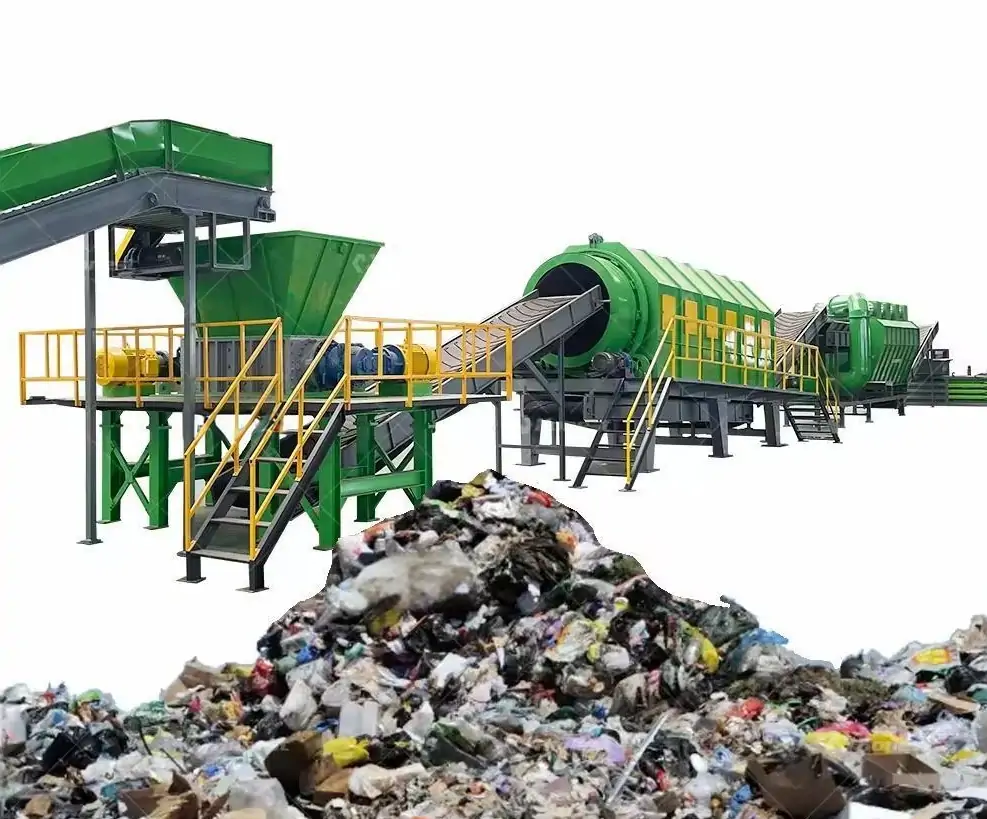
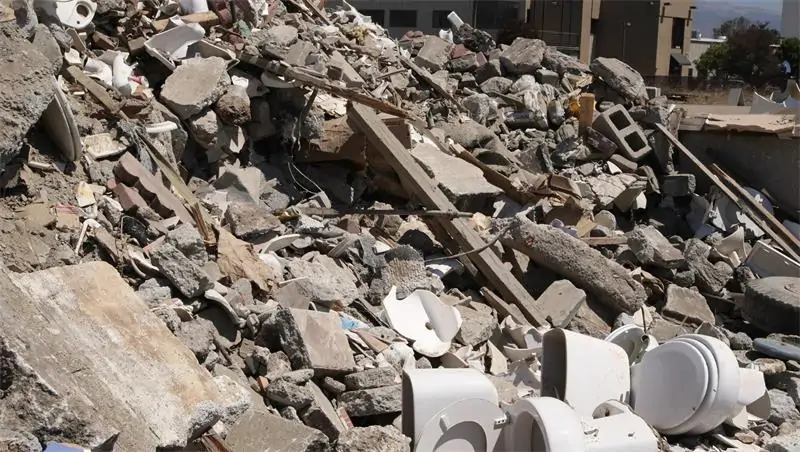
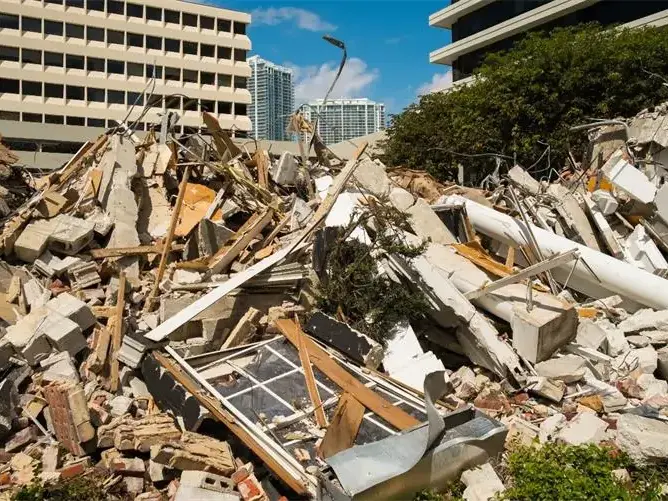
Construction Waste Recycling Process is a systematic approach that converts demolition waste into reusable construction materials through crushing, screening, and separation technologies. With increasing landfill restrictions and demand for recycled aggregates, more construction companies are adopting recycling systems to reduce disposal costs, recover valuable materials, and improve resource utilization.
This guide explains the complete construction waste recycling process, covering why construction waste recycling is important, how each processing stage works, what equipment is required, and how to design an efficient recycling system for different project requirements.If you would like to learn about the Construction Waste Recycling Line USA Specifications, please click on the article.
What Is the Construction Waste Recycling Process?
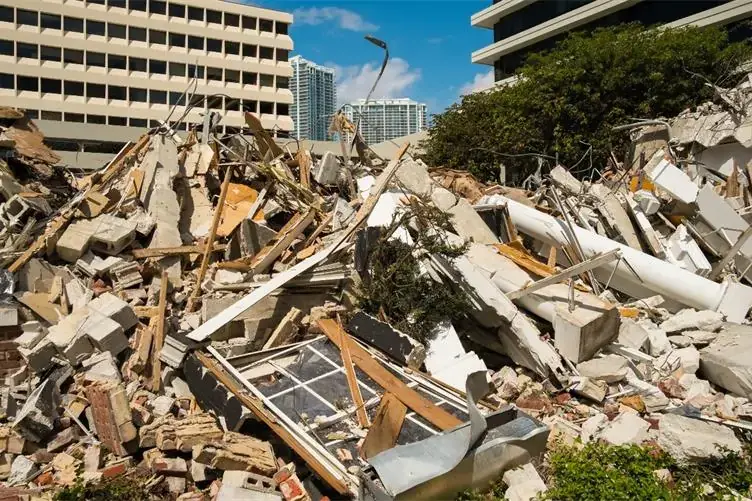
The Construction Waste Recycling Process refers to the series of operations used to process demolition and construction waste into reusable materials. Through sorting, crushing, screening, and separation, materials such as concrete, bricks, asphalt, and mixed demolition waste can be converted into recycled aggregates and other construction products.
The process usually begins with waste collection and pre-sorting to remove large impurities before the material enters the crushing system. The waste is then reduced in size through primary and secondary crushing, followed by screening and separation processes to classify materials and remove unwanted components such as steel, plastic, and wood. The final processed materials can be used as recycled aggregates, road base materials, and other construction applications.If you want to learn how to choose waste recycling equipment for different climates, click here.
Why Is the Construction Waste Recycling Process Important?
The construction waste recycling process helps address the growing challenges of waste disposal by recovering valuable materials from demolition waste. Instead of sending concrete, bricks, and other construction waste to landfills, recycling systems process these materials into reusable aggregates and other construction products through crushing, screening, and separation.
Reduce Waste Disposal and Transportation Costs
Traditional construction waste disposal often requires transporting waste to designated disposal sites, which increases transportation costs and disposal fees, especially for projects located far from treatment facilities.
By processing construction waste through a recycling system, companies can reduce the amount of waste requiring external disposal. Mobile crushing equipment can further enable on-site recycling, reducing transportation distances and lowering overall waste management costs.
Recover Valuable Construction Materials
Construction waste contains valuable recyclable materials, especially concrete, bricks, and asphalt. Through crushing, screening, and separation processes, these materials can be transformed into recycled concrete aggregates, recycled sand, road base materials, and recovered metals. These recycled products can be reused in road construction, backfilling, and other building applications, reducing the demand for natural aggregates and increasing the value recovered from demolition waste.
Reduce Environmental Impact
Construction waste recycling reduces the amount of demolition waste requiring landfill disposal and supports minimize the environmental impact of waste handling. By processing materials such as concrete, bricks, and asphalt into reusable aggregates, recycling systems reduce the need for new raw materials and limit unnecessary transportation of waste and aggregates. This not only lowers the environmental burden of construction waste management but also supports more efficient use of existing resources.
Enable On-Site Recycling for Construction Projects
Construction waste recycling systems can be designed for different project environments, such as demolition sites, road renovation projects, and urban redevelopment areas. Mobile recycling equipment allows construction waste to be processed near the source, reducing material handling and enabling recycled aggregates to be reused directly in nearby projects.
This approach is especially suitable for projects where transporting large amounts of demolition waste is difficult or costly, while stationary recycling plants remain a practical choice for centralized and continuous waste processing.
How Does the Construction Waste Crushing and Recycling Process Work?
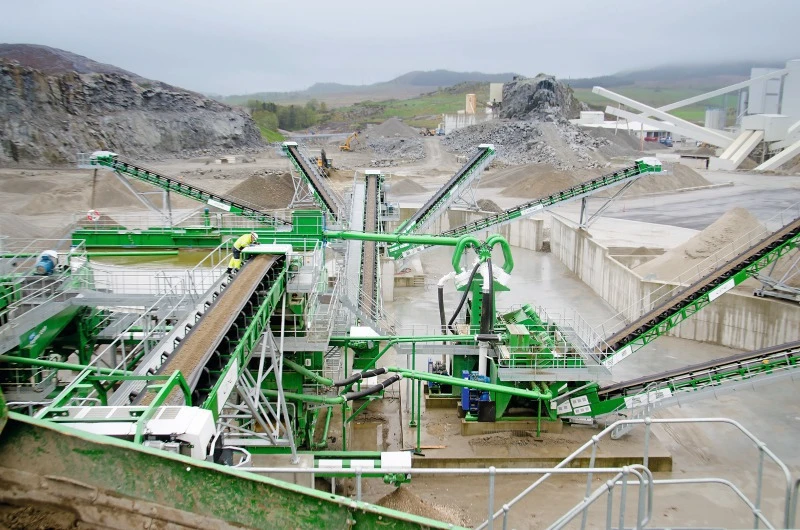
The construction waste crushing and recycling process converts demolition waste into reusable materials through a combination of crushing, screening, and separation operations. The specific process design depends on factors such as waste composition, required capacity, and the final application of recycled materials. In most recycling systems, the main stages include feeding, size reduction, screening, impurity removal, and recycled aggregate production.
Step 1: Feeding and Pre-Sorting
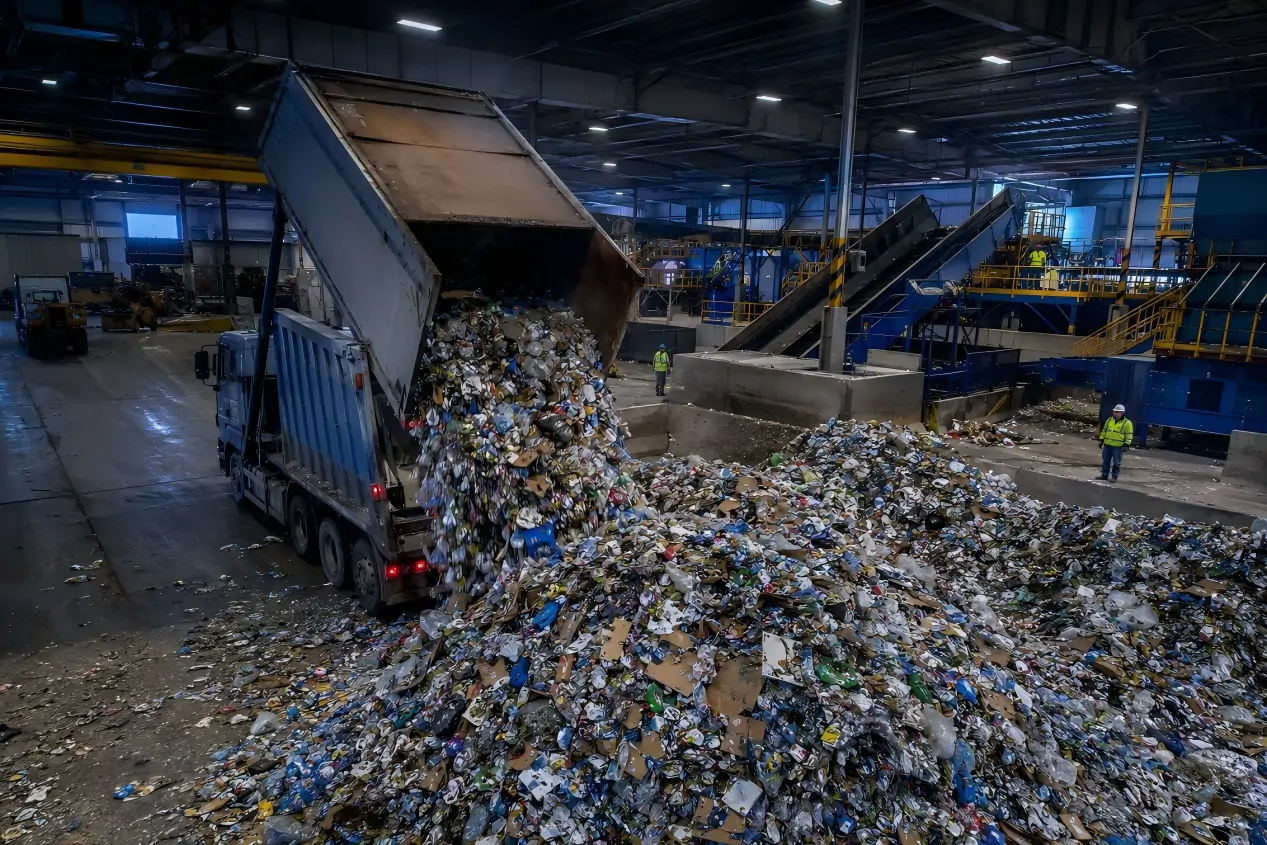
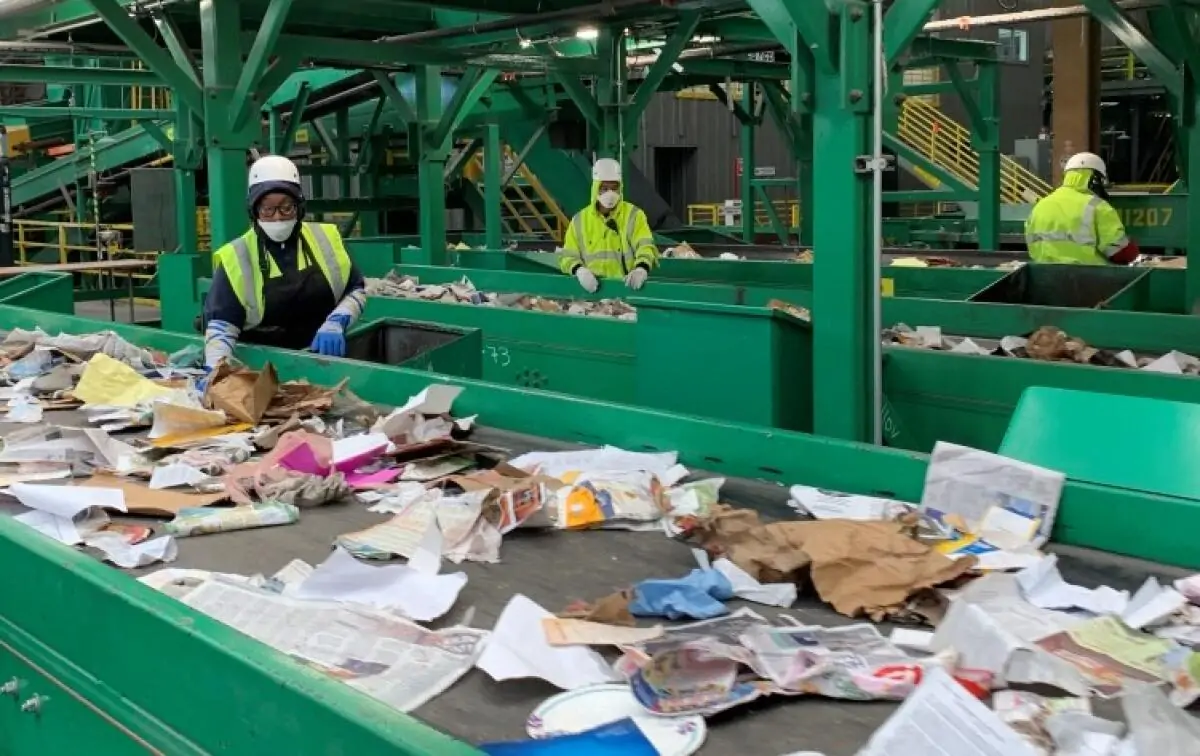
The recycling process starts when construction waste is evenly fed into the recycling system. Before crushing, large impurities such as steel bars, wood, plastics, and other oversized materials are removed to prevent equipment damage and reduce contamination in the following stages.
A stable feeding and pre-sorting process allows ensure smoother operation of the crushing line and improves the quality of the recycled materials produced later. Vibrating feeders are commonly used to provide continuous feeding, while manual or mechanical sorting can be applied depending on the composition of the incoming waste.
Step 2: Primary Crushing for Size Reduction
After pre-sorting, large construction waste such as concrete blocks and reinforced concrete enters the primary crushing stage. The main purpose of this step is to reduce oversized materials into smaller pieces, making them easier to handle during the following crushing, screening, and separation processes.
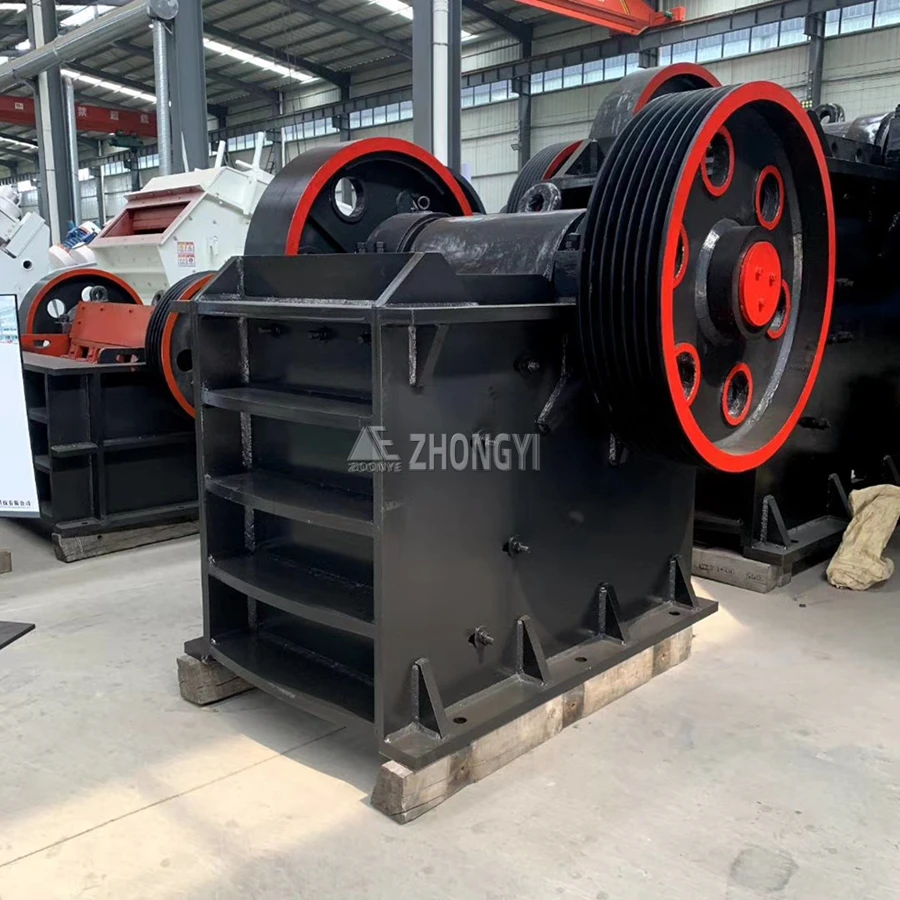
Jaw crushers are commonly used for primary crushing because they can handle large and hard demolition materials effectively. By providing the first stage of size reduction, they help create a more stable feed condition for the downstream recycling process.
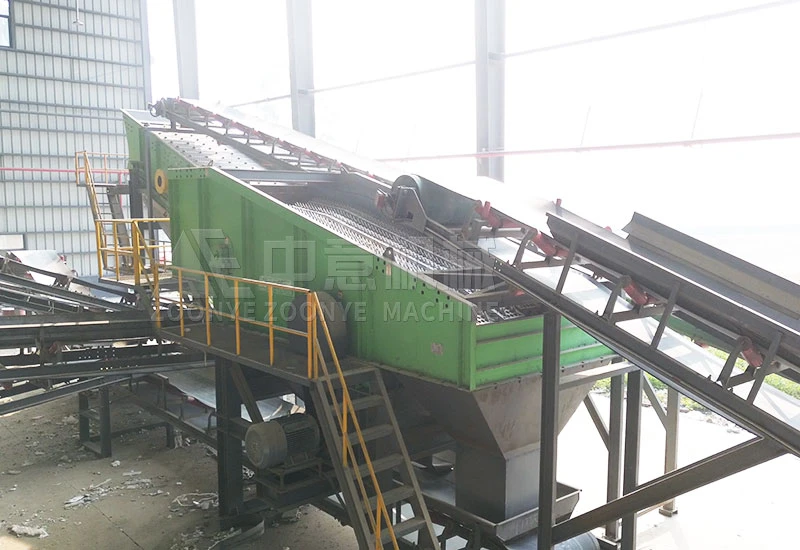
Step 3: Secondary Crushing and Screening
After primary crushing, the material enters secondary crushing to further reduce particle size and improve the shape and consistency of recycled aggregates. Impact crushers are commonly used in construction waste recycling lines because they are effective for aggregate shaping, while other crusher types can be selected based on material characteristics and production requirements.
The crushed material then passes through screening equipment, which separates it into different size fractions for further processing or direct use.

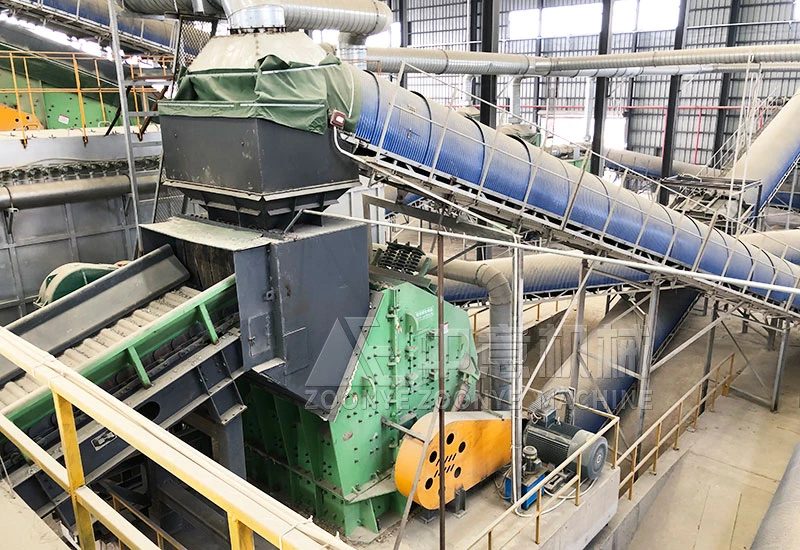
Step 4: Separation and Material Purification
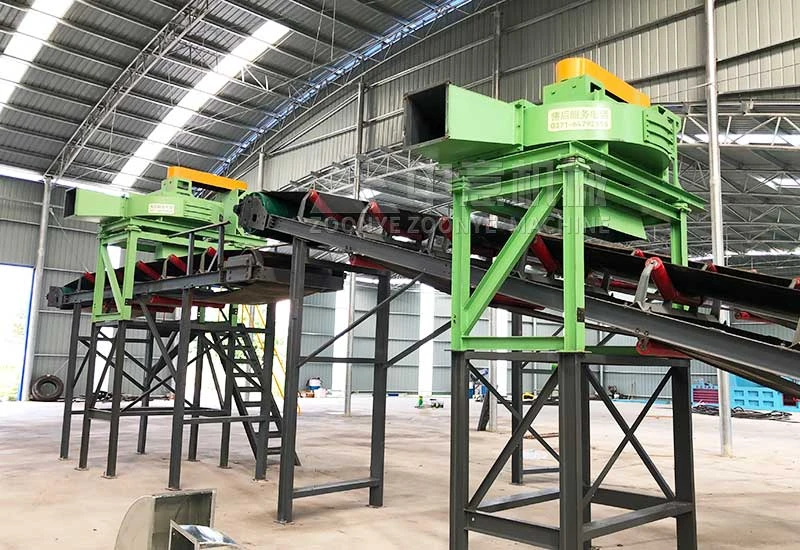
After crushing and screening, the material enters the separation stage to remove remaining impurities and improve the purity of recycled aggregates. Magnetic separators are used to recover ferrous metals such as steel bars and iron pieces, while windsifters remove lightweight materials including plastic, wood, and paper.
By removing these unwanted materials, the recycling system produces cleaner aggregates that are more suitable for reuse in construction applications.

Step 5: Production and Application of Recycled Aggregates
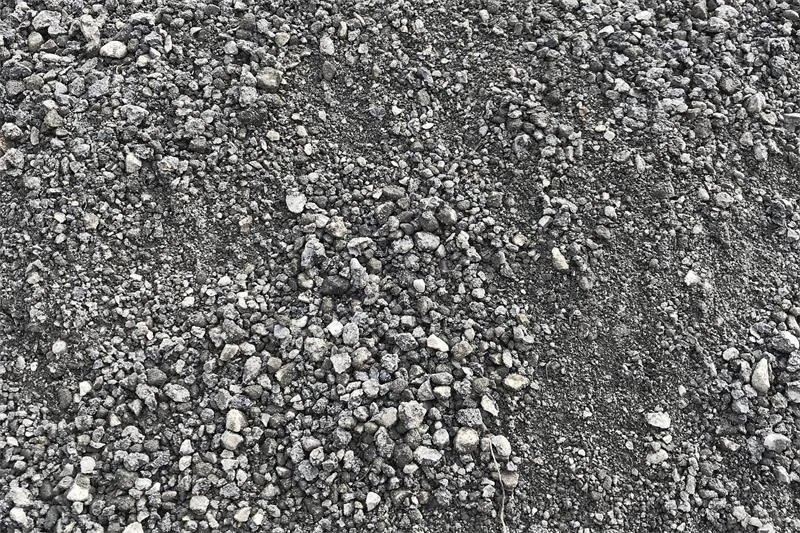
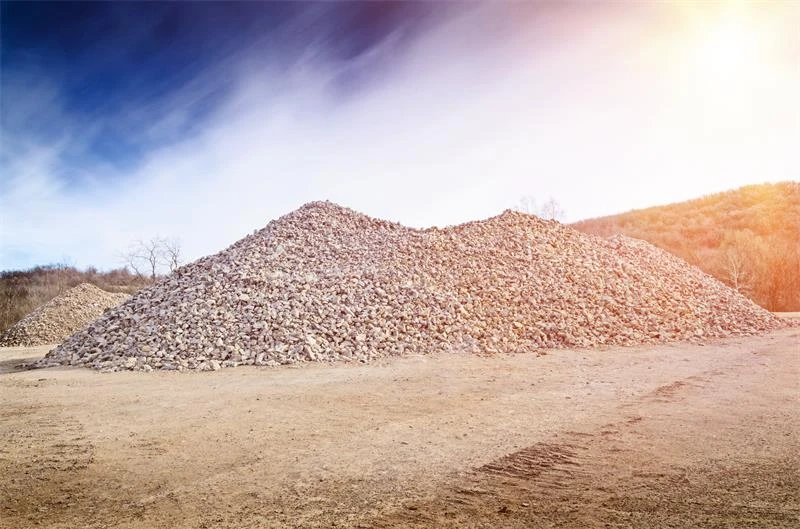
After crushing, screening, and separation, the processed materials are classified into different grades of recycled aggregates based on particle size and quality requirements. These recycled materials can then be used in applications such as road base construction, backfilling, recycled concrete production, and other construction projects.
Main Equipment
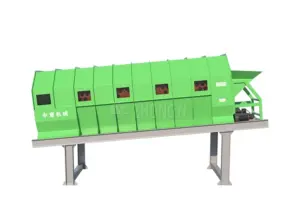
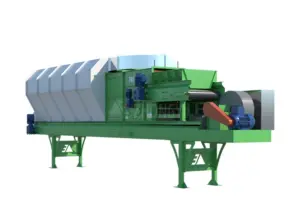
A complete construction waste recycling system requires multiple types of equipment to work together, with each unit responsible for a specific stage of the process. From feeding and crushing to screening, separation, and material handling, the equipment configuration directly affects processing efficiency, recycled aggregate quality, and overall system performance. The table below summarizes the main equipment commonly used in construction waste recycling plants.
| Equipment | Main Function | Typical Application |
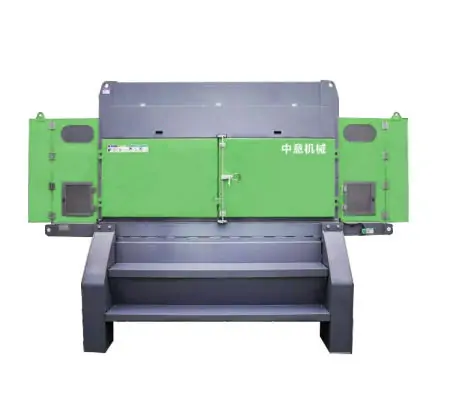
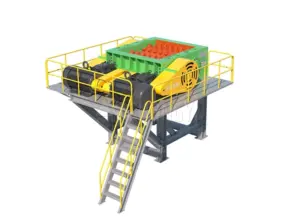
| Construction Waste Crusher | Reduces large demolition waste into smaller sizes for further processing | Crushing concrete blocks, bricks, asphalt, and mixed construction waste |
| Screening Equipment | Separates materials into different particle sizes and controls aggregate grading | Producing different sizes of recycled aggregates |
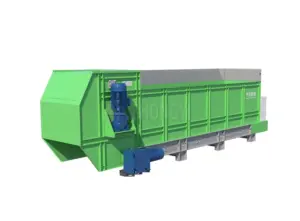
| Magnetic and Air Separation Equipment | Removes metal and lightweight impurities from crushed materials | Recovering steel and improving recycled aggregate purity |
| Conveying System | Transfers materials between different processing stages | Ensuring continuous operation and improving system efficiency |
Complete Construction Waste Recycling Plant Configuration
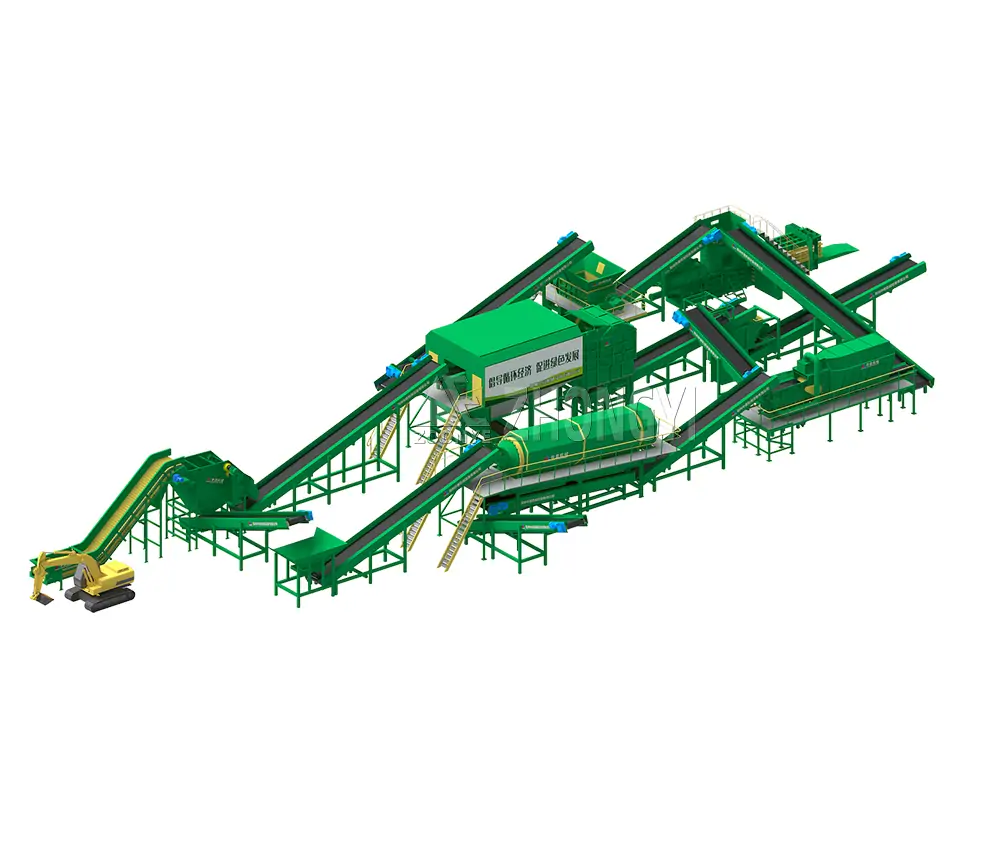
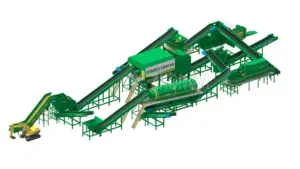
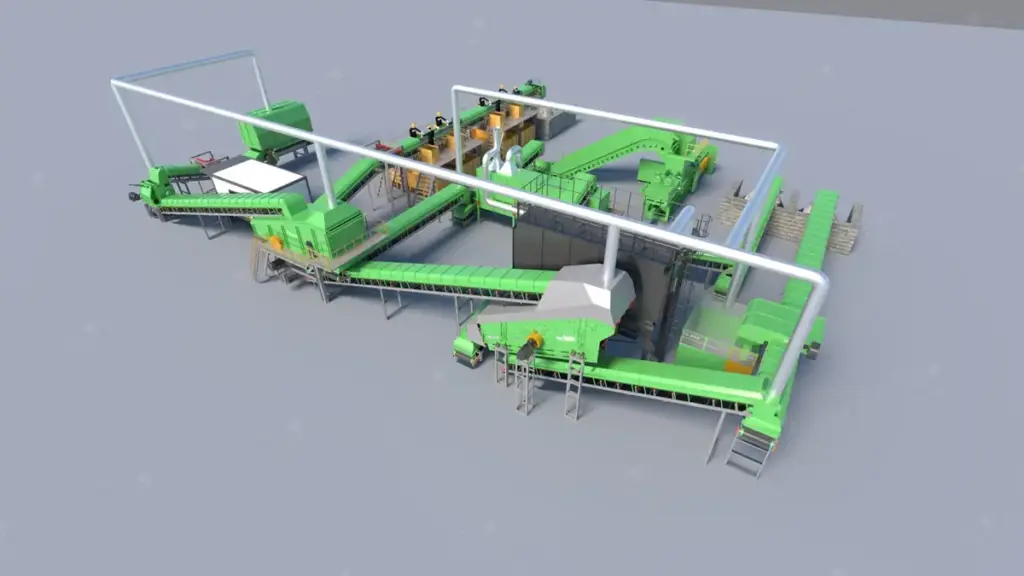
A complete construction waste recycling plant is configured based on factors such as waste type, processing capacity, available space, and the required quality of recycled materials. Small projects may require a compact recycling system, while larger operations often need a more complete crushing, screening, and separation line. The following table provides typical configurations for different project scales.
| System Type | Suitable Applications | Typical Configuration | Key Features |
| Small Construction Waste Recycling System | Small demolition projects, local recycling businesses | Feeder + Crusher + Screen + Magnetic Separator | Compact layout, lower investment, flexible operation |
| Medium Construction Waste Recycling Plant | Construction companies, regional recycling centers | Feeder + Crusher + Screen + Magnetic & Air Separation | Balanced capacity and recycled aggregate quality |
| Large Construction Waste Recycling Plant | Municipal projects, large-scale recycling facilities | Complete crushing, screening, and separation system | High capacity, automated operation, high-quality aggregate production |
Video
Factors Affecting Construction Waste Recycling Process Efficiency
The performance of a construction waste recycling process is influenced by the characteristics of the incoming waste, required processing capacity, equipment configuration, and the quality of recycled materials required. Since different projects have different waste compositions and production goals, the recycling system needs to be configured based on specific operating conditions and end-use requirements.
Construction Waste Recycling Process vs Traditional Disposal
Traditional disposal mainly focuses on removing construction waste from sites, while recycling processes aim to recover value from waste materials through systematic treatment. The comparison below shows the key differences between recycling and traditional disposal in terms of resource recovery, environmental impact, and long-term value.
| Comparison | Construction Waste Recycling Process | Traditional Disposal |
| Material Recovery | Recovers concrete, bricks, asphalt, and metals for reuse | Materials are mainly discarded after disposal |
| Resource Utilization | Converts waste into recycled aggregates and construction materials | Provides little or no material reuse value |
| Environmental Impact | Reduces landfill demand and natural resource consumption | Requires more disposal space and increases environmental pressure |
| Economic Value | Creates value from recycled materials and reduces disposal costs | Mainly generates transportation and disposal expenses |
Conclusion
Construction waste crushing and recycling is a systematic process that combines material feeding, crushing, screening, separation, and recycled aggregate production. A well-designed recycling system can help recover reusable materials, reduce waste disposal requirements, and produce recycled materials for different construction applications. Selecting the right equipment configuration based on waste characteristics, processing capacity, and product requirements is essential for stable operation.
Xinzhongyi ECO provides customized construction waste recycling solutions, including crushing, screening, sorting, and complete recycling plant systems for different project requirements. Contact us to discuss your material conditions, processing capacity, and recycling goals, and our team can help design a suitable solution for your project.


Andy Yu
Technical Engineer | Zhongyi ECO
16+
Years Exp.
300+
Solutions
50+
Countries
16 years’ experience in environmental and solid waste management, specializing in C&D recycling and waste sorting solutions. At Zhongyi Mining Machinery, focused on improving global clients’ efficiency through technical expertise and tailored configurations.
FAQ
The construction waste crushing and recycling process is a complete treatment method that converts demolition waste, such as concrete, bricks, and asphalt, into reusable materials. It usually includes feeding, pre-sorting, crushing, screening, separation, and recycled aggregate production. Unlike simple waste reduction, a recycling process focuses on recovering valuable materials and improving their reuse value.
A construction waste recycling plant typically includes feeding equipment, crushers, screening machines, magnetic separators, air separators, and belt conveyors. The exact equipment configuration depends on waste composition, required processing capacity, site conditions, and final product requirements. A properly designed systemis designed to achieve stable operation and produce consistent recycled materials for different applications.
Yes. After crushing, screening, and separation, construction waste can be processed into recycled aggregates, road base materials, and backfilling materials. Depending on material quality and local application standards, some recycled aggregates can also be used in concrete production and other construction projects, reducing dependence on natural aggregates.
Mobile construction waste recycling plants are designed for on-site processing and are suitable for demolition projects where reducing transportation costs is important. Stationary recycling plants are better suited for large-scale and continuous operations that require higher processing capacity and more stable product quality. The choice depends on project scale, waste source, and production requirements.
Selecting suitable construction waste recycling equipment requires considering waste type, material hardness, steel content, moisture level, required capacity, and final product specifications. A system designed according to actual project conditions can improve processing efficiency, reduce equipment wear, and produce recycled materials that meet the needs of different construction applications.
The capacity of a construction waste recycling plant depends on the equipment configuration, material characteristics, and operating conditions. Small systems are suitable for local demolition projects, while larger plants can handle higher volumes for municipal recycling centers and commercial operations. A customized design is usually required to match the expected waste input and production targets.
Yes. Construction waste recycling plants can use different separation technologies to remove unwanted materials during processing. Magnetic separators are commonly used to recover steel and other ferrous metals, while air separators remove lightweight materials such as plastic, wood, and paper. These processes improve recycled aggregate purity and increase the value of recovered materials.
Construction waste recycling can reduce disposal costs by lowering the amount of waste transported to landfills and recovering materials for reuse. For projects with sufficient waste volume, on-site or nearby recycling can reduce transportation requirements and disposal fees. The recovered aggregates can also replace part of the demand for newly sourced construction materials.