
Introduction
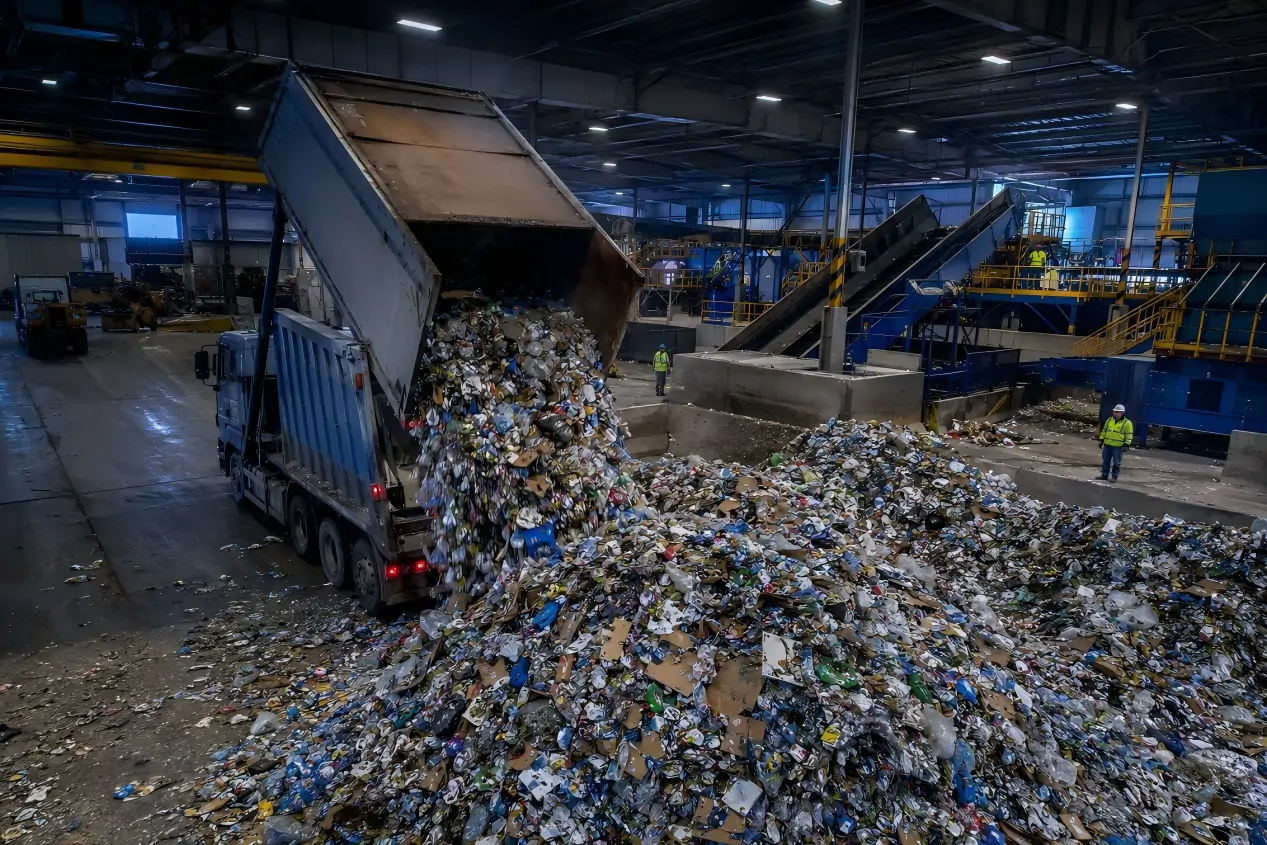
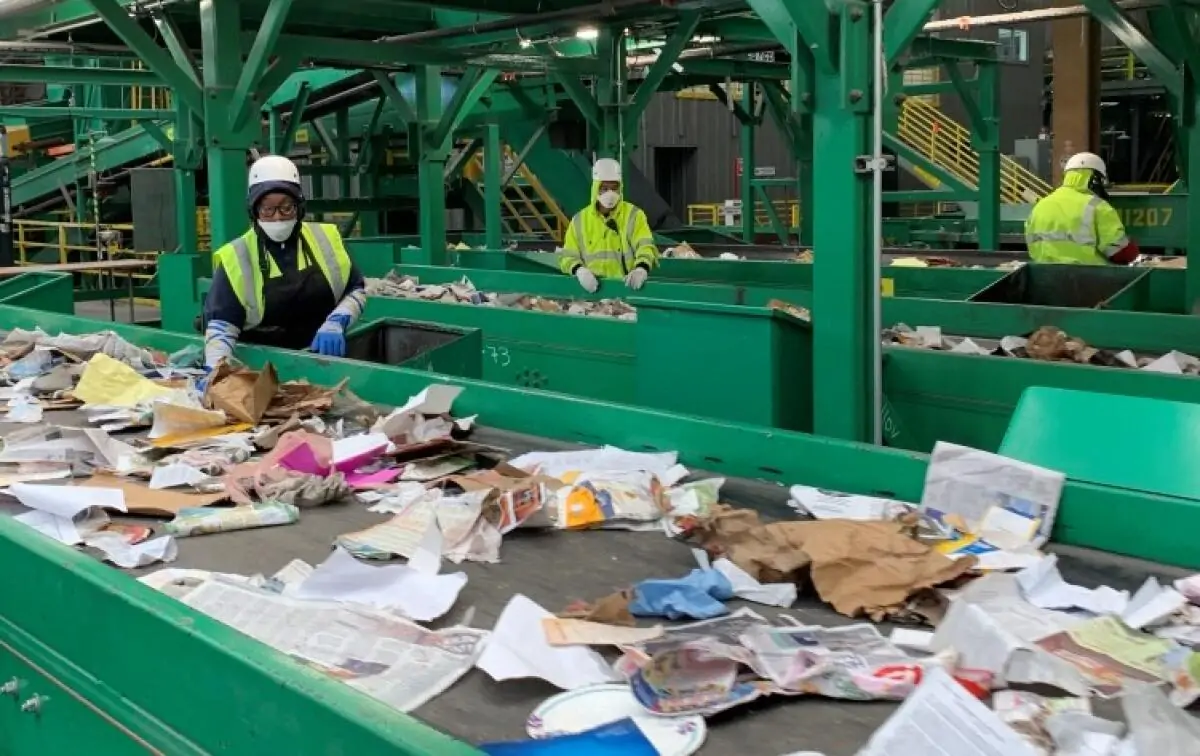
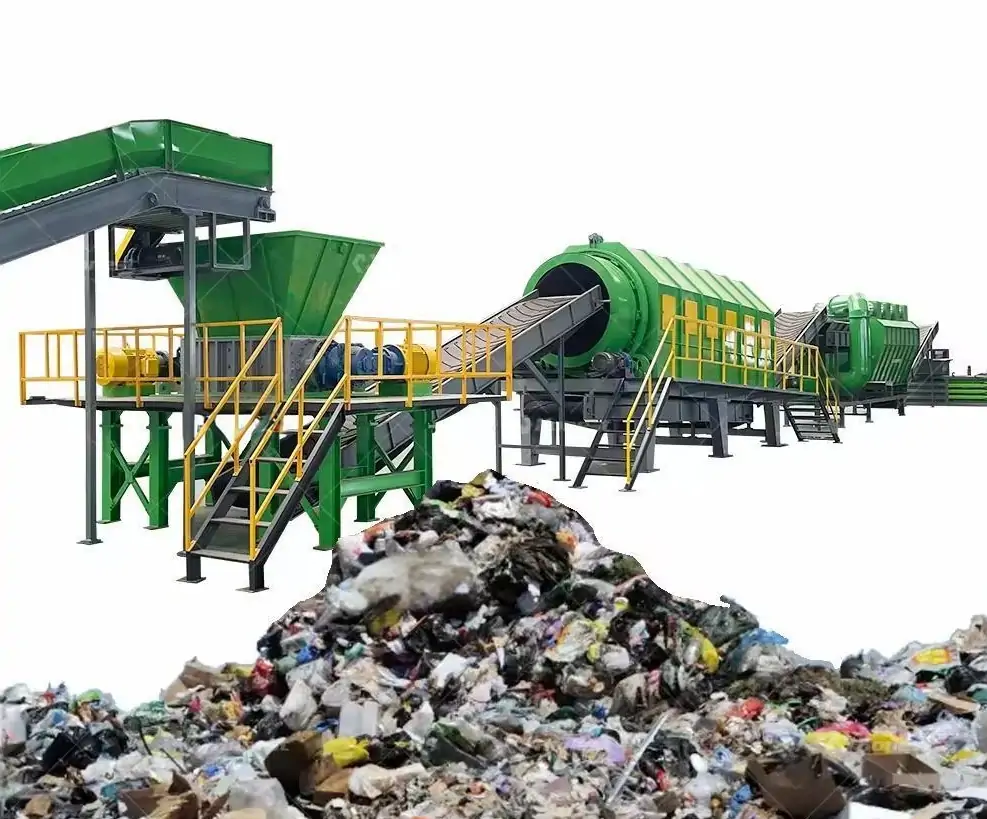
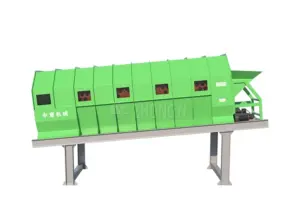
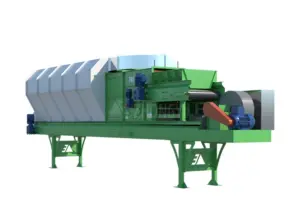
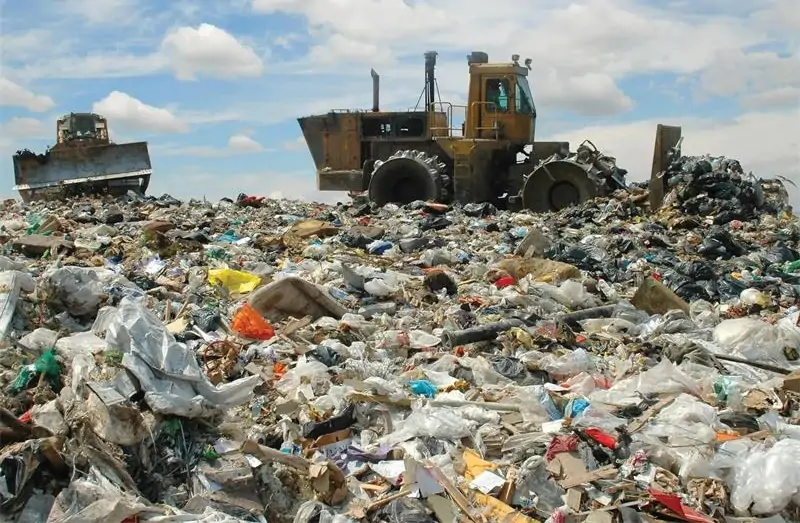
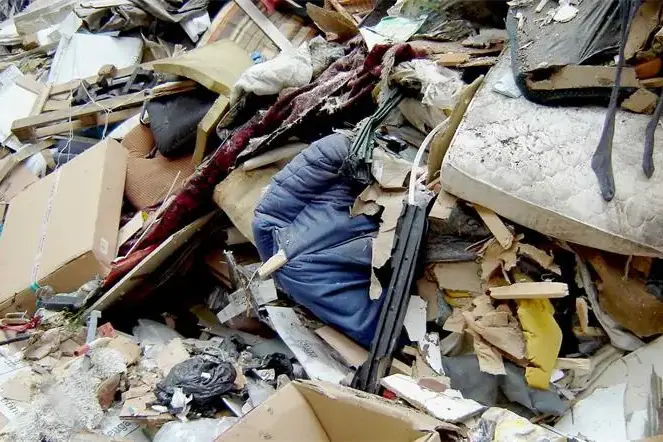
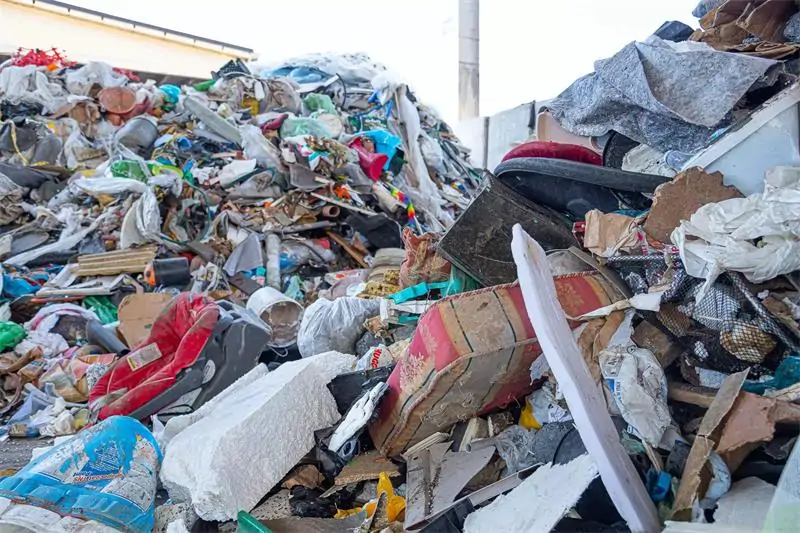
Wet municipal solid waste (MSW) is significantly more challenging to screen than dry waste because of its high moisture content, variable composition, and unstable material characteristics during processing. Unlike dry waste streams, wet MSW typically contains a mixture of food waste, organic fractions, plastic films, fibers, and fine particles, which can easily become compacted, wrapped, or adhered to the screening surface.
These conditions directly affect the reliability of a waste sorting system. High moisture and sticky materials can cause screen openings to block, reduce screening accuracy, increase cleaning and maintenance requirements, and lower overall processing capacity. In addition, inconsistent particle separation may affect the performance of downstream equipment, including air separators, magnetic separators, optical sorting systems, and RDF production lines.
Selecting the best screening equipment for wet MSW requires evaluating more than the required throughput. The equipment must be matched with actual waste characteristics, including moisture level, organic content, material size distribution, and the separation requirements of subsequent treatment processes. For this reason, different screening technologies such as trommel screens, disc screens, Flip-Flop screens, and spiral shaft screens are designed for specific wet waste applications.If you want to learn more, click here: How to Choose the Right Waste Screening Machine for an MSW Plant?


Why Wet Municipal Solid Waste Is Difficult to Screen?
Wet municipal solid waste (MSW) is one of the most challenging materials to screen because high moisture content changes the physical properties of the waste, causing materials to become sticky, compacted, and difficult to separate. Compared with dry waste streams, wet MSW creates greater risks of material adhesion, fiber entanglement, screen blockage, and unstable separation performance, which can reduce screening efficiency and increase maintenance requirements in continuous operation.
High Moisture Content Causes Screen Blocking and Material Adhesion
High moisture content significantly changes the physical behavior of municipal solid waste, making it sticky, compacted, and difficult to separate during screening. Organic materials and fine particles can form adhesive clusters, while plastic films and fibers may wrap around moving components or block screen openings. These issues reduce the effective screening area, affect separation accuracy, and increase maintenance requirements during continuous operation.
To overcome these challenges, wet MSW processing requires anti-clogging screening equipment designed for high-moisture and sticky materials. Equipment with self-cleaning screening structures, suitable screening media, and optimized aperture designs can help maintain stable throughput and improve separation performance under demanding waste conditions.
Fiber Materials Increase Blocking Risks During Screening
Flexible materials in municipal solid waste, including plastic films, textiles, fibers, and long organic materials, create additional challenges during screening. When combined with high moisture content, these materials become more prone to wrapping around shafts, discs, and other moving components, especially in equipment with narrow gaps or fixed screening surfaces. This can restrict material flow and increase the risk of blockage during continuous operation.
To handle these conditions, wet MSW screening equipment needs designs that improve material release, reduce wrapping and accumulation, and maintain consistent material movement through the screening process. Features such as open screening structures, self-cleaning mechanisms, and suitable screening media can help reduce blocking risks and improve operating stability.
Inconsistent Screening Performance Affects Downstream Waste Treatment
Screening performance directly affects the stability of downstream waste treatment processes. When wet MSW is not properly separated, inconsistent particle size distribution, excessive moisture, and unwanted impurities can enter subsequent stages, reducing the efficiency of air separation, magnetic separation, optical sorting, and RDF production systems. Poor screening results can also affect the recovery quality of organic fractions and recyclable materials.
Selecting the right screening technology is therefore critical for maintaining stable operation across the entire waste sorting line. The equipment must be matched with the characteristics of the incoming waste, ensuring consistent particle sizing, reducing contamination, and providing suitable material conditions for downstream processing equipment.
Complex Waste Composition Requires Different Screening Technologies
Wet MSW contains a mixture of food waste, organic materials, plastics, paper, textiles, and fine particles, each with different physical characteristics during screening. Because moisture, material size, and composition vary significantly between waste streams, no single screening technology can provide reliable performance for all applications.
The selection of screening equipment should be based on key factors such as waste composition, moisture level, required separation size, processing capacity, and downstream treatment requirements. Technologies including trommel screens, disc screens, Flip-Flop screens, and spiral shaft screens are designed for different wet waste conditions and separation objectives.
What Is the Best Screening Equipment for Wet Municipal Solid Waste?
The best screening equipment for wet municipal solid waste depends on the actual waste characteristics rather than processing capacity alone. Factors such as moisture content, organic fraction, material stickiness, required separation size, and downstream processing requirements determine which screening technology is most suitable. In practice, trommel screens, disc screens, Flip-Flop screens, and spiral shaft screens are commonly selected for different wet MSW applications.If you’d like to learn more about the Best Waste Recycling Machine Supplier in Australia, click here.
| Equipment | Best Application | Main Advantage |
| Trommel Screen | General wet MSW classification and large-scale sorting plants | Large capacity, stable operation, and adjustable screening size |
| Disc Screen | Sticky and high-moisture waste with organic content | Excellent anti-clogging performance and continuous material separation |
| Flip-Flop Screen | Extremely wet, sticky, and difficult-to-screen materials | Self-cleaning screen surface and reduced screen blinding |
| Spiral Shaft Screen | Wet organic waste and fine material separation | Combined conveying and screening with strong resistance to blockage |
Trommel Screen for Wet Municipal Solid Waste Screening
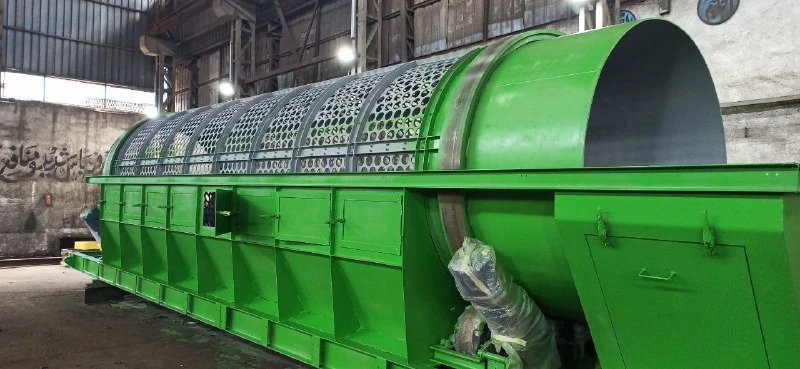
A wet MSW trommel screen is widely used for municipal waste classification because of its large processing capacity, stable operation, and adaptability to different waste conditions. Its performance depends on the drum structure, operating design, and screening media selection, which directly affect separation efficiency and long-term reliability.
Working Principle and Advantages
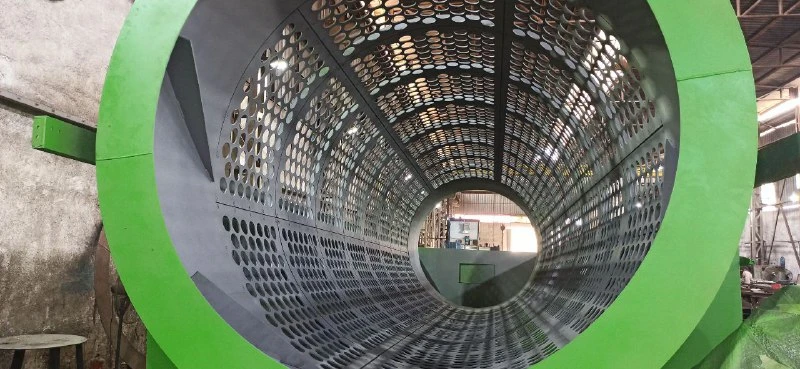
A wet MSW trommel screen uses a rotating cylindrical drum to lift, tumble, and separate waste during operation. As the material moves through the drum, smaller particles pass through the screen openings, while oversized fractions continue toward the discharge end. The continuous rotation and controlled material flow enable stable particle separation, while the robust drum structure provides high processing capacity, continuous operation, and adjustable screening size. These characteristics make trommel screens suitable for large-scale waste sorting plants, helping maintain stable throughput and reduce maintenance frequency under demanding operating conditions.
Trommel Screen Screening Media and Mesh Types
The selection of screening media and aperture size plays an important role in trommel screen performance, affecting separation accuracy, wear resistance, and long-term operation stability. For wet MSW applications, perforated plate screens are mainly selected for heavy-duty conditions where high durability and consistent particle sizing are required, while wire mesh screens are more suitable for applications requiring higher screening efficiency and finer separation, such as compost and organic material recovery. In addition to the screen material, the aperture shape also influences screening results. Round hole openings help reduce blockage when processing wet and sticky materials, while square hole openings provide more precise particle size classification. Common aperture sizes include 10–20 mm for fine organic separation, 30–80 mm for general MSW classification, and 80–150 mm for coarse waste separation.


Disc Screen: Best Choice for Sticky and High-Moisture MSW
A disc screen for wet MSW is designed for sticky and high-moisture waste streams where material buildup and screen blockage are common challenges. Its open screening structure and rotating disc design help maintain stable material flow and improve separation performance in difficult waste conditions.
How Disc Screens Handle Wet and Sticky Waste
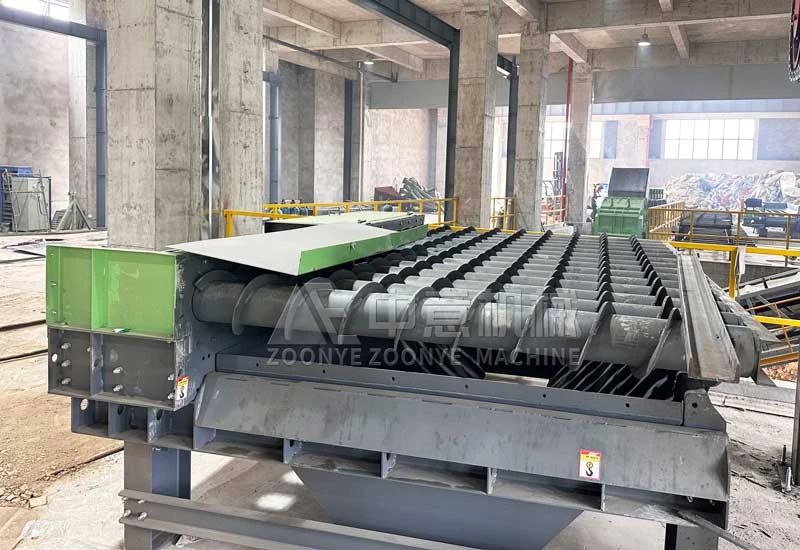
A disc screen uses multiple rotating discs mounted on parallel shafts to continuously agitate, transport, and separate waste materials. During operation, smaller particles pass through the openings between discs, while larger materials move forward for discharge. The continuous disc movement reduces material accumulation, improves self-cleaning performance, and helps process sticky organic waste, wet fines, and mixed MSW with lower blockage risk.
Disc Screen Design and Screening Opening Selection
The disc structure and opening size directly affect screening performance and material handling capability. Common designs include steel discs, polygonal discs, and star-shaped discs, with the selection depending on waste characteristics and operating conditions. Screening openings should be determined based on waste composition, required separation size, and downstream processing requirements to achieve stable and consistent separation.


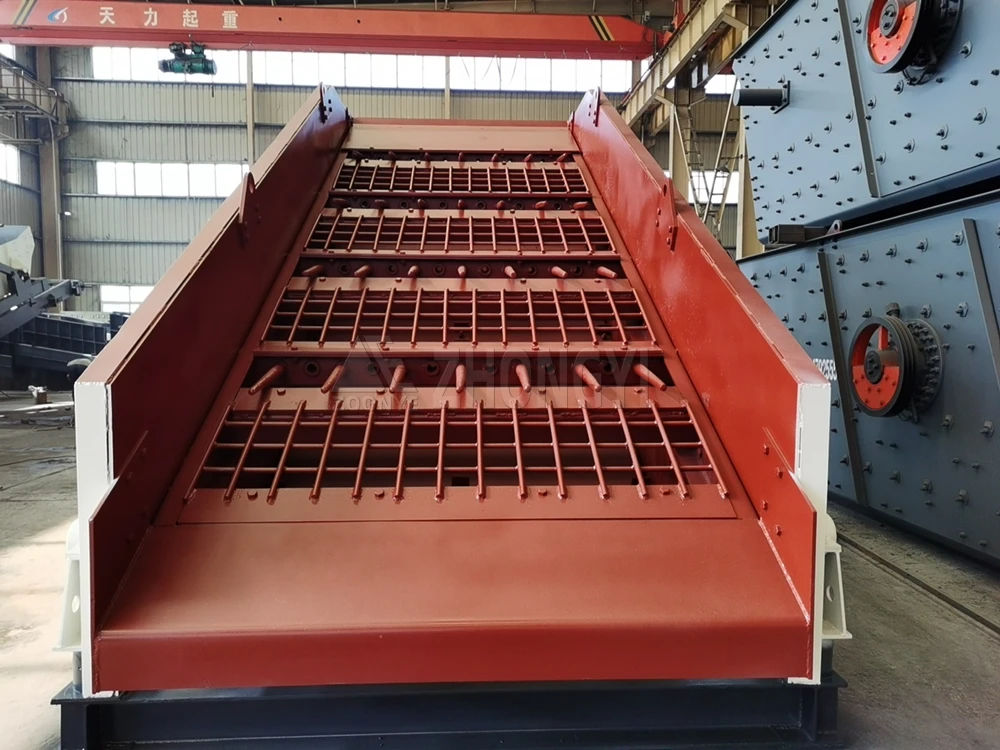
Flip-Flop Screen for Extremely Wet and Difficult-to-Screen Materials
A Flip-Flop Screen is designed for extremely wet, sticky, and difficult-to-screen materials where conventional screening equipment may suffer from blockage and screen blinding. Its flexible screening structure provides effective material release and stable separation performance in demanding waste processing conditions.
Working Principle and Advantages
A Flip-Flop Screen uses flexible polyurethane screen panels and the relative movement between the screen frame and panels to generate high acceleration vibration during operation. The flexible panels continuously stretch and relax, creating a self-cleaning effect that reduces material adhesion and keeps screen openings clear. This design provides excellent anti-blinding performance, allowing the equipment to handle extremely wet and sticky MSW while reducing cleaning frequency and maintaining stable screening efficiency.
Screen Media and Aperture Selection
The selection of Flip-Flop screen media directly affects screening performance and service life. Flexible polyurethane screen panels and modular screen panels are commonly used because they provide high elasticity, wear resistance, and self-cleaning capability. The aperture size should be selected according to waste composition, target separation size, and downstream processing requirements to ensure stable screening performance for extremely wet and sticky materials.


Spiral Shaft Screen for Wet Organic Waste Screening
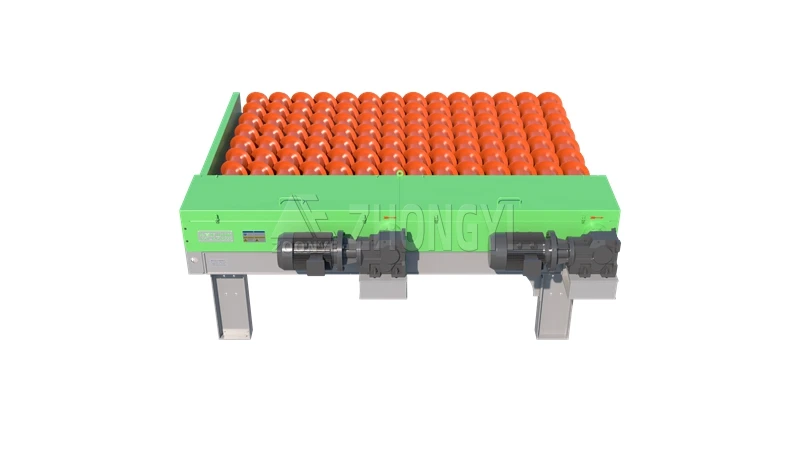
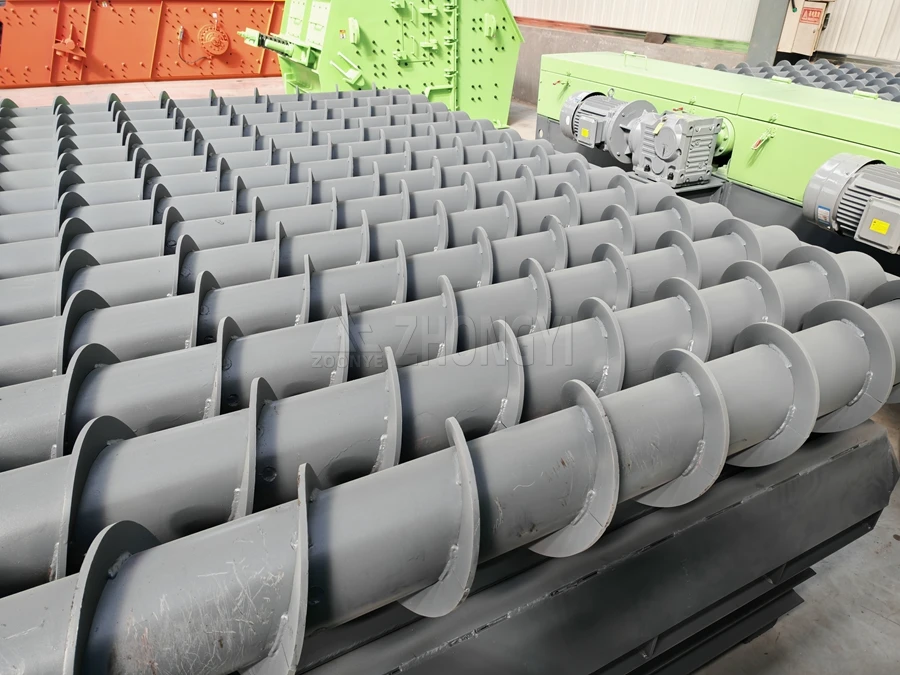
A spiral shaft screen is designed for wet organic waste and mixed MSW streams where conveying and screening need to be performed in the same process. Its rotating shaft structure helps handle sticky and high-moisture materials while maintaining continuous material flow and stable separation.
Working Principle and Advantages
A spiral shaft screen uses rotating shafts with spiral blades or discs to convey and separate waste materials during operation. As the shafts rotate, materials are continuously moved forward while smaller particles pass through the gaps between the screening components, and larger materials are discharged at the end. This integrated conveying and screening design provides strong resistance to blockage, supports continuous processing of wet organic materials, and reduces maintenance requirements in demanding MSW applications.
Applications
Spiral shaft screens are commonly used in applications requiring reliable screening of wet and organic-rich materials, including MSW pretreatment, food waste mixed with municipal solid waste, organic fraction recovery, compost screening, and landfill waste separation. Their ability to handle sticky materials makes them suitable for waste streams where conventional screening equipment may experience material buildup.


Comparison of Screening Equipment for Wet MSW
Selecting the right wet MSW screening equipment depends on moisture level, material characteristics, and required separation performance. Each screening technology has different advantages for specific waste conditions, from general wet waste classification to extremely sticky and difficult-to-screen materials.
| Equipment Type | Core Advantage | Best Application | Key Design Feature |
| Flip-Flop Screen | Excellent anti-blinding performance for wet and sticky materials | Extremely wet MSW, landfill waste, difficult-to-screen materials | Flexible polyurethane panels provide self-cleaning screening action |
| Trommel Screen | High capacity and stable screening performance | General wet MSW classification and large-scale sorting plants | Rotating drum design with adjustable screen openings |
| Spiral Shaft Screen | Strong anti-clogging ability with conveying and screening integration | Wet organic waste and mixed MSW pretreatment | Rotating spiral shafts transport and separate materials continuously |
| Disc Screen | Excellent handling of sticky and high-moisture waste | Sticky MSW and organic-rich waste streams | Rotating discs improve material flow and reduce buildup |
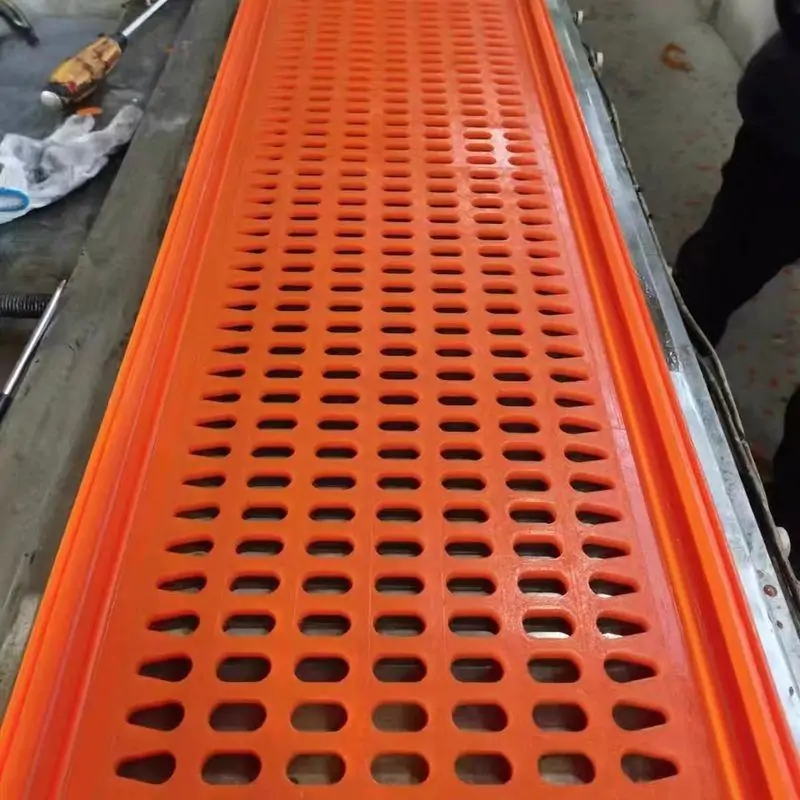
Screening Media and Mesh Types for Wet MSW Equipment
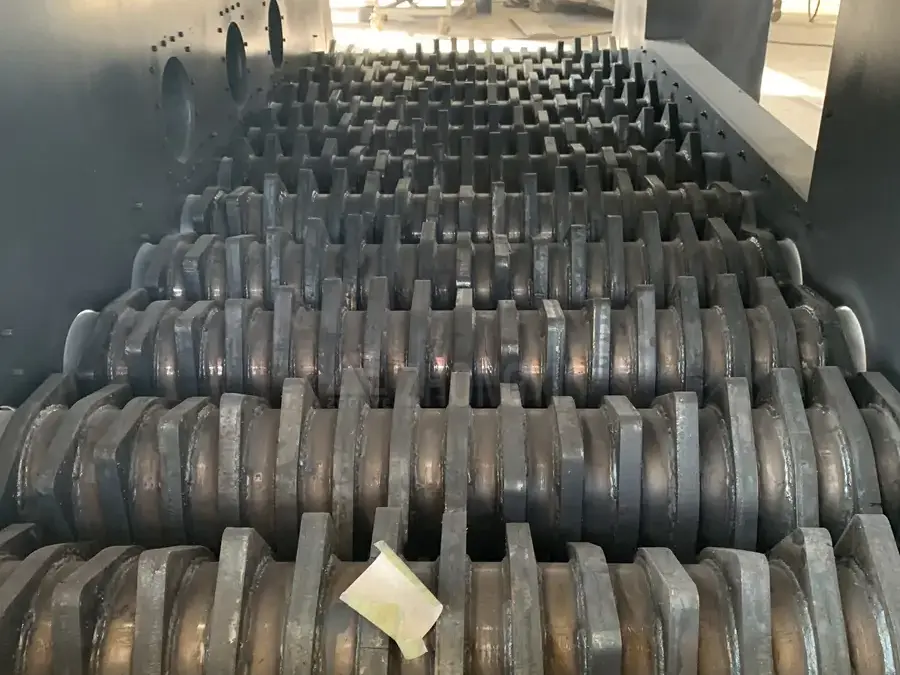
The selection of screening media and opening size has a direct impact on separation efficiency, blockage resistance, and equipment performance in wet MSW processing. Different waste characteristics require different screening surfaces, from rigid wear-resistant plates for heavy-duty applications to flexible self-cleaning panels for sticky materials.
Perforated Plate Screen Media
Perforated plate screens are commonly used in heavy-duty wet MSW applications where wear resistance and consistent particle sizing are required. The fixed aperture design provides accurate separation and long service life when handling dense and abrasive waste fractions, such as aged municipal waste and coarse materials. They are suitable for applications that require stable screening performance under continuous operating conditions.
Wire Mesh Screen Media
Wire mesh screens provide a larger open area and higher screening efficiency when fine particle separation is required. They are commonly used for applications such as organic recovery and compost screening, where smaller fractions need to pass through effectively. Compared with rigid screen plates, wire mesh designs offer better screening flexibility, but the mesh opening should be selected based on material moisture, particle characteristics, and required separation accuracy to maintain stable performance.
Polyurethane Screen Panels
Polyurethane screen panels are mainly used in Flip-Flop Screens for applications where traditional screening surfaces are prone to blockage. Their elastic structure allows continuous stretching and relaxation during operation, creating a self-cleaning effect that reduces material adhesion and keeps screen openings clear when processing sticky and high-moisture waste.
Spiral Shaft Screening Opening Design
For spiral shaft screens, separation performance is determined by the interaction between shaft spacing, opening size, and waste characteristics. Unlike traditional screen surfaces, the gaps between rotating shafts provide both conveying and screening functions, allowing smaller particles to pass through while larger materials move forward. Proper opening design helps maintain stable separation of wet organic waste and mixed MSW while reducing material buildup and blockage risks.
How to Select Screening Mesh Size for Wet MSW
The selection of waste screening mesh size for wet MSW should be based on the target separation fraction, waste composition, and downstream processing requirements rather than a fixed standard. Smaller apertures are typically used to recover fine organic fractions, medium openings are suitable for general MSW classification, and larger apertures are applied for coarse material separation. In practical applications, screening apertures can be customized within approximately 10–200 mm according to material characteristics, processing capacity, and the required quality of separated outputs.
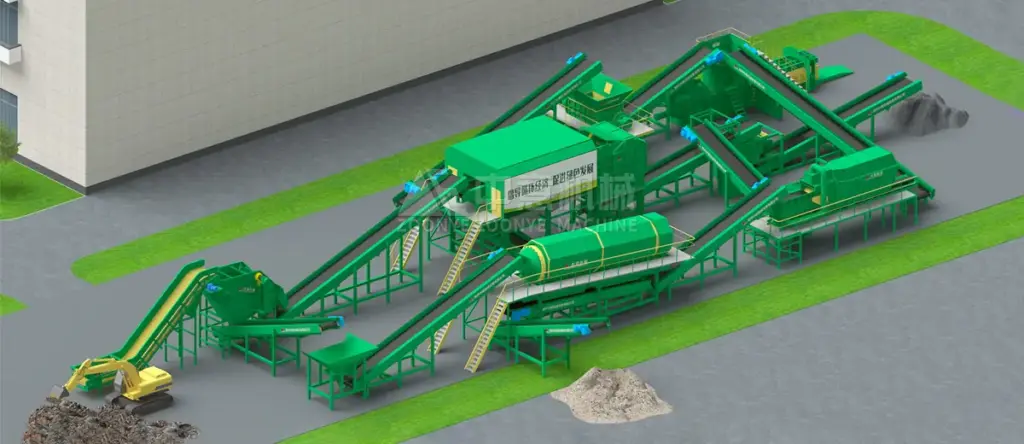
How to Select the Best Screening Equipment for Wet MSW
Selecting the right screening equipment for wet MSW requires evaluating waste characteristics, processing objectives, and long-term operating conditions. The best choice is not based on equipment type alone, but on how well the screening technology matches the material behavior and treatment requirements.
Analyze Waste Characteristics
The first step is to understand the physical properties of the waste stream, including moisture content, organic fraction, plastic and fiber content, and particle size distribution. High-moisture and sticky materials require screening designs with strong anti-clogging capability, while organic-rich waste may require equipment that combines conveying and separation functions.
Match Screening Equipment With Application Requirements
The choice of screening equipment should match the specific treatment objective and waste processing scenario. Trommel Screens are commonly used for general wet MSW classification where large throughput and stable separation are required. Disc Screens are suitable for sticky and high-moisture waste streams, while Flip-Flop Screens are designed for extremely wet and difficult-to-screen materials that require strong anti-blinding performance. For wet organic waste recovery applications, Spiral Shaft Screens provide an integrated solution that combines material conveying and screening.
Consider Maintenance and Long-Term Operating Cost
For large-scale MSW processing plants, equipment selection should also consider long-term operating performance rather than only initial investment. Important factors include screen cleaning frequency, wear part replacement, energy consumption, and overall equipment reliability. A well-designed screening system can reduce downtime, improve operating stability, and lower lifecycle costs throughout the project.
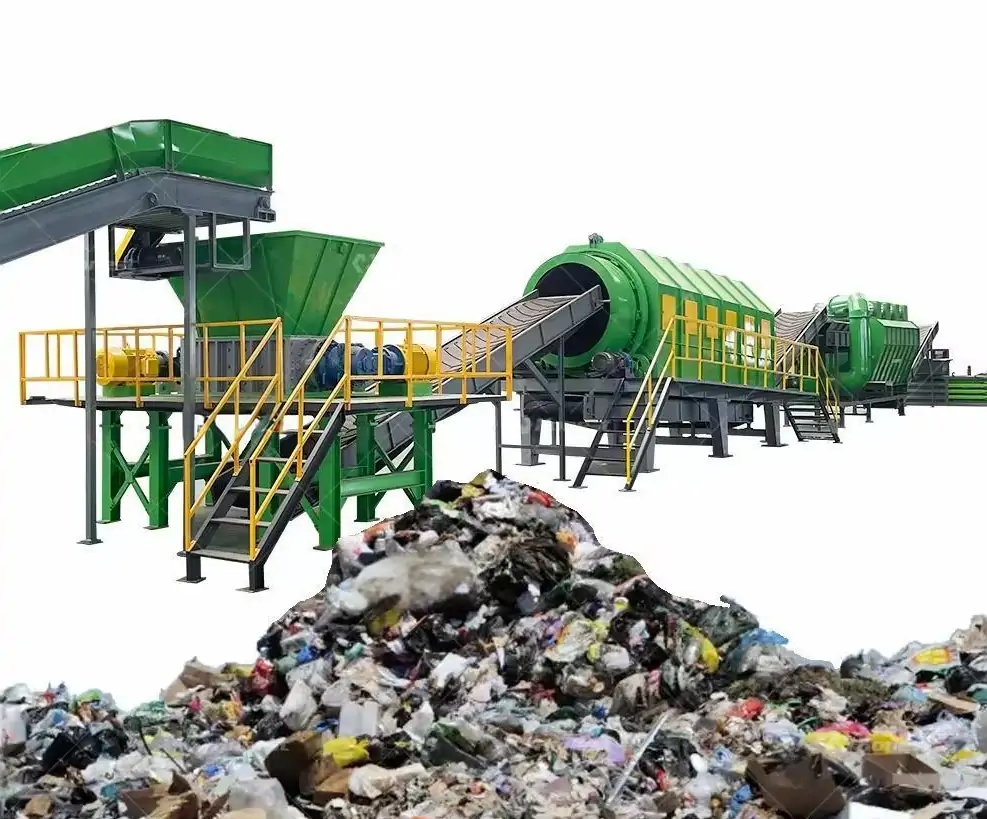
Related Equipment

Bag Opener
Designed to open waste bags before screening, improving material dispersion and increasing the efficiency of downstream sorting equipment.

Magnetic Separator
Removes ferrous metals from waste streams to improve resource recovery and material purity.

Eddy Current Separator
Separates non-ferrous metals such as aluminum from mixed waste materials for recycling applications.

AI Optical Sorting System
Uses intelligent recognition technology to identify and sort target materials with higher accuracy in advanced recycling plants.
Conclusion
Choosing the right screening equipment is essential for improving wet MSW sorting efficiency and maintaining stable operation. The main challenge is not only achieving higher throughput, but also reducing screen blockage, material adhesion, unstable separation performance, and long-term maintenance requirements. The most suitable screening solution should be selected according to waste composition, moisture level, separation targets, and downstream processing requirements.
A properly designed screening system can improve overall sorting performance, reduce operational interruptions, and support more efficient waste resource recovery. Contact our technical team to get a customized wet MSW screening solution based on your waste characteristics and processing needs.


Andy Yu
Technical Engineer | Zhongyi ECO
16+
Years Exp.
300+
Solutions
50+
Countries
16 years’ experience in environmental and solid waste management, specializing in C&D recycling and waste sorting solutions. At Zhongyi Mining Machinery, focused on improving global clients’ efficiency through technical expertise and tailored configurations.
FAQ
The best screening equipment for wet MSW depends on moisture content, waste composition, separation requirements, and processing capacity. Trommel Screens are commonly used for general classification, while Disc Screens, Flip-Flop Screens, and Spiral Shaft Screens are selected for sticky, highly wet, or organic-rich materials. The right choice should match the actual waste characteristics and downstream treatment requirements.
Wet MSW is difficult to screen because high moisture changes the physical behavior of waste materials. Organic fractions can become sticky, plastic films and fibers may wrap around moving parts, and fine particles can block screen openings. These issues reduce screening efficiency, increase maintenance frequency, and affect the stability of downstream sorting processes.
Disc Screens and Flip-Flop Screens are commonly used for sticky and high-moisture waste. Disc Screens improve material movement through rotating discs, reducing buildup and improving flow. Flip-Flop Screens use flexible polyurethane panels with self-cleaning action, making them suitable for extremely wet materials where conventional screens may experience frequent blockage.
Wet waste screening equipment reduces clogging through optimized mechanical design and suitable screening media. Rotating discs, flexible polyurethane panels, and properly selected screen openings help prevent material accumulation and maintain separation efficiency. The choice of anti-clogging technology depends on waste moisture, material stickiness, fiber content, and required processing performance.
The suitable screening mesh size depends on the target separation fraction and downstream processing requirements. Wet MSW screening apertures are typically customized according to material characteristics, commonly ranging from 10–200 mm. Smaller openings are used for fine organic separation, while larger openings are applied for coarse material removal and size classification.
Trommel Screens are mainly designed for high-capacity wet MSW classification with stable operation and adjustable screening sizes. Flip-Flop Screens are more suitable for extremely wet and sticky materials because their flexible polyurethane panels create a self-cleaning effect. The selection depends on material behavior, moisture level, and blockage risk during operation.
Yes, properly selected wet MSW screening equipment can operate continuously under high-moisture conditions. Equipment such as Disc Screens, Flip-Flop Screens, and Spiral Shaft Screens are designed to handle sticky and difficult materials by reducing buildup and improving material flow. Proper configuration and maintenance planning are important for maintaining long-term reliability.
Choosing the right screening equipment requires evaluating waste composition, moisture level, required separation size, processing capacity, and downstream treatment needs. A reliable solution should balance screening efficiency, anti-clogging performance, maintenance requirements, and operating costs. Professional equipment selection helps improve sorting stability and overall resource recovery efficiency.