
Introduction
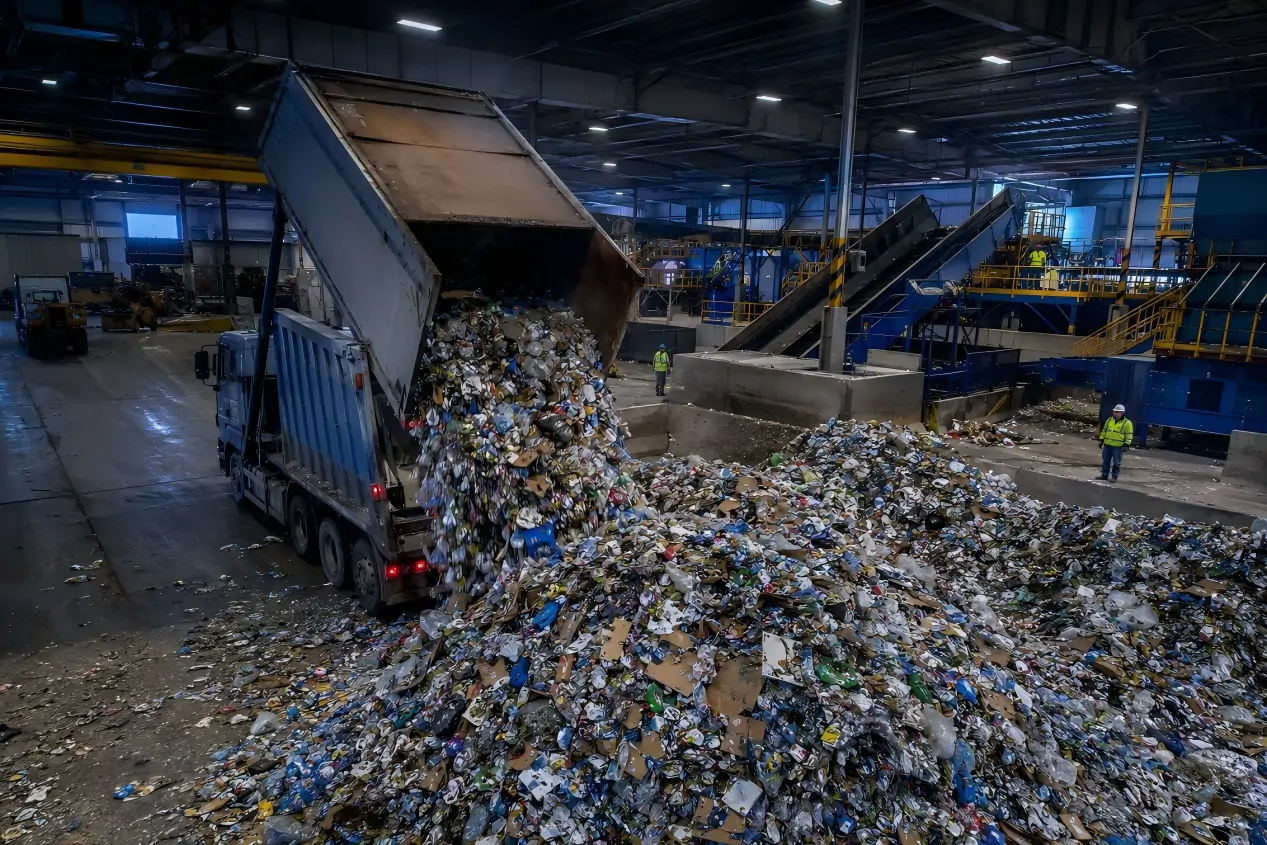
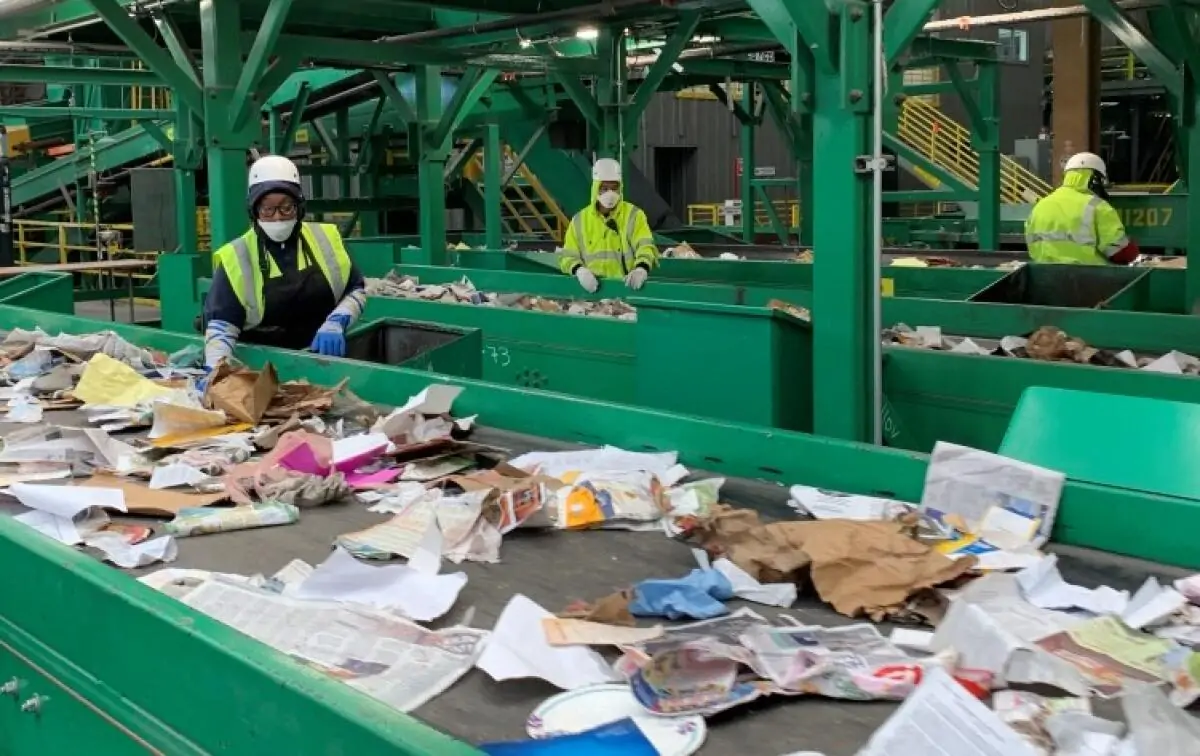
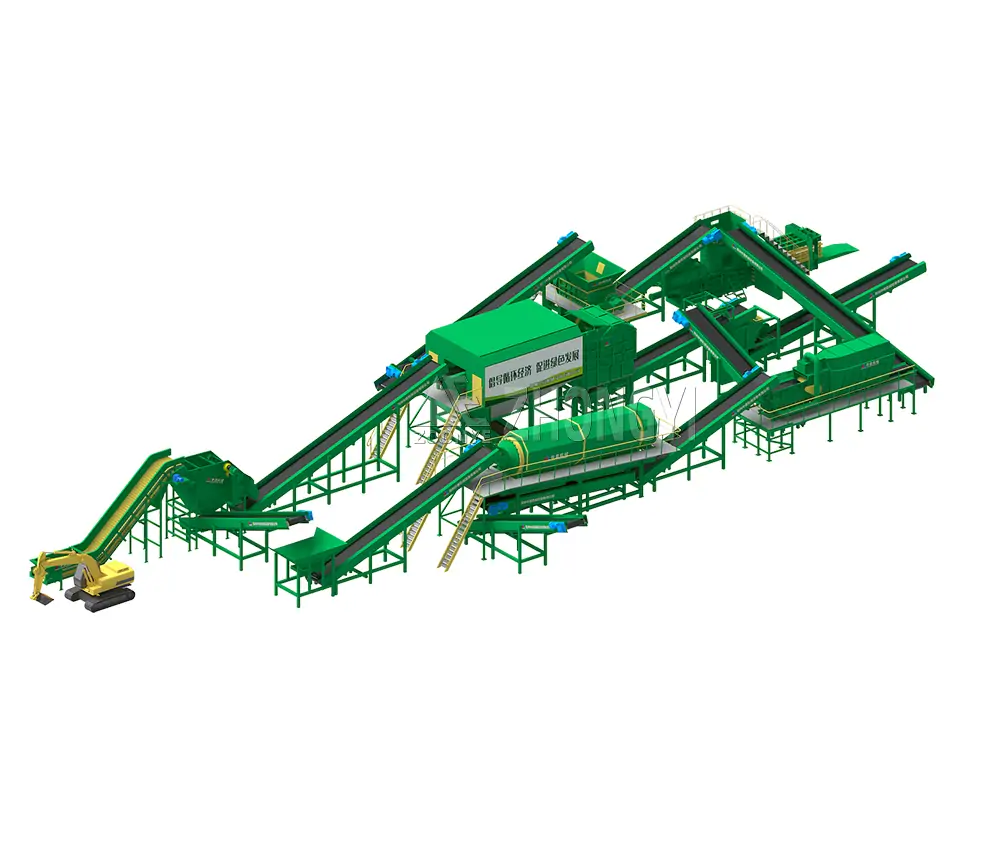
In waste recycling, mining, and industrial material processing, screening equipment is essential for separating materials by size, improving resource recovery efficiency, and ensuring stable operation of downstream processing systems.
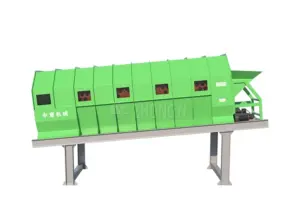
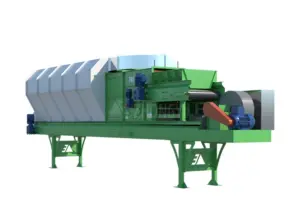
Although Flip Flop Screens and Rotary Trommel Screens are both widely used for material classification, they are designed to handle different material characteristics and operating challenges. Rotary Trommel Screens are commonly used for continuous screening of large volumes of materials with relatively stable properties, while Flip Flop Screens are specifically developed for difficult-to-screen materials such as wet, sticky, or high-organic-content waste.
Selecting the right screening technology is not only related to processing capacity but also depends on factors such as moisture content, material composition, particle size distribution, and screening requirements. Understanding the application differences between Flip Flop vs Trommel Screen helps operators improve screening efficiency, reduce equipment downtime, and achieve better performance in waste sorting and material processing applications.If you want to learn more, click here: How to Choose the Right Waste Screening Machine for an MSW Plant?


Flip Flop Screen and Trommel Screen:Application Differences
Although Flip Flop Screens and Rotary Trommel Screens are both used for material classification, their core application differences come from their screening structures, material adaptability, and separation requirements.
A Rotary Trommel Screen is designed for continuous large-volume screening and general material classification, while a Flip Flop Screen focuses on processing difficult-to-screen materials that have high moisture, strong adhesion, or a tendency to block conventional screens.
The choice between these two technologies depends mainly on material characteristics, required screening accuracy, processing capacity, and operating conditions.
| Comparison | Flip Flop Screen | Rotary Trommel Screen |
| Screening Method | Elastic high-frequency screen movement | Rotating cylindrical drum screening |
| Main Advantage | Handles difficult and sticky materials efficiently | Provides stable large-capacity classification |
| Best Application | Wet, sticky, fine, and clogging-prone materials | General waste, compost, mineral, and aggregate screening |
| Moisture Adaptability | Excellent for high-moisture materials | Suitable for dry to moderately wet materials |
| Fine Screening Performance | Higher efficiency for difficult fine separation | Suitable for standard particle classification |
| Anti-blocking Performance | Excellent self-cleaning ability | Good but may require additional cleaning for sticky materials |
| Structure | Flexible polyurethane screen panels | Rotating perforated drum |

What Is a Rotary Trommel Screen?
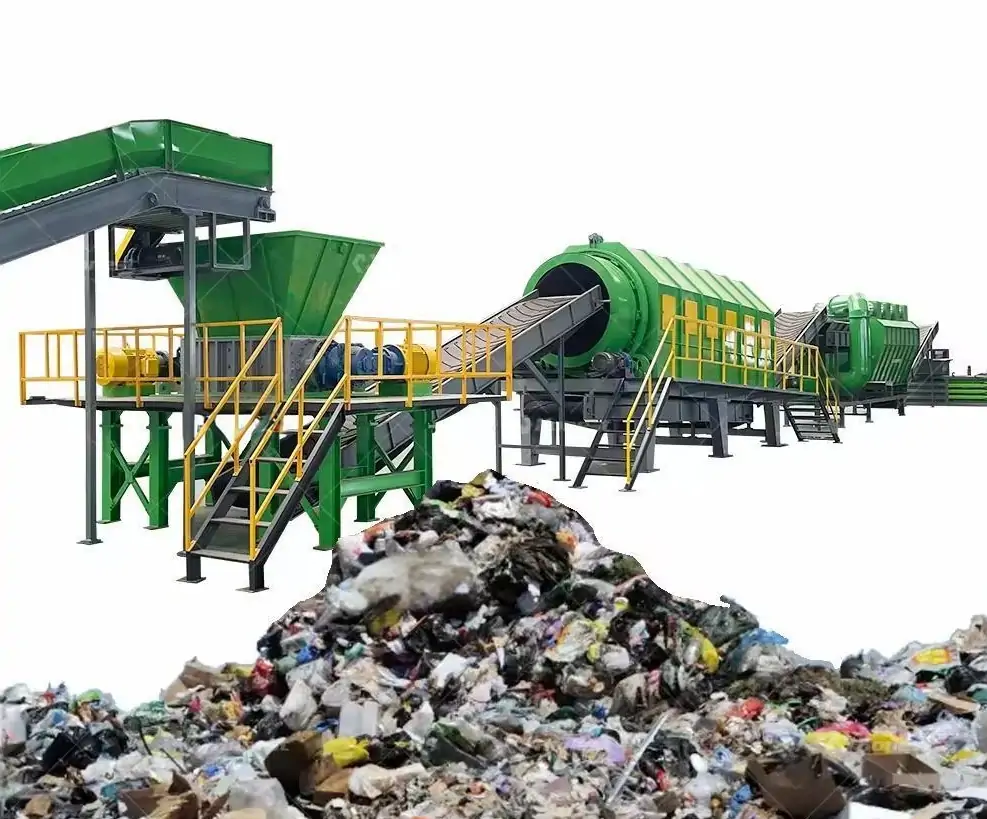
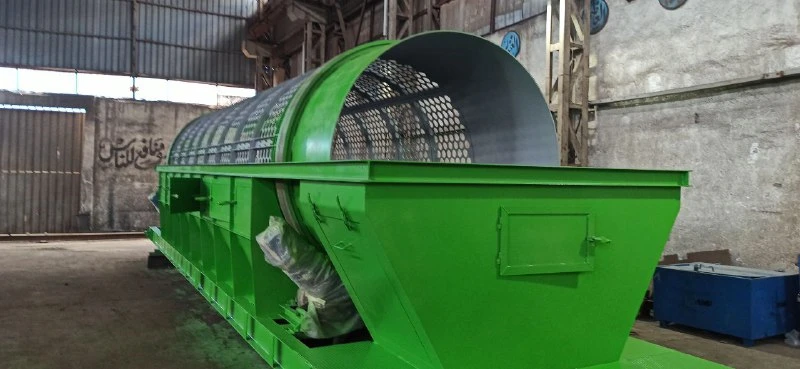
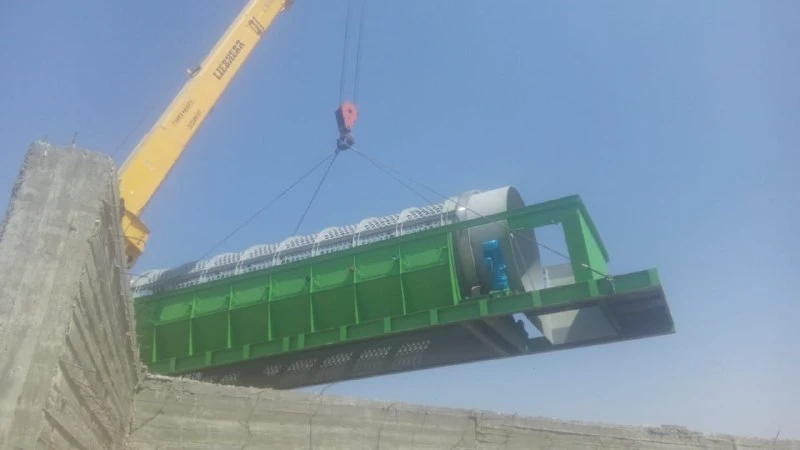
A Rotary Trommel Screen is a mechanical screening machine that uses a rotating cylindrical drum to classify materials by size. It is designed for continuous separation of mixed materials and is widely used in waste sorting, recycling, mining, and aggregate processing due to its stable performance and high processing capacity.
Purpose
The main purpose of a Rotary Trommel Screen is to provide continuous size classification for mixed materials by separating different particle fractions. It helps remove oversized materials, improve downstream sorting efficiency, and support stable operation in waste recycling and material processing systems.
Working Principle
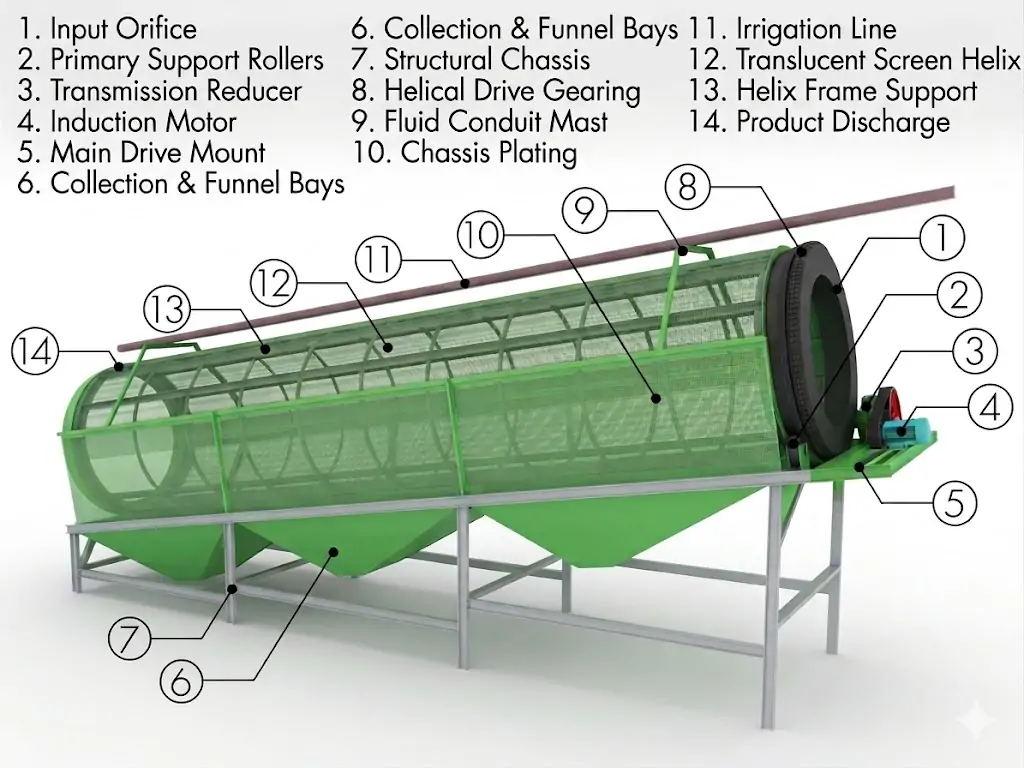
A Rotary Trommel Screen separates materials through the continuous rotation of a perforated cylindrical drum. As materials move through the drum, lifting plates raise and tumble them to improve contact with the screen surface, allowing smaller particles to pass through while larger materials discharge from the end. Different screen sections can be configured with various mesh sizes to achieve multi-stage classification according to specific processing requirements.
Typical Applications
Rotary Trommel Screens are widely used in waste sorting, compost processing, biomass handling, mining, aggregate classification, and construction waste recycling. They are especially suitable for large-volume processing applications that require continuous operation, stable screening performance, and multi-stage material size separation.

What Is a Flip Flop Screen?
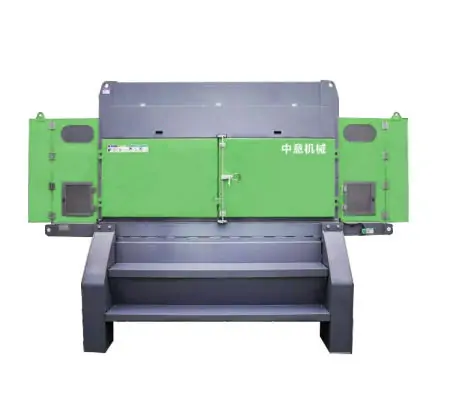
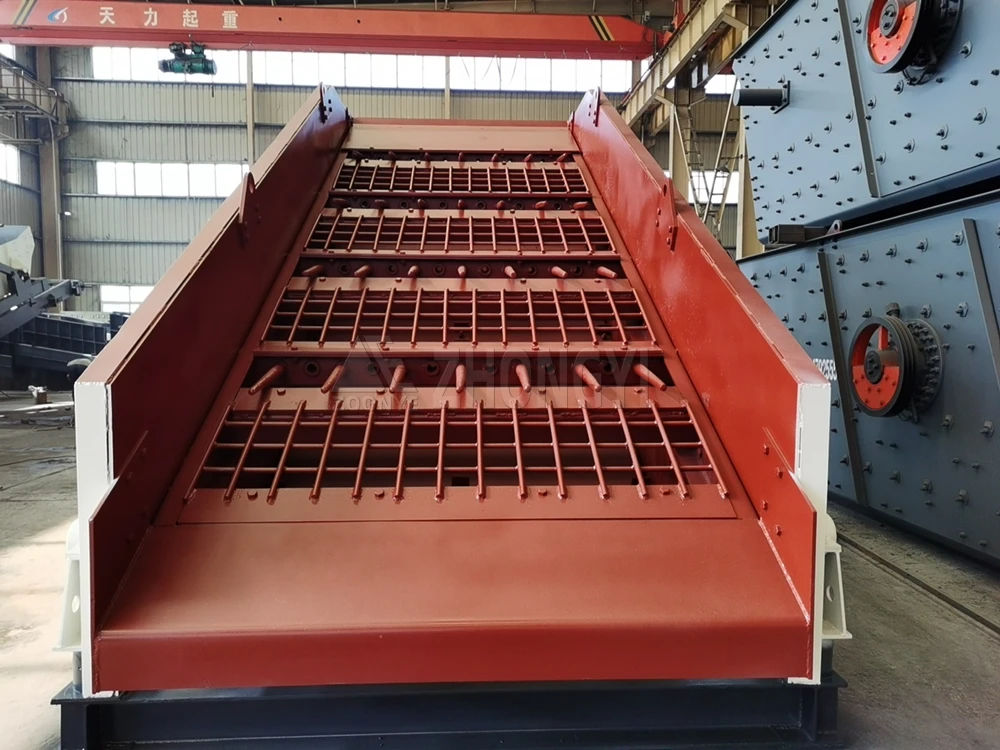
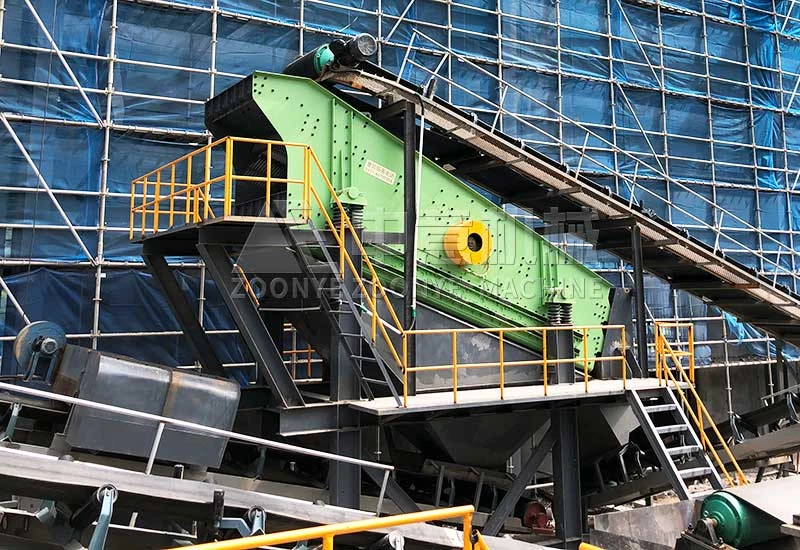
A Flip Flop Screen is an advanced screening machine designed for processing difficult-to-screen materials, especially those with high moisture, strong adhesion, or fine particle content. Unlike conventional screening equipment, it uses flexible polyurethane screen panels that generate dynamic elastic movement, improving separation efficiency and reducing clogging during operation.
Purpose
The main purpose of a Flip Flop Screen is to improve screening efficiency for challenging materials that are difficult to process with traditional screens. Its flexible screen panels create continuous stretching and relaxing movements, preventing material buildup and maintaining stable separation performance when handling wet, sticky, or fine materials.
Working Principle
A Flip Flop Screen uses flexible polyurethane screen panels that generate high-frequency elastic movement during operation. The continuous stretching and relaxing action creates a self-cleaning effect, preventing screen clogging while improving fine particle separation and maintaining efficient performance when processing wet, sticky, and difficult-to-screen materials.
Typical Applications
Flip Flop Screens are widely used for wet MSW screening, sticky industrial waste processing, compost and organic material separation, and difficult mineral screening applications. They are especially suitable for high-moisture, sticky, and fine materials where conventional screening equipment may experience blockage or reduced efficiency.

Equipment Structure and Core Positioning
Rotary Trommel Screen
A Rotary Trommel Screen uses a rotating cylindrical drum with customized screen openings to achieve continuous material classification. Its core positioning is large-volume particle size separation, providing stable and reliable screening performance for waste sorting, composting, mining, and recycling applications.
Flip Flop Screen
A Flip Flop Screen uses flexible polyurethane screen panels with dynamic elastic movement to improve screening performance for difficult materials. Its core positioning is efficient separation of wet, sticky, and fine materials where conventional screens may experience clogging or reduced efficiency. It is widely used in waste recycling, composting, and mineral processing applications requiring reliable fine screening performance.
Difference in Structure and Application Positioning
The main difference between Rotary Trommel Screen and Flip Flop Screen lies in their screening mechanism, material adaptability, and application focus. Rotary Trommel Screens are mainly designed for high-capacity particle size classification and continuous processing of relatively stable materials. In contrast, Flip Flop Screens are developed for challenging screening conditions, using elastic screen movement to improve separation efficiency for wet, sticky, and fine materials that are prone to clogging.
Application Differences Between Flip Flop Screen and Trommel Screen
Rotary Trommel Screen Applications
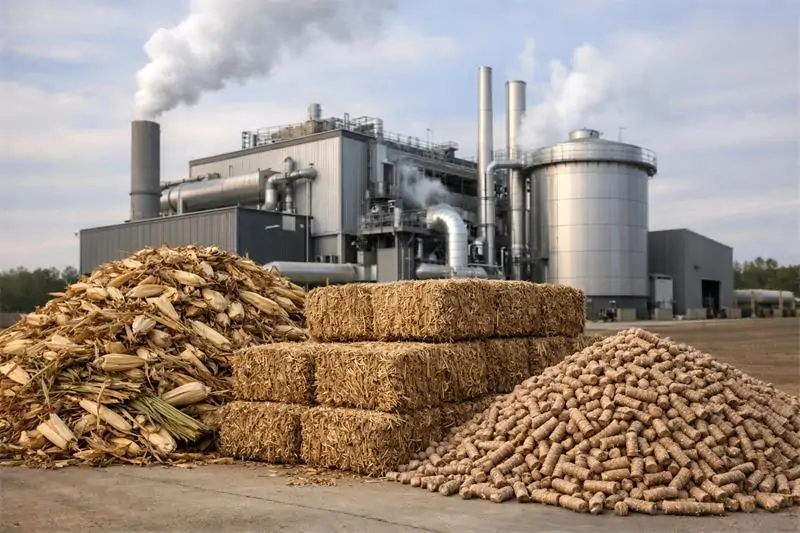
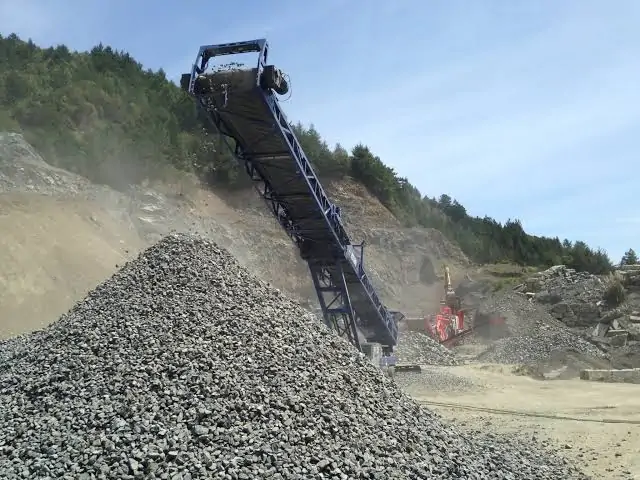
Rotary Trommel Screens are commonly used for applications that require reliable continuous screening and general material classification. They are widely applied in municipal solid waste sorting, compost processing, biomass screening, mining, aggregate processing, and construction waste recycling.
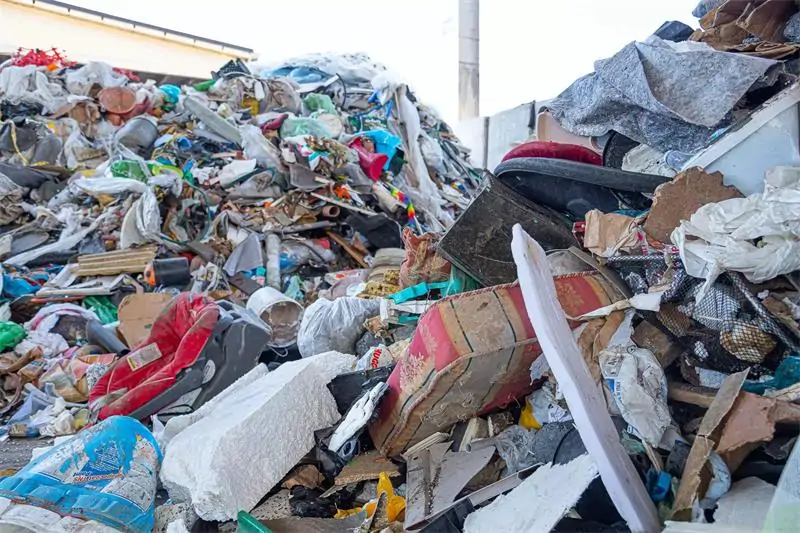
In waste treatment plants, they help separate organic fines, recyclable materials, and oversized fractions before further processing. In mining and aggregate applications, they provide stable particle size classification for minerals, sand, gravel, and crushed materials.
They are especially suitable for:
- Large-volume processing requirements
- Continuous production environments
- Materials with relatively stable characteristics
- General particle size classification

Flip Flop Screen Applications
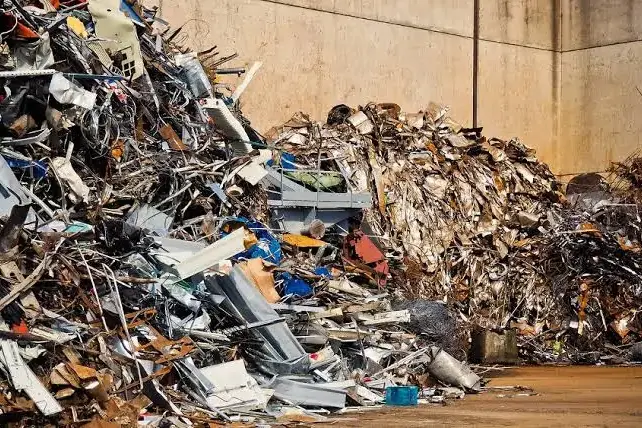
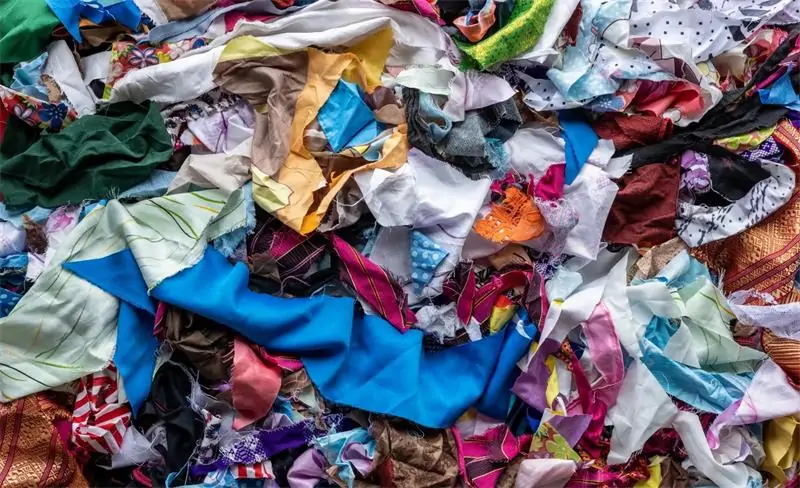
Flip Flop Screens are designed for challenging screening applications where conventional screens may experience clogging or reduced efficiency. Their elastic screening movement makes them particularly effective for wet, sticky, fine, and high-organic-content materials.
They are commonly used for wet MSW screening, sticky industrial waste processing, compost and organic material separation, and difficult mineral screening applications where higher separation efficiency is required.
They are especially suitable for:
- High-moisture materials
- Sticky materials prone to screen blockage
- Fine particle separation
- Difficult screening conditions
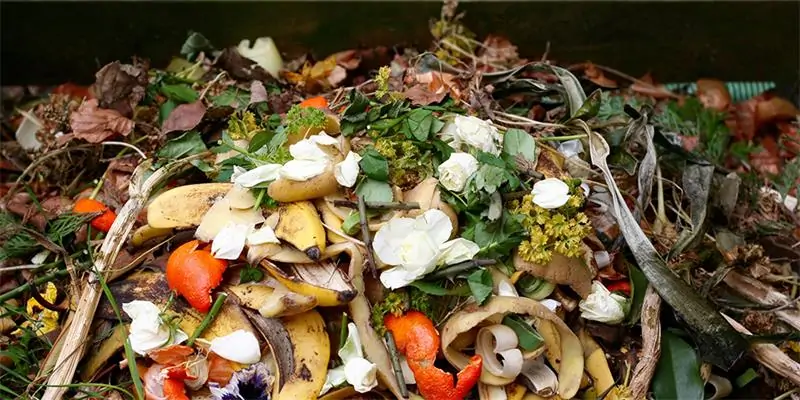
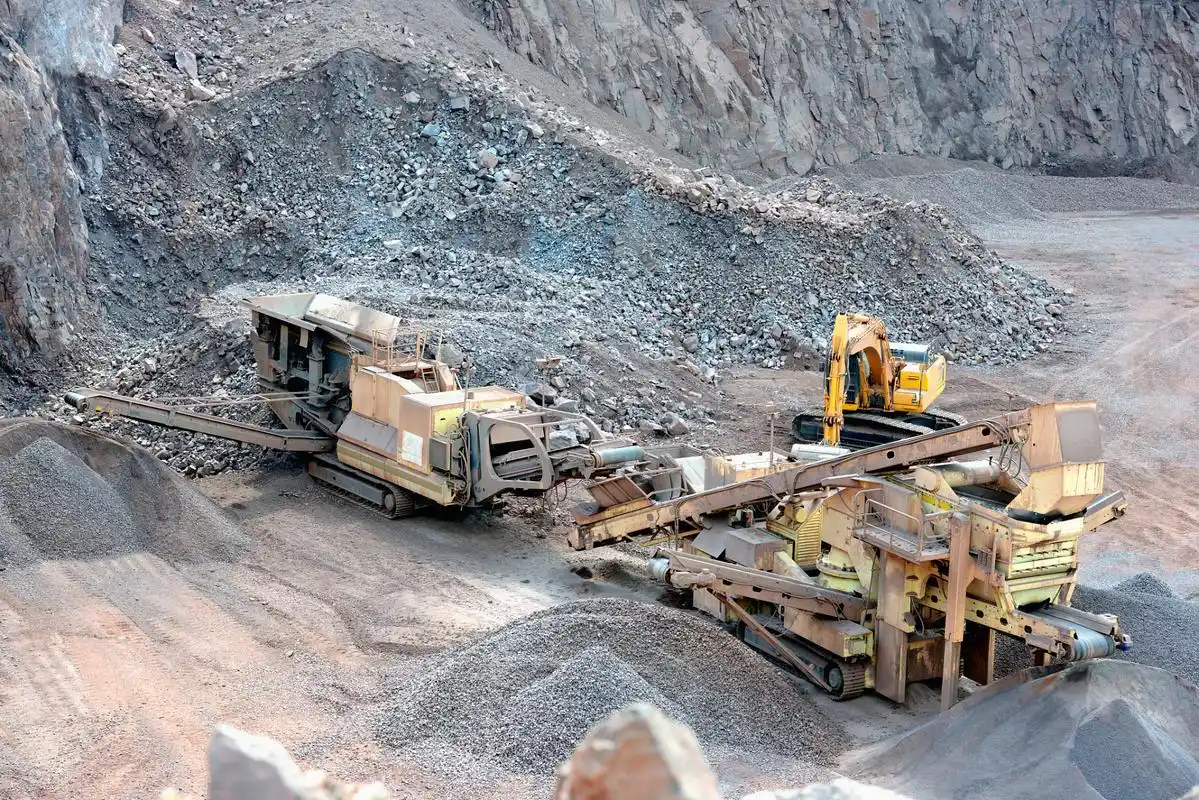
Material Adaptability Comparison: Which Screen Fits Your Application?
The choice between Flip Flop Screen and Rotary Trommel Screen mainly depends on material characteristics such as moisture content, stickiness, processing volume, and screening requirements. Different materials create different screening challenges, making the right equipment selection important for maintaining stable operation and separation efficiency.
Wet and Sticky Waste
Wet and sticky materials often create screening problems such as screen blockage and reduced separation efficiency. In these applications, Flip Flop Screens have advantages because their elastic screen panels continuously move during operation, helping prevent material buildup and maintain stable screening performance.
Large-Scale Municipal Solid Waste Sorting
Large-scale MSW sorting plants usually require continuous processing and stable material classification. Rotary Trommel Screens are widely used in these applications because of their robust structure, high throughput capability, and reliable operation under long-term working conditions.
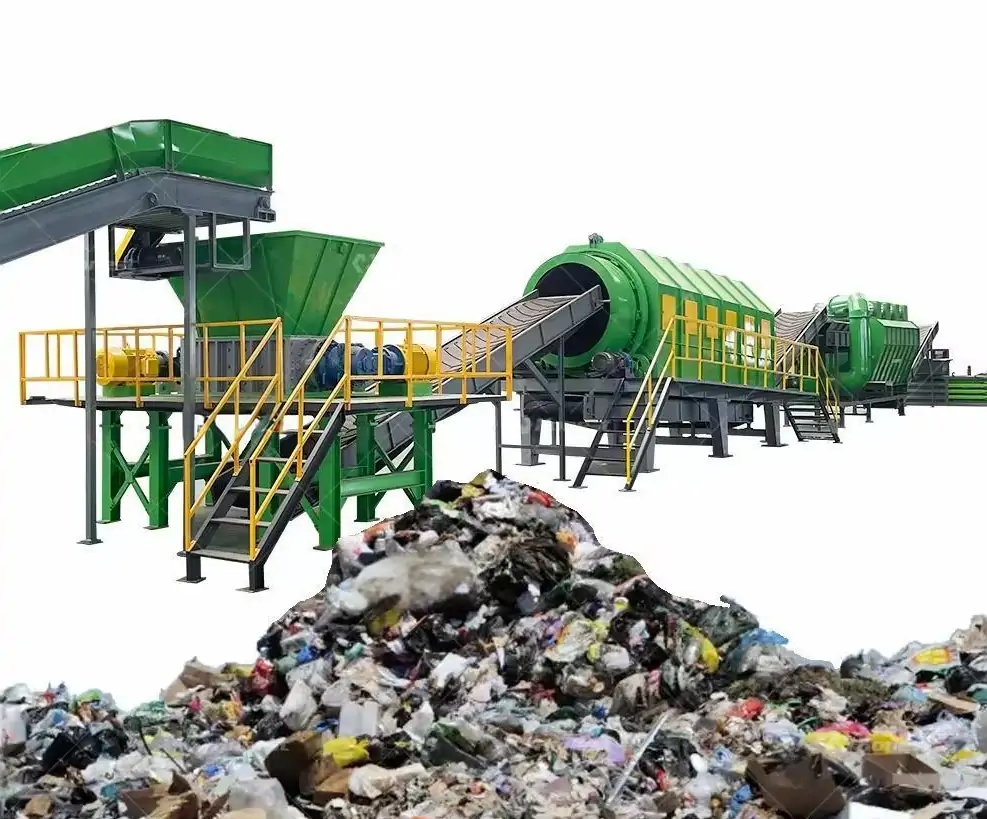
How to Choose Between Flip Flop Screen and Rotary Trommel Screen?
The selection between Flip Flop Screen and Rotary Trommel Screen should consider several factors, including material properties, production requirements, maintenance expectations, and final product specifications.
Consider Flip Flop Screen If:
- The material has high moisture content or strong adhesion
- Screen clogging affects production efficiency
- Fine particle separation is an important requirement
- The waste stream contains difficult-to-screen materials
Consider Rotary Trommel Screen If:
- Large processing capacity is required
- Stable particle size classification is the main objective
- The material characteristics are relatively consistent
- Simple operation and long-term reliability are priorities
Related Screening Equipment

Disc Screen
For complex waste streams containing flexible materials, films, and bulky components.

Ballistic Separator
For separating 2D and 3D materials in automated waste sorting systems.

Vertical Negative Pressure Wind Sifter Machine
For removing lightweight materials from heavy waste streams through air separation technology.
Conclusion
Flip Flop Screen and Rotary Trommel Screen are designed for different screening challenges and application requirements. Rotary Trommel Screens provide reliable performance for large-volume material classification and continuous processing, while Flip Flop Screens offer better adaptability for wet, sticky, and difficult-to-screen materials. Selecting the appropriate screening technology based on material characteristics and operational needs can improve screening efficiency, reduce downtime, and optimize the overall processing system.
Need help selecting the right screening solution for your application? Contact our professional engineering team for material analysis, equipment recommendations, and customized screening solutions based on your processing requirements.


Andy Yu
Technical Engineer | Zhongyi ECO
16+
Years Exp.
300+
Solutions
50+
Countries
16 years’ experience in environmental and solid waste management, specializing in C&D recycling and waste sorting solutions. At Zhongyi Mining Machinery, focused on improving global clients’ efficiency through technical expertise and tailored configurations.
FAQ
The main difference is their screening mechanism and application focus. Rotary Trommel Screens use a rotating drum to classify materials by particle size and are suitable for high-capacity continuous processing. Flip Flop Screens use flexible polyurethane screen panels with elastic movement, making them more effective for wet, sticky, fine, and difficult-to-screen materials that may cause clogging.
Flip Flop Screen is generally the better choice for wet and sticky materials because its elastic screen movement creates a self-cleaning effect during operation. This design helps prevent material buildup and screen blockage while maintaining stable separation efficiency. It is commonly used for wet MSW, organic waste, compost, and other materials with high moisture content or strong adhesion.
A Rotary Trommel Screen is suitable when the primary requirement is continuous screening with high processing capacity. It is widely used in municipal solid waste sorting, compost screening, biomass processing, mining, and recycling applications. Its simple structure, reliable operation, and ability to handle large material flows make it a practical solution for general particle size classification.
A Flip Flop Screen cannot completely replace a Rotary Trommel Screen because they are designed for different screening conditions. Flip Flop Screens are optimized for difficult materials that require anti-clogging performance and fine separation, while Trommel Screens are better suited for large-scale classification of relatively stable materials. The best choice depends on material properties and processing requirements.
Flip Flop Screen reduces clogging through the high-frequency elastic movement of flexible polyurethane screen panels. During operation, the screen surface continuously stretches and relaxes, preventing wet, sticky, and fine materials from blocking the openings. This self-cleaning effect helps maintain stable screening efficiency and reduces downtime caused by manual cleaning or screen blockage.
Rotary Trommel Screens can process a wide range of materials, including municipal solid waste, compost, biomass, construction waste, minerals, and aggregates. They are mainly used for separating materials according to particle size and are especially suitable for applications requiring continuous operation, stable throughput, and reliable classification performance in recycling and material processing plants.
Rotary Trommel Screens generally require less maintenance for standard screening applications due to their simple and robust structure. However, maintenance requirements depend on material characteristics, operating conditions, and equipment configuration. Flip Flop Screens may require more attention to flexible screen panels, but they can reduce downtime in applications where clogging is a major operational issue.
The selection should be based on material moisture, stickiness, particle size distribution, processing capacity, and required screening accuracy. Rotary Trommel Screens are recommended for large-volume material classification, while Flip Flop Screens are better suited for wet, sticky, and difficult-to-screen materials. A proper material analysis helps ensure better performance and long-term equipment reliability.