
Project Overview
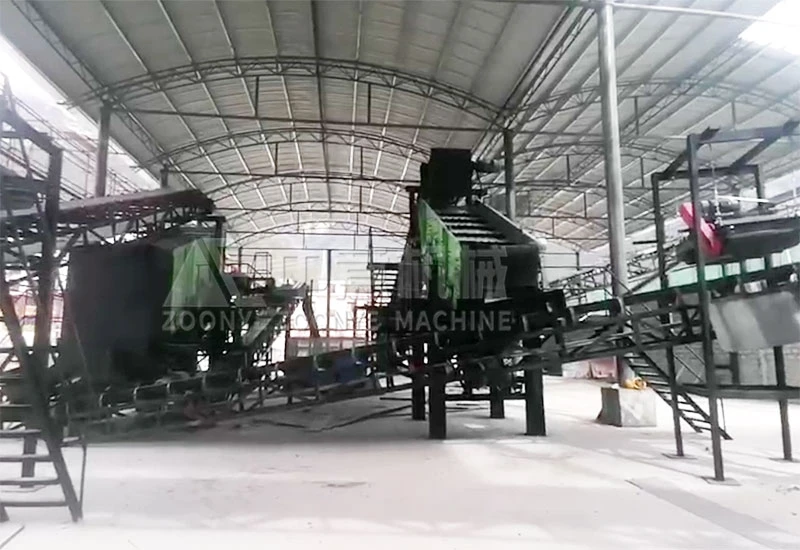
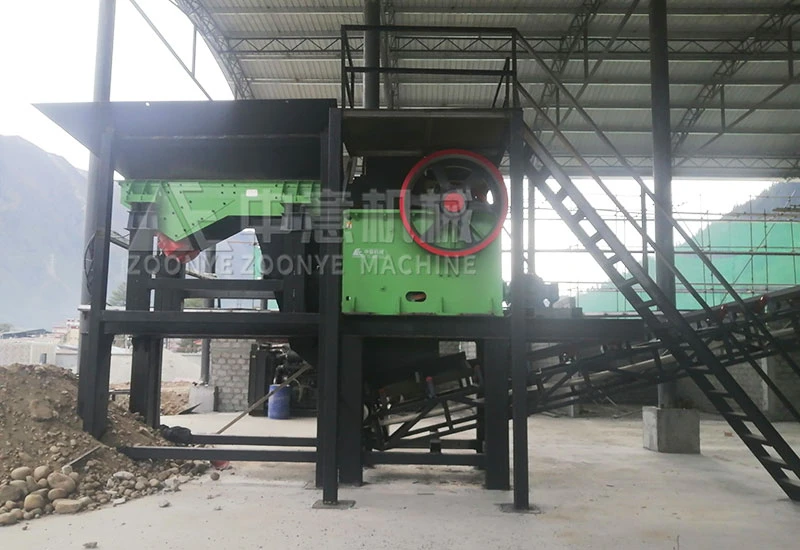
In 2025, we installed a 150–200 t/h construction and renovation waste processing line in Tibet. The feed was a typical mixed stream from demolition and renovation work, containing bricks, soil, mortar, plastics, and lightweight impurities. Based on the material conditions, we configured crushing, screening, and air separation equipment to recover usable mineral materials and reduce the amount sent to landfill.
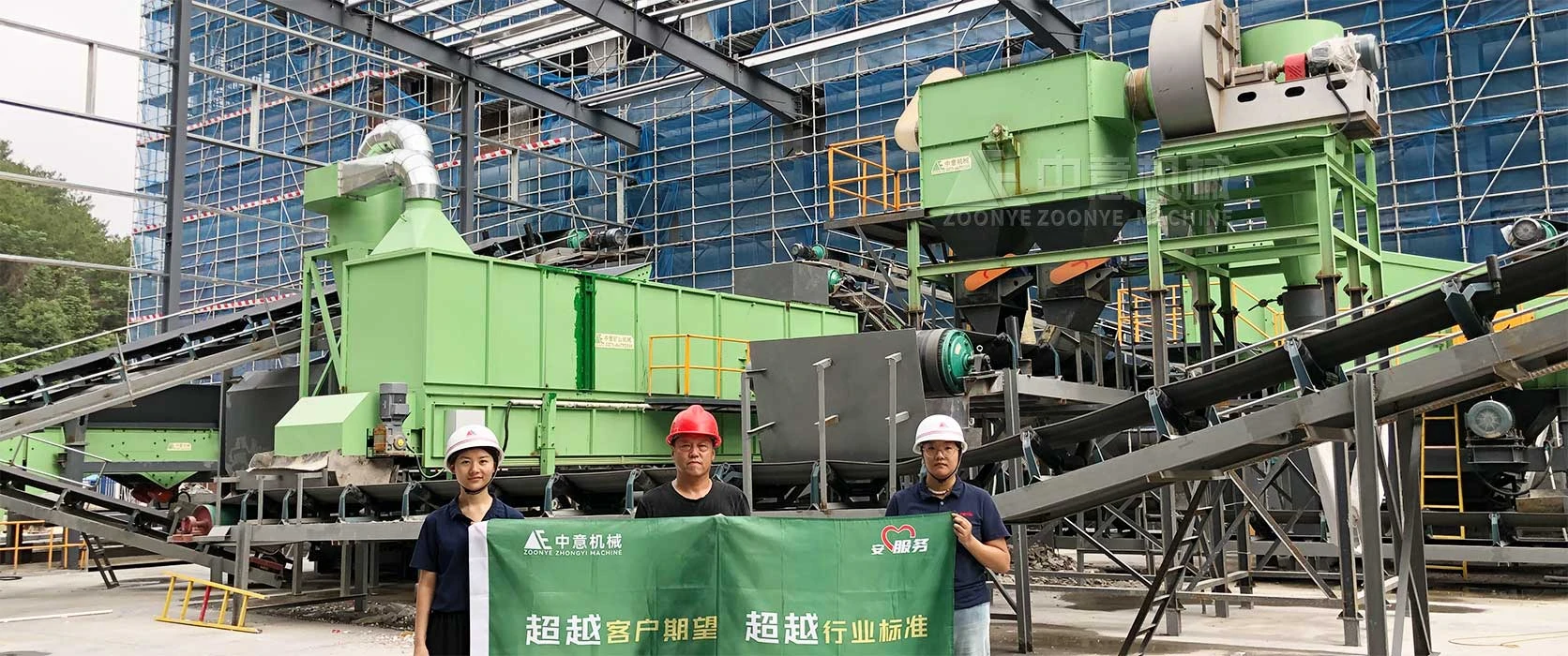
The site itself made the project more demanding. High altitude, low temperatures, and strong winds created additional challenges during installation and commissioning. Our engineers stayed on site throughout the process, working through equipment coordination and operating issues as they arose. The line was successfully commissioned and now provides a practical way to recover resources from local construction and renovation waste.
150-200 t/h
Processing Capacity
2025
Commissioning Date
Customer Requirements & Project Challenges
Customer Requirements
The customer needed a practical way to handle the growing volume of mixed construction and renovation waste in the local area, reducing uncontrolled dumping and landfill while recovering usable materials for road base, backfilling, and construction applications. The plant also needed to meet strict environmental requirements, with controlled dust and noise and enclosed processing suitable for the ecologically sensitive Tibetan region. At the same time, the equipment had to operate steadily in high-altitude, low-temperature conditions, remain easy to maintain, and be backed by on-site installation, commissioning, technical support, and after-sales service.
Project Challenges
- High-altitude operating conditions: Low oxygen, low temperatures, large temperature variations, and strong winds increased the difficulty of equipment installation and commissioning.
- Highly mixed feed material: Construction and renovation waste contained bricks, soil, plastics, wood, textiles, and other materials, making effective separation and clean aggregate recovery more demanding.
- Strict environmental control: The sensitive local environment required effective control of dust and noise, ruling out open and poorly controlled processing methods.
- Limited site conditions: Site preparation, transportation, lifting, installation, and commissioning were more difficult, requiring engineers to address equipment and process issues directly on site.
XINZHONGYI ECO Construction & Renovation Waste Recycling Solution
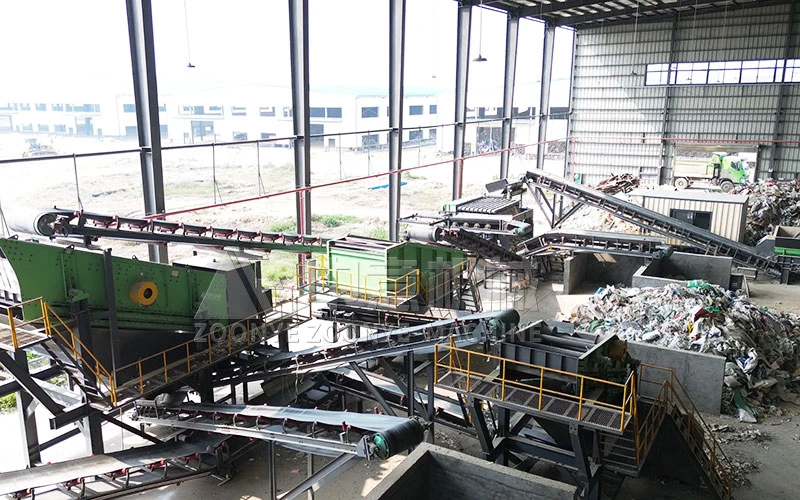
For the demanding conditions in Tibet and the highly mixed nature of the incoming waste, XINZHONGYI ECO developed an integrated processing line built around controlled feeding, multi-stage crushing, elastic screening, and negative-pressure air separation. A chain plate feeder provides a steady feed and helps prevent blockages caused by wet or mixed materials. Jaw crushing and impact crushing then reduce and reshape the mineral fraction, while the combined bar elastic screen and three-layer circular elastic screen improve separation of sticky, soil-containing materials that can easily clog conventional screens.
The downstream system focuses on material cleaning and environmental control. An extended air separator with a negative-pressure system removes plastics, wood pieces, and other lightweight contaminants, improving the quality of the recovered aggregates. Enclosed conveyors, dust suppression, noise control, and negative-pressure dust collection keep the processing line contained. Key components such as motors, bearings, lubrication, and electrical systems were also considered for the local low-temperature and high-altitude conditions, helping the plant maintain stable operation during actual site use.
Main Equipment Configuration
Based on the material characteristics and the processing requirements of the Tibet project, the production line was equipped with the following main machines. Each unit was selected to handle a specific stage of feeding, crushing, screening, light-material separation, conveying, and environmental control.
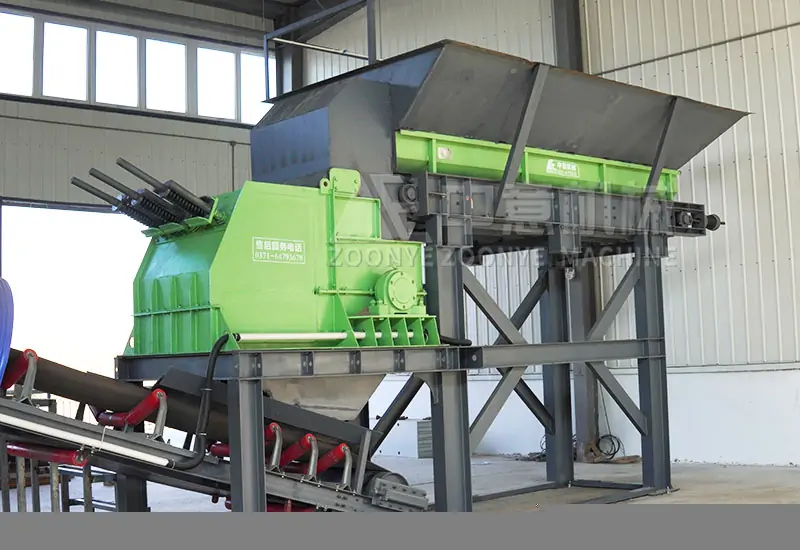
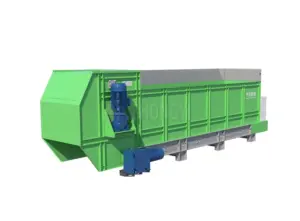
- Chain Plate Feeder: Provides steady and controlled feeding while reducing the risk of blockage from wet or mixed waste.
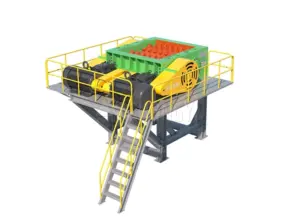
- PE Jaw Crusher: Performs primary crushing of large pieces of construction and renovation waste.
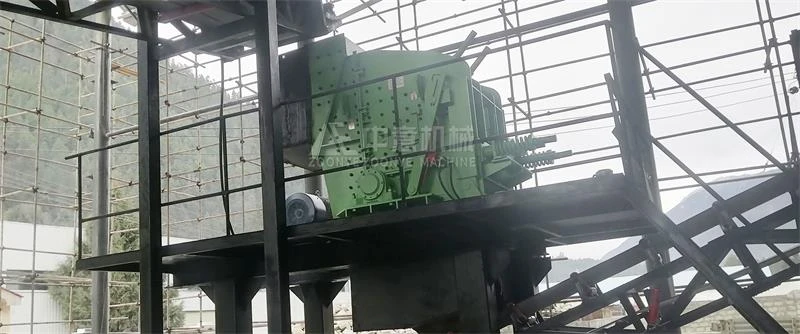
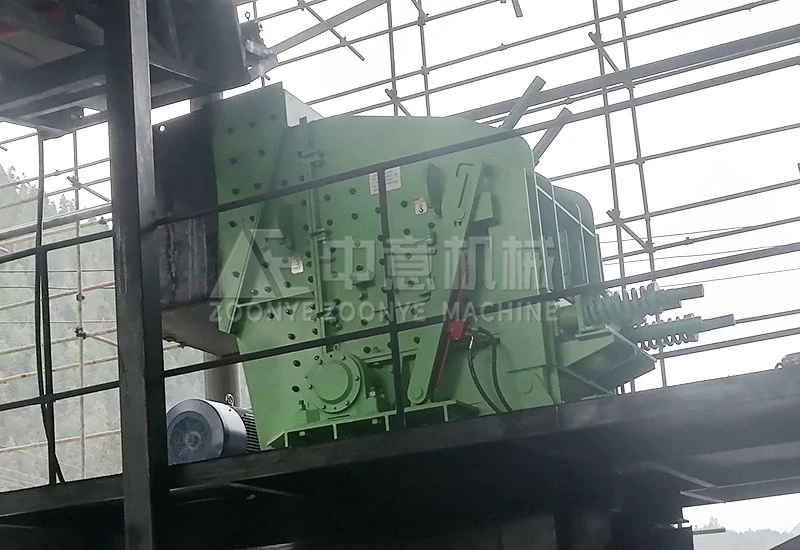
- Impact Crusher: Further crushes and shapes the mineral materials to improve aggregate particle shape.
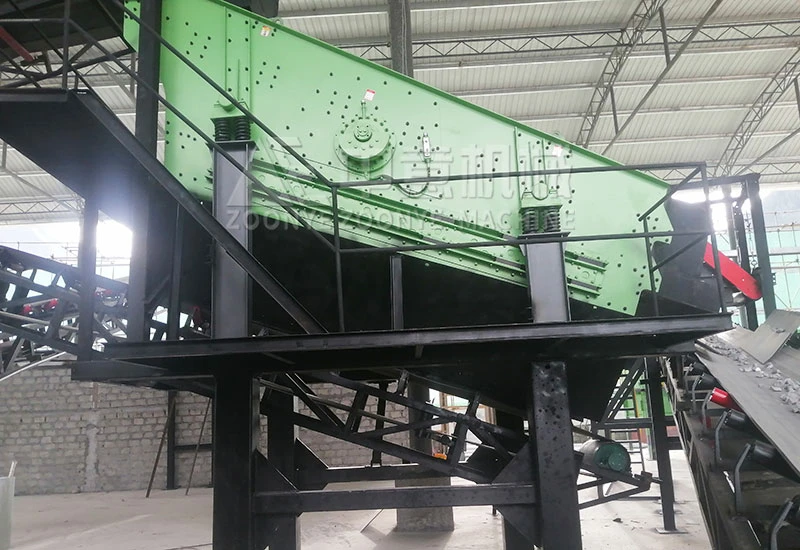
- Bar Elastic Screen: Performs initial screening and soil removal from dry and wet mixed materials.
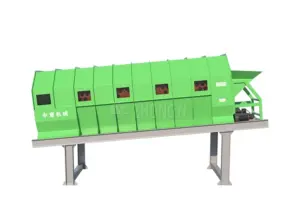
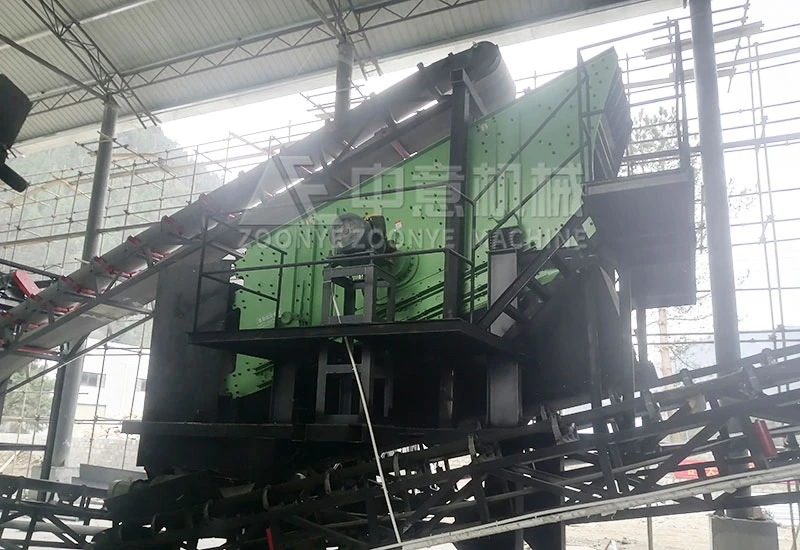
- Three-Layer Circular Elastic Screen: Provides multi-size classification and separates the required finished aggregate fractions.
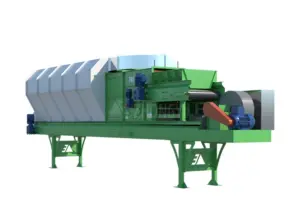
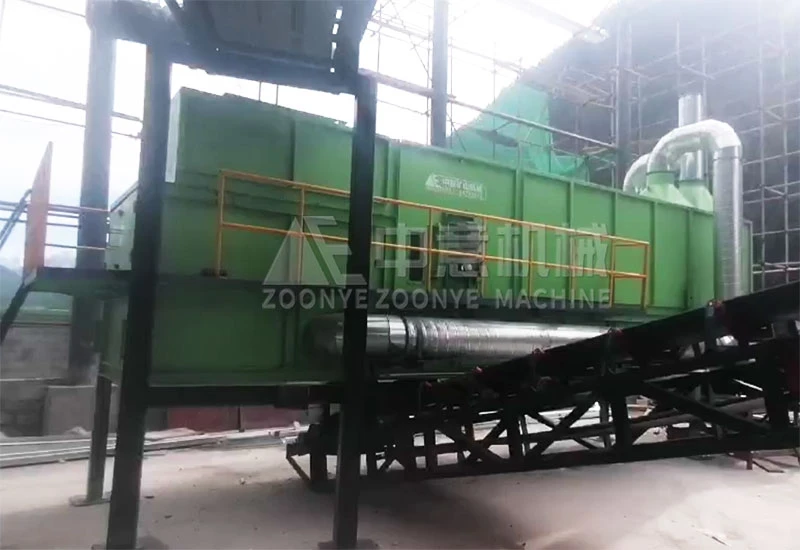
- Extended Combined Air Separator: Removes multiple types of lightweight contaminants from the screened materials.
- Negative-Pressure Air Separator: Provides further cleaning by removing residual plastics, wood pieces, and other light impurities.
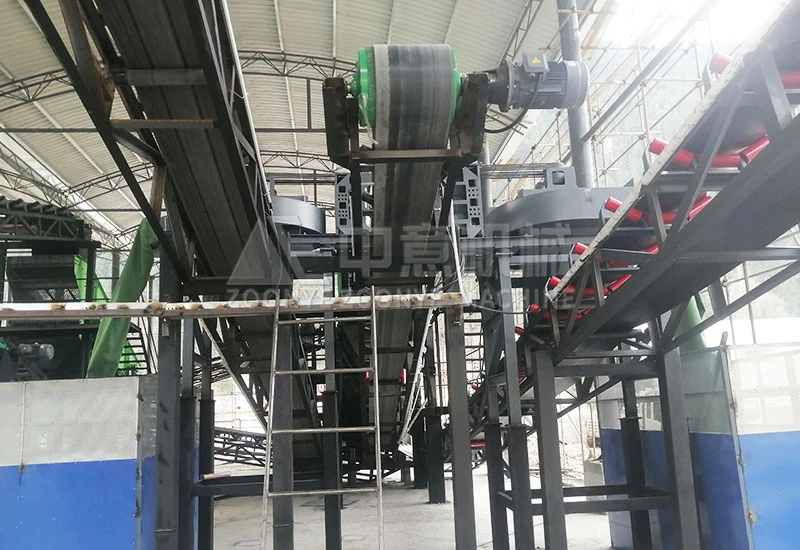
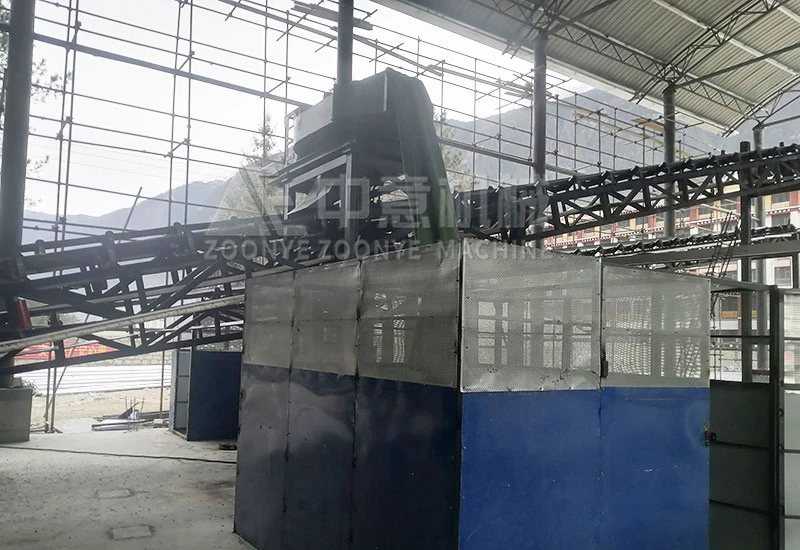
- Heavy-Duty Enclosed Belt Conveyors: Transfer materials between processing stages while helping contain dust along the conveying route.
- Electrical Control, Dust Collection & Noise Control System: Coordinates plant operation and provides supporting measures for dust and noise management.
Construction and Renovation Waste Recycling Process
Mixed waste feeding → Uniform feeding by chain plate feeder → Primary crushing by jaw crusher → Secondary crushing and shaping by impact crusher → Initial screening and soil removal by bar elastic screen → Multi-stage screening by three-layer circular elastic screen → Dual air separation for removing plastics, wood, and other lightweight impurities → Clean recycled sand and aggregates → Conveying, stockpiling, or direct reuse
The mineral fraction is recovered as reusable aggregate, while lightweight and combustible materials are collected separately for compliant handling. This process improves the overall recovery of mixed construction and renovation waste while reducing uncontrolled dumping and disposal.
Gallery
Advantages
The system was configured around the actual material and site conditions of the Tibet project rather than using a standard aggregate processing setup. From equipment selection and screening performance to dust control and on-site commissioning, each part of the solution was focused on maintaining stable operation and producing usable recovered aggregates under demanding conditions.
- Adapted to high-altitude conditions: Key equipment and operating systems were selected with low temperature, low air pressure, and harsh weather conditions in mind.
- Handles mixed renovation waste: The process is designed for sticky, soil-containing and highly mixed waste, reducing screen blockage and improving separation quality.
- Controlled and cleaner processing: Enclosed conveying, negative-pressure air separation, and dust and noise control help keep emissions under control.
- Improved aggregate recovery: Effective screening and air separation remove unwanted materials and improve the quality of recovered sand and aggregates for reuse.
- Practical for remote-site operation: Wear-resistant screening equipment and a straightforward process help reduce routine maintenance requirements.
- On-site engineering support: Our engineers participated in installation, commissioning, and troubleshooting to address practical issues during project implementation.
Project Results
Since commissioning, the plant has maintained a processing capacity of 150–200 t/h for mixed construction and renovation waste. The crushing, screening, and air separation stages work together to recover the usable mineral fraction while removing soil and lightweight impurities, providing recycled sand and aggregate for applications such as road base, backfilling, and construction materials.
The enclosed processing system also helps control dust and noise and reduces the need for open dumping or direct landfill disposal. More importantly, the equipment has been operating under the local high-altitude and low-temperature conditions, with on-site commissioning and adjustments helping establish stable operating procedures for long-term production.
Customer Feedback
“The team handled installation and commissioning well. The line performs reliably with our mixed waste and removes lightweight materials effectively. The on-site technical support was practical and responsive.”
Why Choose Zhongyi for Construction Waste Recycling?
16+
Years Experience
100+
Global Projects
XINZHONGYI ECO provides practical recycling solutions for mixed construction and renovation waste. Our engineers tailor crushing, screening, and separation systems to the material and site conditions, with a focus on stable operation, effective impurity removal, and consistent recovery of reusable aggregates.
Plan Your Construction Waste Recycling Line
Mixed construction and renovation waste rarely arrives in a consistent form. Moisture, soil content, lightweight impurities, feed size, and required aggregate quality can all affect the equipment configuration. XINZHONGYI ECO works from these actual project conditions to develop the crushing, screening, and separation process rather than applying a fixed production line.
Send us your waste composition, required capacity, target aggregate sizes, and available site conditions. Our engineering team can then work out the process flow and equipment arrangement for your project.
Get a Free Quote