
Introduction
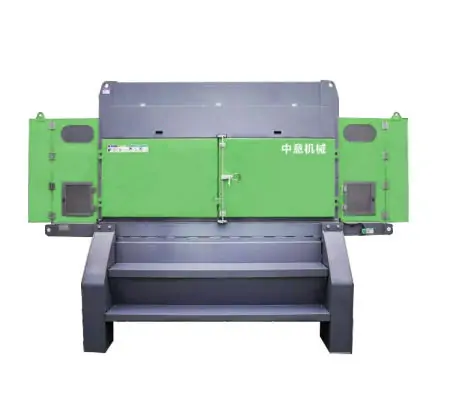
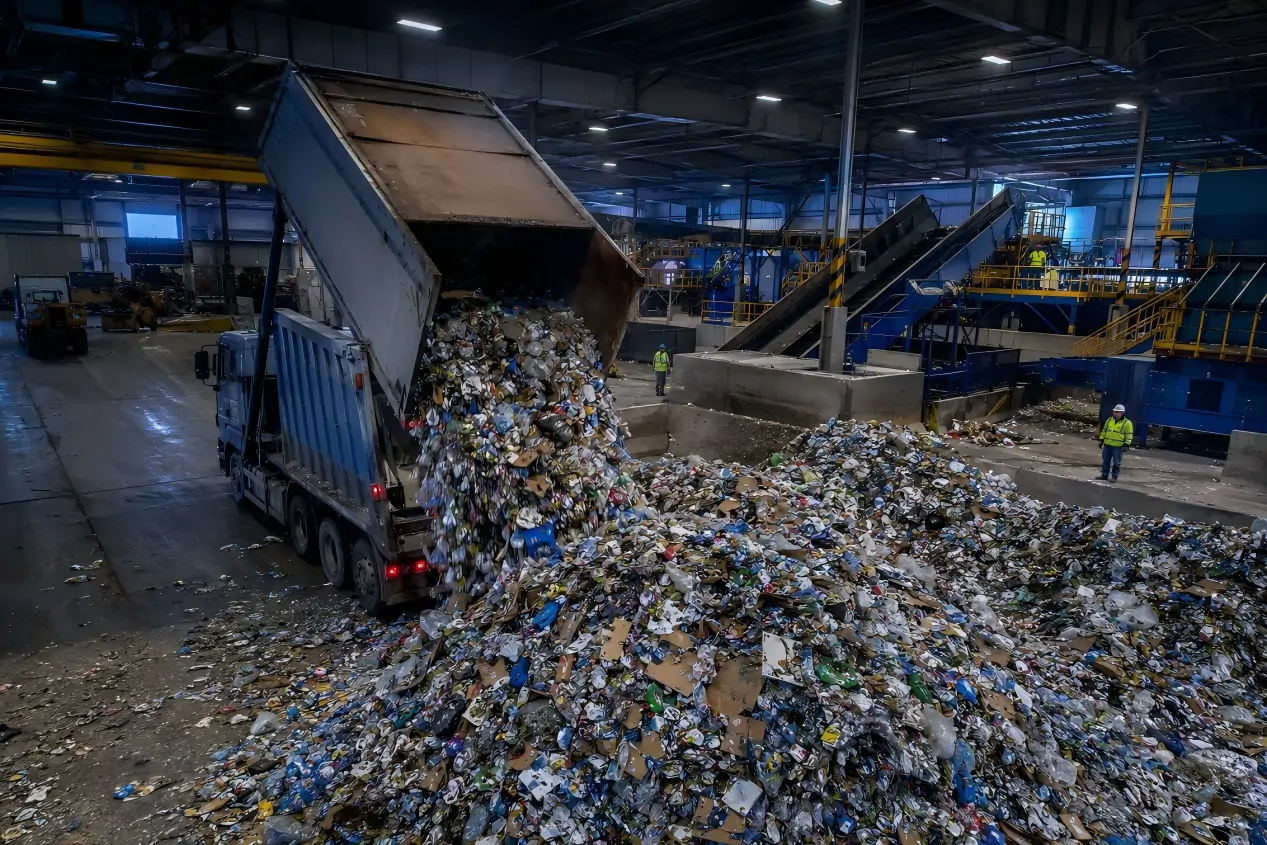
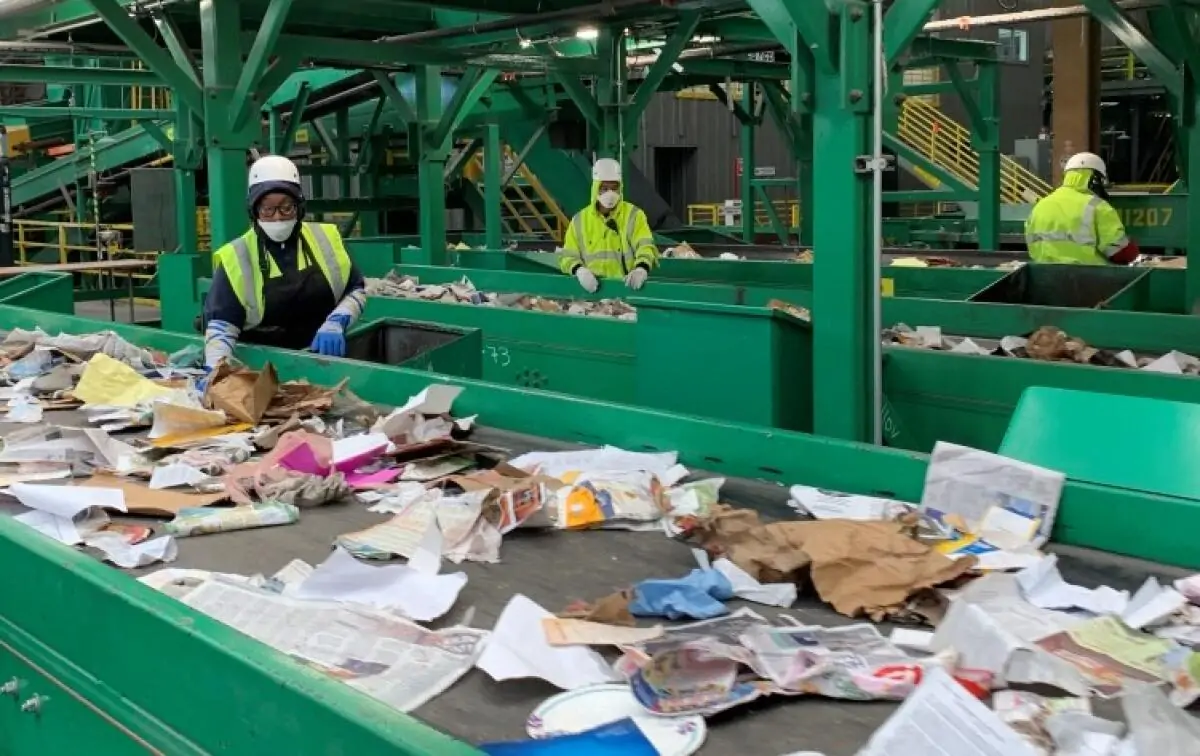
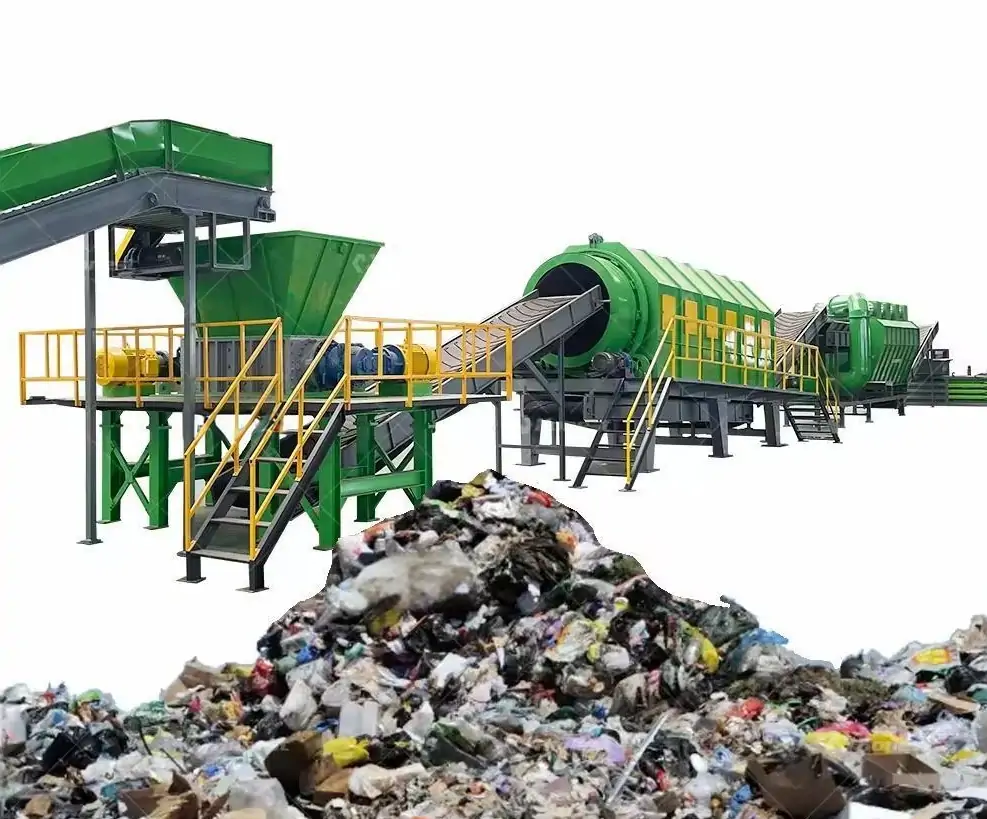
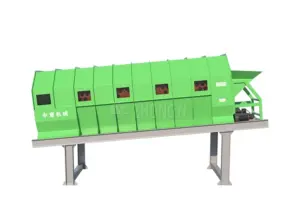
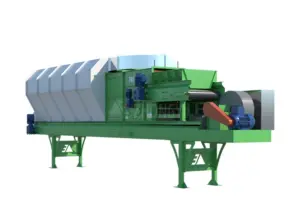
Automatic waste bag opener machines are widely used in MSW recycling and waste treatment systems to open sealed waste bags and loosen compacted materials before sorting. Also known as waste bag breakers in some applications, these machines replace manual bag opening operations and improve the preparation of waste materials for downstream processing.
The machine works through mechanical tearing, pulling, and loosening actions. Using rotating shafts, opening tools, or specially designed components, it opens waste bags and releases internal materials for further screening and separation. This guide explains the working principle, types, components, advantages, and application considerations of automatic waste bag opener machines to help engineers and project owners understand equipment selection and recycling system integration.
What Is an Automatic Waste Bag Opener Machine?
An automatic waste bag opener machine is a front-end processing unit used in waste recycling and treatment systems. Its main purpose is to prepare bagged waste for downstream operations by opening sealed bags, loosening compacted materials, and improving material accessibility before screening and separation.
Unlike shredders, which reduce waste size through cutting or crushing, waste bag openers are designed to open and loosen waste bags while keeping recyclable materials relatively intact. By releasing the materials inside the bags, they help create a more uniform feed stream for subsequent sorting equipment and improve the overall efficiency of recycling systems.
Types of Automatic Waste Bag Opener Machines
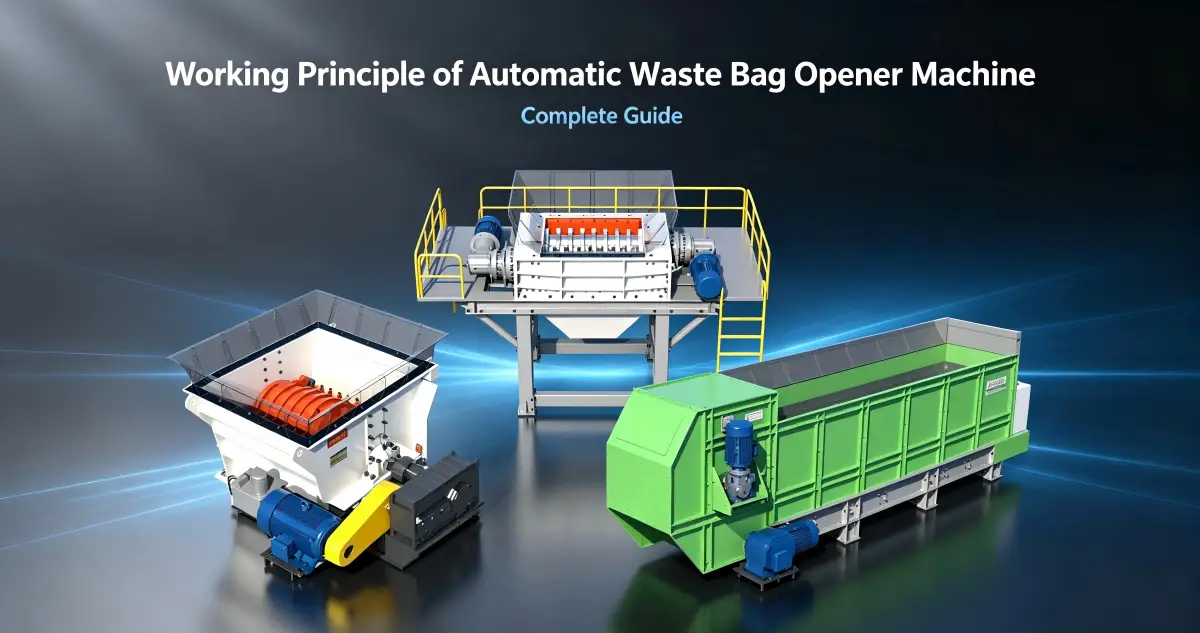
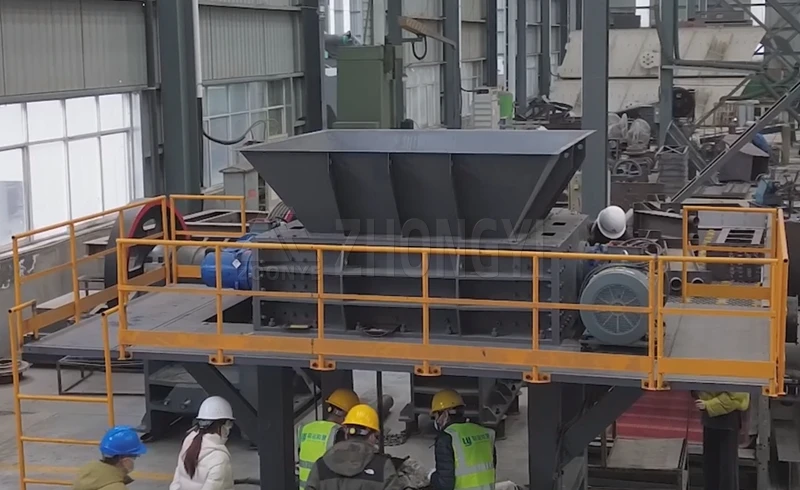
Automatic waste bag openers can be classified by shaft design and automation level.For modern MSW recycling plants, single shaft and double shaft bag openers are the primary solutions, while manual and semi-automatic models are typically used for smaller-scale waste handling operations.If you want to learn how to choose waste recycling equipment for different climates, click here.

Single Shaft Waste Bag Opener
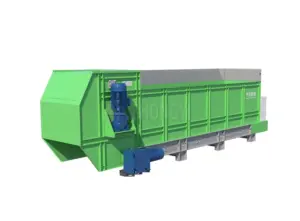
The Single Shaft Automatic Bag Opener Machine is mainly used for opening household waste bags, commercial waste bags, and recyclable material bags before sorting. The machine uses a single rotating shaft to tear and loosen bags, allowing the materials inside to be released for the next processing stage. With a compact structure, stable performance, and easy maintenance, it is suitable for small and medium-scale waste sorting lines with regular waste composition.

Double Shaft Waste Bag Opener
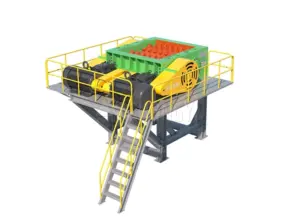
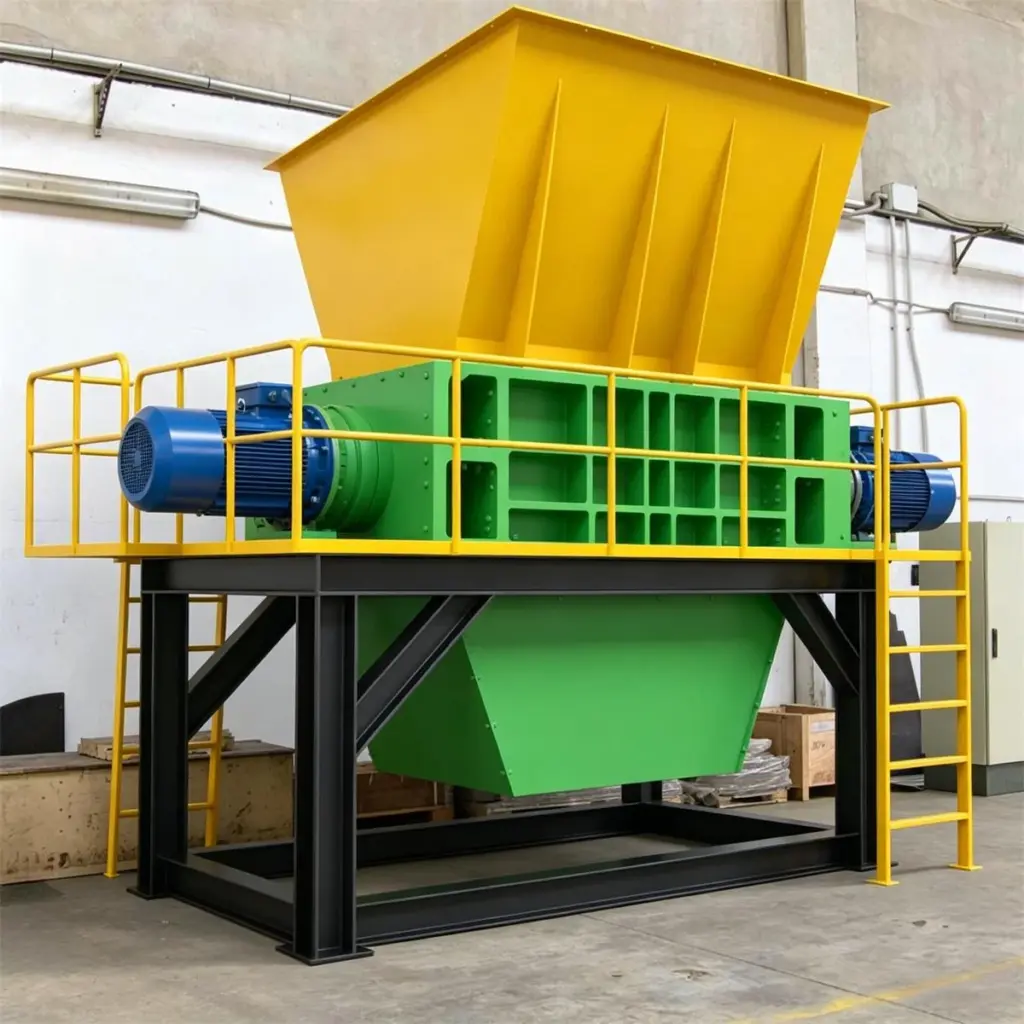
The Double Shaft Plastic Bag Opener Machine is designed for waste streams with higher capacity and more complex material conditions. Equipped with two counter-rotating shafts, it provides stronger pulling and tearing force to effectively open tightly packed plastic bags and mixed waste bags. Compared with single-shaft models, it offers higher processing efficiency and better material release performance, making it suitable for large-scale MSW sorting plants and recycling facilities.

MSW Bag Breaker Machine
The MSW Bag Breaker Machine is developed for municipal solid waste (MSW) treatment plants to break open garbage bags before screening and sorting. Its main function is to separate the waste packaging from the materials inside while avoiding excessive crushing of recyclables. It is commonly installed at the front end of automated waste sorting systems to improve the efficiency of subsequent processes such as screening, magnetic separation, and air separation.
Working Principle of Automatic Waste Bag Opener Machine
How does a waste bag opener work? An automatic waste bag opener machine uses mechanical pulling, tearing, and loosening actions to open sealed waste bags and release the materials inside. The process mainly includes waste feeding, bag grabbing and opening, material loosening, and discharge before downstream sorting.
Waste Feeding Process
Before the bag opening process begins, mixed waste is delivered into the machine through a conveyor, hopper, or feeding system. The feeding unit ensures that waste bags enter the opening chamber at a controlled rate and reduces material accumulation inside the machine.
A uniform feeding process is important because irregular feeding may affect contact between waste bags and opening components, resulting in unstable opening performance. Proper material distribution helps the machine handle different types of bagged waste more efficiently and provides a consistent feed stream for the following opening and sorting stages.
Bag Grabbing and Mechanical Opening
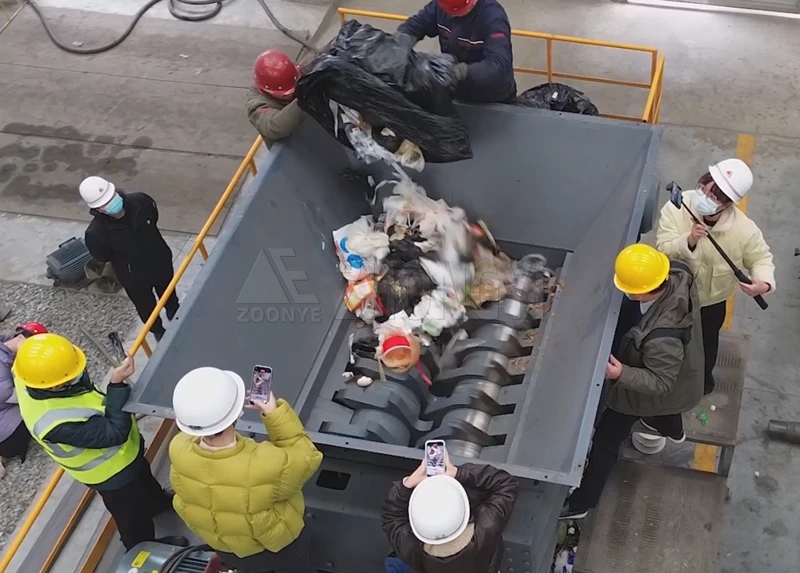
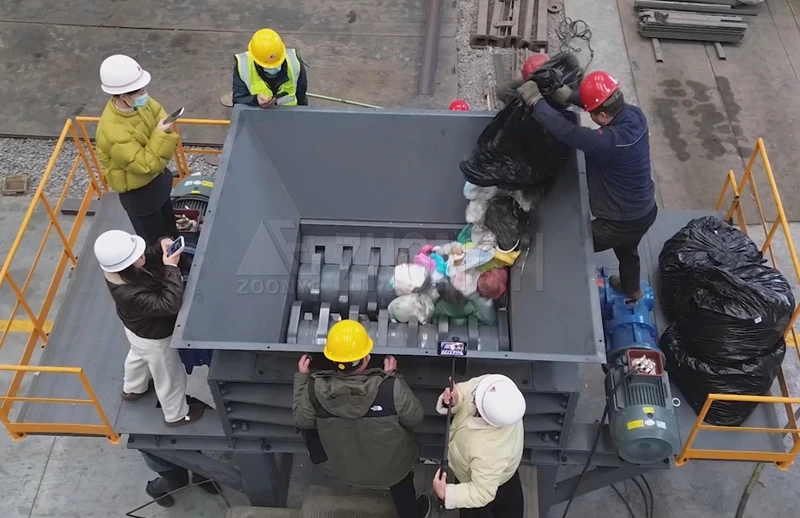
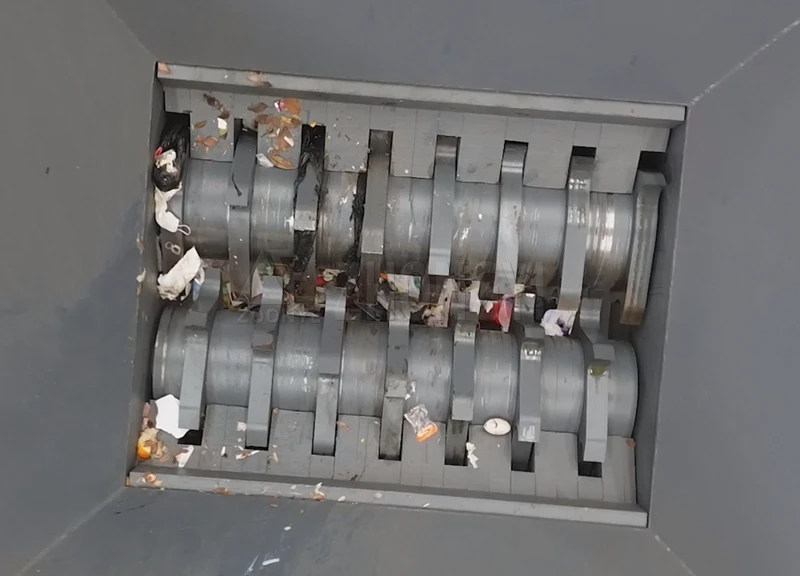
When waste bags enter the opening chamber, rotating shafts equipped with teeth, hooks, or opening tools engage with the bag surfaces and pull them through mechanical force. During rotation, the opening components stretch and break the bag material, allowing the contents to be released while keeping most recyclable materials intact.
The opening performance depends on factors such as shaft configuration, opening tool design, and waste characteristics. Single shaft models mainly use pulling and loosening actions, while double shaft models generate stronger interaction forces through counter-rotating shafts to process more compacted waste streams.
Material Loosening and Homogenization
After the bags are opened, the machine continues to loosen compacted waste and improve material accessibility by dispersing compressed materials more evenly. This process reduces large waste clumps, creates a more uniform material flow, and helps downstream equipment such as screens and separators achieve more efficient sorting performance.
Material Discharge and Transfer
After the opening and loosening process, the materials are discharged through the machine outlet and transferred to downstream sorting equipment. A stable discharge process and uniform material flow provide consistent feeding conditions for equipment such as trommel screens, magnetic separators, air separators, and optical sorters, helping maintain reliable operation of the recycling line.
Advantages of Automatic Waste Bag Opener Machine
Automatic waste bag opener machines enhance waste recycling performance by automating the bag opening process, improving material accessibility, and providing a more consistent feed stream for downstream sorting. Compared with manual bag opening methods, they reduce labor requirements, improve operational safety, and support continuous operation in MSW recycling plants.
Main Components of Automatic Waste Bag Opener Machine
An automatic waste bag opener machine integrates mechanical and power components designed to perform bag opening, material loosening, and continuous processing in recycling systems. The main components include the rotating shaft system, opening tools, drive system, and machine frame.
Rotating Shaft System
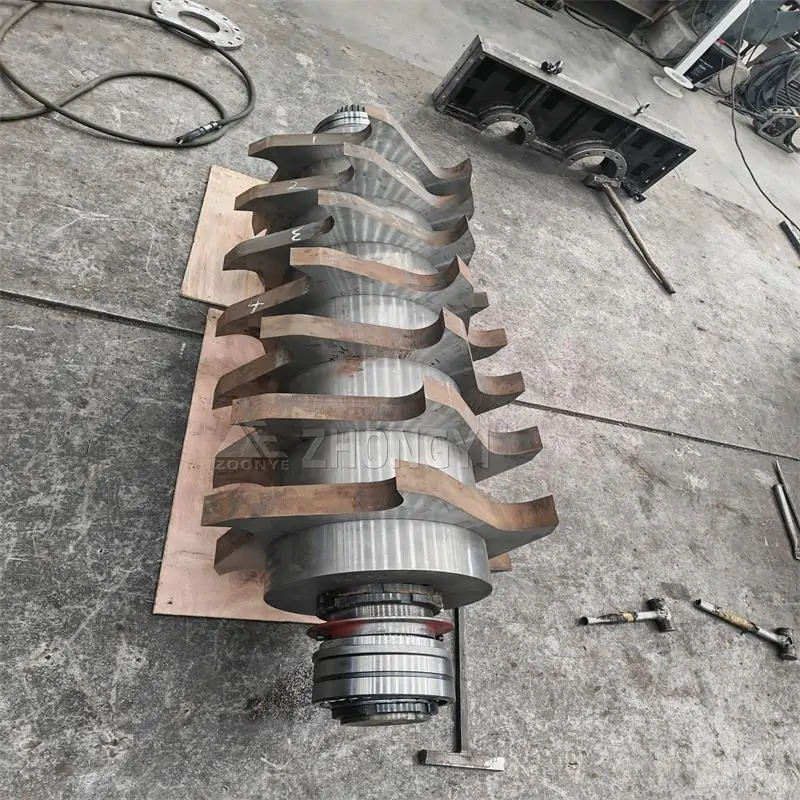
The rotating shaft system is the main operating component of a waste bag opener. It provides the mechanical force needed to grab, pull, and open waste bags during operation. Shaft configuration and rotation performance directly influence opening efficiency, processing capacity, and energy consumption.
Opening Tools and Teeth Design
Opening tools, such as teeth, hooks, or blades, are installed on the rotating shaft to engage with waste bags and generate the forces required for opening. Their design, arrangement, and wear resistance directly affect bag opening performance, material flow stability, and the protection of recyclable materials.
Drive and Power System
The drive system powers the shaft rotation and opening process. It consists of motors, gearboxes, and transmission components. Overload protection helps prevent damage caused by excessive loads or foreign materials.
Machine Frame and Safety Structure
The machine frame supports all operating components and is designed for heavy-duty industrial applications. A strong frame structure helps maintain stable operation under continuous loads, while safety features and access points simplify inspection and maintenance.
Factors Affecting Waste Bag Opening Performance
Waste bag opening performance is determined by the interaction between waste conditions and machine design. Waste composition, moisture content, bag material, and equipment configuration all influence opening efficiency, material handling, and operating reliability.
Automatic Waste Bag Opener Machine vs Manual Bag Opening
Compared with manual bag opening methods, automatic waste bag openers provide a more efficient and stable approach for waste handling. The main differences include processing efficiency, labor requirements, safety, and integration with recycling systems.
| Comparison | Manual Bag Opening | Automatic Waste Bag Opening |
| Processing Efficiency | Low efficiency and limited processing capacity. | Continuous operation with stable throughput. |
| Opening Performance | Depends on operator skill and working conditions. | Consistent bag opening and material release. |
| Labor Requirements | Requires continuous manual handling. | Reduces manual intervention. |
| Working Safety | Workers directly handle waste materials. | Reduces worker exposure to waste. |
| System Integration | Suitable for small-scale applications. | Integrates with automated recycling systems. |
Application of Automatic Waste Bag Opener Machine in MSW Recycling Plants
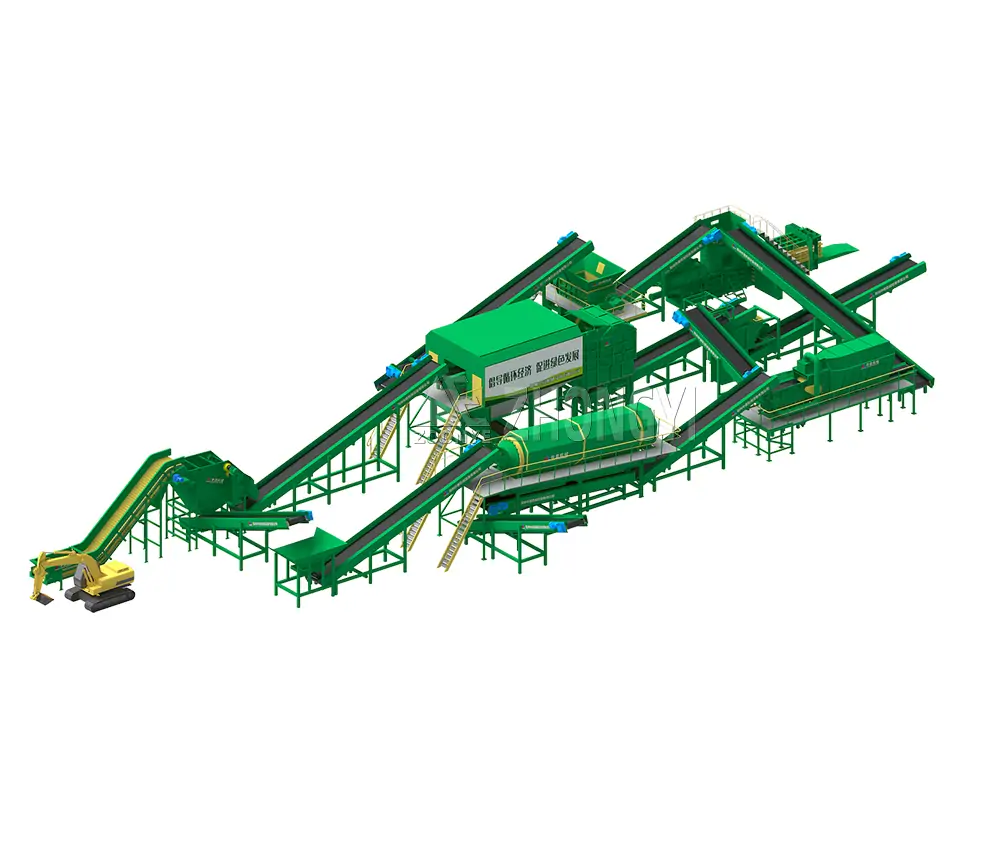
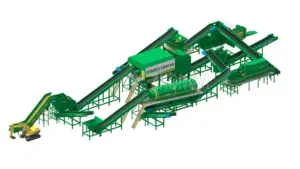
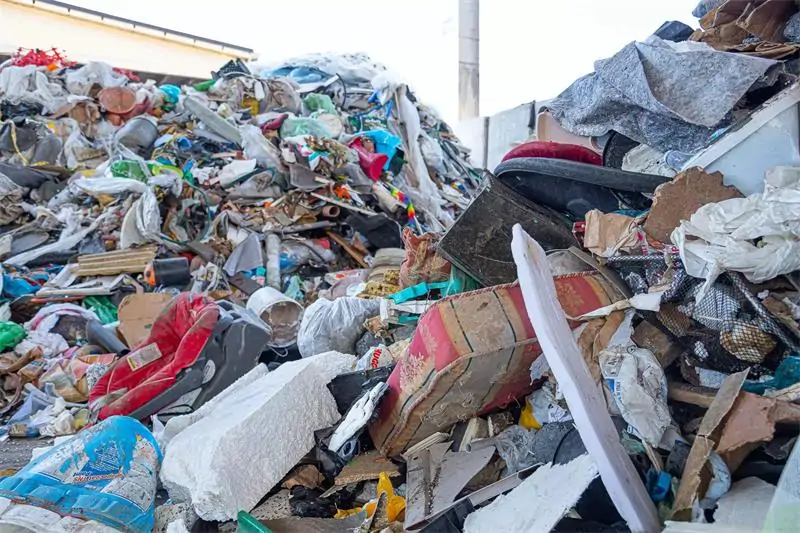
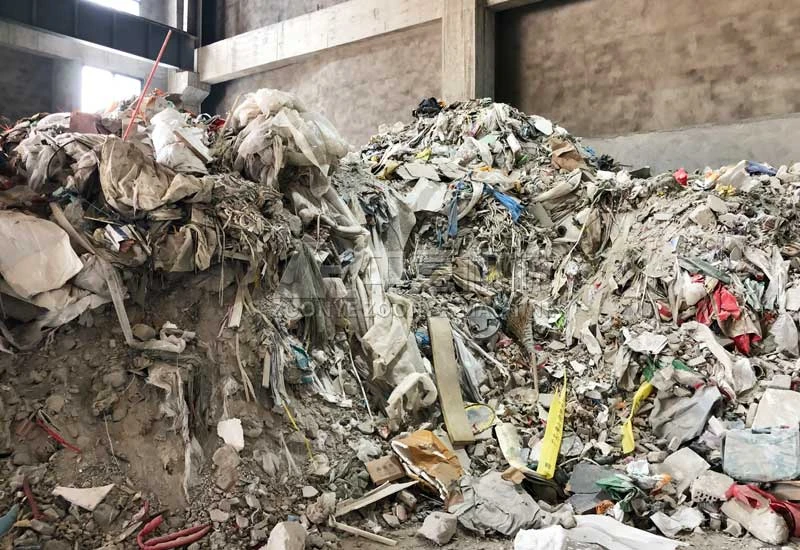
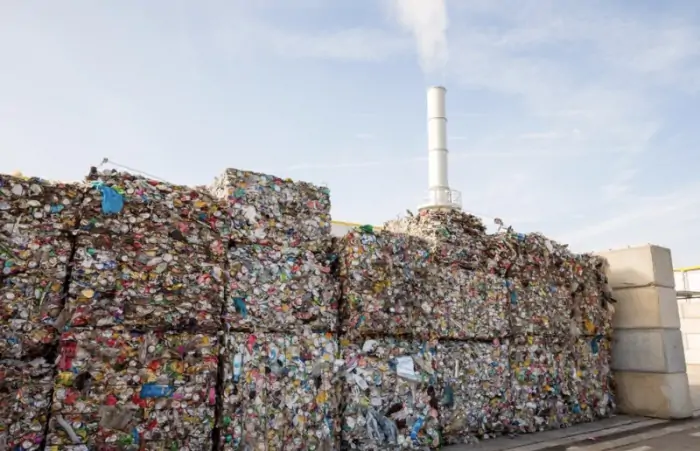
In a municipal solid waste (MSW) recycling plant, the waste bag opener is installed between feeding and sorting processes to open sealed bags and loosen materials. It is commonly integrated with screening, magnetic separation, air separation, and optical sorting equipment. By improving material release and distribution, the machine supports more efficient sorting and reduces manual handling requirements.
How to Choose the Right Automatic Waste Bag Opener Machine?
Selecting the right waste bag opener depends on waste type, processing capacity, system integration, and operating requirements.
Conclusion
Automatic waste bag opener machines play an important role in modern waste recycling systems by opening sealed bags, loosening materials, and improving preparation before sorting. Understanding their working principle, machine types, key components, and application conditions helps recycling plant operators select the right equipment for different waste streams. With proper configuration, a waste bag opener can improve sorting efficiency, reduce manual handling, and support more stable recycling operations.
Need help selecting the right automatic waste bag opener for your recycling project? Contact our technical team for professional guidance and a customized solution based on your waste characteristics, processing capacity, and system requirements.


Andy Yu
Technical Engineer | Zhongyi ECO
16+
Years Exp.
300+
Solutions
50+
Countries
16 years’ experience in environmental and solid waste management, specializing in C&D recycling and waste sorting solutions. At Zhongyi Mining Machinery, focused on improving global clients’ efficiency through technical expertise and tailored configurations.
FAQ
An automatic waste bag opener machine is designed to open sealed waste bags and loosen the materials inside before sorting. It is commonly used as a pretreatment unit in MSW recycling plants, helping release recyclable materials and create a more suitable feed stream for screening, separation, and sorting equipment.
An automatic waste bag opener uses rotating shafts, hooks, teeth, or opening tools to grab and tear waste bags through mechanical force. After the bags are opened, the machine loosens compacted materials and transfers them to downstream equipment such as screens, separators, and optical sorters.
A waste bag opener focuses on opening bags and loosening materials without unnecessary size reduction. A shredder is designed to cut materials into smaller pieces. For recycling applications, bag openers help maintain the integrity of recyclable materials while improving access for downstream sorting equipment.
Automatic waste bag openers are mainly used for municipal solid waste (MSW), commercial waste, RDF production, and other bagged waste streams. The suitable machine design depends on factors such as waste composition, moisture content, bag material, and required processing capacity.
Yes, automatic waste bag openers can be used for wet and mixed waste, but the equipment configuration should match the material conditions. High moisture content, sticky materials, and excessive plastic film may affect material flow, so proper shaft design and opening tools are important.
The main factors include waste composition, moisture level, bag type, processing capacity, and integration with the recycling line. The shaft structure, opening tools, and machine design should be selected according to the specific application to ensure stable operation and reliable bag opening performance.
By opening sealed bags and loosening compacted materials, a waste bag opener improves material accessibility for downstream sorting equipment. It helps create a more consistent material flow, allowing screening, magnetic separation, air separation, and optical sorting systems to operate more effectively.
Proper equipment selection, regular inspection, and timely maintenance help reduce blockage and wear issues. Features such as suitable opening tools, overload protection, and easy-access maintenance designs improve reliability when processing complex waste streams with moisture, plastics, or mixed materials.